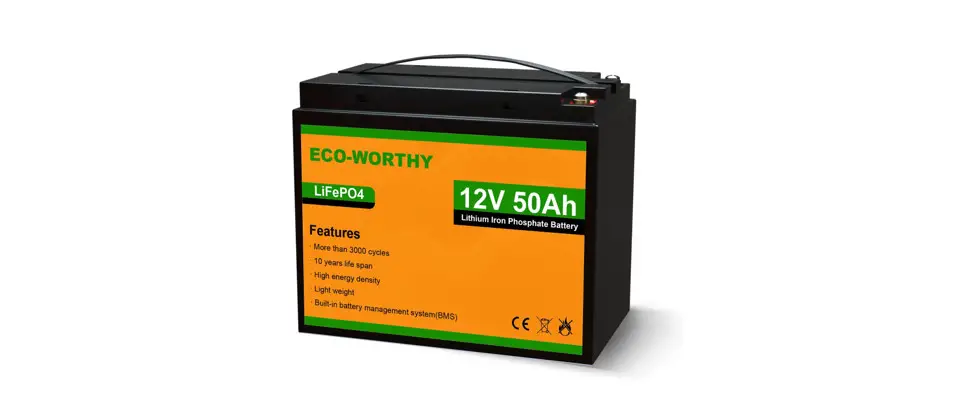
E-15S2P 48V200Ah LiFePO4 Lithium Battery
Eclipse Lithium Battery
48V200Ah LiFePO4 Battery user’s manual
Contents
- Warning
- Product Index
WARNING
Proper use and maintenance will ensure that the battery (or
battery system) will operate reliably and consistently for a long
period of time. After receiving the product, please check if the
packaging is in good condition. If the packaging is broken, there
may be damage to the product. If there is damage, please contact
your retailer or installer. Anyone who does not use or maintain the
battery according to this owner’s manual, gives up any right to
warranty. This battery is to be installed and serviced only by
qualified personnel equipped with appropriate personal protective
equipment and following safe electrical work practices. Always wear
eye protection, gloves, apron and mask when working with batteries.
Also remove any metal / conductive jewelry. Refer to the materials
safety data sheet (msds) for additional information including:
hazards, identifications, electrolyte first aid measures and
precautions for safe handling and use.
Precautions When Working With Batteries
1.PRODUCT INDEX
| Items | Eclipse Lithium Battery |
|---|---|
| Product Model | E-15S2P/ 48V 200Ah |
| Normal Voltage | 48V |
| Nominal Capacity | 200Ah |
| Energy | 9600Wh |
| Internal Resistance | 220m |
| Size | |
| Weight | |
| End of Charge Voltage | |
| End of Charge Current | |
| End of Discharge Voltage | |
| Charge Method | |
| Max.Continuous Charge Current | |
| Nominal Discharge Current | |
| Max. Pulse Discharge Current | |
| Positive | |
| Negative | |
| Operating Temp. | |
| Storage Temp. | |
| Charge | |
| Discharge | |
| Capacity@1C rate | |
| Inverter Disconnect High | |
| Inverter Disconnect Low | |
| Voltage(V) | |
| Capacity(%) |
2.BATTERY USAGE
2.1 Charge
Make sure loads are properly wired to the positive and negative
connections as indicated on the battery case.
2.2 Discharge
3.BATTERY SERVICE ENVIRONMENT
4.SPECIAL ATTENTION
In order to make full use of the energy efficiency of the
battery and prevent accidents such as leakage or heat generation,
please prohibit the following:
- Do not immerse the battery in water.
- If the battery is immersed in water, do not approach. Contact
qualified personnel to remove the battery and dispose of it
safely.
Eclipse Lithium Battery
48V200Ah LiFePO4 Battery user’s manual
Contents
Warning ……………………………………………………………………………………………………………… 2 1 Product Index ………………………………………………………………………………………………….. 3
1.1 Product Parameter…………………………………………………………………………………….. 3 1.2 Product Parameter Graph………………………………………………………………………….. 3 1.3 Battery Management System …………………………………………………………………….4 1.4 Battery Part Identication…………………………………………………………………………….5 2 Battery Usages …………………………………………………………………………………………………. 5 2.1 Charge ……………………………………………………………………………………………………… 5 2.2 Discharge ………………………………………………………………………………………………… 5 3 Battery Service Environment……………………………………………………………………………… 6 4 Special Attention. ……………………………………………………………………………………………. 6 5 Battery Use and Maintenance ………………………………………………………………………. 7 5.1 Battery Storage………………………………………………………………………………………….. 7 5.2 Battery Check Before Use ………………………………………………………………………….. 7 5.3 Battery Installation ……………………………………………………………………………………… 7 5.4 Battery Operating Requirements………………………………………………………………… 8 5.5 Battery Operation………………………………………………………………………………………. 8 5.6 Battery Troubleshooting …………………………………………………………………………….. 9 6 Products Disclaimer…………………………………………………………………………………………… 9
Page 1 of 9
WARNING
Quality Statement
Proper use and maintenance will ensure that the battery (or battery system) will operate reliably and consistently for a long period of time.
After receiving the product, please check if the packaging is in good condition. If the packaging is broken, there may be damage to the product. If there is damage, please contact your retailer or installer. Anyone who does not use or maintain the battery according to this owner’s manual, gives up any right to warranty.
This battery is to be installed and serviced only by qualied personnel equipped with appropriate personal protective equipment and following safe electrical work practices. Always wear eye protection, gloves, apron and mask when working with batteries. Also remove any metal / conductive jewelry. Refer to the materials safety data sheet (msds) for additional information including: hazards, identications, electrolyte rst aid measures and precautions for safe handling and use.
Precautions When Working With Batteries
Consider your access to emergency medical attention, and work safely. Use caution to eliminate the risk of dropping a metal tool on the battery. It could spark or short circuit the battery or other electrical parts and could cause an explosion. Insulated tools are strongly recommended anytime you are working around batteries. Never smoke or allow a spark or flame near the batteries. Remove all metal items, such as necklaces, rings, bracelets, and watches when working with batteries. Batteries can produce a short circuit current high enough to weld metal to skin, causing a severe burn. Ensure that someone is within range of your voice or close enough to come to your aid when you are working near a battery. Wear complete eye / face protection and gloves. Avoid touching your eyes while working near batteries. If you need to disconnect the battery, always remove the negative terminal from the battery rst. Make sure all accessories are turned off so you don’t cause a spark. Never use or combine this battery with another dissimilar battery. Batteries are temperature sensitive. For optimum performance, they should be installed in a stable temperature environment. Always recycle old batteries. Contact your local recycling center for proper disposal information. Never wire the battery in series.
Page 2 of 9
1.PRODUCT INDEX
1.1 Product Parameter
Items
Eclipse Lithium Battery
Product Model Normal Voltage
E-15S2P/ 48V 200Ah 48V
Nominal Capacity Energy
Internal Resistance
200Ah 9600Wh 220m
Size Weight End of Charge Voltage
560mm x 175mm x 635mm (Flexible) 92Kg(Flexible) 54.6V±0.15V
End of Charge Current End of Discharge Voltage
100mA 34.5V±0.15V
Charge Method
0.2C (0.5A) CC/CV
Max.Continuous Charge Current 100A
Nominal Discharge Current
200A(safe)
Max. Pulse Discharge Current Positive
200A/10S M8 Screw Bolt (Red)
Negative
M8 Screw Bolt (Black)
Operating Temp. Storage Temp.
Charge
045
Discharge
-1055
-1045 (60-80% SOC Storage)
Capacity@1C rate 0.2C Inverter Disconnect High Inverter Disconnect Low
200Ah 60V 48V
Voltage(V) Capa city(%)
1.2 Product Parameter Graph
E-15S2P/ 48V 200Ah Charge-Discharge Curve 0.2C,25 100
56
54 95
52
50
48
90
46
44
85
42
40
80
Discharge
38
Charge
36
75
-20 0 20 40 60 80 100 120 140 160 180 200 220
0
Capacity (Ah)
Page 3 of 9
E-15S2P/ 48V 200Ah DOD-Cycles 0.2C,25
100% 80% 50% 1000 2000 3000 4000 5000 6000 7000 8000
Number of Cycles
1.3 Battery Management System
Our lithium iron phosphate (LiFePO4) battery pack includes an onboard digital battery management system(BMS). The BMS monitors voltage, current and temperature on both an individual cell and battery pack level. If any of these measurements deviate outside of their safe operating ranges, the BMS will actively work to correct the deviation. If the deviation cannot be corrected automatically, the BMS will initiate a self-protect shutdown by opening the internal contactor, disconnecting the battery from the charger and loads.
Overcurrent protection If the charge or discharge current of the battery exceeds maximum permissible levels, the BMS will disconnect itself automatically. To recover from a high current shutdown, remove the load from the battery, and then rest the battery by turning the battery OFF and back ON.
Overcharge protection If the battery`s voltage exceeds permissible levels the BMS will disconnect itself automatically. To recover from a high voltage shutdown, remove the charge source from the battery. The battery will automatically reconnect once the charge source has been removed and the battery’s voltage drops down to permissible levels.
Over discharge protection If the battery`s voltage drops below permissible levels the BMS will disconnect itself automatically. To recover from a low voltage shutdown, remove the load from the battery. At this point the battery should be charged immediately. If the battery does not start on its’ own, you may need to put a charger on the battery. If the battery is so discharged that the Low Voltage Shutdown cannot be cleared, the battery must be returned for non-warranty service.
Short circuit protection If the battery suffers from a short circuit, the BMS will automatically disconnect. The battery will resume normal operation after the short circuit is removed.
Temperature protection If the battery`s temperature exceeds permissible levels the BMS will disconnect itself automatically. The battery will automatically reconnect once the temperature has returned to permissible levels.
Safety shutdown features on your inverter(s) and charger(s) should be the rst line of protection against overcurrent or over voltage situations. Set your system’s max current, high battery cutoff (HBCO) and low battery cutoff (LBCO) according to the Charge / Discharge Parameters section of this manual. The Battery Management System`s Shutdown is designed as a last resort self-protect shutdown, and should not be relied upon for managing charge voltage or currents. Doing so will signicantly shorten the battery’s life expectancy and could negatively impact your inverter(s) or charger(s).
Page 4 of 9
1.4 Battery Part Identication
Carry Handle (Left and Right)
Positive Terminal (Red)
Display
Negative Terminal (Black)
Wall Bracket (Left and Right)
Display Parameter Analysis
48.00 v 0.00A voltage current 0.0W 0Wh power energy
Voltage Current
Switch
(test battery status)
Power Energy
2.BATTERY USAGE
2.1 Charge
Charging voltage is 54.6 ± 0.15V. Do not reverse polarity.
2.2 Discharge
Make sure loads are properly wired to the positive and negative connections as indicated on the battery case
Page 5 of 9
3.BATTERY SERVICE ENVIRONMENT
Battery discharge ambient temperature is -10°C~ + 55°C (When the ambient temperature >45°C, please pay attention to the ventilation and heat dissipation). Charging temperature is 0°C ~ + 45 °C. Ambient humidity RH is 85% . Pay attention to eliminate moisture when the ambient humidity is >85%. Condensation on the surface of the battery should be avoided.
4.SPECIAL ATTENTION
In order to make full use of the energy efciency of the battery and prevent accidents such as leakage or heat generation,please prohibit the following ;
Do not immerse the battery in water. If the battery is immersed in water do not approach. Contact qualied personnel to remove the battery and dispose of it safely.
Do not charge, discharge or leave the battery at temperatures over 60°C. Keep away from re, hot temperatures or corrosive substances. Failure to do so can cause battery overheating. Battery overheating can lead to res and potential danger and/or injury.
Do not charge the battery at temperatures below 0°C. Do not reverse the positive and negative terminals. Do not short circuit the
positive and negative of the battery. Do not wire the battery in series under any circumstances. Contact your supplier
or qualied battery installer before wiring in parallel. Do not reverse polarity when attaching to a charger. Never attach the battery
directly to any electrical outlet. Do not transport or store the battery together with metal objects such as
hairpins, necklaces, etc. Do not strike, trample, impact, drop or shock the battery. Do not directly weld the battery connections. Do not pierce the battery with a
nail or other sharp objects. Do not use the battery in any location where static electricity and magnetic
eld is strong. Doing so may be damage the battery protection circuit. Do not overload the battery. Do not alter the circuit board. This could damage the internal circuits and
cause battery failure.
Do not deform or damage the outside of the battery case. Damage to the case may cause electrical component failures and lead to battery instability.
Do not open or remove the case. Do not overcharge or over discharge the battery. Please only use chargers designed to work properly with this battery.
Page 6 of 9
Please charge the battery within 12 hours of a complete discharge. If the battery is not charged within 12 hours of a complete discharge, please test the battery voltage before charging. If the voltage of the battery is < 32V, do not attempt to charge the battery. Remove all wires and isolate the battery. Contact your installer or battery distributor or service person.
If the battery leaks and uid splashes into the eyes or on skin, do not rub the uid. Wash off uid with clean water, and immediately seek medical attention.
In case of accidental re, dry powder re extinguisher or sand should be used.
If the battery gives off a strange odor, generates heat, becomes discolored or deformed, or any abnormality appears during use, storage, or charging, stop the battery from charging and stop use of the battery immediately. Remove and isolate the battery from loads and charging sources and contact your battery supplier or distributor. The terminals of any discarded battery should be covered to reduce any potential
safety hazard. Reversing the positive and negative terminals during charging will damage the
circuit board. Do NOT reverse polarity.
5.BATTERY USE AND MAINTENANCE
5.1 Battery Storage
Storage temperature 0°C~40°C (Optimum storage temperature 15°C~25°C, low humidity). Battery performance is affected by temperature. Especially the change in battery capacity. This is a normal phenomenon. Avoid condensation caused by temperature changes during storage. Failure to do so can lead to corrosion, rust and internal battery failure.
5.2 Battery Check Before Use
After receiving the battery, rst check the packaging carefully. Make sure there has been no damage to the battery during shipment.
Please check the battery exterior for any damage or leakage. If there is any damage or leaking, please contact your installer or distributor immediately.
Please check the polarity of the positive and negative output terminals. Make sure the battery voltage is within a normal range. If the battery terminals are dirty or rusty, clean the terminals with a dry cloth before use. Poor performance may occur due to poor wiring connections to the charger or the loads.
5.3 Battery Installation
Please install the battery to ensure minimal dust, metal or other foreign materials. No smoking or re during installation. Avoid a short-circuit of the battery to prevent equipment damage or personal injury.
The battery should be installed in a well-ventilated space with no direct sunlight. Do not install where it could be submerged in water. The use and storage of the battery should be kept away from any ammable and explosive materials.
Page 7 of 9
When fastening battery terminals, please don’t use excessive force, or the terminals could be damaged.
After installation, please check whether the terminal fasteners are still tight. Clean the surface of battery with dry cloth. Please don’t use oil or other volatile organic solvents to clean or it may damage the case.
Please make sure that the positive (+) & negative (-) polarity is correctly connected. Failure to wire correctly may cause a re or damage the battery and electrical appliances.
After installation, test the battery and equipment. Observe whether the equipment and battery are working correctly.
5.4 Battery Operating Requirements
The charge and discharge current of the battery shall not exceed the specied maximum charge and discharge current. Current input or output beyond recommended levels may affect the lifespan of the battery, damage the internal circuitry, or even cause a dangerous situation.
When the battery is in a low state of charge, it should be charged quickly. This helps prolong battery life. If the battery is not charged quickly from an extremely low state of charge, battery life will be affected.
LIFEPO4 batteries prefer a shallow discharge and charge cycle. For longest life, a discharge of 20%, leaving 80% of the nominal capacity is recommended.
5.5 Battery Operation
It is possible to over-discharge the battery if the battery is not used for long time. In order to prevent over-discharging, the battery shall be charged every 2 months to maintain a certain voltage range of 49.95V~51V . For best life, a SOC/ capacity calibration shall be performed. This calibration method charges the battery fully, then discharges slightly to prevent an a possible over-discharged state. Letting a battery sit for months without this procedure can lead to battery problems. Contact your installer or distributor for more information about this procedure.
Don’t use organic solvents to clean the battery case.
A battery is a consumable product with limited cycle life. Please replace it before the diminished capacity can’t meet the needs of the end user.
In order to prevent failure of the overcharge protection board, do not charge for overly long periods of time. After the battery is fully charged, remove it from the charger. Only use acceptable battery chargers and operate the chargers according to proper voltages for recommended amounts of time. Failure to do so can damage the battery and possibly cause a potentially dangerous situation.
A shallow charge and discharge of the battery ensures that the battery can be used optimally.Overcharge and over discharge may cause the battery to overheat, re or failure, shorten life, or other possible dangerous situations.
Battery switches, displays and USB ports are not considered warranty items. The battery can function ne without these items.
Waste lithium batteries should be recycled and disposed in accordance with local laws.
Page 8 of 9
5.6 Battery Troubleshooting
Battery voltage is too low after being fully charged. Solution:Contact your installer or distributor. Battery is in long-term storage with no use and is not being maintained properly. Solution:Please test the battery voltage. If the battery voltage is <30V, it can’t be charged and needs to be un-wired and isolated. Please consult your installer or distributor. If the voltage is 30V, the battery can be isolated to its’ own charger and checked to see if it can be charged normally. Battery Disconnection Solution:Battery is powered but no voltage is present. Contact your installer or distributor. Battery has suffered a collision and has damage to the case or has an electrolyte odor. Solution:It’s not in the end user to repair a damaged battery. Contact your installer or distributor. Insufcient capacity Solution:Charge fully and discharge to 50% SOC the battery with 3~5 cycles. Battery voltage is not stable or the battery cannot charge or discharge normally. Solution:Contact your installer or distributor.
Connectors or terminals not making good contact Solution:Clean or replace the connectors.
Any other problems not described in this manual. Solution:Contact your installer or distributor.
6.PRODUCTS DISCLAIMER
Before using the battery, please read the specications, usage/ maintenance instructions and pay careful attention. Suppliers are not responsible for any incident caused by not installing and operating the battery according to this manual. Any problems from incorrect use, installation, connection, or input/output power, inconsistent with this manual, may cause damage to product. Improper use or installation can lead to battery damage and possible damage to the structure the battery is housed and cause injury.
The manufacturer and distributors are not responsible for incorrectly installed or used batteries. The manufacturer or distributors are not responsible for damage to equipment from improper use or installation of these batteries.
Page 9 of 9