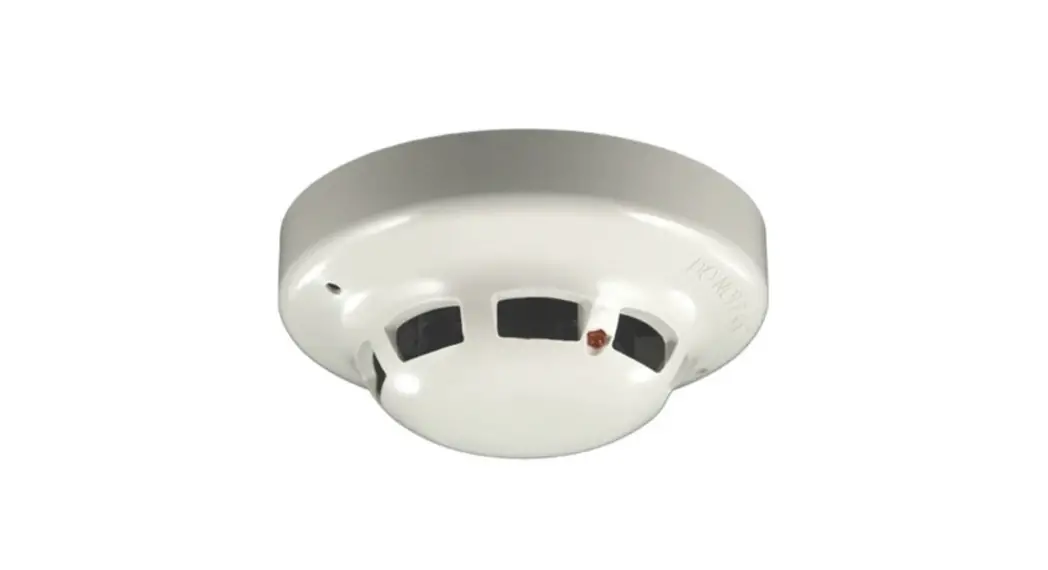
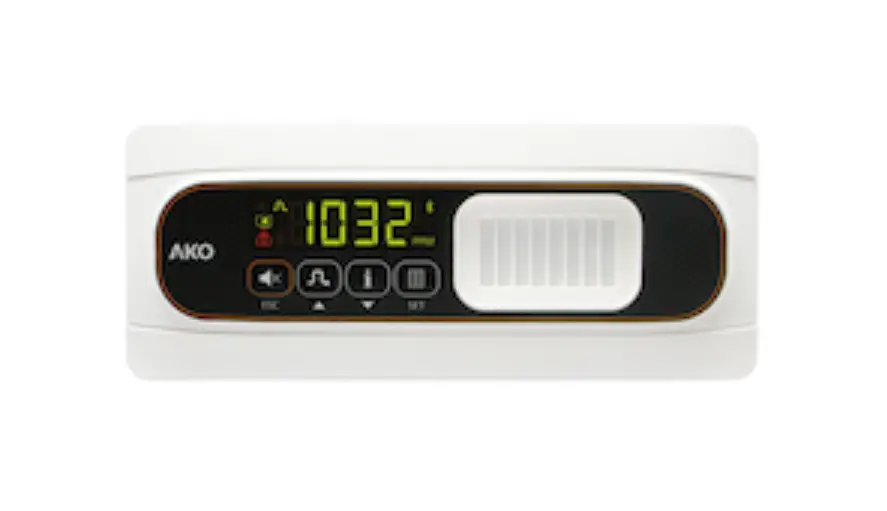
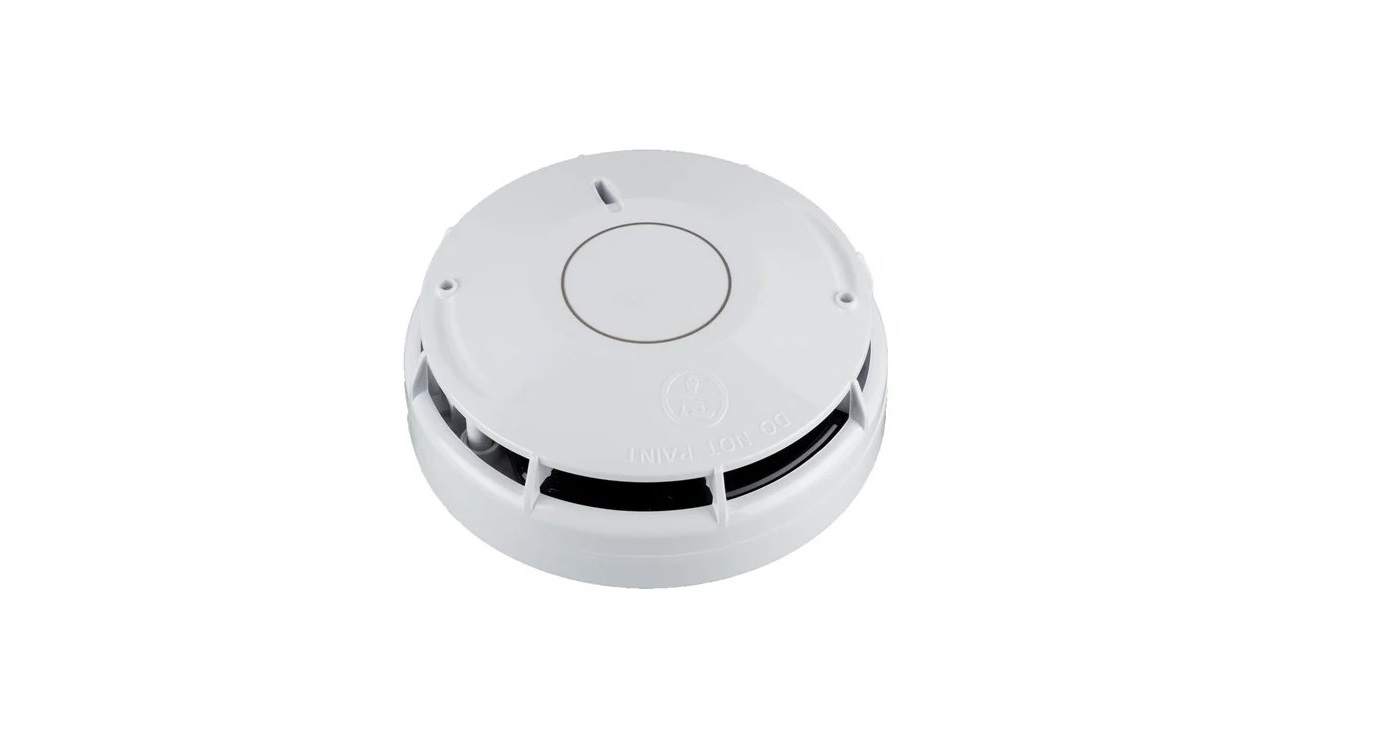
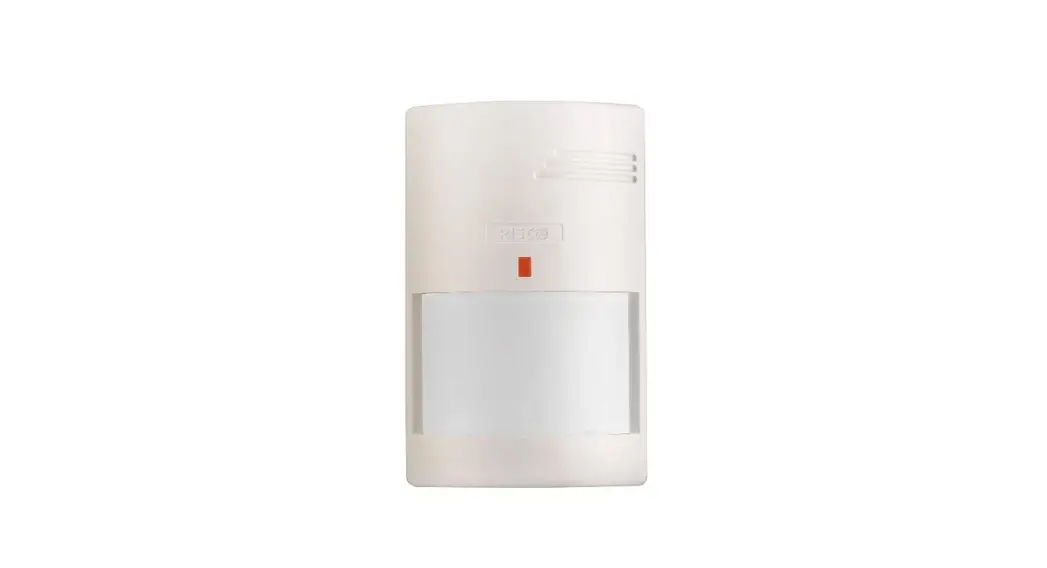
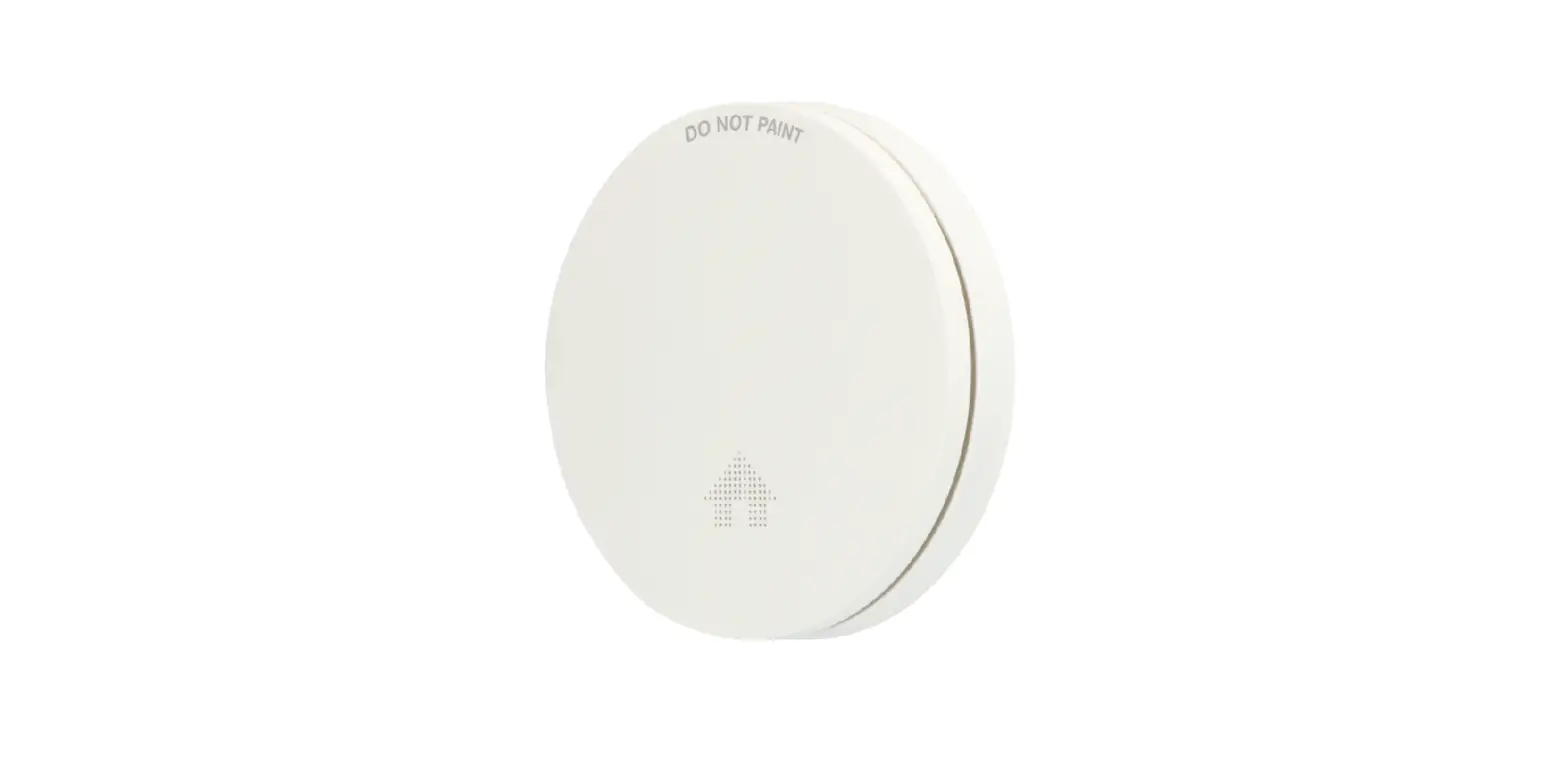
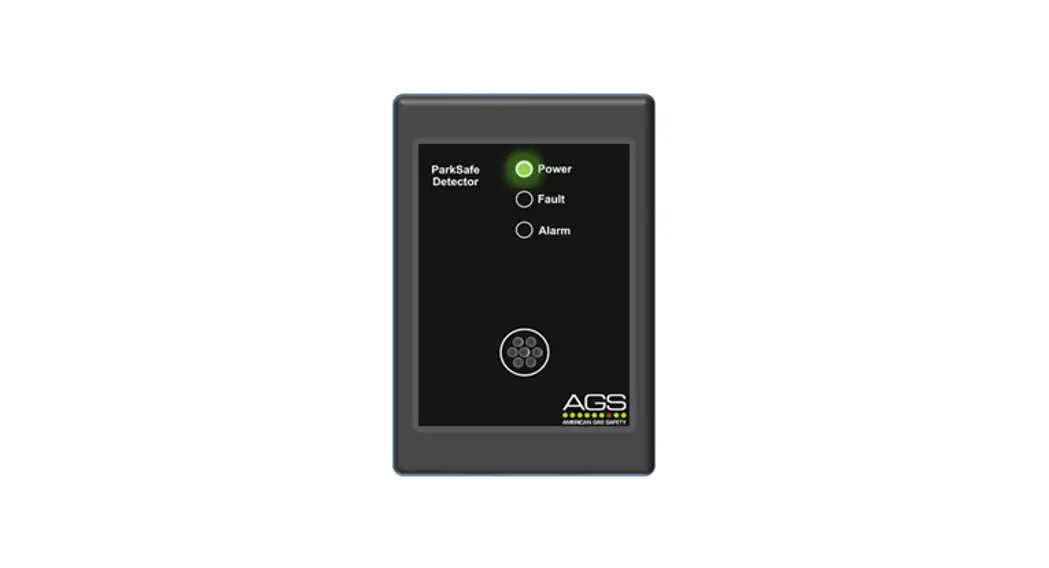
AKO-57614 Universal Detectors
Product Information:
Product Model: AKO-5761x
User Manual Edition: 5532H631 Ed.03
Revision: 355532631 REV.02 2023
Languages: Spanish (es), English (en), French (fr), German (de),
Portuguese (pt)
Product Usage Instructions:
- Drilling and Mounting:
- For cable entry, drill a 16 mm hole in the lower area and
attach the supplied cable gland. - Use the provided template to mark the fastening holes on the
wall. - Drill the marked holes and then attach the pushbutton using the
supplied screws and wall plugs. - Note: If attaching to the wall of a cold room, do not use the
wall plugs. - The pushbutton must be located no more than 1.25 m from the
ground, positioned horizontally, and in a visible location inside
the cold room.
- Insert the cable through the gland and tighten it.
- Strip and cut the cable sheath to ensure that the wires arrive
at the connector strip without tension. - Install the connector tips on the ends of the three wires.
- Connect the wires according to the installation diagram.
- Do not use silicone or other sealants to close openings.
es en fr de pt
5532H631 Ed.03
AKO-5761x
es Instalación de detectores en Installation of detectors fr Installation de détecteurs de Installation von Sensoren pt Instalação de detetores
ADVERTENCIAS / WARNINGS / AVERTISSEMENTS / WARNUNGEN / ADVERTÊNCIAS
es -Para la instalación en el interior de cámaras frigoríficas, utilizar siempre detectores tipo UNIVERSAL AKO-57614. -Utilizar cable tipo V3V3-fr de 3 conductores de 0,5 mm2, la tensión de aislamiento debe ser de 300/500 V. -No ubicar el detector o pulsador cerca de zonas donde se pueda formar hielo o condensaciones (evaporadores, puertas, etc.) en -For installation inside refrigeration chambers, always use UNIVERSAL (AKO-57614) type detectors. -Use type V3V3-fr cables with three 0.5 mm2 conductors. Insulation voltage must be 300/500 V. -Do not install the detector or button near areas where ice or condensation could form (evaporators, doors, etc.). fr -Pour l’installation à l’intérieur de chambres froides, utiliser systématiquement des détecteurs de type UNIVERSEL (AKO-57614). -Utiliser un câble de type V3V3-fr à 3 conducteurs de 0,5 mm2. La tension d’isolation doit être de 300/500 V. -Ne pas installer le détecteur ou bouton-poussoir à proximité de zones exposées à la formation de givre et à la condensation (évaporateurs, portes, etc.). de -Für die Installation in Kühlräumen müssen immer die UNIVERSAL-Sensoren (AKO-57614) verwendet werden. -Es muss das 3-adrige Kabel V3V3-fr mit Leiterquerschnitt 0,5 mm2 verwendet werden; die Isolationsspannung muss 300/500 V sein. -Der Sensor oder die Taste darf nicht in Bereichen installiert werden, wo sich Eis oder Kondensat bilden kann (Verdampfer, Türen usw.). pt -Para a instalação no interior de câmaras frigoríficas, utilizar sempre os detetores de tipo UNIVERSAL (AKO-57614). -Utilizar um cabo de tipo V3V3-fr de 3 condutores de 0,5 mm2, com uma tensão isolamento de 300/500 V. -Não situar o detetor ou botão próximo de zonas sujeitas à formação de gelo ou condensação (evaporadores, portas, etc.)
es en fr de pt
5532H631 Ed.03
1
Æ16 mm
2
x2 Ø 3 mm
+ x2 Ø 5 mm
B A
es -Realizar un agujero de 16 mm para la entrada de cables en la zona inferior y montar el prensastopa suministrado. -Utilizar la plantilla suministrada para marcar los orificios de sujeción a la pared, taladrar y fijar el pulsador mediante los tornillos y tacos suministrados. En caso de fijarlo en la pared de una cámara, no utilizar los tacos. -El pulsador debe situarse a una altura no superior a 1,25 m del suelo, en posición horizontal y debe estar en un lugar visible del interior de la cámara.
en -Drill a 16 mm hole in the lower area for cable entry and attach the supplied cable gland. -Use the template provided to mark the fastening holes on the wall, drill them and then attach the pushbutton using the screws and wall plugs supplied. If attaching to the wall of a cold room, do not use the wall plugs. -The pushbutton must be located no more than 1.25 m from the ground, positioned horizontally, and must be in a visible location inside the cold room.
fr -Percer un trou de 16 mm pour le passage des câbles au niveau de la zone inférieure et monter le presse-étoupe fourni. -Utiliser le gabarit fourni pour marquer les trous de fixation murale, percer et fixer le bouton-poussoir avec les vis et chevilles fournies. En cas de fixation sur la paroi d’une chambre, ne pas utiliser les chevilles. -Le bouton-poussoir doit être placé à une hauteur maximale de 1,25 m par rapport au sol, en position horizontale et doit être installé dans un endroit visible depuis l’intérieur de la chambre.
de -An der Unterseite eine Bohrung mit Durchmesser 16 mm für den Kabeleingang anfertigen und die mitgelieferte Stopfbuchse montieren.
-Mithilfe der mitgelieferten Schablone die Löcher für die Wandbefestigung markieren, bohren und den Tastschalter mittels der mitgelieferten Schrauben und Dübel befestigen. Bei Befestigung an einer Kammerwand keine Dübel verwenden.
-Der Tastschalter muss an gut sichtbarer Stelle waagerecht und im Abstand von höchstens 1,25 m vom Boden im Kühlraum installiert werden.
pt -Fazer um buraco na zona inferior com 16 mm de diâmetro para a passagem dos cabos e instalar o bucim fornecido.
-Utilizar o projeto fornecido para marcar os orifícios de fixação na parede, furar e fixar o interruptor com os parafusos e buchas fornecidos. Em caso de fixação na parede de uma câmara, não utilizar as buchas.
-O interruptor deve encontrar-se a uma altura do chão não superior a 1,25 m, na horizontal e num local visível no interior da câmara.
es en fr de pt
3
5532H631 Ed.03
es -Introducir la manguera a través del prensastopa y apretarlo. -Pelar y cortar la manguera de forma que los cables lleguen sin tiranteces a la regleta. -Instalar las punteras en el extremo de los tres cables. -Conectar los cables según el esquema de instalación.
en -Insert the cable through the gland and tighten it. -Strip and cut the cable sheath so that the wires arrive at the connector strip without tension. -Install the connector tips on the ends of the three wires. -Connect the wires according to the installation diagram.
fr -Introduire le tuyau à travers le presse-étoupe et le serrer. -Dénuder et couper le tuyau de manière à ce que les câbles puissent être raccordés à la réglette sans aucune tension. -Placer les embouts à l’extrémité des trois câbles. -Raccorder les câbles selon le schéma d’installation.
de -Das Kabel durch die Stopfbuchse einführen und die Stopfbuchse anziehen. -Den Kabelmantel abschälen und so zuschneiden, dass die Leiter ohne Zugbelastung die Klemmenleiste erreichen. -Die Anschlussstecker an den Enden der drei Leiter anbringen. -Die Kabel gemäß dem Anschlussschema der Anlage anschließen.
pt -Introduzir o tubo através do bucim e apertar. -Descarnar e cortar o tubo para que os cabos não estejam em tensão quando ligados ao bloco de terminais. -Colocar as pontas nas extremidades dos três cabos. -Ligar os cabos respeitando o esquema de instalação.
es en fr de pt
5532H631 Ed.03
4
180 º
es -Cerrar el detector. -El cable debe salir del detector hacia abajo dibujando una curva de 180 º (según muestra la imagen) para evitar que pueda llegar agua a la entrada de cables.
IMPORTANTE -No utilizar siliconas ni otros sellantes para cerrar oberturas. en -Close the detector. -The cable must make a 180 º bend after exiting from the bottom of the detector (as seen in the image) to prevent water from reaching the wires.
IMPORTANT -Do not use silicone or other sealants to close openings.
fr -Fermer le détecteur. -Le câble doit sortir du détecteur vers le bas en dessinant une courbe de 180 º (comme indiqué sur l’image) pour éviter toute infiltration d’eau au niveau de l’entrée de câbles.
IMPORTANT -N’utiliser ni silicone ni tout autre mastic pour étanchéiser les ouvertures.
de -Den Sensor schließen. -Das Kabel muss nach unten und mit einem Biegeradius von 180 ° (siehe Abbildung) aus dem Sensor geführt werden, um zu verhindern, dass Wasser durch die Kabeldurchführung eindringt.
WICHTIG -Zum Verschließen von Öffnungen kein Silikon oder sonstige Dichtmittel verwenden.
pt -Fechar o detetor. -O cabo deve sair do detetor em direção descendente, fazendo uma curva de 180 º (tal como mostra a imagem) para evitar que os cabos entre em contacto com água.
IMPORTANTE -Não utilizar silicones nem outros materiais vedantes para fechar aberturas.
355532631 REV.02 2023
AKO ELECTROMECÁNICA , S.A.L. Avda. Roquetes, 30-38 08812 · Sant Pere de Ribes. Barcelona · Spain. www.ako.com
Nos reservamos el derecho de suministrar materiales que pudieran diferir levemente de los descritos en nuestras Hojas Técnicas. Información actualizada en nuestra web. We reserve the right to supply materials that might vary slightly to those described in our Technical Sheets. Updated information is available on our website. Nous nous réservons le droit de fournir des produits qui peuvent légèrement différer de ceux décrits dans nos Fiches techniques. Informations actualisées sur notre site Web . Geringfügige Änderungen der Materialien gegenüber den Beschreibungen in den technischen Datenblättern vorbehalten.Aktualisierte Informationen finden Sie auf unserer Website. Reservamo-nos o direito de fornecer materiais que podem divergir ligeiramente dos materiais descritos nas nossas Fichas Técnicas. Informações actualizadas no nosso website.
 Industrial refrigeration: control and safety | AKO Group