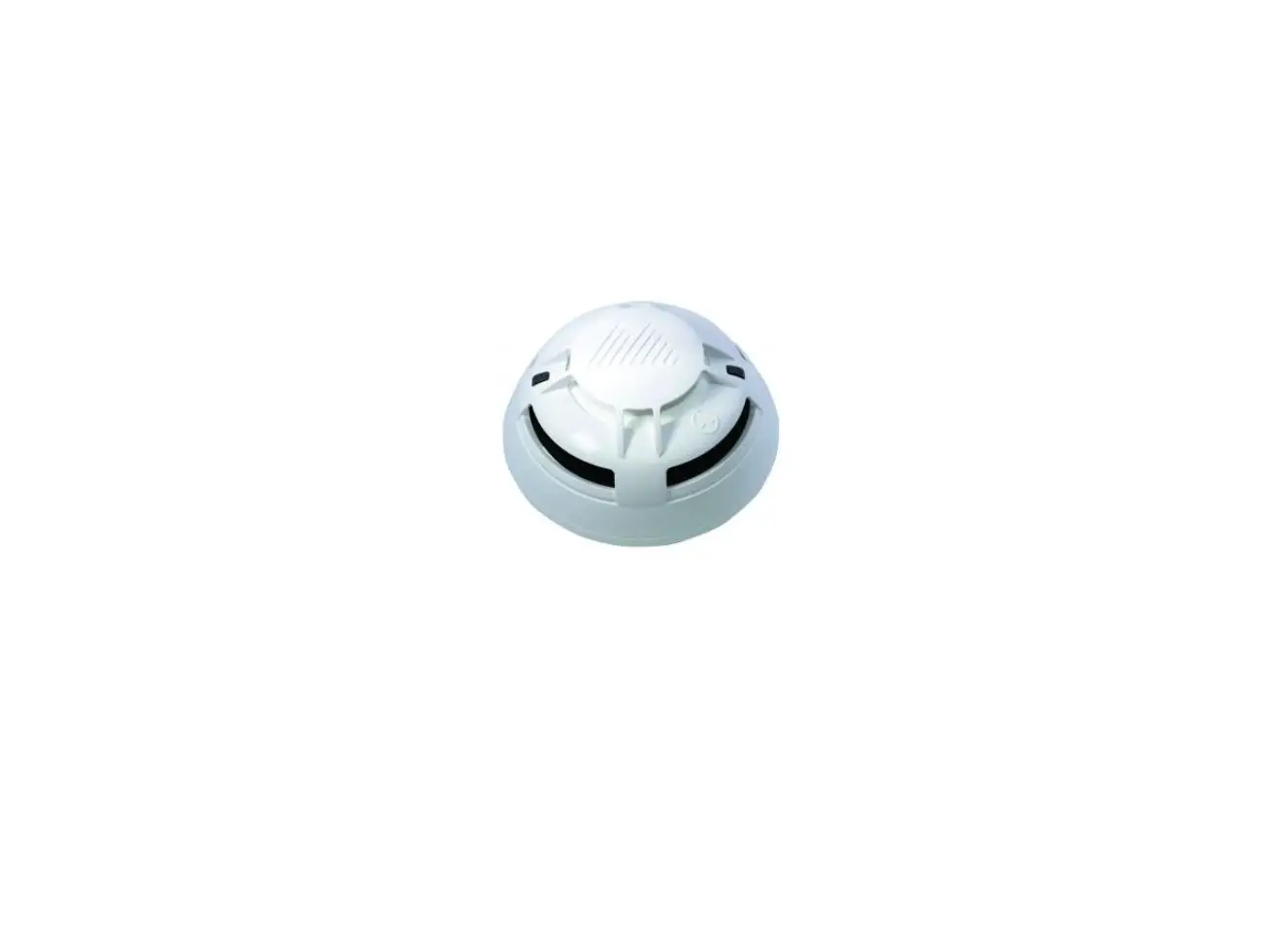
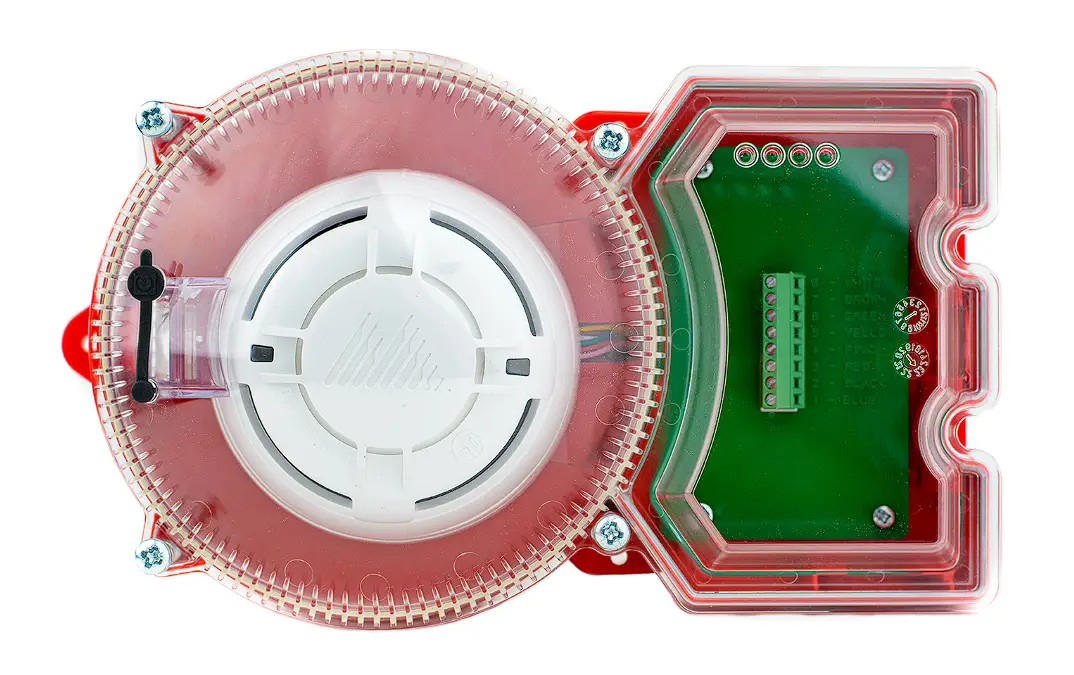
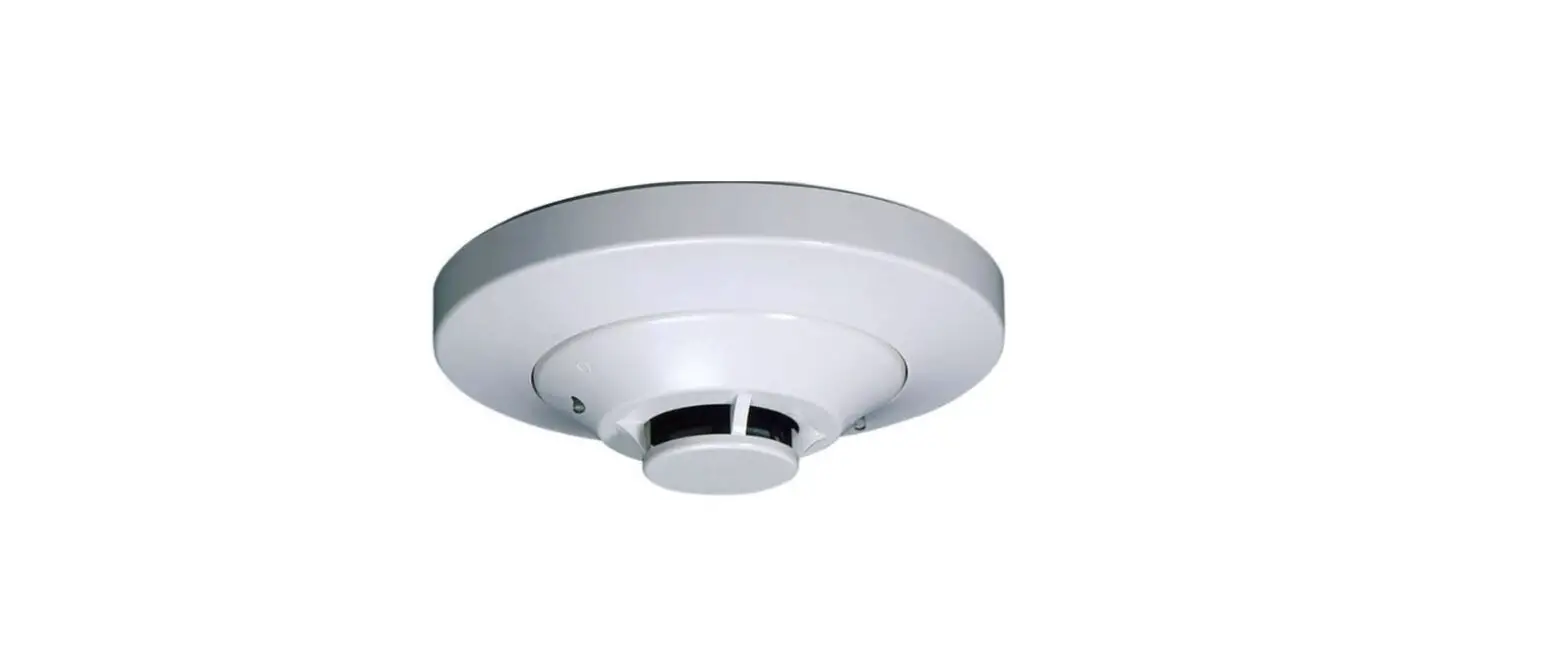
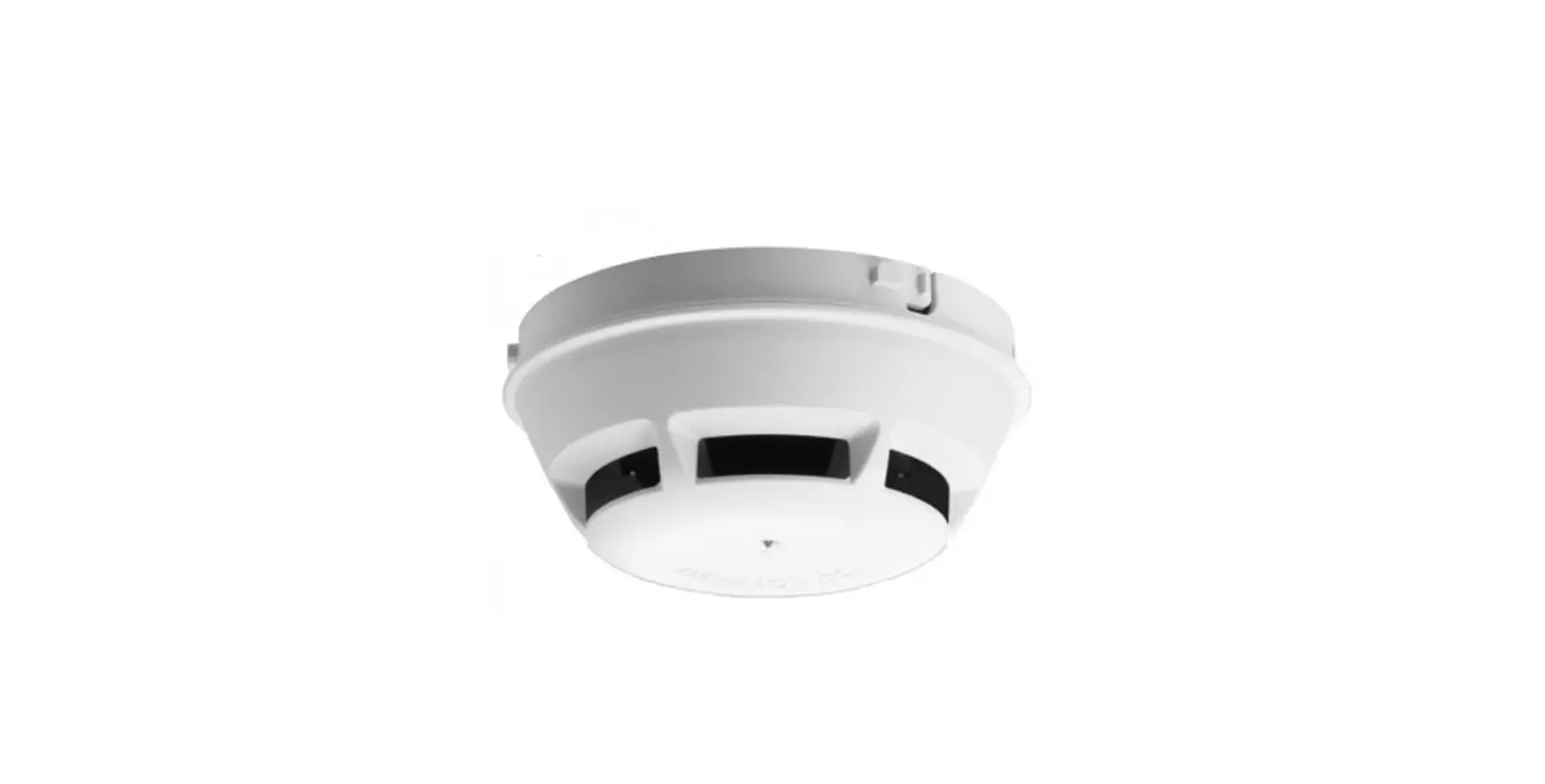
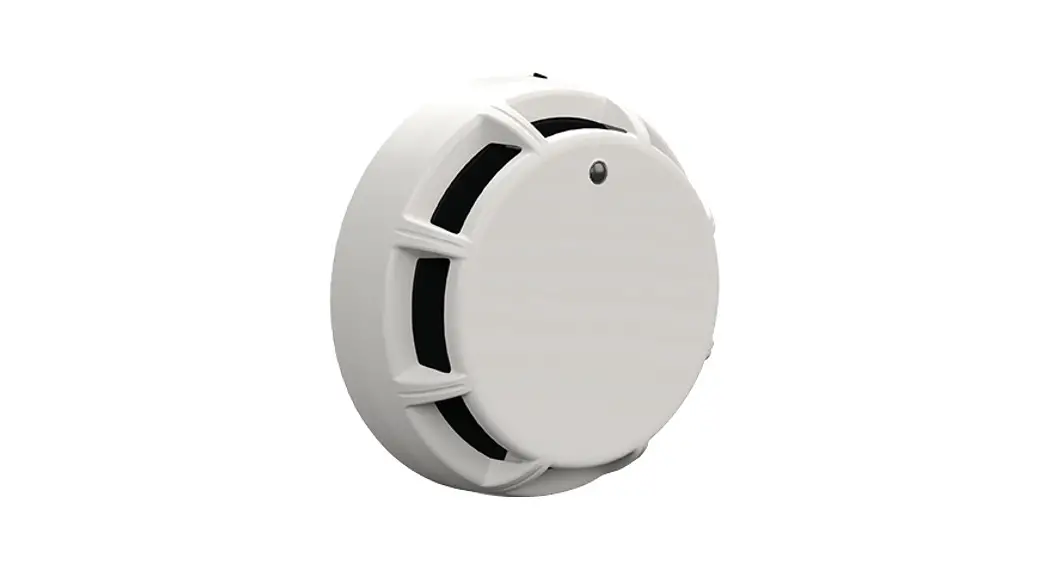
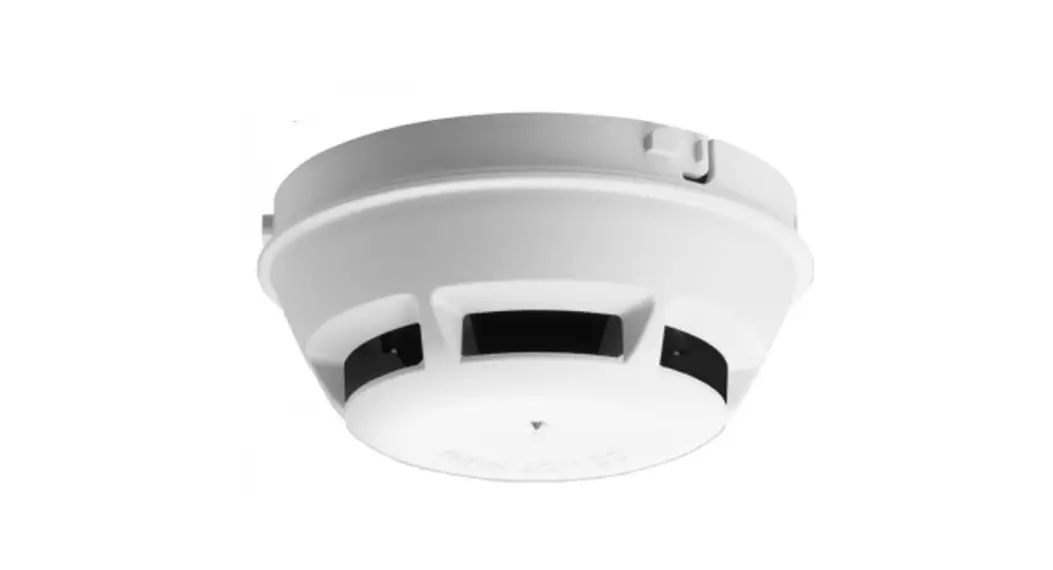
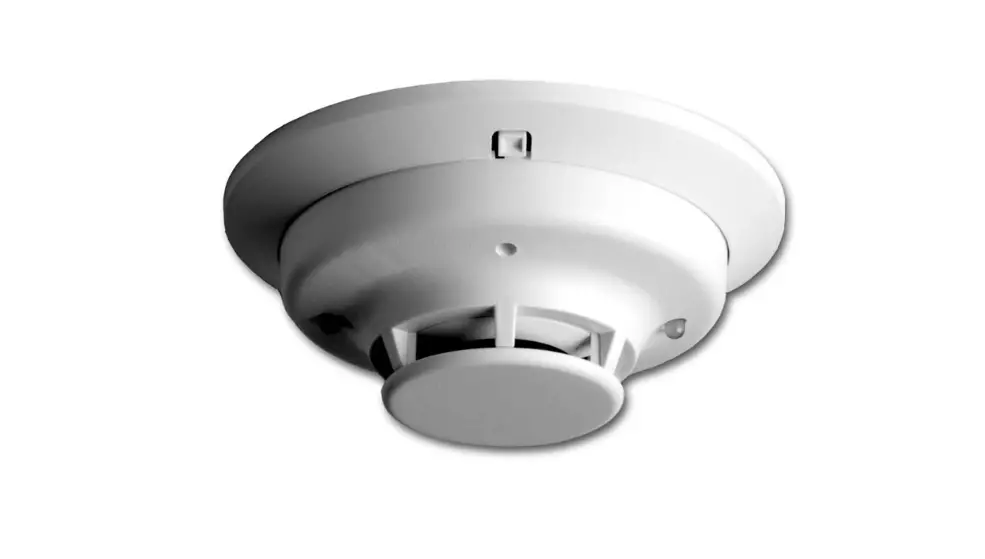
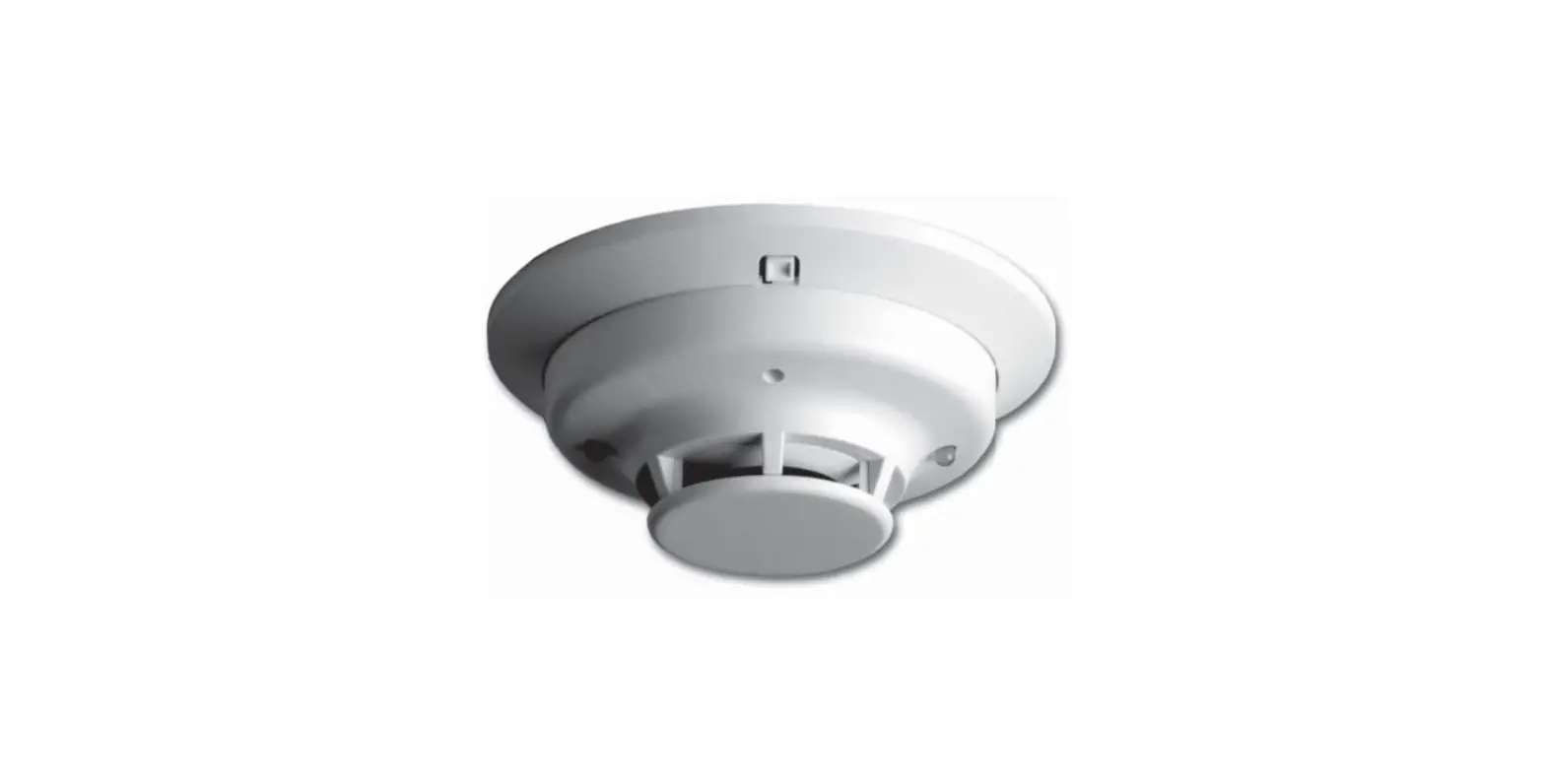
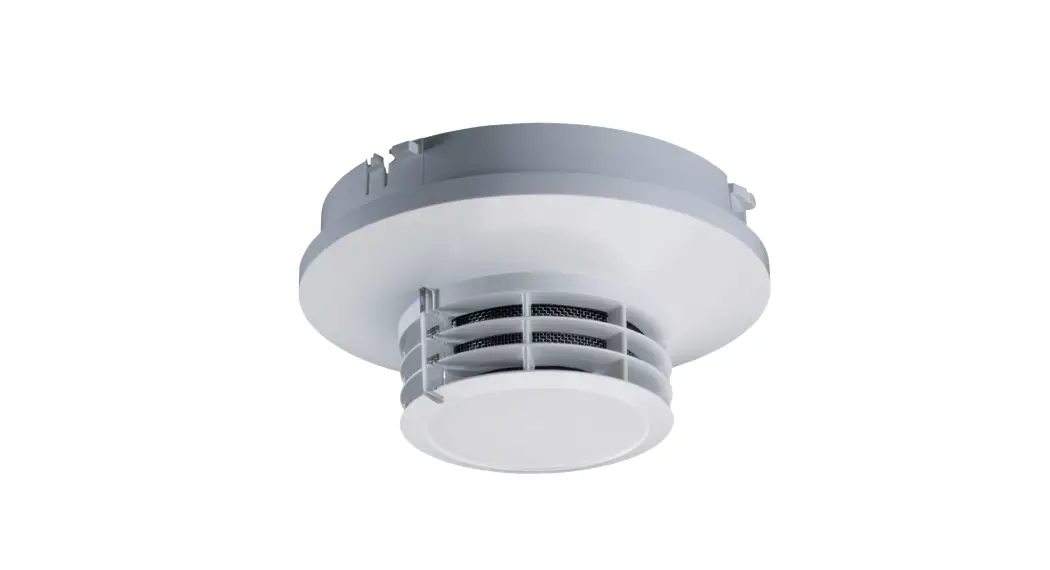
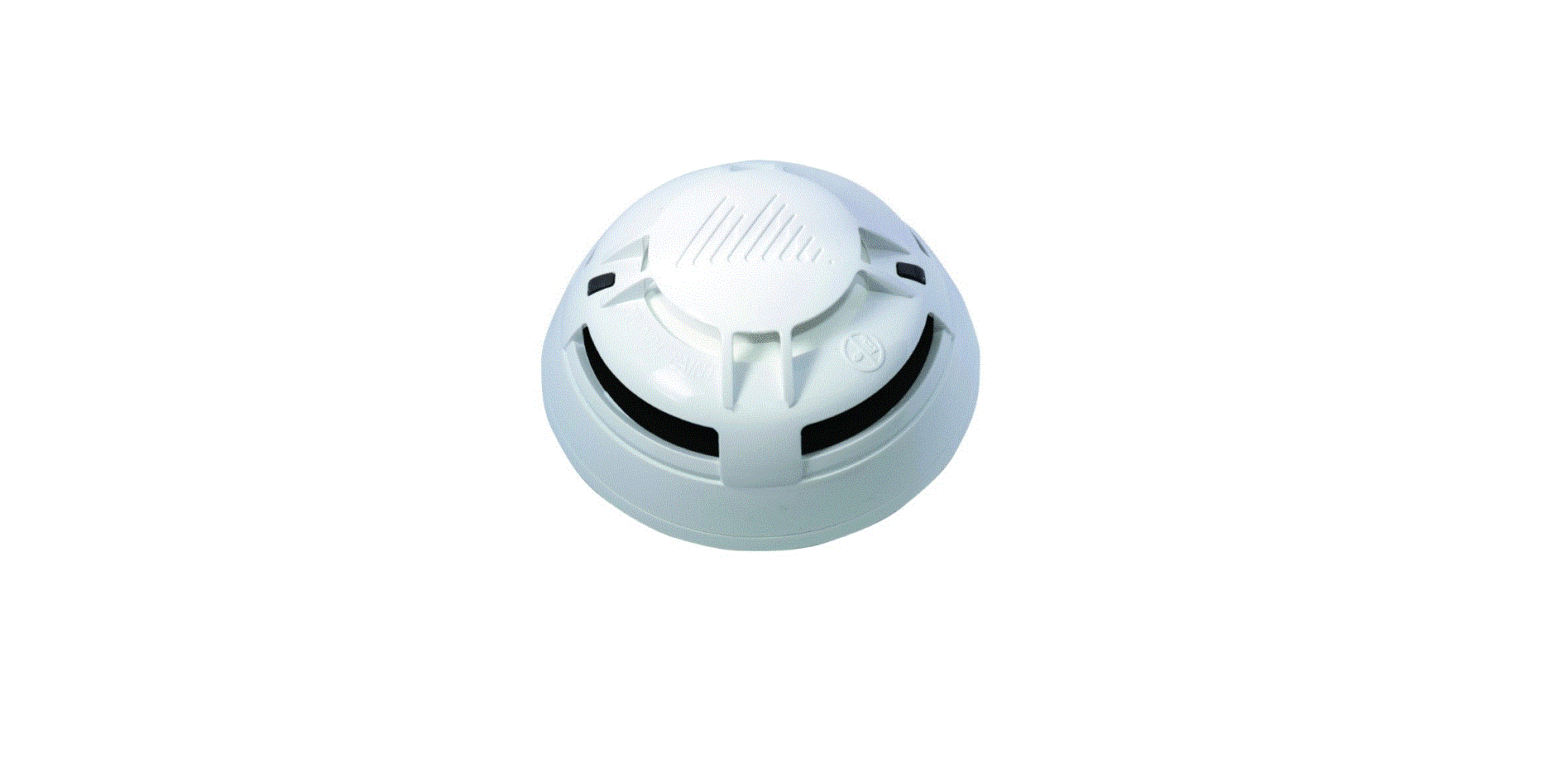
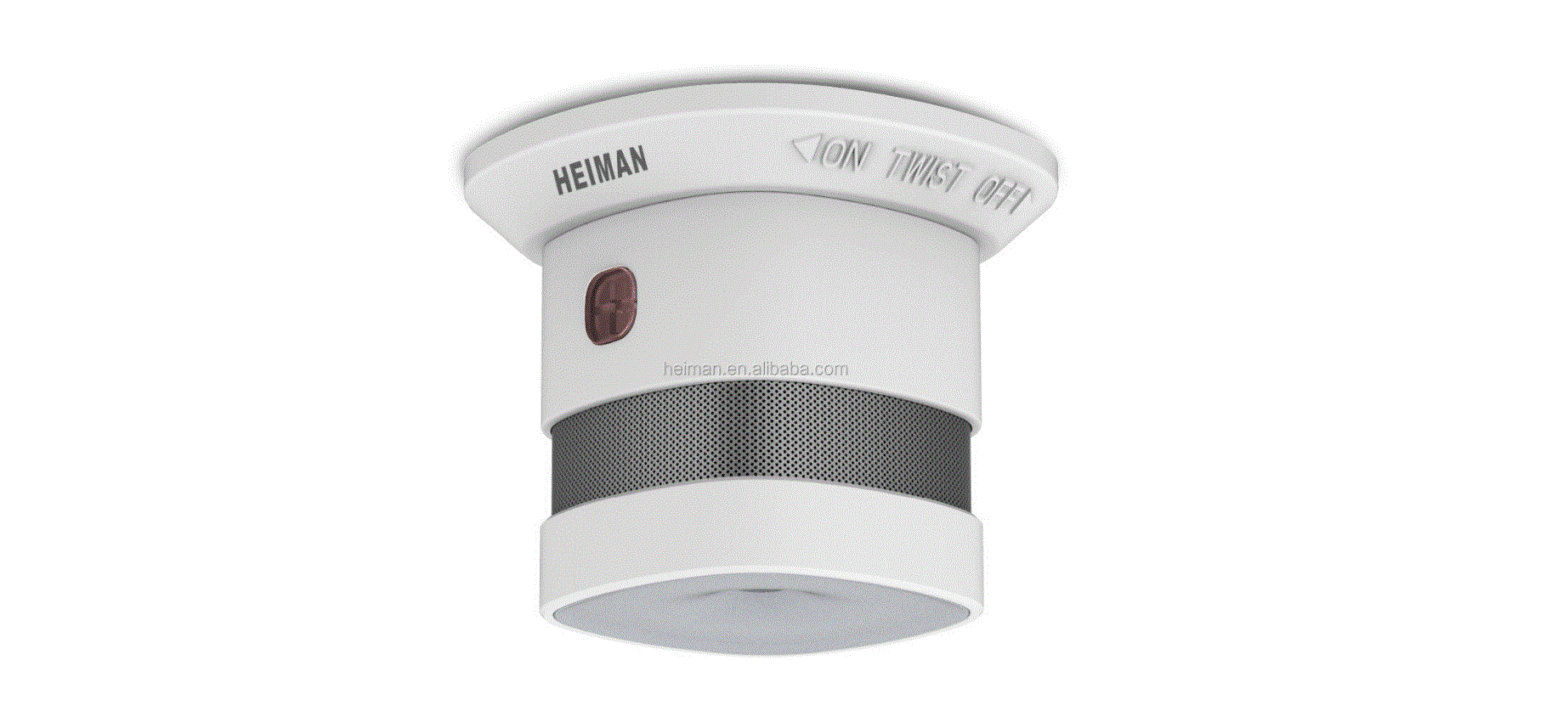
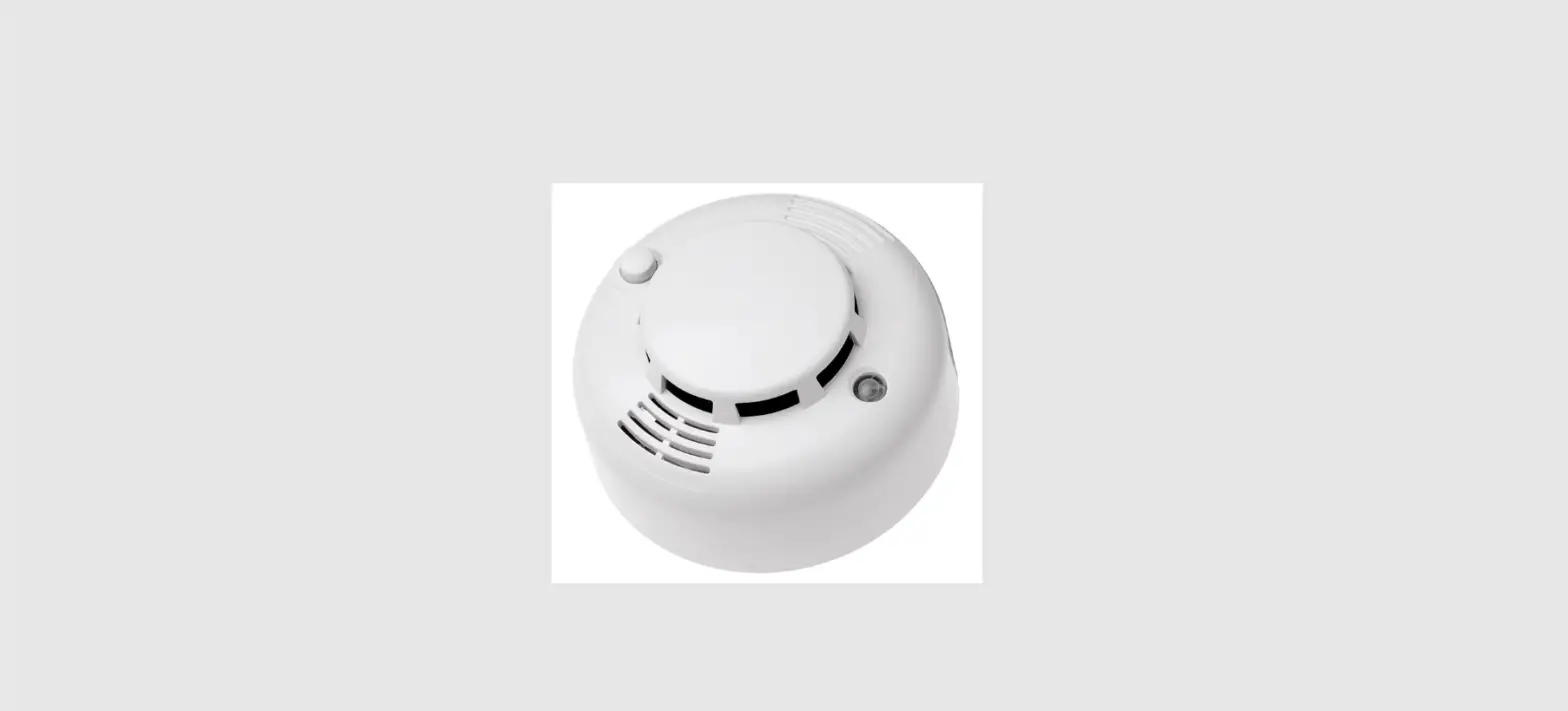
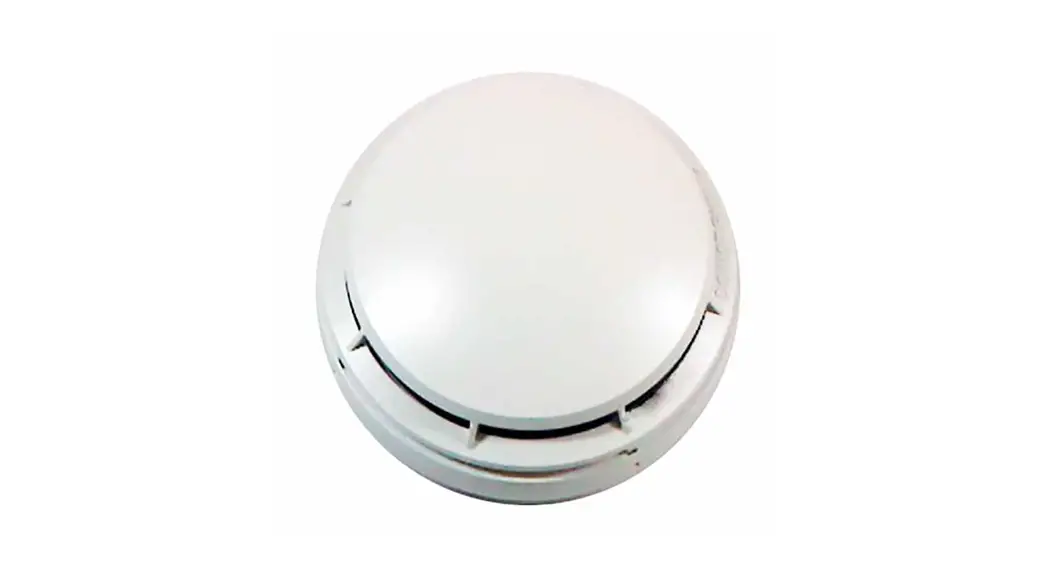
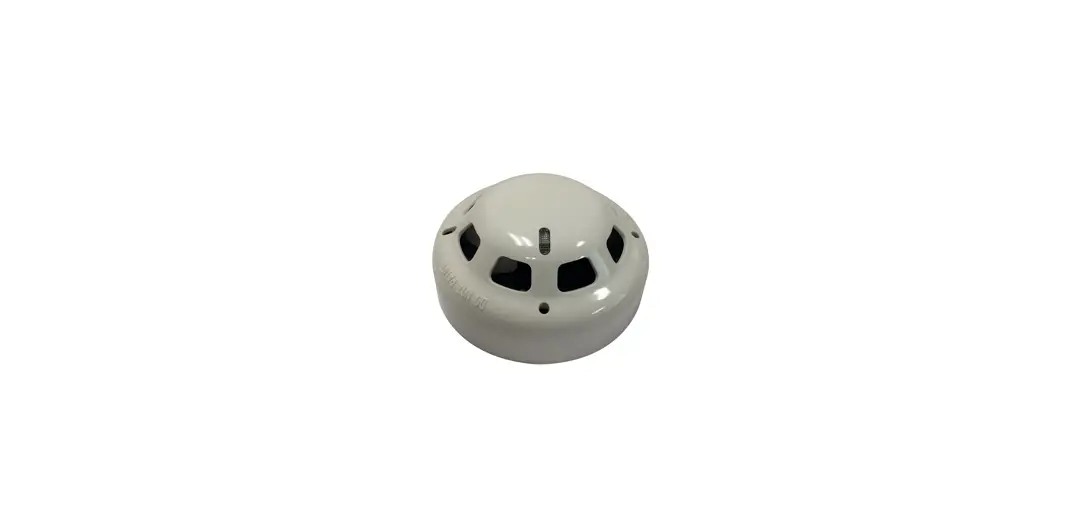
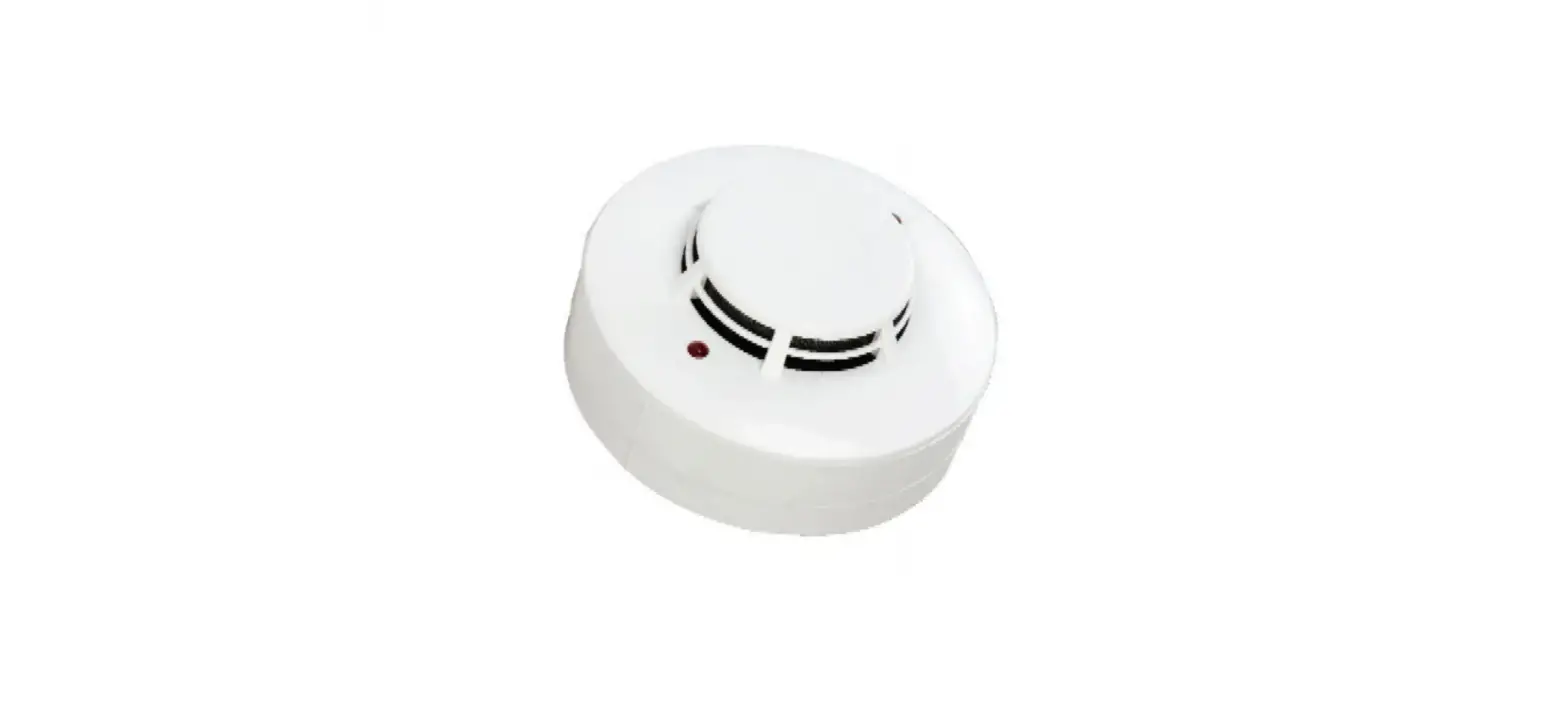
SD-100 Series Photoelectric Smoke Detectors
Product Information:
The SD-100 Series Photoelectric Smoke Detectors are designed to
detect smoke and provide early warning of fires. They are
compatible with UL864 listed control panels and can be used in both
2-wire and 4-wire multiple-station smoke detector systems. The
detectors have a built-in LED indicator for visual status
indication and can be connected to a remote indicator for
additional visibility.
The detectors are installed using a base that is mounted onto an
electrical junction box. The base is compatible with various types
of junction boxes, including octagonal, round, and square boxes.
The detector head is then attached to the base by aligning the
marks on the head and base and twisting the head clockwise to
secure it.
It is important to note that the detectors should remain covered
until the area is clean and dust-free to prevent detector
contamination and warranty cancellation.
Product Usage Instructions:
- Ensure that all wires are properly identified and fasten them
away from the connector terminals. - If you used a jumper wire to test the detector loop continuity,
remove the jumper wire before installing the detector head. - Mount the base of the smoke detector directly onto an
electrical junction box without using any mechanical adapter. - Clean the area of construction debris and dust before
installing the detector head. - Align the mark on the detector head with the short mark on the
base and twist the head clockwise to secure it. Ensure that the
mark on the head lines up with the long mark on the base. - To test the alarm and smoke sensor:
- Disengage all alarm signal services, releasing devices, and
extinguisher systems during testing. - Energize the detector head for approximately one minute.
- Check that the LED flashes green once every 5-7 seconds.
- Use a domestic hair dryer with correct and stable temperature
settings. - Direct the airflow at the guard protecting the thermistor from
a distance of several inches. - The detector should sound its alarm within 30 seconds.
INSTALLATION AND MAINTENANCE INSTRUCTIONS
SD-100 Series Photoelectric Smoke Detectors
25 Interchange way, Vaughan Ontario. L4K 5W3 Phone: 905.660.4655; Fax: 905.660.4113 Web: www.mircomgroup.com
GENERAL DESCRIPTION · Model SD-100-2WT: 2-Wire Photoelectric Smoke Detector with Heat
Sensor and Remote Indicator · Model SD-100-4WT: 4-Wire Photoelectric Smoke Detector with Heat
Sensor · Model SD-100-2WP: 2-Wire Photoelectric Smoke Detector with
Remote Indicator · Model SD-100-4WP: 4-Wire Photoelectric Smoke Detector All models incorporate a microprocessor with an advanced optical sensing chamber. Models SD-100-2WT and SD-100-4WT feature a restorable, fixed temperature (135°F/57.2°C) thermal detector. SD-100 Series detectors are designed to provide open area protection.
TYPICAL WIRING DIAGRAMS FIGURE 1: Typical wiring diagram of the 2-wire multiple-station
smoke detector system
INITIATING+ LOOP í
UL864 LISTED COMPATIBLE CONTROL PANEL
FIRST DETECTOR BASE
LAST DETECTOR BASE
+ 2B 3
4 2A
í + 2B 3
í
EOL DEVICE
4 2A
1
1
6
5
REMOTE
INDICATOR
6
5
CLASS A OPTIONAL WIRING
NOTE: IF REMOTE INDICATOR IS NOT USED, REVERSING POLARITY ON DETECTOR IS PERMITTED.
FIGURE 2: Typical wiring diagram of the 4-wire multiple-station smoke detector system
POWER +
TO DETECTOR
í
UL864 LISTED COMPATIBLE CONTROL PANEL
INITIATING + LOOP í
FIRST DETECTOR BASE
LAST DETECTOR BASE
2B 3 4 2A
1
6
5
2B 3 4 2A
1
6
5
CLASS A OPTIONAL WIRING
EOL POWER SUPERVISION RELAY MODULE
END OF LINE DEVICE
CAUTION: DO NOT USE LOOPED WIRE UNDER TERMINALS 2 AND 5. BREAK WIRE RUN TO PROVIDE SUPERVISION OF CONNECTIONS.
MISE EN GARDE: POUR LE CONTRÔLE DES SYSTÈMES POUR LES BORNES 2 ET 5, NE PAS UTILISER DE FIL ENROULÉ SOUS LES BORNES. COUPER LE CÂBLAGE POUR ASSURER LA SURVEILLANCE DES RACCORDEMENTS.
WARNING
TO PREVENT DETECTOR CONTAMINATION AND SUBSEQUENT WARRANTY CANCELLATION, THE SMOKE DETECTOR MUST REMAIN COVERED UNTIL AREA IS CLEAN AND DUST FREE.
AVERTISSEMENT
POUR ÉVITER LA CONTAMINATION DU DÉTECTEUR ET ANNULER LA GARANTIE, LE DÉTECTEUR DE FUMÉE DOIT RESTER COUVERT TANDIS QUE L’ENDROIT EST PROPRE ET SANS CONTAMINER DES POUSSIÈRE.
INSTALLING THE BASE FIGURE 3: Installing 6″ base
Notes: The end-of-line devices shown in Figures 1 and 2 must be compatible with the control panel. The end-of-line supervisory relay must be rated for the DC power voltage used.
Open area smoke detectors are intended for mounting on a ceiling or a wall in accordance with the fire standard in your country.
There is a limit of 21 smoke detectors on one loop.
1. Ensure that all wires are properly identified, and fasten the wires away from the connector terminals.
2. If you used a jumper wire to connect the poles of terminals 2 and 5 when testing the detector loop continuity, remove the jumper wire before you install the detector head.
3. Mount the base of the smoke detector directly onto an electrical junction box such as an octagonal (3″, 3.5″ or 4″), a round (3″), or a square (4″) box without using any type of mechanical adapter.
INSTALLING THE HEAD 1. Thoroughly clean the area of construction debris and dust. 2. Align the mark on the detector head with the short mark on the base
and twist the head clockwise to secure it. The mark on the head should line up with the long mark on the base.
FIGURE 4:
Attaching detector head onto base
RECTANGULAR
LED
OPENING HERE
DETECTOR HEAD
4″ BASE
LONG ALIGNMENT MARK
SHORT ALIGNMENT MARK
RECTANGULAR
LED
DETECTOR HEAD
OPENING HERE
PUSH TAB WITH RAISED PLASTIC DOT AND TURN HEAD TO UNLOCK
6″ BASE
LONG ALIGNMENT MARK
SHORT ALIGNMENT MARK
1
LT-1055 rev 3 12/14/22
ALARM AND SMOKE SENSOR TESTING 1. Disengage all the alarm signal services, releasing devices, and
extinguisher systems during testing. 2. Energize the detector head for approximately one minute. 3. Make sure that the LED flashes green once every 5-7 seconds.
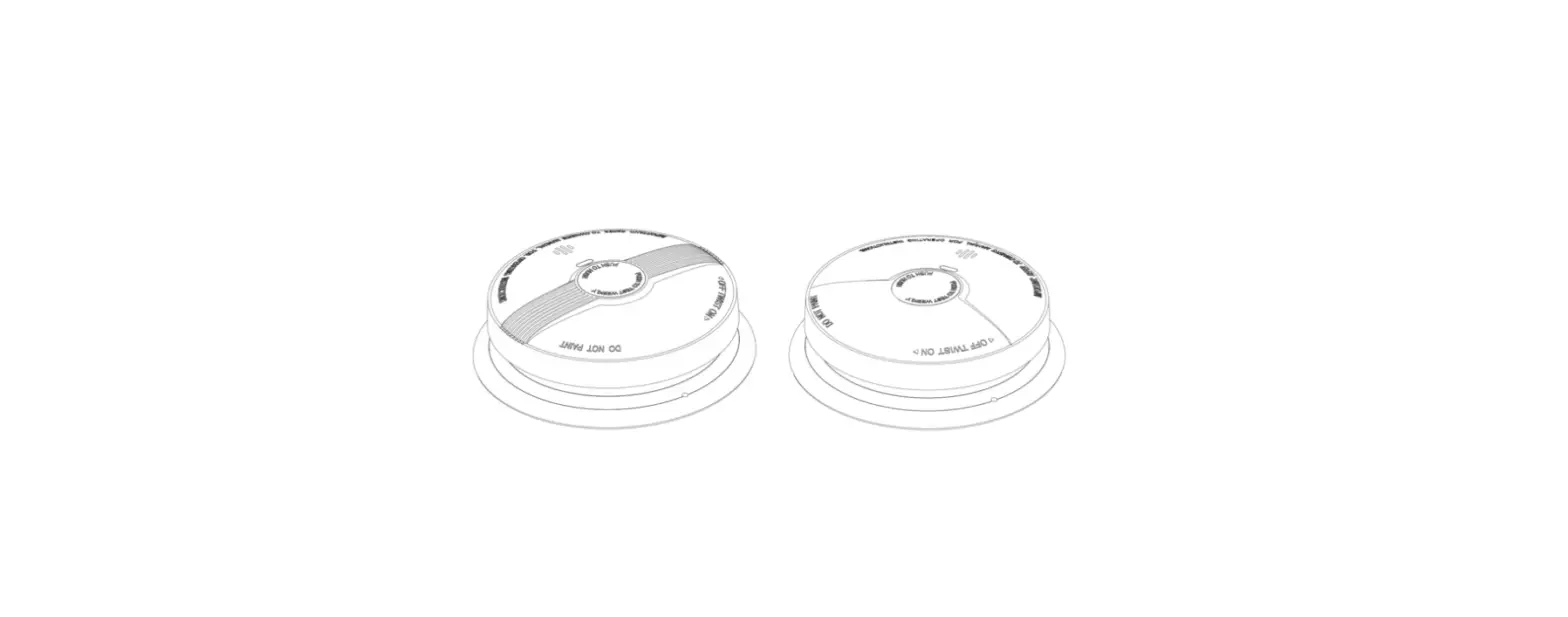
If it is not flashing, the detector is not functioning or the wiring is faulty. Re-check the wiring or replace the detector if necessary. 4. Position the test magnet against the side of the detector opposite the side marked DO NOT PAINT for at least 10 seconds. The LED should illuminate steady red. 5. Reset the control panel to return to normal operation. 6. Allow smoke from a cotton wick or a test smoke aerosol to enter the detector-sensing chamber for at least 10 seconds. When sufficient smoke has entered the chamber, the LED illuminates steady red. If it does not, then the detector requires service. 7. Reset each detector and control panel before testing any additional detectors in the same zone. 8. Re-engage all the alarm signal services, releasing devices, and extinguisher systems immediately after testing.
HEAT SENSOR TESTING (SD-100-2WT and SD-100-2WT) 1. Switch on a flow of hot air at a temperature between 65°C and 80°C.
This requirement can be met by some domestic hair dryers. Check that the temperature is correct and stable. 2. From a distance of several inches, direct the airflow at the guard protecting the thermistor. The detector should sound its alarm within 30 seconds. FIGURE 5: Heat sensor testing
DIRECT AIRFLOW HERE
3. When the alarm sounds, immediately remove the heat source and check that the LED is illuminated red.
4. Reset the detector from the control panel. If the detector fails to sound its alarm within 30 seconds, it is too insensitive. Return it to the distributor for servicing.
5. Check that the system is set for normal operation and notify the appropriate authorities that the testing operation is complete and the system is active again.
NOT SUITABLE FOR INSTALLATION IN AREAS WHERE AIR VELOCITIES EXCEED 300 ft./min.
MAINTENANCE The recommended minimum requirement for detector maintenance consists of an annual cleaning of dust from the detector head by using a vacuum cleaner. All maintenance operations must comply with NFPA-72A standards.
CAUTION: DO NOT ATTEMPT DISASSEMBLY OF THE FACTORY SEALED SMOKE DETECTOR. THIS ASSEMBLY IS SEALED FOR YOUR PROTECTION AND IS NOT INTENDED TO BE OPENED FOR SERVICING BY USERS. OPENING THE DETECTOR HEAD WILL VOID THE WARRANTY.
ATTENTION: NE PAS DEMONTRER LE DÉTECTEUR DE FUMÉE. CET ENSEMBLE EST ÉTANCHE POUR VOUS VOUS PROTEGER CONTRE LES ELEMENTS ET N’EST PAS PREVUE DE L’OUVRIR POUR L’ENTRETENIR. EN OUVRANT LA TÊTE DE SONDE ANNULERAIT LA GARANTIE RESPECTIVEMENT.
FOR MORE INFORMATION, REFER TO THE TECHNICAL BULLETIN LT-5267 SD-100-2W/4W.
SPECIFICATIONS
Model SD-100-2WP
2/4 wire 2
Thermal –
Voltage DC
12.0~28.0V
Standby Current (Max.)
140A
Alarm Surge Current Current (Max.) (Max.)
Start-Up Time (Max.)
Permissible Current Frequency (Max.)
Alarm contact
90mA 200A 60 Seconds 90mA 5-7 Seconds
—
SD-100-2WT
2
57.2 °C 12.0~28.0V 140A
90mA 200A 60 Seconds 90mA 5-7 Seconds
—
SD-100-4WP
4
–
10.5~33.0V 140A
48mA 200A 60 Seconds 48mA 5-7 Seconds
Form A
SD-100-4WT
4
57.2 °C 10.5~33.0V 140A
48mA 200A 60 Seconds 48mA 5-7 Seconds
Form A
Accessories: RSR-100 Remote Sensitivity Meter for SD-100 Detectors (LT-1146)
WARRANTY Purchase of all Mircom products is governed by: https://www.mircom.com/product-warranty https://www.mircom.com/purchase-terms-and-conditions https://www.mircom.com/software-license-terms-and-conditions
Base model
SDB-106-4 or SDB-104-4
SDB-106-4 or SDB-104-4
SDB-106-4 or SDB-104-4
SDB-106-4 or SDB-104-4
2
LT-1055 rev 3 12/14/22
 Mircom - Smart Buildings. Smarter Solutions.
 Product Warranty - Mircom