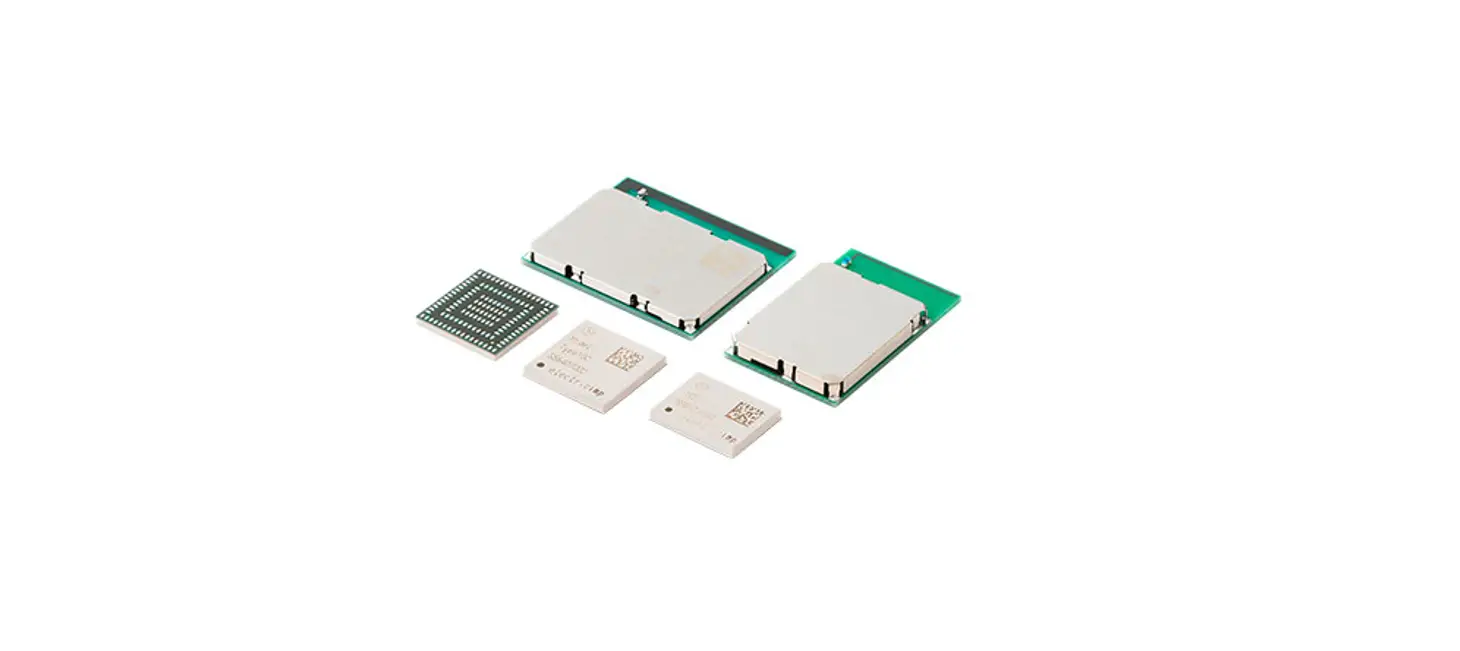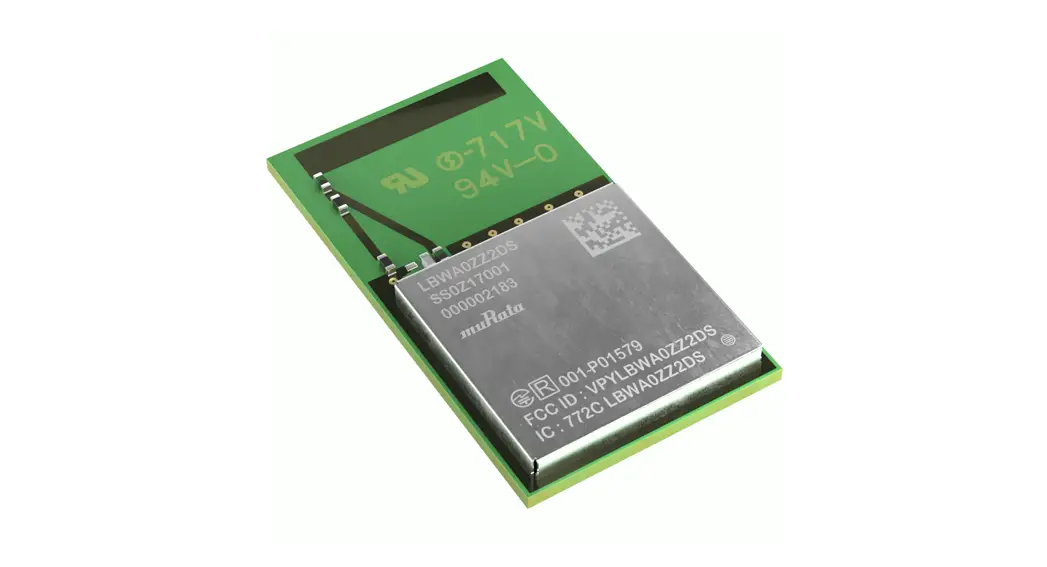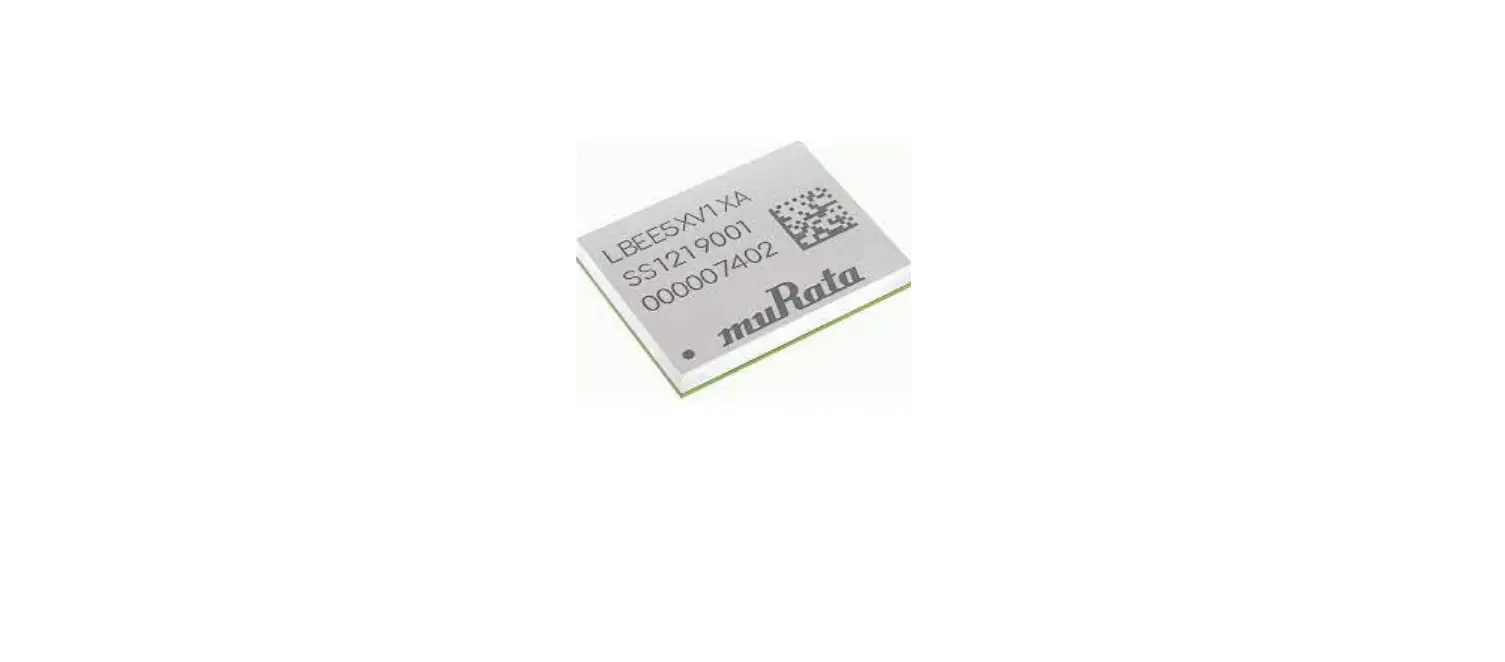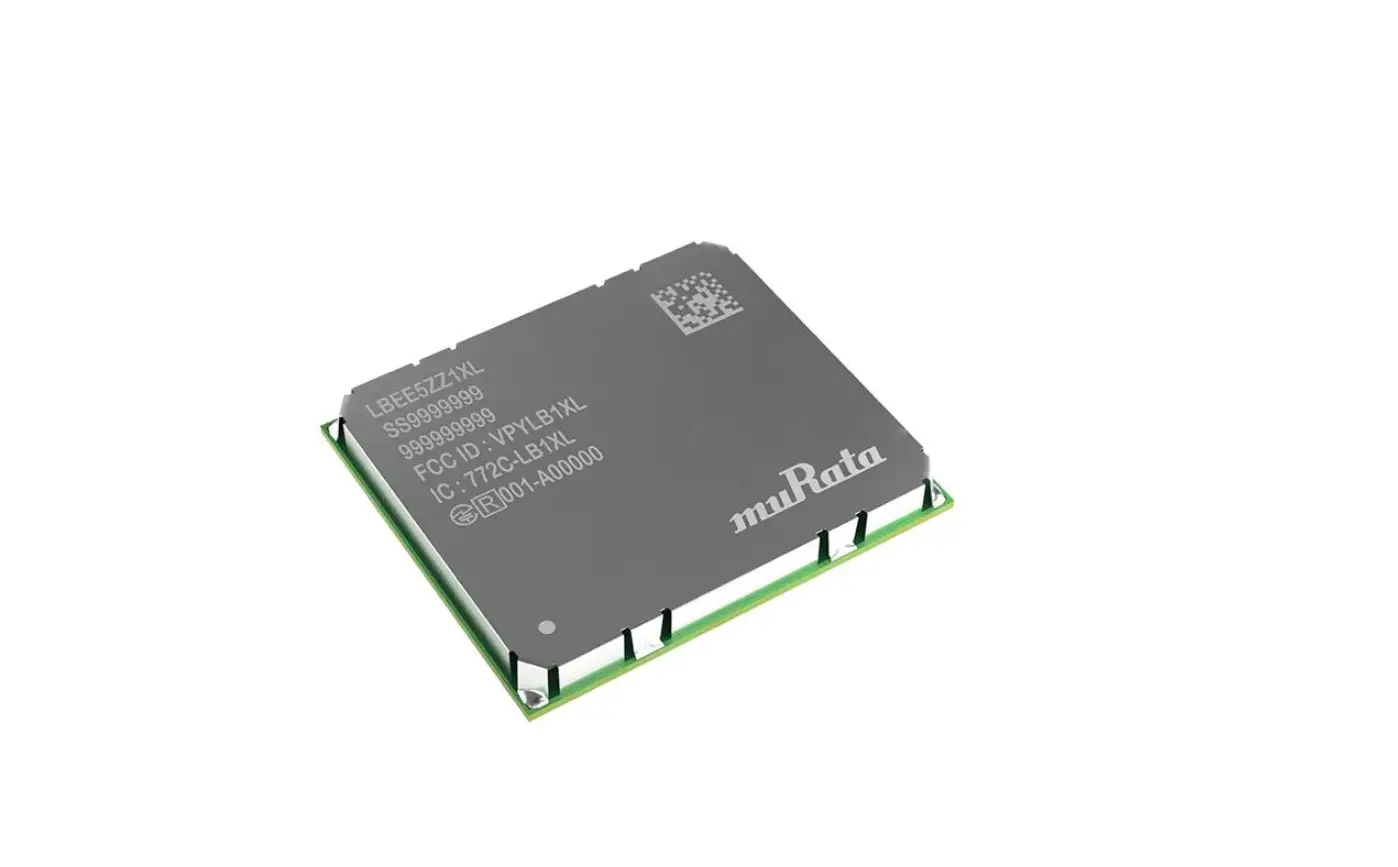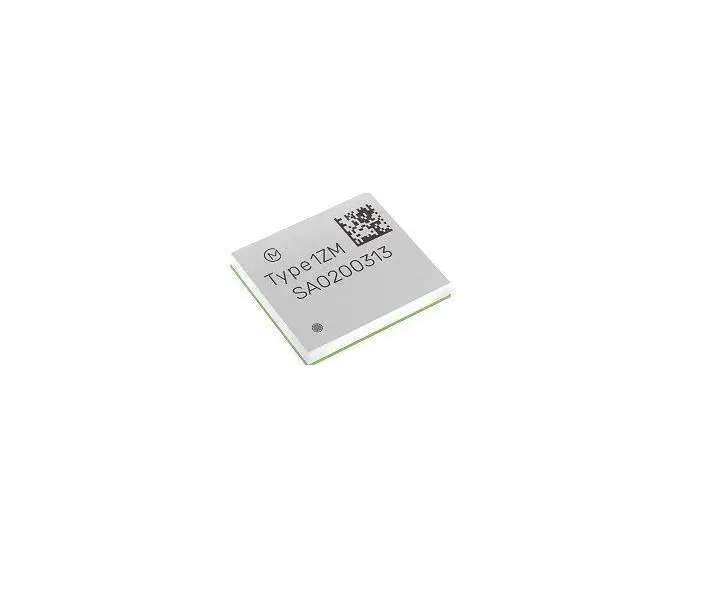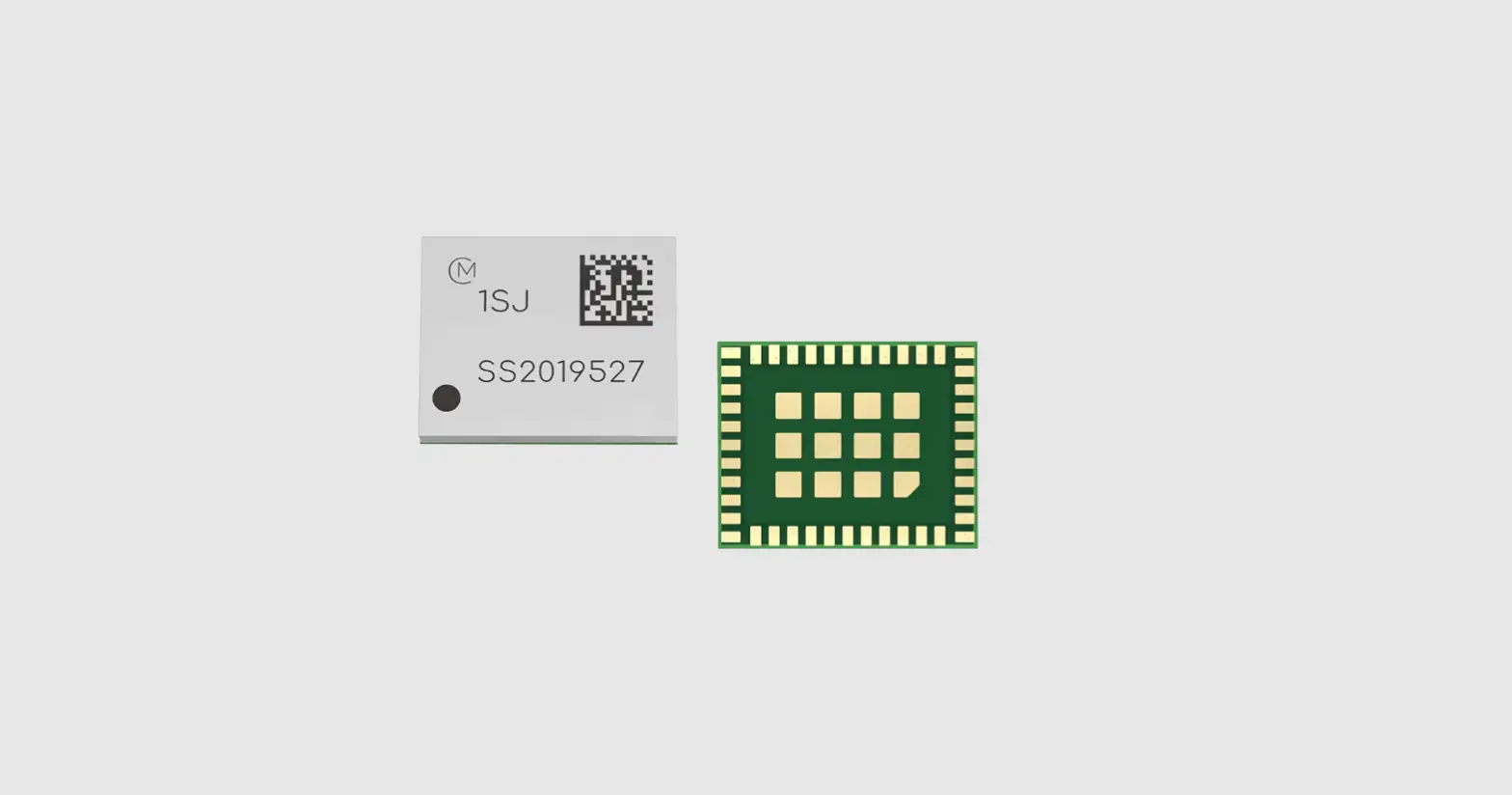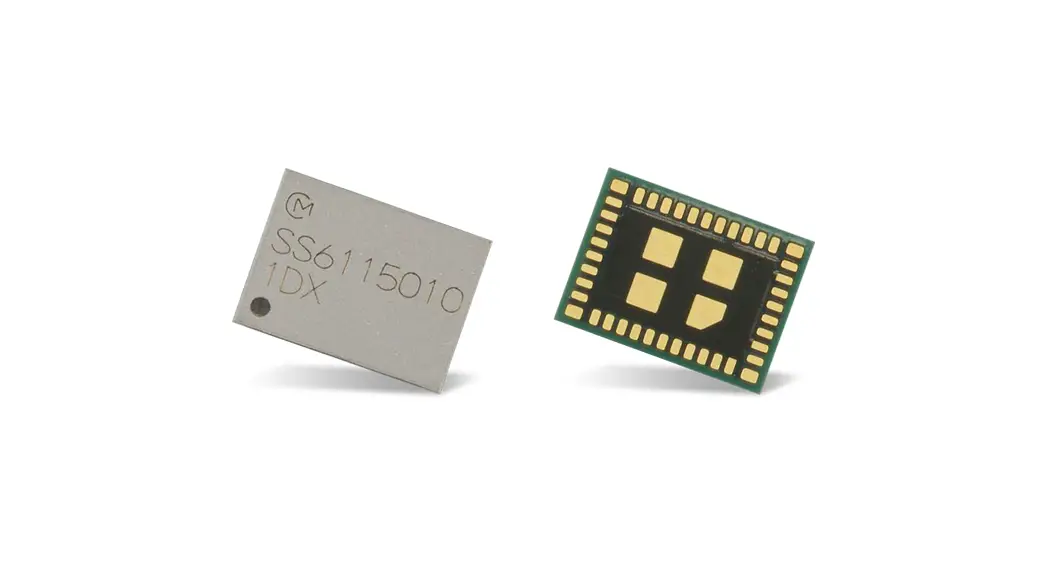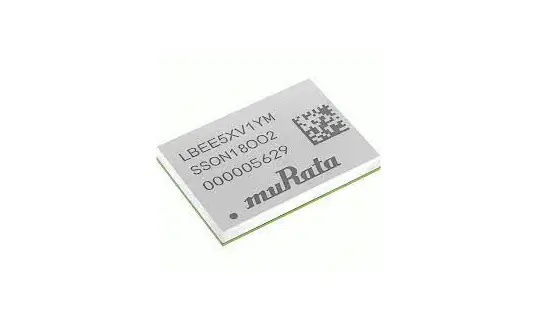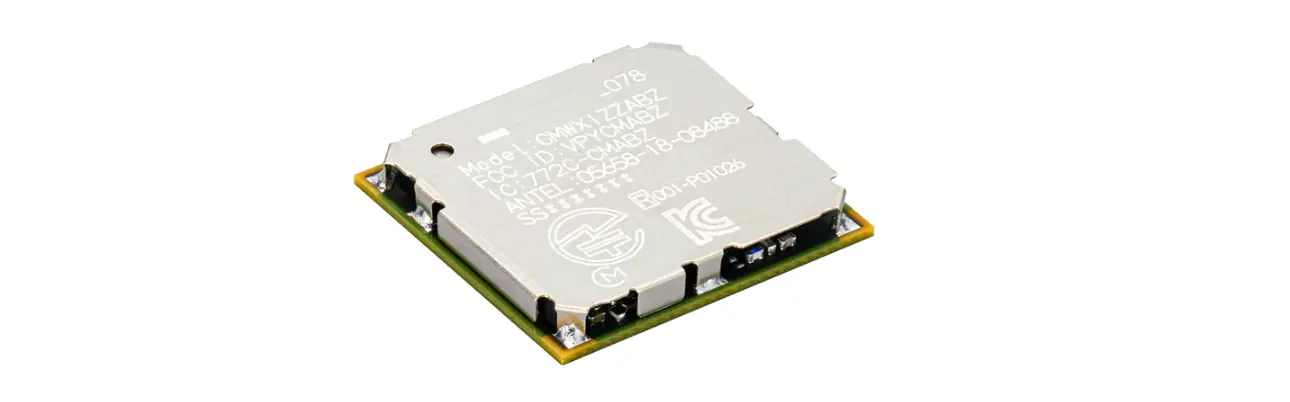

muRata LBEE6ZZ2AJ Communication Module
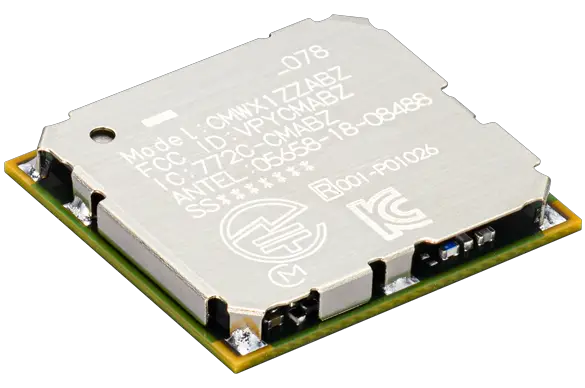
LBEE6ZZ2AJ User Manual for FCC
FCC ID:VPYLB2AJ
Since this module is not sold to general end users directly, there is no user manual of module.
For the details about this module, please refer to the specification sheet of module.
This module should be installed in the host device according to the interface specification (installation procedure).
This device complies with part 15 of the FCC Rules. Operation is subject to the following two conditions:
- This device may not cause harmful interference
- this device must accept any interference received, including interference that may cause undesired operation.
This device complies with below part 15 of FCC Rules.
Part 15 Subpart C
Part 15 Subpart E
The modular transmitter is only FCC authorized for the specific rule parts (i.e., FCC transmitter rules) listed on the grant, and the host product manufacturer is responsible for compliance to any other FCC rules that apply to the host not covered by the modular transmitter grant of certification.
The final host product still requires Part 15 Subpart B compliance testing with the modular transmitter installed.
This module designed for mounting inside of the end product by us professionally. Therefore, it complies with the antenna and transmission system requirements of §15.203.
Since there is no space which indicates FCC ID on this module, FCC ID is indicated in a manual. If the FCC ID is not visible when the module is installed inside another device,
then the module is installed must also display a label referring to the enclosed module.
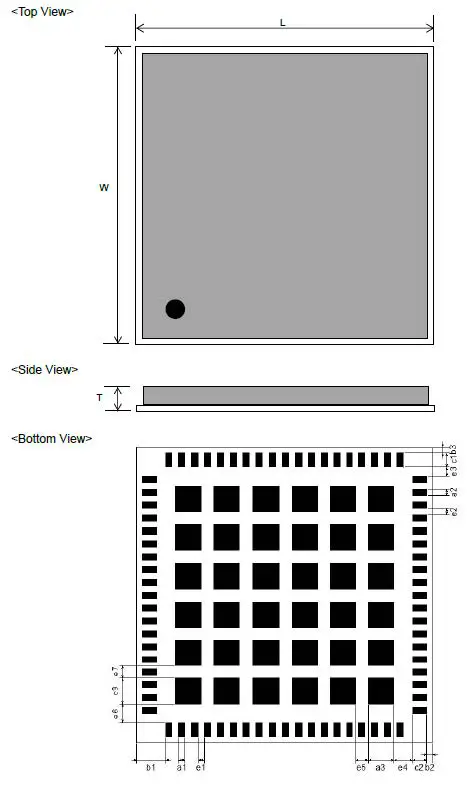
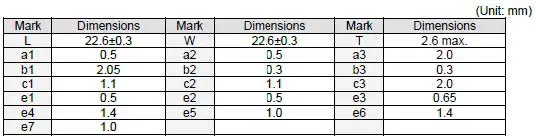
Dimensions. Marking and Terminal Configuration
Pin Layout
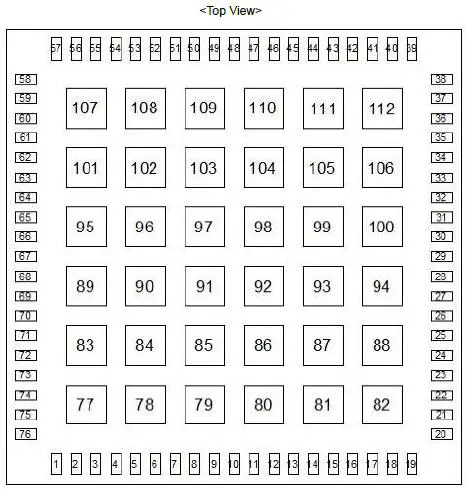
| No. | PIN Name | No. | PIN Name | No. | PIN Name | No. | PIN Name |
| 1 | LTE_UART_RXD | 30 | JTAG_TDO | 59 | GPIO_13 | 88 | GND |
| 2 | PCM_IN/I2S_SD_IN | 31 | JTAG_TDI | 60 | GPIO_12 | 89 | VDD_CORE_VM |
| 3 | PCM_OUT/I2S_SD_OUT | 32 | JTAG_TCK | 61 | GPIO_9 | 90 | GND |
| 4 | PCM_CLK/I2S_SCK | 33 | JTAG_TRST | 62 | NC | 91 | GND |
| 5 | PCM_SYNC/I2S_WS | 34 | JTAG_TMS | 63 | NC | 92 | GND |
| 6 | GND | 35 | NC | 64 | NC | 93 | GND |
| 7 | WL_PCIE_RST_L | 36 | GND | 65 | NC | 94 | GND |
| 8 | WL_PCIE_WAKE_L | 37 | BT_RF | 66 | NC | 95 | GND |
| 9 | WL_PCIE_CLKREQ_L | 38 | GND | 67 | GND | 96 | GND |
| 10 | HST_SW_CTRL | 39 | NC | 68 | WL_EN | 97 | GND |
| 11 | GND | 40 | NC | 69 | BT_EN | 98 | GND |
| 12 | WL_PCIE_RX_P | 41 | DNC | 70 | GND | 99 | GND |
| 13 | WL_PCIE_RX_N | 42 | DNC | 71 | VDD18_IO | 100 | GND |
| 14 | GND | 43 | GND | 72 | BT_UART_RTS | 101 | VDD_FEM_5G |
| 15 | WL_PCIE_TX_P | 44 | GND | 73 | BT_UART_CTS | 102 | VDD_FEM_5G |
| 16 | WL_PCIE_TX_N | 45 | WL_RF0 | 74 | BT_UART_TXD | 103 | GND |
| 17 | GND | 46 | GND | 75 | BT_UART_RXD | 104 | GND |
| 18 | WL_PCIE_CLK_N | 47 | GND | 76 | LTE_UART_TXD | 105 | VDD_FEM_2G |
| 19 | WL_PCIE_CLK_P | 48 | NC | 77 | VDD_CORE_VH | 106 | VDD_FEM_2G |
| 20 | WL_DB_UART_RXD | 49 | NC | 78 | GND | 107 | GND |
| 21 | WL_DB_UART_TXD | 50 | NC | 79 | VDD_CORE_VL | 108 | GND |
| 22 | SLEEP_CLK | 51 | NC | 80 | GND | 109 | GND |
| 23 | GND | 52 | GND | 81 | GND | 110 | GND |
| 24 | NC | 53 | GND | 82 | GND | 111 | GND |
| 25 | NC | 54 | WL_RF1 | 83 | VDD_CORE_VH | 112 | GND |
| 26 | GND | 55 | GND | 84 | GND | — | — |
| 27 | HST_CLK_REQ_OUT | 56 | GND | 85 | VDD_CORE_VL | — | — |
| 28 | NC | 57 | NC | 86 | VDD_CORE_VL | — | — |
| 29 | GND | 58 | GPIO_8 | 87 | GND | — | — |
Operating Temperature
| Min. | Typ. | Max. | Unit | |
| Operating Temperature | -40 | +25 | +85 | deg. C |
Supply Voltage
| DUT_PIN_Name | Min. | Typ. | Max. | unit |
| VDD_CORE_VH | 1.85 | 1.95 | 2.05 | V |
| VDD_CORE_VM | 1.28 | 1.35 | 1.42 | V |
| VDD_CORE_VL | 0.90 | 0.95 | 1.00 | V |
| VDD18_IO | 1.70 | 1.80 | 1.90 | V |
| VDD_FEM_2G VDD_FEM_5G | 3.50 | 3.85 | 4.20 | V |
Power to VDD_FEM_2G and VDD_FEM_5G must be supplied via an external regulator.
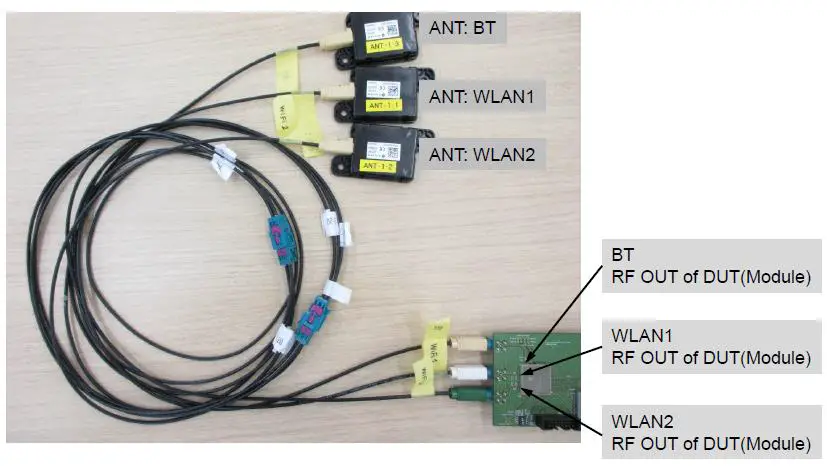
Antenna Outline
|
No. |
Maker | Supported Antenna | ||||
| P/N | Form factor | Type | Gain [dBi] | |||
| 2.4GHz | 5GHz | |||||
| 1 | TE | 955-011-901 | FAKRA | Pattern Antenna | Max. 2.8dBi | Max. 5dBi |
| 2 | TE | 955-011-901 | FAKRA | Pattern Antenna | Max. 2.8dBi | Max. 5dBi |
| 3 | TE | 955-011-901 | FAKRA | Pattern Antenna | Max. 2.8dBi | Max. 5dBi |
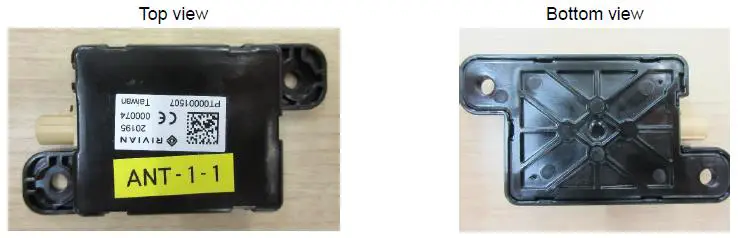
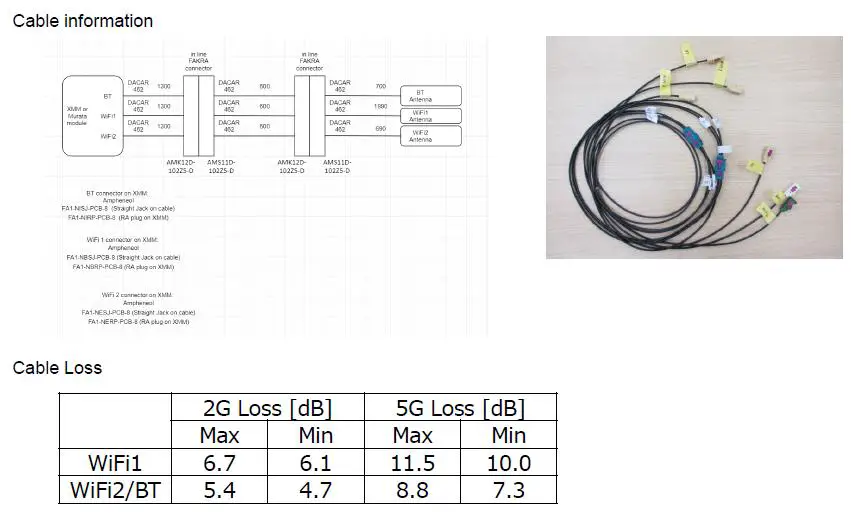
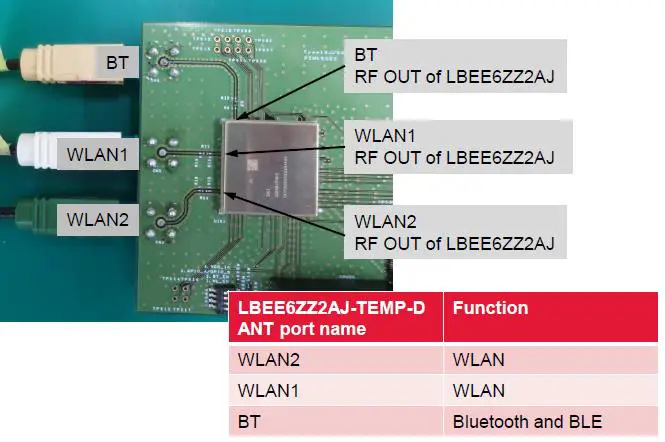 Maximum antenna gain including RF cable is below:
| Antenna Port | Max. Gain [dBi] | |
| 2.4GHz | 5GHz | |
| WLAN1 | -3.3 | -5.0 |
| WLAN2/BT | -1.9 | -2.3 |
The following statements must be described on the user manual of the host device of this module;
Contains Transmitter Module FCC ID:VPYLB2AJ
or
Contains FCC ID: VPYLB2AJ
This device complies with part 15 of the FCC Rules. Operation is subject to the following two conditions:
- This device may not cause harmful interference
- this device must accept any interference received, including interference that may cause undesired operation.
*If it is difficult to describe this statement on the host product due to the size, please describe in the User’s manual.
FCC CAUTION
Changes or modifications not expressly approved by the party responsible for compliance could void the user’s authority to operate the equipment.
Compliance with FCC requirement 15.407(c)
Data transmission is always initiated by software, which is the passed down through the MAC, through the digital and analog baseband, and finally to the RF chip. Several special packets are initiated by the MAC. These are the only ways the digital baseband portion will turn on the RF transmitter, which it then turns off at the end of the packet. Therefore, the transmitter will be on only while one of the aforementioned packets is being transmitted. In other words, this device automatically discontinue transmission in case of either absence of information to transmit or operational failure.
Frequency Tolerance: ±20 ppm
This transmitter must not be co-located or operated in conjunction with any other antenna or transmitter.
When installing it in a mobile equipment. Please describe the following warning to the manual.
This equipment complies with FCC radiation exposure limits set forth for an uncontrolled environment and meets the FCC radio frequency (RF) Exposure Guidelines. This equipment should be installed and operated keeping the radiator at least 20cm or more away from person’s body.
When installing it in a portable equipment. Please describe the following warning to the manual.
The available scientific evidence does not show that any health problems are associated with using low power wireless devices. There is no proof, however, that these low power wireless devices are absolutely safe. Low power Wireless devices emit low levels of radio frequency energy (RF) in the microwave range while being used. Whereas high levels of RF can produce health effects (by heating tissue), exposure of low-level RF that does not produce heating effects causes no known adverse health effects. Many studies of low-level RF exposures have not found any biological effects. Some studies have suggested that some biological effects might occur, but such findings have not been confirmed by additional research. Type1VY has been tested and found to comply with FCC radiation exposure limits set forth for an uncontrolled environment and meets the FCC radio frequency (RF) Exposure Guidelines.It is necessary to take a SAR test with your set mounting this module (except to use only Bluetooth). Class II permissive change application is necessary using the SAR report. Please contact Murata.
Note)
Portable equipment: Equipment for which the spaces between human body and antenna are used within 20cm.
Mobile equipment: Equipment used at position in which the spaces between human body and antenna exceeded 20cm.