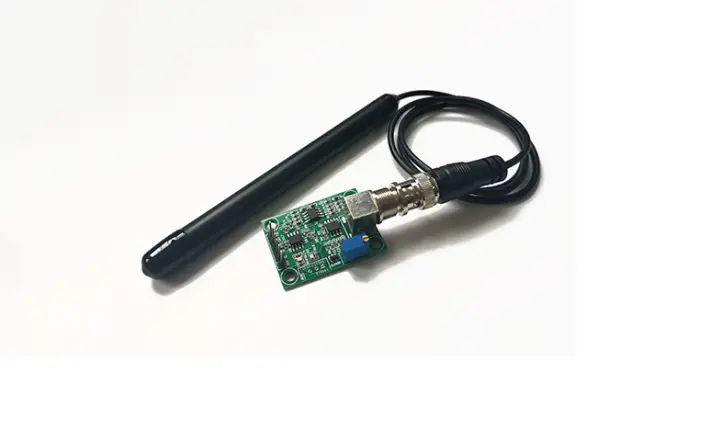
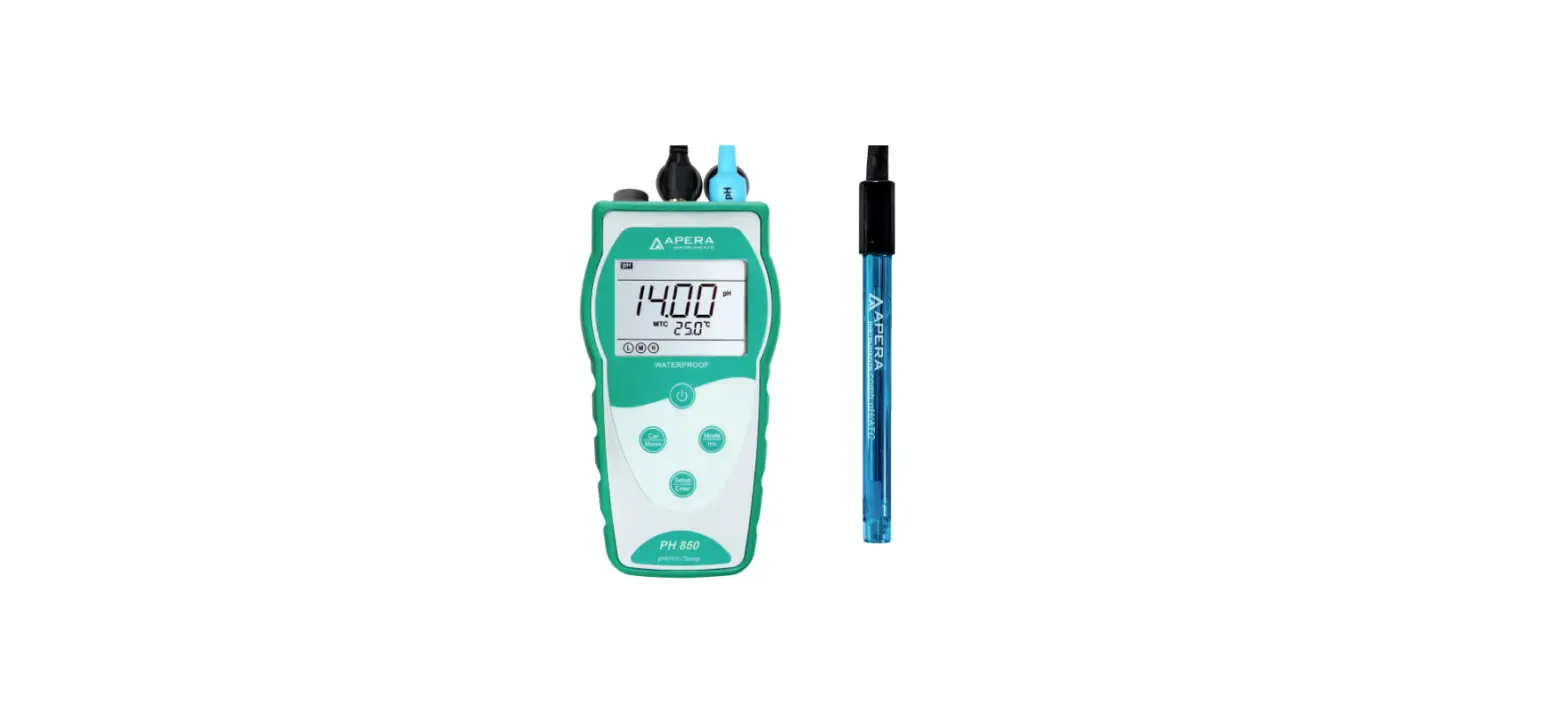
pH Acidity Freshwater Test Kit
Product Information:
- The product is a pH testing kit for marine tanks.
- The kit includes pH test fluid, a color chart, and
instructions. - The ideal pH range for a marine tank is between 8.0 and
8.4. - If the pH is too low, Colombo Marine KH+ should be added to
increase it. - If the pH is too high, a water change can be made to lower it.
Always check the pH of the fresh seawater first.
Product Usage Instructions:
- Take a water sample of 5 ml.
- Add 5 drops of pH test fluid to the water sample.
- Shake the test tube to mix the solution.
- Determine the pH value using the color chart included. Compare
the color of the solution to the color chart to determine the pH
value. - If the pH is too low, add Colombo Marine KH+ to increase
it. - If the pH is too high, make a water change and check the pH of
the fresh seawater first.
Note: For further information, scan the QR code on the product
or visit www.colombo.nl.
English – pH (Acidity) General Guidelines: · Ensure that the test tube is clean before use. · Clean the tube directly after use. · Take the volume of the water sample as precisely as possible. · Keep the dripping bottle perfectly vertical during dropping. · Take care that no air bubbles are included in the drops.
Test procedure: 1. Take a water sample of 5 ml. 2. Add 5 drops of pH-test fluid 3. Shake test tube. 4. Determine the pH-value using the colour chart included.
The ideal pH for a marine tank is between 8.0 and 8.4. In case of a low pH, add Colombo Marine KH+ in order to increase it. A higher pH is rarely encountered; however should this be the case, you can lower the pH by making a water change; always check the pH of the fresh seawater first!
Deutsch – pH (Säuregrad) Allgemeine Richtlinien · Sorgen Sie immer dafür, dass das Reagenzglas vor Verwendung sauber ist. · Reinigen Sie das Reagenzglas sofort nach der Verwendung. · Nehmen Sie die Menge der Wasserprobe so genau wie möglich · Halten Sie beim Tropfen das Fläschchen vollkommen vertikal. · Achten Sie darauf, dass keine Luftbläschen in die Tropfen gelangen.
Testverfahren: 1. Nehmen Sie eine Wasserprobe von 5 ml.
2. Geben Sie 5 Tröpfchen pH-Testflüssigkeit dazu 3. Schütteln Sie das Reagenzglas. 4. Bestimmen Sie den pH-Wert anhand der mitgelieferten Farbkarte.
Der ideale pH für einen Meeresaquarium liegt zwischen 8,0 und 8,4. Ist der pH-Wert zu niedrig, können Sie ihm mit Colombo Marine KH+ erhöhen. Ein höherer pH kommt in Meeresaquariums in der Praxis nicht oft vor, sollte es doch so sein, können Sie den pH-Wert senken, indem Sie einen Wasserwechsel vornehmen. Testen Sie dafür jedoch erst den pH-Wert des Frischwassers.
Francais – pH (Degré d’acidité) Consignes générales · Veillez toujours à ce que l’éprouvette soit bien propre avant l’utilisation. · Nettoyez-la soigneusement après chaque utilisation pour qu’elle ne contienne plus aucun résidu chimique qui puisse fausser les résultats suivants. · Prélevez l’échantillon d’eau de façon aussi rigoureuse que possible. · Tenez la fiole à la verticale lors du comptage des gouttes. · Veillez à ce qu’il n’y ait pas de bulles d’air dans les gouttes.
Procédure de test: 1. Prélevez un échantillon d’eau de 5 ml. 2. Ajoutez 5 gouttes de liquide de test pH. 3. Secouez l’éprouvette. 4. Déterminez la valeur pH à l’aide de la carte colorimétrique.
Pour un aquarium marin, le pH idéal se situe entre 8.0 et 8.4. Si le pH est trop bas, vous pouvez le réajuster à la hausse à l’aide de Colombo marine KH plus. En pratique, on ne rencontre pas fréquemment des valeurs pH supérieures à cette limite
dans des aquariums marines. Si c’était néanmoins le cas, vous pouvez abaisser le pH en changeant d’eau mais il faut, bien sûr, vérifier préalablement le pH de l’eau de renouvellement.
Nederlands – (pH Zuurgraad) Algemene richtlijnen · Zorg er altijd voor dat het testbuisje schoon is voor gebruik. · Maak na gebruik het testbuisje direct goed schoon. · Neem het volume van het watermonster zo precies mogelijk. · Hou bij het druppelen het flesje volledig verticaal. · Zorg ervoor dat er geen luchtbellen in de druppels komen.
Testprocedure: 1. Neem een watermonster van 5 ml. 2. Voeg 5 druppels pH-testvloeistof toe. 3. Schud het testbuisje. 4. Bepaal de pH-waarde met de meegeleverde kleurkaart.
De ideale pH voor zeewater ligt tussen 8.0 en 8.4. Is de pH te laag, dan kunt u deze met Colombo Marine KH+ verhogen. Een hogere pH komt in de praktijk niet vaak voor; mocht het toch zo zijn, dan kunt u de pH verlagen door water te verversen; check daarvoor wel eerst de pH van het verversingswater.
Italiano – pH (Acidità) Linee guida generali · Assicuratevi che la provetta sia pulita prima dell’uso. · Pulite la provetta immediatamente dopo l’uso. · Prendete il quantitativo del campione d’acqua nel modo più preciso possibile. · Tenete la bottiglia di gocciolamento perfettamente verticale durante la caduta.
· Fate attenzione affinché le bolle d’aria non siano incluse nelle gocce.
Come fare il test: 1. Prendete un campione d’acqua di 5 ml. 2. Aggiungete 5 gocce di pH-test. 3. Agitate la provetta. 4. Definite il valore del pH usando la scala dei colori.
Il pH ideale per le vasche marine è tra 8.0 e 8.4. In caso di pH basso, aggiungete Colombo Marine Kh+ per aumentarlo. Al contrario, un pH più alto difficilmente si riscontra. Comunque, in tal caso, potete abbassare il pH facendo un cambio d’acqua; controllate sempre il Ph dell’acqua che state per mettere.
Polski pH (kwasowo) Ogólne wskazówki: · Przed uyciem upewnij si, e fiolka testowa jest czysta. · Czy fiolk bezporednio po uyciu. · Pobierz próbk wody na tyle precyzyjnie, na ile to jest moliwe. · W czasie wkraplania trzymaj buteleczk kroplomierza w pozycji pionowej. · Zadbaj o to, by krople nie zawieraly pcherzyków powietrza.
Instrukcja wykonania testu: 1. Nabierz do fiolki 5ml wody z akwarium. 2. Dodaj 5 kropli odczynnika pH. 3. Zamieszaj. 4. Okrel warto pH korzystajc z dolczonej karty kolorów.
Optymalna warto pH w akwarium morskim jest w zakresie 8 – 8,4. W przypadku niskiego pH dodaj Colombo KH +, aby podnie warto pH. Rzadko zdarza si wysze pH; jednake w takiej sytuacji moesz obniy pH robic podmian wody; zawsze najpierw sprawd pH wieej solanki!
5 drops
1
2
pH
1 2 3 4 5
5 ml 20ml 15ml 10ml 5ml
3
4
20ml
15ml
10ml
5ml
20ml 15ml 10ml
5ml
20ml 15ml 10ml
5ml
Scan to watch our instruction movie or visit our website www.colombo.nl
Colombo BV www.colombo.nl
Nr: 259210-V3
Made in Holland
English: For judging the colour of the water sample after adding all the test fluids, proceed as follows: put the test tube on the included colour chart and look through the tube on to the chart from directly above it. Do not look in direct sun light, but at indirect light. Compare the colour of the water sample with the colours on the chart. The closest colour shows the corresponding value. Generally the colours of the sample and on the chart will not be exactly the same, as values in practice will always be between the standard values, and thus a mixture of both consecutive values. Therefore, one should estimate between which colours the sample really lies.
Deutsch: Um die Farbe zu beurteilen, welche die Wasserprobe nach Zugabe der Testflüssigkeiten bekommen hat, gehen Sie wie folgt vor: Stellen Sie das Reagenzglas auf die mitgelieferte Farbkarte und schauen Sie von oben gerade in das Reagenzglas und auf die Karte. Schauen Sie nicht bei direktem Sonnenlicht, sondern bei indirektem Licht. Vergleichen Sie die Farbe der Wasserprobe mit den Farben auf der Karte. Die Farbe, die am meisten übereinstimmt, gibt den Wert an. Es kann sein, dass die Farben der Probe und der Farbkarte nicht immer identisch sind, da wirkliche Werte immer zwischen den Standardwerten liegen und also eine Mischung von 2 aufeinander folgenden Farben sind. Darum muss man einschätzen, zwischen welchen Farben die Wasserprobe tatsächlich liegt.
Francais: Pour juger de la couleur de l’échantillon d’eau une fois tous les liquides de test ajoutés, procédez comme suit: placez l’éprouvette sur la carte colorimétrique livrée avec le kit et regardez simultanément – du haut- dans l’éprouvette et sur la carte. Ne regardez pas sous l’éclairage direct du soleil, mais sous une lumière indirecte. Comparez la couleur de l’échantillon d’eau avec les couleurs sur la carte. La couleur qui correspond le mieux indique la valeur recherchée. Les couleurs de l’échantillon et de la carte ne sont pas toujours identiques vu que les valeurs réelles se situent généralement entre deux valeurs normalisées et qu’elles correspondent par conséquent à un mélange de deux couleurs adjacentes. Dans ce cas, il faut juger par approximation entre quelles couleurs se positionne en réalité l’échantillon.
Nederlands: Voor het beoordelen van de kleur welke het watermonster heeft gekregen na toediening van alle testvloeistoffen, ga als volgt te werk: plaats het testbuisje op de meegeleverde kleurkaart en kijk recht van boven in het testbuisje en op de kaart. Kijk niet bij direct zonlicht maar bij indirect licht. Vergelijk de kleur van het watermonster met de kleuren op de kaart. De meest overeenkomende kleur geeft de waarde aan. Niet altijd zullen de kleuren van het monster en op de kaart identiek zijn omdat werkelijke waarden altijd tussen de standaardwaarden liggen, en dus een menging zijn van 2 opeenvolgende kleuren. Daarom moet men inschatten tussen welke kleuren het watermonster daadwerkelijk ligt.
Italiano: Per giudicare il colore del campione d’acqua dopo aver aggiunto i liquidi dei test, fate come segue: mettete la provetta sopra la scala dei colori e guardate direttamente attraverso la provetta. Il colore che si dimostrerà più vicino corrisponderà al valore. Generalmente, i colori della provetta e della scala non saranno esattamente gli stessi, in pratica saranno sempre compresi tra due valori standard, un mix di due valori consecutivi. Perciò, bisogna stimare tra quali colori il campione si trova effettivamente.
Polski: Dla oceny koloru próbki wody po dodaniu wszystkich odczynników testowych postpuj tak oto: postaw fiolk testow na dolczonej karcie kolorów i patrz przez fiolk na kart z góry. Rób to w wietle dziennym, ale nie bezporednio w slocu. Porównaj kolor próbki z kolorami na karcie. Najbardziej zbliony kolor wskazuje odpowiadajc warto. Na ogól kolory próbki i kolory na karcie nie bd dokladnie takie same, poniewa warto rzeczywista zawsze bdzie pomidzy standardowymi wartociami, a wic bdzie mieszank dwóch nastpujcych po sobie wartoci. Dlatego te naley rozstrzygn pomidzy którymi kolorami znajduje si kolor badanej próbki.
 Colombo - Professional products for your aquarium and pond