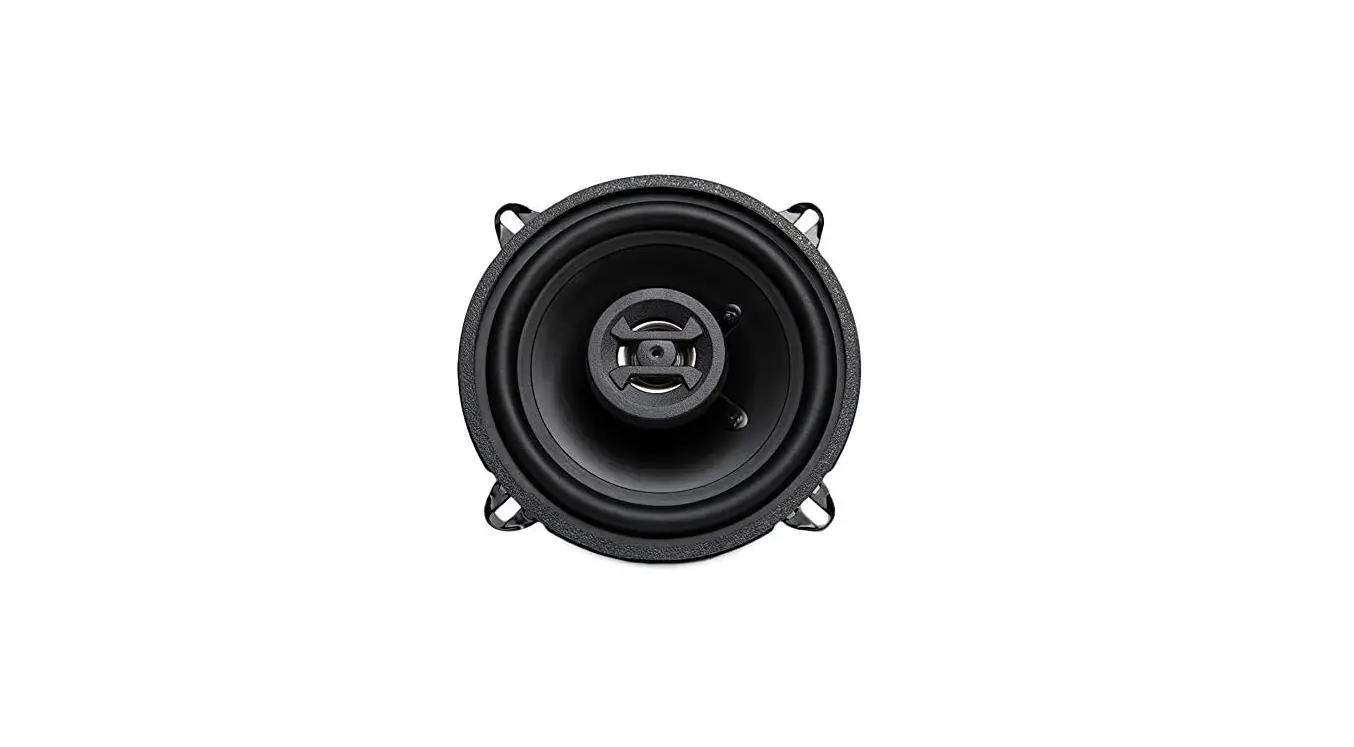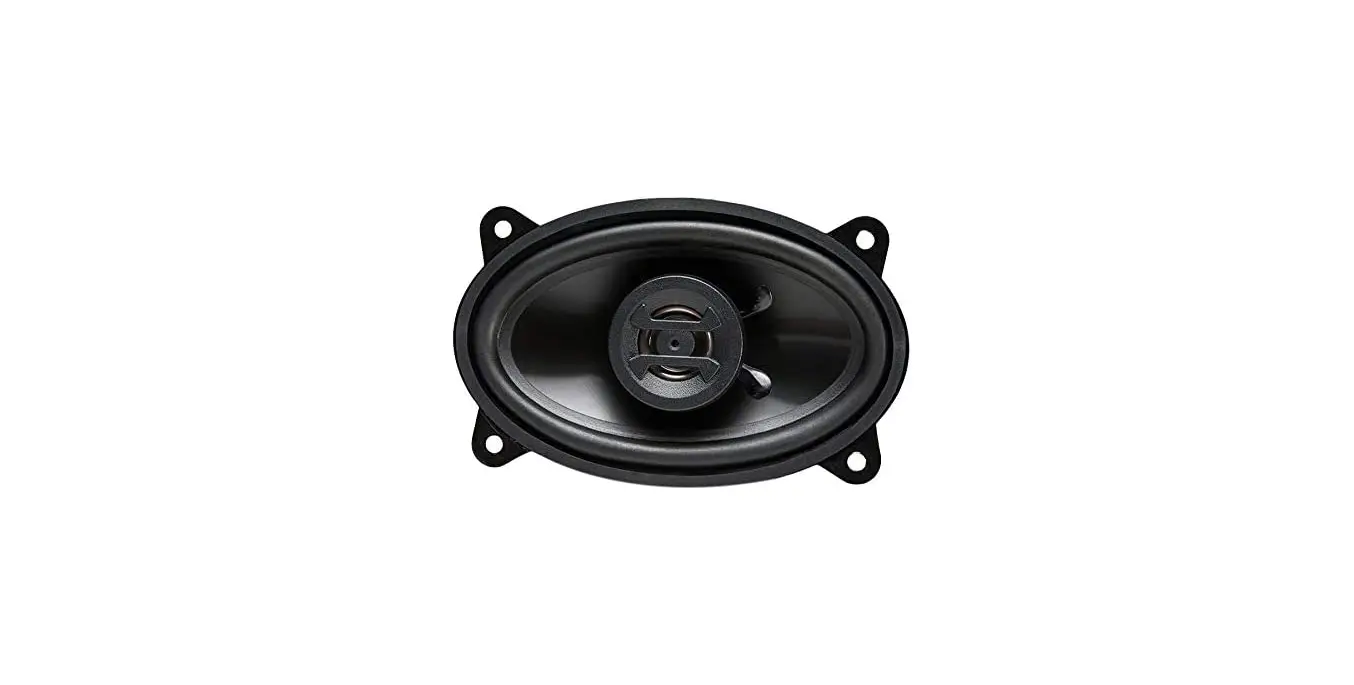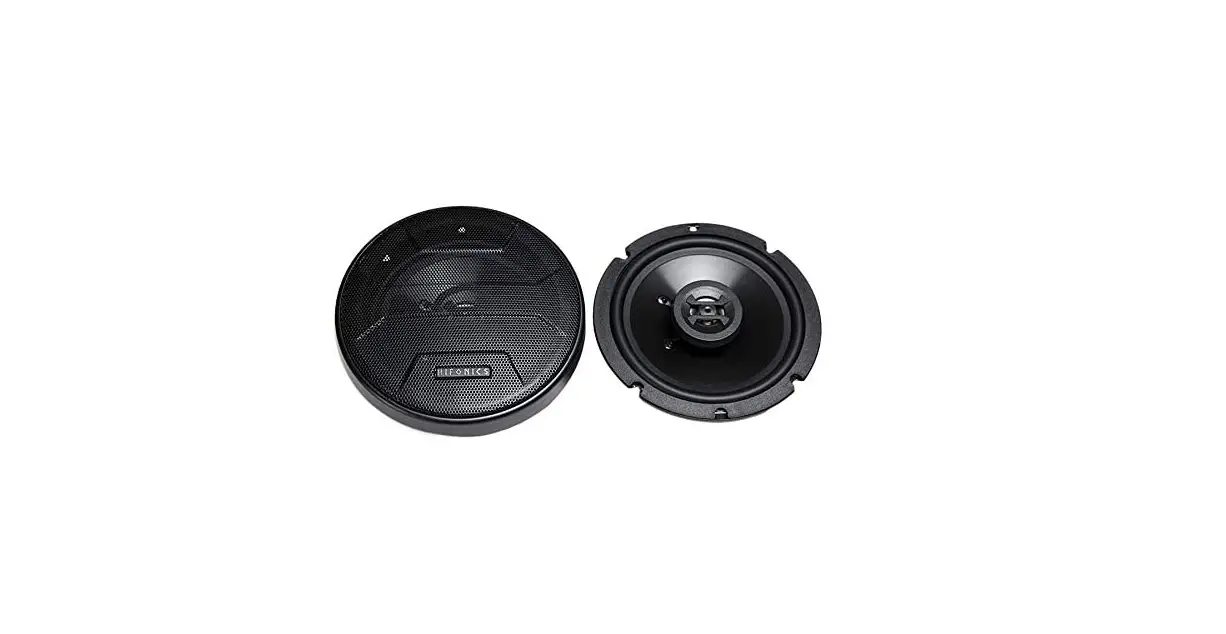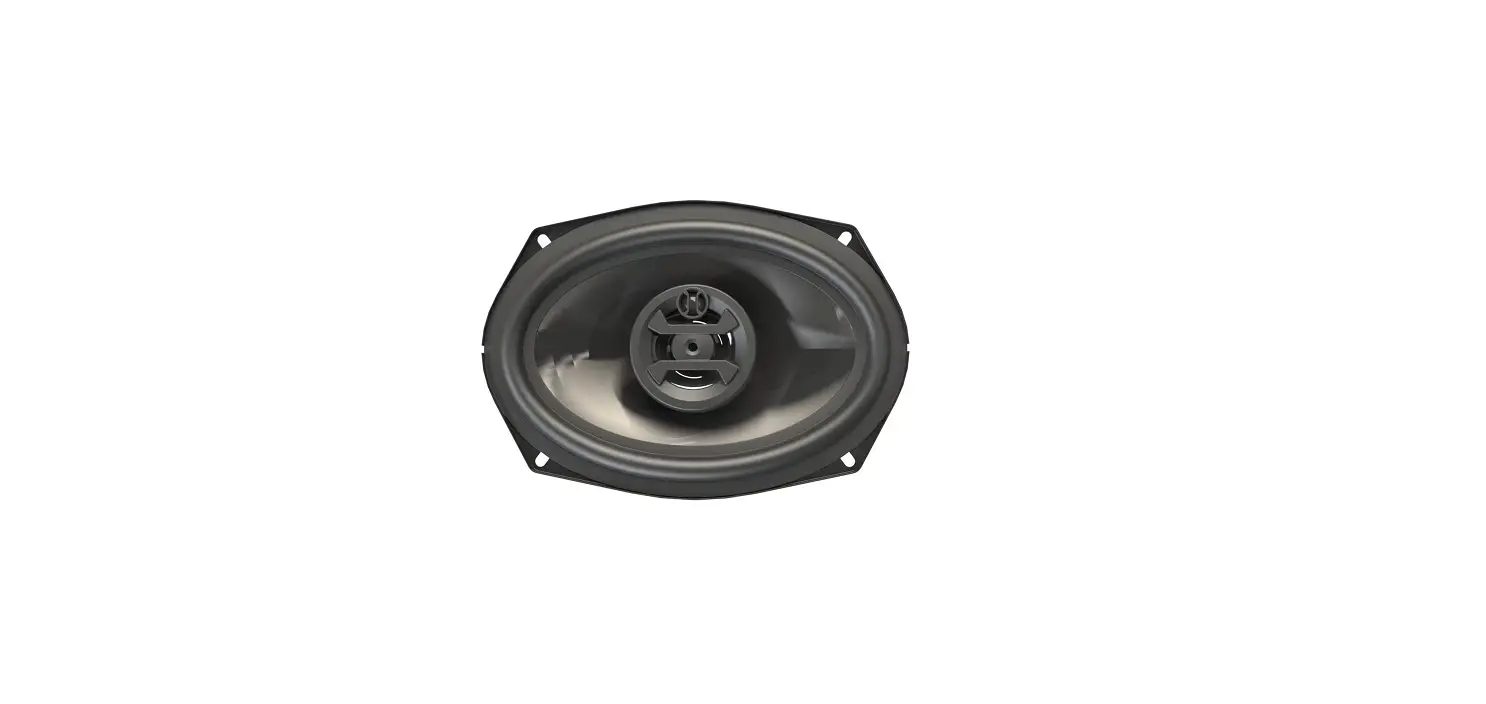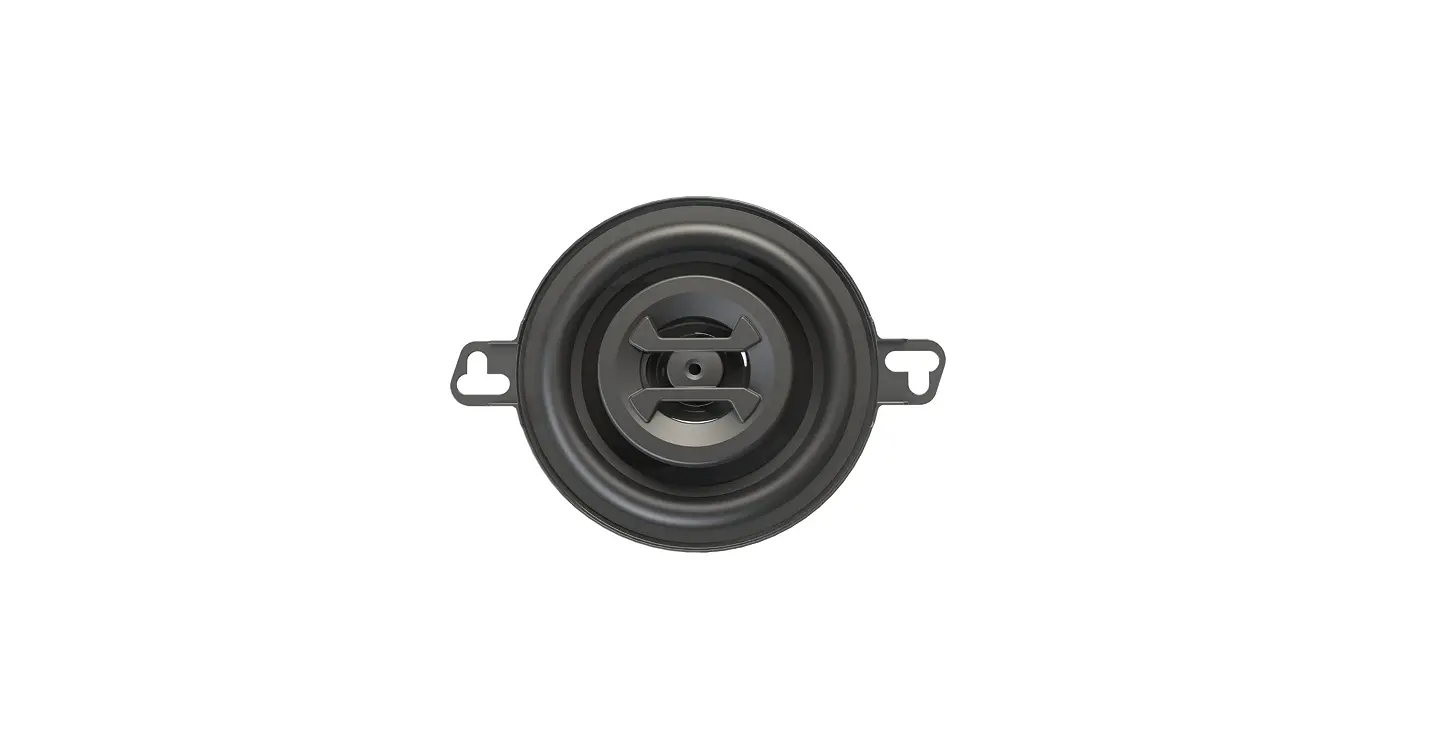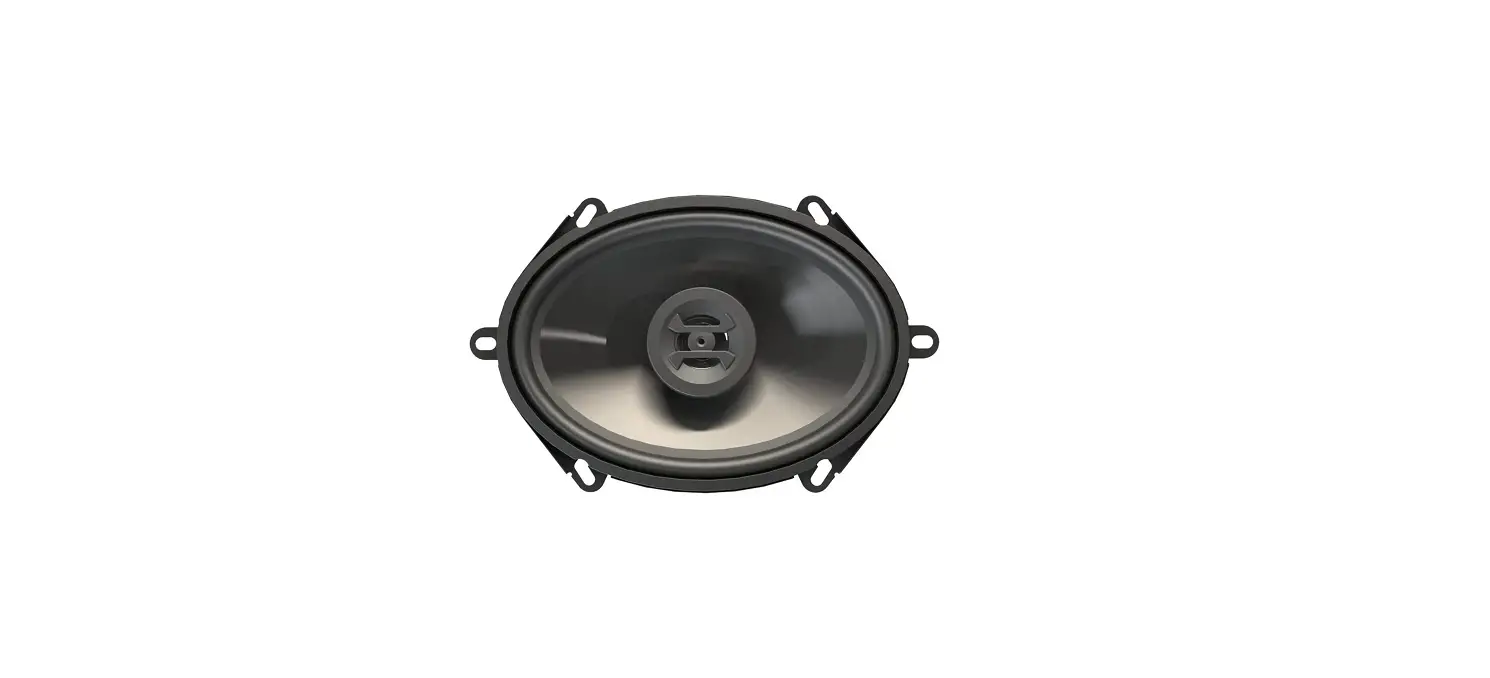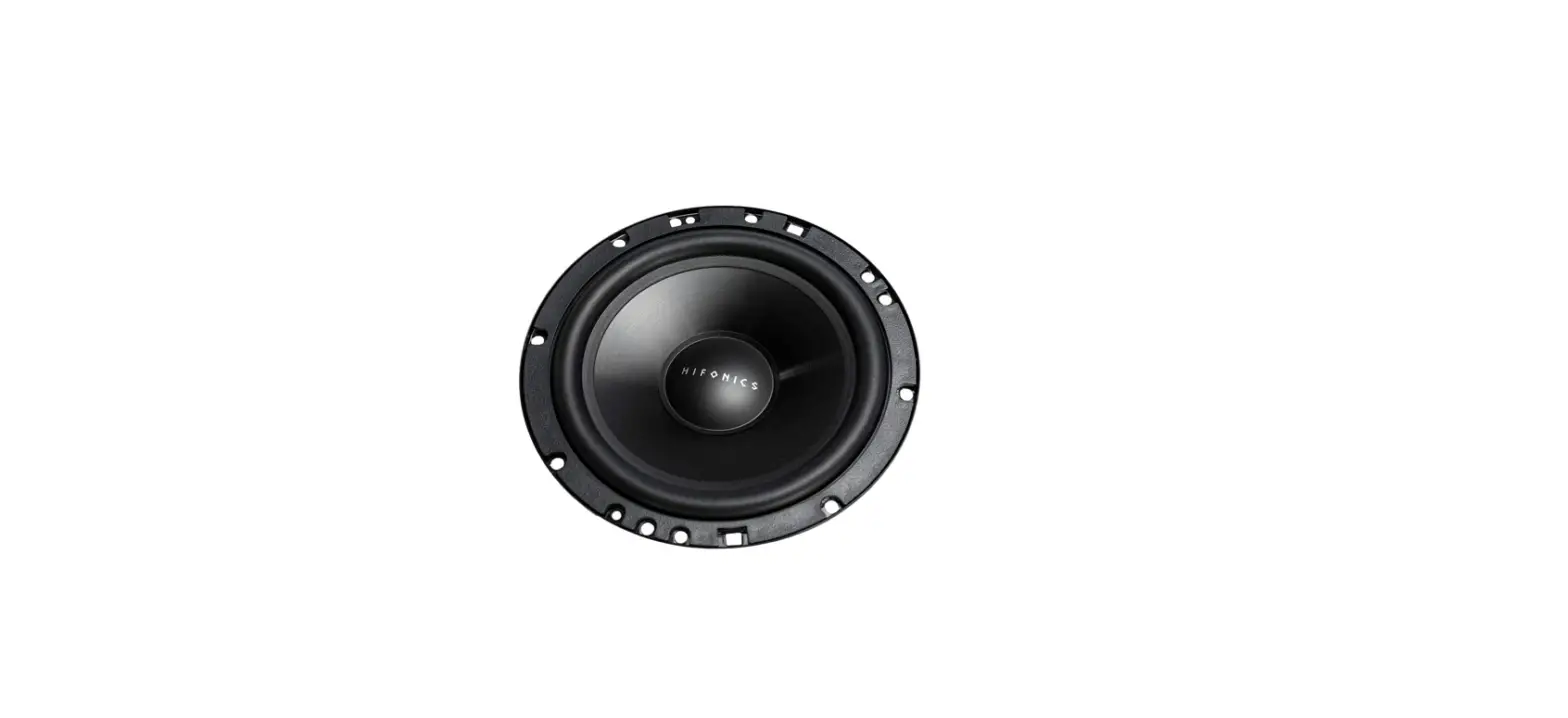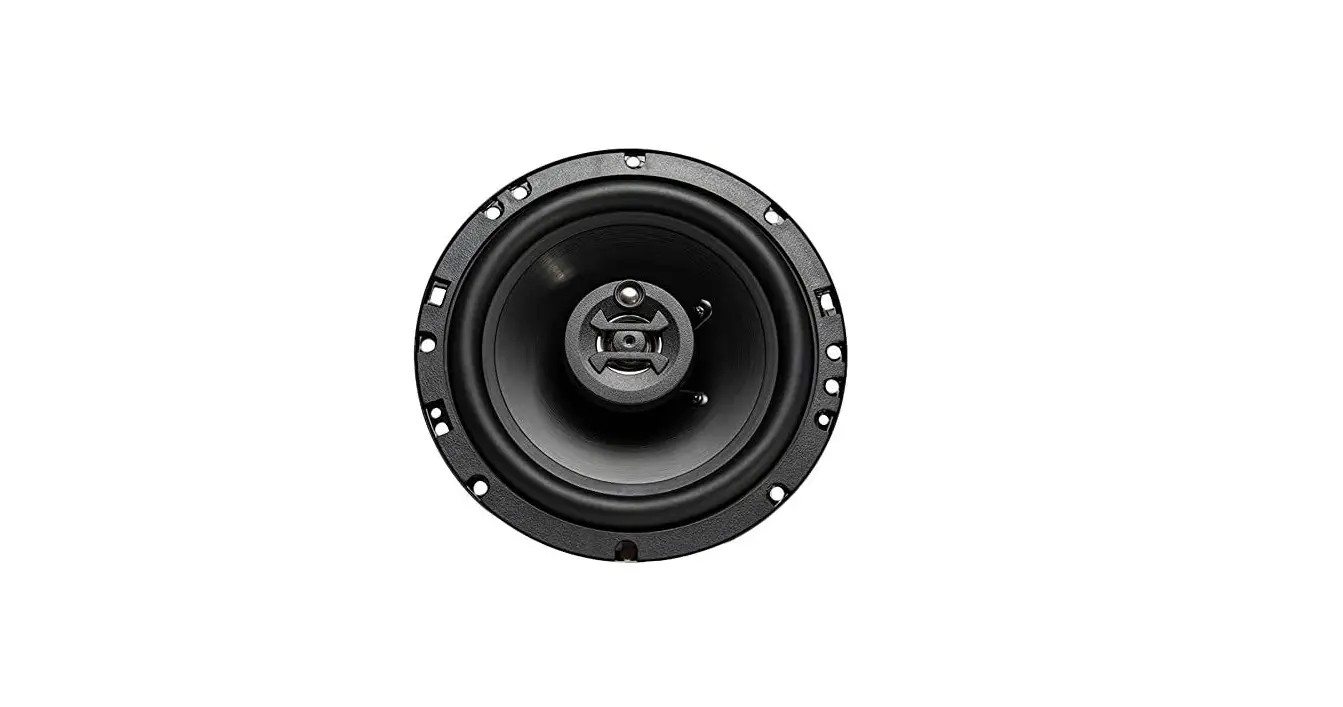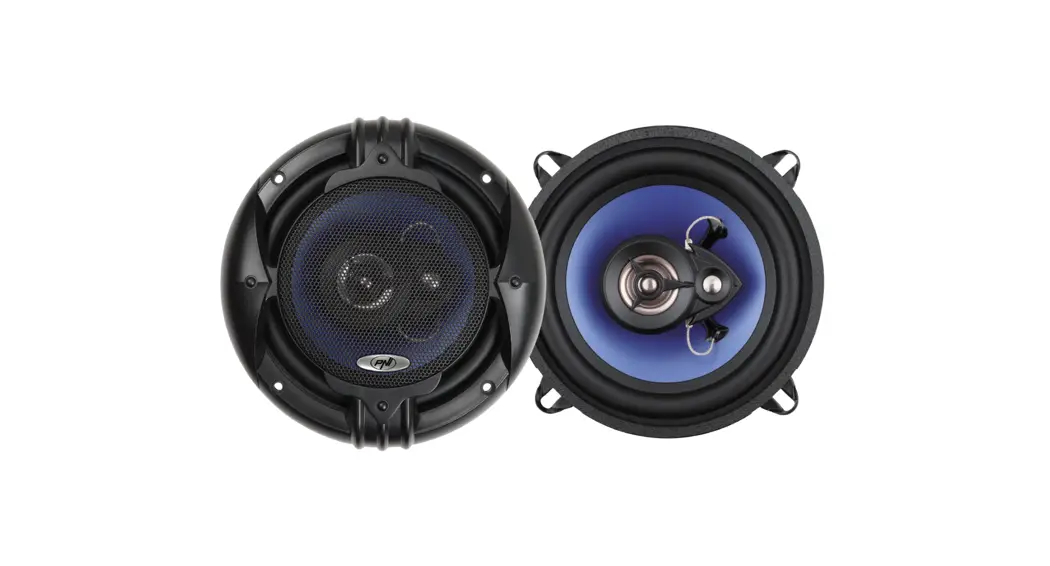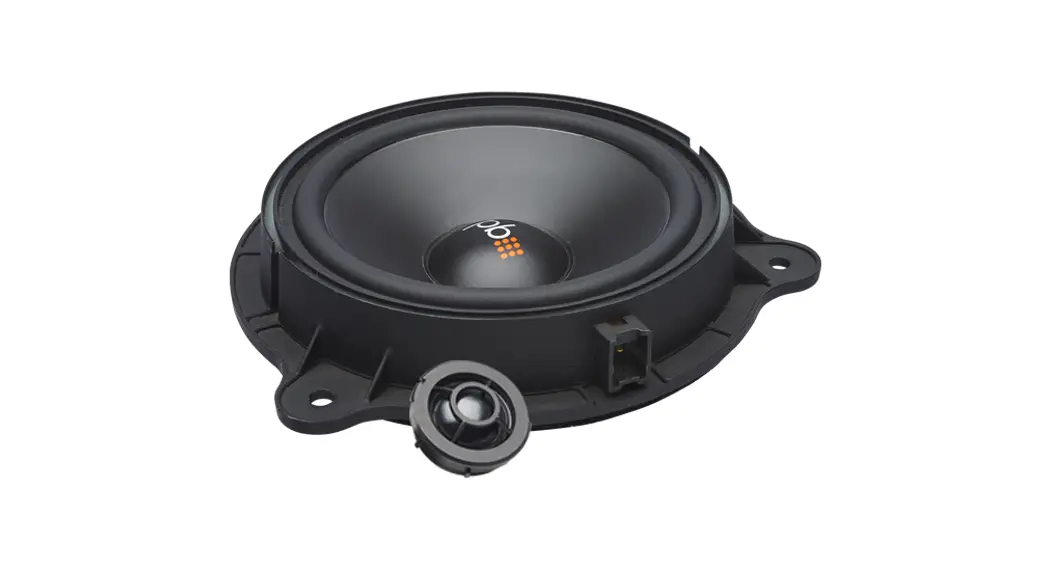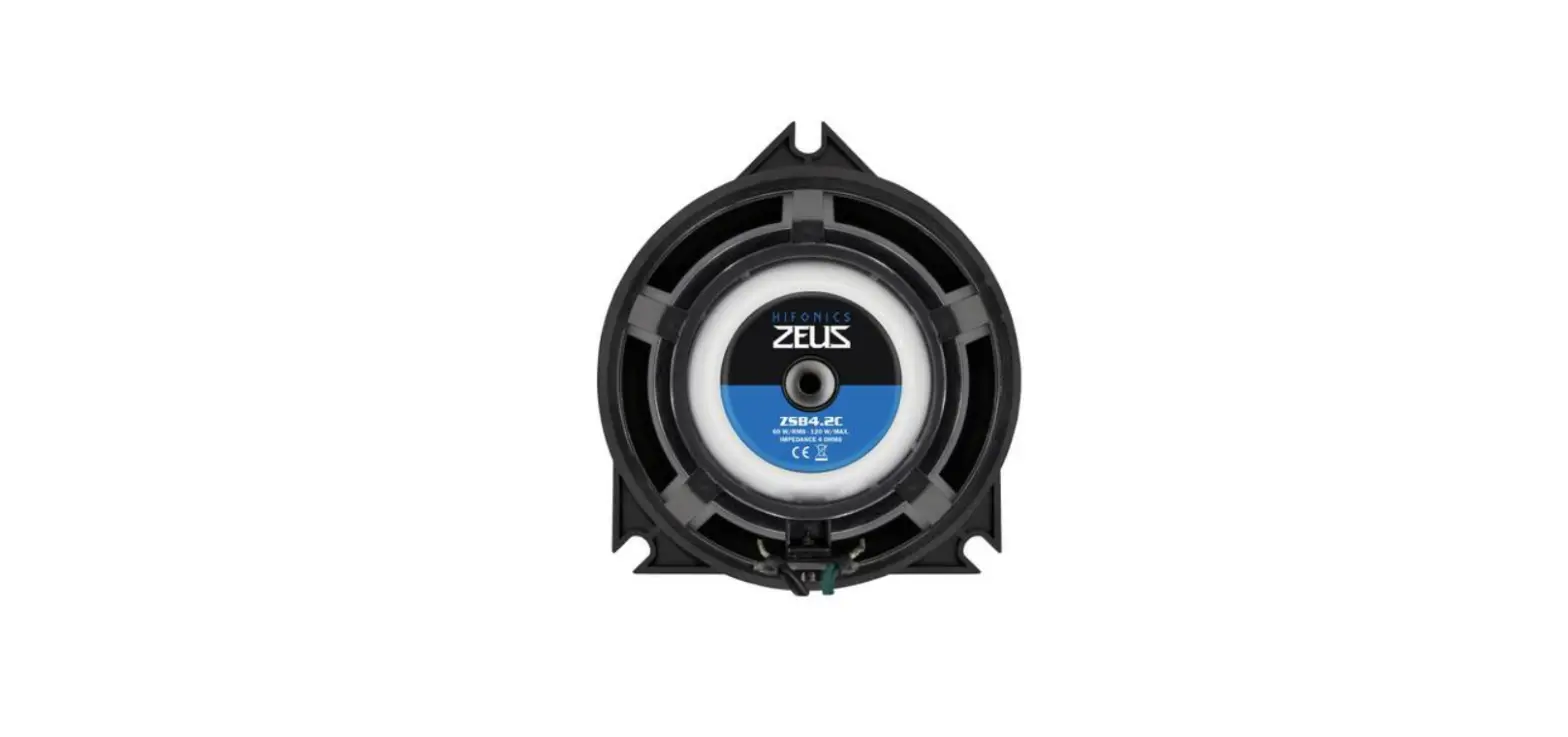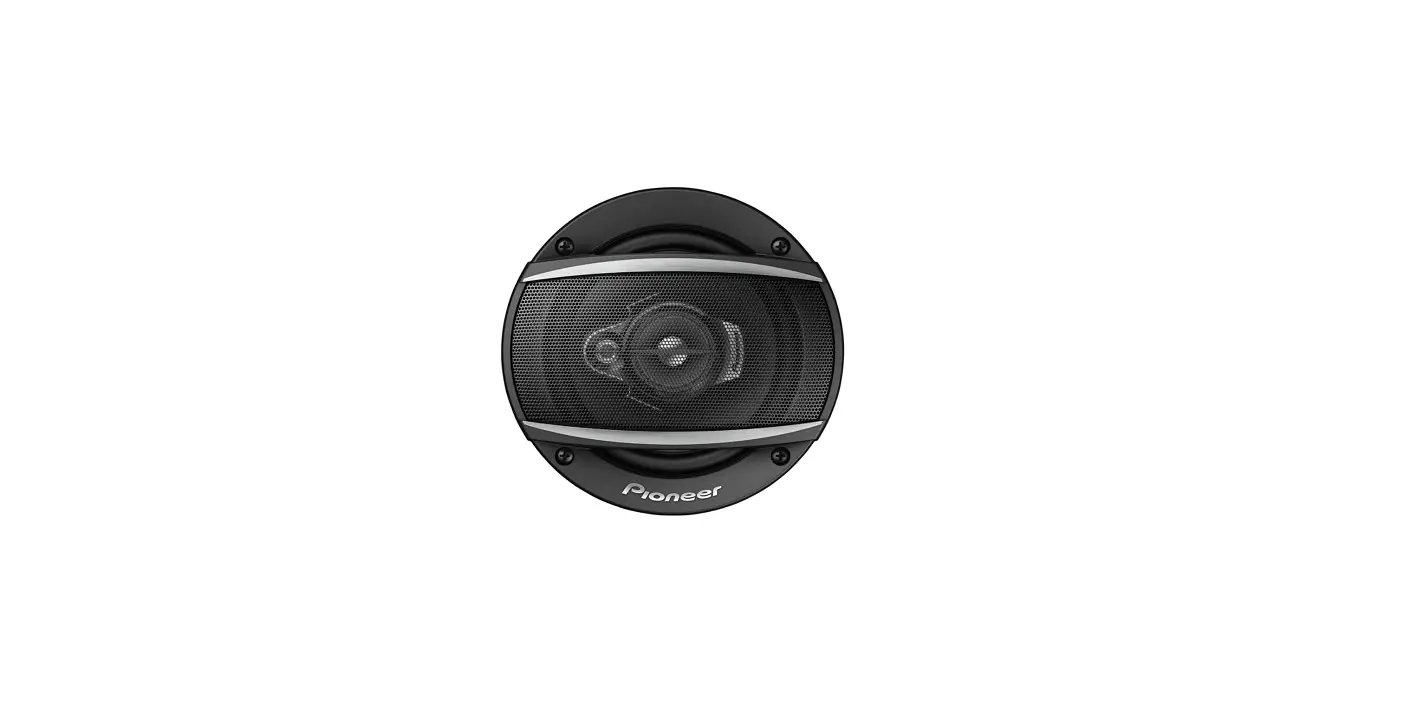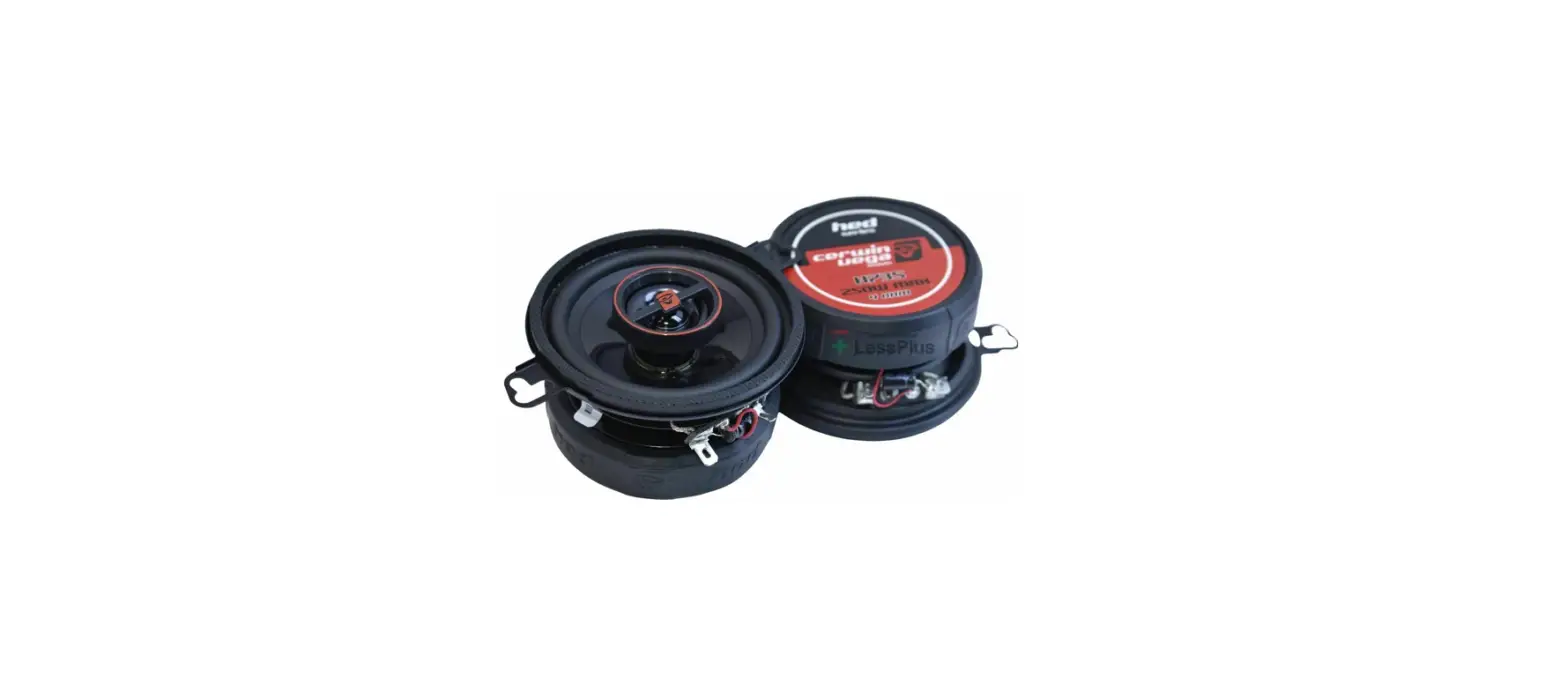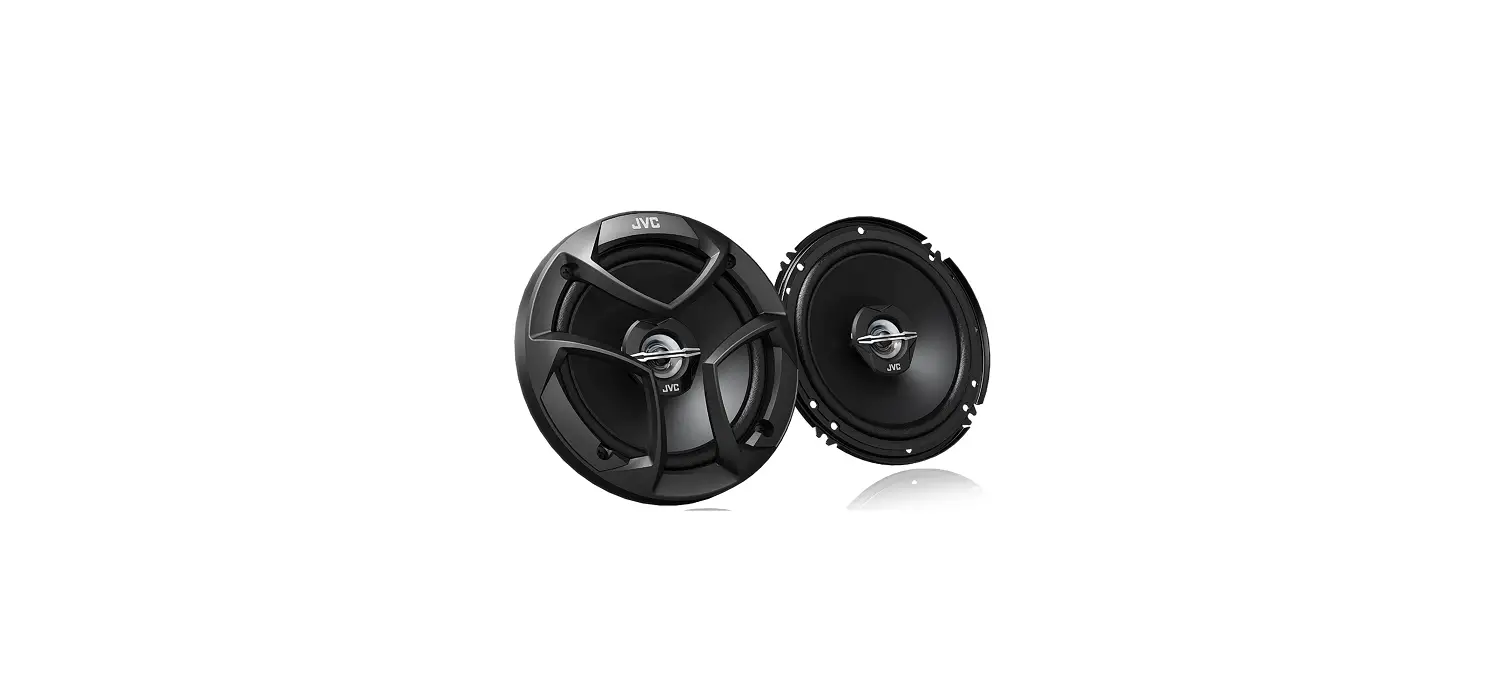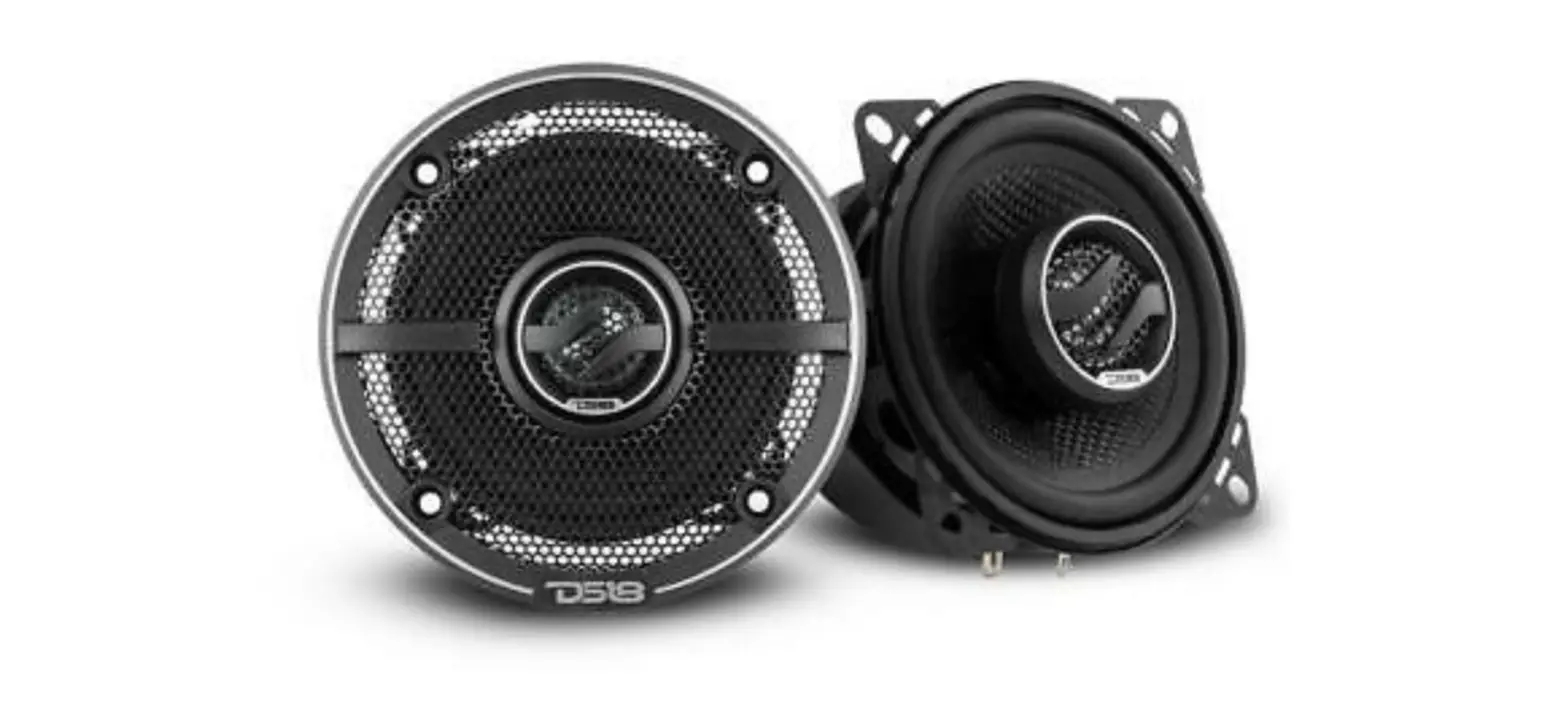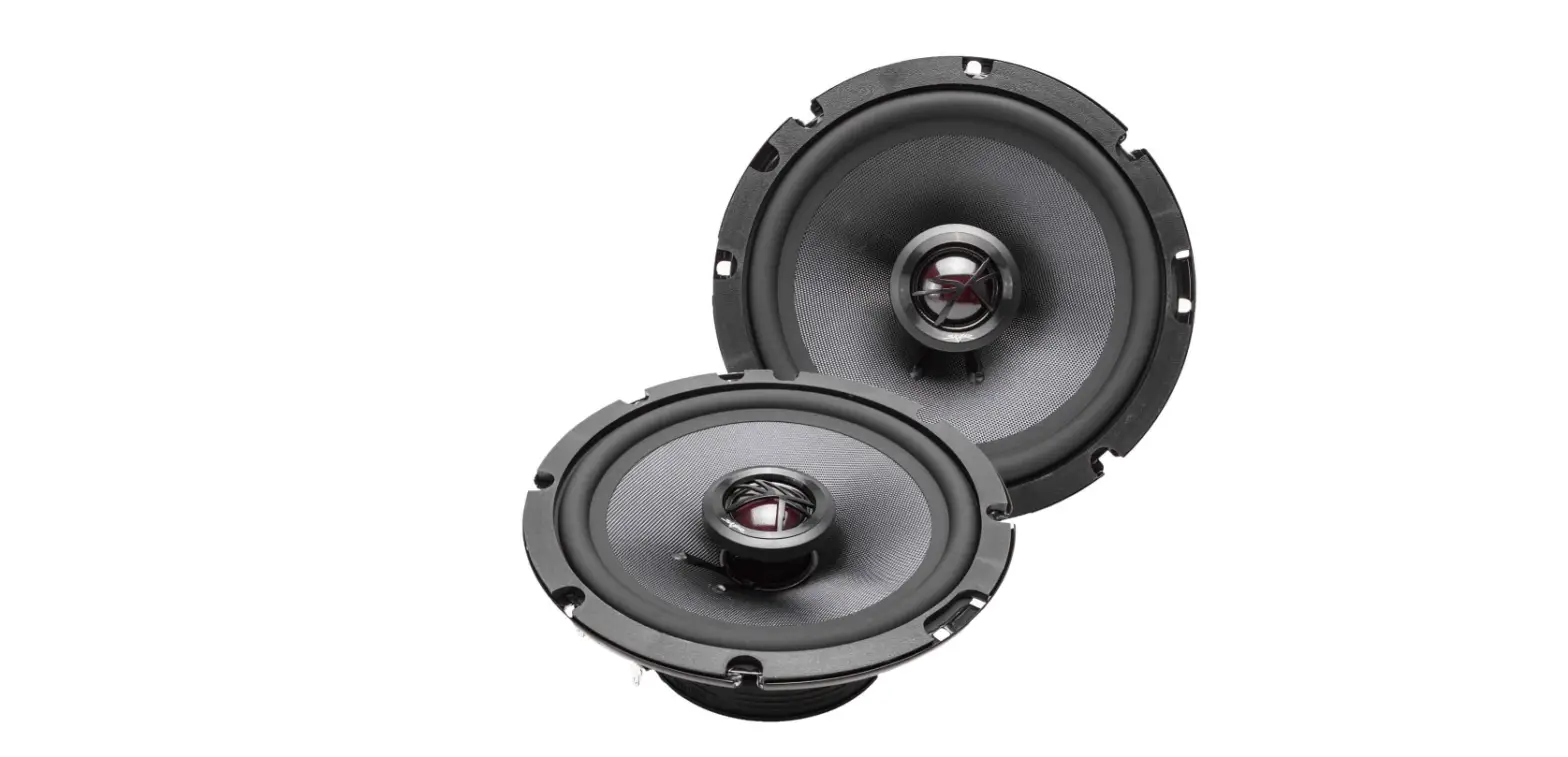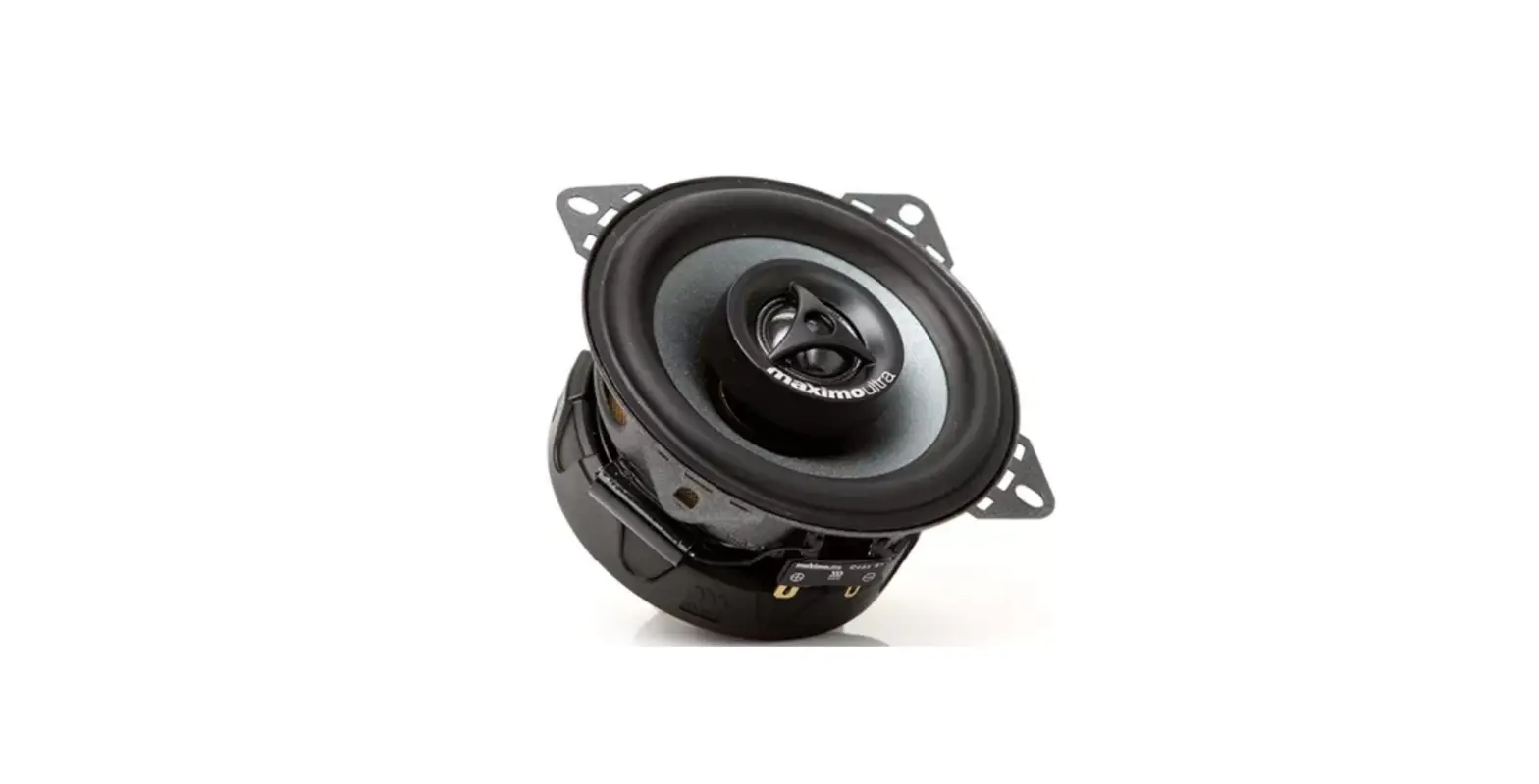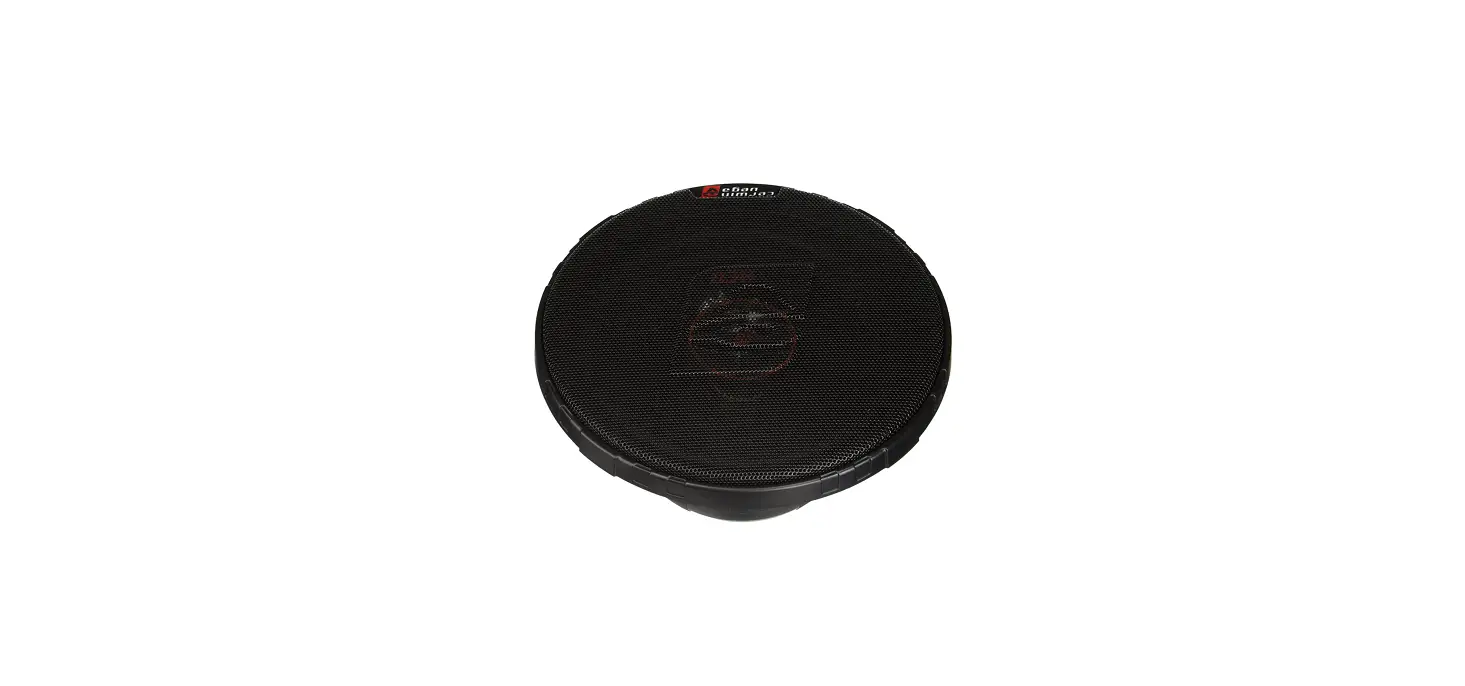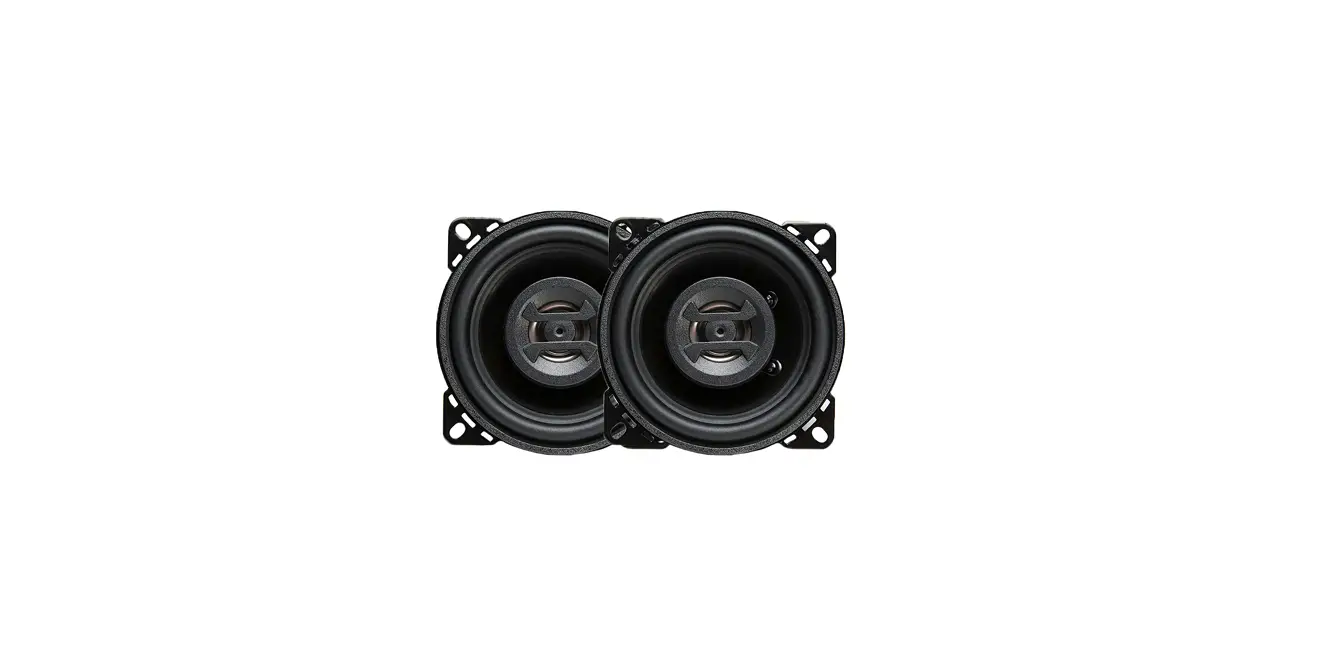

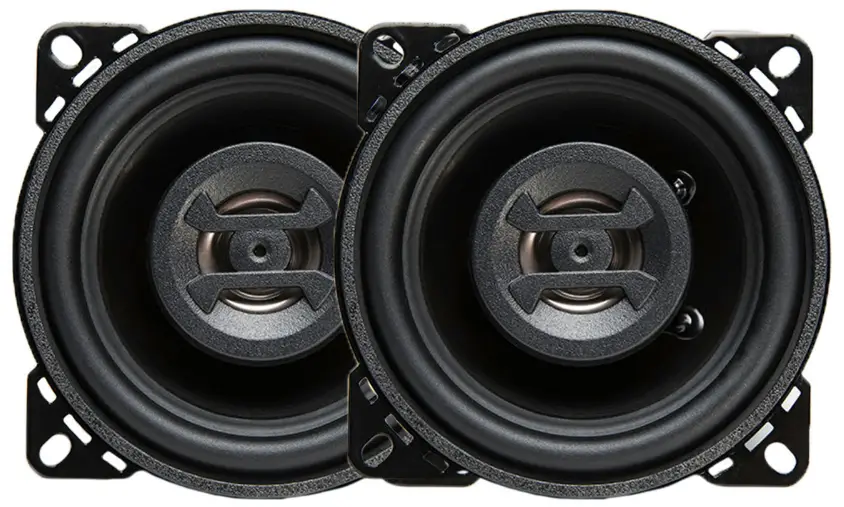
Hifonics ZS46CX Zeus Coaxial Car Speakers
INTRODUCTION
Congratulations on your choice of a Hifonics speaker. This “Quick Start Installation” guide is meant to help you “Hook Up” and play music. For more detailed information on system setting, speaker and subwoofer configuration, and full specifications by model, visit the website at Hifonics.com
CAUTION
Always consider consulting a professional audio installer before installing new speakers. Many car manufacturers locate speakers behind interior panels that require special tools to remove those panels to access the speakers. Some panels will be screwed in, some will use plastic fasteners, many will have both. Be careful and take your time.
If you are using the speaker wire supplied with your new speakers make sure that you run the speaker wires through the factory boot. Do not let speaker wire make contact with metal edges of doors or other access holes.
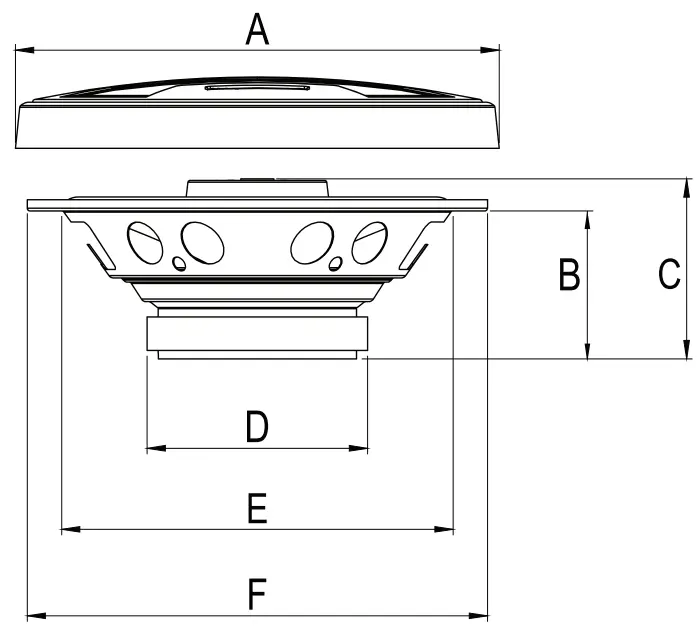
SPEAKER DIMENSIONS

BEFORE YOU START
It’s a good idea to confirm that you have purchased the correct size speakers to fit your vehicle. If you have any reservations about being able to complete the installation yourself, we recommend contacting a professional. The removal of interior panels can be tricky and may require special tools. Be careful as you go.
FACTORY SPEAKER REMOVAL
- Access and remove factory door speakers
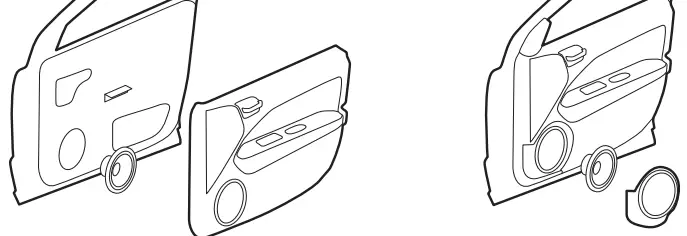
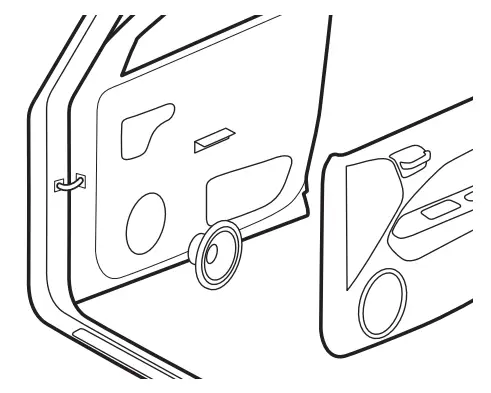
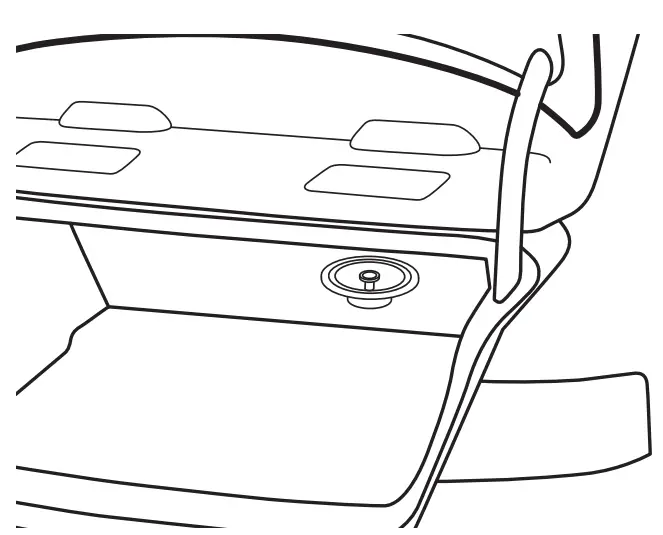
Most modern vehicles have speakers that are mounted directly to the structure of the door. Access is achieved by the removal of the door panel. Some vehicles may only require the removal of a small panel around the speaker itself.
- Access and removal of rear factory speakers
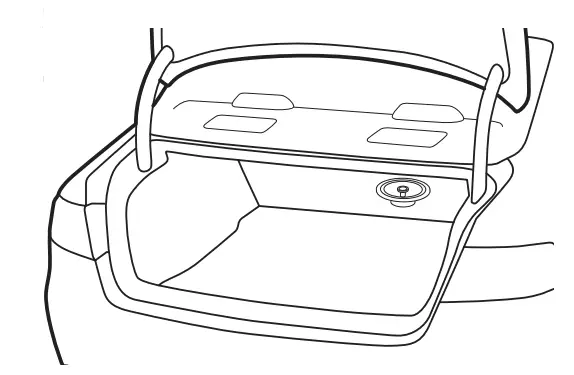
Most rear speakers are accessed from within the trunk. Some may require the removal of the rear package tray. Hatchbacks and SUV’s will usually require the removal of a side panel.
- Fit and Wiring
Once the factory speakers are removed, check the fit and determine if there is enough depth clearance for the new speaker. A good way to do this is to roll the window down and back up while holding the speaker in place. If you decide to run wires, make sure to use factory harness boots and grommets where ever possible.
COAX INSTALLATION
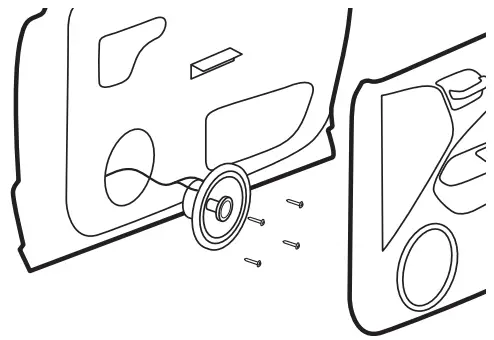
- Factory location behind door panel
Once you are sure the speaker fits and has adequate clearance, connect the positive and negative wires to the proper terminals. Securely screw the speaker into place. Replace door panel.
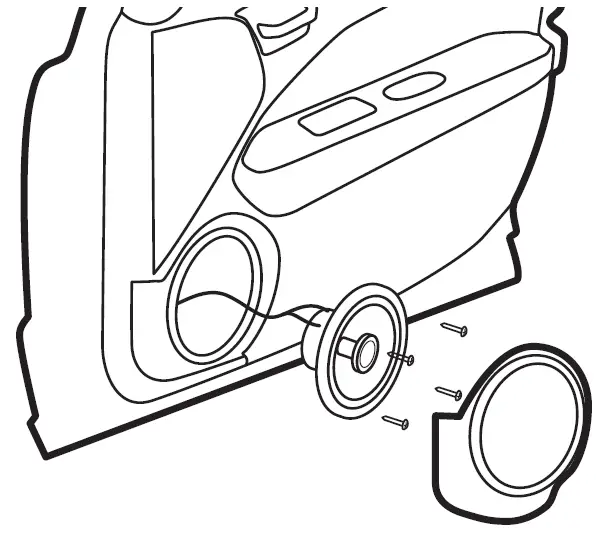
- Factory location behind small panel
Once you are sure the speaker fits and has adequate clearance, connect the positive and negative wires to the proper terminals. Securely screw the speaker into place. Replace speaker cover panel.
- Custom location
Some vehicles may not have a door speaker location. While it is possible to install the speakers in this situation, it is more difficult. Consider using a professional for custom installations.
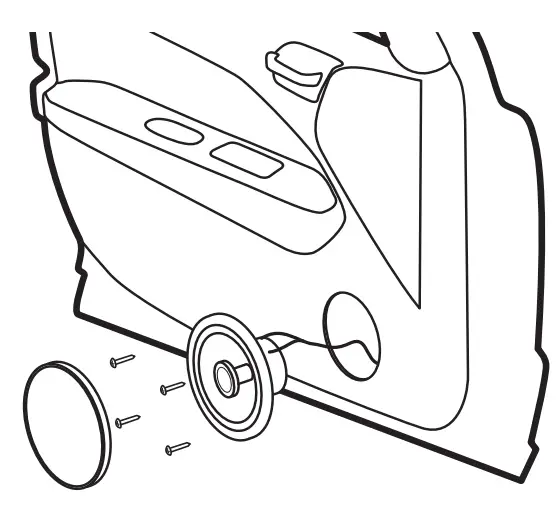
- Rear factory Locations
Mount the speakers in same way that the factory speaker was mounted. Attach the positive and negative wires to the proper terminals. Make sure any wires are secured properly.
WARRANTY
Maxxsonics USA Inc. warrants this product, to the original consumer purchaser, to be free from defects in material and workmanship for a period of one (1) year from the date of purchase. Maxxsonics USA Inc. will, at it’s discretion, repair or replace defective products during the warranty period. Components that prove to be defective in materials and workmanship under proper installation and use must be returned to the original authorized Maxxsonics USA Inc. retailer from where it was purchased. A photocopy of the original receipt must accompany the product being returned. The costs associated with removal, re-installation and freight are not the responsibility of Maxxsonics USA Inc. This warranty is limited to defective parts and specifically excludes any incidental or consequential damages connected therewith. To view the full warranty, please visit the website.
Hifonics products are designed and engineered in the USA by www.maxxsonics.com
FAQs
In conclusion, coaxial speakers are considerably superior to the single-cone speakers featured on OEM vehicles in terms of sound quality and range coverage. Coaxial speakers can be 3-way as well, however they are less popular than 2-way speakers.
In professional audio, coaxial loudspeakers allow sound from two drivers to come from a single source. In comparison to loudspeaker enclosures containing physically separated drivers, this feature enables a wider field of listening to a synchronised summation of speaker drivers.
You probably don’t need a second crossover if your car audio system uses coaxial speakers. The frequencies that reach each driver are already filtered by passive crossovers that are already present in full-range speakers. The built-in speaker crossovers should be more than enough, even if you add an amplifier to the mix.
There is no need to play a speaker at half power or low volumes for an extended period of time in order to aid or ease into this, even though it is true that the suspension of a speaker will loosen up over time.
Due to their ability to reproduce a wider range of audio frequencies from a single speaker, coaxial speakers are frequently referred to as “full-range” speakers. The drivers in these speakers are identical to those in component speakers, but they have been combined to save space and money.
Component speakers and coaxial speakers can be powered by your car radio without the need for an amplifier. However, an amp will enable you to receive a lot cleaner sound without distortion, a greater volume, and power for a subwoofer, allowing you to get the most from your speakers.
The back of the car is often where coaxial speakers are located.
The sound quality is frequently better if a signal is solely separated into high frequencies and low frequencies. Due to their affordability and ease of installation, 2-way speakers are the most practical choice for most car speakers, especially when compared to 3-way speakers.
You must take the core conductor wire and attach it to the speaker’s red (or positive) connector. With the other end of the wire in your hands, attach it to the identical colour port on your receiver or amplifier.
A coaxial speaker, to put it simply, combines a woofer and a tweeter into one component. There is an additional midrange driver in the three-way variant. On a pole that extends to the centre, the tweeter and midrange speaker are mounted. They now have access to the entire audio spectrum in a little package.
The woofer and tweeter are two different types of drivers found in 2-way speakers. A speaker called a woofer is made specifically to reproduce low-frequency sounds, whereas a tweeter is made to reproduce high-frequency sounds. The mid-range, woofer, and tweeter drivers, collectively known as the 3-way speaker, produce sound.
The sound produced by component speakers is much cleaner, more adaptable, and frequently louder than that of coaxial speakers.
In professional audio, coaxial loudspeakers allow sound from two drivers to emanate from a single source. In comparison to loudspeaker enclosures featuring physically isolated drivers, this feature enables a larger field of listening to a synchronized summation of speaker drivers.