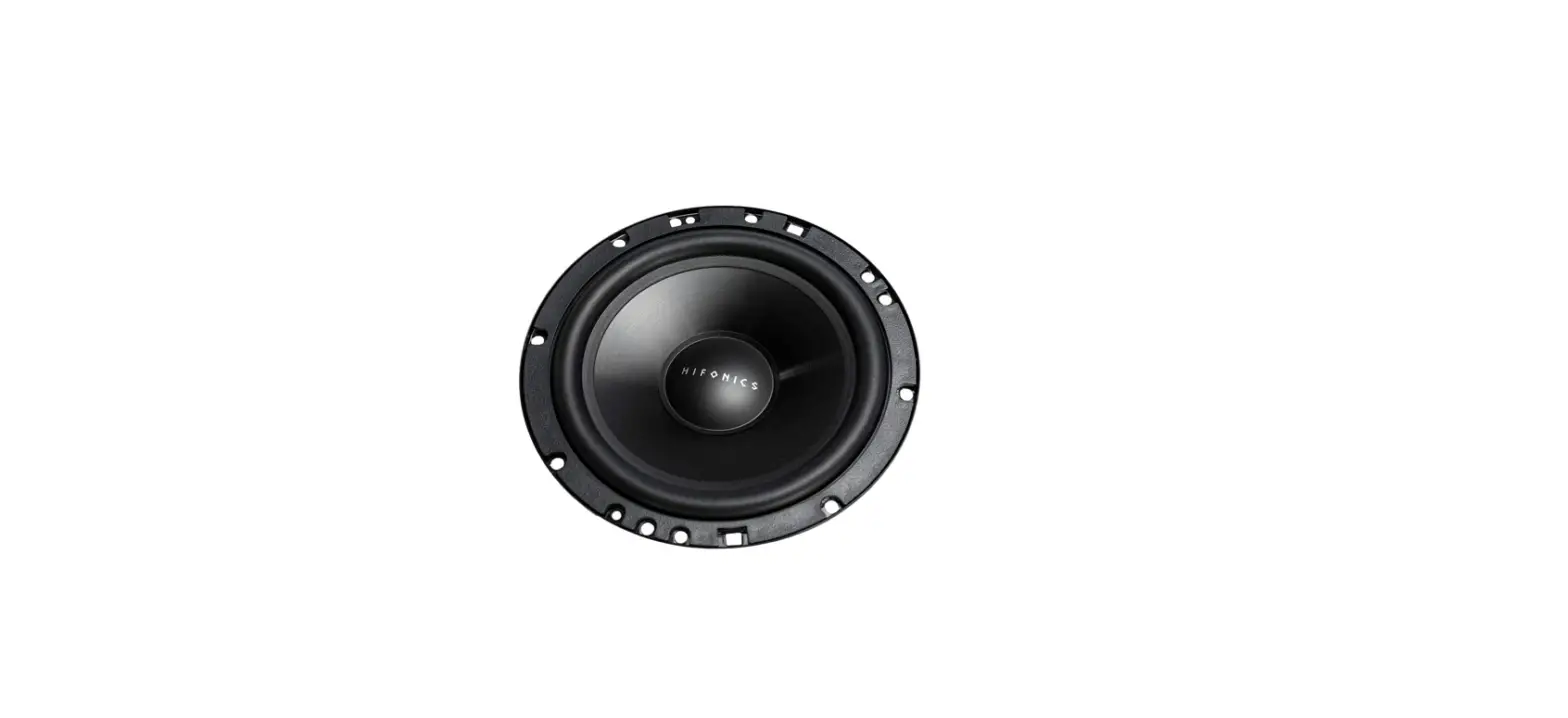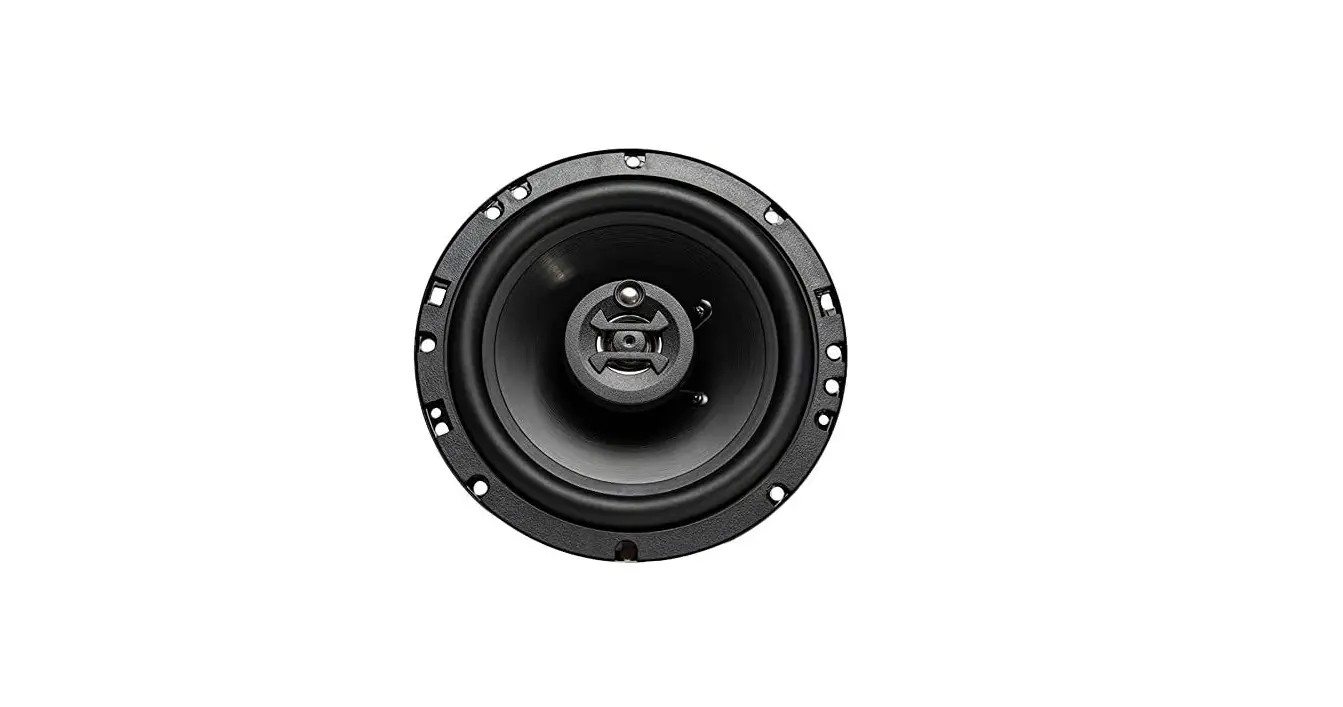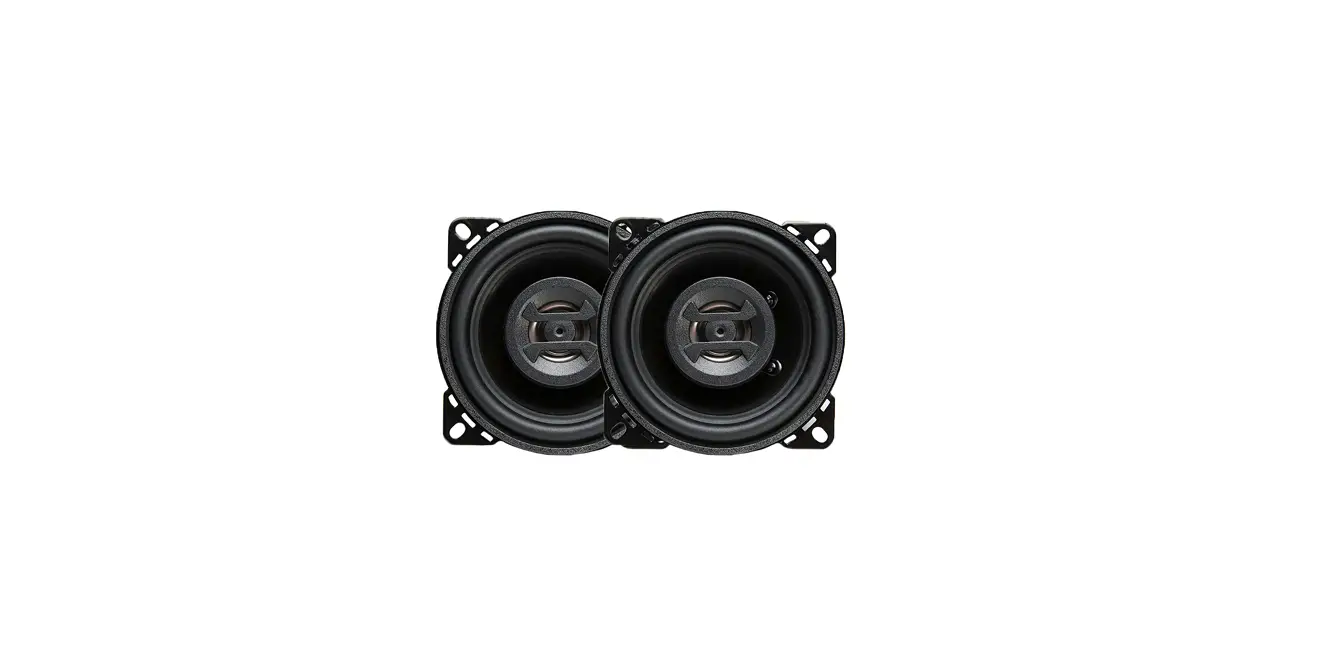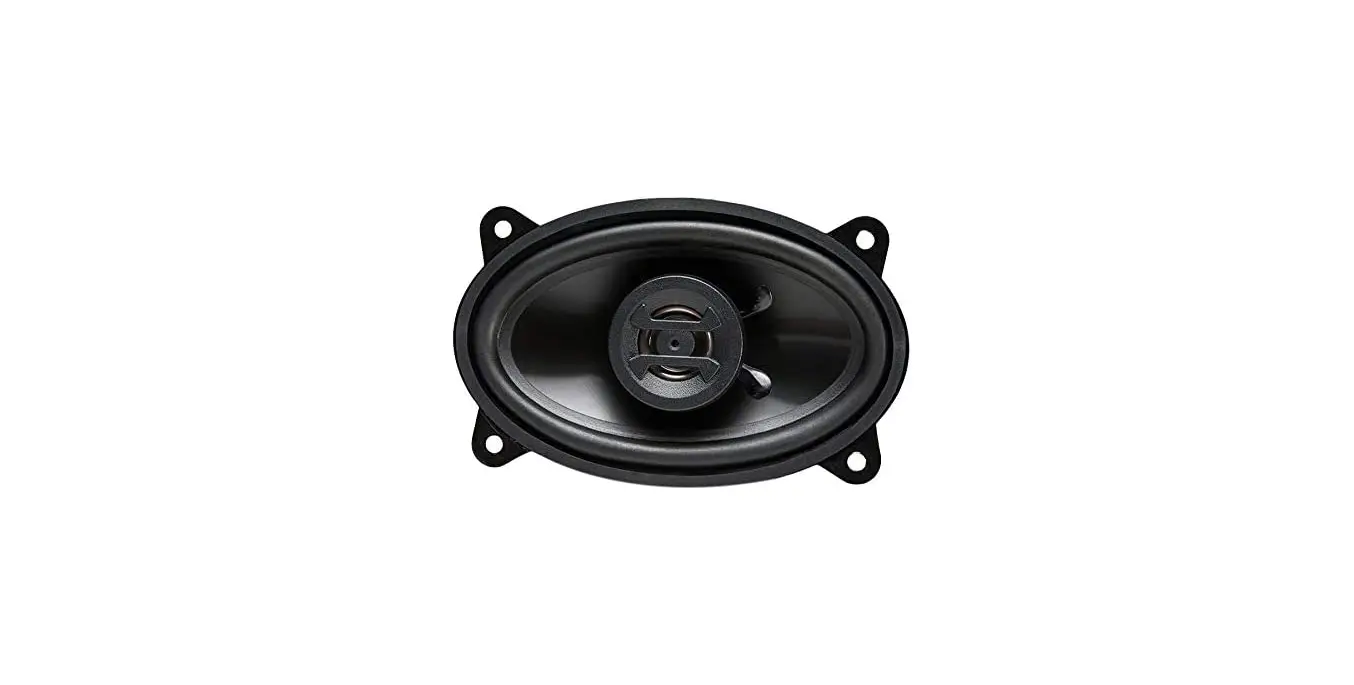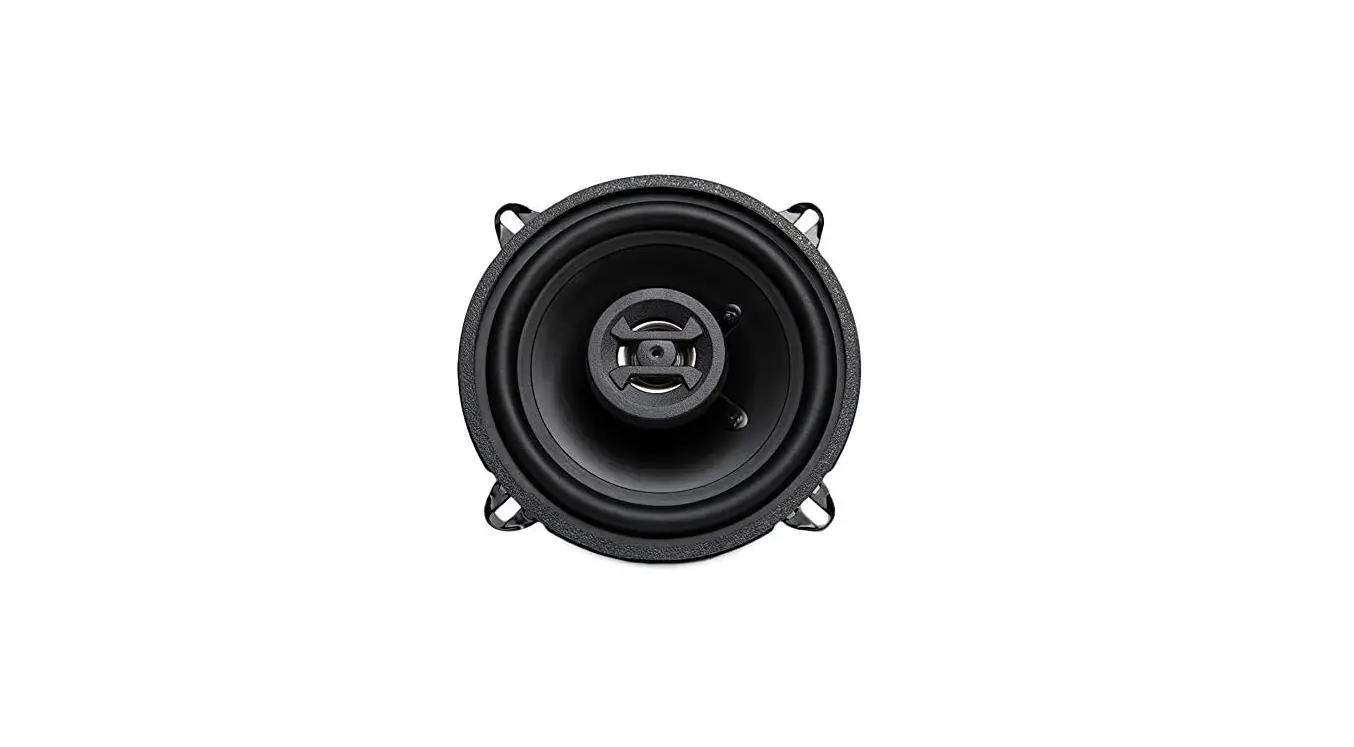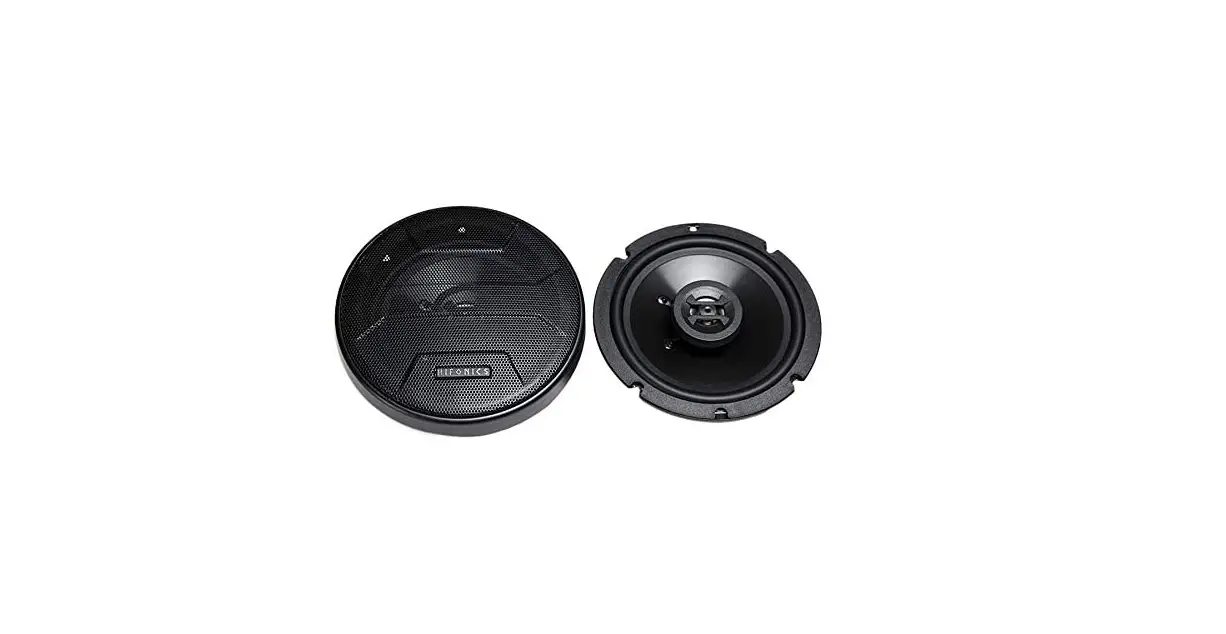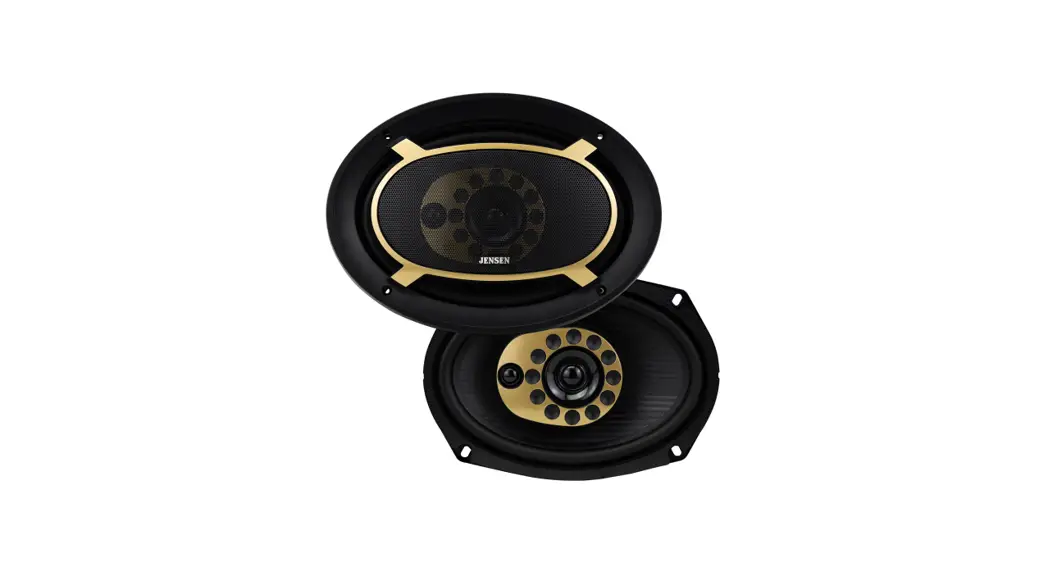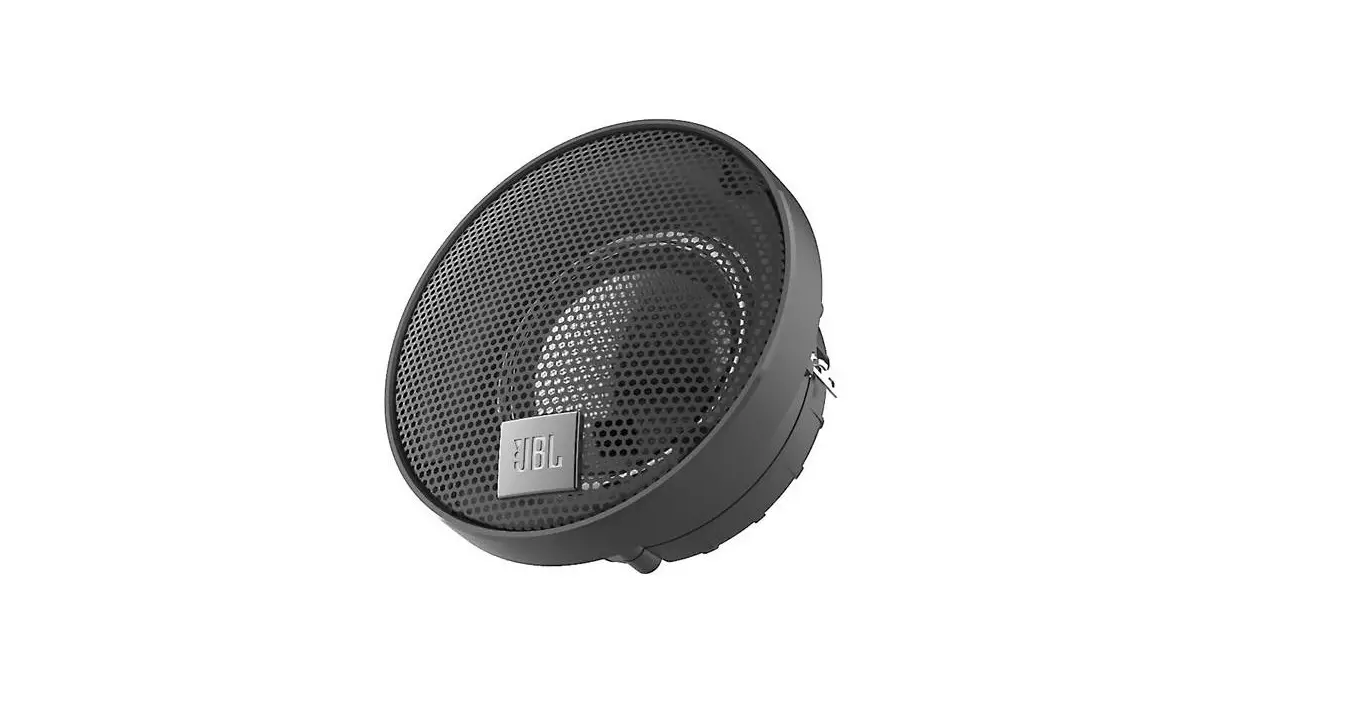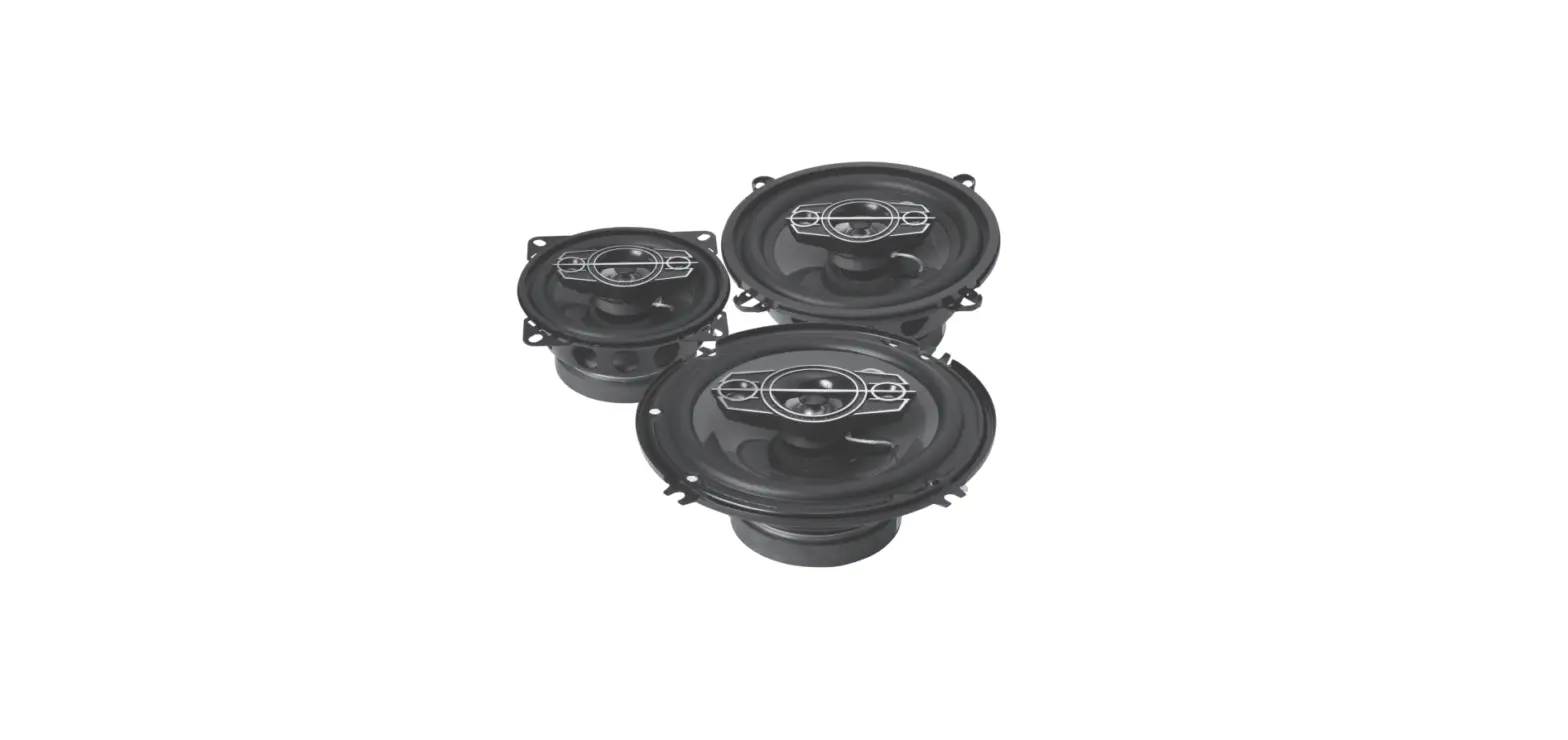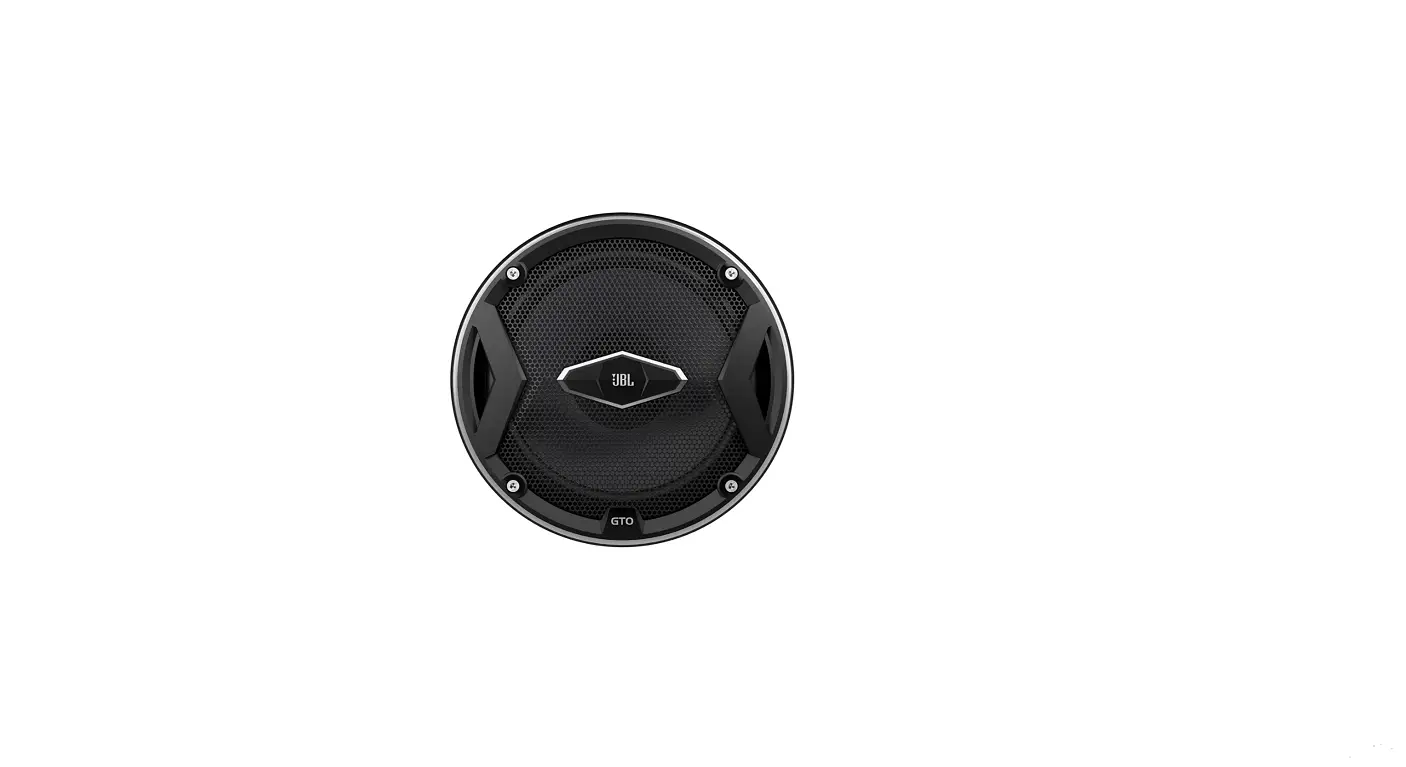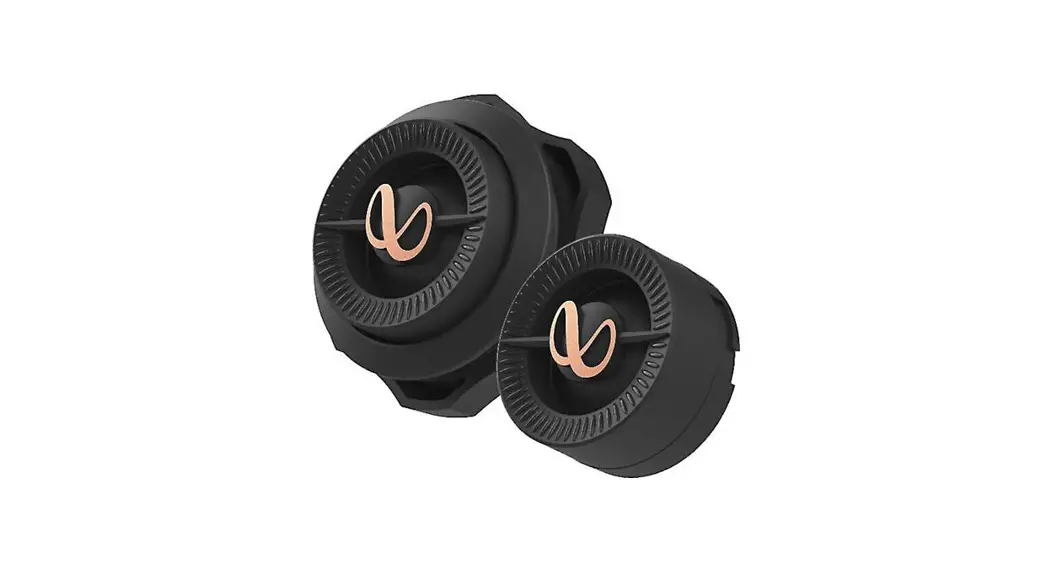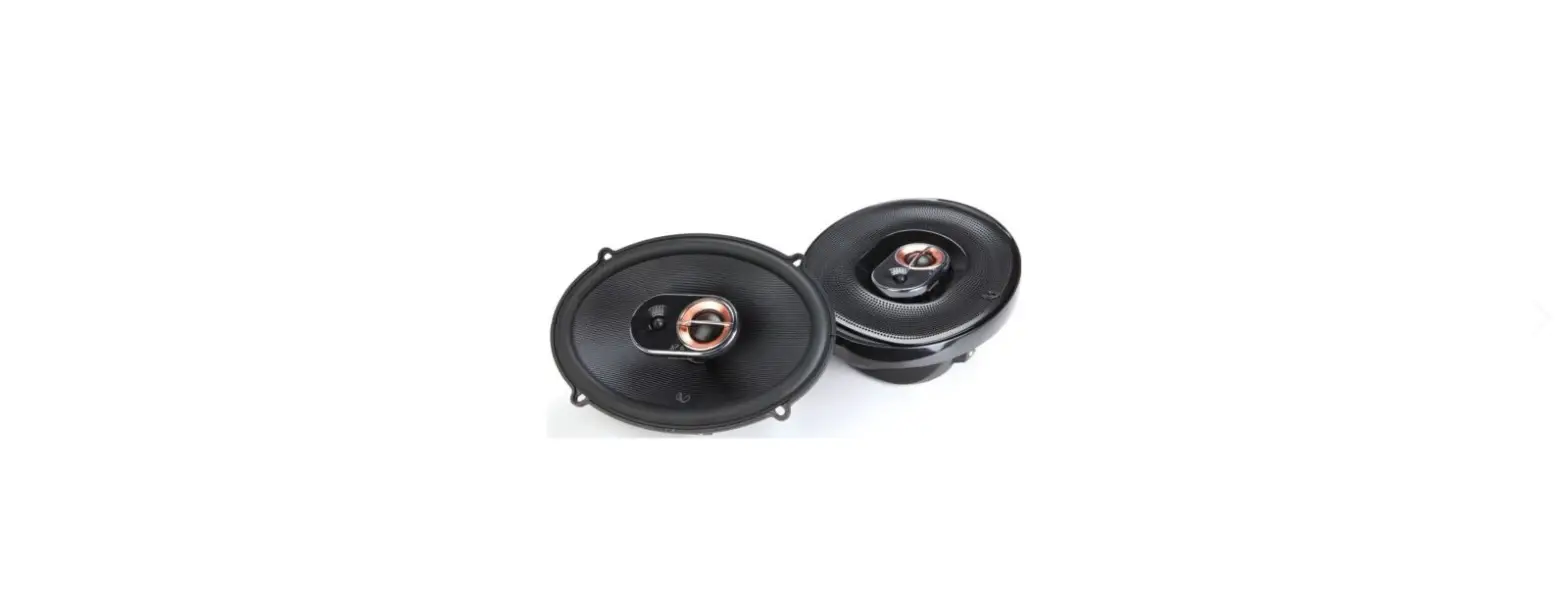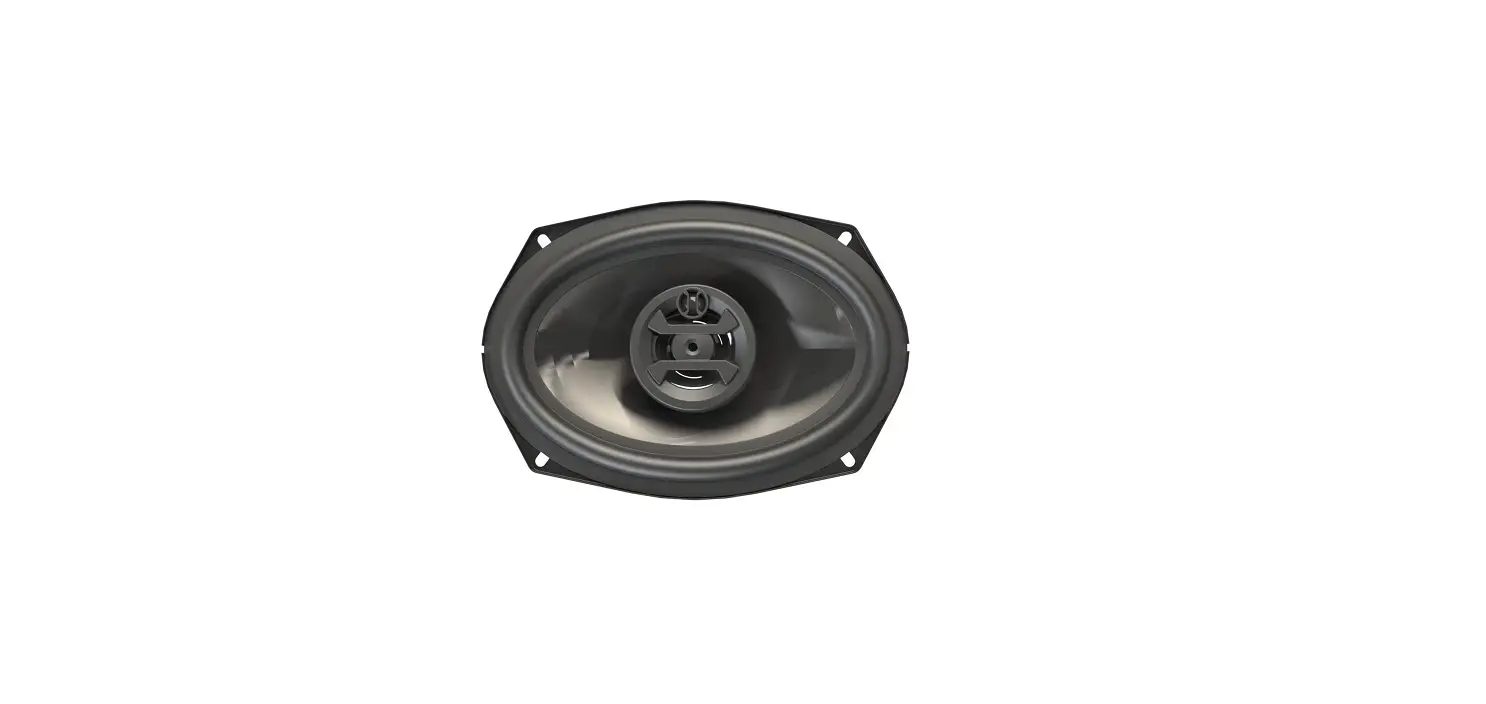

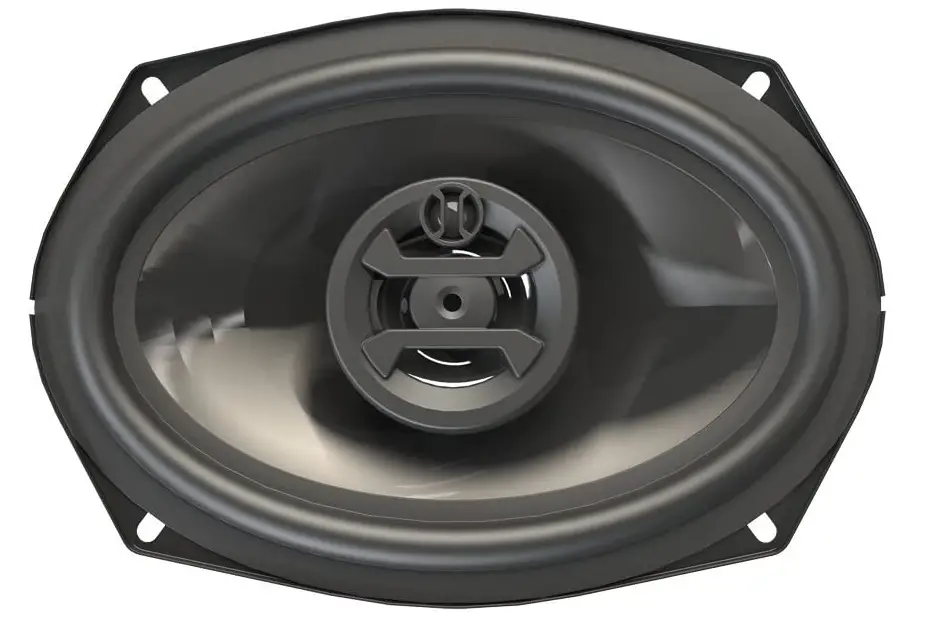
Hifonics ZS693 Car Audio Speakers
INTRODUCTION
Congratulations on your choice of a Hifonics speaker. This “Quick Start Installation” guide is meant to help you “Hook Up” and play music. For more detailed information on system setting, speaker and subwoofer configuration, and full specifications by model, visit the website at Hifonics.com
CAUTION
Always consider consulting a professional audio installer before installing new speakers. Many car manufacturers locate speakers behind interior panels that require special tools to remove those panels to access the speakers. Some panels will be screwed in, some will use plastic fasteners, many will have both. Be careful and take your time.
If you are using the speaker wire supplied with your new speakers make sure that you run the speaker wires through the factory boot. Do not let speaker wire make contact with metal edges of doors or other access holes.
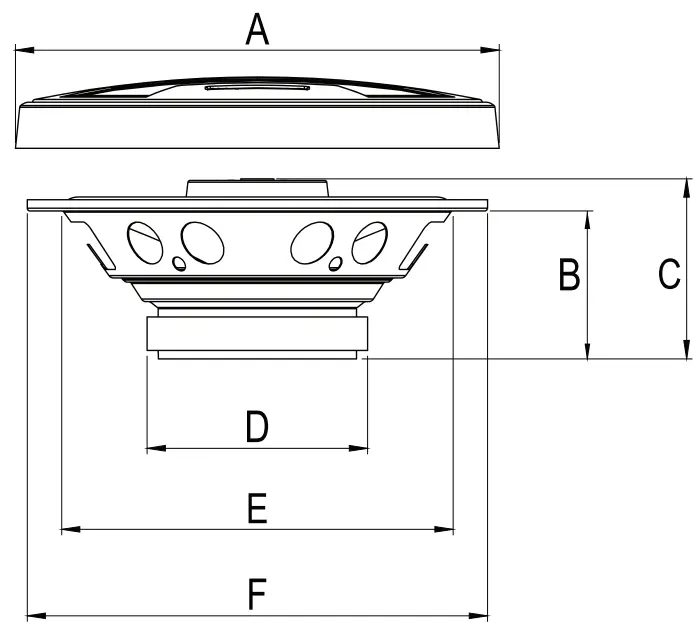
SPEAKER DIMENSIONS

BEFORE YOU START
It’s a good idea to confirm that you have purchased the correct size speakers to fit your vehicle. If you have any reservations about being able to complete the installation yourself, we recommend contacting a professional. The removal of interior panels can be tricky and may require special tools. Be careful as you go.
FACTORY SPEAKER REMOVAL
- Access and remove factory door speakers
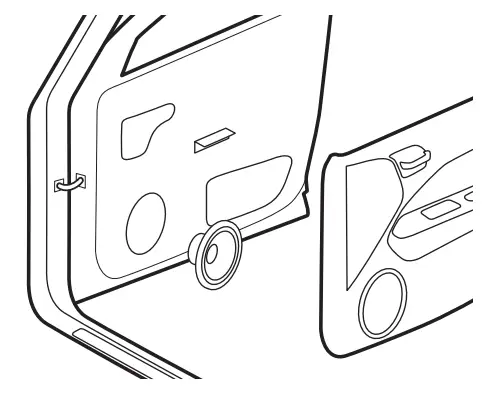
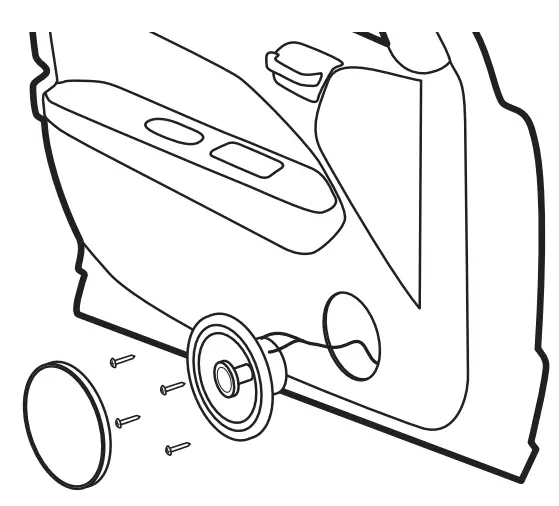
Most modern vehicles have speakers that are mounted directly to the structure of the door. Access is achieved by the removal of the door panel. Some vehicles may only require the removal of a small panel around the speaker itself.
- Access and removal of rear factory speakers
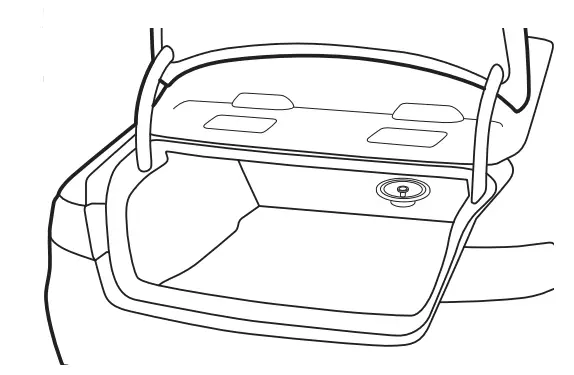
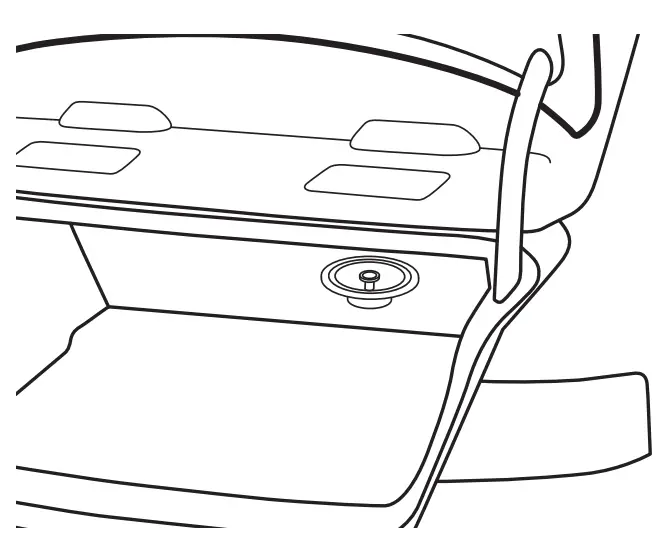
Most rear speakers are accessed from within the trunk. Some may require the removal of the rear package tray. Hatchbacks and SUV’s will usually require the removal of a side panel.
- Fit and Wiring
Once the factory speakers are removed, check the fit and determine if there is enough depth clearance for the new speaker. A good way to do this is to roll the window down and back up while holding the speaker in place. If you decide to run wires, make sure to use factory harness boots and grommets where ever possible.
COAX INSTALLATION
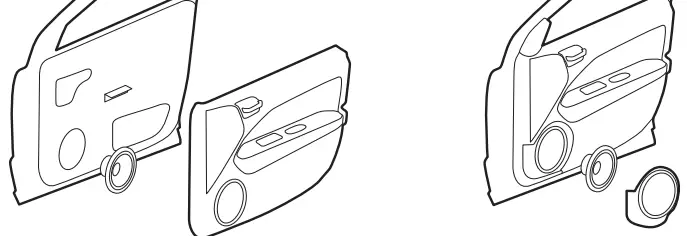
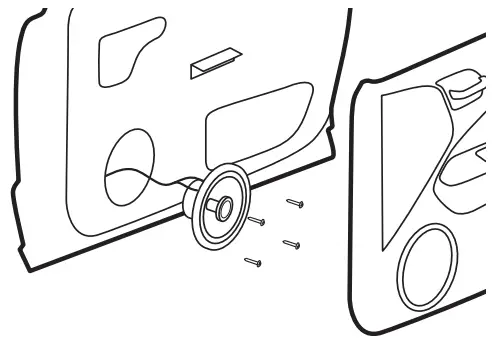
- Factory location behind door panel
Once you are sure the speaker fits and has adequate clearance, connect the positive and negative wires to the proper terminals. Securely screw the speaker into place. Replace door panel.
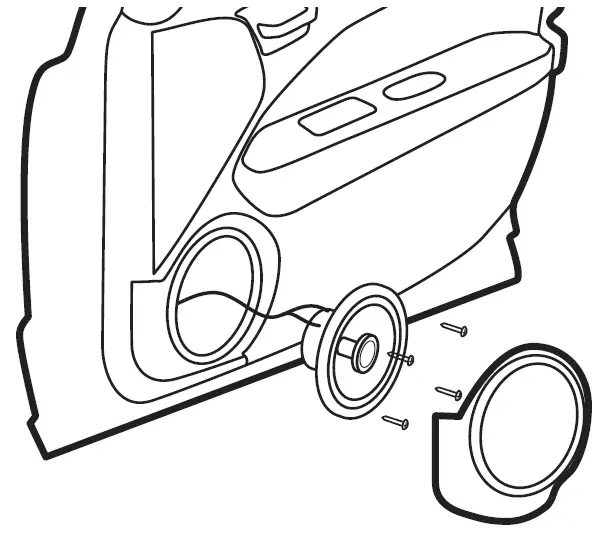
- Factory location behind small panel
Once you are sure the speaker fits and has adequate clearance, connect the positive and negative wires to the proper terminals. Securely screw the speaker into place. Replace speaker cover panel.
- Custom location
Some vehicles may not have a door speaker location. While it is possible to install the speakers in this situation, it is more difficult. Consider using a professional for custom installations.
- Rear factory Locations
Mount the speakers in same way that the factory speaker was mounted. Attach the positive and negative wires to the proper terminals. Make sure any wires are secured properly.
WARRANTY
Maxxsonics USA Inc. warrants this product, to the original consumer purchaser, to be free from defects in material and workmanship for a period of one (1) year from the date of purchase. Maxxsonics USA Inc. will, at it’s discretion, repair or replace defective products during the warranty period. Components that prove to be defective in materials and workmanship under proper installation and use must be returned to the original authorized Maxxsonics USA Inc. retailer from where it was purchased. A photocopy of the original receipt must accompany the product being returned. The costs associated with removal, re-installation and freight are not the responsibility of Maxxsonics USA Inc. This warranty is limited to defective parts and specifically excludes any incidental or consequential damages connected therewith. To view the full warranty, please visit the website.
Hifonics products are designed and engineered in the USA by www.maxxsonics.com
FAQs
In conclusion, coaxial speakers offer significantly better sound quality and coverage than the single-cone speakers used in original equipment manufacturer (OEM) cars. Although two-way speakers are more typical, three-way coaxial speakers are theoretically possible.
Coaxial loudspeakers in professional audio enable sound from two drivers to come from a single source. This feature allows for a wider field of listening to a synchronized summation of speaker drivers when compared to loudspeaker enclosures with physically isolated drivers.
If your car’s audio system employs coaxial speakers, you typically don’t require a second crossover. Full-range speakers filter frequencies using passive crossovers before they reach each driver. Even if you add an amplifier, the built-in speaker crossovers should still be more than enough.
Even while a speaker’s suspension may loosen with use, there’s no need to accelerate the process by continuously using low or half power.
If the speakers in your car’s audio system are coaxial, you typically don’t require a second crossover. Before the frequencies are supplied to each driver in full-range speakers, passive crossovers filter them. Even if you add an amplifier, the built-in speaker crossovers should still be more than enough.
Although it is true that a speaker’s suspension may become softer with use, this does not necessitate playing the speaker for a protracted amount of time at low or half power to aid or ease into it.
Coaxial speakers are usually found in the trunk of the car.
If a signal is solely divided into high frequencies and low frequencies, the sound quality is typically superior. 2-way speakers are the most practical option for the majority of car speakers since they are less expensive and simpler to install than 3-way speakers.
The red (or positive) connector on the speaker must be connected to the core conductor wire. While holding the other end in your hands, attach the opposite end of the identical-colored wire to the port on the amplifier or receiver.
Simply described, a coaxial speaker combines a woofer and a tweeter into one unit. In the three-way version, a second midrange driver is also present. The tweeter and midrange speaker are supported by a pole that extends to the centre of the speaker. They now have a little gadget that can access all audio frequencies.
In 2-way speakers, there are two different types of drivers: the woofer and the tweeter. A tweeter is made to reproduce high-frequency sounds, whereas a woofer’s main function is to reproduce low-frequency noises. The 3-way speaker, also known as the midrange, woofer, and tweeter drivers, produce the sound.
When compared to coaxial speakers, component speakers usually offer audio that is louder, more adaptable, and musically clearer.
Coaxial loudspeakers in professional audio enable sound from two drivers to come from a single source. This characteristic offers a wider field of listening to a synchronised summation of speaker drivers than loudspeaker enclosures with physically isolated drivers.