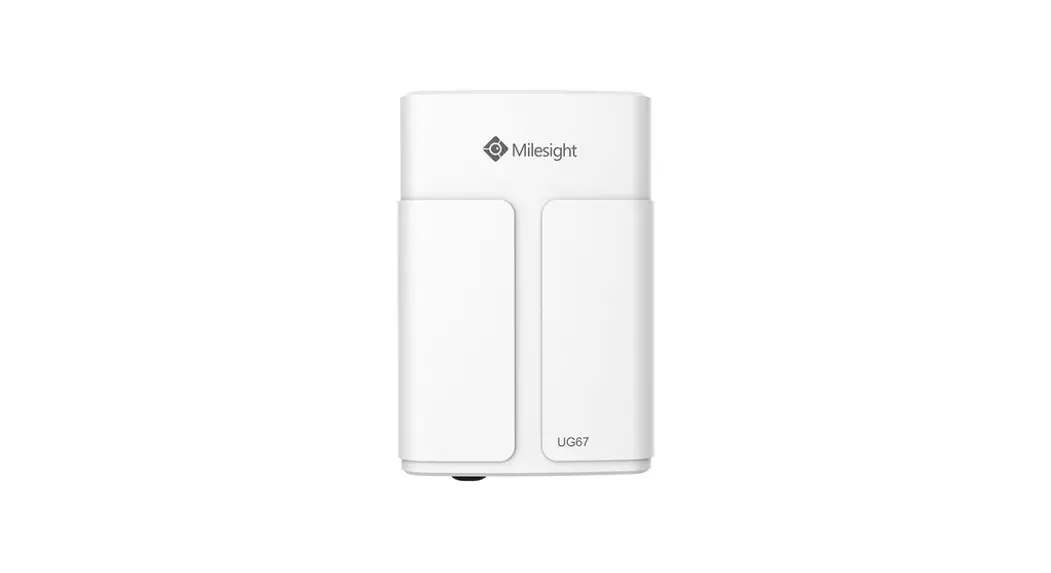
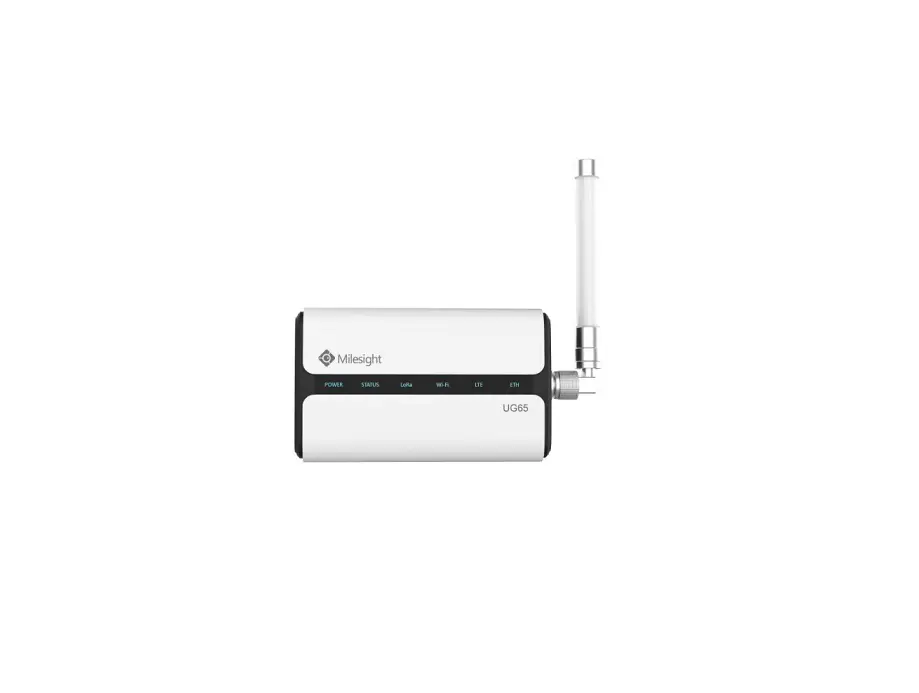
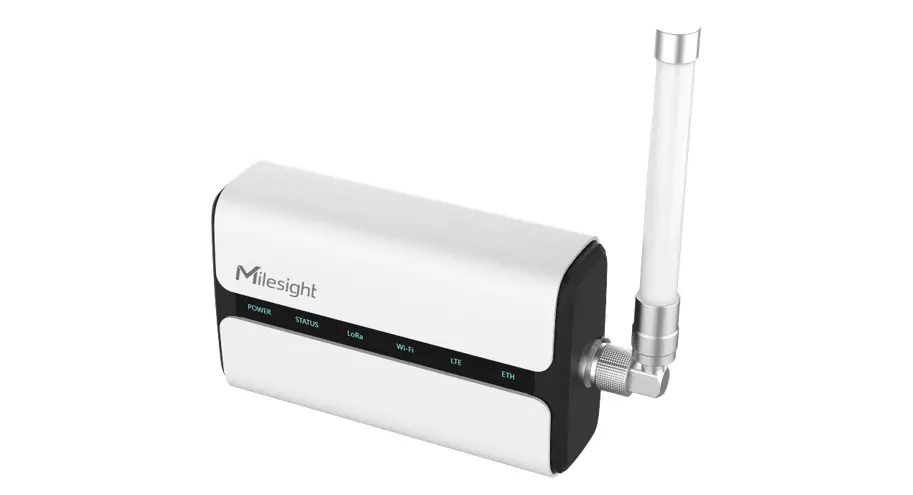
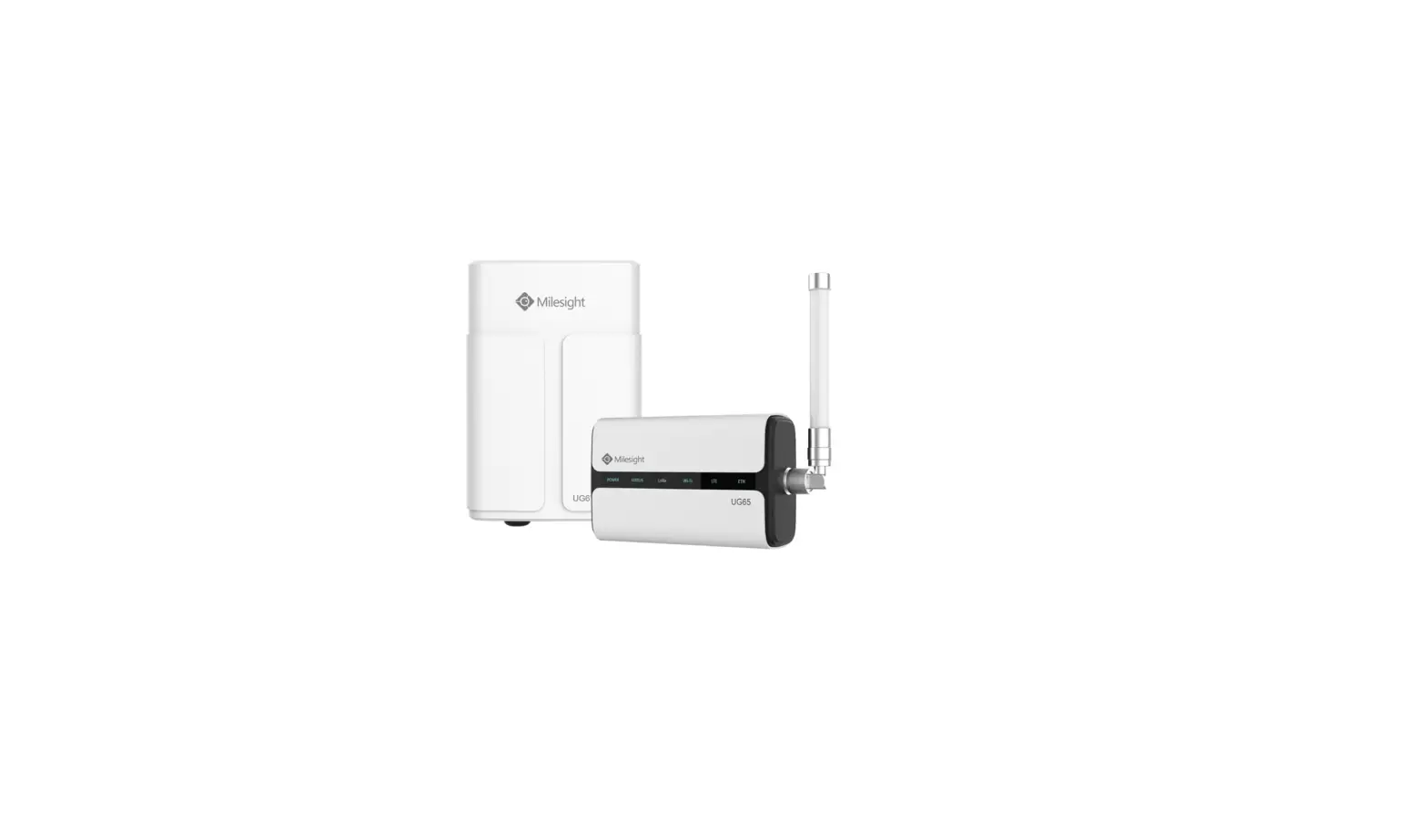
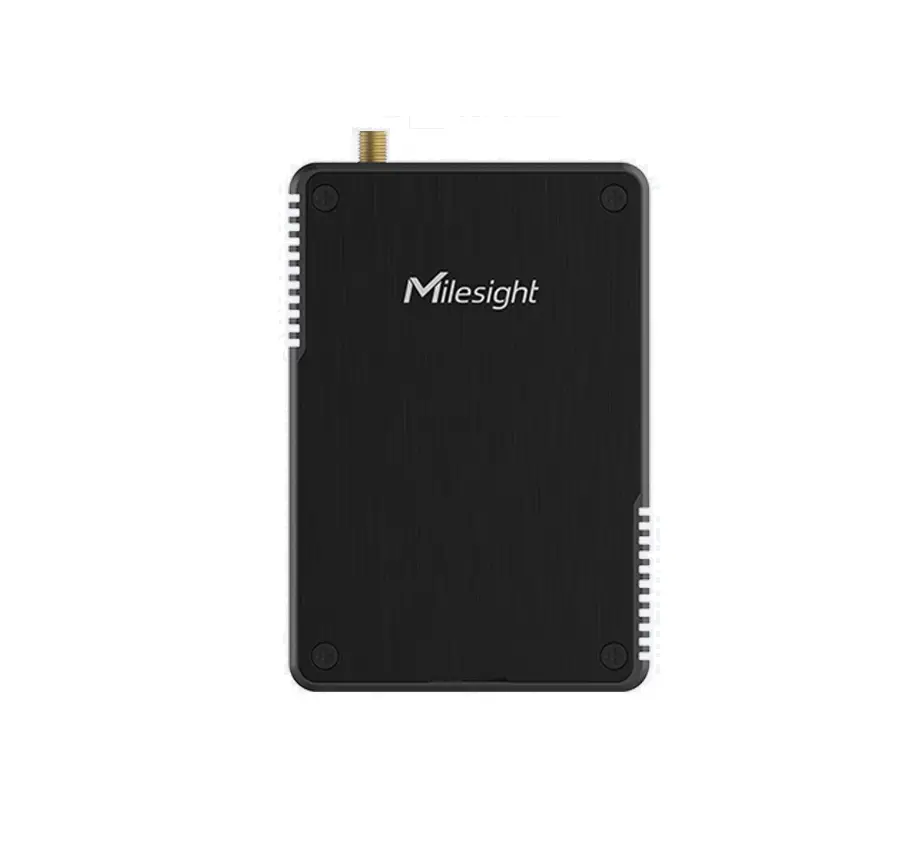
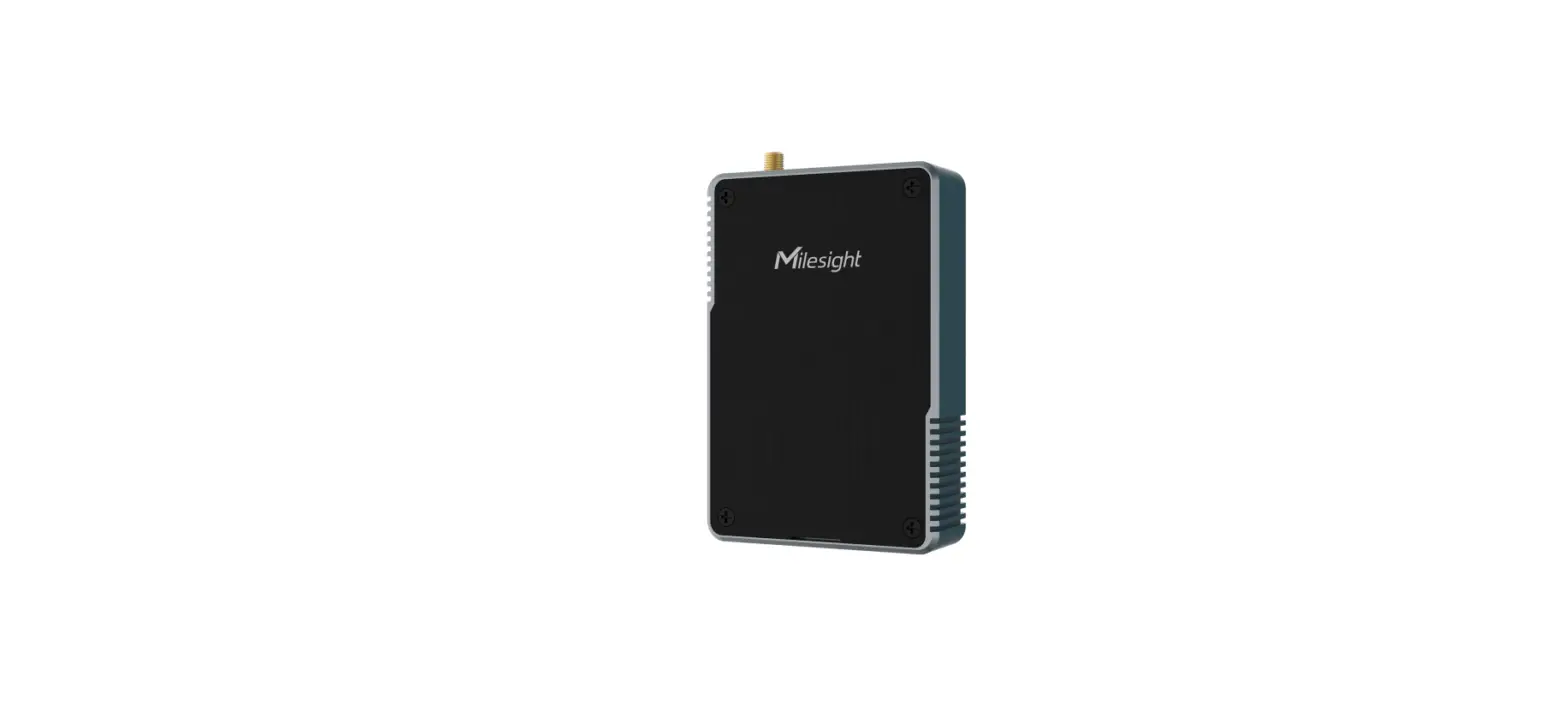
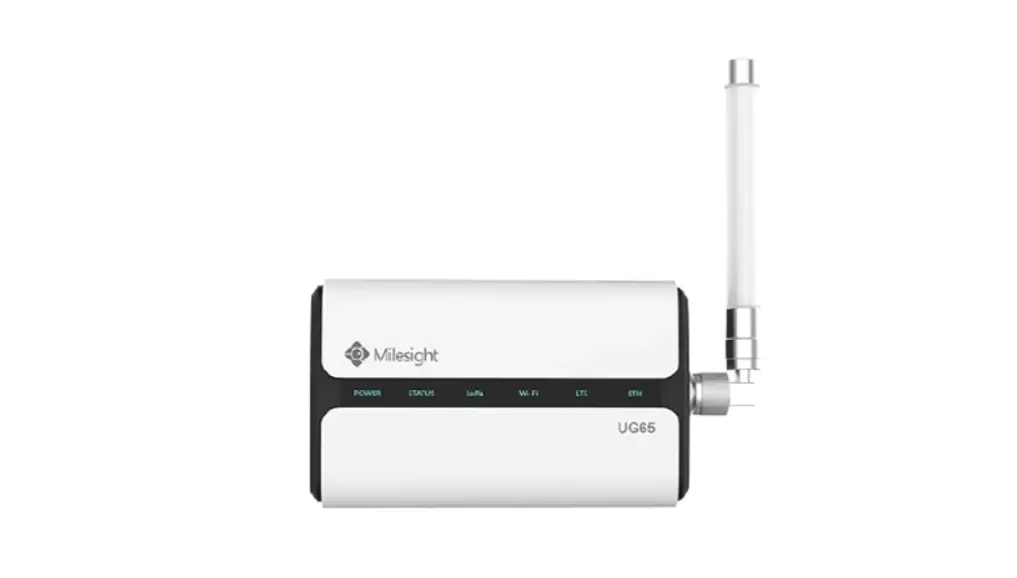
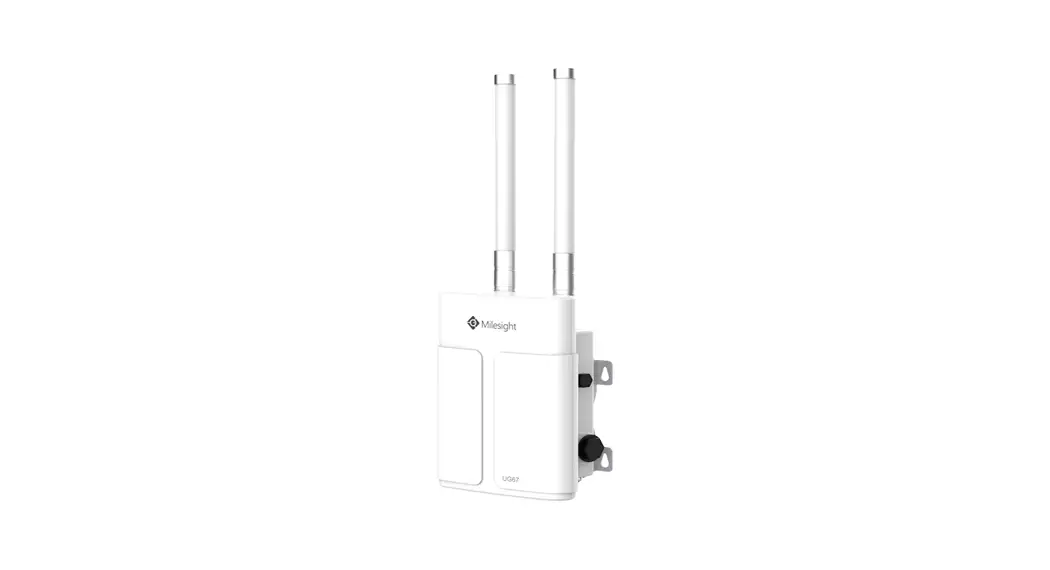
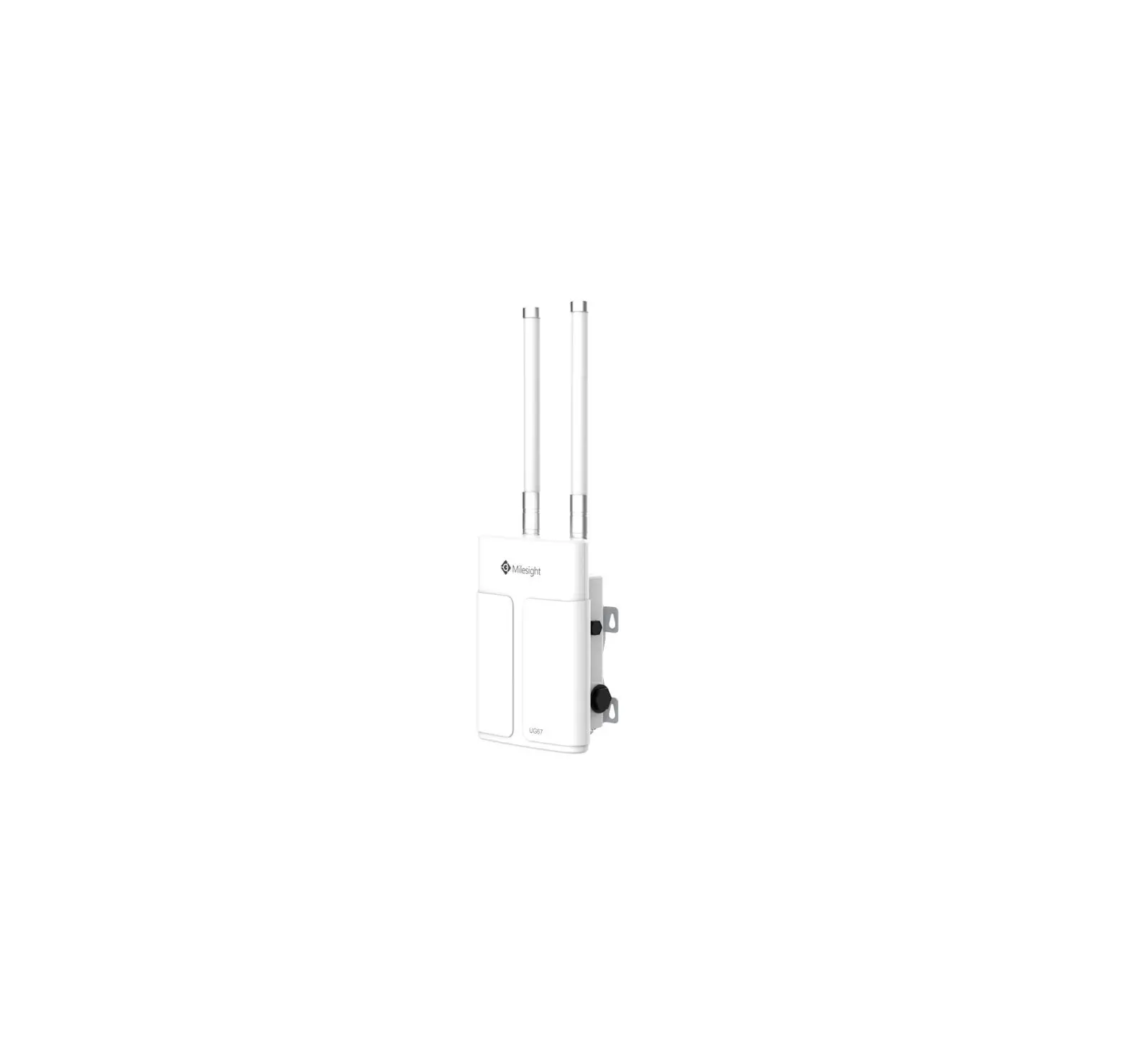
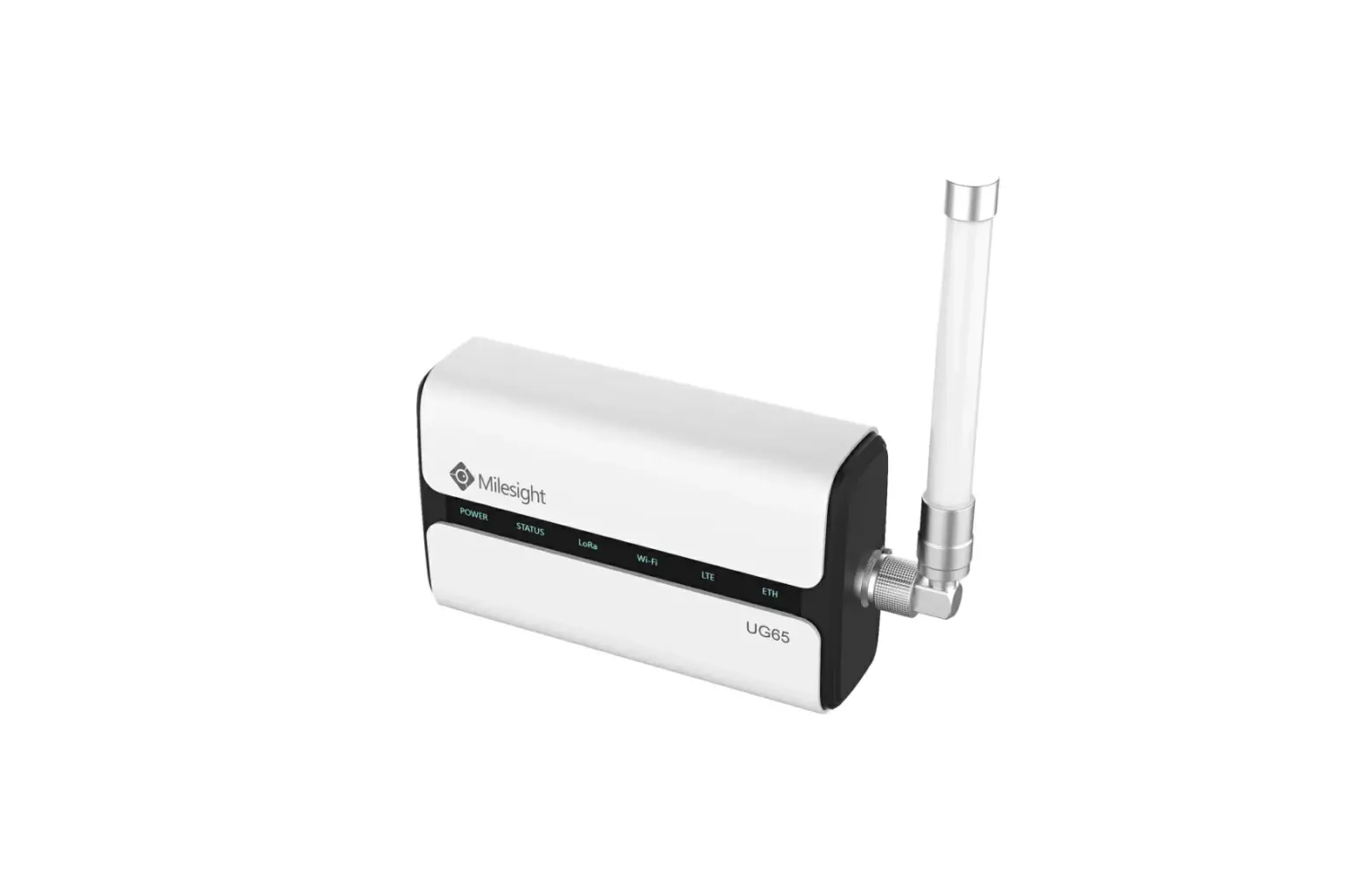
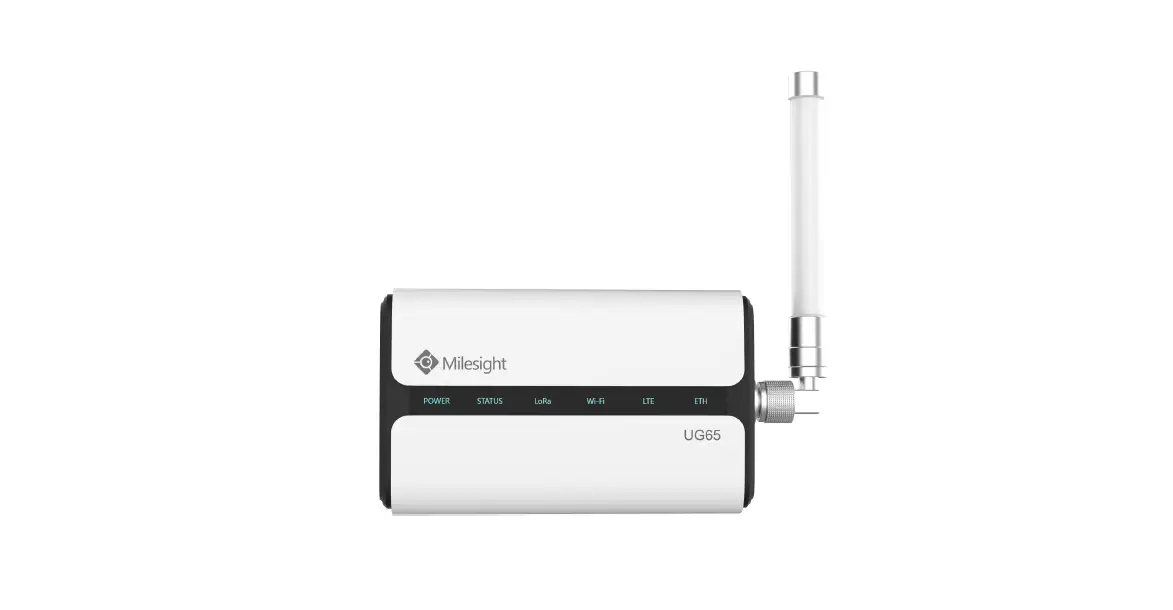
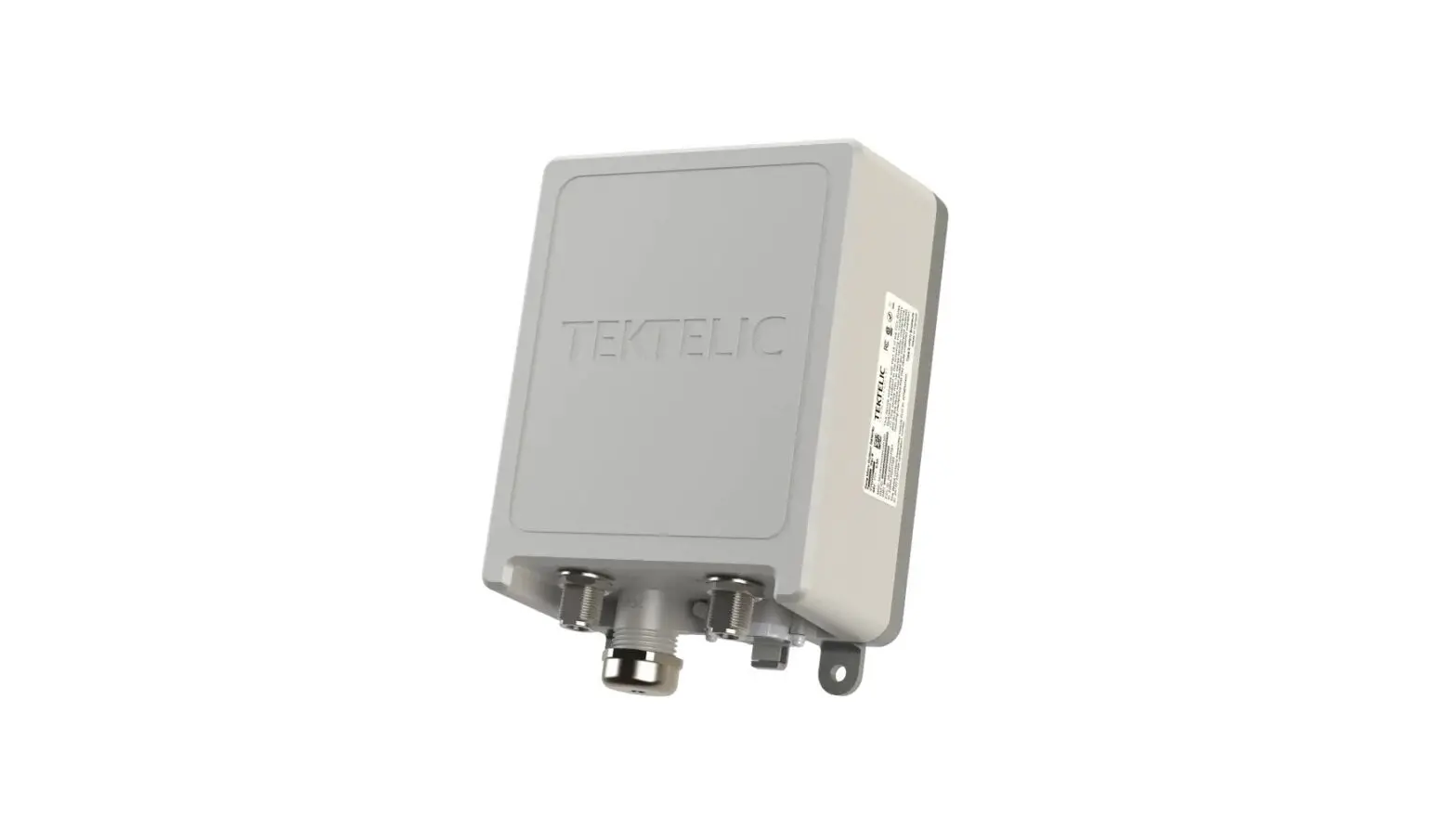
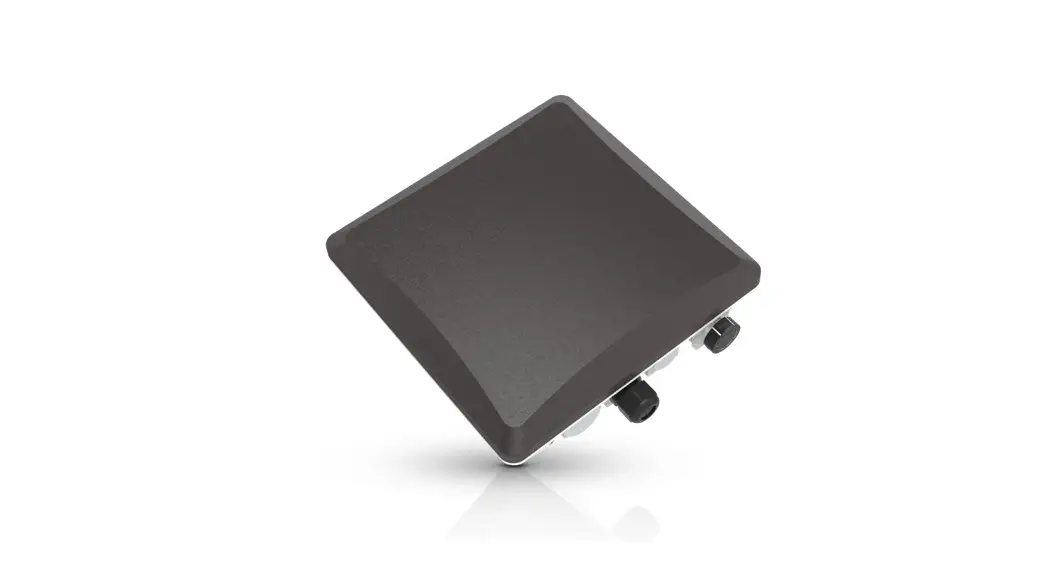
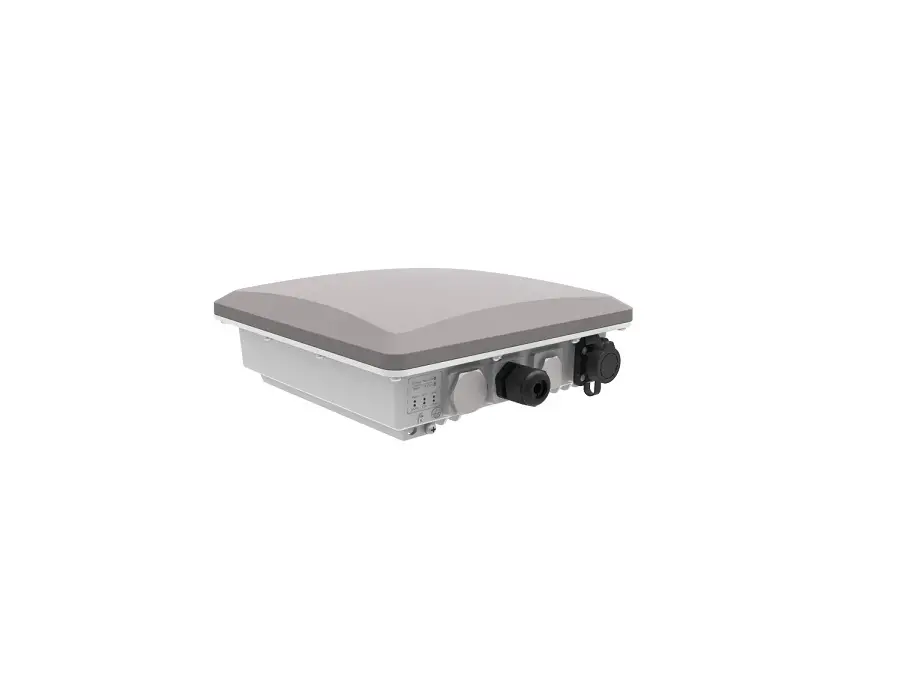
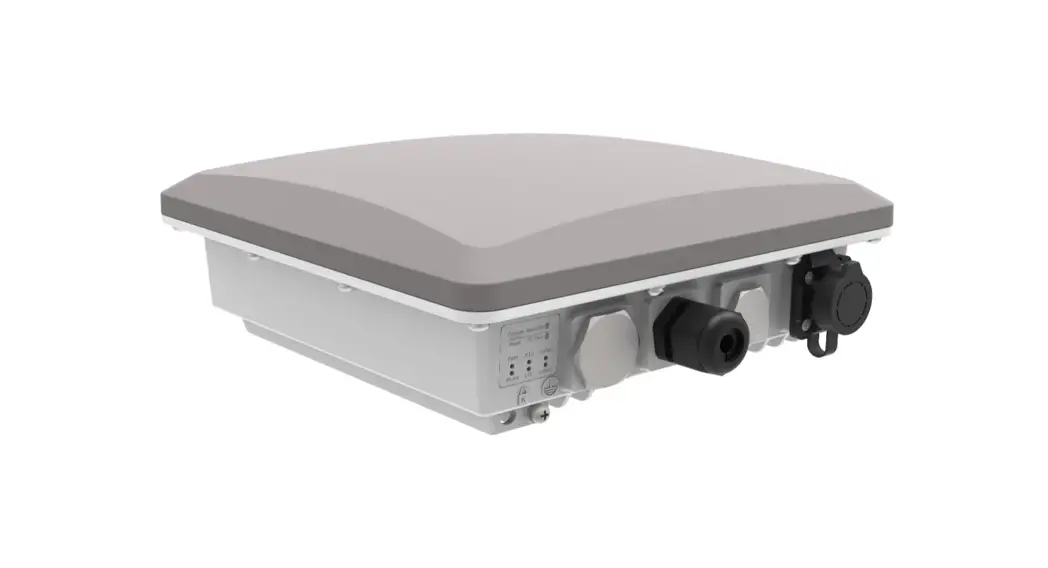
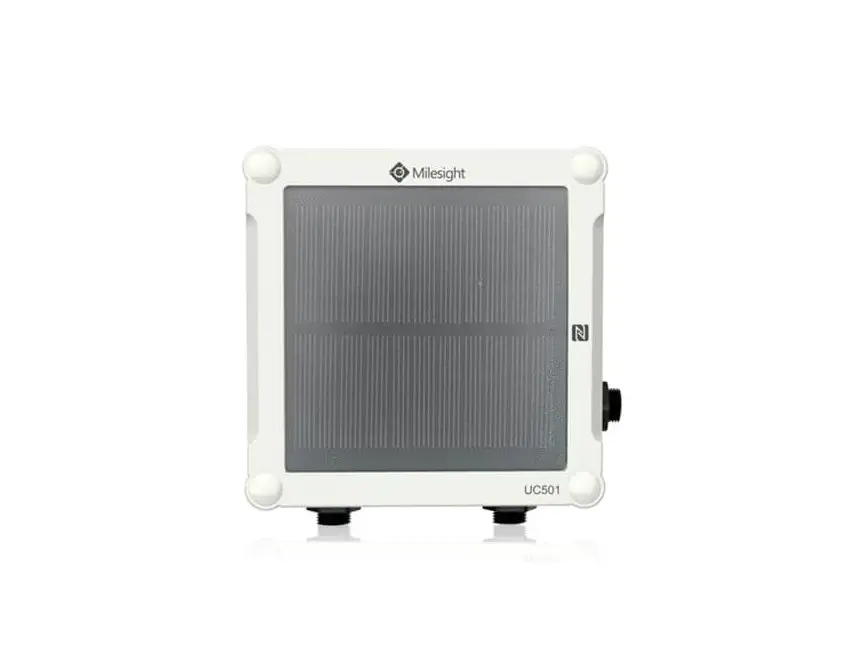
UG65 Outdoor LoRaWAN Gateway
Product Information
The Milesight IoT UG67 is a gateway device that supports
multiple LoRa antenna types. It has LED indicators to show the
system, LoRa, and cellular status. The UG67 supports 12 VDC or
solar supply via M12 connector and has a SIM slot for cellular
connectivity. It also has a reset button to reset the device to
factory default.
Product Usage Instructions
Safety Precautions
Before installing or using the UG67, please read and follow the
safety precautions in the user manual.
Packing List
The UG67 package includes wall mounting kits.
Hardware Introduction
Overview
The UG67 has the following components:
- LoRa Antenna Connector
- Vent Plug
- SIM Slot
- LED Area & Type-C Port & Reset Button
- SYS: System Indicator
- LoRa: LoRa Indicator
- LTE: Cellular Indicator
- DC Power Connector (Solar Connector)
- Ethernet Port (PoE)
- Mounting Bracket
Dimensions (mm)
The dimensions of the UG67 are specified in millimeters in the
user manual.
LED Indicators
The LED indicators show the system, LoRa, and cellular status.
The LED colors and their indications are as follows:
| LED | Indication | Status |
|---|---|---|
| SYS | System Status | Static Green Light: the system is running properly |
| LoRa | LoRa Status |
|
| LTE | Cellular Status |
|
The reset button is used to reset the device to factory default.
The LED indication after pressing and holding the reset button for
more than 5 seconds is as follows:
| Action | Function | Description | SYS LED |
|---|---|---|---|
| Press and hold the reset button for more than 5 seconds. | Reset | The gateway resets to factory default. | Static Green |
DC Power Connector
The UG67 supports 12 VDC or solar supply via M12 connector. The
pinout and color code of the connector are as follows:
| Pin | Color | Description |
|---|---|---|
| 1 | Black | GND |
| 2 | White | Reserved |
| 3 | Yellow | Reserved |
| 4 | Red | +12V |
Hardware Installation
SIM Card Installation
To install the SIM card:
- Insert the SIM card into the device according to the direction
icon on the device. If you need to take out the SIM card, press
into the SIM card and it will pop up automatically. - Tighten the SIM dust cover with wrench to prevent water into
the device.
Note: UG67 does not support hot plugging (also called hot
swapping). Please turn off the power before you insert or take off
cards.
Antenna Installation
To install the LoRa antenna:
- For Internal Antenna Mode: keep gateway positive outwards to
ensure good signal. - For Signal Antenna Mode: the external antenna must be installed
on ANT1 connector.
After installation, select the corresponding installation type
in web GUI.
Outdoor LoRaWAN® Gateway UG67
Quick Start Guide
Milesight IoT
Safety Precautions
Milesight will not shoulder responsibility for any loss or damage resulting from not following the instructions of this operating guide. The device must not be modeled in any way. Do not place the device close to objects with naked flames. Do not place the device where the temperature is below/above the operating range. Do not power on the device or connect it to other electrical device when installing. Check lightning and water protection when used outdoors. Do not connect or power the equipment using cables that have been damaged.
Related Documents
This Quick Start Guide only explains the installation of Milesight UG67 LoRaWAN® Gateway. For more
functionality and advanced settings, please refer to the relevant documents as below.
Document
Description
UG67 Datasheet
Datasheet for UG67 LoRaWAN® Gateway.
UG67 User Guide
Users can refer to the guide for instruction on how to log in the web GUI, and how to configure all the settings.
The related documents are available on Milesight website: https://www.milesight-iot.com
Declaration of Conformity
UG67 is in conformity with the essential requirements and other relevant provisions of the CE, FCC, and RoHS.
For assistance, please contact Milesight technical support: Email: [email protected] Tel: 86-592-5085280 Fax: 86-592-5023065
Revision History
Date October 30, 2020 May 6, 2021 July 29, 2021
Doc Version V1.0 V1.1 V1.2
Description Initial version Delete optional mark of LoRa antennas, add DC pinouts Add antenna accessories and installation method
2
Contents
1. Packing List………………………………………………………………………………………………………………………………….4 2. Hardware Introduction………………………………………………………………………………………………………………… 5
2.1 Overview……………………………………………………………………………………………………………………………..5 2.2 Dimensions (mm)………………………………………………………………………………………………………………. 5 2.3 LED Indicators……………………………………………………………………………………………………………………. 5 2.4 Reset Button………………………………………………………………………………………………………………………. 6 2.5 DC Power Connector………………………………………………………………………………………………………….. 6 3. Hardware Installation………………………………………………………………………………………………………………….. 7 3.1 SIM Card Installation………………………………………………………………………………………………………….. 7 3.2 Antenna Installation…………………………………………………………………………………………………………… 7 3.3 Ethernet Cable & Power Cable Installation…………………………………………………………………………. 8 3.4 Power Supply………………………………………………………………………………………………………………………8 3.5 Gateway Installation……………………………………………………………………………………………………………9
3.5.1 Wall Mounting………………………………………………………………………………………………………….. 9 3.5.2 Pole Mounting…………………………………………………………………………………………………………10 4. Login the Web GUI…………………………………………………………………………………………………………………….. 11 4.1 Wireless Access………………………………………………………………………………………………………………..11 4.2 Wired Access…………………………………………………………………………………………………………………….12 5. Network Connection………………………………………………………………………………………………………………….. 14 5.1 Configure the Ethernet Connection……………………………………………………………………………………14 5.2 Configure the Wi-Fi Connection………………………………………………………………………………………… 14 5.3 Configure the Cellular Connection……………………………………………………………………………………. 16 6. Packet Forwarder Configuration…………………………………………………………………………………………………17 7. Network Server Configuration…………………………………………………………………………………………………….19 7.1 Connect UG67 to Milesight IoT Cloud………………………………………………………………………………. 19 7.2 Connect UG67 to MQTT/HTTP Server……………………………………………………………………………….21
3
1. Packing List
Before you begin to install the UG67 LoRaWAN® Gateway, please check the package contents to verify that you have received the items below.
1 × UG67
1 × PoE Injector
1 × Mounting Bracket
Wall Mounting Kits
1 × Cable Gland
1 × SIM Dust Cover
2 × Hose Clamps
1 × DC Power Cable
1 × Warranty Card
1 × Quick Start Guide
2 × LoRa Antennas
1 × Antenna Coaxial Cable (1m)
1 × Antenna Clamp Kit If any of the above items is missing or damaged, please contact your sales representative.
4
2. Hardware Introduction 2.1 Overview
1 LoRa Antenna Connector 2 Vent Plug 3 SIM Slot 4 LED Area & Type-C Port & Reset Button SYS: System Indicator LoRa: LoRa Indicator LTE: Cellular Indicator 5 DC Power Connector (Solar Connector) 6 Ethernet Port (PoE) 7 Mounting Bracket
2.2 Dimensions (mm)
2.3 LED Indicators
LED
Indication
SYS System Status
LoRa LoRa Status
LTE
Cellular Status
Status Green Light Red Light Off Green Light
Off
Green Light
Description
Static: the system is running properly
The system goes wrong Packet Forwarder mode is running off Packet Forwarder mode is running well SIM card is registering or fails to register (or there are no SIM cards inserted) Blinking slowly: SIM card has been registered and is ready for dial-up
5
Blinking rapidly: SIM card has been registered and is dialing up now Static: SIM card has been registered and dialed up successfully
2.4 Reset Button
Function Reset
Description SYS LED Static Green Static Green Rapidly Blinking Off Static Green
Action Press and hold the reset button for more than 5 seconds. Release the button and wait. The gateway resets to factory default.
2.5 DC Power Connector
UG67 supports 12 VDC or solar supply via M12 connector.
Pin
Color
Description
1
Black
GND
2
White
Reserved
3
Yellow
Reserved
4
Red
+12V
6
3. Hardware Installation 3.1 SIM Card Installation
A. Insert the SIM card into the device according to the direction icon on the device. If you need to take out the SIM card, press into the SIM card and it will pop up automatically. B. Tighten the SIM dust cover with wrench to prevent water into the device. Note: UG67 does not support hot plugging (also called hot swapping). please turn off the power before you insert or take off cards.
3.2 Antenna Installation
UG67 supports multiple LoRa antenna types. After installation, please select the corresponding installation type in web GUI. Internal Antenna Mode: keep gateway positive outwards to ensure good signal. Signal Antenna Mode: the external antenna must be installed on ANT1 connector.
Double Antenna Mode: it’s suggested to add coaxial cable between one of antenna connectors (ANT1 is recommended) and LoRa antenna to ensure better performance. After installation, the LoRa antenna can be fixed to a pole via antenna clamp kit. Pass this LoRa antenna through the antenna clamp and fix it with 4 screws, then wrap the U-bolt around a pole and fix the clamp with nuts and other accessories.
7
3.3 Ethernet Cable & Power Cable Installation
Pass the Ethernet cable through the cable gland and rotate the cable gland to gateway, then tighten the cable gland with wrench.
For DC or solar power supply, remove the protective cap of power connector and rotate the DC power cable into the power connector.
3.4 Power Supply
UG67 can be powered by 802.3af standard PoE or 12VDC. Please follow the picture to provide power supply via PoE injector:
8
3.5 Gateway Installation
UG67 can be mounted to a wall or a pole. Before you start, make sure that your SIM card has been inserted, your antennas have been attached and all cables have been installed. Note: Do not connect device to power supply or other devices when installing.
3.5.1 Wall Mounting
Preparation: mounting bracket (with a screw), wall plugs, wall mounting screws and other required tools. A. Align the mounting bracket horizontally to the desired position on the wall, use a marker pen to mark four mounting holes on the wall, and then remove the mounting bracket from the wall. Note: The connecting lines of adjacent points are at right angles. B. Drill four holes with a depth of 32 mm by using your drill with a 6 mm drill bit on the positions you marked previously on the wall. C. Insert four wall plugs into the holes respectively. D. Mount the mounting bracket horizontally to the wall by fixing the wall mounting screws into the wall plugs.
E. Hang the device to the mounting bracket via bracket mounting screws on the back of device, then screw the bracket screw to the bottom of the device.
9
3.5.2 Pole Mounting Preparation: mounting bracket (with a screw), hose clamp and other required tools. A. Loosen the hose clamp by turning the locking mechanism counter-clockwise. B. Straighten out the hose clamp and slide it through the rectangular rings in the mounting bracket, wrap the hose clamp around the pole. C. Use a screwdriver to tighten the locking mechanism by turning it clockwise.
D. Hang the device to the mounting bracket via bracket mounting screws on the back of device, then screw the bracket screw to the bottom of the device.
10
4. Login the Web GUI
UG67 provides web-based configuration interface for management. If this is the first time you configure the gateway, please use the default settings below: ETH IP Address: 192.168.23.150 Wi-Fi IP Address: 192.168.1.1 Wi-Fi SSID: Gateway_****** Username: admin Password: password
4.1 Wireless Access
A. Enable Wireless Network Connection on your computer and search for access point “Gateway_******” to connect it. B. Open a Web browser on your PC (Chrome is recommended) and type in the IP address 192.168.1.1 to access the web GUI. C. Enter the username and password, click “Login”.
If you enter the username or password incorrectly more than 5 times, the login page will be locked for 10 minutes. D. After logging the web GUI, follow the guide to complete the basic configurations. You can also skip the instructions. It’s suggested that you change the password for the sake of security.
11
E. You can view system information and perform configuration of the gateway.
4.2 Wired Access
Connect PC to UG67 ETH port through PoE injector. The following steps are based on Windows 10 operating system for your reference. A. Go to “Control Panel” “Network and Internet” “Network and Sharing Center”, then click “Ethernet” (May have different names).
B. Go to “Properties” “Internet Protocol Version 4(TCP/IPv4) “and select “Use the following IP address”, then assign a static IP manually within the same subnet of the gateway.
12
C. Open a Web browser on your PC (Chrome is recommended) and type in the IP address 192.168.23.1 50 to access the web GUI. D. Enter the username and password, click “Login”.
If you enter the username or password incorrectly more than 5 times, the login page will be locked for 10 minutes. E. After logging the web GUI, follow the guide to complete the basic configurations. You can also skip the instructions. It’s suggested that you change the password for the sake of security.
F. After guide complete, you can view system information and perform configuration of the gateway.
13
5. Network Connection
This section explains how to connect the gateway to network via WAN connection, Wi-Fi or cellular.
5.1 Configure the Ethernet Connection
A. Go to “Network” “Interface” “Port” page to select the connection type and configure Ethernet port information. B. Click “Save & Apply” for changes to take effect.
C. Connect Ethernet port of gateway to devices like router or modem. D. Log in the web GUI via the newly assigned Ethernet port IP address and check network connection.
5.2 Configure the Wi-Fi Connection
A. Go to “Network” “Interface” “WLAN” and select “Client” mode. B. Click “Scan” to search for Wi-Fi access point. Select the available one and click “Join Network”.
14
C. Type the key of Wi-Fi. D. Go to “Status””WLAN” to check Wi-Fi status. If it shows “Connected”, it means gateway connects to Wi-Fi successfully.
15
5.3 Configure the Cellular Connection
A. Go to “Network” “Interface” “Cellular” “Cellular Setting” page to enable cellular settings. B. Choose relevant network type and fill in SIM card information like APN or PIN code. C. Click “Save” and “Apply” for changes to take effect.
D. Go to “Status” “Cellular” page to view the status of the cellular connection. If it shows “Connected”, it means the SIM has dialed up successfully. On the other hand, you can check the status of LTE indicator. If it keeps on light statically, it means SIM has dialed up successfully.
16
6. Packet Forwarder Configuration
UG67 has installed multiple packet forwarders including Semtech, Chirpstack-Generic MQTT broker, etc. This section explains how to connect the gateway to network servers.
Make sure the gateway connects to the network as shown in Section 5. A. Go to “Packet Forwarder” “General” page and click to add a network server.
B. Fill in the server information and enable this server.
C. Go to “Packet Forwarder” “Radio” page to configure antenna type, center frequency and channels. The channels of the gateway and network server need to be the same.
17
D. Add the gateway on network server page. For more details about the network server connection please refer to Milesight IoT Support portal. E. Go to “Traffic” page to view the data communication of UG67.
18
7. Network Server Configuration
UG67 can work as network server and transmit data to Milesight IoT Cloud or other platform via MQTT/HTTP/HTTPS.
Make sure the gateway connects to the network as shown in Section 5.
7.1 Connect UG67 to Milesight IoT Cloud
A. Go to “Packet Forwarder” “General” page to enable the embedded network server.
B. Go to “Packet Forwarder” “Radio” page to select the antenna type, center frequency and channels. The channels of the gateway and nodes need to be the same.
C. Go to “Network Server” “General” page to enable the network server and “Milesight IoT Cloud” mode.
19
D. Log in the Milesight IoT Cloud. Then go to “My Devices” page and click “+New Devices” to add gateway to Milesight IoT Cloud via SN. Gateway will be added under “Gateways” menu. E. The gateway is online on Milesight IoT Cloud.
20
7.2 Connect UG67 to MQTT/HTTP Server
A. Go to “Packet Forwarder” “General” page to enable the embedded network server.
B. Go to “Packet Forwarder” “Radio” page to select the antenna type, center frequency and channels. The channels of the gateway and nodes need to be the same.
C. Go to “Network Server” “General” page to enable the network server mode.
21
D. Go to “Network Server””Application” to add a new application. After saving the application, you can select HTTP, HTTPS or MQTT protocol and fill in correspond server information to send data to another server.
E. Go to “Profiles” page to add a new profile for the device. 22
F. Go to “Device” page and click “Add” to add LoRaWAN® node devices.
You can also click “Bulk Import” if you want to add many nodes all at once. Click “Template Download” to download template file and add device information to this file. Application
23
and device profile should be the same as you created on web page. Import this file to add bulks of devices. F. Go to “Packets” page to check the packets from LoRaWAN® node devices. The type starts from “Up” means uplinks and “Dn” means downlinks. Click “Details” to check the properties and payload contents of packets.
[END]
24
 Support : IoT Support
 Milesight IoT - LoRaWAN, 5G & AIoT