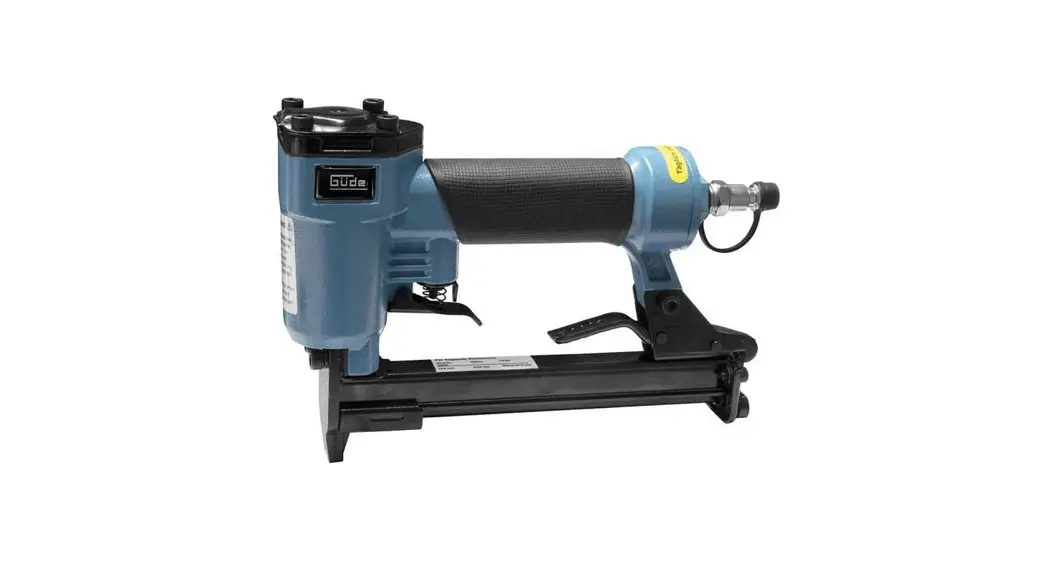
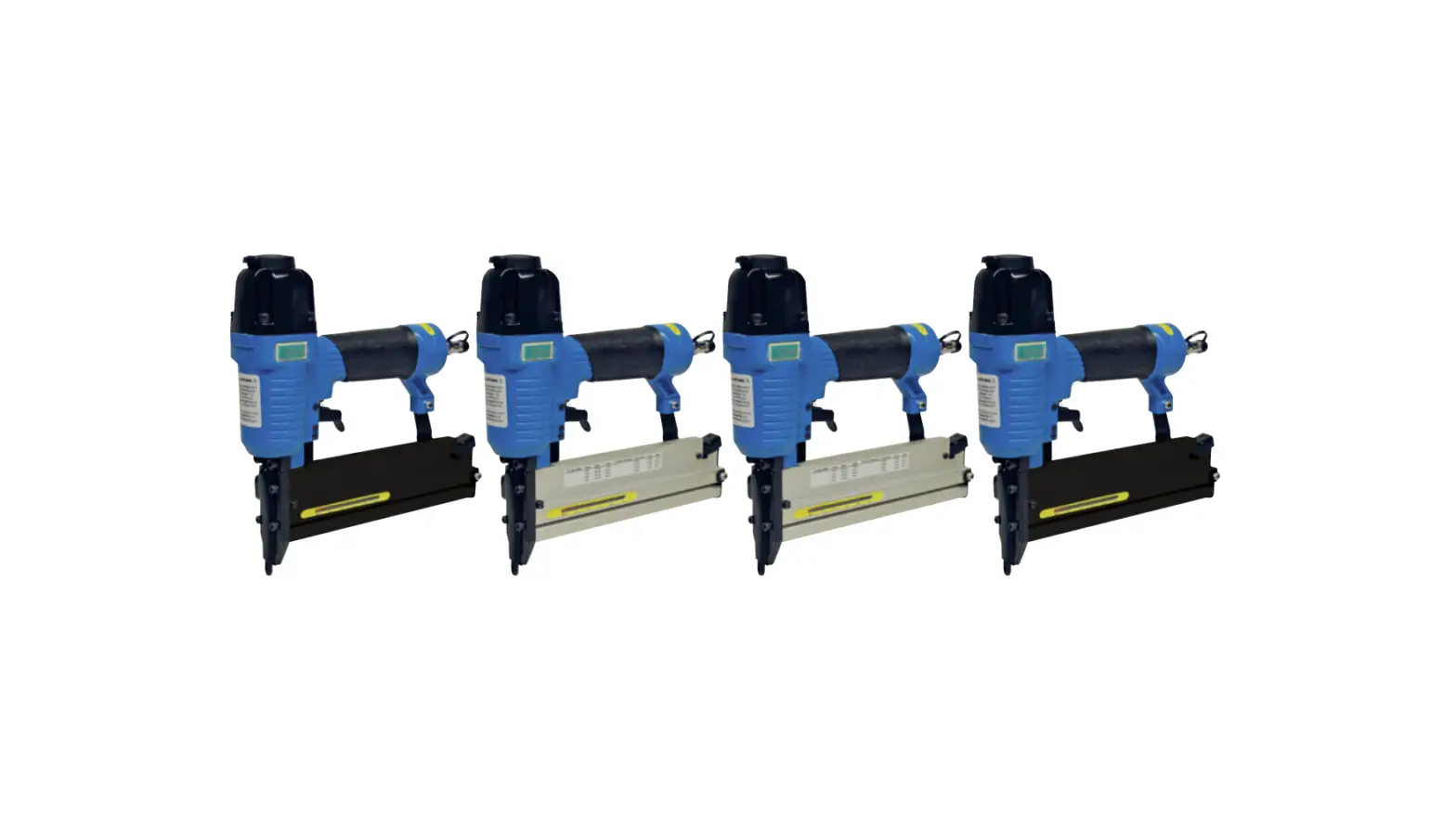
YT-09211 Pneumatic Stapler Machine
Product Information
- Product Name: YT-09211
- Manufacturer: TOYA S.A.
- Address: ul. Soltysowicka 13-15, 51-168 Wroclaw, Polska
- Year of Production: 2018
- Weight: 2.6 kg
- Dimensions: 6.3 mm / 1.4 mm / 10 mm / 3/8 szt.
Product Usage Instructions
- Make sure to read and understand the entire instruction manual
before operating the pneumatic tool. - Always follow basic safety rules to reduce the risk of fire,
electric shock, and injury. - The term “pneumatic tool” refers to all tools powered by
compressed air under appropriate pressure. - Do not exceed the maximum air pressure specified for the
tool. - Use proper fittings and hoses to connect the tool to the air
supply. - Make sure the air supply is clean and dry.
- Only use the tool for its intended purpose.
- Wear appropriate personal protective equipment, such as safety
glasses and earplugs. - Do not modify or alter the tool in any way.
- Always disconnect the tool from the air supply before
performing any maintenance or cleaning.
Note: Failure to follow these instructions may result in
electric shock, fire, or bodily injury.
YT-09211
PL ZSZYWACZ PNEUMATYCZNY GB PNEUMATIC STITCHING MACHINE D DRUCKLUFTHEFTER RUS UA LT PNEUMATINIS SEGTUVAS LV PNEIMATISKS SUVJS CZ PNEUMATICKÁ SESÍVACKA SK PNEUMATICKÁ ZOSÍVACKA H PNEUMATIKUS TZGÉP RO CAPSATOR PNEUMATIC E ENGRAPADORA PNEUMATICA F AGRAFEUSE PNEUMATIQU I CUCITRICE PNEUMATICA NL PNEUMATISCHE NIETMACHINE GR
INSTRUKC JA ORYGINALNA
1
PL D RUS UA LT LV CZ SK H RO E F I NL GR
3 6
1
2
8
4
75
I
II
III
VI
IV
2018
Rok produkcji: Production year: Produktionsjahr:
V
: : Pagaminimo metai:
Razosanas gads: Rok výroby: Rok výroby:
Gyártási év: Anul produciei utilajului: Año de fabricación:
Année de fabrication: Anno di produzione: Bouwjaar:
TOYA S.A. ul. Soltysowicka 13-15, 51-168 Wroclaw, Polska; www.yato.com
V :
2
INSTRUKC JA
OBSLUGI
PL D RUS UA LT LV CZ SK H RO E F I NL GR
PL
1. wlot powietrza 2. zlczka wlotu powietrza 3. spust 4. bezpiecznik 5. magazynek 6 .zatrzask magazynka 7. pokrywa mechanizmu podawania 8. pokrywa magazynka 9. narzdzie 10. gniazdo wa 11. w 12. zlczka wa 13. smarownica 14. reduktor 15. filtr 16. kompresor
VII
GB
1. air inlet 2. air inlet connection 3. trigger 4. safety device 5. dispenser 6 .snap fastener of the dispenser 7. pusher of the dispenser 8. upper lid 9. tool 10. hose socket 11. hose 12. hose connection 13. lubricator 14. reducer 15. filter 16. compressor
UA
1. 2. 3. 4. 5. 6. 7. 8. 9. 10. 11. 12. 13. 14. 15. 16.
LT
1. oro leidimo anga 2. oro leidimo angos jungtis 3. gaidukas 4. saugiklis 5. dtuv 6. dtuvs sklstis 7. tiektuvo mechanizmo danga 8. dtuvs danga 9. rankis 10. zarnos lizdas 11. zarna 12. zarnos jungtis 13. tepalin 14. reduktorius 15. filtras 16. kompresorius
SK
1. vstup vzduchu 2. spojka vstupu vzduchu 3. spús 4. poistka 5. zásobník 6 .západka zásobníku 7. kryt mechanizmu podávania 8. kryt zásobníku 9. nástroj 10. prípojka hadice 11. hadica 12. spojka hadice 13. maznicka 14. reduktor 15. filter 16. kompresor
H
1. levegbemenet 2. a levegbemenet csatlakozója 3. kioldó 4. biztosíték 5. tár 6. a tár retesze 7. adagoló mechanika fedele 8. a tár fedele 9. szerszám 10. tömlfogadó csatlakozó 11. töml 12. töml csatlakozója 13. zsírzó 14. nyomáscsökkent 15. szr 16. kompresszor
D
1. Drucklufteintritt 2. Druckluftanschluss 3. Auslöseknopf 4. Sicherung 5. Magaziner 6 .Magazinerverschluss 7. Vorschubwerkdeckel 8. Magazinerdeckel 9. Werkzeug 10. Schlauchanschluss 11. Druckluftschlauch 12. Druckluftschlauchanschluss 13. Schmiernippel 14. Reduzierstück 15. Druckluftfilter 16. Kompressor
RUS
1. 2. 3. 4. 5. 6 . 7. 8. 9. 10. 11. 12. 13. 14. 15. 16.
LV
1. gaisa ieeja 2. gaisa ieejas savienotjs 3. mlte 4. drosintjs 5. magazna 6. magaznas sprds 7. padeves mehnisma vks 8. magaznas vks 9. instruments 10. stenes ligzda 11. stene 12. stenes savienotjs 13. eotjs 14. reduktors 15. filtrs 16. kompresors
CZ
1. pívod vzduchu 2. konektor pívodu vzduchu 3. spous 4. pojistka 5. zásobník 6. západka zásobníku 7. víko mechanizmu podávání 8. kryt zásobníku 9. nástroj 10. zásuvka hadice 11. hadice 12. konektor hadice 13. mazadlo 14. reduktor 15. filtr 16. kompresor
RO
1. intrare aer 2. conector intrare aer 3. trgaci 4. piedic de siguran 5. încrctor 6. închiztoarea încrctorului 7. capac mecanism alimentare 8. capacul încrctorului 9. scul 10. muf furtun 11. furtun 12. conector furtun 13. dispozitiv lubrifiere 14. reductor 15. filtru 16. compresor
E
1. entrada de aire 2. conector de la entrada de aire 3. gatillo 4. fusible 5. cargador 6. pestillo del cargador 7. tapa del mecanismo de administración 8. tapa del cargador 9. herramienta 10. toma de manguera 11. manguera 12. conector de manguera 13. lubricador 14. reductor 15. filtro 16. compresor
INSTRUKC JA ORYGINALNA
3
PL D RUS UA LT LV CZ SK H RO E F I NL GR
F
1. entrée d’air 2. connecteur d’entrée d’air 3. déclenchement 4. fusible 5. magazine 6 loquet de magazine 7. couvercle du mécanisme d’alimentation 8. couverture du magazine 9. outil 10. logement du tuyau 11. tuyau 12. raccord de tuyau 13. graisseur 14. réducteur 15. filtre 16. compresseur
I
1. presa d’aria 2. raccordo della presa d’aria 3. grilletto 4. sicurezza 5. magazzino 6. blocco magazzino 7. coperchio del meccanismo di alimentazione 8. coperchio del magazzino 9. strumento 10. sede del tubo 11. tubo 12. raccordo del tubo 13. lubrificatore 14. riduttore 15. filtro 16. compressore
NL
1. luchtaanvoer 2. koppeling luchtaanvoer 3. trekker 4. zekering 5. magazijn 6. magazijngrendel 7. afdekking doseermechanisme 8. magazijnafdekking 9. gereedschap 10. slangaansluitpunt 11. slang 12. slangkoppeling 13. smeerinrichting 14. reductor 15. filter 16. compressor
GR
1. 2. 3. 4. 5. () 6. 7. 8. 9. 10. 11. 12. 13. 14. (reducer) 15. 16.
Przeczyta instrukcj Read the operating instruction Bedienungsanleitung durchgelesen ii Perskaityti instrukcij Jlasa instrukciju Pectet návod k pouzití Precíta návod k obsluhe Olvasni utasítást Citeti instrucunile Lea la instrucción Lisez la notice d’utilisation Leggere il manuale d’uso Lees de instructies
Uywaj gogle ochronne Wear protective goggles Verwenden Sie eine Schutzbrille Vartok apsauginius akinius Jlieto drosbas brilles Pouzívej ochranné brýle Pouzívaj ochranné okuliare Használjon védszemüveget! Intrebuineaz ochelari de protejare Use protectores del oído Portez des lunettes de protection Utilizzare gli occhiali di protezione Draag een veiligheidsbril
Uywa ochrony sluchu Wear hearing protectors Gehörschutz verwenden Vartoti ausines klausai apsaugoti Jlieto dzirdes drosbas ldzeku Pouzívej chránice sluchu Pouzívaj chránice sluchu Használjon fülvédt! Intrebuineaz antifoane Use protectores de la vista Portez une protection auditive Utilizzare i dispositivi di protezione dell’udito Draag gehoorbescherming
Nie uywa na rusztowaniach, drabinach Do not use on scaffolds or ladders Nicht auf Gerüsten und Leitern verwenden Nevartoti ant pastoli, kopeci Nelietot uz sastatnm un kapm Nepouzívejte na lesení a zebících Nepouzíva na lesení a rebríkoch Nem használja állványzatokon, létrán A nu se utiliza fiind pe scar sau pe schel No se use en los andamios ni en las escaleras Ne pas utiliser sur des échafaudages ou des échelles Non usare su scaffold o scale Niet gebruiken op steigers of ladders
Nie stosowa bez sprawnie dzialajcego bezpiecznika Do not use with defective fuse Kein Einsatz ohne funktionsfähige Sicherung Nenaudoti be tinkamai veikiancio saugiklio Nelietojiet bez pareizi funkcionjosa drosintja Nepouzívejte bez funkcní pojistky Nepouzíva bez správne fungujúcej poistky Ne használja jól mköd biztosító nélkül Nu folosii dac sigurana este deteriorat No lo use sin un fusible que funcione correctamente Ne pas utiliser sans fusible en fonctionnement Non utilizzare senza il dispositivo di sicurezza efficiente Niet gebruiken zonder goed werkende zekering
4
INSTRUKC JA ORYGINALNA
PL CHARAKTERYSTYKA NARZDZIA Gwodziarka pneumatyczna jest narzdziem zasilanym strumieniem spronego powietrza pod odpowiednim cinieniem. Za pomoc gwodzi i zszywek ulatwia prace polegajce na lczeniu elementów. Prawidlowa, niezawodna i bezpieczna praca narzdzia jest zalena od wlaciwej eksploatacji, dlatego: Przed przystpieniem do pracy z narzdziem naley przeczyta cal instrukcj i zachowa j. Za wszelkie szkody i obraenia powstale w wyniku uywania narzdzia niezgodnie z przeznaczeniem, nie przestrzegania przepisów bezpieczestwa i zalece niniejszej instrukcji, dostawca nie ponosi odpowiedzialnoci. Uywanie narzdzia niezgodnie z przeznaczeniem, powoduje take utrat praw uytkownika do gwarancji, a take z tytulu niezgodnoci z umow. WYPOSAENIE Narzdzie jest wyposaone w zlczk pozwalajc przylczy je do ukladu pneumatycznego. DANE TECHNICZNE
Parametr Numer katalogowy Waga rednica przylcza powietrza (PT) rednica wa doprowadzajcego powietrze (wewntrzna) Pojemno zasobnika Rodzaj elementów zlcznych Dlugo elementów zlcznych Wymiary elementów zlcznych Maksymalne cinienie pracy ps max Zalecane cinienie pracy Cinienie akustyczne (EN 12549) Moc akustyczna (EN 12549) Drgania (EN ISO 8662-11)
Jednostka miary
[kg] [mm / “] [mm / “]
[szt.]
[mm]
[MPa] [MPa] [dB(A)] [dB(A)] [m/s2]
Warto YT-09211
2,6 6,3 / 1,4 10 / 3/8
120 gwodzie 22 – 45 rysunek III
0,7 0,4 – 0,7 100,3 ± 2,5 111,3 ± 2,5 11,3 ± 1,5
OGÓLNE WARUNKI BEZPIECZESTWA
OSTRZEENIE! Podczas pracy narzdziem pneumatycznym zaleca si zawsze przestrzega podstawowych zasad bezpieczestwa pracy, lcznie z podanymi niej, w celu ograniczenia zagroenia poarem, poraenia prdem elektrycznym oraz uniknicia obrae.
Przed przystpieniem do eksploatacji niniejszego narzdzia przeczyta cal instrukcj i zachowa j.
UWAGA! Przeczyta wszystkie ponisze instrukcje. Nieprzestrzeganie ich moe prowadzi do poraenia elektrycznego, poaru albo do uszkodze ciala. Pojcie ,,narzdzie pneumatyczne” uyte w instrukcjach odnosi si do wszystkich narzdzi napdzanych spronym strumieniem powietrza pod odpowiednim cinieniem.
PRZESTRZEGA PONISZE INSTRUKCJE
Miejsce pracy Miejsce pracy naley utrzymywa dobrze owietlone i w czystoci. Nieporzdek i slabe owietlenie mog by przyczynami wypadków. Nie naley pracowa narzdziami pneumatycznymi w rodowisku o zwikszonym ryzyku wybuchu, zawierajcym palne ciecze, gazy lub opary. Nie naley dopuszcza dzieci i osób postronnych do miejsca pracy. Utrata koncentracji moe spowodowa utrat kontroli nad narzdziem.
Bezpieczestwo pracy Zlczka narzdzia pneumatycznego musi pasowa do gniazda przewodu doprowadzajcego powietrze. Nie wolno modyfikowa zlczki ani gniazda przewodu zasilajcego. Wszelkie przewody, zlczki i gniazda musz by czyste, nieuszkodzone, w dobrym stanie technicznym oraz przeznaczone do stosowania z narzdziami pneumatycznymi. Narzdzia pneumatyczne nie s izolowane na wypadek zetknicia si ze ródlami energii elektrycznej, dlatego naley unika kontaktu z uziemionymi powierzchniami
INSTRUKC JA ORYGINALNA
5
PL takimi jak rury, grzejniki i chlodziarki. Uziemienie ciala zwiksza ryzyko poraenia prdem elektrycznym. Nie naley naraa narzdzi pneumatycznych na kontakt z opadami atmosferycznymi lub wilgoci. Woda i wilgo, która dostanie si do wntrza narzdzia zwiksza ryzyko uszkodzenia narzdzia i doznania obrae. Nie przecia przewodu doprowadzajcego powietrze do narzdzia. Nie uywa przewodu do noszenia, podlczania i odlczania zlczki od ródla spronego powietrza. Unika kontaktu przewodu zasilajcego z cieplem, olejami, ostrymi krawdziami i ruchomymi elementami. Nie zasila narzdzia pneumatycznego tlenem, gazami palnymi lub trujcymi. Do zasilania narzdzia stosowa tylko filtrowane i ,,smarowane” sprone powietrze z moliwoci regulacji cinienia. Upewni si, e obrabiany przedmiot jest pewnie i mocno zamocowany i nie bdzie si przemieszczal w czasie obróbki. Bezpieczestwo osobiste Przystpowa do pracy w dobrej kondycji fizycznej i psychicznej. Zwraca uwag na to, co si robi. Nie pracowa bdc zmczonym lub pod wplywem leków, albo alkoholu. Nawet chwila nieuwagi podczas pracy moe prowadzi do powanych obrae ciala. Uywa rodków ochrony osobistej. Zawsze zaklada gogle ochronne. Stosowanie rodków ochrony osobistej, takich jak: maski przeciwpylowe, obuwie ochronne, kaski i ochronniki sluchu zmniejsza ryzyko doznania powanych obrae ciala. Podczas pracy narzdziem pneumatycznym naley uywa rkawic ochronnych w celu ochrony zarówno przed urazami mechanicznymi jak i oddzialywaniem termicznym narzdzia. Unika przypadkowego wlczenia narzdzia. Upewni si, e wlcznik jest w pozycji ,,wylczony” przed podlczeniem narzdzia do ródla spronego powietrza. Trzymanie narzdzia z palcem na wlczniku lub podlczanie narzdzia pneumatycznego, gdy wlcznik jest w pozycji ,,wlczony” moe prowadzi do powanych obrae ciala. Przed wlczeniem narzdzia pneumatycznego usun wszelkie klucze i inne narzdzia, które zostaly uyte do jego regulacji. Klucz pozostawiony na ruchomych elementach narzdzia, moe prowadzi do powanych obrae ciala. Utrzymywa równowag. Przez caly czas utrzymywa odpowiedni postaw. Pozwoli to na latwiejsze zapanowanie nad narzdziem pneumatycznym w przypadku niespodziewanych sytuacji podczas pracy. Stosowa odzie ochronn. Nie zaklada lunej odziey i biuterii. Utrzymywa wlosy, odzie i rkawice robocze z dala od ruchomych czci narzdzia. Luna odzie, biuteria lub dlugie wlosy mog zaczepi o ruchome czci narzdzia. Stosowa odcigi pylu lub pojemniki na pyl, jeli narzdzie jest w takie wyposaone. Zadba o to, aby je poprawnie podlczy. Uycie odcigu pylu zmniejsza ryzyko powstania powanych obrae ciala. Przewód zasilajcy znajduje si pod cinieniem, co moe powodowa jego dynamiczne przemieszczanie si i ryzyko powstania obrae. Zmagazynowana energia spronego powietrza, moe stanowi powane zagroenie. Uytkowanie narzdzia pneumatycznego Nie wolno uywa narzdzia niezgodnie z przeznaczeniem. Nie przecia narzdzia pneumatycznego. Uywa narzdzia wlaciwego do danej pracy. Nie przekracza dopuszczalnego maksymalnego cinienia pracy. Odpowiedni dobór narzdzia do danej pracy zapewni wydajniejsz i bezpieczniejsz prac. Przed regulacj, wymian akcesoriów lub przechowywaniem narzdzia naley odlczy przewód zasilajcy, co pozwoli unikn przypadkowego wlczenia narzdzia pneumatycznego. Przechowywa narzdzia w miejscu niedostpnym dla dzieci. Nie pozwala uywa narzdzia osobom nieprzeszkolonym w zakresie jego obslugi. Zapewni wlaciw konserwacj narzdzia. Sprawdza narzdzie pod ktem niedopasowa i luzów ruchomych czci. Sprawdza czy jakikolwiek element narzdzia nie jest uszkodzony. W przypadku wykrycia usterek naley je naprawi przed uyciem narzdzia pneumatycznego. Wiele wypadków jest spowodowanych przez niewlaciwie konserwowane narzdzia. Narzdzia tnce naley utrzymywa czyste i naostrzone. Wlaciwie konserwowane narzdzia tnce jest latwiej kontrolowa podczas pracy. Naley stosowa narzdzia pneumatyczne i akcesoria zgodnie z powyszymi instrukcjami. Stosowa narzdzia zgodnie z przeznaczeniem biorc pod uwag rodzaj i warunki pracy. Stosowanie narzdzi do innej pracy ni zostaly zaprojektowane, zwiksza ryzyko powstawania niebezpiecznych sytuacji. Podczas pracy naley wzi pod uwag moliwo pknicia narzdzia roboczego, co moe spowodowa wyrzucanie odlamków z du prdkoci i prowadzi do powanych obrae. Naley si upewni czy narzdzie obraca si we wlaciwym kierunku. Nieoczekiwany kierunek obrotu moe by przyczyn niebezpiecznych sytuacji. Nie wolno zblia rk do ruchomych elementów narzdzia pneumatycznego, poniewa grozi to doznaniem obrae. W przypadku uszkodzenia gniazda zabieraka istnieje ryzyko wyrzucania z du prdkoci odlamków narzdzia, moe to spowodowa powane obraenia. W wyniku dzialania momentu obrotowego moe doj do obrócenia narzdzia lub drka reakcyjnego. Grozi to powanymi obraeniami w przypadku przedostania si czci ciala w zasig obracanego narzdzia lub drka reakcyjnego. Naley przyj odpowiedni postaw podczas pracy i by przygotowanym na obrót narzdzia. Wolno stosowa tylko wyposaenie przeznaczone do wspólpracy z narzdziami pneumatycznymi. Zastosowanie nieodpowiedniego wyposaenia moe prowadzi do powanych obrae. W przypadku naglej utraty zasilania narzdzia, naley niezwlocznie zwolni wlcznik narzdzia. Naprawy Narzdzie naley naprawia tylko w uprawnionych do tego zakladach, uywajcych tylko oryginalnych czci zamiennych. Zapewni to wlaciwe bezpieczestwo pracy narzdzia pneumatycznego. Nie czyci narzdzia pneumatycznego, benzyn, rozpuszczalnikiem, albo inna paln ciecz. Opary mog si zapali, powodujc wybuch narzdzia i powane obraenia. Do konserwacji narzdzia uywa tylko rodków wysokiej jakoci. Zabronione jest uywanie rodków innych ni wymienione w instrukcji obslugi. Przed wymian lub demontaem narzdzia wstawianego, naley odlczy w doprowadzajcy sprone powietrze. WARUNKI EKSPLOATACJI Naley upewni si, e ródlo spronego powietrza pozwala wytworzy wlaciwe cinienie robocze. W przypadku zbyt duego
6
INSTRUKC JA ORYGINALNA
PL cinienia powietrza zasilajcego naley zastosowa reduktor wraz z zaworem bezpieczestwa. Narzdzie pneumatyczne naley zasila przez uklad filtra i smarownicy. Zapewni to jednoczenie czysto i nawilenie powietrza olejem. Stan filtra i smarownicy naley sprawdza przed kadym uyciem i ewentualnie oczyci filtr lub uzupelni niedobór oleju w smarownicy. Zapewni to wlaciw eksploatacj narzdzia i przedluy jego ywotno. W narzdziach mog by stosowane tylko elementy zlczne podane w instrukcji obslugi. Narzdzie do wbijania elementów zlcznych i elementy zlczne podane w instrukcji obslugi uwaa si za jeden uklad pod wzgldem bezpieczestwa. W celu podlczenia narzdzia do ukladu pneumatycznego naley stosowa szybkozlczki, a narzdzie powinno mie zamontowan nieuszczelniajc zlczk wkrcan, tak, aby po odlczeniu w narzdziu nie pozostawalo sprone powietrze. Do zasilania narzdzi nie stosowa tlenu ani innych gazów palnych. Narzdzia naley podlcza tylko do takiego ukladu zasilajcego, w którym nie ma moliwoci przekroczenia cinienia o wicej ni 10% wartoci maksymalnej. W przypadku wyszych cinie naley zastosowa zawór redukcyjny wraz zainstalowanym za nim zaworem bezpieczestwa. Do naprawy narzdzi stosowa tylko oryginalne czci zamienne, podane przez wytwórc lub jego przedstawiciela. Naprawy powinny by wykonywane przez specjalistów upowanionych przez wytwórc. UWAGA! Przez specjalistów rozumie si osoby, które w wyniku szkolenia zawodowego lub dowiadczenia posiadaj dostateczn wiedz o narzdziach do wbijania elementów zlcznych oraz dostateczn znajomo odpowiednich przepisów bhp, przepisów dotyczcych zapobiegania wypadkom, dyrektyw i ogólnie przyjtych przepisów technicznych (np. norm CEN i CENELEC), aby móc oceni bezpieczne warunki pracy narzdzi do wbijania elementów zlcznych. Stojaki do podpierania narzdzia mocowane na przyklad do stolu roboczego, powinny by zaprojektowane i wykonane przez wytwórc stojaka w taki sposób, aby mona bylo bezpiecznie zamontowa narzdzie, odpowiednio do jego przeznaczenia i aby nie dopuci do jego uszkodzenia, odksztalcenia lub przemieszczenia. Do konserwacji stosowa tylko rodki smarne wymienione w instrukcji. Narzdzi do wbijania elementów zlcznych z uruchamianiem stykowym lub ciglym uruchamianiem stykowym, oznakowanych symbolem ,,Nie stosowa na rusztowaniach, drabinach” nie naley stosowa do okrelonych zastosowa. Na przyklad, gdy zmiana miejsca wbijania wymaga skorzystania z rusztowa, schodów, drabin lub konstrukcji podobnych do drabin np. lat dachowych. Do zamykania skrzy czy klatek. Do mocowania ukladów bezpieczestwa transportowego, np. na pojazdach i wagonach. Podane wartoci halasu s wartociami charakterystycznymi dla narzdzia i nie dotycz halasu emitowanego w miejscu zastosowania. Halas w miejscu zastosowania bdzie zaleal np. od rodowiska pracy, obrabianego przedmiotu, podparcia obrabianego przedmiotu. W zalenoci od warunków na stanowisku pracy i ksztaltu obrabianego przedmiotu, moe zachodzi potrzeba zastosowania indywidualnych rodków tlumienia halasu. Takich jak umieszczenie obrabianych przedmiotów na podporach tlumicych halas, dociskanie lub przykrywanie obrabianych przedmiotów. Regulacja cinienia do minimalnej wartoci wystarczajcej do wykonania pracy. W specjalnych przypadkach konieczne jest noszenie ochronników sluchu. Podane wartoci drga s charakterystyczne dla narzdzia i nie oznaczaj oddzialywania na uklad rka – rami podczas uywania narzdzia. Kade oddzialywanie na uklad rka – rami przy poslugiwaniu si narzdziem bdzie zalee np. od sily chwytu, sily docisku, kierunku pracy, wyregulowania zasilania energi, przedmiotu obrabianego czy podparcia przedmiotu obrabianego. Przed kad operacj sprawdzi, czy mechanizm bezpiecznika i mechanizm spustowy dzialaj prawidlowo i czy wszystkie ruby i nakrtki s dokrcone. Nie dokonywa adnych zmian w narzdziu bez upowanienia wytwórcy. Nie demontowa adnych czci narzdzia, takich jak bezpiecznik, ani nie spowodowa, aby nie dzialaly. Nie wykonywa adnych ,,naglych napraw” bez wlaciwych narzdzi i wyposaenia. Zaleca si, aby narzdzie przechodzilo odpowiedni konserwacje, w regularnych odstpach czasu zgodnie z instrukcj wytwórcy. Unika oslabienia lub uszkodzenia narzdzia, na przyklad przez: dziurkowanie lub grawerowanie, wprowadzanie zmian niezatwierdzonych przez wytwórc, prowadzenie po szablonach z twardego materialu, np. stali, upuszczanie lub popychanie po podlodze, uywanie urzdzenia w charakterze mlotka, przykladanie nadmiernej sily jakiegokolwiek rodzaju. Nigdy nie naley kierowa dzialajcego narzdzia w kierunku swoim ani innej osoby. W czasie pracy narzdzie trzyma w taki sposób, aby nie dopuci do moliwoci obrae glowy lub ciala w przypadku ewentualnego odskoku, powodowanego zaklóceniami w zasilaniu energi lub twardymi przestrzeniami wewntrz obrabianego przedmiotu. Nigdy nie uruchamia narzdzia w kierunku wolnej przestrzeni. Dziki temu unika si zagroenia powodowanego przez swobodnie latajce elementy zlczne, a take zagroenia wynikajcego z nadmiernych napre w narzdziu. W czasie przenoszenia naley odlczy narzdzie od ukladu zasilajcego, szczególnie, gdy konieczne jest skorzystanie z drabin lub przyjcie nietypowej pozycji przy poruszaniu si. W miejscu pracy przenosi narzdzie trzymajc je tylko za uchwyt i nigdy z wcinitym spustem. Uwzgldni warunki w miejscu pracy. Elementy zlczne mog przenika przez cienkie przedmioty obrabiane lub zelizgiwa si z naroy bd krawdzi przedmiotów obrabianych i w ten sposób zagraa ludziom. Dla osobistego bezpieczestwa stosowa sprzt ochronny, taki jak ochronniki sluchu czy wzroku. UYTKOWANIE NARZDZIA Przed kadym uyciem narzdzia naley upewni si, e aden element ukladu pneumatycznego nie jest uszkodzony. W przypadku zaobserwowania uszkodze, naley niezwlocznie wymieni na nowe nieuszkodzone elementy ukladu. Przed kadym uyciem ukladu pneumatycznego naley osuszy wilgo skondensowan wewntrz narzdzia, kompresora i przewodów.
INSTRUKC JA ORYGINALNA
7
PL Podlczanie narzdzia do ukladu pneumatycznego Wpuci kilka kropli oleju o lepkoci SAE 10 do wlotu powietrza. Do gwintu wlotu powietrza mocno i pewnie przykrci odpowiedni kocówk umoliwiajc przylczenie wa doprowadzajcego powietrze (II). Upewni si, e magazynek narzdzia jest pusty, jeeli nie, opróni go. Pozwoli to unikn zagroenia spowodowanego przez przypadkowo wyrzucane elementy zlczne. Rysunek pokazuje zalecany sposób podlczenia narzdzia do ukladu pneumatycznego. Pokazany sposób zapewni najbardziej efektywne wykorzystanie narzdzia, a take przedluy ywotno narzdzia (IV). Podlczy narzdzie do ukladu pneumatycznego uywajc wa o wewntrznej rednicy podanej w tabeli. Upewni si, e wytrzymalo wa wynosi, co najmniej 1,38 MPa. Jeeli produkt posiada moliwo zmiany kierunku wylotu powietrza naley skierowa je z dala od ciala ludzkiego. Dlugotrwala ekspozycja na strumie spronego powietrza moe prowadzi do wychlodzenia miejsca do którego dotrze strumie spronego powietrza, co moe by przyczyn powanych obrae. Sprawdzi poprawno podlczenia i dzialania, przykladajc wylot narzdzia do kawalka drewna lub materialu drewnopochodnego i naciskajc spust raz lub dwa razy. Napelnianie magazynka (V) Uwaga! Magazynek naley napelnia tylko wówczas gdy produkt jest odlczony od zasilania spronym powietrzem. Wolno stosowa wylcznie elementy zlczne wymienione w instrukcji obslugi. W trakcie napelniania trzyma narzdzie w taki sposób, aby wylot nie byl skierowany w stron uytkownika ani w stron innych ludzi. W trakcie napelniania magazynka nie trzyma palca na spucie. Odcign zatrzask pokrywy mechanizmu podawania elementów zlcznych i otworzy pokryw. Nastpnie otworzy pokryw magazynka. Magazynek posiada podnoszone dno, które ulatwia transport krótszych elementów zlcznych. W celu zmiany poloenia dna magazynka, naley przekrci o magazynka przeciwnie do kierunku wskazówek zegara, zmieni wysoko dna magazynka, a nastpnie przekrci o magazynka w kierunku zgodnym z ruchem wskazówek zegara. Upewni si, e dno magazynka zostalo zablokowane w danej pozycji i nie ma moliwoci zmiany poloenia. Chwyci za o i sprawdzi czy da si zmieni poloenie dna magazynka. Moliwe pozycje dna magazynka zostaly zaznaczone na cianie magazynka. Tam elementów zlcznych naloy na o magazynka, cz elementów zlcznych przeznaczona do wbijania naley skierowa ku dnu magazynka. Wolny koniec tamy naley skierowa do wylotu elementów zlcznych. Wypusty mechanizmu podajcego powinny si znale pomidzy pierwszym, a drugim elementem zlcznym, a lby elementów zlcznych powinny znajdowa si w prowadnicy umieszczonej powyej pokrywy mechanizmu podajcego. Zamkn pokryw magazynka, a nastpnie zabezpieczy j zamykajc i zabezpieczajc zatrzaskiem pokryw mechanizmu podawania elementów zlcznych. Upewni si, e adna z pokryw nie otworzy si samoistnie w trakcie pracy.
Praca produktem Produkt posiada system pojedynczego uruchamiania sekwencyjnego. Oznacza to, e aby uruchomi produkt potrzebne jest uruchomienie zarówno spustu, jak i bezpiecznika. W taki sposób, e po przyloeniu produktu w miejsce uruchamiania, po naciniciu spustu zostaje uruchomiona tylko pojedyncza operacja. Kolejne operacje wbijania mona wykona tylko po powrocie spustu od poloenia neutralnego i ponownym naciniciu, podczas gdy bezpiecznik pozostaje caly czas wcinity. Przycisn narzdzie w miejscu wbijania i nacisn spust (VI). Glboko wbijania elementów zlcznych mona wyregulowa za pomoc pokrtla. Uwaga! Przed regulacj naley odlczy produkt od ukladu zasilania spronym powietrzem. Pokrtlo naley odcign w kierunku wylotu elementów zlcznych i przytrzymujc w tej pozycji obróci. Obrót pokrtla w kierunku zgodnym z ruchem wskazówek zegara zmniejsza glboko wbijania, a w obrót w kierunku przeciwnym zwiksza glboko wbijania. Obrót o 1/4 obrotu zmienia o ok. 0,25 mm glboko wbijania. Gwodziarka posiada regulowan prowadnic ulatwiajc mocowanie gontów dachowych. Prowadnica jest mocowana za pomoc ruby (VII). Prowadnica umoliwia wbijanie elementów zlcznych w równych odstpach od krawdzi gontu. Podczas prowadzenia gwodziarki po gontach, naley to robi ,,pod wlos”, prowadnica opiera si o krawd gontu i umoliwia wbicie elementu zlcznego zawsze w równej odlegloci od krawdzi gontu. W przypadku zacicia elementów zlcznych naley odlczy narzdzie od zasilajcego ukladu spronego powietrza. Odlczy zlczk narzdzia od szybkozlcza wa doprowadzajcego sprone powietrze. Nastpnie otworzy obie pokrywy tak, jak w przypadku napelniania magazynka i usun zacite elementy zlczne. KONSERWACJA Nigdy nie stosowa benzyny, rozpuszczalnika, albo innej palnej cieczy do czyszczenia narzdzia. Opary mog si zapali powo-
8
INSTRUKC JA ORYGINALNA
PL dujc wybuch narzdzia i powane obraenia. Rozpuszczalniki uyte do czyszczenia uchwytu narzdziowego i korpusu mog spowodowa rozmikczenie uszczelnie. Dokladnie wysuszy narzdzie przed rozpoczciem pracy. W przypadku stwierdzenia jakichkolwiek nieprawidlowoci w dzialaniu narzdzia, narzdzie naley natychmiast odlczy od ukladu pneumatycznego. Wszystkie elementy ukladu pneumatycznego musz by zabezpieczone przed zanieczyszczeniami. Zanieczyszczenia, które dostan si do ukladu pneumatycznego mog zniszczy narzdzie i inne elementy ukladu pneumatycznego. Konserwacja narzdzia przed kadym uyciem Odlczy narzdzie od ukladu pneumatycznego. Przed kadym uyciem wpuci niewielk ilo plynu konserwujcego (np. WD-40) przez wlot powietrza. Podlczy narzdzie do ukladu pneumatycznego i uruchomi na okolo 30 sekund. Pozwoli to rozprowadzi plyn konserwujcy po wntrzu narzdzia i je oczyci. Ponownie odlczy narzdzie od ukladu pneumatycznego. Niewielk ilo oleju SAE 10 wpuci do wntrza narzdzia, przez otwór wlotowy powietrza i otwory przeznaczone do tego celu. Zalecane jest uycie oleju SAE 10 przeznaczonego do konserwacji narzdzi pneumatycznych. Podlczy narzdzie i je uruchomi na krótki czas. Uwaga! WD-40 nie moe sluy jako wlaciwy olej smarujcy. Powyciera nadmiar oleju, który wydostal si przez otwory wylotowe. Pozostawiony olej moe uszkodzi uszczelnienia narzdzia. Inne czynnoci konserwacyjne Przed kadym uyciem narzdzia naley sprawdzi, czy na narzdziu nie s widoczne jakiekolwiek lady uszkodze. Zabieraki, uchwyty narzdziowe i wrzeciona naley utrzymywa w czystoci. Co 6 miesicy, albo po 100 godzinach pracy naley narzdzie przekaza do przegldu wykwalifikowanemu personelowi w warsztacie naprawczym. Jeeli narzdzie bylo uytkowane bez stosowania zalecanego ukladu doprowadzajcego powietrze, naley zwikszy czstotliwo przegldów narzdzia.
Usuwanie usterek Naley przerwa uytkowanie narzdzia natychmiast po wykryciu jakiejkolwiek usterki. Praca niesprawnym narzdziem moe spowodowa obraenia. Wszelkie naprawy lub wymiany elementów narzdzia, musz by przeprowadzone przez wykwalifikowany personel w uprawnionym zakladzie naprawczym.
Usterka Powietrze wydmuchiwane przez szczeliny na szczycie narzdzia lub w okolicy spustu
Narzdzie nie uruchamia si albo pracuje powoli
Moliwe rozwizanie
Sprawdzi czy ruby nie s poluzowane. Sprawdzi stan uszczelnie.
Kompresor nie zapewnia wlaciwego doplywu powietrza. Naley podlczy urzdzenie do wydajniejszego kompresora. Niedostateczne smarowanie. Sprawdzi stan uszczelnie.
Czste zacicia narzdzia.
Niewlaciwe lub uszkodzone elementy zlczne. Magazynek jest brudny i nie zapewnia wlaciwego podawania elementów zlcznych.
Niewystarczajca moc
Upewni si, e posiadane we maj wewntrzn rednic, co najmniej tak jak okrelona w tabeli. Sprawdzi nastaw cinienia, czy jest ustawione na dopuszczaln warto maksymaln. Upewni si, e narzdzie jest w odpowiedni sposób wyczyszczone i nasmarowane. W przypadku braku rezultatów, narzdzie odda do naprawy.
Po zakoczeniu pracy, obudow, szczeliny wentylacyjne, przelczniki, rkoje dodatkow i oslony naley oczyci np. strumieniem powietrza (o cinieniu nie wikszym ni 0,3 MPa), pdzlem lub such szmatk bez uycia rodków chemicznych i plynów czyszczcych. Narzdzia i uchwyty oczyci such czyst szmat. Zuyte narzdzia s surowcami wtórnymi – nie wolno wyrzuca ich do pojemników na odpady domowe, poniewa zawieraj substancje niebezpieczne dla zdrowia ludzkiego i rodowiska! Prosimy o aktywn pomoc w oszczdnym gospodarowaniu zasobami naturalnymi i ochronie rodowiska naturalnego przez przekazanie zuytego urzdzenia do punktu skladowania zuytych urzdze. Aby ograniczy ilo usuwanych odpadów konieczne jest ich ponowne uycie, recykling lub odzysk w innej formie.
INSTRUKC JA ORYGINALNA
9
GB CHARACTERISTICS OF THE DEVICE The pneumatic nailing machine is a device that is powered with a stream of compressed air at the correct pressure. By means of nails and stitches it facilitates tasks consisting in connecting elements. The correct, reliable and safe functioning of the machine depends upon proper operation, therefore: Before any work may be commenced with the machine, it is indispensable to read the whole manual and keep it. The supplier cannot be held responsible for any damage and injuries caused in a result of using the machine in a manner that does not correspond to its designed purpose, not observing safety regulations and the recommendations specified in the present instruction. Using the machine in a manner that does not correspond to its designed purpose will also result in cancellation of the guarantee, and so is the case in the event of incompliance with the contract. EQUIPMENT The nailing machine is equipped with a connector that facilitates its connection to a pneumatic system. TECHNICAL DATA
Parameter Catalogue number Weight Diameter of the air connector (PT) Internal diameter of the air inlet hose Capacity of the dispenser Kind of connecting elements Length of connecting elements Dimensions of connecting elements Maximum operating pressure ps max Recommended operating pressure Acoustic pressure (EN 12549) Acoustic power (EN 12549) Vibrations (EN ISO 8662-11)
Unit of measurement
[kg] [“] [“] [pieces]
[mm]
[MPa] [MPa] [dB(A)] [dB(A)] [m/s2]
Value YT-09211
2,6 6,3 / 1,4 10 / 3/8
120 nails 22 – 45 Drawing III 0,7 0,4 – 0,7 100,3 ± 2,5 111,3 ± 2,5 11,3 ± 1,5
GENERAL SAFETY CONDITIONS
WARNING! During operation of a pneumatic tool, it is recommended to always observe the basic safety regulations including those mentioned below, in order to diminish the risk of fire, electric shock and injury.
Before operation of the tool can be commenced, the whole manual must be read and kept.
ATTENTION! Read all the instructions mentioned below. If they are not observed, there is a risk of electric shock, fire or injury. The notion of ,,pneumatic tool” that is used in the instructions refers to all tools that are powered with a stream of compressed air at appropriate pressure.
OBSERVE THE FOLLOWING INSTRUCTIONS
The place of work must be well lit and kept clean. Disorder and weak light may be causes of accidents. Do not use pneumatic tools where there is a risk of explosion, in an atmosphere that contains inflammable liquids, gases, or fumes. Prevent access of children and unauthorized persons to the place of work. Loss of concentration may cause loss of control of the tool.
Safety The connector of the pneumatic tool must fit the socket of the air supply duct. Do not modify the connector or the power supply socket. All ducts, connectors and sockets must be clean, undamaged, in good technical state and suitable to be used with pneumatic tools. Pneumatic tools are not insulated from contact with electric energy sources, and therefore any contact with grounded surfaces must be avoided (pipes, heaters and refrigerators). Grounding of the body increases the risk of electric shock. Do not expose pneumatic tools to atmospheric precipitation or humidity. Water and humidity inside the tool increases the risk of damage and injury. Do not overload the air supply duct. Do not use the duct to carry, connect or disconnect the connector from the com-
10
OPERATING
MANUAL
GB pressed air tank. Avoid contact of the power supply cord with heat sources, oils, sharp edges or mobile elements. Do not power the pneumatic tool with oxygen, inflammable or toxic gases. Use only filtered and “lubricated” compressed air whose pressure may be regulated. Make sure that the processed object is properly fixed and will not move during processing. Personal safety Work in good physical and psychological condition. Pay attention to what you are actually doing. Do not work if you are tired or under influence of medicines or alcohol. Even a moment of distraction during work may lead to serious injuries. Use personal protection. Wear protective goggles. Using personal protections like anti-dust masks, protective shoes, helmets or hearing protector reduces the risk of serious injuries. While operating a pneumatic tool, wear protective gloves in order to protect yourself from mechanic injuries and thermal influence of the tool. Avoid starting the tool by chance. Make sure the switch is in the position ,,OFF”, before the tool is connected to the compressed air tank. Keeping a finger on the switch or connecting of the tool when the switch is in the position “ON” may cause serious injuries. Before the pneumatic tool is connected, remove all the wrenches and other tools that were used for adjustments. A wrench that is left on mobile parts of the tool may cause serious injuries. Keep balance. During the whole period of work, keep an appropriate position. It will facilitate the operation of the pneumatic tool in the case of unpredictable situations during work. Use protective clothes. Do not wear loose clothes or jewellery. Keep the hair, clothes and gloves away from the mobile parts of the tool. Loose clothes, jewellery or long hair may get caught in the mobile parts of the tool. Use dust removing systems and dust containers if the tool is equipped with them. Connect it correctly. A dust removing system diminishes the risk of serious injuries. The feeding duct is under pressure what may cause its dynamic movements and serious injuries. Operating of a pneumatic tool Do not use the tool in a manner that does not correspond to its purpose. Do not overload the pneumatic tool. Use a proper tool for a given job. Do not exceed the maximum acceptable working pressure. A proper choice of tool for a given job will guarantee more efficient and safer operation. Before the tool is regulated, accessories changed or the tool stored, the feeding duct must be disconnected. Thus the pneumatic tool is protected from casual switching it on. Store the tools away from children. Do not permit operation of the tool by persons that have not been trained as far as its operation is concerned. The tool must be properly maintained. Check the tool for lack of adjustment and play of mobile parts. Check if any element of the tool is damaged. In the case if any defects are detected, they must be repaired before the pneumatic tool may be used. Many accidents are caused by incorrect maintenance of tools. Cutting tools must be kept clean and sharp. Properly kept cutting tool is easier to control during operation. Use pneumatic tools and accessories with accordance to the above mentioned instructions. Use the tools with accordance to their purpose, taking into account the type and conditions of work. Using the tools for purposes that differ from those for which they were designed, increases the risk of dangerous situation. While operating a pneumatic tool, take into account a possibility of fracturing the working tool, what may cause expulsion of its parts at a high velocity and lead to serious injuries. Make sure the tool is rotating in a correct direction. Unexpected direction of rotation may be a cause of a dangerous situation. Do not place hands near the mobile elements of the pneumatic tool, since it may cause serious injuries. In the case the socket of the collector is damaged, there is a risk of expulsion of parts of the tool at a high velocity and lead to serious injuries. As result of the turning moment, the tool or the reaction stick may turn. It may lead to serious injuries if the body of the operator is within the range of the turning tool or the reaction stick. Adopt an appropriate position during work and be prepared for a turn of the tool. Solely the equipment that is destined to function with pneumatic tools may be used. Using inappropriate equipment may lead to serious injuries. In the case the power supply is suddenly interrupted, the switch of the tool must be immediately released. Repair The tool may be repaired solely in authorised service points which use only original spare parts. It will guarantee an appropriate level of safety of the pneumatic tool. Do not clean the pneumatic tool with petrol, solvents or another inflammable liquid. The fumes may ignite causing an explosion of the tool and serious injuries. The tool may only be maintained with high quality materials. It is prohibited to use substances other than those mentioned in the service manual. Before the inserted tool is replaced or dismantled, disconnect the compressed air supply duct. CONDITIONS OF OPERATION It is indispensable that the source of compressed air permits generating of the appropriate working pressure. Should the pressure of the fed air be too high, it is necessary to use a reducer with a safety valve. The pneumatic device must be supplied with compressed air through a filter and lubricator system. It will guarantee both cleanliness and lubrication of the air with oil. The conditions of the filter and the lubricator must be revised between each use and, if necessary, clean the filter or replenish oil in the lubricator. It will guarantee appropriate operation of the machine and prolong its durability. It is only allowed to use in the tools only those connecting elements that are specified in the manual. The tool which is used to drive connecting elements and the connecting elements specified in the manual are considered to constitute a single system from the point of view of safety. In order to connect the tool to the pneumatic system, it is recommended to use snapping connections, and the tool itself should have a non-sealing screwed connector, so that after the tool has been disconnected, there is no remaining air in it. The tool must not be supplied with oxygen or other inflammable gases. Tools should be connected solely to such a supplying system in which it is not possible to exceed the pressure by more than 10%
OPERATING
MANUAL
11
GB of the maximum value. In case there are higher pressures, it is necessary to apply a reduction valve with a safety valve. The tools may be repaired solely with original spare parts, which are specified by the manufacturer or their representative. Repairs should be realised by experts who are authorised by the manufacturer. ATTENTION! Experts are meant to be persons who in a result of a professional training or experience have sufficient knowledge regarding machines used to drive connecting elements and have sufficient knowledge of appropriate industrial safety regulations, accident prevention regulations, directives and general technical regulations (e.g. CEN and CENELEC), in order to guarantee safe working conditions for the tools whose purpose is to drive connecting elements. Racks supporting the tools which are installed, for example, in the working table should be designed and manufactured by the producer of the racks in a manner which guarantees safe installation of the tool, in accordance with its purpose and in a manner that prevents its damage, deformation or movement. Maintenance of the tool is only possible using the lubricants specified in the manual. Tools designed to drive connecting elements with contact actuation or constant contact actuation which are marked with the symbol ,,Do not use on scaffolds or ladders” must not be used to certain purposes. For example, if a change of the position where the connecting elements are driven requires using scaffolds, stairs, ladders or constructions that resemble ladders, e.g. roof rules, to close boxes or cages, to fasten transport safety systems, e.g. in vehicles and wagons. The specified noise values are characteristic values for the tool and they do not apply to the noise emitted in the location of their operation. The noise emitted in the location of their operation will be dependent e.g. upon the working environment, the processed object, the support of the processed object. Depending upon the working conditions at the workstation and the shape of the processed object, it is possible it will be necessary to apply individual means of noise reduction, such as placing of the processed objects upon noise reducing supports, pressing or covering of the processed objects. Regulation of the pressure to the minimum value that is sufficient to perform the task. In special cases, it is necessary to wear hearing protections. The specified values of vibrations are characteristic for the tool and they do not reflect manual action upon the tool during its operation. Each manual action upon the tool during operation of the tool will be dependent e.g. upon the strength of the grip, the pressure, the direction of work, adjustment of power supply, the processed object or the support of the processed object. Before each operation, it is necessary to revise whether the safety device mechanism and the release mechanism function properly and whether all the screws and nuts are tightened. Do not modify any elements of the machine without previous authorisation issued by the manufacturer. Do not dismantle any elements of the tool, such as the safety device; do not cause their malfunction. Do not perform any ,,emergency repairs” without appropriate tools and equipment. It is recommended that the tool be subject to appropriate maintenance actions regularly, in accordance with instructions specified by the manufacturer. Avoid impairment or damage of the machine, e.g. as a result of perforation or engraving, modifications that has not been authorised by the manufacturer, leading upon templates made of hard materials, e.g. steel, dropping or pushing along the floor, using the tool as a hammer, application of excessive strength of any kind. Do not direct a working tool towards yourself or any other person. During work, the tool must be held in such a manner that prevents any injuries of the head or the body in the event of a possible rough movement of the tool which might be caused by any disturbance in power supply or by hard parts of the processed object. Do not start the machine towards empty space. It will permit to avoid a danger caused by freely moving connecting elements and a danger related to excessive stress in the tool. While carrying the tool, it must be disconnected from the power supply system, particularly when it is necessary to use ladders or to adopt an unusual position. At the workplace, the tool may be carried solely by the handle and it is strictly prohibited to carry it with the trigger pressed. Give consideration to the conditions at the workplace. The connecting elements may penetrate thin processed objects or slip down the corners or edges of the processed objects and thus be dangerous for persons. For the purpose of personal safety, use protective equipment, such as hearing or sight protections.
USE OF THE TOOL
Before each use of the tool, make sure that no element of the pneumatic system is damaged. In the case any damage is detected, it must be immediately replaced with a new, undamaged element of the system. Before each use of the pneumatic system, it is necessary to dry the humidity condensed inside the tool, compressor and the conduits.
Connection of the tool to the pneumatic system Insert few drops of oil of SAE 10 viscosity, to air inlet. Screw in proper tip to the thread of air inlet the that allows connecting air supply hose, tightly and securely (II). Make sure that the tool magazine is empty, if not, empty it. This will allow avoiding the risk caused by accidentally ejected fasteners. Figure shows the recommended method of connecting the tool to pneumatic system. Method presented will ensure the most effective use of tool and will also prolong its service life (IV). Connect the tool to pneumatic system using a hose with internal diameter shown in the table. Make sure the strength of hose is
12
OPERATING
MANUAL
GB at least 1,38 MPa. If the product features the ability to change the direction of air outlet, direct it away from the human body. Prolonged exposure to a stream of compressed air can lead to a cooling of place reached by the stream of compressed air, which can cause serious injuries. Check the correctness of connection and operation by applying the tool outlet to a piece of wood or wood-based material and by pressing the trigger once or twice.
Filling the magazine (V) Note! The magazine should be filled only when the product is disconnected from the compressed air supply. Only fasteners listed in the user manual may be used. When filling, hold the tool in such a way that the outlet is not directed towards the user or towards others. When filling, do not hold your finger on the trigger.
Pull back the latch of cover of fastener feed mechanism and open the cover. Then open the magazine cover. The magazine features a raised floor that facilitates the transport of shorter fasteners. In order to change the position of the magazine floor, turn the magazine’s axle counter-clockwise, change the height of the magazine floor, and then turn the magazine’s axle clockwise. Make sure that the magazine floor has been locked in its position and that it is not possible to change the position. Grab the axle and check if the position of the magazine floor can be changed.
Possible positions of the magazine floor are marked on the magazine’s wall. Put the fastener belt onto the magazine’s axle, some of the fasteners intended for nailing should be directed towards the magazine floor. Free end of the belt should be directed towards the outlet of fasteners. Splines of the feed mechanism should be placed between the first and second fasteners, and the fastener heads should stay in the guide located above the feed mechanism cover. Close the magazine cover and then secure it by closing and securing by mans of a latch of a cover of fastener feed mechanism. Make sure that none of covers opens by itself during the work.
Working with product The product has a single sequential start system. This means that to start the product, you need to run both the trigger and the lock. In such a way that after applying the product to starting place, only a single operation is started after pulling the trigger. Subsequent nailing operations can only be carried out after the trigger returns from the neutral position and has been pulled again, while the lock is kept pressed all the time.
Press the tool in the nailing area and pull the trigger (VI). The fastener nailing depth can be adjusted using the knob. Note! Before the adjustment, disconnect the product from the compressed air supply system. The knob should be pulled back towards the outlet of fasteners and holding it in this position, turn. Turning the knob in a clockwise direction reduces the nailing depth, and turning in the opposite direction increases the nailing depth. Turning it by 1/4 turn changes the depth of nailing by approx. 0.25 mm. The nailer has an adjustable guide that facilitates the fixing of roof shingles. The guide is fixed with a screw (VII). The guide allows nailing fasteners at fixed spacing from the shingle edges. When dragging a nailer along shingles, this should be done ,,against the grain”, the guide rests against the shingle and allows the fastener to be nailed always at an equal spacing from the shingle edge. If the fasteners are jammed, disconnect the tool from the compressed air supply. Disconnect the tool connector from the hose quick coupler supplying the compressed air. Then open both covers as in the case of filling the magazine and remove the jammed fasteners.
MAINTENANCE
Never use petrol, solvents or other inflammable liquids to clean the tool. The fumes may ignite and cause an explosion of the tool and serious injuries. Solvents used to clean the handle of the tool and its body may cause softening of the sealing. Dry the tool thoroughly before the work is commenced. In case of any irregularities in the operation of the tool, it must be immediately disconnected from the pneumatic system. All the elements of the pneumatic system must be protected from contamination. The contamination in the pneumatic system may damage the tool and other elements of the pneumatic system.
Maintenance of the tool before each use Disconnect the tool from the pneumatic tool. Before each use, it is necessary to place a small amount of maintenance liquid (e.g. WD-40) in the air inlet.
OPERATING
MANUAL
13
GB Connect the tool to the pneumatic system and set it in motion for approximately 30 seconds in order to distribute the maintenance liquid inside the tool and clean it. Disconnect the tool from the pneumatic tool again. Place a small quantity of SAE 10 oil inside the tool through the air inlet and special holes. It is recommended to use SAE 10 oil designed for maintenance of pneumatic tools. Connect the tool and set it in motion for a while. Attention! WD-40 may not be used as the proper lubricating oil. Wipe off the excess of oil which comes out of the outlet openings. The remaining oil may damage the sealing of the device.
Other maintenance actions Before each use of the tool, it is necessary to check whether there are any signs of damage of the tool. Drivers, tool holders and spindles must be kept clean. Every six months or after 100 hours of operation, the device must be revised by qualified personnel in a repair shop. If the tool has been used without the recommended air supply system, then it is necessary to increase the frequency of such controls.
Repairs Operation of the machine must be interrupted immediately if any defects have been detected. Work with a defective machine may cause injuries. All repairs or replacements of the elements of the tool must be realised by qualified personnel in an authorised repair shop.
Damage The air blown out of the slots at the top of the tool or around the trigger The tool does not start or works slowly
Frequent jamming of the tool.
Insufficient power
Possible solution
Check whether the screws are not loosened. Check the condition of the sealing.
The compressor does not guarantee the appropriate air supply. Connect the device to a more efficient compressor. Insufficient lubrication. Check the condition of the sealing.
Incorrect or damaged connecting elements. The dispenser is dirty and does not guarantee appropriate supply of connecting elements.
Make sure the hoses have the correct internal diameter which must correspond at least to the value specified in the table. Check the adjustment of pressure; it must be set to the maximum acceptable value. Make sure the tool has been properly cleaned and lubricated. If the problem persists send the tool for repair.
Once the functioning has been concluded, the casing, ventilation slots, switches, additional handle and protections must be cleansed with a stream of air (at a pressure not exceeding 0.3 MPa), with a brush or a cloth without any chemical substances or cleaning liquids. Tools and handles must be cleansed with a clean cloth.
Worn tools are recyclable waste it is prohibited to dispose of them throwing them away along with domestic waste, since the tools contain substances that are harmful for people and the environment! We ask for your active assistance in economic management of natural resources and protection of the natural environment by sending the tools to a worn tools disposal point. In order to reduce the quantity of waste that is disposed if, it is necessary to recycle them.
14
OPERATING
MANUAL
D CHARAKTERISTIK DES WERKZEUGES Das Druckluftnagelgerät wird von einem komprimierten Luftstrom mit einem entsprechenden Druck gespeist. Mit Hilfe von Nägeln und Heftklammern erleichtert es das Verbinden von Elementen. Der richtige, zuverlässige und sichere Betrieb des Werkzeuges ist von der zweckmäßigen Nutzung abhängig; deshalb: Vor Beginn der Arbeiten mit dem Werkzeug ist die gesamte Anleitung durchzulesen und einzuhalten. Für sämtliche Schäden und Verletzungen, die im Ergebnis einer nicht zweckentsprechenden Verwendung oder der Nichteinhaltung der Sicherheitsvorschriften und Empfehlungen der vorliegenden Anleitung entstanden, übernimmt der Lieferant keine Verantwortung. Eine nicht zweckentsprechende Verwendung des Werkzeuges sowie auch auf Grund der Nichtübereinstimmung mit dem Vertrag bewirkt auch den Verlust der Verbraucherrechte für Garantie. AUSRÜSTUNG Das Nagelgerät ist mit einem Verbindungsstück ausgerüstet, das den Anschluss an ein Druckluftsystem ermöglicht. TECHNISCHE DATEN
Parameter Katalognummer Gewicht Durchmesser des Luftanschlusses (PT) Schlauchdurchmesser der Luftzuführung (Innendurchmesser) Volumenimnhalt des Vorratsbehälters Art der Verbindungselemente Länge der Verbindungselemente Abmessungen der Verbindungselemente Maximaler Betriebsdruck ps max Empfohlener Betriebsdruck Akustischer Druck (EN 12549) Akustische Leistung (EN 12549) Schwingungen (EN ISO 8662-11)
Masseinheit
[kg] [“] [“] [Stck.]
[mm]
[MPa] [MPa] [dB(A)] [dB(A)] [m/s2]
Wert YT-09211
2,6 6,3 / 1,4 10 / 3/8
120 Nägel 22 – 45 Abbildung III 0,7 0,4 – 0,7 100,3 ± 2,5 111,3 ± 2,5 11,3 ± 1,5
ALLGEMEINE SICHRERHEITSHINWEISE
ACHTUNG! Während des Einsatzes der Druckluftwerkzeuge sind die grundsätzlichen Sicherheitsvorschriften sowie die nachstehend angeführten Hinweise einzuhalten, um die Brandgefährdung, die Gefährdung des elektrischen Schlages und die Verletzungsgefährdung zu beschränken und zu vermeiden.
Vor Arbeitsbeginn mit dem Luftdruckwerkzeug soll die vollständige Betriebsanweisung sorgfältig durchgelesen und aufbewahrt werden
ACHTUNG! Alle nachstehenden Anweisungen sollen durchgelesen werden. Nichtbeachtung der Anweisungen kann zum elektrischen Schlag, Brand oder Körperverletzungen führen. Unter dem Begriff. Druckluftwerkzeuge in den Sicherheitsanweisungen sind die mit Druckluft betriebene Werkzeuge zu verstehen.
NACHSTEHENDE ANWEISUNGEN SIND ZU BEACHTEN
Arbeitsplatz Der Arbeitsplatz soll ausreichend beleuchtet sein und in Ordnung gehalten werben. Durcheinander und nicht ausreichende Beleuchtung können zu einem Unfall führen. Die Umgebung des Arbeitsplatzes darf nicht Explosion gefährdet sein und soll frei von brennbaren Flüssigkeiten, Gase oder Dunste sein. Die Kinder und unbefugten Personen sollten fern von Arbeitsplatz gehalten werden. Nicht ausreichende Konzentration kann das Beherrschen des Werkzeuges verhindern.
Arbeitssicherheit Der Nippel des Druckluftwerkzeuges muss entsprechend der Druckluft Zuführungsleitung sein. Die Nippel und der Sitz der Druckluftleitung dürfen nicht modifiziert werden. Alle Leitungen sollten sauber, nicht beschädigt und geeignet für die Verwendung
ORIGINALANLEITUNG
15
D mit den Druckluftwerkzeugen sein. Die Druckluftwerkzeuge sind nicht isoliert gegen Berührung mit den Energiestromquellen, deshalb die Berührung mit den geerdeten Flächen wie Rohre, Heizkörper und Kühlschränke vermeiden. Die Körpererdung erhöht die Gefahr des elektrischen Schlages. Die Druckluftwerkzeuge dürfen nicht auf die Einwirkung der atmosphärischen Niederschläge oder der Feuchtigkeit ausgesetzt sein. Das Wasser und die Feuchtigkeit, die in das Werkzeuginnere eindringen, erhöhen das Risiko der Beschädigung des Werkzeuges und die Verletzungsgefahr. Die Druckluftzuführungsleitung darf nicht überlastet werden. Die Druckluftleitungen dürfen zum Tragen, Anschluss, und Trennung der Druckluftquelle nicht benutzt werden. Die Druckluftleitung darf nicht in Berührung mit Öl, scharfen Kanten, und beweglichen Teilen kommen. Das Druckluftwerkzeug darf nicht mit Sauerstoff, brennbaren Gasen oder Giftgasen betrieben werden. Zum Antrieb der Druckluftwerkzeuge nur filtrierte und geölte Druckluft mit der Möglichkeit der Druckregelung verwenden. Bitte sicherstellen, dass das zu bearbeitende Werkstück sicher und fest befestigt ist und keine Bewegungen während der Bearbeitung ausüben kann. Persönliche Sicherheit Die Arbeit nur in guter körperlicher und geistlicher Verfassung ausführen. Immer darauf achten was gemacht wird. Bei der Übermündung oder nach Einnahme der Medikamente oder Alkohol darf die Arbeit nicht aufgenommen werden. Sogar eine Weile der Unaufmerksamkeit während der Arbeit kann zu ernsthaften Körperverletzungen führen. Die persönlichen Arbeitsschutzmittel verwenden. Immer die Schutzbrille tragen. Die Verwendung solcher Arbeitsschutzmittel wie Staubmasken, Schutzschuhe, Helme, Gehörschutz vermindert die Gefahr der ernsthaften Körperverletzungen. Während der Arbeit mit Druckluftwerkzeugen sind die Schutzhandschuhe zu tragen, zwecks Verhinderung der mechanischen Verletzungen als auch der thermischen Einwirkung des Werkzeuges. Zufällige Einschaltung der Werkzeuge vermeiden. Vor dem Anschluss an die Druckluftleitung sicherstellen, dass der Schalter in der Stellung ,,AUS” steht. Das Halten der Finger an dem Schalter während des Anschlusses an die Druckluftleitung, oder Anschließen des Werkzeuges mit dem Schalter in der Stellung ,,EIN” kann zur ernsthaften Körperverletzungen führen. Vor dem Einschalten des Druckluftwerkzeuges sind alle Schlüssel und andere Werkzeuge zu entfernen, die bei der Einstellung verwendet wurden. Der Schlüssel, der in den beweglichen Teilen des Druckluftwerkzeuges steckt, kann zur ernsthaften Körperverletzungen führen. Das Gleichgewicht einhalten. Durch die ganze Zeit entsprechende Stellung beibehalten. Dadurch wird das sichere Beherrschen des Werkzeuges in den unerwarteten Fällen erleichtert. Die Schutzkleidung tragen. Keine losen Kleidungsstücke und Schmuck tragen, Haare, Kleidung und Handschuhe fern von den beweglichen Werkzeugteilen halten. Lose Kleidungsstücke, Schmuck oder Lange Haare können an die beweglichen Teile anhaken. Staubabsaugung oder Staubbehälter verwenden falls solche bei dem Werkzeug vorhanden sind. Über den sachgemäßen Anschluss ist zu sorgen. Die Verwendung der Staubabsaugung vermindert das Risiko der ernsthaften Körperverletzungen. Die Versorgungsleitung steht unter dem Druck, was ihre dynamische Bewegung und das Risiko der Verletzungen verursachen kann. Die gespeicherte Druckluftenergie kann eine gewisse Gefährdung darstellen. Verwendung der Druckluftwerkzeuge Das Werkzeug nur bestimmungsgemäß verwenden. Das Werkzeug darf nicht überlastet werden. Zu jeder Arbeit ein geeignetes Werkzeug verwenden. Den max. Betriebsdruck nicht überschreiten. Eine entsprechende Auswahl des Werkzeuges zu dem jeweiligen Einsatz gewährleistet eine leistungsfähige und sichere Arbeit. Vor Einstellung, Zubehöraustausch oder Aufbewahrung des Werkzeuges die Versorgungsleitung abschalten, dadurch wird ein zufälliges Einschalten des Druckluftwerkzeuges vermieden. Die Werkzeuge an den Stellen aufbewahren, die für die Kinder nicht zugänglich sind. Die Druckluftwerkzeuge dürfen nicht von den Personen benutzt werden, die bei der Bedienung nicht eingeschult sind. Sachgemäße Wartung des Werkzeuges sicherstellen. Das Werkzeug hinsichtlich Ungenauigkeiten und Spiele der beweglichen Teile überprüfen. Bestandteile des Werkzuges auf Beschädigung prüfen. Werden Beschädigungen festgestellt, dann sollen sie vor dem Gebrauch des Druckluftwerkzeuges repariert werden. Viele Arbeitsunfälle werden durch unsachgemäße Wartung des Werkzeuges verursacht. Die Schneidewerkzeuge sollen in Sauberkeit und in geschärften Zustand gehalten werden. Sachgemäß eingeschärfte Schneidewerkzeuge lassen sich leichter bei der Arbeit beherrschen. Die Druckluftwerkzeuge und Zubehör laut oben angeführten Anweisungen verwenden. Die Werkzeuge bestimmungsgemäß, bei der Berücksichtigung der Arbeitsbedingungen und der Art des Einsatzes verwenden. Die Verwendung der Werkzeuge für andere Bestimmungszwecke als ursprünglich von dem Hersteller vorgesehen erhöht das Risiko der Gefährdung. Während der Arbeit ist mit der Möglichkeit des Schneidewerkzeugbruches zu rechnen, dabei können die Splitter mit großer Geschwindigkeit geschleudert werden und eine Körperverletzung herbeiführen. Es ist sicherzustellen, dass das Werkzeug die richtige Drehrichtung hat. Die unerwartete Änderung der Drehrichtung kann zu einer Gefährdung führen. Die Hände von den beweglichen Teilen des Druckluftwerkzeuges fern halten, da dies zur Körperverletzungen führen kann. Im Falle der Beschädigung des Mitnehmersitzes können die Werkzeugsplitter mit großer Geschwindigkeit geschleudert werden, was zu ernsthaften Körperverletzungen führen kann. Infolge der Drehmomenteinwirkung kann das Werkzeug oder die Reaktionsstange gedreht werden. Das kann zu ernsthaften Körperverletzungen führen, wenn die Körperteile sich im Bereich des gedrehten Werkzeuges oder der Reaktionsstange befinden. Während der Arbeit eine entsprechende Stellung annehmen und die eventuelle Werkzeugdrehung vorbeugen. Nur geeignetes Zubehör für die Druckluftwerkzeuge verwenden. Die Verwendung des ungeeigneten Zubehörs kann zur ernsthaften Verletzungen führen. Bei dem plötzlichen Druckausfall, den Werkzeugschalter ausschalten. Instandhaltungen Die Werkzeuge nur in den autorisierten Werkstätten reparieren lassen unter Verwendung der Originalersatzteile. Dadurch wird die Sicherheit des Druckluftwerkzeuges gewährleistet. Die Druckluftwerkzeuge dürfen nicht mit Benzin, Lösungsmittel oder anderen brennbaren Flüssigkeiten gereinigt werden. Die Dünste können sich entzünden und eine Explosion des Werkzeuges, dadurch
16
ORIGINALANLEITUNG
D ernsthafte Körperverletzungen herbeiführen. Zur Pflege der Werkzeuge nur Qualitätsmittel verwenden. Es ist verboten, andere Mittel als in den Anweisungen gegeben, zu verwenden. Vor dem Austausch oder Herausnahmen der einsetzbaren Werkzeugen immer die Luftversorgungsleitung abschalten. NUTZUNGSBEDINGUNGEN Man muss sich davon überzeugen, ob die Druckluftquelle die Erzeugung des entsprechenden Betriebsdruckes ermöglicht. Bei einem zu hohen Druck der zugeführten Luft ist ein Druckminderer zusammen mit einem Sicherheitsventil zu verwenden. Das Druckluftwerkzeug ist durch ein Filter- und Schmiersystem zu speisen, weil dies gleichzeitig die Sauberkeit und die Befeuchtung der Luft mit Öl absichert. Der Zustand des Filters und des Schmiersystems muss vor jedem Gebrauch überprüft werden und eventuell ist der Filter zu reinigen oder Öl im Schmiersystem aufzufüllen. Somit wird die richtige Nutzung des Werkzeuges gewährleistet und verlängert die Haltbarkeit. In den Werkzeugen können nur solche Verbindungselemente verwendet werden, die in der Bedienanleitung angegeben sind. Das Werkzeug zum Einschlagen der Verbindungselemente sowie die in der Bedienanleitung angegebenen Verbindungselemente betrachtet man als ein System in Bezug auf die Sicherheit. Zum Anschließen des Werkzeuges an das Druckluftsystem sind sog. Schnellverschraubungen zu verwenden und das Werkzeug selbst sollte eine montierte, nicht abdichtende Schraubverbindung haben, damit nach dem Abschalten keine Druckluft im Werkzeug verbleibt. Für die Druckluftversorgung des Werkzeuges sind weder Sauerstoff noch andere brennbare Gase zu verwenden. Die Werkzeuge sind nur an ein solches Druckluftversorgungssystem anzuschließen, in dem der Druck den Maximalwert nicht um mehr als 10% überschreiten kann. Bei höheren Drücken muss man ein Druckminderventil, zusammen mit dem hinter ihm installierten Sicherheitsventil, verwenden. Für eine Reparatur der Werkzeuge sind nur Originalersatzteile einzusetzen, die vom Hersteller oder seinem Handelsvertreter bereitgestellt werden. Reparaturen sind ausschließlich von durch den Hersteller dazu befugten Spezialisten auszuführen. ACHTUNG! Als Spezialisten bezeichnet man Personen, die im Ergebnis einer beruflichen Weiterbildung oder an Hand der Erfahrung über ein ausreichendes Wissen zu den Werkzeugen zum Einschlagen von Verbindungselementen sowie eine genügende Kenntnis der entsprechenden Arbeitsschutzvorschriften und der Vorschriften zur Vorbeugung von Unfällen, der Direktiven und allgemein angenommener technischer Vorschriften (z.B. der Normen von CEN und CENELEC) haben, um die Sicherheitsbedingungen für den Betrieb der Werkzeuge zum Einschlagen von Verbindungselementen bewerten zu können. Die Stützgestelle für das Werkzeug, die zum Beispiel auf dem Arbeitstisch montiert sind, müssen durch den Gestellhersteller so projektiert und gefertigt werden, damit man das Werkzeug sicher, entsprechend seinem Verwendungszweck, montieren kann und es dabei nicht beschädigt, verformt oder verlagert wird. Für die Wartungsarbeiten sind nur die in der Anleitung aufgeführten Schmiermittel zu verwenden. Werkzeuge zum Einschlagen von Verbindungselementen mit Stoßbetätigung oder ständiger Stoßbetätigung, die mit dem Symbol ,,Nicht auf Gerüsten und Leitern verwenden!” gekennzeichnet sind, dürfen für diese bestimmten Anwendungen nicht eingesetzt werden. Zum Beispiel, wenn der Wechsel einer Einschlagstelle die Verwendung von Gerüsten, Treppen, Leitern oder leiterähnlichen wie z.B. Dachlatten erforderlich macht, zum Schließen von Kisten oder Körben, zum Befestigen der Transportsicherheitssysteme, z.B. auf Fahrzeugen und Waggons. Die angegebenen Lärmwerte sind charakteristische Werte für das Werkzeug und betreffen nicht den emittierten Lärm am Einsatzort. Der Lärm am Einsatzort wird z.B. vom Arbeitsumfeld, dem zu bearbeitenden Gegenstand und der Unterstützung des zu bearbeitenden Gegenstands abhängen. In Abhängigkeit von den Bedingungen am Arbeitsplatz und der Form des zu bearbeitenden Gegenstands kann es notwendig sein, dass individuelle Lärmschutzmittel verwendet werden müssen, und zwar solche, wie die Anordnung der zur Bearbeitung vorgesehenen Gegenstände auf Schalldämpfern sowie das Andrücken oder die Abdeckung der bearbeitenden Gegenstände. Die Druckregelung erfolgt bis zum für die Ausführung der Arbeiten ausreichenden Mindestwert. In speziellen Fällen ist das Tragen von Gehörschützern notwendig. Die angegebenen Schwingungswerte sind charakteristisch für das Werkzeug und kennzeichnen nicht die Einwirkungen auf das System Hand Schulter während des Gebrauchs des Werkzeuges. Jede Einwirkung auf das System Hand Schulter bei der Handhabung des Werkzeuges wird z.B. von der Kraft des Griffes, der Anpresskraft, der Arbeitsrichtung, der geregelten Stromversorgung, dem zu bearbeitenden Gegenstand oder seiner Unterstützung abhängen. Vor jeder Operation ist zu prüfen, ob der Sicherungs- und Auslösemechanismus richtig funktionieren und ob alle Schrauben und Muttern fest angezogen sind. Im Werkzeug selbst sind ohne Vollmacht des Herstellers keine Veränderungen vorzunehmen. Keine Teile des Werkzeuges, wie die Sicherung, demontieren, weder noch zu verursachen, dass sie nicht funktionieren. Des weiteren sind keine ,,plötzlichen Reparaturen” ohne richtiges Werkzeug und Ausrüstung durchzuführen. Es wird empfohlen, dass das Werkzeug in regelmäßigen Zeitabständen entsprechend der Bedienanleitung des Herstellers gewartet wird. Weitere Schwächungen oder Beschädigungen des Werkzeugs sind ebenso zu vermeiden, wie zum Beispiel durch: Lochen oder Gravieren, Einführung von durch den Hersteller nicht genehmigten Veränderungen, Führen auf Schablonen aus hartem Material z.B. Stahl, auf den Fußboden fallenlassen oder stoßen, die Verwendung des Gerätes als Hammer, das Anlegen irgendwelcher Art von übermäßiger Kraft. Das Gerät, das in Betrieb ist, darf niemals auf die eigene oder eine andere Person gerichtet werden. Während des Betriebes ist das Werkzeug so zu halten, damit es zu keinen Verletzungen des Kopfes oder des Körpers beim
ORIGINALANLEITUNG
17
D eventuellen Abprallen kommen kann, das durch Störungen in der Stromversorgung oder zu hartem Material innerhalb des zu bearbeitenden Gegenstandes hervorgerufen wurde. Das Werkzeug darf nicht in Richtung eines Freiraumes gestartet werden. Dadurch vermeidet man Gefahren, die durch frei herumfliegende Verbindungselemente oder aber auch durch einen Überdruck im Werkzeug hervorgerufen werden. Während des Transportierens ist das Werkzeug vom Stromversorgungssystem zu trennen, besonders dann, wenn die Verwendung von Leitern oder die Einnahme untypischer Positionen bei der Bewegung erforderlich sind. Am Arbeitsort selbst ist das Werkzeug nur am Griff und niemals mit eingedrücktem Auslöser festzuhalten. Stets sind die Bedingungen am Arbeitsort zu beachten. Die Verbindungselemente können dünne zu bearbeitende Gegenstände durchdringen und von der Ecke oder Kante des Gegenstandes abrutschen und somit Menschen gefährden. Für die persönliche Sicherheit sollte man Schutzausrüstung tragen, wie Gehör- oder Augenschutz.
NUTZUNG DES WERKZEUGES
Vor jedem Gebrauch des Werkzeuges muss man sich vergewissern, dass kein Element des Druckluftsystems beschädigt ist. Wird eine Beschädigung festgestellt, so sind diese Elemente des Druckluftsystems unverzüglich gegen neue unbeschädigte auszutauschen. Vor jeder Anwendung des Druckluftsystems ist die kondensierte Feuchtigkeit innerhalb des Werkzeuges, Kompressors und der Leitungen zu trocknen.
Anschluss an das Druckluftsystem Einige Öltropfen der Sorte SAE 10 in den Drucklufteintritt einfüllen. Entsprechendes Endstück am Drucklufteintrittgewinde sicher und zuverlässig schrauben, um den Druckluftschlauch anschließen zu können (II). Sicherstellen, dass der Werkzeugmagaziner leer ist, sonst Magaziner entleeren. Dadurch wird die Gefahr durch unerwartet geschleuderte Verbindungselemente verhindert. Auf der Abbildung wird der empfohlene Anschluss am Druckluftsystem erläutert, damit das Werkzeug am wirksamsten gebraucht und seine Lebensdauer verlängert werden (IV). Werkzeug am Druckluftsystem mit dem Druckluftschlauch mit dem Durchmesser laut der Tabelle anschließen. Sicherstellen, dass die Druckfestigkeit des Schlauches mindestens 13,8 bar beträgt. Kann die Druckluftaustrittrichtung im Werkzeug verändert werden, ist die Druckluft fern vom Bediener zu richten. Durch eine anhaltende Druckluftexposition kann die betroffene Körperpartie unterkühlt werden, was zu ernsthaften Verletzungen führen kann. Anschluss auf korrekte Funktion prüfen, dazu Werkzeugaustritt gegen ein Stück Holz oder Holzwerkstoff richten und den Auslöseknopf mehrmals betätigen.
Magaziner befüllen (V) Achtung! Magaziner nur dann befüllen, wenn das Werkzeug nicht an der Druckluftversorgung angeschlossen ist. Nur Verbindungselemente gemäß der Bedienungsanleitung verwenden. Werkzeug beim Befüllen des Magaziners so halten, dass der Austritt nicht auf den Bediener oder andere Personen gerichtet ist. Auslöseknopf beim Befüllen des Magaziners nicht berühren.
Deckelverschluss des Vorschubwerkes für Verbindungselemente ziehen und Deckel öffnen. Anschließend Magazinerdeckel öffnen. Der Magazinerboden kann gehoben werden, um den Transport kürzerer Verbindungselemente zu erleichtern. Magazinerdeckel verstellen dazu Magazinerachse entgegen dem Uhrzeigersinn drehen, Magazinerbodenhöhe verstellen und Magazinerachse im Uhrzeigersinn drehen. Sicherstellen, dass der Magazinerboden in der gewünschten Lage gesperrt ist und seine Lage nicht ändern kann. Magazinerachse fassen und versuchen, den Magazinerboden zu verstellen. Mögliche Magazinerbodenlagen sind an der Magazinerwand markiert. Verbindungselementband auf die Magazinerachse legen, die einzuschlagenden Verbindungselemente zum Magazinerboden hin richten. Freies Bandendstück zur Austrittdüse für die Verbindungselemente führen. Die Vorsprünge des Vorschubwerkes müssen sich zwischen dem ersten und dem zweiten Verbindungselement befinden. Die Köpfe der Verbindungselemente müssen sich in der Führung über dem Vorschubwerkdeckel befinden. Magazinerdeckel schließen, anschließend Deckel des Vorschubwerkes für die Verbindungselemente mit dem Verschluss schließen und sichern. Sicherstellen, dass sich die Deckelbeim Werkzeugbetrieb nicht selbständig öffnen.
Werkzeugeinsatz Das Werkzeug weist ein Einzelsequenzbetätigungssystem auf, d.h. für die Werkzeuginbetriebnahme müssen der Auslöseknopf und die Sicherung gleichzeitig betätigt werden. Wird das Werkzeug an der Befestigungsstelle angesetzt und der Auslöseknopf betätigt, wird nur eine einzelne Operation gestartet. Weiteres Einschlagen ist erst möglich, wenn der Auslöseknopf in die neutrale Lage losgelassen und wieder betätigt wird, wobei die Sicherung die ganze Zeit gedrückt bleibt.
Werkzeug an der Befestigungsstelle ansetzen und Auslöseknopf betätigen (VI). Die Einschlagtiefe der Verbindungselemente kann mit dem Einstelldrehknopf eingestellt werden.
18
ORIGINALANLEITUNG
D Achtung! Werkzeug vor der Einstellung vom Druckluftsystem trennen. Drehknopf zum Auslauf der Verbindungselemente hin ziehen und gezogen gehalten verstellen. Durch die Verstellung im Uhrzeigersinn wird die Einschlagtiefe reduziert, durch die Verstellung entgegen dem Uhrzeigersinn werden die Verbindungselemente tiefer eingeschlagen. Bei der ¼ Drehung verändert sich die Einschlagtiefe jeweils um ca. 0,25 mm.
In der Drahtstiftpresse ist eine Führung integriert, mit welcher Dachschindel befestigt werden können. Sie ist mit einer Schraube befestigt (VII). Mithilfe dieser Führung werden die Verbindungselemente im gleichen Abstand zur Dachschindelkante eingeschlagen. Die Drahtstiftpresse wird an den Dachschindeln ,,gegen den Strich” geführt, die Führung stützt an der Dachschindelkante, dadurch werden die Verbindungselemente immer im gleichen Abstand zur Dachschindelkante eingeschlagen.
Werkzeug bei verklemmten Verbindungselementen zuerst vom Druckluftsystem trennen, dazu Werkzeuganschluss und Druckluftschlauchschnellverschluss trennen. Anschließend beide Deckel wie beim Magazinerbefüllen öffnen und verklemmte Verbindungselemente entfernen.
WARTUNG
Niemals Benzin, Lösungsmittel oder eine andere brennbare Flüssigkeit zum Reinigen des Werkzeuges verwenden. Die Dämpfe können sich entzünden und eine Explosion des Werkzeuges sowie ernsthafte Verletzungen hervorrufen. Die für die Reinigung des Werkzeuggriffes und des Gehäuses verwendeten Lösungsmittel können zum Erweichen der Dichtungen führen. Das Werkzeug ist vor Beginn der Arbeiten genau auszutrocknen. Wenn irgendwelche Unregelmäßigkeiten in der Funktion des Werkzeuges festgestellt werden, ist es sofort vom Druckluftsystem zu trennen. Alle Elemente des Druckluftsystems müssen vor Verunreinigungen geschützt sein. Verunreinigungen, die in das Druckluftsystem gelangen, können das Werkzeug und andere Elemente des Druckluftsystems zerstören.
Wartung des Werkzeuges vor jedem Gebrauch Das Werkzeug vom Druckluftsystem abtrennen. Vor jedem Gebrauch ist durch den Lufteinlass eine geringe Menge Konservierungsmittel (z.B. WD-40) zu geben. Danach ist das Werkzeug an das Druckluftsystem anzuschließen und für ca. 30 Sekunden in Betrieb zu nehmen. Dadurch wird die Konservierungsflüssigkeit im Innern des Werkzeuges gut verteilt und es gereinigt. Jetzt ist das Werkzeug erneut vom Druckluftsystem zu trennen. Eine geringe Menge des Öles SAE 10 ist durch die Lufteinlassöffnung und auch durch die für diesen Zweck bestimmten Öffnungen zu geben. Empfohlen wird die Verwendung des Öles SAE 10, das für die Wartung und Pflege von Druckluftwerkzeugen bestimmt ist. Danach ist das Werkzeug anzuschließen und für kurze Zeit in Betrieb zu nehmen. Hinweis! WD-40 ist kein geeignetes Schmieröl. Überschüssiges Öl, das aus den Auslassöffnungen ausgetreten ist, muss man aufwischen, weil eventuelles Restöl die Dichtungen des Werkzeuges beschädigen kann. Sonstige Wartungsarbeiten Vor jedem Gebrauch des Werkzeuges ist zu überprüfen, ob auf dem Werkzeug Spuren von Beschädigungen sichtbar sind. Mitnehmer, Werkzeuggriffe und die Spindeln sind stets sauber zu halten. Jeweils nach 6 Monaten oder 100 Betriebsstunden ist das Werkzeug qualifiziertem Personal in einer Reparaturwerkstatt zur Durchsicht zu übergeben. Wenn das Werkzeug ohne die Anwendung des empfohlenen Druckluftsystems genutzt wurde, ist die Häufigkeit der Werkzeugdurchsichten zu erhöhen.
Beseitigung der Mängel Nach dem irgendein Mangel entdeckt wurde, ist die Nutzung des Werkzeuges zu unterbrechen. Das Arbeiten mit nicht funktionsgerechtem Werkzeug kann zu Verletzungen führen. Sämtliche Reparaturen oder der Austausch von Elementen des Werkzeuges müssen durch qualifiziertes Personal in einem dazu befugtem Reparaturbetrieb ausgeführt werden.
Mangel Luft wird durch die Schlitze an der Spitze des Werkzeuges oder in der Nähe des Auslösers herausgeblasen Das Werkzeug startet nicht oder arbeitet zu langsam.
Oftmalige Verklemmungen des Werkzeuges.
Ungenügende Leistung
Mögliche Lösung
Es ist zu überprüfen, ob die Schrauben locker sind. Ebenso ist der Zustand der Dichtungen zu prüfen.
Der Kompressor sichert nicht die entsprechende Luftzufuhr. Das Gerät ist an einen leistungsfähigeren Kompressor anzuschließen. Ungenügende Schmierung. Den Zustand der Dichtungen prüfen.
Nicht geeignete oder beschädigte Verbindungselemente. Das Magazin ist verschmutzt und gewährleistet nicht eine richtige Ausgabe der Verbindungselemente.
Man muss sich davon überzeugen, ob die im Besitz befindlichen Schläuche einen Innendurchmesser mindestens wie in der Tabelle angegeben haben. Die Druckeinstellung ist zu prüfen, ob sie auf den Maximalwert eingestellt ist. Weiterhin ist zu prüfen, ob das Werkzeug entsprechend gesäubert und geschmiert ist. Wenn man nichts feststellen kann, ist das Werkzeug an die Reparaturwerkstatt zu übergeben.
ORIGINALANLEITUNG
19
D
Nach der Beendung der Arbeit soll man Gehäuse, Lüftungsschlitze, Schalter, Zusatzhandgriff und Bedeckungen z.B. mit dem Druckluftstrahl (vom Druck nicht größer als von 0,3 MPa), Pinsel oder trockenen Lappen ohne Benutzung von Chemiemittel und Reinigungsflüssigkeiten reinigen. Die Werkzeuge und Handgriffe soll man mit dem sauberen, trockenen Lappen reinigen. Verschlissene Werkzeuge sind Sekundärrohstoffe sie dürfen nicht in die Abfallbehälter für den Hausmüll geworfen werden, da sie gesundheits- und umweltgefährdende Stoffe enthalten. Wir bitten um Ihre aktive Mithilfe beim sparsamen Wirtschaften mit natürlichen Ressourcen und dem Umweltschutz, in dem Sie das verschlissene Gerät dem Sammelpunkt für verbrauchte Anlagen und Geräte übergeben. Um die Menge der beseitigten Abfälle zu begrenzen, ist ihre erneute Verwendung, Recycling oder Wiederverwertung in einer anderen Form notwendig.
20
ORIGINALANLEITUNG
RUS , . . , , : . , , . . .
(PT) () ps max (EN 12549) (EN 12549) (EN ISO 8662-11)
[kg] [“] [“] [.] [mm] [MPa] [MPa] [dB(A)] [dB(A)] [m/s2]YT-09211
2,6 6,3 / 1,4 10 / 3/8
120 22 – 45 III
0,7 0,4 – 0,7 100,3 ± 2,5 111,3 ± 2,5 11,3 ± 1,5
! , , , .
.
! . . ,, “, , .
. . , , . . .
. . , , , . ;
21
RUS , . . . , , . . , . , , . , . “” . , . , . , . , . . . . , , . , . . , “.”. , “.”, . , . , , . . . . . . , . , . , . , . . , . . . . , . . . , , . , . , . . . , . , . . . . . , . , , , . , , . , . . , . , . . , . , . , . . , .
22
RUS , . . , . , . . , . . , . . . . . . , . , , . , , , . . , , 10% . . , . , . ! , , , (., CEN CENELEC), . , , ., , , , . , . , ” “, , .: – , , , , ; – ; – , ., . , . , ., , , . , , , : – , ; – ; – , . . . , ., , , , , , . , . . , ., , .
23
RUS ” ” . , , . , , , , , ., , , , . . , , . , . , , , . , , , . , . . , . . , . , . , , . SAE 10 . , (II). , , , . , . . (IV). , . , 13,8 . , . , , . , , . (V) ! . , . , . . . . , . , , , . , . . . , . . , , . , , , –
24
RUS . , . . , , . , , . , , . (VI). . ! . , , . , , . 1/4 0,25 . , . (VII). . , , . . , . , . , . . , , . . , . . , , . . (., WD-40) . , 30 . . . SAE 10 , . SAE 10, . . ! WD-40 . , . . , . , . 6 100 . , . , . . .
25
RUS
.
. .
. . . .
. .
, . , . , . , .
, , , , ., ( 0,3 MPa), . .
26
UA . , . , , : . , , . . .
(PT) () ps max (EN 12549) (EN 12549) (EN ISO 8662-11)
[kg] [“] [“] [.] [mm] [MPa] [MPa] [dB(A)] [dB(A)] [m/s2]YT-09211
2,6 6,3 / 1,4 10 / 3/8
120 22 – 45 III
0,7 0,4 – 0,7 100,3 ± 2,5 111,3 ± 2,5 11,3 ± 1,5
! , , , .
.
! . , . ,, “, , .
. . , , . . .
. , , , . , , . .
27
UA . , , . . , . , , . , . “” . , . , . , . , , . . . . , , . , . , . , , , “.”. , “.”, . , . K, , . . . . . , . , . , . , . . , , . . . . , . . , , . , . . . . , . , . . . . . . , , , . , , , . , . . , . , , . . , , . , . , . . , . , . . , . , . . , . .
28
UA , . , . . . . . , . , , . , “” , , . . , , 10% . . , . , . ! , , , , , (., CEN CENELEC), , . , , , , , , . , . , , , ” “, : – , , , , ; – ; – . . , , . , , , : – , ; – ; – , , . . . , , , , . , . – . – , , , , . ” ” . , , . , , , , , ., , , , – . . , , , . , . , . , , , , –
29
UA . , . . , . , . , . , . , , . ‘ SAE 10 . , > (II). , , , . , . . (IV). , . , 13,8 . , . , , . > , , . (V) ! . , . , . . . . , , . , , , . , . . . , . . , , , . , , , , . , . . , , . , , . , , . (VI). . ! . , , . , , . 1/4 0,25 . , , . (VII). . –
30
UA , , .
. ‘ > , . , , .
, . , . , , . . – , . . , , .
. (., WD-40) . , 30 . . . SAE 10 . SAE 10, . . ! WD-40 . , . .
, – . , . 6 100 , . , .
, – , . . – .
. .
. . . .
. .
, . , . , . .
, , , , ., ( 0,3 MPa), . .
. , , ! , . , , .
31
LT RANKIO CHARAKTERISTIKA
Pneumatin viniakal, tai rankis maitinamas atitinkamu slgiu suslgto oro srautu, kurio dka, vini ir sankabli pagalba element jungimo darb atlikimas yra nepalyginamai lengvesnis. Taisyklingas, patikimas ir saugus rankio darbas priklauso nuo jo tinkamos eksploatacijos, todl:
Pries pradedant dirbti su rankiu, reikia perskaityti vis instrukcij ir j issaugoti.
Uz bet kokias zalas ir pazeidimus kilusius dl rankio vartojimo ne pagal jo paskirt, dl darbo saugos taisykli ir sios instrukcijos reikalavim nesilaikymo, tiekjas nenesa atsakomybs. Be to, rankio vartojimo ne pagal jo paskirt pasekmje vartotojas praranda garantijos teis, taip pat ir dl Sutarties pazeidimo.
RANGA
Viniakal yra aprpinta jungtim, kuri leidzia prijungti j prie pneumatins sistemos.
TECHNINIAI DUOMENYS
Parametras Katalogo numeris Svoris Oro jungties diametras (PT) Oro tiekimo zarnos vidinis diametras Apkabos talpa Jungiamj detali tipas Jungiamj detali ilgis Jungiamj detali matmenys Maksimalus darbinis slgis ps max Rekomenduojamas darbinis slgis Akustinis slgis (EN 12549) Akustin galia (EN 12549) Vurpjimai (EN ISO 8662-11)
Mato vienetas
[kg] [“] [“] [vnt]
[mm]
[MPa] [MPa] [dB(A)] [dB(A)] [m/s2]
Vert YT-09211
2,6 6,3 / 1,4 10 / 3/8
120 vinys 22 – 45 III paveikslas 0,7 0,4 – 0,7 100,3 ± 2,5 111,3 ± 2,5 11,3 ± 1,5
BENDROS DARBO SAUGOS SLYGOS
SPJIMAS! Dirbant pneumatiniu rankiu, gaisro kilimo ir elektros smgio rizikai apriboti bei kno suzalojimams isvengti, rekomenduojama visada lajkytis pagrindini darbo saugos princip, kartu su zemiau pateiktomis instrukcijomis.
Pries pradedant eksploatuoti s rank reikia perskaityti vis instrukcij ir j issaugoti.
DMESIO! Btina perskaityti visas zemiau pateiktas instrukcijas. J nesilaikymas gali bti elektrinio smgio, gaisro arba kno suzalojimo priezastim. Instrukcijose vartojama svoka ,,pneumatinis rankis” apima visus rankius varomus atitinkamo slgio suslgto oro srautu.
LAIKYTIS ZEMIAU PATEIKT INSTRUKCIJ
Darbo vieta Darbo vieta turi bti gerai apsviesta ir svariai laikoma. Netvarka ir silpnas apsviestumas gali bti vyki priezastim. Nedirbti pneumatiniais rankiais aplinkoje, kurioje yra padidinta sprogimo rizika dl esanci joje liepsnij skysci, duj arba gar. darbo viet neprileisti vaik ir pasalini asmen. Susikaupimo praradimo ir issiblaskymo pasekmje galima prarasti rankio kontrol.
Darbo sauga Pneumatinio rankio atvamzdis turi tikti oro tiekimo zarnos lizd. Negalima modifikuoti nei atvamzdzio nei oro tiekimo zarnos lizdo. Visos zarnos, atvamzdziai ir lizdai turi bti svars, nesuzaloti, geroje techninje bklje bei tinkami vartoti su pneumatiniais rankiais. Pneumatiniai rankiai nra izoliuoti susilietimo su elektros saltiniu atveju, todl reikia vengti kontakto su tokiais zemintais pavirsiais, kaip vamzdziai, sildytuvai ir saldytuvai. Kno zeminimas didina elektros smgio rizik. Neperkrauti tiekiancios or rank zarnos. Nevartoti zarnos tam, kad nesti, sujungti bei atjungti atvamzd nuo suslgto oro saltinio. Vengti tiekimo zarnos kontakto su siluma, alyvomis, astriomis briaunomis ir judamais elementais. Netiekti pneumatin rank deguonies, degi arba nuoding duj. rankiui maitinti vartoti vien tik filtruot ir ,,tepam” suslgt or su slgio reguliavimo galimybe. Patikrinti ar apdirbamas ruosinys yra stipriai ir patikimai tvirtintas ir apdirbimo metu nepajuds.
32
ORIGINALI INSTRUKCIJA
LT Asmeniskas saugumas Darb pradti esant geroje fizinje ir psichinje bklje. Kreipti dmes atliekam darb. Nedirbti esant nuvargusiam arba vaist, o taip pat alkoholio poveikio takoje. Net per trump moment trunkantis issiblaskymas darbo metu, gali bti sunki kno suzalojim priezastim.Vartoti asmens apsaugos priemones. Visada uzsidti apsauginius akinius. Toki asmens apsaugos priemoni kaip: dulki kauks, apsaugin avalyn, salmai ir ausins klausai apsaugoti vartojimas, sumazina rimt kno suzalojim rizik. Dirbant pneumatiniais rankiais, kad apsisaugoti nuo mechanini traum ir nuo siluminio ranki poveikio, reikia devti apsaugines pirstines. Vengti rankio atsitiktinio jungimo. Pries jungiant rank su suslgto oro saltiniu, btina sitikinti, ar jungiklis yra ,,isjungtoje” bklje. rankio laikymas su pirstu ant jungiklio spaustuko, arba pneumatinio rankio prijungimas, kai jungiklis yra ,,jungtoje” bklje gali bti rimt kno suzalojim priezastim. Pries jungiant pneumatin rank reikia pasalinti visus verzliarakcius ir kitus rankius vartotus j reguliuojant. Verzliaraktis paliktas ant judam rankio element gali bti rimt kno suzalojim priezastim. Uztikrinti pusiausvyros islaikym. Dirbant, vis laik stovti tinkamoje pozicijoje. Tai leis lengviau suvaldyti pneumatin rank netikt darbo metu atsiradusi situacij atvjais. Devti darbin aprang. Nenesioti laisv drabuzi bei juvelyrini dirbini. Uztikrinti, kad plaukai, drabuziai ir darbins pirstins bt pakankamai toli nuo judam rankio dali. Laisvi drabuziai, juvelyriniai dirbiniai bei ilgi plaukai gali sivelti judamas rankio dalis. Vartoti dulki siurbimo priemones arba dzes dulkms, jeigu rankis yra jais aprpintas. Atkreipti dmes, kad sios priemons bt taisyklingai prijungtos. Dulki siurbimo priemoni vartojimas sumazina rimt kno suzalojim grsm. Oro tiekimo zarna yra su slgiu, o tai gali sukelti jos judrum ir pasekmje suzeidim rizik. Sukaupta suslgto oro energija gali sukelti rimt pavoj. Pneumatinio rankio vartojimas Negalima rank vartoti ne pagal paskirt. Negalima pneumatinio rankio perkrauti. Konkreciam atliekamam darbui vartoti jam tinkam rank. Nevirsyti maksimalaus leistino darbinio slgio. Tinkamas rankio parinkimas atliekamam darbui uztikrins efektyvesn ir saugesn darb. Pries atliekant reguliavim, keiciant aksesuarus arba pries rank sandliuojant, reikia atjungti maitinamj laid, tai leis isvengti atsitiktinio pneumatinio rankio jungimo. Laikyti rankius neprieinamoje vaikams vietoje. Neleisti rankio vartoti asmenims nemokytiems j aptarnavime. Uztikrinti tinkam rankio priezir. Tikrinti rank judamj dali tarpusavio sutaikymo ir esam tarp atzvilgiu. Tikrinti ar kuris nors rankio elementas nra suzalotas. Pastebjus trkumus reikia juos pasalinti pries vartojant pneumatin rank. Daug vyki atsitinka dl netinkamai atliekamo rankio konservavimo.Pjovimo rankius reikia laikyti svarioje ir tinkamoje vartoti bklje. Tinkamai konservuotus pjovimo rankius yra lengviau darbo metu valdyti. Pneumatinius rankius bei j aksesuarus reikia vartoti sutinkamai su auksciau pateiktomis instrukcijomis. Vartoti pneumatinius rankius pagal j paskirt, atsizvelgiant darbo pobd ir slygas. ranki vartojimas darbams ne tiems kuriems jie buvo suprojektuoti, padidina pavojing situacij kilimo rizik. Darbo metu reikia neuzmirsti, kad darbinis rankis gali suskilti, ko pasekmje nuolauzos gali bti su didele jga ismetamos aplink ir sukelti rimtus suzeidimus. Reikia patikrinti, ar darbin rankio dalis sukasi tinkama kryptim. Nelaukta sukimosi kryptis gali bti pavojing situacij priezastim. Rankas laikyti saugiame atstume nuo judam pneumatinio rankio element, priesingu atveju grsia didelis suzeidim pavojus. Verziamosios verzls lizdo suzalojimo atveju kila rankio nuolauz dideliu greiciu ismetimo aplink rizika, ko pasekmje yra galimi rimti kno suzalojimai. Sukimosi momento veikimo rezultate yra galimas rankio arba veikimo svirties apsisukumas. Tuo atveju, jeigu kuri nors kno dalis atsiras apsisukancio rankio arba jo svirties veikimo zonoje, gali bti sukelti rimti kno suzeidimai. Darbo metu reikia uzimti atitinkam pozicij ir bti pasiruosusiam rankio apsisukimo atvejui. Galima vartoti tik aksesuarus numatytus dirbti sveikoje su pneumatiniais rankiais. Neatitinkam aksesuar vartojimas gali sukelti rimtus suzeidimus. Staigiai nutrkus rankio maitinimui, reikia nedelsiant atleisti rankio jungiklio spaustuk. Taisymai rank reikia taisyti tik tam teisintose dirbtuvse, kurios vartoja tik originalias keiciamsias dalis. Tai uztikrins atitinkam pneumatinio rankio darbo saugum. Pneumatinio rankio nevalyti benzinu, tirpikliu arba kitu liepsniuoju skysciu. J garai gali uzsidegti, ko pasekmje yra galimas rankio sprogimas ir rimti kno suzalojimai. rankiui konservuoti reikia vartoti tik aukstos kokybs priemoni. Priemoni kitoki negu isvardytos aptarnavimo instrukcijoje vartojimas yra draudziamas. Pries keiciant arba ismontuojant tvirtint darbin rank, reikia atjungti suslgto oro tiekimo zarn. EKSPLOATAVIMO SLYGOS Reikia sitikinti, ar suslgto oro saltinis leidzia sudaryti atitinkam darbin slg. Pernelyg didelio tiekiamo oro slgimo atveju reikia panaudoti reduktori kartu su apsauginiu voztuvu. Pneumatinis rankis turi bti maitinamas oru per filtro ir tepalins sistem, tai uztikrins tuo pat metu oro svarum ir jo sudrkinim alyva. Filtro ir tepalins bkl reikia tikrinti pries kiekvien rankio panaudojim ir jeigu reikia, filtr isvalyti ir alyvos stok papildyti alyva. Tai uztikrins tinkam rankio eksploatavim ir prailgins jo ilgalaikiskum. rankiuose gali bti vartojami vien tik jungiamosios detals nurodytos aptarnavimo instrukcijoje. Laikoma, kad aptarnavimo instrukcijoje nurodytas jungiamj detali kalimo rankis bei jungiamosios detals, darbo saugos atzvilgiu sudaro viening sistem. rankiui prijungti prie pneumatins sistemos reikia vartoti greitaveik sujungim, o pats rankis turi turti sumontuot nesandarinanci sukamj jungt, kad sistem atjungus rankyje nepalikt suslgto oro. rankiui maitinti nevartoti nei deguonies nei kit degi duj. rank reikia prijungti tik prie tokios maitinimo sistemos, kurioje nra galimybs, kad slgis virsyt maksimali vert daugiau negu 10%. Aukstesni slgi atveju reikia panaudoti redukcin voztuv kartu su uz jo sumontuotu apsauginiu voztuvu. Taisant rank reikia vartoti tik originalias, gamintojo arba jo atstovo nurodytas keiciamasias dalis. Taisymus turi teis atlikti ga-
ORIGINALI INSTRUKCIJA
33
LT mintojo teisinti specialistai. DMESIO! Specialistais yra laikomi asmenys, kurie profesinio mokymo arba patirties rezultate, turi pakankamai zini apie jungiamj detali kalimo rankius bei yra jiems gerai zinomos atitinkamos darbo saugos ir higienos taisykls, vyki prevencijos taisykls, direktyvos ir visuotinai priimtos technins taisykls (pvz. CEN ir CENELEC normos), o taip pat jie sugeba tinkamai vertinti jungiamj detali kalimui skirto rankio saugaus darbo slygas. Stovai skirti rankiui paremti, tvirtinami pvz. prie darbo stalo, turi bti stovo gamintojo suprojektuoti ir pagaminti tokiu bdu, kad bt galima saugiai tvirtinti rank sutinkamai su jo paskirtim tuo pat metu neprileidziant prie jo pazeidimo, deformavimo arba persistmimo. rankio konservavimui vartoti vien tik nurodytas instrukcijoje tepimo priemones. ranki skirt jungimj detali kalimui su kontaktiniu paleidimu arba su pastoviu kontaktiniu paleidimu, kurie yra pazenklinti simboliu ,,Nevartoti ant pastoli, kopeci” kai kuriomis apibrztomis slygomis negalima vartoti. Pavyzdziui, tada, kai kalimo vietos keitimas reikalauja pastoli, laipt, kopeci arba panasi kopecioms stogo tas panaudojimo, skryni arba narv uzdarymui, transporto saugumo sistem tvirtinimui, pvz. transporto priemonse ir vagonuose. Pateiktos triuksmo verts yra charakteringos patiems rankiams ir nra susijusios su triuksmu emituojamu taikymo vietoje. Triuksmas taikymo vietoje priklausys pvz. nuo darbo terps, apdirbamojo daikto, nuo to daikto atrmimo bdo. Priklausomai nuo slyg darbo vietoje ir apdirbamojo daikto formos, gali bti reikalingas individuali triuksmo slopinimo priemoni panaudojimas, toki kaip apdirbamj daikt pritvirtinimas prie triuksm slopinanci atram, apdirbam daikt prispaudimas arba apklojimas, slgio sureguliavimas iki minimalios, bet darbui atlikti pakankamos verts. Specialiais atvejais yra btinas ausini klausai apsaugoti vartojimas. Pateiktos virpjim verts yra bdingos paciam rankiui ir rankio vartojimo metu nereiskia poveikio rankos peties sistemos atzvilgiu. Kiekvienas poveikis rankos peties atzvilgiu rankio vartojimo metu priklausys pvz. nuo sugriebimo jgos, prispaudimo, darbo krypties, maitinimo energijos sureguliavimo, apdirbamojo daikto bei jo atrmimo bdo. Pries kiekvien operacij btina patikrinti, ar saugiklio mechanizmas ir paleidimo mechanizmas tinkamai veikia ir ar varztai bei verzls yra prisuktos. Nedaryti joki pakeitim rankyje neturint gamintojo galiojim. Nedemontuoti joki rankio dali, toki kaip saugiklis, bei neblokuoti j veikimo. Nedaryti joki ,,staigi taisym” be atitinkam ranki bei rangos. Rekomenduojama, kad rankis bt tinkamai ir periodiskai konservuojamas sutinkamai su gamintojo instrukcija. Vengti rankio susilpninimo bei jo pazeidimo, pvz. darant skyles arba graveruojant. Nedaryti gamintojo neaprobuot pakeitim, nestumdyti ant kieto pagrindo (pvz. plieno) sablon, nenumesti bei nevilkti grindimis, nevartoti rankio kaip plaktuko, netaikyti pernelyg didels jgos. Niekada nenukreipti veikiancio rankio nei savo nei kito asmens kryptim. Darbo metu rank laikyti taip, kad nekilt galvos ar kit kno dali suzeidimo pavojus dl galimo rankio atmusimo, energijos tiekimo trikdzi atveju arba rankiui aptikus apdirbamo daikto viduje kietas klitis. Niekada nespausti paleidimo gaiduko nukreipus rank laisv erdv. Tai leis isvengti pavojaus, kuris kilt issovus jungiamasias detales aplink, o taip pat leis isvengti pernelyg dideli tempim pavojaus paciame rankyje. Pernesant, reikia rank atjungti nuo maitinimo sistemos, ypac kada reikia pasinaudoti kopciomis arba judjimo metu uzimti neprast pozicij. Darbo vietoje nesti rank laikant j vien tik uz rankenos ir niekada su spaustu paleidimo gaiduku. Btina atsizvelgti darbo vietos slygas. Neuzmirsti, kad jungimosios detals gali prasikalti per plonus abdirbamuosius daiktus arba nuslysti nuo daikt kamp arba briaun ir tuo bdu sukelti zmonms pavoj. Savisaugai uztikrinti vartoti apsaugos priemones, tokias kaip ausines klausai apsaugoti bei apsauginius akinius. RANKIO VARTOJIMAS Pries kiekvien rankio vartojim reikia patikrinti, ar joks pneumatins sistemos elementas nra suzalotas. Pastebjus suzalojimus, pazeistus sistemos elementus reikia ndelsiant pakeisti naujais, nesuzalotais. Pries kiekvien pneumatins sistemos panaudojim reikia nusausinti susikondensavusi rankio, kompresoriaus ir zarm viduje drgm. rankio prijungimas prie pneumatins sistemos oro leidimo ang pilti kelis lasus ASE 10 klampumo alyvos. Prie oro leidimo angos stipriai prisukti atitinkam oro tiekimo zarn leidziant prijungti antgal (IKI). sitikinti, kad rankio dtuv yra tuscia, jei ne, aptustinti j. Leis tai isvengti atsitiktinio ismetam tvirtinimo element keliamo pavojaus. Piesinys rodo rekomenduojam rankio prijungim prie pneumatins sistemos. Parodytas metodas uztikrins efektyviausi rankio naudojim ir ilgesn rankio tarnavimo laik (VV). Naudojant zarn su lentelje nurodytu skersmeniu prijunkti rank prie pneumatins sistemos. sitikinti, ar zarnos atsparumas tai maziausiai 13,8 barai. Jei produkte gali keisti oro isleidimo krypt, reikia j nukreipti atokiau zmogaus kno. Ilgais veikimas suspausto oro srautu gali sukelti vietos, kuri pasieks suspausto oro srautas, atvesim, kas gali sukelti rimt suzalojim. Patikrinti prijungimo ir veikimo teisingum, pridedant prietaiso ismetimo ang prie medzio ar med is medienos pagamintos medziagos ir kart arba du kartus paspausti gaiduk.
34
ORIGINALI INSTRUKCIJA
LT Dtuvs uzpildymas (V) Dmesio! Dtuv reikia uzpildyti tik tada, kai produktas prijungtas prie suspausto oro tiekimo sistemos. Galima naudoti tik naudojimo instrukcijoje isvardintus tvirtinimo elementus. Uzpildant prietais laikyti tokiu bdu, kad ismetimo ang nebt nukreipta naudotojo ar kit zmoni pus. Dtuvs uzpildymo metu nelaikyti pirsto ant gaiduko.
Atitraukti tvirtinimo element tiekimo dangcio sklst ir atidaryti dangt. Po to atidaryti dtuvs dangt. Dtuv turi pakeliam dugn, kuris palengvina trumpesni tvirtinimo element transport. Norint pakeisti dtuvs dugno padt, reikia pasukti dtuvs as priesingai laikrodzio rodykli krypciai, pakeisti dtuvs dugno aukst, o po to pasukti dtuvs as pagal laikrodzio rodykli krypt. sitikinti, kad dtuvs dugnas uzblokuotas atitinkamoje pozicijoje ir negalima pakeisti padties. Paimti uz asies ir patikrinti ar galima pakeisti dtuvs dugno padt. Galimos dtuvs dugno pozicijos pazymtos dtuvs sienelje. Tvirtinimo element juost uzdti ant dtuvs asies, kalimui skirt tvirtinimo elementus reikia nukreipti dtuvs dugno kryptimi. Laisv juostos gal nukreipti tvirtinimo element ismetimo angos kryptimi. Tiekiancio mechanizmo iskysos turi bti tarp pirmo ir antro tvirtinimo elemento, o tvirtinimo element galvuts kreipiamojoje juostoje turi bti virs tiekiancio mechanizmo dangos. Uzdaryti dtuvs dangt, o po to apsaugoti j uzdarant ir apsaugant tvirtinimo element tiekimo dangcio sklsciu. sitikinti, kad joks dangtis pats neatidarys darbo metu.
Darbas produktu Produktas turi pavienio nuoseklaus paleidimo sistem. Reiskia tai, kad produkto jungimui reikia jungti ir gaiduk, saugikl. Tokiu bdu, kad pridjus produkt jungimo vietoje, paspaudus gaiduk sijungt tik pavien operacija. Sekancius kalimus galima atlikti tik tada, kai gaidukas grzta is neutrali padt ir vl paspaudziamas, tuo paciu metu saugiklis spaustas.
Prispausti rank prie kalimo vietos ir paspausti gaiduk (VI). Tvirtinimo element kalimo gyl galima reguliuoti su pasukama rankenle. Dmesio! Pries reguliavim atjunkti produkt is suspausto oro tiekimo sistemos. Pasukam rankenl atitraukti link tvirtinimo element ismetimo angos ir laikant tokioje pozicijoje apsukti. Pasukamos rankenls pasukimas pagal laikrodzio rodykli krypt sumazinamas kalino gylis, o pasukimas priesinga laikrodzio rodykli kryptimi, – padidina kalimo gyl. Pasukus 1/4 apsisukimo, kalimo gylis pasikeicia apie 0,25 mm.
Viniakalis turi reguliuojam, stogo cerpi tvirtinim palengvinanci kreipiamj juost. Kreipiamoji juosta pritvirtinama su varztu (VII). Kreipiamoji juosta leidzia kalti tvirtinimo elementus vienodais atstumais nuo cerps krast. Vedant viniakal per cerpes, reikia tai daryti ,,pries plauk”, kreipiamoji juosta remiasi cerps krast ir leidzia kiekvien kart kalti tvirtinimo element lygiame nuotolyje nuo cerps krasto.
Tvirtinimo element uzstrigimo atveju reikia atjunkti rengin nuo suspaust or tiekiancios sistemos. Atjungti rankio jungt nuo sparciajungs, suslgt or tiekiancios zarnos jungties Po to atidaryti abu dangcius taip, kaip dtuvs uzsipildymo atveju ir pasalinti uzstrigusius tvirtinimo elementus
KONSERVAVIMAS rankio valymui niekada nevartoti benzino, tirpikli bei bet kokio kito degaus skyscio. Garai gali uzsidegti ir sukelti rankio sprogim bei pasekmje rimtus suzeidimus. rankio griebtuvo ir korpuso valymas tirpikliais gali suminkstinti sandariklius. Pries pradedant dirbti, rank reikia tiksliai isdziovinti. Pastebjus bet kokius rankio netaisyklingo veikimo pozymius, rank reikia tuojau pat atjungti nuo pneumatins sistemos. Visi pneumatins sistemos elementai turi bti apsaugoti nuo uztersim. Uztersimai, patek pneumatin sistem gali sunaikinti rank bei kitus pneumatins sistemos elementus. rankio konservavimas pries kiekvien panaudojim Atjungti rank nuo pneumatins sistemos. Pries kiekvien panaudojim oro tiekimo ang reikia leisti nedidel konservuojancio skyscio (pvz. WD-40) kiek. Prijungti rank prie pneumatins sistemos ir paleisti per mazdaug 30 sekundzi. Tai leis paskleisti konservuojant skyst rankio viduje ir j isvalyti. Vl atjungti rank nuo pneumatins sistemos. Per oro jimo ang ir per tam skirtas angas leisti nedidel SAE 10 alyvos kiek rankio vid. Rekomenduojama vartoti SAE 10 alyv skirt pneumatini rengini konservavimui. Prijungti rank ir trumpam paleisti. Dmesio! WD-40 negali bti laikomas tinkama tepimui alyva. Sausai nusluostyti per jimo angas issiskyrus alyvos pertekli. Nenusluostyta alyva gali pazeisti rankio tarpiklius.
Kiti konservavimo darbai Pries kiekvien rankio panaudojim reikia patikrinti, ar nra joki matom jo pazeidimo pozymi. Apkabas, griebtuvus ir suklius btina laikyti svarioje bklje.
ORIGINALI INSTRUKCIJA
35
LT Kas 6 mnesius, arba po 100 rankio darbo valand reikia rank perduoti apzirai kvalifikuotam personalui taisymo dirbtuvje. Jeigu rankis buvo vartojamas su kita negu rekomenduojama oro tiekimo sistema, rankio apziros turi bti atliekamos dazniau. Trkum salinimas Pastebjus bet kok trkum rankio vartojim btina tuojau pat nutraukti. Darbas su netvarkingu rankiu gali sukelti suzeidimus. Visus taisymus arba rankio element keitimus turi atlikti kvalifikuotas personalas teisintoje taisymo dirbtuvje.
Trkumas Oras yra ispciamas per spragas rankio priekyje arba paleidimo gaiduko aplinkoje rankio nepavyksta paleisti arba jis veikia ltai
rankis daznai uzsikerta.
Nepakankama galia
Trkumo pasalinimo bdas
Patikrinti ar varztai nepasilaisvino. Patikrinti sandarikli bkl.
Kompresorius neuztikrina tinkamo oro tiekimo. rank reikia prijungti prie nasesnio kompresoriaus. Nepakankamas tepimas. Patikrinti tarpikli bkl.
Netinkamos arba suzalotos jungiamosios detals. Apkaba nesvari ir neuztikrina tinkamo jungiamj detali pateikimo.
sitikinti ar vartojam zarn vidinis diametras yra toks, kaip nurodyta lentelje. Patikrinti slgio nustatym, ar slgis yra nustatytas leistin maksimali vert. Patikrinti ar rankis yra tinkamai isvalytas ir pakankamai tepamas. Nesekms atveju rank atiduoti taisykl.
Uzbaigus darb reikia isvalyti korpus, ventiliacijos angas, jungiklius, papildom rankenl ir gaubtus, pvz. oro srautu (su slgiu nedidesniu negu 0,3 MPa), teptuku arba sausa sluoste, be joki chemisk priemoni bei plovikli. rankius ir rankenas isvalyti sausa svaria sluoste.
Sudvti ir netinkami vartoti rankiai tai antrin zaliava, negalima j ismesti buitini atliek konteinerius, kadangi j sudtyje yra zmogui ir aplinkai pavojingos medziagos! Kvieciame aktyviai prisidti prie taupaus kininkavimo natraliais resursais ir bendradarbiauti natraliosios aplinkos apsaugoje perduodant sugedusius rankius j surinkimo punktus. Salinam atliek kiekiui apriboti, btina siekti j daugiakarcio panaudojimo taikant recikling arba kitus zaliav atgavimo bdus.
36
ORIGINALI INSTRUKCIJA
LV IERCES RAKSTUROJUMS Pneimatisk naglu masna ir ierce, strdjosa ar saspiesto gaisu zem noteikto spriegumu. Ar naglm un skavm atvieglo elementu savienosanas darbu. Pareiza, uzticama un drosa ierces darbba ir atkarga no pareizas ekspluatcijas, tpc: Pirms darbbu ar ierci jlasa un jsaglab visu so instrukciju. Nogdtjs nenes atbildbu par visiem defektiem un traumm, kuri izceltas ierces nepareizas lietosanas d, ka ar drosbas noteikumus un so instrukcijas nepaklaussanas d. Ierces nepareiza lietosana var bt par garantijas tiesbas zaudjumu iemeslu un par nesaderbu ar prdosanas lgumu. APGDSANA Ierce ir apgdta ar savienojumu, kurs atauj pievienot ierci pie pneimatisko sistmu. TEHNISKS INFORMCIJAS
Parametrs Kataloga numurs Svars Gaisa savienojuma diametrs (PT) Gaisa vada diametrs (ieks.) Tvertnes tilpums Savienojuma elementu veids Savienojuma elementu garums Savienojuma elementu izmri Maksimls darba spiediens ps max Rekomendts darba spiediens Akustisks spiediens (EN 12549) Akustisk jauda (EN 12549) Vibrcijas (EN ISO 8662-11)
Mrvienba
[kg] [“] [“] [gab.]
[mm]
[MPa] [MPa] [dB(A)] [dB(A)] [m/s2]
Vrtba YT-09211
2,6 6,3 / 1,4 10 / 3/8
120 naglas 22 – 45 zm. III
0,7 0,4 – 0,7 100,3 ± 2,5 111,3 ± 2,5 11,3 ± 1,5
VISPRGAS DROSBAS NOTEIKUMI
BRDINJUMS! Darba laik ar pneimatisko ierci rekomendjam ievrot visprgus darba drosbas noteikumus, kop ar tlk mintiem noteikumiem, lai ierobezot ugunsgrka, elektrosoka un ievainojuma bstambu.
Pirms darbbu ar ierci jlasa un jsaglab visu so instrukciju.
UZMANBU! Jlasa visu apaks minto instrukciju. Instrukcijas neievrosana var bt par ugunsgrka, elektrosoka vai ievainojuma iemeslu. Vardi ,,pneimatisk ierce”, lietoti instrukcijas, atteicas pie vism iercm, strdjosiem ar saspiesto gaisu.
JIEVRO TLK MINTO INSTRUKCIJU
Darba vieta Darba vieta jbt labi apgaismota un tra. Nekrtba un tumss apgaismojums var bt par nelaimes notikuma iemeslu. Nedrkst lietot elektroierci tur, kur ir paaugstinta eksplozijas bstamba, kur ir degosi sidrumi, gzes un tvaiki. Nedrkst pieaut brniem un citm personm atrasties darba viet. Koncentrcijas zaudsana var bt par kontroles zaudsanas iemeslu.
Darba drosba Pneimatiskas ierces savienojums jbt pielgots pie gaisa vada ligzdas. Nedrkst modifict savienojumu un savienojuma vada ligzdu. Visi vadi, savienojumi un ligzdas jbt tri, nesabojti un paredzti darbbai ar pneimatiskm iercm. Pneimatiskas ierces nav izoltas kontakta ar elektroenerijas avotiem gadjumos, tpc nedrkst kontaktties ar iezemtm virsmm, piem. caurules, radiatori un dzestji. ermea iezemjums var bt par elektrosoka iemeslu. Nedrkst apdraudt pneimatisko ierci ar kontaktu ar atmosfriskiem nokrisiem vai mitrumu. dens un mitrums, kuri nks ierces ieks, var sabojt ierci un ievainot lietotju. Nedrkst prslogot gaisa vadu. Nedrkst nst ierci, to ieslgt un izslgt, tursot to ar gaisa vadu. Izvairoties, lai vads nekontakttu ar siltumu, em, asm malm un kustamiem elementiem. Nedrkst apgdt pneimatisko ierci ar skbekli, degosm vai nvgm gzm. Var bt lietots tikai filtrts un ,,eots” saspiests gaiss ar iespju regult spiedienu.Kontrolt, vai apstrdts prieksmets btu tiesi un drosi fiksts un vai nevartu kustoties apstrdsanas laik.
ORIINL
INSTRUKCIJA
37
LV Personla drosba Strdt var tikai lab fizisk un psihisk kondcij. Jbt uzmangi darb. Nedrkst strdt nogura stvokl, vai pc medikamentu vai alkohola pieemsanas. Pietiek neuzmanbas moments, lai ievainot ermeu. Jlieto personlas aizsardzbas ldzekus. Vienmr jlieto drosbas brilles. Personlas aizsardzbas ldzekli, piem. pretputeku maskas, drosbas apavi, iveres un prettroksa austias, samazina ievainojuma risku. Darba laik jlieto drosbas cimdus, lai sargties no ierces mehniskiem ievainojumiem un termiskm ietekmm. Jbt uzmangi, lai nejausi neieslgt ierci. Jkontrol, vai iesldzis btu ,,izslgt” pozcij pirms ierces pievienosanu pie spiesta gaisa avotu. Ierces tursana ar pirkstu uz iesldzi vai ierces pieslgsana kad iesldzis ir ,,ieslgt” pozcij var bt par ermea ievainosanas iemeslu. Pirms pneimatiskas ierces ieslgsanas jnoem visas atslgas un citu ierci, kuri bija lietoti regulcij. Atslga, kura ir atstta uz ierces rotjosiem elementiem, var nopietni ievainot ermeu. Jsaglab ldzsvaru. Visu laiku jsaglab pareizu pozciju. Tas ataus vieglk strdt ar pneimatisko ierci negaidts situcijs. Japrbj drosbas aprbu. Nedrkst aprbt brvo aprbu un juvelierizstrdjumu. Mati, aprbs un darba draii jbt turti tlu no ierces kustgm dam. Aprbs, juvelierizstrdjumi un mati var aizkabinties uz ierces kustgiem elementiem. Jlieto puteku izsksanas ierci vai puteku tvertnes, kad ierce ir ar tm apgdta. Jkontrol, vai tdas ierces ir pareizi pievienotas. Puteku izsksanas ierce atauj samazint bstambu veselbai. Gaisa vad ir augsts spiediens, gaiss var dinamiski kustoties un bt par ievainosanas iemeslu. Spiesta gaisa enerija ir oti bstama. Pneimatiskas ierces lietosana Nedrkst lietot ierci nepareizi. Nedrkst prslogot pneimatisko ierci. Jlieto ierci, kura ir paredzta noteiktai darbbai. Nedrkst prsniegt pieaujamo maksimlo darba spiedienu. Pareiza ierces izvlsana atauj strdt efektvk un drosk. Atslgt vadu pirms regulcijas, aksesuru mainsanas vai ierces glabsanas, tas var sargt no ierces gadjuma ieslgsanas. Glabt ierci brniem nepieejam viet. Neataut strdt ar ierci neapmctiem cilvkiem. Nodrosint pareizu ierces konservciju. Kontrolt ierces kustamo dau neatbilstbu un atstarpes. Kontrolt, vai ierces elementi nav bojti. Bojjumu konstatsanas gadjum to jsaremont pirms pneimatiskas ierces lietosanas. Daudz nejausbu var notikt pc nepareizas ierces konservcijas. Griezgo ierci jtur trb un uzasint stvokl. Pareiza griezgas ierces konservcija atauj vieglk kontrolt ierci darba laik. Lietot pneimatisko ierci un aksesuru saska ar so instrukciju. Lietot paredzto ierci, ievrosot darba veidu un apstku. Ierce, kura lietota cit darbb, nek bija paredzta, var bt par bstamas situcijas iemeslu. Darba laik jievro ierces lausanas iespju, kas var bt par nopietnas ievainosanas iemeslu. Kontrolt ierces apgriezienu virzienu. Negaidts virziens var bt par bstamas situcijas iemeslu. Nedrkst tuvoties ar rokm pie pneimatiskas ierces ligzdas, tas var bt par ievainosanas iemeslu. Gadjum, kad ierces ligzda ir bojta, ir iespja brstt lauskas. Tas var bt par nopietnas ievainosanas iemeslu. Pc griezes momenta darbbas ierce vai reakcijas rokturis var rott. Pc ermea daas tuvosans tas var bt par nopietnas ievainosanas iemeslu. Darba laik darbiniekam jbt pareiza darba pozcija un darbinieks jbt gatavs uz ierces rotciju. Drkst lietot aksesuru paredzto tikai darbbai ar pneimatiskm iercm. Nepareizas apgdsanas lietosana var bt par nopietnas ievainosanas iemeslu. Gadjum, kad nav apgdes, nekavjoties jizsldz ierces iesldzju. Remonti Ierci var remontt tikai autoriztos servisos, kuri lieto oriinlo rezerves dau. Tas var nodrosint pareizu lietosanas drosbu. Nedrkst trt pneimatisko ierci ar benznu, sdintju vai citu degoso sidrumu. Tvaiki var uzliesmoties un ierce var eksplodt, kas var bt par nopietnas ievainosanas iemeslu. Ierces konservcij var lietot tikai augstas kvalittes ldzeku. Nedrkst lietot citu ldzeku, nek rdti lietosanas instrukcij. Pirms ierces mainsanas vai demontzas atslgt gaisa vadu. EKSPLUATCIJAS NOTEIKUMI Kontrolt, vai saspiesta gaisa avots var nodrosint attiecgu gaisa darba spiedienu. Gadjum, kad spiediens ir prk liels, jlieto reduktoru ar drosbas vrstu. Pneimatisko ierci jpiegd caur filtru un eosanas sistmu. Tas atauj vienlaicgi nodrosint trbu un gaisa eosanu. Filtra un eosanas sistmas stvoklis jbt kontrolts pirms katras lietosanas, un kad ir vajadzgi, filtrs jbt notrts un eas daudzums papildints. Tas paldz nodrosint pareizu ierces ekspluatciju un pagarint lietosanas laiku. Ierc var bt lietoti tikai savienojuma elementi, nordti lietosanas instrukcij. Savienojuma elementu dzisanas ierce un savienojuma elementi, nordti lietosanas instrukcija, ir uzskatti par vienu sistmu drosbas nozm. Lai pievienot ierci pie pneimatisko sistmu, jlieto tru savienojumu, un iercei jbt samontts nehermtisks ieskrvts savienojums, lai pc atslgsanas ierc neatsttu spiests gaiss. Ierces apgdsanai nelietot skbekli un citu uzliesmojosu gzi. Ierci pieslgt pie tdu apgdsanas sistmu, kur nedrkst prsniegt spiedienu uz vairk par maksimlas vrtbas 10%. Gadjum, ja spiedieni ir augstki, lietot reduktoru ar drosbas vrstu. Iercu remontam lietot tikai oriinlu rezerves dau, kuru rekomend razotjs vai razotja prstvis. Ierci var remontt tikai specilisti, kuru pilnvaroja razotjs. UZMANBU! Par specilistiem ir uzskatamas personas, kurm pc arodapmcbas vai saskaa ar pieredzi ir pietiekama zintne par savienojuma elementu sitamm iercm, k ar pietiekama zintne par attiecgiem darba drosbas noteikumiem, noteikumiem par negadjumu izvairsanu, direktvm un visprjiem tehniskiem noteikumiem (piem., CEN un CENELEC normas), lai vartu novrtt darba apstka drosbu. Statiem ierces atbalstsanai, monttiem, piem., uz darba galda, jbt projekttiem un razotiem td veid, lai ierce vartu bt drosi nostiprinta, attiecgi paredzsanai lai nebija iespjami ierci sabojt, deformt vai prvietot. Konservcijai lietot tikai instrukcij noteiktu smrvielu. Ierce savienojuma elementu sisanai ar kontakta iedarbinsanu vai pastv-
38
ORIINL
INSTRUKCIJA
LV gu kontakta iedarbinsanu, apzmta ar simbolu ,,Nelietot uz sastatnm, kpnm”, nevar bt lietota attiecg darbb. Piemrm, kad sisanas vietas mainsanai ir vajadzgi lietot sastatni, kpu vai citu konstrukciju, piem. jumta ielpu. Kastes vai snas slgsanai. Transporta drosbas sistmas stiprinsanai, piem. uz transportldzekiem un vagonos. Noteiktas troksa vrtbas ir iercei raksturgas un neattiecas troksnim, emittam lietosanas viet. Troksnis lietosanas viet bs atkargs, piem., no darba apkrtnes, apstrdta prieksmeta, apstrdta prieksmeta atbalsta. Atkargi no darba vietas apstkiem un apstrdta prieksmeta formas, var bt nepieciesamba lietot individulu troksa slpsanas ldzeku. Piemram, apstrdta prieksmeta novietosana uz troksa slpsanas atbalstiem, prieksmetu piespiesana vai apsegsana. Spiediena regulsana ldz minimlai vrtbai, pietiekamai darba veiksanai. Specilos gadjumos ir vajadzgi dzirdes sargi. Vibrcijas vrtbas ir iercei raksturgas un nenozm ietekmi uz roka-plecs korelciju ierces lietosanas laik. Katr td iedarbba uz roku-plecu ierces lietosanas laik bs atkarg, piem., no tvriena spka, piespiesanas spka, darba virziena, enerijas noregulsanas, apstrdta prieksmeta vai apstrdta prieksmeta atbalsta. Pirms katras darbbas prbaudt, vai drosintja mehnisms, k ar nolaisanas mehnisks strd pareizi un vai visas skrves un visi uzgriezi ir pieskrvti. Nedrkst veikt nekdu ierces mainsanu bez razotja ataujas. Nedemontt nekdu ierces dau, piem. drosintju, vai to nebojt. Nedrkst veikt nekdu ,,neatliekamu remontu” bez attiecgiem piederumiem un apgdes. Rekomendjam, lai ierce btu konservt regulros periodos saska ar razotja instrukciju. Izvairoties no ierces novjinsanas vai bojjuma, piem. ar: perforsanu vai gravsanu, neatautu mainsanu, vesanu uz cietiem sabloniem (piem. no trauda), palaisanu vai bikstsanu uz grdas, ierces lietosanu k muru, prk stipru piespiesanu jebkur veid. Nekad nedrkst novirzt strdjoso ierci pie sevis vai uz citu personu. Darba laik ierci turt td veid, lai nebtu iespjama galvas vai ermea ievainosana atsisanas gadjum, savienota ar enerijas traucjumiem vai cietm starpm apstrdta prieksmeta ieks. Nedrkst iedarbint ierci brvas starpas virzien. Tas var ierosint briesmu, savienotu ar brvi prvietojosiem savienojuma elementiem, k ar savienotu ar prmrgu spriegumu ierces ieks. Prvietosanas laik atslgt ierci no apgdes, sevisi, ja ir nepieciesami lietot kpi vai kustoties netipisk pozcij. Darba viet prnest ierci, tursot to tikai ar rokturu, nekad ar piespiesto nolaisanas pogu. emt vr darba vietas apstkus. Savienojuma elementi var lauzties caur smalkiem apstrdtiem prieksmetiem vai nosldt no apstrdta prieksmeta striem vai malm, td veid draudt cilvkus. Personlai drosbai lietot aizsardzbas ldzeku, piem. dzirdes vai redzes sargu. IERCES LIETOSANA Pirms katras ierces lietosanas kontrolt, vai neviens pneimatiskas sistmas elements nav sabojts. Gadjum, kad ir konstatti bojjumi, nekavjoties jmaina bojto elementu uz jaunu. Pirms katras ierces ieslgsanas jnosusina mitrumu, kura ir kondensta ierces ieks, kompresor un vados. Instrumenta pieslgsana pneimatiskajai sistmai Ielejiet gaisa ieej dazus eas pilienus ar viskozitti SAE 10. Stipri un drosi pieskrvjiet gaisa ieejai attiecgu uzgali, kas auj pieslgt gaida padeves steni (II). Prliecinieties, ka instrumenta magazna ir tuksa, ja n, iztuksojiet to. Tas auj izvairties no riska, ko rada nejausi izsviezami savienotjelementi. Zmjum pardts ieteicams veids, k pieslgt instrumentu pneimatiskajai sistmai. Pardtais veids nodrosina efektvko instrumenta izmantosanu, bet ar pagarina instrumenta kalposanas laiku (IV). Piesldziet instrumentu pneimatiskajai sistmai, izmantojot steni ar ieksjo diametru, kas nordts tabul. Prliecinieties, ka stenes izturba ir vismaz 13,8 bra. Ja produktam ir iespja maint gaisa izejas virzienu, tas jvrs tlu no cilvku ermea. Ilgstosa pakautba saspiest gaisa iedarbbai var novest pie vietas, uz kuru nonk saspiest gaisa plsma, atdzisanas, kas izraist nopietnas traumas. Prbaudiet pieslgsanas un darbbas pareizbu, pieliekot instrumenta izeju koksnes vai koksnes materila gabalam un nospiezot mlti vienu vai divas reizes. Magaznas uzpildsana (V) Uzmanbu! Uzpildiet magaznu tikai tad, ja produkts ir atslgts no saspiest gaisa padeves mehnisma. Var izmantot tikai lietosanas instrukcij mintos savienotjelementus. Uzpildsanas laik turiet instrumentu t, lai izeja nebtu vrsta lietotja vai citu cilvku virzien. Magaznas uzpildsanas laik nedrkst turt pirkstu uz mltes. Atvelciet savienotjelementu padeves mehnisma sprdu un atveriet vku. Pc tam atveriet magaznas vku. Magaznai ir paceams dibens, kas atvieglo sku savienotjelementu padevi. Lai maintu magaznas dibena pozciju, pagrieziet magaznas asi pretji pulksterdtja virzienam, mainiet magaznas dibena augstumu, pc tam pagrieziet magaznas asi pulksterdtja virzien. Prliecinieties, ka magaznas dibens ir blots saj pozcij un to nav iespjams maint. Satveriet asi un prbaudiet, vai var maint magaznas dibena pozciju. Iespjamas magaznas dibena pozcijas ir nordtas uz magaznas sienias.
ORIINL
INSTRUKCIJA
39
LV Uzlieciet savienotjelementu lenti uz magaznas asi, savienotjelementu dau, kas paredzta iesisanai, vrsiet magaznas dibena virzien. Brvu lentes galu vrsiet savienotjelementu izejas virzien. Padeves mehnisma izciliem jatrodas starp pirmo un otro savienotjelementu, un savienotjelementu galvm jatrodas vadkl, kas novietota virs padeves mehnisma vka. Aizveriet magaznas vku, pc tam blojiet to, aizverot un blojiet to ar savienotjelementu padeves mehnisma vka sprdu. Prliecinieties, ka neviens no vkiem neatvrsies nejausi darbbas laik. Darbs ar produktu Produkts ir aprkots ar secgas atseviss iedarbinsanas sistmu. Tas nozm, ka produkta iedarbinsanai ir nepieciesams iedarbint gan mlti, gan drosintju. Pc produkta pieliksanas iedarbinsanas viet un pc mltes nospiesanas tiek veikta tikai viena opercija. Nkamo iesisanas operciju var veikt tikai pc mltes atgriesans neitrl stvokl un atkrtotas ts nospiesanas, ja drosintjs ir nospiests visu laiku. Piespiediet instrumentu iesisanas viet un nospiediet mlti (VI). Savienotjelementu iesisanas dziumu var regult ar grozms pogas paldzbu. Uzmanbu! Pirms regulsanas atsldziet produktu no saspiest gaisa padeves sistmas. Atvelciet grozmo pogu savienotjelementu izejas virzien un pagrieziet to, turot saj pozcij. Pagriezot grozmo pogu pulksterdtja virzien, tiek samazints iesisanas dziums, pagriezot to pretji pulksterdtja virzienam, tiek palielints iesisanas dziums. Pagrieziens par 1/4 apgrieziena maina iesisanas dziumu par aptuveni 0,25 mm. Naglotjs ir aprkots ar reguljamu vadklu, kas atvieglo jumtu sindeu stiprinsanu. Vadkla tiek stiprinta ar skrves paldzbu (VII). Vadkla auj iesist savienotjelementus viend attlum no sindea malas. Naglotjs jvada pa sindeiem “pret spalvu”, vadkl balsts uz sindea malas un auj iesist savienotjelementu vienmr viend attlum no sindea malas Savienotjelementu iesprsanas gadjum atsldziet ierci no saspiest gaisa padeves sistmas. Atsldziet savienotju no saspiest gaisa padeves stenes triizjaucam savienojuma. Pc tam atveriet abus vkus k magaznas uzpildsanas gadjum un izvelciet iesprdusos savienotjelementus. KONSERVCIJA Nedrkst trt pneimatisko ierci ar benznu, sdintju vai citu degoso sidrumu. Tvaiki var uzliesmoties un ierce var eksplodt, kas var bt par nopietnas ievainosanas iemeslu. Sdintji, lietoti ierces trsan var mkstint blvjumu. Pirms darba sakuma ierce jbt tiesi nosusinta. Gadjuma, kad ir konstatti kaut kdi nepareizumi ierces darbb, ierci jizsldz no pneimatiskas sistmas. Visi pneimatiskas sistmas elementi jbt sargti no netruma. Netrumi, kuri ieks uz pneimatisko sistmu, var sabojt ierci un sistmas elementu. Ierces konservcija pirms katras lietosanas Atslgt ierci no pneimatiskas sistmas. Pirms katras lietosanas iedvest mazliet konservsanas sidrumu (piem. WD-40) uz gaisa pievadi. Pieslgt ierci pie pneimatisko sistmu un ieslgt to uz ap 30 sekundm. Tas atauj izsmrt eu ierces ieks un to notrt. Vlreiz atslgt ierci no pneimatiskas sistmas. Mazliet SAE 10 eu iedvest ierces ieks, caur gaisa pievadi un caur speciliem caurumiem. Rekomendjam lietot eu ar labu kvalitti, paredztu pneimatiskas ierces konservcijai, ar lipgumu SAE 10. Pieslgt ierci un to iedarbint uz so laiku. Uzmanbu! WD-40 nevar bt par attiecgu ieeosanas ldzeku. Nosaust eas prumu, kurs var iet r caur izejas caurumiem. Atstt ea var sabojt ierces blvjumu. Cita konservsanas darbba Pirms katrs iercu lietosanas jkontrol, vai nav redzamas kaut kdi bojjumu pdas. Saites, rokturi un vrpstas jbt turti trum. Pc 6 mnesiem vai darba laika 100 stundm ierci jatdod apskatei servisa kvalifictam personlam. Gadjum, kad ierce ir lietota bez rekomendtas gaisa izvesanas sistmas, apskates frekvence jbt biezk. Bojjumu novrsana Jprtrauc ierces lietosanu nekavjoties pc bojjuma konstatsanu. Darbba ar bojto ierci var bt par ievainosanas iemeslu. Visi remonti vai iercu elementu mainsanu jveic tikai kvalificts personls autorizt servis.
Bojjums Gaisa ir izpsta caur spraugm ierces augs vai pie nolaisanas pogas
Ierce neiedarbins vai strd lni
Iespjam labosana
Prbaudt, vai skrves nav atslbintas. Prbaudt blvjumu.
Kompresors nevar nodrosint pareizu gaisa spiedienu. Jpievieno ierci pie stiprko kompresoru. Neattiecga smrsana. Prbaudt blvjumu.
40
ORIINL
INSTRUKCIJA
LV
Bojjums Ierce biezi blojas.
Prk zema jauda
Iespjam labosana
Nepareizi vai bojti savienojuma elementi. Magazna ir netra un nenodrosina savienojuma elementu attiecgu padosanu.
Kontrolt, vai vadu ieksjais diametrs ir vismaz tds, kds ir noteikts tabul. Kontrolt spiediena uzstdsanu, vai ir noregults uz pieauto maksimlu vrtbu. Kontrolt, vai ierce ir pareizi notrta un ieeota. Kad nav pozitvo rezulttu, atdod ierci remontam.
Pc darba beigsanu apvalku, ventilsanas spraugas, prsldzi, papildu rokturi un ekrni jtra, piemram, ar saspiestu gaisu (ar spiedienu ne vairk nek 0,3 MPa), otu vai sauso drnu, bez miskiem ldzekiem un trsanas sidrumiem. Instrumentus un rokturus trt ar sauso tro drnu.
Nolietotas elektriskas iekrtas ir otrreizjas izejvielas nevar bt izmestas ar mjsaimniecbas atkritumiem, jo satur substances, kas ir bstamas cilvku veselbai un videi! Ldzam aktvi paldzt saglabt dabisku bagtbu un sargt vdi, pasniegsot izlietoto iekrtu izlietotas elektriskas ierces savksanas punkt. Lai ierobezot atkritumu daudzumu, tiem jbt vlreiz izlietotiem, prstrdtiem vai dabtiem atpaka cit form.
ORIINL
INSTRUKCIJA
41
CZ CHARAKTERISTIKA NÁADÍ Pneumatická nastelovac je náadí napájené stlaceným vzduchem o píslusném tlaku. Usnaduje práci pi spojování rzných prvk pomocí hebík nebo spon. Správná, spolehlivá a bezpecná práce náadí je závislá na nálezitém provozování, proto: Ped zahájením práce s náadím je teba pecíst celý návod k pouzití a uschovat ho pro pozdjsí potebu. Dodavatel nenese odpovdnost za jakékoli skody a úrazy vzniklé v dsledku pouzívání náadí v rozporu s jeho urcením a v dsledku nedodrzování bezpecnostních pedpis a doporucení tohoto návodu. Pouzívání náadí v rozporu s jeho urcením nebo smlouvou má za následek ztrátu zárucních práv uzivatele. PÍSLUSENSTVÍ Nastelovac je vybavená spojkou, která umozuje její snadné pipojení k pneumatickému systému. TECHNICKÉ ÚDAJE
Parametr Katalogové císlo Hmotnost Prmr vzduchové pípojky (PT) Prmr hadice vzduchové pípojky (vnitní) Kapacita zásobníku Druh spojovacích prvk Délka spojovacích prvk Rozmry spojovacích prvk Maximální provozní tlak ps max Doporucovaný provozní tlak Akustický tlak (EN 12549) Akustický výkon (EN 12549) Vibrace (EN ISO 8662-11)
Rozmrová jednotka
[kg] [“] [“] [ks.]
[mm]
[MPa] [MPa] [dB(A)] [dB(A)] [m/s2]
Hodnota YT-09211
2,6 6,3 / 1,4 10 / 3/8
120 hebíky 22 – 45 obrázek III
0,7 0,4 – 0,7 100,3 ± 2,5 111,3 ± 2,5 11,3 ± 1,5
VSEOBECNÉ BEZPECNOSTNÍ PODMÍNKY
VÝSTRAHA! Bhem práce s pneumatickým náadím se doporucuje dodrzovat vzdy základní zásady bezpecnosti práce vcetn níze uvedených, aby bylo omezeno nebezpecí ohrození pozárem, zasazení elektrickým proudem a vzniku úraz.
Díve nez zacnete toto náadí pouzívat, pectte si celý návod k pouzití a ite se podle nho.
POZOR! Pectte si vsechny dále uvedené instrukce. Jejich nedodrzování mze vést k zasazení elektrickým proudem, pozáru nebo úrazu. Pojem ,,pneumatické náadí” pouzitý v návodech se vztahuje na veskeré náadí pohánné stlaceným vzduchem o vhodném tlaku.
DODRZOVAT DÁLE UVEDENÉ INSTRUKCE
Pracovist Pracovist je teba udrzovat v cistot a musí být dobe osvtlené. Nepoádek a spatné osvtlení mohou být pícinou nehod. Není dovoleno pracovat s pneumatickým náadím v prostedí
 TOYA S.A. - leading manufacturer and distributor of tools