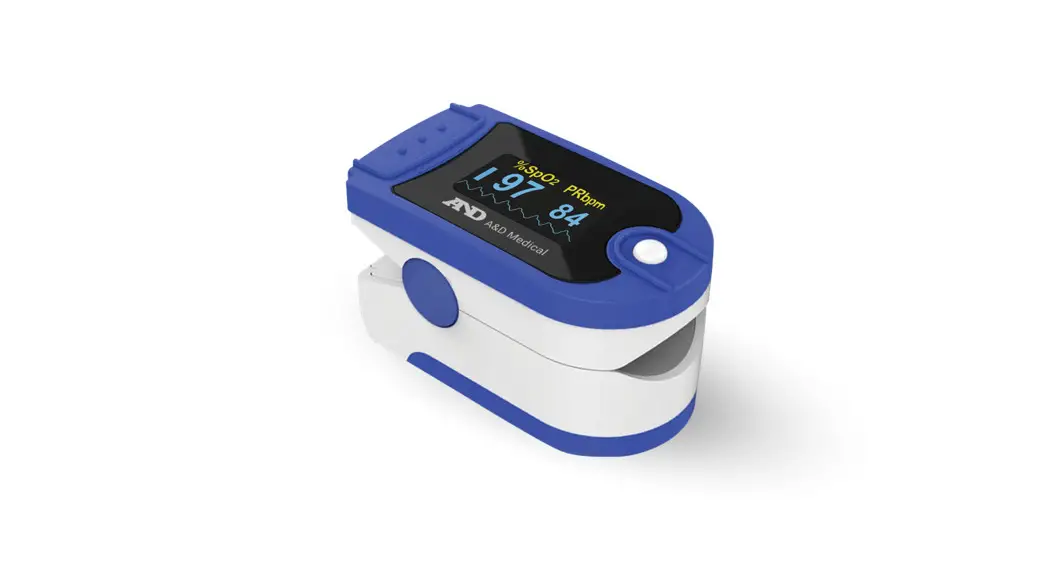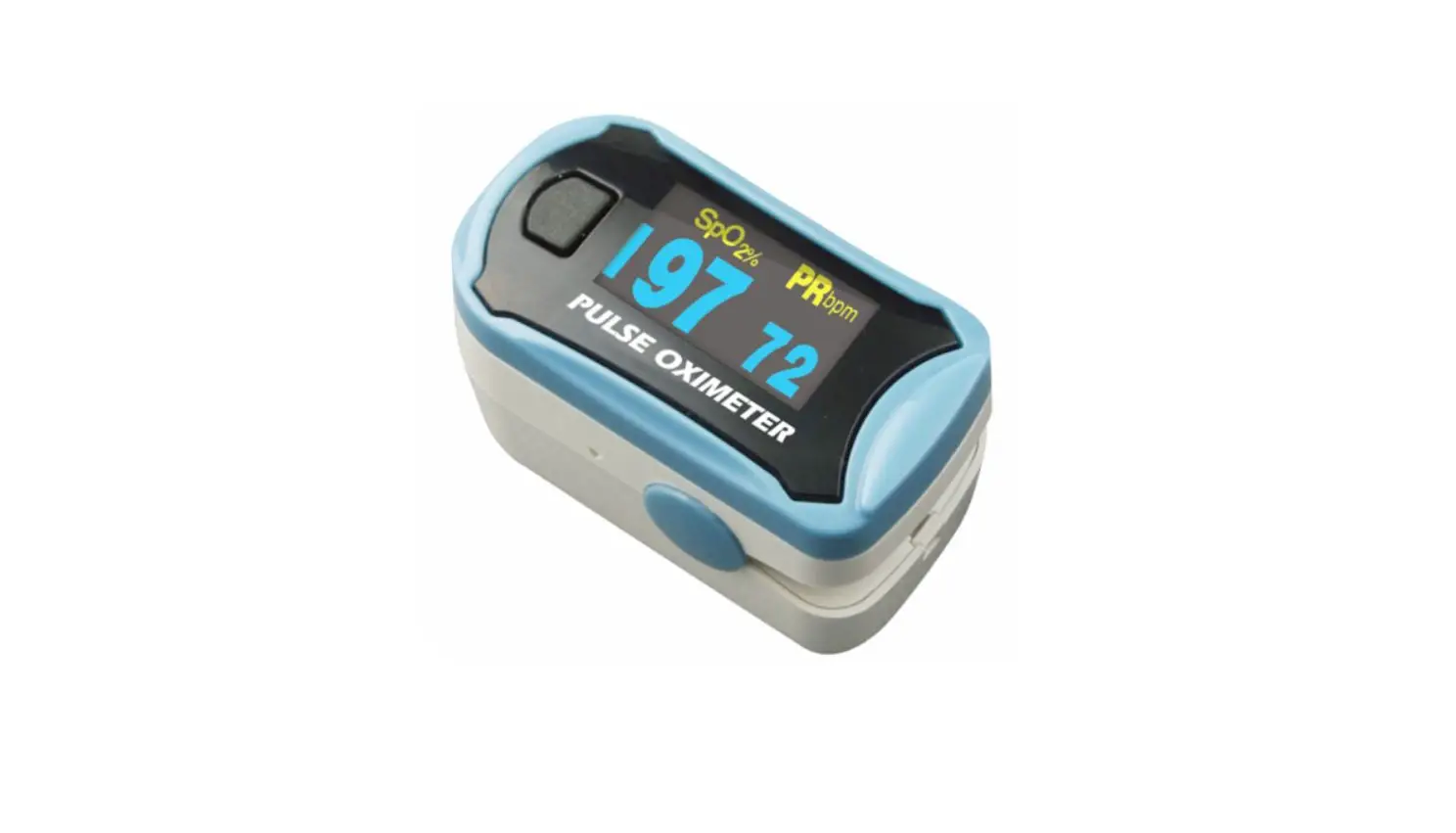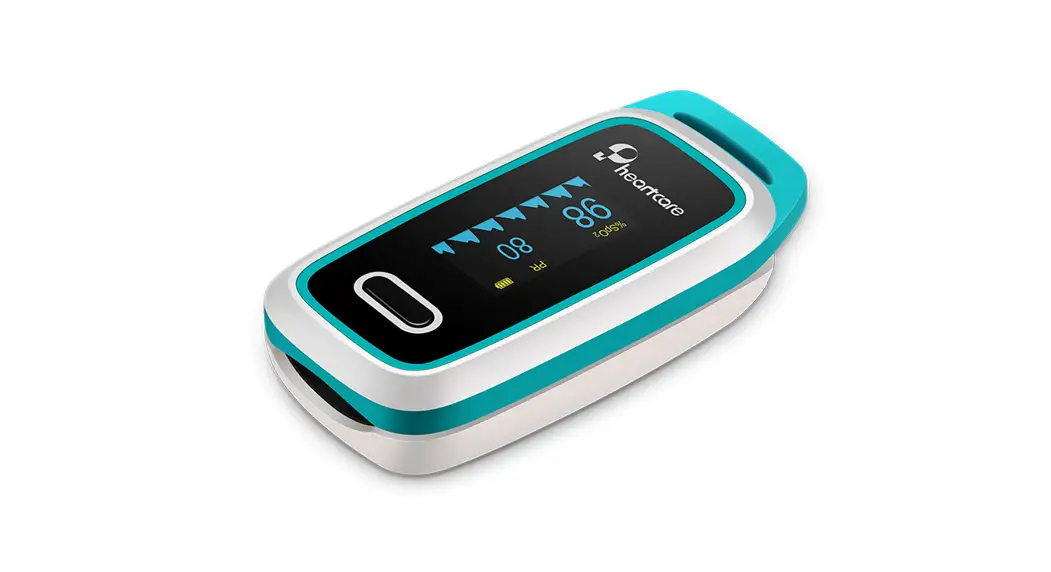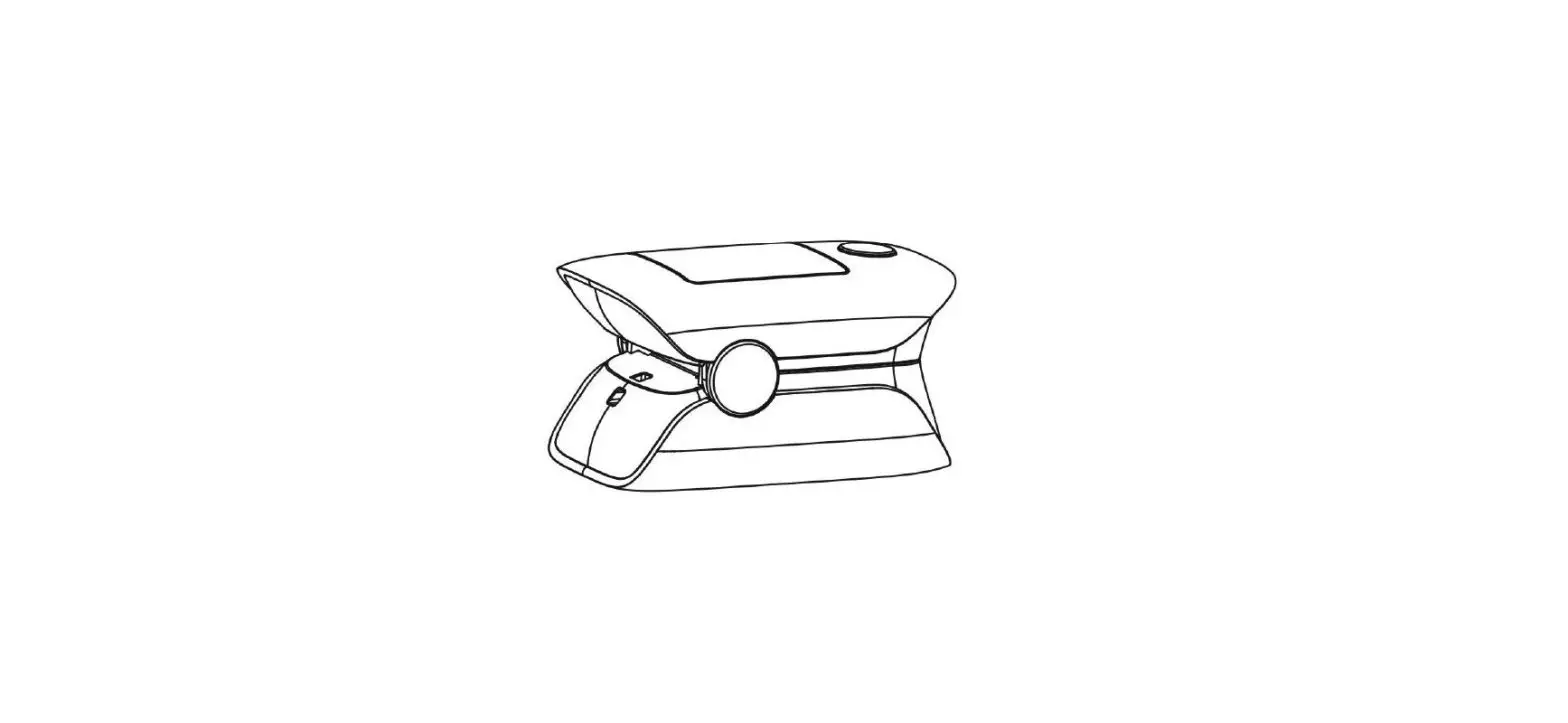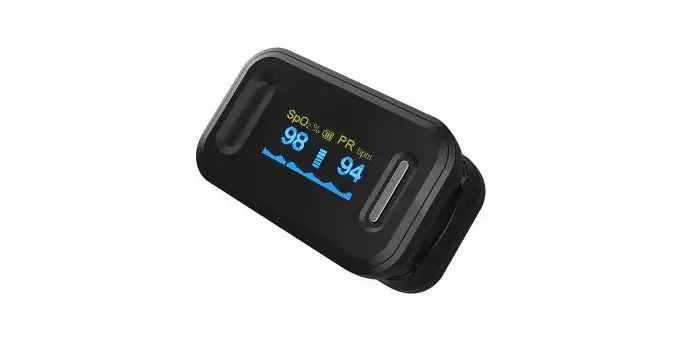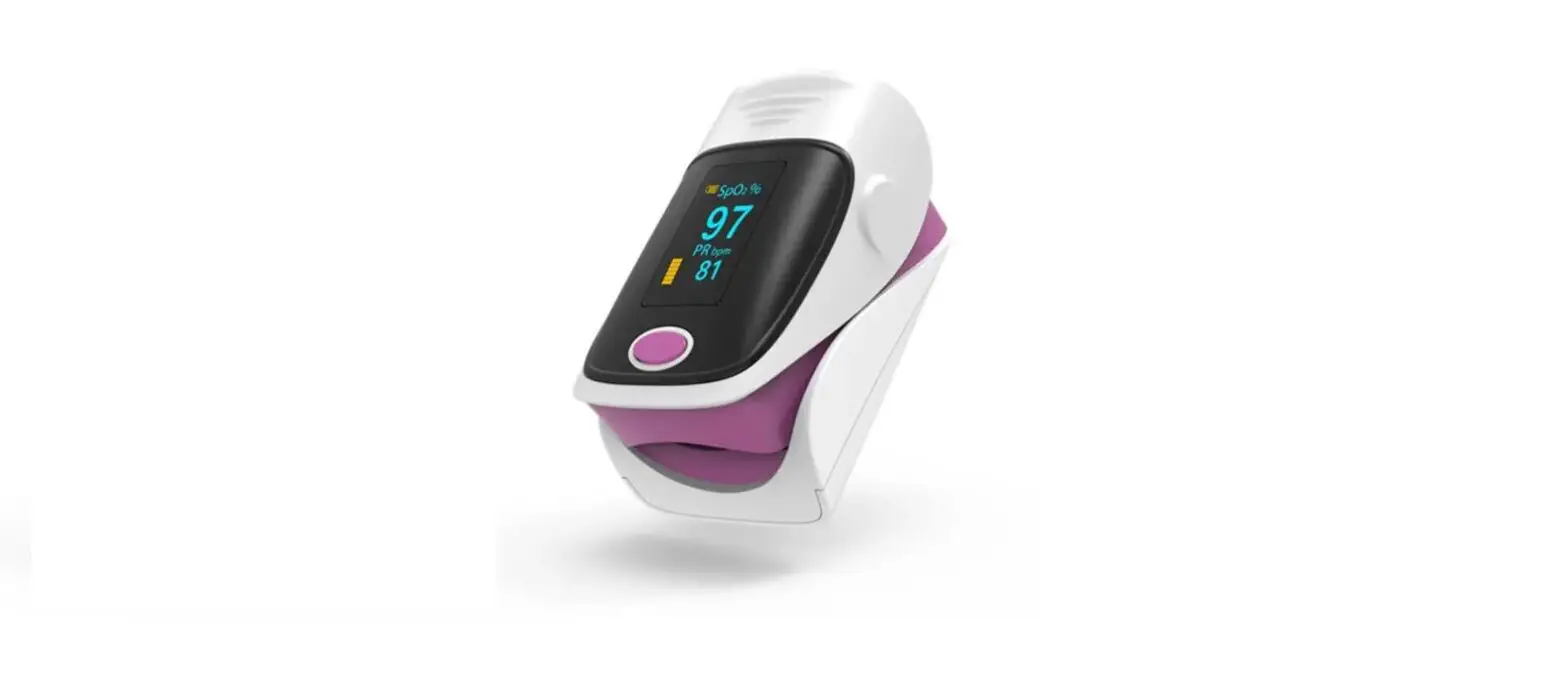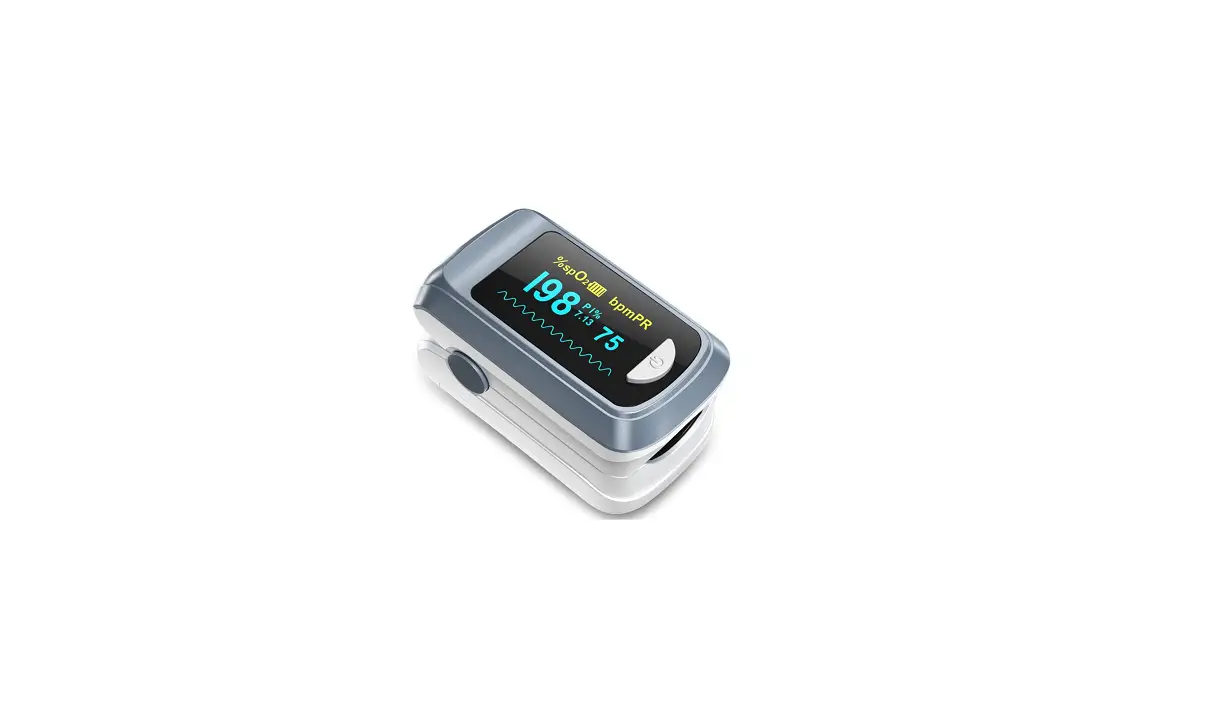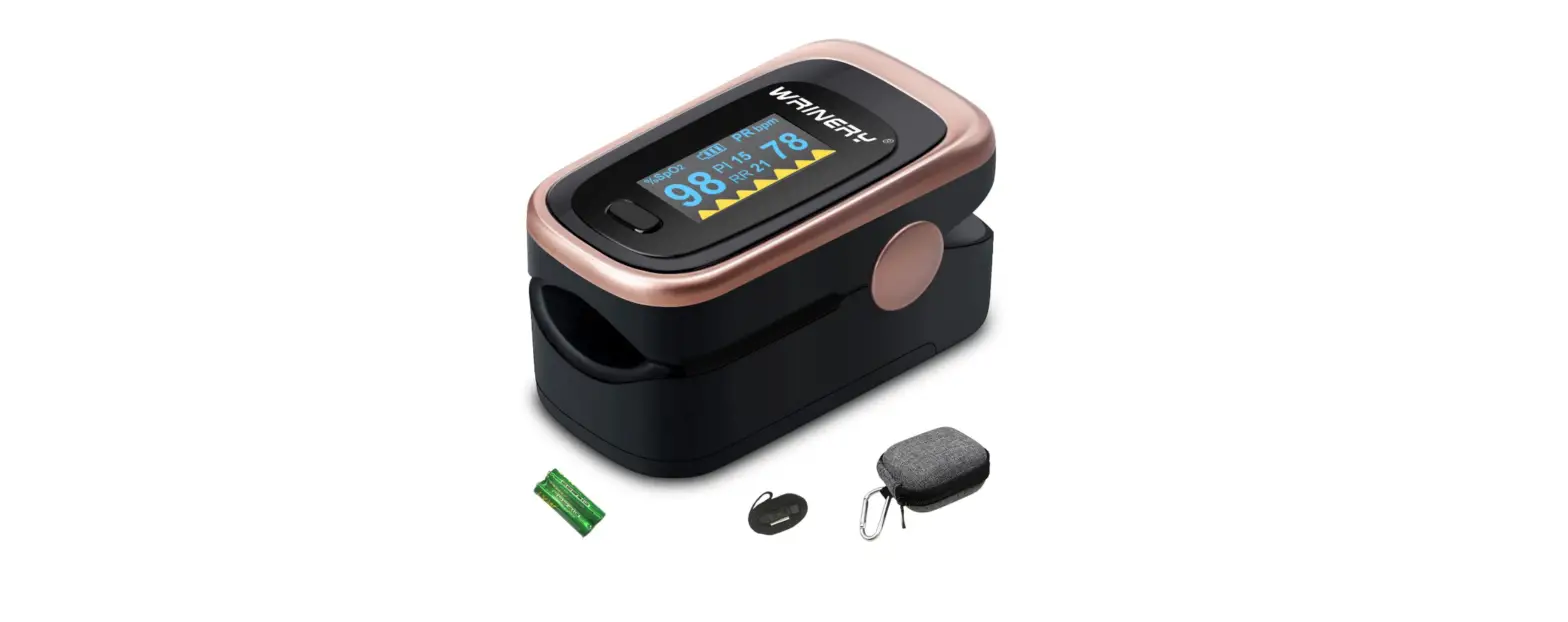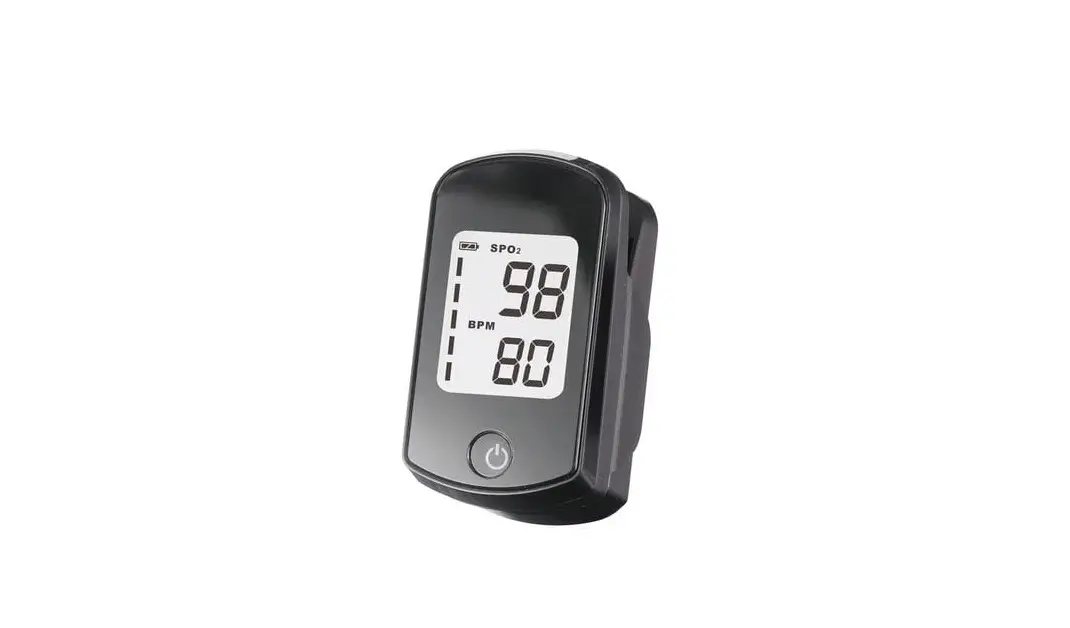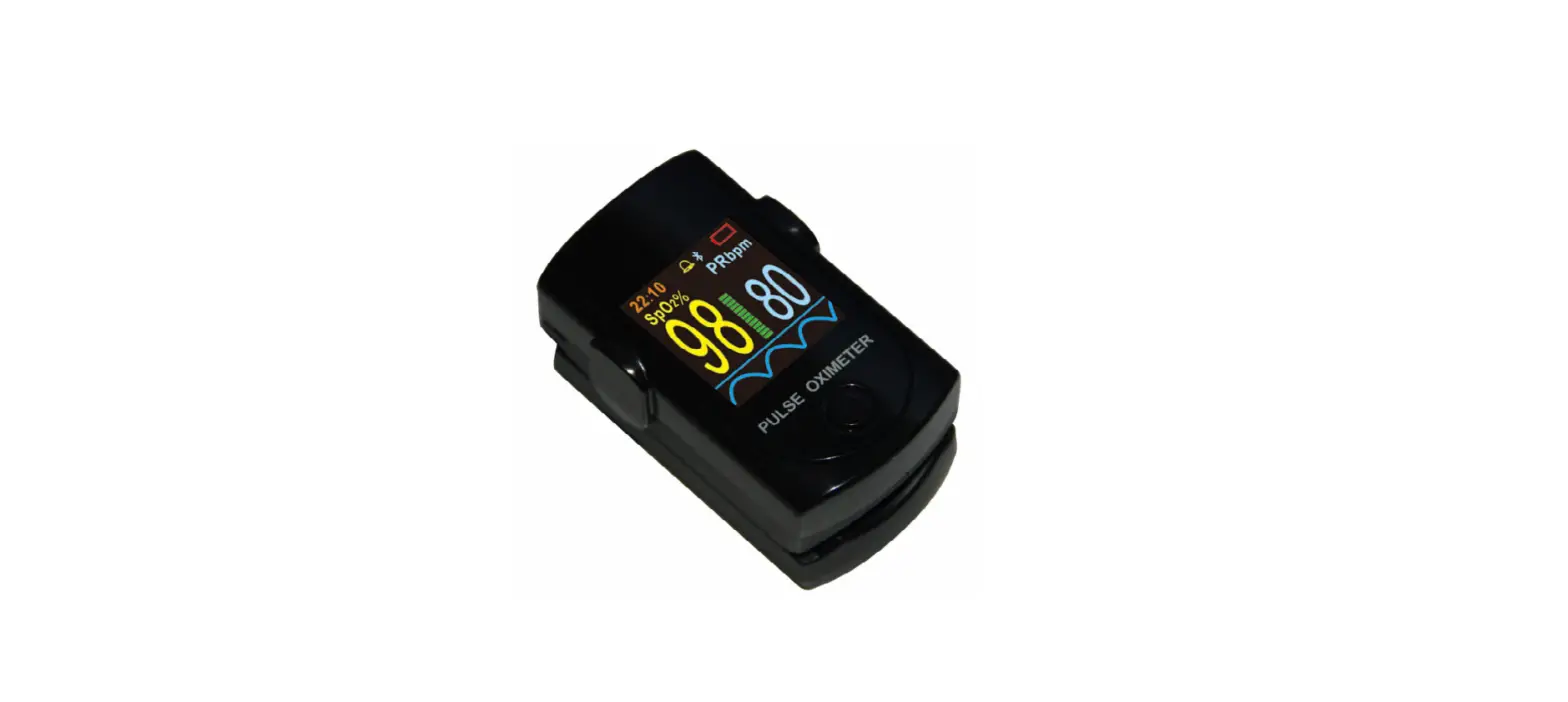

ChoiceMMed MD300C318T Fingertip Pulse Oximeter
Safety Information
Please read this manual thoroughly before using the pulse oximeter! Keep it in hand for furture reference. Warnings alert the user to potential serious outcomes, such as injury or adverse events to the patient or user. Cautions alert the user to exercise care necessary for the safe and effective use of the pulse oximeter. Notes contain important information that may be overlooked or missed.
Warnings!
- DO NOT strike or needle the battery.
- Keep away from source of fire and/or heat.
- DO NOT disassemble the oximeter or its accessories.
- DO NOT use the pulse oximeter in an MRI or a CT environment.
- DO NOT use the pulse oximeter in the presence of flammable anesthetics.
- Explosion hazard: DO NOT use the pulse oximeter in an explosive atmosphere.
- Chemicals from a broken OLED panel are toxic when ingested. Use caution when the oximeter has a broken display screen.
- The pulse oximeter is intended only as an adjunct in patient assessment. It must be used in conjunction with other methods of assessing clinical signs and symptoms.
- Check the pulse oximeter application site frequently to determine the positioning of the measurement and circulation and skin sensitivity of the patient.
- Prolonged use or the patient’s condition may require changing the measurement site periodically. Change measurement site and check skin integrity, circulatory status, and correct alignment at least every 4 hours.
- Follow local ordinances and recycling instructions regarding disposal or recycling of the device and device components, including batteries.
- Only authorized service personnel can replace the battery or repair this device. This device uses a fixed lithium-ion battery inside. Do not try to replace the battery by yourself at any time. For longer battery life, only charge the battery when the battery power is empty.
- This device complies with Part 15 of the FCC Rules. Operation is subject to the following two conditions: (1) this device may not cause harmful interference, and (2) this device must accept any interference received, including interference that may cause undesired operation.
Cautions! - Inaccurate measurements may be caused by autoclaving, ethylene oxide sterilizing, or immersing the sensors in liquid may cause inaccurate readings.
- Significant levels of dysfunctional hemoglobin (such as carbonyl-hemoglobin or methemoglobin) may cause inaccurate readings.
- Intravascular dyes such as indocyanine green or methylene blue may cause inaccurate readings.
- SpO2 measurements may be adversely affected in the presence of upper ambient light. Shield the sensor area (with a surgical tower, or direct sunlight, for example) if necessary.
- Excessive patient movement may cause inaccurate readings.
- Upper-frequency electrosurgical interference may cause inaccurate readings.
- Venous pulsations may cause inaccurate readings.
- Placement of a sensor on an extremity with a blood pressure cuff, arterial catheter, or intravascular line may cause inaccurate readings.
- The patient has hypotension, severe vasoconstriction, severe anemia, or hypothermia may cause inaccurate readings.
- Operation of the pulse oximeter may be affected by the use of an electrosurgical unit (ESU).
- The pulse oximeter must be able to measure the pulse properly to obtain an accurate SpO2 measurement. Verify that nothing is hindering the pulse measurement before replying on the SpO2 measurement.
- The patient is in cardiac arrest or is in shock may cause inaccurate readings.
- Fingernail polish or false fingernails may cause inaccurate SpO2 readings.
- Federal Law (U.S.A) restricts this device to sale by or on the order of a physician.
- All CHOICEMMED devices are designed to be compliant with rules and regulations in the locations they are sold and will be labelled as required.
- Any changes or modifications to CHOICEMMED equipment, not expressly approved by CHOICEMMED, could void the user’s authority to operate the equipment.
CHAPTER 1 General Information
Oxygen saturation is a percentage of oxyhemoglobin (HbO2) capacity, compounded with oxygen, by all combinative hemoglobin (Hb) capacity in blood. In other words, it is the consistency of oxyhemoglobin in blood. It is a very important parameter for the Respiratory Circulation System. Many respiratory diseases can result in low oxygen saturation in human blood. Additionally, the following factors can reduce oxygen saturation: Automatic regulation of organ dysfunction caused by Anesthesia, Intensive Postoperative Trauma, and injuries caused by some medical examinations. That situation might result in light-headedness, asthenia, and vomiting. Therefore, it is very important to know the oxygen saturation of a patient so that doctors can find problems in a timely manner.
The pulse oximeter integrated with Bluetooth® wireless technology is designed to monitor vital signs, such as SpO2 and pulse rate anytime, anywhere.
Measuring Principle
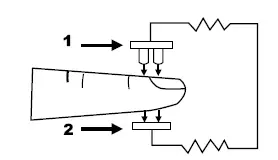
An experience formula of data process is established taking use of Lambert-Beer Law according to Spectrum Absorption Characteristics of Reductive hemoglobin(HbR) and Oxyhemoglobin (HbO2) in red light and near-infrared light zones. The photoelectric oxyhemoglobin inspection technology is adopted in accordance with capacity pulse scanning and recording technology so that two beams of different wavelengths of lights (660nm red light and 940nm near-infrared light) can be focused onto a human nail tip through perspective clamp finger-type sensor. Then measured signal can be obtained by a photosensitive element, information acquired through which will be shown on the display through the process in electronic circuits and microprocessors.
Diagram of Operation Principle:
- Red and Infrared light emission diodes
- Red and Infrared photodiode

Product Features
- Color OLED screen displays SpO2, PR, waveform and pulse bar; 4 display modes.
- Rechargeable lithium-ion battery, battery charging via USB cable or adapter.
- Real-time and non-real-time Bluetooth® data transmission.
- Real-time inner clock.
- Software upgrade with Bootloader.
- Suitable for pediatrics and adults.
Intended Use
The MD300C318T Fingertip Pulse Oximeter is intended for continuous use or spot checking in measuring and displaying functional arterial oxygen saturation (SpO2) and pulse rate of patients in hospitals and home care. It is intended for adult and pediatric patients on finger between 0.3-1.0 inch (0.8 – 2.5 cm) thick.
Appearance Introduction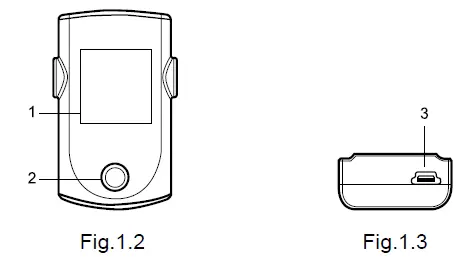
Description of the Device
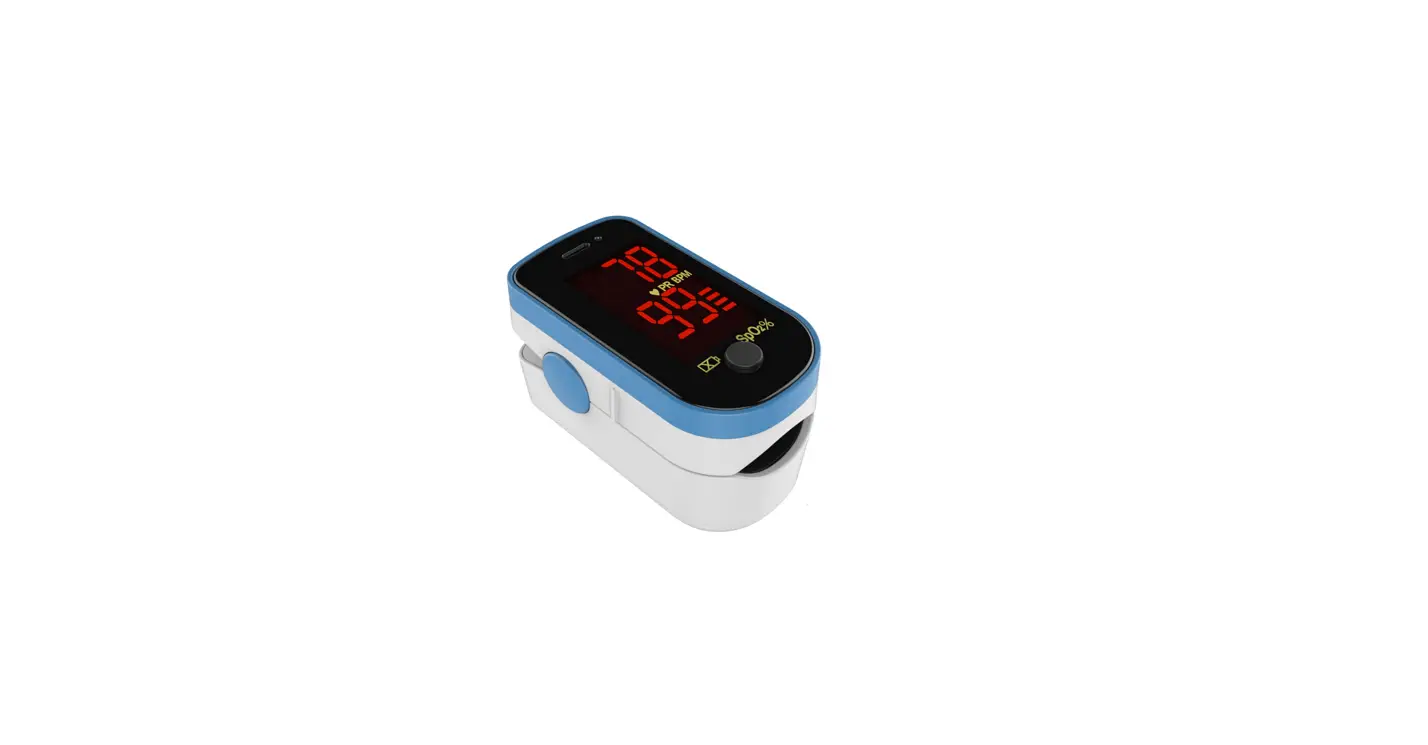
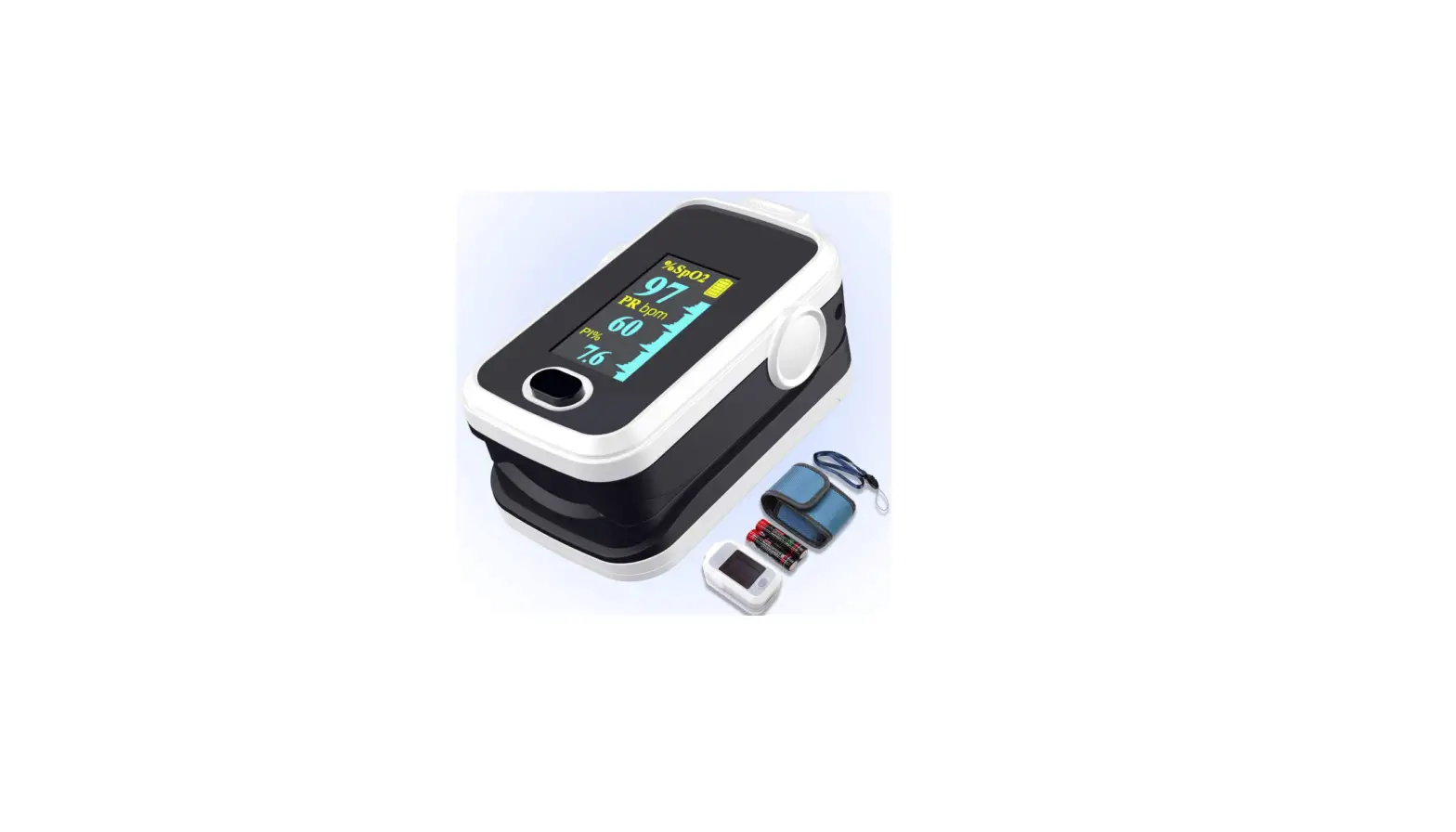
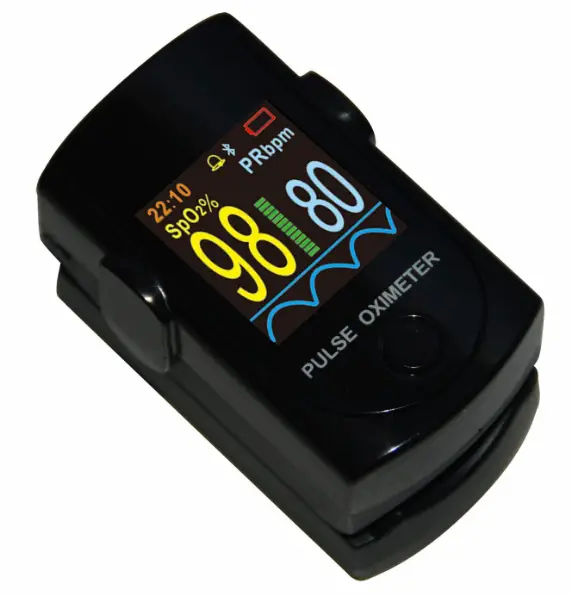
- Display screen provides an organic light-emitting diode (OLED) display panel. [Figure 1.2]
- A power switch & function button is used to turn on the device and set the display orientation
[Figure 1.2-2]. See the full description of the functions below, under items 1-10. - USB cable port: is used to charge the device and transfer data. [Figure 1.3]
The display screen is illustrated in the figure below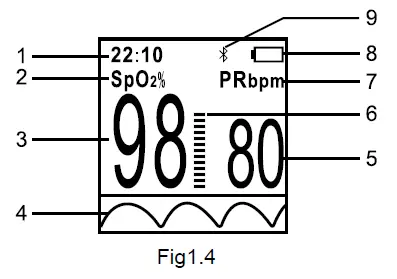
Description of fig1.4
- Time display: The time shown in the figure is 11:45.
- SpO2% refers to the oxygen saturation in blood.
- Tabulation of the measured SpO2% reading. Here, it is valued at 98%.
- This field indicates SpO2% Plethysmograph signal’s dimensions.
- This field indicates the measurement of pulse rate (PR). Here, the PR is valued at 60 beats per minute (bpm).
- The pulse graph bar indicates pulse amplitude.
- bpm refers to Pulse Rate beats per minute.
- This field indicates the level of battery power in the pulse oximeter. When battery power is low, the icon will be empty and turn to red.
- Bluetooth® transmission indicator.
- Brightness level indicator.
NOTE: The illustrations used in this manual may differ slightly from the appearance of the actual product.
Description of Symbols
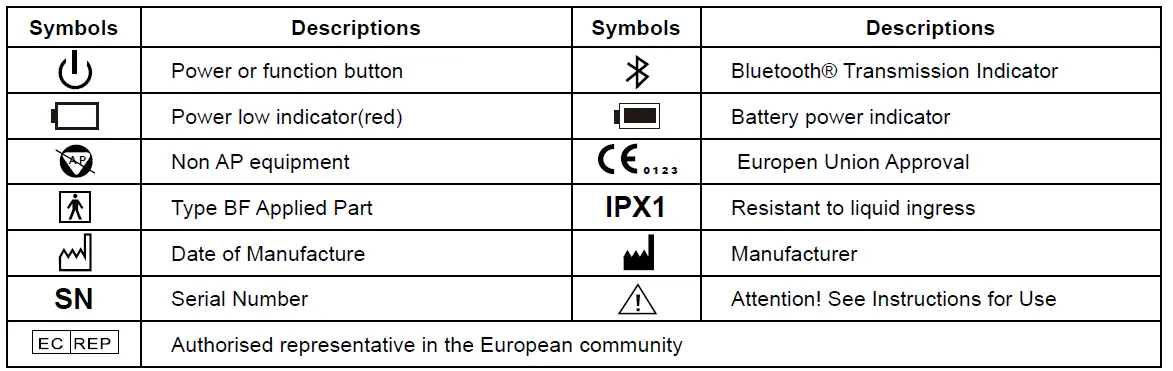
CHAPTER 2 Settings
Configuring Your Pulse Oximeter
There are some settings that can be adjusted by software, including date and time, switching, real-time and non-real-time data transmission modes, powering off, and updating the software of the pulse oximeter.
Selecting a Display Mode
You can adjust the display mode of your oximeter when performing SpO2 and pulse rate measurements, every time you press the button, the pulse oximeter will switch to another display mode.
During the measuring, each time you press the button the oximeter will switch to another display mode, there are 4 display modes shown as below: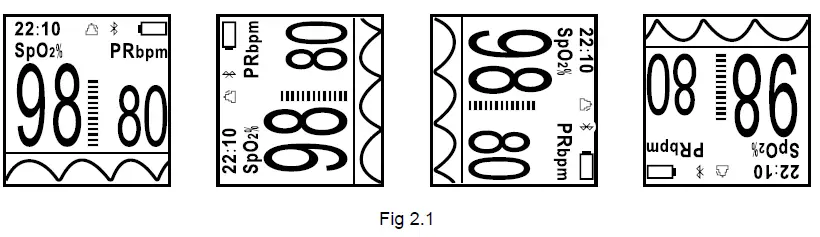
CHAPTER 3 Take a Measurement
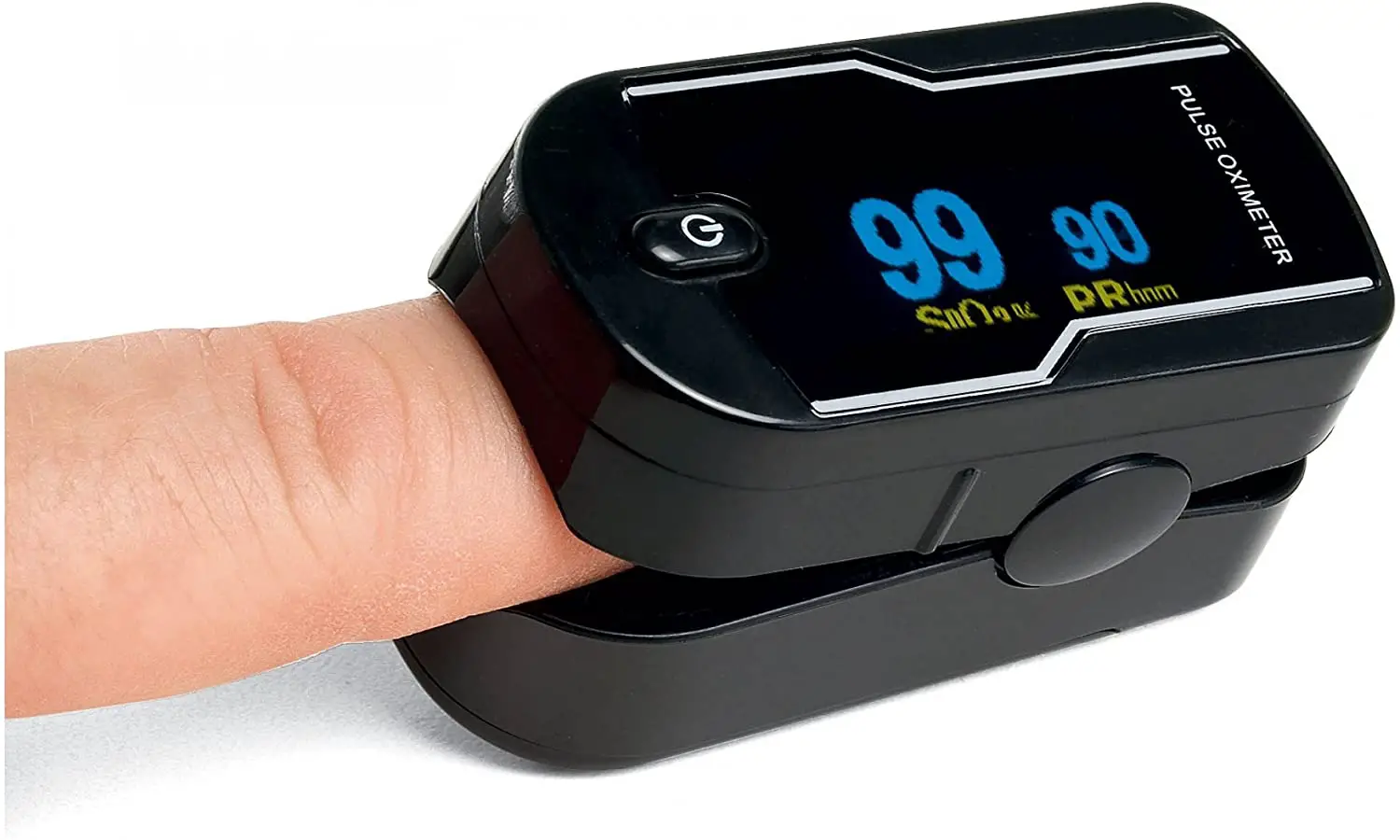
- Open the clamp and insert a finger into the oximeter, as illustrated in the right figure. Then gently release the clamp. Make sure that the distance between you and another Bluetooth® device is within 10m. (30 ft.)

- Press the power button, the display will light up and after a few seconds, the device will display SpO2% and pulse rate measuring values. The oximeter will also transmit the recorded information via Bluetooth® to another Bluetooth® device. After transmitting data to another Bluetooth® device, the oximeter will shut down automatically.
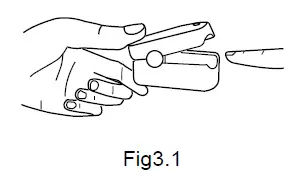
NOTES:
- Keep your tested hand still during the measurement.
- Do not pour or spray liquids onto the oximeter, and do not allow any liquid to enter any openings in the device. Make the oximeter dry thoroughly before reusing.
- The oximeter will shut down after a period of time if no measurement is being taken.
- Clean the rubber touching the finger probe inside of the pulse oximeter with a soft cloth dampened with 70% isopropyl alcohol, and cleans the test finger probe using alcohol before and after each measurement.
CHAPTER 4 Battery Charge
Power Supply
- Battery Model: SP080
- Battery Type: One 3.7V Lithium Ion Rechargeable Battery
Battery Charge
Connect the oximeter with the attached USB cable, shown as the following figure.
Connect the other end of the USB cable to the attached charger and plug the charger into an electrical outlet. Charging will complete in 4-5 hours. The battery indicator will stop flickering if the charging process is completed.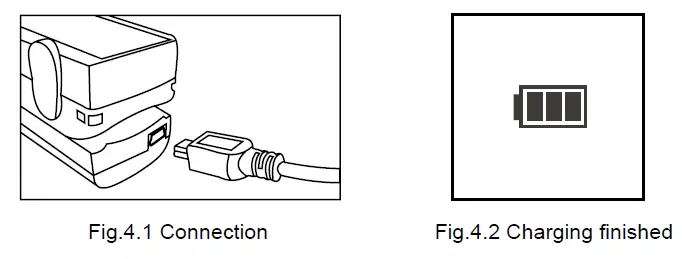
- Charging temperature: 0℃~40℃
- Charging Voltage: 110Vac~240Vac
Warning!
- Avoid strongly impacting to the oximeter.
- Avoid the oximeter to be exposed straightly to sunlight.
- Only use the attached battery charger. Otherwise, damage even danger may be caused to the oximeter or person.
- Do not charge the battery for more than 5 hours, or that may cause damage to the battery.
- Do not charge or preserve the battery in too hot or cold environments, the proper temperature is 0~40℃ for charging. Please refer to details in Chapter 6 Specifications.
- Charging is not recommended when using the oximeter.
CHAPTER 5 Data Transmission
The measurement results saved in the pulse oximeter can be uploaded to other Bluetooth® devices for review or management.
The modes of data transmission include Realtime Bluetooth® transmission and Non-realtime Bluetooth® transmission. Please refer to “MD300C318T Communication Protocol” for details of data transmission.
Realtime Bluetooth® transmission(default):
- Bluetooth® icon will flash when MD300C318T is not connected.
- Bluetooth® icon will not flash when the valid pairing of MD300C318T is connected.
- If Bluetooth® is not connected, the measured data will not be saved and MD300C318T will be in a wait state.(If Bluetooth® has not been connected for 3 minutes,
- MD300C318T will shut down automatically.)
- If the Bluetooth® connection is successful, MD300C318T will upload the values of blood oxygen saturation, pulse rate, blood oxygen volume wave, battery power to other
- Bluetooth® devices; Meanwhile, MD300C318T can respond and execute commands from other Bluetooth® devices. (Please see MD300C318T Communication Protocol.)
Non-realtime Bluetooth® transmission: The data transmission screen is shown in Fig.5.1.
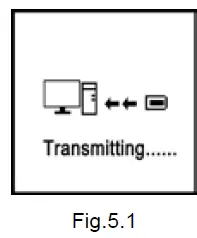
- MD300C318T will automatically judge the effective measured data ( 6 single-point effective measurements will be stored).
- Bluetooth® will automatically open and upload the measured data after measurement.
- MD300C318T software system can set the number of stored data of one successful measurement, the number ranging from 1-10.
- If data upload fails, the measured data will be saved automatically and uploaded with next measured data. At most 100 pieces of failed-uploaded data can be stored and re-uploaded.
- The distance between the pulse oximeter and another Bluetooth® device should be not more than 10m.
- The measurement data is saved every 4s and at most 100 pieces of data records can be saved in the pulse oximeter.
CHAPTER 6 Specifications
- Display:
- Display type: OLED display
- SpO2 display range: 0~99%
- SpO2 measuring range: 70~99%
- PR display range: 0~235 BPM
- PR measuring range: 30~235 BPM
- PR display mode: Amplitude Bar
- Data update period: <15 s
- Resolution: a
SpO2%: 1%
Pulse rate: 1BPM - Measurement Accuracy:
- SpO2: 70%~99% ±3%; ≤69% unspecified.
- PR: 30~99 bpm ±2 bpm; 100~235 bpm ±2%.
- Antenna Information:
- Antenna Type/Patten: Internal
- Frequency Range: 2402 to 2480 MHz
- LED Wavelengths and Output Power:
- Red: approximately 660nm @0.8mW maximum average
- Infrared: approximately 940nm @0.8mW maximum average
- Bluetooth®
- The device name format of MD300C318T is “B *********”. (“*********” denotes numbers from 0 to 9, for example B110500001.) The device name will be labeled on the back of the MD300C318T pulse oximeter.
- Wireless transmission distance: 0~10m
- Bluetooth® default paired password: 0000.
- Physical Characteristics:
- Dimensions: 60mm x 36mm x 38mm (2.36”x 1.42”x 1.50”)
- Weight: 50g (including the lithium ion battery)
- Battery Life:
- Typical lithium-ion battery: 300 cycles
- Charge temperature: 0℃~40℃
- Environment Conditions:
- Operating Temperature: 5℃~40℃
- Storage Temperature: -20℃~-55℃
- Humidity: ≤80%, no condensation in operation
Accessories:
- AC/DC Adapter 1piece Instruction
- Manual 1piece
- Lanyard· 1piece USB
- cable·1piece
CHAPTER 7 Maintenance and Calibration
- Please charge the battery in time when the low power indicator flickers.
- Clean the surface of the fingertip oximeter before it is used in diagnosis for patients.
- It is better to preserve the product in the environment specified in this manual.
- It is recommended that the product should be kept in a dry environment. A wet ambient might affect the lifetime, even damage the device.
- Please follow the law of local government to deal with the used oximeter and the accessories.
CHAPTER 8 Troubleshooting
| Problems | Reasons | Solutions |
| SpO2% or pulse rate does not display. | 1. Finger is not plugged correctly. 2. Patient’s SpO2 value is too low to be measured. | 1. Retry by plugging the finger. 2. There is excessive illumination. 3. Measure other patients to make sure that no problem exists in the product. Go to a hospital in a timely manner for an exact diagnosis. |
| SpO2% or PR is shown unstably. | 1. Finger might not be plugged deep enough into the clamp probe. 2. Excessive patient movement. | 1. Retry by inserting the finger into the end. 2. Stop moving the finger, hand or body. |
| The oximeter cannot be powered on. | 1. No battery or low-power of battery. 2. Batterymight be installed incorrectly. 3. The Monitor might be damaged. | 1. Please replace the battery. 2. Please reinstall the battery. 3. Please contact with the local customer service center. |
| The display suddenly turns off. | 1. The oximeter is automatically powered off when no signal is detected for longer than 8 seconds. 2. The battery’s power is too low to work. | 1. Relocate the probe on another finger or restart the oximeter and be sure the signal strength is strong enough for a stable display. 2. Replace the battery. |
| Error 1 Error 2 Error10 | ROM error RAM error EEPROM damaged or dry joint | Please contact the local customer service center. Please contact the local customer service center. Please contact the local customer service center. |
CHAPTER 9 Declaration
FCC-ID: WWIMD300C318T
This equipment has been tested and found to comply with the limits for a Class B digital device, pursuant to Part 15 of the FCC Rules. There limits are designed to provide reasonable protection against harmful interference in a residential installation. This equipment generates, uses and can radiate radio frequency energy and, if not installed and used in accordance with the instructions, may cause harmful interference will not occur in a particular installation. If this equipment does cause harmful interference to radio or television reception, which can be determined by turning the equipment off and on, the user is encouraged to try to correct the interference by one or more of the following measures:
- Reorient of relocating the receiving antenna.
- Increase the separation between the equipment and the receiver.
- Connect the equipment to an outlet on a circuit different from that to which the receiver is connected.
- Ask the dealer or an experienced radio/TV technician for help.
EMC of this product complies with IEC60601-1-2 standard
Guidance and Manufacture’s declaration – electromagnetic emissions-For all EQUIPMENT and SYSTEMS
| Guidance and Manufacture’s declaration – electromagnetic emission | ||
| The MD300C318T PULSE OXIMETER is intended for use in the electromagnetic environment specified below. The customer of the user of the MD300C318T PULSE OXIMETER should assure that it is used in such and environment. | ||
| Emission test | Compliance | Electromagnetic Environment – Guidance |
| RF emissions CISPR 11 | Group 1 | The MD300C318T PULSE OXIMETER uses RF energy only for an internal function. Therefore,its RF emissions are very low and are not likely to cause any interference in nearby electronic equipment. |
| RF emissions CISPR 11 | Class B |
The MD300C318T PULSE OXIMETER is suitable for use in all establishments, including domestic establishments and those directly connected to the public low-voltage power supply network that supplies buildings used for domestic purposes. |
| Harmonic emissions IEC 61000-3-2 | Class A | |
| Voltage fluctuations/ flicker emissions IEC 61000-3-3 | Complies | |
Guidance and Manufacture’s declaration – electromagnetic immunity- For all EQUIPMENT and SYSTEMS
| Guidance and Manufacture’s declaration – electromagnetic emission | ||
| The MD300C318T PULSE OXIMETER is intended for use in the electromagnetic environment specified below. The customer of the user of the MD300C318T PULSE OXIMETER should assure that it is used in such an environment. | ||
| Emission test | Compliance | Electromagnetic Environment – Guidance |
| RF emissions CISPR 11 | Group 1 | The MD300C318T PULSE OXIMETER uses RF energy only for an internal function. Therefore,its RF emissions are very low and are not likely to cause any interference in nearby electronic equipment. |
| RF emissions CISPR 11 | Class B |
The MD300C318T PULSE OXIMETER is suitable for use in all establishments, including domestic establishments and those directly connected to the public low-voltage power supply network that supplies buildings used for domestic purposes. |
| Harmonic emissions IEC 61000-3-2 | Class A | |
| Voltage fluctuations/ flicker emissions IEC 61000-3-3 | Complies | |
Guidance and Manufacture’s declaration – electromagnetic immunity- For EQUIPMENT and SYSTEMS that are not LIFE-SUPPORTING
| Guidance and Manufacture’s declaration – electromagnetic immunity | |||
| The MD300C318T PULSE OXIMETER is intended for use in the electromagnetic environment specified below. The customer of the user of the MD300C318T PULSE OXIMETER should assure that it is used in such and environment. | |||
| Immunity test | IEC 60601 test level | Compliance Level | Electromagnetic Environment – guidance |
| Electrostatic Discharge (ESD) IEC 61000-4-2 | +/- 6kV contact +/- 8kV air | +/- 6kV contact +/- 8kV air | Floors should be wood, concrete or ceramic tile. If floor are covered with synthetic material, the relative humidity should be at least 30%. |
| Electrical fast transient/burst IEC 61000-4-4 | +/-2Kv for power supply lines | +/-2Kv for power supply lines | Mains power quality should be that of a typical commercial or hospital environment. |
| Surge IEC 61000-4-5 | +/-1Kv differential mode | +/-1Kv differential mode | Mains power quality should be that of a typical commercial or hospital environment. |
| <5% UT | <5% UT | Mains power quality should be that of a typical commercial or hospital environment. If the user of the MD300C318T PULSE OXIMETER requires continued operation during power mains interruptions.It is recommended that the MD300C318T PULSE OXIMETER be powered from an uninterruptible power supply. | |
| Voltage dios,short | (>95% dip in Ut) for 0.5 cycles | (>95% dip in Ut) for 0.5 cycles | |
| interruptions and | 40% UT | 40% UT | |
| voltage variations | (60% dip in Ut) for 5 cycles | (60% dip in Ut) for 5 cycles | |
| on power supply | 70% UT | 70% UT | |
| input lines IEC 61000-4-11 | (30% dip in Ut) for 25 cycles 5% UT (>95% dip in Ut) for 5 sec. | (30% dip in Ut) for 25 cycles 5% UT (>95% dip in Ut) for 5 sec. | |
| Power frequency (50/60Hz) magnetic field IEC 61000-4-8 | 3A/m | 3A/m | Power frequency magnetic fields should be at levels characteristics of a typical location in a typical commercial or hospital environment. |
| NOTE UT is the a.c. mains voltage prior to application of the test level | |||
Field strengths from fixed transmitters, such as base stations for radio (cellular/cordless) telephones and land mobile radios, amateur radio, AM, and FM radio broadcasts and TV broadcasts cannot be predicted theoretically with accuracy. To assess the electromagnetic environment due to fixed RF transmitters, an electromagnetic site survey should be considered. If the measured field strength in the location in which the MD300C318T PULSE OXIMETER is used exceeds the applicable RF compliance level above, the MD300C318T PULSE OXIMETER should be observed to verify normal operation.If abnormal performance is observed, additional measures may be necessary, such as reorienting or relocating the MD300C318T PULSE OXIMETER.
Over the frequency range 150kHz to 80 MHz, field strengths should be less than 3V/m.
| Recommended separation distances between portable and mobile RF communications equipment and the MD300C318T PULSE OXIMETER | |||
| The MD300C318T PULSE OXIMETER is intended for use in an electromagnetic environment in which radiated RF disturbances are controlled. The customer or the user of the MD300C318T PULSE OXIMETER can help prevent electromagnetic interference by maintaining a minimum distance between portable and mobile RF communications equipment (transmitters) and the MD300C318T PULSE OXIMETER as recommended below, according to the maximum output power of the communications equipment. | |||
| Rated maximum | Separation distance according to the frequency of the transmitter (m) | ||
| the output power of transmitter (W) | 150 kHz to 80 MHz d= 3.5 P V1 | 80 kHz to 800 MHz d= 3.5 P E1 | 800 kHz to 2.5 MHz d= 7 P E1 |
| 0.01 | 0.12 | 0.12 | 0.23 |
| 0.1 | 0.37 | 0.37 | 0.74 |
| 1 | 1.17 | 1.17 | 2.33 |
| 10 | 3.69 | 3.69 | 3.69 |
| 100 | 11.67 | 11.67 | 23.33 |
For transmitters rated at a maximum output power not listed above, the recommended separation distance d in meters (m) can be estimated using the equation applicable to the frequency of the transmitter, where P is the maximum output power rating of the transmitter in watts (W) according to the transmitter manufacturer.
NOTE 1 At 80 MHz and 800 MHz, the separation distance for the higher frequency range applies.
NOTE 2 These guidelines may not apply in all situations. Electromagnetic propagation is affected by absorption and reflection from structures, objects and people.