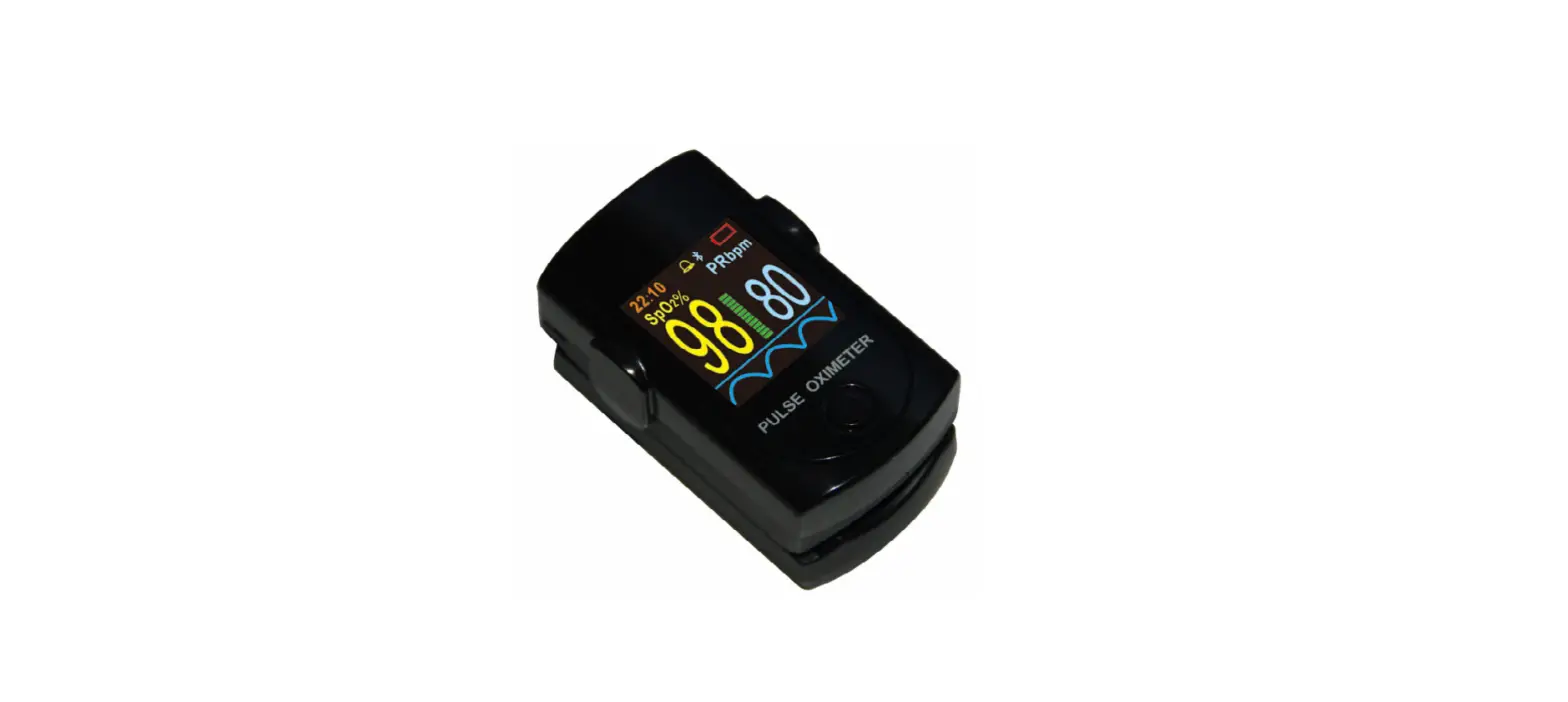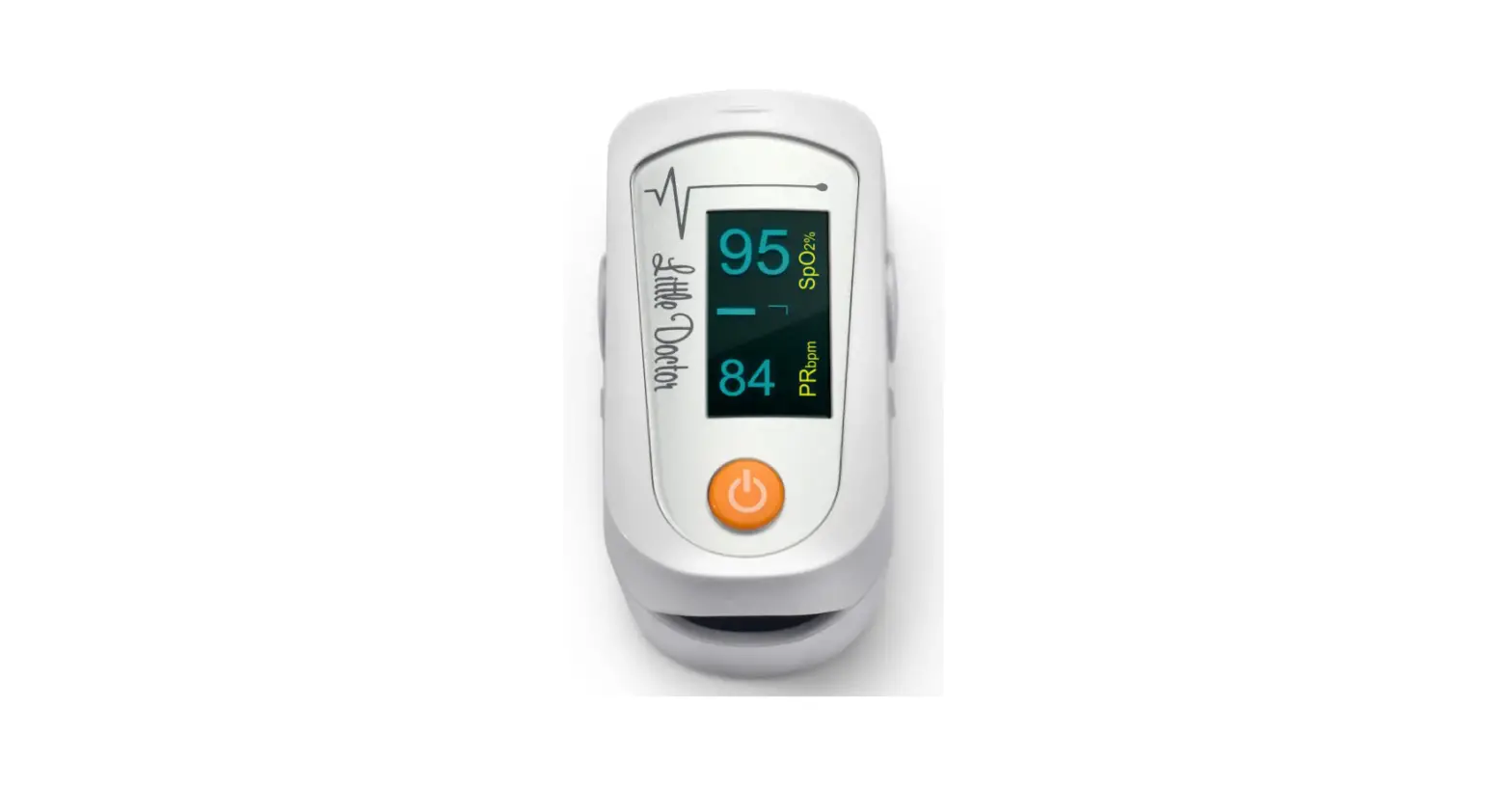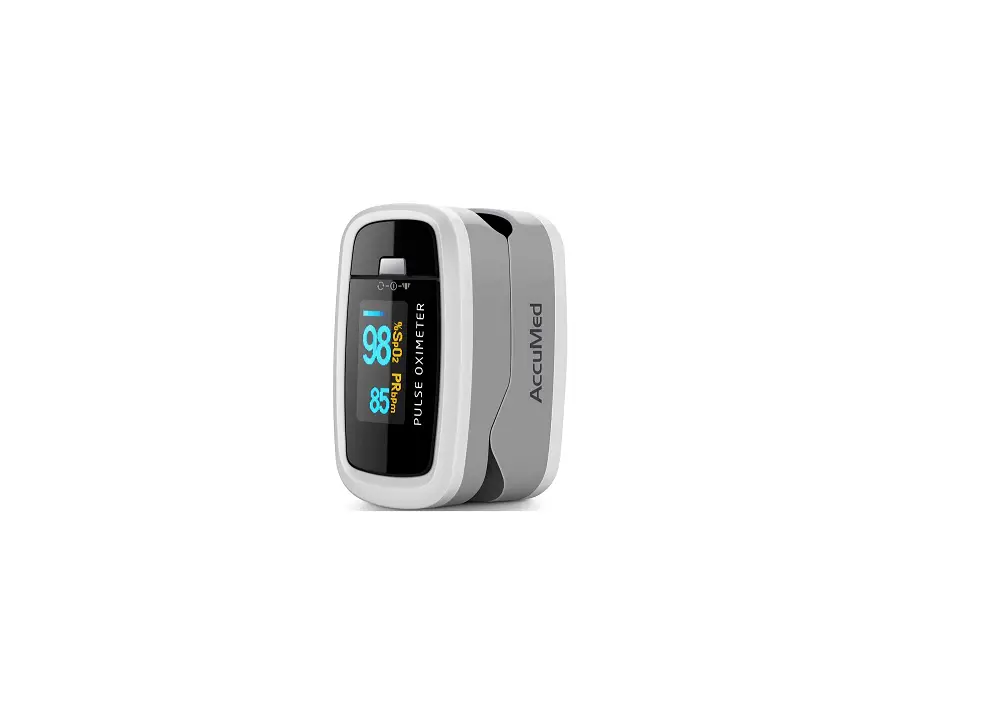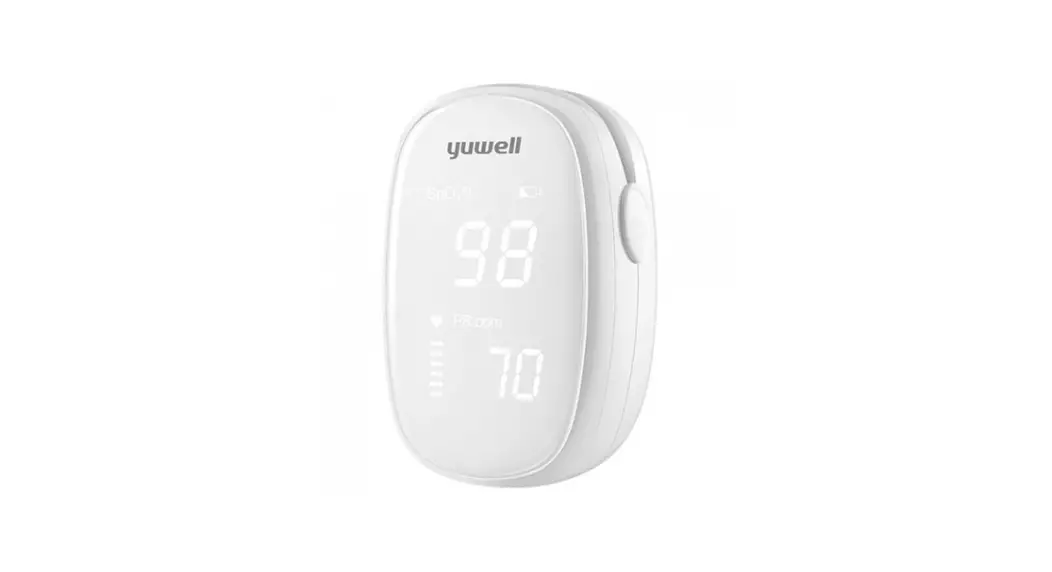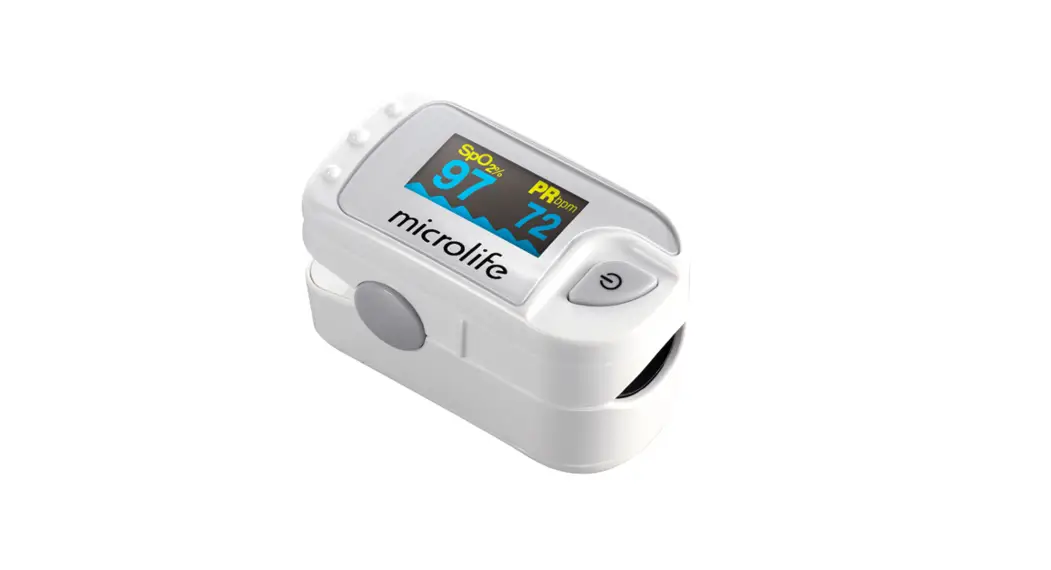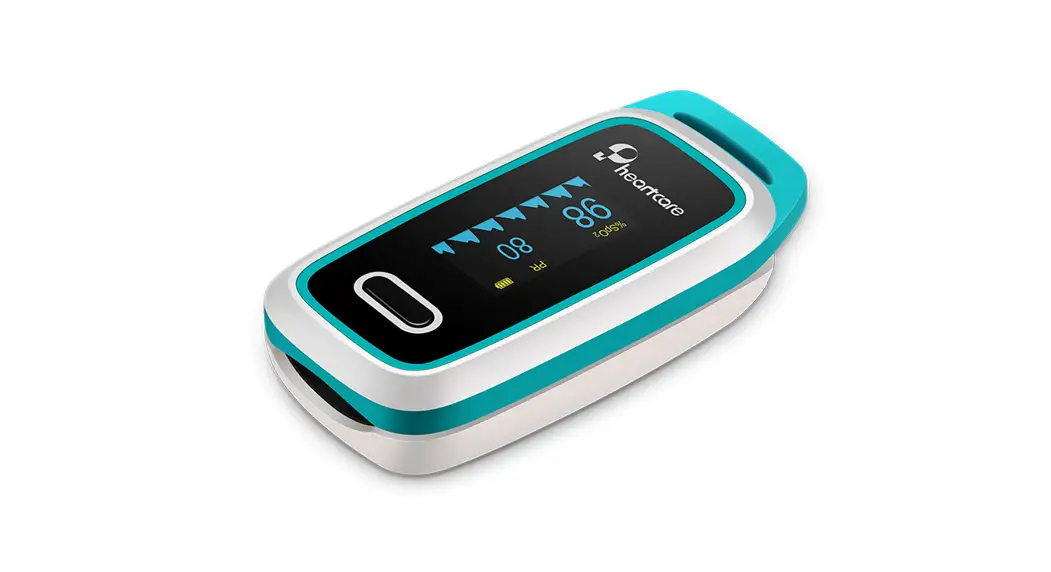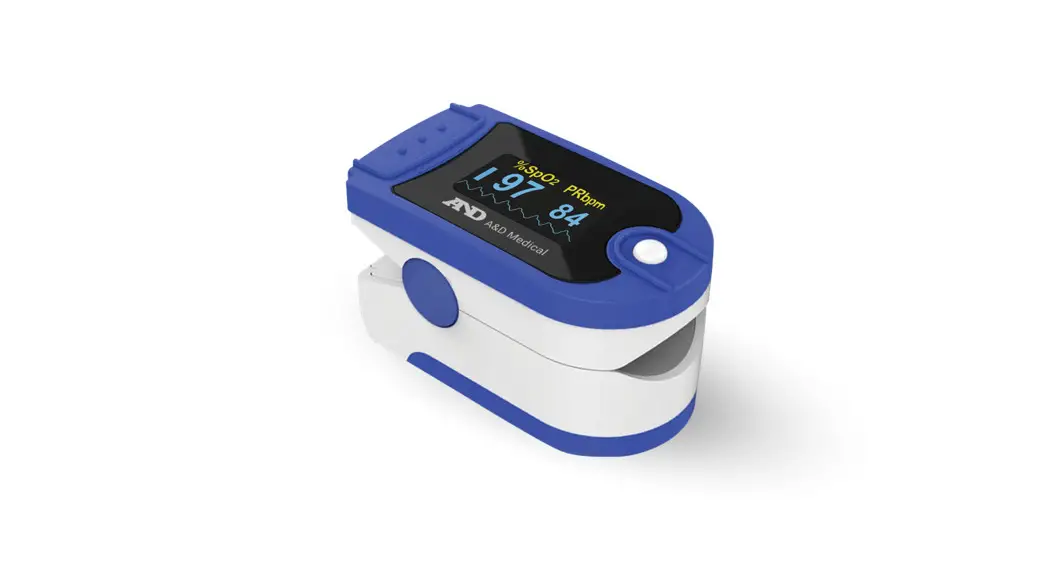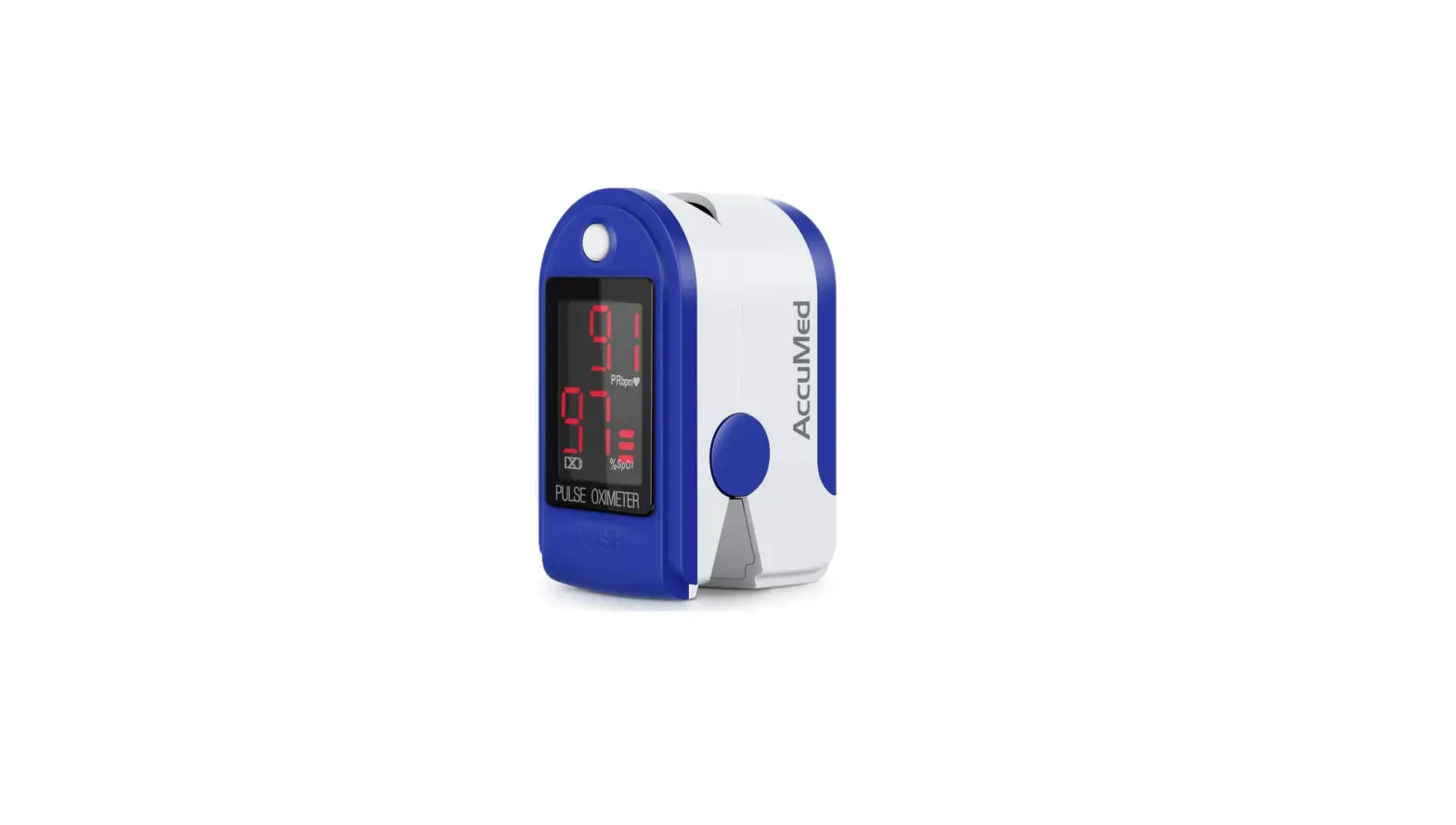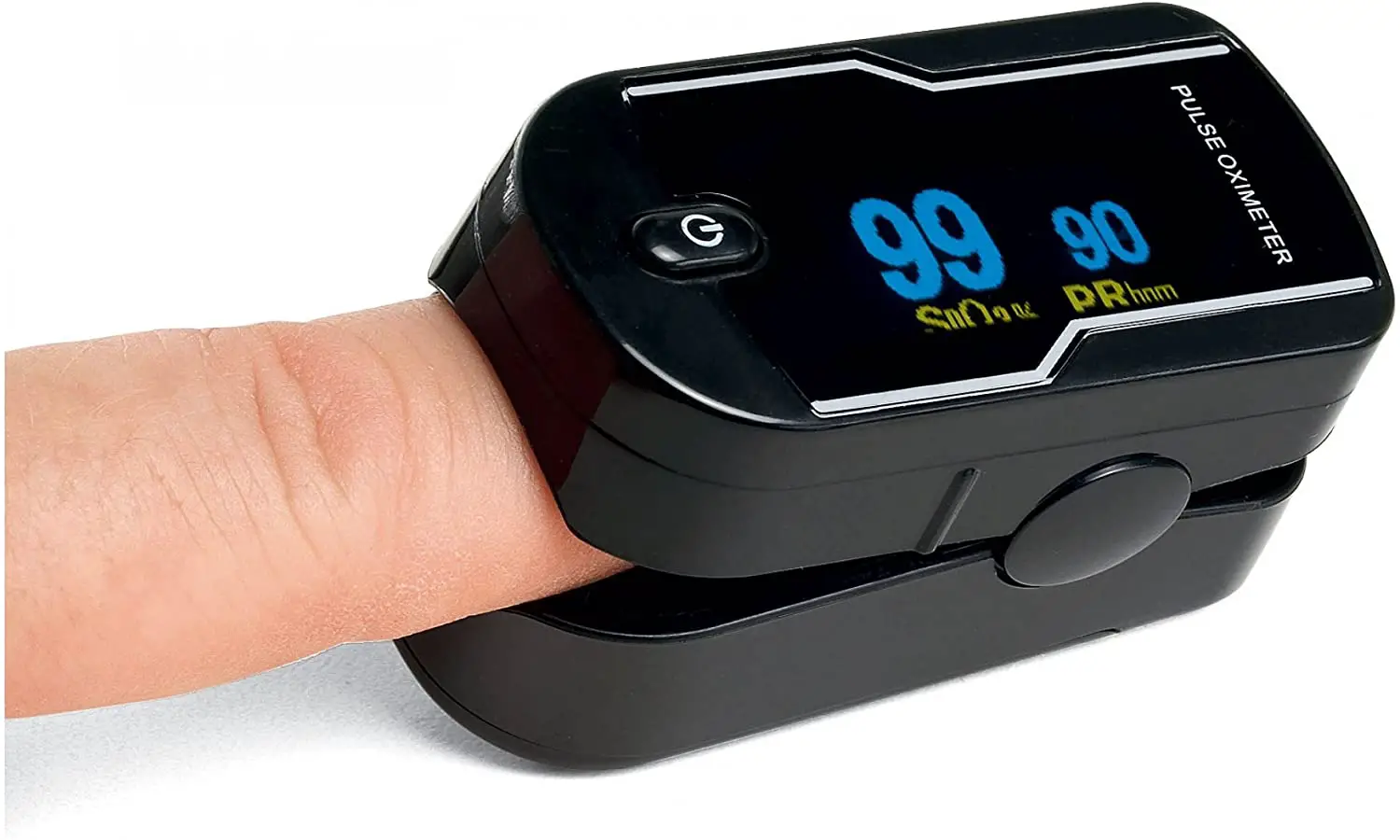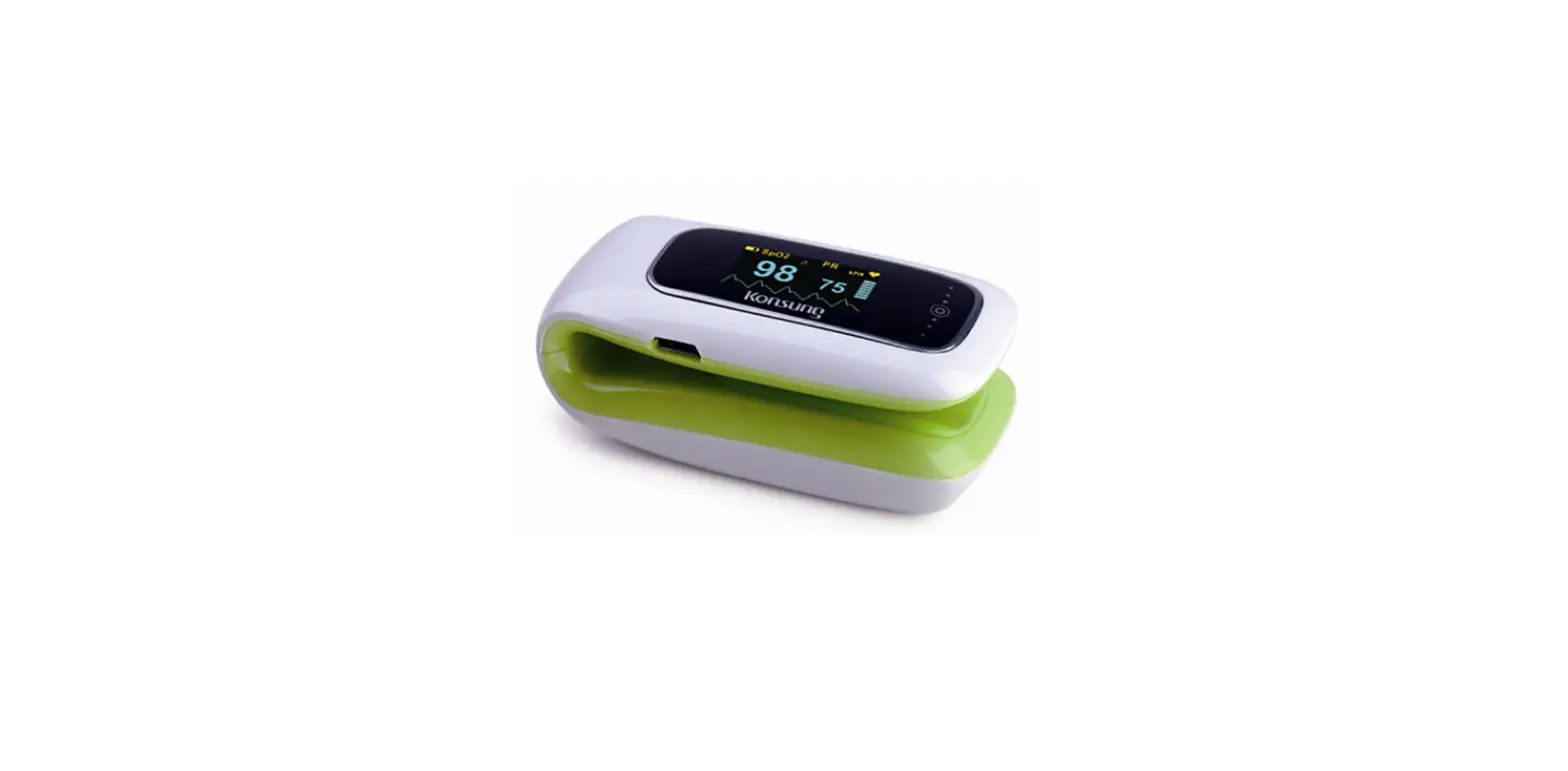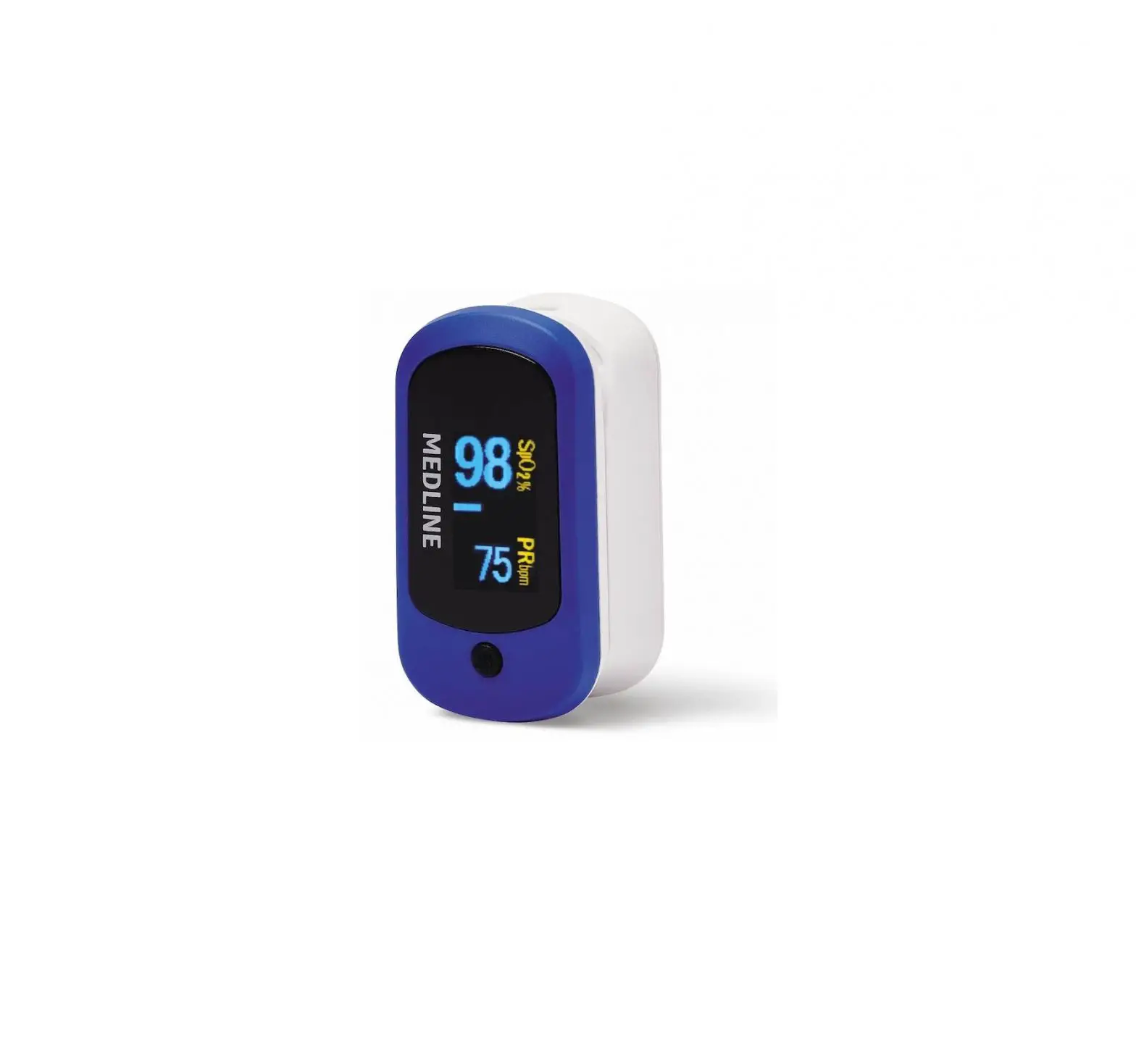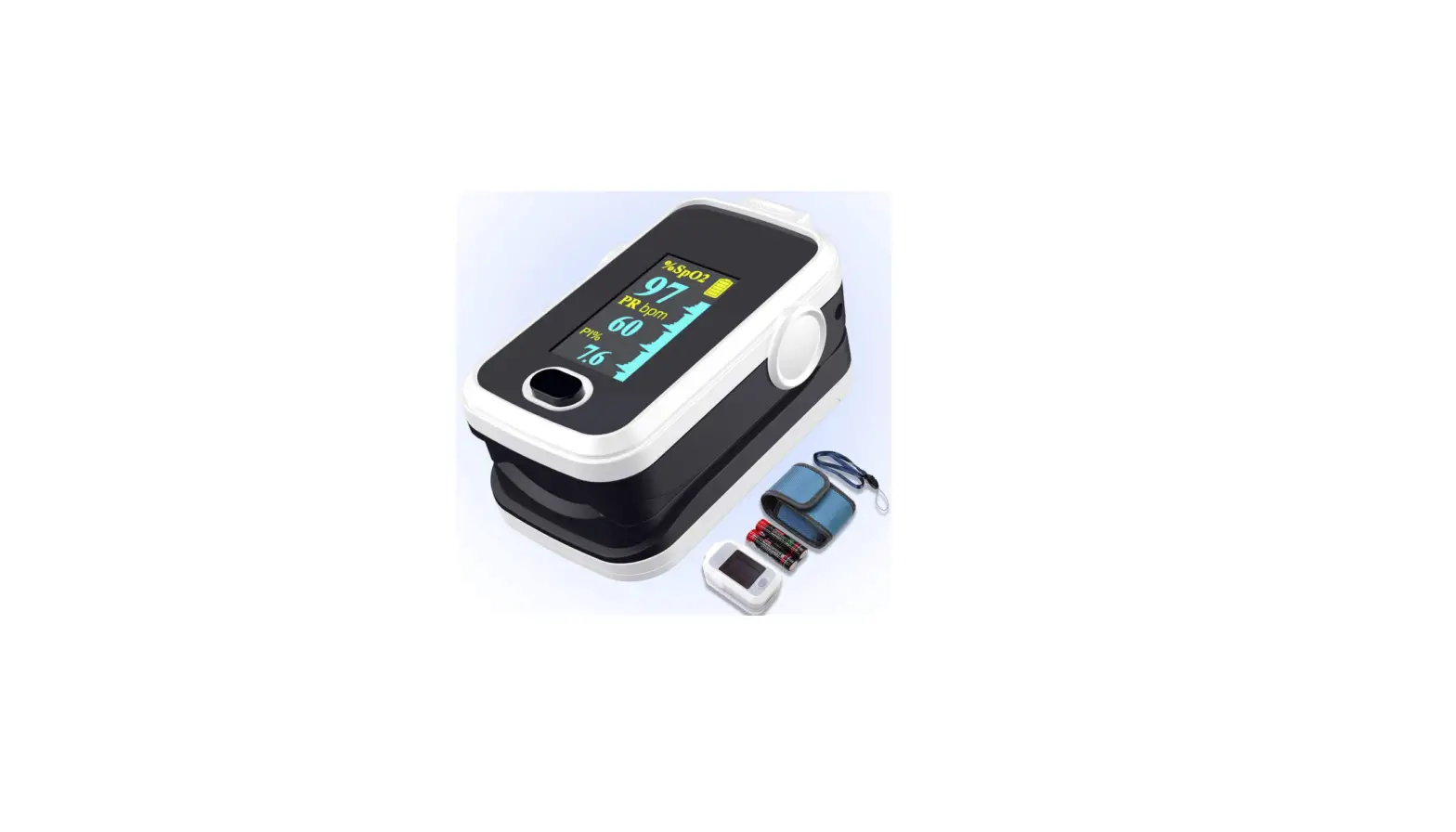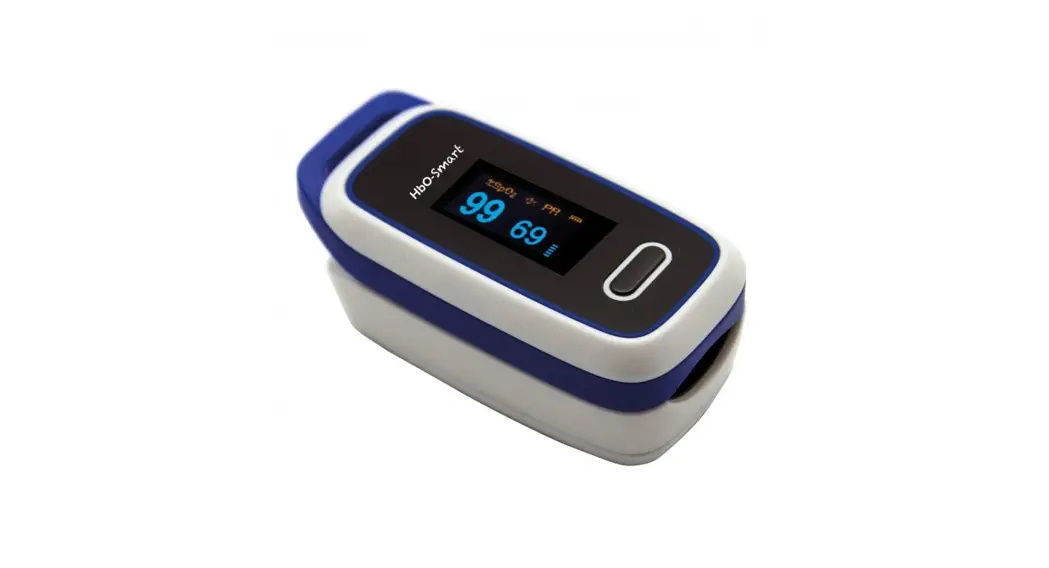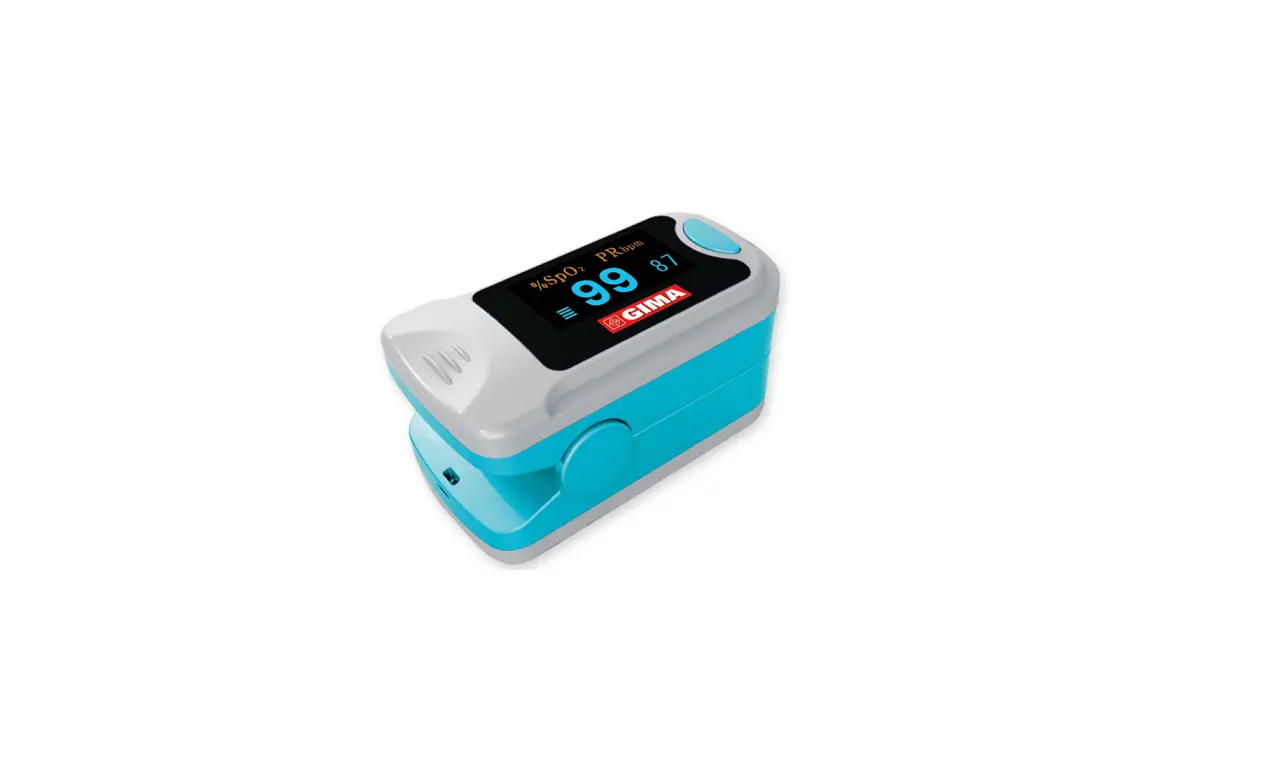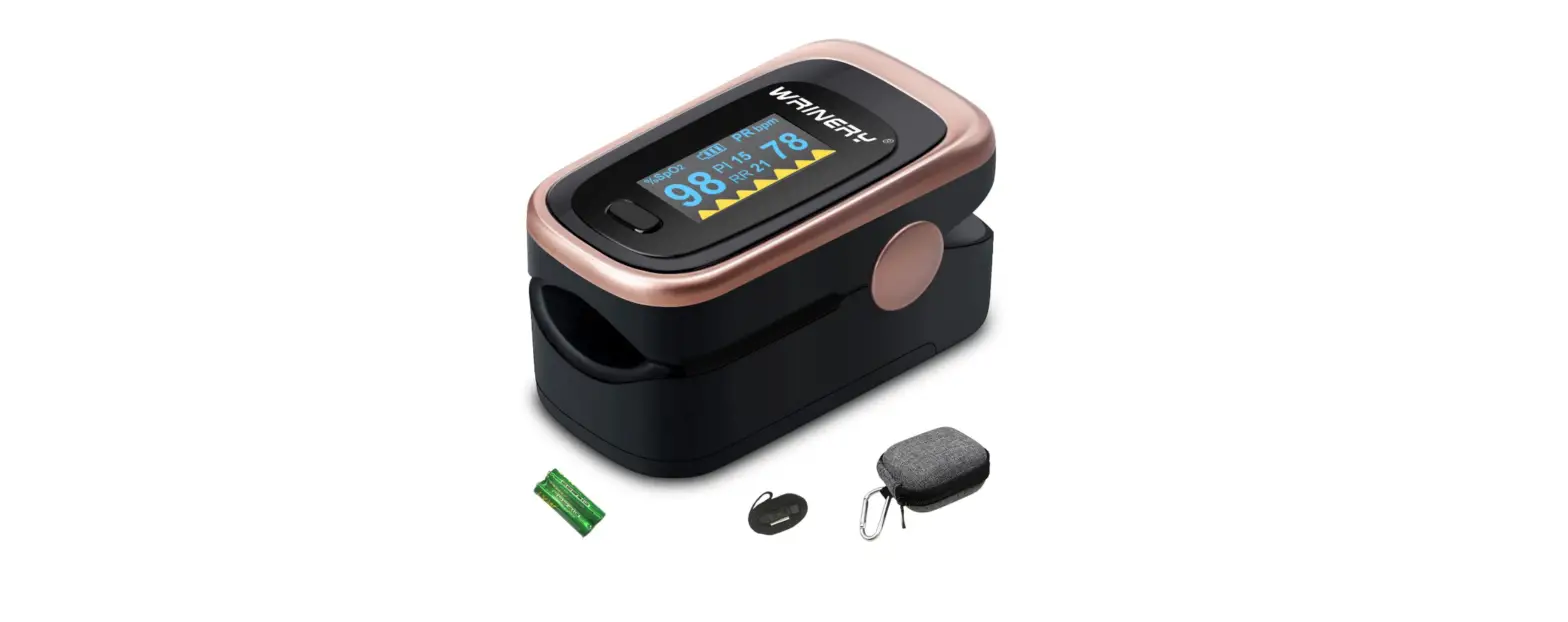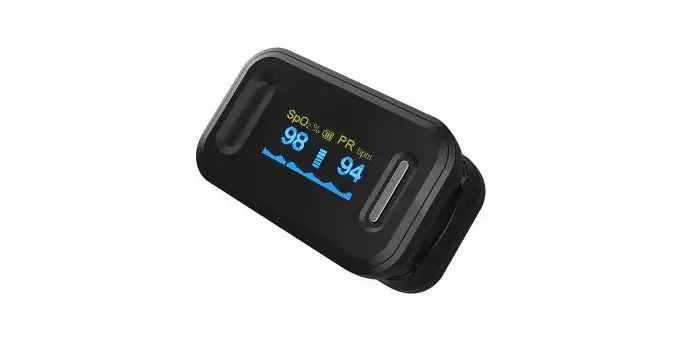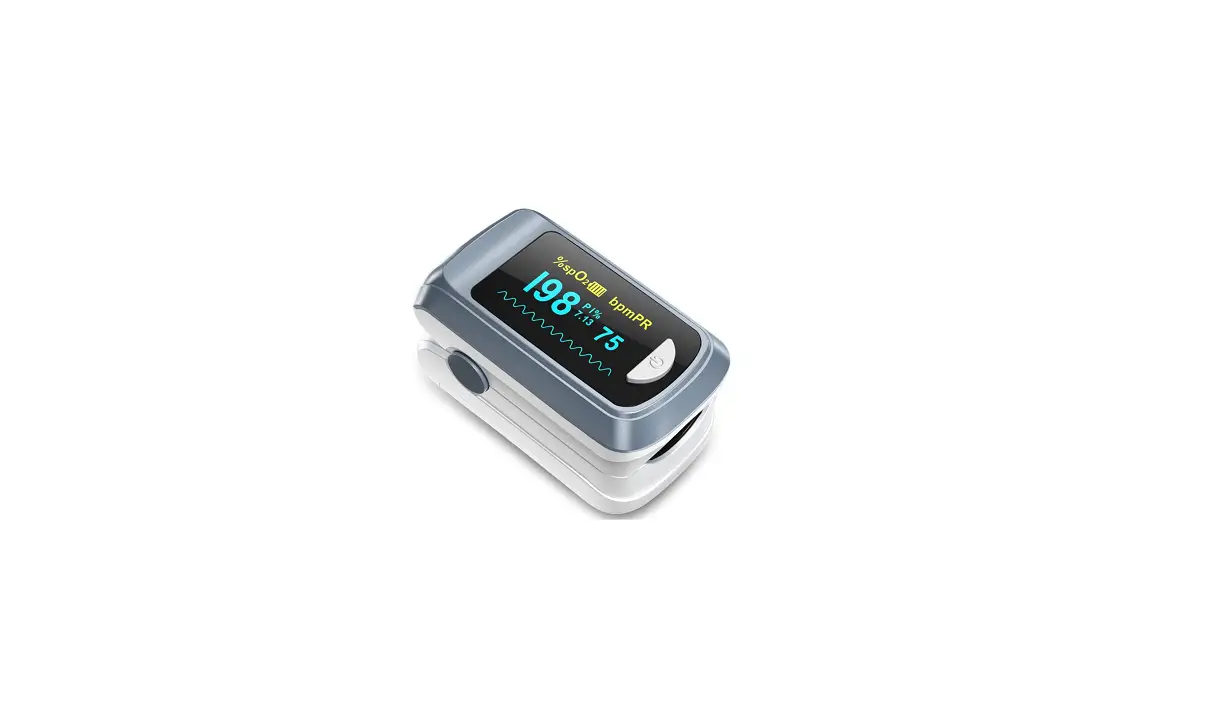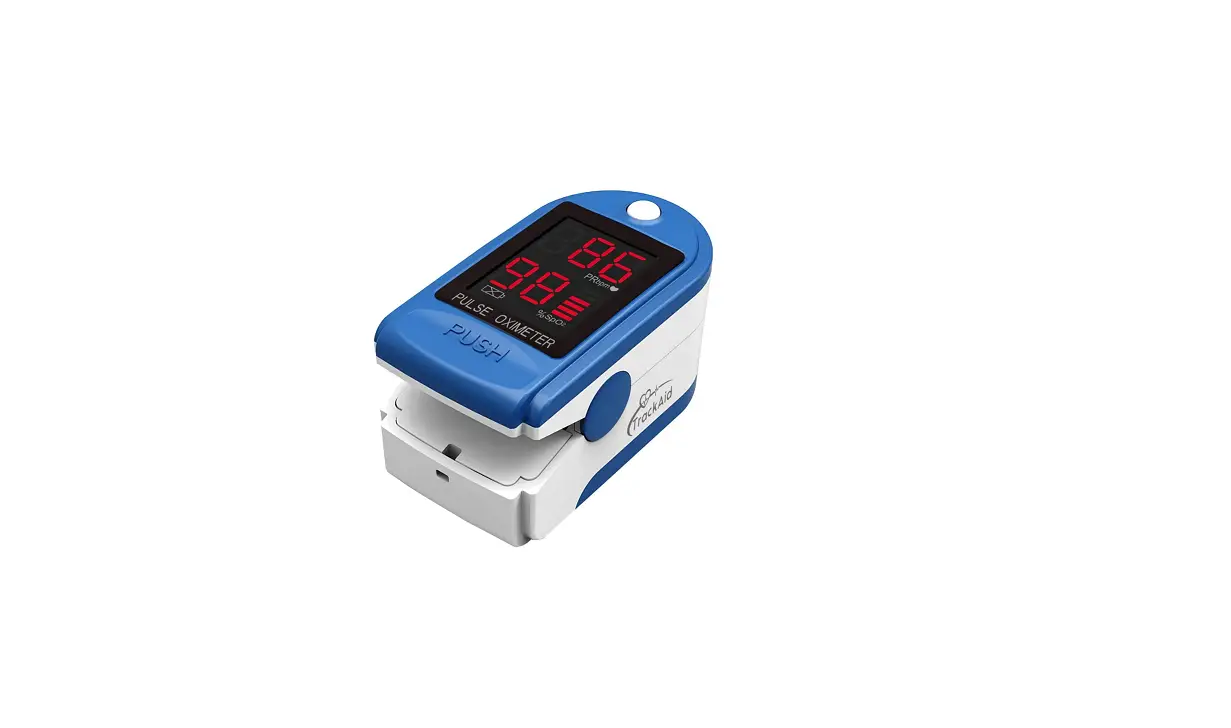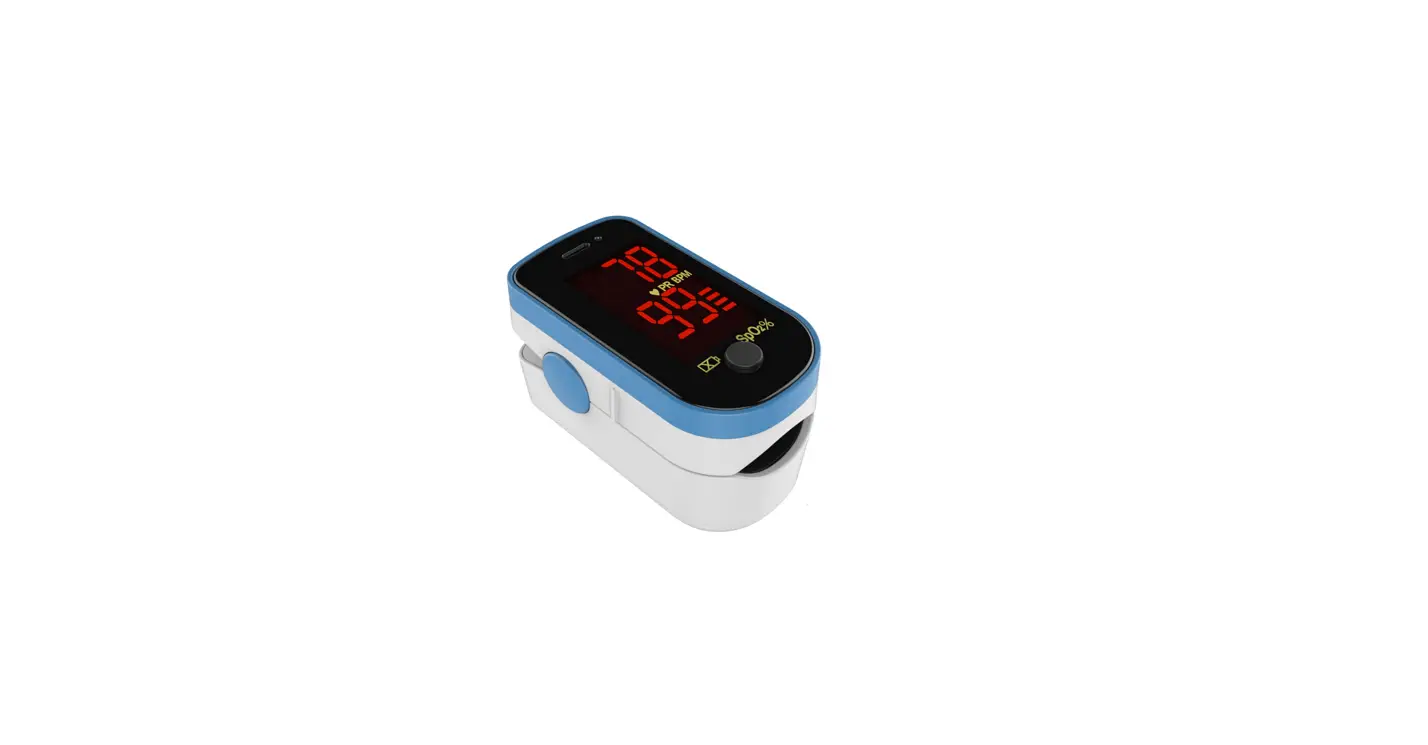

CHOICEMMED MD300C1 Finger Pulse Oximeter
The Scope of Application
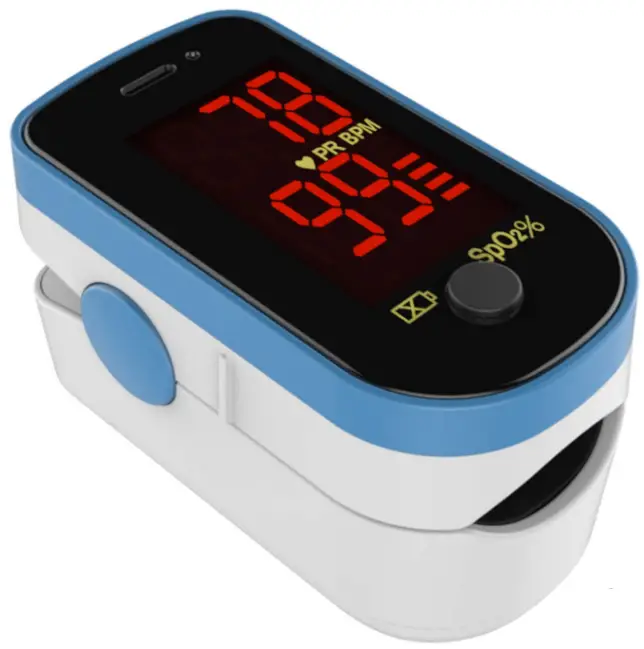
A pulse oximeter is a very important and common device to check a patient’s blood-oxygen saturation (SpO2) level and pulse rate. As a small, compact, simple, reliable, and durable physiological monitoring device, the Fingertip pulse oximeter greatly enhances patient care. It is widely applied in clinics, hospitals, social medical organizations, first aid, and so on.
Features
- Small & lightweight design ( total 28g without batteries )
- Digital LEDs display
- Display SpO2, PR, Pulse bar
- Low power consumption
- Automatically power off
- Battery-low indicator
- 2 AAA alkaline or rechargeable batteries
- Accommodates the widest range of finger sizes from pediatric to adult
Battery
Type 2 AAA alkaline or rechargeable batteries Operation time about 40 hours for normal operation
Environmental
- Operation Temperature 5℃-40℃
- Storage Temperature -20℃-55℃
- Operation Humidity RH≤85%
- Storage Humidity RH≤85%
Electromagnetic Compatibility
This product complies with IEC60601-1-2 for electromagnetic compatibility Class B
Interference Resistance Capacity against Ambient Light
The deviation is smaller than ±1% between values of Oxyhemoglobin measured in natural lighting indoor conditions and present lighting sources and that measured in the dark room.
Technical Specifications
- Patient Range
- Adult and Pediatrics patients
- SpO2
- Measurement range 70-100%
- Resolution 1%
- Measurement accuracy 80%-100%: ±2%
- 70%-79 %: ±3%
- 0%-69%: unspecified
- Pulse Rate
- Measurement range 30-235 bpm
- Resolution 1bpm
- Measurement accuracy 30- 100: ±2 bpm
- 101- 235: ±2%
- Display
- Type Digital LEDs display
- Parameters SpO2, PR, Pulse bar
- Mode 1 display mode
- Alarm
- Alarm Battery-low indicator
- Mechanical
- Dimension 58mm(W)×32mm(H)×34mm(D)
- Weight 28g (without batteries)
Support
- Address: Rm 1127-1128, Bailangyuan Building B, Fuxing Road A36, Beijing, P. R. China
- Zip: 100039
- Tel: +86 10 88204188,68221006,88203520
- FAX:+86 10 88204632
- Email: [email protected]
- Website: www.choicemmed.com
FAQs
We offer one year warranty for the device.
We usually ship via DHL, UPS, FedEx, EMS, TNT and so on. You can choose the one you like.
Please send us an email to [email protected] or fill in the inquiry form. We will reply you within 24 hours.
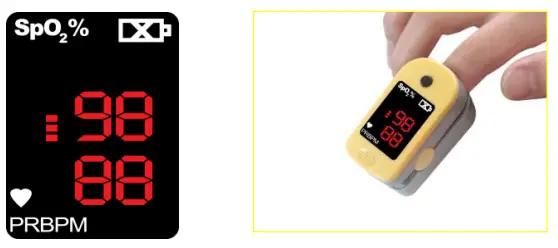
Oxygen Saturation is shown by the number adjacent to the pulse bar graph, which is always two integers. Always set it between 95 and 100. not less than 90. Call your doctor if the temperature reaches between 94 and 90. The other figure is your pulse rate, which fluctuates but is typically between 60 and 100 beats while you are at rest. Consult your doctor about your usual pulse rate.
In conclusion, after measuring SpO2 from the fingers on both hands using pulse oximetry, volunteers who use their right hand more often than their left found that their right middle finger and thumb had statistically significant higher values than their left middle finger.
Do not change the area of your body where the pulse oximeter is positioned while you are still sitting. Wait a short while for the reading to stabilise and show one single number.
Take off any false nails or nail polish. Your hand is warm. Prior to taking the reading, make sure you have rested for at least five minutes. Place your hand on your chest just below your heart and maintain its there. Place the pulse oximeter on your finger and turn it on.
The majority of health professionals will position the device on the index fingers, but a study of 37 volunteers indicated that the third finger on the dominant hand provided the greatest result. The dominant thumb came in second. Use your right middle finger if you are right-handed.
Accuracy of pulse oximeters varies, particularly at saturations below 70%. an unreliable reading. A weak signal from cold hands or feet could result in an incorrect readout.
The accuracy of pulse oximeters varies, though. Poor circulation, thick skin, smoking, and even fingernail polish, according to the FDA, are a few things that can impair accuracy. And according to a recent study, if you also have darker skin, your reading could not be as accurate.
The middle finger on your right hand produces the finest results, according to studies. Remove any nail paint before applying, and avoid using on cold fingers as the readings might not display correctly.
There have been reports of chemical or thermal burns, sunburn, pressure erosion, sensory loss, and gangrene in relation to finger injuries from using pulse oximeters.
The FDA states that a number of variables, including poor circulation, skin pigmentation, skin thickness, skin temperature, current cigarette use, and usage of fingernail polish, may alter the accuracy of pulse oximeter results.
The accuracy of the majority of pulse oximeters is between 2% and 4% of the actual blood oxygen saturation level. As a result, the measurement from a pulse oximeter may be 2% to 4% higher or lower than the real oxygen concentration in arterial blood.
As a result, systolic arterial blood pressure can be measured using pulse oximetry. This method is particularly crucial for Takayasu’s syndrome (a pulseless condition) patients, in whom standard methods frequently fall short in keeping track of systolic arterial blood pressure.