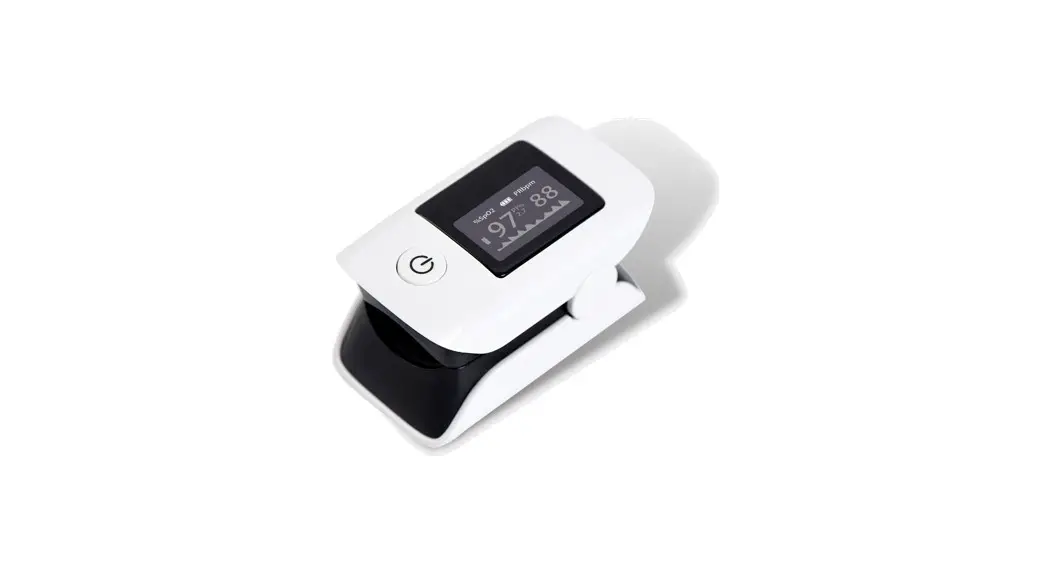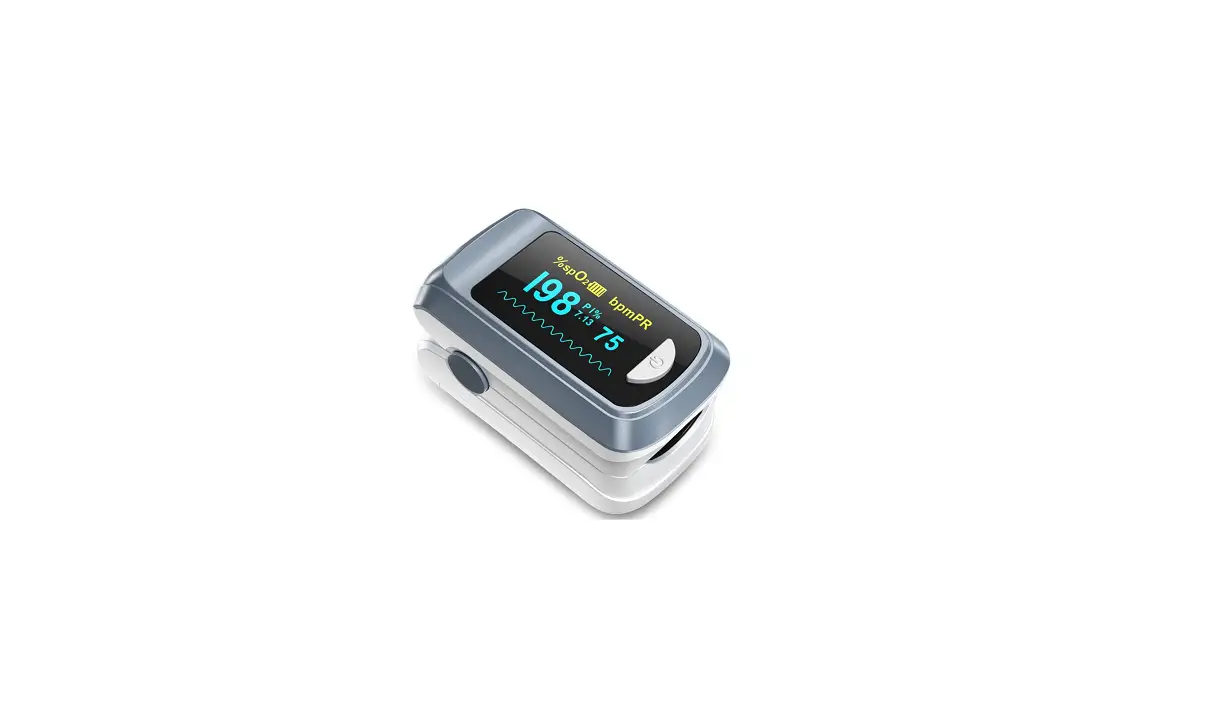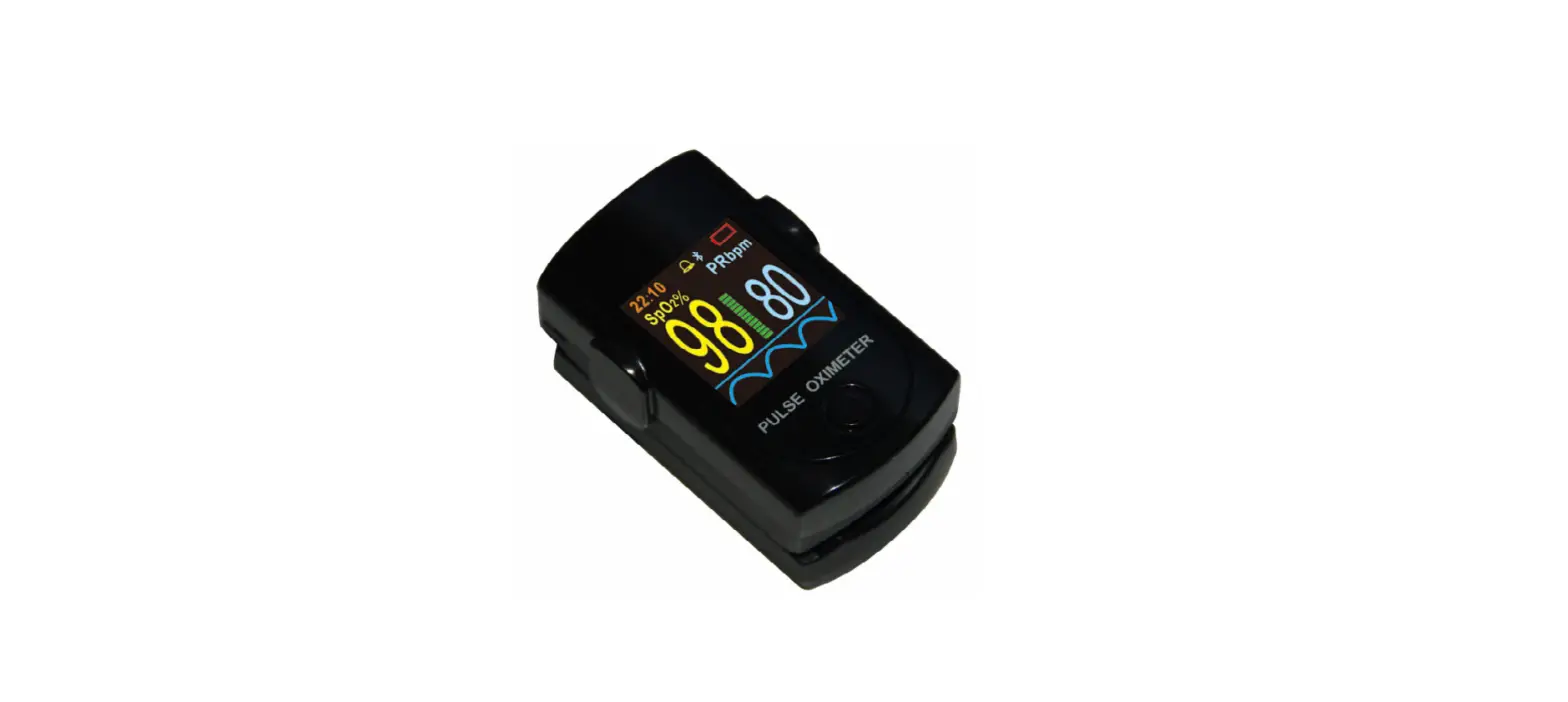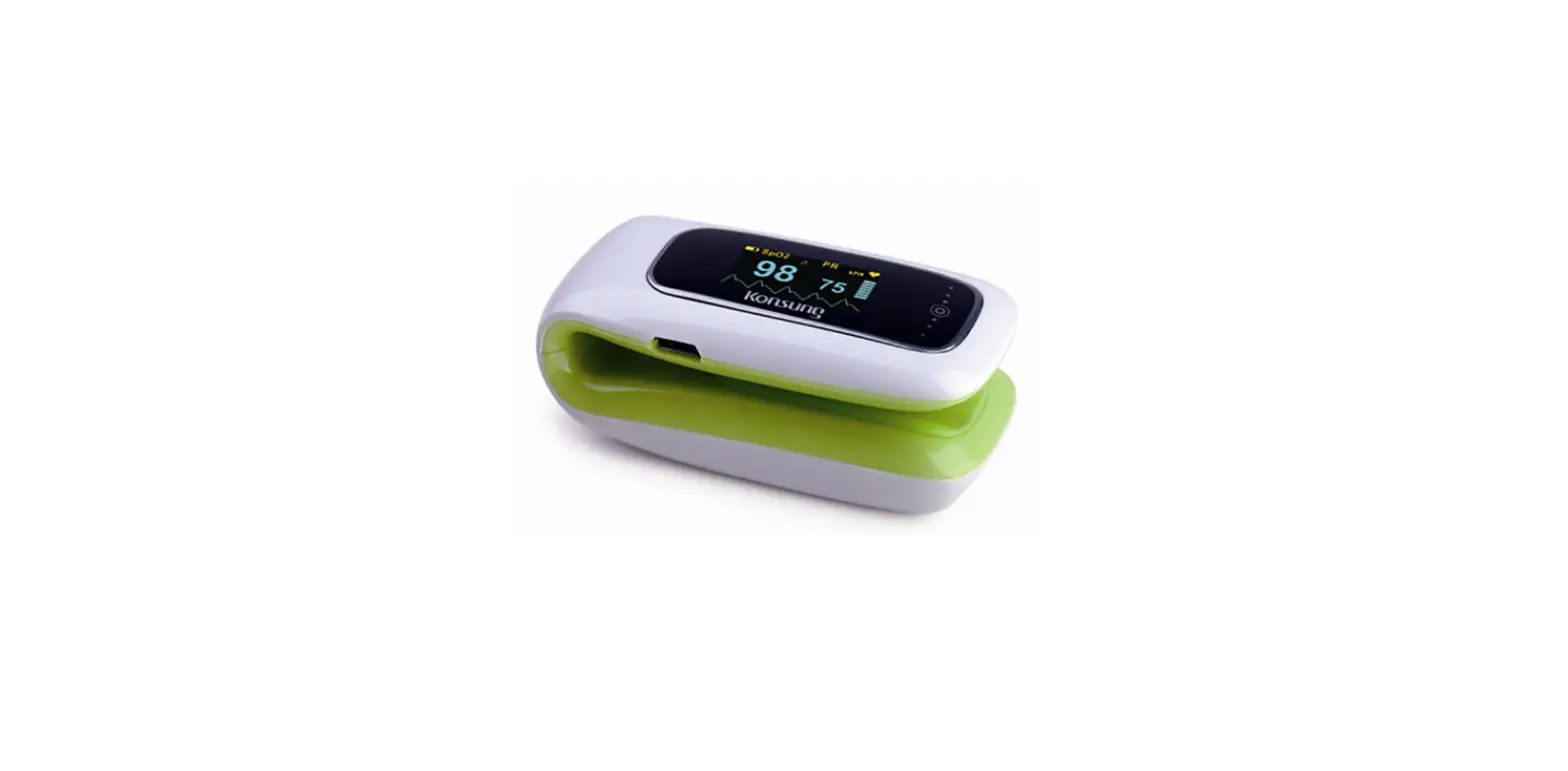


Fingertip Pulse Oximeter
User.s Manual
Copyright
Shenzhen Lepu Intelligent Medical Equipment Co., Ltd
Statement
The company owns all the copyrights of this manual, including published and unpublished documents, and can only be used as a reference by the user for operation and
understanding of the company’s product or maintenance policy. Use of the manual for propaganda or any other misconduct will be considered illegal.
In order to prevent infringement, the company reserves the right to defend its legal rights and interests through legal means in accordance with the provisions of the Copyright Law.
Except authorized in writing by our company, no partner shall copy, use or disclose the manual information to any other third party. We are not liable for any illegal events or issues involving the interests of any third party caused thereof.
All information contained in this manual has been confirmed to be correct. The company is not liable for any accidental injury or life-threatening event directly or indirectly caused by improper use or operation of the device. All the information contained in this manual is subject to legal protection.
The contents of this manual are subject to change without notice.
Product Overview
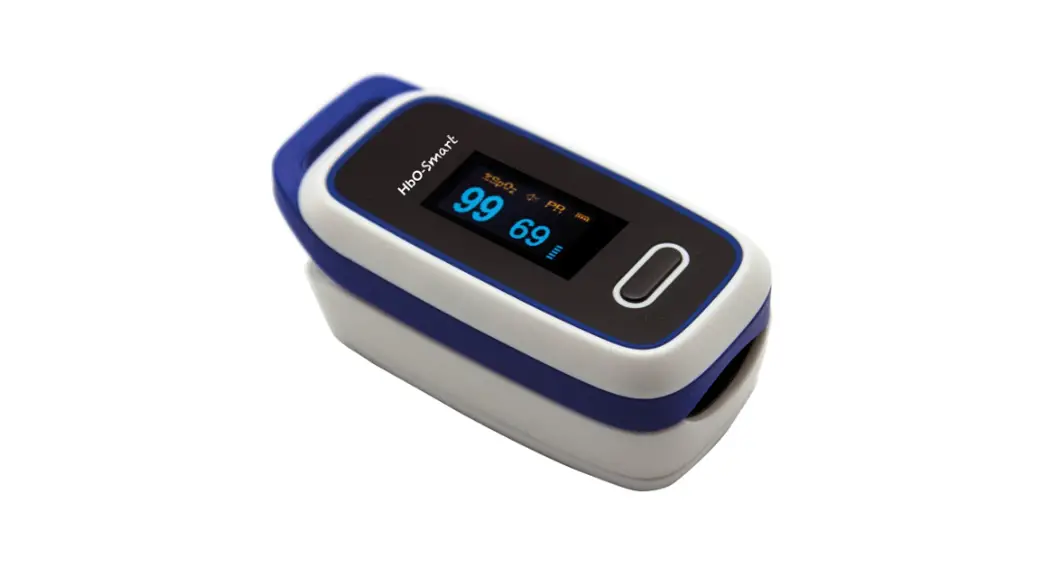
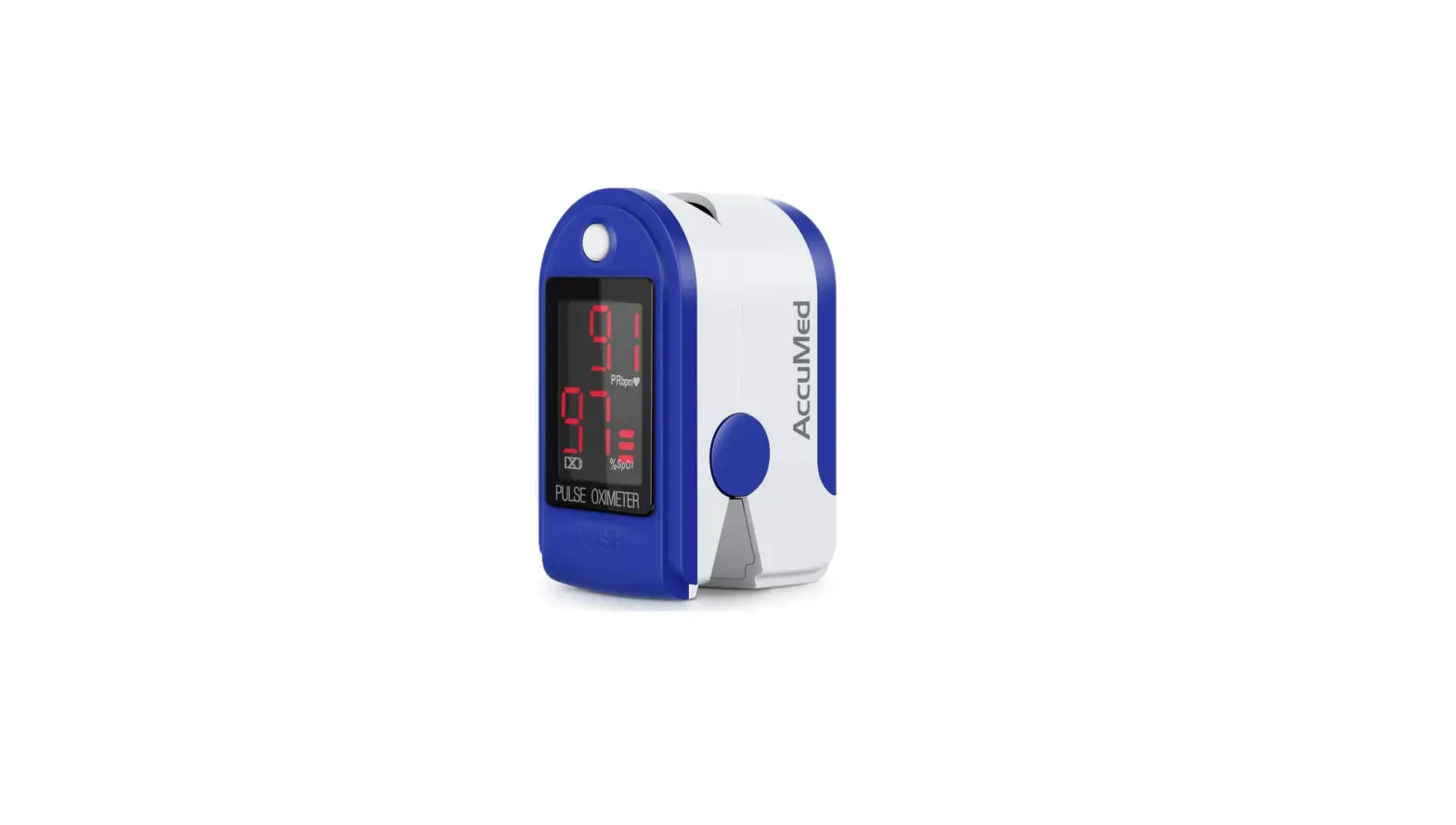
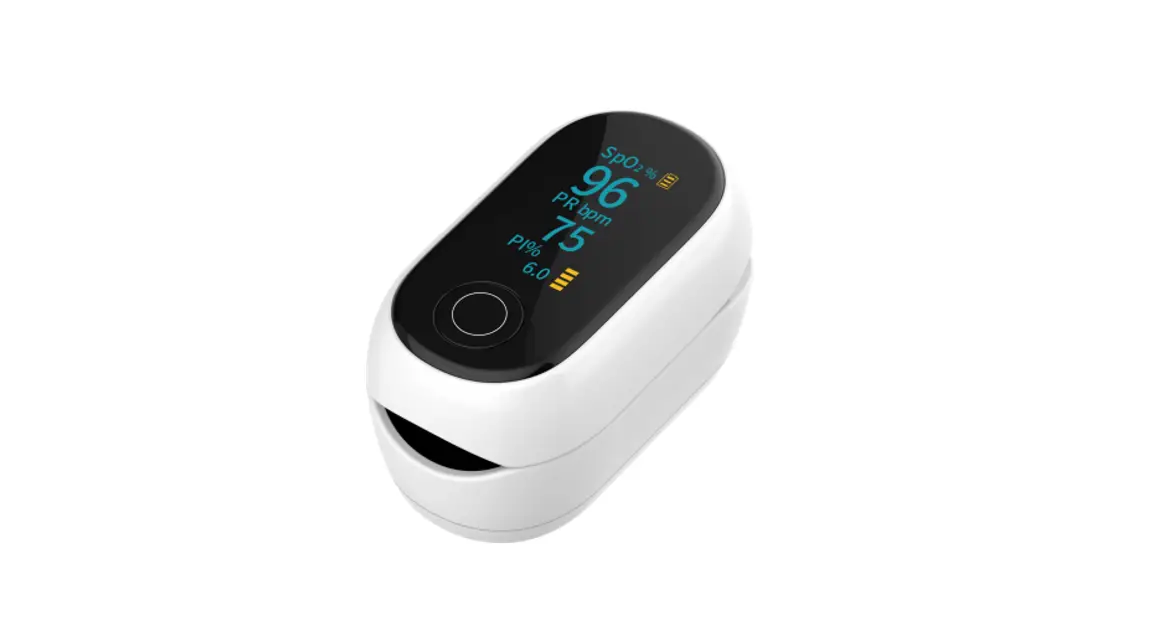
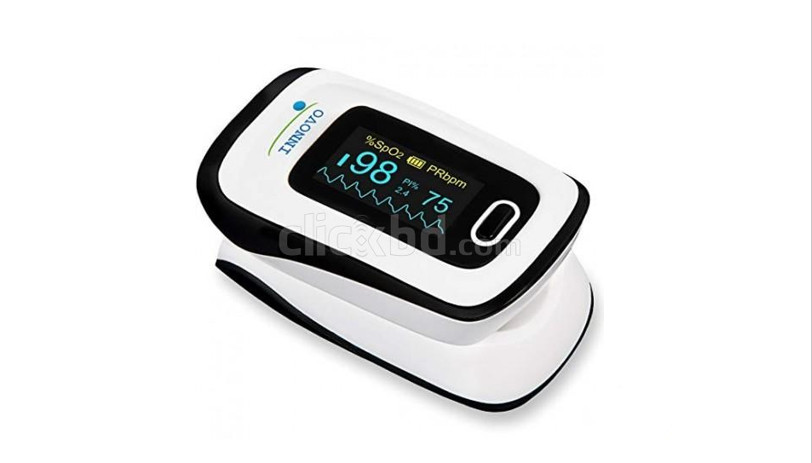
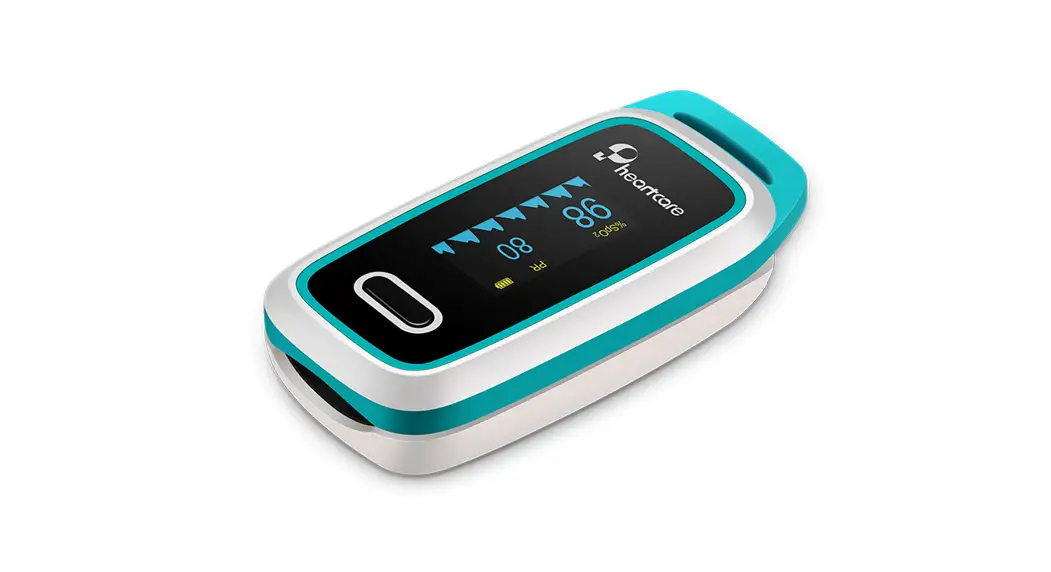
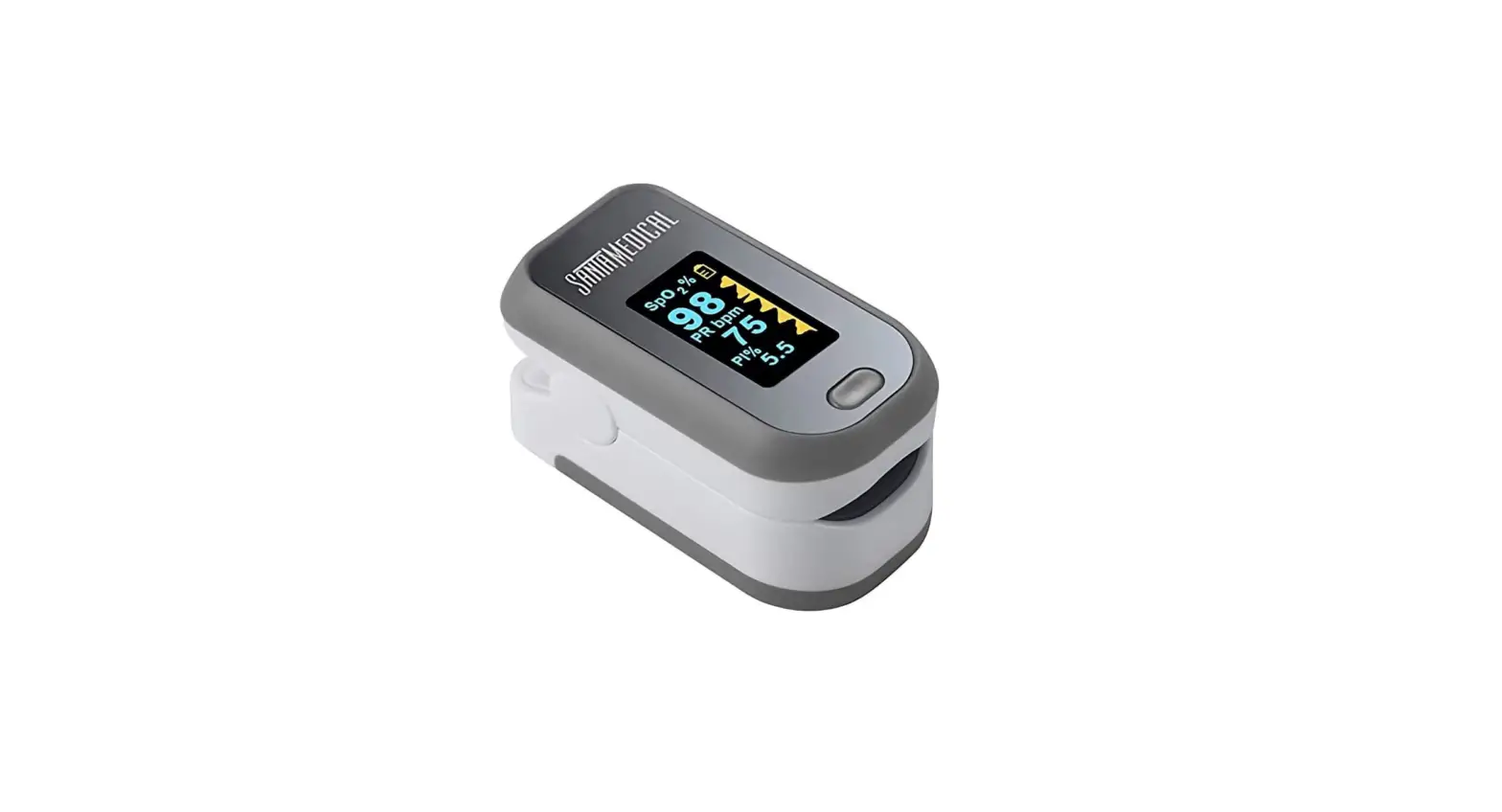
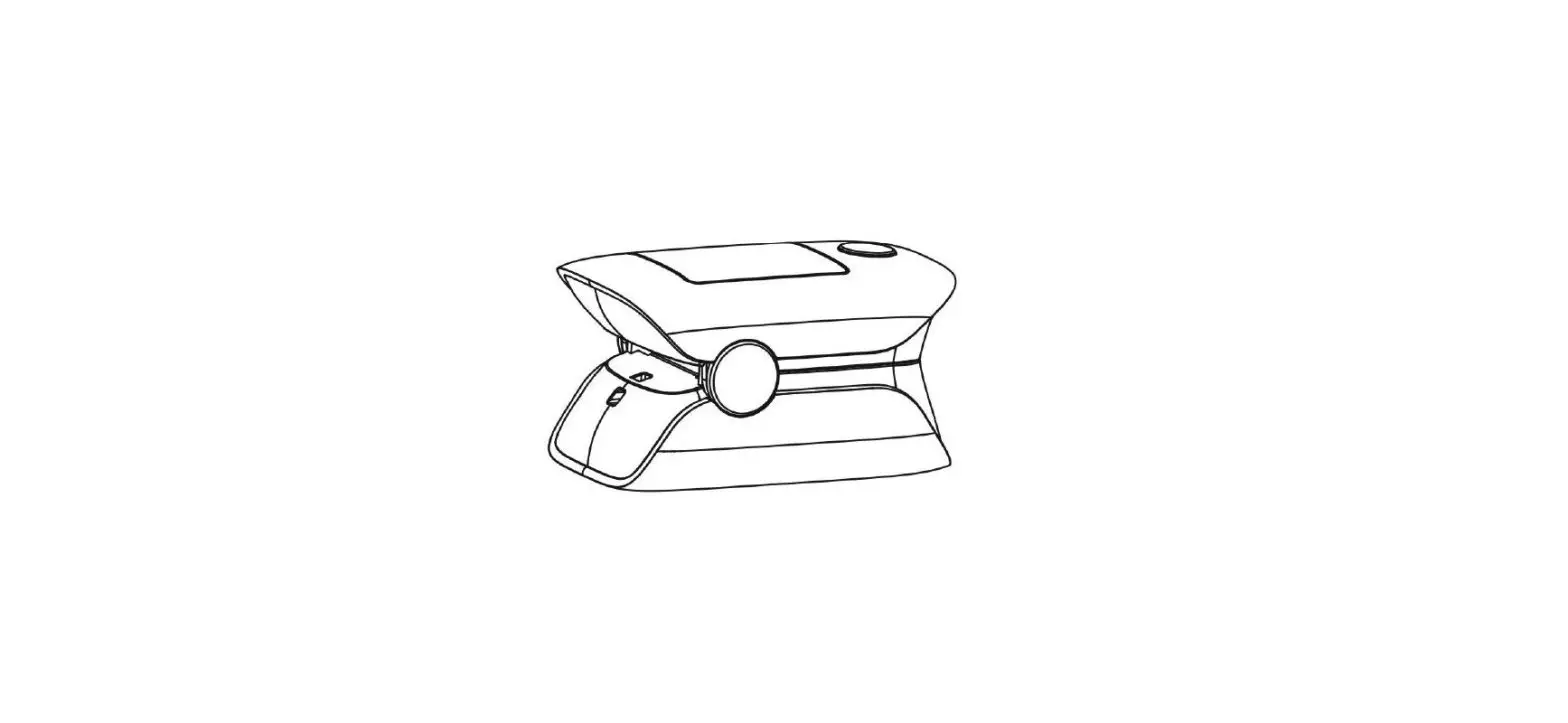
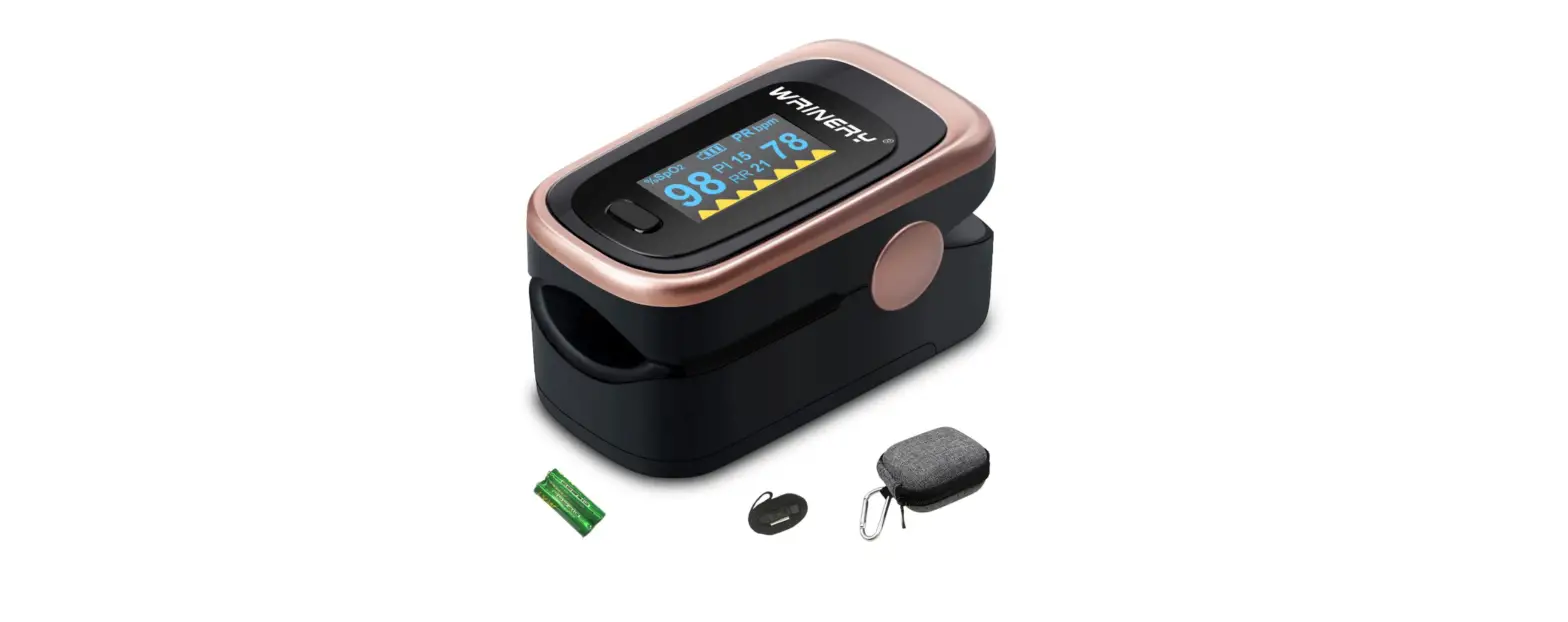
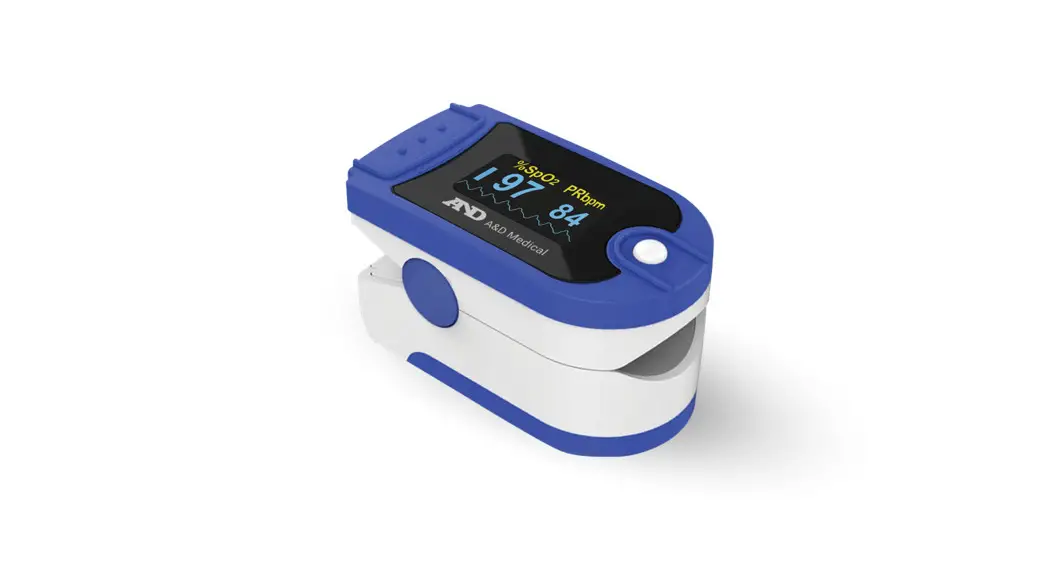
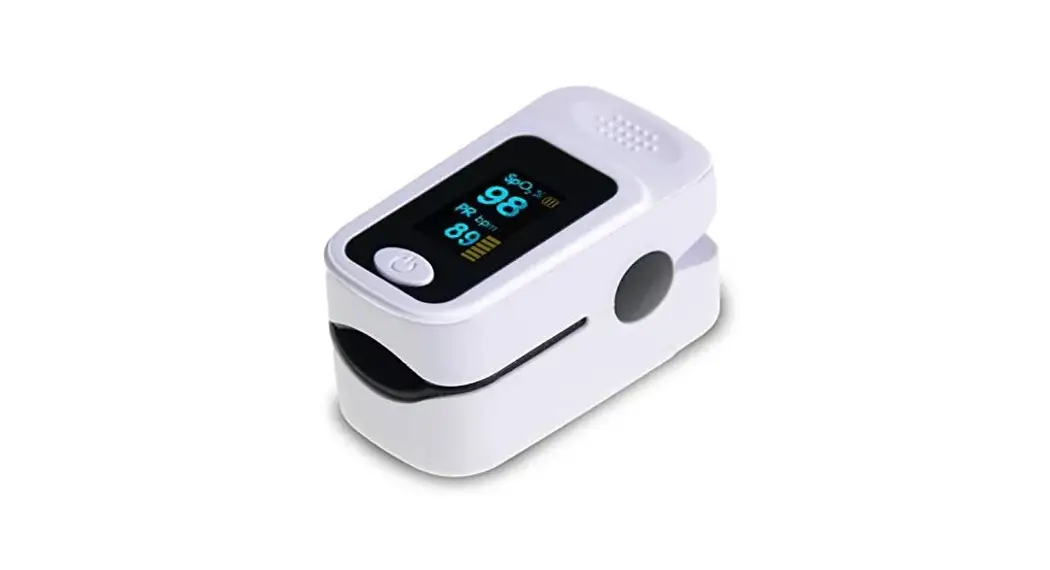
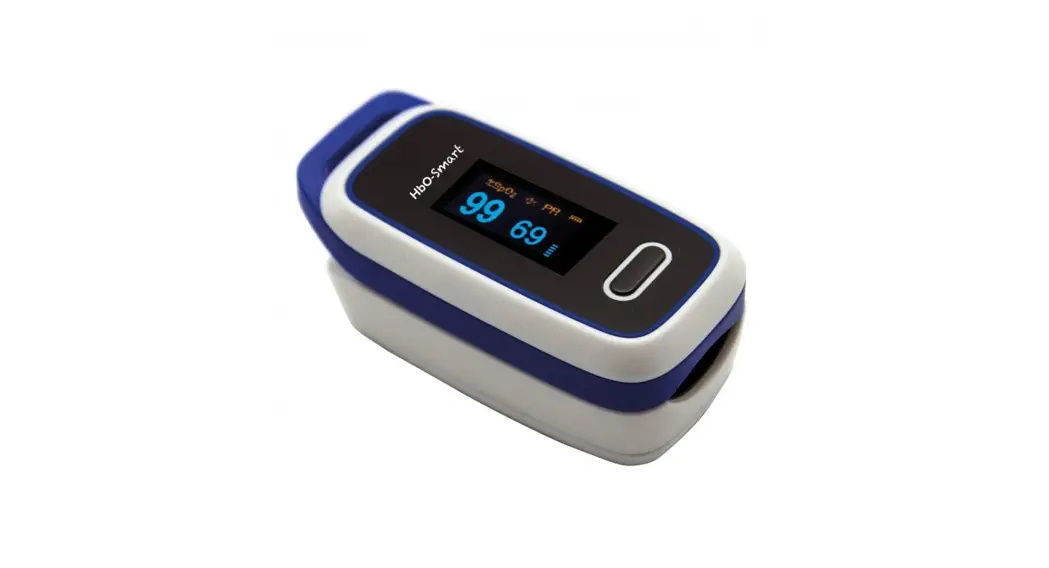
Thank you for purchasing HBO-SMART Fingertip Pulse Oximeter. The main use of this product is for measuring patients’ oxygen saturation (SpO2), Pulse Rate (PR), and Perfusion Index (PI). Perfusion Index (PI) is related to the strength of the patient’s pulse at the site of measurement. PI is measured as a percentage(%) and the optimal value is 20% indicating a very strong pulse. The product includes both visual and audible alerts for high/low SpO2 and Pulse Rate. The applied part of the HBO-SMART is constructed from silica gel. Please carefully read the User Manual before use.
Appearance
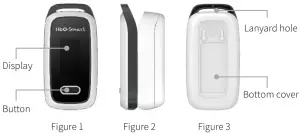
1.2 Name and Model
Name: Fingertip pulse oximeter
Model: HBO-SMART
Intended Use
The HbO-SMART Fingertip Oximeter is intended for use in homes or hospitals for non-invasive measurement of oxygen saturation, pulse rate, and perfusion index. The device can be used for both children and adults. This device is intended only for spot-checking.
Principles of measurement
The measuring principles of a pulse oximeter is based on Lambert-Beer law, The spectrum absorption characteristics are different of Reductive hemoglobin(RHb) and oxyhemoglobin (Hbo2) in red light and near-infrared light zones. The pulse oximeter calculates Spo2, PR and PI absorbed red and infrared light with each pulse.
Warnings
4.1 Precautions
- Please carefully read the User’s Manual before use.
- The product cannot be used for continuous measurement.
- Electrosurgical devices and defibrillators will affect the use of this device.
- The product shall not be used in combination with MRI or CT equipment.
- Do not squeeze, crush or apply excessive pressure to the silicone pad during use.
- The product shall not be used in a flammable or explosive environment.
- The product plays a supporting role in the patient’s analysis. The final diagnosis should be made based on clinical manifestations and symptoms.
- During long-term use, The test site should be changed periodically. The patient’s skin integrity and circulation conditions should be checked every 2 hours to make adjustments accordingly
- Autoclaving, vinyl oxide disinfectant, or immersing the sensor in liquid disinfectant will damage the device and cause erroneous readings.
- The device specified in this manual along with accessories and batteries should comply with local law and regulations.
- The device complies with electromagnetic compatibility requirements for electronic medical products or systems in IEC60601-1-2. Radio transmission equipment or other electromagnetic interference may affect the performance of this device.
- Portable radio communication equipment may affect the performance of this device.
- The device should not be used in the vicinity of other radio equipment or stacked on any other equipment.
- Use of the device is not recommended during transportation of patients, such as in ambulances or other vehicles.
- Do not disassemble, or attempt repair of this device without prior authorization.
- The material that will come into contact with the patient is a medical silica gel pad that conforms to ISO 10993.
- Temperature shall not exceed 40°C when in contact with the patient. The recommended maximum application time should not exceed 2 hours.
- The device is not intended for patients weighing less than 20kg, Pregnant women, and nursing mothers.
- Please comply with local authority regulations when disposing of batteries. Never dispose of batteries in the fire!
- This device has no audible alarms.
- The device is ready for its intended use when the ambient temperature is 40°C the time required to reach ambient temperature from the minimum/maximum storage temperature is 15±5mins.
4.2 Causes of Incorrect Measurements
- Dysfunction of important indicators of hemoglobin (such as carbon-containing hemochrome or methemoglobin);
- Excessive intravascular staining agent (such as indocyanine green or methylene blue);
- Impact of surrounding light; add a protective housing to the sensor if necessary;
- Excessive patient movement may be erroneously identified as pulse signals and may affect the measurements of this device.
- Venous rhythmic beating;
- Placement of the sensor and blood pressure cuff at the same artery or blood vessel.
- Excessively low blood pressure, systolic blood pressure, severe anemia or hypothermia;
- Cardiac arrest or shock;
- Excessively smooth nails or false nails;
- Weak pulse or weak perfusion;
- Low hemoglobin;
- Excessively long nails or nail polish and other cosmetics on nails.
- Blood oxygen waveform is not normalized; when the signal is too weak, waveform amplitude decreases; excessively low waveform amplitude may lead to inaccurate measurement results;
Symbol Description
Symbol | Description |
 | Type BF applied part |
%SpO2 | Pulse oxygen saturation |
PI% | Perfusion index |
PR | Pulse Rate |
 | Battery power indication |
 | Attention |
Symbol | Description |
 | Battery orientation |
 | CE marking |
 | Reference instructions for use |
IP22 | Moisture rating |
SN | Serial number |
 | Manufacturer information |
 | Date of manufacture |
 | European Authorized Representative |
 | please comply with local authority regulations when disposing of this device |
 | Storage temperature |
 | Storage humidity |
 | Storage atmospheric pressure |
 | N(noot afolarrcmonfotirnSupoou2s)monitoring |
 | Pulse intensity bar graph |
Battery Installation
1. Open the battery cover according to the direction of arrows as shown in Fig 4.
2. Place 2*AAA batteries into the battery compartment, and ensure correct positioning as shown in Fig 4.
3. Close the battery cover.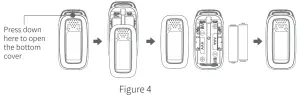 Note: The device is at risk of damage if the batteries are installed incorrectly. For long periods of none use, always remove the batteries
Operating Instructions
- Install batteries in accordance with item 6. Battery installation.
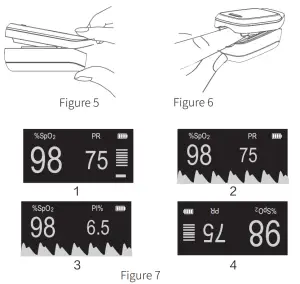
- Open the oximeter as shown in Fig 5.
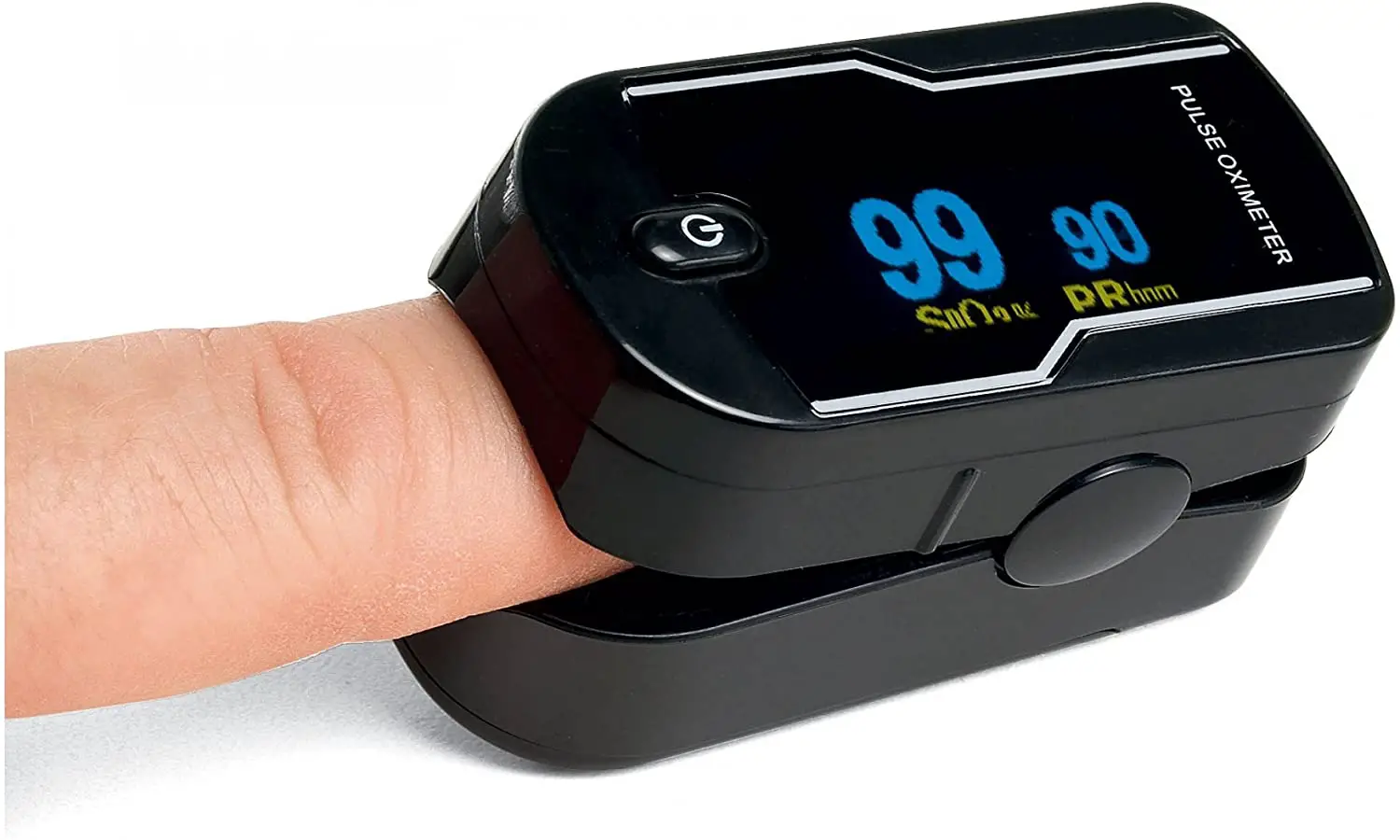
- Fully insert finger as shown in Fig 6.
- Press the power button to switch on the oximeter.
- Ensure minimum movement of finger and body during measurement.
- Read measurement from the device screen.
- The HbO-SMART has 4 different user screen options. Once the screen. measurement is stable, pressing the power button will change the screen display as shown in Fig 7.
 Once the patient’s finger has been removed from the device the screen will display“Finger out”(Fig8). After a period of 8 seconds, the device will shut down automatically
- When the battery power is low, the screen will display a low battery symbol(Figure 9). The device will shut down automatically after 8 seconds.
 Once the patient’s finger has been removed from the device the screen will display“Finger out”(Fig8). After a period of 8 seconds, the device will shut down automatically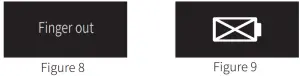
Setting
Menu | Setting range | Default setting |
| SpO2Limit Lo | 85%~99% | 90%
|
| PR Limit Lo | 30bpm~100bpm | 50bpm |
| PR Limit Hi | 100bpm~200bpm | 120bpm |
| Sound | Volume Level 1~5 and Off can be selected | |
| Exit | Long press to exit | |
During a non-measurement condition“Finger out”, by pressing and holding the power button the user can enter the menu settings as shown below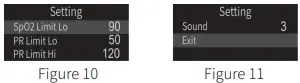
Once in the menu setting, as shown in Fig 10, short presses of the power button will advance through the menu options. Long presses will allow the user to adjust the parameters in that setting.
To exit the menu setting, select“Exit” press, and hold the power button. The device will automatically exit the menu settings after 30 seconds in the absence of user activity.
During measurement, if the SpO2 or PR values exceed their set limit, the device will periodically beep and the numerical value will flash to alert the user.
Pressing and holding the power button will disable the alert for approximately 100 seconds before the alert is reinstated.
Lanyard Installation
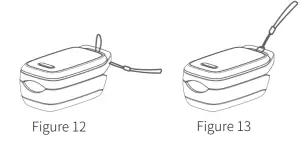
- Pass the thinner end of the lanyard through the slot on the device as shown in Fig 12.
- Then Pass the thicker end of the lanyard through the thinner loop of the lanyard and pull tightly as shown in Fig 13.
Warning!
- Due to small parts, always keep the device out of reach of children.
- Never leave the device hanging on its lanyard in reach of small children.
Product Accessories
| No. | Name | Unit | Quantity |
| 1 | Lanyard | Piece | 1 |
| 2 | AAA batteries | Piece | 2 |
| 3 | User’s Manual | Piece | 1 |
Maintenance, Storage, and Transportation
The life cycle of this device is 5 years when used daily for a number of 10 measurements, for periods of 10 minutes each measurement. In order to conform to this service life please pay information below:
- Please replace the batteries immediately when the low battery power symbol is indicated.
- Wipe the surfaces of the device before and after use.
- Remove batteries for extended periods of no use.
- The expected service life is 5 years.
- The device has been calibrated before delivery, Therefore there is no need for user calibration.
- A packaged device should be stored in a clean and well-ventilated environment with an ambient temperature of -20°C -55°C with relative humidity -C. 93% and in the absence of corrosive gases, strong mechanical vibration or electromagnetic fields.
- For transportation requirements, devices should be loaded correctly according to the symbols on the outer packaging and should be protected against collision and impact, severe vibration, and severe weather conditions whilst in transit.
- The device shall be kept dry at all times. A high moisture environment will affect the service life of the device and potentially cause damage.
- Do not attempt to disassemble, repair or service the device. Lobo recycles or disposes of the device and batteries, please comply with local authority regulations.
• If there is dust or dirt on the surface of the oximeter, wipe the device with 70% alcohol. Dip a dry cloth or alcohol pad in a small amount of alcohol before wiping. Avoid drip or flow of alcohol in the device. Dry the device in the air after wiping. Avoid permeation of any liquid into the device.
•The device does not need scheduled maintenance or calibration except for battery replacement.
• Please stop using the device and contact your local service center immediately if any of the following conditions occur:
1. Abnormal alphabet or number appears on the screen.
2. The device cannot be turned on despite the replacement of batteries.
3. The device cannot perform measurement due to squeezing, loose spring, button failure, and so on.
- Clinical testing is a commonly used method for determining oxygen saturation accuracy. The arterial hemoglobin oxygen saturation measured with the device should be compared with the result of sampled arterial blood analyzed with CO-oximeter.
- The name of the simulator used is the Index2 FLUKE simulator, version number: 3.0.0.
- The simulator is used for testing consistency only; equipment measurement accuracy is tested by clinical comparisons.
| Possible causes | Solutions | |
| Boot failure | Low or dead battery, wrong battery installation, device failure | Please replace the battery, re-install the battery or contact your local customer service center |
| Abnormal display of Sp02 or PR | Shallow placement of finger, hard ambient li perfusion, weak light, perfusion, or excessively low oxyhemoglobin for the correct measurement | Correctly put your finger and retry; avoid use in strong ambient light; go to the hospital for accurate diagnosis |
| Unstable display of Sp02 or PR | Shallow placement of finger, shaking finger or patient movement Correctly put your | Correctly put your finger and retry; avoid movement |
Technical Specifications
| Display mode | OLED | |
| Oxygen saturation | Measuring range | 70%∼99% |
| Accuracy | 80%∼99% ±2%; 70%-79% ± 3%; No requirement for 70% below | |
| Resolution | 1% | |
| Pulse rate | Measuring range | 30 bpm-240 bpm |
| Accuracy | 30 bpm-240 bpm, ±2 bpm or ±2% (which is larger) | |
| Resolution | 1 bpm | |
| Measuring range of blood perfusion index | 0.3%-20% | |
| LED probe wavelength | RED 660 ±3 nm IR 905 ±10 nm | |
| Radiation power | RED 2 mW IR 2 mW | |
| Battery model | 2 AM batteries | |
| Power consumption | <30 mA | |
| Battery life | Continuous use for 25 hours with 2 AAA1.5 V alkaline batteries | |
| Operating temperature | 5 °C ∼40 °C | |
| Storage temperature | -20 °C ∼+55 °C | |
| Relative humidity status | z-C. 80%: No condensation in working z-C. 93%: No condensation in storage status | |
| Operating atmospheric pressure | 86 kPa∼106 kPa | |
| Storage atmospheric pressure | 70 kPa∼106 kPa | |
| Response time | <20 s | |
| Anti-shock protection category | Internal power supply | |
| Anti-shock protection measure | Type BF applied part | |
| Waterproof protection measure | IP22 | |
| Net Weight | approx. 60 g (including batteries) | |
| Dimensions | 69 mm (L) x 35 mm (W) x 29 mm (H) | |
| Operating mode | Non-continuous operation | |
| Data averaging | Spo2 | Average of successive five detected pulses, with exponential smoothing followed |
| Pulse rate | Average within 8 seconds | |
| Update time | Spot | Update per second, the update period is less than 20 seconds. |
| Pulse rate | Update per second, the update period is less than 12 seconds. | |
Electromagnetic Compatibility Guide
Note:
- This device should not be used close to or stacked with other devices. If it must be used close to or stacked with other devices, care should be taken to verify that it functions properly under its intended use.
- Except for the cables of this product sold by the manufacturer as spare parts for internal components, use of the accessories and cables other than those specified may result in increased emission or reduced immunity of this product.
- Since portable and mobile RF communication equipment may affect the performance of this product, please avoid strong electromagnetic interference during use, such as mobile phones, microwave ovens, and so on.
- The user should install and use the device according to the electromagnetic compatibility information provided in the random file.
| Guide and manufacturer’s statement – Electromagnetic emissions | ||
| This product is intended for use in the following electromagnetic environment. The purchaser or user of the product should ensure that it is used in this electromagnetic environment | ||
| Emission test | Compliance | Electromagnetic environment – Guide |
| RF emissions | Group 1 | This product uses RF energy only for its internal functions. As a result, its RF emissions are low and there is very little chance of interference with nearby electronic equipment. |
| RF emissions | Class B | This product is intended for use in a . facilities including domestic facilities and the facilities connected directly to public low-voltage power supply networks for residential homes. |
| Harmonic emissions | Not applicable | |
| Voltage fluctuation /flickering emissions | Not applicable | |
| Guide and manufacturer’s statement – Electromagnetic immunity | |||
| This device is intended for use in the following electromagnetic environment. The purchaser or user of this device should ensure that it is used in this electromagnetic environment | |||
| Immunity test | IEC60601 test level | Compliance Level | Electromagnetic environment-Guide |
| Electrostatic discharge | ± 8 kV contact discharge ± 15 kV air discharge | ± 8 kV contact discharge ± 15 kV air discharge | The floor should be wood, concrete or ceramic tile; if the floor is covered with synthetic materials, the relative humidity should be at least 30%. |
| Electrical fast transient burst | ± 2 kV for the power cord ± 1 kV for input/ output lines | Not applicable | Not applicable |
| Surge | ± 1 kV differential mode voltage ± 2 kV common-mode voltage | Not applicable | Not applicable |
| Voltage dips, short interruptions and voltage changes in power input line | <5% UT for 0.5 cycle (> 95% dips on UT) 40% UT for 5 cycles (60% dips on UT) 70% UT for 25 cycles (30% dips on UT) <5% UT for 5s (> 95% dips on UT) | Not applicable | Not applicable |
| Power frequency magnetic field (50/60Hz) | 3 A/m | 3 A/m, 50/60 Hz | The power frequency magnetic field should have the horizontal characteristics of the power-frequency magnetic field of a typical place in a typical commercial or hospital environment. |
| Note: UT refers to the AC voltage before applying the test voltage. | |||
| Guide and manufacturer’s statement – Electromagnetic immunity | |||
| This device is intended for use in the following electromagnetic environment The purchaser or user of this device should ensure that it is used in this electromagnetic environment: | |||
| Immunity test | IEC60601 test level | Compliance level | Electromagnetic environment – Guide |
| RF conduction | 3 V (effective value) 150 kHz – 80 MHz | Not applicable | Portable and mobile RF communication equipment should not be used near any part, including cables, of the product at a distance shorter than the recommended isolation distance. This distance should be calculated with the formula corresponding to the transmitter frequency. |
| RF radiation | 3 V/m 80 MHz – 2.5 GHz | 3 V/m | Recommended isolation distance d=1.2 1 80 MHz-800 MHz d=2.3 4P 800 MHz-2.5 GHz |
| Where: P – The transmitter’s maximum rated output power, in watts (W), provided by the transmitter’s manufacturer; d – Recommended isolation distance in meters (m) b. The field strength of a fixed RF transmitter is determined by a survey of electromagnetic locations c, which should be lower than the compliance level in each frequency range d. Interference may occur near equipment marked with the following symbol:  |
| Note 1: The higher frequency band formula is used at the frequency of 80 MHz and 800 MHz. Note 2: The guide may not apply to all situations. Electromagnetic propagation is affected by the absorption and reflection of buildings, objects, and the human body. |
| a. The field strength of a fixed transmitter, such as base stations for wireless (cellular/cordless) phones and terrestrial mobile radios, amateur radio, AM and FM radio broadcasts, and television broadcasts, cannot be accurately predicted in theory. A Survey of electromagnetic items should be considered to assess the electromagnetic environment of fixed RF transmitters. If the measured field strength of the place where the product is located at is higher than the above applicable RF compliance level, the product should be observed to verify that it can work properly. If abnormal performance is observed, additional measures may be necessary, such as readjusting the orientation or location of the product. b. The field strength should be below 3 V/m over the frequency range of 150 kHz ~ 80 MHz. |
| Recommended isolation distances between portable and mobile RF communication equipment and this product | |||
| This product is intended for use in electromagnetic environments where radiofrequency radiation harshness is controlled. Depending on the maximum rated output power of the communication device, the purchaser or user of this product can prevent electromagnetic interference by maintaining the following recommended minimum distance between the portable and mobile RF communication equipment (transmitter) and this product. | |||
| Recommended isolation distances between portable | |||
| Rated maximum | and mobile RE communication equipment and this product | ||
| output power of | 150 kHz | 80 MHz | 800 MHz |
| transmitter/W | 80 MHz | 800 MHz | 2.5 GHz |
| d= 45 | d= ,/p | d= 4P | |
| 0.01 | Not applicable | 0.12 | 0.23 |
| 0.1 | Not applicable | 0.38 | 0.73 |
| 1 | Not applicable | 1. | 2. |
| 10 | Not applicable | 4. | 7. |
| 100 | Not applicable | 12 | 23 |
| For the rated maximum output power of the transmitter not listed in the above table, the recommended isolation distance d in meters can be determined using the formula in the corresponding transmitter frequency column, where P is the maximum output rated power of the transmitter provided by the manufacturer in watts (W). Note 1: The higher frequency band formula is used at the frequency of 80 MHz and 800 MHz. Note 2: The guide may not apply to all situations. Electromagnetic propagation is affected by the absorption and reflection of buildings, objects, and the human body. |
Registration Information
Distributor:
DeVilbiss Healthcare GmbH
Kamenzer Str.3
68309 Mannheim
Germany
Manufacturer:
Shenzhen Lepu Intelligent Medical Equipment Co., Ltd
Tel: 400-830-9392
Service E-mail: [email protected]
Website: www.lepucare.com
Company name: Lepu Medical (Europe) Cooperatief U.A.
Add: Abe Lenstra Boulevard 36, 8448 JB, Heerenveen, The Netherlands
Tel: +31-515 573399
Fax: +31-515 760020
All rights reserved. Reproduction, distribution, or reprinting of this manual without the company’s permission is prohibited.
Distributor
Devilbiss Healthcare Gmbh
Kamerner str.3
68309 Mannheim Germany www.drivedevilbiss-int.com