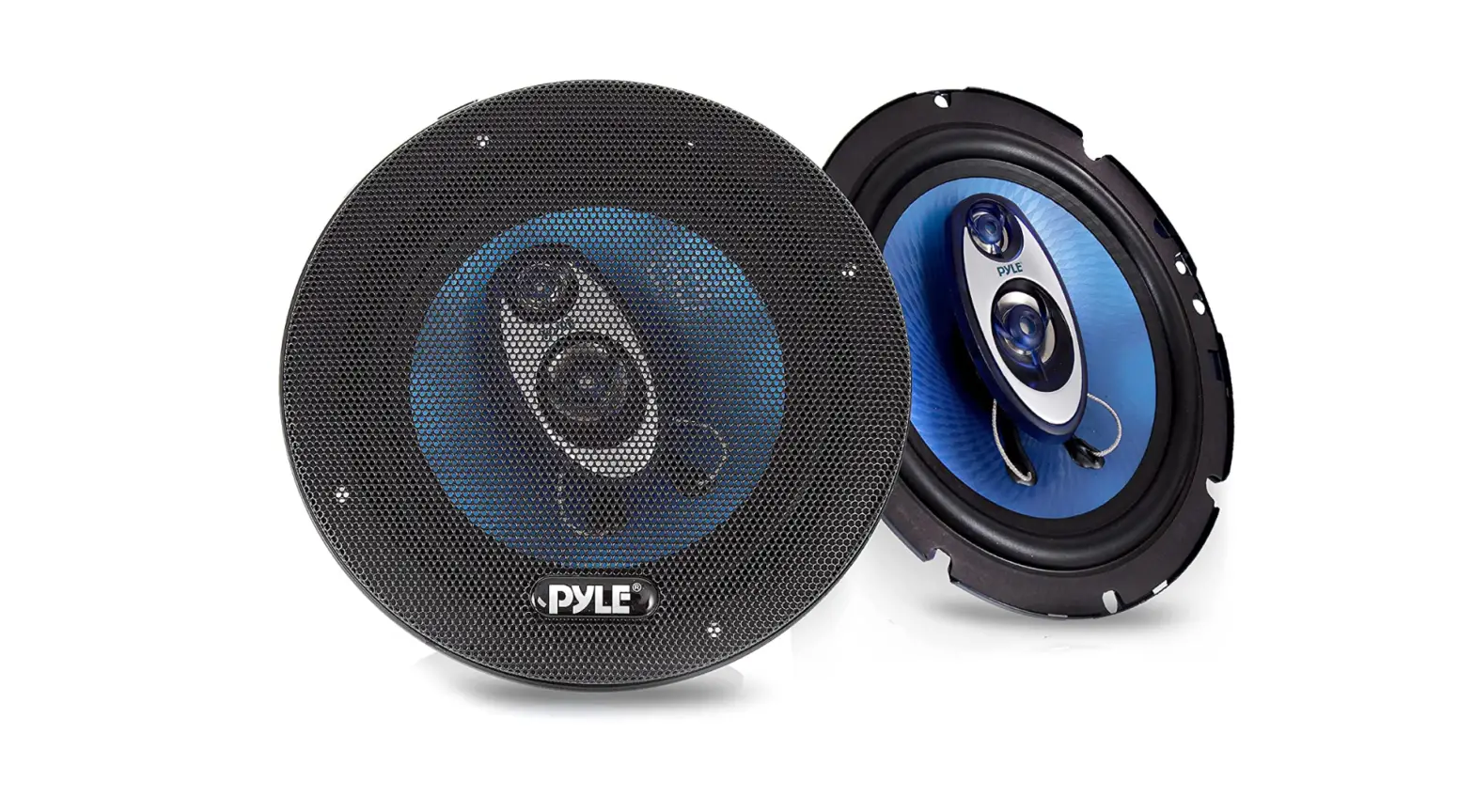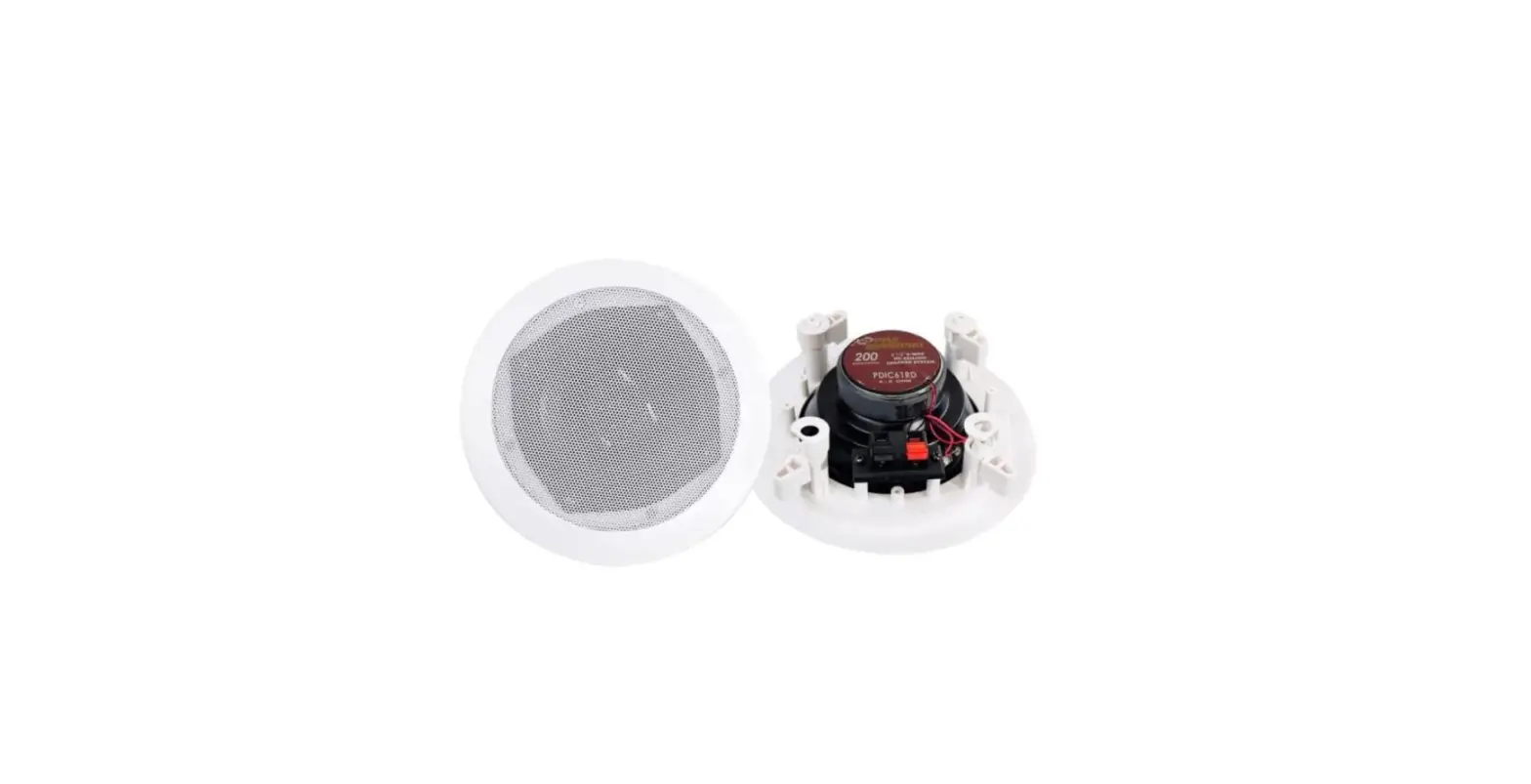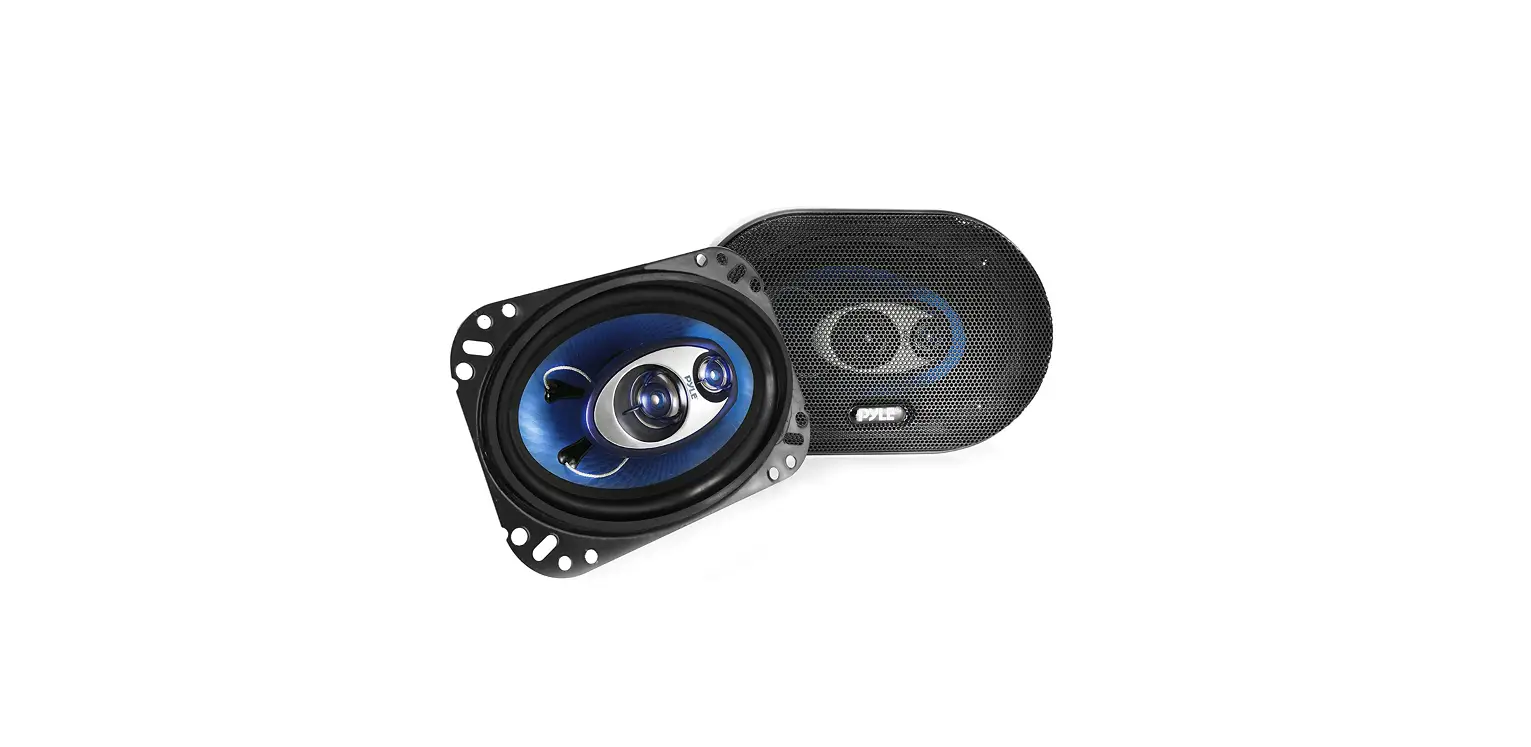

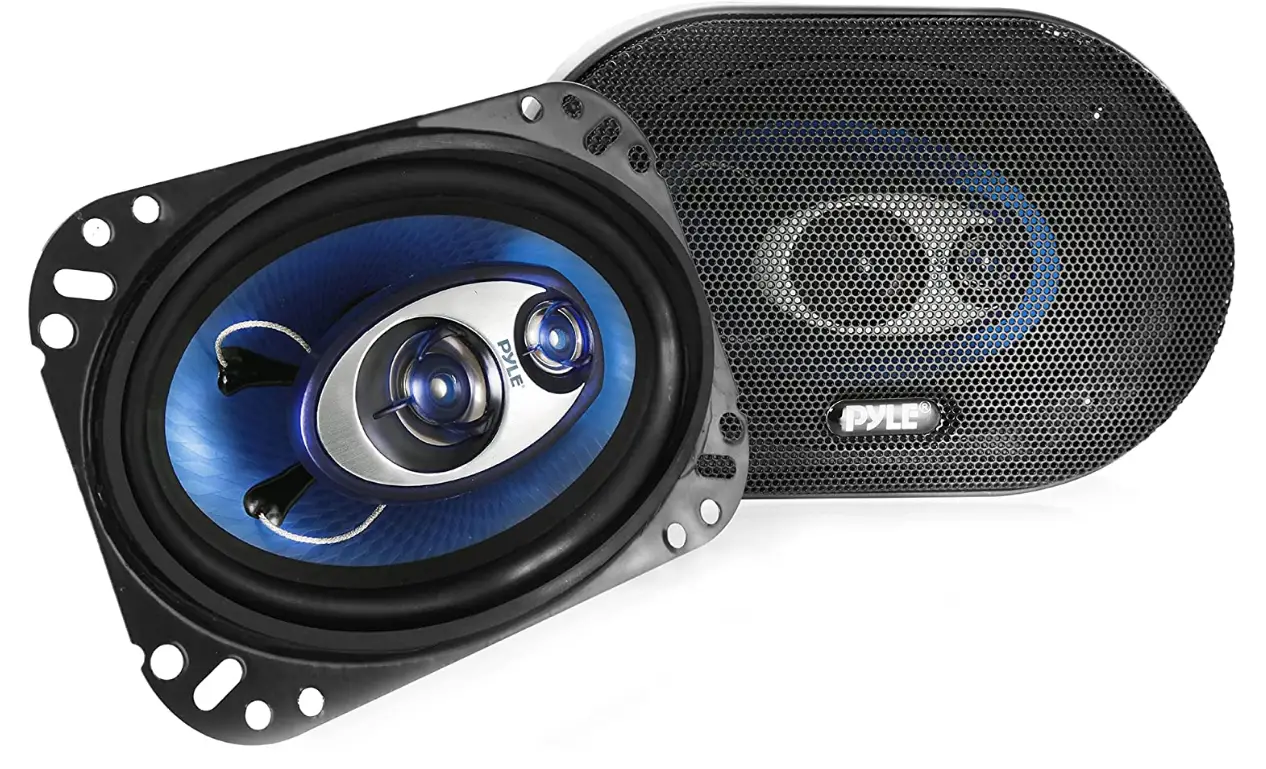
Pyle PL463BL Three Way Sound Speaker System
SPECIFICATION
- BRAND Pyle
- MODEL NAME PL463BL
- SPEAKER TYPE Woofer
- CONNECTIVITY TECHNOLOGY Coaxial
- SPECIAL FEATURE Radio
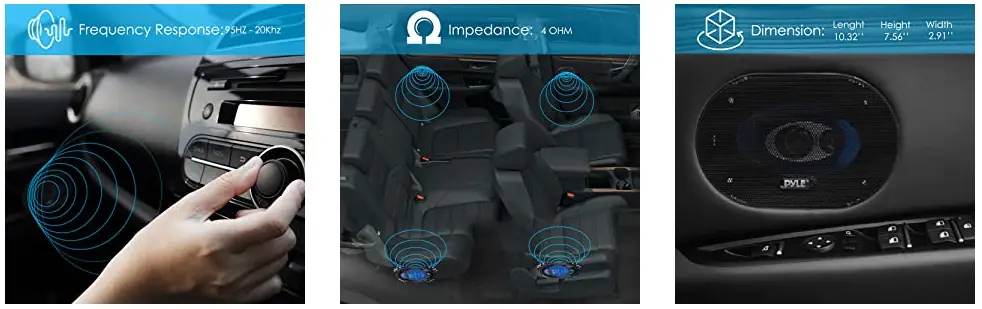
- PRODUCT DIMENSIONS 32 x 7.56 x 2.91 inches
- ITEM WEIGHT 32 pounds
- CONNECTIVITY TECHNOLOGIES Coaxial
- SPECIAL FEATURES Radio
- DISPLAY SIZE 1 inches
- OTHER DISPLAY FEATURES Wireless
WHAT’S IN THE BOX
- Pro Mid-Range Speaker
INTRODUCTION
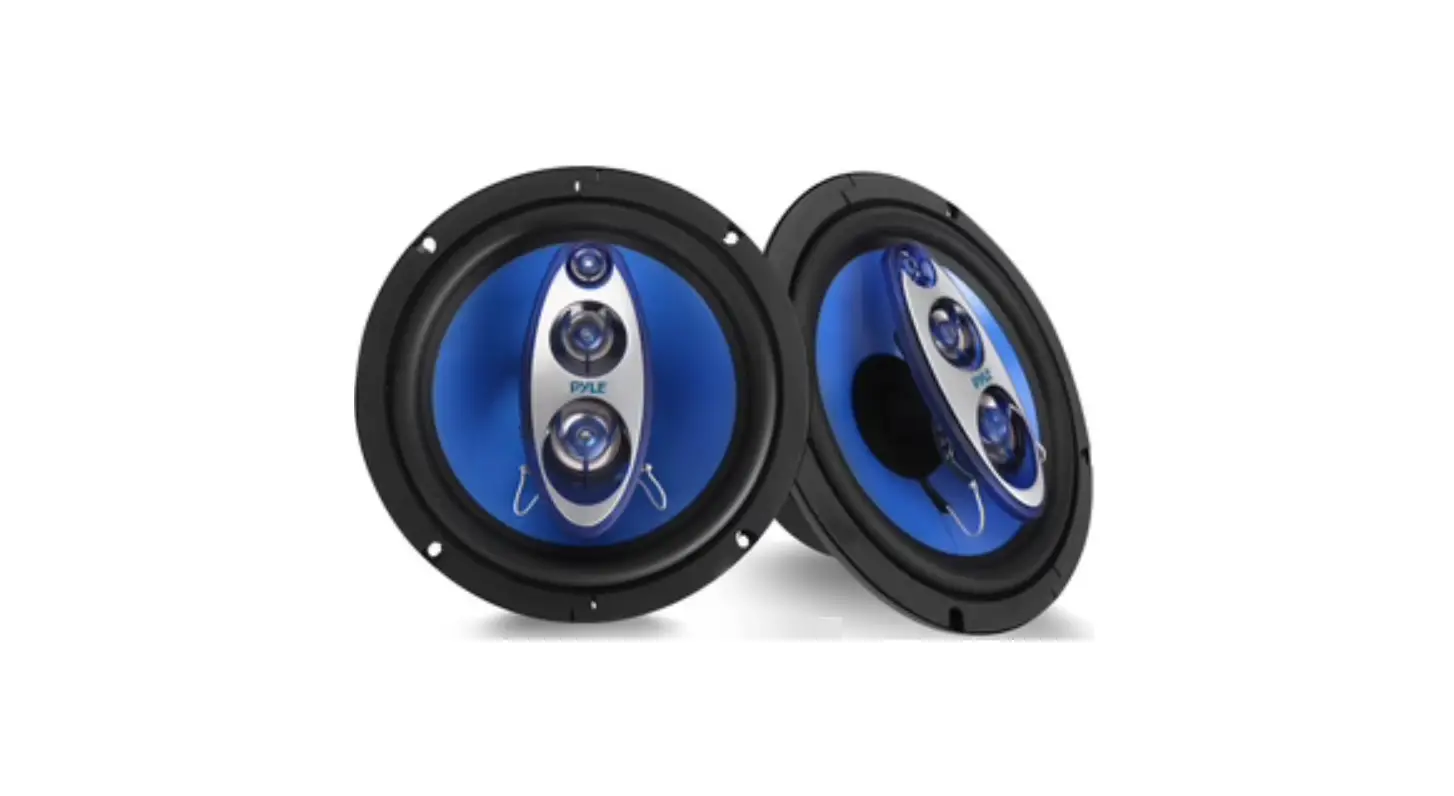
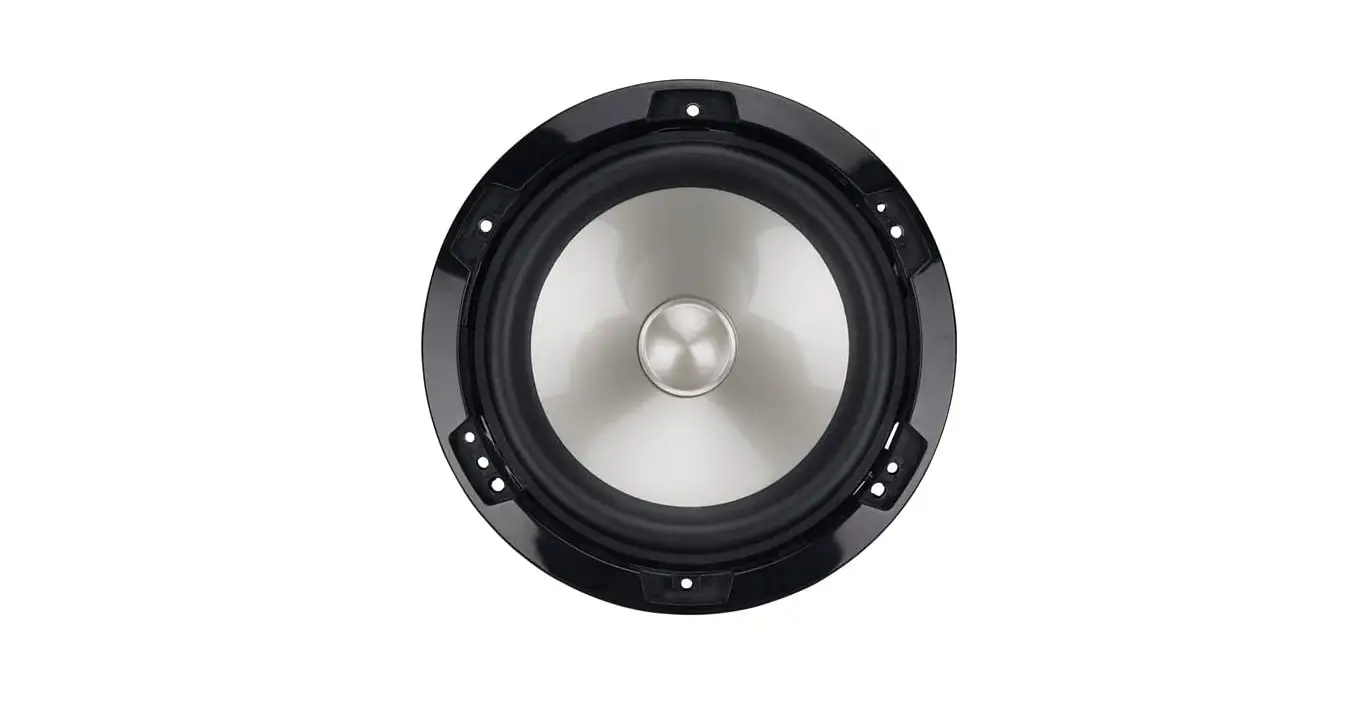
Included in this package is a pair of 4′ x 6′ three-way 240 watt speakers – carrying the high, mid, and low end for a fuller range sound. The non-fatiguing butyl rubber surround keeps your speakers secure as well as extending the life of the product. A 1′ high-temperature ASV voice coil provides the richest sound, ensuring low distortion and providing an open sound stage.
Pyle 4” x 6” Three Way Sound Speaker System
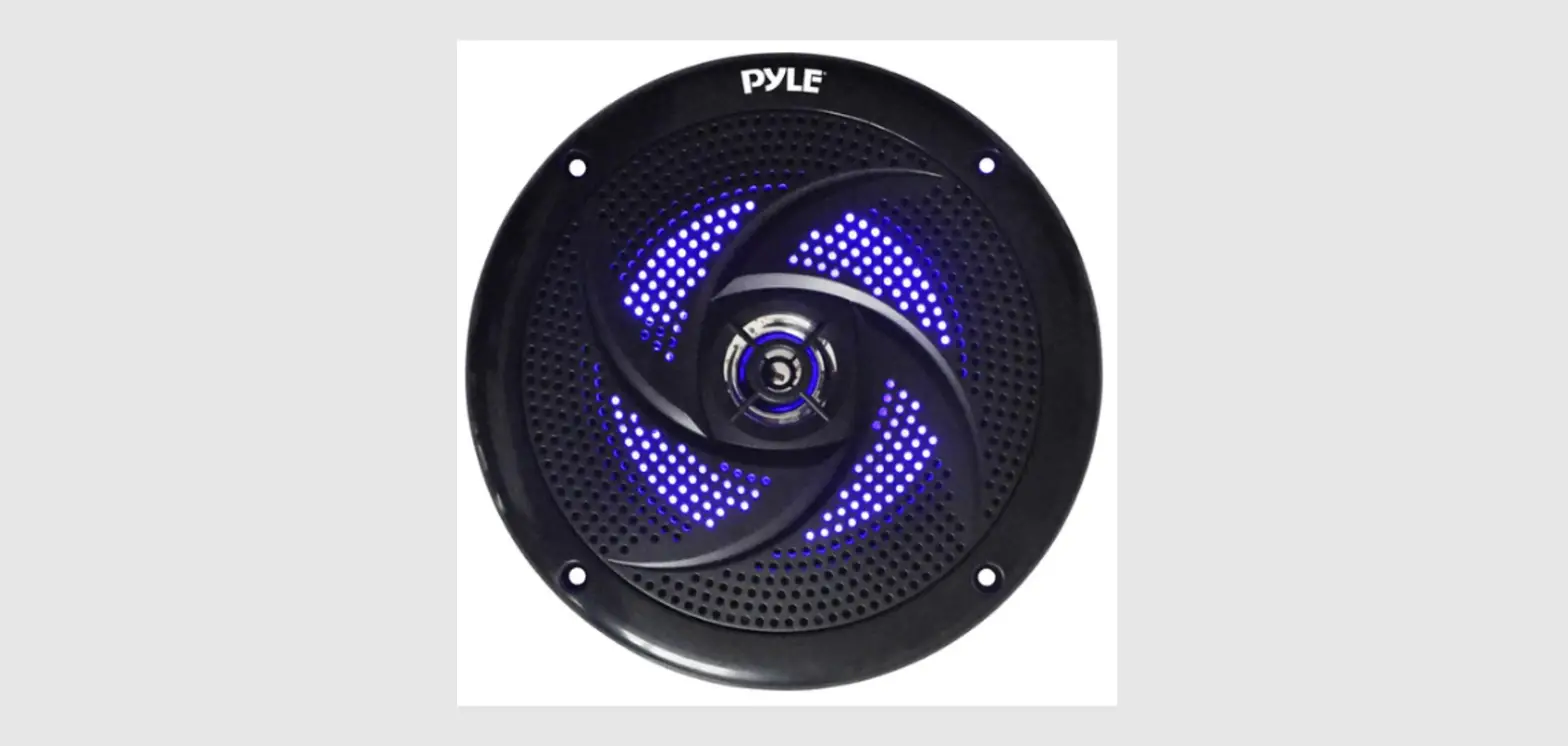
Pyle’s Blue Label series speakers don’t just sound great – they look great, too. Feast your eyes upon the azure curves of Pyle’s Blue Label series and you’ll agree. They’re great replacements for your vehicle’s factory speakers – you’ll hear the difference immediately. The blue poly injection cone looks great and allows your music to resonate with full power. Trust Pyle to provide quality sound at a competitive price.
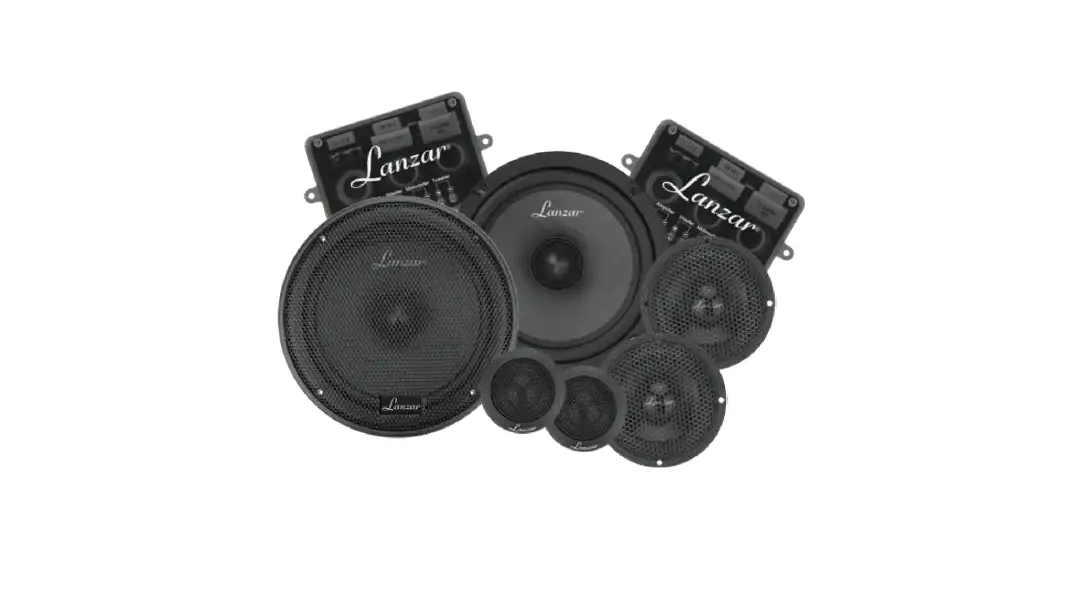
- One Pair 4” x 6” Three-Way Triaxial Speaker System
- Power Handling: 120 Watts Rms / 240 Watts Ma
- Non-fatiguing Butyl Rubber Surround
- 1” High Temperature ASV Voice Coil
TRIAXIAL SPEAKER SYSTEMS
The woofer feature an eye-catching blue poly injection cone for plenty of stiffness without added weight The 1-inch ASV voice coil is ready for high-temperature, high-wattage situations
DEFINITE STRUCTURE
The 20 oz magnet structure, 1” neodymium film dome midrange, and ¾” piezo tweeter are what power these speakers and allow for a 95Hz – 20Khz frequency response Also, it features standard 4” X 6” size fits OEM locations.
BLUE POLY INJECTION CONE
The non-fatiguing butyl rubber surround keeps your speakers secure and extending the life of the product A 1” high-temperature ASV voice coil provides the richest sound, ensuring low distortion and providing an open sound stage.
TECHNICAL SPECS

FEATURES
- One Pair 4” x 6” Three-Way Triaxial Speaker Systems
- Power Handling: 120 Watts Rms / 240 Watts Max
- Non-fatiguing Butyl Rubber Surround
- 1” High Temperature ASV Voice Coil
- Standard 4” X 6” Size Fits Oem Locations
- Blue Poly Injection Cone
- 20 Oz Magnet Structure
- 1” Neodymium Film Dome Midrange
- 3/4” Piezo Tweeter
- Impedance: 4 Ohm
- Sensitivity: 89 dB
- Frequency Response: 95Hz – 20Khz
- Includes Grills, Wires And Mounting Hardware
- Mounting Depth:75”
- Sold as: Pair
- Weight:58 lbs
Warranty & Support
For warranty information about this product
FAQs
A midrange is made to accurately reproduce sound frequencies that typically fall between 250 Hz and 2,000 Hz. It is also known as a squawker to stick with the “animal noise” theme.
The term “midrange frequencies” can also apply to the frequency range between 300Hz and 5,000Hz. The majority of audio in most songs, movies, and TV shows falls within this range.
In order to prevent the pressure from the bass driver from interfering with the midrange driver’s cone, midrange drivers need their own chamber. However, volume should not be overlooked because it also influences the sound signature.
You are only picking up a small percentage of the song’s frequencies, therefore they will probably sound worse than your typical car speakers. Furthermore, trying to drive a midrange speaker with the full spectrum of frequencies may result in distortion, overheating, and eventually speaker failure.
A driver that reproduces the maximum amount of the audible frequency range while adhering to the physical limitations imposed by a particular design is referred to as a full-range loudspeaker drive unit These drivers’ frequency range is expanded using a whizzer cone and other techniques.
A straight path from the speakers to the listening area should be created. The tweeter should be positioned less than 2″ from the midrange for the finest synergy between the two. Place the tweeter more than 7″ away from the midrange if you are unable to place it closer than 2″.
Midrange music comprises instruments like the guitar (275 Hz), flute (800 Hz), and piano, and is audible between 250 and 4,000 Hz (2,000 Hz). Last but not least, all treble sounds range from 4,000 to 20,000 Hz, but 12,000 Hz is often the upper limit for musical instruments.
A loudspeaker driver that reproduces sound in the 250 to 2000 Hz range is known as a mid-range speaker. It’s also referred to as a squawker.
A mid-range speaker is made to reproduce sound in the range of 150 Hz to 3000 Hz, and can be thought of as a narrower-band variant of a full-range speaker.
There is no need for a ported midrange for residential use when there are so many drivers available now that can operate in closed cabinets without any issues or headaches.
Porting a mid-range speaker that operates in that frequency range won’t help.
By choosing midrange speakers, you are essentially choosing to install a full component system, which is more expensive than coaxial speakers but provides a system that is more able to be tailored to your personal preferences.
HIGHER MID-RANGE AND MID-RANGE (1000 HZ TO 5000 HZ) This section of the frequency spectrum has the loudest sounds. This song includes vocals, guitar, and a variety of other sounds. This range gives the music more clarity and detail, which enriches our listening experience.
Mid-range speakers are designed to handle the 500 Hz–4 kHz region of the spectrum, which is considered the “middle” range. Since the majority of audible sounds, including those from musical instruments and human voices, are produced in this frequency range, it is probably the most significant range of frequencies.
You are only picking up a small percentage of the song’s frequencies, therefore they will probably sound worse than your typical car speakers. Furthermore, trying to drive a midrange speaker with the full spectrum of frequencies may result in distortion, overheating, and eventually speaker failure.
In order to prevent the pressure from the bass driver from interfering with the midrange driver’s cone, midrange drivers need their own chamber. However, volume should not be overlooked because it also influences the sound signature.
You won’t lose the midrange if you use a speaker in a box. You will simply get more bass, which might drown out some midrange but leaves it in place all the same. More often than not, a speaker will sound better in a box as opposed to free air or an infinite baffle.