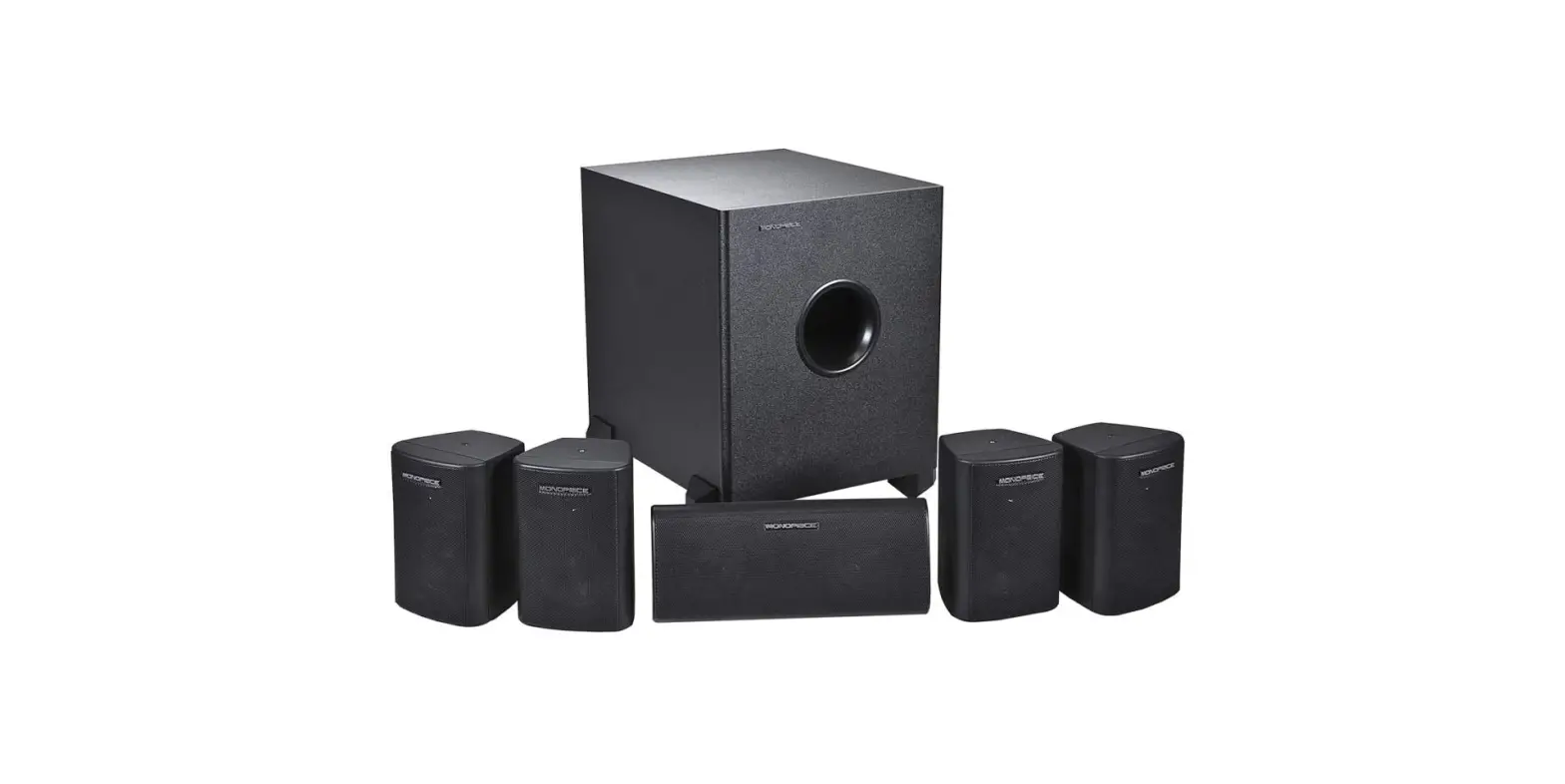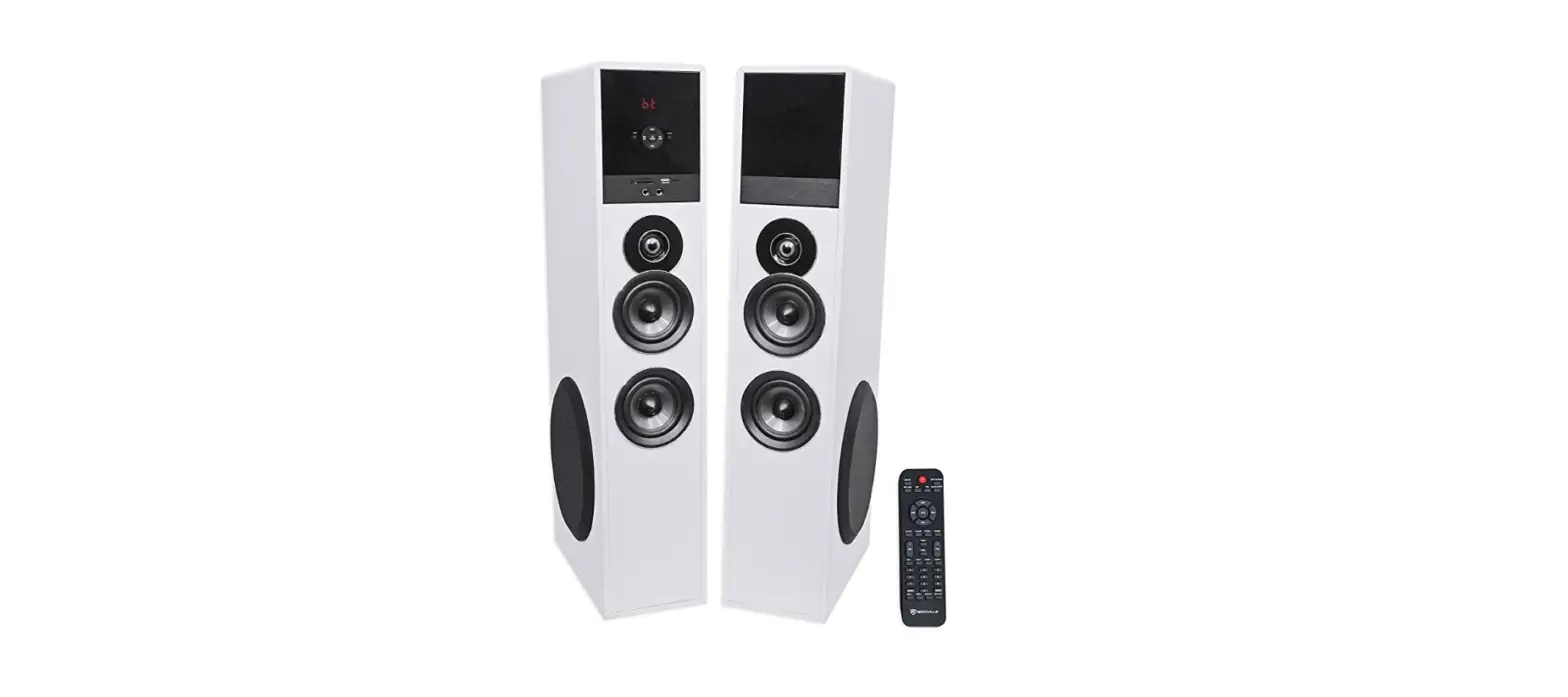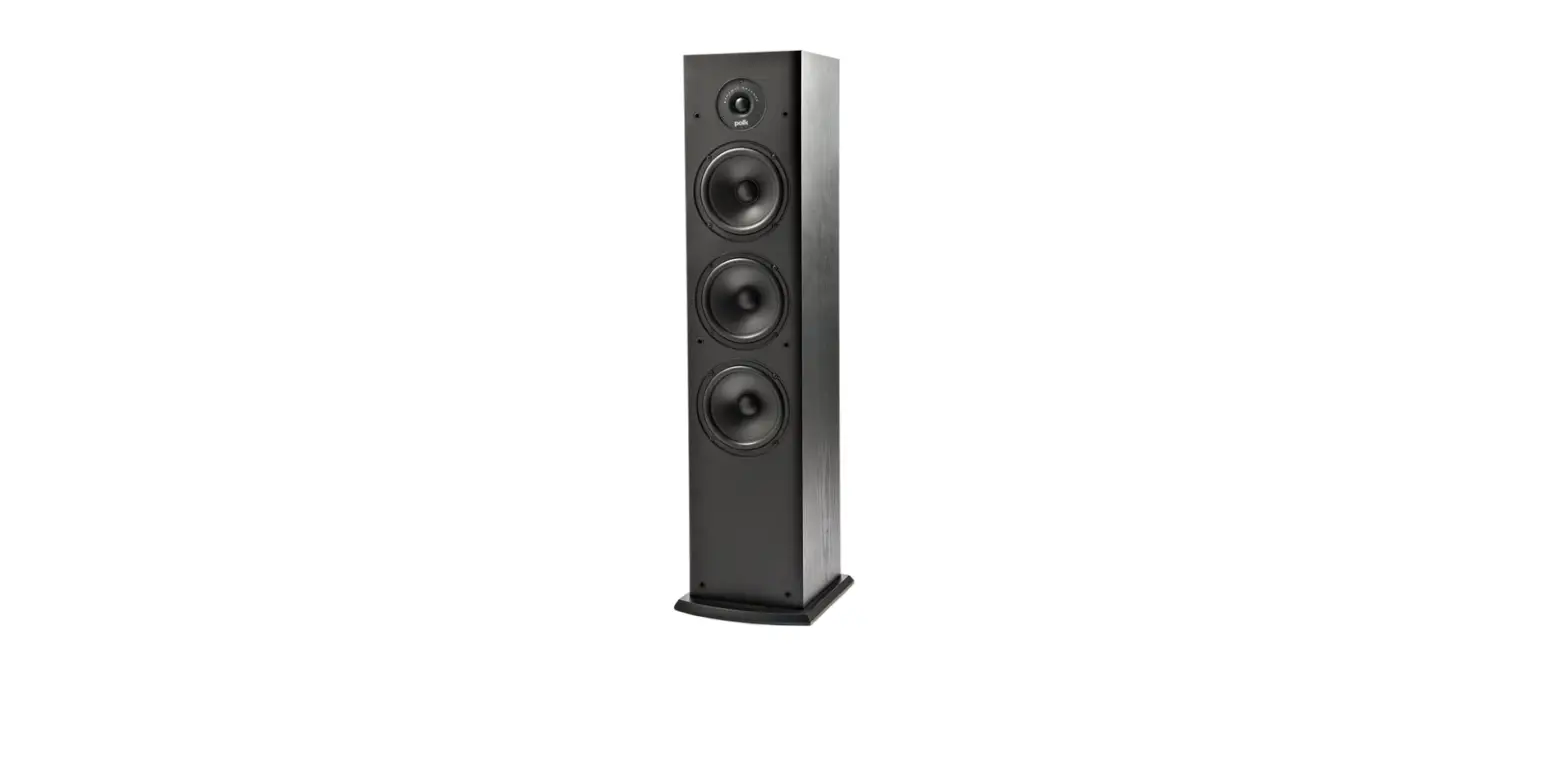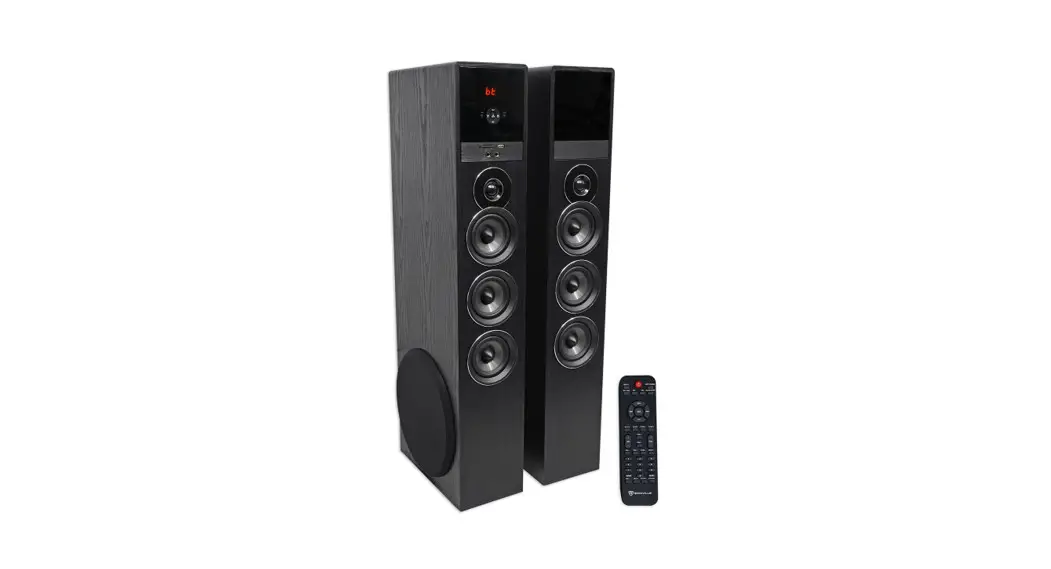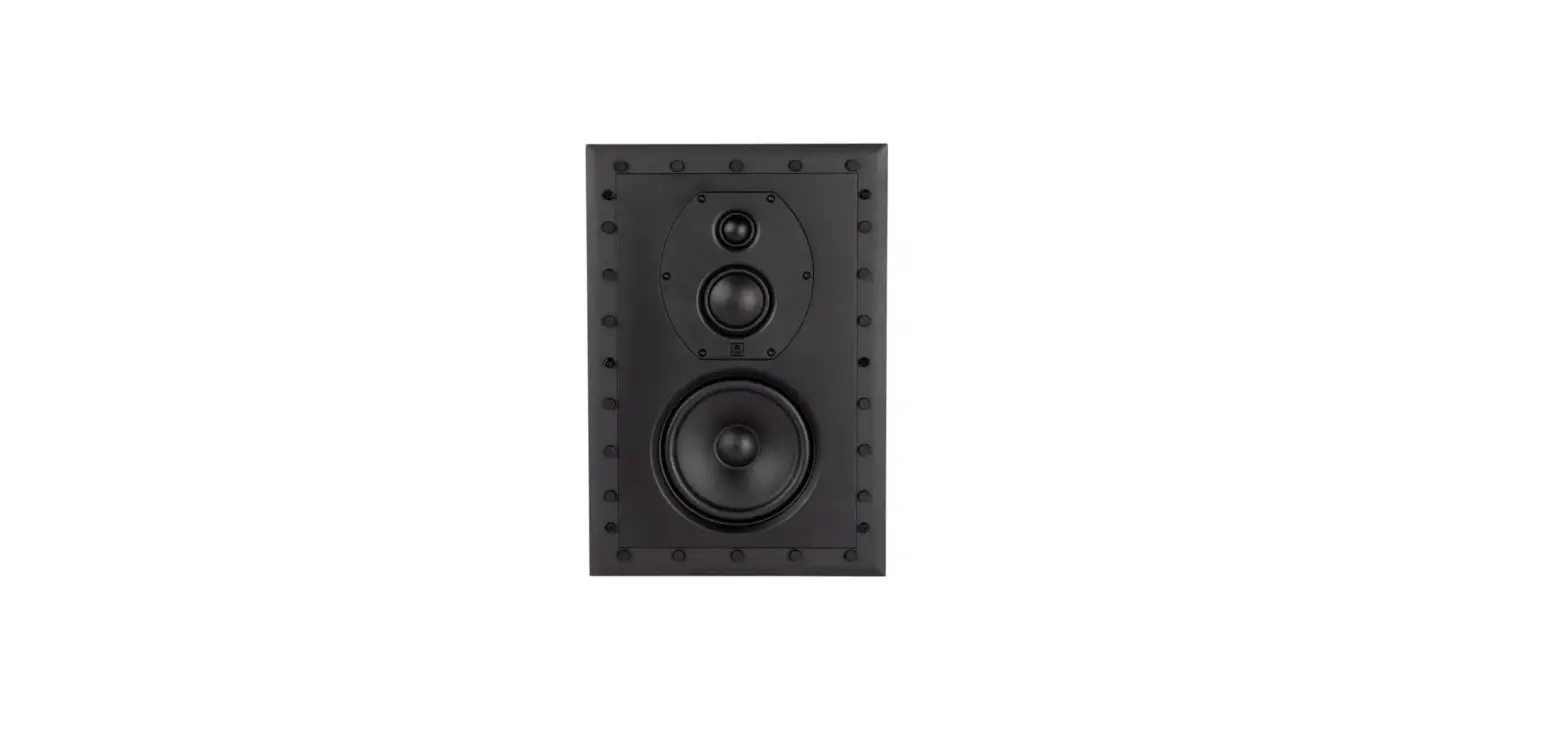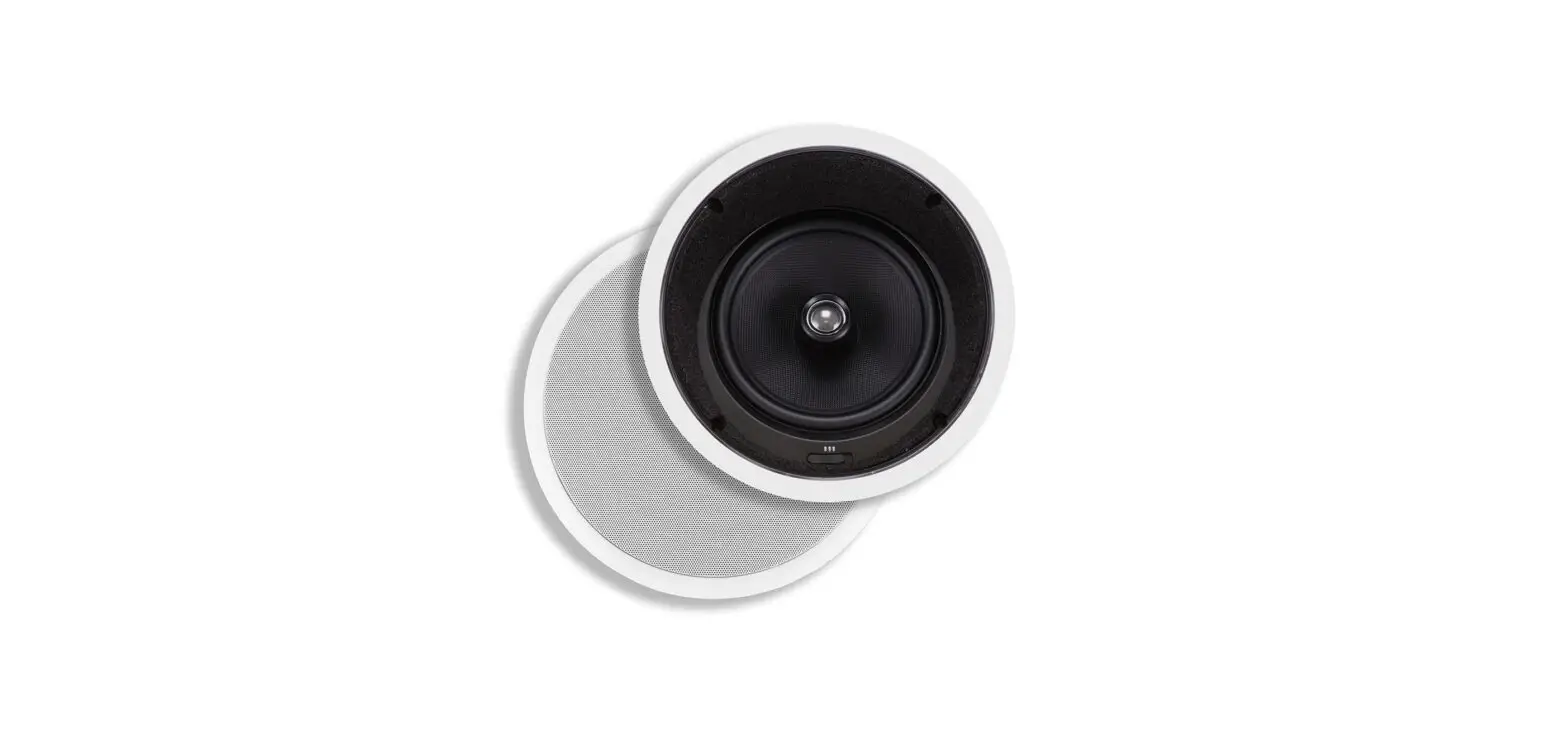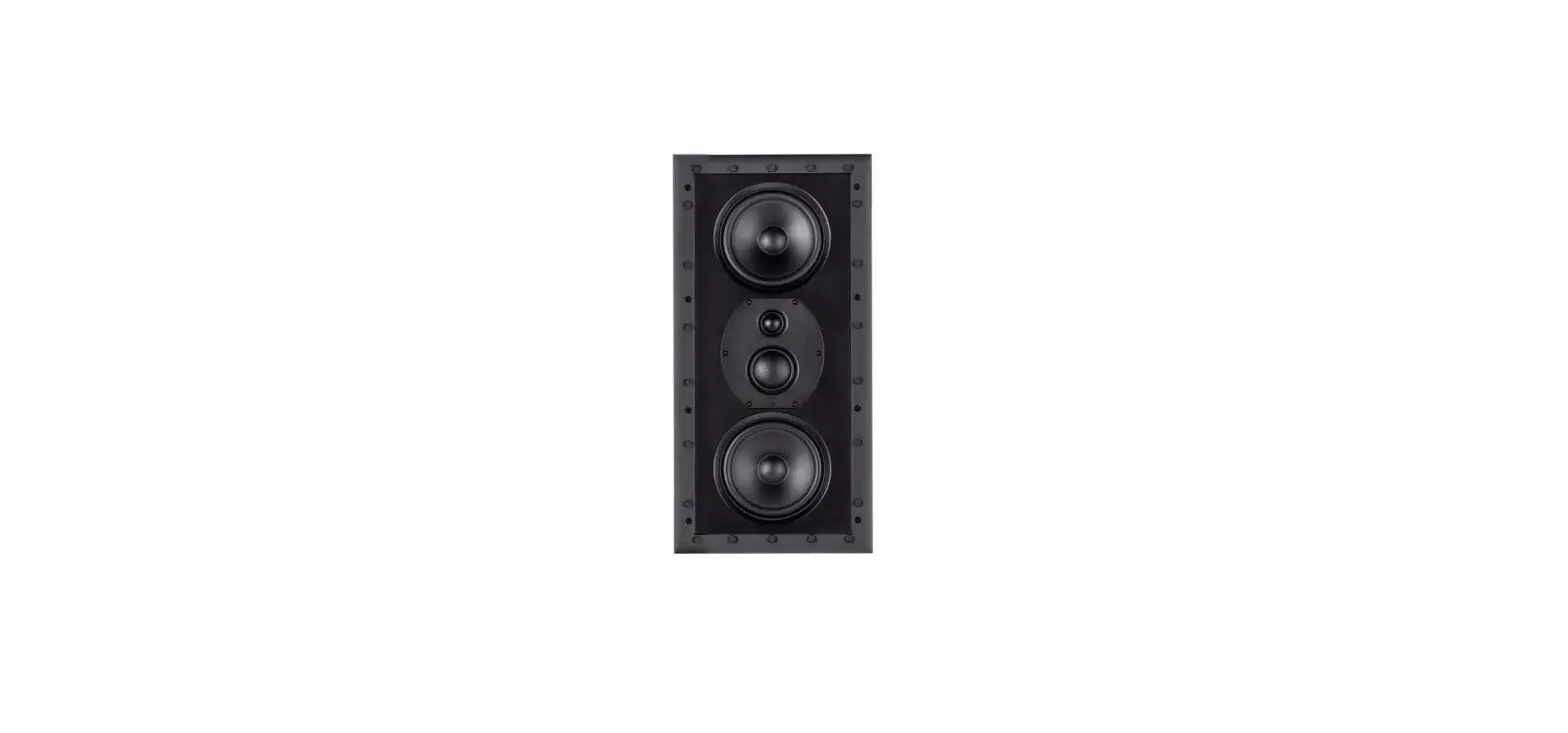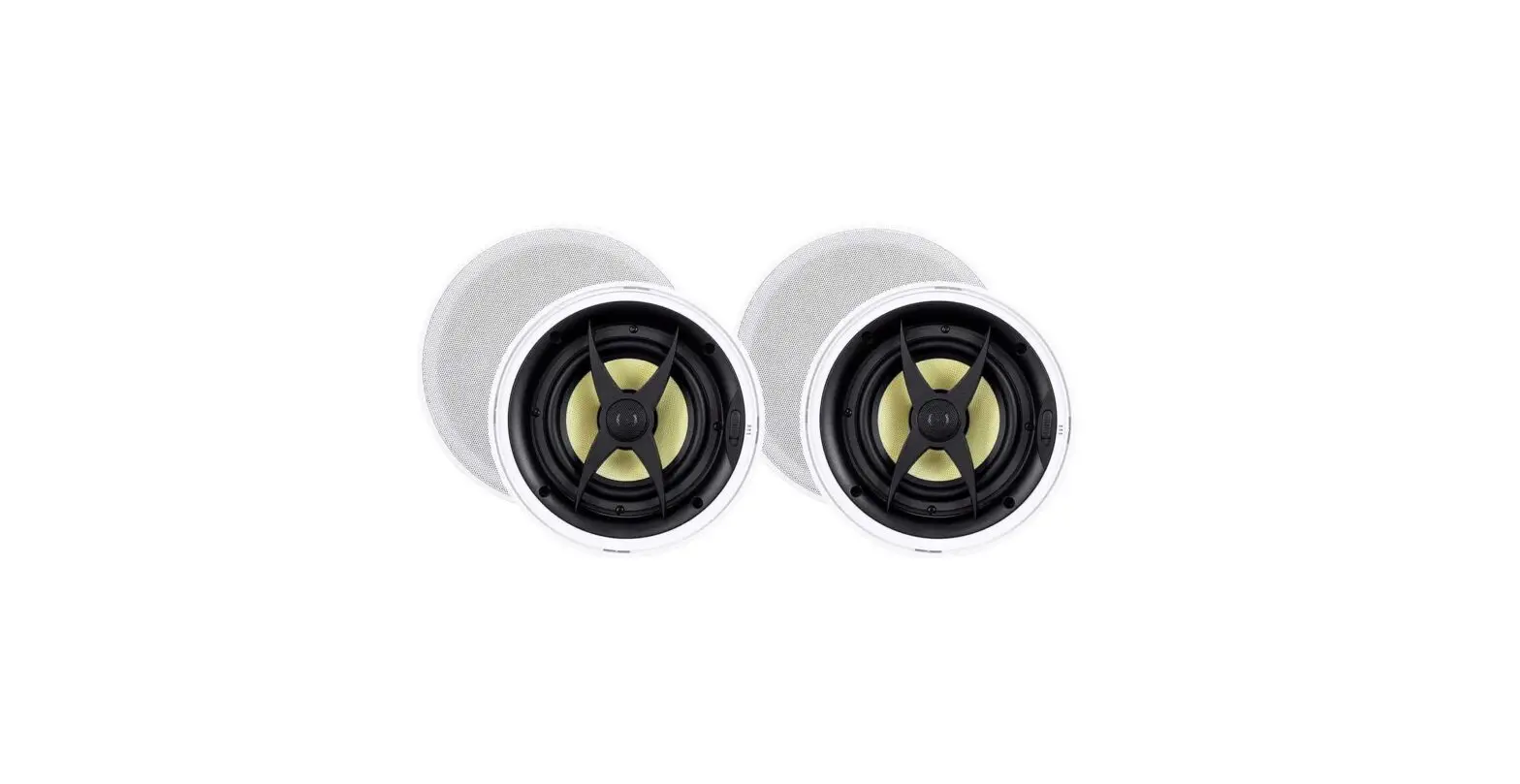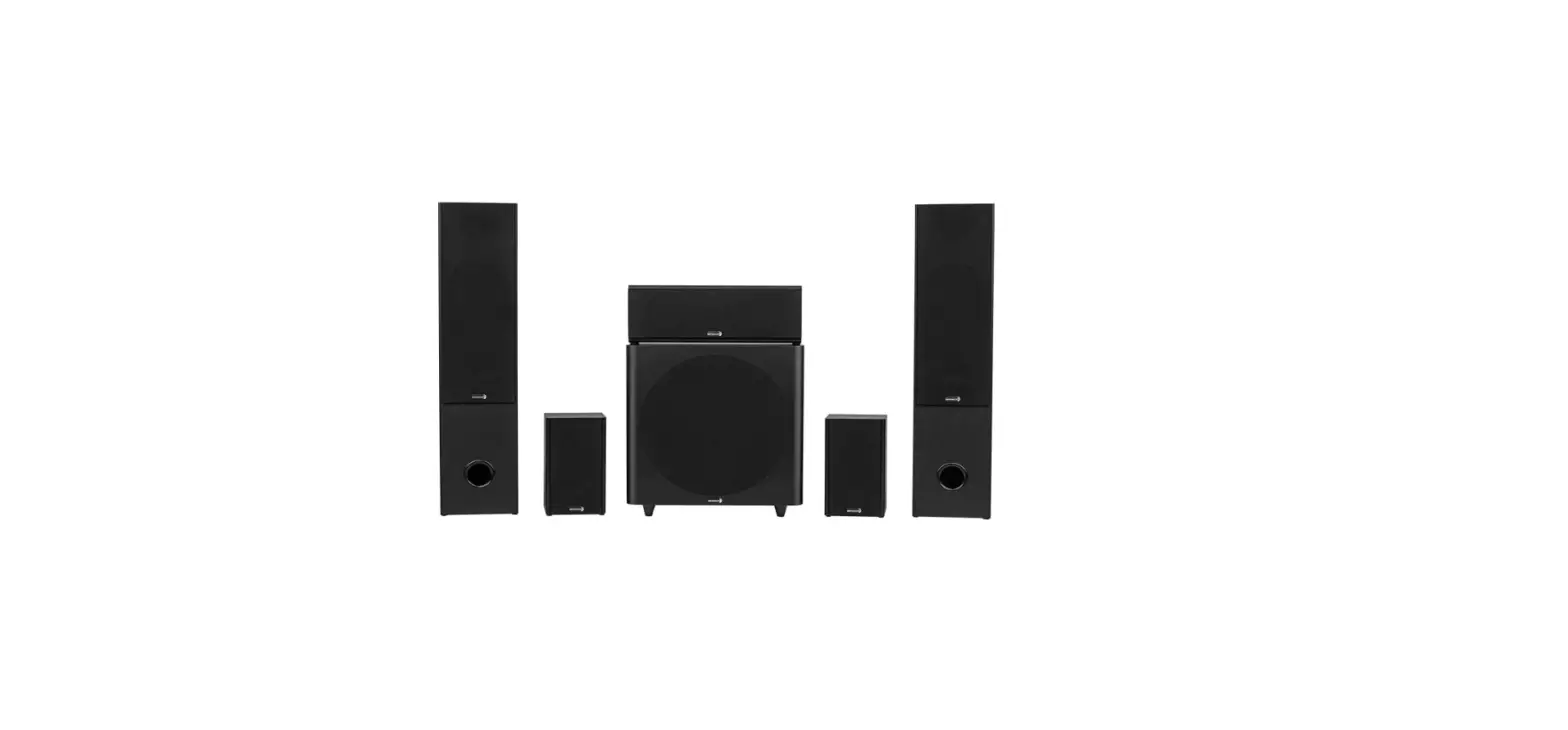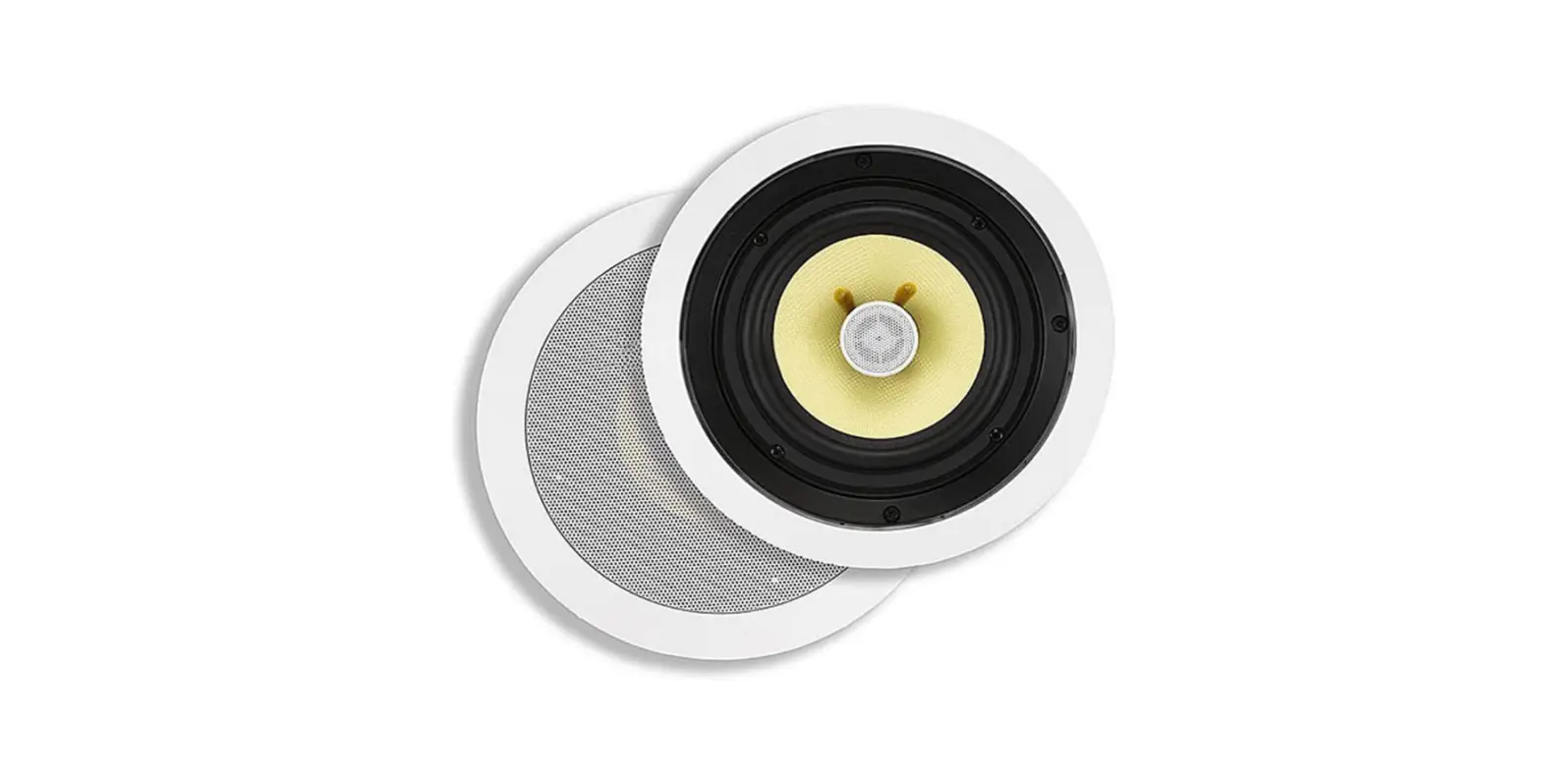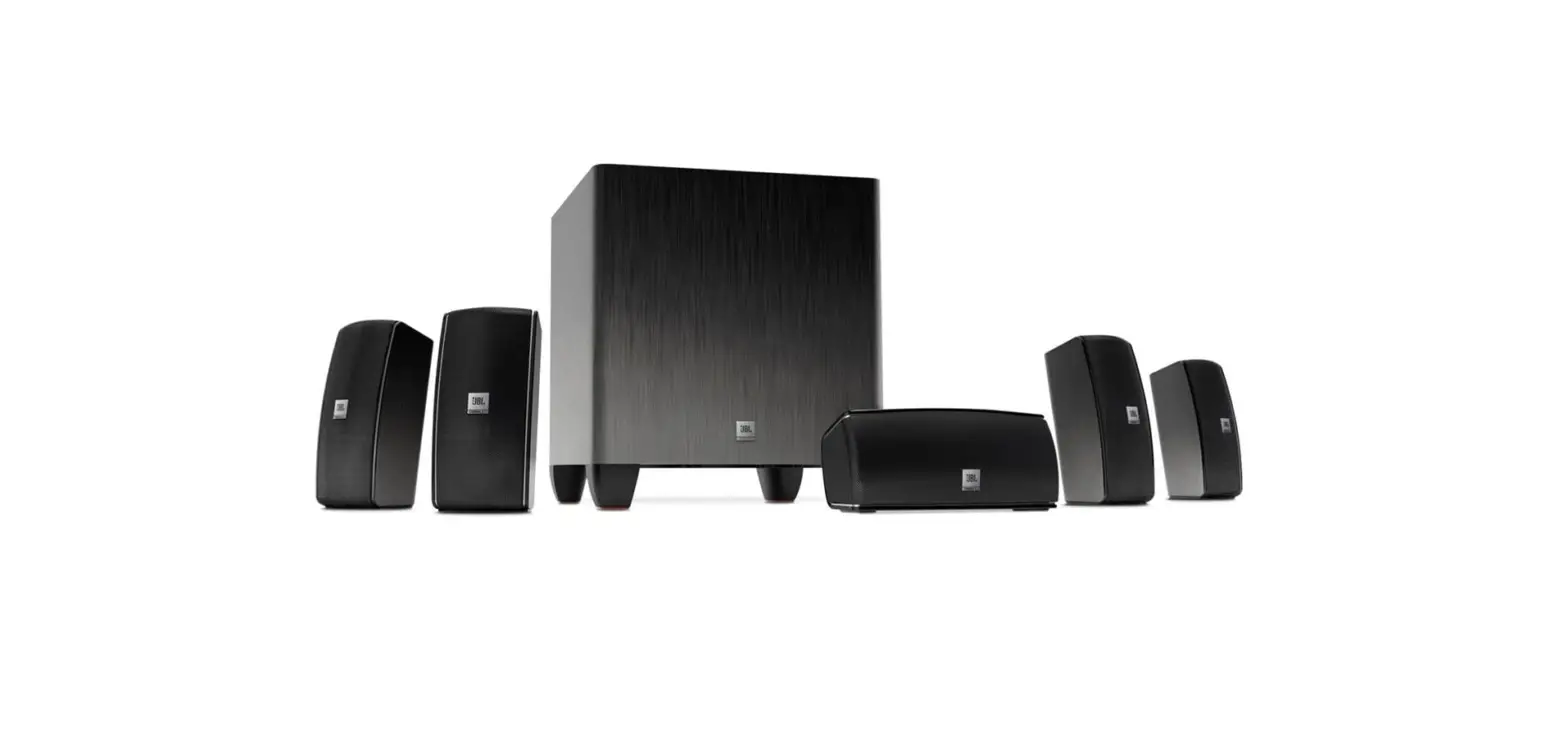

Monoprice Mp-T65RT Tower Home Theater Speakers
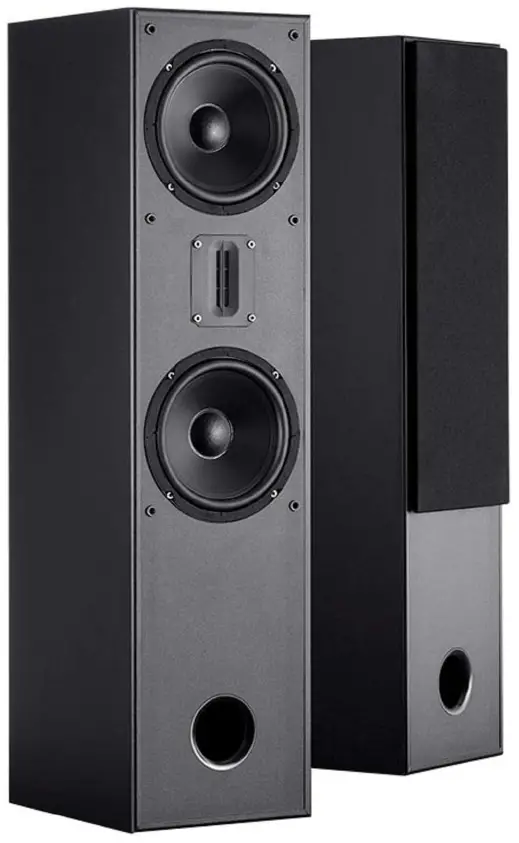
Specifications
- Model Name: 135124
- Speaker Type: Woofer
- Recommended Uses for Product: Home Theater
- Mounting Type: Extend
- Product Dimensions: 75 x 25 x 12.75 inches
- Item Weight: 18 pounds
What’s in the box?
- Tower Home Theater Speakers
Product Descriptions
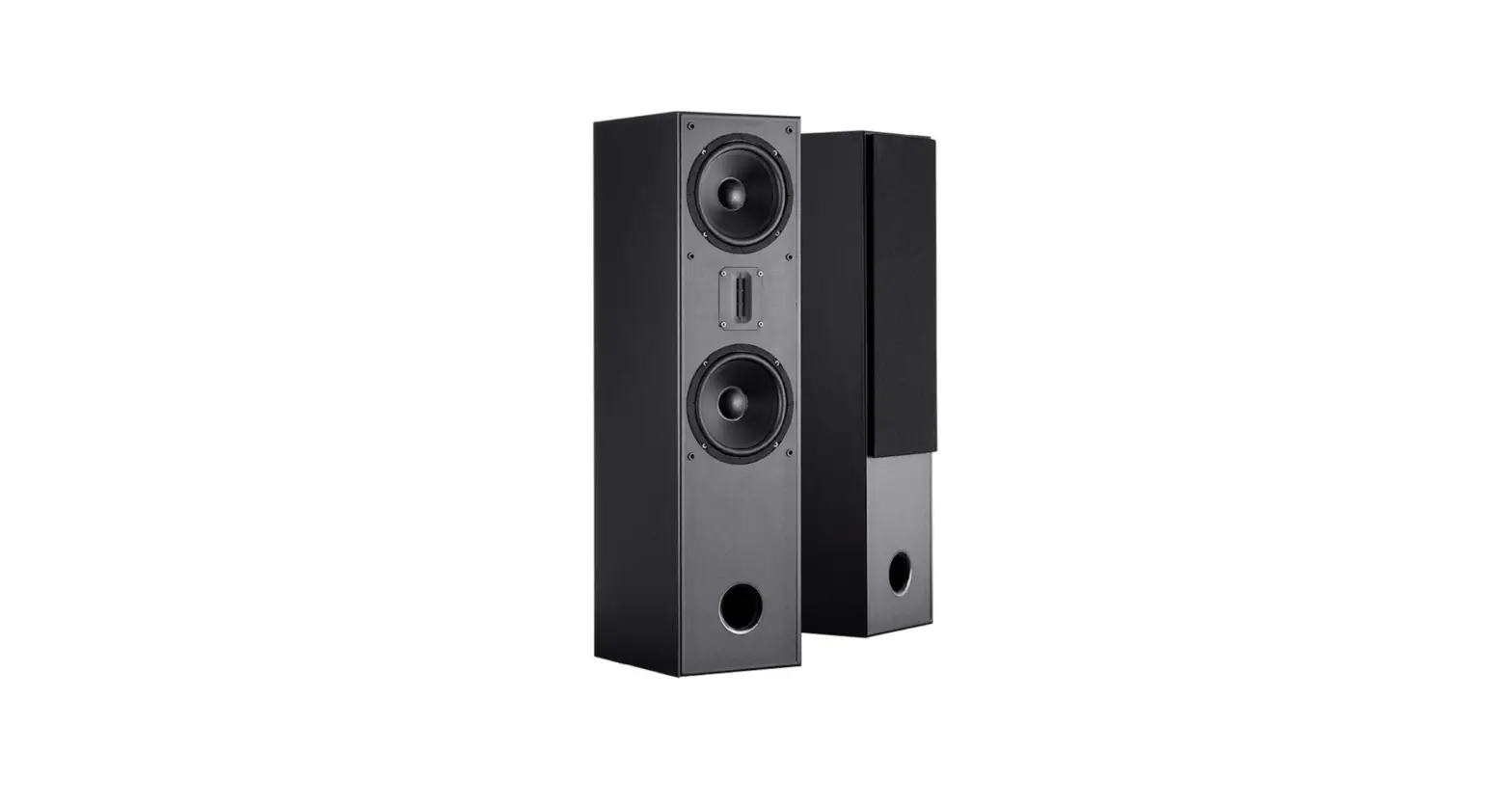
The mp-t65rt provides excellent audio performance for a fair price! These tiny tower speakers have two 6.5-inch woofers in ported cabinets for improved bass performance and a ribbon tweeter for prolonged, airy, and quick high frequency response. The little, attractive cabinet will fit nicely with most interiors without becoming overbearing.
Features
Ribbon-style tweeter
More specifics increased clarity Ribbon tweeters have a substantially lower distortion level than conventional designs and can create an extended frequency response. You get a superior high frequency response, less distortion, and more clarity with this tweeter design.
6.5 In Woofers in pairs prolonged bass. Greater output with just one woofer is not enough! Dual Woofers increase the bottom-end punch and expand the bass response.
Quality at a reasonable cost
High-quality products are offered at reasonable prices because to Monoprice’s tough design and strict quality control standards.
- 30 watts RMS, 60 watts maximum power handling
- Frequency: 45 Hz to 20 kHz
- Quick connect push terminals are terminals.
- Measurements:0 “Size: 7.6″ x 9.3” x 34.96 lbs (Pair)
- Color: Black
- 5 Woofer “conical polypropylene (x2)
- 4″ x 0.76″ ribbon for the tweeter
- Six ohms of impedance
- 86db @ 1W/1m Sensitivity
Support & Service
- Speak with our technical support staff. For inquiries regarding our goods, support, or even recommendations for products to meet your specific needs
FAQ’s
Tower speakers are often able to produce deeper, more dramatic bass than isolated bookshelf speakers because of their larger size, which allows them to flow more air through the drivers than desktop or bookshelf speakers. Additionally, towers typically have additional woofer drivers, which produce even more bass.
The majority of floor-standing speakers are not powered; hence an AV Receiver is unavoidably required to connect them. An AV Receiver is used to link the components of your home theatre and make sure that what you see and hear is perfectly in sync.
They ought to be put on the ground. However, mounting them is an option if you have limited floor space and can do so with a high ceiling and a sturdy shelf.
Improve the acoustics of your space. Adding an acoustical treatment package is the most crucial thing you can do. Calibration of your system Choose the appropriate speakers. Adjust the speakers.
A minimum of three speakers are required for real home theatre audio (left, right, and center). Five speakers are required for genuine surround sound (left, right, center, and two rears.)
To be sure that this isn’t a poor pair of cords, try various cables. Change the Surround Sound mode on the Audio/Video (A/V) receiver. IMPORTANT: Make sure the source you are playing has Surround Sound audio encoded. If not, utilising a Surround Sound setting will make it exceedingly challenging to hear the audio.
Dali Oberon 5 5.1 Speaker Package, Wharfedale Diamond 12.1HCP, Q Acoustics 3050i 5.1 Cinema Pack, Wharfedale DX-2, Q Acoustics 3010i 5.1 Cinema Pack, Monitor Audio Silver 200 AV12, and Elac Debut 2.0 5.1 Home Theater System are some examples of home theatre systems
You may enjoy true surround sound with a good 5.1-channel setup. Broadcast TV, some Super Audio CDs (SACDs), the majority of DVD and Blu-rayTM discs, and many streaming sources all use the 5.1-channel format. 7.1 channel audio enhances the directionality of sound effects and increases your enjoyment.
Take a notepad, a pen, and a tape measure. When seated in the centre of the listening area, measure the distance from the front of each speaker to where your head is located, then record each measurement on your notepad. Add each measurement to the receiver once it has been completed.
By switching the connectors for the speakers in the back of the AV receiver, surround speakers can be used as front speakers. Your surround speakers will receive the music that is supposed to travel to your front speakers, but the sound quality might not be the same.
Six channels are fed into six speakers in a 5.1 surround sound system to produce surround sound. Systems using 7.1 surround sound need 8 channels. The two additional speakers and sound channels result in marginally improved audio quality.
The majority, and some even more, propose a range of 25–400 watts.
Speaker wires should be changed. Connect a separate set of speakers if necessary. Low volume may also be the result of an additional device, such as a Set-top Box (STB) or television, being connected to one of the input sources. Make sure your source is securely connected to the A/V receiver by checking the connection.