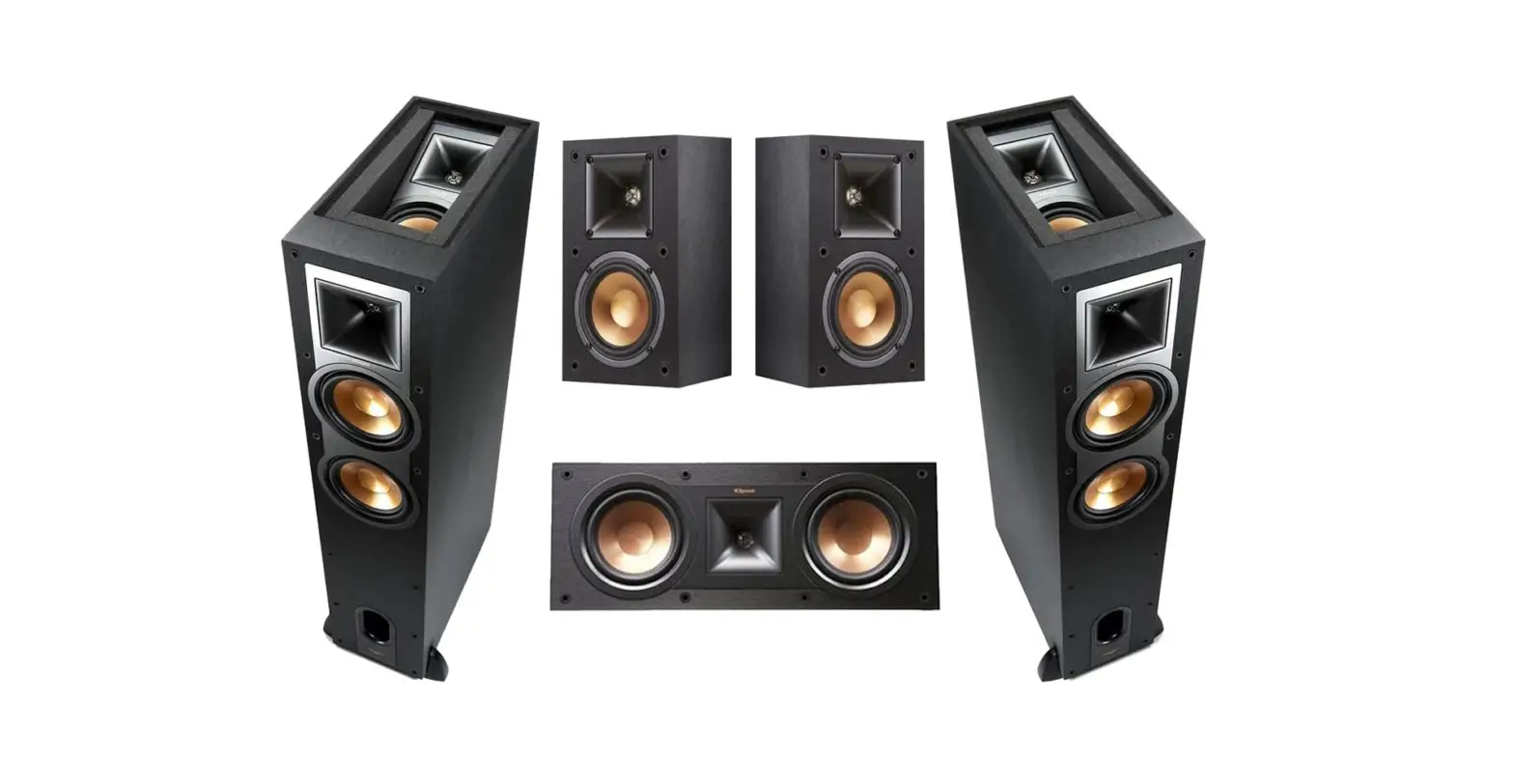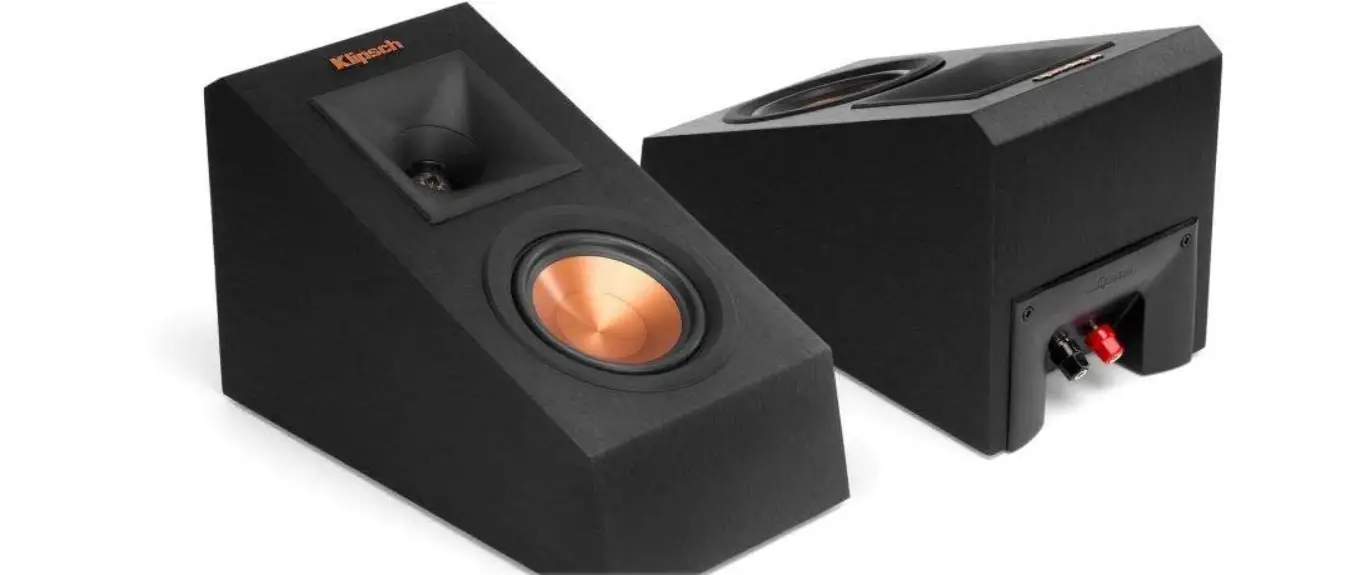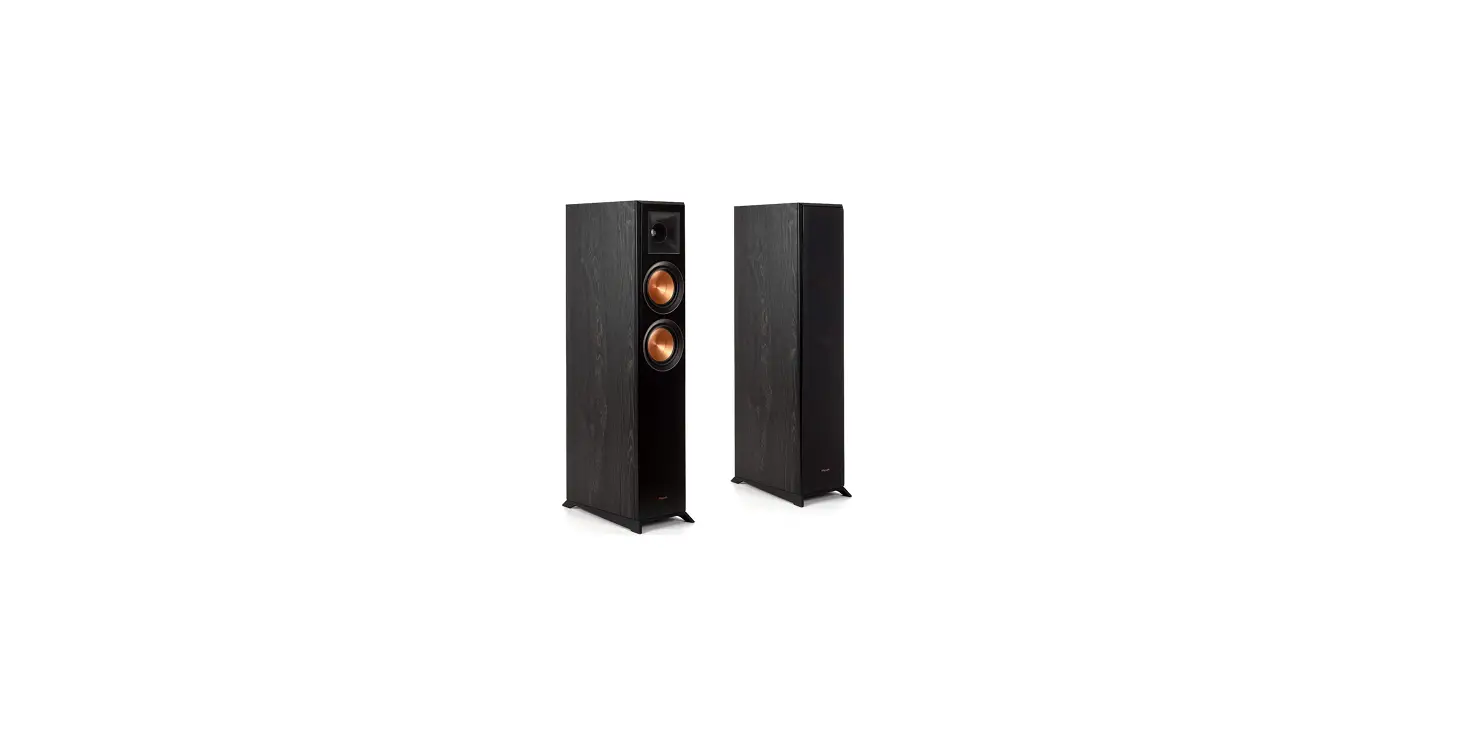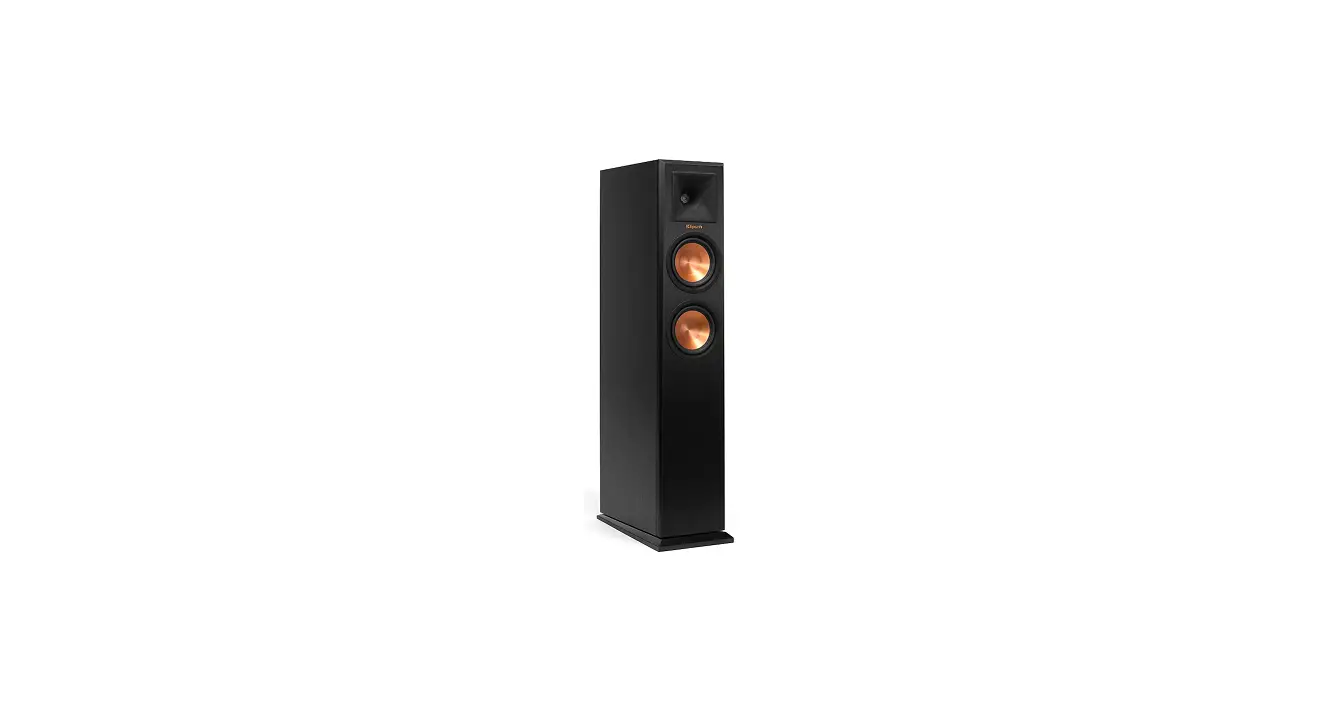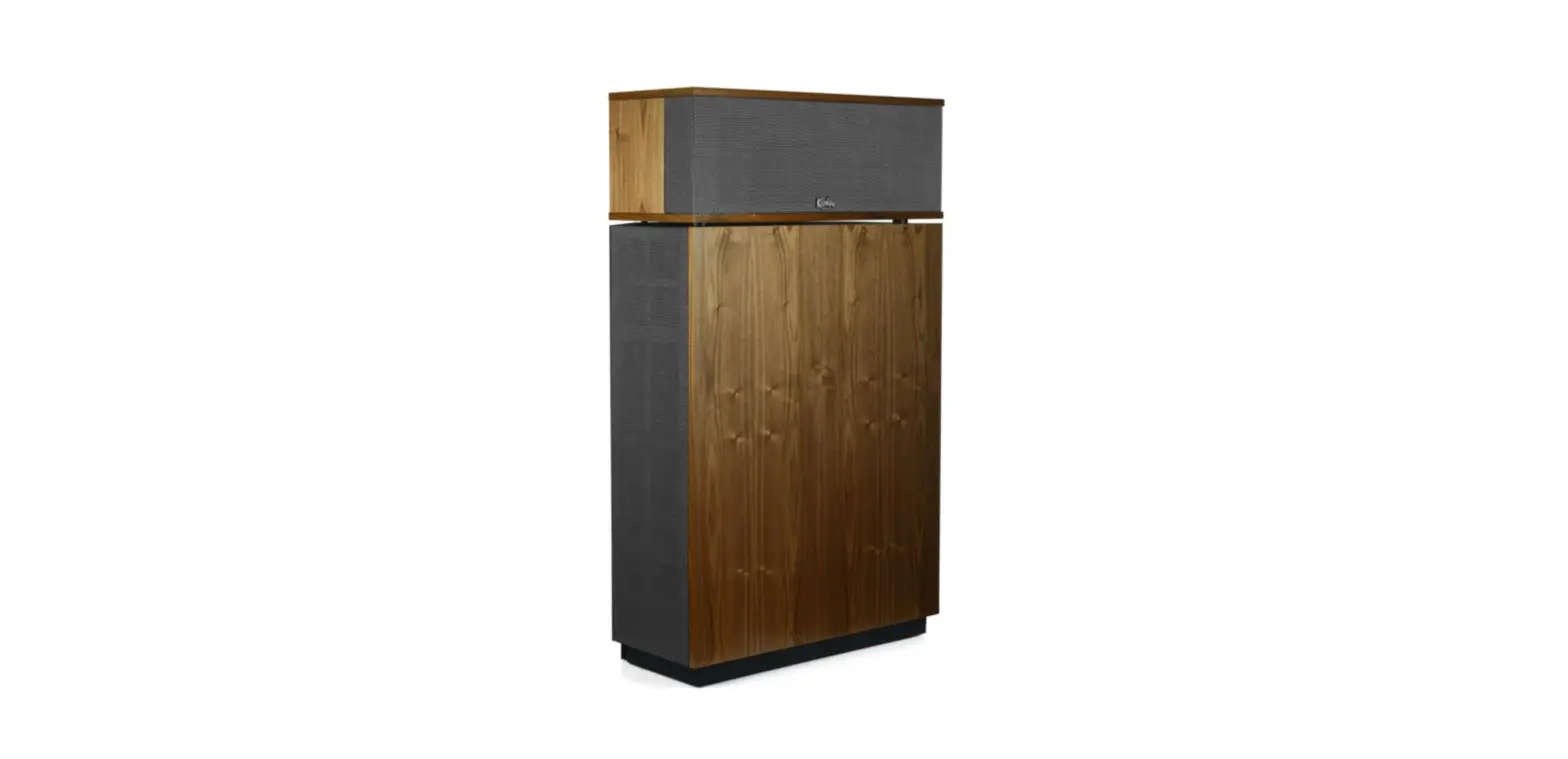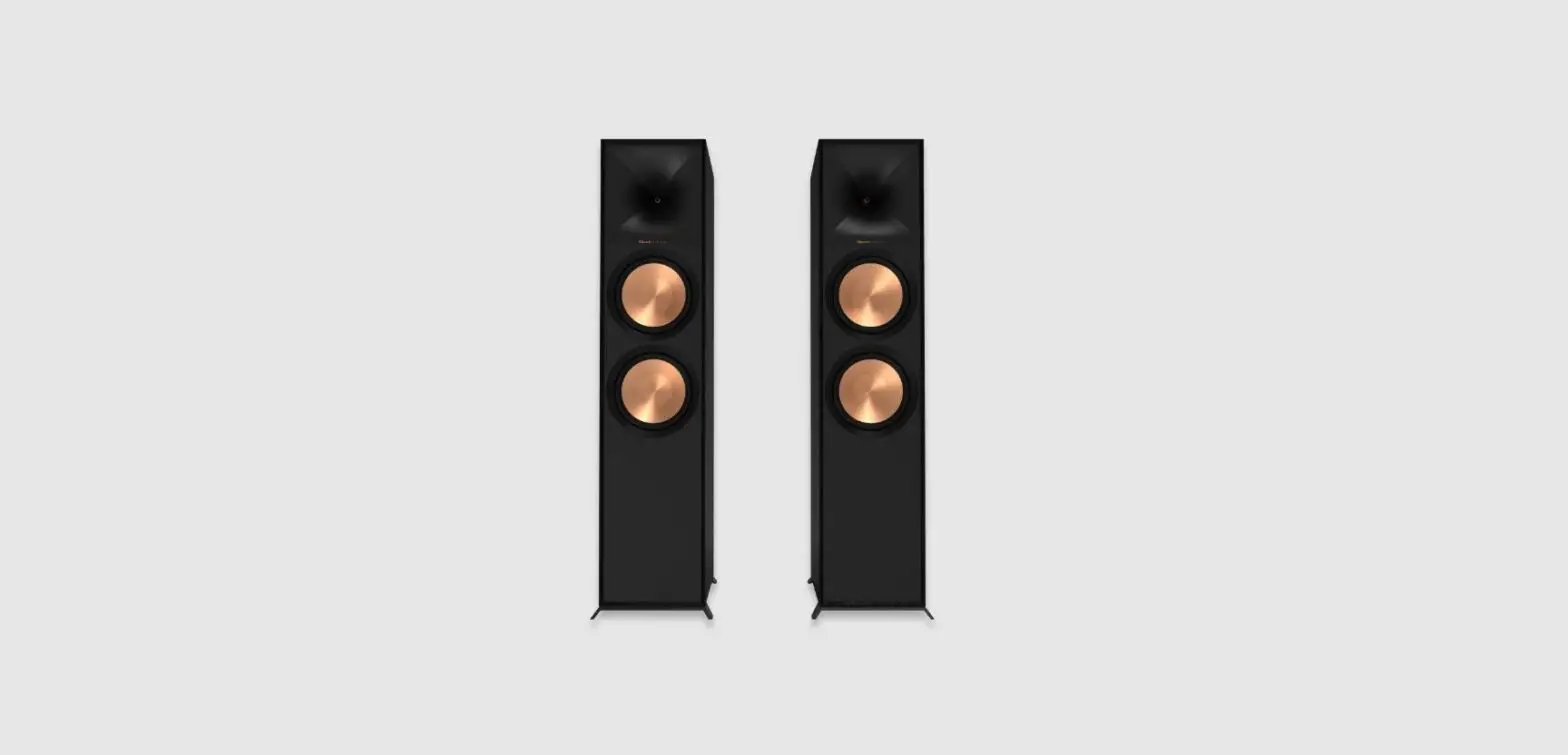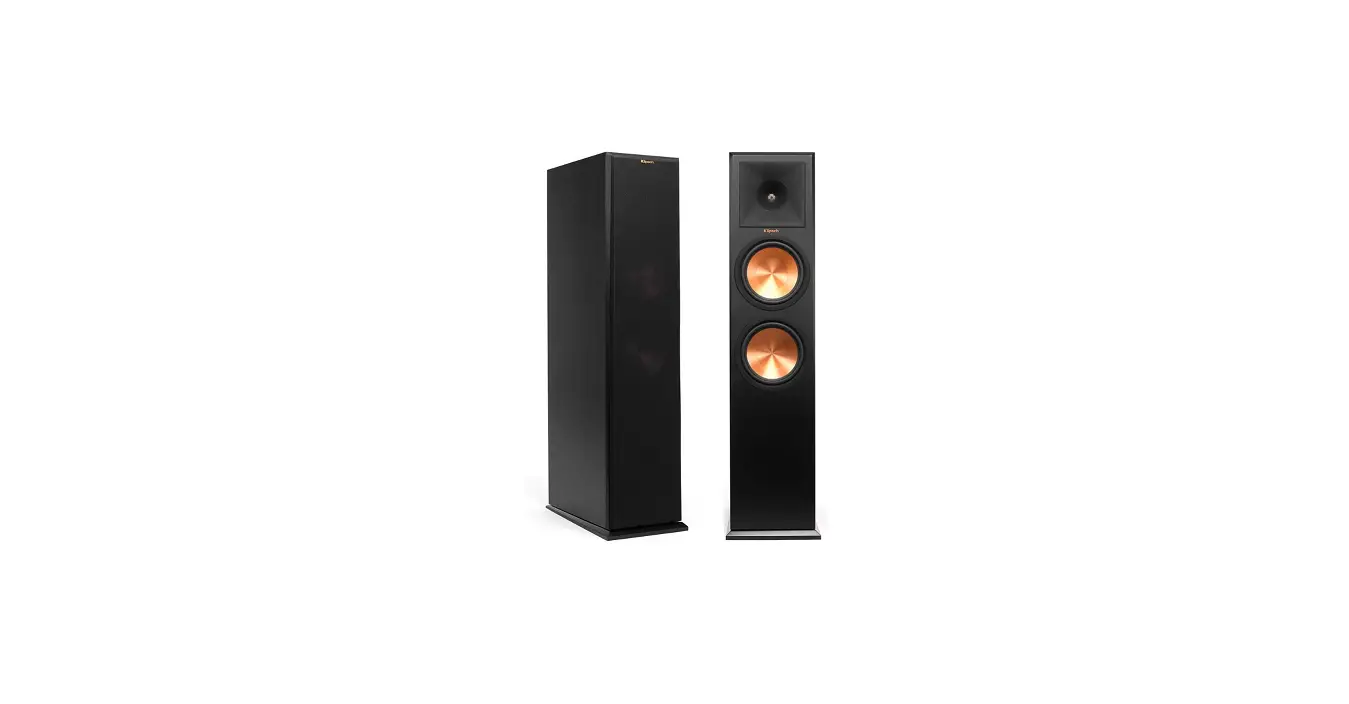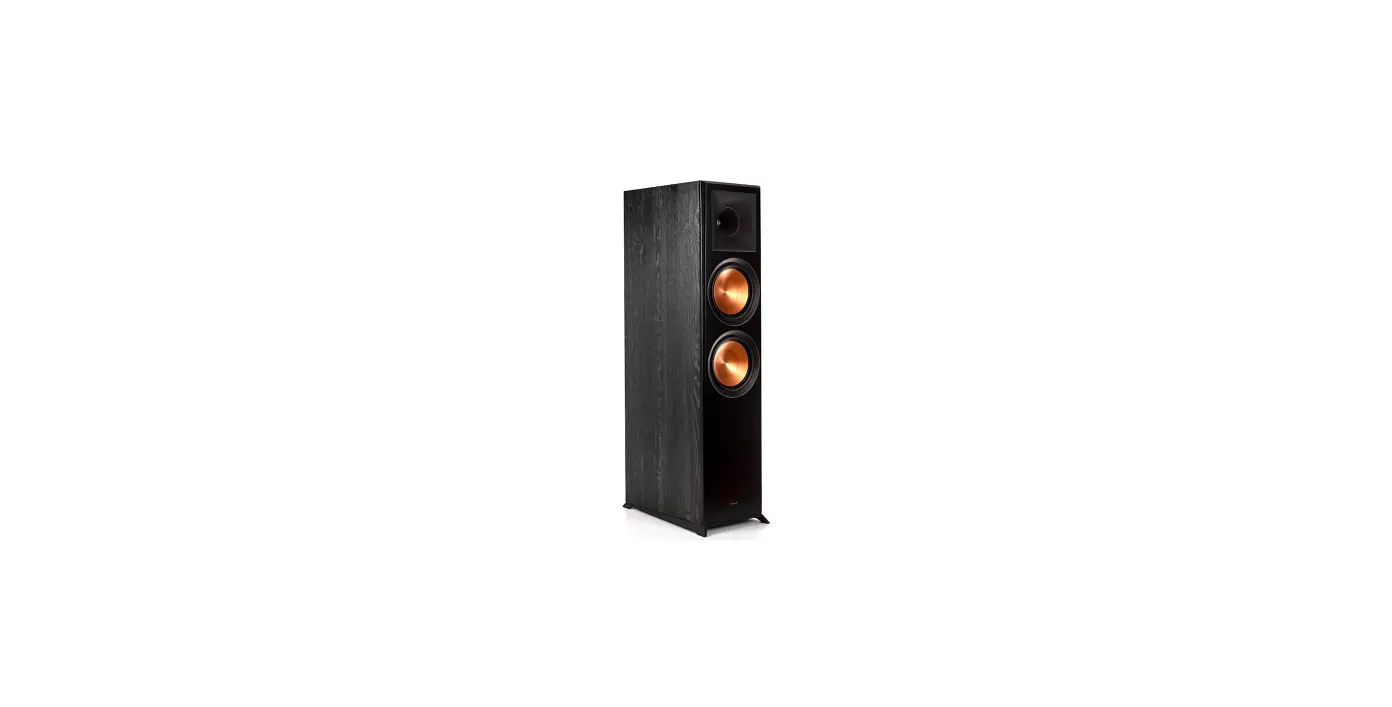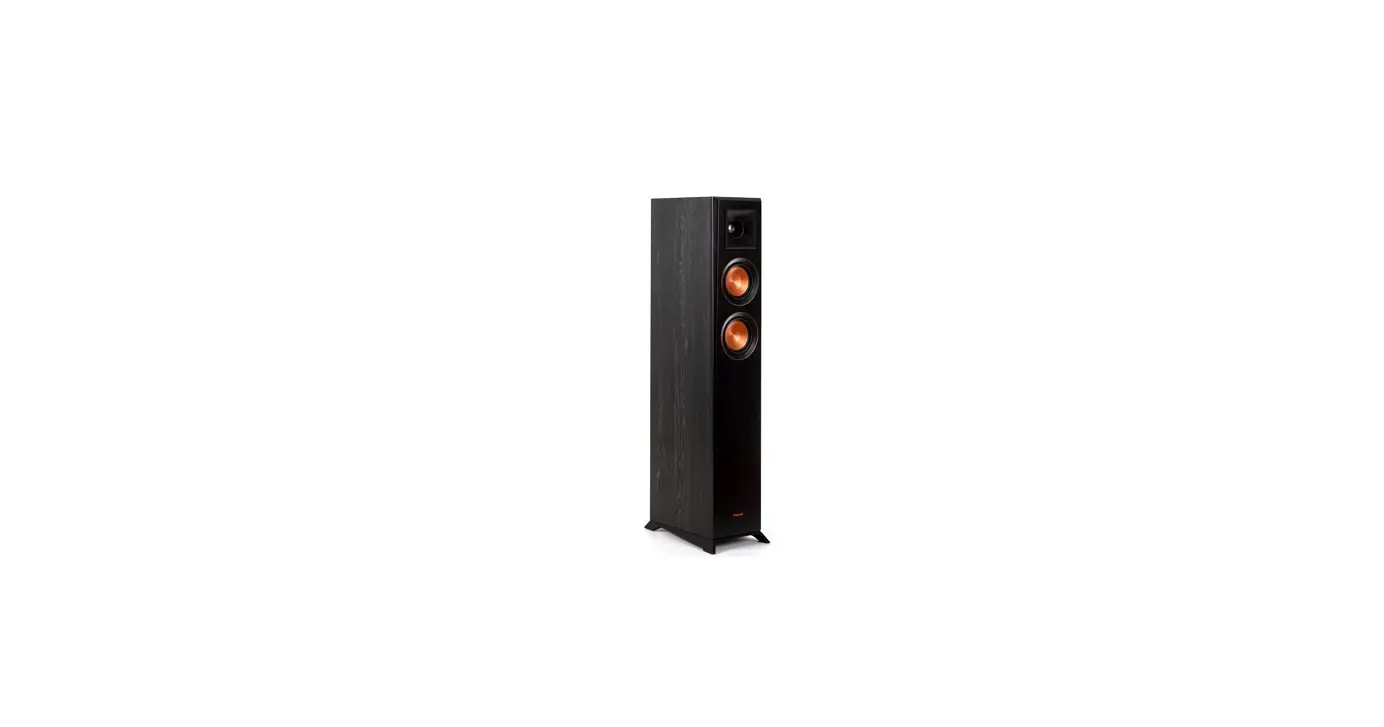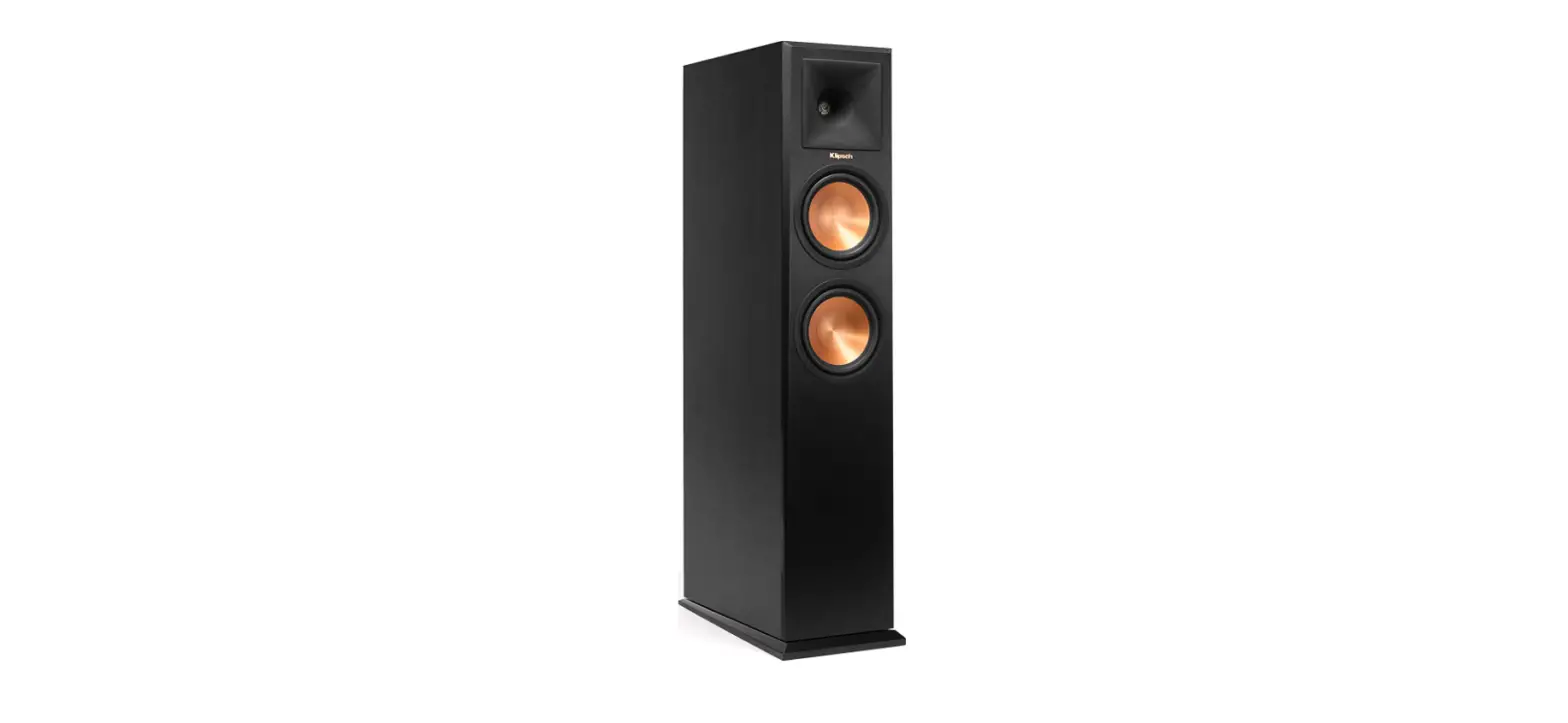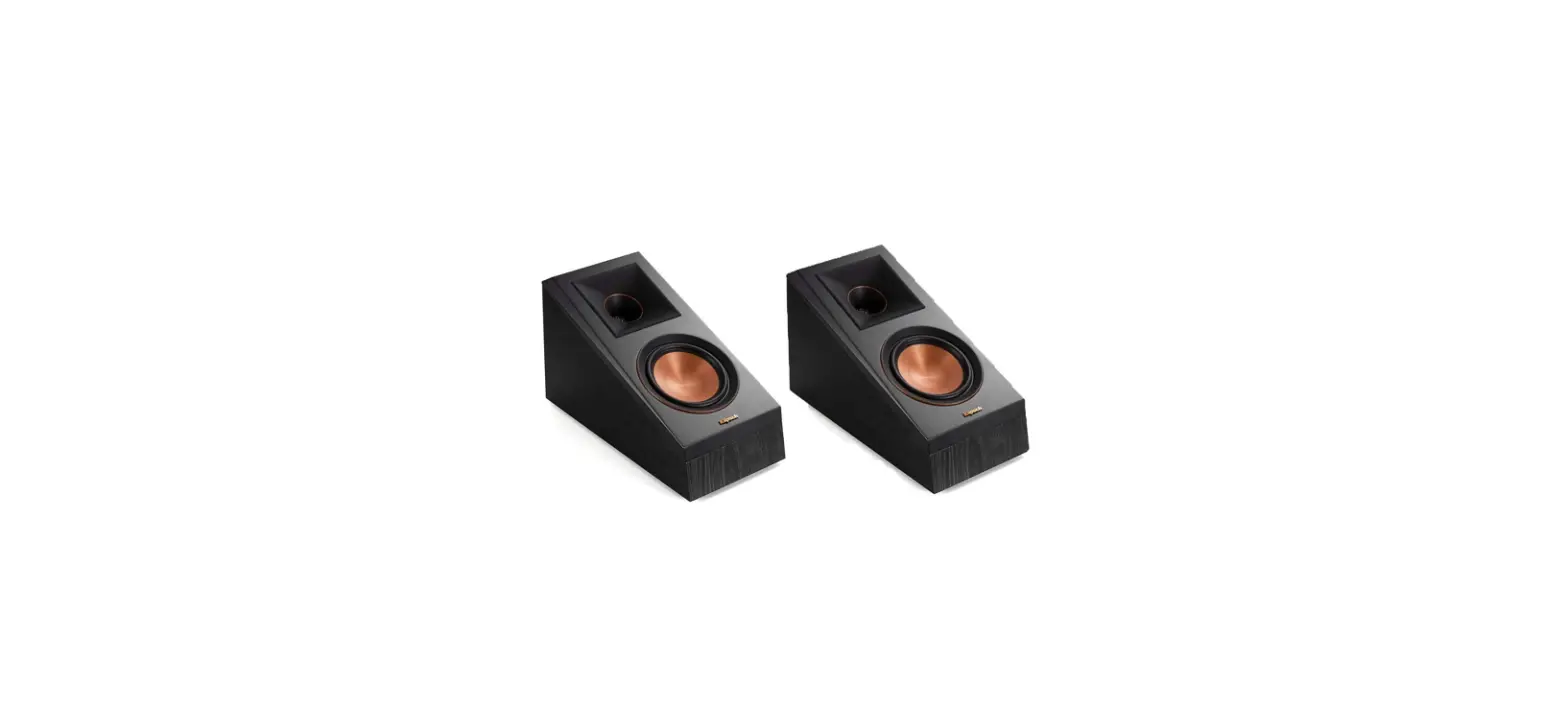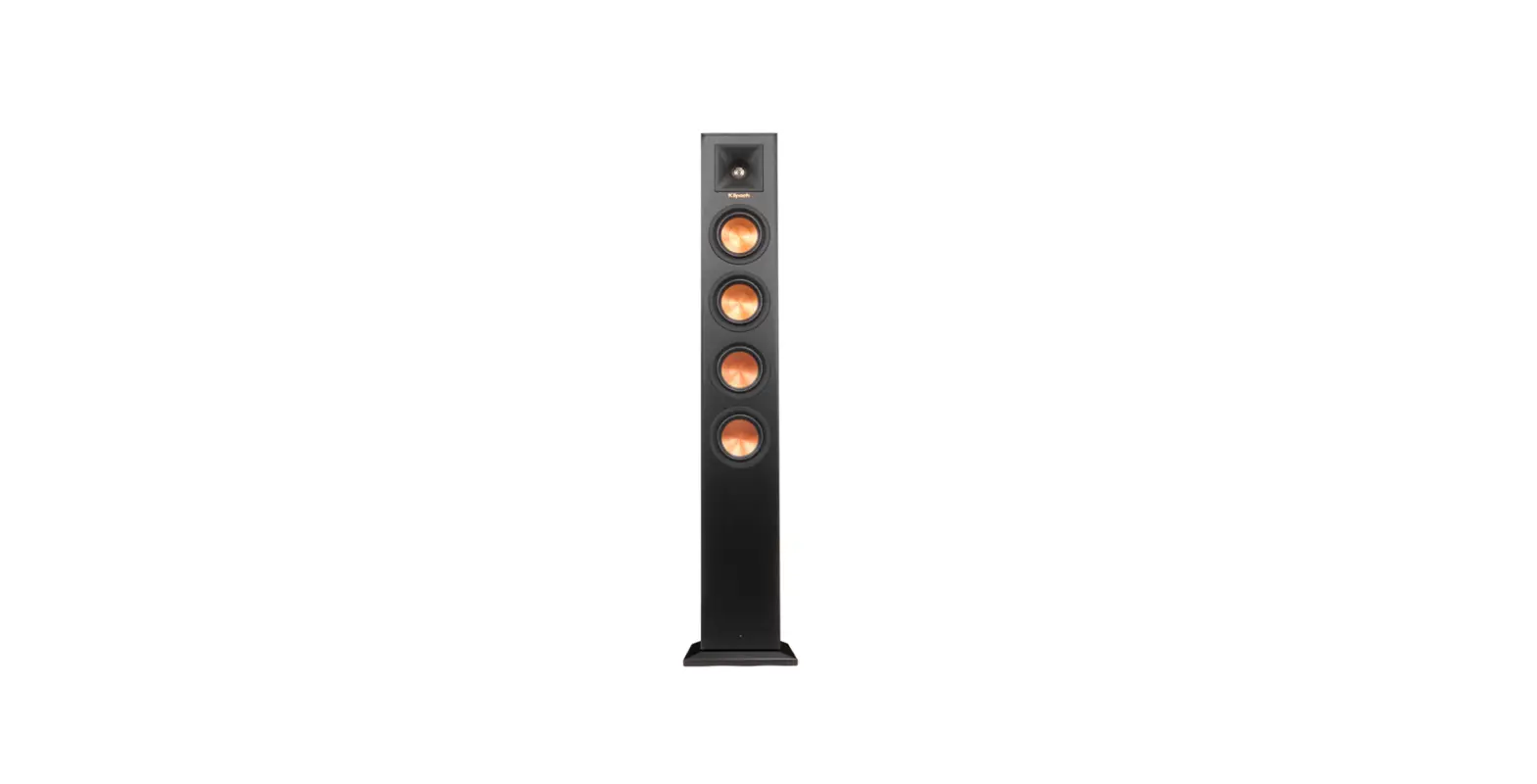

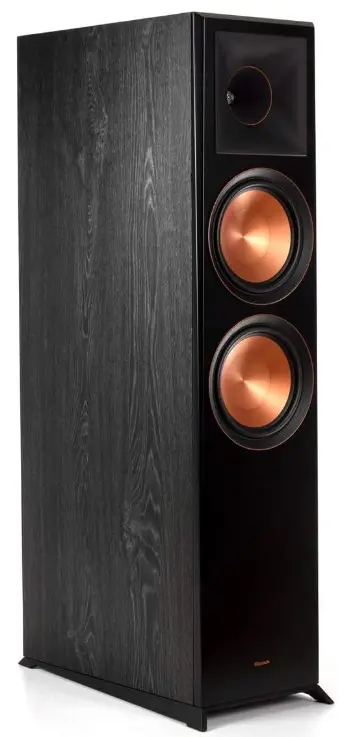
Klipsch RP 8060FA Dolby Atmos Floorstanding Speaker PRODUCT
REFERENCE
- the standard, the benchmark, the point used for comparison
- the embodiment of the legendary Klipsch sound
LOUD AND PROUD SINCE 1946
In 1946, Paul W. Klipsch revolutionized the audio industry by creating our proprietary horn technology and the acoustic principles that are the driving force behind our highly acclaimed signature sound. Today, we remain true to PWKs vision and pack the better part of a centurys worth of sweat and genius into every product we make. These speakers are the result of our obsession with that aural perfection. Experience the power, detail and emotion of Klipsch Reference Series. We are the Keepers of the Sound.
BEFORE YOU START
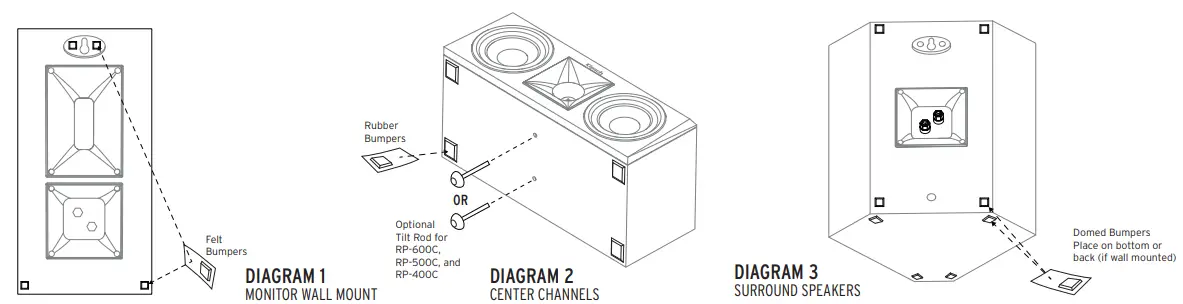
Some Klipsch® speakers have feet and other accessories that may need to be installed prior to use. Please refer to Diagrams 1, 2, 3 and 4 for installation.
ROOM PLACEMENT
Left and Right Main Channel Speakers
For optimum performance, Klipsch Group, Inc. (KGI) suggests placing your speakers 6 to 15 feet (1.8 to 4.6m) apart. They may also be toed-in slightly for better stereo imaging. The listening position should be about 1 to 1.5 times the distance separating the speakers. Refer to Figures 1 and 3 for connection and placement.
Center Channel Speakers
Center channel speakers are designed to place dialogue and primary sounds so that they appear to come from the video screen. The speakers should therefore be placed as close to the screen as possible, preferably directly on top of or below the screen. Refer to Figures 1, 2 and 3 for connection and placement.
Rear Surround Channel Speakers
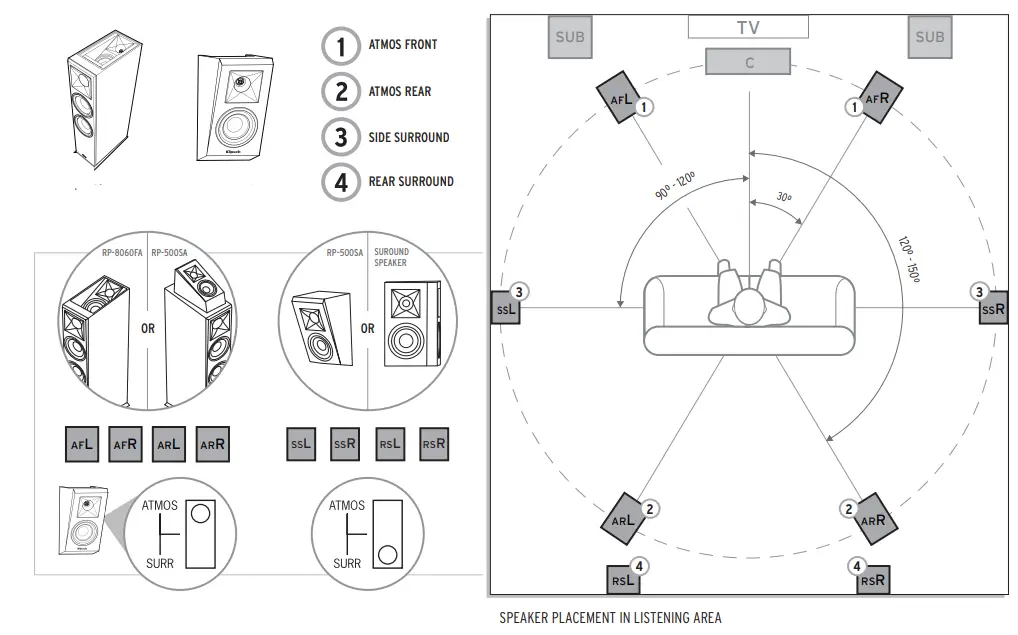
Klipsch WDST surround speakers should be placed approximately 2 feet above the listening position. Typically this will be about 5-7 feet above the floor. The surrounds should be placed on the walls directly adjacent to the listening position. Another option would be on the wall behind the listening position. The final surround speaker placement depends on your room’s characteristics. They are designed to recreate the sense of space and ambience that many of today’s surround sound technologies provide. Refer to Figures 1, 3 and 4 for connection and placement.
CONNECTION
Conventional Connection
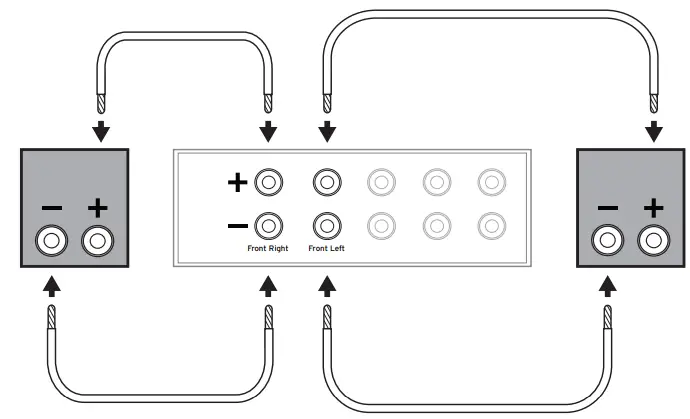
Using 16-12 gauge speaker wire, connect the RED “positive” (+) terminal of the LEFT speaker to the RED “positive” (+) terminal of your amplifier’s LEFT channel. Connect the BLACK “negative” (–) terminal of the LEFT speaker to the BLACK “negative” (–) terminal of your amplifier’s LEFT channel. Repeat this procedure for connecting all remaining speakers to the appropriate amplifier channels. Refer to Figure 3. Make sure that no bare wires from any of the connections touch any other terminals as this could cause a short and damage your equipment.
Reference Premiere are equipped with dual binding posts. If single wire connection is used, the terminal connecting bar should remain in place. If Bi-wire or Bi-amp connection is used, the terminal connecting bar must be removed. Please see your receiver’s manual for further instructions.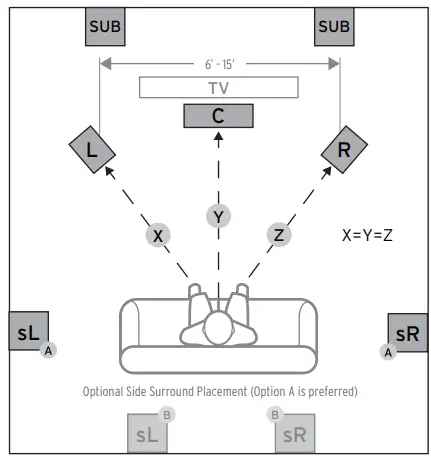
Amplifier Requirements
Klipsch speakers are highly efficient and will operate easily on a wide variety of amplifiers. All Klipsch speakers are 8-ohm compatible and can be driven to very high levels with low distortion. Due to the high output levels Klipsch speakers are capable of reproducing, exercise caution with the volume control. Excessive volume over long periods can permanently damage your hearing. Overdriving your amplifier could also damage your speakers. Check with your dealer or amplifier manual to make sure your particular amplifier is best suited to your application. We want you listening for a lifetime.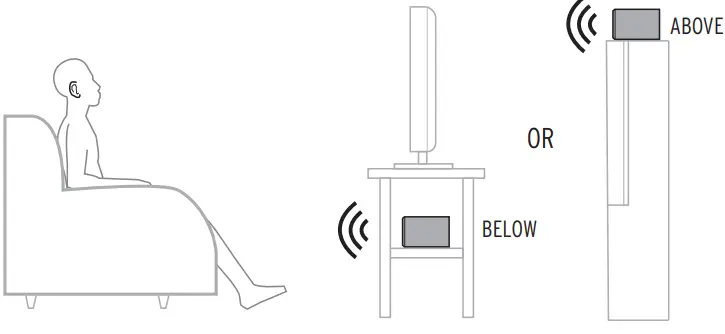
REFERENCE PREMIERE WITH DOLBY ATMOS® TECHNOLOGY
CONNECTIONS
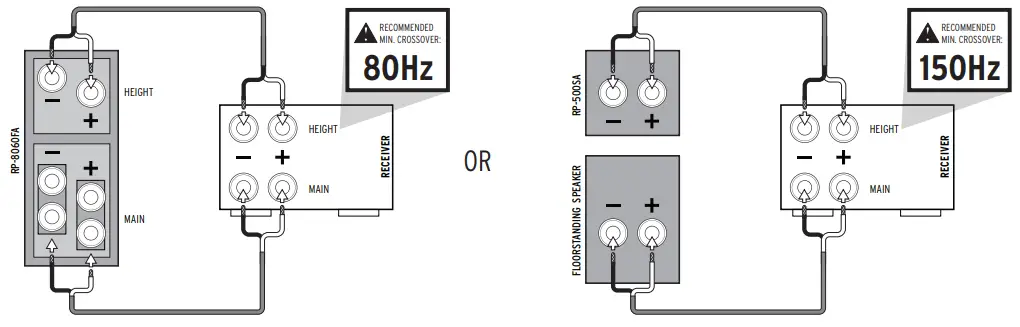
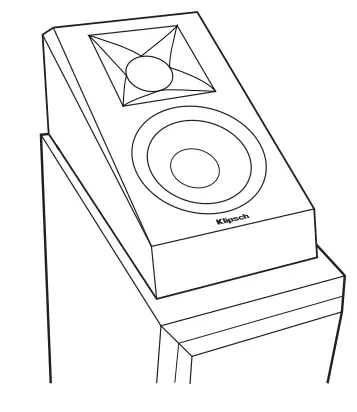
ELEVATION SPEAKER
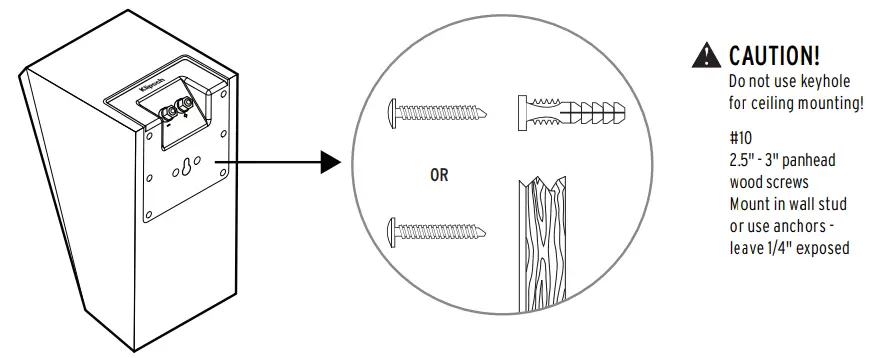
WALL MOUNTING
CARE AND CLEANING
The only thing you should ever need to do to your speakers is dust them occasionally. Never apply any abrasive or solvent-based cleaner or any harsh detergent. You can clean the grilles with the brush attachment of a vacuum cleaner.
PRODUCT REGISTRATION
Register your product online at www.klipsch.com/register
- Keep up-to-date on new products and promotions.
- Your personal information will never be resold.
- This registration information is not used for warranty purposes. Please retain your receipt for warranty claims.
FAQs
Two to three feet, roughly. The bass response will be more impacted by your proximity to the wall. The frequency response is inconsistent and the bass is boomy when the speaker is placed too close to a wall. The only real option is to shift them a few inches at a time until the sound is perfect.
The recommended power level for these speakers is 150W per channel into an 8 ohm load. To operate them safely, you’ll need at least 120W per channel into an 8-ohm load.
For more than 50 years, Klipsch has been a leader in the high-end speaker industry, and its products are renowned for their excellent sound, high quality, and dependability. Klipsch is a great option if you want to update your audio system.
In addition to providing soaring highs and thunderous lows, Klipsch floorstanding speakers add elegance to your home. They offer a powerful audio experience in a stylish package. Our premium full-range speakers offer strength and sound integrity that serious audiophiles will enjoy.
The left and right speakers must be positioned symmetrically to one another in order to maximise the soundstage and create the most dimensional sound. The audience should be at least as far away from each speaker as the distance between them, which is often six feet or more.
The primary viewing/listening position should be in an equilateral triangle, with the left and right front speakers placed with a same distance from the screen and at least six feet apart. Some toe-in can be favoured to improve the experience even further.
The right amp is still necessary, but all speakers must be powered. Klipsch makes the greatest amplifier for the job, regardless of the speakers you need to power.
Connect an HDMI cable to the sound bar’s HDMI input. Connect the other end of the cable to the TV’s HDMI-ARC connector. The HDMI input on the TV needs to be linked with HDMI cables.
Large, open spaces benefit greatly from the room-filling sound produced by floorstanding speakers. They are a fantastic fit for you, allowing you to utilise them when watching television, movies, or music videos.
Speakers on shelves have more vivid imagery. Floorstanders often give a more comprehensive audio experience for music and are suitable for use as the front channels in home theatre systems due to their stronger bass response. Floorstanders typically produce a larger soundstage.
A subwoofer is not necessary for floorstanding speakers, and they can function quite fine without one. However, if you want to hear a deep bass that is strong and dramatic, a subwoofer is required. With a subwoofer, you can actually hear the bass instead of just hearing it via your floorstanding speakers.
Floorstanding speakers, often known as tower speakers, are set on the floor or an attached outrigger-style platform, as the name suggests. These people are three feet and seven inches tall and wide on average. There are nine inches to two feet of depth.
In order to power them, floorstanding speakers require amplifiers. They can be quite demanding when it comes to amplifier power requirements because they produce such high volumes. The good news is that finding an amplifier that will give a speaker enough power is not difficult.
Although they can also be utilised for surround in the back, floor-standing speakers are most typically employed at the front. Tower speakers, also known as floor standing speakers, have a number of benefits to offer.
The distance between your speakers and the closest wall should be at least two to three feet. By doing this, sound reflections will be reduced, which will improve playback quality. the speaker’s standing position (toe-in). Particularly, direct your speakers at the space just behind the listener’s head. To do this, angulate your speakers inward.