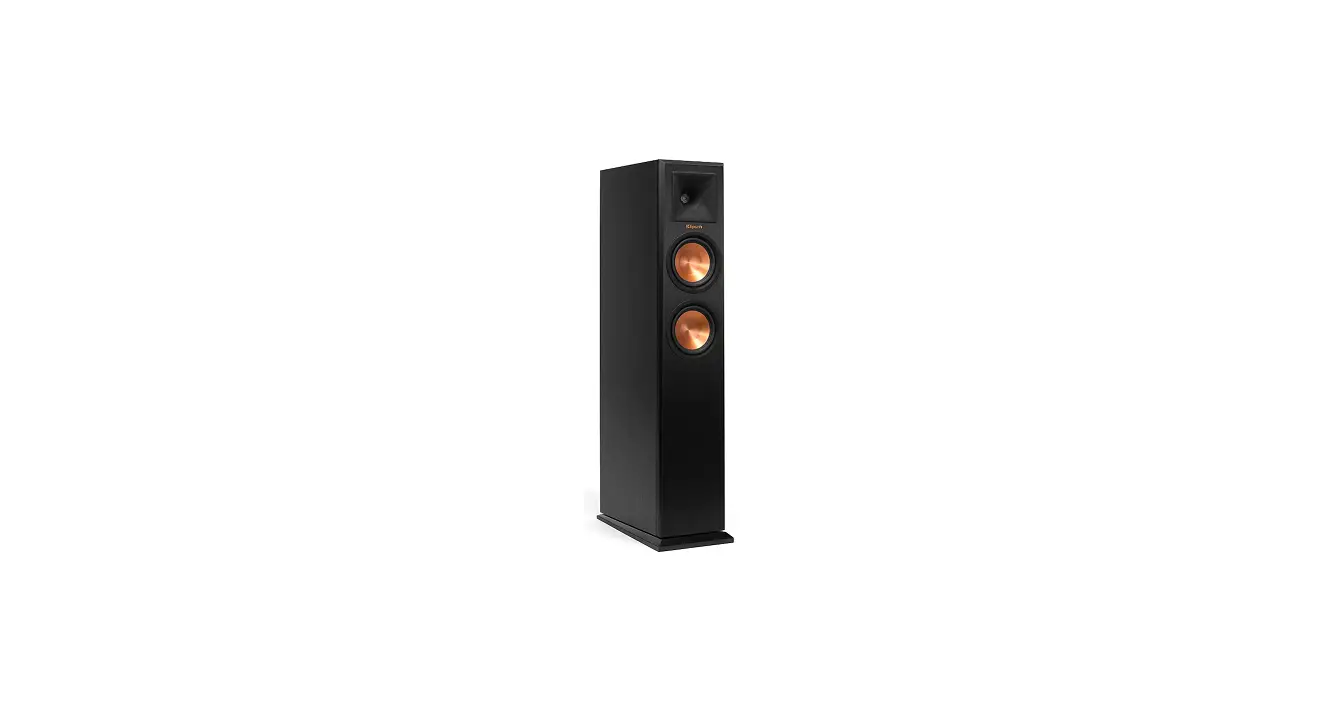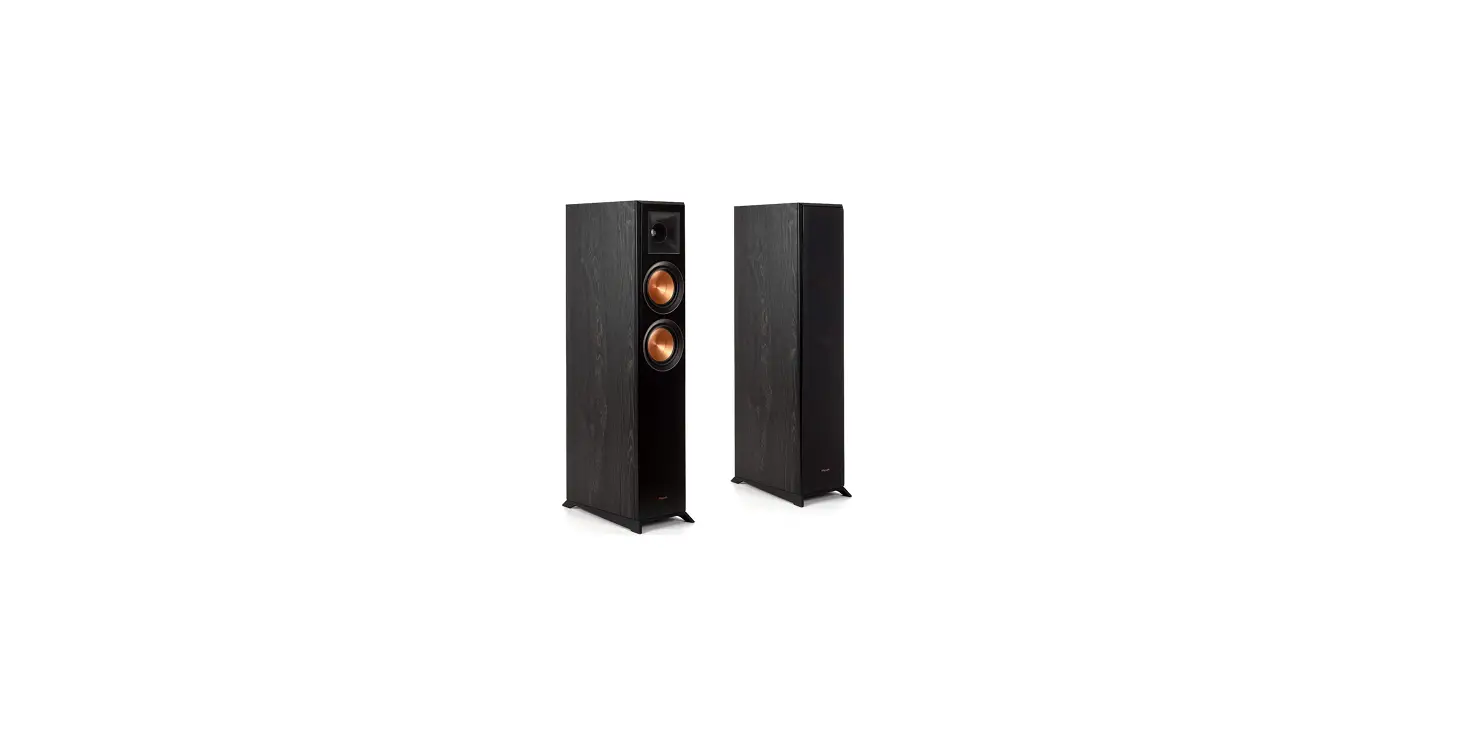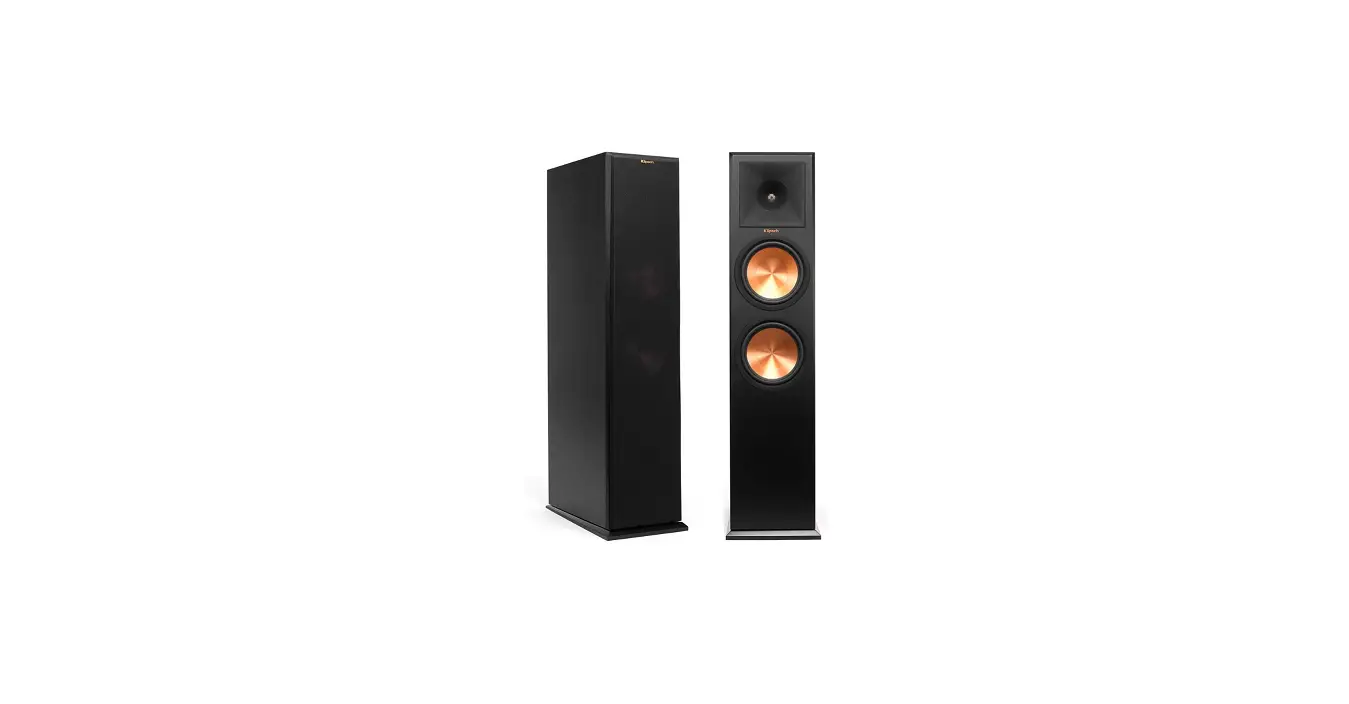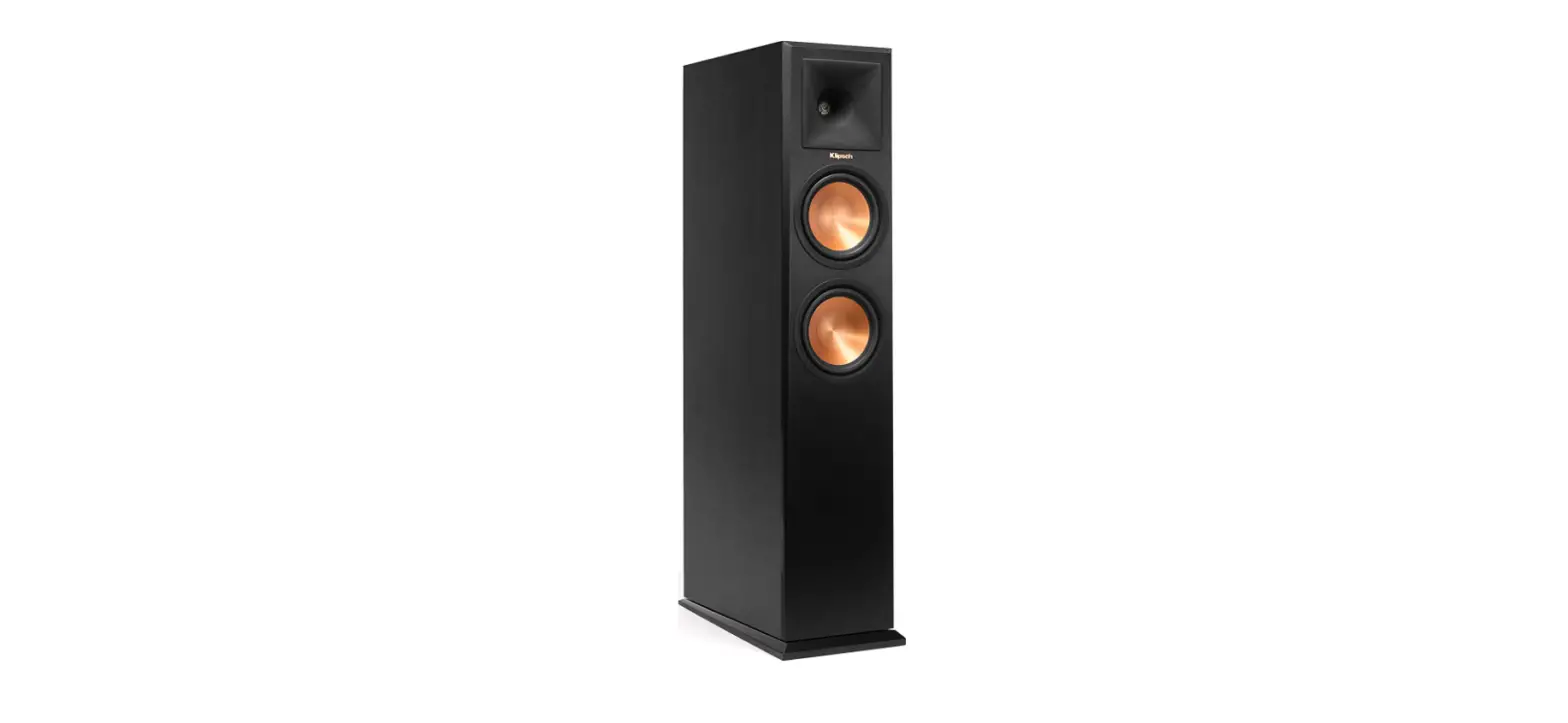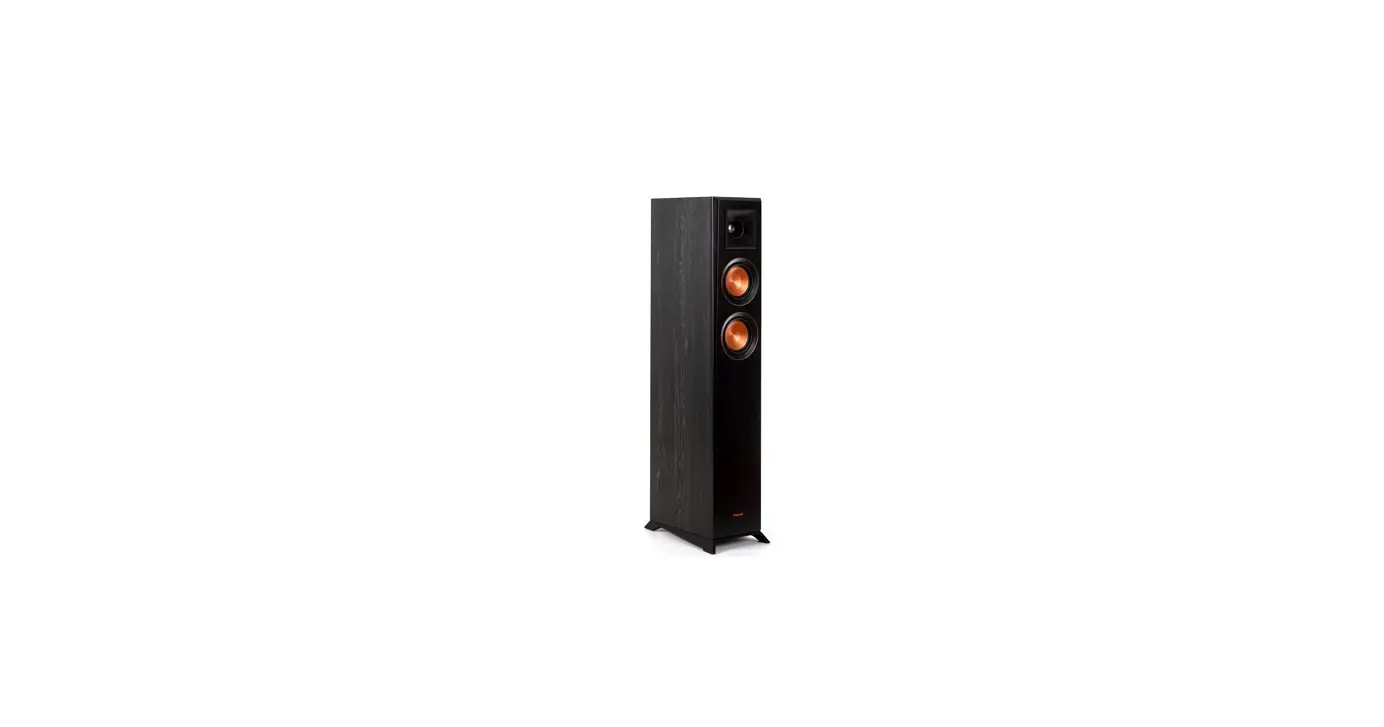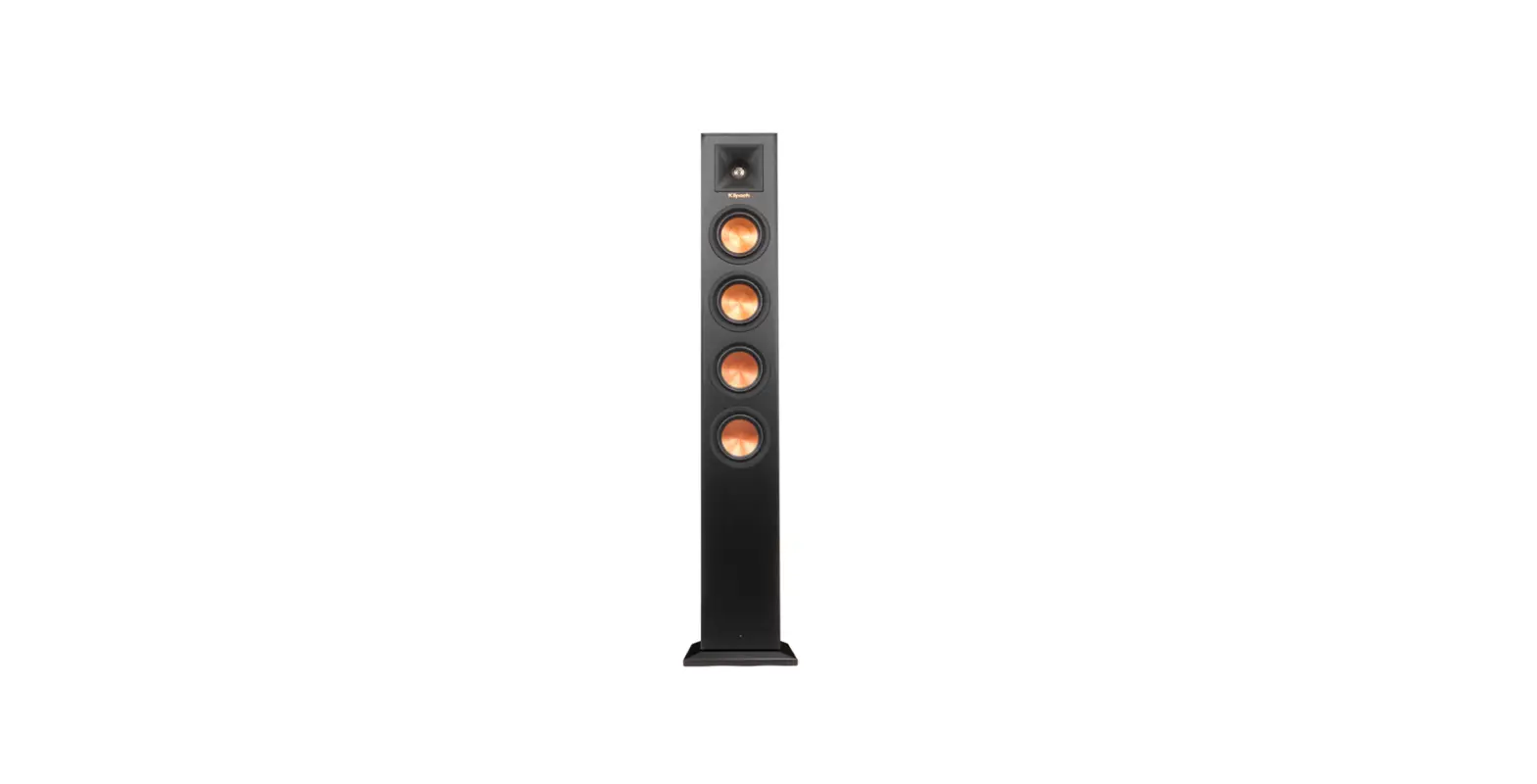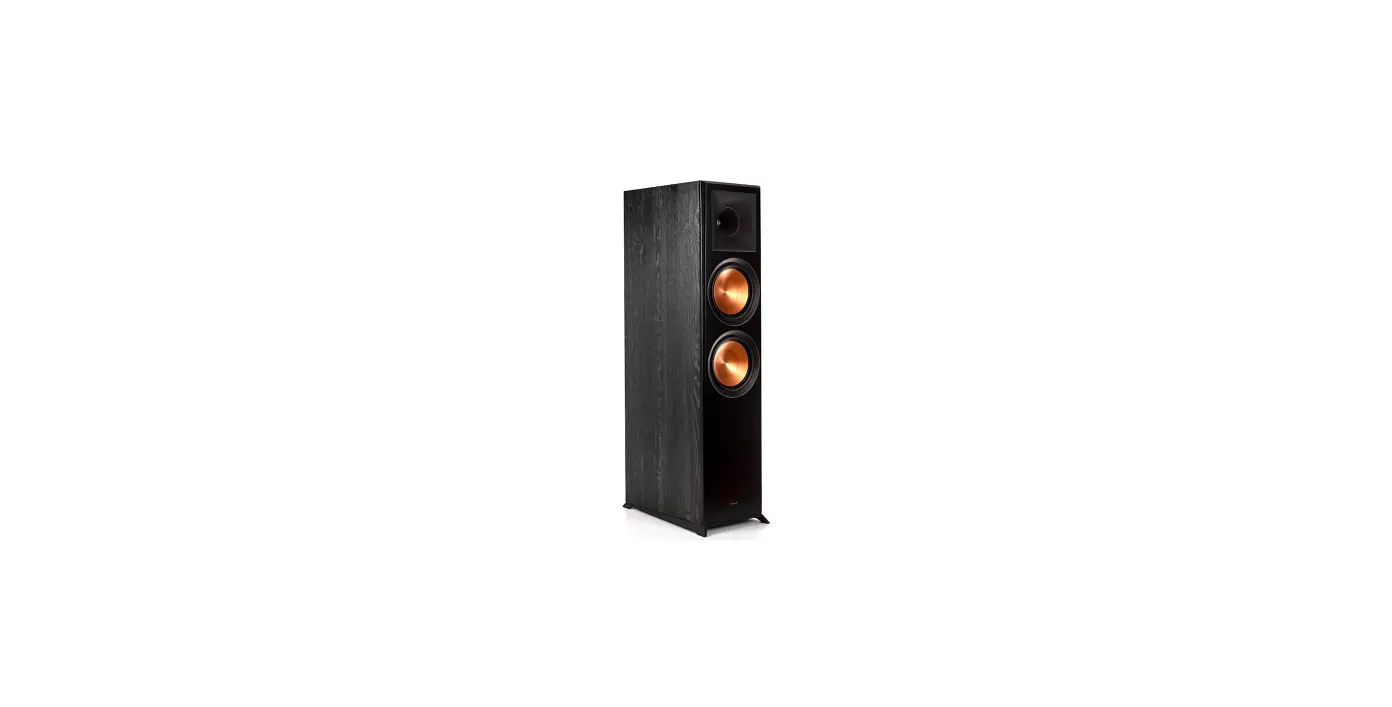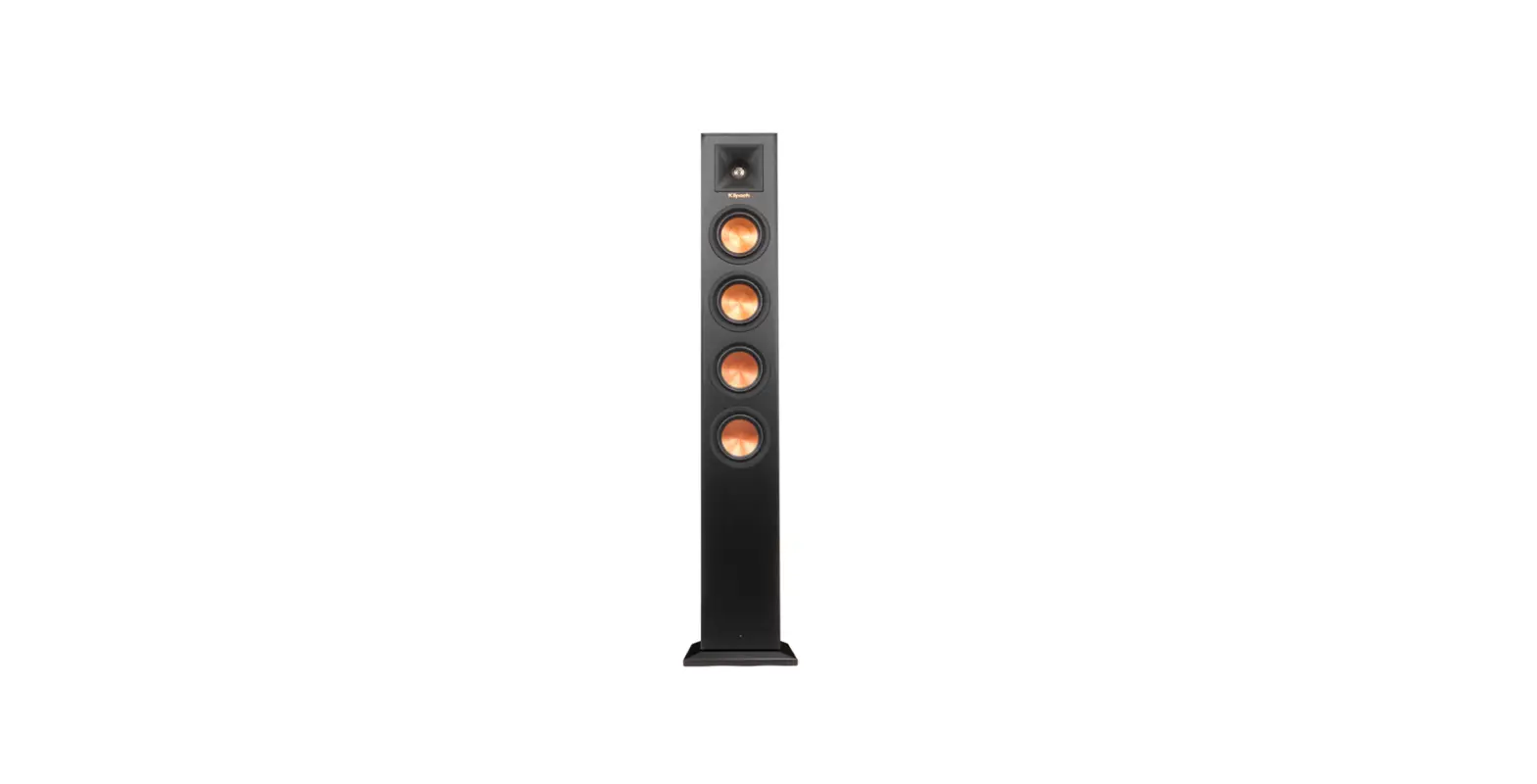

Klipsch RP-440WF Wireless Floorstanding Speaker
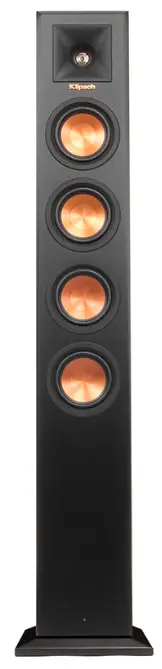
REFERENCE PREMIERE | HD WIRELESS
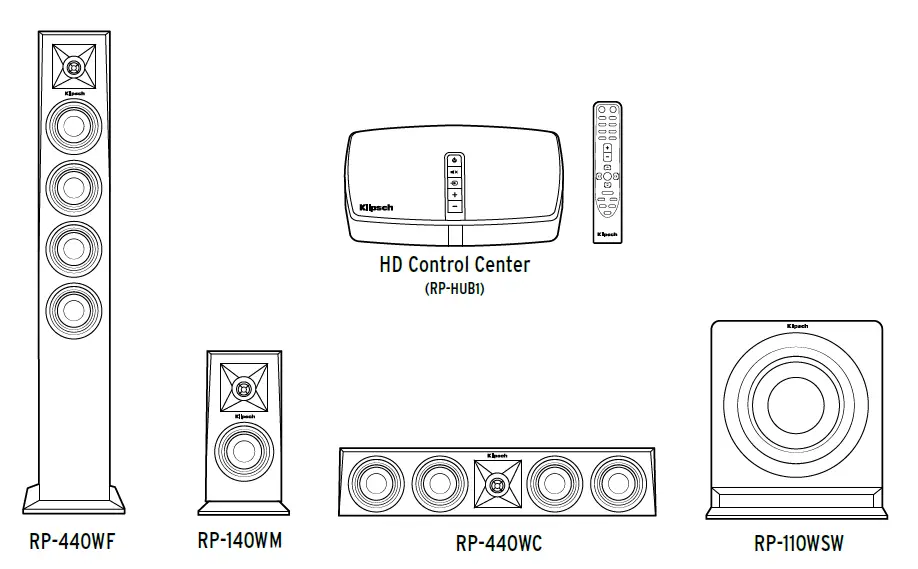
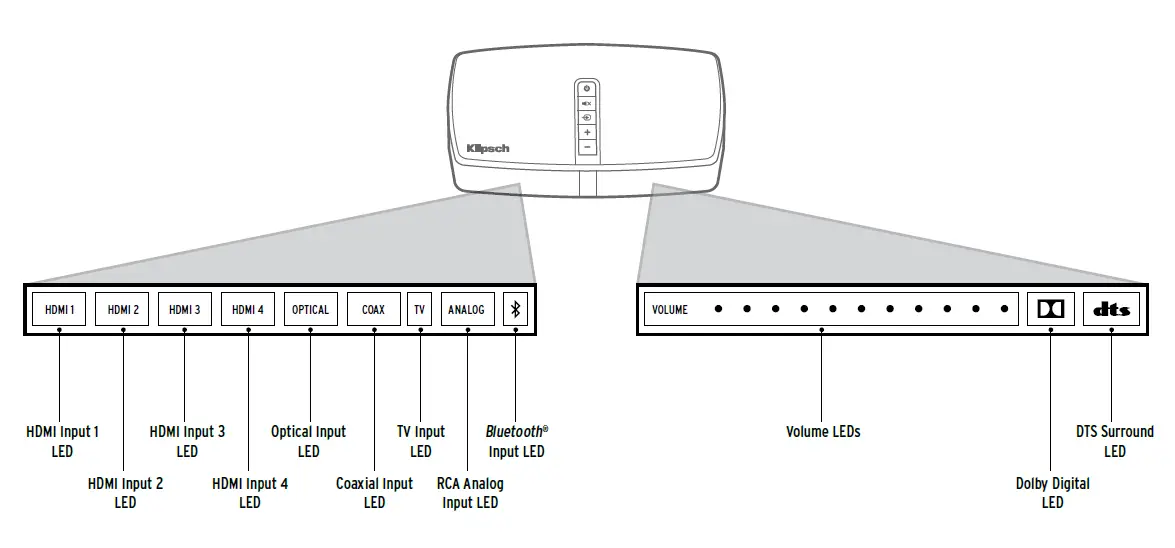
HD CONTROL CENTER
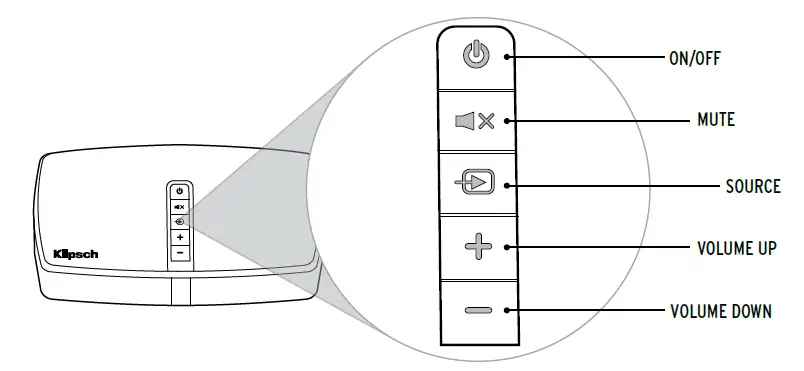
- ON /OFF
- MUTE
- SOURCE
- VOLUME UP
- VOLUME DOWN

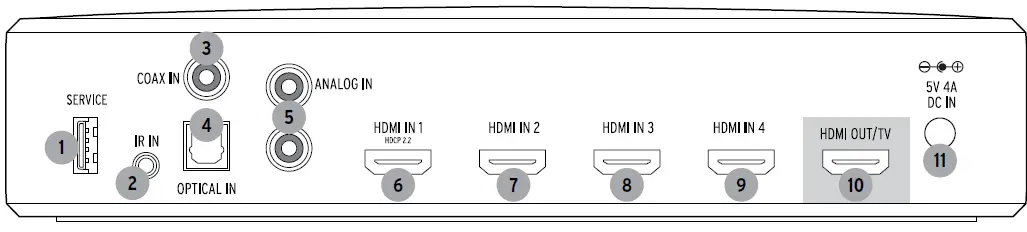
- Service Port
- 3.5mm IR Input
- Coaxial Input
- Optical Input
- RCA Analog Inputs
- HDMI Input 1
- HDMI Input 2
- HDMI Input 3
- HDMI Input 4
- HDMI OUT / TV
- Power Input DC 5V
HD CONTROL CENTER
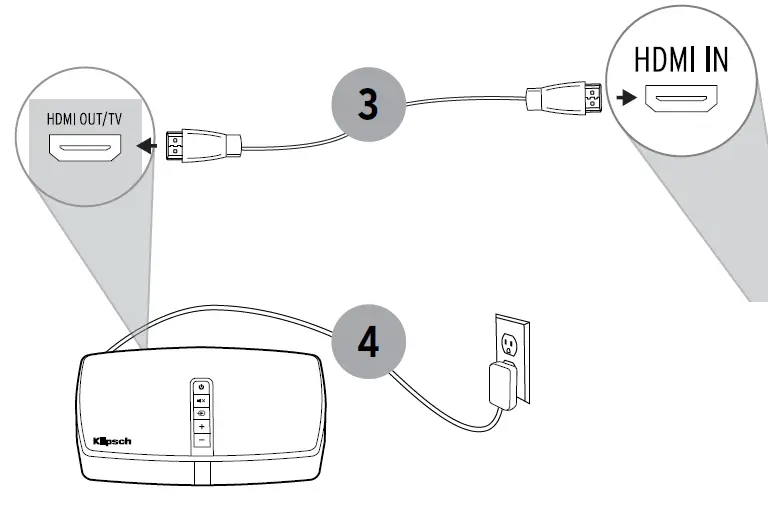
SETUP
INSTALLATION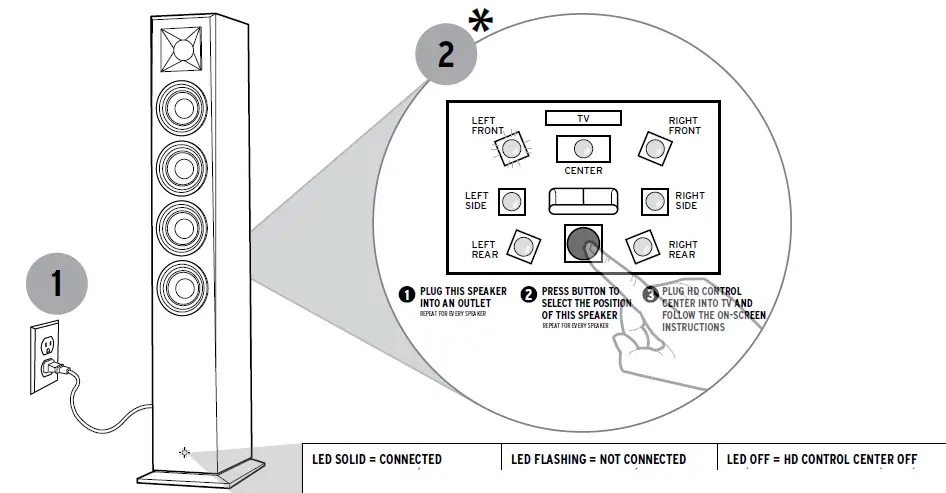
REMOTE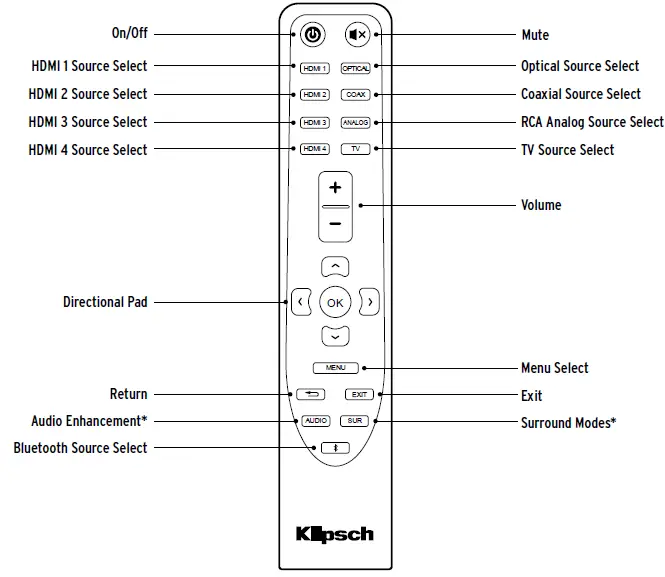
To learn more about Sound Modes, EQ Adjustments, and Surround Effect Modes please see the extended manual at Klipsch.com/RP-HD-WIRELESS-MANUAL
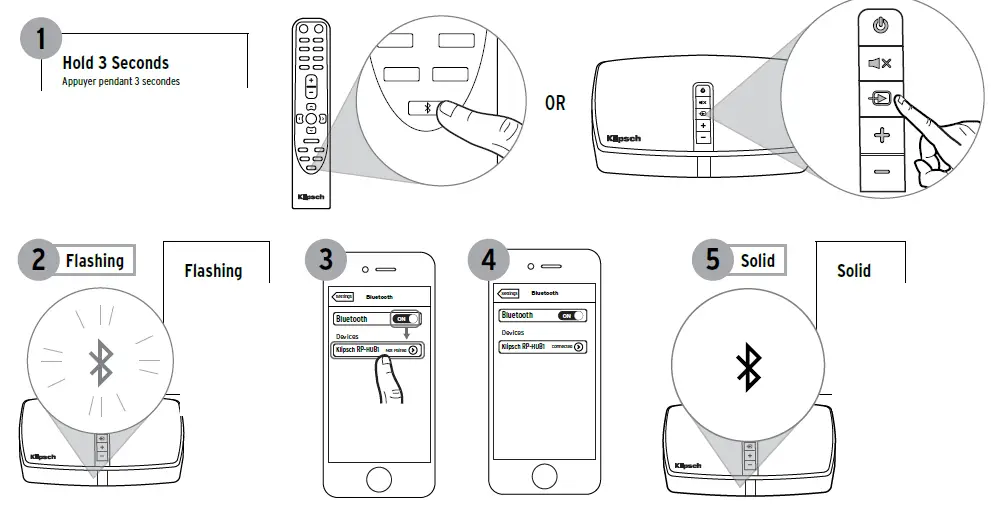
BLUETOOTH ® WIRELESS TECHNOLOGY
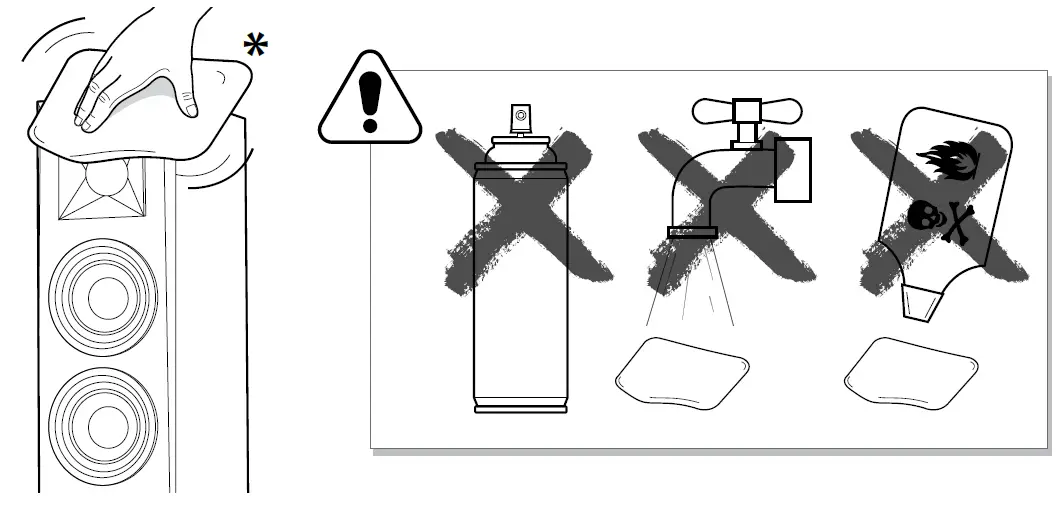
CARE AND CLEANING
For more in-depth information and troubleshooting, instructions visit KLIPSCH.COM/RP-HD-WIRELESS
FAQS
Can i add klipsch elevation speakers to the system through wired connection?
No, Klipsch’s HD Wireless Control Center which is used with the RP-440WF’s does not have any speaker wire connectors, it only accepts inputs from audio sources (HDMI, Coaxial, Optical, etc)
Only the wireless sub made for this system will work with the system
You can add WiSA speakers up to a 7.1 to the RP-HUB-1,
Like the other two answers, it my understanding you can add another subwoofer.
No these connect to the rsb 14 soundbar
This RP-440WF isn’t something you could just connect a mixer to directly and get sound amplified so I’m not sure if this is what you are looking for. This is a WiSA speaker used with that technology for a wireless home theater speaker systems that involves use of a HUB or device that can transmit the audio to each of these in that system
You will need a stand alone HUB like the RP-HUB-1 or a TV that has the WiSA hub technology built in to transmit to these speakers
I don’t believe so. But I bought the Hd control center as well. Very easy to set up. If you get the RP non wireless speakers it may work. I would call Klipsch. Ask for Jason he knows all about the wireless system.
In the world of speakers, the best audio quality generally comes from floorstanding speakers. Their large size and amplified drivers not only allow them to get louder and more powerful than other speakers, but they deliver richer, more powerful sound
Imaging is superior with bookshelf speakers. – Floorstanders typically have better bass response and so are better as the front channels in home cinema systems and offer a more well-rounded sound for music. The soundstage is usually larger with floorstanders
Try to get about 4 feet of separation for bookshelf speakers or 8 feet for floorstanding speakers. If your speakers are too close, sounds will blend together and become muddy. If they are too far apart, there will be a gap between the two halves of the stereo image (more on this later).
Tower speakers produce good bass on their own, therefore most do not need a subwoofer. However, if you want to experience deep, room-shaking bass, a subwoofer would be a smart addition to your system. With a subwoofer, floorstanding speakers will give their best performance in the mid and high-range frequencies.
No matter how they look, floor-standing speakers deliver great and rich sound that is actually the closest to full-range sound that home speakers can get. They are powerful, they have amazing output capability, and thanks to their sensitivity, they can be extremely loud.
But they are harder to place, cost more, and often are overkill in most rooms. But, if you are going to need more bass and greater output, you are going to need it from your front left and right speakers
Tower speakers are generally more sensitive and hence able to produce more volume than desktop speakers, so if you’re looking to crank it up and blast the neighbors away, you’re probably better off with tower speakers.