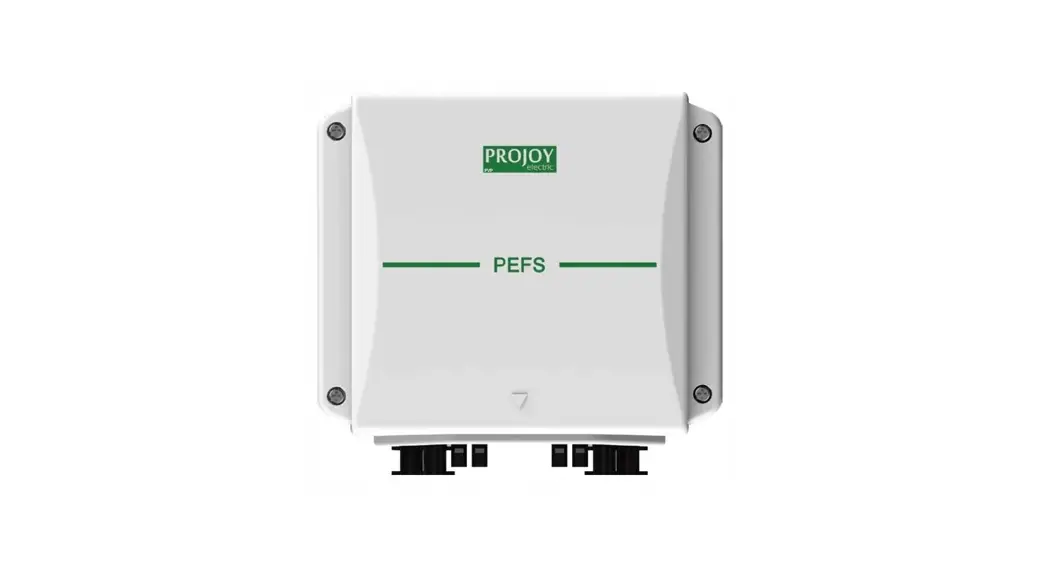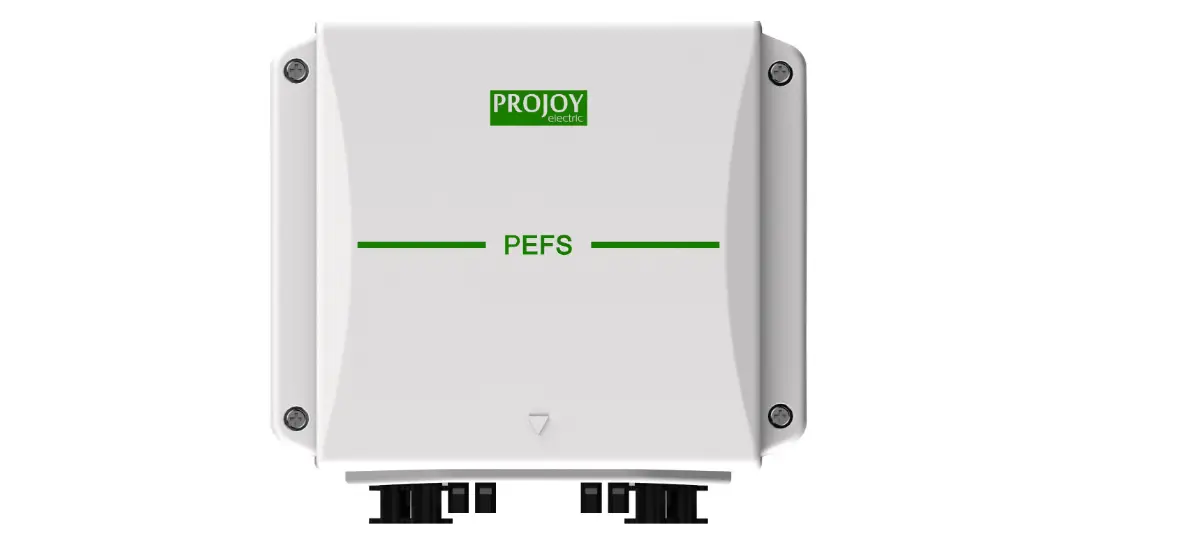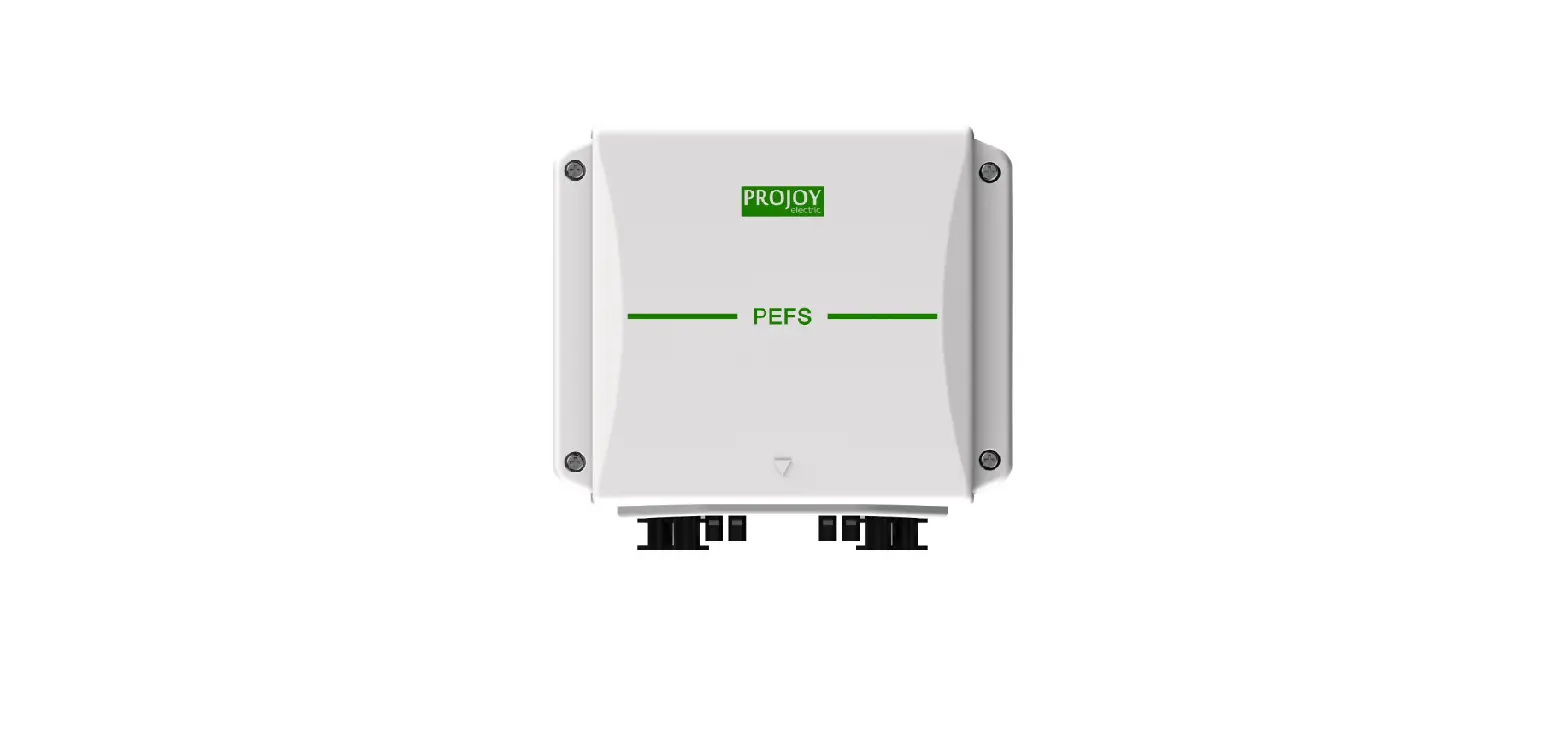

PROJOY Pefs Firefighter Safety Switch 
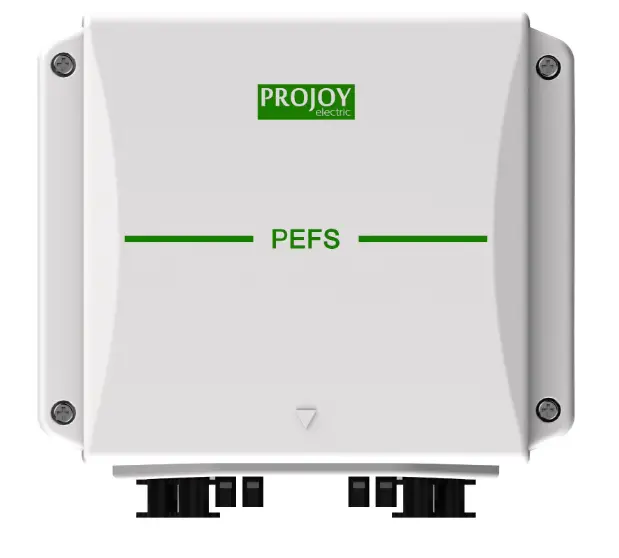
General Notice
- Changes or modifications not explained/approved in this manual voids your authority to operate this equipment.
- PROJOY shall not be held responsible for any damage caused due to incorrect installation of the product and/or the misunderstanding of this manual.
- PROJOY reserves the right to make any modification to this manual or the information contained herein at any time without notice.
- No design data such as sample pictures provided in this manual may be modified or duplicated except for the purpose of personal use.
- To ensure the recycling of all possible materials and proper disposal treatment of compo-nents, please return the product to PROJOY at end-of-life.
- Check the system regularly (once per 3 months) on faults.
Important Safety Precautions
Components in the installations are exposed to high voltages and currents. Follow these instructions carefully in order to reduce the risk of fire or electric shock.
The following regulations and standards are considered applicable and mandatory to read prior to the installation of electrical equipment:
- International Standards: IEC 60364-7-712 Electrical installations of buildings-Require-ments for special installations or locations-Solar Photovoltaic (PV) power supply systems.
- Local building regulations.
- Guidelines for lightning and overvoltage protection.
Note!
- It is essential to uphold the limits for voltage and current in all possible operating conditions. Also keep in mind the literature on correct dimensioning and sizing of cabling and compo-nents.
- The installation of these devices may only be performed by certified technical personnel.
- The wiring schematics of the Firefighter Safety Switch can be found at the end of this manual.
- All the installation works should be tested in accordance with relevant local legislation at the time of installation.
Intended Use of the Firefighter Safety Switch
The Firefighter Safety Switch (PEFS) has been especially developed as a safety device for direct current (DC) photovoltaic installations. The DC disconnect switch is used to discon-nect the connected strings of the installation in case of an emergency situation. Such an emergency situation could be in case of fire.
Location of the Firefighter Safety Switch
The PEFS needs to be placed as close to the solar panels as possible. Due to its enclosure, the switch is protected against external influences like dust and moisture. The whole set-up is conforms to IP66 which makes it suitable for outdoor usage when needed.
Normal operation:
The PEFS will automatically switch to the off position, breaking the DC connection between the solar panels and the inverter, after the AC power to the PEFS is interrupted for longer than five seconds. The PEFS will automatically switch to the on position, restoring the DC connection between the solar panels and the inverter, once the AC power to the PEFS is restored longer than five seconds.
Special Operation
If the temperature inside the PEFS enclosure exceeds the 70℃, the PEFS will automatically switch to OFF to protect the internal components and create a safe situation. When the installation is checked and the PEFS is not affected, the PEFS can be switched ON again
by removal and re-applying the AC voltage to the PEFS. The PEFS will also automatically switch to OFF if there is an internal failure. If this occurs please try to reset the PEFS by removal and re-applying the AC voltage to the PEFS.
WIRING OPTIONS
- Kit with cable glands

- Kit with pre-wired MC4.

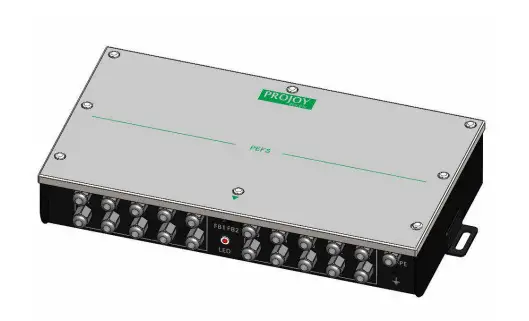
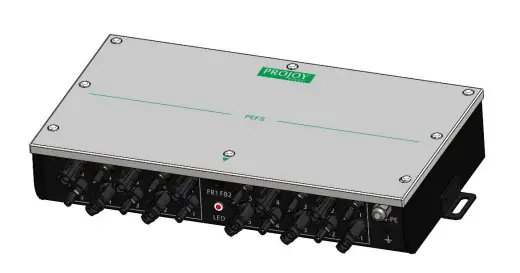
INSTALLATION
- Installation Requirements
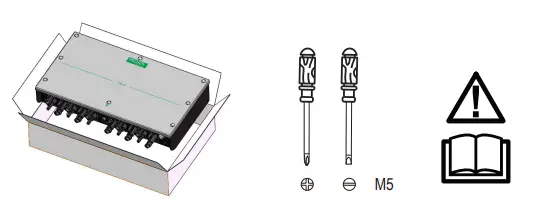
Open the box, take out PEFS, read this manual, and prepare cross/straight screwdriver.
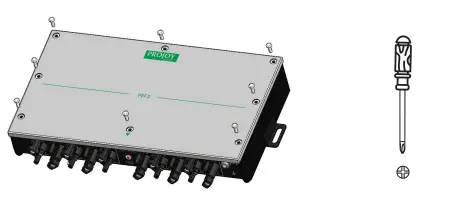
- Remove the lid from the enclosure.
Remove the 8xM5 screws with cross screwdriver, open the lid.
- Mount the switch enclosure on the wall.

- Wire the power AC connection to the terminals.
 Note: FB1, FB2 are used to remotely display the on and off states of the switch. When the switch is closed,FB1 is connected to FB2; when the switch is open,FB1 is disconnected from FB2.
The enclosure needs to add a M12 cable gland if the remote display function is needed.
Resistor is selected according to supply voltage, to ensure circuit current less than the rated current of the Indicator light and <320mA - Wire the string cables to the interface.

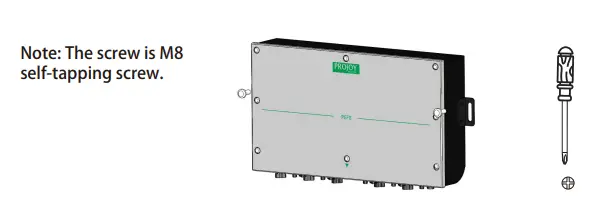
Note: Please follow the marks (+, – ) for PV wiring. Remove the screw
Wire the string cables (DC) to the switch.  Close the switch enclosure with cross screwdriver.
- Test
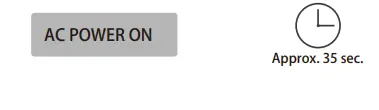
- Step. Activate AC power circuit. PEFS switches on.

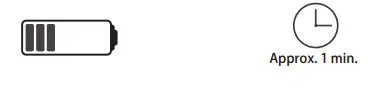
- Step. Wait one minute. UPS is charging.

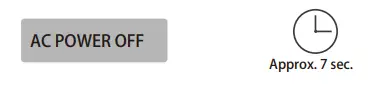
- Step. Deactivate AC power circuit. PEFS will switch off in about 7 seconds.
Red LED light off.
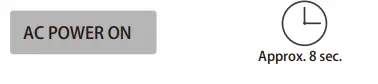
- Step. Activate AC power circuit. PEFS switches on in 8 seconds.
Red LED light on.
- Step. Test is completed.
- Step. Activate AC power circuit. PEFS switches on.
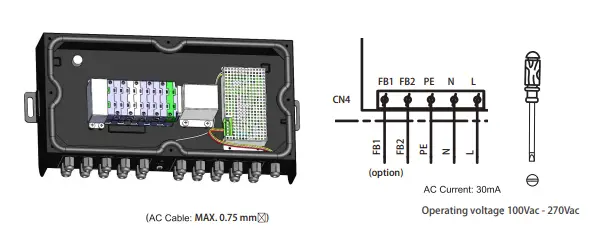 Note: FB1, FB2 are used to remotely display the on and off states of the switch. When the switch is closed,FB1 is connected to FB2; when the switch is open,FB1 is disconnected from FB2.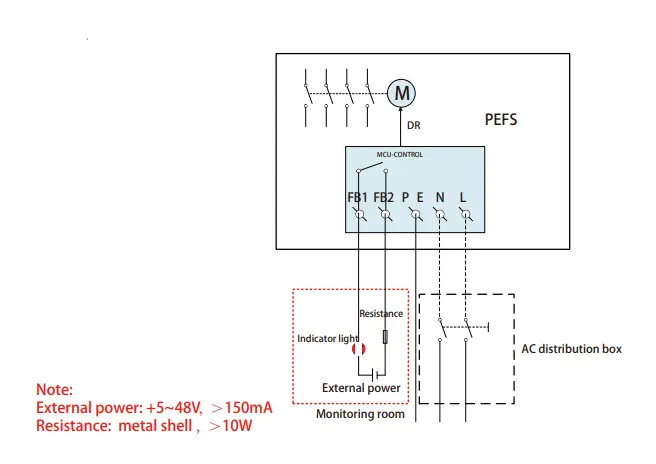
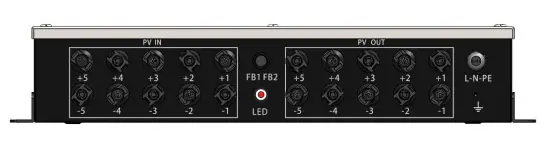
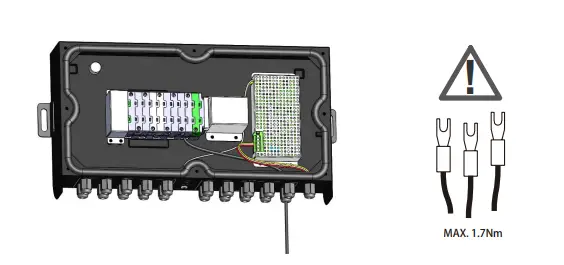 Remove the screw
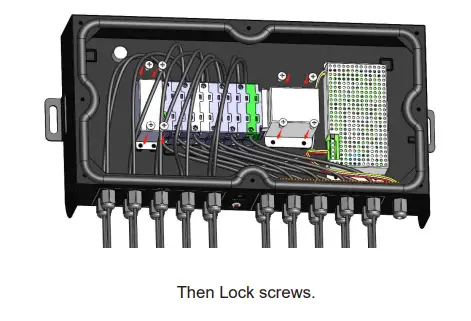 Close the switch enclosure with cross screwdriver.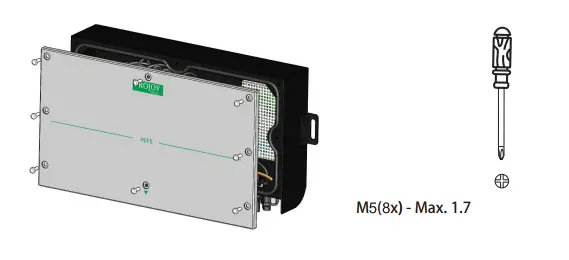
Projoy Electric Co., Ltd.
Tiancheng Times Business Plaza, Xiangcheng District , Suzhou, China Tel : +86 512 6878 6489
Fax: +86 512 6878 6489
Web: www.projoy-electric.com
E-mail: [email protected]
 Electric | The Largest Consumer Energy & Renewables Platform
 专业的光伏直流开关、隔离开关、光伏断路器供应商 - 苏州普兆新能源设备有限公司(普兆电气)