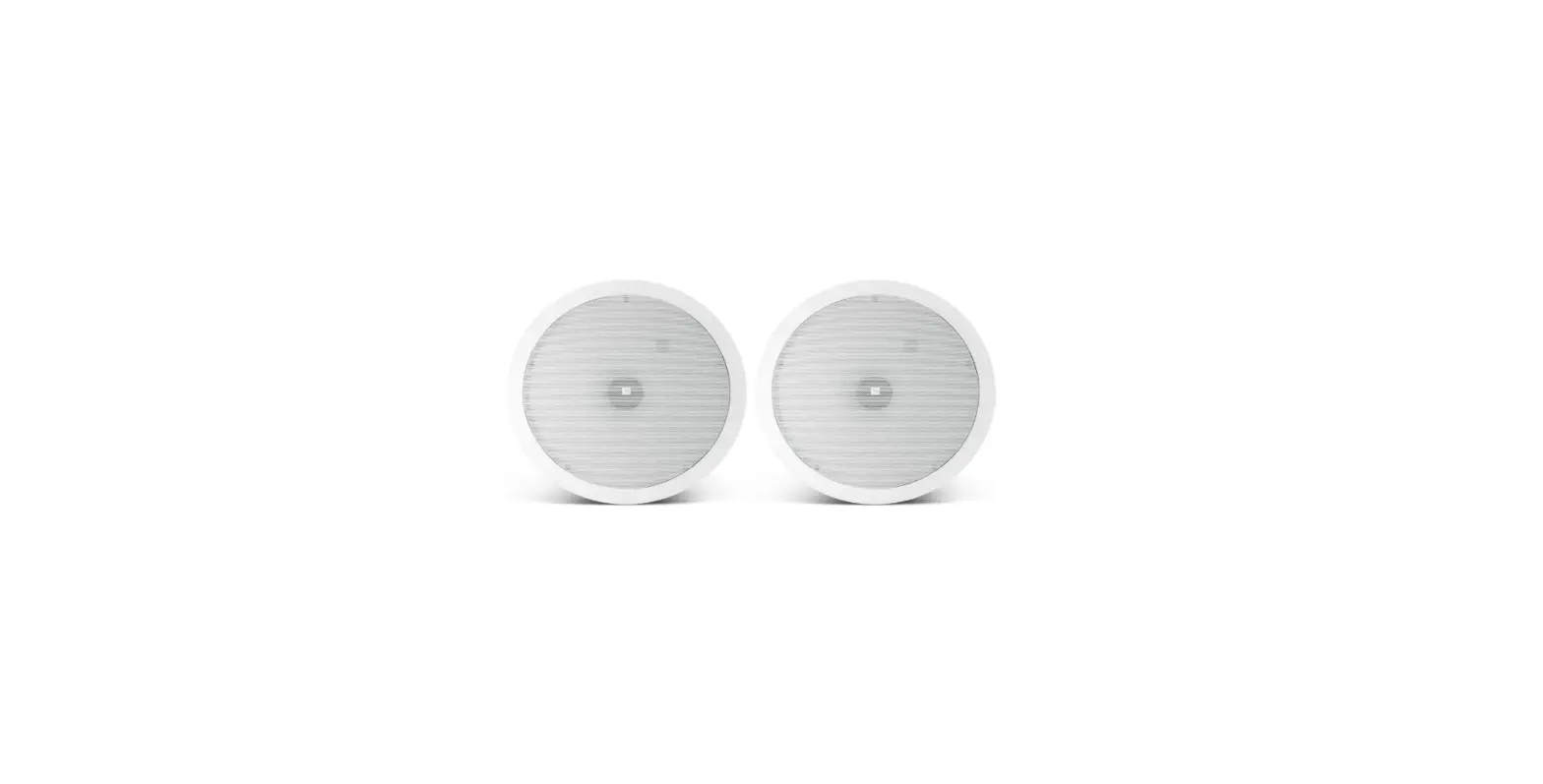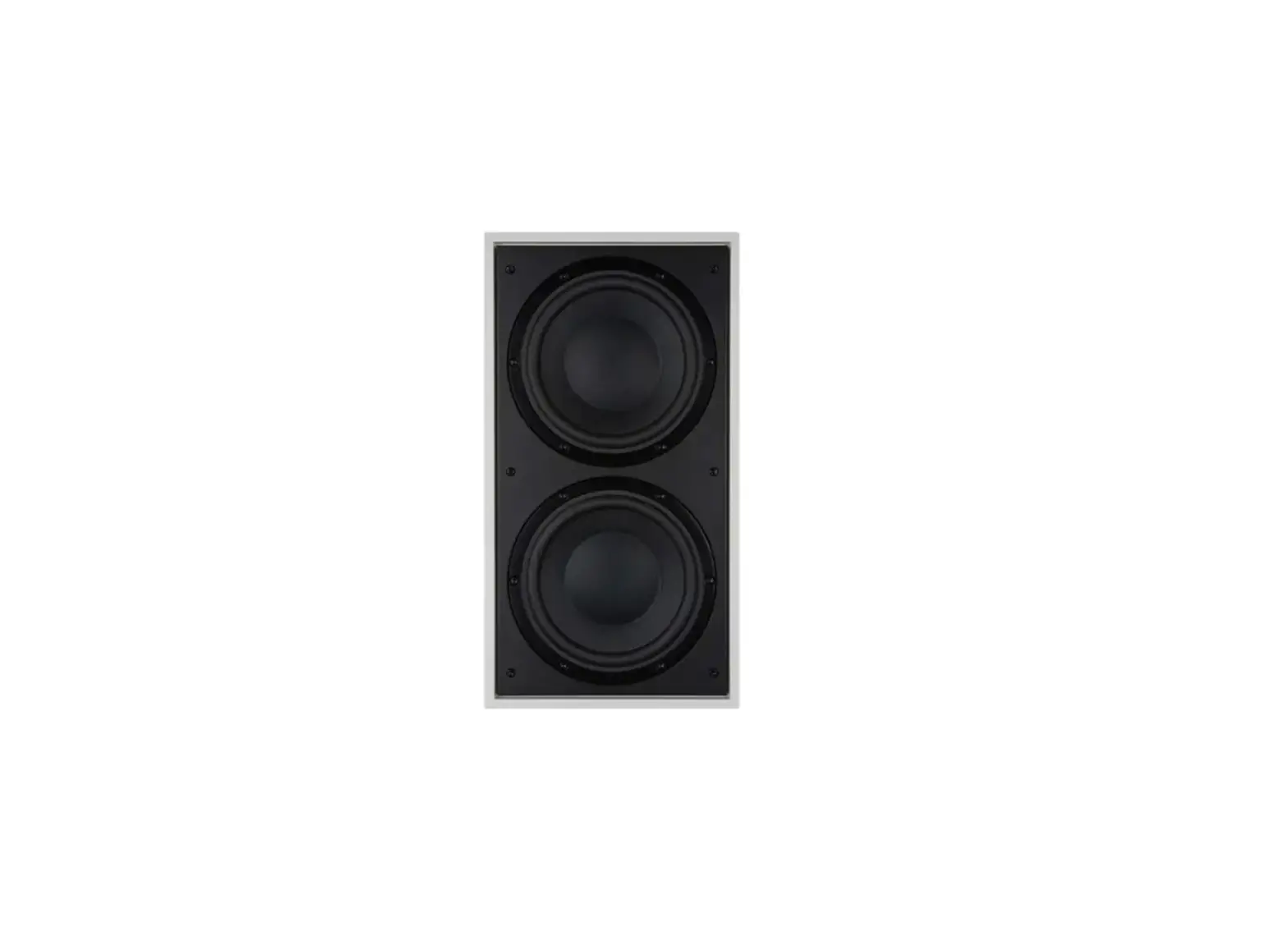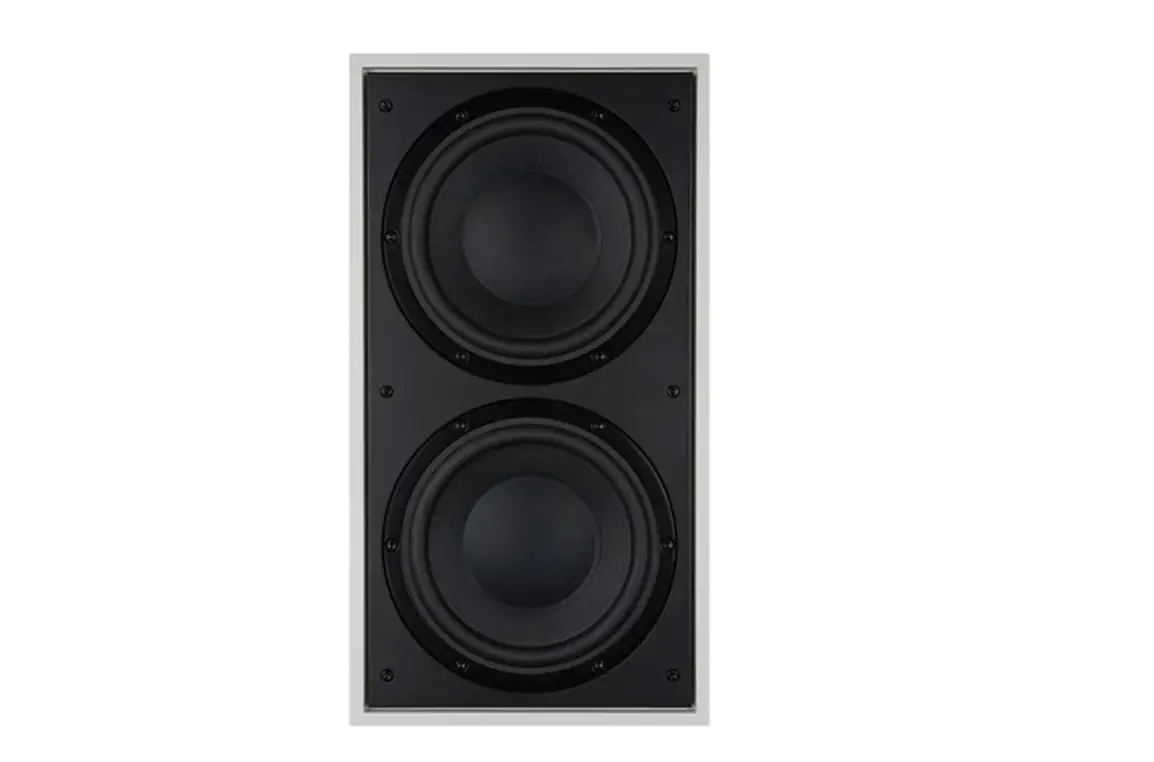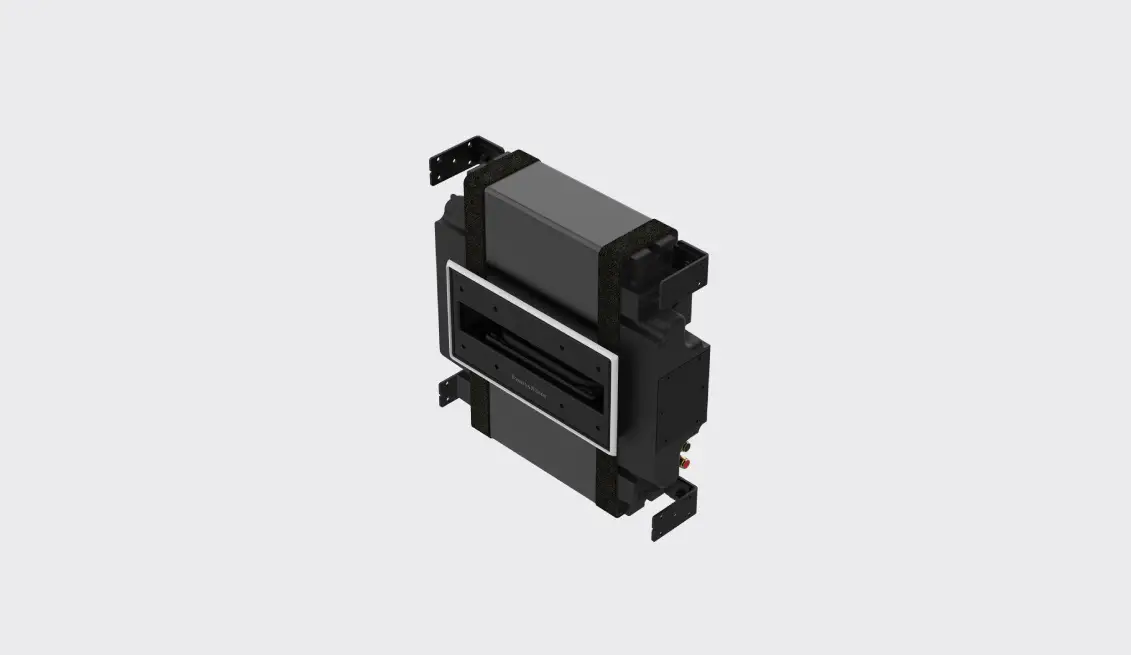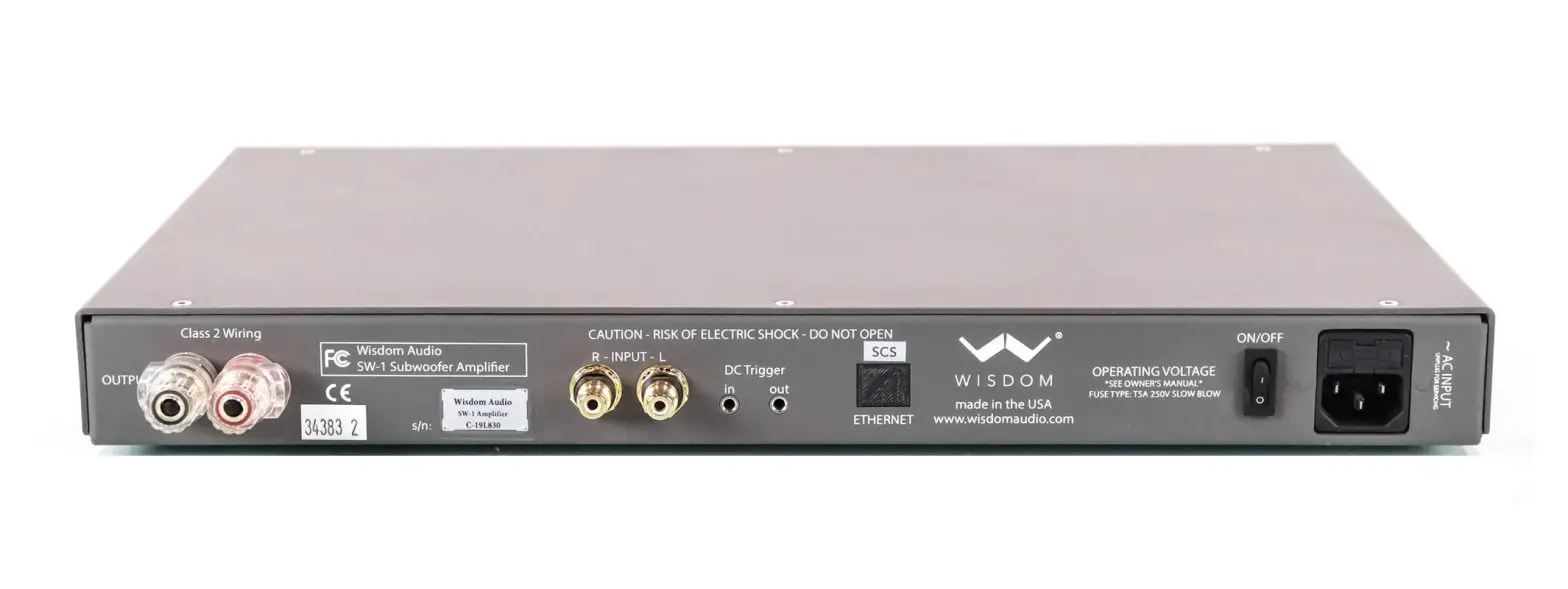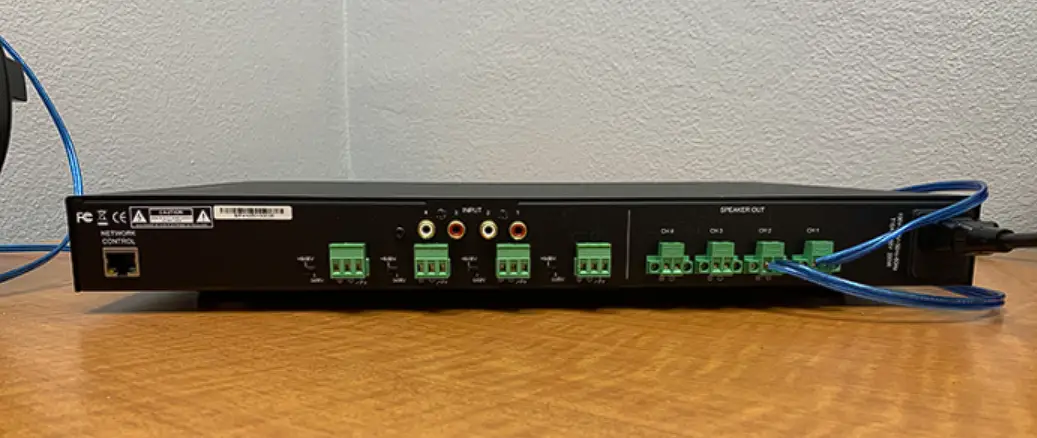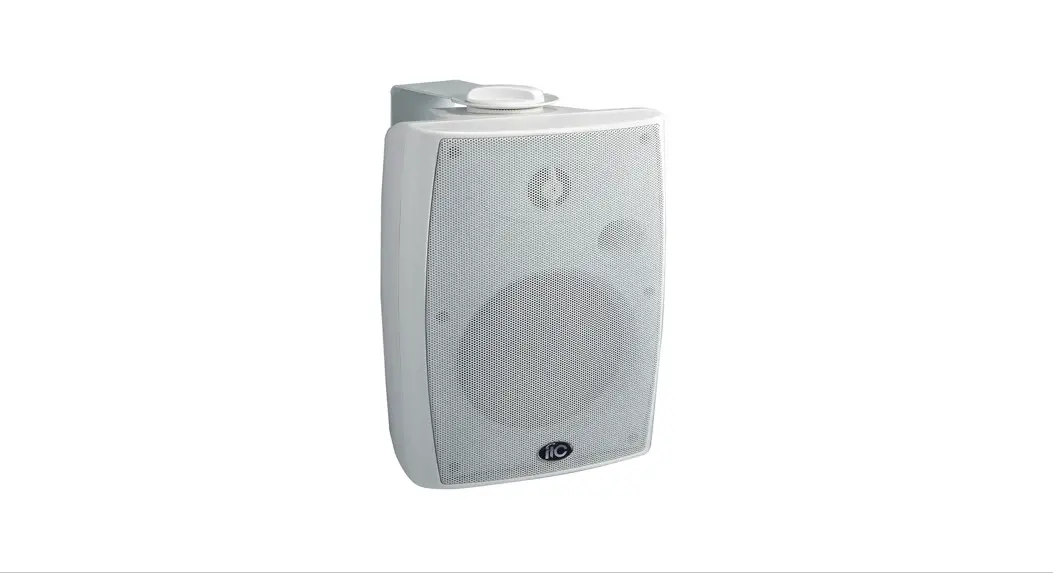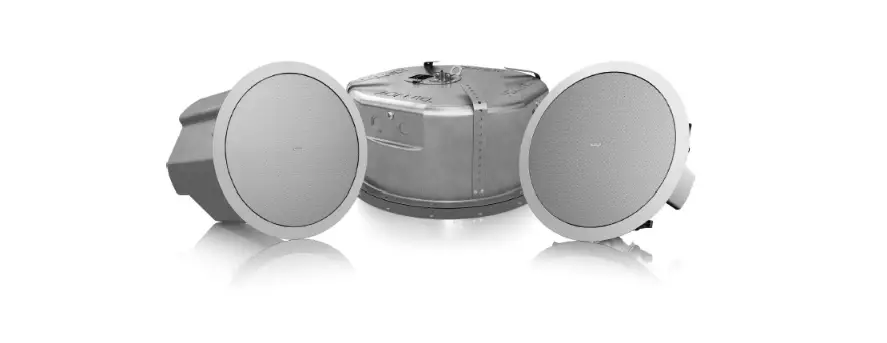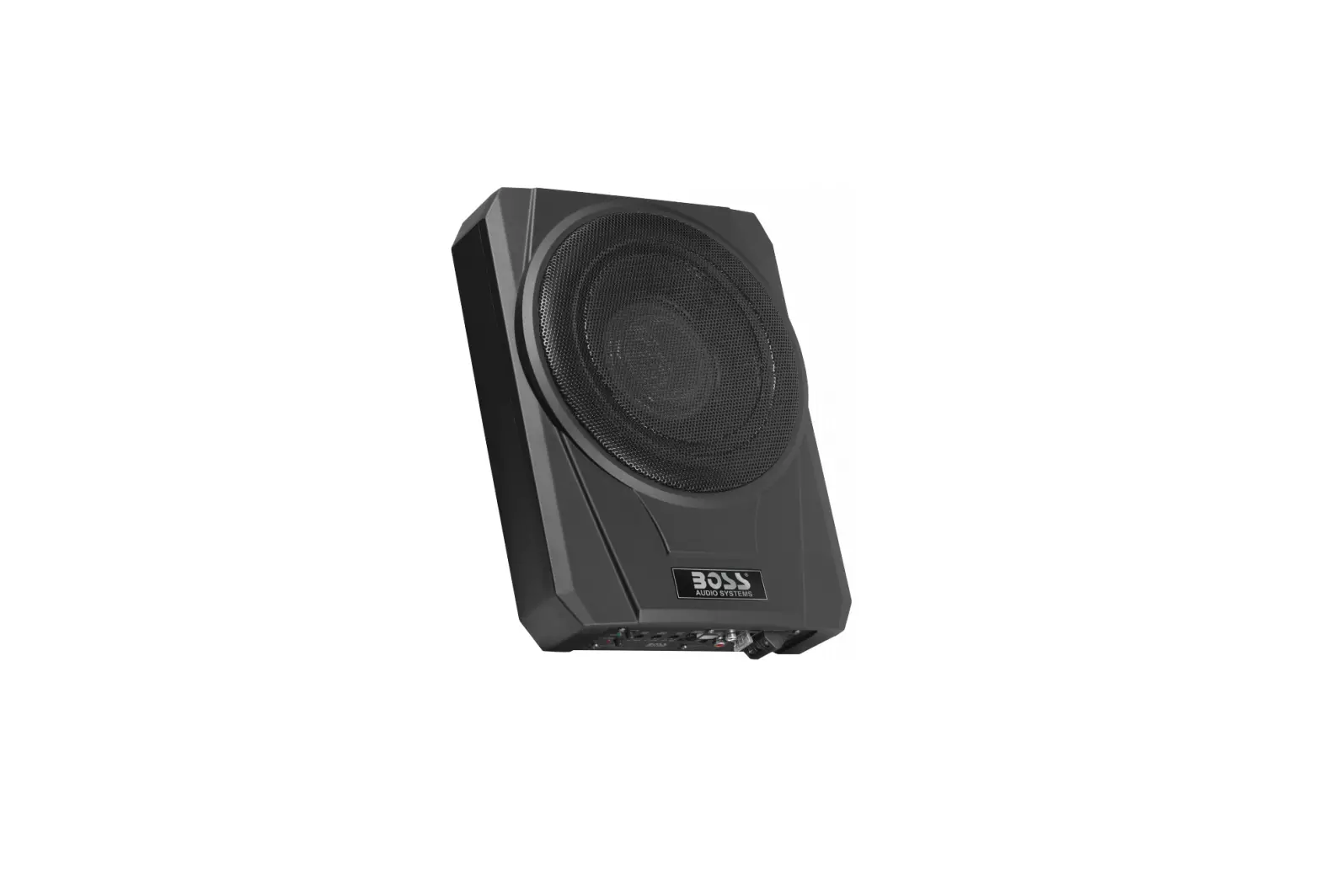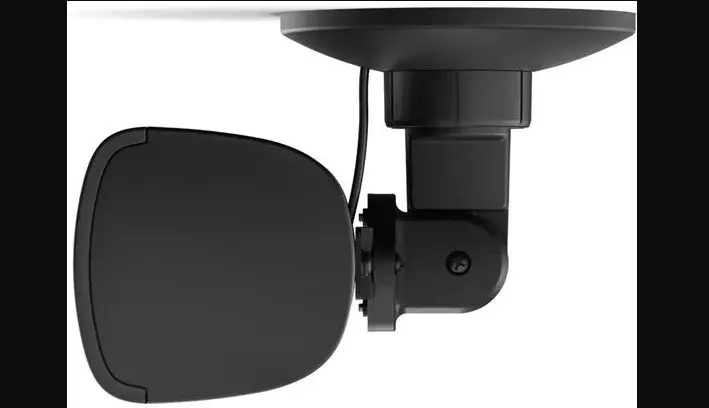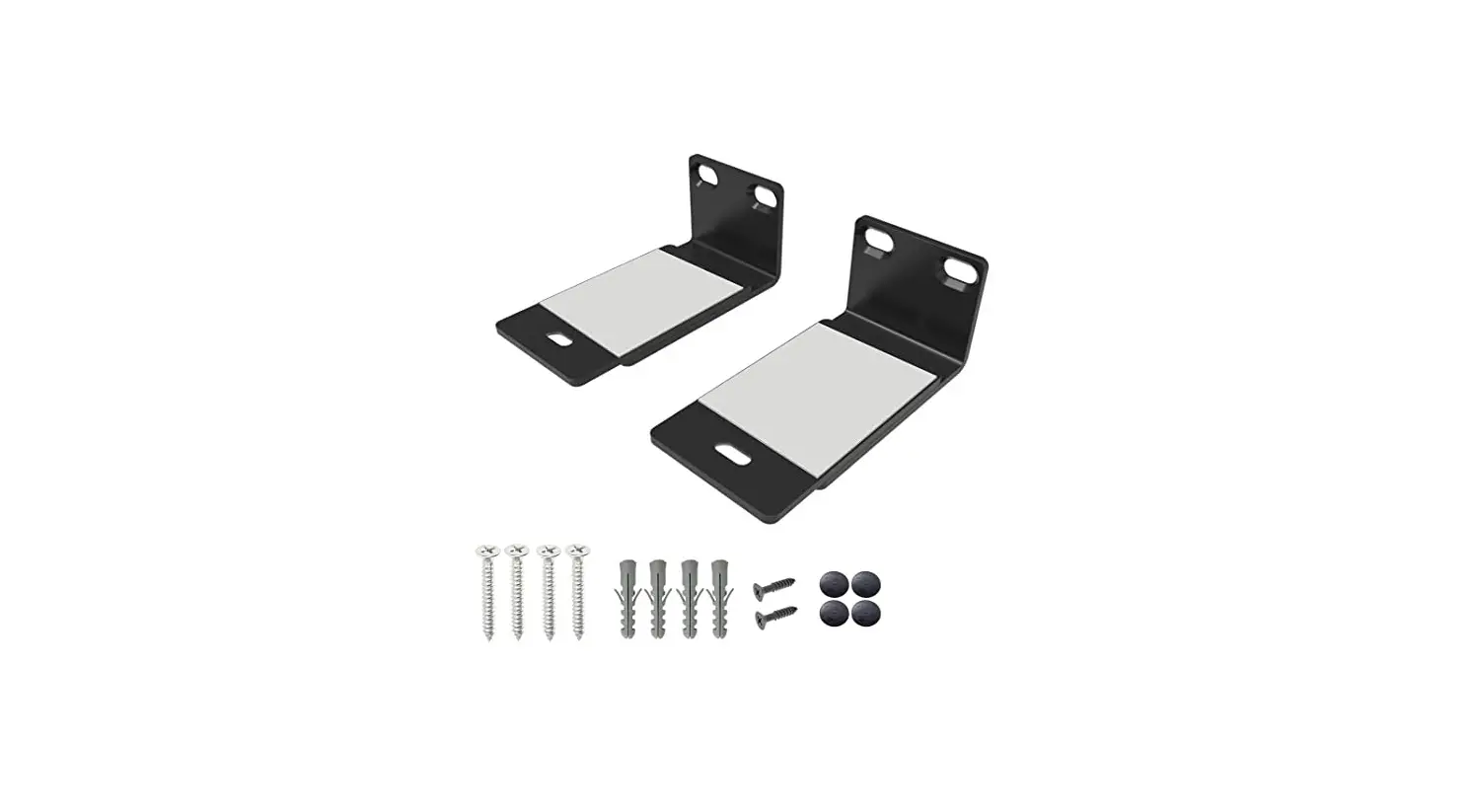

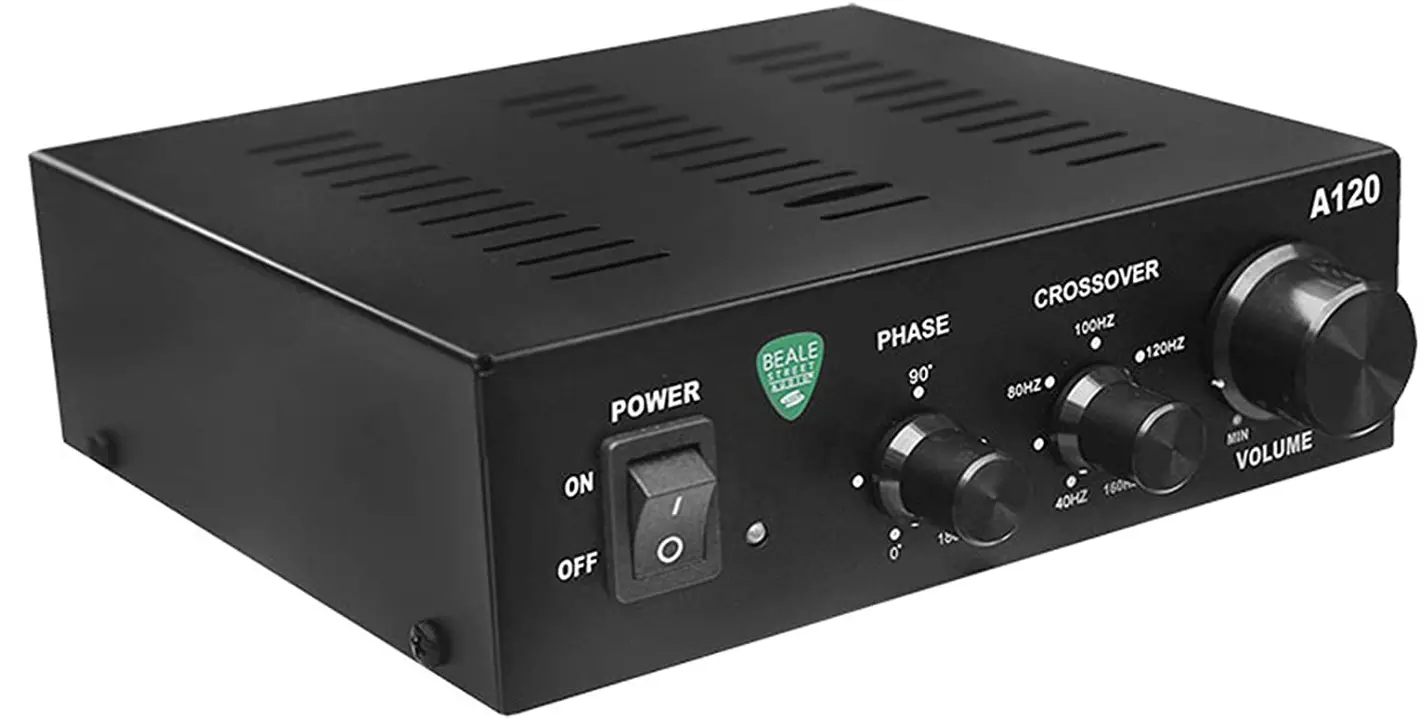
Beale Street Subwoofer Amplifiers – Ceiling Mount
Specifications
- SPEAKER TYPE: Subwoofer
- BRAND: BEALE STREET AUDIO
- RECOMMENDED USES FOR PRODUCT: For Surround Sound Systems
- MOUNTING TYPE: Ceiling Mount
- AUDIO OUTPUT MODE: Surround
- AMP TYPE: High-Efficiency Class D
- POWER: 120 watt @ 40ohm
- VARIABLE CROSSOVER: 40 – 160 Hz
- SIGNAL TO NOISE: 95dB
- INPUT SENSITIVITY: 200mV
- STANDBY POWER: 1.8W
- WEIGHT: 1.75lbs(0.79kg)
- PACKAGE DIMENSIONS: 9.37 x 8.35 x 3.62 inches
Introduction
The in-ceiling subwoofer amplifiers, powered by Beale Street Audio’s technology, have all the power you need to drive even the most demanding subwoofers to house thumping levels and run cool under almost any load. These amplifier sets are made of high-quality materials that give your home a surround sound experience. Beale Street doesn’t like to make things difficult; a comprehensive handbook that can help you with installation and use is included with every purchase of our in-ceiling home sub-woofer amplifier.
Beale Street’s amplifiers are small and lightweight, making them ideal for setting up your home theater’s in-ceiling subwoofers for that sound-surround entertainment system. Why buy a large amplifier when a little one will produce the same sound quality? Beale Street’s amplifier collection can handle even the most demanding subwoofers to electrify your sound. You can control where your music goes and stays with the tip of your fingertips thanks to Beale Street’s versatile sound system. It will function flawlessly regardless of the load.
When purchased through an authorized channel, Beale products come with the greatest warranty in the market; our speakers are covered by a lifetime warranty designed to safeguard our dealers and make doing business with Beale simple.
HOW TO KNOW IF AMP GAIN IS TOO HIGH
A sweet spot exists in the middle where your friend may speak at a variety of decibels while still being understood. The same principle applies to amp gains: too little and background noise, or “hiss,” takes over; too much and music starts to sound distorted even at normal volume levels.
HOW TO KNOW IF AMP IS BAD
- The sound has a discernible distortion.
- Even though your audio system is already turned on, there is no sound.
- Your stereo system starts emitting strange noises, like farts.
HOW TO CHECK SUBWOOFER AMP OUTPUT
Line level is used for the receiver’s subwoofer output. Therefore, you may play something with low bass content through the receiver you are evaluating while connecting to a line level input (for example, Aux) of a different amplifier and listening through headphones or speakers that can handle low bass frequencies.
HOW TO GET AMP OUT OF PROTECTION MODE
- Cut the speakers off.
- Verify the amp’s temperature.
- Cut the Head Unit’s power.
- Examine the Ground Connection.
- Verify each cable.
- Verify the impedance load.
- Gain the amp’s reset.
HOW TO TEST AN AMPLIFIER
- Connect the ground (black) and power (red) wires.
- One of the simplest things to do is to connect the amplifier’s power wire to the positive battery post of the car and the ground to the negative battery post.
- Connect the microphone to the amplifier.
- Use one fuse in the amplifier after checking all the available fuses.
Frequently Asked Questions
STEP 1: Verify that the amplifier is plugged in correctly and that the power indicator is turned on.
STEP 2: Verify that the amplifier’s inputs are all correctly plugged in and securely fastened. Additionally, check to see if the RAC cables are connected correctly.
STEP 3: Each amplifier needs a specific voltage.
The amp may not switch on or function properly if the ground connection is subpar or nonexistent. You’re probably dealing with a busted amplifier if the amp has good power and ground, the remote wire is powered when the head unit is turned on, and there are no blown fuses.
Subwoofers: 70–80 Hz (low pass); a subwoofer crossover’s primary function is to obstruct midrange sounds. Car main speakers: 50–60 Hz; the main speaker crossovers’ most important function is to obstruct low-end bass (frequencies 80 Hz and below); 2-way speakers: 3-3.5 kHz (high pass)
Setting the preceding source’s volume or output potential to 75% is advised when altering input sensitivity. This offers a small amount of gain overlap for different musical genres, the audio quality of the recordings, and the various signal strengths from the sources (Bluetooth®, AM/FM, USB, CD, Satellite Radio, etc.).
Your audio will get distorted or clipped if the gain is set too high at the input stage. Depending on your goals, this could be a good or bad thing. For analogue audio, you might desire a clean tone, but you might want some distortion from an amplifier.
Use the low gain level (the lower volume option) unless it won’t get loud enough for you, advises the Total Bithead website. And a tiny volume increase, even by 0.1dB, will always sound better; it won’t be perceived as louder, but rather as having greater clarity, definition, etc.
One of the most common methods is to modify your subwoofer with filters or phase shifters. Your subwoofer can also receive small improvements to increase its impact. Replace the voice coil, the little cone in front of the subwoofer, or buy a new enclosure for the subwoofer.
Play loud music with lots of bass, listen for about a minute, then have a friend sit next to the sub and slowly flick the 0/180-degree phase switch back and forth. The option that produces greater bass is the appropriate one.
Before drawing any conclusions, make sure these are functioning properly. Full sound with distortion – If your subwoofer produces a faint, distorted sound at any intensity, you most likely have a partially blown subwoofer on your hands.
If the amp is restating, it may cause it to cut in and out. Whining, popping, or any other audible sound that is unusual can result in a fire or burning!