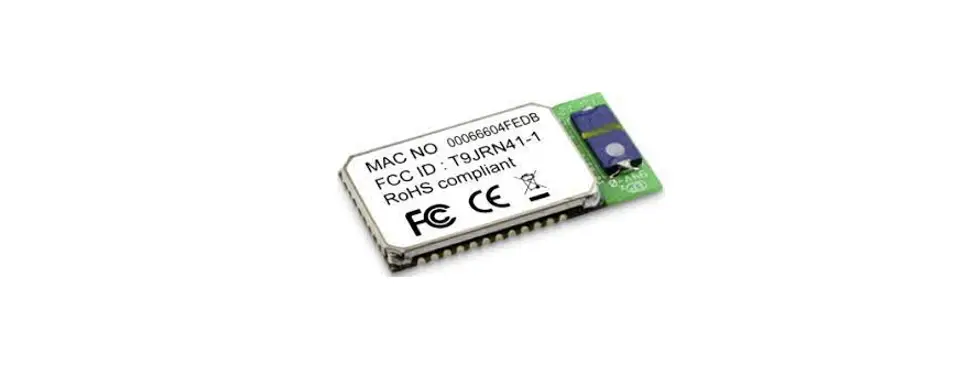
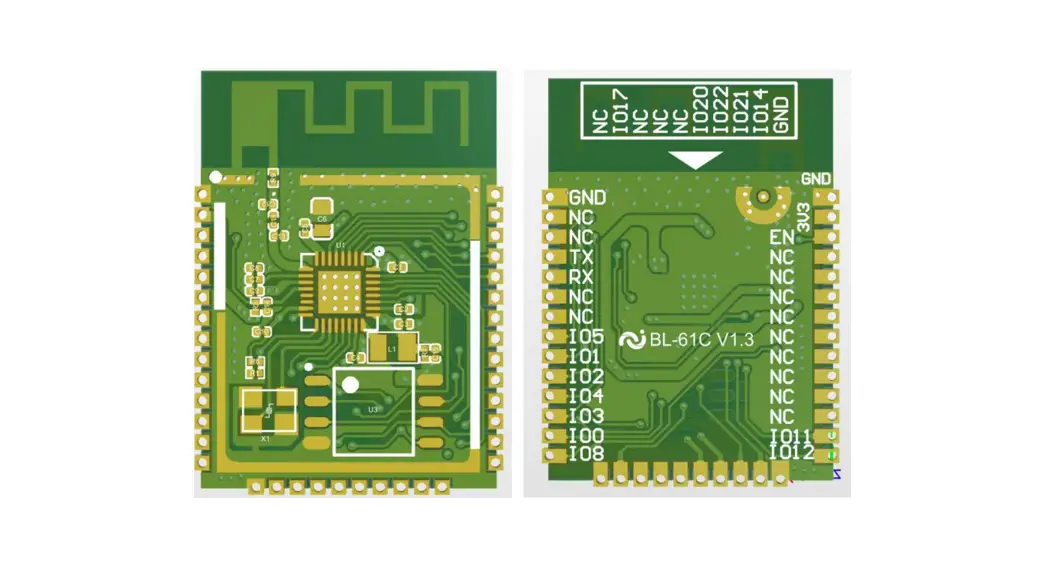
QZBT628 PBC BLE Module
Product Information:
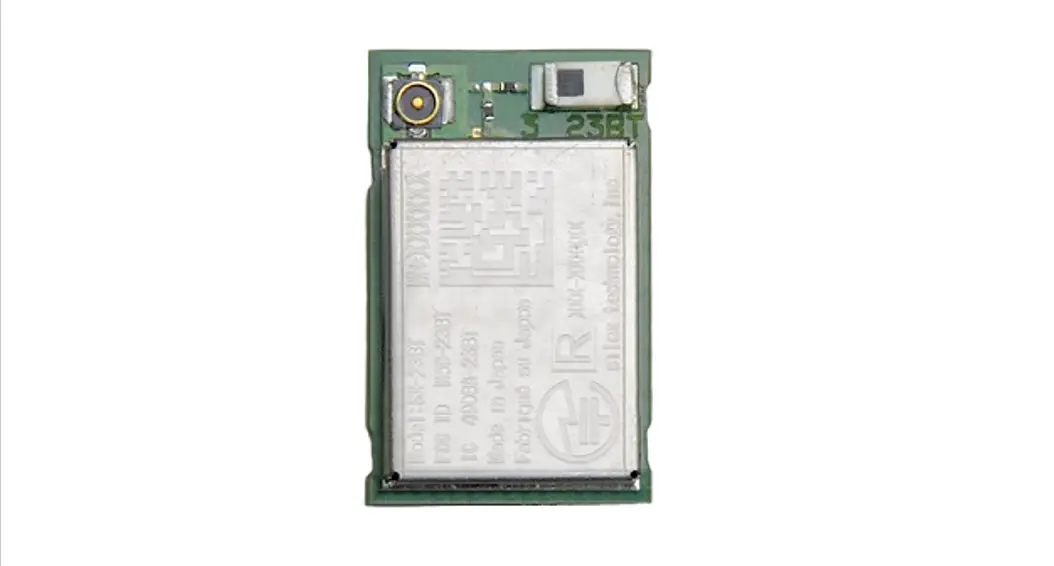
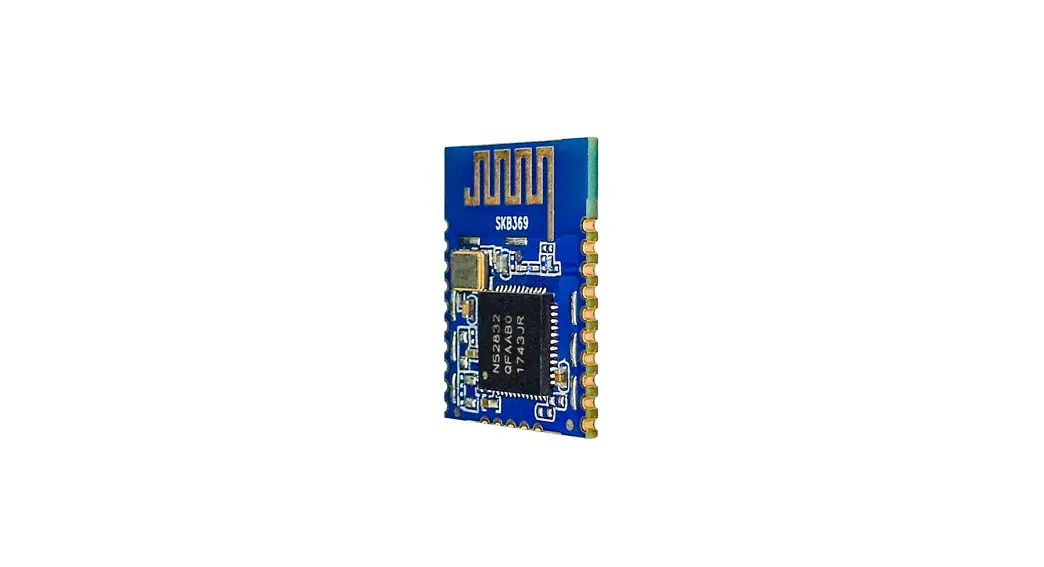
The QZBT628 is a Bluetooth Low Energy (BLE) module operating at
2.4GHz frequency band. It is fully compliant with Bluetooth 4.2
standards, allowing easy connectivity with Bluetooth Smart Ready
devices such as mobile phones, tablets, and laptops. The module
integrates a power-balanced 32-bit proprietary MCU, a
high-performance BLE/2.4GHz Radio, 16kB SRAM, a 512kB/128kB flash,
a general-purpose ADC, a quadrature decoder (QDEC), PWM, flexible
I/O interfaces, and other peripheral blocks required for Bluetooth
Low Energy application development.
Product Usage Instructions:
- Make sure the AVDD and DVDD V pins have the same voltage.
- Connect the module pins according to your customer needs. For
example, PB3 can be set as the Bluetooth external control pin (BTC)
to control the switch of other devices, and PA4 can be set as
P_SLEEP (low power control) to wake up the Bluetooth module. - Ensure that the supply voltage (VDD) is within the recommended
operating range of 1.9V to 3.6V. - When using the module in different modes, consider the
following DC characteristics:- TX mode: The current consumption ranges from 14.5mA to 25mA
depending on the transmission power. - RX mode: The current consumption is approximately 16mA.
- Suspend mode: The current consumption is approximately
8mA. - Deep sleep mode: The current consumption ranges from 10μA to
1.7μA depending on the wakeup source.
- TX mode: The current consumption ranges from 14.5mA to 25mA
- Connect the necessary external components according to the
schematic and BOM (Bill of Materials) provided in the user
manual. - Follow the PCB layout guidelines to ensure proper signal
integrity and performance. - Comply with FCC standards, specifically FCC CFR Title 47 Part
15 Subpart C Section 15.247. The module is equipped with a PCB
antenna with an antenna gain of -6.25dBi.
N.E.T
1.1 GENERAL DESCRIPTION
QZBT628 is a BLE module operating at ISM frequency band of 2,4GHz for low-power wireless applications.which is Bluetooth 4.2 fully standard compliant to allow easy connectivity with Bluetooth Smart Ready mobile phones, tablets, laptops.
The QZBT628 integrates a power-balanced 32-bit proprietary MCU, a high performance BLE/2.4GHz Radio, 16kB SRAM, a 512kB/128kB flash, a general-purpose ADC, a quadrature decoder (QDEC), PWM, flexible I/O interfaces and other peripheral blocks required for Bluetooth Low Energy application development.
1.2 General features
1. Bluetooth V4.2 standard specification 2. Rf power level II, Ultra-low power consumption, uA working current 3. Ultra-low voltage power supply, 3V button Cell can be used 4. Multiple interfaces: PIO/UART/AIO/I²C/SPI/PWM 5. RoHS lead-free production process does not require APP for transmission, and data can be directly transmitted to the mobile phone 6. Module Size 15.1mm(L) * 11.2mm(W) 7. The QZBT628-1 module does not have a shield cover, and the QZBT628-2 module has a shield cover
1.3 Hardwork Features
1 serial port and11 GPIO using hardware flow control UART interface, hong Debug debugging interface PWM for up to six channels 10 channel ADC TX Output power: up to +8 dBm
1
N.E.T
N.E.T
1.4 The connection diagram of MCU and module
BTC P_SLEEP
IO PB3 PA4
Note: The function of the module pins can be to customer needs
PB3 can be set for Bluetooth external control pin (BTC) and can control the switch of other devices PA4 can be set to P_SLEEP (low power control) to wake up the Bluetooth module
2
N.E.T
N.E.T
2.Key Electrical Specifications
2.1 Absolute maximum ratings
Item
Sym.
Min.
Max
Supply Voltage
VDD
-0.3
3.9
Voltage on input pin Output voltage Storage temperature range Soldering temperature
VIN VOUT TStr TSld
-0.3
VDD+0.3
0
VDD
-65
150
–
260
2.2 Recommended operating condition
Unit
Conditions
All AVDD and DVDD V pin must have the
same voltage
V
–
V
–
–
–
Item
Sym.
Min
Typ.
Max
Unit Conditions
Power-supply voltage Supply rise time (from 1.6 V to 1.8 V)
Operating temperature range
VDD
1.9
3.3
3.6
V
–
Tr
–
–
1
ms
–
TOpr
-40
–
85
–
2.3 DC characteristics (VDD = 3.3 V, T= 25)
Mode TX RX Suspend
Deep sleep
Sym. ITx ITx Isusp IDeep1
IDeep2
IDeep3
Min Typ. – 14.5
–
25
– 16.
–
8
–
10
–
1
– 1.7
– 2.2
Max Unit
Conditions
–
mA
0dBm Continuous Tx transmission
–
mA
8dBm Continuous Tx transmission
–
mA Continuous Rx reception
–
A IO wake up
–
A Timer wake up
Flash not included,
without 32kHz external
–
A XOSC, and internal 32kHz
RC OSC off
Flash not included, with
32kHz external XOSC,
—
A and internal 32kHz RC
OSC off
Flash not included,
without 32kHz external
–
A XOSC, and internal 32kHz
RC OSC on
NOTE: Without 32K RC: The wakeup source is external signal from GPIO input the internal 32K RC is disabled With 32K RC: The wakeup source is 32K RC it is enabled.
3
N.E.T
N.E.T
3.Pins and description
NO. 1,8,18
2 3
4
5 6 7 9
10
11
12 13
14
15 16 17
GND VCC PC1
PC2 SWS PA1 PA3 PC5
PA4
I2C_SDA
I2C_CLK PB1
PB2
PB3 USRT_TX UART_RX
GND 3.3V PWM2 inverting output / GPIO PC[1] SPI Slave chip select (active low) / SPI Master chip select(active low) / PWM0 inverting output/ UART_CTS / GPIO PC[2] Single wire slave / PWM3 output / GPIO PC[7] PWM3 inverting output / UART_CTS / GPIO PA[1] PWM4 output / UART_TX / I2C Master clock / SPI Slave data input / GPIO PA[3] SPI Slave clock / I2C Master clock / SPI Master clock / UART_RX / GPIO PC[5] PWM2 output / UART_RX / I2C Master serial data / SPI Slave clock / GPIO PA[4] (Can Set to P_SLEEP) PWM4 inverting output / I2C Slave serial data / I2C Master serial data / Control external LNA / GPIO PA[6] PWM5 output / I2C Slave clock / I2C Master clock / GPIO PA[5] PWM1 output / SPI Master data output / Control external PA / GPIO PB[1] /PGA input PWM2 output / SPI Master data input / UART_CTS / I2C Master clock / GPIO PB[2] / PGA input PWM0 output / SPI Master clock / UART_RTS / I2C Master serial data / GPIO PB[3] (Can set to BT_C) PWM1 inverting output / UART_TX / GPIO PB[4] / PGA input PWM4 output / UART_RX / GPIO PB[5] / PGA input
4
N.E.T
N.E.T
4. Dimension
QZBT628-1
QZBT628-2
5
N.E.T
N.E.T
5. Schematic
CONFIDENTIAL
6.BOM
PCB assembly parts
Part Name
Description
Capacitor
ROHS 1.8pF 0201, X7R, +/-10%
Capacitor
ROHS 1F 0201, X7R, +/-10%
Inductor
ROHS 2.2nH 0402, +/-5%
IC
Telink 2.4G Bluetooth IC’TLSR8232F512ET24 QFN24
Crystal PCB
24 MHz 12 pF 20 ppM 2016 Package
ROHS Double sideFR4 Thickness 0.8mm Size:15.1mm*11.2mm
Shielding case
Copper-Nickel Alloy Thickness 0.2mm
QTY. 2 4 1 1 1 1
1
Unit
Remark
C1, C2
C3, C6, C7, C8
L1
U1
Y1
Main PCB
For QZBT6282
6
N.E.T
N.E.T
7. PCB Layout
7
N.E.T
FCC Statement FCC standards: FCC CFR Title 47 Part 15 Subpart C Section 15.247 Device is equipped with PCB antenna , Antenna gain -6.25dBi
This device complies with part 15 of the FCC Rules. Operation is subject to the following two conditions: (1) This device may not cause harmful interference, and (2) this device must accept any interference received, including interference that may cause undesired operation. Any Changes or modifications not expressly approved by the party responsible for compliance could void the user’s authority to operate the equipment. Note: This equipment has been tested and found to comply with the limits for a Class B digital device, pursuant to part 15 of the FCC Rules. These limits are designed to provide reasonable protection against harmful interference in a residential installation. This equipment generates, uses and can radiate radio frequency energy and, if not installed and used in accordance with the instructions, may cause harmful interference to radio communications. However, there is no guarantee that interference will not occur in a particular installation. If this equipment does cause harmful interference to radio or television reception, which can be determined by turning the equipment off and on, the user is encouraged to try to correct the interference by one or more of the following measures: –Reorient or relocate the receiving antenna. –Increase the separation between the equipment and receiver. –Connect the equipment into an outlet on a circuit different from that to which the receiver is connected. –Consult the dealer or an experienced radio/TV technician for help.
FCC Radiation Exposure Statement The modular can be installed or integrated in mobile or fix devices . This modular cannot be installed in any portable device if without further certification such as C2PC with SAR. This modular complies with FCC RF radiation exposure limits set forth for an uncontrolled environment. This transmitter must not be co-located or operating in conjunction with any other antenna or transmitter. This modular must be installed and operated with a minimum distance of 20 cm between the radiator and user body.
If the FCC identification number is not visible when the module is installed inside another device, then the outside of the device into which the module is installed must also display a label referring to the enclosed module. This exterior label can use wording such as the following: “Contains Transmitter Module FCC ID: 2BAMT-QZBT628-2 Or Contains FCC ID: 2BAMT-QZBT628-2”
When the module is installed inside another device, the user manual of the host must contain below warning statements; 1. This device complies with Part 15 of the FCC Rules. Operation is subject to the following two conditions: (1) This device may not cause harmful interference; (2) This device must accept any interference received, including interference that may cause undesired operation. Note: This equipment has been tested and found to comply with the limits for a Class B digital device, pursuant to part 15 of the FCC Rules. These limits are designed to provide reasonable protection against harmful interference in a residential installation. This equipment generates, uses and can radiate radio frequency energy and, if not installed and used in accordance with the instructions, may cause harmful interference to radio communications. However, there is no guarantee that interference will not occur in a particular installation. If this equipment does cause harmful interference to radio or television reception, which can be determined by turning the
equipment off and on, the user is encouraged to try to correct the interference by one or more of the following measures: –Reorient or relocate the receiving antenna. –Increase the separation between the equipment and receiver. –Connect the equipment into an outlet on a circuit different from that to which the receiver is connected. –Consult the dealer or an experienced radio/TV technician for help. 2. Changes or modifications not expressly approved by the party responsible for compliance could void the user’s authority to operate the equipment. The devices must be installed and used in strict accordance with the manufacturer’s instructions as described in the user documentation that comes with the product. Any company of the host device which install the modular with modular approval should perform the test of radiated & conducted emission and spurious emission, etc. according to FCC part 15C : 15.247 and 15.209 & 15.207 ,15B Class B requirement, Only if the test result comply with FCC part 15C : 15.247 and 15.209 & 15.207 ,15B Class B requirementthen the host can be sold legally.