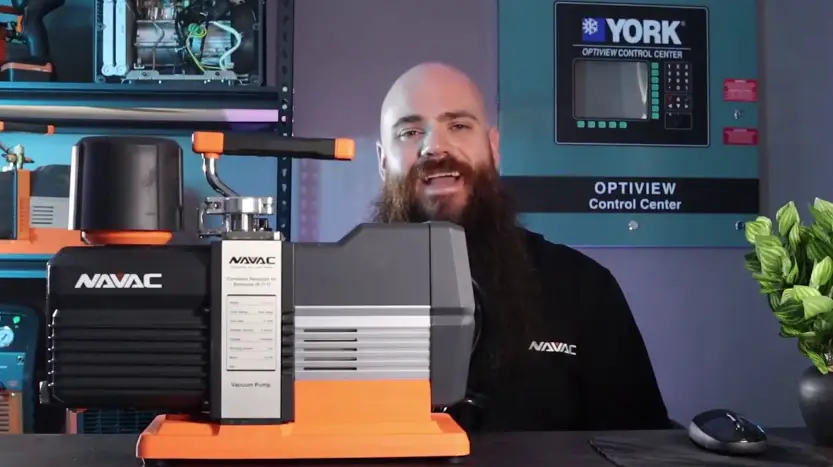
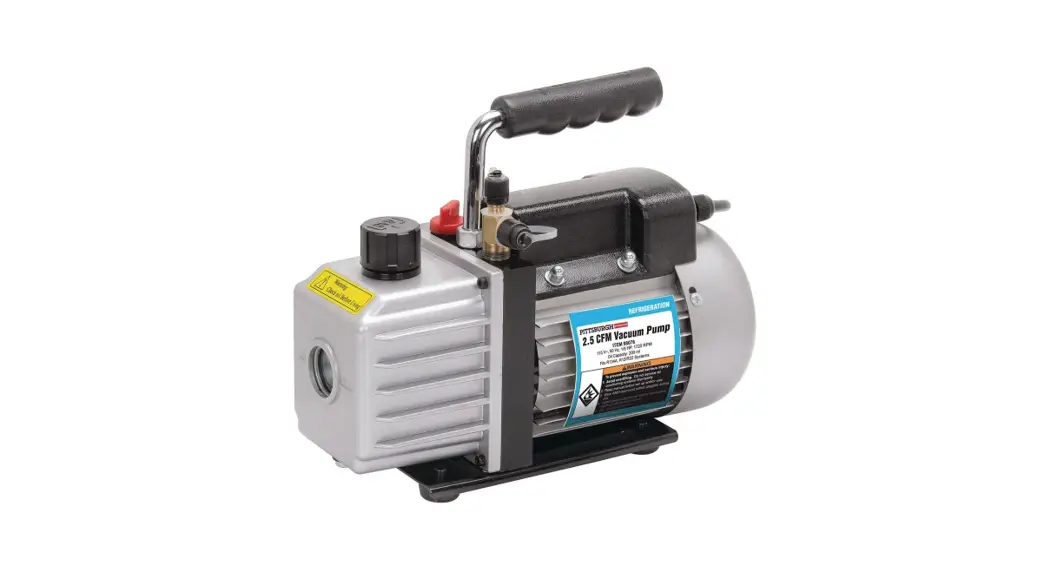
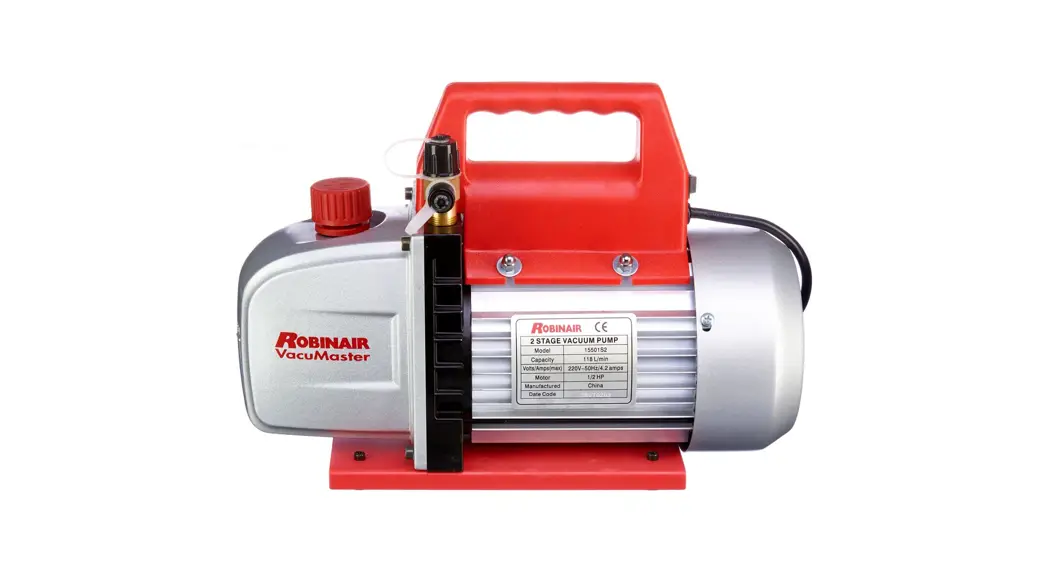
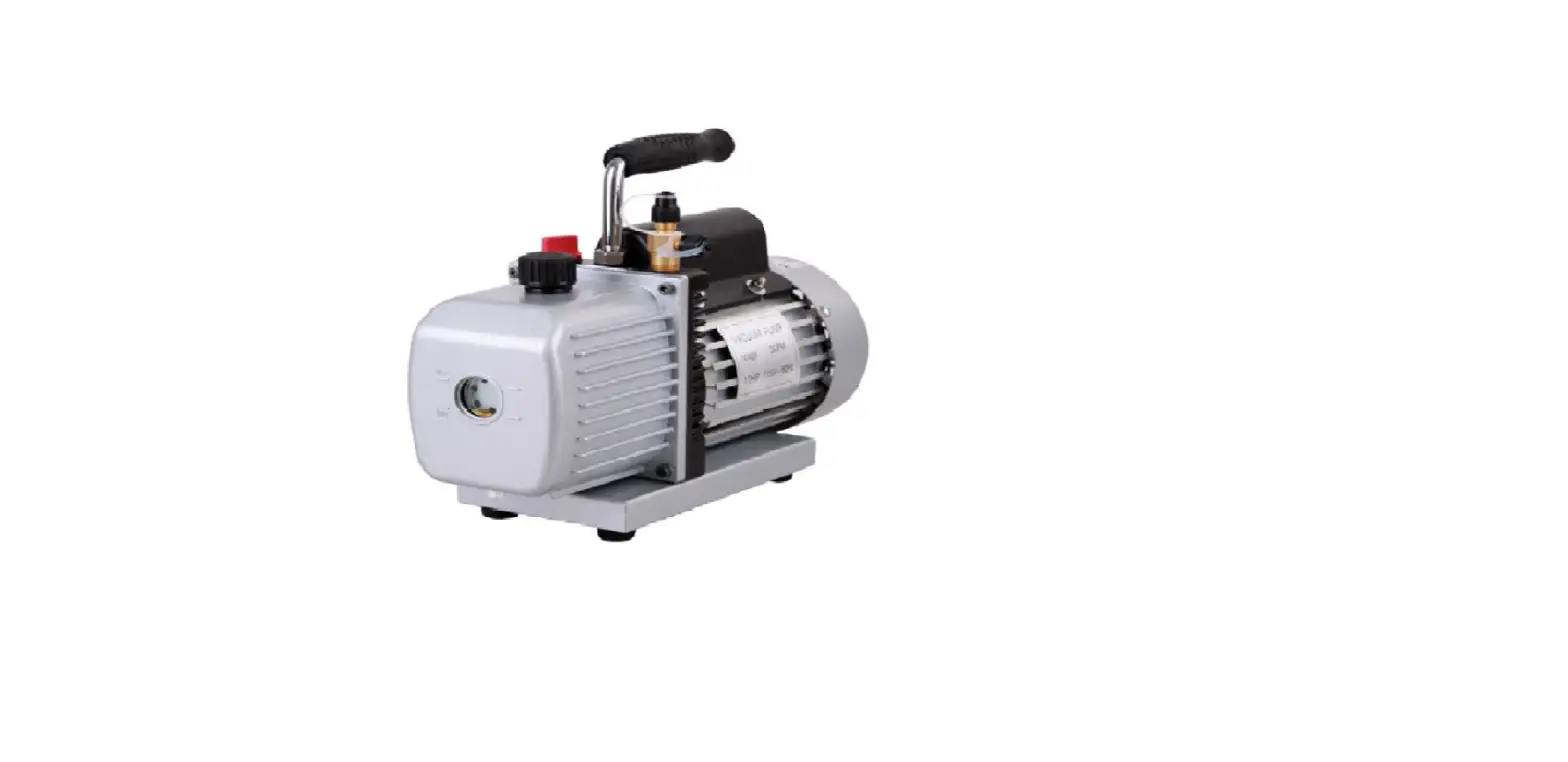
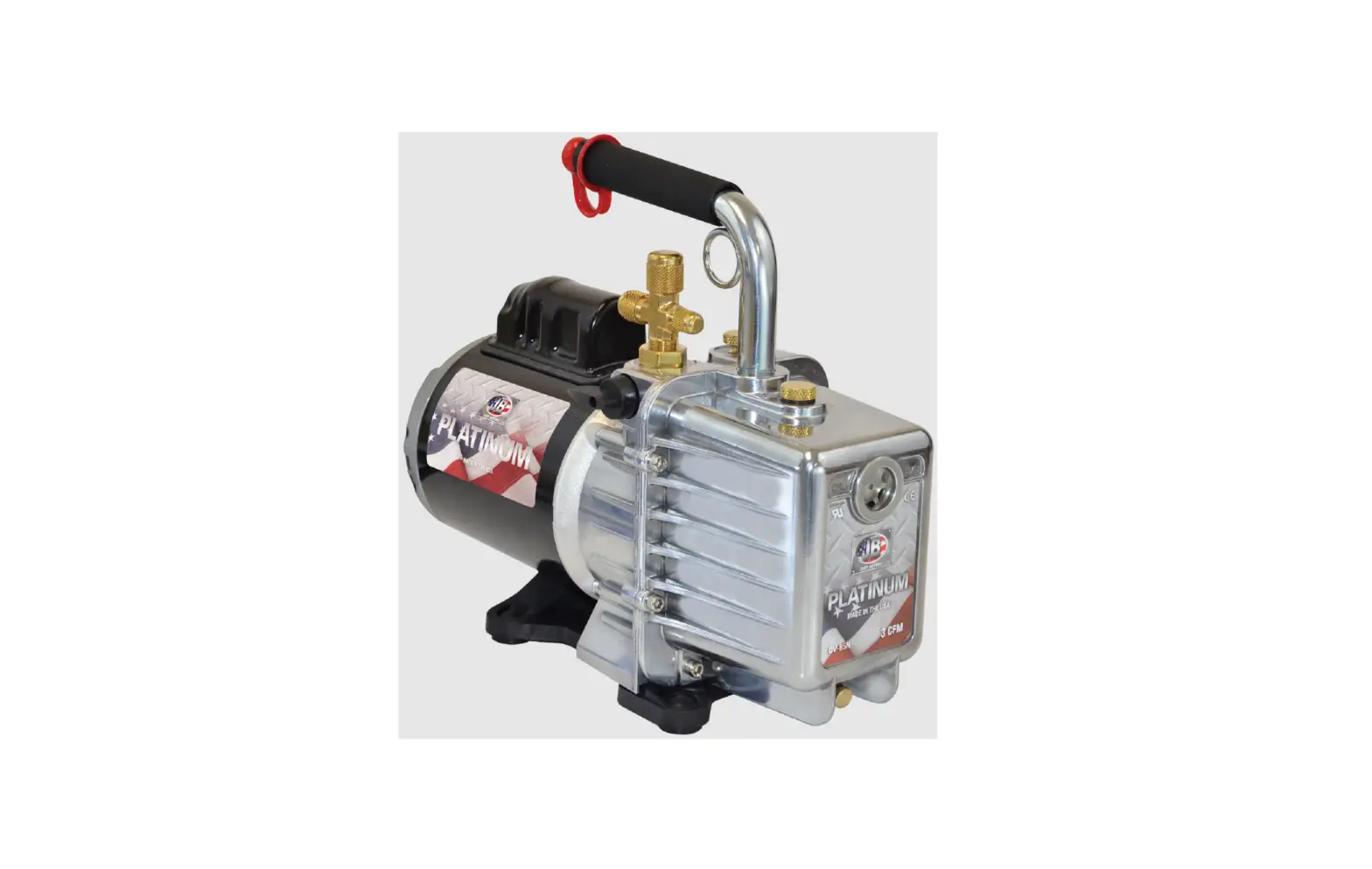
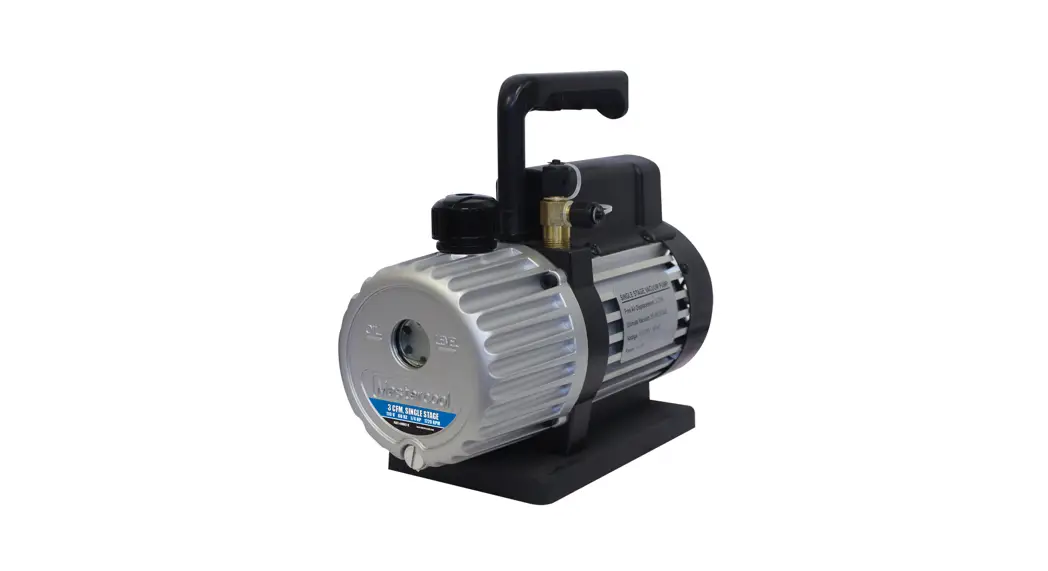
KQ-1K Vacuum Pump and Chamber Kit
Technical Support and E-Warranty Certificate
For technical support and e-warranty certificate, please visit
www.vevor.com/support.
Vacuum Pump and Chamber Kit Operating Manual
This manual provides instructions for the safe and proper use of
the Vacuum Pump and Chamber Kit. Please read all manual
instructions carefully before operating. VEVOR reserves the right
to interpret the user manual and the appearance of the product may
differ from the product you received.
Product Information
The Vacuum Pump and Chamber Kit includes:
- Pump Model: KQ-1K
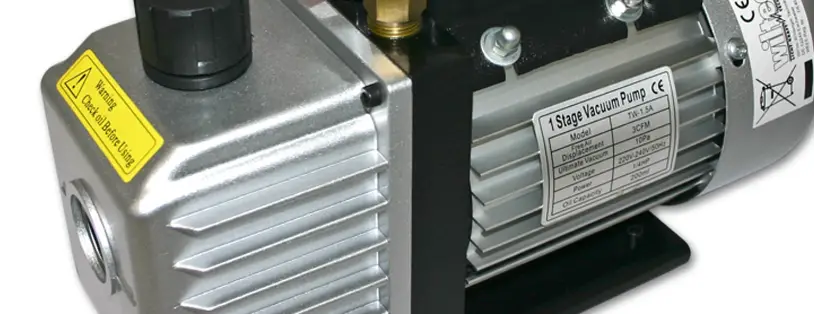
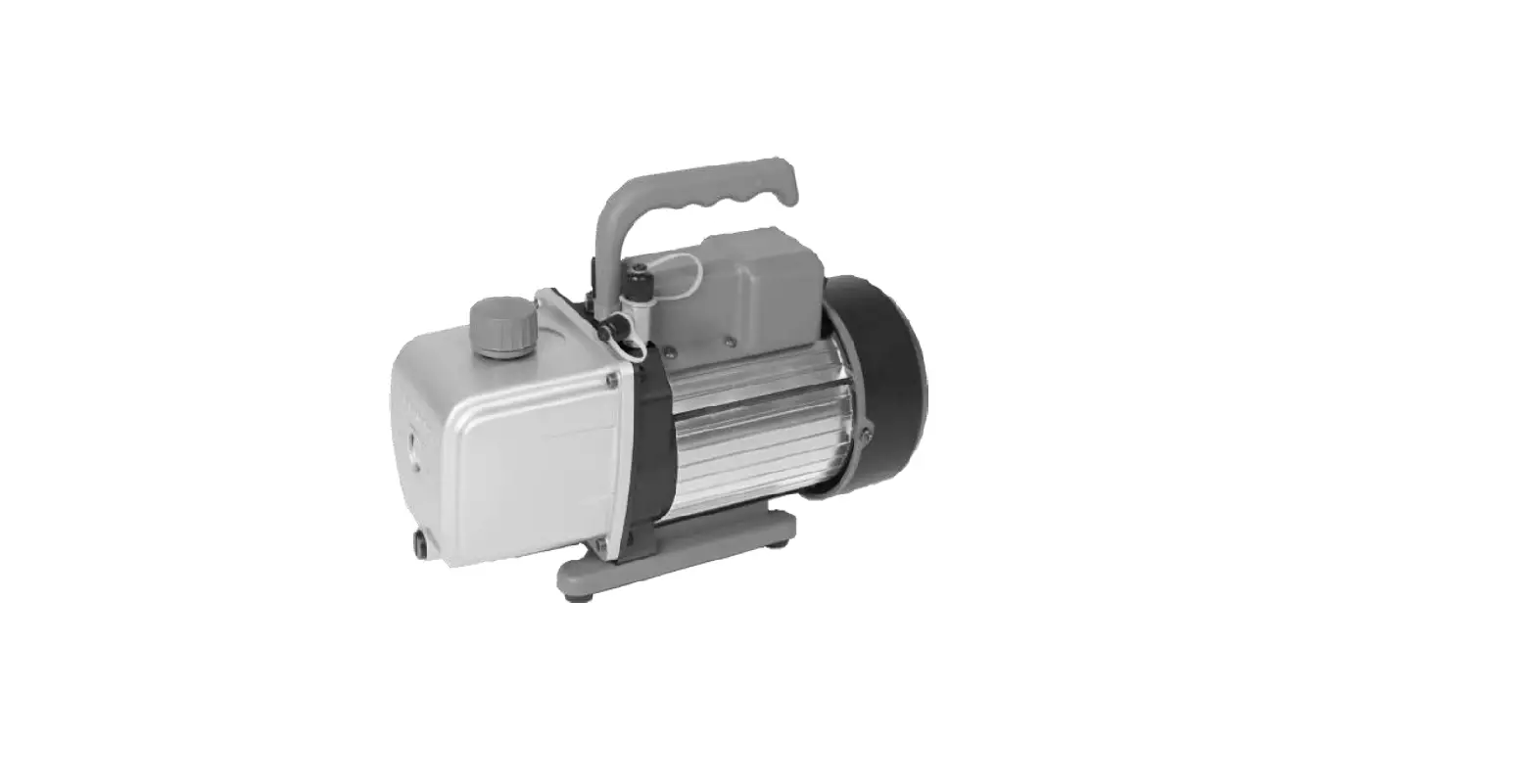
- Vacuum Pump
- Chamber Kit
Safety Precautions
The warnings, precautions, and instructions provided in this
manual cannot cover all possible situations that may occur. It is
the operator’s responsibility to exercise common sense and caution
while using the equipment.
Safety Guidelines for Handling Your Vacuum Pump
Electrical shock hazard: Do not touch the vacuum pump with wet
hands.
Safety Guidelines for Using the Vacuum Pump and Chamber
Kit
Pressure and Explosion Risk:
- Do not pump the vacuum chamber or increase pressure inside the
tank higher than atmospheric pressure, as this can lead to an
explosion. - Do not put any additional weight on the lid of the
chamber. - The lid must be properly placed on the tank.
- The gasket must not extend beyond the outline of the lid, as
this can lead to a sudden unsealing of the chamber. - Exclude any lid, gasket, or tank from use if it has any
cracking, scratch, deformation, or other mechanical damage. - Perform servicing and maintenance of the vacuum kit
periodically. - Check the technical condition of the vacuum set before each
use. - Keep hard or heavy objects away from the vacuum chamber.
- Do not place live organisms in vacuum tanks.
- Do not subject any parts of the human body to
under-pressure. - Avoid excessive pollution of the working environment by dust,
powders, small solids, or water, as heavy contamination can damage
the pump. - Ensure that the chemicals used do not damage the vacuum
set. - Do not directly power off the pump before closing the valve
connecting.
Product Usage Instructions
- Ensure that the vacuum pump and chamber kit are set up on a
flat and stable surface. - Connect the vacuum pump to the chamber kit using the provided
tubing. - Before use, check the technical condition of the vacuum set to
ensure it is in good working order. - Place the item you want to vacuum seal inside the chamber
kit. - Close the lid of the chamber kit and ensure that it is properly
placed on the tank. - Turn on the vacuum pump and wait for it to create a vacuum
inside the chamber kit. - Once the desired level of vacuum is achieved, turn off the pump
and close the valve connecting before powering off the pump. - Carefully remove the item from the chamber kit.
- Perform servicing and maintenance of the vacuum kit
periodically to ensure its proper functioning. - Dispose of the product and all accessories marked with the
symbol showing a wheelie bin crossed through separately at a
collection point for recycling electrical and electronic
devices.
Technical Support and E-Warranty Certificate www.vevor.com/support
VACUUM PUMP AND CHAMBER KIT OPERATING MANUAL
We continue to be committed to provide you tools with competitive price. “Save Half”, “Half Price” or any other similar expressions used by us only represents an estimate of savings you might benefit from buying certain tools with us compared to the major top brands and doses not necessarily mean to cover all categories of tools offered by us. You are kindly reminded to verify carefully when you are placing an order with us if you are
actually saving half in comparison with the top major brands.
PUMP MODEL: KQ-1K
VACUUM PUMP AND CHAMBER KIT
NEED HELP? CONTACT US!
Have product questions? Need technical support? Please feel free to
contact us:
This is the original instruction, please read all manual instructions carefully before operating. VEVOR reserves a clear interpretation of our user manual. The appearance of the product shall be subject to the product you received. Please forgive us that we won’t inform you again if there are any technology or software updates on our product.
-1-
This product is subject to the provision of European Directive 2012/19/EU. The symbol showing a wheelie bin crossed through indicates that the product requires separate refuse collection in the European Union. This applies to the product and all accessories marked with this symbol. Products marked as such may not be discarded with normal domestic waste but must be taken to a collection point for recycling electrical and electronic devices.
INTRODUCTION
Thank you for choosing our vacuum pump and chamber kit. Our vacuum pump and chamber kit is an essential tool kit used in various applications, including degassing casting materials such as silicone, resin, gypsum, and impregnation of wood and other porous materials. This product is designed to create a low-pressure environment by the suction of contained gases by the vacuum pump inside a sealed vacuum chamber. The vacuum chamber in this kit is a specially designed sealed tank that can create a low-pressure environment to facilitate the degassing and impregnation processes. With this kit, you can achieve high-quality casting or impregnation results, ensuring that your materials are free of bubbles and other impurities. This vacuum pump and chamber kit is designed to operate under specific conditions. It can be operated in ambient temperatures ranging between +5°C and +40°C and air humidity up to 80% at 20°C. These operating conditions ensure that the equipment performs optimally and guarantees the desired results. In the following sections of this manual, you will find detailed instructions on how to set up, operate, and maintain your vacuum pump and chamber kit, ensuring that you can achieve the best possible results for your applications.
-2-
SAFETY PRECAUTIONS
The warnings, precautions, and instructions provided in this manual cannot cover all possible situations that may occur. It is the operator’s responsibility to exercise common sense and caution while using the equipment.
Safety guidelines for handling your vacuum pump Electrical shock hazard: Do not touch the vacuum pump with wet
hands or while standing on a wet surface. Always use the vacuum pump in a dry environment and plug it into a properly grounded outlet. Fire hazard: Do not use the vacuum pump near flammable or combustible materials. Keep the pump away from sources of heat or sparks, such as flames, cigarettes, or electrical appliances. Explosion hazard: Do not use the vacuum pump with gases that are flammable, explosive, or poisonous. Always check the safety data sheet (SDS) of the gas before using it with the vacuum pump. Additionally, do not exceed the specified pressure range for the pump. Corrosion hazard: Do not use the vacuum pump with gases that can corrode metals or cause chemical reactions. Check the compatibility of the gas with the materials of the pump and its accessories. Always use protective gloves and eyewear when handling corrosive materials. Never operate the pump without oil, as this can damage the pump and create potential hazards. The temperature of the gas being pumped should not exceed 80°C, and the environmental temperature should be between 5°C and 60°C to prevent damage to the pump and ensure safe operation. When unplugging the pump, always pull the plug. Do not unplug the unit by pulling on the wire, as this can damage the cord and create potential hazards. Do not use a damaged plug or outlet, as this can cause electrical shock or fire.
-3-
Safety guidelines for using the vacuum pump and chamber kit
Pressure and Explosion Risk: 1. Do not pump the vacuum chamber or increase pressure inside the
tank higher than atmospheric pressure, as this can lead to an explosion.
Weight and Lid Placement: 2. Do not put any additional weight on the lid of the chamber. 3. The lid must be properly placed on the tank. 4. The gasket must not extend beyond the outline of the lid, as this can
lead to a sudden unsealing of the chamber.
Damage and Maintenance: 5. Exclude any lid, gasket, or tank from use if it has any cracking, scratch,
deformation, or other mechanical damage. 6. Perform servicing and maintenance of the vacuum kit periodically. 7. Check the technical condition of the vacuum set before each use.
Environmental and Chemical Safety: 8. Keep hard or heavy objects away from the vacuum chamber. 9. Do not place live organisms in vacuum tanks. 10. Do not subject any parts of the human body to under-pressure. 11. Avoid excessive pollution of the working environment by dust, powders,
small solids, or water, as heavy contamination can damage the pump. 12. Ensure that the chemicals used do not damage the vacuum set.
Operating Safety: 13. Do not directly power off the pump before closing the valve connecting
to the chamber. This may damage the pump or cause oil backflow spray. 14. Do not assemble or disassemble individual parts of the vacuum set while the vacuum pump is operating or if the vacuum setting is under vacuum.
-4-
15. Never put fingers or other objects inside the pump impeller cover. Keep your hair, clothing, gloves, and other objects that could get into the impeller away from moving parts.
16. Do not expose the device to rain or excessive moisture. 17. Do not leave the vacuum set unattended during operation. 18. Keep children, people with disabilities, and animals away from the
operating area of the device. 19. Be foreseeable, watch what you are doing, and be reasonable when
using the device.
-5-
GETTING STARTED
Vacuum pump and Chamber Kit package contents
Model
Voltage
Free Air
CFM
Displacement
Ultimate Vacuum
Pa
Motor
HP
Intake Fitting
Oil Capacity
ml
Dimensions
mm
Net Weight
Kg
120V/60Hz
3.5
8 1/5 1/4″SAE male; 250 290*120*220 5.5
KQ-1K
220-240V/50Hz
3.5
8 1/5 1/4″SAE male; 250 290*120*220 5.4
-6-
Toughened Bucket Lid
Vacuum Gauge
Glass
Charging Hose Oil
Manual
Vacuum Chamber
Vacuum Pump
Silicone Pad
Installation tools
Denoiser
-7-
Package Content List
Set Name
3.5 CFM Vacuum Pump & 3 Gallon Vacuum Chamber Set
3.5CFM Vacuum Pump & 5 Gallon Vacuum Chamber Set
Packing List
Vacuum Pumpx1 3 Gallon Vacuum Chamberx1 Charging Hosex1 Toughened Glass Bucket Lidx1 Vacuum Gaugex1 Denoiserx2 Silicone Padx1 Vacuum Pump Oilx1 Manualx1
Vacuum Pumpx1 5 Gallon Vacuum Chamberx1 Charging Hosex1 Toughened Glass Bucket Lidx1 Vacuum Gaugex1 Denoiserx2 Silicone Padx1 Vacuum Pump Oilx1 Manualx1
-8-
OPERATION GUIDE FOR USING VACUUM PUMP AND CHAMBER KIT Installation of vacuum pump and chamber kit
Check the parts: Before starting the installation
1
process, make sure you have all the necessary parts to install the chamber lid and connect it to the
vacuum pump.
Insert the valve: Take the tempered glass lid and locate the hole where the valve needs to be 2 inserted. Insert the valve into the hole, making sure it fits snugly and is secure.
Install the washer and nut: Place the washer onto 3 the valve, and then screw the nut onto the valve
threads. Tighten the nut by hand until it is snug.
Connect the hose: Take one end of the hose and connect it to the valve on the glass lid. Make sure 4 the connection is tight and secure. Then, take the other end of the hose and connect it to the inlet port of the vacuum pump. Again, make sure the connection is tight and secure.
5 Turn off the outlet valve as indicated, turn on the inlet valve, and the chamber is ready for use.
-9-
Pulling vacuum and vacuum treatment
1. Prepare the Item for treatment: Before beginning the procedure, prepare the item by stabilizing it or removing any excess moisture, dust, or debris.
2. Place the Item in the Chamber: Put the item to be treated in the vacuum chamber, ensuring that it is positioned in the center and doesn’t touch the sides or lid. It is recommended to place a silicone mat at the bottom when degassing to prevent pouring liquid from spilling.
3. Seal the Chamber: Make sure that the lid is properly aligned with the vacuum chamber and that the gasket is clean and free from debris.
4. Start the Vacuum Pump: Turn on the vacuum pump and set the desired vacuum pressure based on your requirements.
5. Monitor the Vacuum Pressure: Keep an eye on the vacuum pressure throughout the process. If it drops, check for leaks in the chamber or hoses.
6. Stop the Vacuum Pump: When the stabilization process is complete, turn off the vacuum pump. Wait for the vacuum pressure to return to atmospheric pressure before opening the chamber.
7. If multiple cycles of vacuuming are needed, slowly open the inlet valve to let the chamber return to atmospheric pressure, then close the valve and repeat the process.
8. Remove the Item: After the vacuum pressure returns to atmospheric pressure, carefully remove the item from the vacuum chamber.
9. Disconnect the Vacuum Pump: Disconnect the vacuum pump from the chamber and hoses and properly store the equipment as per the instructions provided in the user manual.
10. Clean the Chamber: After use, thoroughly clean the vacuum chamber and hoses to ensure that they are free from debris and moisture.
Attention: 1. When placing the tempered glass lid, ensure that it is positioned correctly without any deflection. If the lid is slightly inclined, the vacuum chamber may not hold a vacuum, and the lid may be
– 10 –
sucked into the chamber with pressure. 2. If the pointer of the vacuum gauge is not in the null position or
cannot pull the vacuum to the maximum, open the black cover on the gauge top and calibrate the pointer to normal. 3. After vacuuming, slowly turn on the outlet valve to prevent damage to the vacuum gauge.
MAINTENANCE OF VACUUM PUMPE
Proper maintenance of the vacuum pump is essential to ensure its optimal performance. Here are some maintenance guidelines: Keep the pump clean and free from foreign matter. Keep the oil filled to the oil level, and never let the pump run without
oil. Keep the oil clean. If the oil becomes dirty, muddy, or water or other
volatile substances get in, it will affect the performance of the pump, and the oil should be replaced. To replace the oil, start the pump and run it for about 30 minutes to make the oil thin. Then stop the pump and drain the oil from the oil drain plug. Open the gas inlet and run the pump for 1-2 minutes while adding a small quantity of clean oil to the gas inlet. This is to replace the residual oil from the inside of the pump. After ensuring that the pump is clean, put the drain plug back in and fill the clean pump oil from the gas inlet to the oil level. To store the pump when not in use for long periods of time, cover the oil cap and exhaust cap (if applicable) and store it in a dry place. Repair of the pump should only be done by a qualified service technician.
– 11 –
TROUBLESHOOTING GUIDE
Problem Low Degree Of Vacuum
Oil Leaks Oil Spray
Starting Difficulty
Failure To Pull a Good Vacuum
Possible Cause
Correction
1.Insufficient oil
1.Add oil up to the oil level line
2.Dirty oil
2.Replace the oil
3.Oil intake is blocked
3.Clean the oil intake or filter
4.Hose or gas inlet is clogged
4.Check the connecting pipes
5.Pump is unsuitable for the application
5.Get a suitable pump for the application
1.Oil seal is damaged
1.Replace the oil seal
2.Housing gasket is loose or worn out 2.Replace the housing gasket
1.Too much oil
1.Adjust the oil level to the recommended level
2.Gas inlet pressure is too high or too much gas has been pumped
2.Use a bigger pump or reduce gas inlet pressure
1.Oil temperature is too low
1.Attempt to start the pump multiple times to warm the oil
2.Electrical malfunction
2.Check and repair any electrical issues
3.Foreign matter is in the pump
3.Check and remove any foreign matter from the pump system
Leakage in vacuum gauge or connections
Confirm leakage by monitoring the vacuum gauge while applying vacuum pump oil at all connections or suspected leak points. The vacuum will improve briefly while the oil is sealing the leak.
– 12 –
EXPLODED DIAGRAM OF THE PUMP
Made In China
– 13 –
Technical Support and E-Warranty Certificate www.vevor.com/support
 vevor.com/support