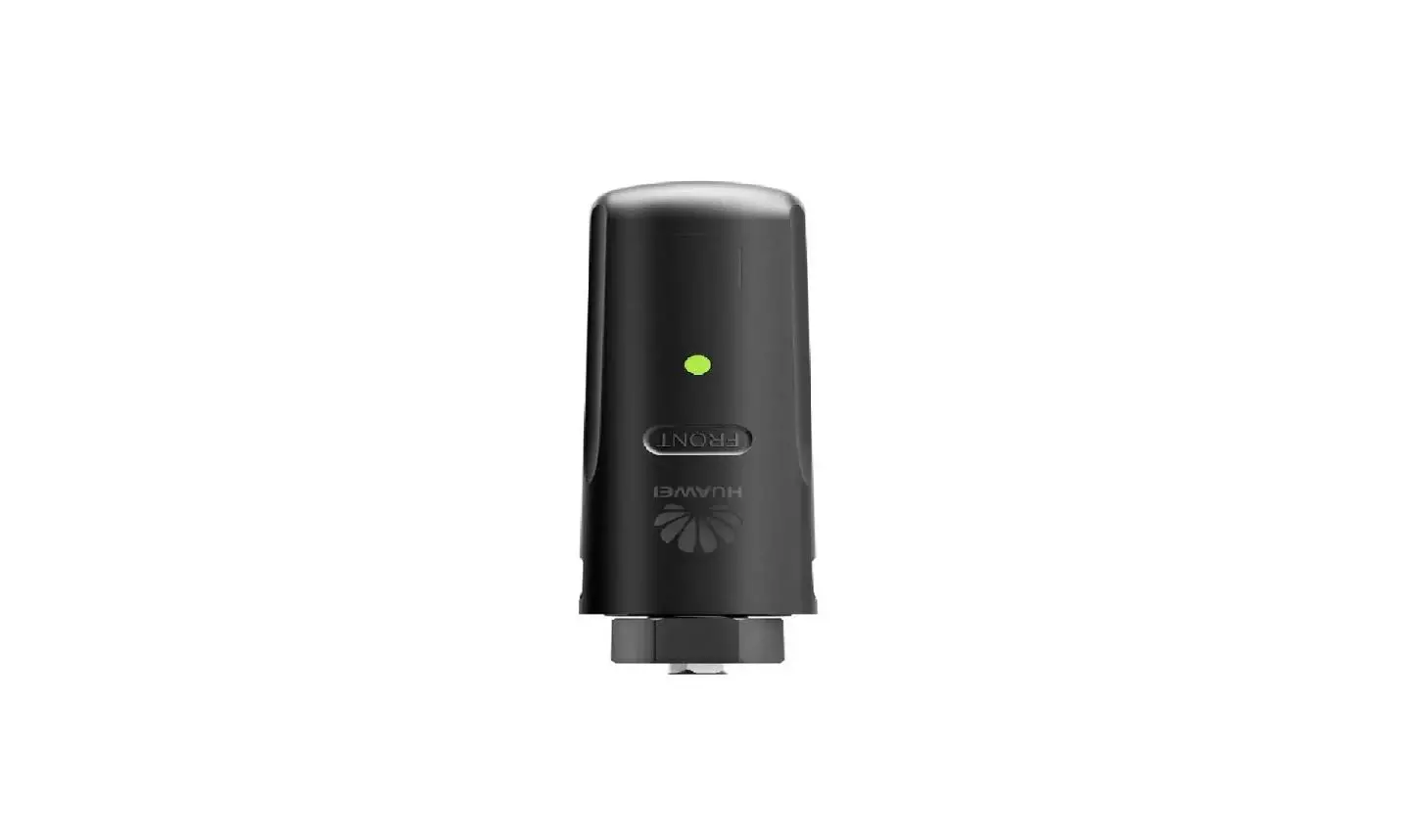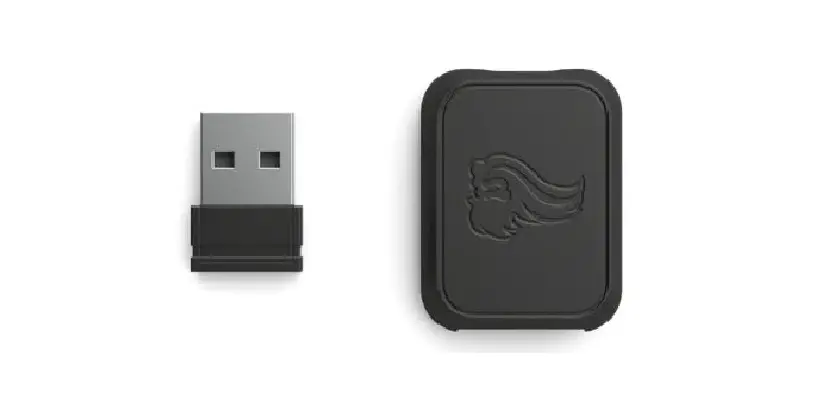
 WIFI DONGLE Wi-Fi Dongle
User Guide
PACKING LIST
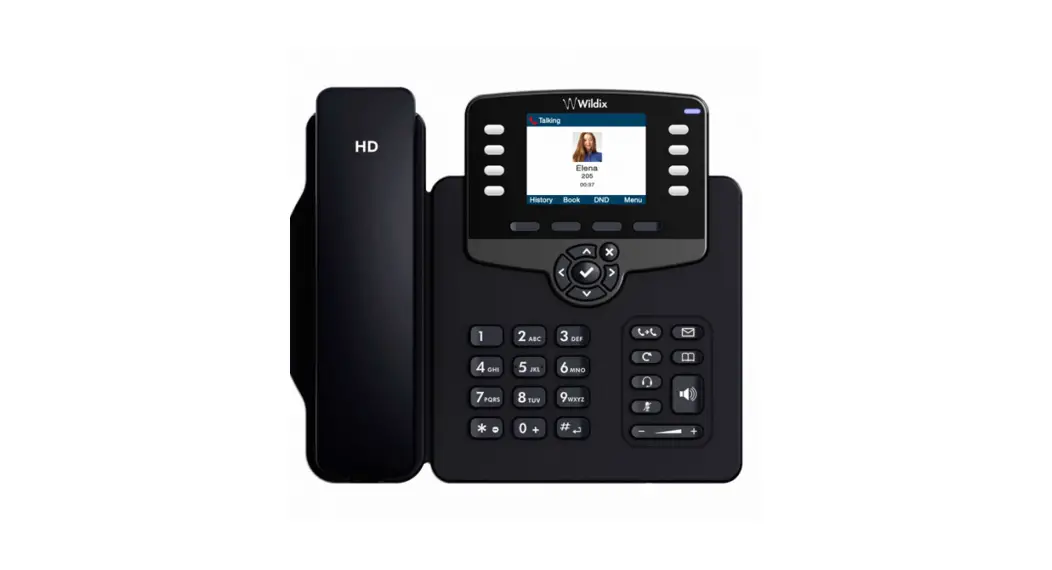
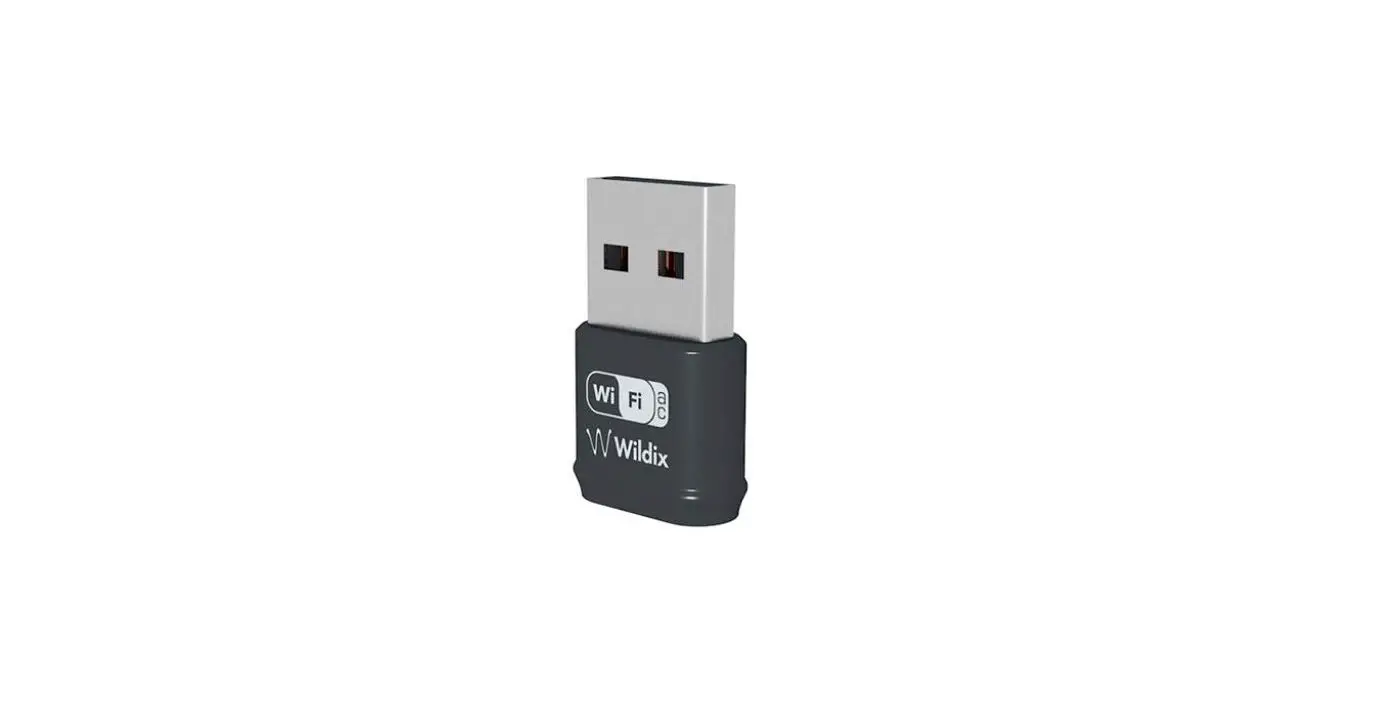
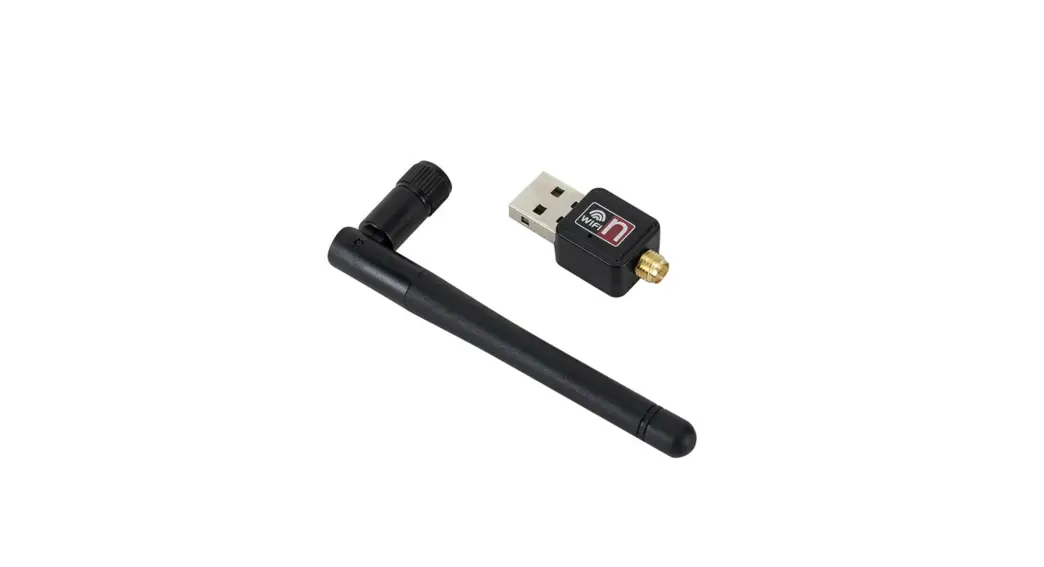
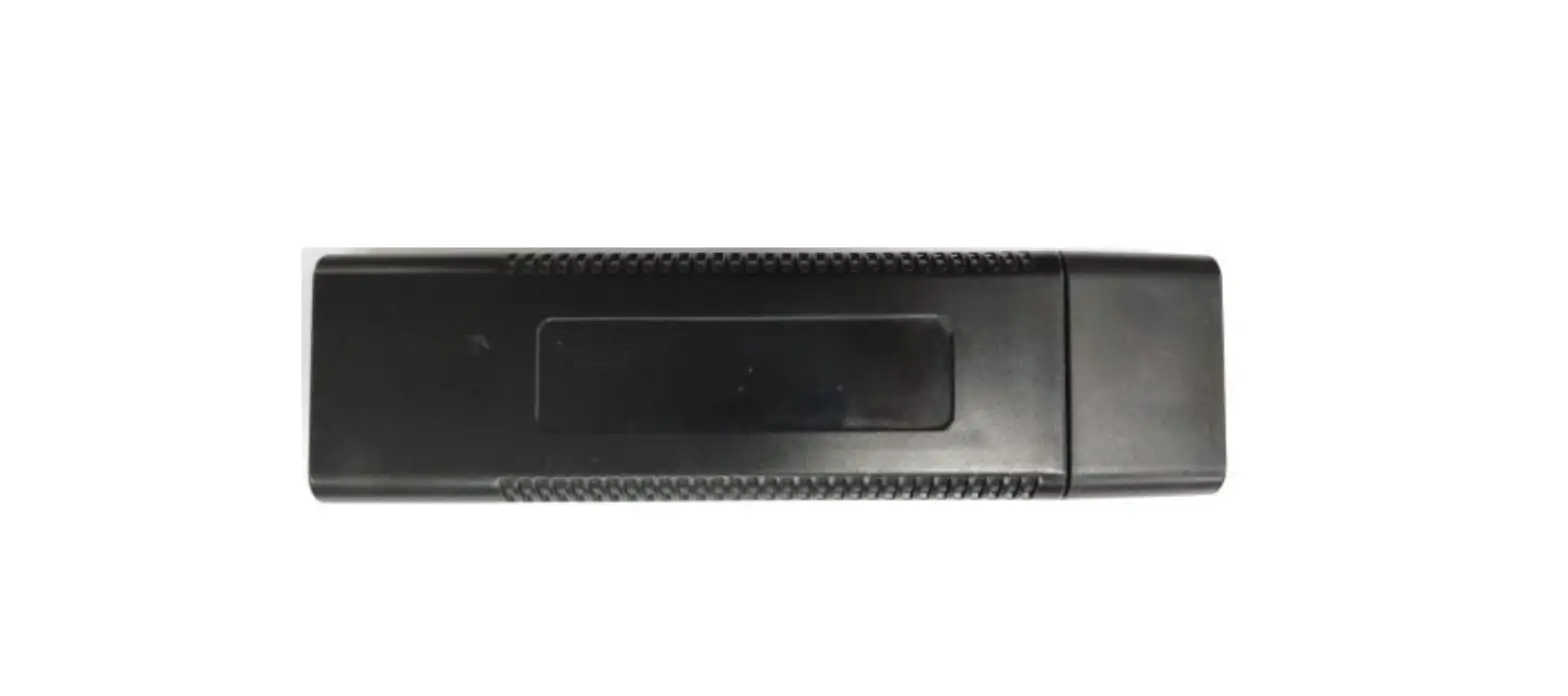
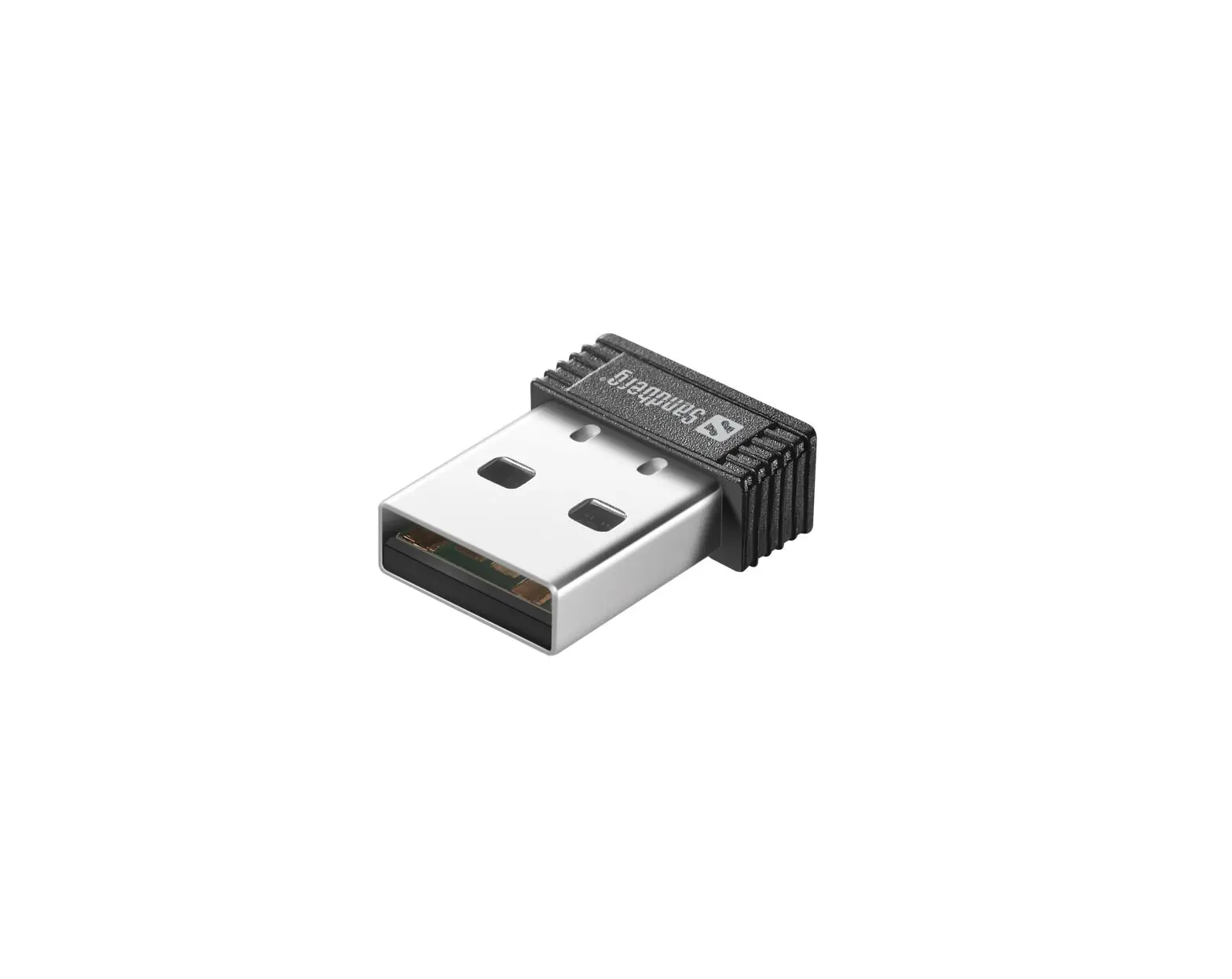
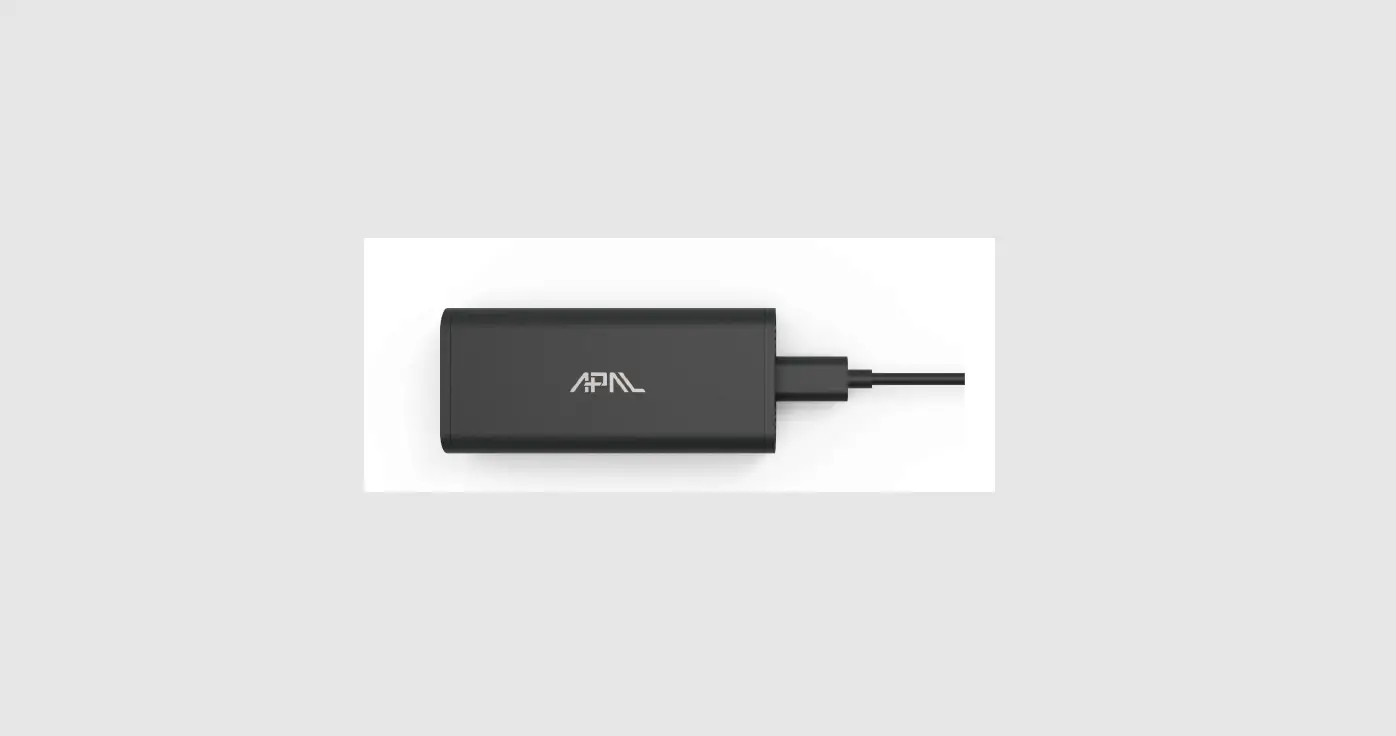
- 1 x WorkForce Wi-Fi Dongle
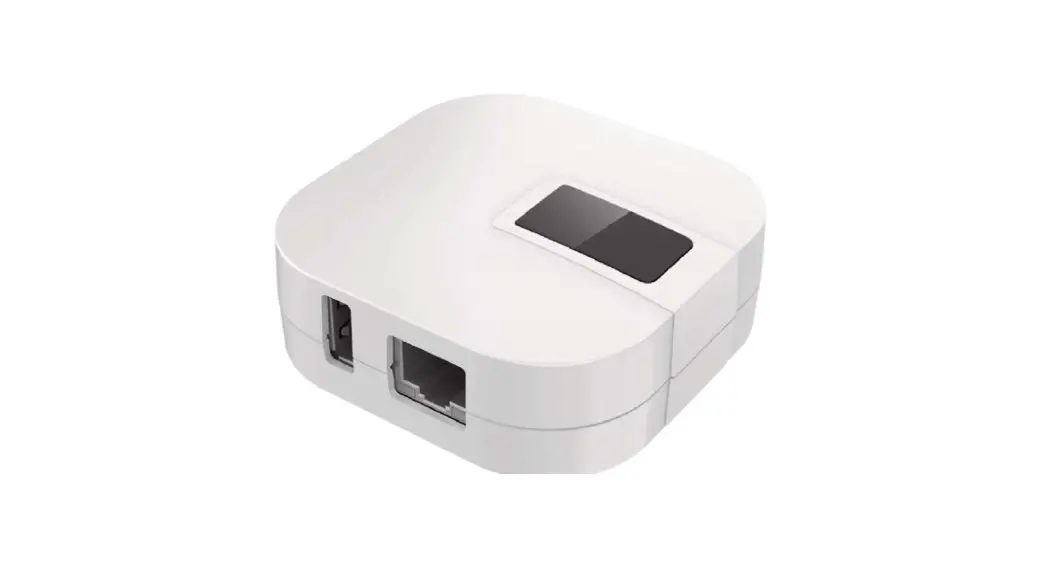
- 1 x Type-C adapter
Note: The dongle support starts from WorkForce firmware v. 65.145.0.220.
SAFETY INFORMATION
https://www.wildix.com/safety-information/
WI-FI DONGLE CONNECTION
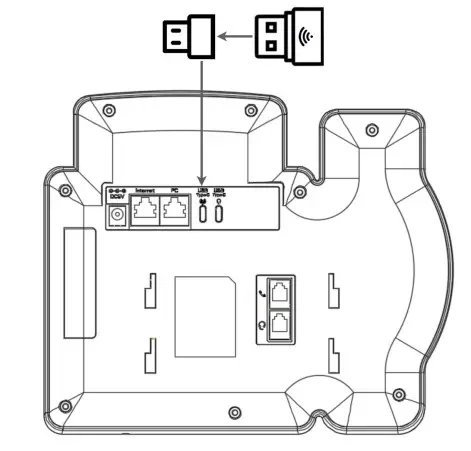
- Connect WorkForce Wi-Fi Dongle to Type-C adapter
- Plug the Wi-Fi Dongle into the WorkForce USB Type-C port
- The Wi-Fi Dongle connection LED indicator turns steady blue when connected

Notes:
- Wi-Fi Bridge mode is not supported
- WorkForce with a connected dongle requires at least 5V 2A power source
NETWORK CONNECTION
To connect WorkForce to a Wi-Fi network:
- Press Menu soft key on WorkForce
- Go to the Network menu and select the WLAN option
- Enable Wi-Fi connection: use Navigation keys or press the Switch soft key to change the Wi-Fi connection status from Disable to Enable; press the Save soft key
- Searching for Wi-Fi Networks is in progress. After it is completed, there is a list of all available networks
- Select a Wi-Fi network from the list and press Connect soft key
- Enter the password and press the Save soft key
- The workForce is now connected to the Wi-Fi network
Full guide online:

Warning:
This device complies with Part 15 of the FCC Rules. Operation is subject to the following two conditions: (I) this device may not cause harmful interference, and (2) this device must accept any interference received, including interference that may cause undesired operation. changes or modifications not expressly approved by the party responsible for compliance could void the user’s authority to operate the equipment.
NOTE: This equipment has been tested and found to comply with the limits for a Class B digital device, pursuant to Part 15 of the FCC Rules. These limits are designed to provide reasonable protection against harmful interference in a residential installation. This equipment generates, uses and can radiate radio frequency energy and, if not installed and used in accordance with the instructions, may cause harmful interference to radio communications. However, there is no guarantee that interference will not occur in a particular installation. If this equipment does cause harmful interference to radio or television reception, which can be determined by turning the equipment off and on, the user is encouraged to try to correct the interference by one or more of the following measures:
- Reorient or relocate the receiving antenna.
- Increase the separation between the equipment and receiver.
- Connect the equipment into an outlet on a circuit different from that to which the receiver is connected.
- Consult the dealer or an experienced radio/TV technician for help.
NOTE: This device and its antenna(s) must not be co-located or operated in conjunction with any other antenna or transmitter
RF Exposure Statement
To maintain compliance with FCC’s RF exposure guidelines, This equipment should be installed and operated at a minimum distance of m the radiator of your body. This device and its antenna(s) must not be co-located or operated in conjunction with any other antenna or transmitter
 Wildix PBX | VoIP Solutions | Unified Communications | WebRTC