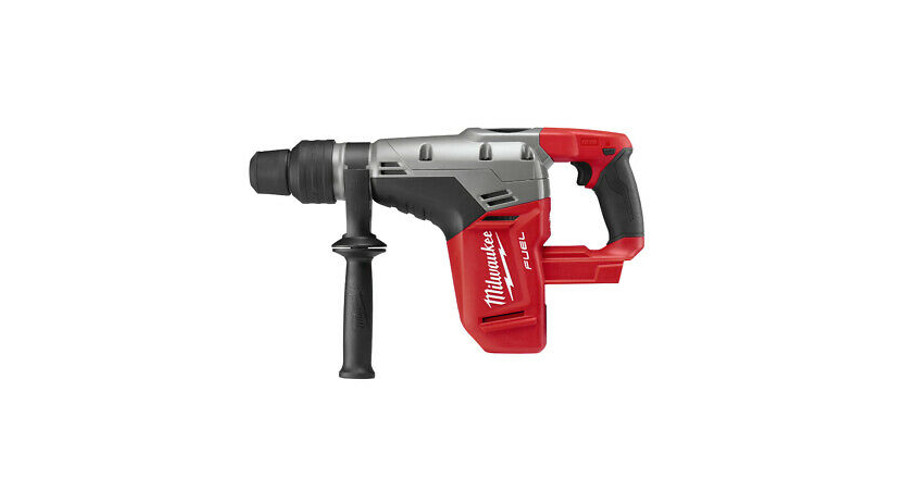
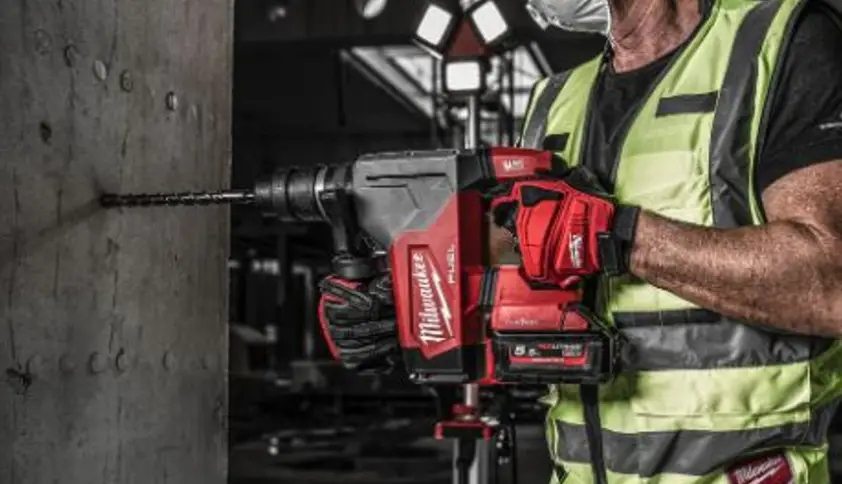
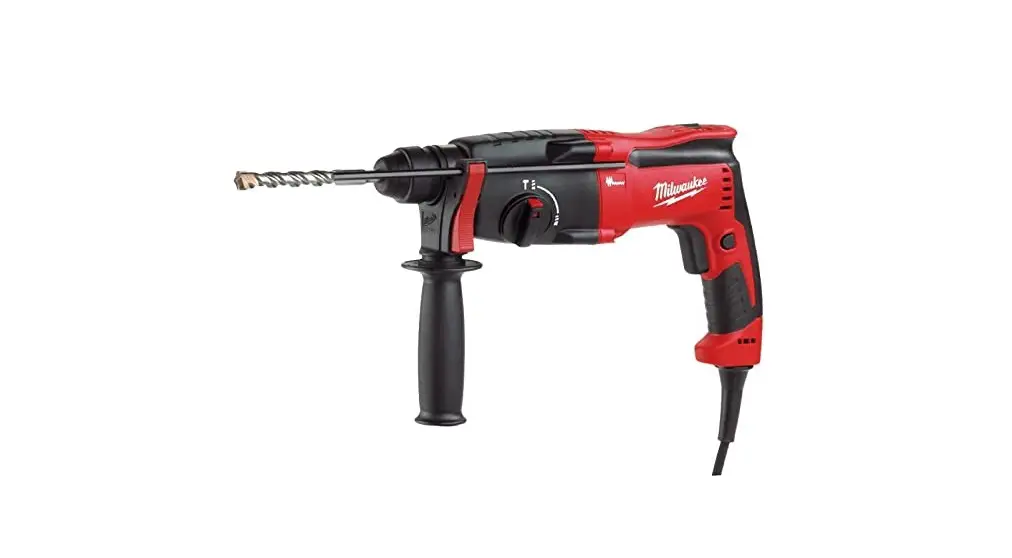
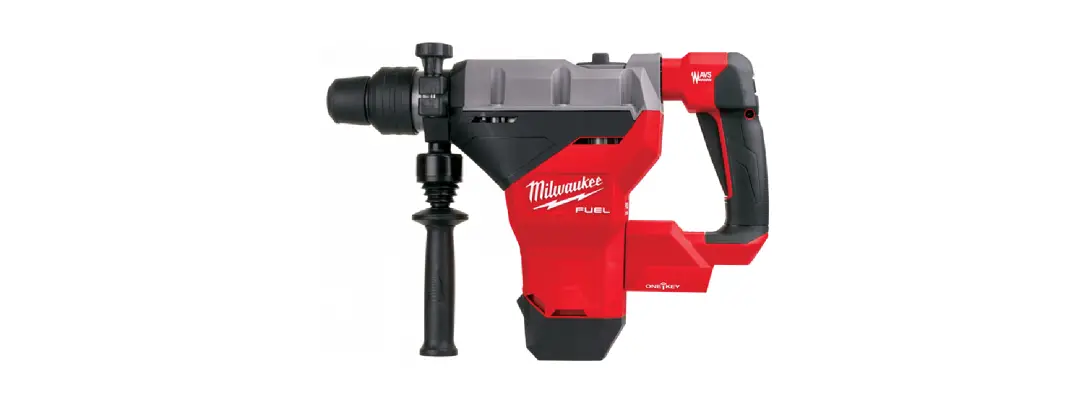
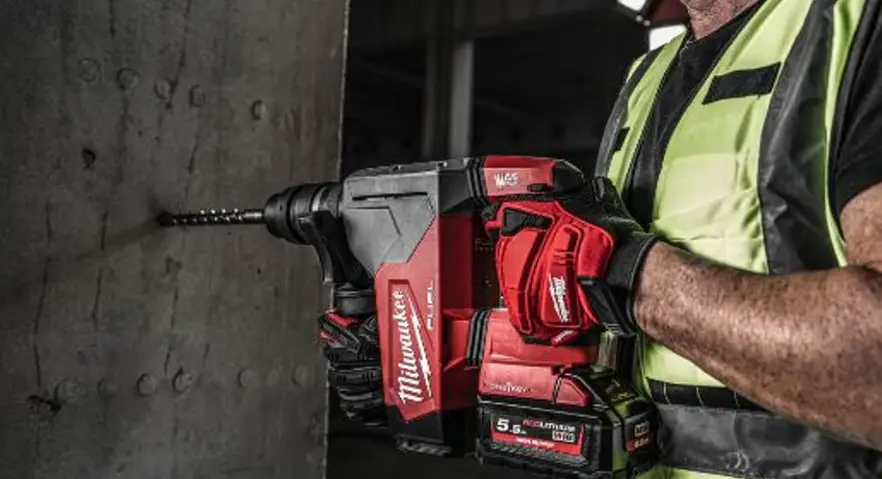
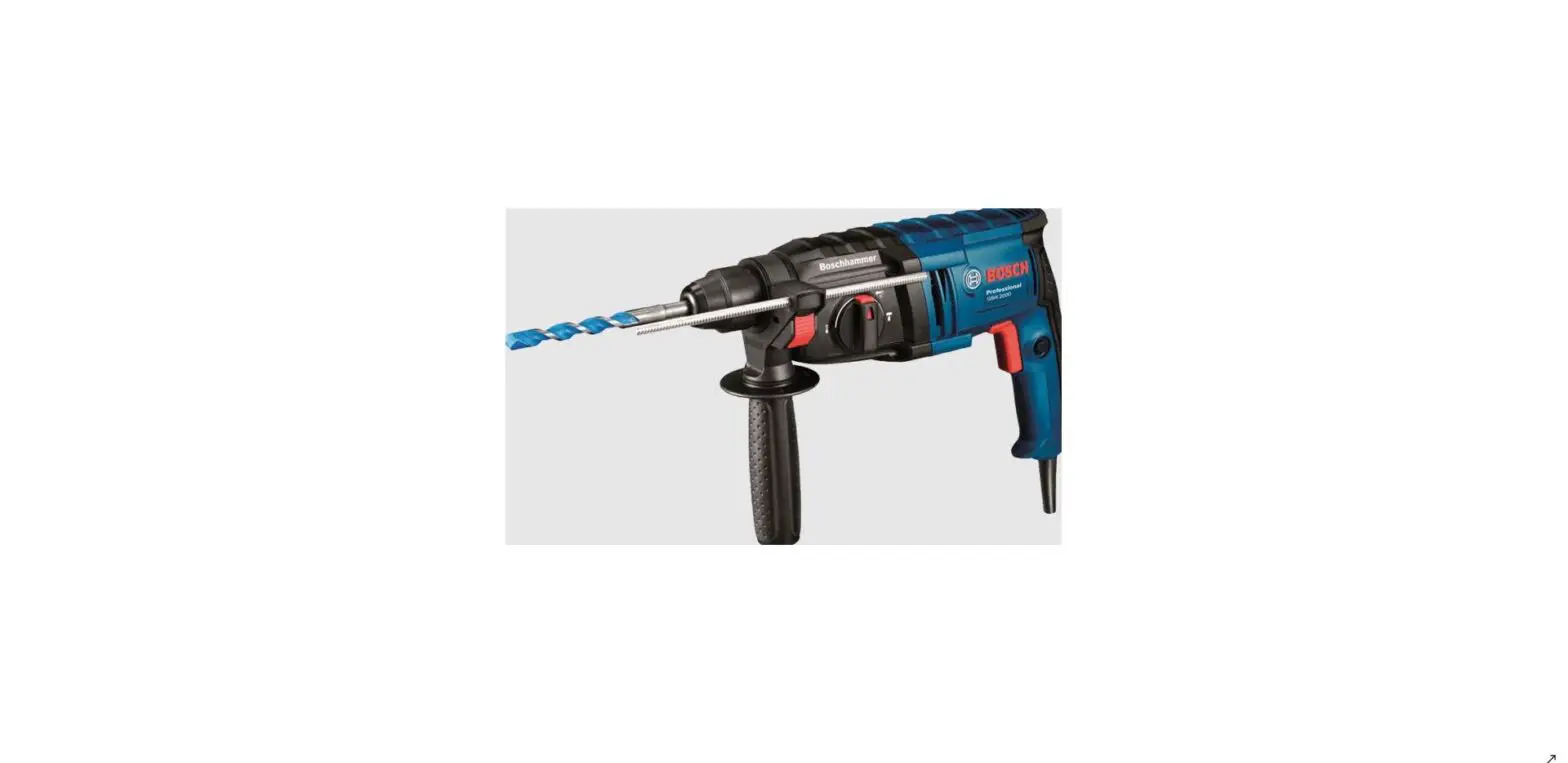
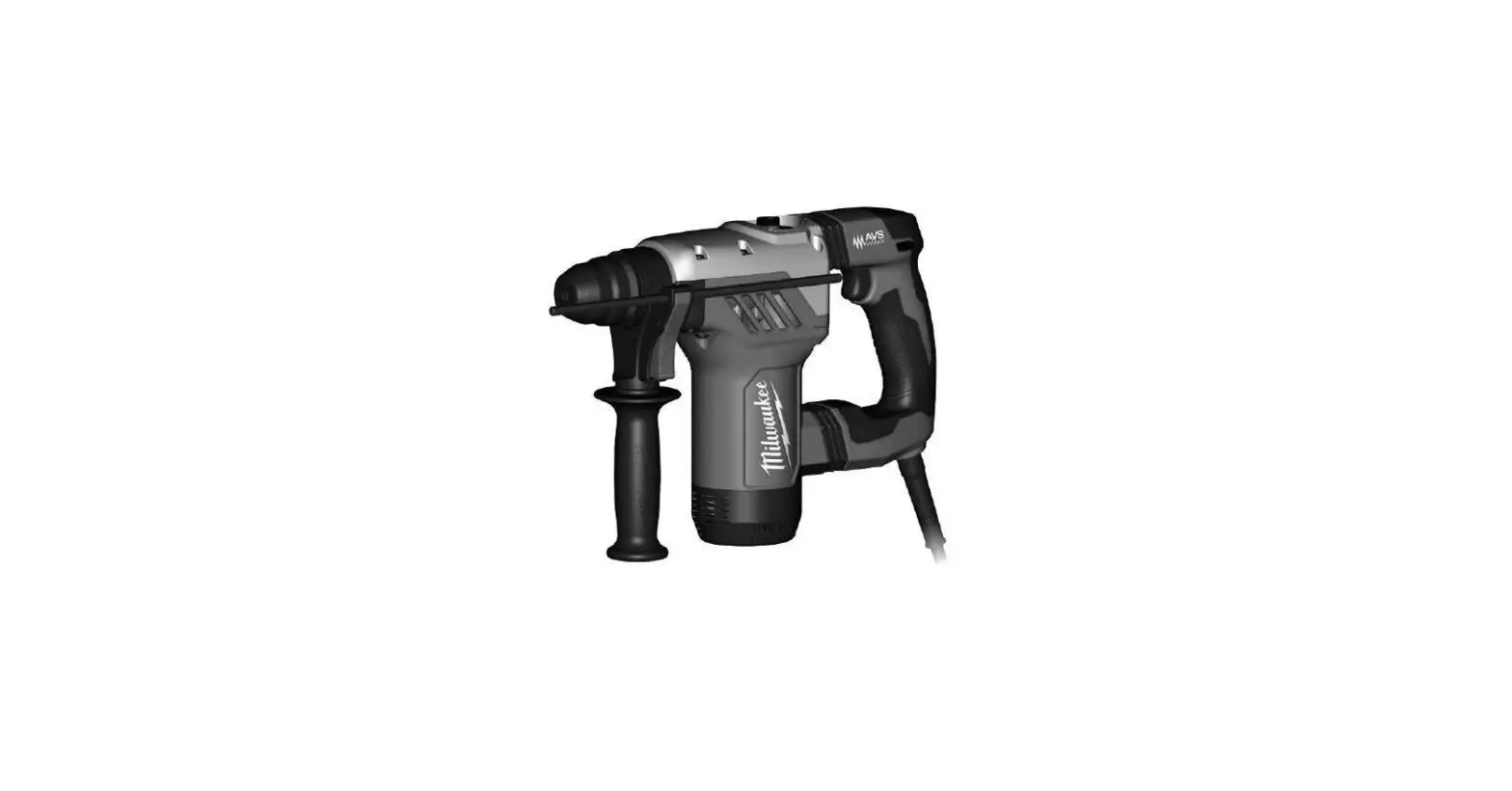
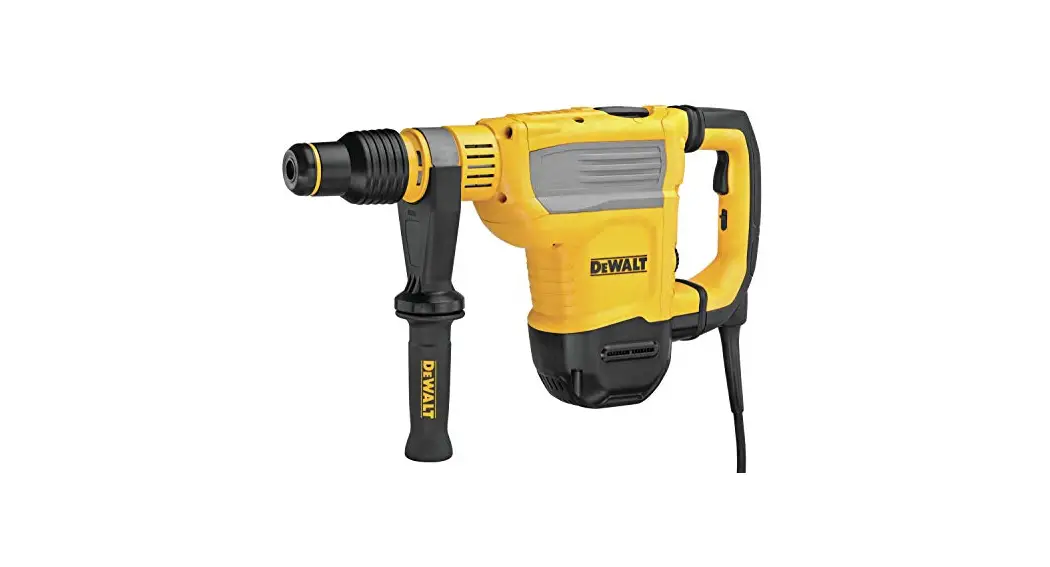
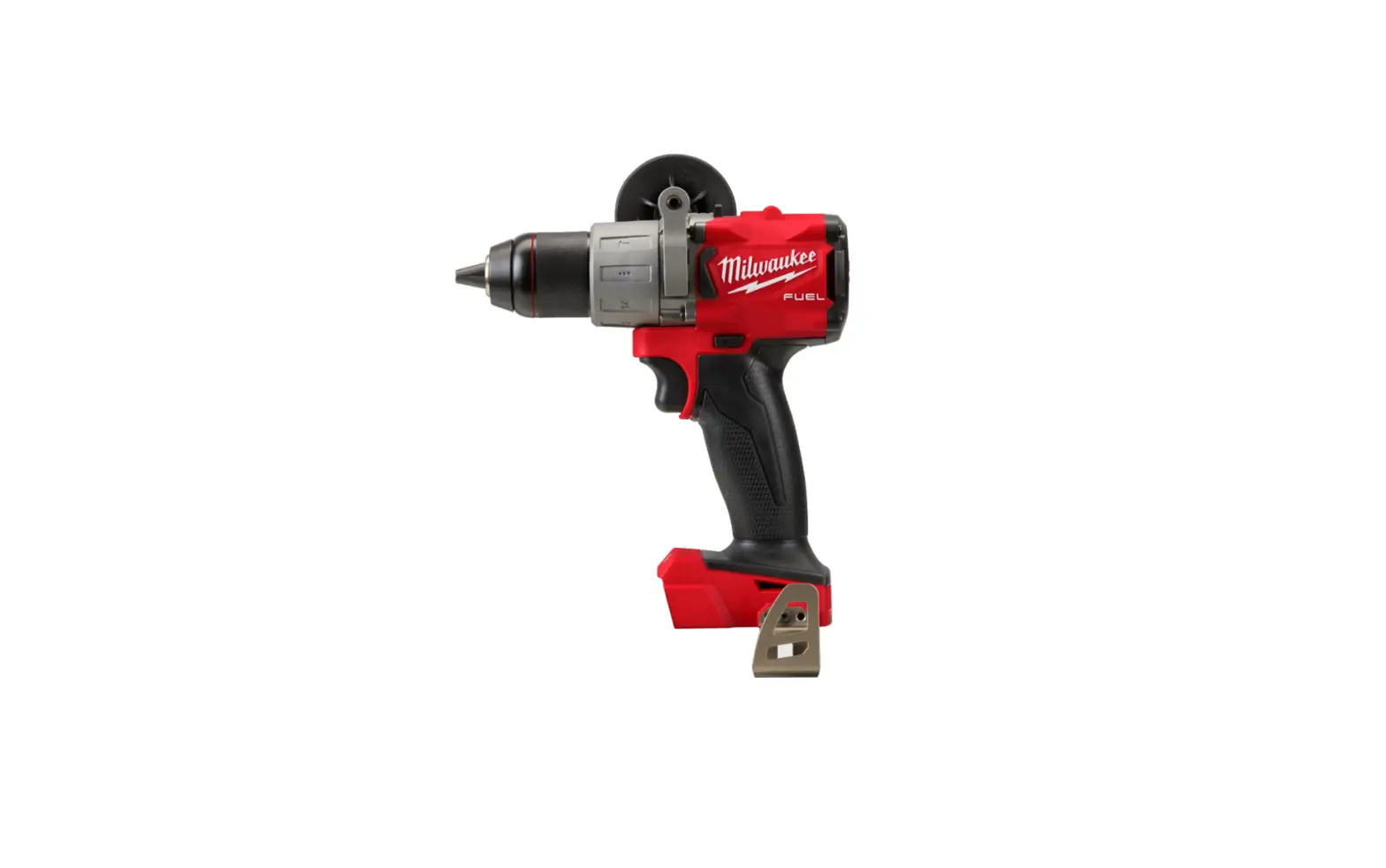
M18 CHD-0 25 mm Rotary Hammer
Product Information
Product Name:
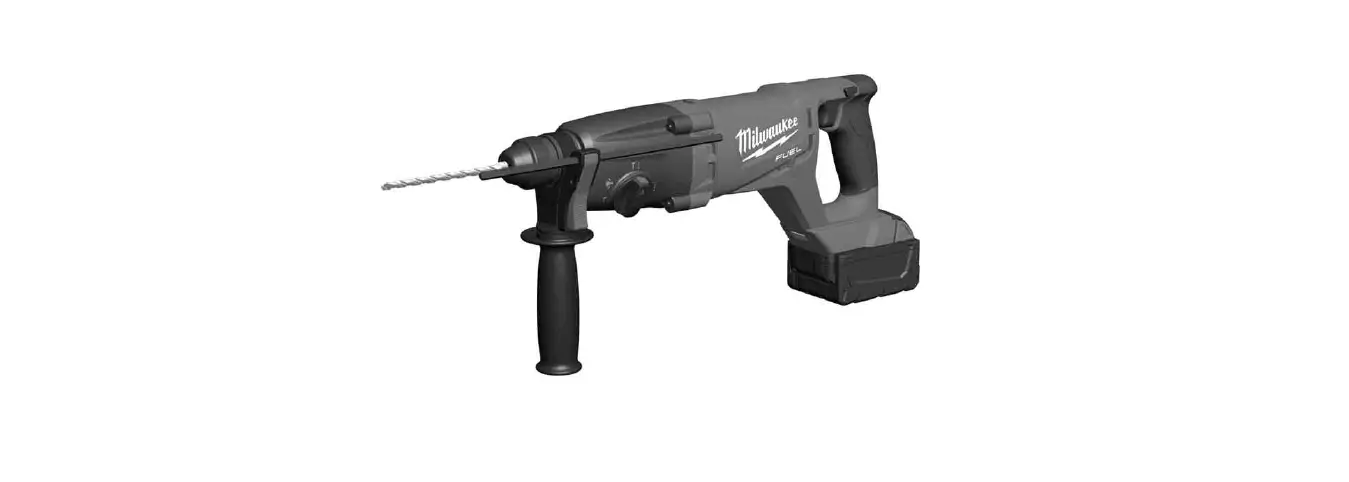
M18 CHD-0 PLUS M18 FUELTM 25 mm Rotary Hammer
Product Description:
The M18 CHD-0 PLUS M18 FUELTM 25 mm Rotary Hammer is a power tool
that can operate on battery or mains power. It is designed to drill
holes in concrete, masonry, and other hard materials. The tool has
a mode selector knob that allows the user to switch between
drilling, hammer drilling, and chiselling modes. The tool also has
a bit holder and bit release collar for easy bit changes. The
rotary hammer comes with a side handle for improved control and
comfort during use.
Specifications:
- Cat. No.: M18 CHD-0
- Volts: 18 DC
- Battery Type: M18TM
- Type: SDS Plus
- Twist bit: 25 mm (1)
- Core bit: 63 mm (2.5)
- BPM: 0 – 4900
Symbology:
- Volts
- Direct Current
- No-Load Revolutions per Minute (RPM)
- BPM Blows per Minute (BPM)
Safety Warnings:
- Read all safety warnings, instructions, illustrations, and
specifications provided with this power tool. - Do not use a power tool while you are tired or under the
influence of drugs, alcohol, or medication. - Wear eye protection and protective equipment such as a dust
mask, non-skid safety shoes, and hard hat. - Use the correct power tool for your application.
- Ensure dust extraction and collection facilities are in
place. - Do not use a power tool near flammable materials or gases.
- Do not allow children or persons unfamiliar with the power tool
or these instructions to operate it.
Product Usage Instructions:
- Read and understand the operator’s manual before using the
rotary hammer. - Select the appropriate bit for your application and insert it
into the bit holder. - Adjust the mode selector knob to the desired mode (drilling,
hammer drilling, or chiselling). - Connect the battery or mains power to the tool.
- Place the side handle onto the tool for improved control and
comfort during use. - Position the tool on the work surface and hold it firmly with
both hands. - Press the trigger to start the tool and begin drilling or
chiselling. - Release the trigger to stop the tool.
- When finished, turn off the tool and disconnect the battery or
mains power. - Remove the bit from the bit holder and store it in a safe
place.
OPERATOR’S MANUAL
Cat. No.
SDS
M18 CHD-0 PLUS M18 FUELTM 25 mm Rotary Hammer
WARNING To reduce the risk of injury, user must read and understand operator’s manual.
Downloaded from www.Manualslib.com manuals search engine
GENERAL POWER TOOL
·Remove any adjusting key or wrench before
SAFETY WARNINGS
turning the power tool on. A wrench or a key left
WARNING Read all safety warnings, instruc-
tions, illustrations and specifications provided with this power tool. Failure to follow all instructions listed below may result in electric shock, fire and/or serious injury. Save all warnings and instructions for future reference. The term “power tool” in the warnings refers to your mains-operated (corded) power tool or battery-oper-
ated (cordless) power tool.
attached to a rotating part of the power tool may result in personal injury. ·Do not overreach. Keep proper footing and balance at all times. This enables better control of the power tool in unexpected situations. ·Dress properly. Do not wear loose clothing or
jewelry. Keep your hair and clothing away from moving parts. Loose clothes, jewelry or long hair can be caught in moving parts. ·If devices are provided for the connection of
WORK AREA SAFETY
dust extraction and collection facilities, ensure
·Keep work area clean and well lit. Cluttered or dark areas invite accidents. ·Do not operate power tools in explosive atmospheres, such as in the presence of flammable liquids, gases or dust. Power tools create sparks which may ignite the dust or fumes. ·Keep children and bystanders away while oper-
these are connected and properly used. Use of dust collection can reduce dust-related hazards. ·Do not let familiarity gained from frequent use of tools allow you to become complacent and ignore tool safety principles. A careless action can cause severe injury within a fraction of a second.
POWER TOOL USE AND CARE
ating a power tool. Distractions can cause you to ·Do not force the power tool. Use the correct
lose control.
power tool for your application. The correct power
ELECTRICAL SAFETY
tool will do the job better and safer at the rate for
·Power tool plugs must match the outlet. Never modify the plug in any way. Do not use any adapter plugs with earthed (grounded) power tools. Unmodified plugs and matching outlets will reduce risk of electric shock. ·Avoid body contact with earthed or grounded surfaces, such as pipes, radiators, ranges and refrigerators. There is an increased risk of electric shock if your body is earthed or grounded. ·Do not expose power tools to rain or wet conditions. Water entering a power tool will increase the risk of electric shock. ·Do not abuse the cord. Never use the cord for carrying, pulling or unplugging the power tool. Keep cord away from heat, oil, sharp edges or moving parts. Damaged or entangled cords increase the risk of electric shock. ·When operating a power tool outdoors, use an extension cord suitable for outdoor use. Use of a cord suitable for outdoor use reduces the risk of electric shock. ·If operating a power tool in a damp location is unavoidable, use a ground fault circuit interrupter (GFCI) protected supply. Use of an GFCI reduces the risk of electric shock.
PERSONAL SAFETY
which it was designed. ·Do not use the power tool if the switch does not
turn it on and off. Any power tool that cannot be
controlled with the switch is dangerous and must be repaired. ·Disconnect the plug from the power source and/ or remove the battery pack, if detachable, from the power tool before making any adjustments, changing accessories, or storing power tools.
Such preventive safety measures reduce the risk of starting the power tool accidentally. ·Store idle power tools out of the reach of chil-
dren and do not allow persons unfamiliar with
the power tool or these instructions to operate
the power tool. Power tools are dangerous in the hands of untrained users. ·Maintain power tools and accessories. Check for misalignment or binding of moving parts, breakage of parts and any other condition that may
affect the power tool’s operation. If damaged, have the power tool repaired before use. Many accidents are caused by poorly maintained power tools. ·Keep cutting tools sharp and clean. Properly
maintained cutting tools with sharp cutting edges are less likely to bind and are easier to control. ·Use the power tool, accessories and tool bits
·Stay alert, watch what you are doing and use etc. in accordance with these instructions, tak-
common sense when operating a power tool. Do ing into account the working conditions and the
not use a power tool while you are tired or under work to be performed. Use of the power tool for
the influence of drugs, alcohol or medication. A operations different from those intended could result
moment of inattention while operating power tools in a hazardous situation.
may result in serious personal injury.
·Keep handles and grasping surfaces dry, clean
·Use personal protective equipment. Always and free from oil and grease. Slippery handles
wear eye protection. Protective equipment such and grasping surfaces do not allow for safe handling
as a dust mask, non-skid safety shoes, hard hat or and control of the tool in unexpected situations.
hearing protection used for appropriate conditions will reduce personal injuries. ·Prevent unintentional starting. Ensure the switch is in the off-position before connecting to power source and/or battery pack, picking up or carrying the tool. Carrying power tools with your finger on the switch or energizing power tools that have the switch on invites accidents.
BATTERY TOOL USE AND CARE
·Recharge only with the charger specified by the manufacturer. A charger that is suitable for one type of battery pack may create a risk of fire when used with another battery pack. ·Use power tools only with specifically designated battery packs. Use of any other battery packs may create a risk of injury and fire.
2 Downloaded from www.Manualslib.com manuals search engine
·When battery pack is not in use, keep it away from other metal objects, like paper clips, coins, keys, nails, screws or other small metal objects, that can make a connection from one terminal
SYMBOLOGY
Volts
to another. Shorting the battery terminals together
may cause burns or a fire. ·Under abusive conditions, liquid may be ejected from the battery; avoid contact. If contact accidentally occurs, flush with water. If liquid contacts eyes, additionally seek medical help. Liquid ejected from the battery may cause irritation or burns.
Direct Current No-Load Revolutions per Minute (RPM)
BPM Blows per Minute (BPM)
·Do not use a battery pack or tool that is damaged or modified. Damaged or modified batteries may exhibit unpredictable behavior resulting in fire,
SPECIFICATIONS
explosion or risk of injury. ·Do not expose a battery pack or tool to fire or excessive temperature. Exposure to fire or tem-
Cat. No. ……………………………………….. M18 CHD-0 Volts…………………………………………………….. 18 DC Battery Type ………………………………………….M18TM
perature above 130°C (265°F) may cause explosion. Charger Type…………………………………………M18TM
·Follow all charging instructions and do not No Load RPM …………………………………….. 0 – 1400
charge the battery pack or tool outside the temperature range specified in the instructions.
BPM………………………………………………….. 0 – 4900 Type………………………………………………… SDS Plus
Charging improperly or at temperatures outside Twist bit………………………………………….. 25 mm (1″)
the specified range may damage the battery and Core bit ………………………………………. 63 mm (2.5″)
increase the risk of fire.
FUNCTIONAL DESCRIPTION
SERVICE
·Have your power tool serviced by a qualified repair person using only identical replacement
1. Bit holder 2. Bit release collar
8 7
parts. This will ensure that the safety of the power 3. Side handle
tool is maintained.
4. Mode selector knob
·Never service damaged battery packs. Service of battery packs should only be performed by the
9
6
manufacturer or authorized service providers.
10
SPECIFIC SAFETY RULES FOR
ROTARY HAMMERS
·Wear ear protectors. Exposure to noise can cause
hearing loss.
·Use auxiliary handle(s), if supplied with the tool.
Loss of control can cause personal injury.
·Hold power tools by insulated gripping surfaces,
when performing an operation where the cutting
tool may contact hidden wiring. Cutting accessory
contacting a “live” wire may make exposed metal
parts of the power tool “live” and could give the
operator an electric shock.
·Keep hands away from all cutting edges and
moving parts.
·Maintain labels and nameplates. These carry
important contact a
inMfoILrmWaAtUioKn.EEIf ®unserervaidcaeblfeacoilritymisfosringa,
replacement.
· WARNING Some dust created by power sand-
ing, sawing, grinding, drilling, and
other construction activities contains chemicals
known to cause cancer, birth defects or other repro-
ductive harm. Some examples of these chemicals
are:
·lead from lead-based paint
·crystalline silica from bricks and cement and other
masonry products, and
·arsenic and chromium from chemically-treated
lumber.
Your risk from these exposures varies, depending
on how often you do this type of work. To reduce
your exposure to these chemicals: work in a well
ventilated area, and work with approved safety
equipment, such as those dust masks that are spe-
cially designed to filter out microscopic particles.
1 2 3
5
4
5. LED
6. Trigger handle
7. Trigger
8. Control switch
9. Clamping lever
10. Depth gauge rod
3 Downloaded from www.Manualslib.com manuals search engine
ASSEMBLY
OPERATION
WARNING
Recharge only with the specified for the battery.
charger For spe-
cific charging instructions, read the operator’s
manual supplied with your charger and battery.
Removing/Inserting the Battery
To remove the battery, push in the release buttons and pull the battery pack away from the tool.
WARNING
Always remove battery pack before changing or removing accessories.
To insert the battery, slide the pack into the body of the tool. Make sure it latches securely into place.
Adjusting the Side Handle Position
1. Loosen the side handle by unscrewing the side handle grip until the side handle rotates freely.
2. Rotate the side handle to the desired position. 3. Tighten the side handle grip securely.
Setting the Depth Gauge
1. Press in the clamping lever. 2. Slide the depth gauge rod backward or forward
until it is set for the desired depth. NOTE: The drilling depth is the distance between
the tip of the bit and the tip of the depth gauge rod. 3. Release the clamping lever.
WARNING
To reduce the risk of injury, always wear safety goggles or glasses
with side shields.
To reduce the risk of injury, keep hands away from the bit and moving parts.
MILWAUKEE®
Selecting Action
Rotary Hammers have
three
settings:
rotation only, rotary hammer, and hammer only.
Always allow the motor to come to a complete stop
before changing the mode selection to avoid dam-
age to the tool.
1. For rotation only, rotate the mode
selector so the arrow on the lever
points to the twist drill symbol.
2. For rotary hammering, rotate the mode selector so the arrow points to the hammer and twist drill symbol.
3. For hammering only, rotate the mode selector so the arrow points to the hammer symbol.
Drilling Depth
Installing Drill Bits and Chisels
NOTE: Only use accessories with SDS or SDS Plus shanks. Be sure that the shank of the bit is clean. Dirt particles may cause the bit to line up improperly. Do not use bits larger than the maximum recommended capacity of the drill because gear damage or motor overloading may result. For best performance, be sure that the bit is properly sharpened and the shank is lightly greased before use. 1. Remove battery pack 2. Insert the bit or chisel into the nose of the tool. 3. Rotate bit slowly until it aligns with the locking
mechanism. 4. Push bit into tool until it locks. 5. Check that the bit is locked properly; it should be
possible to pull the bit back and forth slightly (about 6 mm (1/4″). 6. To remove bits and chisels, pull bit holder release collar toward the rear of tool and remove bit. NOTE: Use caution when handling hot bits and chisels.
4. To freely rotate the bit to the desired angle for hammering only, rotate the mode selector to the symbol. Then, follow step 3.
NOTE: To engage the hammering mechanism, maintain pressure on the bit. When the pressure on the bit is released, the hammering will stop.
Using the Control Switch
The control switch may be set to three positions: forward, reverse and lock. Always allow the motor to come to a complete stop before using the control switch to avoid damage to the tool. For forward (clockwise) rotation, push in the control switch from the right side of the tool. Check the direction of rotation before use. For reverse (counterclockwise) rotation, push in the control switch from the left side of the tool. Check direction of rotation before use. To lock the trigger, push the control switch to the center position. The trigger will not work while the control switch is in the center locked position. Always lock the trigger or remove the battery pack before performing maintenance, changing accessories, storing the tool and any time the tool is not in use.
Starting, Stopping and Controlling Speed
1. To start the tool, grasp the handle firmly and pull the trigger.
2. To vary the speed, increase or decrease the pressure on the trigger. The further the trigger is pulled, the greater the speed.
3. To stop the tool, release the trigger. Make sure the tool comes to a complete stop before laying the tool down.
4 Downloaded from www.Manualslib.com manuals search engine
Operating
For LHS systems, screw the threaded end of the
Position the tool, grasp the handles firmly and pull the trigger. Always hold the tool securely using both handles to maintain control. This tool has been designed to achieve top performance with only moder-
centering bit into the core bit. NOTE: If using an extension, first thread the adapter shank to the extension. Then thread the core bit to the extension.
ate pressure. Let the tool do the work.
3. Insert the adapter into the nose of the tool as described in “Installing Bits and Chisels”. Set the
knob to the “hammering with rotation” setting.
4. Press the centering bit firmly against your center
mark, hold the tool firmly and pull the trigger.
NOTE: If a threaded stud is used, or a center
pin and guide plate are not available, use a
template or notched board to start the hole.
5. Start the tool. After drilling to about the depth
of the core bit teeth, remove the center pin and
guide plate from the core bit (not necesary for LHS
system). Resume drilling.
6. To change the core bit, hold the tool upwards,
pointing it away from your body, and run it briefly
in forward to loosen the core bit from the adapter.
NOTE: To make deeper holes, remove the core bit,
break and remove the core, then resume drilling.
If the speed begins to drop off when drilling large or When drilling long or deep holes, after each inch
deep holes, pull the bit partially out of the hole while of penetration pull the bit partially out of the hole
the tool is running to help clear dust. Do not use water to settle the dust since it will clog the bit flutes and tend to make the bit bind in the hole. If the bit should bind, a built-in, non-adjustable slip clutch prevents
while the tool is running, to help clear dust from the bit flutes. Dust can clog the bit flutes and can make the bit bind in the hole. If this occurs, stop the tool, free the bit and begin again.
the bit from turning. If this occurs, stop the tool, free the bit and begin again.
MILWAUSKeEtEti®ngToSoethlfA-DncrihlolirngChAunckcshorerqsuire a “B”
Cold Starting
taper adapter.
If this tool is stored for a long period of time or 1. Place the proper size tooth anchor chuck into the
at cold temperatures, it may not hammer ini- “B” taper adapter. Then insert the “B” taper adapter
tially because the lubrication has become stiff. into the tool and lock it into place as described.
To warm up the tool:
See “Installing Bits and Chisels”.
1. Insert and lock a bit or chisel into the tool.
2. Insert the anchor into
2. Pull the trigger and apply force to the bit or chisel the tooth anchor chuck.
against a concrete or wood surface for a few Set the knob for ham-
seconds. Release the trigger 3. Repeat until the tool starts hammering. The colder
mering only. Set the anchor on your mark
the tool is, the longer it will take to warm up.
Using Rotary Percussion Core Bits
CinocreonBcitrsetaer.eMuIsLeWfuAl UfoKrEdEri®llinHgelaavrgye-DourtylonCgorheolBesits have heat-treated steel bodies with durable carbide tips. These core bits are specially designed for fast, accurate drilling with combined hammering and rotary action. 1. Clean and lubricate the
threads on the adapter and core bit to make later removal easier. Thread the adapter shank to the rear of the core bit. 2. Push the guide plate onto the pointed end of the center pin. Insert the center pin and guide plate assembly into the core bit. Be sure the small end of the center pin is securely placed into the hole in the center of the core bit.
3. 4. 5.
and hammer until the teeth have penetrated
3mm (1/8″)
the concrete.
Set the knob for ham-
mering with rotation
and drill until the chuck
is 3 mm (1/8″) above
the concrete.
NOTE: It may be nec-
essary to clean dust
and cuttings from the
anchor several times
while drilling the hole.
Remove the anchor
from the hole while the
tool is running. Clean
the dust and cuttings
from the anchor by
pointing it downward
and turning the tool on
and off several times. Clean the dust out of the
hole with a vacuum cleaner or blowout bulb.
Place the expansion plug into the anchor and insert
the anchor into the hole. Switch the knob back to
hammering only, and hammer the anchor firmly
into the hole.
5 Downloaded from www.Manualslib.com manuals search engine
6. Snap the head off of the anchor. To remove the head of anchors up to 16 mm (5/8″), grasp the handles firmly and pull the tool sharply towards you or snap off the anchor head with a hand hammer as shown. The anchor is now ready to receive a bolt.
WARNING
To reduce the risk jury and damage,
of personal innever immerse
your tool, battery pack or charger in liquid or
allow a liquid to flow inside them.
Cleaning
Clean dust and debris from vents. Keep handles clean, dry and free of oil or grease. Use only mild soap and a damp cloth to clean, since certain clean-
ing agents and solvents are harmful to plastics and other insulated parts. Some of these include gasoline, turpentine, lacquer thinner, paint thinner, chlorinated
cleaning solvents, ammonia and household detergents containing ammonia. Never use flammable or combustible solvents around tools.
7. To remove the anchor head wedged in the tooth anchor chuck, use a drift pin. 8. To remove the tooth anchor chuck, remove the “B” taper adapter from the nose of the tool. Insert the drift pin supplied with the adapter into the hole on the side of the “B” taper adapter and strike it sharply to force out the tooth anchor chuck.
Chiseling and Chipping
MILWAUKEE® Rotary Hammers may be used for chipping and chiseling. A variety of accessories are available. When chiseling, hold the tool at an angle to the workpiece. Work from a corner or close to the edge of the workpiece, breaking off one small area at a time rather than attempting too large an area.
MAINTENANCE
WARNING To reduce the risk of injury, always
unplug the charger and remove the battery pack from the charger or tool before performing any maintenance. Never disassemble the tool, battery pack or charger. Contact a MILWAUKEE® service facility for ALL repairs.
Maintaining Tool
Keep your tool, battery pack and charger in good repair by adopting a regular maintenance program. Inspect your tool for issues such as undue noise, misalignment or binding of moving parts, breakage of parts, or any other condition that may affect the tool operation. Return the tool, battery pack, and charger to a MILWAUKEE® service facility for repair. After six months to one year, depending on use, return the tool, battery pack and charger to a MILWAUKEE® service facility for inspection. If the tool does not start or operate at full power witha fully charged battery pack, clean the contacts on the battery pack. If the tool still does not work properly, return the tool, charger and battery pack, to a MILWAUKEE® service facility for repairs.
Repairs
For repairs, return the tool, battery pack and charger to the nearest service center.
ACCESSORIES
WARNING
Use ries.
only recommended accessoOthers may be hazardous.
For a complete listing of accessories refer to your MILWAUKEE® accessories catalogue or go online
to
www.milwaukeetools.com.au
or
www.milwaukeetools.co.nz. To obtain a catalogue,
contact the store where the product was originally purchased or one of our authorised MILWAUKEE®
service centres.
6 Downloaded from www.Manualslib.com manuals search engine
Downloaded from www.Manualslib.com manuals search engine
WARRANTY – AUSTRALIA and NEW ZEALAND
Please refer to Australian and New Zealand warranty supplied with tool. This warranty applies only to product sold in Australia and New Zealand.
SERVICE – AUSTRALIA and NEW ZEALAND
MILWAUKEE®prides itself in producing a premium quality product that is Nothing But Heavy Duty®. Your satisfaction with our products is very important to us! If you encounter any problems with the operation of this tool, please contact your authorised MILWAUKEE® dealer.
For a list of MILWAUKEE® dealers, guarantee or service agents please contact MILWAUKEE® Customer Service or visit our website. (Australia Toll Free Telephone Number 1300 361 505) (New Zealand Toll Free Telephone Number 0800 279 624) or visit www.milwaukeetools.com.au / www.milwaukeetools.co.nz.
Milwaukee Electric Tool Corporation
13135 West Lisbon Road, Brookfield, Wisconsin U.S.A. 53005
Milwaukee Electric Tool Corporation (Australia)
Techtronic Industries (Australia) Pty. Ltd. Rowville, Victoria, Australia, 3178
Milwaukee Electric Tool Corporation (New Zealand)
Techtronic Industries (New Zealand) Pty. Ltd. Mangere, Auckland, New Zealand, 2022
Professionally made in China for Milwaukee Electric Tool Corporation
Downloaded from www.Manualslib.com manuals search engine
961011745-01(A)
 Renewi: Een toonaangevend waste-to-product bedrijf
 Milwaukee Tool | Official New Zealand Site of Milwaukee Tool | Nothing but HEAVY DUTY®
 Milwaukee Tool | Official Australia Site of Milwaukee Tool | Nothing but HEAVY DUTY®