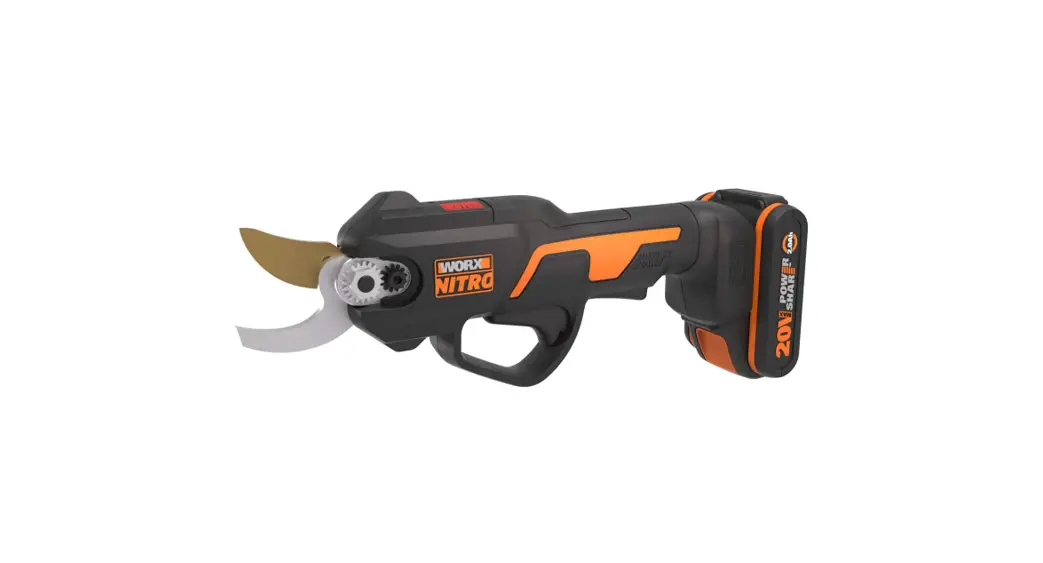
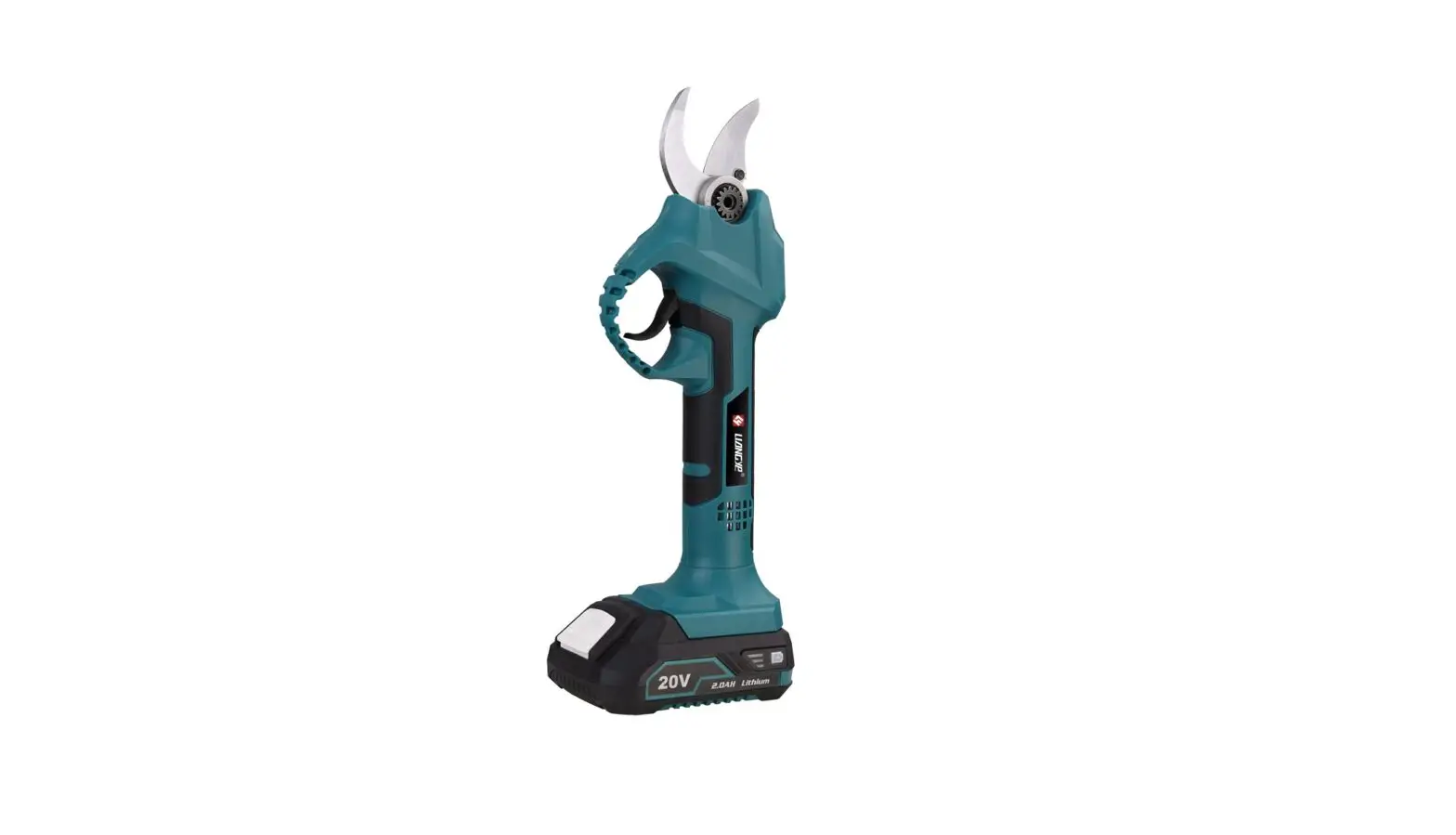
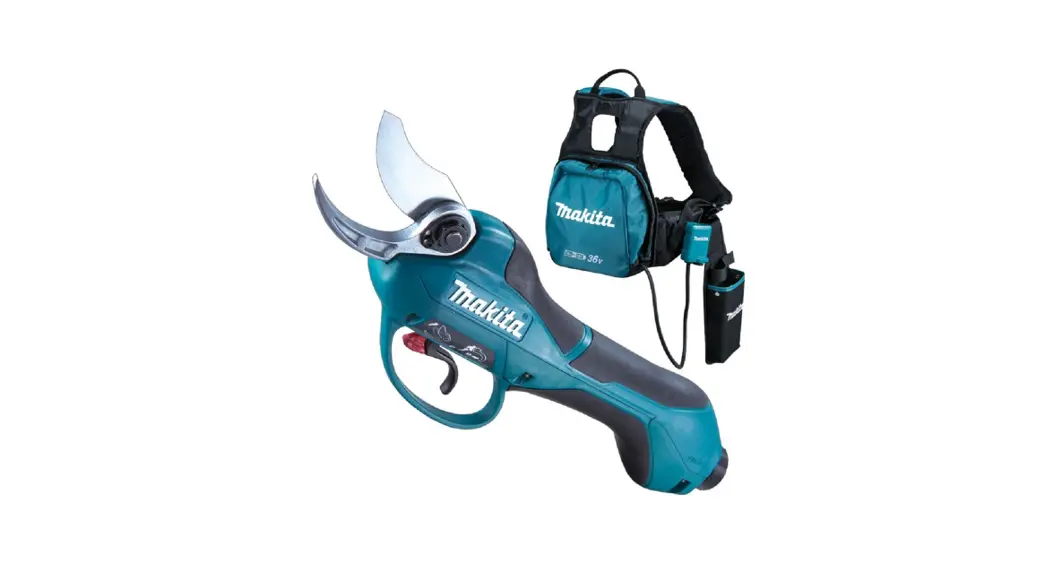
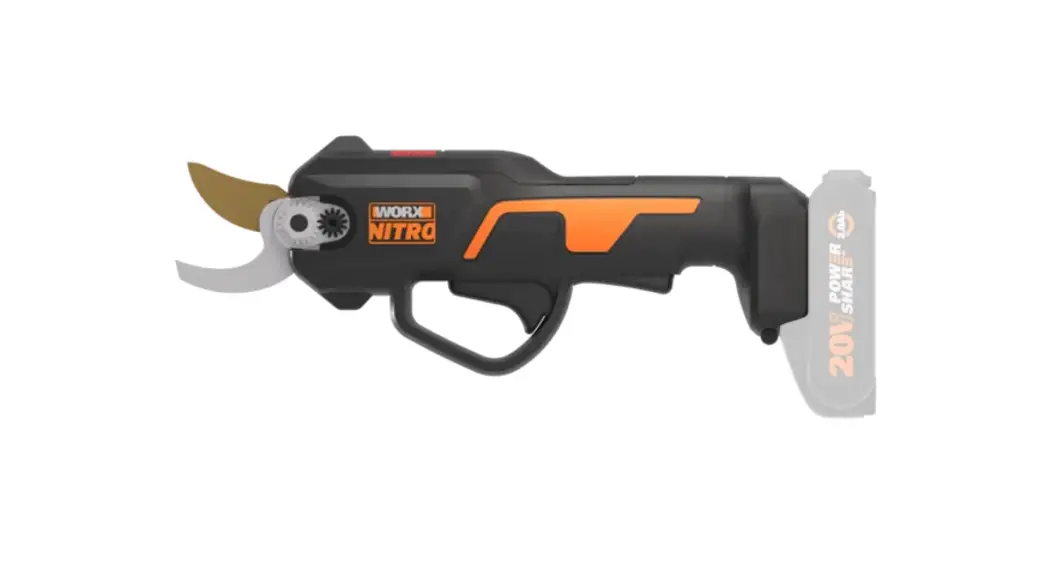
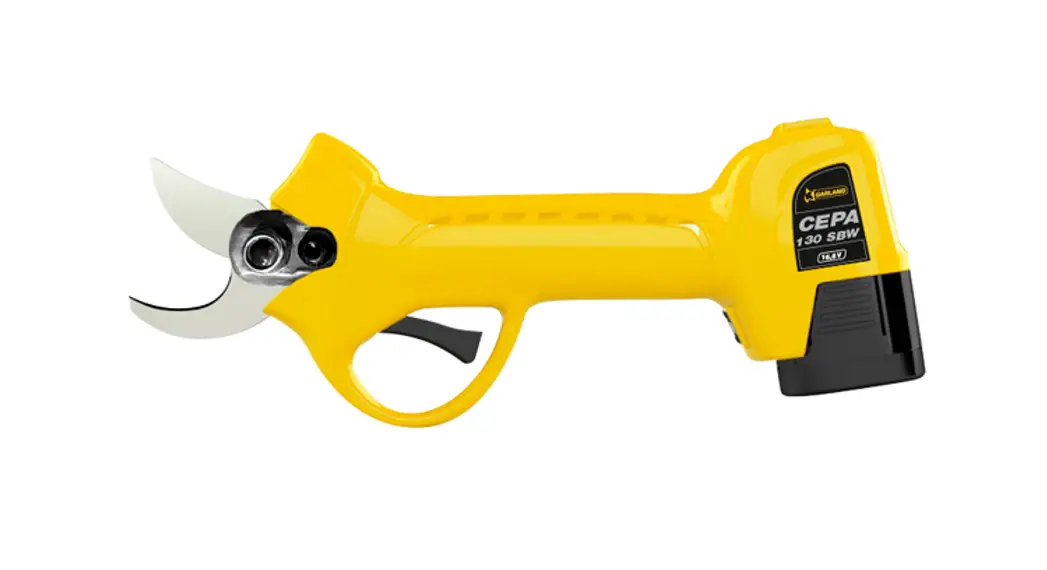
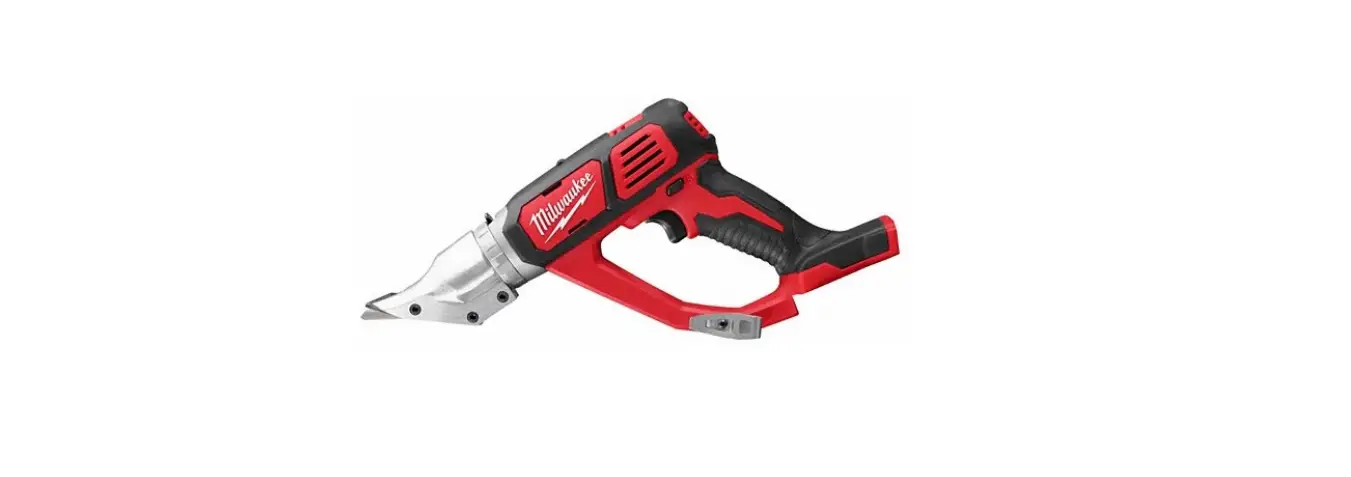
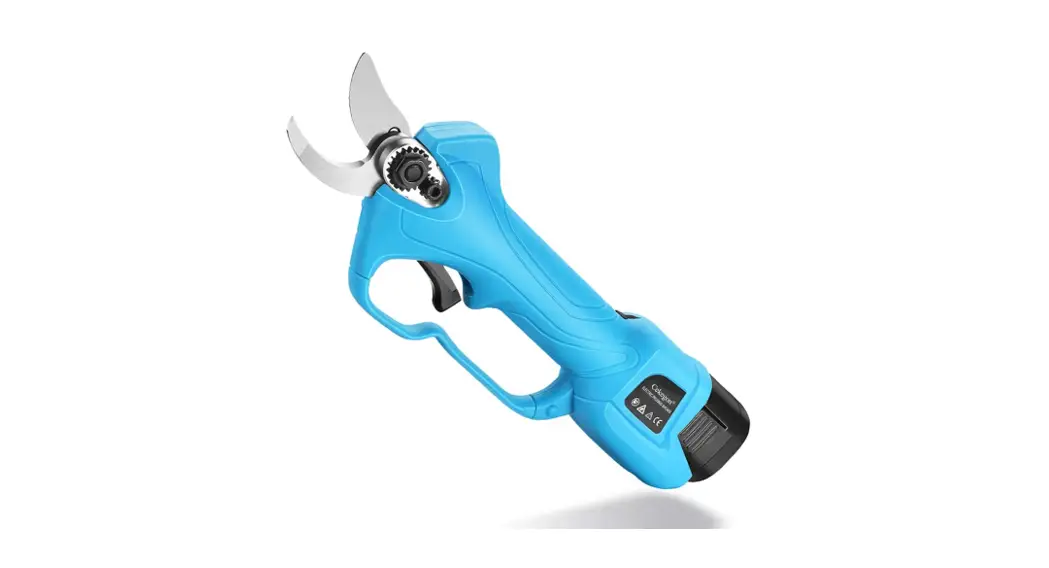
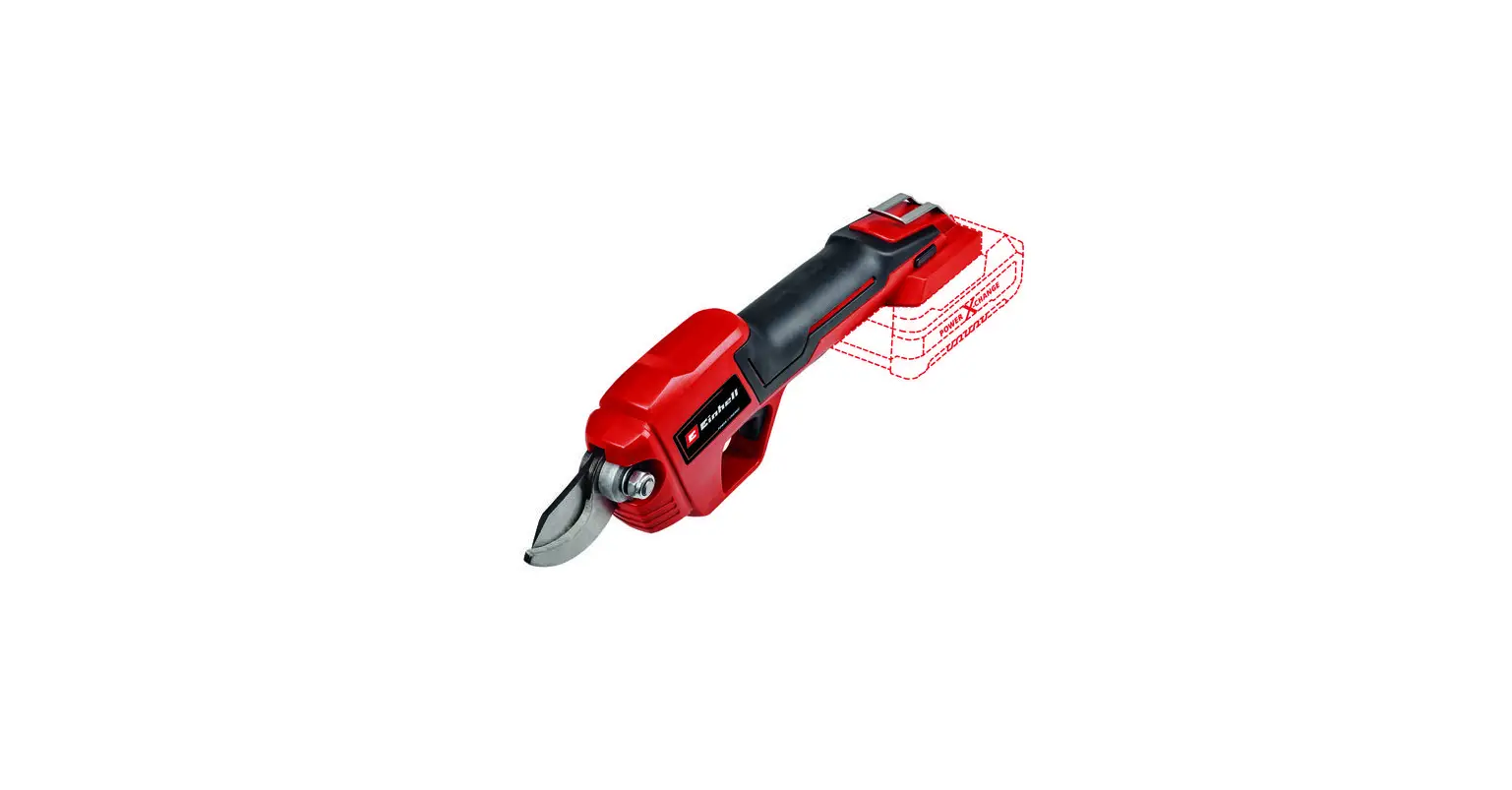
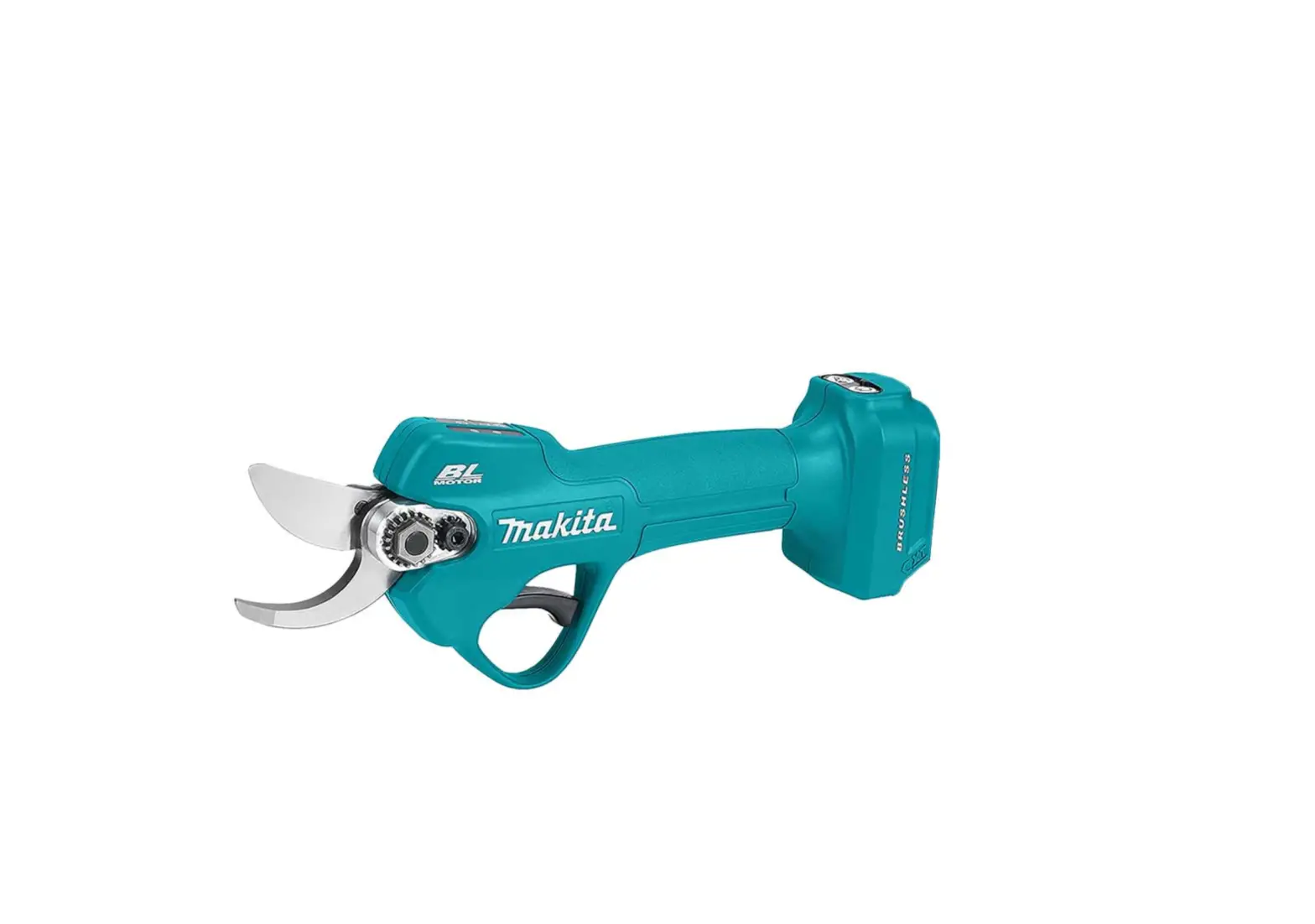
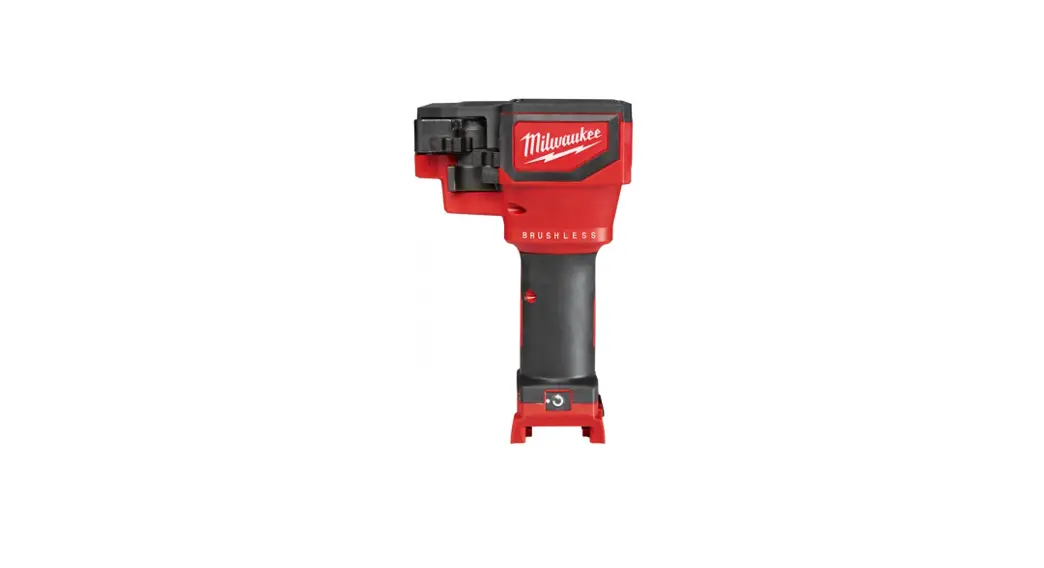
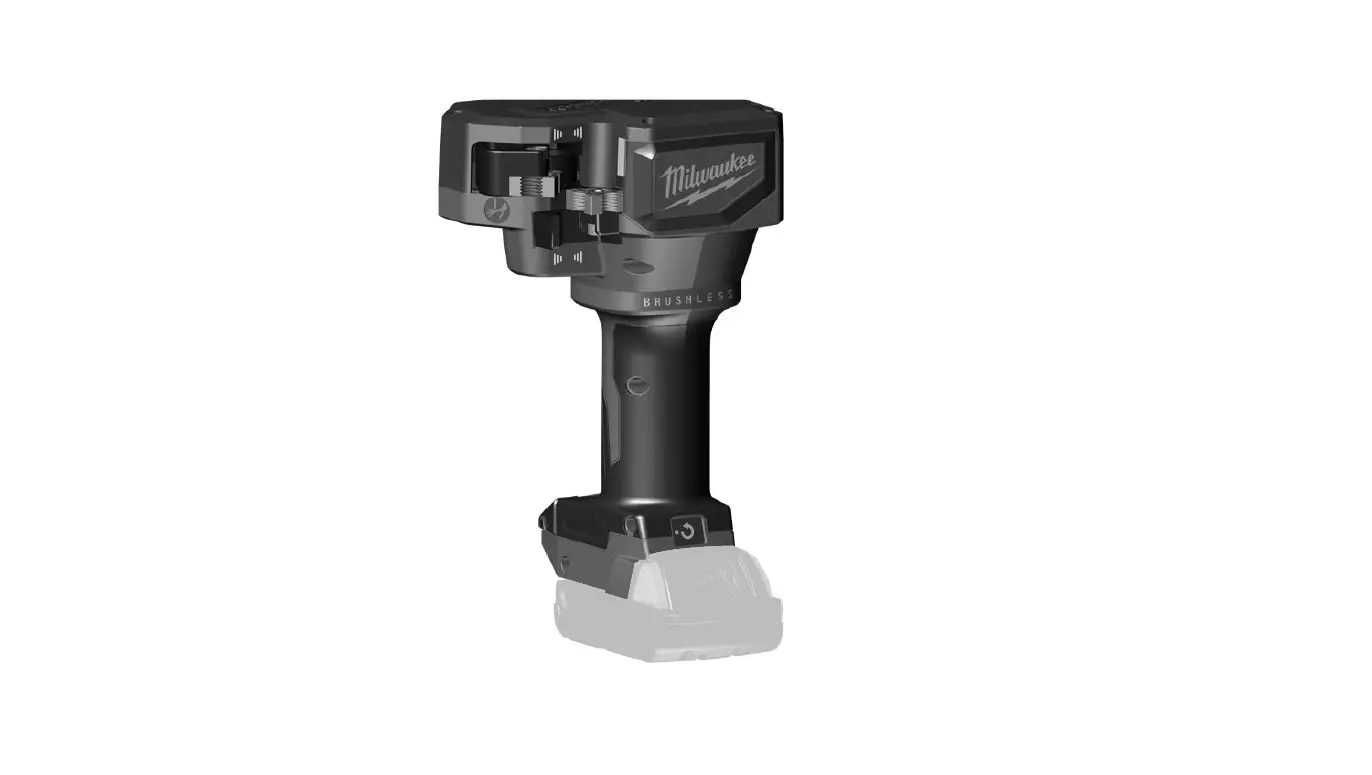
M12BLPSH0 M12 Brushless Pruning Shears
Product Information
Product Name: M12 BLPSH M12TM Brushless Pruning Shears
Product Category: Power Tools
Model Number: Cat. No.
Manufacturer: [Manufacturer Name]
Product Usage Instructions
1. Read and understand the operator’s manual: Before using the
M12 BLPSH M12TM Brushless Pruning Shears, it is essential to read
and comprehend the operator’s manual provided with the product.
This will ensure proper usage and reduce the risk of injury.
2. Follow all safety warnings and instructions: Familiarize
yourself with all safety warnings, instructions, illustrations, and
specifications mentioned in the manual. Failure to comply with
these instructions may result in accidents or injuries.
3. Ensure a safe work area: Always work in a safe environment.
Remove any potential hazards, such as liquids, gases, or dust, from
the work area. Sparks generated by power tools can ignite dust or
fumes, leading to dangerous situations.
4. Personal Safety: Prioritize personal safety while using the
pruning shears. Wear appropriate protective gear, including eye
protection marked to comply with AS/NZS 1337.1. Avoid using the
tool when tired or under the influence of substances that impair
judgment.
5. Electrical Safety: Before using the pruning shears, ensure that
the power tool is properly grounded and free from oil and grease.
Avoid using the tool in wet conditions or near flammable substances
that may be ignited by sparks.
6. Battery Tool Use and Care: If using a cordless version of the
pruning shears, follow specific instructions related to battery
usage and maintenance. Charge the battery properly and within
recommended temperature ranges. Only use batteries recommended by
the manufacturer.
7. Specific Safety Rules for Pruning Shears: Keep in mind the
following safety guidelines when using the pruning shears:
– The blade is sharp. Keep hands away from cutting edges and moving
parts to prevent lacerations and amputations.
– Use appropriate respiratory protection or a suitable dust
extraction solution when working in dusty environments.
8. Service and Maintenance: Refer to the operator’s manual for
information on service and maintenance. Contact the manufacturer or
authorized service providers for any repairs or replacements. Only
use identical replacement parts.
By following these instructions, you can safely and effectively
use the M12 BLPSH M12TM Brushless Pruning Shears.
OPERATOR’S MANUAL
Cat. No.
M12 BLPSH M12TM BRUSHLESS PRUNING SHEARS
WARNING
To reduce the risk of injury, user must read and understand operator’s manual.
GENERAL POWER TOOL
·Do not overreach. Keep proper footing and balance
SAFETY WARNINGS
at all times. This enables better control of the power
tool in unexpected situations.
WARNING
Read tions,
all safety warnings, instrucillustrations and specifica-
·Dress properly. Do not wear loose clothing or jewellery. Keep your hair and clothing away
tions provided with this power tool. Failure to from moving parts. Loose clothes, jewellery or
follow all instructions listed below may result in long hair can be caught in moving parts.
electric shock, fire and/or serious injury. Save all ·If devices are provided for the connection of dust
warnings and instructions for future reference. extraction and collection facilities, ensure these
The term “power tool” in the warnings refers to your are connected and properly used. Use of dust
mains-operated (corded) power tool or battery-oper- collection can reduce dust-related hazards.
ated (cordless) power tool.
·Do not let familiarity gained from frequent use of
WORK AREA SAFETY
·Keep work area clean and well lit. Cluttered or dark areas invite accidents. ·Do not operate power tools in explosive atmo-
tools allow you to become complacent and ignore tool safety principles. A careless action can cause severe injury within a fraction of a second.
POWER TOOL USE AND CARE
spheres, such as in the presence of flammable ·Donotforcethepowertool.Usethecorrectpowertool
liquids, gases or dust. Power tools create sparks for your application. The correct power tool will do the
which may ignite the dust or fumes.
job better and safer at the rate for which it was designed.
·Keep children and bystanders away while operating ·Do not use the power tool if the switch does not turn
a power tool. Distractions can cause you to lose control. it on and o. Any power tool that cannot be controlled
ELECTRICAL SAFETY
·Power tool plugs must match the outlet. Never modify the plug in any way. Do not use any adapter plugs with earthed (grounded) power tools. Unmodified plugs and matching outlets will reduce risk of electric shock. ·Avoid body contact with earthed or grounded surfaces, such as pipes, radiators, ranges and refrigerators. There is an increased risk of electric shock if your body is earthed or grounded. ·Do not expose power tools to rain or wet conditions. Water entering a power tool will increase the risk of electric shock. ·Do not abuse the cord. Never use the cord for carrying, pulling or unplugging the power tool. Keep cord away from heat, oil, sharp edges or moving parts. Damaged or entangled cords increase the risk of electric shock. ·When operating a power tool outdoors, use an extension cord suitable for outdoor use. Use of a cord suitable for outdoor use reduces the risk of electric shock.
· If operating a power tool in a damp location is unavoidable, use a residual current device (RCD) protected supply. Use of a RCD reduces the risk of electric shock.
with the switch is dangerous and must be repaired. ·Disconnect the plug from the power source and/ or remove the battery pack, if detachable, from the power tool before making any adjustments, changing accessories, or storing power tools. Such preventive safety measures reduce the risk of starting the power tool accidentally. ·Store idle power tools out of the reach of children and do not allow persons unfamiliar with the power tool or these instructions to operate the power tool. Power tools are dangerous in the hands of untrained users. ·Maintain power tools and accessories. Check for misalignment or binding of moving parts, breakage of parts and any other condition that may aect the power tool’s operation. If damaged, have the power tool repaired before use. Many accidents are caused by poorly maintained power tools. ·Keep cutting tools sharp and clean. Properly maintained cutting tools with sharp cutting edges are less likely to bind and are easier to control. ·Use the power tool, accessories and tool bits etc. in accordance with these instructions, taking into account the working conditions and the work to be performed. Use of the power tool for operations dierent from those intended could result in a hazardous situation. ·Keep handles and grasping surfaces dry, clean
PERSONAL SAFETY
and free from oil and grease. Slippery handles and
·Stay alert, watch what you are doing and use grasping surfaces do not allow for safe handling and common sense when operating a power tool. Do control of the tool in unexpected situations.
not use a power tool while you are tired or under BATTERY TOOL USE AND CARE
the influence of drugs, alcohol or medication. A moment of inattention while operating power tools may result in serious personal injury. ·Use personal protective equipment. Always wear eye protection. Protective equipment such as a dust mask, non-skid safety shoes, hard hat or hearing protection used for appropriate conditions will reduce personal injuries. ·Prevent unintentional starting. Ensure the switch is in the o-position before connecting to power source and/or battery pack, picking up or carrying the tool. Carrying power tools with your finger on the switch or energising power tools that have the switch on invites accidents.
·Recharge only with the charger specified by the manufacturer. A charger that is suitable for one type of battery pack may create a risk of fire when used with another battery pack. ·Use power tools only with specifically designated battery packs. Use of any other battery packs may create a risk of injury and fire. ·When battery pack is not in use, keep it away from other metal objects, like paper clips, coins, keys, nails, screws or other small metal objects, that can make a connection from one terminal to another. Shorting the battery terminals together may cause burns or a fire.
·Remove any adjusting key or wrench before turning
the power tool on. A wrench or a key left attached to a ro-
tating part of the power tool may result in personal injury.
2
·Under abusive conditions, liquid may be ejected ·Do not operate in a tree, on a ladder, rooftop, or
from the battery; avoid contact. If contact accidentally occurs, flush with water. If liquid contacts eyes, additionally seek medical help. Liquid ejected from the battery may cause irritation or burns. ·Do not use a battery pack or tool that is damaged or modified. Damaged or modified batteries may exhibit unpredictable behaviour resulting in fire, explosion or risk of injury.
·Do not expose a battery pack or tool to fire or excessive temperature. Exposure to fire or temperature above 130°C (265°F) may cause explosion.
·Follow all charging instructions and do not charge the battery pack or tool outside the
scaffold unless properly trained. To avoid death
or serious injury, operator must be trained in safe
climbing techniques and in the use of all
appropriate safety equipment.
· Cut only materials made from wood, no sheet
metal, no plastics, no masonry, and no
non-wood building materials.
· Never cut any plant material with a diameter
larger than 30 mm. The tool may stall.
·Do not use any attachments or accessories not
recommended by the manufacturer. The use of
attachments or accessories not recommended
can result in serious personal injury.
WARNING
To reduce the risk of when working in
injury, dusty
situations, wear appropriate respiratory
protection or use a suitable dust extraction
Charging improperly or at temperatures outside solution.
·Always use common sense and be cautious
when using tools. It is not possible to anticipate
SERVICE
every situation that could result in a dangerous outcome. Do not use this tool if you do not
understand these operating instructions or you feel
repair person using only identical replacement the work is beyond your capability; contact
parts. This will ensure that the safety of the power MILWAUKEE® Tool or a trained professional for
tool is maintained.
additional information or training.
·Never service damaged battery packs. Service ·Maintain labels and nameplates. These carry
of battery packs should only be performed by the manufacturer or authorised service providers.
SPECIFIC SAFETY RULES FOR
PRUNING SHEARS
WARNING
Blade is sharp. from all cutting
Keep edges
hands away and moving
parts. Laceration and amputation can occur.
·Keep hands and loose clothing away from all
cutting edges and moving parts.
·To reduce the risk of injury, always wear proper
eye protection marked to comply with
AS/NZS 1337.1.
important information. If unreadable or missing,
contact a MILWAUKEE® service facility for a
replacement.
WARNING
Some dust created by power sanding, sawing, grinding, drilling, and other
construction activities contains chemicals known to
cause cancer, birth defects or other reproductive
harm. Some examples of these chemicals are:
·lead from lead-based paint
·crystalline silica from bricks and cement and other
masonry products, and
·arsenic and chromium from chemically-treated
lumber.
·Hold the power tool by insulated gripping surfaces Your risk from these exposures varies, depending
only, when performing an operation where the on how often you do this type of work. To reduce
cutting tool may contact hidden wiring. Contact your exposure to these chemicals: work in a well
with a “live” wire will also make exposed metal parts ventilated area, and work with approved safety
of the power tool “live” and could give the operator equipment, such as those dust masks that are
an electric shock.
specially designed to filter out microscopic
·To reduce the risk of injury, always close and cover particles.
blade before storing and any time the shears are ADDITIONAL BATTERY SAFETY RULES
not in use. ·To reduce the risk of injury, replace dull, chipped,
WARNING
To reduce injury, and
the risk product
of fire, personal damage due to
or damaged blades.
a short circuit, never immerse your tool, battery
·To reduce the risk of explosion, electric shock, and pack or charger in fluid or allow a fluid to flow inside
property damage, never cut gas lines, electrical them. Corrosive or conductive fluids, such as
lines, or water lines.
seawater, certain industrial chemicals, and bleach
·To reduce the risk of electric shock, check work or bleach-containing products, etc., can cause a
area for hidden pipes and wires before pruning. short circuit.
·Do not expose pruning shears to rain or wet conditions. Water entering the pruning shears will
WARNING
Do not charge batteries.
non-rechargeable
increase the risk of electric shock.
SPECIFICATIONS
·In applications where it is necessary to support surrounding material (supporting a branch, moving leaves/denser debris out of the way): · Keep free hand clear of the shears and out of the
cutting path. · Maintain a firm grip on the branch being cut. · Do not cross arms or overreach. · Always cut away from yourself. · Avoid excess flexing or tension on the branch being cut.
Cat. No. ………………………………………. M12 BLPSH Volts…………………………………………………… 12V DC Battery Type …………………………………………. M12TM Charger Type………………………………………… M12TM Maximum Capacity ……………………………….. 30 mm Replacement Blade Cat. No. ……………… 48442769 Recommended Ambient
Operating Temperature……………… -17°C to 51°C (0°F to 125°F)
3
FUNCTIONAL DESCRIPTION 1
6
3
4 5
2
7
8 9
11
10
1. Blade cover
7. Wrist strap
2. Cutting blade
8. Fuel gauge
3. Power button
9. Lock-o button
4. Mode select button 10. Trigger
5. Handle
11. Support blade
6. Wrist strap attachment
SYMBOLOGY
V Volts
Direct Current
WARNING
Keep hands away from all cutting edges and
moving parts. Blade is sharp.
Laceration and amputation can occur.
Read Operator’s Manual
Power button Mode button Full Capacity
Half Capacity
Regulatory Compliance Mark (RCM). This product meets applicable regulatory requirements.
Do not dispose of electric tools together with household waste material. Electric tools and electronic equipment that have reached the end of their life must be collected separately and returned to an environmentally compatible recycling facility.
ASSEMBLY
WARNING
Recharge only with the specified for the battery.
charger For spe-
cific charging instructions, read the operator’s
manual supplied with your charger and battery.
Inserting/ Removing the Battery
To insert the battery, slide the pack into the body of the tool. Make sure it latches securely into place.
WARNING
Only use accessories recommended for this
specifically tool. Others
may be hazardous.
To remove the battery, push in the release buttons and pull the battery pack away from the tool.
WARNING
Always close the blades move the battery pack any
and time
rethe
tool is not in use.
Always remove battery pack before changing or removing accessories specifically recommended for this tool.
Removing/Installing the Cutting Blade Replace the blade when it becomes dull or chipped. A blade is dull when the blade edge appears rounded or damaged. Use only MILWAUKEE® blade Cat. No. 48442769.
WARNING
Blade is sharp. Keep hands away from cutting edge. Laceration can
occur.
1. Close the blades. The cutting edge of the blade
should be covered by the support blade.
2. Remove the battery pack.
3. To remove, use a 5 mm
hex wrench to unfasten
4.
the screws holding the cutting blade. Remove the locking cap
Locking cap screw
Screws
screw.
5. Pull blade out of slot.
6. To install, push blade
into slot lining up the holes.
7. Replace and tighten screws to secure blade in place.
NOTE: Threadlocker is pre-applied to the new
locking cap screw. For best results, after
installation of a new locking cap screw allow 24
hours for the threadlocker to cure before using the
tool.
OPERATION
WARNING
To reduce the always wear
risk of injury, proper eye
protection marked to comply with
AS/NZS 1337.1.
Always remove battery pack before changing or
removing accessories specifically recommended
for this tool. Others may be hazardous.
To reduce the risk of explosion, electric shock, and
property damage, never cut gas lines, electrical
lines, or water lines.
To reduce the risk of injury, always move blades to the fully closed position before storing and any time the shears are not in use.
Do not cut short pieces of plant material that put fingers near cutting and support blades.
Do not overreach. Keep proper footing and balance at all times.
4
Blade is sharp. Keep hands away from all cutting
Transporting Pruning Shears
edges. Laceration and amputation can occur. Before transporting, always close the blades and
In applications where it is necessary to support remove the battery pack. Place blade cover on tool.
surrounding material (supporting a branch, moving leaves/denser debris out of the way):
· Keep free hand clear of the shears and out of the cutting path.
· Maintain a firm grip on the branch being cut.
Storage Close the blades and remove the battery pack. Clean debris and place blade cover on tool. Store in a dry, cool place.
· Do not cross arms or overreach.
APPLICATIONS
· Always cut away from yourself. · Avoid excess flexing or tension on the branch
WARNING
To reduce the risk check work area
of electric shock, for hidden pipes
being cut.
and wires before pruning.
Fuel Gauge To determine the amount of charge left in the battery, turn the tool ON. The Fuel Gauge will light up for 2-3 seconds when the lock-off trigger is engaged and the trigger is lightly pressed. When
If the limbs to be pruned are above shoulder height, hire a professional to perform the pruning. Failure to do so could result in serious personal injury.
less than 10% of charge is left, 1 light on the fuel
Pruning
gauge will flash 4 times.
Pruning shears are intended to be used on trees,
To signal the end of charge, 1 light on the fuel gauge bushes, and plant branches 30 mm or less in
will flash 8 times and the tool will not run. Charge diameter.
the battery pack.
Work Area Precautions
If the battery becomes too hot, the fuel gauge lights ·Cut only materials made from wood.
will flash and the tool will not run. Allow the battery ·Do not cut sheet metal, plastics, masonry, and non-
to cool down.
wood building materials.
Using the Cutting Modes Full Capacity mode opens the blades all the way for larger diameter pruning. Half Capacity mode opens the blades partially for smaller, more repetitive cuts.
With the tool ON push the mode select button to toggle between the modes. If the blades are closed, they will assume the highlighted MODE position when the trigger is next pulled.
·Never allow children to operate the shears. Do not allow any person to use these pruning shears who has not read this operator’s manual or received adequate instructions for the safe and proper use of these pruning shears.
·Always cut with both feet on a solid surface to prevent being pulled o balance. ·Do not cut from a ladder, this is extremely dangerous. Leave this operation for professionals. ·Do not cross arms or overreach.
General Operation
·Always cut away from yourself.
1. To turn the tool on, press the power button.
·Do not prune near electrical wires or buildings.
2. Press the mode select button to select the Leave this operation for professionals.
correct application for pruning. If changing ·Cut only when visibility and light are adequate for
modes, hold the lock-off button, push then you to see clearly.
release the trigger to activate the desired mode. ·Check the work area for hazards such as bees,
3. Place material between the cutting blade and rodents, snakes, etc., that may live in trees or brush.
support blade.
4. Hold the lock-off button and push the trigger to
MAINTENANCE
make the cut. The blades will remain closed until the trigger is released. NOTE: The jaws cannot be left in a partially open state. Once the trigger has been released the jaws will automatically return to the open state of the selected mode.
WARNING
To reduce the risk of injury, always unplug the charger and
remove the battery pack from the charger or
tool before performing any maintenance. Never
disassemble the tool, battery pack or charger.
Contact a MILWAUKEE® service facility for ALL
5. To close the blades, push the lock-off button, repairs. then press the trigger. While holding the trigger
Maintaining Tool
turn the power off.
Keep your tool, battery pack and charger in good
NOTE: After a period of inactivity, the tool will repair by adopting a regular maintenance program.
automatically turn off.
6. To turn the tool o , push the power button. NOTE: After turning on, the pruning shears will go back into the same mode as before turning the tool off.
7. Place blade cover on tool. Always close the blades and remove the battery pack any time the tool is not in use.
Inspect your tool for issues such as undue noise, misalignment or binding of moving parts, breakage of parts, or any other condition that may affect the tool operation. Return the tool, battery pack, and charger to a MILWAUKEE® service facility for repair. After six months to one year, depending on use, return the tool, battery pack and charger to a MILWAUKEE® service facility for inspection. If the tool does not start or operate at full power with
a fully charged battery pack, clean the contacts on
the battery pack. If the tool still does not work
properly, return the tool, charger and battery pack,
to a MILWAUKEE® service facility for repairs.
5
Sharpening the Cutting Blade
WARNING
Failure to replace aged blade can
or repair a damcause serious
injury.
Blade is sharp. Keep hands away from all cutting edges. Laceration and amputation can occur. 1. Remove battery pack. 2. Wear gloves for protection. 3. Use a fine tooth file.
4. Keep the file level with the blade. Do not let the file dip or rock.
5. Using light but firm pressure, stroke towards the angle of the cutting edge of the blade.
6. Lift file away from the steel on each return stroke. 7. Remove any burs.
Cleaning
Clean dust and debris from vents. Keep handles clean, dry and free of oil or grease. Use only mild soap and a damp cloth to clean, since certain cleaning agents and solvents are harmful to plastics and other insulated parts. Some of these include petrol, turpentine, lacquer thinner, paint thinner, chlorinated cleaning solvents, ammonia and household detergents containing ammonia. Never use flammable or combustible solvents around tools.
Repairs For repairs, return the tool, battery pack and charger
to the nearest service centre.
ACCESSORIES
WARNING
Use ries.
only recommended accessoOthers may be hazardous.
For a complete listing of accessories, go online to milwaukeetool.com.au / milwaukeetool.co.nz or contact a distributor.
6
WARRANTY – AUSTRALIA and NEW ZEALAND
Please refer to Australian and New Zealand warranty supplied with tool. This warranty applies only to product sold by authorised dealers in Australia and New Zealand.
SERVICE – AUSTRALIA and NEW ZEALAND MILWAUKEE® prides itself in producing a premium quality product that is Nothing But Heavy DutyTM. Your satisfaction with our products is very important to us! If you encounter any problems with the operation of this tool, please contact your authorised MILWAUKEE® dealer.
For a list of MILWAUKEE® dealers, guarantee or service agents please contact MILWAUKEE® Customer Service or visit our website. (Australia Toll Free Telephone Number 1300 645 928) (New Zealand Toll Free Telephone Number 0800 645 928) or visit milwaukeetool.com.au/milwaukeetool.co.nz.
Milwaukee Electric Tool Corporation 13135 West Lisbon Road, Brookfield, Wisconsin U.S.A. 53005
Milwaukee Tool (Australia) 26 – 40 Nina Link, Dandenong South,
Victoria, 3175, Australia
Milwaukee Tool (New Zealand) 274 Church Street, Penrose, Auckland, 1061, New Zealand
DESIGNED BY MILWAUKEE ELECTRIC TOOL CORP. PROFESSIONALLY MADE IN CHINA PRINTED IN CHINA
961014618-01(B)
 Milwaukee Tool | Official New Zealand Site of Milwaukee Tool | Nothing but HEAVY DUTY®
 Milwaukee Tool | Official Australia Site of Milwaukee Tool | Nothing but HEAVY DUTY®