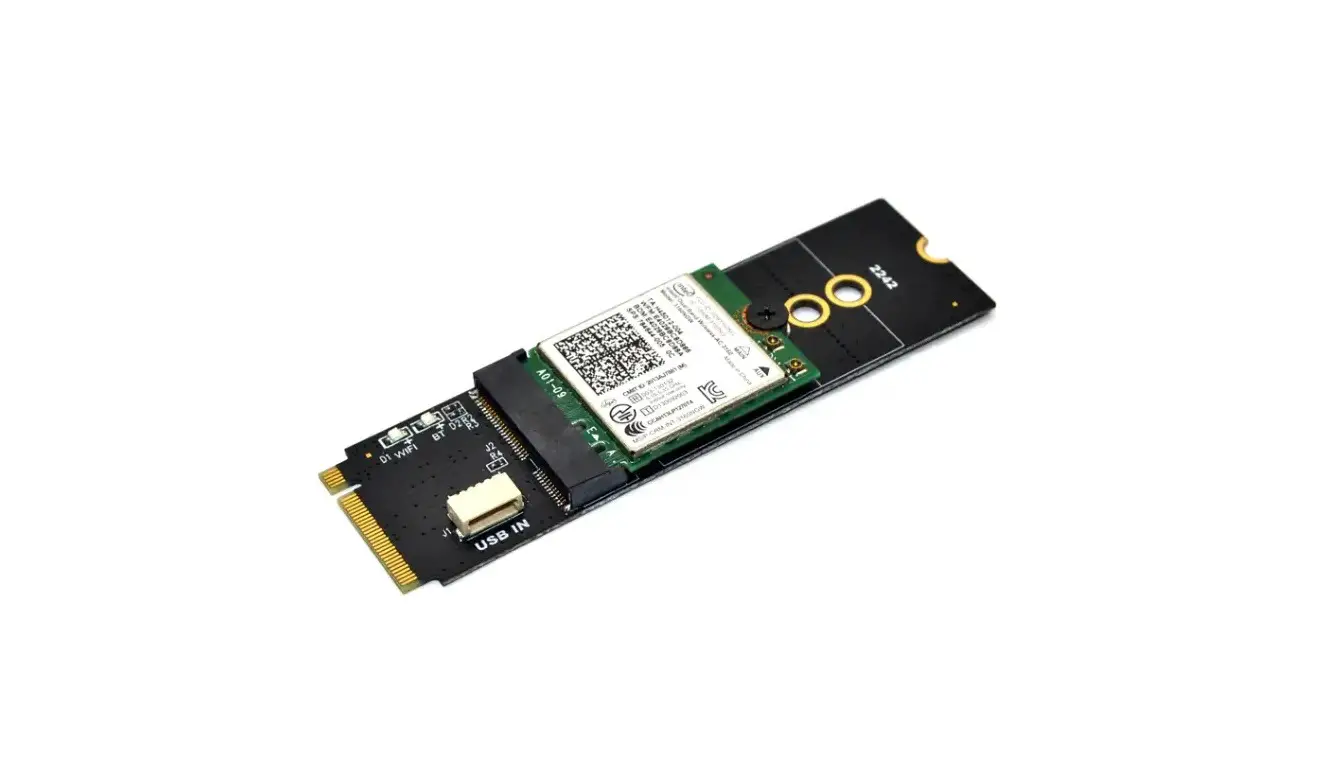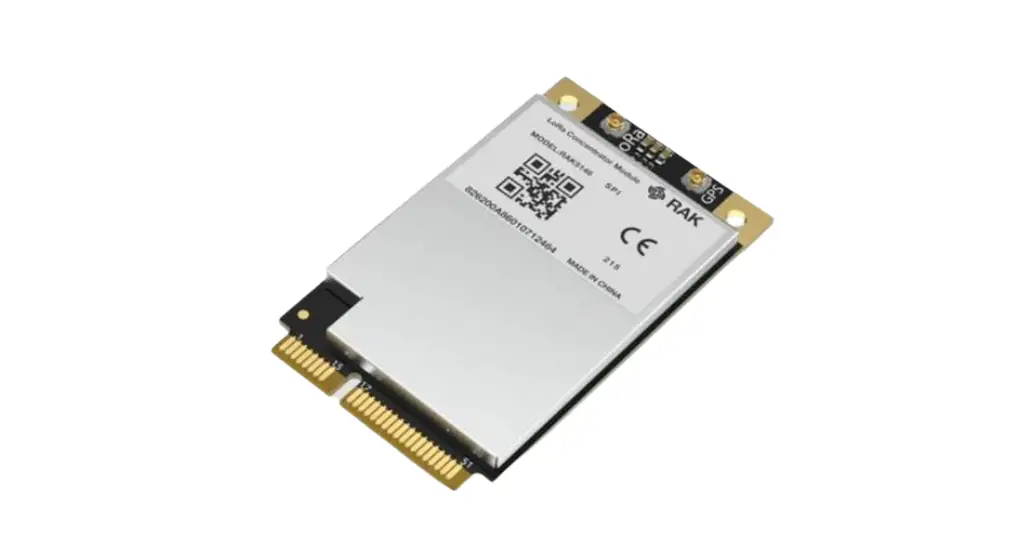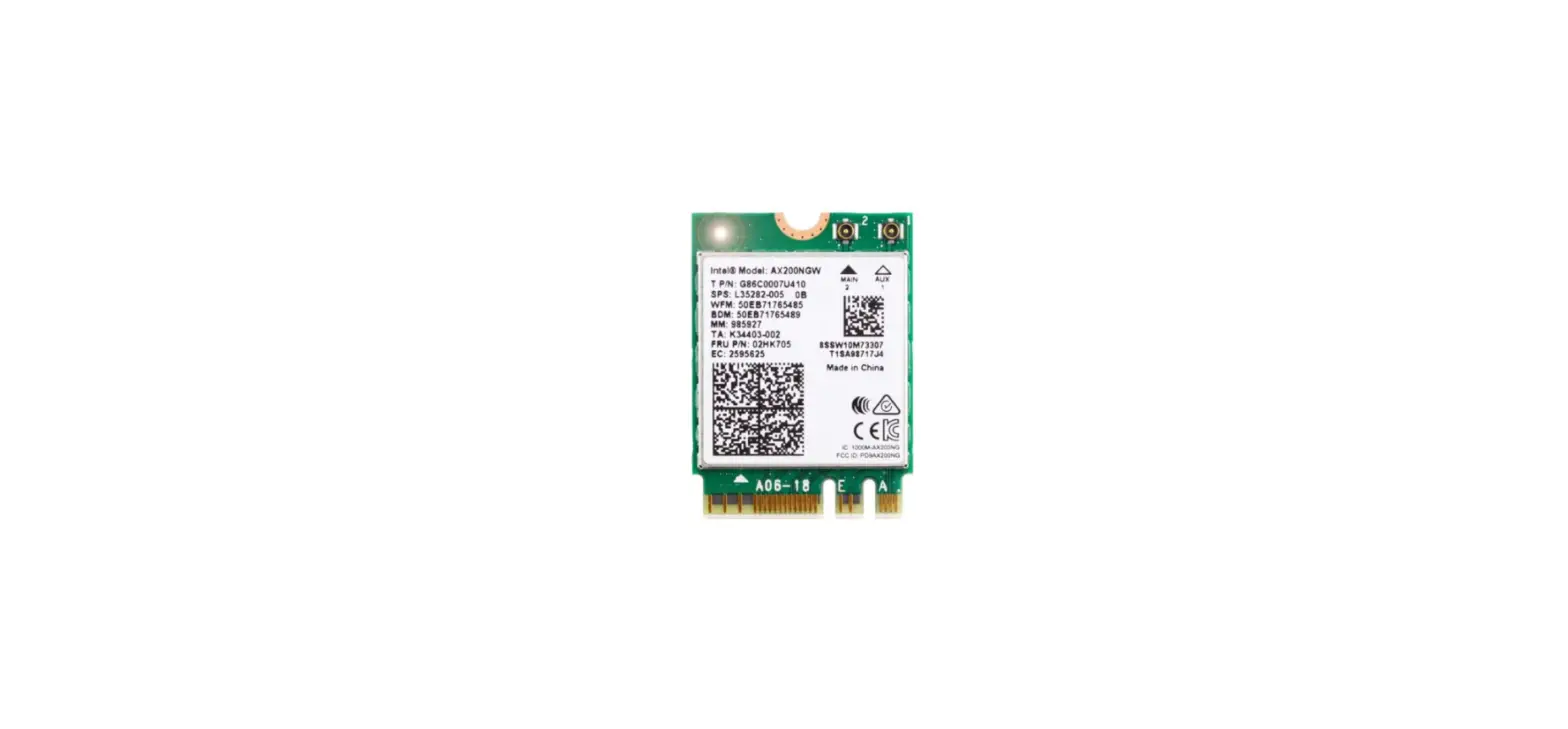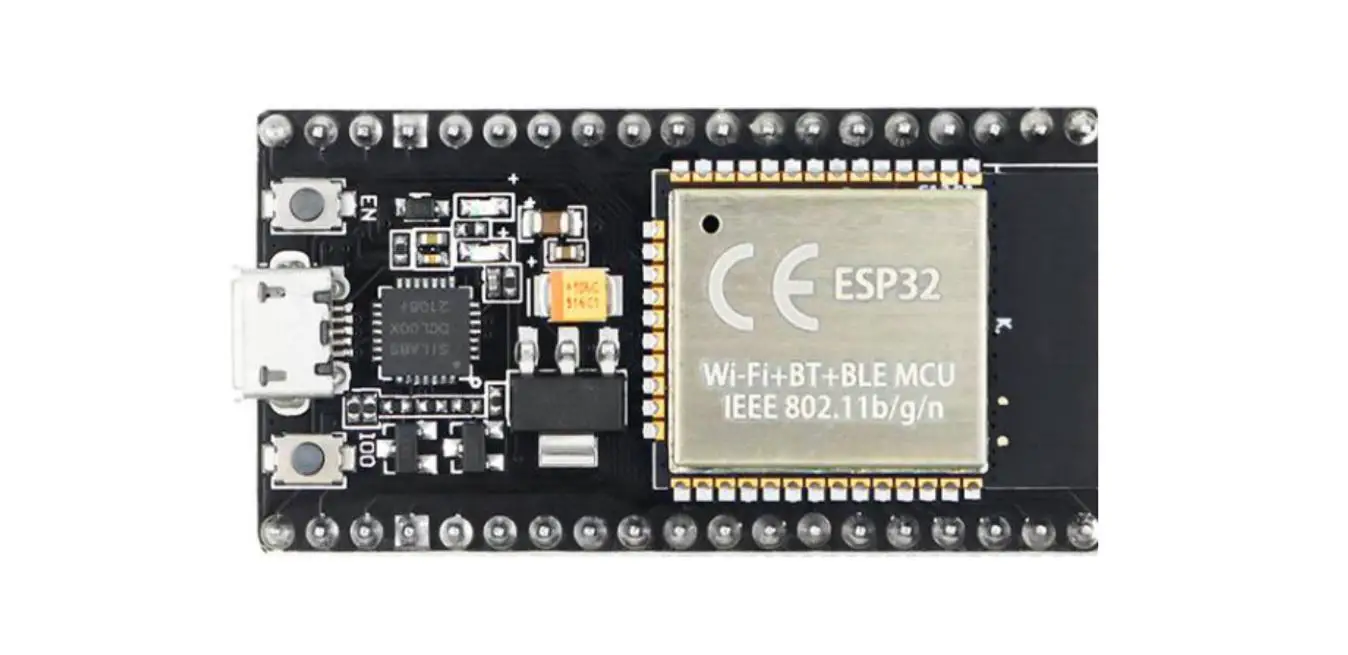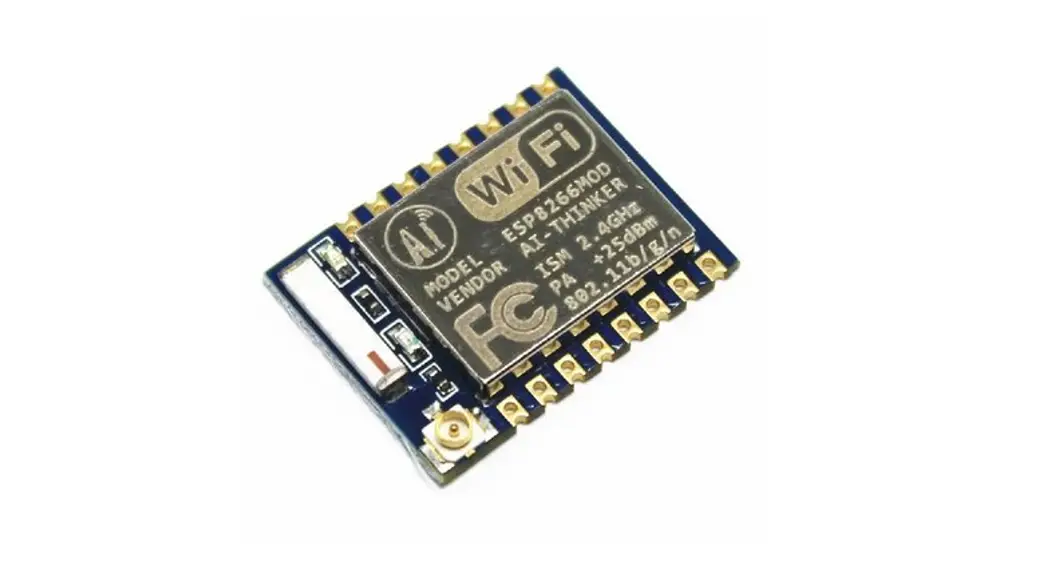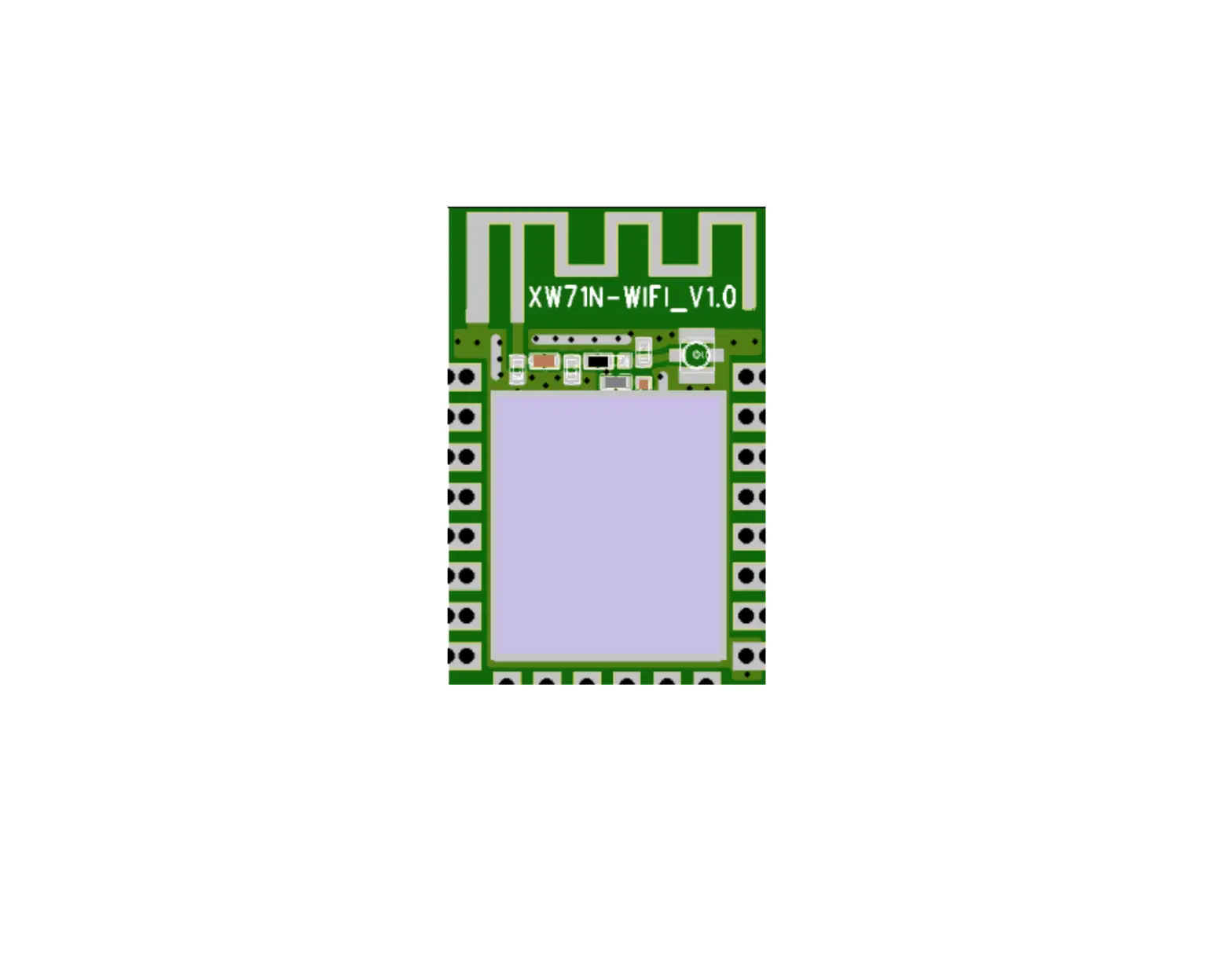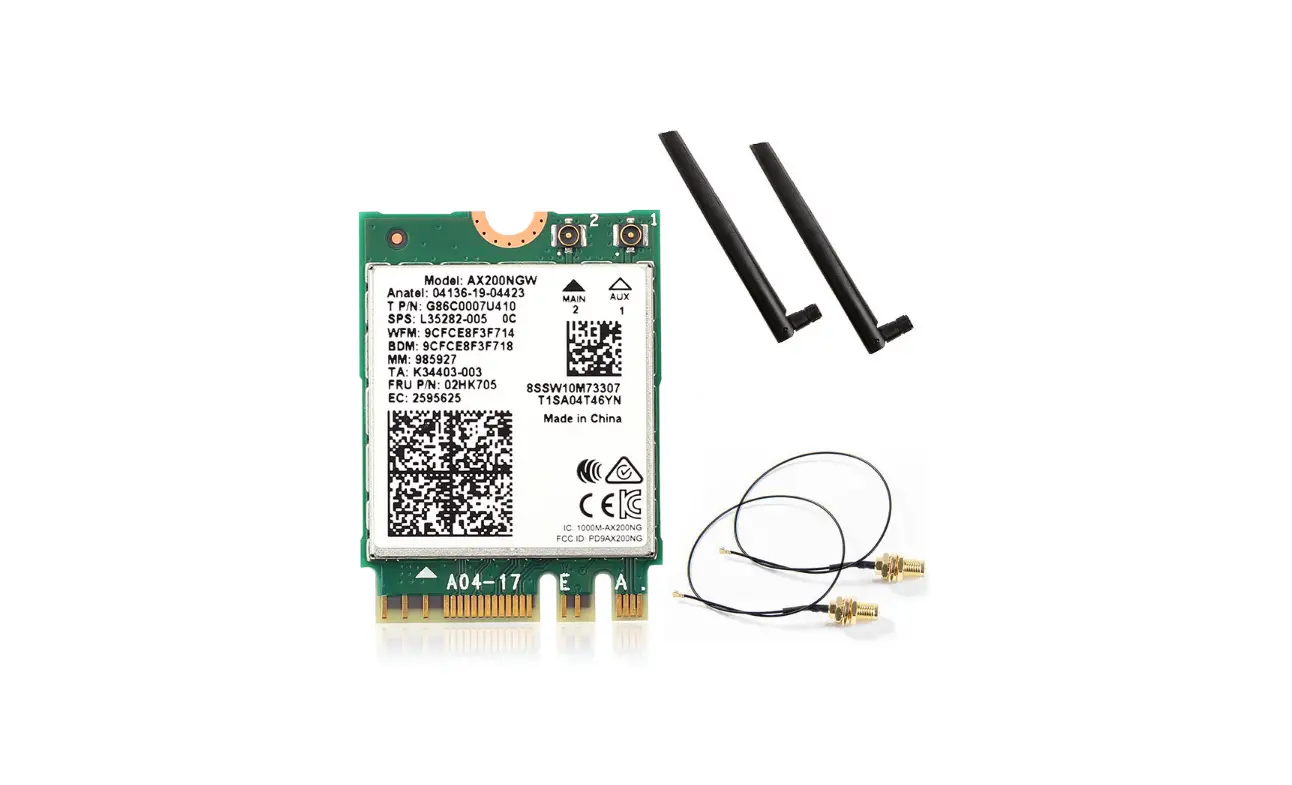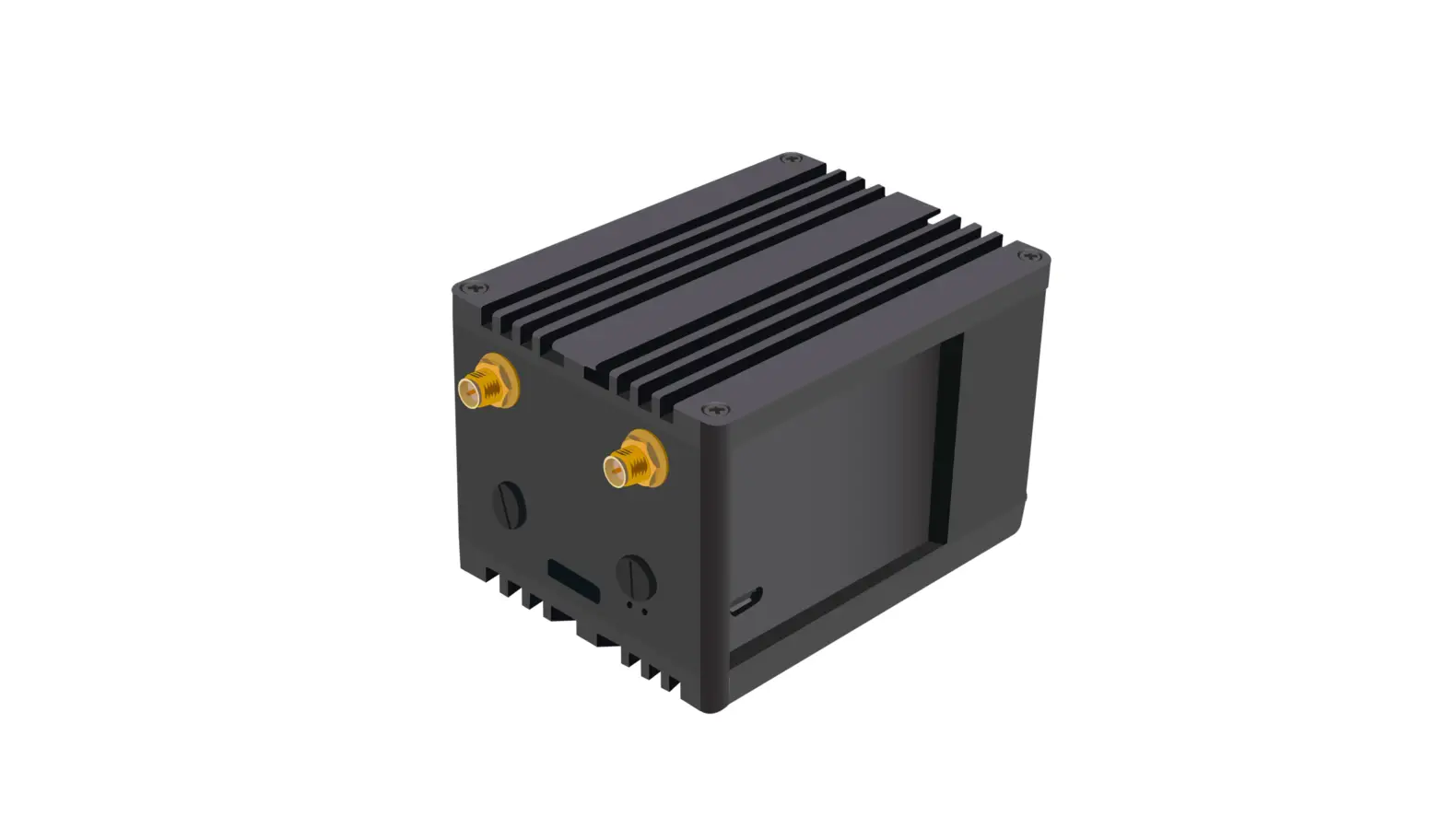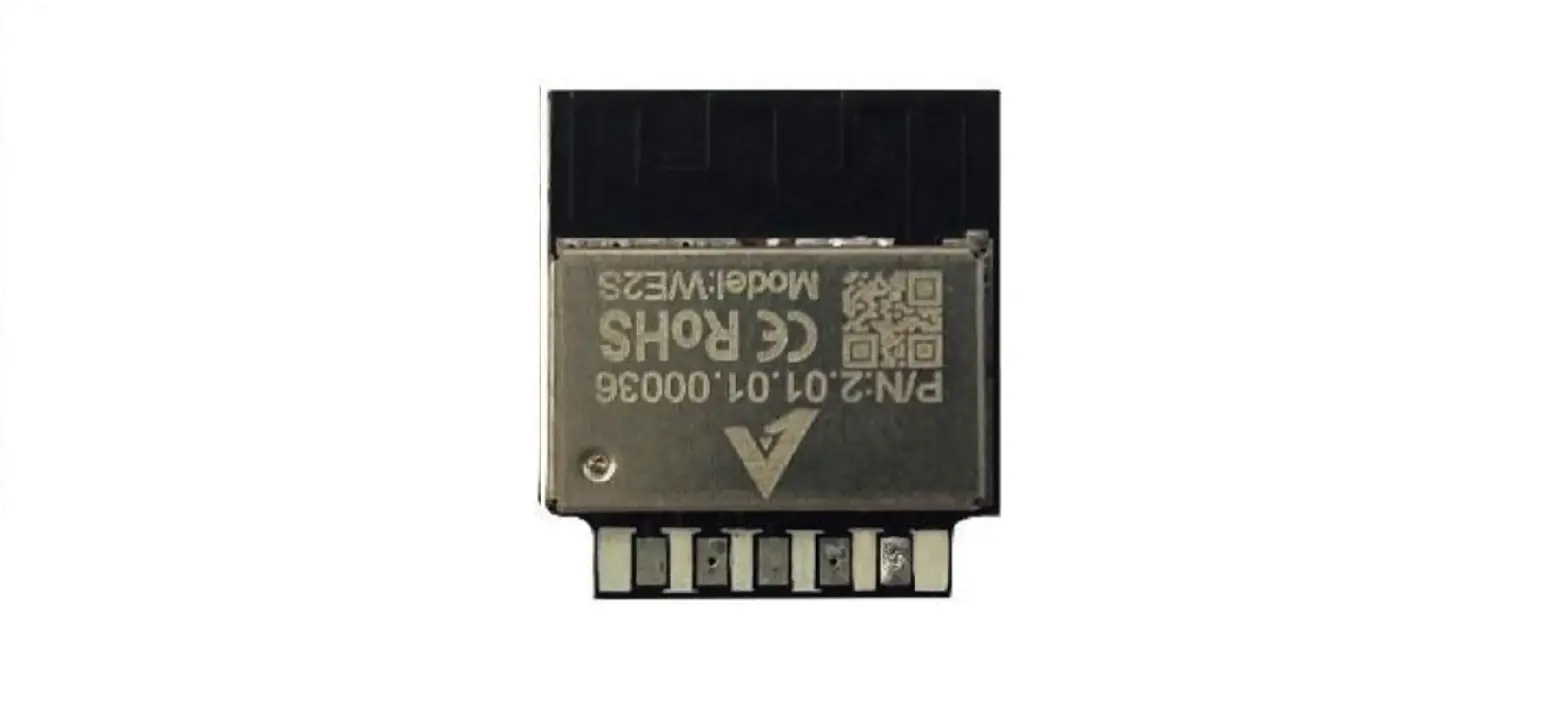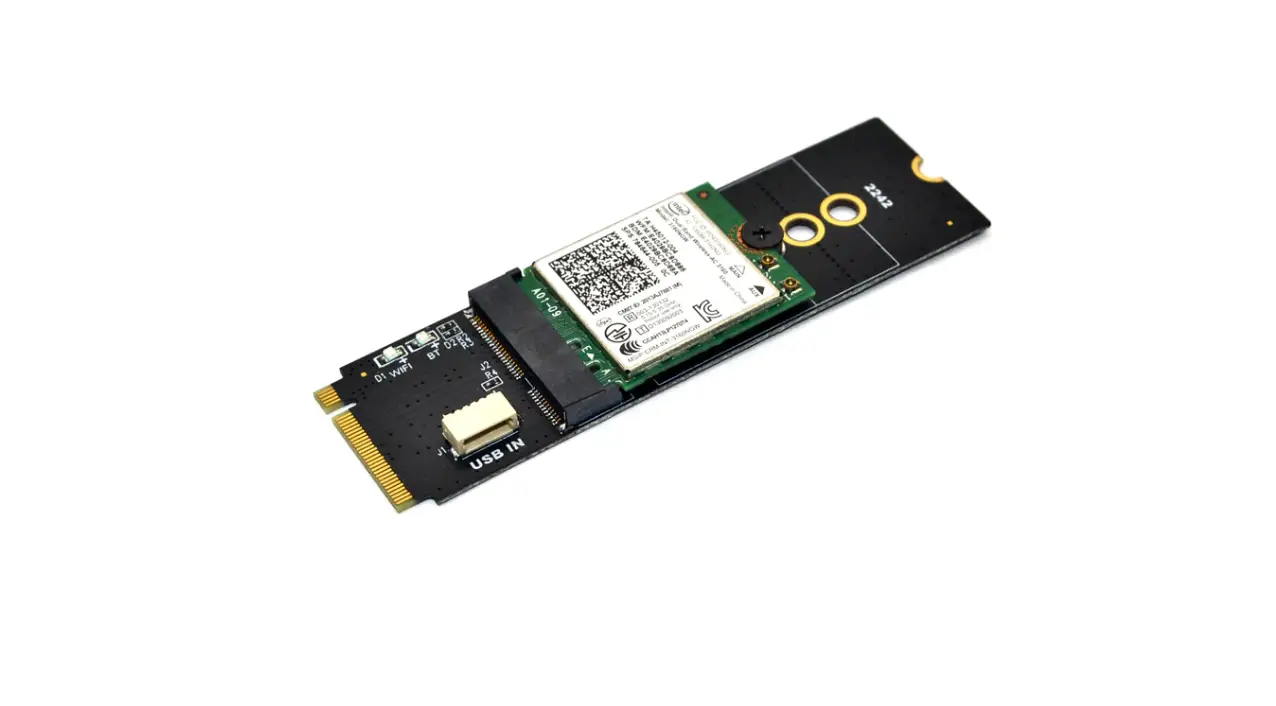
Ralinwi Nanjing Electronic Technology 6310 M.2 WIFI Network Card User Manual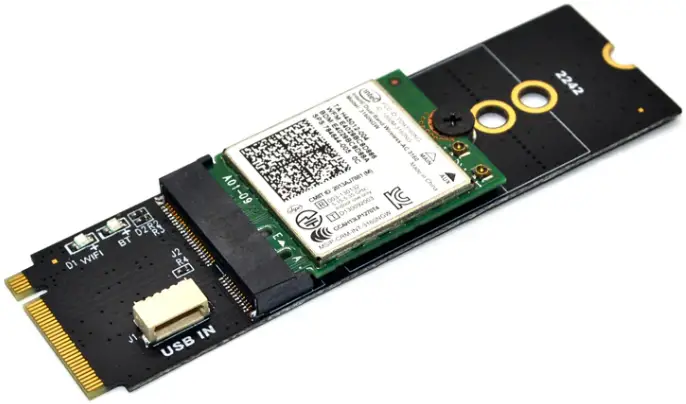
How to used
- download ubuntu 18.04 release,and install linux host
- Reboot the system and the system will find the related hardware
- Start “scan”operation and then link to the specific Ap
- Check the conditions of AP and its channels using the instruction“iw dev”
- Switching between module channels for changing AP channel
| Feature | Description | |||
| WLAN Standard | IEEE 802.11b/g/n/ax Wi-Fi compliant | |||
| Frequency Range | 2.412 GHz ~ 2.462 GHz (2.4 GHz ISM Band) | |||
| Number of Channels | 2.4GHz:Ch1 ~ Ch11 | |||
| Item | Value | Standard Value | ||
| Output Power | 802.11b /1Mbps: 20 dBm ± 2 dB | EVM ≤ -9dB | ||
| 802.11b /11Mbps: 20 dBm ± 2 dB | EVM ≤ -9dB | |||
| 802.11g /6Mbps: 20 dBm ± 2 dB | EVM ≤ -5dB | |||
| 802.11g /54Mbps: 17 dBm ± 2 dB | EVM ≤ -25dB | |||
| 802.11n HT20 /MCS0: 19.5 dBm ± 2 dB | EVM ≤ -5dB | |||
| 802.11n HT20 /MCS7: 17dBm ± 2 dB | EVM ≤ -28dB | |||
| 802.11n HT40 /MCS0: 19 dBm ± 2 dB | EVM ≤ -5dB | |||
| 802.11n HT40 /MCS7: 17 dBm ± 2 dB | EVM ≤ -28dB | |||
| 802.11ax HE20/MCS0: 19.5 dBm ± 2 dB | EVM ≤ -5dB | |||
| 802.11ax HE20/MCS11: 14 dBm ± 2 dB | EVM ≤ -35dB | |||
| 802.11ax HE40/MCS0: 19 dBm ± 2 dB | EVM ≤ -5dB | |||
| 802.11ax/MCS11: 14 dBm ± 2 dB | EVM ≤ -35dB | |||
| SISO Receive Sensitivity (11b,20MHz) @8% PER | 1Mbps | ≤ -92 dBm | ≤ -83 dBm | |
| 11Mbps | ≤ -85 dBm | ≤ -76 dBm | ||
| SISO Receive Sensitivity (11g,20MHz) @10% PER | 6Mbps | ≤ -87 dBm | ≤ -85 dBm | |
| 54Mbps | ≤ -71 dBm | ≤ -68 dBm | ||
| SISO Receive Sensitivity (11n,20MHz) @10% PER | MCS=0 | ≤ -86 dBm | ≤ -85 dBm | |
| MCS=7 | ≤ -68 dBm | ≤ -67 dBm | ||
| SISO Receive Sensitivity | MCS=0 | ≤ -83 dBm | ≤ -82 dBm | |
| (11n,40MHz) @10% PER | MCS=7 | ≤ -65 dBm | ≤ -64 dBm | |
| SISO Receive Sensitivity (11ax,20MHz) @10% PER | MCS=0 | ≤ -81 dBm | ≤-74 dBm | |
| MCS=11 | ≤ -55 dBm | ≤-52 dBm | ||
| SISO Receive Sensitivity (11ax,40MHz) @10% PER | MCS=0 | ≤ -74 dBm | ≤-71 dBm | |
| MCS=11 | ≤ -52 dBm | ≤-49 dBm | ||
| Maximum Input Level | 802.11b: -10 dBm |
| 802.11g/n/ax: -10 dBm |
| Feature | Description | |
| WLAN Standard | IEEE 802.11 a/n/ac/ax 2×2, Wi-Fi compliant | |
| Frequency Range | 5.180 GHz ~ 5.240 GHz, 5.745 GHz ~ 5.825 GHz | |
| Number of Channels | 5.0GHz:Please see the table1 | |
| Item | Value | Standard Value |
| Output Power | 802.11a /6Mbps: 20 dBm ± 2 dB | EVM ≤ -5dB |
| 802.11a /54Mbps: 16 dBm ± 2 dB | EVM -25dB | |
| 802.11n HT20 /MCS0: 19 dBm ± 2 dB | EVM ≤ -5dB | |
| 802.11n HT20 /MCS7: 16 dBm ± 2 dB | EVM ≤ -28dB | |
| 802.11n HT40 /MCS0: 18.5 dBm ± 2 dB | EVM ≤ -5dB | |
| 802.11n HT40 /MCS7: 16 dBm ± 2 dB | EVM ≤ -28dB | |
| 802.11ac vHT20/MCS0: 19 dBm ± 2 dB | EVM ≤ -5dB | |
| 802.11ac vHT20/MCS8: 15 dBm ± 2 dB | EVM ≤ -30dB | |
| 802.11ac vHT40/MCS0: 18.5 dBm ± 2 dB | EVM ≤ -5dB | ||
| 802.11ac vHT40/MCS9: 15 dBm ± 2 dB | EVM ≤ -32dB | ||
| 802.11ac vHT80/MCS0: 18.5 dBm ± 2 dB | EVM ≤ -5dB | ||
| 802.11ac vHT80/MCS9: 14 dBm ± 2 dB | EVM ≤ -32dB | ||
| 802.11ax HE20/MCS0: 19 dBm ± 2 dB | EVM ≤ -5dB | ||
| 802.11ax HE20/MCS11: 14 dBm ± 2 dB | EVM ≤ -35dB | ||
| 802.11ax HE40/MCS0: 18 dBm ± 2 dB | EVM ≤ -5dB | ||
| 802.11ax HE40/MCS11: 14 dBm ± 2 dB | EVM ≤ -35dB | ||
| 802.11ax HE80/MCS0: 18 dBm ± 2 dB | EVM ≤ -5dB | ||
| 802.11ax HE80/MCS11: 13 dBm ± 2 dB | EVM ≤ -35dB | ||
| SISO Receive Sensitivity (11a,20MHz) @10% PER | 6Mbps | ≤ -87 dBm | ≤-85 |
| 54Mbps | ≤ -71 dBm | ≤-68 | |
| SISO Receive Sensitivity (11n,20MHz) @10% PER | MCS=0 | ≤ -86 dBm | ≤-85 |
| MCS=7 | ≤ -68 dBm | ≤-67 | |
| SISO Receive Sensitivity (11n,40MHz) @10% PER | MCS=0 | ≤ -83 dBm | ≤-82 |
| MCS=7 | ≤ -65 dBm | ≤-64 | |
| SISO Receive Sensitivity (11ac,20MHz) @10% PER | MCS=0, NSS1 | ≤ -83 dBm | ≤-82 |
| MCS=8, NSS1 | ≤ -63 dBm | ≤-60 | |
| (11ac,40MHz) @10% PER | MCS=0, NSS1 | ≤ -82 dBm | ≤-79 |
| MCS=9, NSS1 | ≤ -60 dBm | ≤-55 | |
| (11ac,80MHz) @10% PER | MCS=0, NSS1 | ≤ -81 dBm | ≤-79 |
| MCS=9, NSS1 | ≤ -57 dBm | ≤-54 | |
| (11ax, 20MHz) @10% PER | MCS=0 | ≤ -81 dBm | ≤-74 |
| MCS=11 | ≤ -55 dBm | ≤-52 | |
| SISO Receive Sensitivity (11ax,40MHz) @10% PER | MCS=0 | ≤ -74 dBm | ≤-71 |
| MCS=11 | ≤ -52 dBm | ≤-49 | |
| SISO Receive Sensitivity (11ax,80MHz) @10% PER | MCS=0 | ≤ -73 dBm | ≤-68 |
| MCS=11 | ≤ -51 dBm | ≤-46 | |
| Maximum Input Level | 802.11a/n/ac/ax : -10 dBm | ||
| Antenna Reference | external antenna with 2dBi peak gain | ||
| Band range | Operating Channel Numbers | Channel center frequencies (MHz) |
| 5180MHz~5240MHz | 36 | 5180 |
| 38 | 5190 | |
| 40 | 5200 | |
| 42 | 5210 | |
| 44 | 5220 | |
| 46 | 5230 | |
| 48 | 5240 | |
| 5745MHz~5825MHz | 149 | 5745 |
| 151 | 5755 | |
| 153 | 5765 | |
| 155 | 5775 | |
| 157 | 5785 | |
| 159 | 5795 | |
| 161 | 5805 | |
| 165 | 5825 |
Integration instructions for host product manufactures according to KDB 996369 D03 OEM Manual v01.
List of applicable FCC rules
FCC Part 15 Subpart C 15.247 &15.407 & 15.207 & 15.209.
Specific operational use conditions
The module is a WIFI module with 2.4G, 5G and 5.8G function.
The module can be used for applications with a maximum 2dBi antenna. The host manufacturer installing this module into their product must ensure that the final composit product complies with the FCC requirements by a technical assessment or evaluation to the FCC rules, including the transmitter operaition. The host manufacturer has to be aware not to provide information to the end user regarding how to install or remove this RF module in the user’s manual of the end product which integrates this module. The end user manual shall include all required regulatory information/warning as show in this manual.
Limited module procedures
This module is FCC Part 15.247/ FCC Part 15.407 limited module. Limited for host type. The module only can integral in the host: Desktop PC (Mode:
TPA-23A050200UU01),The host device with this integrated limit modular approval shall ensure the radiated emissions and spurious emission comply with FCC part 15.247&407. The modular transmitter is only FCC authorized for the specific rule parts (i.e., FCC transmitter rules) listed on the grant, and the host product manufacturer is responsible for compliance to any other FCC rules that apply to the host not covered by the modular transmitter grant of certification. When the host is changed, the module shall take additional test and certification. Or the final host shall be under a C2PC or New FCC ID certification.
Trace antenna designs
Not applicable. The module has its own antenna, and doesn’t need a host’s printed board microstrip trace antenna etc.
FCC Statement
This equipment has been tested and found to comply with the limits for a Class B digital device, pursuant to Part 15 of the FCC Rules. These limits are designed to provide reasonable protection against harmful interference in a residential installation. This equipment generates uses and can radiate radio frequency energy and, if not installed and used in accordance with the instructions, may cause harmful interference to radio communications. However, there is no guarantee that interference will not occur in a particular installation. If this equipment does cause harmful interference to radio or television reception, which can be determined by turning the equipment off and on, the user is encouraged to try to correct the interference by one or more of the following measures:
- Reorient or relocate the receiving antenna.
- Increase the separation between the equipment and receiver.
- Connect the equipment into an outlet on a circuit different from that to which the receiver is connected.
- Consult the dealer or an experienced radio/TV technician for help.
This device complies with part 15 of the FCC Rules. Operation is subject to the following two conditions:
- This device may not cause harmful interference, and
- this device must accept any interference received, including interference that may cause undesired operation.
Changes or modifications not expressly approved by the party responsible for compliance could void the user’s authority to operate the equipment.
This equipment complies with FCC radiation exposure limits set forth for an uncontrolled environment. This equipment should be installed and operated with minimum distance 20cm between the radiator and your body.
Antennas
Antenna Specification are as follows:
Type: External Antenna*2
Gain: 2 dBi
This device is intended only for host manufacturers under the following conditions: The transmitter module may not be co-located with any other transmitter or antenna; The module shall be only used with the internal antenna(s) that has been originally tested and certified with this module. The antenna must be either permanently attached or employ a unique antenna coupler.
As long as the conditions above are met, further transmitter test will not be required.
However, the host manufacturer is still responsible for testing their end product for any additional compliance requirements required with this module installed (for example, digital device emissions, PC peripheral requirements, etc.)
Important Note:
In the event that these conditions cannot be met (for example certain laptop configurations or co-location with another transmitter), then the FCC authorization is no longer considered valid and the FCC ID cannot be used on the final product. In these circumstances, the OEM integrator will be responsible for re‐evaluating the end product (including the transmitter) and obtaining a separate FCC authorization.
Radiation Exposure Statement:
This module support WIFI(2412-2462MHz, 5180-5240,5745-5825MHz) which compliance with part 15.247 15.407 and apply for single module approval .
The module is limited to OEM installation only.
The OEM integrator is responsible for ensuring that the end-user has no manual instruction to remove or install module.
OEM integrator shall equipped the antenna to compliance with antenna requirement part 15.203& 15.204 and must not be co-located or operating in conjunction with any other antenna or transmitters. And OEM host shall implement a Class II Permissive Change (C2PC) or a new FCC ID to demonstrate complied with FCC standard.
The OEM integrator is still responsible for testing their end-product for any additional compliance requirements required with this module installed.
The final end product must be labelled in a visible area with the following: “Contains FCC ID: 2ADGH-6310”
The modular transmitter is only FCC authorized for FCC Part 15 Subpart C 15.247 & 15.407 &15.207 & 15.209 and that the host product manufacturer is responsible for compliance to any other FCC rules that apply to the host not covered by the modular transmitter grant of certification. If the grantee markets their product as being Part 15 Subpart B compliant (when it also contains unintentional radiator digital circuity), then the grantee shall provide a notice stating that the final host product still requires Part 15 Subpart B compliance testing with the modular transmitter installed.