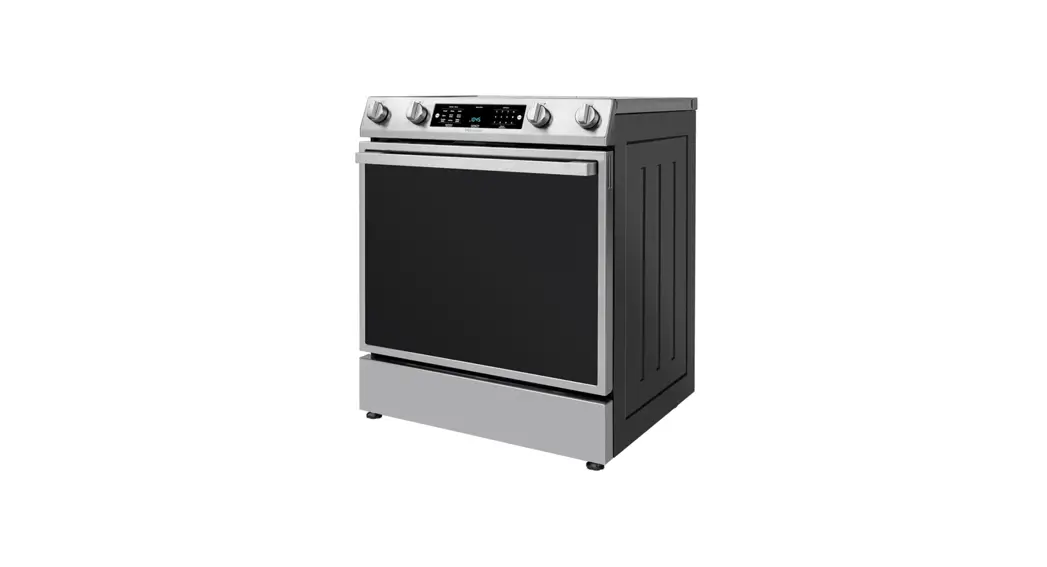
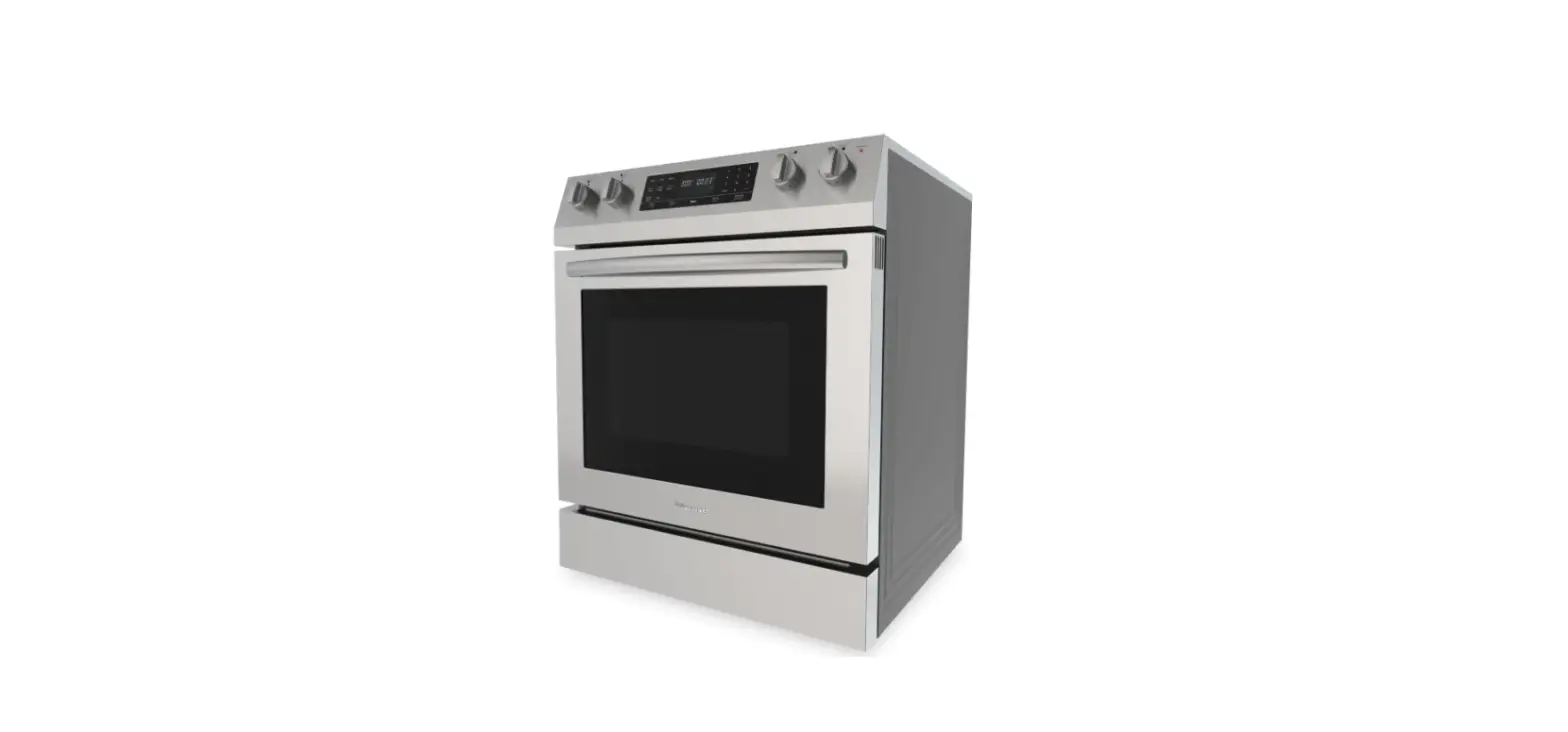
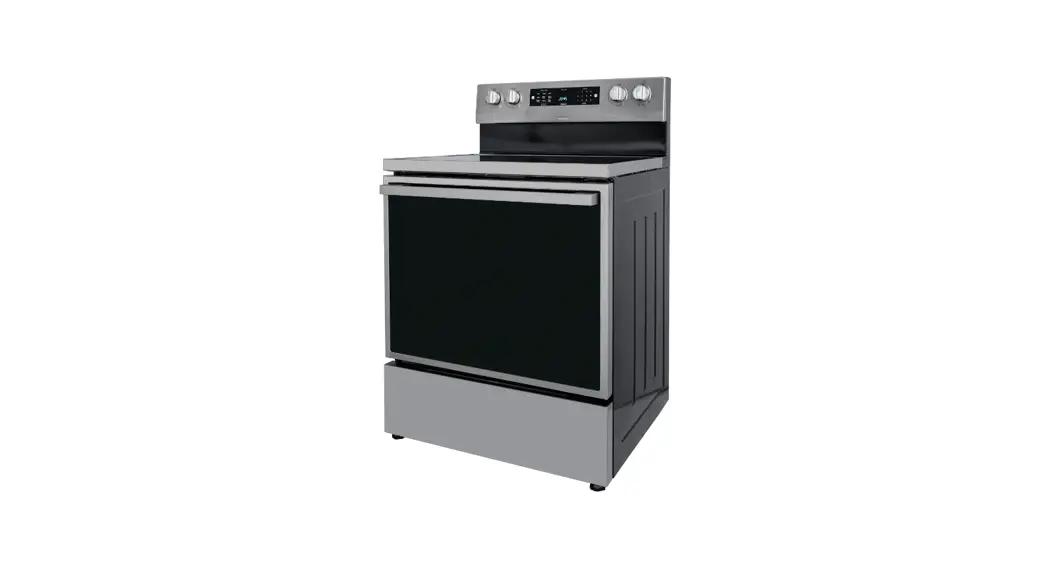
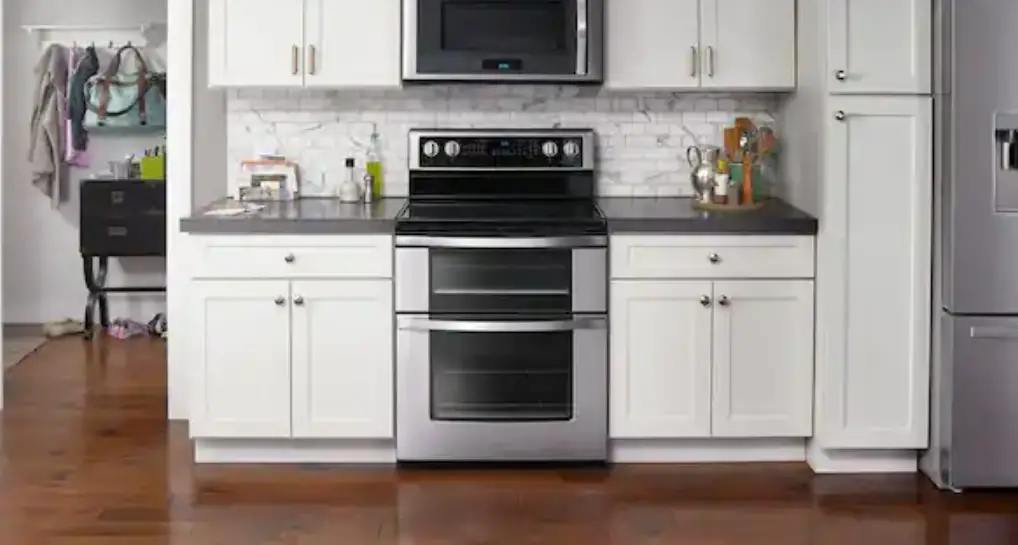
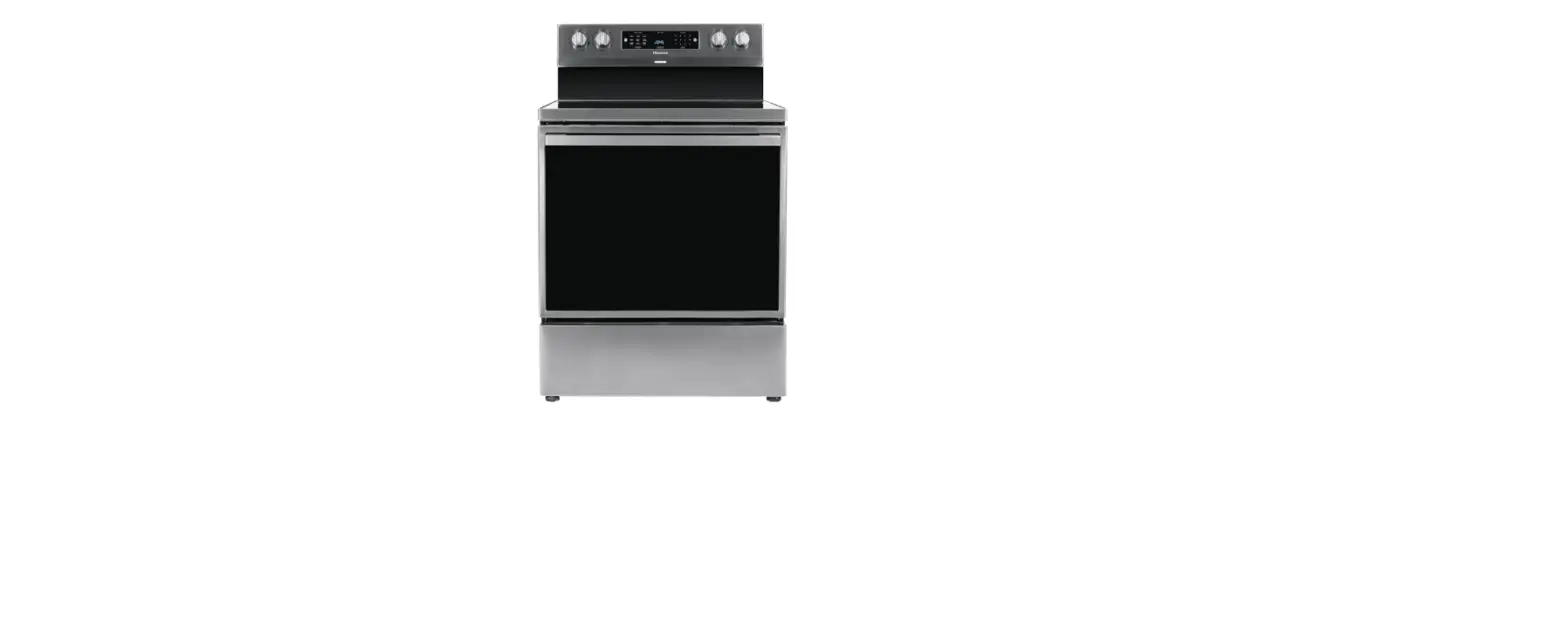
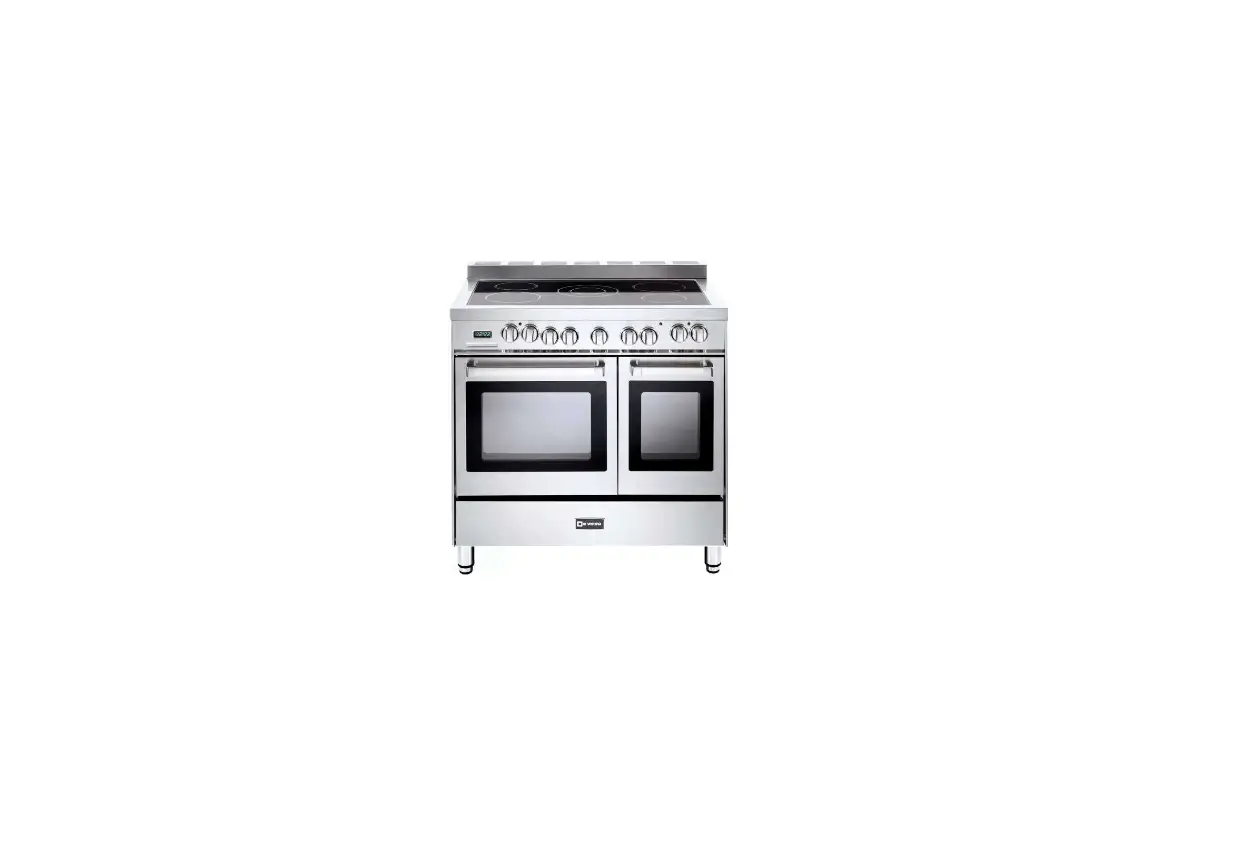
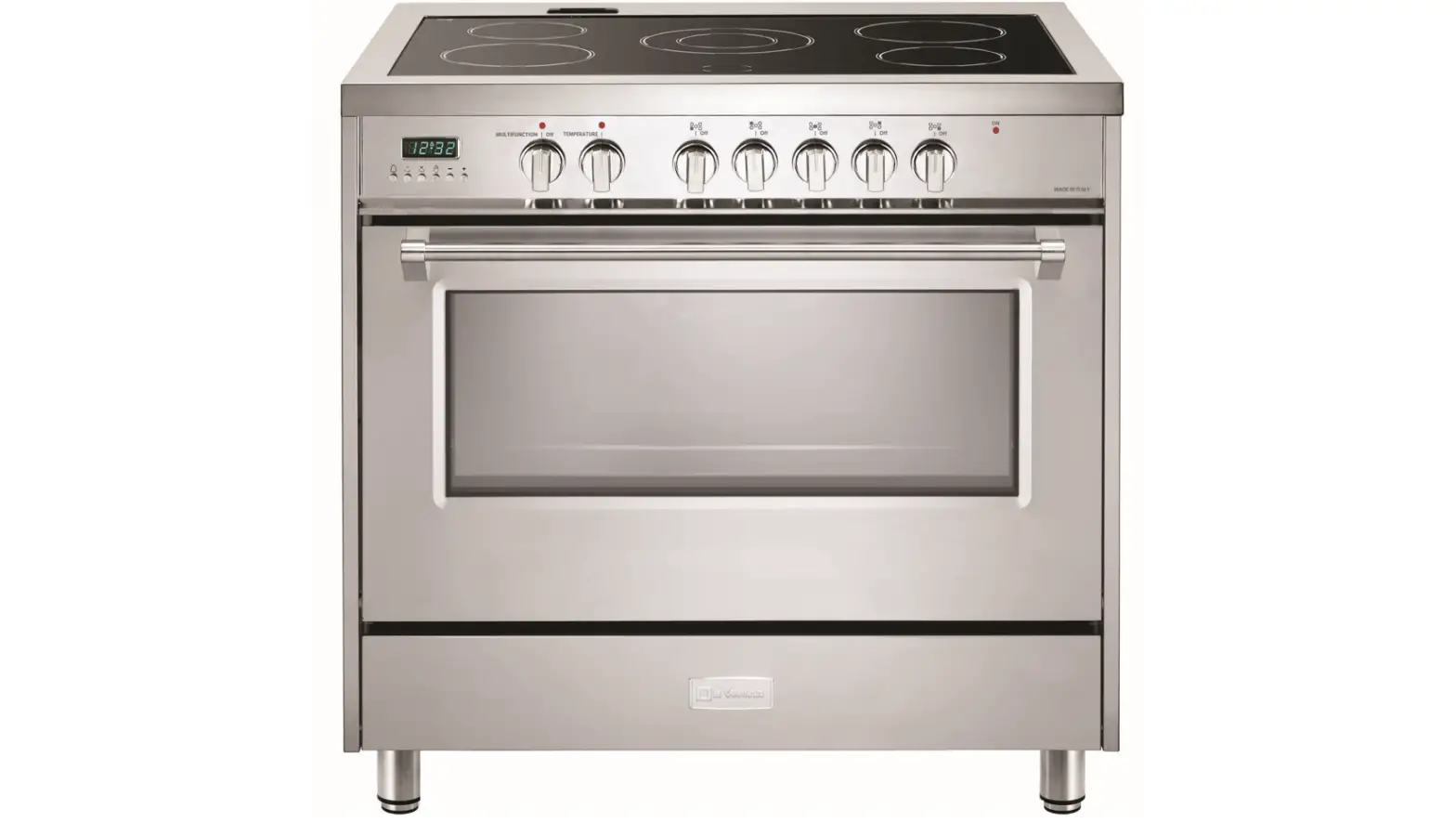
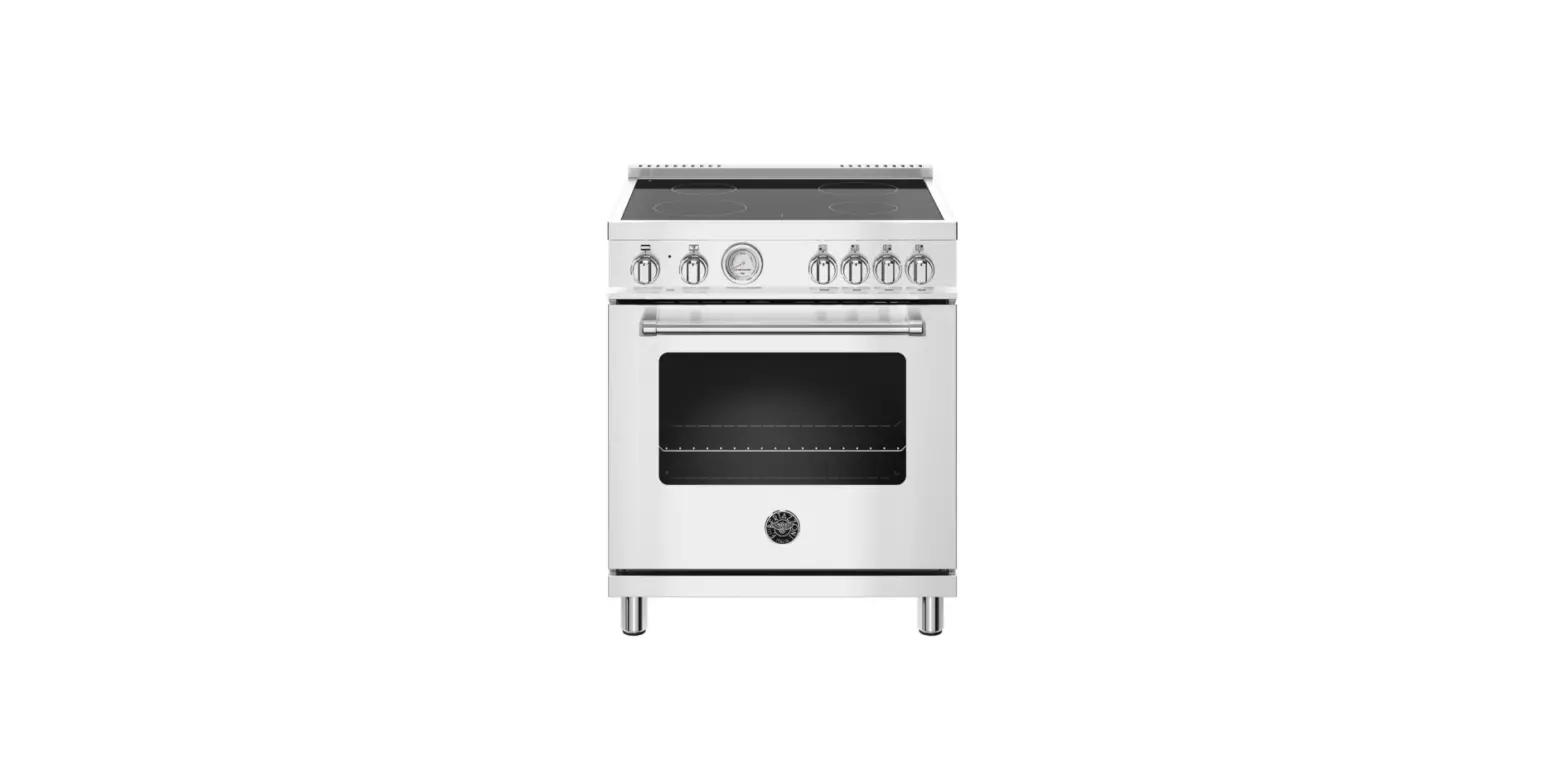
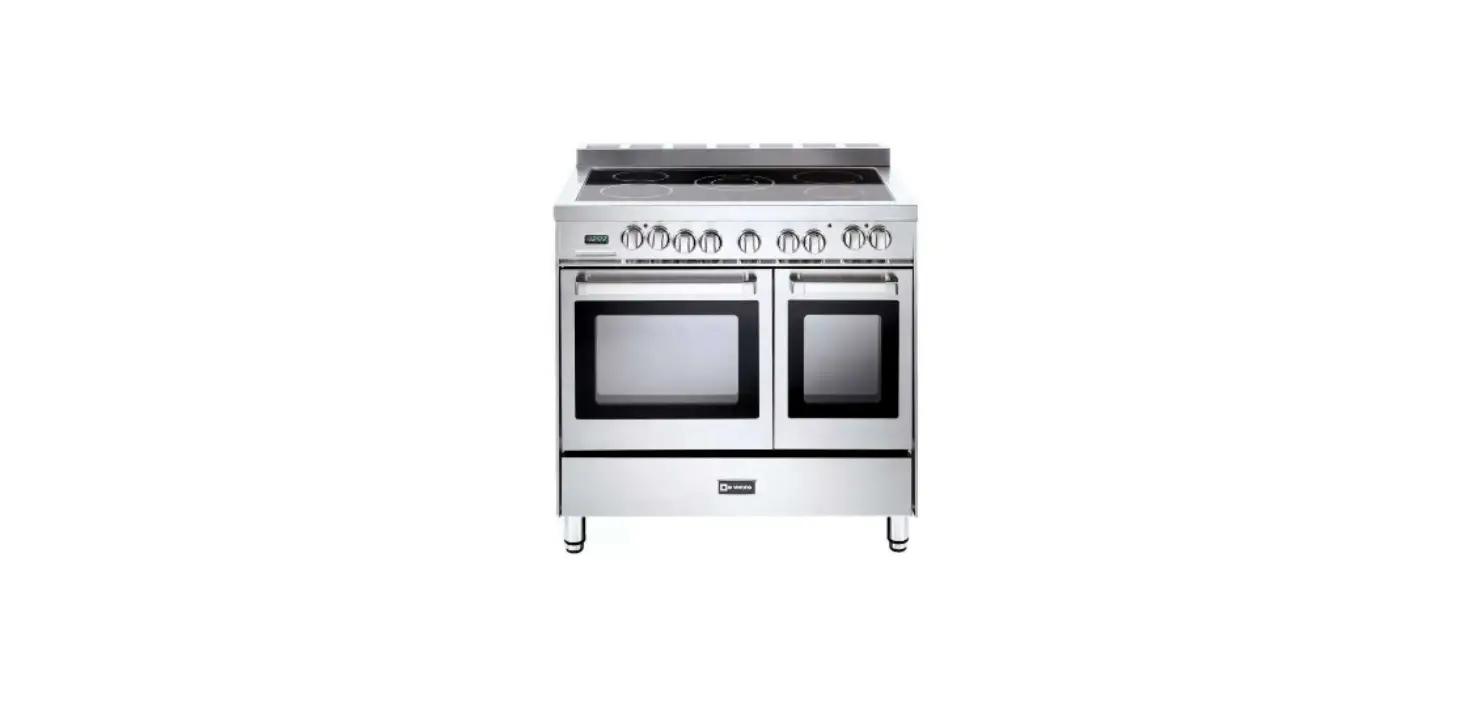
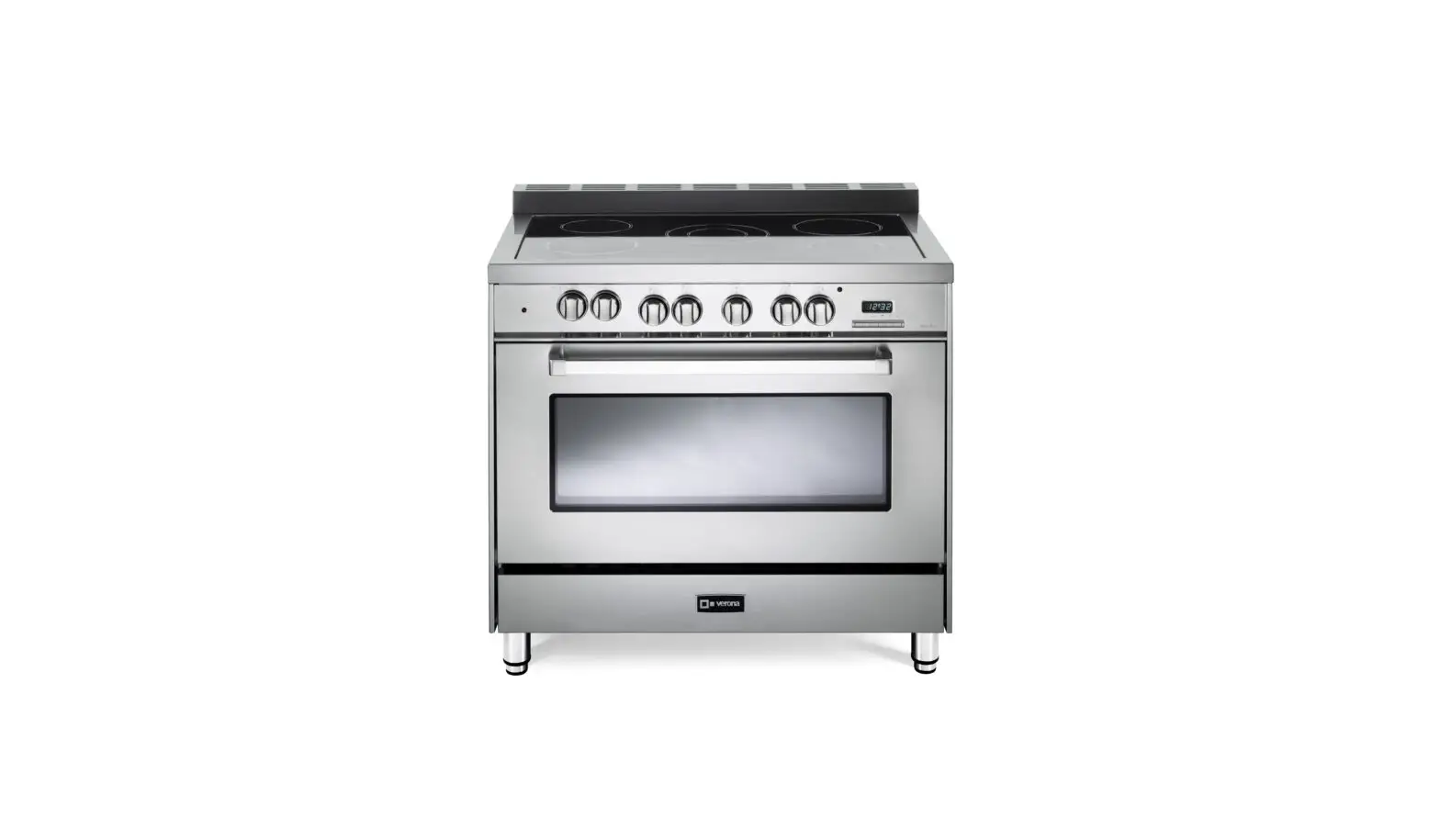
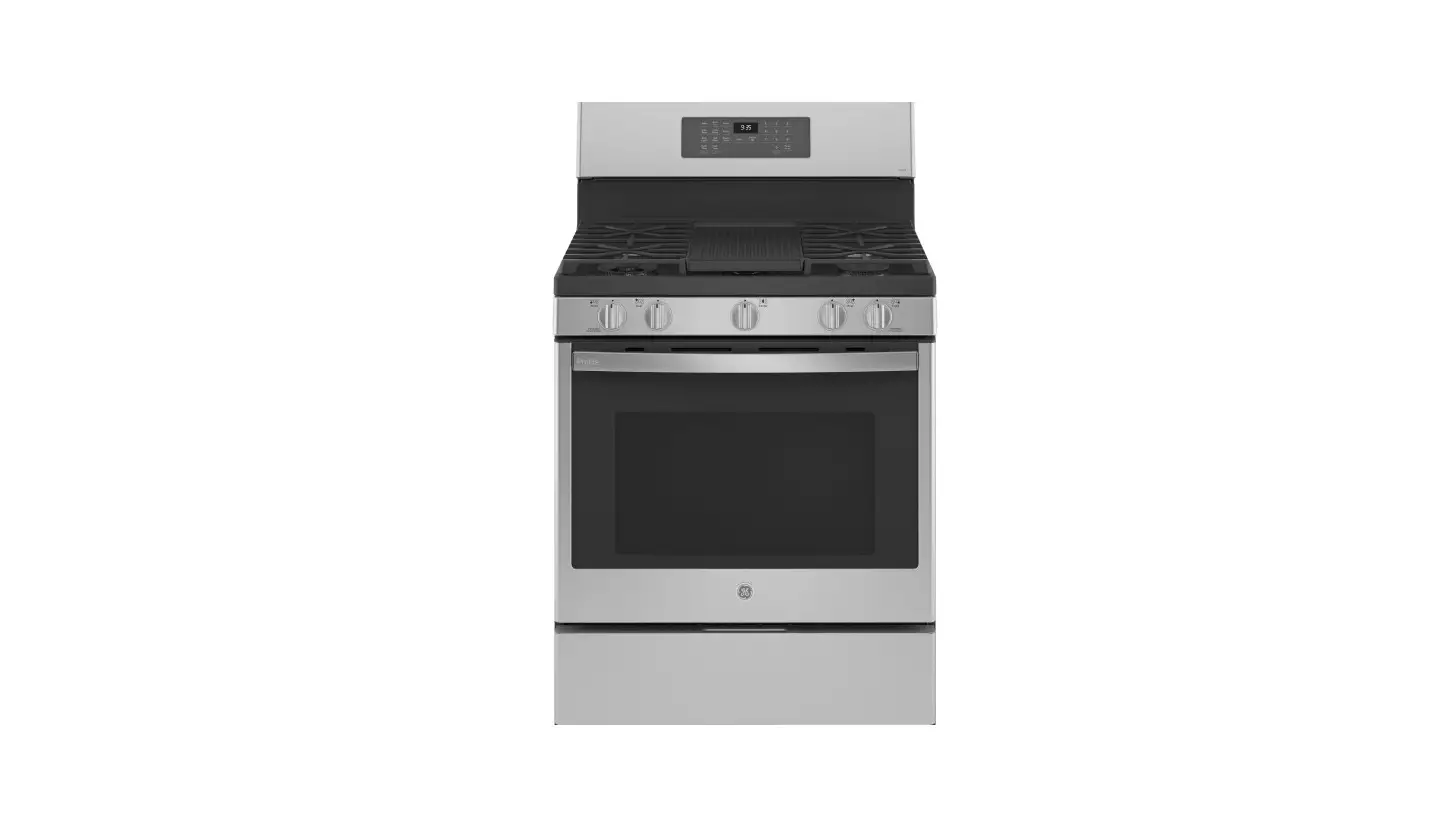
HBE3501CPS Electric Range
Product Information: Electric Range
The Electric Range is a kitchen appliance that can be installed
indoors. The range comes with an anti-tip device that needs to be
properly installed and engaged to prevent tip-over hazards. The
appliance also has a power cord clamp squeeze connector that can be
used for conduit installations. The range has minimum dimensions
between the cooktop, walls, and above the cooktop that need to be
followed for safety reasons.
Product Usage Instructions
Before You Begin
Before installing the electric range, ensure that you have read
and understood the instructions in the user manual.
For Your Safety
It’s essential to follow the safety instructions mentioned in
the user manual when using the electric range. The anti-tip device
needs to be installed and engaged at all times when the range is in
use.
Tip-Over Hazard
There is a risk of tip-over hazard associated with the electric
range. To prevent this, ensure that the anti-tip device is
installed and engaged properly. Do not operate the range without
the anti-tip device in place and engaged.
Anti-Tip Bracket
The anti-tip bracket needs to be properly installed and engaged
to prevent tip-over hazards. Refer to the user manual for
instructions on how to install the anti-tip bracket.
Tools and Materials
Ensure that you have all the necessary tools and materials
before beginning the installation. The tools you may need include a
flat-blade drill, awl or Phillips nail screwdriver, open-end
wrench, pipe wrench (2), pencil, utility knife, and ruler. The
materials you may need include a power cord clamp squeeze connector
4′ long with strain relief (for conduit installations only), UL
Listed 40 AMP 4-Wire or 3-Wire Cord.
Steps for Installation
Remove Packaging Materials
Before installing the electric range, remove all packaging parts
from the oven, racks, heating elements, and drawer. Also, remove
the protective film and labels on the door, cooktop, and control
panel. Failure to do so could result in damage to the
appliance.
Prepare the Opening
Refer to the illustrations in the user manual for all rough-in
and spacing dimensions. The electric range may be placed with 0”
clearance (flush) at the back walls and side walls of the cabinets.
Ensure that there is enough clearance between the cooktop, walls,
and above the cooktop to prevent the risk of burns or fire.
Electrical Installation
Refer to the user manual for instructions on electrical
installation. Orient the electrical receptacle so that the length
is parallel to the floor. Use a UL Listed 40 AMP 4-Wire or 3-Wire
Cord for electrical connection.
Anti-Tip Device Installation
Refer to the user manual for instructions on how to install the
anti-tip device. Verify that the anti-tip device has been properly
installed and engaged before using the electric range. Ensure that
the anti-tip device is re-engaged when the range is moved.
Level the Range
Use a level to ensure that the electric range is level before
using it.
Final Installation Check List
Refer to the user manual for a final installation checklist to
ensure that all steps have been followed correctly.
INSTRUCTIONS FOR INSTALLATION
ELECTRIC RANGE
Contents
Before you begin ………………………………………………………………………………………………………
3
For your safety …………………………………………………………………………………………………………
4
Tip-Over hazard …………………………………………………………………………………………………………
4
Anti-Tip Bracket …………………………………………………………………………………………………………
4
Tools and materials …………………………………………………………………………………………………….
4
Steps for installation …………………………………………………………………………………………………
5
Remove packaging materials ……………………………………………………………………………………….
5
Prepare the opening …………………………………………………………………………………………………..
5
Electrical installation …………………………………………………………………………………………………..
7
Anti-tip device installation …………………………………………………………………………………………… 11
Level the range ………………………………………………………………………………………………………….
12
Final installation check list …………………………………………………………………………………………..
12
EN 2
Before you begin
Read these instructions completely and carefully. IMPORTANT – Save these instructions for the local inspector’s use. IMPORTANT – Observe all governing codes and ordinances. IMPORTANT – Remove all packaging material and literature from the oven before connecting the gas and electrical supply to the range. IMPORTANT – To avoid damage to your cabinets, check with your builder or cabinet supplier to make sure that the materials used will not discolor, delaminate or sustain other damage. This oven has been designed in accordance with the requirements of UL and OSA International and complies with temperatures of 194°F (90°C). Important to the Installer – Be sure to leave these instructions with the consumer. Important to the customer – Keep these instructions for reference. Propper installation is the responsibillity of the installer.
EN 3
For your safety
Tip-Over hazard
WARNING!
A. A child or adult can tip the range and be killed. B. Verify the anti-tip device has been properly installed and
engaged (See below). C. Ensure the anti-tip device is re-engaged when the range is
moved (See below). D. Do not operate the range without the anti-tip device in place
and engaged.
Anti-Tip Bracket
WARNING!
· To reduce the risk of tipping the range, the range must be secured by a properly installed anti-tip bracket.
· See installation instructions shipped with the bracket for complete details before attempting to install.
Tools and materials
Tools you may need
Flat-blade Drill, awl or and Phillips nail screwdriver
Open-end wrench
Pipe
Level
wrench (2)
Pencil and Utility knife ruler
Materials you may need
Power Cord Clamp Squeeze Connector 4′ long with strain relief (For Conduit Installations Only). UL Listed 40 AMP 4-Wire or 3-Wire Cord
EN 4
Steps for installation
Remove packaging materials
Failure to remove packaging materials could result in damage to the appliance. Remove all packing parts from the oven, racks, heating elements and drawer. Also remove protective film and labels on the door, cooktop and control panel.
Prepare the opening
(for indoor use only)
See ilustrations for all rough-in and spacing dimensions. The appliance may be placed with 0” clearance (flush) at the back walls and side walls of the cabinets.
A. Recommended acceptable electrical outlet area. Orient the electrical receptacle so the length is parallel to the floor.
EN 5
Minimum dimensions between cooktop, walls and above the cooktop
· Provide adequate clearances between the range and adjacent combustible surfaces. These dimensions must be met for the safe use of your appliance.
· Make sure the wall covering, countertop, flooring and cabinets around the range can withstand the heat (up to 200°F (90°C)) generated by the range.
· Allow 30” minimum clearance between surface units and bottom of an unprotected wood or metal cabinet, or allow a 24” minimum when the bottom of wood or metal cabinets is protected by no less than 1/4” thick flame retardant millboard covered with not less than No 28MSG sheet metal, (0,015”) thick stainless steel, 0,024” aluminium or 0,020” copper.
· This appliance has been approved for 0” spacing to adjacent surfaces above the cooktop. However, a 6” minimum spacing to surfaces less than 15” above the cooktop and adjacent cabinet is recomended to reduce steam, grease platter, and heat exposure.
· Install with zero clearance on sides and back.
Cabinet storage space above the cooktop should be avoided to reduce the risk of burns or fire when reaching over hot surface elements. If cabinet storage space is to be provided above the cooktop, the risk can be reduced by installing an appliance hood that projects at least 5” beyond the front of the cabinets. Cabinets installed above the cooktop must be no deeper than 16”.
NOTE! The cooktop must be at or above the counter.
Rating plate
EN 6
The rating plate indicating the basic information about the appliance is located on the oven frame and it is visible when the oven door is opened.
Electrical installation
Power cord and conduit installation
On the back side of the appliance remove the metal cover by removing screws using a screwdriver. Do not discard these screws.
INFORMATION! NOTE! Power cord and conduit with strain relief are not included in the appliance. It must be purchased separately.
Range rating, watts
120/240 volts 3-wire
11900 – 14200
120/208 volts 3-wire
8900 – 10800
Specified rating of power-supply-cord kit, amperes
40 or 50 A
Diameter (inches) of the range connection opening
Power cord
Conduit
1 3/8”
1 1/8”
For power cord installation
Assemble the strain relief in the connection plate hole (1 3/8”). Insert the power cord through the strain relief and tighten the clamp screws.
1. Conduit connection plate 2. Power cord 3. Strain relief
NOTE! The power cord must always be installed with strain relief mounted into the connection plate.
NOTE! Terminals on the power cord must be closed-loop or open-end spade lugs.
For conduit installation
Remove the conduit connection plate by removing two screws and rotating it, as shown below. The conduit hole (1 1/8”) must be used. Tighten both screws back.
EN 7
Prepare the conduit cord (insulation stripped) as shown in A. Install the conduit cord into the connection plate as shown in B. Insert the strain relief into the conduit hole (1 ¹/8”). Then thread the conduit cord through the body (2) of the strain relief and fasten the ring (1). Reinstall the connection plate into possition and screw up.
Three-Wire Cord Connection
WARNING! The neutral wire of the power cord must be connected to the neutral terminal located in the center of the terminal block. The power leads must be connected to the lower left and the lower right terminals of the terminal block.
1. Live 1 2. Ground strap 3. Neutral terminal 4. Live 2 5. Ground plate A. Black B. White C. Red
· Remove the 3 screws lower the terminal on the terminal block. Do not loosen the upper screws. · Install the three-wire cord kit and strain relief in the hole in the connection plate. · Connect the center (white/neutral) wire lead to the center terminal. · Connect the red and black leads to the outside terminals. · Push the cord upward (to relieve strain), while tightening the strain relief clamp. · Securely tighten each screw (35 to 50 in-lbs).
EN 8
Three-Wire Conduit Connection
1. Line 1 2. Ground Strap 3. Neutral terminal 4. Live 2 5. Ground plate 6. Wire tips
A. Black B. White C. Red
· Loosen the 3 lower terminal screws on the terminal block. Strip wire to expose tip about 3/8” long.
· Insert the center (white/neutral) wire tip through the bottom center terminal block opening. On certain models, the wire will need to be inserted through the ground strap opening and then into the bottom center block opening. Insert the two side bare wire tips into the lower left and the lower right terminal block openings.
· Tighten the screws until the wire is firmly secured (35 to 50 inch-lbs.) Do not over-tighten the screws.
Four-Wire Cord Connection
WARNING!
The neutral wire of the supply circuit must be connected to the neutral terminal located in the lower center of the terminal block. The power leads must be connected to the lower left and the lower right terminals of the terminal block. The grounding lead must be connected to the frame of the range with the ground plate and ground screw.
1. Live 1 2. Ground strap 3. Neutral terminal 4. Live 2 5. Ground plate 6. Ground screw
A. Black B. White C. Red D. Green
· Remove the 3 lower screws from the terminal block. Do not loosen the upper screws. · Remove the ground screw and ground plate and retain them. · Cut the ground strap below the terminal block and discard the lower section. · Insert the ground screw through the power cord ground wire ring through the ground plate and
back into the range frame. Tighten securely, but do not over-tighten (15 to 20 in-lbs).
EN 9
· Insert the 3 terminal screws through each power cord terminal ring and back into the terminal block. Be certain the white wire is in the center.
· Securely tighten each screw (35 to 50 in-lbs).
Four-Wire Conduit Connection
1. Live 1 2. Ground strap 3. Neutral terminal 4. Live 2 5. Ground plate 6. Ground screw 7. Wire tips
A. Black B. White C. Red D. Green
· Loosen the 3 lower terminal screws on the terminal block. Strip wire to exposed tip about 3/8” long.
· Remove the ground screw and ground plate and retain them. Cut the ground strap below the ground block and discard the lower section. Insert the ground screw through the ground plate (removed earlier) and put it back into the terminal.
· Insert the ground wire tip into the ground screw and plate. Tighten securely, but do not over-tighten (15 to 20 in-lbs).
· Insert the center (white/neutral) wire tip through the bottom center terminal block opening. On certain models, the wire will need to be inserted through the ground strap opening and then into the bottom center block opening. Insert the two side bare wire tips into the lower left and the lower right terminal block openings.
· Tighten the screws until the wire is firmly secured (35 to 50 inch-lbs). Do not over-tighten the screws.
NOTE! ALUMINIUM WIRING: Aluminum building wire may be used, but it must be rated for the correct amperage and voltage.
Replace the wire cover
Replace the wire cover on the range back by sliding its left edge under the retaining tabs and replace the screws removed earlier. Make sure that no wires are pinched between the cover and range back.
EN 10
Anti-tip device installation
Tip Over Hazard
WARNING!
· Child or adult can tip the range and be killed. · Install the anti-tip bracket to the wall or floor. · Engage the range to the anti-tip bracket by sliding the range back such that the foot
is engaged. · Re-engage the anti-tip device if the range is moved. · See installation instructions for details. · Failure to do so can result in death or serious burns to children or adults. · Check to make sure that the rear leveling leg is fully inserted into the Anti-Tip bracket.
Anti-Tip Bracket
Install Anti-Tip Bracket (Anti-Tip Bracket Kit Included) · Determine which mounting method to use: floor or wall. If you have a stone or masonry floor, you
can use the wall mounting method. If you are installing the range in a mobile home, you must secure the range to the floor. · This anti-tip bracket and screws can be used with wood or metal studs.
· Determine and mark the centerline of the cutout space (1). The mounting bracket can be installed on either the left-hand or right-hand side of the cutout. Position the mounting bracket against the wall in the cutout so that the center of the cutout of the bracket is 13 3/8″ (34 cm) from the centerline (A).
· Drill two 5/32″ (4 mm) holes that correspond to the bracket holes of the determined mounting method.
· Using the two 3/16 x 2″ (4,8 x 50 mm) Phillips-head screws provided, mount the anti-tip bracket to the wall or floor.
· Move range close enough to opening to allow for final electrical connections. · Remove shipping base, cardboard or hardboard from under range. · Move range into its final location, making sure the rear leveling leg slides into the anti-tip bracket
(2).
EN 11
Level the range
WARNING! Never completely remove the leveling leg as the range will not be secured to the anti-tip device properly.
· Install the oven shelves in the oven and position the range where they will be installed.
· Check for levelness by placing a spirit level on one of the oven shelves. Take two readings, with the level placed diagonally first in one direction and then the other.
· First, remove the drawer.
· Level the range by adjusting the leveling legs with a wrench.
· The front leveling legs can be adjusted from the top or the bottom leg (1).
· The rear legs can be adjusted from the top of the leg (2) through the drawer opening.
Final installation check list
· Check to make sure the circuit breaker is closed or the circuit fuses are replaced. · Be sure power is in service to the building. · Check that all packaging materials and tape have been removed. This will include tape on the
metal panel under control knobs (if applicable), adhesive tape, wire ties, cardboard and protective plastic. Failure to remove these materials could result in damage to the appliance once the appliance has been turned on and surfaces have heated. · Check that the door and drawer are parallel to each other and that both operate smoothly. If they do not, see the User Manuals for proper replacement. · Check to make sure that the rear leveling leg is fully inserted into the Anti-Tip bracket.
Operation checklist
· Make sure the combustion and ventilation airflow to the range is unobstructed. · Be sure all range controls are in the OFF position before leaving the range.
EN 12
Tabla de contenidos
Antes de comenzar …………………………………………………………………………………………………..
14
Para su seguridad …………………………………………………………………………………………………….
15
Riesgo de vuelco ……………………………………………………………………………………………………….
15
Soporte antivuelco ……………………………………………………………………………………………………..
15
Herramientas y materiales …………………………………………………………………………………………..
15
Pasos para la instalación ………………………………………………………………………………………….
16
Retire los materiales de embalaje …………………………………………………………………………………
16
Preparar la abertura ……………………………………………………………………………………………………
16
Instalación eléctrica ……………………………………………………………………………………………………
18
Instalación del dispositivo antivuelco ……………………………………………………………………………
22
Nivelar la estufa …………………………………………………………………………………………………………
23
Lista de verificación final de la instalación …………………………………………………………………….. 24
ES 13
Antes de comenzar
Lea estas instrucciones completa y cuidadosamente. IMPORTANTE: – Guarde estas instrucciones para la consulta de su inspector local. IMPORTANTE – Respete los códigos y ordenanzas vigentes. IMPORTANTE: – Antes de conectar la estufa al suministro de luz y gas, retire todo el material de embalaje y los manuales que se encuentran dentro del horno. IMPORTANTE: – Para evitar dañar sus gabinetes, consulte con su constructor o con el proveedor de los gabinetes para asegurarse de que los materiales utilizados no se decoloren, se deslaminen o sufran otros daños. Este horno ha sido diseñado de acuerdo con los requisitos de UL y OSA International y cumple con temperaturas de 194 °F (90 °C). Información importante para el instalador:- Asegúrese de dejarle estas instrucciones al usuario. Información importante para el cliente – Guarde estas instrucciones para futuras consultas. La instalación adecuada es responsabilidad del instalador.
ES 14
Para su seguridad
Riesgo de vuelco
ADVERTENCIA!
A. Tanto un niño como un adulto podrían volcar la estufa, con riesgo de muerte.
B. Verifique que el dispositivo antivuelco haya sido correctamente instalado y acoplado (Ver más abajo).
C. Asegúrese de volver a acoplar el dispositivo antivuelco cuando mueva la estufa de lugar (Ver más abajo).
D. No opere la estufa si el dispositivo antivuelco no está colocado y enganchado.
Soporte antivuelco
ADVERTENCIA! ·
·
Para reducir el riesgo de vuelcos, debe asegurar la estufa con un soporte antivuelco correctamente instalado. Consulte las instrucciones de instalación proporcionadas para tener toda la información necesaria antes de comenzar la instalación.
Herramientas y materiales
Herramientas necesarias
Destornillador de punta plana y Phillips
Taladro, punzón o clavo
Llave española
Llave de tubo (2)
Nivelador Lápiz y regla
Cuchilla de uso general
Materiales necesarioss
Abrazadera para el cable de alimentación, conector a presión de 4′
de longitud con alivio de tensión (solo para instalaciones en conductos). de 40 amperios con certificación UL
Cable de 4 o 3 hilos
ES 15
Pasos para la instalación
Retire los materiales de embalaje
Si no retira todos los materiales de embalaje, el aparato podría sufrir daños. Retire todas las piezas de embalaje del horno, de los estantes, de los elementos calefactores y de la gaveta. También debe retirar la película protectora y las etiquetas de la puerta, la placa de cocción y el panel de control.
Preparar la abertura
(solo para uso en interiores)
Consulte las ilustraciones para ver las dimensiones del aparato y de espaciado. El aparato puede instalarse sin necesidad de que haya espacio libre (al ras) con la pared trasera ni los gabinetes laterales.
A. Área de toma de corriente recomendada. Oriente el receptáculo eléctrico de modo que su longitud quede paralela al suelo.
ES 16
Dimensiones mínimas entre la placa de cocción, las paredes y el espacio sobre la placa de cocción
· Deje una distancia adecuada entre la estufa y las superficies combustibles adyacentes. Se deben respetar estas dimensiones para poder hacer un uso seguro de su aparato.
· Asegúrese de que el revestimiento de la pared, la encimera, el piso y los gabinetes alrededor de la estufa puedan soportar el calor [de hasta 200 °F (90 °C)] generado por la estufa.
· Deje un espacio libre mínimo de 30″ entre las unidades de la superficie y la parte inferior de un gabinete de madera o metal que no tenga protección; o deje un mínimo de 24″ en caso de que la parte inferior del gabinete de madera o metal esté protegida por una placa ignífuga de no menos de 1/4″ de espesor cubierta por una placa de acero inoxidable no menor a N.º 28 MSG de 0,015” de espesor; de aluminio de 0,024″ o de cobre de 0,020”.
· Este aparato ha sido aprobado para ser instalado sin necesidad de que haya una separación (al ras) de superficies adyacentes más elevadas que la placa de cocción. Sin embargo, se recomienda dejar un espacio mínimo de 6″ entre las superficies que estén a menos de 15″ por encima de la placa y el gabinete adyacente para reducir la exposición al vapor, la grasa y el calor.
· Instale sin espacio libre en los lados y en la parte posterior.
Para reducir el riesgo de quemaduras o incendios al intentar alcanzar objetos, se debe evitar almacenar cosas en el gabinete que se encuentre sobre la placa de cocción. Si desea contar con un espacio de almacenamiento en un gabinete sobre la placa de cocción, el riesgo puede reducirse instalando una campana extractora que sobresalga al menos 5” de la parte delantera de los gabinetes. La profundidad de los gabinetes instalados sobre la placa de cocción no debe ser mayor a 16”.
¡ADVERTENCIA! La placa de cocción debe estar a la misma altura que el mesón (mesada o tope) o superior.
ES 17
Placa de características
La placa de características con los datos básicos del aparato está fija en el borde del horno. Puede verla al abrir la puerta del horno.
Instalación eléctrica
Instalación de cables de alimentación y conductos
Retire la cubierta metálica que se encuentra en la parte posterior del aparato quitando los tornillos con un destornillador. Guarde estos tornillos.
¡INFORMACIÓN! ¡ADVERTENCIA! El cable de alimentación y el conducto con alivio de tensión no están incluidos con el aparato. Se deben comprar aparte.
Rango nominal, vatios
120/240 voltios 3 hilos
11900 – 14200
120/208 voltios 3 hilos
8900 – 10800
Valor nominal especificado en el kit del cable de alimentación, amperios
40 o 50 A
Diámetro (en pulgadas) de la abertura de conexión de la estufa
Cable de alimentación
1 3/8”
Conducto 1 1/8”
Para instalar el cable de alimentación
Monte el alivio de tensión en el orificio de la placa de conexión (1 3/8”). Inserte el cable de alimentación a través del alivio de tensión y apriete los tornillos de la abrazadera.
1. Placa de conexión de conductos 2. Cable de alimentación 3. Aliviador de tensión
ES 18
¡ADVERTENCIA! El cable de alimentación siempre debe instalarse con un alivio de tensión montado en la placa de conexión.
¡ADVERTENCIA! Los terminales del cable de alimentación deben ser de circuito cerrado o de pala de extremo abierto.
Para instalar el conducto
Retire la placa de conexión del conducto retirando dos tornillos y girándola, como se muestra abajo. Se debe usar el orificio del conducto (1 1/8 ”). Vuelva a apretar ambos tornillos.
Prepare el cable del conducto (sin aislamiento) como se muestra en la figura A.
Instale el cable del conducto en la placa de conexión como se muestra en la figura B.
Inserte el alivio de tensión en el orificio del conducto (1 ¹/8”). Luego, pase el cable del conducto a través del cuerpo (2) del alivio de tensión y apriete el anillo (1). Vuelva a colocar la placa de conexión en su lugar y atorníllela.
Conexión con cable de tres hilos
ADVERTENCIA!
El hilo neutro o de tierra del cable de alimentación debe conectarse al terminal neutro ubicado en el centro del bloque de terminales. Los cables de alimentación deben conectarse a las terminales inferior izquierda e inferior derecha del bloque de terminales.
ES 19
1. Vivo 1 2. Cinta de tierra 3. Terminal neutra 4. Vivo 2 5. Placa de tierra
A. Negro B. Blanco C. Rojo
· Retire los 3 tornillos de la parte inferior del terminal en el bloque de terminales. No afloje los tornillos superiores.
· Instale el kit del cable de tres hilos y el aliviador de tensión en el orificio de la placa de conexión. · Conecte el cable central (blanco/neutro) al terminal central. · Conecte los cables rojo y negro a los terminales exteriores. · Empuje el cable hacia arriba (para aliviar la tensión), mientras aprieta la abrazadera de alivio de
tensión. · Apriete firmemente cada tornillo (35 a 50 in-lbs).
Conexión de conducto de tres hilos
1. Línea 1 2. Cinta de tierra 3. Terminal neutra 4. Vivo 2 5. Placa de tierra 6. Puntas de alambre
A. Negro B. Blanco C. Rojo
· Afloje los 3 tornillos terminales inferiores en el bloque de terminales. Pele el alambre para exponer una punta de aproximadamente 3/8” de largo.
· Inserte la punta del cable central (blanco/neutro) a través de la abertura del bloque de terminales central inferior. En ciertos modelos, el cable deberá insertarse a través de la abertura de la cinta de tierra y luego en la abertura del bloque central inferior. Inserte las dos puntas de los cables pelados laterales en las aberturas inferior izquierda e inferior derecha del bloque de terminales.
· Apriete los tornillos hasta que el cable esté firmemente asegurado (35 a 50 libra-pulgada). No apriete demasiado los tornillos.
ES 20
Conexión del cable de cuatro hilos
ADVERTENCIA! El cable neutro del circuito de alimentación debe conectarse al terminal neutro ubicado en el centro inferior del bloque de terminales. Los cables de alimentación deben conectarse a las terminales inferior izquierda e inferior derecha del bloque de terminales. El cuarto cable de conexión a tierra debe conectarse al marco de la estufa con la placa de tierra y el tornillo de tierra.
1. Vivo 1 2. Cinta de tierra 3. Terminal neutra 4. Vivo 2 5. Placa de tierra 6. Tornillo de tierra
A. Negro B. Blanco C. Rojo D. Verde
· Quite los 3 tornillos inferiores del bloque de terminales. No afloje los tornillos superiores. · Retire el tornillo de tierra y la placa de tierra y consérvelos. · Corte la cinta de tierra debajo del bloque de terminales y deseche la sección inferior. · Inserte el tornillo de conexión a tierra a través del anillo de alambre de conexión a tierra del cable
de alimentación a través de la placa de conexión a tierra, y vuelva a introducirlo en el marco de la estufa. Apriete firmemente, pero no demasiado (15 a 20 libra-pulgadas). · Inserte los 3 tornillos terminales a través de cada anillo terminal del cable de alimentación y de nuevo al bloque terminal. Asegúrese de que el cable blanco esté en el centro. · Apriete firmemente cada tornillo (35 a 50 in-lbs).
Conexión del conducto de cuatro hilos
1. Vivo 1 2. Cinta de tierra 3. Terminal neutra 4. Vivo 2 5. Placa de tierra 6. Tornillo de tierra 7. Puntas de alambre
A. Negro B. Blanco C. Rojo D. Verde
ES 21
· Afloje los 3 tornillos terminales inferiores en el bloque de terminales. Pele el cable hasta exponer una punta de aproximadamente 3/8” de largo.
· Retire el tornillo de tierra y la placa de tierra y consérvelos. Corte la correa de tierra abajo del bloque de terminales y deseche la sección inferior. Inserte el tornillo de tierra a través de la placa de tierra (que ha retirado antes) y vuelva a colocarlo en el terminal.
· Inserte la punta del cable de tierra en el tornillo y la placa de tierra. Apriete firmemente, pero no en exceso (15 a 20 pulg-lbs).
· Inserte la punta del cable central (blanco/neutro) a través de la abertura del bloque de terminales central inferior. En ciertos modelos, el cable deberá insertarse a través de la abertura de la cinta de tierra y luego en la abertura del bloque central inferior. Inserte las dos puntas de los cables pelados laterales en las aberturas inferior izquierda e inferior derecha del bloque de terminales.
· Apriete los tornillos hasta que el cable esté firmemente asegurado (35 a 50 libra-pulgadas). No apriete demasiado los tornillos.
NOTA! CABLEADO DE ALUMINIO: Se puede usar cable de construcción de aluminio, pero debe estar certificado para el amperaje y el voltaje correctos.
Vuelva a colocar la cubierta del cable
Vuelva a colocar la cubierta del cable en la parte posterior de la estufa deslizando su borde izquierdo debajo de las pestañas de retención y vuelva a colocar los tornillos que quitó antes. Asegúrese de que no queden cables atrapados entre la cubierta y la parte posterior de la estufa.
Instalación del dispositivo antivuelco
Riesgo de vuelco
ADVERTENCIA!
· Tanto un niño como un adulto podrían volcar la estufa, con riesgo de muerte. · Instale el soporte antivuelco en la pared o el piso. · Enganche la estufa al soporte antivuelco deslizándola hacia atrás de modo que la
pata quede enganchada. · Vuelva a enganchar el dispositivo antivuelco si mueve la estufa. · Consulte las instrucciones de instalacion para ver más detalles. · No tomar estas medidas puede provocar la muerte o accidentes con quemaduras
graves en niños o adultos. · Asegúrese de que la pata niveladora trasera esté completamente insertada dentro
del soporte antivuelco.
Soporte antivuelco
Instale el soporte antivuelco (Kit del soporte antivuelco incluido)
· Determine qué método de montaje utilizará: suelo o pared. Si tiene un piso de piedra o mampostería, puede utilizar el método de montaje en la pared. Si está instalando la estufa en una casa móvil, debe asegurarla al piso.
· Este soporte y los tornillos antivuelco se pueden utilizar con tapones de madera o metal.
ES 22
· Determine y marque la línea central del espacio de corte (1). El soporte de montaje se puede instalar tanto en el lado izquierdo como en el lado derecho del área cortada. Coloque el soporte de montaje contra la pared en el área cortada, de modo que el centro del recorte del soporte quede a 13 3/8″ (34 cm) de la línea central (A).
· Perfore dos orificios de 5/32″ (4 mm) que correspondan a los orificios del soporte para el método de montaje determinado.
· Usando los dos tornillos provistos tipo Phillips de 3/16 x 2″ (4,8 x 50 mm), monte el soporte antivuelco hacia la pared o el piso.
· Mueva la estufa lo suficientemente cerca de la abertura para permitir las conexiones eléctricas finales.
· Retire la base, el cartón o los tableros rígidos el embalaje que se encuentran debajo de la estufa. · Mueva la estufa a su ubicación final, asegurándose de que la pata niveladora trasera se deslice
hacia adentro del soporte antivuelco (2).
Nivelar la estufa
ADVERTENCIA! Nunca retire completamente la pata niveladora ya que la estufa no se asegurará correctamente al dispositivo antivuelco.
· Coloque los estantes (rejillas) en el horno y ubique la estufa en el lugar donde desee instalarla.
· Compruebe que esté nivelada colocando un nivelador de burbuja en uno de los estantes del horno. Tome dos lecturas; con el nivel colocado en diagonal primero en una dirección y luego en la otra.
· Primero, retire la gaveta.
ES 23
· Nivele la estufa ajustando las patas niveladoras con una llave.
· Las patas niveladoras delanteras se pueden ajustar desde la parte superior o inferior de la pata (1).
· Las patas traseras se pueden ajustar desde la parte superior de la pata (2) a través de la abertura de la gaveta.
Lista de verificación final de la instalación
· Verifique que el disyuntor esté cerrado o que los fusibles del circuito estén en su lugar. · Asegúrese de que haya electricidad en el edificio. · Compruebe que se hayan retirado todos los materiales y cintas de embalaje. Esto incluye la cinta
en el panel de metal que se encuentra debajo las perillas de control (si corresponde), cinta adhesiva, ataduras de cables, cartón y plásticos protectores. Si no retira estos materiales, el aparato podría sufrir daños cuando se encienda y se calienten las superficies. · Compruebe que la puerta y la gaveta están paralelas entre sí y que funcionan sin problemas. Si no es así, consulte los manuales de usuario para saber cómo colocarlas adecuadamente. · Asegúrese de que la pata niveladora trasera esté completamente insertada dentro del soporte antivuelco.
Lista de verificación de funcionamiento
· Asegúrese de que el flujo de aire de combustión y ventilación de la estufa no esté obstruido. · Asegúrese de que todos los controles del aparato estén en la posición de apagado (OFF) antes
de alejarse de la estufa.
ES 24
854935-a14