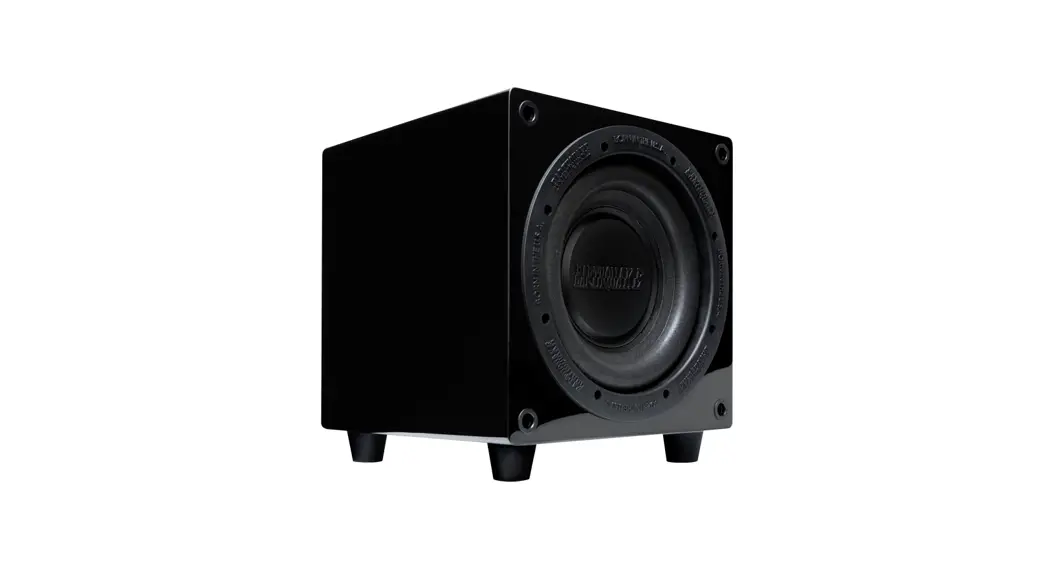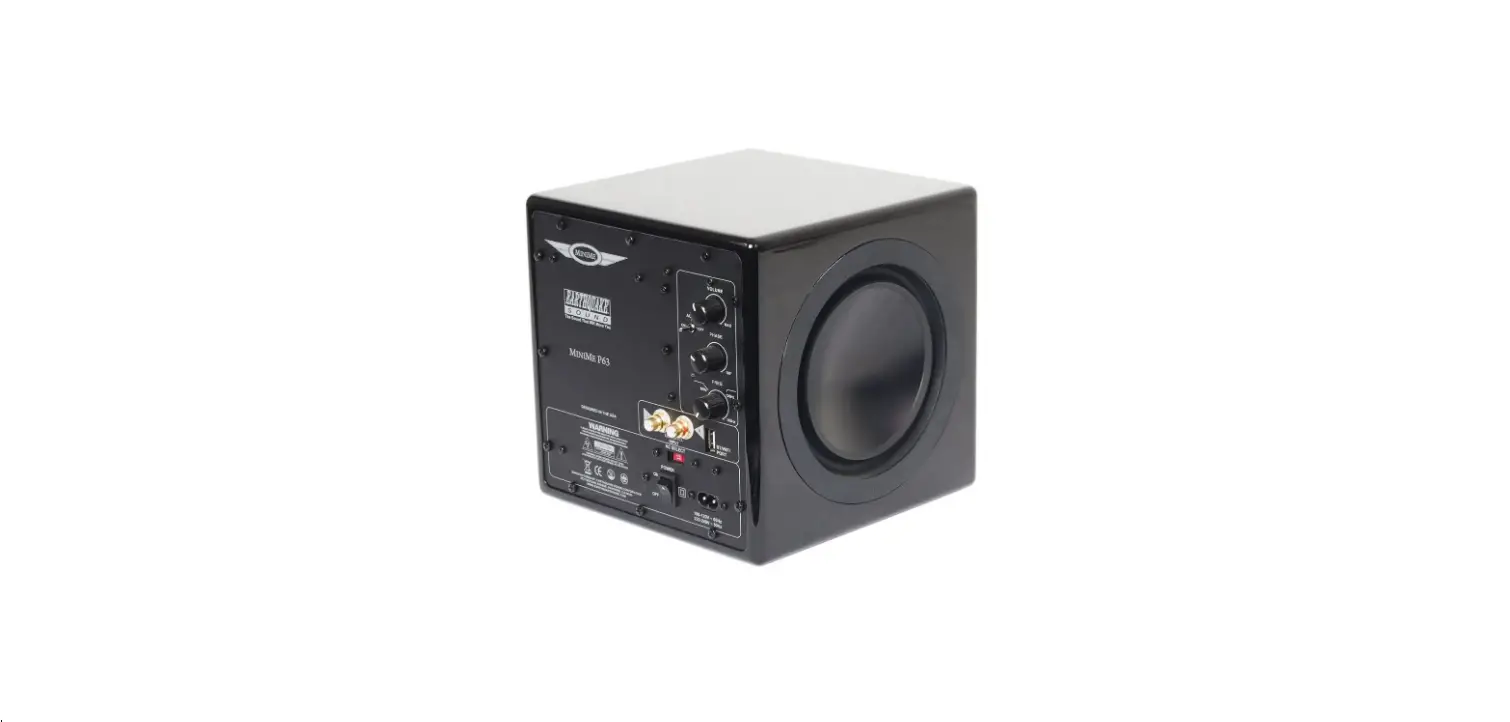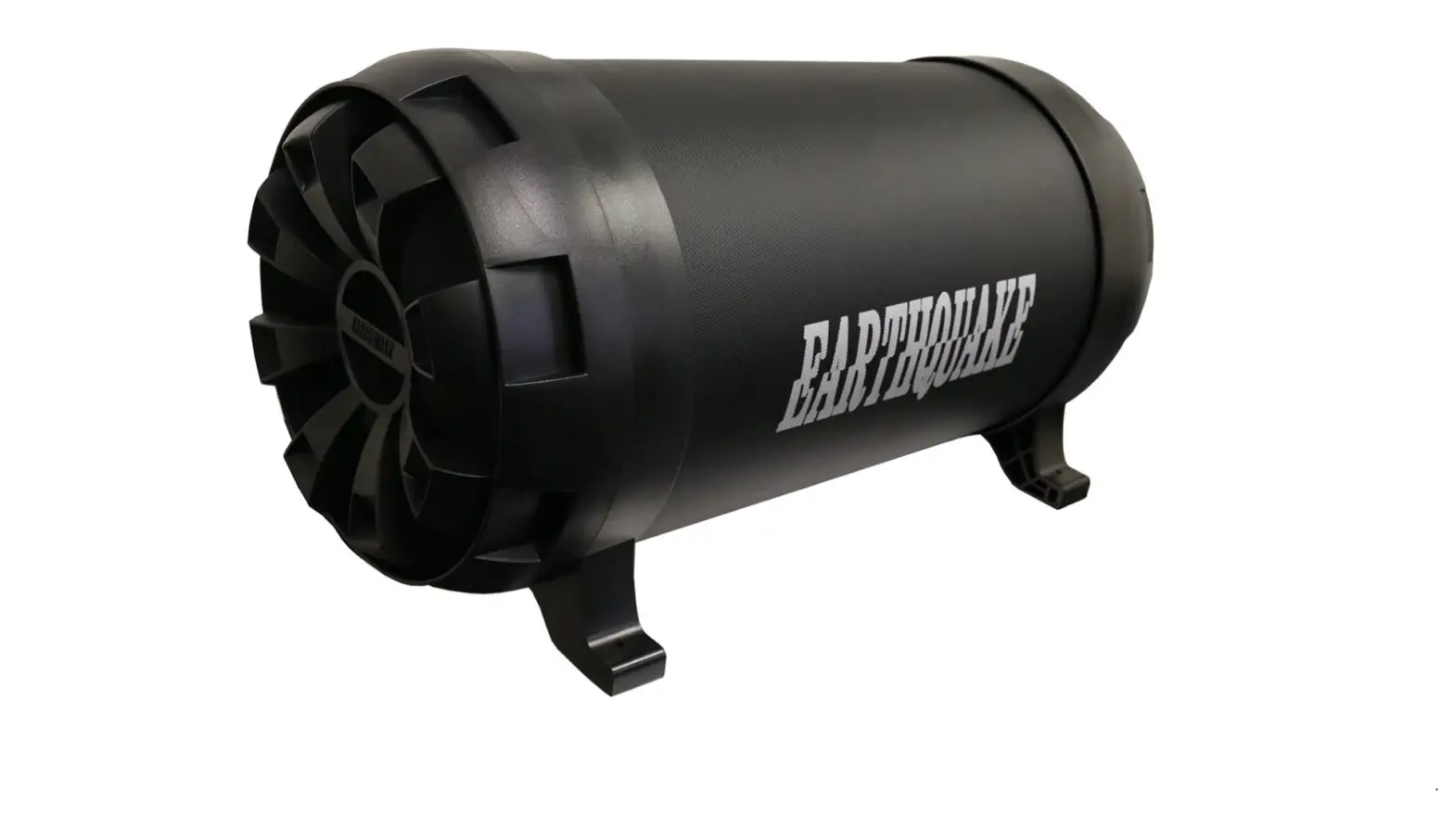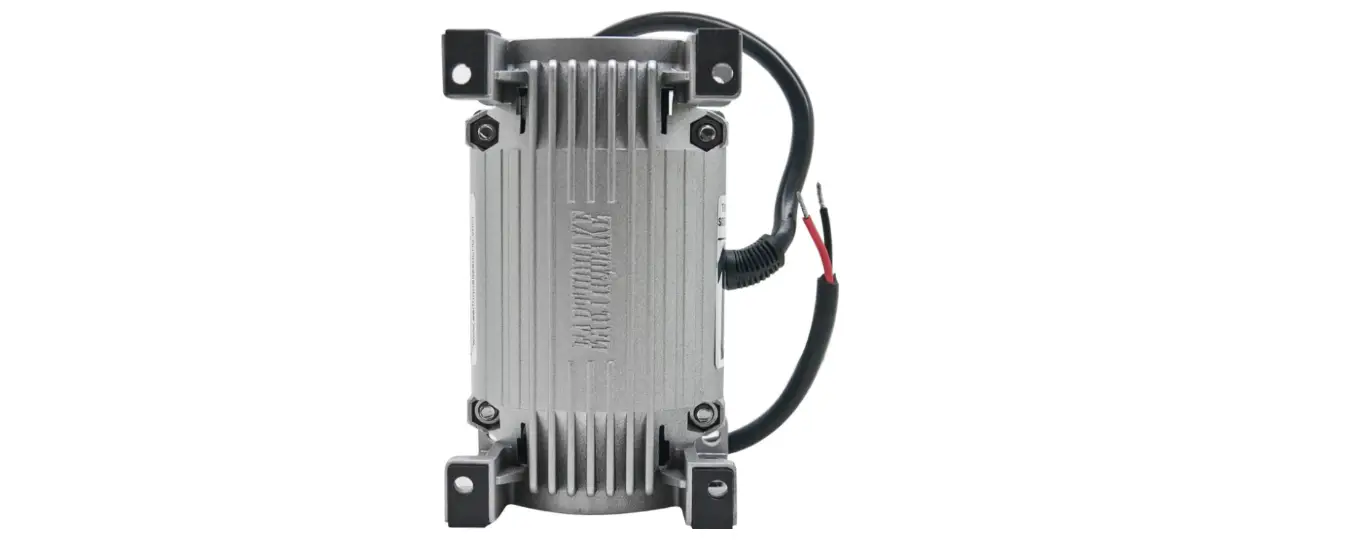

Earthquake Sound Q10B Watts Low-Frequency Effects
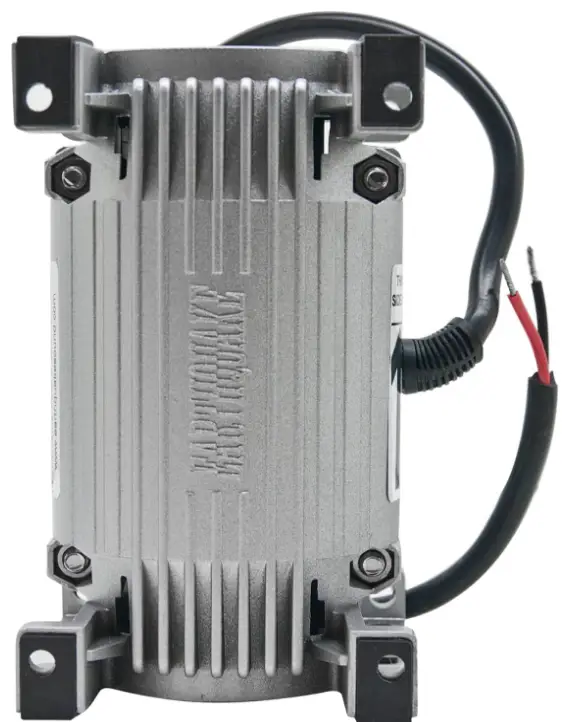
What is a Tactile Transducer?
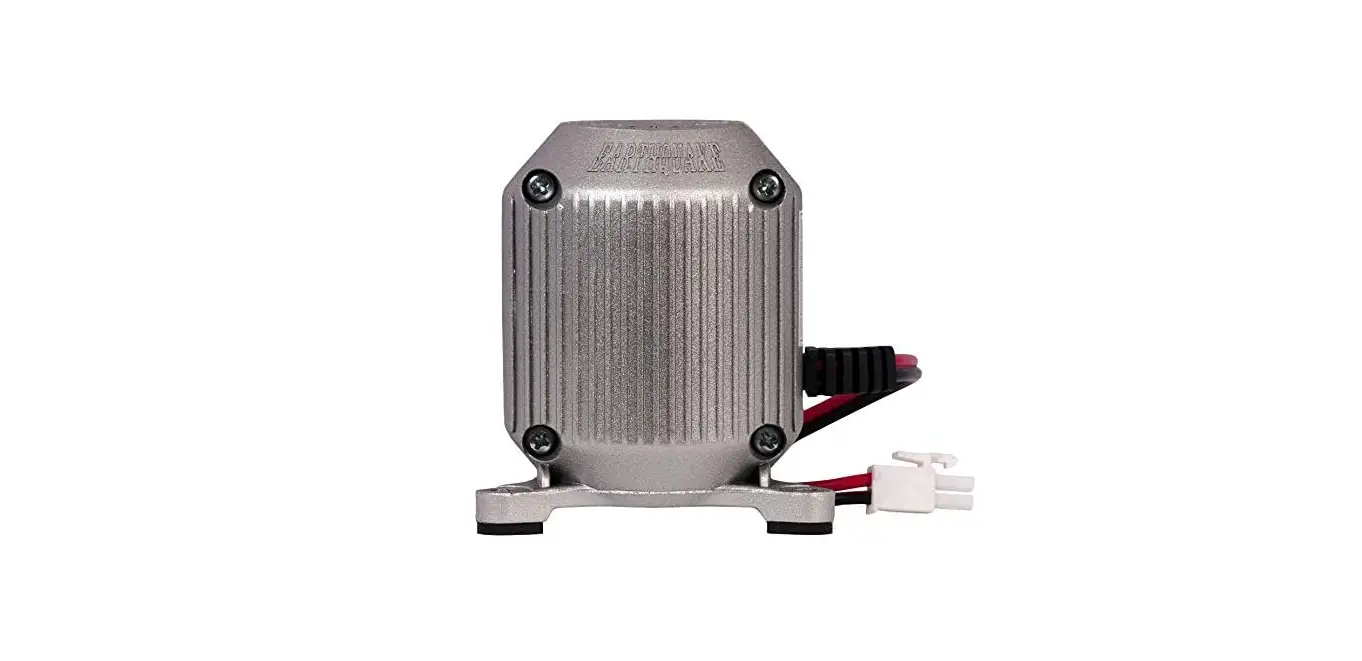
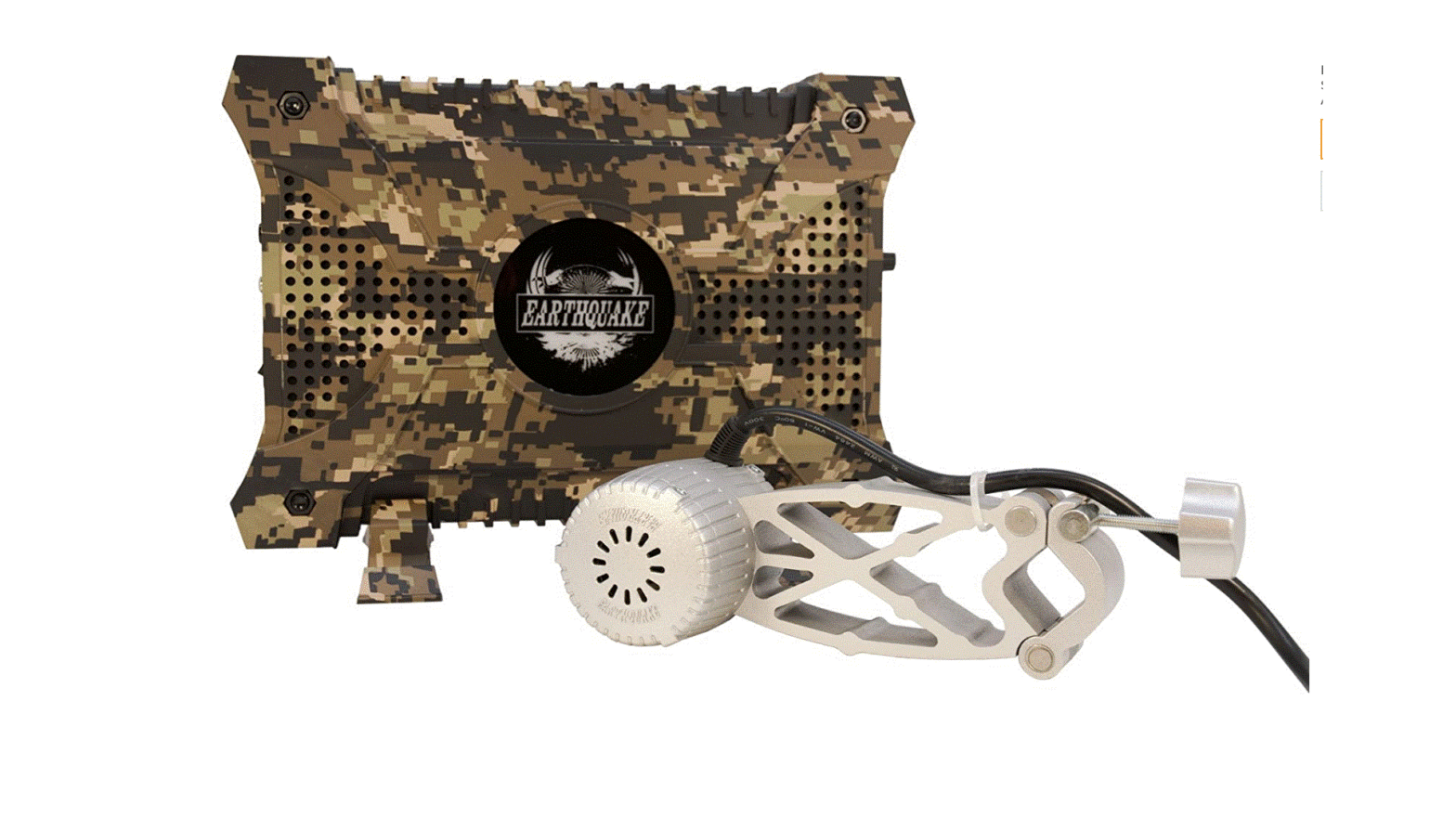
A tactile transducer or “bass shaker” is a device which is made on the principle that low bass frequencies can be felt as well as heard. A shaker transmits low-frequency vibrations into various surfaces so that they can be felt by people. This is called tactile sound. Tactile transducers may augment or in some cases, substitute for a subwoofer.
Tactile transducers may be used in a home theater, a commercial movie theater, or for special effects in an arcade game, amusement park ride or other application.
In-Home Theater and Music Applications:
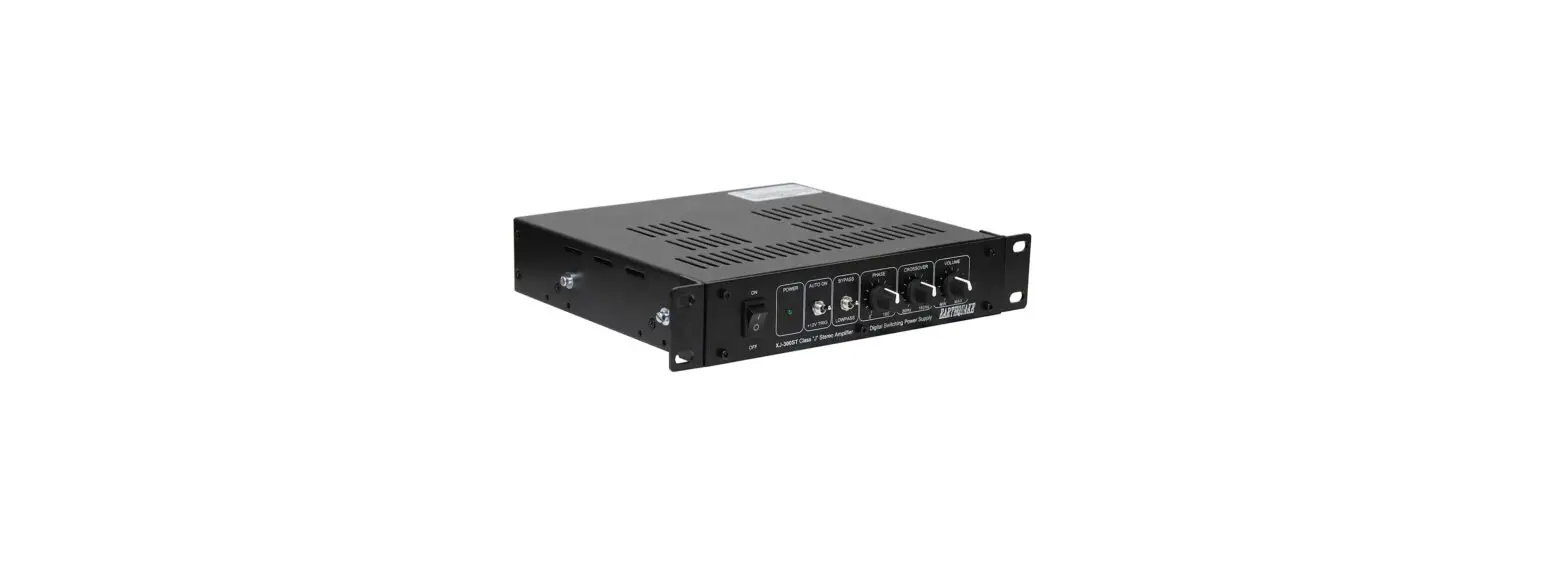
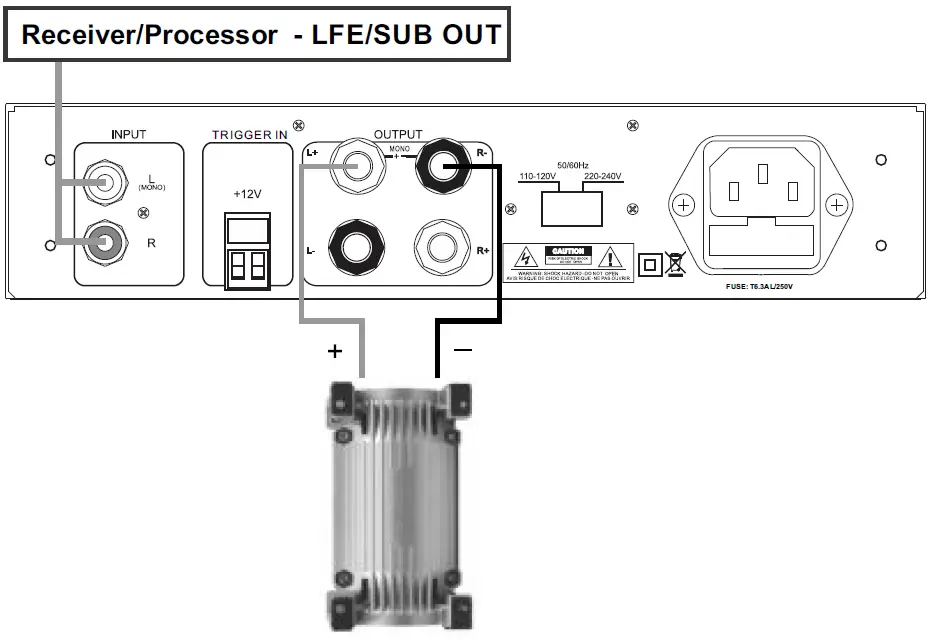
A surround sound audio system complements a video action movie by responding to the events that are unfolding on the screen. The surround sound extends from 30 Hz (if you are lucky) and up to 20Khz. For the most part, it is the low frequency response that brings you closer to the action. A tactile transducer system will tap into the low frequency signal that is emanating for LFE output, which is typically located in the back of your receivers. This signal is amplified through a resilient power amplifier and then used to drive the tactile transducer; Thus, picking up and enhancing everything your subwoofer lacks.
In Gaming Applications
Tactile transducers are an explosive way to generate massive vibration, which brings players into the video game. Mounting an MQB-1 in a gamer seat will lead to an incredible interactive experience unlike any other.
In Music Applications:
Music recording can be immensely enhanced by allowing musicians (drummers in particular) who rely on sound and impact to literally feel their progress while recording. Now, musicians can rely on tactile transducers to transmit vibrations through their seats. This vibration allows them to feel the beat more naturally and confidently synchronize it with others in the band.
Mounting Quake Tactile Transducers
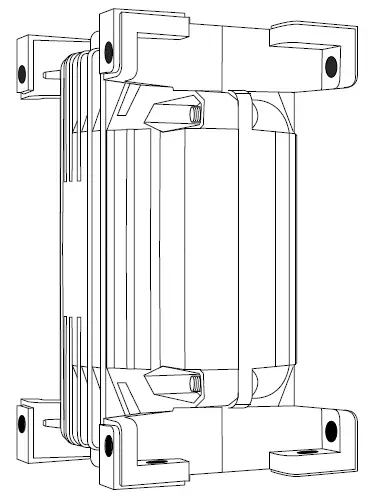
The Earthquake Q10B need to be mounted vertically at all times. Mounting them vertically maximizes the output and increases the overall tactile experience. Horizontally mounting the units will diminish the output and may damage them over time.
Tools/supplies that will be needed for installation:
- 16 to 12-gauge speaker cable
- a pair of pliers
- a powered screw driver
- measure tape
- two (2) wing nut wire connectors or electrical tape
Connecting 1 Q10B to an XJ-300ST amplifier
NOTE: Make sure the amplifier’s front toggle switch is set to “LOWPASS” prior to connecting the tactile transducers.
Applications:
- Sofas
- Theater seats
- Recliners
- Gaming Chairs
Type of Mounting:
- Direct
- Multiplier
- Internally
- Externally
Enhancements To:
- Musical Enjoyment
- Home Cinema/Theater
- Gaming Experience
- Recording Studio
Mounting the Q10B to Seating Directly
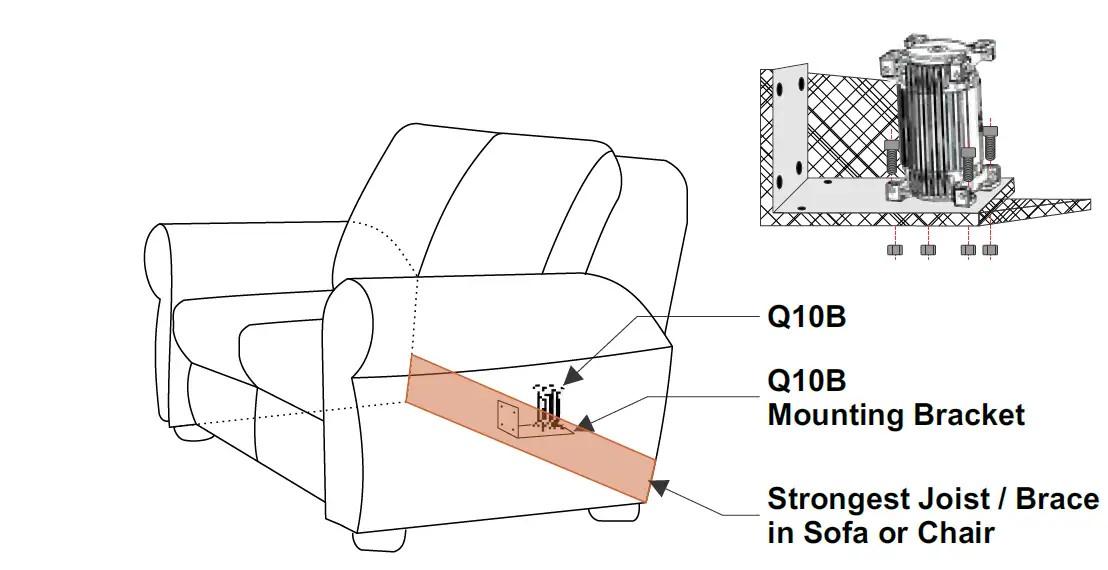
Horizontally mounting the units will diminish the output and may damage them over time.
Connecting Earthquake
Tools/supplies that will be needed for installation:
- 16 to 12-gauge speaker cable
- a pair of pliers
- a powered screw driver
- measure tape
- two (2) wing nut wire connectors or electrical tape
Connecting 1 Q10B to an XJ-300ST amplifier
NOTE: Make sure the amplifier’s front toggle switch is set to “LOWPASS” prior to connecting the tactile transducers.
Installations/Mounting
Applications:
- Sofas
- Theater seats
- Recliners
- Gaming Chairs
Type of Mounting:
- Direct
- Multiplier
- Internally
- Externally
Enhancements To:
- Musical Enjoyment
- Home Cinema/Theater
- Gaming Experience
- Recording Studio
Mounting the Q10B to Seating Directly
Mounting the Q10B to a Platform
When designing your custom platform, be sure to allow 1-1/2 to 2 feet of space around the outer perimeter of the chairs or couch. This much space is not required in between the chairs.
All platforms should be constructed with no less than 1/2″ plywood and built sturdy for some seriously high speed entertainment. Also, the use of rubber stabilizers is an excellent way to eliminate rattles and vibrations that may cause valuables to fall off the walls or shelves. In addition, the rubber feet will provide a great suspension, allowing the Q10B to really shine.
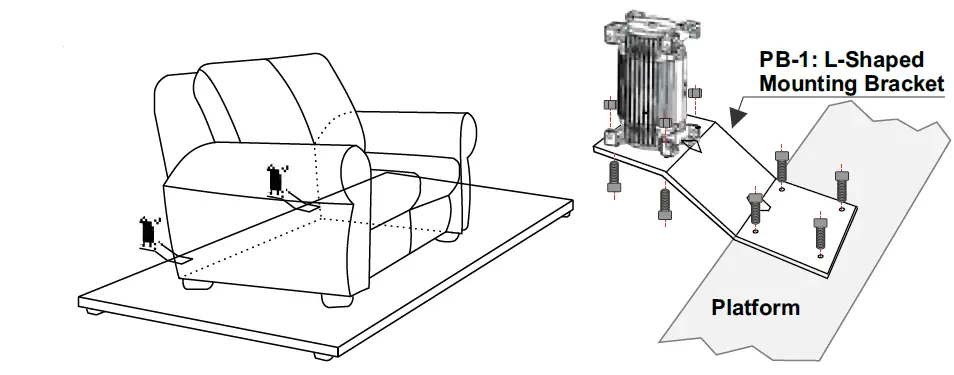
The optional Platform Mount Multiplier can be installed underneath or inside couches or chairs as in previous illustrations, but it is more effective when mounted directly to the platform. Once the Multiplier is mounted to the platform, you may then move a chair or couch over it for a more plush cosmetic appearance.
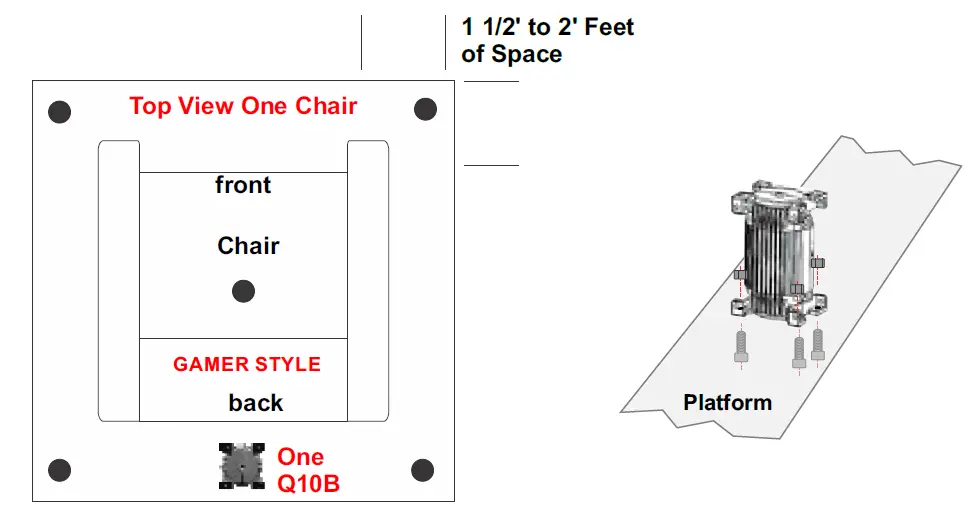
Typical Two Chair Setup
Specifications Q10B
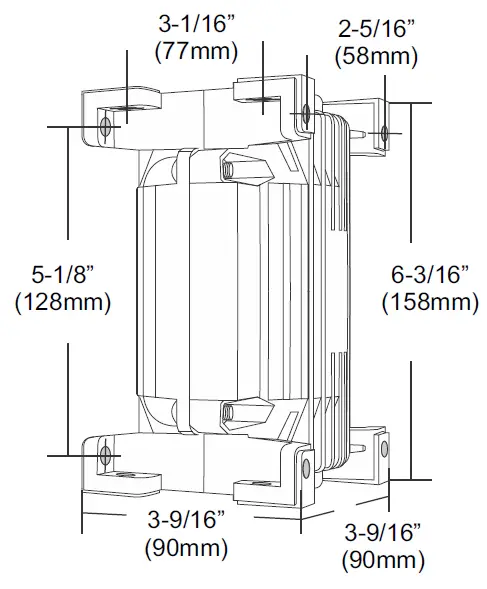
- Frequency Response: 8-Ohm
- Nominal Impedance: 5 – 40 Hz
- Power Handling: 40 – 1000 Watts
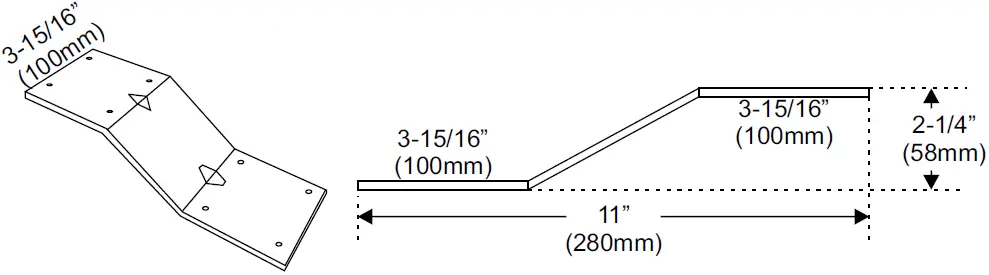
PB-1 Multiplier (Optional – Sold Separately)
Five (5) Year Limited Warranty Guidelines
Earthquake warrants the original purchaser that all Factory Sealed New Audio Products be free from defects in material and workmanship, under normal and proper use, for a period of five (5) years from the date of purchase (as shown on the original sales receipt with serial number affixed/written on it).
The five (5) years warranty period is valid only if the product is properly installed by an Earthquake authorized dealer/installer, and the warranty registration card is properly filled out and sent to Earthquake Sound Corporation. If the product is installed by a non-authorized dealer/installer, a ninety (90) days warranty period applies.
(A) Five (5) years limited warranty plan coverage guidelines:
- First year: Earthquake pays for labor, parts, and ground freight (only in US mainland, not including Alaska and Hawaii) back to customer.
- Second, third, fourth & fifth year: Earthquake pays labor only. Customer must pay for parts and freight both ways.
- (B) Warning:
- Products (sent for repair) that are tested by Earthquake technicians and deemed to have no problem, will not be covered by the five (5) years limited warranty. Customer will be charged a minimum of one (1) hour of labor (ongoing rates) plus shipping charges back to customer.
- (C) Earthquake agrees to repair or replace – at our option – all such defective products/parts subject to the following provisions:
- Defective products/parts have not been altered or repaired by other than an Earthquake factory approved technician.
- Products/parts are not subjected to negligence, misuse, improper use, or accident, damaged by improper line voltage, used with incompatible products, or have its serial number or any part of it altered, defaced, removed, or have been used in any way that is contrary to Earthquake’s written instructions.
- (D) Warranty Limitations:
Earthquake warranty does not cover products that have been modified and/or abused, including but not limited to the following:
- Damages to speaker cabinet and cabinet finish due to misuse, abuse, or improper use of cleaning materials/methods.
- Bent speaker frame, broken speaker connectors, holes in speaker cone, surround & dust cap, burnt speaker voice coil.
- Fading, deterioration of speaker components & finish due to improper exposure to elements.
- Bent casing, damaged finish on the casing due to abuse, misuse, or improper use of cleaning material.
- Product/part damaged due to poor packaging or abusive shipping conditions.
- Subsequent damage to other products.
A warranty claim will not be valid if the warranty registration card is not properly filled & returned to Earthquake with a copy of the sales receipt.
(E) Service Request:
To receive product(s) service, contact Earthquake Sound’s service department at (510) 732-1000 and request an RMA number (Return Material Authorization), item(s) shipped without a valid RMA number will be refused. Make sure you provide us with your complete and correct shipping address, a valid phone number, and a brief description of the problem you are experiencing with the product. In most cases, our technicians might be able to resolve the problem over the phone, thus eliminating the need to ship the product.
(F) Shipping Instructions:
Product(s) must be packaged in its original protective box(es) to minimize transport damage. Shipper claims regarding item(s) damaged in transit must be presented to the carrier. Earthquake Sound Corporation reserves the right to refuse improperly packed product(s). A copy of the original sales receipt must accompany product(s) returned for service. We encourage you to include a written description of the problem inside the package.
Ship product to: Earthquake Sound Corp. 2727 Mc Cone Avenue Hayward, CA 94545 You are responsible for the cost of shipping the product to Earthquake Sound Corporation.
(G) Disputes Resolution:
All disputes – between clients and Earthquake Sound Corporation – resulting from the five (5) years limited warranty policy must be resolved according to the laws & regulations of the county of Alameda, California.
For Technical Support
- E-Mail: [email protected]
- US Toll Free: 1-800-576-7944 (between 9 AM – 5 PM Pacific)
Frequently Asked Questions
It would, in my opinion, be problematic and unwise. The bracket is beneficial because it facilitates the transfer of vibrations.
Although I can understand how it may appear that way, the plate is unable to support two of these components. The device can be installed in one of two locations, however for best results, it should be installed on the bracket’s outermost portion (the tip of the long side of the L)
Large objects, such metal buckets, are vibrated by the tactile transducers that are fastened to them. Contact microphones are then used to record the vibrations of these sculptures, which are then amplified by a shared loudspeaker system.
Using a Y-splitter on the subwoofer output is the simplest way to connect your home entertainment system to your new tactile transducer equipment. This will enable you to connect your subwoofer and the amplifier for the tactile transducers to the subwoofer output of your AV receiver.
No. Using 2 of these in parallel with a Crown XLS 1002 in bridged-mono mode, I have more than enough power.
You have the amazing ability to transform practically any surface into a speaker thanks to surface transducers. They are essentially just speakers with a coil linked to a pad that transmits vibrations into anything you press it against in place of a cone.
They are essentially just speakers with a coil linked to a pad that transmits vibrations into anything you press it against in place of a cone.
From the luxury of your theatre seat, feel the rhythm. A gadget known as a “bass shaker” or tactile transducer allows users to feel low bass sounds in addition to hearing them. A cinema chair with a throbbing bass beat will shake your world, or at the very least, make watching movies more enjoyable.
In factory automation and processing, ultrasonic sensors are used to detect the presence of items (digitally) and distance (analogly). Because sound is unaffected by reflectivity, translucence, or colour, it is a superior choice for this application than light.
Numerous grounds, short circuits, faulty wiring, insufficient power supply, incorrect polarity, system operating problems, and other problems lead to the failure of pressure transducers.
Pressure is measured with a pressure transducer. It makes use of a sensor that can translate the pressure exerted on it into electrical signals. Then, these electrical impulses are transmitted to controllers or PLCs for processing and recording. Strain gauges are used by pressure transducers to gauge the force acting on them.
Bass shakers are designed to be put on your home theatre chairs so that you can physically experience the sound as a movie is playing. The movie will be even more immersive if, for instance, there is a bass explosion because you will feel the explosion.
The best advice I received was to purchase an amp today that can support 4 shakers because it will be simple to add 2 more shakers in the future. So if you’re not sure if 2 is enough, grab a nice amp and for the time being, stick with 2 shakers. If you think it’s insufficient, get another 2.
Are bass shakers this worthwhile? Here’s what you need to know. When fitted properly, high-quality bass shakers are unquestionably worthwhile since they give you a tactile sensation that thoroughly immerses you in your content. With the aid of bass shakers, you can feel rather than just hear the activity taking place on screen.
It would, in my opinion, be problematic and unwise. The bracket is beneficial because it facilitates the transfer of vibrations.