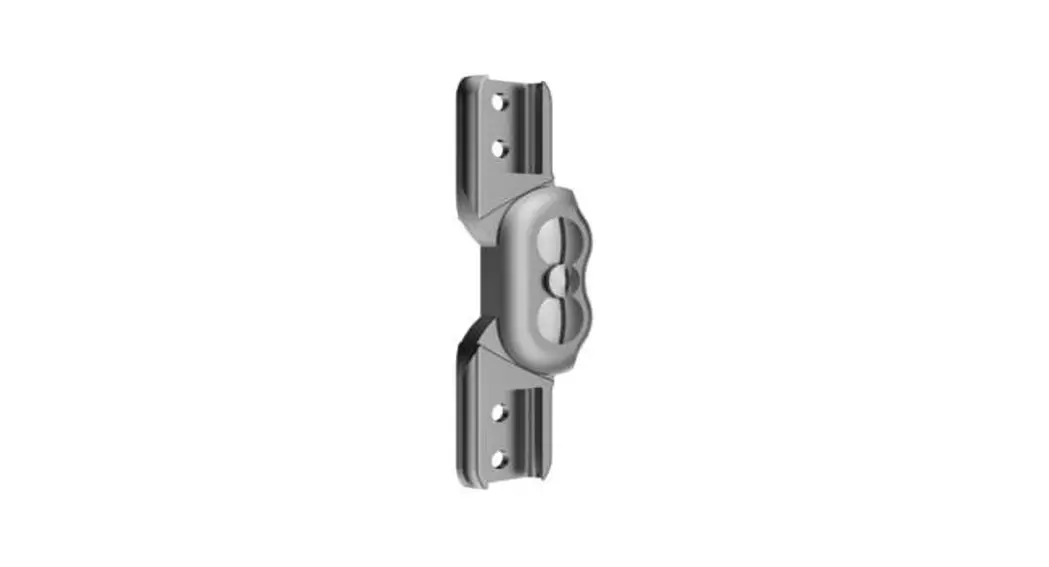
 17B46 Polycentric Knee Joint Bars
Instructions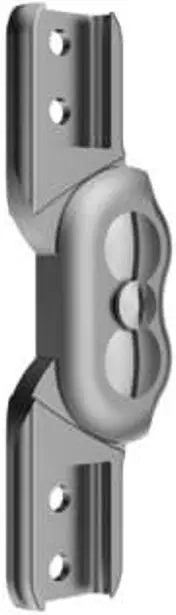
17B46 Polycentric Knee Joint Bars
Foreword
INFORMATION
Date of last update: 2021-05-07
- Please read this document carefully before using the product and observe the safety notices.
- Instruct the user on the safe use of the product.
- Please contact the manufacturer if you have questions about the product or in case of problems.
- Report each serious incident related to the product to the manufacturer and to the relevant authority in your country. This is particularly import ant when there is a decline in the health state.
- Please keep this document for your records.
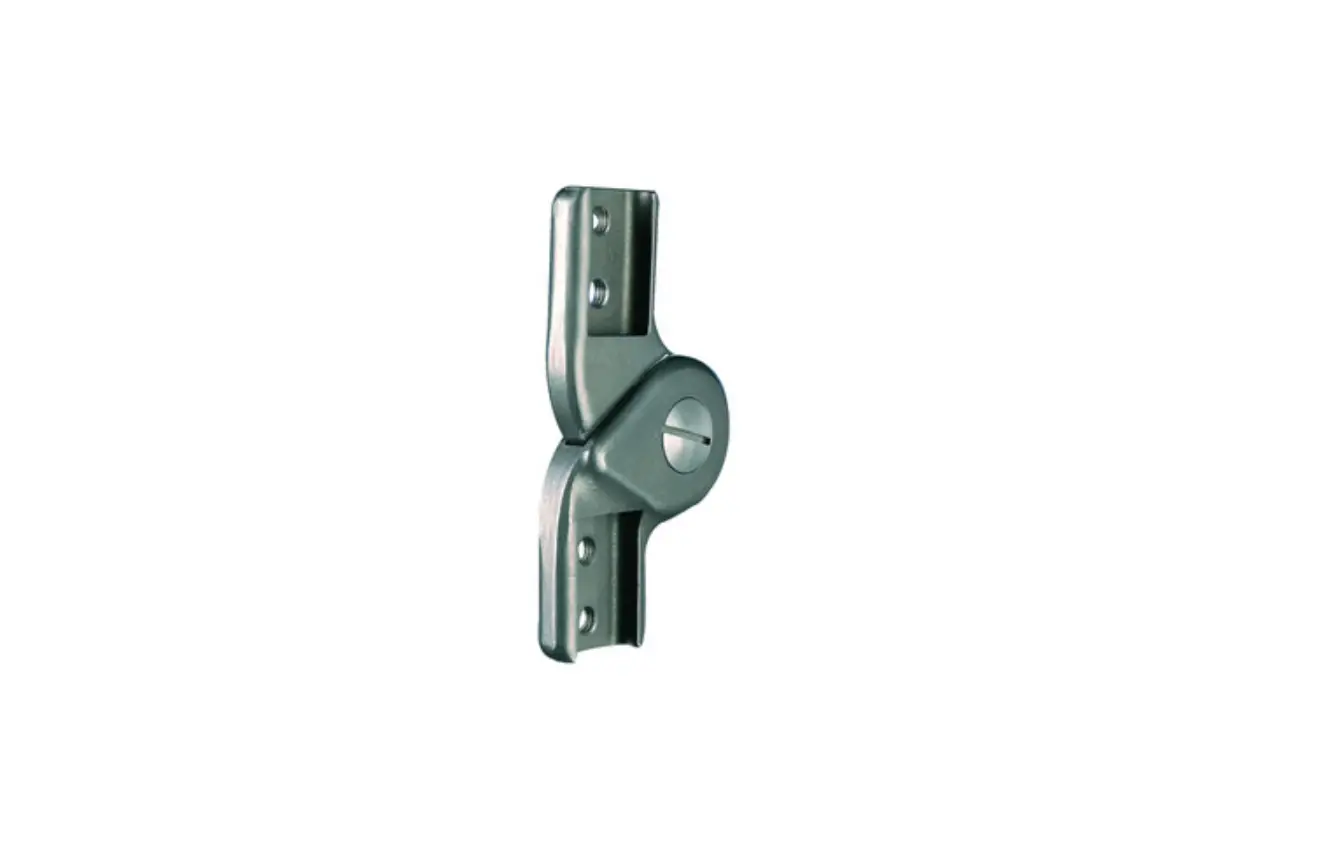
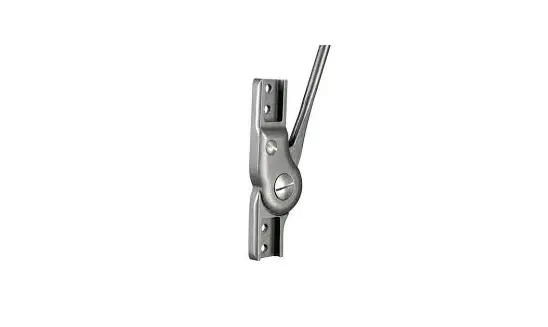
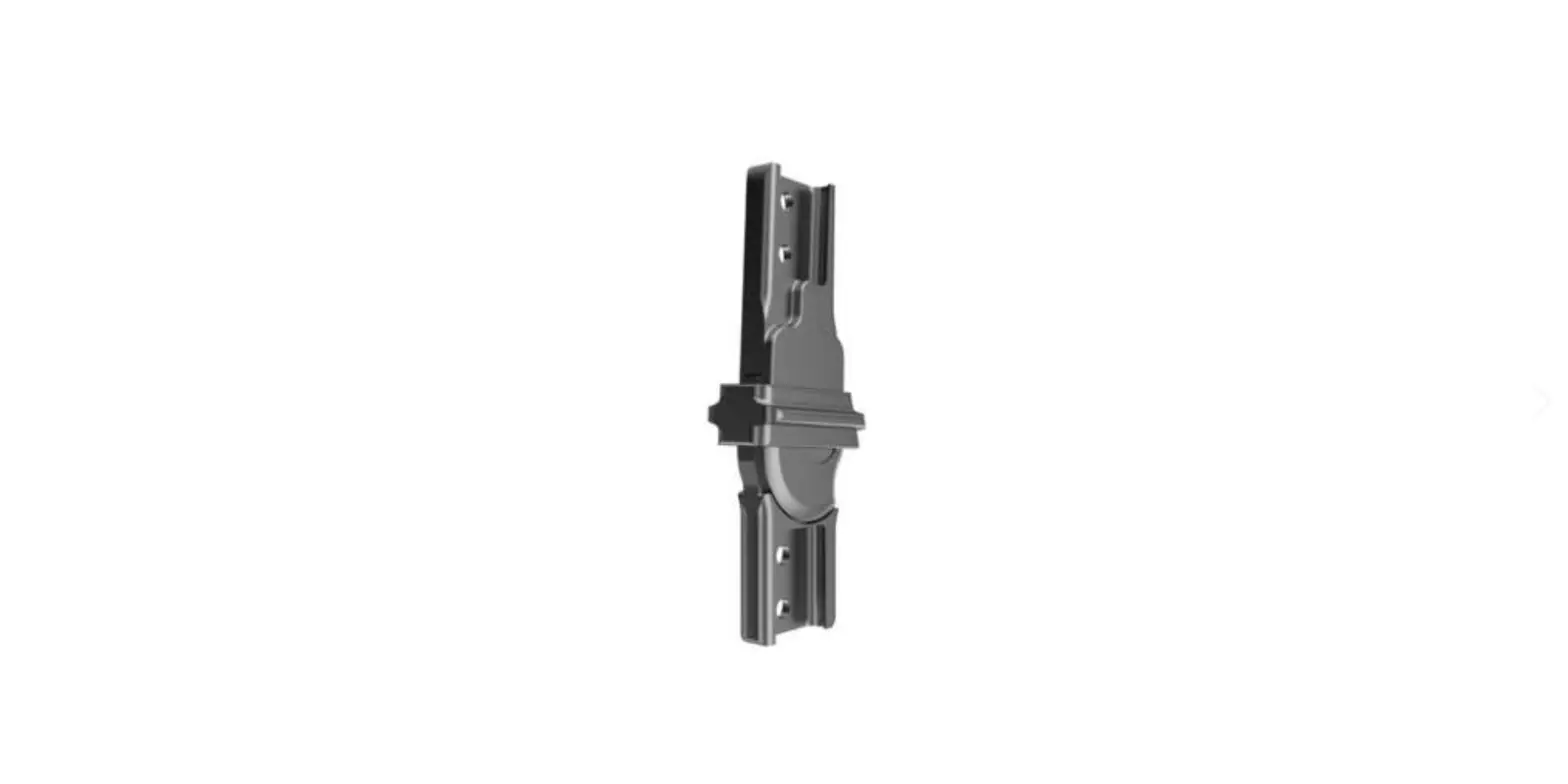
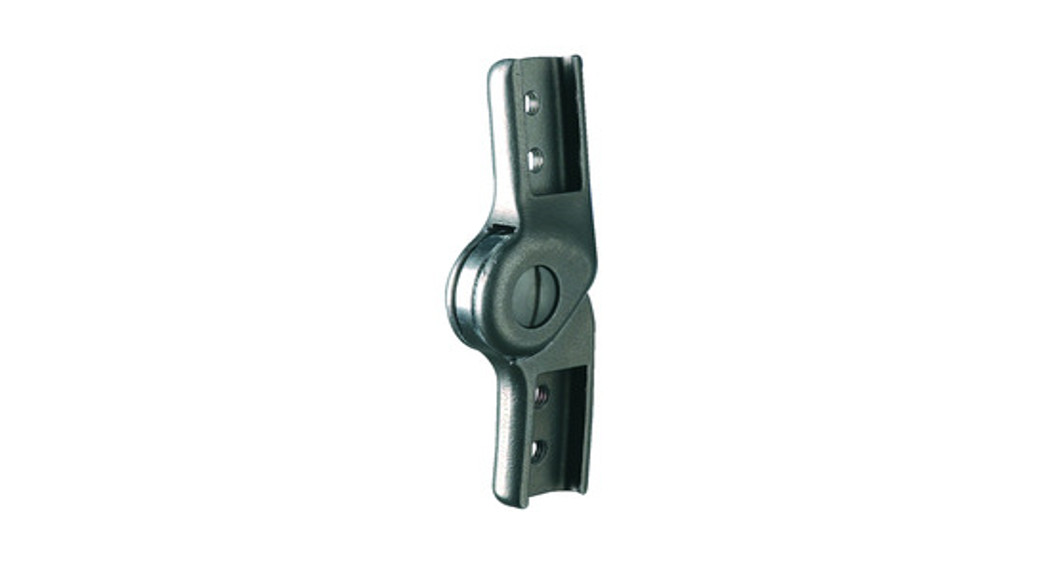
These instructions for use provide you with important information on the pro cessing of the 17B46* and 17B71* orthotic knee joints.
Product Description
2.1 Available sizes
| Article number | Medial and lateral joint | System width | Material |
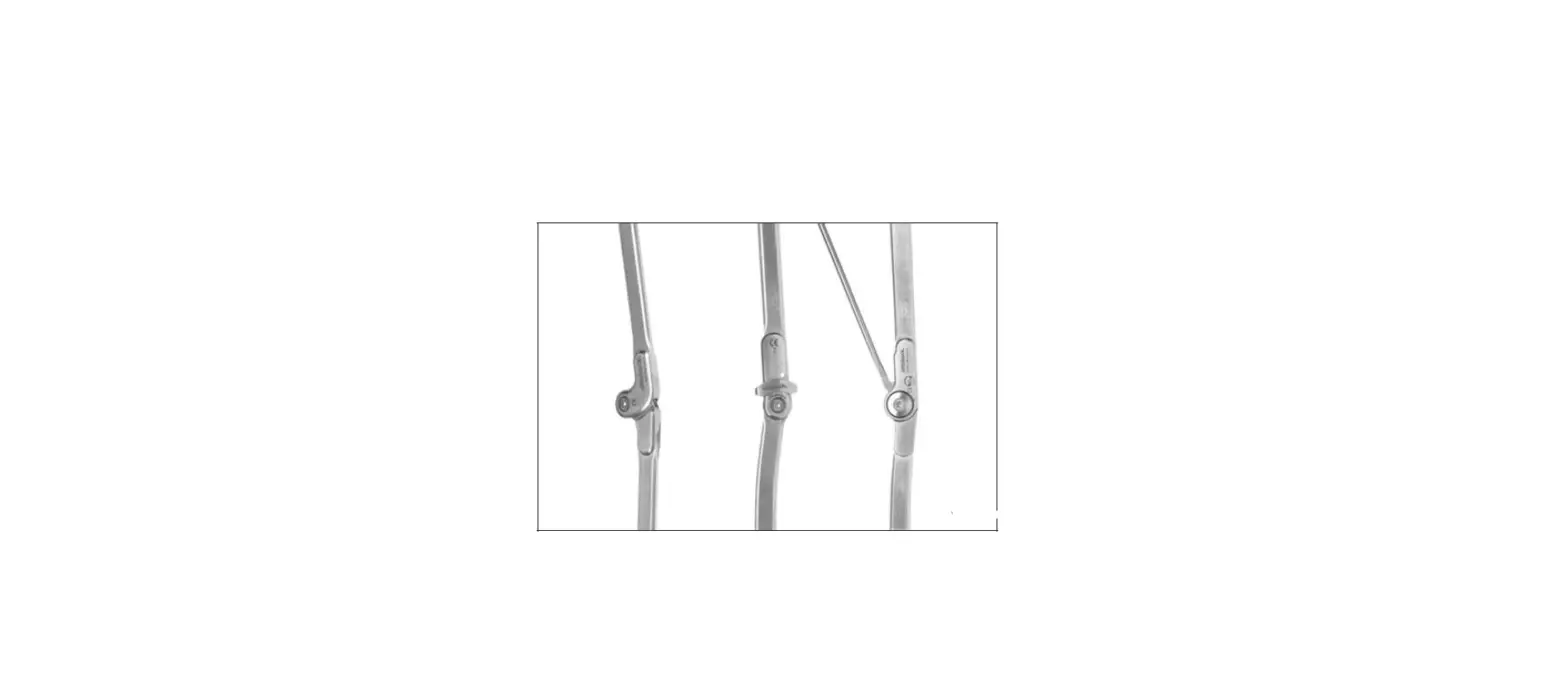
| 17B46=16 | Outside straight, | 16 mm | Stainless steel |
| 17B46=20 | inside contoured | 20 mm | |
| 17B71=16 | Outside and inside | 16 mm | Stainless steel |
| 17B71=20 | straight | 20 mm |
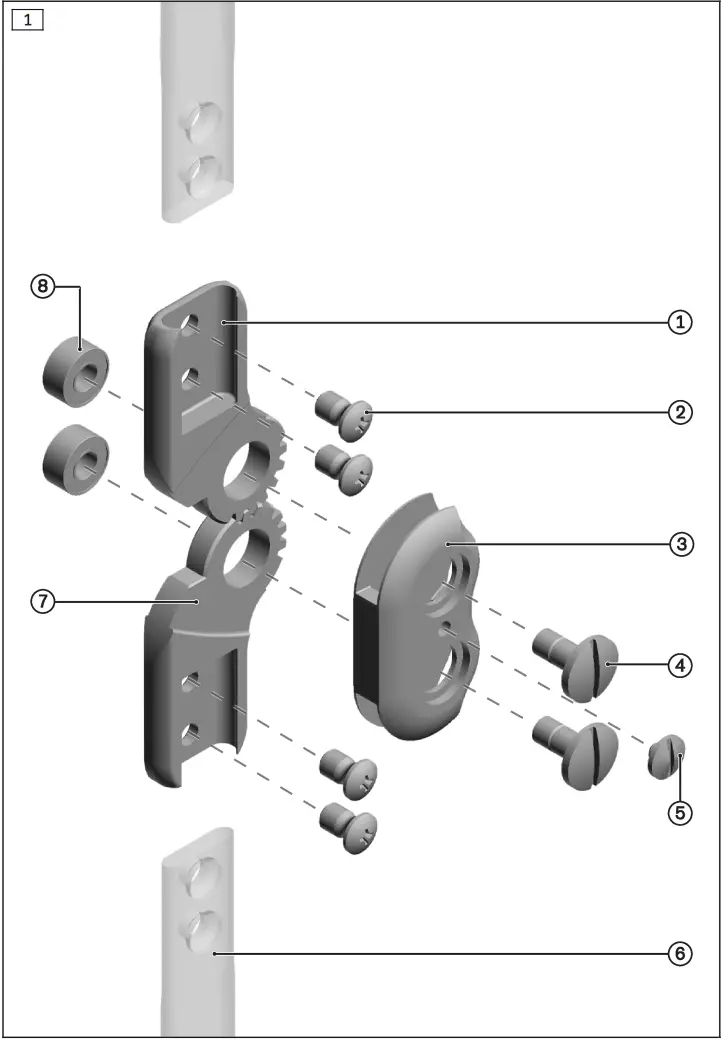
2.2 Components/design
| Scope of delivery (see fig. 1) | |||
| Item | Quantity [Piece (s)] | Designation | Article number |
| 1 | 1 | Upper joint section | |
| 2 | 4 | Screws | 501T7* |
| 3 | 1 | Joint centerpiece | 6Y19 |
| 4 | 1 | Joint screw | 501A6=5x5xM5 |
| 5 | 2 | Lock screw | 501S22=8xM3.5 |
| 7 | 1 | Lower joint section | |
| 8 | 2 | Ball bearing | 509K12 |
| Not included in the scope of delivery (see fig. 1) | |||
| Item | Quantity [Piece (s)] | Designation | Article number |
| 6 | 1 | Sidebar | 17B38*, 17B39*, 17B40*, 17B41*, 17B84* |
| Not illus treated | 1 | Lamination bar | 17Y128*, 17Y129* |
Intended use
3.1 Indications for use
The orthotic joint is intended exclusively for use as a pair for orthotic fittings of the lower limbs of one patient.
3.2 Indications
- Partial or total paralysis of the leg muscles
- Orthopedic diseases of the lower limbs
Indications must be determined by the physician.
3.3 Lifetime
The product is designed for a lifetime of 3 years when used as intended and assembled professionally.
3.4 Qualification
Patients may be fitted with the product only by trained qualified personnel.
The qualified personnel must be familiar with the handling of the various techniques, materials, machines, and tools.
Safety
4.1 Explanation of warning symbols CAUTION Warning regarding possible risks of accident or injury.
NOTICE: Warning regarding possible technical damage.
4.2 Safety instructions CAUTION
Excessive strain on load-bearing components
Injuries due to changes in or loss of functionality
- Only use the product for the defined area of application.
- If the product has been exposed to extreme strain (e.g. due to falling), take any necessary measures (e.g. repair, replacement, inspection by the manufacturer’s customer service, etc.).
CAUTION
Incorrect alignment or assembly
Injuries due to changes in or loss of functionality
- The product may only be installed by trained, qualified personnel.
- Observe the alignment and assembly instructions.
CAUTION
Mechanical damage to the product
Injuries due to changes in or loss of functionality
- Use caution when working with the product.
- Check the product for proper function and readiness for use.
- In case of changes in or loss of functionality, discontinue the use of the product and have it checked by authorized, qualified personnel.
CAUTION
Excessive strain due to use on more than one patient
Risk of injury and loss of functionality as well as damage to the product
- Use the product on only one patient.
- Observe the maintenance recommendations.
NOTICE
Thermal overloading of the product
Damage due to improper thermal treatment
- Do not carry out any heat treatment at temperatures above 300 °C (570 °F).
- Prior to thermal treatment, remove all temperature-critical components (such as plastic parts).
NOTICE
Exposure of the product to unsuitable environmental conditions
Damage, brittleness, or destruction due to improper handling
- Avoid storage in condensing ambient humidity.
- Avoid contact with abrasive substances (e.g. sand, dust).
- Do not expose the product to temperatures below -10 °C (14 °F) or above +60 °C (140 °F) (e.g. sauna, excessive sunlight, drying on a radiator).
INFORMATION
Increased wear and tear
The orthotic knee joints are intended only for use in combination with free-motion or foot-lifting orthotic ankle joints. Wear occurs more rapidly in combinations involving orthotic ankle joints with a dorsal stop.
Preparing the product for use
INFORMATION
Parallel alignment of the orthotic joints
Use the 743R6 alignment fixture to position the orthotic joints on the plaster positive.
Gluing in bars
Required materials: 636W28* special adhesive, degreasing cleaner The bars must be glued in the insertion zones to ensure stability.
- Clean the connecting surfaces with a degreasing cleaner.
- Apply the special adhesive to the connecting surfaces.
- Insert the bars.
- Secure with the enclosed screws.
- Allow curing for at least 4 hours.
INFORMATION: Final bonding strength will be reached after 16 hours.
Improving corrosion protection
Polish or sinter the product for improved corrosion protection. Ottobock recommends the 618T40* sintering powder for surface coating.
- Do not heat the material longer than 5 minutes at max. 150 °C for sur face coating.
Using protective devices
- Use joint protectors to protect the product against soiling.
Cleaning
Promptly clean the product after contact with water containing salt, chlorine, or soap, or if it gets dirty.
- Rinse the orthotic joint with clean, fresh water and remove dirt.
- Dry with a cloth or allow to air dry.
Maintenance
INFORMATION
The product may be exposed to increased loads by the patient.
- Shorten the maintenance intervals according to the expected loads.
The manufacturer requires at least a semi-annual inspection of the product to verify functionality and check for wear.
Spare parts are listed in the section “Components/design”.
Only use 633F7 special lubricant.
Replacing the ball bearing
NOTICE
Canting the ball bearing
Mechanical damage
- Do not cant or damage the ball bearing while inserting it into the orthot ic joint.
- Loosen the screws and disassemble the orthotic joint.
- Remove the ball bearing from the orthotic joint and replace it with a new one.
- Assemble the orthotic joint and tighten the screws.
- For the final assembly, secure the screw connection with Loctite 241.
Disposal
Dispose of the product in accordance with national regulations.
Legal information
All legal conditions are subject to the respective national laws of the country of use and may vary accordingly.
9.1 Liability
The manufacturer will only assume liability if the product is used in accord ance with the descriptions and instructions provided in this document. The manufacturer will not assume liability for damage caused by disregarding the information in this document, particularly due to improper use or unauthorised modification of the product.
9.2 CE conformity
The product meets the requirements of Regulation (EU) 2017/745 on medic all devices. The CE declaration of conformity can be downloaded from the manufacturer’s website.
 Ottobock SE & Co. KGaA
Max-Näder-Straße 15
37115 Duderstadt · Germany
T +49 5527 848-0
F +49 5527 848-3360
[email protected]
www.ottobock.com
© Ottobock · 647G1696=all_INT-02-2106
 Welcome to Ottobock. We help people regain their movement.