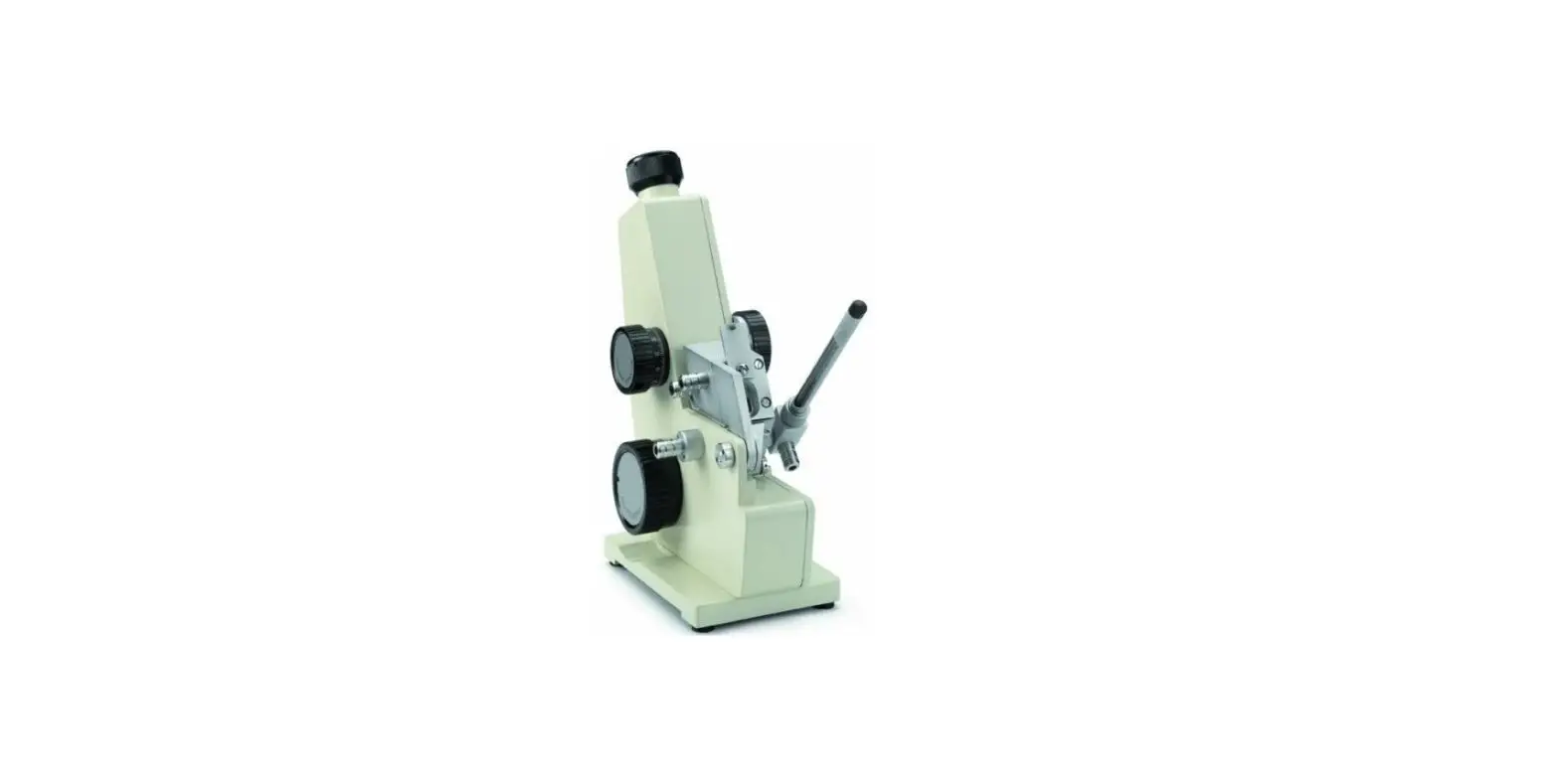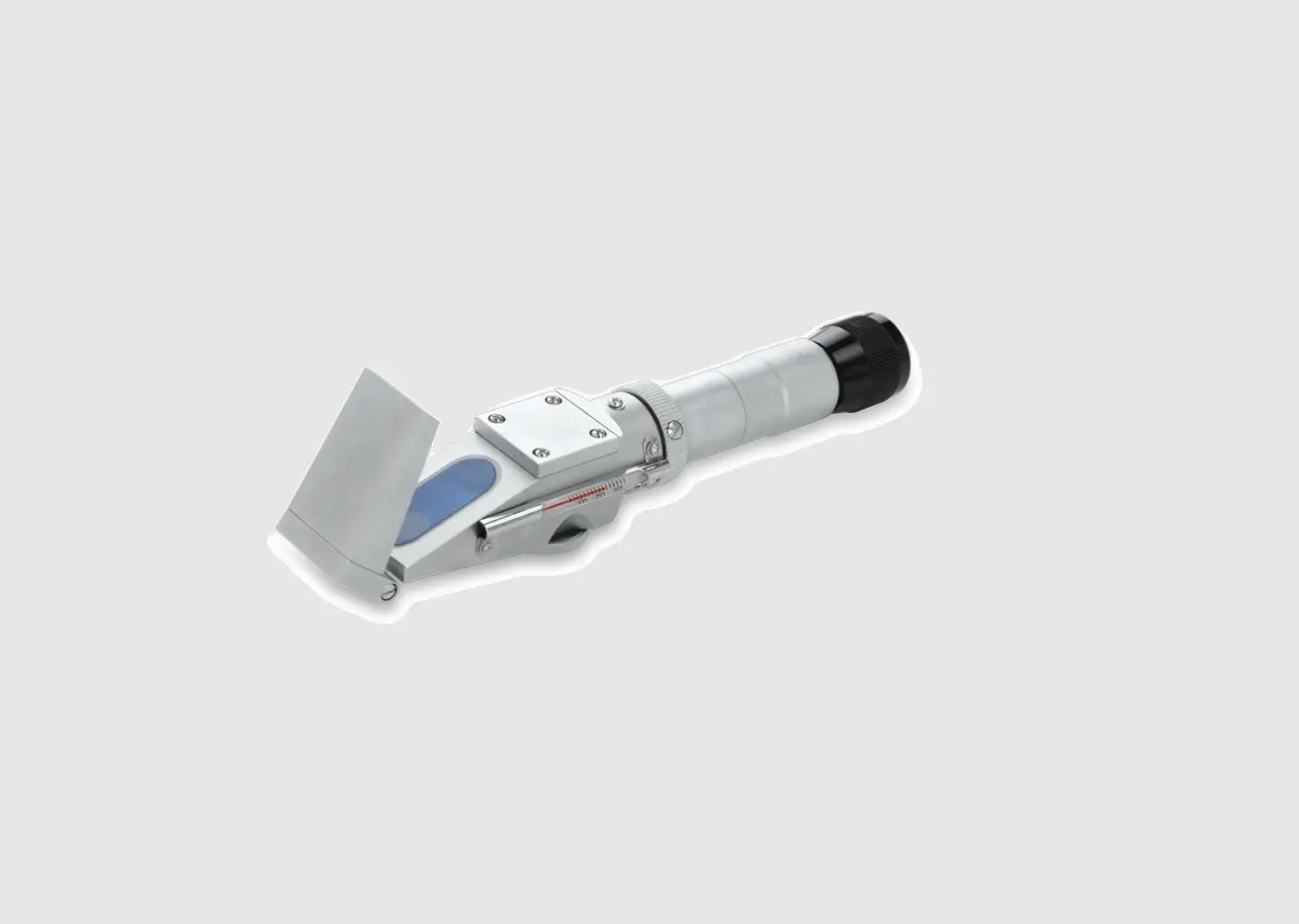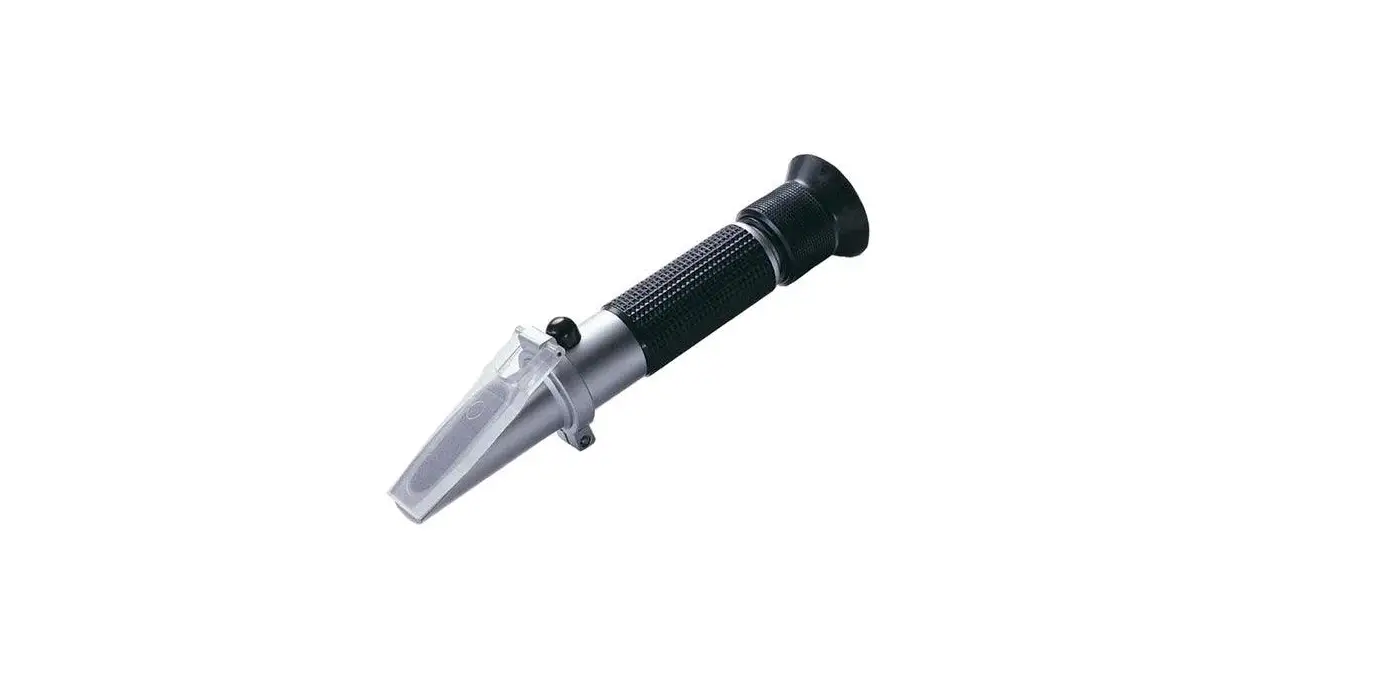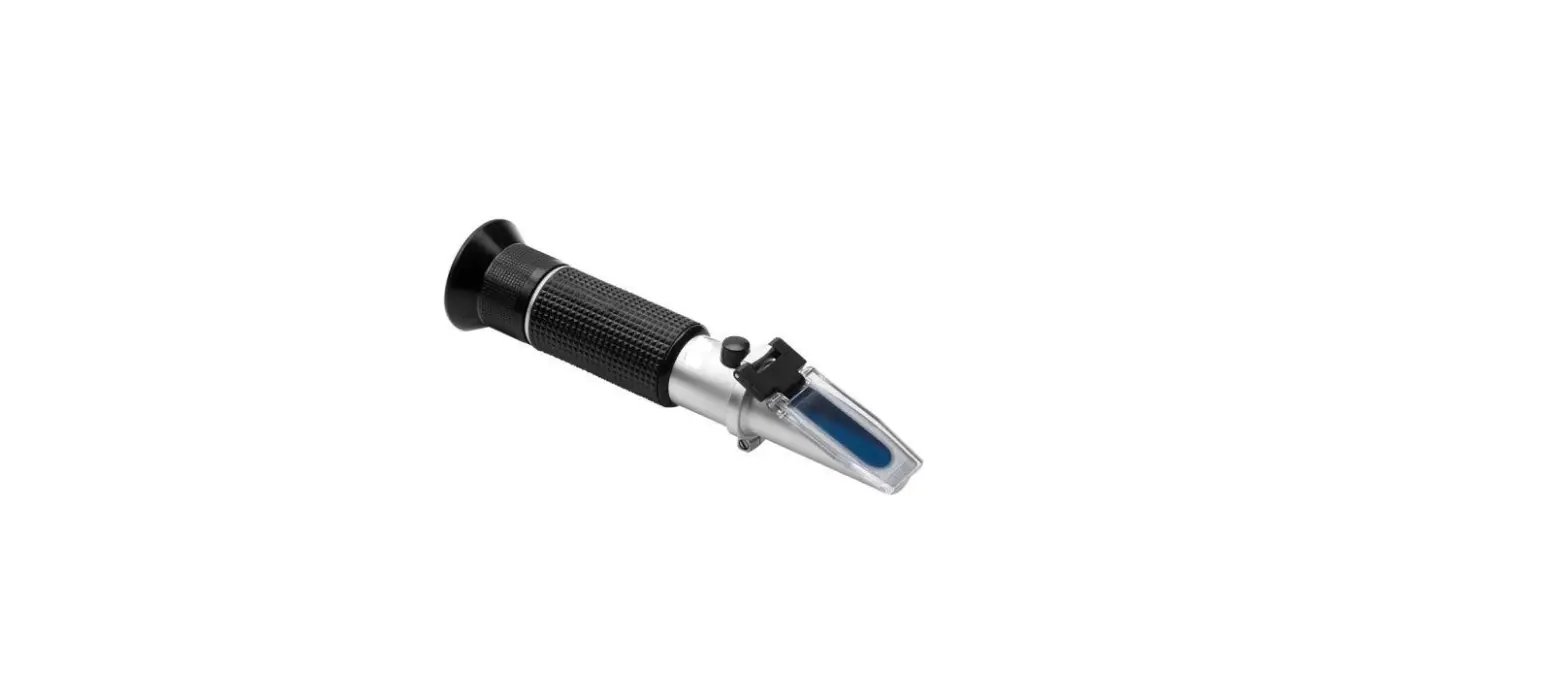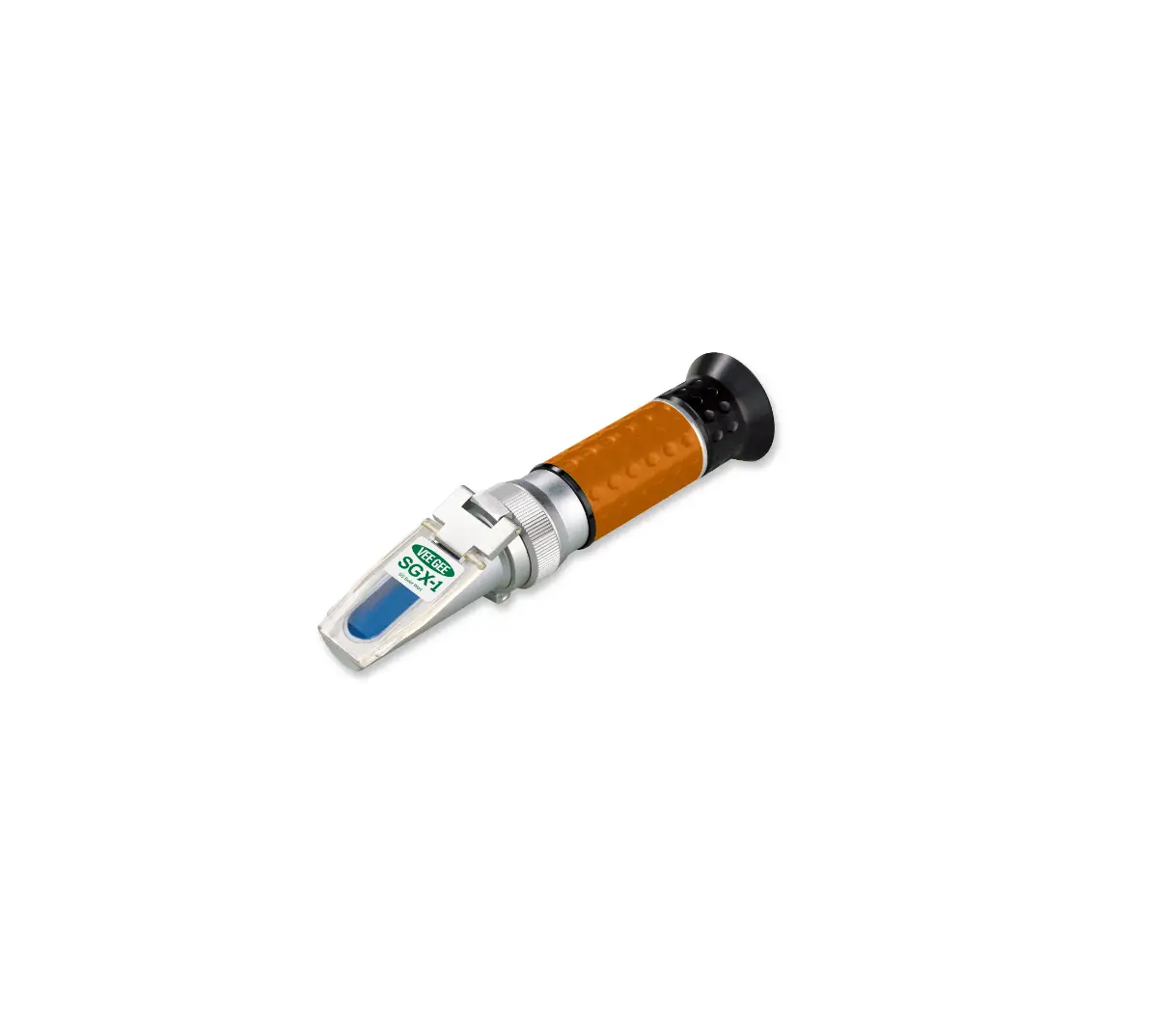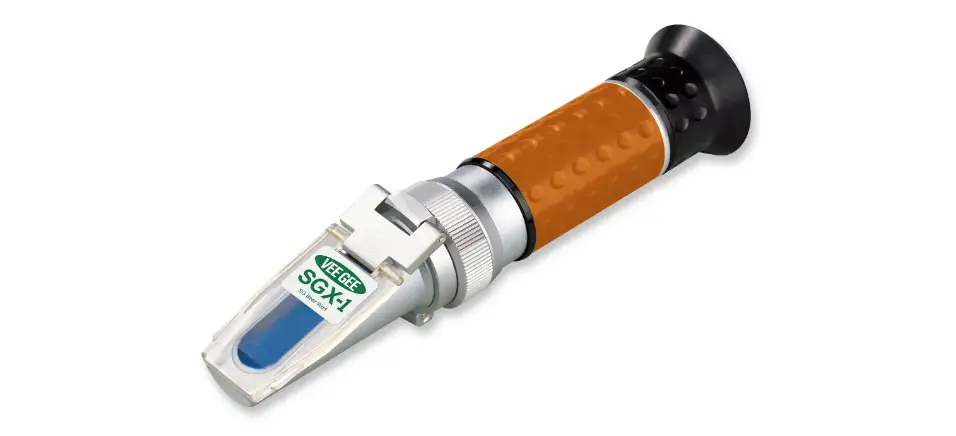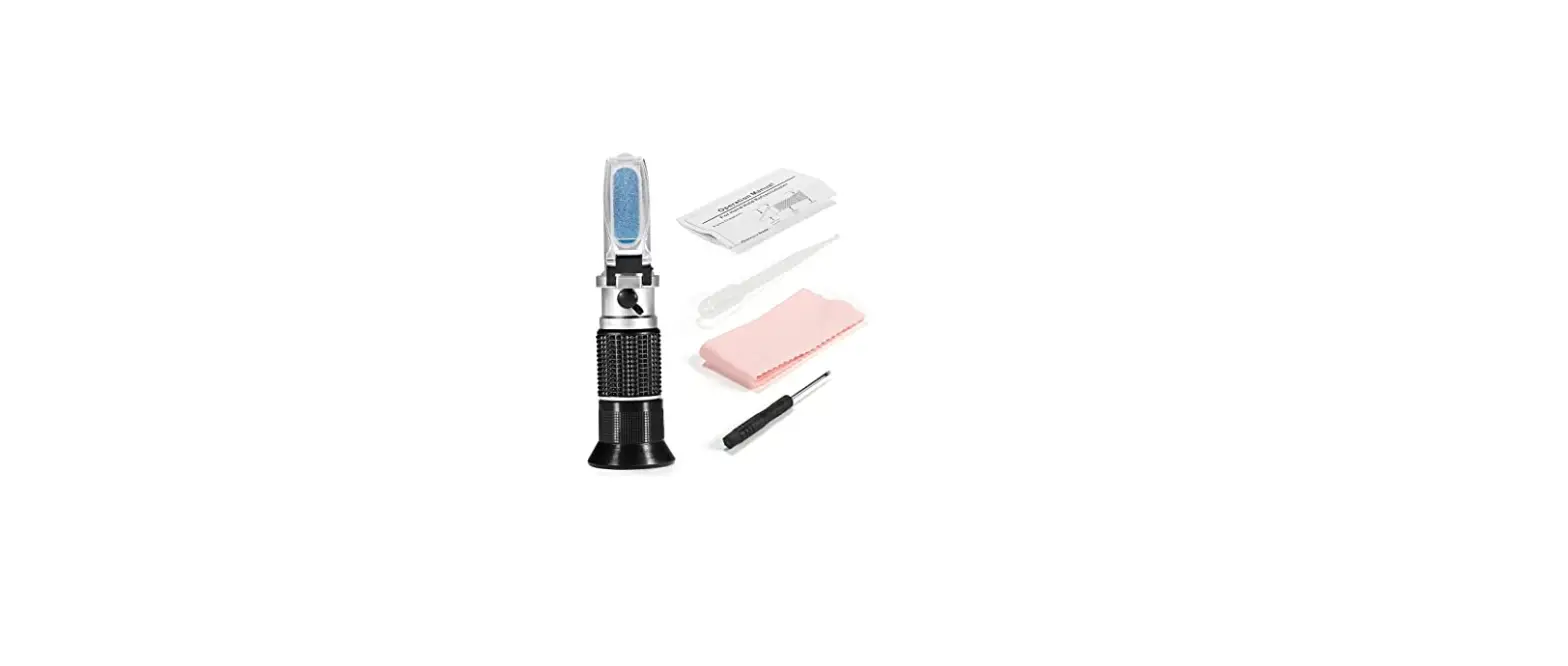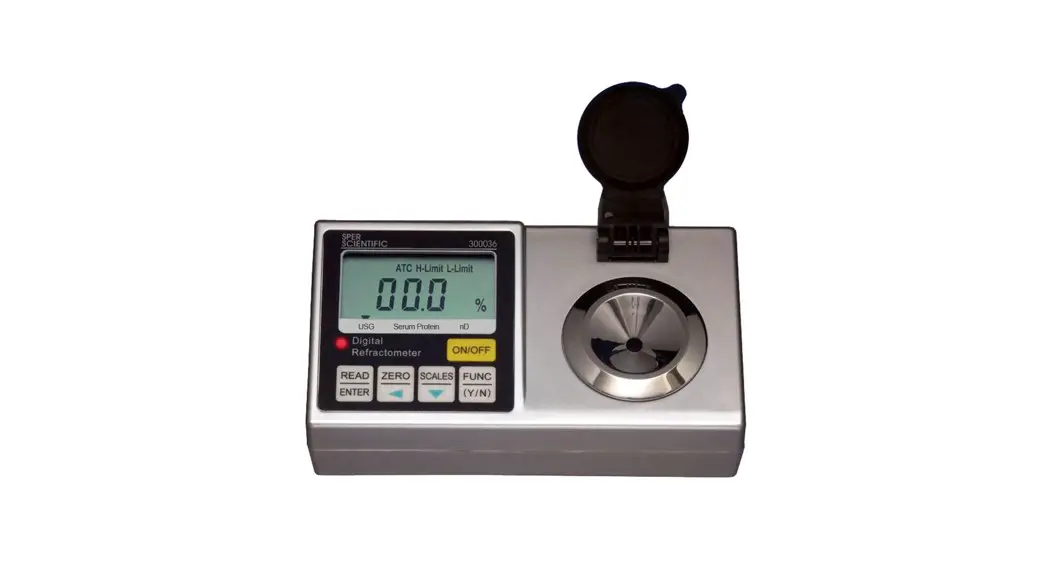
euromex RF.6381 Gemmological Refractometer User Manual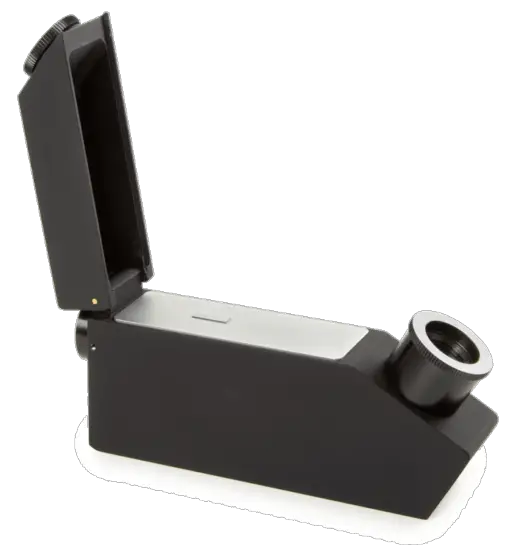
Introduction
With your purchase of a Euromex hand refractometer you have chosen fora quality product. The Euromex hand refractometers are developed for use in laboratories and in the food industry.
The maintenance requirement is limited when using the refractometer in a decent manner.
This manual describes the construction of the refractometer, how to use the refractometer and maintenance of the refractometer.
Product Overview
General safety instructions
- This product is a high quality optical instrument. Delicate handling is required
- Impacts, even small ones, can affect the precision of the device
- Keep the device and its optics clean for maximum performance
- Precautious should be taken with the samples; substances under observation may be a risk to the health of humans and other living organisms or the environment.
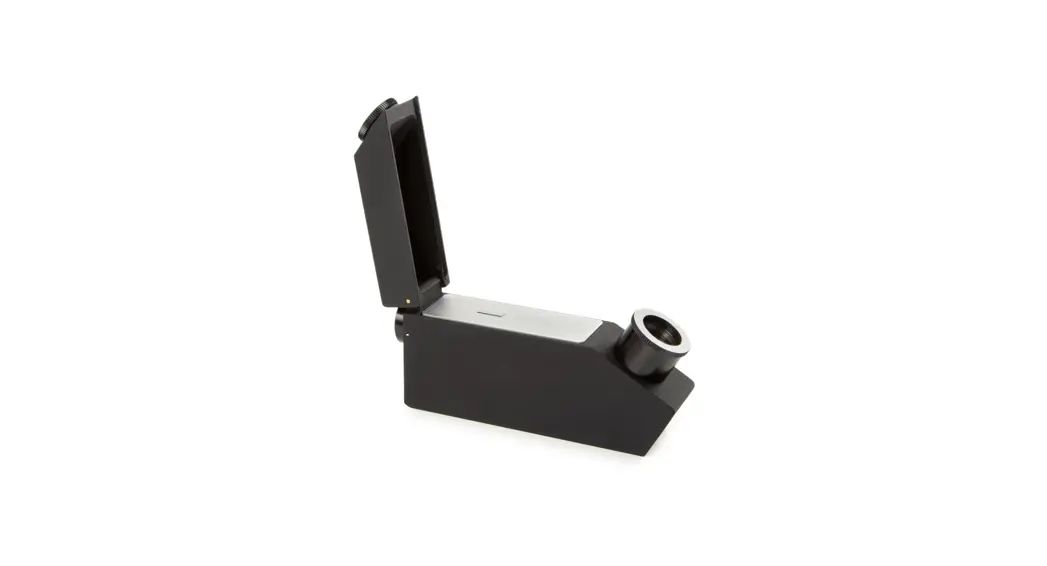
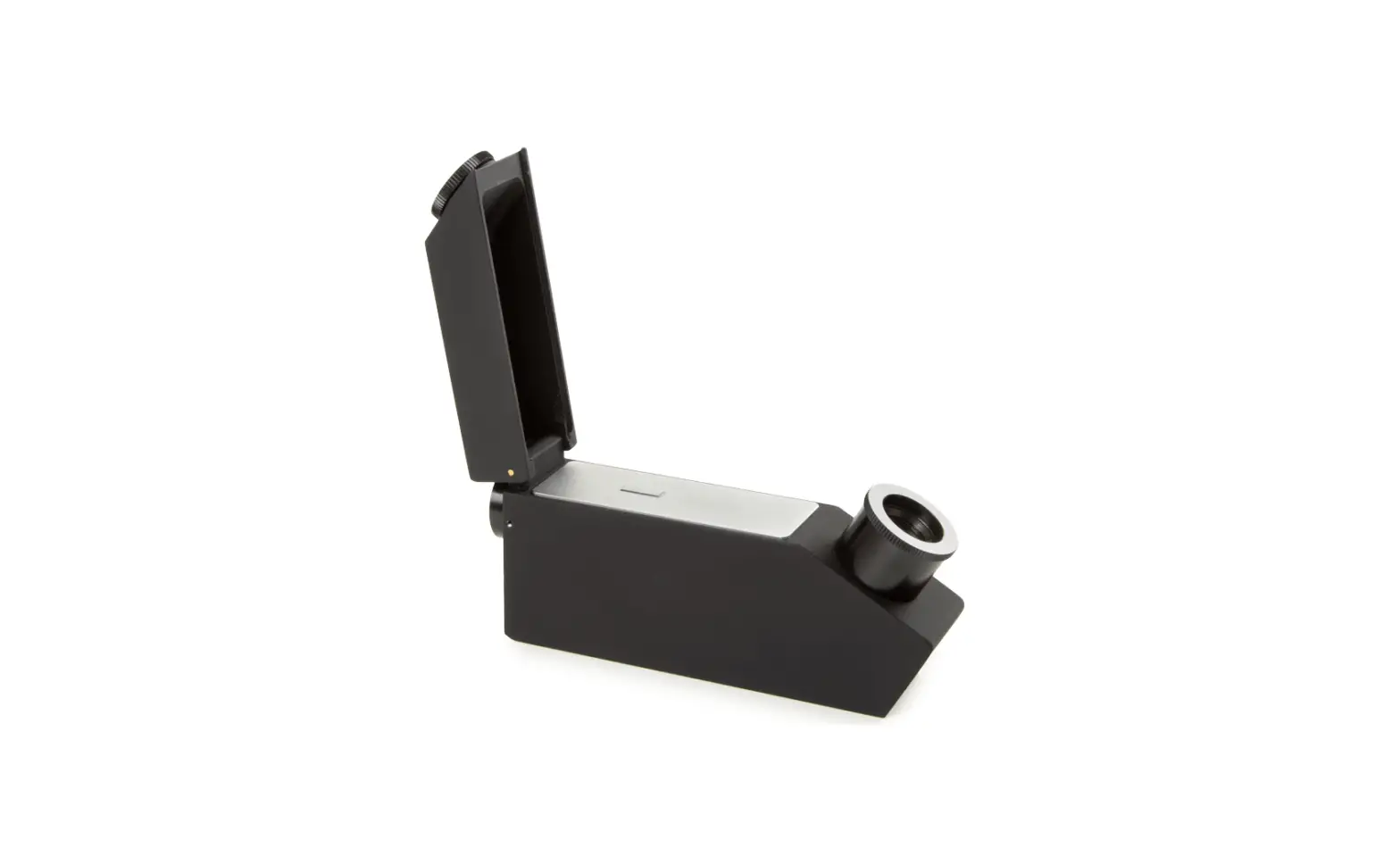
Construction of the RF.638J
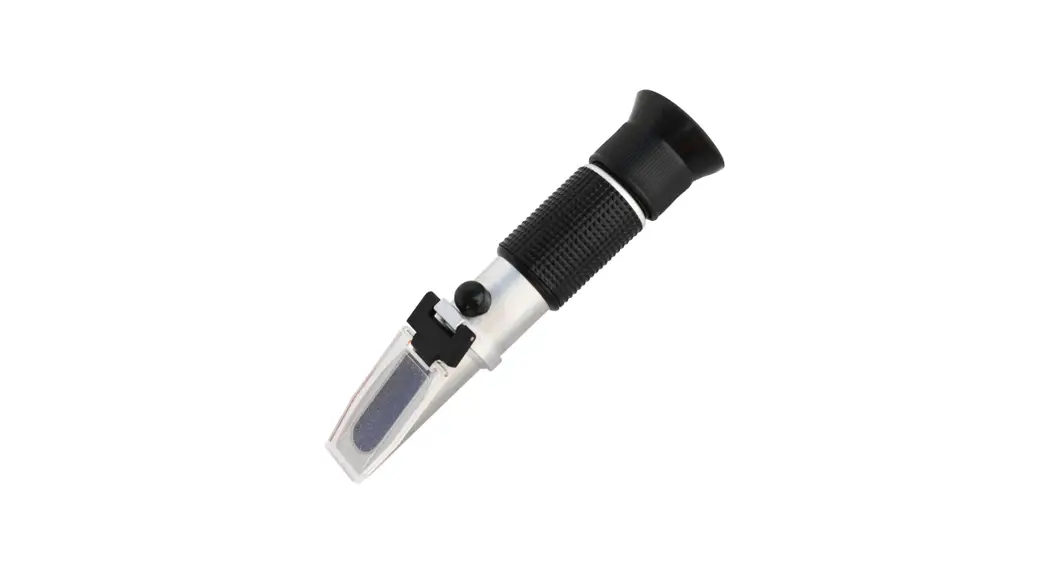
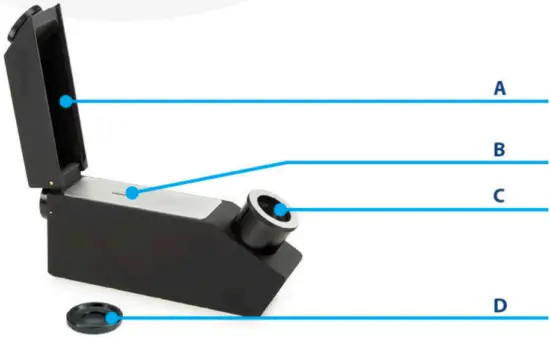
The names of the parts are listed below and are indicated in the picture:
A | Cover lid | C | Eyepiece |
| B | Prism surface | D | Attachable polarizing filter in metal mount |
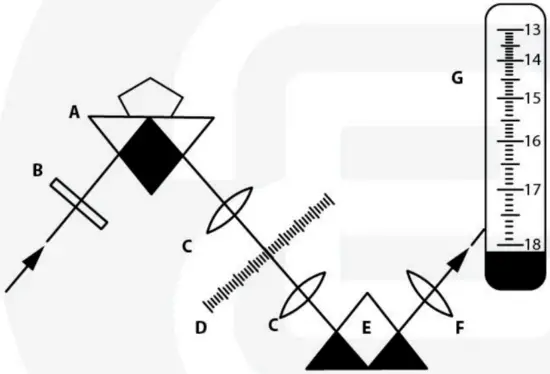
Optical design of the refractometer
| A | Prism | E | Reflection mirror |
| B | D-Line (Fraunhofer line) filter | F | Eyepiece |
| C | Relay lens | G | Field of view |
| D | Refractive index scale |
Specifications of the refractometer RF.638J
Measuring range: 1.30 – 1.81 R.I. (Refractive Index), accuracy 0.01
Filter: Bullt-in 590 nm.
Accessories: Detachable polarization filter for eyeplece
Preparing the refractometer for use
Remove the packaging and put the refractometer on a flat surface. Sit comfortably down behind the refractometer and take a relaxed position while looking through the eyepiece
Working with the refractometer
 Caution: Always use immersion fluid between the gem and the prism and never touch the prism with at tel or for ceps.
The prism used in the refractometer must have a higher refractive index as the index of the jewels to be measured. Accordingly, this prism is made of lead glass including large quantity of lead oxide. This makes the prism soft and corrodible
Open the cover of the instrument and softly wipe off the prism with a lenspaper. Put a drop of the immersion fluid onto the surface of the prism. After having cleaned the gem you want to be measured, carefully place it into the drop of immersion fluid
Direct the filter window on the back of the instrument towards a light source and look through the eyepiece. You will see the borderline between bright- and dark field in the field of view. At this point the refractive index can be observed
If the measured jewel has a mono-refractive index, you see a spectrum as borderline, but if the jewel has double refractive index you will see two spectrums on the borderline in the field of view.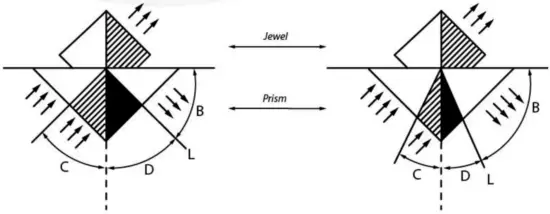
C Critical angle of refraction between prism and jewel
B Bright field by reflection
D Dark field by refraction
L Borderline divide bright field and dark field which appears in the field of view through the eyepiece.
Maintenance and cleaning
The instrument can be cleaned with a soft cloth. The optical parts like prism and polarizer/analyser can be cleaned with special lens papers.
Caution:
- Cleaning cloths containing plastic fibres can damage the prism!
Refractive index table for jewels
Name of jewel | REFR ACTUE INE’E X | ||||
| Don file index | Mono index | Double index | |||
| Alrnandite | 1&00 (+0.030) | ||||
| Amblygonite | 1.612 | 1.6Jf› | |||
| Anatase | 2.493 | 2.554 | |||
| Andradite G | 1.875 (10.020) | ||||
| Àndulusite | 1.634 (+0.006) | 1.643 (+0.004) | |||
| Apatite | 1.642 (+0.003/ -0.012) | 1.646 (+0.005 / -0.014) | |||
| Augelite | 1.574 | 1.588 | |||
| Aónite | 1.678 | 1.688 | |||
| Azurite | 1.730 (+0.010) | 1.840 (T0.010) | |||
| Benitoite | 1.804 | ||||
| Beryl | 1.577 (+0.016) | 1.583 (T0.017) | |||
| Brasiliannite | 1.602 | 1.621 | |||
| Cassiterite | 1.997 | 2.093 | |||
| Chrysoberyl | 1.746 (+0.00d) | 1.755 (1-0.005) | |||
| Corundum | 1.762 (+0.007) | 1.770 (1-0.008) | |||
| Oambrite | 1.630 (+0.003) | 1.636 (+0.003) | |||
| Datolite | 1.626 | 1.670 | |||
| Diamond | 2.417 | ||||
| Diopside | 1.67s (+0.027 / -0.010) | 1.701 | (+0.029/ -0.007) | ||
| Dioptase | 1.655 (J0.011) | 1.708 (+0.012) | |||
| Dumortierite | 1.678 | 1.689 | |||
| Ekanite | 1.597 | ||||
| Enstatite | 1.658 (+0.005) | 1.668 (+0.005) | |||
| Epidote | 1.729 (+0.006/ -0.01 s) | 1.768 (+0.012 / -0.035) | |||
| Euclase | 1.654 (J0.004) | 1.674 (I-0.004) | |||
| Gahnite | 1.800 | ||||
| Gahnospinel | 1.760 (+0.020) | ||||
| Grossularite | 1.735 (I-0.015) | ||||
| ldocrase | 1.713 (TO.012) | 1.718 (I-0.014) | |||
| Jedite | 1.654 | 1.667 | |||
| Jet | 1.660 (+0.020) | ||||
| Kyanite | 1.716 ) +0.004) | 1.731 | (+0.004) | ||
| Lazu-lite | 1.612 | 1.643 | |||
| Marcasite | 1.660 | 1.910 | |||
| Nephrite | 1.606 | 1.632 | |||
| Odontolite | i.eoo (+o.oio1 | 1.620 (+0.020) | |||
| Painite | 1.787 | 1.816 | |||
| Peridot | 1.654 (+0.020) | 1.690 (10.020) | |||
| Phenakite | 1.65a (+0.017/ -0.003) | 1.670 (+0.026/ 0.004) | |||
| Prehnite | L615 | 1.646 | |||
| Pyrope | 1.746 (+0.010/ -0.026) | ||||
| Rhodelite | i.uso i+o.oio1 | ||||
| Rhodizite | 1.690 | ||||
| Rhodnite | 1.730 | 1.740 | |||
| Rhodochrosite | 1.597 | 1617 | |||
| Scheelite | 1918 | 1.934 | |||
| Sillimantite | L659 | 1.680 | |||
| Sinhalite | 1.ea(+o.oon) | 1.707 (NO.003) | |||
| Smithsonite | 1.621 | 1.849 | |||
| Spessartite | i.8io t+o.olo | ||||
| Sphalerite | 2.370 | ||||
| Spinel | 1.718 (+0.044/ -0.006) | ||||
| Spodumene | 1.660 (+0.005) | 1.67ó | |||
| Stauroiite | 1.735 | 1.746 | |||
| Stibiotantalite | 2.380 | 2.450 | |||
| Taafeite | 1.719 | 1.723 | |||
| Titanite | 1.900 (NO.018) | 2.034 (+0.020) | |||
| Topaz | 1.ó19 (1-0.010) | 1.627 (1-0.010) | |||
| Tourmaline | 1.624 (+0.005) | 1.644 (+0.006) | |||
| Turqois | 1.610 | 1.650 | |||
| Vendite | 1.580 | ||||
| Willemite | 1.690 | 1.720 | |||
| Zincite | 2.013 | 2.029 | |||
| Ziosite | 1.700 | ||||
| Zircon (H) | 1.927 | 1.984 | |||
| Zircon (L) | i.8io ‹+o.ozo | 1.815 (10.020) | |||
| Zircon (M) | 1.875 (1-.045) | 1.905 (10.075) | |||
Customer Support
Euromex Microscopen by
Paperbark m p 20′ 6B36 BD Arnhem
The Netherlands
T +31 (0) 26 323 22 11
[email protected]
www.euromex.com