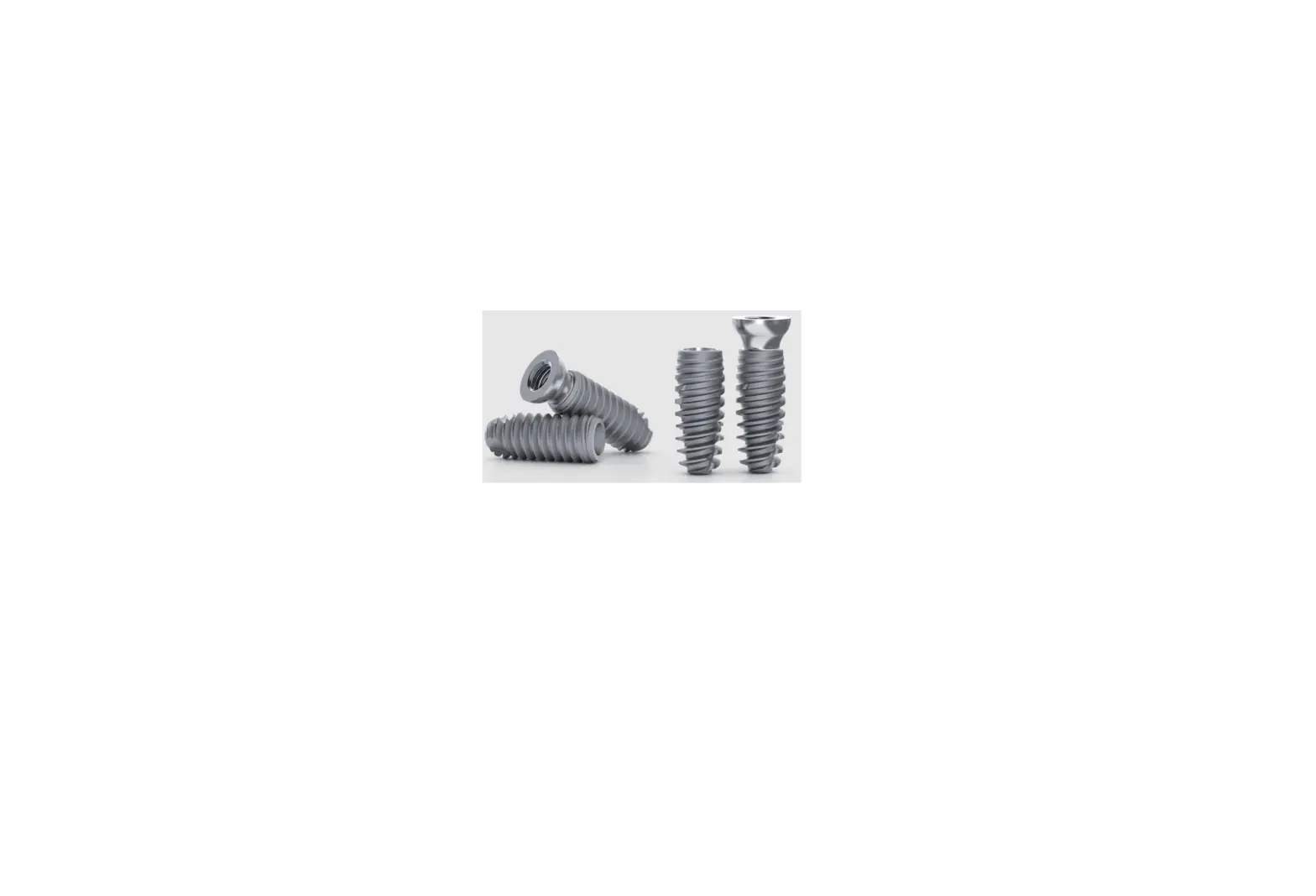
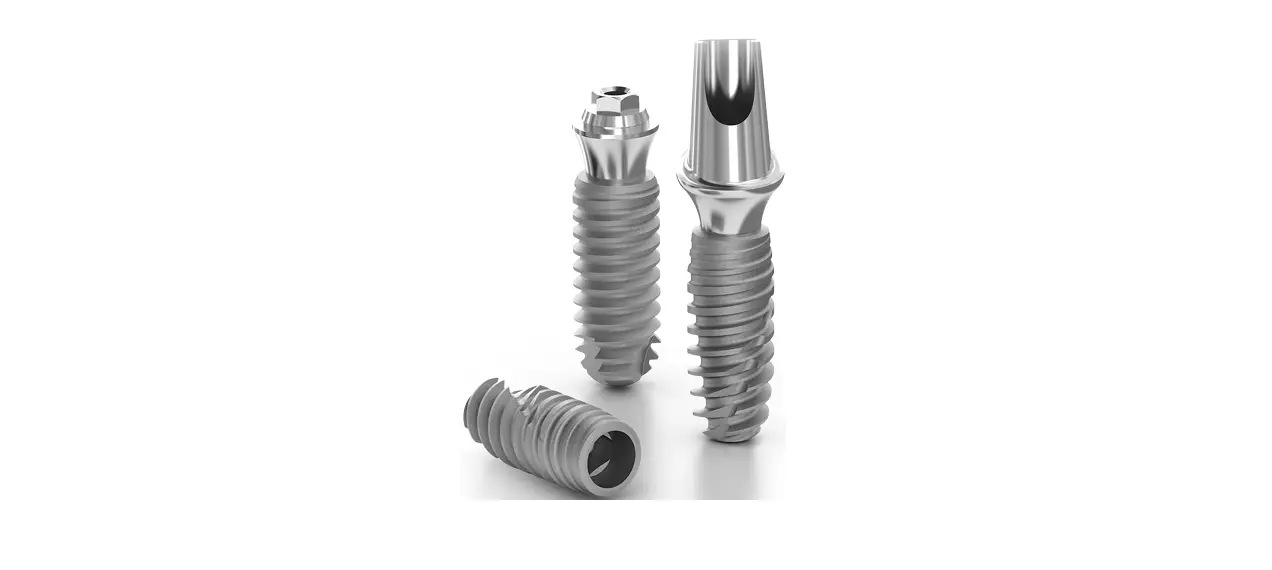
BS-LS-0164 Zygomatic Implant Systems
Blue Sky Bio, LLC Zygomatic Implant Systems
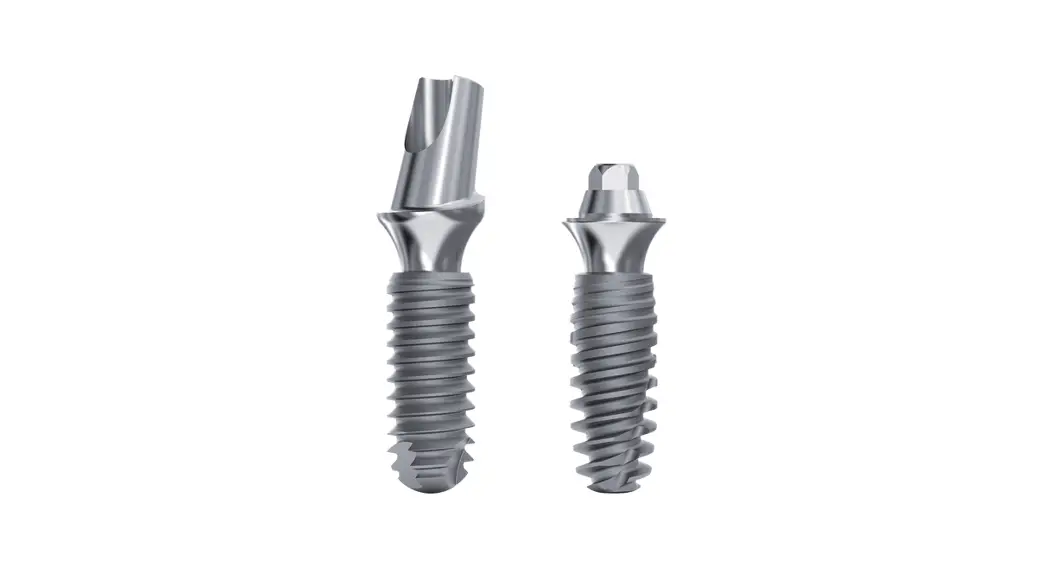
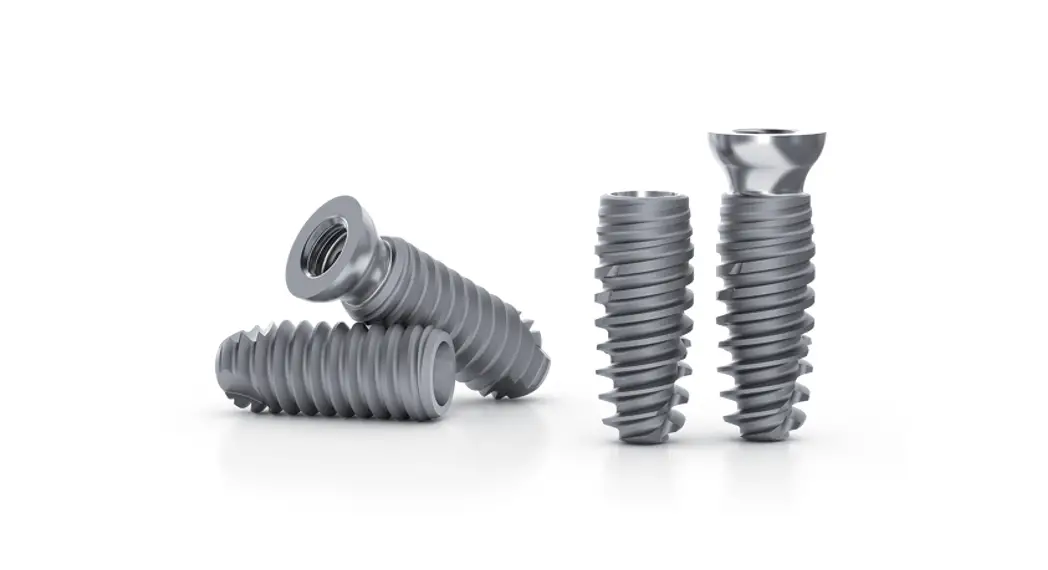
Blue Sky Bio, LLC Zygomatic Implant Systems are dental implant
systems designed for use in elective oral surgery procedures. These
systems are used to replace missing teeth by providing a stable
foundation for dental restorations.
Product Information
- Manufacturer: Blue Sky Bio, LLC
- Address: 800 Liberty Dr Libertyville, IL 60048 USA
- Catalog Number: [Insert Catalog Number]
- Batch Code: [Insert Batch Code]
- Sterilization Method: Gamma Radiation
- Use By Date: [Insert Use By Date]
Indications
The Blue Sky Bio Zygomatic Implant Systems are indicated for use
when there are general contraindications associated with elective
oral surgery. The patient must have an adequate volume of residual
bone to support the implants.
Contraindications
The Blue Sky Bio Zygomatic Implant Systems should not be used in
the following cases:
- Patients with contraindications associated with elective oral
surgery - Patients with insufficient residual bone volume
Warning
It is important to use the designated implants, abutments,
prosthetic components, and instrumentation specified for the Blue
Sky Bio Zygomatic Implant Systems. Failure to use compatible
components may result in mechanical failure, tissue damage, or
unsatisfactory aesthetic results.
Precaution – MRI Safety Information
The safety and compatibility of the Blue Sky Bio Zygomatic
Implant System in the MR environment have not been evaluated.
Scanning a patient with this device in the MR environment may
result in patient injury. Use caution and consult with accompanying
documents.
Procedural Precautions
Surgery
Follow standard surgical procedures for implant placement.
Ensure adequate osseointegration before proceeding to the
restoration phase.
Prosthetics
When restoring Blue Sky Bio Implants, follow these
instructions:
- Uncover the implants if necessary and remove the cover
screw. - Irrigate and clean the internal part of the implant.
- If needed, place a healing abutment and allow the tissue to
heal around it. - Select a final abutment that is compatible with the
implant. - If modifying the abutment chair-side, create an impression and
preliminary model to identify any undercuts before making the final
impression. - Use copious irrigation with a carbide or diamond bur to remove
undercuts on the abutment. - Ensure that the indexing feature of the abutment matches the
internal indexing feature of the implant. - Verify adequate seating with a radiograph.
- If modifying the abutment in a laboratory, use a transfer jig
or transfer device to identify proper orientation before seating it
into the implant. - Use an insertion driver compatible with the selected implant
system and a torque wrench to apply 30 Ncm of torque on the
abutment or fastening screw for final abutment seating. - Do not over-prepare abutments and consider the retention and
strength of the restoration. - It is recommended to remove less than 50% of the structure of
customizable abutments and less than 30% of straight
abutments. - Modifying the abutment at the junction with the implant is not
recommended.
For more detailed instructions and safety information, please
refer to the accompanying documents.
Instructions For Use
Blue Sky Bio, LLC Zygomatic Implant Systems
English
Blue Sky Bio, LLC Zygomatic Implant Systems
M
Blue Sky Bio, LLC
800 Liberty Dr Libertyville, IL 60048 USA
h CATALOG NUMBER
L
CAUTION FEDERAL LAW RESTRICTS THIS DEVICE TO SALE BY OR ON THE ORDER OF A PHYSICIAN OR PROPERLY LICENSED PRACTITIONER
DO NOT USE IF PACKAGE IS DAMAGED
D DO NOT REUSE
M MANUFACTURED BY g BATCH CODE
Y CAUTION, CONSULT ACCOMPANYING DOCUMENTS
K STERILIZED USING GAMMA RADIATION
H USE BY DATE
ELECTRONIC INSTRUCTIONS FOR USE
NON STERILE
NON-STERILE
Page 1 of 3
BS-LS-0164 Rev 1 11/03/2022
English
Blue Sky Bio Zygomatic Implant Systems Instructions for Use
Indications
Blue Sky Bio Zygomatic Implant System is indicated for surgical installation in the zygoma region, in cases of severe jaw resorption, in order to restore patient esthetics and chewing function. Blue Sky Bio zygomatic implants are recommended for the posterior (pre-molar/molar) region, one implant on each side, with at least two standard dental implants in the anterior region to support a fixed restoration. Blue Sky Bio zygomatic implants may be loaded immediately when good primary stability is achieved and with appropriate occlusal loading.
Contraindications
Implants should not be placed anytime when there are general contraindications associated with elective oral surgery.
Absolute and relative contraindications include but are not limited to: cardiac and vascular disease, bleeding disorders, psychological disorders, uncontrolled diabetes mellitus, mineral, bone, or connective tissue disorders, renal disease, hepatic disease, auto-immune disorders, decreased immune function due to disease or medications, infectious disorders, and adverse conditions caused by medications. Further relative contraindications include poor oral hygiene, bruxism, malnutrition, alcoholism, tobacco usage, and history of radiation therapy.
In addition, the patient needs an adequate volume of residual bone for the placement of implants of sufficient size and number to support the anticipated functional loads to which the patient will subject these implants.
Warning
Implants should be placed and restored only by practitioners who are licensed and trained to perform these procedures. Adequate preoperative studies should be performed to examine the anatomic structures and to assess the biomechanical, functional, and esthetic requirements of each case. Radiographs or other diagnostic reviews should be performed to determine position and topography of the maxillary sinus, nasal cavities, inferior alveolar nerve, mental foramen, natural tooth positions and other anatomical features that may affect implant placement or prognosis. Consultation between the surgeon, restorative dentist, and dental laboratory is essential for success. Risks of implant placement and restoration include, but are not limited to: infection, implant failure, loss of bone and soft tissue, unfavorable aesthetic result, anesthesia, dysesthesia and paresthesia in the oral and facial areas, sinus infection, dislodgement of implants and instruments in the surrounding structures, damage to adjacent teeth, non-restorable implants, fracture of implants or restorative components, and loosening of implants or restorative components. These implants should not be used on patients with known hypersensitivity or allergic reaction to titanium alloys.
Each implant system has unique measuring characteristics to allow full seating of the implant to the desired depth. In some instances, drill length reference lines measure longer than the stated length of the implant. It is recommended that the implant surgeon be thoroughly familiar with the specific measurement system being utilized and provide a suitable safety margin adjacent to any teeth and vital structures. Failure to recognize the difference between the actual length of the drill and radiographic measurements can result in permanent injury to the nerves or other vital structures by drilling beyond the depth intended, potentially resulting in permanent numbness to the lower lip and chin or other injuries.
Each implant system has specific design characteristics for mating implants, abutments, prosthetic components, and instrumentation. Combining instruments and components that are not configured or dimensioned for correct mating can lead to mechanical failure of components, damage to tissue, or unsatisfactory aesthetic results.
One-hundred percent success cannot be guaranteed. Lack of adequate quantity and/or quality of remaining bone, infection, inadequate surgical technique, poor patient oral hygiene, and generalized disease are some potential causes for failure of osseointegration, both immediately after surgery or after osseointegration is initially achieved. Pre-operative hard tissue or soft tissue deficits may yield a compromised aesthetic result or unfavorable implant angulation. With respect to children, routine treatment is not recommended until completion of alveolar growth has been verified.
Precaution – MRI Safety Information
The Blue Sky Bio Zygomatic Implant System has not been evaluated for safety and compatibility in the MR environment. It has not been tested for heating, migration, or image artifact in the MR environment. The safety of the Blue Sky Bio Zygomatic Implant System in the MR environment is unknown. Scanning a patient who has this device may result in patient injury.
Procedural Precautions, Surgery
All efforts must be made to minimize damage to the host tissue. In particular, special attention must be paid to thermal and surgical trauma and to the elimination of contaminants and sources of infection. The surgical procedure requires a high degree of precision and care. Any divergence from the principle of least possible trauma at implant installation increases the risk of failure to establish osseointegration. All drilling procedures should be performed at maximum 1000-2000 RPM with copious irrigation. The use of sharp drills, sufficient irrigation, an in-and-out drilling motion, short cutting cycles, waiting for the bone to cool, and use of pilot drills in successively increasing sizes are essential. Please refer to our web site for the specific sequence of drills for each implant type and size. Special care should be taken to avoid over or under preparation of the osteotomy. Implants should be inserted in such a way that they are stable and lack any mobility. Excessive insertion torque (greater than 60 Ncm) may lead to damage to the implant or instruments and fracture or necrosis of the bone site. All instruments used in surgery must be maintained in good condition and care must be taken that the instruments do not damage the implants or other components. Precautions must be taken to avoid the swallowing or aspiration of components used in implant dentistry. After the implant installation, the surgeon’s evaluation of bone quality and initial stability will determine when implants may be loaded. An appropriate follow-up protocol should be followed.
Page 2 of 3
BS-LS-0164 Rev 1 11/03/2022
Procedural Precautions, Prosthetics
Especially important is proper stress distribution through passive adaptation and fitting of the bridge to the implant abutments, adjusting occlusion to the opposing jaw, and avoiding excessive transverse loading forces. Immediate loading and immediate temporization require additional precautions and are not suitable for all cases. Because of the small size of prosthetic components, care must be taken that they are not swallowed or aspirated by the patient. Angled abutments and unsplinted narrow implants should not be used in the posterior area of the mouth.
Instructions for Abutments for Restoration of Blue Sky Bio Implants
After adequate osseointegration the implants should be uncovered, if necessary, and the cover screw should be removed. The internal part of the implant should be irrigated, freed from debris, and dried. If necessary, a healing abutment should be placed and the tissue should be allowed to heal around the healing abutment. A final abutment that is compatible with the implant should be chosen.
If the abutment is modified at chair side, it is advisable to make an impression and make a preliminary model to identify any undercuts prior to making the final impression. A carbide or diamond bur can be used with copious irrigation to remove the undercuts.
The indexing feature of the abutment (e.g. hexagon or square) should match the internal indexing feature of the implant. Adequate seating can be verified with a radiograph.
If the abutment is modified in a laboratory, proper orientation of the abutment into theimplant should be identified by means of a transfer jig or any other transfer device. Final abutment seating should be performed using an insertion driver compatible with the selected implant system and a torque wrench applying 30 Ncm of torque on the abutment or fasteningscrew.
Abutments should not be over-prepared, and the retention of restoration and the strength off the abutment should be taken into consideration. It is recommended that less than 50% of the structure of customizable abutments and less than 30% of straight abutments be removed. Modifying the abutment at the junction with the implant is not recommended.
A restoration should be fabricated and inserted, while making sure that the restoration is stable and occlusal load is appropriate. One piece implants require intraoral modification of the abutment portion of the implant. The implant should not be overprepared to avoid fracture of the implant.
Follow Up Care
Patients should be instructed in appropriate oral hygiene and care of the implants and restorations. Periodic follow up appointments should be made to confirm and maintain adequate function of the implants and the health of the surrounding tissues.
Sterility
All implants are supplied sterile and are for single use only prior to the labeled expiration date. Do not use implants if the packaging has been damaged or previously opened.
Abutments, abutment screws, and instruments are supplied non-sterile and must be cleaned and sterilized prior to use. The recommended method is moist heat (steam) sterilization cycle: gravity-displacement, wrapped, 30 minute exposure at 121 °C (250 °F), and 15 minutes of drying. Use a wrap that is FDA cleared for the indicated cycle.
Method of Supply
Blue Sky Bio implants, abutments, and abutment screws are made out of medical grade titanium alloy (Ti-6Al-4V).
Caution Federal law restricts this device to sale by or on the order of a physician or properly licensed practitioner.
Manufactured by:
Blue Sky Bio, LLC 800 Liberty Drive Libertyville Il 60048 USA
Page 3 of 3
BS-LS-0164 Rev 1 11/03/2022