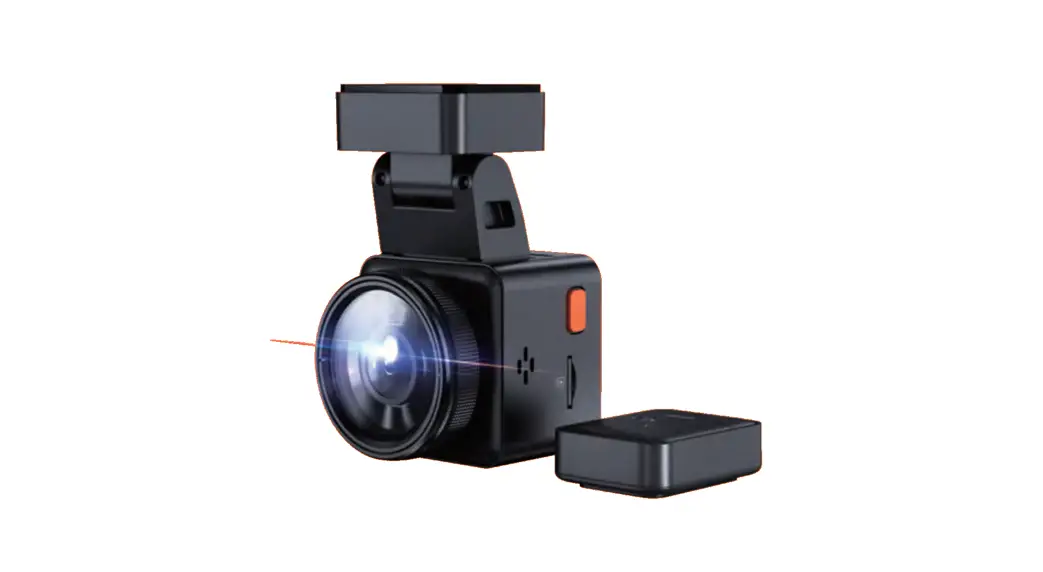
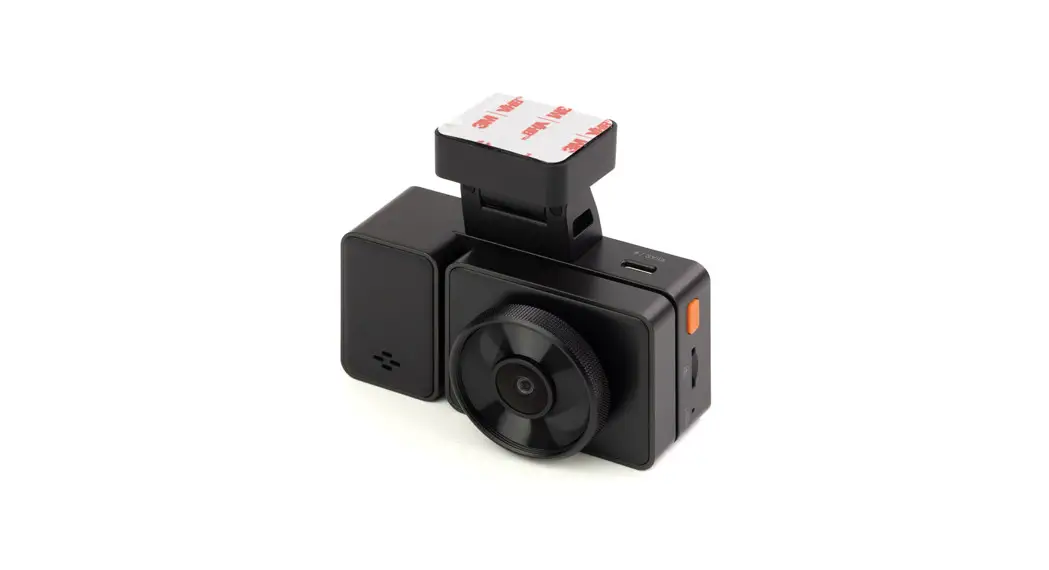
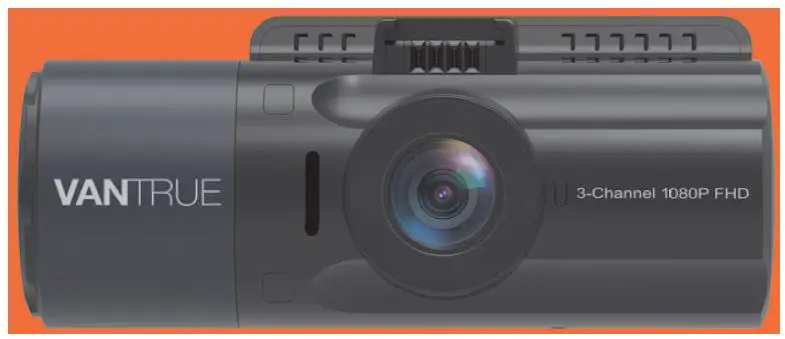
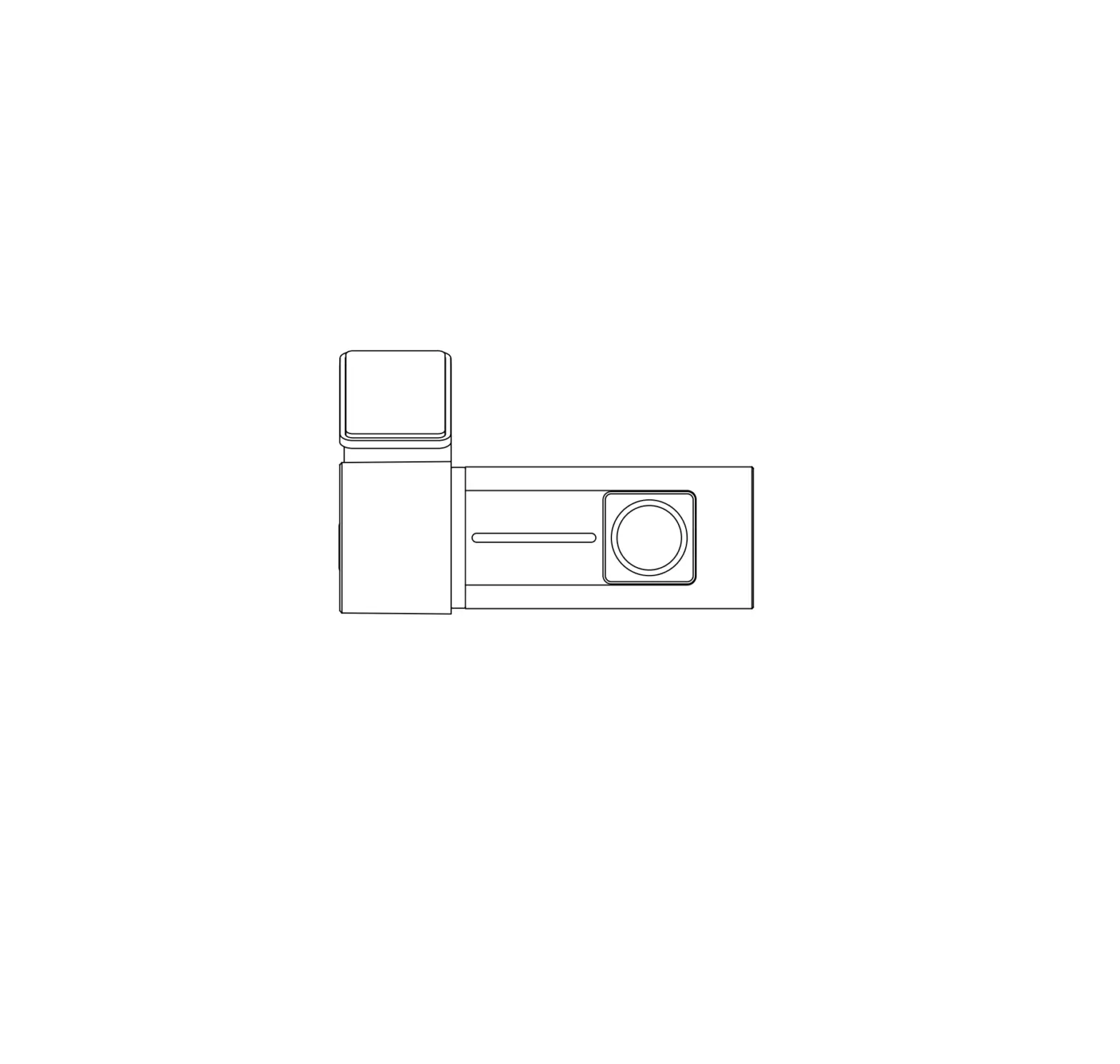
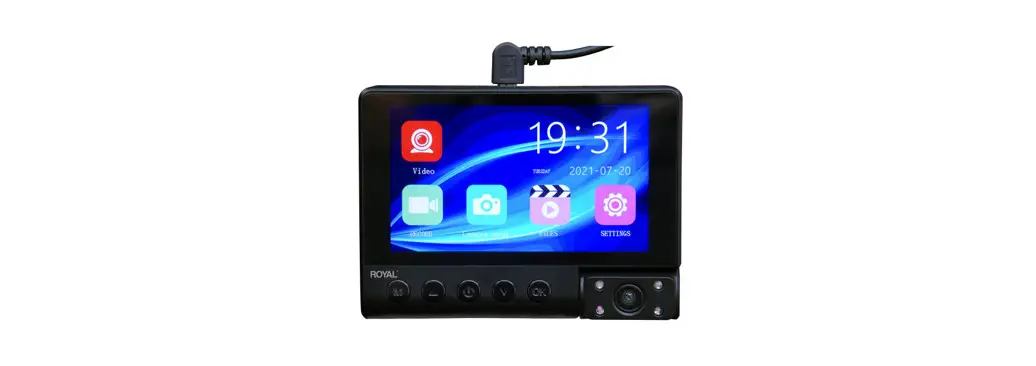
Element 2 Voice Controlled Dual Dash Cam
Product Information
The NN9NN H Element 2 is a Voice-Controlled Dual Dash Cam made
by Vantrue. It comes with a front-facing camera for recording road
events, an optional R03 Rear Camera, and a GPS adhesive mount. The
camera has a 2.45-inch LCD screen, a power port, a Type C port for
the rear camera, an SD card slot, and a reset button. It also
includes a wireless remote control, a car charger, a data cable, a
crowbar, warning stickers, and 3M adhesive stickers. The camera can
be controlled through buttons on the device or through voice
commands.
Product Usage Instructions
- What’s in the Box?
The package should contain the following items:- Vantrue E2 Dash Cam
- R03 Rear Camera (optional)
- GPS Adhesive Mount
- Crowbar
- Cable for Rear Camera (20ft)
- Car Charger with Built-in Type C (3.3ft, for transferring files
only) - Type C Data Cable (11.5ft)
- Electrostatic Stickers
- Wireless Remote Control
- User Manual
- Warning Stickers
- 3M Adhesive Stickers
- CPL Filter (optional)
- Camera Overview
The camera has four buttons that can be used to control the device.
Button 1 can be long-pressed to turn off the screen during video
recording, and short-pressed to stop recording and enter standby
mode. It can also be used to confirm selected options in the menu
or play/pause files during playback. Button 2 can be short-pressed
during video recording and standby to switch the video window. In
menu settings and file browsing, it can be used to display the
previous option or scroll up to display options. During playback,
it can be used to fast forward. In WiFi mode, any key can be
pressed to exit WiFi. Button 3 can be long-pressed during video
recording and standby to quickly enter parking mode, and
short-pressed to turn on/off the microphone. In menu settings, it
can be long-pressed to scroll through menu options or short-pressed
to display the next menu option. During file browsing, it can be
long-pressed to scroll to display files or short-pressed to display
the next file. In playback mode, it can be short-pressed to pop up
the delete file menu. In WiFi mode, any key can be pressed to exit
WiFi. Button 4 can be long-pressed during video recording to turn
on/off WiFi or short-pressed in standby state to enter the menu or
return. It can also be long-pressed to turn on/off WiFi or
short-pressed to display the next menu option during menu settings.
In WiFi mode, any key can be pressed to exit WiFi. - Installation
To install the camera, follow these steps:- Mount the camera in a location that provides a clear view of
the road. - Connect the Type C cable or car charger for external power
supply. - If using the optional R03 Rear Camera, connect it to the Type C
port for the rear camera. - Insert an SD card into the SD card slot.
- Mount the camera in a location that provides a clear view of
- Basic Operation
To use the camera, follow these steps:- Press the REC button to start recording.
- Use the buttons or voice commands to control the device.
- Press the REC button again to stop recording and save the
file. - Use the Type C data cable to transfer files to a computer or
other device.
- Specifications
The camera has the following specifications:- 2.45-inch LCD screen
- Front-facing camera for video recording road events
- Optional R03 Rear Camera
- GPS adhesive mount
- Power port
- Type C port for the rear camera
- SD card slot
- Wireless remote control
- Warranty & Support
The camera comes with a warranty and support from Vantrue. For more
information, refer to the user manual or contact Vantrue through
their website or Facebook page.
NN9NN H
Element 2
User Manual
Voice-Controlled Dual Dash Cam
Hey, find us here:
www.vantrue.net/contact
facebook.com/vantrue.live
CONTENTS VERZEICHNIS CONTENU ÍNDICE
SPIS TRECI
1. What’s in the box?
1
Was ist in der Box
44
2VZBUJMEBOTMBCPÎUF
89
¿Qué hay en la caja
133
Co znajdziemy w pudelku 179
223
266
2. Camera Overview
2
Die Übersicht über Kamera
45
Vue d’ensemble de la caméra 90
Descripción de la cámara
134
Budowa kamery
180
224
267
3. Installation
6
Installation
49
Installation
94
Instalación
139
Instalacja
184
228
270
4. Basic Operation
18
Grundlegende Bedienung
61
0QÉSBUJPOEFCBTF
106
Operación básica
151
Podstawowe funkcje
196
240
281
CONTENTS VERZEICHNIS CONTENU ÍNDICE
SPIS TRECI
5. Specifications
42
Spezifikation
87
4QFDJpDBUJPO
131
Especificaciones
177
Dane techniczne
220
263
302
6. Warranty & Support
43
Garantie und Support
88
Garantie & Support
132
Garantía y Soporte
178
Gwarancja & wsparcie
221
264
303
EN 1. What’s in the Box?
A. Vantrue E2 Dash Cam
B. R03 Rear Camera C. GPS Adhesive Mount
D. Crowbar
E. Cable for Rear Camera(20ft)
F. Car Charger with G. Type C Data Cable H. Electrostatic
Built-in Type C
(3.3ft, for transferring stickers
Cable(11.5ft)
files only)
Element 2
I. Wireless Remote Control
User Manual Voice-Controlled Dual Dash Cam
J. User Manual
Optional Accessories
K. Warning Stickers
L.3M Adhesive Stickers
M. CPL Fliter – 1 –
2. Camera Overview
12 34
VTE1E0001
5
EN
9 8
6
10
7
12
13
14
15 16 11
17
18
19
NO. Name
1
Button
Description During video recording, you can long press to turn off the screen, and short press to stop recording and enter standby mode; you can confirm the selected option in the menu; when playing back a file, press the button to play/pause the file
– 2 –
EN
2
Button
During video recording and standby, short press
to switch the video window; in menu setting and
file browsing, short press to display the previous
option, long press to scroll up to display options;
in playback mode, short press to fast forward; in
WiFi mode, press any key to exit WiFi
3
Button
During video recording and standby, long press
to quickly enter parking mode, and short press to
turn on/off the microphone; in menu settings,
long press to scroll through menu options, and
short press to display the next menu option;
during file browsing, long press to scroll to display
file, short press to display the next file; in playback
mode, short press to pop up the delete file menu;
in WiFi mode, press any key to exit WiFi
4
Button
During video recording, long press to turn on/off
WiFi; In standby state, short press to enter the
menu or return, and long press to turn on or off
WiFi; in WiFi mode, press any key to exit WiFi
5 Serial Number 6 Microphone 7 Speaker 8 Front Camera
9 Power Port
10 Screen 11 REC
Serial number for warranty registration Records clear audio with the video footage
Delivers sound during video playback Front facing camera for video recording road events. Connects to Type C cable or car charger for external power supply 2.45″ LCD Screen
Green light means the camera is powered on
– 3 –
12 Mount interface Location of the installing mount
EN
13 Type C Port for Rear Camera
14
Button
15 SD Card Slot 16 Reset Button
Connects the rear camera into this Port; connects the data cable for data transfer
During the video recording, short press will lock the current video and take a picture, long press to shut down; in standby mode, short press will capture the picture, long press will shut down; in WiFi state, short press to exit WiFi, long press to shut down
Supports Micro SD Card up to 512GB in FAT32, Class 10
Short press to restart the camera
17 Rear Camera Records road events behind the car
18 Indicators for Rear Camera
A green light indicates that the rear camera is connected to power
19 Rear Camera connector
LED Indicator
Connection port for rear camera cable
LED LED Status REC Steady green light
Blinking green light
Description
In standby status, or the REC light is set to off Camera is recording
– 4 –
EN
Screen Overview
Time Lapse On Collision Detection ON Motion Detection ON 1080P Low Bitrate Recording ON 15FPS 720P Low Bitrate Recording ON 15FPS Low Framerate Parking Mode
Video Resolution
1440P+1440P 30FPS Remote control is connected
Snapshot
00:00:37
14:39:07
06-20-2022
80
MP/H
Voice control is off Voice control is on
GPS Signal Connecting GPS Signal Locked
No memory card or the card is not recognized Memory card is working properly
Mic is ON Mic is OFF
Loop recording off Loop recording for 1 min Loop recording for 3 mins Loop recording for 5 mins
G-Sensor ON G-Sensor OFF
80 Parking Mode Recording Current Date and Time
Recorded Driving Speed
Time(Current Clip)
MP/H (KMH or MPH)
– 5 –
3. Installation
EN
3.1 Installing a Memory Card (Recommended: Vantrue U3 high-speed microSD card
Please insert a memory card (memory card capacity: 32GB-512GB, card speed: U3/Class10/A2). The dashcam has certain requirements on the card speed of the memory card. For reliable operation, we recommend using a VANTRUE SD card(sold separately).
Memory Card Installation: There is an icon indicating the insertion direction of the memory card. Please push the memory card into the card slot according to the direction indicated by this icon, until a “click” sound is heard in the card slot, indicating that the memory card is inserted properly
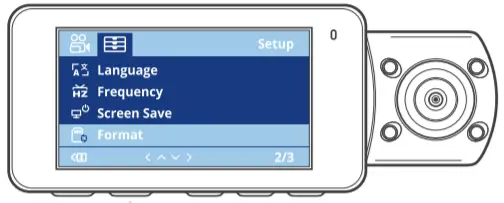
Before using this card, please follow the steps below to format it properly: If the camera is recording, please press the button to pause the recording, then press the button to enter the menu, then enter “System,” select the format card , and confirm to format the memory card until it prompts “Formatted successfully.”
– 6 –
EN
After inserting the memory card, if the screen prompts “Card error, please
format” (please note that the camera does not record at this time).
Please directly press the button to enter the menu and start the
formatting process.
REMINDER:
1. We recommend formatting the card once a month to ensure the normal operation of the dash cam.
2. Do not remove or insert the memory card during recording to avoid losing important videos.
3. Please do not use bad cards or low-speed cards on the dash cam, as it is easy to stop or lose the recording due to the failure of a memory card.
4. Before formatting the memory card, please check the event video folder in the SD card to see if there are any videos that need to be saved separately, so as not to delete important videos by mistake.
– 7 –
3.2 Installing the camera onto your windshield
EN
1. Installation of camera mount: Align the mount with the dash cam mount interface then push in until the mount is installed.
2. Installation of car charger: Connect one end of the car charger to the car cigarette lighter and the other end to the Type C port on the front camera GPS mount. When the green light of car charger is on, it means it is powered on.
– 8 –
EN
After installing the main camera and rear camera, please arrange the
car charger cable in the direction shown in the figure.
3. Installation of electrostatic stickers: Thoroughly clean the windshield with water or alcohol, then wipe it with a dry cloth. Stick the electrostatic sticker behind the rear-view mirror, which is the recommended position to prevent blocking your view while driving.
Electrostatic sticker
– 9 –
Note: There are two electrostatic stickers numbered 1 and 2. Please
EN
remove the protective film from No. 1, paste the electrostatic sticker on
the windshield, and then remove the protective film from No.2. Remove
the 3M tape from the mount, then fix the mount and camera on the
electrostatics stickers.
Please peel off this mask BEFORE application
Please peel off this mask AFTER application completed
4. Take out the rear camera cable, connect the main camera and the rear camera, and take out the car charger to connect it. After the camera is powered on, choose a suitable location and install it.
– 10 –
EN
5. Rear Camera Installation (Optional): Please select the installation
position on the rear windshield. We recommend that you select a
position close to the center of the rear windshield, and avoid the
defogging line on the rear windshield, so as not to affect the video
effect. Remove the protection film of the sticky pad and rear camera
lens. Fix the rear camera in the selected position and adjust the angle,
then use the rear camera cable to connect the rear camera with the
main front camera.
6. The angle of the window glass of each model is different, please adjust the recording angle of the main camera and rear camera up and down according to actual needs.
– 11 –
3.3 APP Download
EN
Please scan the QR code for the relevant version below to download the app and install it. Search for the “Vantrue Cam” app in App Store or Google Play Store to find the app and then download and install it on your phone.
Note: After this camera is successfully connected to your mobile phone through WiFi, it can perform real-time video preview, change camera settings, download files without internet connection, and play back videos on the mobile phone. However, the GPS track playback and video sharing functions will depend on the internet or telecom value-added services ( requires you to turn off/disconnect the camera WiFi).
– 12 –
EN 3.4 WiFi Connection Turn on the WiFi function of the camera, enter the WiFi settings of the mobile phone, then find the WiFi name, such as: E2_VANTRUE_XXXX, and enter the WiFi default password: 12345678 to connect to WiFi.
– 13 –
3.5 APP Connection
EN
After the WiFi connection is successful, click “+” when opening the app for the first time, add the camera model, and then the app will automatically connect to the camera and display the current real-time recording situation of the camera.
Note: 1. If you do not connect to WiFi before opening the app, the app will
prompt you by saying “Please connect to WiFi first”, and will automatically jump to the WiFi settings. Please complete the steps to connect to WiFi first.
2. If the WiFi is already connected, but the app jumps to the application permissions of the APP after selecting the model, please check whether the wireless network permission of the app are turned on.
– 14 –
EN
3. The initial password for this device is only used for initial login. In order
to prevent potential security risks, please be sure to change the initial
password after the initial login to prevent others from logging into your
device without authorization or other adverse consequences.
4. If you forget the WiFi password, you can restore the default setting of the device, and the Wi-Fi password of the device will also be restored to the default password(12345678).
5. If the connected WiFi name does not match your dash cam model, the app will prompt you: “Please select the correct model” and automatically jump back to the model selection interface.
6. If there is no connection with the mobile phone after the WiFi is turned on, the camera will automatically turn off the WiFi and return to the recording interface after 10 minutes.
– 15 –
3.5 App Operation
EN Camera Setting
Microphone on/ off setting Stop Recording icon
Album
Full-Screen icon
Front and Rear Display Switch Snapshot
After entering the App’s real-time preview, you can perform the following operations:
Video preview: After the app is successfully connected to the camera, enter the real-time preview page, click the full-screen icon or place the phone horizontally, and the real-time screen will automatically switch to the full-screen preview mode. Click the window switch icon to switch the front and rear video windows, but only multi-channel dash cams can use this feature.
Video playback: The video and photo files recorded on the SD card can be viewed in the app, and the video can be played back after clicking the file.
– 16 –
EN
Video download: You can select the video or picture you want to
download in the SD card browsing interface or in the video playback
area. After downloading the video, if you play it in the local file of the
app interface, you can view the GPS track of the video.
Video snapshot: You can capture the current screen in the real-time preview interface of the app.
3.7 APP Upgrade
Open the “Vantrue Cam” App, connect to the Wi-Fi, and enter “Settings> About> Detect New Version”. The App will automatically detect whether its version is the latest version. If there is a new version of the app, follow the prompts and upgrade the version.
9:41 VantrueCam
Back
Vantrue Cam
Vantrue Ltd.
Today
Games
Apps
Search
– 17 –
4. Basic Operation
EN
4.1 Menu Settings
The E2 dash cam has 3 function menus, which are: record settings, system settings, and file browsing. You can set your dash cam according to your requirements with these function setting.
Press the button, pause the video first, then press the enter the menu settings.
button to
Record
System
Files
A. Record Setup
-Resolution: The E2 camera has 2 resolution modes: Front + Rear dual recording mode, or Single front recording mode. Front+Rear Camera:1944P+1944P 24FPS; 1440P+1440P 30FPS; 1440P+1080P 30FPS; 1080P+1440P 30FPS; 1080P+1080P 30FPS; 1080P+720P 30FPS; 720P+1080P 30FPS; 720P+720P 30FPS Front Camera only:2592x1944P 30FPS; 2560x1440P 30FPS; 1920x1080P 30FPS; 1280x720P 30FPS -Loop Recording: Default setting is 3 min. You can choose the options among 1/3/5 min and OFF. -G-Sensor: Select the level of G-sensor you need, then you can set 3 directions (Front + Rear/Left + Right/Up + Down). The G-sensor value in each direction can be selected as 1/2/3/4/5/Off. The higher the sensitivity level, the easier it is to trigger event recording. G-sensor is most sensitive when set to 5.
– 18 –
EN
-Audio Recording: The default is ON. Set recording to on or off.
-Exposure: The default value is +0.0. Adjust the exposure of the lens.
-REC Status Light: Default setting is ON. You can choose to turn on/off the
recording status light.
-WDR: Default is on. WDR enables the camera to provide near-perfect
exposure under different lighting conditions. You can choose to turn
WDR on/off.
-Rotate Display: Default is off. You can choose to flip the video screen up
and down(180 degrees).
-Rear Mirror: The default is On. After it is turned on, the rear camera
image is displayed in mirror mode.
-Number Plate: Select the number or letter to be set. After setting, your
license plate number can be displayed in the recorded video.
-Stamp: Enable or disable the watermark stamp on video and photos.
The watermark stamp includes time and date label, VANTRUE label,
license plate number, GPS location information, and speed label. All
enabled by default.
-Time Lapse: The default value is disabled. You can choose to enable
1FPS/5FPS/10FPS/15FPS.
-Low-light Night Vision in Parking Mode: Default is on. When turned on, it
can optimize the recording effect of videos in parking mode.
-Parking Mode: You can choose the parking mode you need, including
Collision Detection/Motion Detection/Low Bitrate Recording/Low
Framerate Mode/OFF.
-GPS Settings: GPS is enabled by default. GPS ON/OFF settings, speed
unit settings, and GPS information are all set here.
B. System Setup
-Language: Available languages are Engish/Français/Español/Deutsch/Italiano////Polski. -WiFi: The default setting is Off. After WiFi is enabled, mobile phones can
– 19 –
connect to WiFi and operate the dashcam through mobile phone
EN
intefaces.
-Voice Control: The default sensitivity is Standard. Voice commands can
be recognized after the option is turned on. You can choose options
such as low sensitivity/high sensitivity/standard/off.
-Voice Content: Voice recognition commands. You can use different
commands to remote control the camera to work.
-Format Memory Card: Format all data on the memory card.
-Format Reminder Setup: Select the reminder options: 15 Days, 1 Month,
and Off. Default is off.
To prevent you from forgetting to format the memory card regularly, we
have added a format reminder time setting. You can choose to be
reminded after 15 days or 1 month, and calculate 15 days or 1 month
from the set date. When the time is up, you can choose “OK” to format,
or choose “Next.”
Note: If you changing the format reminder option, the timing will restart
as soon as the option is changed.
-Date&Time: There are two ways to set the time and date: 1. GPS
automatic update, 2 Manual date/time setting. GPS automatic update is
enabled by default.
GPS automatically updates the date and time based on your time zone,
so you need to select the calibrate time zone first; you can also choose
to turn off GPS automatic update, turn on Manual date/time setting, and
manually calibrate date and time.
The date format and time zone settings can also be set under this menu.
-Auto LCD Off: Set the time to automatically turn off the LCD display after
no operation.
If you set the Auto LCD Off to 3 min, the camera’s LCD screen will auto
light off after 3 min but recording will continue. If the setup is Off, the
screen will not turn off. You can choose the options among 30s, 1Min,
3Min and OFF.
-Device Sound: Set the volume of the device. The default volume level is
– 20 –
EN
3, the lowest is 0, and the highest is 5.
-Prompt Tone: According to different situations, the dash cam is set with 5
kinds of prompt tones, which are power-on/off sound, keys sound, file
locked sound, format sound, and abnormal stop recording reminder. All
prompt tones are turned on by default.
-Frequency: Different countries have different frequencies. In order to
avoid affecting the video, you can choose 50Hz or 60Hz frequency
according to different regions.
-System Info: Check the current model, firmware version, and the
Vantrue official website.
-Certifications: You can view the certification information of E2 camera.
-Default Settings: Reset the device back to factory settings.
C. Files
Review the video and photo files recorded by the camera. -Event: Critical event videos detected by G-Sensor activity or manually locked by user. The file name format is 20300128_140633_0008_E_A.MP4 -Normal: Standard videos recorded. This folder saves loop recording video, parking mode video, and time-lapse video. The file name format of Loop Recording video is: 20300128_140633_0008_N_A.MP4, 20300128_140633_0008_N_B.MP4; the file name format of Parking Mode video is: 20300128_140633_0007_P_A.MP4, 20300128_140633_0007_N_B.MP4; the file name format of Time-Lapse video is: 20300128_140633_0006_T_A.MP4, 20300128_140633_0006_N_B.MP4. -Photo: Photos files. The file name format of Loop Recording video is: 20300128_140633_0005A.JPEGa20300128_140633_0005B.JPEG. -All: All the standard videos and critical event videos recorded. Note: The suffix A represents the files recorded by the front camera, the suffix B represents the files recorded by the rear camera.
– 21 –
4.2. Specifications
EN
4.2.1 Loop Recording
After inserting the memory card and connecting the power, the E2 dash cam will automatically turn on and enter loop recording. The duration of each recorded video will be saved based on the loop recording time you set, saved in the normal video folder.
When the capacity of the normal video folder reaches 70% of the total capacity, the new loop recording file will automatically overwrite the original loop recording files. After this function is enabled, the video file will automatically overwrite the loop, so as not to stop recording during the driving process.
Note:
1. The normal operation of the loop recording function is very dependent on the speed of the memory card, so please format the memory card regularly to avoid problems such as excessive memory card files and card aging that affect the normal loop recording.
2. Please check the loop recording video regularly to avoid the necessary videos being overwritten by loop.
3. When Loop Recording is turned off, the camera will record video in 5 minute each clips, but it will not overwrite old videos when the storage card is full.
4. After the loop recording is turned off, the duration of each video will be 20 mins. When recording until the memory card is full, the camera will stop recording, and prompt “Card full!”
– 22 –
EN
4.2.2 Event Recording
Event video is triggered by the G-sensor(Gravity Sensor), which can be automatically triggered or manually locked. During driving, in case of special circumstances, the camera will automatically lock for event recording or you can manually lock it for event recording.
1440P+1440P 30FPS
1440P+1440P 30FPS
00:00:37
14:39:07
06-20-2022
80
MP/H
00:00:37
14:39:07
06-20-2022
80
MP/H
To manually lock the video, just press the video and snapshot.
button to lock the current
During the lock video period, you can press the button to capture multiple times. After recording, the video will be automatically saved in the event video folder , and the photo will be saved in the photo folder.
Automatic locking event video is triggered when the car is hit/shaken. The dash cam detects the vibration and automatically locks the current video, which is saved in the event video folder.
During the locked recording period, you can also press the button to take a picture. After the event video recording ends, the video will be saved in the event video folder, and the photo will be saved in the photo folder.
– 23 –
1440P+1440P 30FPS
EN
Note:
00:00:37
14:39:07
06-20-2022
80
MP/H
1. The sensitivity of the automatic locking video trigger is determined by the sensitivity of the collision. The higher the sensitivity setting, the greater the probability of being triggered.
2. The total capacity of the event video file accounts for 30% of the total capacity of the current memory card. When the event video file reaches the upper limit, the new event video file will automatically overwrite the old event video file. It is recommended to periodically check and save your event video files to avoid loss.
3. Lock recording will not trigger in either of the following situations: Loop recording is off or Time lapse recording is on.
– 24 –
EN
4.2.3 Switch the front and rear camera window display
You can press the button to switch display to make the front or rear camera shows bigger on the LCD.
1440P+1440P 30FPS
1440P+1440P 30FPS
00:00:37
14:39:07
06-20-2022
80
MP/H
Single Front Recording Display
00:00:37
14:39:07
06-20-2022
80
MP/H
Single Rear Recording Display
1440P+1440P 30FPS
1440P+1440P 30FPS
00:00:37
14:39:07 06-20-2022
Front(Small)+Rear(Big)
80
MP/H
00:00:37
14:39:07
06-20-2022
80
MP/H
Front(Big)+Rear(Small)
4.2.4 Low-light Night Vision in Parking Mode
In order to enhance the safety of parking at night, we make full use of the lens performance combined with low-light night vision technology to improve the night vision effect in parking mode. This function is in the open mode by default. It will be triggered only after entering the parking mode and will not affect normal recording.
– 25 –
1440P+1440P 30FPS
1440P+1440P 30FPS
EN
00:00:37
14:39:07
06-20-2022
80
MP/H
Turn on Low-Light Night Vision in Parking Mode
00:00:37
14:39:07
06-20-2022
80
MP/H
Turn off Low-Light Night Vision in Parking Mode
4.2.5 Parking Mode(When the parking mode is turned on, the time-lapse video function will not work. These two functions cannot run at the same time)
Parking Mode operates as a sentry function under different situations. You can switch to different parking monitoring modes according to different parking situations. After the parking mode is turned on, there are two ways to record: 1. You can wait for 5 minutes to start automatically; 2. long press the button to begin manually.
Note:
1. To ensure the camera works properly in park mode, please use the hardwire kits or other stable and continuous power supply to power the dash cam.
2. When the temperature in the car is as high as 60°C(140°F), it is recommended that you turn off the camera to avoid abnormal operation of the camera caused by the high temperature.
3. Time-lapse video recording and parking mode (including collision
– 26 –
EN
detection, motion detection, low bitrate recording, and low framerate
mode) can only be enabled one at a time. When one is enabled, the
other will be automatically disabled.
4. All videos recorded in parking mode(Collison Detection, Motion Detection, Low Bitrate Recording, Low Framerate mode) will be saved in the normal video folder. In order to prevent the video in parking mode from being overwritten in a loop, please check and save the required files in time to prevent loss.
Collision Detection
When collision detection is enabled, the icon will be displayed on the recording interface, indicating that the camera is currently using collision detection mode. Collision detection sensitivity can be adjusted from 1 to 5 levels. You can adjust according to your habits, as well as the surroundings of the car.
1440P+1440P 30FPS
00:00:37
14:39:07
06-20-2022
80
MP/H
When the Collision Detection is turned on, and no movement is detected after 5 minutes of recording (5-minute entry mechanism for short), then Collision Detection is activated with a icon in the middle of the screen, and the camera automatically turn off. When the dash cam is turned off, it will start to record for 1 minute after being shaken, then turn off the dash cam again.
– 27 –
1440P+1440P 30FPS
EN
00:00:37
14:39:07
06-20-2022
80
MP/H
Note: If the dash cam continues to be hit during the collision detection recording, it will exit the collision detection mode and enter normal recording, restarting the 5-minute entry mechanism.
Motion Detection
When the motion detection is turned on, the icon will be displayed on the recording interface, indicating that the dash cam is currently in motion detection mode. Motion detection has three levels: low/medium/high that can be adjusted, and the corresponding detection ranges for motion detection is 6.6ft/13ft/19.7ft.
1440P+1440P 30FPS
00:00:37
14:39:07
06-20-2022
80
MP/H
When the motion Detection is turned on, and no movement is detected after 5 minutes of recording, then an orange icon will appear in the center of the screen, and the screen will turn off after 3 minutes.
– 28 –
EN
Video recording process: When the camera detects object movement or
car vibration, it will automatically trigger video recording. E2 comes with
a pre-recording function. When the motion detection recording is over,
the camera will load the pre-recorded video into the motion detection
video and save it to the normal folder.
1440P+1440P 30FPS
00:00:37
14:39:07
06-20-2022
80
MP/H
Note: Motion detection mode can only be engaged when the camera is turned on. Once the camera is turned off, the motion detection mode will not work.
Low Bitrate Recording
When Low Bitrate recording is enabled, the icons or will be displayed on the recording interface, depending on whether you choose 1080P 15FPS or 720P 15FPS. If no movement is detected after 5 minutes of recording, there will be a
icon that appears in the center of the screen. The resolution of all current video will be automatically switched to 1080P 15FPS or 720P 15FPS for recording, and the recording duration will be determined according to the currently set loop recording duration. When the camera is vibrates or is moved, it will automatically exit, wait 5 minutes, and enter again.
– 29 –
1440P+1440P 30FPS
EN
00:00:37
14:39:07
06-20-2022
80
MP/H
Note: Low Bitrate recording can only be engaged when the camera is turned on. Once the camera is turned off, the Low Bitrate recording will not work.
Low Framerate mode
When the low framerate mode is selected, the camera will record according to your selection among 1FPS/5FPS/10FPS/15FPS. For example, if you select 1FPS and the current video resolution frame rate is 30FPS, the camera will generate a 30FPS video per second. Low framerate mode can greatly preserve the integrity of the video and save space on the memory card.
1440P+1440P 30FPS
00:00:37
14:39:07
06-20-2022
80
MP/H
– 30 –
EN
Note:
1. To ensure the camera works properly in park mode, please use the hardwire kits or other stable and continuous power supply to power the dash cam.
2. The low framerate mode is similar to the time-lapse recording function, but the difference is that there is no 5-minute entry mechanism for time-lapse recording, which will be directly turned on after setting.
3. In low framerate mode, the camera also needs a stable power supply. Once the power is off or exhausted, the camera will shut down.
4.2.6 Time Lapse
When time lapse is selected, the camera will record according to your selection of 1FPS/5FPS/10FPS/15FPS. For example, if you select 1FPS and the current video resolution framerate is 30FPS, the camera will generate a 30FPS video per second. Low frame rate mode can greatly preserve the integrity of the video and save space on the memory card.
1440P+1440P 30FPS
00:00:37
14:39:07
2022-06-20
80
MP/H
The formula for calculating video duration is: [Normal Recording Time = Time Lapse Recording Time (Sec) x Recording Frame Rate FPS x Time Lapse Option] (Time should be converted into seconds)
– 31 –
4.2.7 GPS Function
EN
The GPS function is one of the important functions of the dash cam. GPS is enabled by default, and the camera receives GPS signals through the GPS mount. It can automatically calibrate the time and date in your area, recording the location where the video was taken and the speed of the car at the time.
GPS Information
40
46
39
43
48
Note:
1. The GPS connection will be completed within 1 minute after you turn on the device. If the GPS connection is not successful within 1 minute, please check whether the DEVICE has turned on the GPS function, whether the GPS bracket is properly connected, and whether your environment (underground parking lot, densely populated residential area, subway, tunnel, etc.)is affecting the reception of GPS signal.
2. GPS information is recorded along with the video. To view it, please download and install the VANTRUE Cam App and VANTRUE GPS Player (available for download at www.vantrue.net).
– 32 –
EN
4.2.8 Automatic the Time via GPS
The GPS automatic calibrate time setting for the E2 dash cam is turned on by default. If your location is Los Angeles, you can select GMT-08:00. If you do not know the time zone of your location, you can use WIFI to connect to the Vantrue Cam App, and confirm that the automatic time adjustment function in the App is turned on.
4.2.9 Wireless Remote Control
The camera is equipped with a remote control, which can be used to quickly control the camera to snapshot, take event video, set audio on/off and perform other functions.
Remote control connection:
Remove the insulating strip on the remote control, and the camera will automatically match the remote control. No manual pairing with the dash cam is required. When the icon appears on the screen, it means that the remote control has been successfully matched.
1440P+1440P 30FPS
00:00:37
14:39:07
2022-06-20
80
MP/H
– 33 –
Installation of the remote control:
EN
After the remote control is matched with the camera, please select a suitable location on your car, then tear off the adhesive sticker from the remote control and stick it to your selected location. (Note: The remote control needs to be installed in a position that does not affect safe driving)
– 34 –
EN
Functions of the remote control:
1. After the remote control is successfully connected, press the button to enable or disable audio.
1440P+1440P 30FPS
00:00:37
14:39:07
06-20-2022
80
MP/H
2. After successful connection, short press the button to lock the current file and take a snapshot; continue to short press during the locked video, and continue to capture the photo
– 35 –
1440P+1440P 30FPS
00:00:37
14:39:07
06-20-2022
80
MP/H
Replacing the remote control battery:
EN
1. There is an “OPEN” mark on the bottom of the remote control, please slowly pry open the surrounding gap along the groove position of this mark to open.
2. After opening, gently pry the battery out of the notch in front of the battery compartment, then remove the old battery, then put the new battery in and put the back cover of the remote control in place.
Note: When the power is low, the battery needs to be replaced(The battery model of the remote control is a CR2032 battery). It does not support charging.
– 36 –
EN
4.2.10 Voice Control
In addition to controlling the camera with the remote control, you can also control the camera with voice command. Currently supported languages are English, Japanese, Russian, and Chinese. For more detailed voice commands, please check System Settings > Voice Content.
The default setting is standard sensitivity. Voice recognition has options such as low sensitivity/standard/high sensitivity/off. You can control the camera with voice commands.
1440P+1440P 30FPS
00:00:37
14:39:07
4.2.11 Viewing Video/Photos
06-20-2022
80
MP/H
a.Viewing files on the Camera After clicking “Files,” enter any folder, and after opening the video folder, you can press the button to select the next file, or press the button to delete the file during playback.
20220620_140633_0002_E_B.MP4
00:30
1X – 37 –
01:07
–Delete Videos
Delete the video on the camera. Press the interface to pop up the delete menu.
EN button in the file browsing
Event Video Delete This File? Delete All Files?
OK
b.Viewing files on a Computer 1. Connect the included TYPE-C USB data cable to the camera and the
computer.
– 38 –
EN
2. After the connection is successful, the icon will appear on the
display of the camera to transfer data, and then you can view the
video files in the computer folder.
3. Depending on the computer systems of different users, after the camera is connected to the computer, it will be displayed as a removable drive or a removable folder.
4. To view the files on the computer, you can directly access, right-click to open the menu and delete them.
5. You can also use a USB card reader to read the memory card information.
– 39 –
c.View on the “Vantrue Cam” App
EN
After the camera is successfully connected to the mobile phone through
WiFi, it can play back, download and delete files in the mobile app.
DE
9:41
20220620_115036_0079_N_A.MP4
06/20/2022 11:5:35 E2
000.000000. 000.000000. 36MK/H
Note:
To view GPS information, you need to download the video file to the local folder of the APP first, and then play it in
the local folder.
Note: 1. For video playback in the app, or downloads to SD card, there will be
no network traffic consumption. 2. You can view GPS track information only after the video file is down-
loaded and played back locally. At the same time, you need to disconnect the WIFI of the dash cam, otherwise the map information will be blank.
– 40 –
EN
4.2.12 Upgrading the Firmware
The system will automatically update with the Micro SD card the firmware upgrade file. The camera will restart once the upgrade has been completed. The latest firmware version is always available at the official VANTRUE website (www.vantrue.net). We strongly recommend registering your product (www.vantrue.net/register) to receive a notification email when a new firmware update is available.
Note: Please do not power off the camera during the upgrade process, otherwise it will cause the camera upgrade unsuccessful or damage the camera. If the upgrade fails due to a sudden power failure, please contact our customer service team and we will solve the problem for you as soon as possible.
4.2.13 Working Temperature
The camera is designed to operate in temperatures from -4 to 158°F (-20 to 70°C). Temperatures outside this range risk degrading the camera’s performance work and causing damage.
To avoid damage
1. Please select the collision detection mode or do not use the camera when parking for a long time in very hot and high temperature environment.
2. In extreme winter conditions, i.e. -4°F (-20°C) or lower, detach the camera from the windshield when not in use, and store in the glove box.
– 41 –
5. Specifications
EN
The specifications of this product may change without prior notice due to product improvements.
Model
E2
Chips
Novatek high-performance processor
Image Sensor
Sony CMOS Sensor
Screen
2.45″ IPS Screen
WiFi Camera Angle
Aperture
Built-in 2.4GHz&5GHz
Front: 160° wide viewing angle; Rear: 160° wide viewing angle
Front: F/1. 8 wide aperture Rear: F/1. 8 wide aperture
Languages
Engish/Français/Español/Deutsch/Italiano/ // /Polski
Video Resolution
Front + Rear recording mode: 1944P+1944P 24FPS; 1440P+1440P 30FPS; 1440P+1080P 30FPS; 1080P+1440P 30FPS; 1080P+1080P 30FPS; 1080P+720P 30FPS; 720P+1080P 30FPS; 720P+720P 30FPS Single front recording mode: 2592x1944P 30FPS; 2560x1440P 30FPS; 1920x1080P 30FPS; 1280x720P 30FPS
Audio
Built-in microphone and speaker
Memory Storage
External: 32GB-512GB Micro SD Card, U3, Class 10(not included in the package)
USB Port
Type C
Power Source
Built-in super capacitor
– 42 –
EN
Video File Format
MP4
Supply voltage current DC 5V 2.4A
Power
5W
Working Temperature -4°F to 158°F(-20°C to 70°C)
Storage Temperature -22°F to 185°F(-30°C to 85°C)
6. Warranty & Support
Warranty
The VANTRUE® Element 2 Dash Cam comes with a full 12 months warranty. If you register your product on our official site (www.vantrue.net/register), you can extend the warranty to 18 months.
Support new
If you have any questions regarding your product, please do not hesitate to contact us at [email protected], or drop us a message through the live chat box at www.vantrue.net. Queries are typically answered within 12-24hours.
Your opinion matters
VANTRUE® is firmly committed to always improving our products, services, and user experience. If you have any thoughts on how we can do even better, we welcome your constructive feedback and suggestions. Connect with us today at [email protected].
– 43 –
1. Was ist in der Box
EN
A. Vantrue E2 Dash Cam
B. R03 Rückkamera C. GPS Klebehalterung
D. Brechstange
E. Kable für Rückkamera (6 Meter)
F. Auto-Ladegerät mit mitgeliefertes USB C Kabel (3.5Meter)
G. USB-C Daten Kabel (1Meter)
Element 2
H. Elektrostatische Aufkleber
I. Wireless Fernbedienung
User Manual Voice-Controlled Dual Dash Cam
J. Benutzer handbuch
Optionales Zubehör
K. Warnaufkleber
L. 3M Aufkleber
M. CPL Fliter
– 44 –
2. Die Übersicht über Kamera
DE
12 34
VTE1E0001
5
6 10
7
12
9 8
13
14
15
11
16
17
18
19
Num. Name
1
Taste
Beschreibung
Während der Aufnahme lange drücken, um den Bildschirm auszuschalten; kurz drücken, um die Aufnahme zu stoppen und in den Standby-Modus zu wechseln; Bestätigen die ausgewählte Option im Menü(OK); Bei der Wiedergabe von Dateien können die Dateien abspielen/anhalten
– 45 –
2
Taste
3
Taste
4
Taste
Im Aufnahme- und Standby-Zustand kurz
drücken, um das Videofenster umzuschalten;
Aufwärtstaste; im Wiedergabemodus kurz drücken, um vorzuspulen; in WLAN-Modus,
DE
drücken Sie eine beliebige Taste, melden Sie sich
vom WLAN ab
Lange drücken, um den Parkmodus aufzurufen, während die Kamera aufzeichnet und des Standby; Kurz drücken, Mikrofon AN/AUS; Abwärtsauswahl; Im Wiedergabemodus kurz drücken, um die Dateien zu löschenin WLAN-Modus, drücken Sie eine beliebige Taste, melden Sie sich vom WLAN ab
lange drücken während des Videos oder Standby Status, um WLAN ein-/auszuschalten; kurz drücken, um das Menü aufzurufen
5 Serien Nummer Seriennummer für die Garantieregistrierung.
6 Mikrofon
Zeichnet den Ton mit dem Videomaterial auf.
7 Lautsprecher
Liefert Ton bei der Wiedergabe von Videos.
8 Frontkamera
Frontkamera für Überwachung der Fahrspuren.
9 Anschluss auf der Halterung
10 Screen
Typ C USB-Anschluss zum Laden 2.45″ LCD Screen
11 REC
Rotes Dauerlicht bedeutet, dass die Kamera aufzeichnet
12 Kamerasanschluss Verbindet sich mit der Halterung
13 USB C Anschluss Verbindet die hintere Kamera mit diesem; schließt für Rückkamera das Datenkabel für die Datenübertragung an.
– 46 –
14
Taste
Während der Videoaufnahme kurz drücken, um
die aktuelle Datei zu sperren und ein Bild
DE
aufzunehmen, lange drücken zum Ausschalten; im Standby-Modus kurz drücken, um ein Bild
aufzunehmen, lange drücken, um herunterzu-
fahren; im WLAN-Status kurz drücken, um WLAN
zu beenden, lange drücken zum Herunterfahren
15 microSDKarten Bietet erweiterbaren Speicher (bis zu 512 GB in
steckplatz
FAT32)
16 Reset Taste
Kurz drücken, um die Kamera neu zu starten.
17 Rückkamera
Zeichnet Straßenereignisse hinter dem Auto auf
18 Anzeige für
Ein grünes Licht zeigt an, dass die Rückkamera
Rückfahrkamera mit Strom verbunden ist
19 Anschluss für Rückkamera
Anschluss für Rückkamerakabel
LED Status LED LED Status REC Grünes Dauerlicht
Blinkendes grünes Licht
Beschreibung
Im Standby-Status oder die REC-LED ist ausgeschaltet Kamera zeichnet auf
– 47 –
Bildschirmübersicht
Zeitraffer AN Kollisionserkennung AN Bewegungserkennung AN 1080P Niedrige Bitraten Modus/15FPS 720P Niedrige Bitraten Modus/15FP Parkmodus mit niedriger Framerate
Video Auflösung
1440P+1440P 30FPS Fernbedienung angeschlossen
Snappschuß
00:00:37
14:39:07 05-01-2022
Parkmodus-Zeit (Aktuelles Clip)
Urzeit Und Datum
DE
Sprachassistent
GPS-Signal durchsuchen GPS Signal Gesperrt
Keine SD Karte SD Karte eingelegt
80
MP/H
Mik AN Mik AUS
Daueraufnahme AUS Daueraufnahme 1 Minute Daueraufnahme 3 Minute Daueraufnahme 5 Minute
G-Sensor AUS G-Sensor AN
80 Geschwindigkeit
MP/H (KM/H oder MPH)
– 48 –
3. Installation
3.1 Speicherkarte installieren(VANTRUE U3 MicroSD-Karte empfohlen) DE
Bitte legen Sie eine Speicherkarte ein (Speicherkartenkapazität: 32GB-512GB, Kartengeschwindigkeit: U3/Klasse10/A2), da die Dashcam bestimmte Anforderungen an die Kartengeschwindigkeit der Speicherkarte stellt. Für einen zuverlässigen Betrieb empfehlen wir die Verwendung einer VANTRUE SD-Karte (separat erhältlich).
Wie zu installieren: Ein Symbol zeigt die Einschubrichtung der Speicherkarte an. Bitte schieben Sie die Speicherkarte in der durch das Symbol angezeigten Richtung in den Kartensteckplatz, bis ein ,,Klick”-Geräusch im Kartensteckplatz zu hören ist, was darauf hinweist, dass die Speicherkarte richtig eingesetzt ist
Bevor Sie diese Karte verwenden, führen Sie bitte die folgenden Schritte aus, um sie richtig zu formatieren:
Wenn die Kamera aufzeichnet, drücken Sie bitte das Symbol
, um
die Aufnahme anzuhalten, drücken Sie dann das Symbol
, um das
– 49 –
Menü aufzurufen, rufen Sie dann das ,,System” auf, wählen Sie die Karte
formatieren aus und bestätigen Sie das Formatieren der Speicherkarte,
bis die Meldung ,,Formatiert erfolgreich” angezeigt wird.
DE
Wenn nach dem Einlegen der Speicherkarte der Bildschirm ,,Kartenfehler,
bitte formatieren” anzeigt (bitte beachten Sie, dass der Rekorder zu
diesem Zeitpunkt nicht aufzeichnet), drücken Sie bitte direkt die Taste ,
um das Menü aufzurufen und den Formatierungsprozess zu starten.
ERINNERUNG:
1. Wir empfehlen, die Karte einmal im Monat zu formatieren, um die normale Verwendung der Dashcam sicherzustellen.
2. Entfernen oder stecken Sie die Speicherkarte nicht während der Aufnahme, um den Verlust wichtiger Videos zu vermeiden.
3. Bitte verwenden Sie keine schlechten Karten oder Karten mit niedriger Geschwindigkeit auf der Dashcam, da die Aufnahme aufgrund des Ausfalls der Speicherkarte leicht angehalten oder verloren werden kann.
4. Bevor Sie die Speicherkarte formatieren, überprüfen Sie bitte den Notfallvideoordner auf der SD-Karte, ob Videos vorhanden sind, die separat gespeichert werden müssen, um nicht versehentlich wichtige Videos zu löschen.
– 50 –
3.2 Installieren Sie die Kamera auf Ihrer Windschutzscheibe
1. Verbinden Sie die Saughalterung mit der Montagesockel der Kamera
DE
und drücken Sie sie hinein, bis sie einrastet.
2. Installation des Autoladegeräts: Schließen Sie das Autoladegerät und den Zigarettenanzünder an, das Licht am Autoladegerät leuchtet, was bedeutet, dass es normal funktioniert
– 51 –
Verbinden Sie die Hauptkamera und Autoladegerät, und die Verdrahtungsrichtung des Autoladegeräts ist wie folgt:
DE
3. Reinigen Sie die Windschutzscheibe gründlich mit Wasser oder Alkohol und wischen Sie sie dann mit einem trockenen Tuch ab. Kleben Sie den elektrostatischen Aufkleber hinter den Rückspiegel. Dies ist die empfohlene Position, um unsere Sicht während der Fahrt nicht zu beeinträchtigen.
Electrostatic sticker
– 52 –
Hinweis: Es gibt zwei elektrostatische Aufkleber mit den Nummern 1 und
2. Bitte entfernen Sie die Schutzfolie von Nr. 1, kleben Sie den elektro-
DE
statischen Aufkleber auf die Windschutzscheibe und entfernen Sie dann die Schutzfolie von Nr. 2.
Please peel off this mask BEFORE application
Please peel off this mask AFTER application completed
4. Mithilfe der Rückkamera-Kabel schließen Sie die Hauptkamera und die Rückkamera an, dann wählen Sie einen geeigneten Ort, um die Kamera zu installieren.
– 53 –
5. Einbau der Rückkamera: Wir empfehlen, eine Position nahe der Mitte
der Heckscheibe zu wählen und die Entnebelungslinie auf der
Heckscheibe zu vermeiden, um den Videoeffekt nicht zu beeinträchtigen. (Der Winkel des Objektivs kann nach Bedarf eingestellt werden)
DE
– 54 –
3.3 APP-Download
Bitte scannen Sie den QR-Code der entsprechenden Version unten, um
DE
die APP herunterzuladen und zu installieren.
Suchen Sie im App Store oder Google Play Store nach der App ,,Vantrue
Cam”, um die App zu finden, und laden Sie sie dann herunter und
installieren Sie sie auf Ihrem Telefon.
Hinweis: Nachdem diese Kamera erfolgreich über WLAN mit dem Mobiltelefon verbunden wurde, kann sie eine Echtzeit-Videovorschau realisieren, Kameraeinstellungen ändern, Dateien ohne Internetverbindung herunterladen und Videos auf dem Mobiltelefon wiedergeben. Die Wiedergabe von GPS-Tracks und die Video-Sharing-Funktionen hängen jedoch vom Internet oder den Mehrwertdiensten der Telekom ab (erfordert das Ausschalten/Trennen des WLAN der Kamera).
– 55 –
3.4 WiFi Verbindung
Schalten Sie die WLAN-Funktion der Kamera ein, geben Sie die WLAN-Ein-
stellungen des Mobiltelefons ein und suchen Sie dann den
DE
WLAN-Namen, z. B.: E2_VANTRUE_XXXX, und geben Sie das WLAN-Stan-
dardpasswort ein: 12345678, um eine WLAN-Verbindung herzustellen.
– 56 –
3.5 APP-Verbindung
Nachdem die WLAN-Verbindung erfolgreich ist, klicken Sie beim ersten
DE
Öffnen der APP auf ,,+”, fügen Sie das Kameramodell hinzu, und die APP
verbindet sich automatisch mit der Kamera und zeigt die aktuelle
Echtzeit-Aufnahmesituation der Kamera an.
Notiz: 1. Wenn Sie sich vor dem Öffnen der APP nicht mit dem WLAN verbinden,
fordert die APP Sie auf: ,,Bitte zuerst mit WLAN verbinden” und springt automatisch zu den WLAN-Einstellungen. Bitte führen Sie zuerst die Schritte aus, um sich mit dem WLAN zu verbinden.
2. Wenn das WLAN bereits verbunden ist, aber die APP nach der Auswahl des Modells zur Anwendungsberechtigung der APP springt, überprüfen Sie bitte, ob die drahtlose Netzwerkberechtigung der APP aktiviert ist.
– 57 –
3. Das Initialpasswort dieses Geräts wird nur für die Erstanmeldung
verwendet. Um potenziellen Sicherheitsrisiken vorzubeugen, ändern Sie
das Initialpasswort bitte rechtzeitig nach der ersten Anmeldung, um zu verhindern, dass sich andere unbefugt in Ihr Gerät einloggen oder
DE
andere nachteilige Folgen haben.
4. Wenn Sie das WLAN-Passwort vergessen, können Sie die Standardeinstellung des Geräts wiederherstellen, und das WLAN-Passwort des Geräts wird ebenfalls auf das Standardpasswort (12345678) zurückgesetzt.
5. Wenn der verbundene WLAN-Name nicht mit Ihrem Dashcam-Modell übereinstimmt, fordert die APP auf ,,Bitte wählen Sie das richtige Modell aus” und springt automatisch zurück zur Modellauswahloberfläche.
– 58 –
3.6 APP-Betrieb DE
Einstellungen
Mikrofonschalter Aufnahme starten/ pausieren
Fotoalbum
Vollbild-Schalter
Front und rück wechseln Schnappschuss
Nach dem Aufrufen der APP-Echtzeitvorschau können Sie die folgenden Vorgänge ausführen:
Videovorschau: Nachdem die APP erfolgreich mit der Kamera verbunden wurde, rufen Sie die Echtzeit-Vorschauseite auf, klicken Sie auf die Vollbild-Schaltfläche oder platzieren Sie das Telefon horizontal, und der Echtzeit-Bildschirm wechselt automatisch in den Vollbild-Vorschaumodus. Klicken Sie auf die Fensterwechsel-Schaltfläche, um das vordere und hintere Videofenster umzuschalten.
Videowiedergabe: Die auf der SD-Karte aufgezeichneten Video- und Fotodateien können in der APP angezeigt werden, und das Video kann nach dem Klicken auf die Datei wiedergegeben werden.
– 59 –
Video-Download: Sie können das Video oder Bild, das Sie herunterladen
möchten, in der Benutzeroberfläche zum Durchsuchen der SD-Karte oder
in der Videowiedergabe auswählen. Wenn Sie das Video nach dem Herunterladen in der lokalen Datei der App abspielen, können Sie den
DE
GPS-Track des Videos sehen.
Video-Schnappschuss: Sie können das aktuelle Bild in der EchtzeitVorschauoberfläche der App erfassen.
3.7 APP-Upgrade
Öffnen Sie die ,,Vantrue Cam”-App, stellen Sie eine Verbindung zum WLAN her und geben Sie ,,Einstellungen > Info > Neue Version erkennen” ein. Die App erkennt automatisch, ob die App-Version die neueste Version ist. Wenn es eine neue Version der App gibt, befolgen Sie die Anweisungen der App und aktualisieren Sie die Version.
9:41 VantrueCam
Zurück
Vantrue Cam
Vantrue Ltd.
Heute
Spiele
– 60 –
Apps
Suche
4. Grundlegende Bedienung
4.1 Menüeinstellungen DE
Die E2 Dash Cam verfügt über 3 Funktionsmenüs, nämlich Video Einstellungen, System Einstellungen und Datei. In dieser Funktionseinstellung können Sie Ihre Dashcam nach Ihren Wünschen einstellen. Drücken Sie die Taste, halten Sie zuerst das Video an und drücken Sie dann die Taste, um die Menüeinstellungen aufzurufen.
Video
System
Datei
A.Video Einstellung
-Videoauflösung: Die E2-Kamera verfügt über 2 Auflösungsmodi: Front + Rück Dual-Aufnahmemodus oder Single Front-Aufnahmemodus. Front + Rück: 1944P+1944P 24FPS; 1440P+1440P 30FPS; 1440P+1080P 30FPS; 1080P+1440P 30FPS; 1080P+1080P 30FPS; 1080P+720P 30FPS; 720P+1080P 30FPS; 720P+720P 30FPS Front(Nur): 2592x1944P 30FPS; 2560x1440P 30FPS; 1920x1080P 30FPS; 1280x720P 30FPS -Daueraufnahme: Die Standardeinstellung ist 3 Minuten. Drücken Sie die Abwärts-/Aufwärtstaste, um 1 Min/3 Min/5Min oder Aus zu wählen. -G-Sensor: Wählen Sie die gewünschte Ebene des G-Sensors aus, und Sie können 3 Richtungen festlegen (Vorne + Zurück/Links + Rechts/Oben + Unten). Der G-Sensor-Wert in jeder Richtung kann als 1/2/3/4/5/Aus ausgewählt werden. Je höher die Empfindlichkeitsstufe, desto einfacher ist es, eine Notfallaufzeichnung auszulösen. Der G-Sensor ist am empfind
– 61 –
lichsten, wenn er auf 5 eingestellt ist. Standardstufe 3.
-Audio Rekord: Die Standardeinstellung ist AN. Audio ein- oder
ausschalten. -Belichtung: Der Standardwert ist +0,0. Stellen Sie die Belichtung des
DE
Objektivs ein.
-REC Licht: Die Standardeinstellung ist AN, Sie können das Aufnahmesta-
tuslicht ein- oder ausschalten.
-WDR: Standardmäßig geöffnet, es liefert besser ausbalancierter Videoef-
fekt, AN/AUS.
-Bildschirm umdrehen: Standard ist aus. Sie können den Videobildschirm
nach oben und unten drehen (180 Grad).
-Rückspiegelbild: Es ist standardmäßig eingeschaltet. Das Bild der
Rückfahrkamera wird im Spiegelmodus angezeigt.
-Nummernschild: Drücken Sie die Abwärtstaste, um die einzustellende
Zahl oder den einzustellenden Buchstaben auszuwählen. Nach der
Einstellung kann Ihr Kennzeichen im aufgezeichneten Video angezeigt
werden.
-Stempel: Aktivieren oder deaktivieren Sie den Wasserzeichenstempel
des Videos und der Fotos. Der Wasserzeichenstempel enthält Datums-
und Uhrzeitetikett, VANTRUE-Etikett, Nummernschildnummer, GPS-Stan-
dort, Geschwindigkeitsetikett. Alle standardmäßig aktiviert.
-Zeitraffer: Der Standardwert ist deaktiviert. Sie können 1FPS/5FPS/10F-
PS/15FPS aktivieren.
-Sternenlicht Nachtsicht beim Parken: Standard ist eingeschaltet. Es kann
den Videoeffekt von im Parkmodus optimieren.
-ParkmodusSie können den gewünschten Parkmodus auswählen,
einschließlich Kollisionserkennung / Bewegungserkennung / Modus mit
niedriger Bitrate / Niedriger Framerate-Modus / AUS.
-GPS-Einstellung: GPS ist standardmäßig aktiviert. Hier werden GPS-Schal-
tereinstellungen, Geschwindigkeitseinheitseinstellungen und GPS-Informa-
tionen eingestellt.
– 62 –
B. System Einstellung
-Sprache: Verfügbare Sprachen sind Engish/ Français/ Español/ Deutsch/
DE
Italiano/// / Polski.
-WiFi: Die Standardeinstellung ist Aus. Nachdem WLAN aktiviert wurde,
können Mobiltelefone eine Verbindung zu WLAN herstellen und die
Dashcam über Mobiltelefone bedienen.
Spracherkennung: Die Standardempfindlichkeit ist Standard. Sprachbe-
fehle können erkannt werden, nachdem die Option aktiviert wurde. Sie
können Optionen wie niedrige Empfindlichkeit/hohe Empfindlichkeit/-
Standard/Aus wählen.
-SprachInhalte: Spracherkennungsbefehle. Nur Englisch, Sie können
verschiedene Befehle verwenden, um die Kamera fernzusteuern, damit
sie funktioniert.
-SD Karte formatieren: Alle Daten auf der Speicherkarte formatieren.
-Formatierungsmeldung: Wählen Sie die Erinnerungsoptionen: 15 Tage, 1
Monat und Aus. Standard ist aus.
Um zu verhindern, dass Sie vergessen, die Speicherkarte regelmäßig zu
formatieren, haben wir eine Formaterinnerungszeiteinstellung hinzuge-
fügt. Sie können wählen, ob Sie nach 15 Tagen oder 1 Monat erinnert
werden möchten, und 15 Tage oder 1 Monat ab dem festgelegten
Datum berechnen. Wenn die Zeit abgelaufen ist, können Sie ,,OK” zum
Formatieren oder ,,Nächste” wählen.
Hinweis: Wenn Sie die Formaterinnerungsoption ändern, wird die
Zeitmessung neu gestartet, sobald die Option geändert wird.
-Datum & Uhrzeit: Es gibt zwei Möglichkeiten, Uhrzeit und Datum einzustel-
len: 1. Automatische GPS-Aktualisierung; 2 Manuelle Einstellung von
Datum/Uhrzeit. Die automatische GPS-Aktualisierung ist standardmäßig
aktiviert.
GPS aktualisiert automatisch das Datum und die Uhrzeit basierend auf
Ihrer Zeitzone, daher müssen Sie zuerst die richtige Zeitzone auswählen;
– 63 –
Sie können auch die automatische GPS-Aktualisierung deaktivieren, die manuelle Datums-/Uhrzeiteinstellung aktivieren und Datum und Uhrzeit manuell korrigieren. In diesem Menü können auch das Datumsformat und die Zeitzonenein- DE stellungen vorgenommen werden. -Bildschirmschoner: Stellen Sie die Zeit ein, um das LCD-Display nach Inaktivität automatisch auszuschalten. Wenn Sie es 3 min einstellen, schaltet sich der LCD-Bildschirm der Kamera nach 3 min automatisch aus, aber die Aufnahme wird fortgesetzt. Wenn das Setup Aus ist, wird der Bildschirm nicht ausgeschaltet. Drücken Sie die Aufwärtstaste, um die gewünschte Option auszuwählen: 30 Sek., 1 Min., 3 Min. und AUS. -Geräteton: Stellen Sie die Lautstärke des Geräts ein. Die Standardlautstärke ist 3, die niedrigste 0 und die höchste 5. -Warnton: Je nach Situation ist die Dashcam mit 5 Arten von Aufforderungstönen eingestellt, nämlich Ein-/Ausschaltton, Tastenton, Sperrton, Formatierungston und ungewöhnlicher Aufnahmeton. Alle Eingabeaufforderungstöne sind standardmäßig aktiviert. -Frequenz: Verschiedene Länder haben unterschiedliche Frequenzen, um das Video nicht zu beeinträchtigen, können Sie je nach Region zwischen 50 Hz oder 60 Hz wählen. -System Info: Überprüfen Sie das aktuelle Modell, die Firmware-Version und die offizielle Website von Vantrue. -Standardeinstellung: Setzen Sie das Gerät auf die Werkseinstellungen zurück. -Zertifizierungen: Überprüfen Sie alle von der Dashcam bestandenen Zertifikate.
C. Dateien
Überprüfen Sie die von der Kamera aufgenommenen Videos und Fotodateien.
– 64 –
-Notfall: Kritische Ereignisvideos, die durch G-Sensor-Aktivität erkannt oder
vom Benutzer manuell gesperrt wurden. Das Dateinamenformat ist
DE
20300128_140633_0008_E_A.MP4 -Normal: Standardvideos aufgezeichnet. Dieser Ordner speichert
Loop-Aufzeichnungsvideos, Parkmodusvideos und Zeitraffervideos. Das
Dateinamenformat von Daueraufnhame-Videos ist
20300128_140633_0008_N_A.MP4, 20300128_140633_0008_N_B.MP4; das
Dateinamenformat des Parkmodus-Videos ist
20300128_140633_0007_P_A.MP4, 20300128_140633_0007_N_B.MP4; Das
Dateinamenformat des Zeitraffervideos ist
20300128_140633_0006_T_A.MP4, 20300128_140633_0006_N_B.MP4.
-Foto: Fotodatei. Das format ist 20300128_140633_0005A.JPEG,
20300128_140633_0005B.JPEG.
-Alle: Alle Standardvideos und Videos von kritischen Ereignissen wurden
aufgezeichnet.
Hinweis: Das Suffix A steht für die von der Frontkamera aufgenommenen Dateien, das Suffix B für die von der Rückkamera aufgenommenen Dateien.
– 65 –
4.2. Spezifikation
EN
4.2.1 Daueraufnahme DE
Nach dem Einlegen der Speicherkarte und dem Anschließen der Stromversorgung schaltet sich die E2-Dashcam automatisch ein und beginnt mit der Daueraufnhame. Die Dauer jedes aufgezeichneten Videos wird basierend auf der von Ihnen eingestellten Daueraufnhamezeit im normalen Videoordner gespeichert.
Wenn die Kapazität des normalen Videoordners 70% der Gesamtkapazität erreicht, überschreibt die neue Daueraufnhamedatei automatisch die ursprüngliche Daueraufnhamedatei. Nachdem diese Funktion aktiviert ist, überschreibt die Videodatei automatisch die Schleife, um die Aufzeichnung während des Fahrvorgangs nicht zu stoppen.
Notiz:
1. Der normale Betrieb der Daueraufnhamefunktion hängt stark von der Geschwindigkeit der Speicherkarte ab. Formatieren Sie die Speicherkarte daher regelmäßig, um Probleme wie übermäßige Speicherkartendateien und Kartenalterung zu vermeiden, die sich auf die normale Daueraufnhame auswirken.
2. Bitte überprüfen Sie regelmäßig das Loop-Aufzeichnungsvideo, um zu vermeiden, dass das erforderliche Video durch die Schleife überschrieben wird.
3. Wenn Sie die Daueraufnhame deaktivieren, funktioniert die Videosperrfunktion nicht mehr
4. Nachdem die Daueraufnhame ausgeschaltet wurde, beträgt die Dauer jedes Videos 20 Minuten, und die Aufnahme wird beendet, wenn die Kapazität der Speicherkarte voll ist.
– 66 –
4.2.2 Notfallaufzeichnung
Während des Fahrens können Sie den Rekorder unter besonderen
DE
Umständen manuell oder automatisch für Notfallaufzeichnungen sperren.
Zum manuellen Sperren müssen Sie nur die Notfall-Videotaste drücken,
um das aktuelle Video zu sperren und aufzunehmen.
1440P+1440P 30FPS
1440P+1440P 30FPS
00:00:37
14:39:07
06-20-2022
80
MP/H
00:00:37
14:39:07
06-20-2022
80
MP/H
Das automatische Sperrereignisvideo wird ausgelöst, wenn das Auto getroffen/gerüttelt wird, die Dashcam erkennt die Vibration und sperrt automatisch das aktuelle Video, das im Ereignisvideoordner gespeichert ist.
Während der Sperrvideoperiode können Sie die Notfall-Taste drück-
en, um mehrmals aufzunehmen. Nach der Aufnahme wird das Video
automatisch im Ereignisvideoordner und das Foto im Fotoordner gespe-
ichert.
1440P+1440P 30FPS
00:00:37
14:39:07
06-20-2022
80
MP/H
– 67 –
Notiz:
1. Die Empfindlichkeit des Auslösens des automatischen Sperrens wird durch die Empfindlichkeit der Kollision bestimmt. Je höher die Empfind- DE lichkeitseinstellung, desto größer ist die Wahrscheinlichkeit, ausgelöst zu werden.
2. Die Gesamtkapazität der Notfallsvideodatei macht 30% der Gesamtkapazität der aktuellen Speicherkarte aus. Wenn die Notfallsvideodatei die Obergrenze erreicht, überschreibt die neue Notfallsvideodatei automatisch die ursprüngliche Ereignisvideodatei. Es wird empfohlen, Ihre Notfall-Videodateien regelmäßig zu überprüfen und zu speichern, um Verluste zu vermeiden.
3. Die Sperraufnahme wird in keiner der folgenden Situationen ausgelöst: Schalten Sie die Daueraufnahme aus oder schalten Sie die Zeitraffer-Aufnahme ein.
4.2.3 Schalten Sie die Anzeige der Front- und Rückkamera um
Sie können auf Taste drücken, um die Anzeige zu wechseln, und vergrößert die gewählte Sicht.
1440P+1440P 30FPS
1440P+1440P 30FPS
00:00:37
14:39:07 06-20-2022
Single Front Sicht
80
MP/H
00:00:37
14:39:07 06-20-2022
Single Rück Sicht
80
MP/H
– 68 –
1440P+1440P 30FPS
DE
1440P+1440P 30FPS
00:00:37
14:39:07 06-20-2022
Front+Rück(Grösser)
80
MP/H
00:00:37
14:39:07 06-20-2022
Front(Grösser)+Rück
80
MP/H
4.2.4 Parken bei Sternenlicht-Nachtsicht
Um die Sicherheit beim Parken bei Nacht zu erhöhen, nutzen wir die Linsenleistung in Kombination mit der Sternenlicht-Nachtsichttechnologie voll aus, um den Nachtsichteffekt im Parkmodus zu verbessern. Diese Funktion ist standardmäßig aktiviert, sie wird nur nach dem Aufrufen des Parkmodus ausgelöst und hat keinen Einfluss auf die normale Aufnahme (Daueraufnahme).
1440P+1440P 30FPS
1440P+1440P 30FPS
00:00:37
14:39:07
06-20-2022
80
MP/H
Sternenlicht Nachtsicht im Parken AUS
00:00:37
14:39:07 06-20-2022
80
MP/H
Sternenlicht Nachtsicht im Parken AN
– 69 –
4.2.5 Parkmodus (Wenn der Parkmodus eingeschaltet ist, funktioniert die
Zeitraffer-funktion nicht. Diese beiden Funktionen können nicht gleich-
zeitig ausgeführt werden.)
DE
Der Parkmodus fungiert in verschiedenen Situationen als Wächterfunk-
tion. Sie können je nach Parksituation in verschiedene Parküberwa-
chungsmodi wechseln.
Um den Parkmodus einzuschalten, gibt es zwei Möglichkeiten, ihn einzugeben. Sie können 5 Minuten warten, um automatisch einzutreten, oder lange auf die Abwärtstaste drücken, um manuell einzutreten.
HINWEIS:
1. Um sicherzustellen, dass die Kamera im Parkmodus ordnungsgemäß funktioniert, verwenden Sie bitte die Hardwire Kits oder eine andere stabile und kontinuierliche Stromversorgung, um die Dashcam mit Strom zu versorgen.
2. In heißer und sonniger Umgebung im Sommer empfehlen wir Ihnen, den Kollisionserkennungsmodus zu verwenden. Wenn die Umgebungstemperatur im Auto bis zu 60 °C beträgt, wird empfohlen, die Kamera auszuschalten, um einen anormalen Betrieb des Rekorders aufgrund der hohen Temperatur zu vermeiden.
3. Zeitraffer-Videoaufzeichnung und Parkmodus (einschließlich Kollisionserkennung, Bewegungserkennung, Aufzeichnung mit niedriger Bitrate und Modus mit niedriger Bildrate) können nur für einen von ihnen aktiviert werden. Wenn einer aktiviert ist, wird der andere automatisch deaktiviert.
4. Alle im Parkmodus aufgezeichneten Dateien (einschließlich Kollisionserkennung, Bewegungserkennung, Modus mit niedriger Bitrate und
– 70 –
Modus mit niedriger Framerate) werden im Normalen Ordner gespe-
ichert. Um zu vermeiden, dass die Parkmodusdatei durch Dauer
DE
überschrieben wird, überprüfen Sie sie daher bitte regelmäßig, um Verluste zu vermeiden.
Kollisionserkennung
Wenn die Kollisionserkennung aktiviert ist, wird das Kollisionserkennungssymbol auf der Aufzeichnungsoberfläche angezeigt, was darauf hinweist, dass der Rekorder derzeit den Kollisionserkennungsmodus verwendet. Die Empfindlichkeit der Kollisionserkennung kann von 1 bis 5 Stufen eingestellt werden, Sie können sie entsprechend der Gewohnheit sowie der Umgebung des Autos anpassen.
1440P+1440P 30FPS
00:00:37
14:39:07
06-20-2022
80
MP/H
Wenn die Kollisionserkennung eingeschaltet wurde und nach 5 Minuten Aufzeichnung keine Bewegung erkannt wird (kurz 5-Minuten-Eingabemechanismus), wird die Kollisionserkennung mit einem Kollisionserkennungssymbol in der unteren rechten Ecke des Bildschirms und der Kamera aktiviert automatisch ausschalten. Wenn die Dashcam ausgeschaltet wird, beginnt sie nach dem Schütteln 1 Minute lang mit der Aufnahme und schaltet die Dashcam dann wieder aus.
– 71 –
1440P+1440P 30FPS
DE
00:00:37
14:39:07
06-20-2022
80
MP/H
Notiz: Wenn die Dashcam während der Kollisionserkennungsaufzeichnung weiterhin getroffen wird, verlässt sie den Kollisionserkennungsmodus und wechselt in die normale Aufzeichnung, wodurch der 5-Minuten-Eingabemechanismus neu gestartet wird.
Bewegungserkennung
Wenn die Bewegungserkennung eingeschaltet ist, wird das Bewegungserkennungssymbol auf der Aufnahmeoberfläche angezeigt und zeigt an, dass sich die Dashcam derzeit im Bewegungserkennungsmodus befindet. Die Bewegungserkennung hat drei einstellbare Stufen: niedrig/mittel/hoch, und der entsprechende Erfassungsbereich der Bewegungserkennung beträgt 2 Meter/ 4Meter /6 Meter.
1440P+1440P 30FPS
00:00:37
14:39:07
06-20-2022
80
MP/H
– 72 –
Wenn die Bewegungserkennung eingeschaltet wurde und nach 5
Minuten Aufnahme keine Bewegung erkannt wird, erscheint ein orange-
farbenes Symbol in der Mitte des Bildschirms und der Bildschirm
DE
schaltet sich nach 3 Minuten aus.
Wenn die Front- oder Rückkamera die Bewegung des Objekts erkennt, beginnt sie automatisch 30 Sekunden lang mit der Aufnahme und einige Sekunden Video vor der Bewegung, speichert die Aufnahme im Ordner ,,Normal”.
1440P+1440P 30FPS
00:00:37
14:39:07
06-20-2022
80
MP/H
Notiz: Der Bewegungserkennungsmodus muss ausgeführt werden, wenn die Kamera eingeschaltet wird. Sobald die Kamera ausgeschaltet ist, funktioniert der Bewegungserkennungsmodus nicht.
– 73 –
Modus mit Niedriger Bitrate
Wenn die Aufzeichnung mit niedriger Bitrate aktiviert ist, wird das Symbol oder in der unteren rechten Ecke des Bildschirms angezeigt, je DE
nachdem, ob Sie 1080P 15FPS oder 720P 15FPS wählen.
Wenn nach 5 Minuten Aufnahme keine Bewegung erkannt wird, erscheint ein Symbol in der Mitte des Bildschirms. Die Auflösung aller aktuellen Videos wird für die Aufnahme automatisch auf 1080P 15FPS oder 720P 15FPS umgeschaltet, und die Aufnahmedauer wird entsprechend der aktuell eingestellten Daueraufnhamedauer bestimmt. Wenn die Kamera vibriert oder bewegt wird, wird sie automatisch den Modus verlassen, 5 Minuten warten und wieder eintreten.
1440P+1440P 30FPS
00:00:37
14:39:07
06-20-2022
80
MP/H
Notiz: Die Aufzeichnung mit niedriger Bitrate muss durchgeführt werden, wenn die Kamera eingeschaltet ist. Sobald die Kamera ausgeschaltet ist, funktioniert die Aufzeichnung mit niedriger Bitrate nicht.
Modus mit niedriger Framerate
Wenn der niedrige Frameratemodus ausgewählt ist, nimmt die Kamera entsprechend der Auswahl von 1FPS/5FPS/10FPS/15FPS auf.
– 74 –
Wenn Sie beispielsweise 1 FPS auswählen und die Bildrate der aktuellen
Videoauflösung 30 FPS beträgt, generiert der Rekorder ein Video mit 30
DE
FPS pro Sekunde. Der Modus mit niedriger Bildrate kann die Integrität des Videos erheblich bewahren und Speicherplatz auf der Speicherkarte
sparen.
1440P+1440P 30FPS
00:00:37
14:39:07
06-20-2022
80
MP/H
Notiz:
1. Die Zeiteinheit der Berechnungsformel ist Sekunden, daher beträgt die berechnete endgültige normale Aufnahmezeit ebenfalls Sekunden. Wenn Sie es in andere Zeiteinheiten umrechnen müssen, überprüfen und konvertieren Sie es bitte selbst.
2. Der Niedrigbildratenmodus ähnelt der Zeitrafferaufnahmefunktion, aber der Unterschied besteht darin, dass es keinen 5-Minuten-Eingabemechanismus für die Zeitrafferaufnahme gibt, der nach der Einstellung direkt aktiviert wird.
3. Im Modus mit niedriger Bildrate benötigt die Kamera außerdem eine stabile Stromversorgung. Sobald die Stromversorgung ausgeschaltet oder erschöpft ist, wird die Kamera heruntergefahren.
– 75 –
4.2.6 Zeitraffer
Wenn Zeitraffer ausgewählt ist, nimmt die Kamera entsprechend der
Auswahl von 1FPS/5FPS/10FPS/15FPS auf.
DE
Wenn Sie beispielsweise 1 FPS auswählen und die Bildrate der aktuellen
Videoauflösung 30 FPS beträgt, generiert der Rekorder ein Video mit 30
FPS pro Sekunde. Der Modus mit niedriger Bildrate kann die Integrität des
Videos erheblich bewahren und Speicherplatz auf der Speicherkarte
sparen.
1440P+1440P 30FPS
00:00:37
14:39:07
2022-06-20
80
MP/H
Note: Gleich wie der Modus mit niedriger Framerate
– 76 –
4.2.7 GPS-Funktion
Auch die GPS-Funktion gehört zu den wichtigen Funktionen der Dashcam.
DE
GPS ist standardmäßig aktiviert und die Kamera empfängt GPS-Signale
über die GPS-Halterung. Es kann die Uhrzeit und das Datum in Ihrer Nähe
automatisch korrigieren und den Ort aufzeichnen, an dem das Video
aufgenommen wurde, sowie die Geschwindigkeit des Autos zu diesem
Zeitpunkt.
GPS Information
40
46
39
43
48
Notiz:
1. Die GPS-Verbindung wird innerhalb von 1 Minute nach dem Einschalten des Geräts hergestellt. Wenn die GPS-Verbindung nicht innerhalb von 1 Minute erfolgreich ist, überprüfen Sie bitte, ob die GPS-Funktion des Gerätes eingeschaltet hat, ob die GPS-Halterung richtig angeschlossen ist und Ihre Umgebung (Tiefgarage, dicht besiedeltes Wohngebiet, U-Bahn, Tunnel usw. ) wirkt sich auch auf den Empfang des GPS-Signals aus.
2. GPS-Informationen werden in dem von Ihnen aufgenommenen Video aufgezeichnet. Um es anzuzeigen, laden Sie bitte die VANTRUE Cam APP und den VANTRUE GPS Player herunter und installieren Sie sie (zum Download verfügbar auf www.vantrue.net).
– 77 –
4.2.8 Automatische GPS-Zeitkorrektur
Die automatische GPS-Korrekturzeiteinstellung der E2-Dashcam ist
standardmäßig aktiviert. Sie können GMT-08:00 auswählen, indem Sie
DE
Ihre Zeitzone auswählen, z. B. Los Angeles. Wenn Sie die Zeitzone Ihres
Standorts nicht kennen, können Sie sich über WLAN mit der Vantrue Cam
APP verbinden und bestätigen, dass die automatische Zeitanpassungs-
funktion in der APP aktiviert ist.
4.2.9 Wireless Fernbedienung
Die Kamera ist mit einer Fernbedienung ausgestattet, mit der die Kamera schnell auf Schnappschuss, Notfallvideo, Aufnahme ein/aus und andere Funktionen gesteuert werden kann.
Fernbedienungsanschluss:
Entfernen Sie den Batterieabstandshalter an der Fernbedienung, die Kamera passt sich automatisch der Fernbedienung an. Es ist keine manuelle Kopplung mit der Dashcam erforderlich.
Wenn das Symbol auf dem Bildschirm erscheint, bedeutet dies, dass die Fernbedienung erfolgreich angepasst wurde.
1440P+1440P 30FPS
00:00:37
14:39:07
2022-06-20
80
MP/H
– 78 –
Installation der Fernbedienung:
Nachdem die Fernbedienung mit der Kamera abgeglichen wurde,
DE
wählen Sie bitte eine geeignete Stelle an Ihrem Auto aus, reißen Sie dann
den Aufkleber der Fernbedienung ab und kleben Sie ihn auf die
ausgewählte Stelle. (Hinweis: Die Fernbedienung muss in einer Position
installiert werden, die das sichere Fahren nicht beeinträchtigt.)
– 79 –
Funktionen der Fernbedienung:
1. Nachdem die Fernbedienung erfolgreich verbunden wurde, drücken
Sie die Taste , um die Audio zu aktivieren oder zu deaktivieren.
DE
1440P+1440P 30FPS
00:00:37
14:39:07
06-20-2022
80
MP/H
2. Nachdem die Verbindung erfolgreich hergestellt wurde, drücken Sie kurz die Notfall-Taste , sperrt die Kamera die aktuelle Datei und macht einen Video-Schnappschuss; drücken Sie weiter kurz und nehmen Sie das Foto auf.
– 80 –
1440P+1440P 30FPS
00:00:37
14:39:07
06-20-2022
80
MP/H
Batterie der Fernbedienung ersetzen:
1. Auf der Unterseite der Fernbedienung befindet sich eine ,,OPEN”-Mark-
DE
ierung. Bitte öffnen Sie es langsam entlang dieser markierten Position.
2. Entfernen Sie nach dem Öffnen die alte Batterie, legen Sie die neue Batterie ein und schließen Sie die hintere Abdeckung der Fernbedienung.
Notiz: Wenn das Batterie-Status niedrig ist, muss die Batterie ausgetauscht werden (Das Batteriemodell der Fernbedienung ist eine CR2032-Batterie). Das Aufladen wird nicht unterstützt.
– 81 –
4.2.10 Spracherkennung
Neben der Steuerung der Kamera mit der Fernbedienung können Sie dem Rekorder über den Sprachassistenten auch Sprachbefehle erteilen, DE Derzeit unterstützte Sprachen sind Englisch , Japanisch, Russisch, Chinesisch. Detailliertere Sprachbefehle finden Sie unter System Einstellungen > Sprachinhalt.
Die Standardeinstellung ist Standardempfindlichkeit. Die Spracherkennung hat Optionen wie niedrige Empfindlichkeit/Standard/hohe Empfindlichkeit/aus. Sie können die Kamera mit Sprachbefehlen steuern.
1440P+1440P 30FPS
00:00:37
14:39:07
06-20-2022
80
MP/H
– 82 –
4.2.11 Wiedergeben und Löschen von Dateien
a.Anzeigen von Dateien auf der Kamera DE
Nachdem Sie auf ,,Dateien” geklickt haben, geben Sie einen beliebigen Ordner ein, nachdem Sie den Videoordner geöffnet haben, können Sie die drücken, um die nächste Datei auszuwählen, und drücken, um die Datei während der Wiedergabe zu löschen.
20220620_140633_0002_E_B.MP4
00:30 1X
01:07
– Videos löschen
Löschen Sie das Video auf der Kamera. Drücken Sie die Notfallstaste in der Benutzeroberfläche zum Durchsuchen von Dateien, um das Menü ,,Löschen” aufzurufen.
Normal Video Diese Datei Löschen? Alle Dateien löschen? OK
– 83 –
b. Anzeigen von Dateien auf einem Computer
1. Verbinden Sie über das mitgelieferte USB-C Datenkabel die Kamera
und dem Computer.
DE
2. Nachdem die Verbindung erfolgreich hergestellt wurde, erscheint das Symbol auf dem Display der Kamera, um Daten zu übertragen, und dann können Sie die Videodateien im Computerordner durchsuchen.
– 84 –
3. Je nach Computersystem verschiedener Benutzer wird die Kamera nach dem Anschließen an den Computer als Wechseldatenträger oder Wechselordner auf dem Computer angezeigt.
DE 4. Um die Datei auf dem Computer anzuzeigen, können Sie direkt mit der rechten Maustaste klicken, um das Menü zu öffnen und sie zu löschen.
5. Sie können auch einen USB-Kartenleser verwenden, um die Speicherkarteninformationen zu lesen.
c.View auf ,,Vantrue Cam” APP
Nachdem die Kamera erfolgreich über WLAN mit dem Mobiltelefon verbunden wurde, kann sie Dateien in der mobilen APP wiedergeben, herunterladen und löschen.
9:41
20220620_115036_0079_N_A.MP4
06/20/2022 11:5:35 E2
000.000000. 000.000000. 36MK/H
Hinweis:
Um GPS-Informationen anzuzeigen, müssen Sie zuerst die Videodatei in
den lokalen Ordner der APP herunterladen und dann im lokalen
Ordner abspielen.
– 85 –
Notiz:
1. Videowiedergabe in APP oder Download auf SD-Karte, es wird kein
Netzwerkverkehr verbraucht.
DE
2. Videodateien müssen in einen lokalen Ordner heruntergeladen und abgespielt werden, bevor GPS-Trackinformationen angezeigt werden können. Gleichzeitig müssen Sie das WLAN des Fahrtenschreibers trennen, da sonst die GPS-Informationen leer sind.
4.2.12 Aktualisieren der Firmware
Das System aktualisiert automatisch, wenn die Micro-SD-Karte die Firmware-Upgrade-Datei enthält. Die Kamera wird neu gestartet, sobald das Upgrade abgeschlossen ist. Die neueste Firmware-Version ist immer auf der offiziellen VANTRUE-Website (www.vantrue.net) verfügbar. Wir empfehlen dringend, Ihr Produkt zu registrieren (www.vantrue.net/register), um eine Benachrichtigungs-E-Mail zu erhalten, wenn ein neues Firmware-Update verfügbar ist.
4.2.13 Arbeitstemperatur
Die Kamera ist für den Betrieb bei Temperaturen von -20 bis 70 °C (-4 bis 158 °F) ausgelegt, Temperaturen außerhalb dieses Bereichs können die Leistung der Kamera beeinträchtigen und Schäden verursachen.
Um Schäden zu vermeiden
Setzen Sie die Kamera bei heißem Wetter nicht direkt der Sonne aus, wenn das Auto geparkt ist. Bei extremen Winterbedingungen, d. h. -20°C (-4°F) oder niedriger, nehmen Sie die Kamera von der Windschutzscheibe ab, wenn sie nicht verwendet wird, und bewahren Sie sie im Handschuhfach auf.
– 86 –
5. Spezifikation
Die Spezifikationen dieses Produkts können sich aufgrund von Produktver-
DE
besserungen ohne vorherige Ankündigung ändern.
Model
E2
Chips
Novatek Hochleistungsprozessor
Bild Sensor
Sony CMOS Sensor
Screen
2.45″ IPS
WiFi Linse
Sprache Videoauflösung
Eingebaut 2.4G&5GHz
Vorderseite: 160° breiter Betrachtungswinkel; F1.8Linse Rückseite: 160° breiter Betrachtungswinkel; F1.8Linse
Engish/ Français/ Español/ Deutsch/ Italiano/ // / Polski
Front + Rück: 1944P+1944P 24FPS; 1440P+1440P 30FPS; 1440P+1080P 30FPS; 1080P+1440P 30FPS; 1080P+1080P 30FPS; 1080P+720P 30FPS; 720P+1080P 30FPS; 720P+720P 30FPS Single Front: 2592x1944P 30FPS; 2560x1440P 30FPS; 1920x1080P 30FPS; 1280x720P 30FPS
Audio
Eingebaut Mikrofon und Lautsprecher
Speicher
Extern: 32 GB-512 GB Micro-SD-Karte, U3, Klasse 10 (nicht im Lieferumfang enthalten)
Energiequelle
Video Format Versorgungsspannung Strom
Eingebauter Superkondensator MP4 DC 5V 2.4A
– 87 –
Betriebsstrom
5W
Arbeitstemperatur
-20°C bis 70°C (-4°F bis 158°F)
Lagertemperatur
-30°C to 85°C(-22°F to 185°F)
DE
USB Anschluss
USB C
6. Garantie und Support
Garantie
Auf die VANTRUE® E2 On Dash Dashcam erhalten Sie volle 12 Monate Garantie. Wenn Sie Ihr Produkt auf unserer offiziellen Website (www.vantrue.net/register) registrieren, können Sie die Garantie auf 18 Monate genießen.
Unterstützung neu
Wenn Sie Fragen zu Ihrem Produkt haben, zögern Sie bitte nicht, uns unter [email protected] zu kontaktieren oder uns eine Nachricht über die Live-Chat-Box auf www.vantrue.net zu senden. Anfragen werden in der Regel innerhalb von 12-24 Stunden beantwortet.
Ihre Meinung zählt
VANTRUE® ist fest entschlossen, unsere Produkte, Dienstleistungen und Benutzererfahrung ständig zu verbessern. Wenn Sie Ideen haben, wie wir noch besser werden können, freuen wir uns über Ihr konstruktives Feedback und Ihre Vorschläge. Kontaktieren Sie uns noch unter [email protected].
– 88 –
1. Qu’y a-t-il dans la boîte? DE
A. Dashcam VANTRUE® E2
B. Caméra arrière
C. Support adhésif D. Pied-de-biche GPS
E. Câble pour caméra arrière 6m
F. Chargeur de
G. Câble de
voiture avec
données USB C
câble USB C (3.5 m) ( 1m )
H. Autocollants électrostatiques
Element 2
User Manual Voice-Controlled Dual Dash Cam
I. Télécommande J. Manuel de
sans Fil
l’utilisateur
Accessoires Optionnels
K. Avertissement stickers
L. Autocollants adhésifs 3M
M. Filtre CPL
– 89 –
2. Vue d’ensemble de la caméra
12 34
VTE1E0001
5
9
8
FR
6
10
7
12
13
14
15 16 11
17
18
19
Numéro Nom
1
Bouton
Description During video recording, you can long press to turn off the screen, and short press to stop recording and enter standby mode; you can confirm the selected option in the menu; when playing back a file, press the button to play/pause the file
– 90 –
2
Bouton
Pendant l’enregistrement vidéo et la veille, Appui
court pour changer de fenêtre vidéo ; dans le
réglage du menu et la navigation dans les
fichiers, Appui court pour afficher l’option
précédente, Appui long pour faire défiler vers le
FR
haut pour afficher les options ; en mode lecture,
Appui court pour avancer rapidement ; En mode
Wi-Fi, appuyez sur n’importe quelle touche pour
quitter le Wi-Fi
3
Bouton
Pendant l’enregistrement vidéo et la veille, Appui
long pour entrer rapidement en mode parking et
appui court pour allumer/éteindre le microphone ;
Dans le menu et la navigation des fichiers, Appui
long pour faire défiler les options, Appui court pour
afficher l’option suivante ; Appui court pour le
supprimer lors de la lecture de fichiers. En mode
Wi-Fi, appuyez sur n’importe quelle touche pour
quitter le Wi-Fi
4
Bouton
Pendant l’enregistrement vidéo et le mode veille,
appuyez longuement pour activer/désactiver le
WiFi.
5 Numéro de Série Numéro de série pour l’enregistrement de la garantie.
6 Microphone
Enregistre un son clair avec les séquences vidéo.
7 Haut-parleur
Délivre le son pendant la lecture vidéo.
8 Caméra frontale Enregistrer une vidéo de la route devant la voiture.
9 Port d’alimentation
10 Écrans
Se connecte au câble USB C ou au chargeur de voiture pour une alimentation externe.
Écran LCD de 2,45 pouces
– 91 –
11 Indicatore Video Une lumière rouge fixe signifie que la caméra enregistre
12 Interface de Support
Position d’installation du support
13 Port USB C pour Connecte la caméra arrière à ce port ; connecte caméra arrière le câble de données pour le transfert de données. FR
14
Bouton
Mise sous/hors tension. Appui long pour allumer
et éteindre, appui court pour verrouiller la vidéo
et prendre des photos pendant l’enregistrement
d’un événement.
15 Slot pour carte Prise en charge de la carte Micro SD jusqu’à 512
MicroSD
Go en FAT32, classe 10
16 Bouton de réinitialisation
Appuyez brièvement pour redémarrer la caméra.
17 Caméra arrière Enregistrer une vidéo de la route derrière la voiture.
18 Indicateurs pour Un voyant vert indique que la caméra arrière est la caméra arrière connectée à l’alimentation
19 Connecteur de Port de connexion pour le câble de la caméra caméra arrière arrière
Indicateur
LED
État des voyants
Enregistrement Lumière verte fixe
lumière verte clignotante
Description
En état de veille ou le voyant d’enregistrement est désactivé La caméra est en train d’enregistrer.
– 92 –
FR
Aperçu de l’écran
Enregistrement en accéléré activé Détection de collision activé Détection de mouvement activée Enregistrement à bas débit (1080P 15FPS) activé Enregistrement à bas débit (720P 15FPS) activé Mode Parking à faible fréquence d’images
Résolution vidéo
1440P+1440P 30FPS La télécommande est connectée
instantané
00:00:37
14:39:07 06-20-2022
80
MP/H
Assistant vocal
Connexion du signal GPS Signal GPS verrouillé
Sans carte mémoire Carte mémoire insérée
MIC activé MIC désactivé
Enregistrement en boucle désactivé Temps d’enregistrement en boucle (3 minutes)
Capteur G désactivé Capteur G activé
Durée d’enregistrement (clip actuel)
80 Date actuelle (MM / JJ
Vitesse de conduite enregistrée
/ AA) et heure (24H)
MP/H (KMH ou MPH)
– 93 –
3. Installation
3.1 Installation d’une carte mémoire (Carte microSD VANTRUE recommandée)
Veuillez insérer une carte mémoire (capacité de la carte mémoire : 32
Go-512 Go, vitesse de la carte : U3/Class10/A2), car la dashcam a
FR
certaines exigences sur la vitesse de la carte mémoire. Pour un
fonctionnement fiable, nous vous recommandons d’utiliser la carte SD
VANTRUE (vendue séparément).
Installation de la carte mémoire : Une icône indique le sens d’insertion de la carte mémoire. Veuillez pousser la carte mémoire dans la fente pour carte selon la direction indiquée par l’icône, jusqu’à ce qu’un “clic” se fasse entendre dans la fente pour carte, indiquant que la carte mémoire est correctement insérée
Avant d’utiliser cette carte, veuillez suivre les étapes ci-dessous pour la formater correctement : Si l’appareil est en train d’enregistrer, veuillez appuyer sur l’icône pour mettre en pause l’enregistrement, puis appuyez sur l’icône pour entrer
– 94 –
dans le menu, puis entrez dans le “Système”, sélectionnez la carte de formatage et confirmez pour formater la carte mémoire jusqu’à ce qu’il vous demande “Formaté avec succès” .
Après avoir inséré la carte mémoire, si l’écran affiche “Erreur de carte,
FR
veuillez formater” (veuillez noter que l’enregistreur n’enregistre pas à ce
moment), veuillez appuyer directement sur le bouton
pour accéder
au menu et démarrer le processus de formatage.
RAPPEL:
1. Nous vous recommandons de formater la carte une fois par mois pour garantir l’utilisation normale de la caméra de tableau de bord ;
2. Ne retirez pas ou n’insérez pas la carte mémoire pendant l’enregistrement pour éviter de perdre des vidéos importantes.
3. Veuillez ne pas utiliser de mauvaises cartes ou de cartes à faible vitesse sur la caméra de tableau de bord, car il est facile d’arrêter ou de perdre l’enregistrement en raison d’une défaillance de la carte mémoire.
4. Avant de formater la carte mémoire, veuillez vérifier le dossier vidéo d’urgence sur la carte SD pour voir s’il y a des vidéos qui doivent être enregistrées séparément, afin de ne pas supprimer des vidéos importantes par erreur.
– 95 –
3.2 Installation de la caméra sur votre pare-brise 1. Installation du support caméra : Alignez le support avec l’interface de montage de la caméra, puis poussez jusqu’à ce que le support soit installé. FR
2. Installation du chargeur de voiture: Connectez le chargeur de voiture à l’allume-cigare de la voiture, Le voyant allumé indique que l’alimentation est normale.
– 96 –
Connectez d’abord les caméras avant et arrière, puis disposez le câble du chargeur de voiture comme indiqué sur la figure.
FR
3. Installation d’autocollants électrostatiques : Nettoyez soigneusement le pare-brise avec de l’eau ou de l’alcool, puis essuyez-le avec un chiffon sec. Collez l’autocollant électrostatique derrière le rétroviseur, qui est la position recommandée pour éviter de bloquer notre vue pendant la conduite. Il est recommandé de connecter d’abord l’alimentation pour observer l’écran de l’objectif afin de choisir la meilleure position d’installation.
Électrostatique autocollant
– 97 –
Please peel off this mask BEFORE application
Please peel off this mask AFTER application completed
Remarque : il y a deux autocollants électrostatiques numérotés 1 et 2. Veuillez retirer le film protecteur du n° 1, coller l’autocollant électrostatique sur le pare-brise, puis retirer le film protecteur du n° 2.
FR
4. Connectez les caméras avant et arrière et allumez-les via le câble de charge de la voiture, sélectionnez d’abord un emplacement approprié pour installer la caméra avant à l’emplacement où l’autocollant électrostatique est installé.
– 98 –
5. Installation de la caméra arrière: Nous vous recommandons de
sélectionner une position proche du centre du pare-brise arrière.
Veuillez éviter la position où la lunette arrière a des lignes de grille pour
éviter que l’écran ne soit bloqué, et nettoyez la position avant
l’installation. Fixez la caméra arrière à l’emplacement sélectionné et
FR
réglez l’objectif selon vos besions.
– 99 –
3.3 Téléchargement de l’APP
Veuillez scanner le code QR de la version appropriée ci-dessous pour
télécharger l’APP et l’installer.Recherchez l’application “Vantrue Cam”
dans l’App Store ou Google Play Store pour trouver l’application, puis
téléchargez-la et installez-la sur votre téléphone.
FR
Remarque : Une fois la caméra connectée au téléphone mobile via WiFi, vous pouvez prévisualiser la vidéo en temps réel, modifier les paramètres de l’enregistreur, télécharger le fichier avec 0 trafic et lire la vidéo sur le téléphone mobile. Cependant, les fonctions de lecture de piste GPS et de partage vidéo dépendront des services à valeur ajoutée Internet ou télécom (nécessite d’éteindre/déconnecter l’enregistreur WiFi).
– 100 –
3.4 Connexion Wi-Fi
Activez la fonction WiFi de la dashcam, puis ouvrez les paramètres WiFi
du téléphone mobile, recherchez le nom WiFi tel que :E2_VANTRUE_XXXX,
entrez le mot de passe par défaut du WiFi : 12345678, et le téléphone
FR
mobile peut se connecter avec succès au WiFi.
– 101 –
3.5 Connexion APP
Une fois la connexion WiFi établie, cliquez sur “+” lors de la première
ouverture de l’APP, ajoutez le modèle de caméra, puis l’APP se connect-
era automatiquement à la caméra et affichera la situation d’enregis-
trement en temps réel actuelle de la caméra.
FR
Noter:
1. Si vous ne vous êtes pas connecté au WiFi avant d’ouvrir l’APP, l’APP vous demandera “Veuillez d’abord vous connecter au WiFi”, et passera automatiquement aux paramètres WiFi, veuillez d’abord suivre les étapes pour vous connecter au WiFi.
2. Si vous vous êtes connecté au Wi-Fi, mais passez à l’autorisation d’application de l’APP après avoir sélectionné le modèle dans l’APP, veuillez vérifier si l’autorisation de réseau sans fil de l’APP est activée.
– 102 –
3. Le mot de passe initial de cet appareil est uniquement pour la connex-
ion initiale. Afin d’éviter les risques de sécurité potentiels, assurez-vous
de le changer initial à temps après la connexion initiale pour empêcher
d’autres personnes de se connecter à votre appareil sans autorisation
ou d’autres conséquences néfastes.
FR
4. Si vous oubliez le mot de passe Wi-Fi, vous pouvez restaurer les
paramètres d’usine et le mot de passe sera également restauré par
défaut.
5. Si le nom Wi-Fi connecté ne correspond pas au modèle, l’application demandera “Veuillez sélectionner le bon modèle” et reviendra automatiquement à l’interface de sélection du modèle.
6. Si vous ne le connectez pas à votre téléphone après avoir activé le wifi, la caméra éteindra le wifi après 10 minutes et reviendra à l’interface d’enregistrement
– 103 –
3.5 Fonctionnement de l’application
Réglage FR
Microphone Bouton arrêter l’enregistrement
Album
Bouton plein écran
Commutateur de vitre avant et arrière Instantané
Après être entré dans l’aperçu en temps réel de l’APP, vous pouvez effectuer les opérations suivantes :
Aperçu vidéo : une fois l’appareil connecté avec succès à l’APP, l’enregistreur accède à la page d’aperçu en temps réel, cliquez sur le bouton plein écran ou placez le téléphone horizontalement, l’image en temps réel passera automatiquement mode aperçu plein écran. Cliquez sur le bouton commutation pour basculer les fenêtres vidéo avant et arrière.
Lecture vidéo : vous pouvez visualiser le fichier vidéo ou photo enregistré sur la carte SD dans l’APP, et cliquer sur le fichier pour lire la vidéo.
Téléchargement vidéo : vous pouvez choisir de télécharger des vidéos ou
– 104 –
des images dans l’interface de navigation des fichiers de la carte SD ou EN dans la lecture vidéo. Après avoir téléchargé la vidéo, elle peut être lue dans le fichier local de l’application et la trace GPS de la vidéo peut être visualisée.
FR
Capture vidéo : vous pouvez capturer l’image actuelle dans l’interface de prévisualisation en temps réel de l’application. Veuillez cliquer sur le
bouton d’instantané pour le prendre.
3.7 Mise à niveau de l’application
Ouvrez l’application “Vantrue Cam”, entrez “Paramètres> À propos> Détecter nouveau Version”, l’App détectera automatiquement si la version de l’App est la dernière version. S’il existe une nouvelle version de l’application, suivez les invites de l’application et mettez-la à niveau.
9:41 VantrueCam
Derrière
Vantrue Cam
Vantrue Ltd.
Connard
Le jeu
Apps
Recherche
– 105 –
4. Opération de base
4.1 Paramètres de Menu
Dashcam E2 dispose de 3 menus de fonctions, qui sont les paramètres
d’enregistrement, les paramètres système et la navigation dans les fichiers. Vous pouvez régler votre caméra de tableau de bord selon vos besoins
FR
dans ce paramètre de fonction.
Appuyez sur le bouton appuyez sur le bouton
, mettez d’abord la vidéo en pause, puis pour accéder aux paramètres du menu.
Vidéo
Système
Fichier
A. Paramètres d’enregistrement
Résolution:
Mode d’enregistrement Avant + Arrière:
1944P+1944P 24FPS 1440P+1440P 30FPS 1440P+1080P 30FPS 1080P+1440P 30FPS 1080P+1080P 30FPS 1080P+720P 30FPS 720P+1080P 30FPS 720P+720P 30FPS
Mode d’enregistrement panorama:
2592x1944P 30FPS 2560x1440P 30FPS 1920x1080P 30FPS 1280x720P 30FPS
– 106 –
Enregistrement en Boucle: Par défaut 3 minutes. Sélectionner les options
de la durée: 1,2,3,4,5, Désactive.
Capteur G: La sensibilité aux collisions a 3 dimensions d’une voiture:
En avant & En arrière ; Vers la gauche & la droite ; Vers le haut & Vers le
bas Le niveau par défaut est 3, sélectionner les options de sensibilité:
FR
1,2,3,4,5, Désactive. Une sensibilité élevée signifie qu’une légère collision
déclenchera la détection.
Enregistrement Audio: Activé par défaut. Vous pouvez choisir de le
désactiver si vous ne voulez pas enregistrer le son environnant.
Exposition: Par défaut est +0,0 valeur d’exposition. Réglez l’exposition de
l’objectif avant ou arrière.
Indicateur d’enregistrement : Le réglage par défaut est Actif, vous pouvez
choisir de activer/ désactiver le voyant d’état de l’enregistrement.
WDR : Activé par défaut, pour mieux équilibrer l’effet vidéo, vous pouvez
choisir de désactiver.
Rotation de l’écran: Désactive par défaut. Vous pouvez choisir de faire
pivoter la caméra avant ou arrière, l’écran vidéo sera inversé de 180°
Image miroir arrière : Activée par défaut. Une fois activée, l’image de la
caméra arrière s’affiche en mode miroir.
Plaque d’immatriculation : Après le réglage, votre numéro de plaque
d’immatriculation peut être affiché dans la vidéo enregistrée
Filigrane: Tout sont activés par défaut. Vous pouvez choisir de activer :
Date et heure, modèle et logo, numéro de plaque d’immatriculation,
étiquette de vitesse, localisation GPS.
Enregistrement en accéléré : Désactivé par défaut. Il existe actuellement
4 options : 1FPS/5FPS/10FPS/15FPS. Selon votre choix, la vidéo est enregis-
trée à 1 image/5 images/10 images/ 15 images par seconde.
Mode Parking à Faible Luminosité: Par défaut est activée. Lorsqu’il est
activé, il peut optimiser l’effet d’enregistrement des vidéos en mode
parking.
Mode Parking: Désactive par défaut. Vous pouvez modifier les options:
– 107 –
Détection de collision, Détection de mouvement, Enregistrement à faible débit,Mode à faible fréquence d’images. GPS: Activé par défaut. Les paramètres de commutation GPS, les paramètres d’unité de vitesse, les informations GPS sont tous définis ici.
B.Paramètres Système
FR
Langue: English / Français / Italiano / Deutsch / Español / / Polskie / /
Wi-Fi: Activé par défaut. Une fois connectée au wifi de la caméra, la
caméra peut être contrôlée via l’application du téléphone.
Commande Vocale :Uniquement en anglais.La sensibilité par défaut est Standard. Les commandes vocales peuvent être reconnues une fois
l’option activée. Vous pouvez choisir des options telles que faible sensibil-
ité/haute sensibilité/standard/désactivé.
Contenu vocal : Commandes de reconnaissance vocale. Vous pouvez utiliser différentes commandes pour contrôler à distance la caméra pour
qu’elle fonctionne.
Formater la carte mémoire: Choisir de formater la carte micro SD. Rappel de format: Désactivé par défaut. Sélectionner les options de rappel: 15 jours, 1 mois et désactivé. Heure & Date: Il existe deux méthodes de réglage æMise à jour automatique du GPS, ç Réglage manuel de la date/heure.
Mise à jour automatique par défaut. La première méthode est basée sur
votre fuseau horaire, vous devez donc choisir le bon ; vous pouvez
également choisir de le désactiver et de corriger manuellement l’heure
de la date vous-même. LCD s’éteint Auto: 30 seconds /1 minute/3 minute/désactivé sont disponibles. Par défaut est désactivé. En mode auto, l’écran réduira
automatiquement la luminosité, mais ne s’éteindra pas. Sinon, l’écran
s’éteindra après le temps défini. Mais l’enregistrement ne s’arrêtera pas. Volume de Son: Réglez le volume de l’appareil. Le niveau de volume par
– 108 –
défaut est 3, le plus bas est 0 et le plus élevé est 5.
Rappel Sonore: Selon différentes situations, la caméra est réglée avec 5
types de rappel sonore, qui sont: Son de mise en marche, Son des
touches, Son du fichier verrouillé, Son du Format, Rappel d’arrêt d’enreg-
istrement anormal. Tous sont activées par défaut.
FR
Fréquence de la source lumineuse: 50Hz / 60Hz sont disponibles. Choisis-
sez la bonne fréquence selon les différentes régions.
Informations système: Vérifiez le modèle de la machine, la version du
logiciel, l’URL du site officiel
Certification: Vous pouvez afficher les informations de certification de la
caméra E2.
Paramètres Défaut: Vous pouvez restaurer les paramètres d’usine.
C.Parcourir les Documents
Passez en revue et supprimez les vidéos stockées dans des dossiers de fichiers. Vidéo d’urgence: Les fichiers vidéo d’urgence sont enregistrés dans ce dossier. Le nom du fichier est 20300128_140633_0008_E_A.MP4 Vidéo Normal: Ce dossier enregistre la vidéo en boucle courants, la vidéo en mode parking, la vidéo en accéléré. Les noms de fichiers sont respectivement: 20300128_140633_0008_N_A.MP4 Vidéo d’enregistrement en boucle 20300128_140633_0007_P_A.MP4 Vidéo du mode parking 20300128_140633_0006_T_A.MP4 Vidéo enregistrée en accéléré Photo: Le fichier capturé est enregistré ici. TOUS: Vous pouvez afficher tous les fichiers sur la dashcam. Remarque : Le suffixe A représente les fichiers enregistrés par la caméra avant, le suffixe B représente les fichiers enregistrés par la caméra arrière.
– 109 –
4.2. Présentation des fonctions
4.2.1 Enregistrement en Boucle
Avec une carte mémoire insérée, la caméra démarre (par défaut)
immédiatement l’enregistrement vidéo en boucle lorsqu’elle est
connectée à une source d’alimentation.
FR
Selon la taille de la carte mémoire actuelle, une fois que l’enregistrement
atteint le réglage (70 % de la capacité totale), le nouvel enregistrement
écrasera automatiquement le plus ancien. L’activation de cette fonction
peut éviter d’arrêter l’enregistrement lorsque le fichier est plein pendant
la conduite.
Remarquer:
1. Le fonctionnement normal de cette fonction dépend en grande partie de la vitesse de la carte mémoire. Veuillez donc formater la carte mémoire régulièrement pour éviter des problèmes tels qu’un trop grand nombre de fichiers sur la carte mémoire et le vieillissement de la carte qui affectent le cycle d’enregistrement normal.
2. Veuillez vérifier régulièrement la vidéo d’enregistrement en boucle pour éviter de boucler sur la vidéo nécessaire.
3. Lorsque l’enregistrement en boucle est désactivé, la caméra enregistrera la vidéo en 20 minutes chaque clip, mais n’écrasera pas les anciennes vidéos lorsque la carte de stockage est pleine.
4. Si l’enregistrement en boucle est désactivé, la fonction de verrouiller les vidéos ne fonctionnera plus.
– 110 –
4.2.2 Vidéo d’urgence
L’enregistrement d’urgence est déclenché par G-Sensor, qui peut être divisé en déclenchement automatique et verrouillage manuel.
1440P+1440P 30FPS
FR
1440P+1440P 30FPS
00:00:37
14:39:07
06-20-2022
80
MP/H
00:00:37
14:39:07
06-20-2022
80
MP/H
Verrouillage manuel : Cliquez sur l’icône pour commencer à verrouiller l’enregistrement et la vidéo est enregistrée dans le dossier vidéo d’urgence.
Verrouillage automatiquement: Lorsque la voiture est heurtée par une collision, le capteur G détecte la vibration et verrouille automatiquement la vidéo actuelle et l’enregistre dans le dossier vidéo d’urgence.
Pendant la période de verrouillage de la vidéo, vous pouvez appuyer sur le bouton pour capturer plusieurs fois. Après l’enregistrement, la vidéo sera automatiquement enregistrée dans le dossier vidéo de l’événement et la photo sera enregistrée dans le dossier photo.
– 111 –
1440P+1440P 30FPS
FR
80
00:00:37
14:39:07 06-20-2022 MP/H
Remarquer:
1. La sensibilité du déclencheur vidéo à verrouillage automatique est déterminée par la sensibilité de la collision. Plus le réglage de sensibilité est élevé, plus la probabilité d’être déclenché est grande.
2. La capacité totale du fichier vidéo d’événement représente 30 % de la capacité totale de la carte mémoire actuelle. Lorsque le fichier vidéo d’événement atteint la limite supérieure, le nouveau fichier vidéo d’événement écrasera automatiquement le fichier vidéo d’événement d’origine. Il est recommandé de vérifier et d’enregistrer périodiquement vos fichiers vidéo d’événement pour éviter toute perte.
3. La situation qui ne déclenchera pas l’enregistrement verrouillé : désactivez le mode d’enregistrement en boucle ou activez le mode d’enregistrement en accéléré. Dans les deux cas, vous ne pouvez prendre que des photos
– 112 –
4.2.3 Basculer l’affichage de l’écran/window de la caméra
Vous pouvez cliquer sur le bouton pour changer d’affichage afin d’agrandir l’affichage de la caméra avant ou arrière sur l’écran LCD.
1440P+1440P 30FPS
FR
1440P+1440P 30FPS
00:00:37
14:39:07
06-20-2022
80
MP/H
Image de la caméra frontale
00:00:37
14:39:07
06-20-2022
80
MP/H
Image de la caméra arrière
1440P+1440P 30FPS
1440P+1440P 30FPS
00:00:37
14:39:07
06-20-2022
80
MP/H
Caméra arrière plus grande
00:00:37
14:39:07
06-20-2022
80
MP/H
Caméra frontale plus grande
4.2.4 Mode Parking à Faible Luminosité
Afin d’améliorer la sécurité du stationnement la nuit, nous utilisons pleinement les performances de l’objectif combinées à la technologie de vision nocturne à faible luminosité pour améliorer l’effet de vision nocturne en mode stationnement. Cette fonction est activée par défaut, elle ne sera déclenchée qu’après être entrée en mode parking et n’affectera pas l’enregistrement normal.
– 113 –
1440P+1440P 30FPS
1440P+1440P 30FPS
00:00:37
14:39:07 06-20-2022
Mode Parking à Faible Luminosité Activé
80
MP/H
00:00:37
14:39:07 06-20-2022
FR
80
MP/H
Mode Parking à Faible MP/H Luminosité Désactivé
4.2.5 Mode Parking (Ne peut pas être utilisé avec la fonction “Enregistrement en Accéléré” en même temps)
Le mode parking fonctionne comme une sentinelle dans différentes situations. Veuillez choisir le mode de stationnement en fonction de vos besoins. Une fois le mode de stationnement activé, il existe deux façons d’entrer. Vous pouvez attendre 5 minutes pour entrer automatiquement, ou appuyer longuement sur le bouton pour entrer manuellement.
Remarque
1. Pour vous assurer que la caméra fonctionne correctement en mode parc, veuillez utiliser les kits de câblage ou une autre alimentation stable et continue pour alimenter la caméra de tableau de bord.
2. Dans un environnement chaud et ensoleillé en été, nous vous recommandons de sélectionner la détection de collision. Lorsque la température ambiante dans la voiture atteint 60 ¥, il est recommandé de l’éteindre pour éviter un fonctionnement anormal de la dashcam causé par la température élevée.
– 114 –
3. L’enregistrement en accéléré et le mode de stationnement (y compris
la détection de collision, la détection de mouvement, l’enregistrement
à faible débit binaire et le mode à faible fréquence d’images) ne
peuvent être activés que pour l’un d’entre eux. Lorsque l’un est activé,
l’autre sera automatiquement désactivé.
FR
4. Les fichiers enregistrés en mode parking (y compris la détection de
collision, la détection de mouvement, l’enregistrement à faible débit
binaire et le mode à faible fréquence d’images) seront enregistrés dans
le dossier normal, afin d’éviter que les fichiers ne soient écrasés, veuillez
les vérifier régulièrement pour éviter toute perte.
A. Détection de Collision
Lorsque la détection de collision est activée, son icône s’affiche à l’écran, indiquant que la caméra utilise actuellement le mode de détection de collision. La sensibilité de détection de collision peut être ajustée de 1 à 5 niveaux, Une sensibilité élevée signifie qu’une légère collision peut facilement déclencher l’enregistrement.
1440P+1440P 30FPS
00:00:37
14:39:07
06-20-2022
80
MP/H
Si l’enregistreur de conduite ne détecte pas le mouvement ou la vibration de l’objet dans les 5 minutes, le mode de détection de collision se déclenche automatiquement. L’icône apparaît au centre de l’écran, puis la dashcam s’éteint automatiquement. Pendant cette période, si des
– 115 –
vibrations ou un mouvement de la voiture sont détectés, la caméra sera allumé et enregistré pendant 1 minute, puis éteint à nouveau.
1440P+1440P 30FPS
FR
Remarque :
00:00:37
14:39:07
06-20-2022
80
MP/H
1. Si l’enregistreur est continuellement en collision pendant le processus d’enregistrement de détection de collision, il quittera le mode de détection de collision, entrera dans l’enregistrement normal et redémarrera le mécanisme d’entrée de 5 minutes.
2. La vidéo de détection de collision sera enregistrée dans le dossier Normal. Afin d’éviter que la vidéo ne soit couverte, veuillez la vérifier à temps et enregistrer le fichier de détection de collision requis pour éviter toute perte.
B. Détection de Mouvement
Lorsque la détection de mouvement est activée, son icône s’affiche à l’écran, indiquant que la caméra utilise actuellement le mode de détection de mouvement. La détection de mouvement est réglable avec 3 réglages: faible, Moyen et élevé et la plage de détection de mouvement correspondante est de 2 m/4 m/6 m.
– 116 –
1440P+1440P 30FPS
FR
80
00:00:37
14:39:07 06-20-2022 MP/H
Si l’enregistreur de conduite ne détecte pas le mouvement ou la vibration de l’objet dans les 5 minutes, le mode de détection de mouvement se déclenche automatiquement. L’icône apparaît au centre de l’écran, et l’écran s’éteindra après 3 minutes.
Processus d’enregistrement vidéo : lorsque la caméra détecte un
mouvement d’objet ou une vibration de la voiture, elle déclenche
automatiquement l’enregistrement vidéo. E2 est livré avec une fonction
de pré-enregistrement. Lorsque l’enregistrement de détection de
mouvement est terminé, la caméra charge la vidéo préenregistrée dans
la vidéo de détection de mouvement et l’enregistre dans le dossier
normal.
1440P+1440P 30FPS
00:00:37
14:39:07
06-20-2022
80
MP/H
Remarque : Le mode de détection de mouvement doit être exécuté lorsque la caméra est allumée. Une fois la caméra éteinte, le mode de détection de mouvement ne fonctionnera pas.
– 117 –
D.Enregistrement à faible débit
Lorsque Enregistrement à faible débit est activée, son icône ou s’affiche à l’écran, selon l’option que vous choisissez d’être 1080P 15FPS ou 720P 15FPS.
Si l’enregistreur de conduite ne détecte pas le mouvement ou la vibration FR
de l’objet dans les 5 minutes, le mode de enregistrement à faible débit se
déclenche automatiquement. L’icône apparaît au centre de l’écran.
La résolution de tous les objectifs actuels sera automatiquement
commutée sur 1080P 15FPS ou 720P 15FPS, et la durée d’enregistrement
est déterminée en fonction de la durée d’enregistrement en boucle
définie. Lorsque la dashcam détecte des vibrations ou des mouvements,
il quitte ce mode et passe à l’enregistrement normal. Après 5 minutes
d’absence de mouvement ou de vibration, il passe à nouveau en mode
faible débit.
1440P+1440P 30FPS
00:00:37
14:39:07
06-20-2022
80
MP/H
Remarque : Le mode de enregistrement à faible débit doit être exécuté lorsque l’appareil est allumé. Une fois la dashcam éteint, ce mode ne fonctionnera pas.
– 118 –
D. Mode à faible fréquence d’images
Lorsque Mode à faible fréquence d’images est avtivé, la dashcam
enregistrera selon la sélection de 1FPS/5FPS/10FPS/15FPS. Par exemple, si
vous sélectionnez 1FPS et que la résolution vidéo actuelle est de 30FPS,
FR
l’enregistreur générera une vidéo de 30FPS toutes les secondes. Après le stationnement, l’enregistreur activera le mécanisme d’entrée
pendant 5 minutes, puis entrera automatiquement en mode de
fréquence d’images faible. La vidéo accélérée peut grandement
préserver l’intégrité de la vidéo et économiser de l’espace sur la carte
mémoire.
1440P+1440P 30FPS
00:00:37
14:39:07
06-20-2022
80
MP/H
La formule d’enregistrement
Durée du fichier à faible fréquence d’images * fréquence d’images / Frame de résolution = Durée réelle du fichier d’enregistrement (Le temps doit être converti en secondes)
Remarque :
1. L’unité de temps de la formule de calcul est la seconde, donc la durée d’enregistrement normale finale calculée est également la seconde. Si vous avez besoin de le convertir dans d’autres unités de temps, veuillez vérifier et convertir par vous-même.
2.Le mode de fréquence d’images faible est similaire à la fonction vidéo
– 119 –
accélérée. La différence entre les deux est le mécanisme d’entrée de 5 minutes. Le mode de fréquence d’images faible attendra cinq minutes après le réglage, puis entrera dans ce mode. Le mode vidéo accélérée sera activé directement après le réglage.
3. Le mode à faible fréquence d’images doit être exécuté lorsque l’appareil est allumé. Une fois la dashcam éteint, ce mode ne fonction-
FR
nera pas.
4.2.6. Enregistrement en Accélérée
Lorsque Mode à faible fréquence d’images est avtivé, la dashcam enregistrera selon la sélection de 1FPS/5FPS/10FPS/15FPS. Par exemple, si vous sélectionnez 1FPS et que la résolution vidéo actuelle est de 30FPS, l’enregistreur générera une vidéo de 30FPS toutes les secondes.
1440P+1440P 30FPS
00:00:37
14:39:07
2022-06-20
80
MP/H
La formule d’enregistrement
Durée du fichier d’enregistrement en accéléré * Frame d’enregistrement en Accéléré/ Frame de résolution = Durée réelle du fichier d’enregistrement (Le temps doit être converti en secondes)
– 120 –
4.2.7 Fonction GPS
La fonction GPS est également l’une des fonctions importantes de la
caméra de tableau de bord. Le GPS est activé par défaut et la caméra
reçoit des signaux GPS via le support GPS. Il peut corriger automatique-
FR
ment l’heure et la date de votre région, en enregistrant l’endroit où la vidéo a été enregistrée et la vitesse de la voiture à ce moment-là.
Informations GPS
40
46
39
43
48
Remarque :
1. La connexion GPS sera établie dans la minute qui suit la mise sous tension de l’appareil. Si la connexion GPS échoue dans la minute qui suit, veuillez vérifier si l’appareil a activé la fonction GPS, si le support GPS est correctement connecté et votre environnement (parking souterrain, zone résidentielle densément peuplée, métro, tunnel, etc. ) affectera également la réception du signal GPS.
2. Les informations GPS sont enregistrées dans la vidéo que vous avez enregistrée. Pour le voir, veuillez télécharger et installer VANTRUE Cam APP et VANTRUE GPS Player (disponibles en téléchargement sur www.vantrue.net.
– 121 –
4.2.8 Correction Automatique de l’heure par GPS
Par défaut, l’enregistreur E1 active la correction automatique de l’heure
GPS, veuillez sélectionner votre fuseau horaire, comme Paris, vous pouvez
choisir GMT+2. Si vous ne connaissez pas le fuseau horaire de votre
emplacement, vous pouvez utiliser le Wi-Fi pour vous connecter à l’application Vantrue Cam et confirmer que la fonction de réglage
FR
automatique de l’heure dans l’application est activée. Une fois la
connexion établie, le fuseau horaire du l’enregistreur sera corrigé de force
en fonction du fuseau horaire de votre téléphone mobile.
4.2.9 Télécommande sans Fil
La caméra est équipée d’une télécommande, qui peut être utilisée pour contrôler rapidement la caméra pour un instantané, une vidéo d’urgence, l’enregistrement marche/arrêt et d’autres fonctions.
Connexion de la télécommande :
Retirer la feuille isolante de la télécommande, la caméra s’adaptera automatiquement à la télécommande. Aucun couplage manuel avec la caméra de tableau de bord n’est requis. Lorsque l’icône apparaît à l’écran, cela signifie que la télécommande a été associée avec succès.
1440P+1440P 30FPS
00:00:37
14:39:07
2022-06-20
80
MP/H
– 122 –
Installation de la télécommande :
Une fois la télécommande associée à l’appareil, veuillez sélectionner un
emplacement approprié sur votre voiture, puis retirez l’autocollant adhésif
de la télécommande et collez-le à l’emplacement sélectionné.
FR
(Remarque : la télécommande doit être installée dans une position qui n’affecte pas la sécurité de la conduite)
– 123 –
Fonctions de la télécommande : 1. Une fois la télécommande connectée avec succès, appuyez sur le
bouton pour activer ou désactiver l’enregistrement audio.
FR
1440P+1440P 30FPS
00:00:37
14:39:07
06-20-2022
80
MP/H
2. Une fois la connexion établie, lorsque vous appuyez brièvement sur le bouton d’urgence , la caméra verrouille le fichier actuel et prend un instantané vidéo ; continuez à appuyer brièvement pendant la vidéo verrouillée et continuez à capturer la photo.
– 124 –
1440P+1440P 30FPS
00:00:37
14:39:07
06-20-2022
80
MP/H
Remplacement de la pile de la télécommande : 1. Il y a une marque “OPEN” au bas de la télécommande, veuillez ouvrir
lentement l’espace environnant le long de la position de la rainure de cette marque pour l’ouvrir. FR
2. Après l’ouverture, soulevez délicatement la pile de la rainure située à l’avant du compartiment de la pile, puis retirez l’ancienne pile, insérez la nouvelle pile et couvrez le couvercle arrière de la télécommande.
Remarque: Lorsque la puissance est faible, la batterie doit être remplacée (le modèle de batterie de la télécommande est une batterie CR2032). Il ne prend pas en charge la charge.
– 125 –
4.2.10. Commande Vocal
En plus de contrôler la caméra avec la télécommande, vous pouvez
également contrôler la caméra avec la commande vocale. Les langues
actuellement prises en charge sont l’anglais, le japonais, le russe et le
chinois. Pour des commandes vocales plus détaillées, veuillez vérifier
FR
Paramètres système > Contenu vocal.
Le réglage par défaut est la sensibilité standard. La reconnaissance vocale propose des options telles que faible sensibilité/standard/haute sensibilité/désactivé. Vous pouvez contrôler la caméra avec des commandes vocales.
1440P+1440P 30FPS
00:00:37
14:39:07
06-20-2022
80
MP/H
– 126 –
4.2.11 Lecture et Suppression de Fichiers
a. Regarder sur la caméra
Lire les vidéos
Après avoir cliqué sur “Fichiers”, entrez dans n’importe quel dossier, après
FR
avoir ouvert le dossier vidéo, vous pouvez appuyer sur le bouton pour
sélectionner le fichier suivant, et appuyez sur le bouton pour supprim-
er le fichier pendant la lecture.
20220620_140633_0002_E_B.MP4
00:30 1X
01:07
Supprimer les vidéos
Supprimez la vidéo sur la caméra. Appuyez sur le bouton dans l’interface de navigation des fichiers pour faire apparaître le menu de suppression
Vidéo Normale Supprimer ce fichier ? Supprimer tous les fichiers ? OK
– 127 –
b. Regarder sur l’ordinateur 1. Connectez le câble de données USB C fourni à l’appareil et à l’ordina-
teur. FR
2. Une fois la connexion réussie, l’icône apparaîtra sur l’écran de l’appareil pour transférer les données, puis vous pourrez visualiser les fichiers vidéo dans le dossier de l’ordinateur.
– 128 –
3. Selon le système informatique des différents utilisateurs, une fois l’appareil connecté à l’ordinateur, il s’affichera en tant que lecteur amovible ou dossier amovible sur l’ordinateur.
4. Pour afficher le fichier sur l’ordinateur, vous pouvez directement cliquer
FR
avec le bouton droit pour ouvrir le menu et le supprimer.
5. Vous pouvez également utiliser un lecteur de carte USB pour lire les
informations de la carte mémoire.
c. Regarder/ suprrimer dans l’application
Une fois que l’appareil est connecté avec succès au téléphone mobile via WiFi, il peut lire, télécharger et supprimer des fichiers dans l’application mobile.
9:41
20220620_115036_0079_N_A.MP4
06/20/2022 11:5:35 E2
000.000000. 000.000000. 36MK/H
Remarque :
pour afficher les informations GPS, vous devez d’abord télécharger le fichier vidéo dans le dossier local de l’APP, puis le lire dans le dossier local.
– 129 –
Remarque: 1. La lecture de vidéos dans l’APP ou le téléchargement de fichiers sur la
carte SD ne consommera pas de données.
2. Une fois le fichier vidéo téléchargé et lu localement, vous pouvez afficher les informations de suivi GPS.Vous devez déconnecter le WIFI FR de l’enregistreur de conduite, sinon les informations cartographiques seront vides.
4.2.12 Mise à niveau du logiciel
La version du logiciel de la dashcam sera annoncée sur le site officiel de VANTRUE. Vous pouvez contacter le service client ou télécharger la dernière version du logiciel à partir du site officiel, et mettre à niveau selon les invites du site officiel.(www.vantrue.net)
Remarque : pendant le processus de mise à niveau, ne mettez pas hors tension, sinon la mise à niveau échouera ou la dashcam sera endommagé. Si vous rencontrez une panne de courant soudaine qui entraîne l’échec de la mise à niveau, n’hésitez pas à contacter le service clientèle pour résoudre le problème pour vous.
4.2.13 Température de fonctionnement
La caméra est conçue pour fonctionner à des températures comprises entre -4 to 158°F (-20 to 70°C), les températures en dehors de cette plage risquent de dégrader les performances de la caméra et de causer des dommages.
Pour éviter les dommages
Par temps chaud, n’exposez pas l’appareil directement au soleil lorsque la voiture est garée.
– 130 –
Dans des conditions hivernales extrêmes, c’est-à-dire -4°F (-20°C) ou moins, détachez la caméra du pare-brise lorsqu’elle n’est pas utilisée et rangez-la dans la boîte à gants
5. Specification FR
Modèle Processeur de puce Capteur d’image Écran WiFi Lentille Langues
Résolution vidéo
Audio Mode de stockage Interface USB Type de batterie Format de vidéo
E2
Processeur Novatek haute performance
Capteur CMOS Sony
Écran IPS 2.45 pouces
WiFi intégré 2.4GHz & 5GHz
Avant: Objectif grand angle F1.8, 160 degrés Arrière: Objectif grand angle F1.8, 160 degrés EnglishaaaDeutschaItalianoa EspañolaFrançaisa aPolski Résolution avant + arrière : 1944P+1944P 24FPS, 1440P+1440P 30FPS, 1440P+1080P 30FPS, 1080P+1440P 30FPS, 1080P+1080P 30FPS, 1080P+720P 30FPS, 720P+1080P, 70FPS 30FPS Résolution avant : 2592x1944P 30FPS, 2560x1440P 30FPS, 1920x1080P 30FPS, 1280x720P 30FPS
Microphone et haut-parleur intégrés
Carte micro SD (U3 ou supérieur,Support 32Go512Go) USB-C (Type-C)
Super condensateur
MP4
– 131 –
Tension et courant de DC 5V 2.4A l’alimentation
Puissance
5W
Température de travail -4°F to 158°F(-20°C to 70°C)
Température de
-22°C to 185°F(-30°C to 85°C)
FR
stockage
6. Garantie & Support
Garantie
VANTRUE offre une période de service de garantie de 12 mois, pendant laquelle vous pouvez profiter de services tels que des réparations rapides, le retour et l’échange de marchandises endommagées, etc. Si vous vous inscrivez en tant que membre sur le site officiel de VANTRUE, votre période de service de garantie peut être étendue à 18 mois.
Support
Si vous avez des questions sur le produit, vous pouvez envoyer un e-mail à notre e-mail officiel [email protected] pour nous contacter. Le personnel spécialisé répondra aux questions dans les 12 à 24 heures.
Votre opinion compte
VANTRUE® s’engage fermement à toujours améliorer notre produits, services et expérience utilisateur. Si tu as quelque réflexions sur la façon dont nous pouvons faire encore mieux, nous apprécions vos commentaires et suggestions constructifs. Connectez-vous avec nous aujourd’hui à [email protected].
– 132 –
1. ¿Qué hay en la caja?
FR
A. Dashcam Vantrue E2
B. Cámara trasera R03
C. Montura Adhesiva D. Palanquilla de GPS
E. Cable para cámara trasera
(6m)
F. Cargador de auto G. Cable de datos
con cable Tipo C
Tipo C (1m, solo
incorporado (3.5m) para transferencia
de archivos)
H. Pegatinas electroestáticas
Element 2
I. Control remoto inalámbrico
User Manual Voice-Controlled Dual Dash Cam
J. Manual de usuario
Accesorios opcionales
K. Pegatinas electroestáticas
L. Pegatinas adhesivas 3M
M. Filtro CPL
– 133 –
2. Descripción de la cámara
12 34
VTE1E0001
5
9
8
FR
6
10
7
12
13
14
15
11
16
17
18
19
Nro. Nombre
1
Botón
Descripción Durante la grabación de video, presionar brevemente el botón bloqueará el archivo actual y realizará una captura de imagen, mantenga presionado el botón para apagar el dispositivo; en estado de espera, una pulsación corta
– 134 –
capturará una imagen, mantener presionado el botón apagará el dispositivo; en el estado de WiFi, presione brevemente el botón para salir del modo WiFi, mantenga presionado el botón para apagar el dispositivo.
2
Botón
Durante la grabación de video y modo de espera,
presione brevemente el botón para cambiar la
ES
ventana de video; en el menú de ajustes y explorador de archivos, presione brevemente
para mostrar la opción anterior, manténgalo
presionado para desplazarse hacia arriba y
mostrar las opciones; en el modo de reproduc-
ción, presiónelo brevemente para adelantar; en el
modo WiFi, presione cualquier tecla para salir del
Modo WiFi.
3
Botón
Durante la grabación de video y modo de
espera, mantenga presionado el botón para
entrar al modo de estacionamiento, y presione
brevemente el botón para encender/apagar el
micrófono; en el menú de ajustes, mantenga
presionado el botón para desplazarse a través
de las opciones del menú, y presione el botón
brevemente para mostrar la siguiente opción del
menú; durante la exploración de archivo,
mantenga presionado el botón para desplazarse
al archivo de visualización, presione el botón
brevemente para ver el siguiente archivo; en el
modo de reproducción, presione el botón
brevemente para que aparezca el menú de
eliminar archivo; en el Modo Wi-Fi, presione
cualquier tecla para salir del modo WiFi.
– 135 –
4
Botón
Durante la grabación de video y modo de
espera, manténgalo presionado para encend-
er/apagar el WiFi, presione brevemente el botón
para entrar al menú o volver, y manténgalo
presionado para encender o apagar el WiFi; en
el Modo WiFi, presione cualquier tecla para salir
del Modo WiFi.
5 Número de serial Número de serial para el registro de la garantía. ES
6 Micrófono
Graba audio nítido con la grabación de video.
7 Altavoz
Provee sonido durante la reproducción de video.
8 Cámara delantera
9 Puerto de alimentación
10 Pantalla
Cámara delantera para grabar video de eventos en la vía.
Conecte a un cable Tipo C o cargador de automóvil para cargar como fuente de alimentación externa.
Pantalla LCD de 2.45″
11 REC
Luz roja fija significa que la cámara está graband.
12 Interfaz de montaje
Ubicación para instalar la montura
13 Puerto Tipo C Conecte la cámara trasera a este puerto; para la cámara conecte el cable de datos para transferir datos. trasera
14
Botón
Enciende/Apaga; mantenga presionado el botón para encender/apagar la dashcam; presione el botón brevemente durante la grabación para entrar al modo de grabación; presione el botón brevemente para capturar imágenes durante una grabación de evento.
– 136 –
15 Ranura de tarjeta SD
Compatible con tarjetas Micro SD hasta 512GB en FAT32, Clase 10
16 Botón de reinicio Presiónelo brevemente para reiniciar la cámara.
17 Cámara trasera Graba eventos en la vía detrás de vehículo.
18 Indicadores de Una luz verde indica que la cámara trasera está
la cámara
conectada a la alimentación
trasera
ES
19 Conector de la Puerto de conexión para el cable de la cámara
cámara trasera trasera
LED indicadora LED Estatus de luz LED REC Luz verde estática
Luz verde intermitente
Descripción
En modo de espera, o la luz de REC está configurada como apagada. La cámara está grabando.
– 137 –
Descripción de la pantalla
Lapso de tiempo encendido Detección de colisiones encendido Detección de movimiento encendido Grabación en 1080P con tasa de bits baja en 15FPS
Asistente de voz
Conectando a señal GPS Señal GPS bloqueada
Grabación en 720P con tasa baja de bits en 15FPS Modo de estacionamiento con velocidad de fotogramas baja
Resolución 1440P+1440P 30FPS del video
Control remoto conectado
Tarjeta de memoria NO
insertada Tarjeta de memoria insertada
ES
Mic encendido Mic apagado
Grabación en bucle apagada
Captura
Grabación en bucle por 1 min Grabación en bucle por 3 mins
Grabación en bucle por 5 mins
00:00:37
14:39:07
06-20-2022
80
MP/H
Sensor G apagado Sensor G encendido
Tiempo de grabación en Fecha y hora actual modo de estacionamiento
(video actual)
80 Velocidad de grabación
MP/H grabada (KMH o MPH)
– 138 –
3. Instalación
3.1 Instalar una tarjeta de memoria (se recomienda la tarjeta microSD de alta velocidad U3 de Vantrue)
Por favor inserte una tarjeta de memoria compatible (capacidad de la
tarjeta de memoria: 32GB-512GB, velocidad de la tarjeta:
U3/Clase10/A2), debido a que la cámara tiene ciertos requerimientos
ES
para la velocidad de la tarjeta de memoria. Para una operación
confiable, nosotros recomendamos usar la tarjeta SD VANTRUE (se vende
por separado).
Instalación de la tarjeta de memoria: Hay un ícono indicando la dirección de inserción de la tarjeta de memoria. Por favor introduzca la tarjeta de memoria en la ranura de tarjeta de acuerdo a la dirección indicada por el ícono, hasta que un “clic” audible sea escuchado en la ranura de la tarjeta, indicando que la tarjeta de memoria fue insertada apropiadamente.
Antes de usar esta tarjeta, por favor siga los siguientes pasos para formatearla apropiadamente: Si la cámara está grabando, por favor presione el ícono de para
– 139 –
pausar la grabación, entonces presione el ícono de para acceder al menú, entonces entre a “Sistema”, seleccione la opción de Formatear la tarjeta SD, y confirme el formateo de la tarjeta de memoria hasta que vea en pantalla “Formateo exitoso”. Después de insertar la tarjeta de memoria, si aparece en pantalla “error de tarjeta, por favor formatee” (tenga en cuenta que así no se puede grabar), por favor presione directamente el botón de para acceder al menú y comenzar el proceso de formateo.
ES RECORDATORIO: 1. Nosotros recomendamos formatear la tarjeta una vez al mes para
garantizar el uso normal de la cámara. 2. No quite ni inserte la tarjeta de memoria durante grabaciones para
evitar la pérdida de videos importantes. 3. Por favor no utilice en la cámara tarjetas malas o tarjetas de baja
velocidad, ya que así es fácil que la grabación se detenga o se pierda debido fallos en la tarjeta de memoria. 4. Antes de formatear la tarjeta de memoria, por favor revise el archivo de videos de emergencia en la tarjeta SD para ver si hay algún video que deba ser guardado en otro lado, para así no perder videos importantes por error.
– 140 –
3.2 Instalar la cámara en su parabrisas 1. Instalación de la montura de la cámara: Alinee la montura con la interfaz de montura de la cámara, entonces empuje hacia adentro hasta que la montura esté alineada.
ES
Instalación del cargador de auto: Conecte un extremo del cargador de auto al encendedor de cigarrillos del automóvil y el otro extremo al puerto Tipo C en la montura de GPS de la cámara delantera. Cuando la luz verde del cargador de auto esté encendida, significa que el dispositivo está encendido.
– 141 –
Después de instalar la cámara principal y la cámara trasera, por favor arregle el cable del cargador del auto en la dirección mostrada en la imagen.
ES
3. Instalación de las pegatinas electroestáticas: Limpie exhaustivamente el parabrisas con agua o alcohol, entonces pase un paño seco. Pegue la pegatina electroestática detrás del retrovisor, la cual es la posición recomendada para evitar el bloquear su visión mientras conduce.
Pegatinas electroestáticas
– 142 –
Please peel off this mask BEFORE application
Please peel off this mask AFTER application completed
Nota: Hay dos pegatinas electroestáticas enumeradas como 1 y 2. Por favor remueva la lámina protectora del número 1, pegue la pegatina electroestática en el parabrisas, y entonces remueva la lámina protectora del número 2. Remueva la cinta 3M de la montura, entonces fije la montura y la cámara en la pegatina electroestática. ES
4. Saque el cable de la cámara trasera, conecte la cámara principal y la cámara trasera, y saque el cargador del automóvil para conectarla. Después de que la cámara esté encendida, elija una ubicación apropiada e instálela.
– 143 –
5. Instalación de la cámara trasera (opcional): Por favor seleccione la
posición de instalación en el parabrisas trasero. Nosotros recomenda-
mos que seleccione una posición cerca del centro del parabrisas
trasero y evite la línea de desempañamiento en el parabrisas trasero,
para no afectar la calidad del video. Remueva la lámina protectora
de la almohadilla adhesiva y lente de la cámara trasera. Fije la cámara
trasera en la posición seleccionada y ajuste el ángulo, entonces utilice
el cable de la cámara trasera para conectar la cámara trasera con la cámara delantera principal.
ES
6. El ángulo del cristal de la ventana de cada modelo es diferente, por favor ajuste el ángulo de grabación de la página principal y cámara trasera hacia arriba y abajo de acuerdo a sus necesidades.
– 144 –
3.3 Descargar la APP Por favor escanee la versión del código QR relevante abajo para descargar e instalar la APP. Busque la app “Vantrue Cam” en la App Store o la Google Play Store para encontrar la app, y entonces descárguela e instálela en su teléfono móvil.
ES
Nota: Después de que esta cámara haya sido satisfactoriamente conectada al teléfono móvil a través de WiFi, puede previsualizar video en tiempo real, cambiar los ajustes de la cámara, descargar archivos sin conexión a Internet y reproducir videos en el teléfono móvil. Sin embargo, las funciones de reproducción de rastreo GPS y compartir video dependerán de los servicios de Internet o telecomunicaciones (requiere que usted apague/desconecte la cámara WiFi).
– 145 –
3.4 Conexión WiFi Encienda la función WiFi de la cámara, acceda a los ajustes WiFi del teléfono móvil, y entonces encuentre el nombre del WiFi, como por ejemplo: E2_VANTRUE_XXXX, e introduzca la contraseña predeterminada de WiFi: 12345678 para conectarse al WiFi. ES
– 146 –
3.5 Conexión con la app Después de que la conexión WiFi sea establecida con éxito, haga clic en “+” cuando abra la app por primera vez, añada el modelo de cámara y entonces la app se automáticamente conectará a la cámara y mostrará la grabación en tiempo real de la cámara.
ES
Nota 1. Si no se conecta al WiFi antes de abrir la app, la app le mostrará “Por
favor conéctese al WiFi primero”, y automáticamente le llevará a los ajustes de WiFi. Por favor complete los pasos para conectarse primero al WiFi. 2. Si ya está conectado al WiFi, pero la app le lleva a la ventana de permisos de aplicación después de seleccionar el modelo, por favor verifique si el permiso de red inalámbrica de la app está habilitado.
– 147 –
3. La contraseña inicial de este dispositivo es solo usada para el acceso inicial. Para poder prevenir potenciales riesgos de seguridad, por favor asegúrese de cambiar la contraseña inicial después del acceso inicial para evitar que otros accedan a su dispositivo sin autorización o que ocurran otras consecuencias adversas.
4. Si se le olvida la contraseña WiFi, puede restaurar el ajuste predeter-
minado del dispositivo, y la contraseña Wi-Fi del dispositivo también
será restaurada a la contraseña predeterminada (12345678).
ES
5. Si el nombre del WiFi conectado no coincide con el modelo de su cámara, la app le mostrará: “Por favor seleccione el modelo correcto” y automáticamente le llevará a la interfaz de selección de modelo
6. Si no hay conexión con el teléfono móvil después de que el WiFi esté encendido, la cámara automáticamente apagará el WiFi y volverá a la interfaz de grabación después de 10 minutos.
– 148 –
3.5 Operación de la app
Ustawienie
ES Przelcznik mikrofonu Przycisk zatrzymania nagrywania
Album
Przycisk pelnoekranowy
Przelcznik przedniej i tylnej szyby
Migawka
Después de acceder a la previsualización en tiempo real de la app, puede realizar las siguientes operaciones:
Previsualización de video: Después de que la app haya sido conectada satisfactoriamente a la cámara, acceda a la página de previsualización en tiempo real, haga clic en el bot
 vantrue.net
 Vantrue Polska | VANTRUE POLSKA - Kamery samochodowe premium
 万奇欧行车记录仪汽车用品旗舰店 - 京东