
User Manual
(4D Imaging Radar)
Introduction
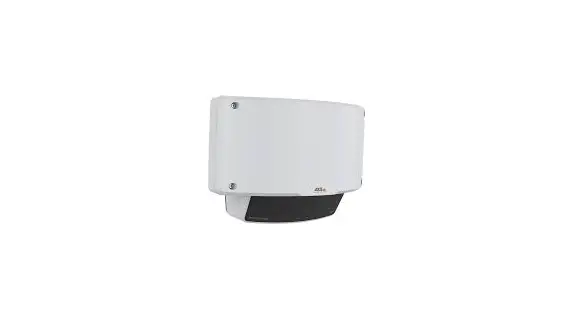
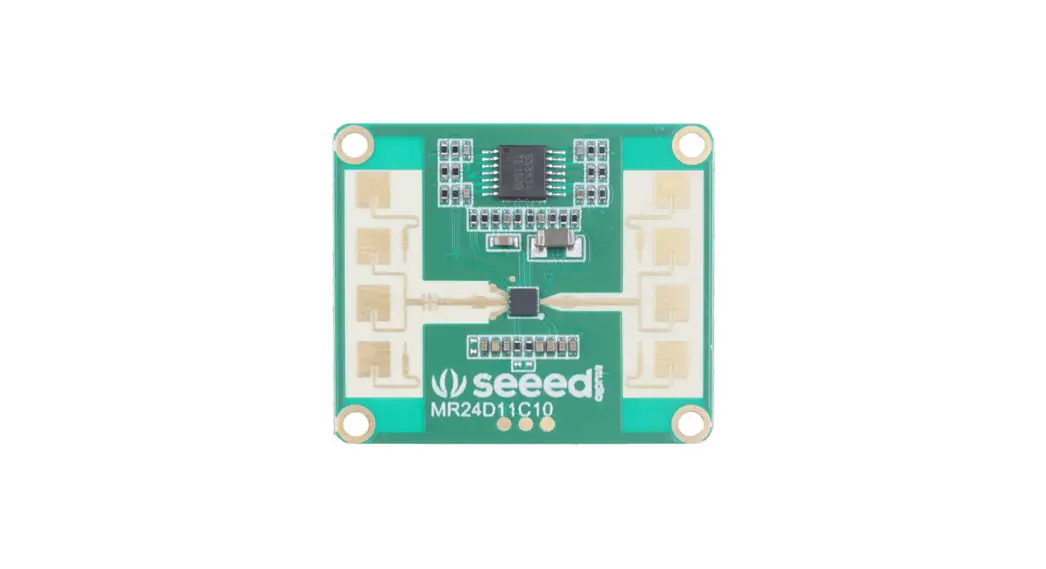
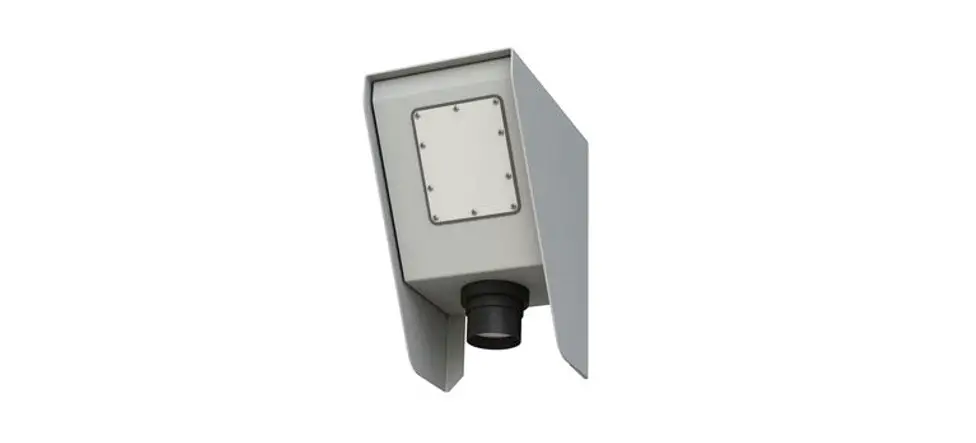
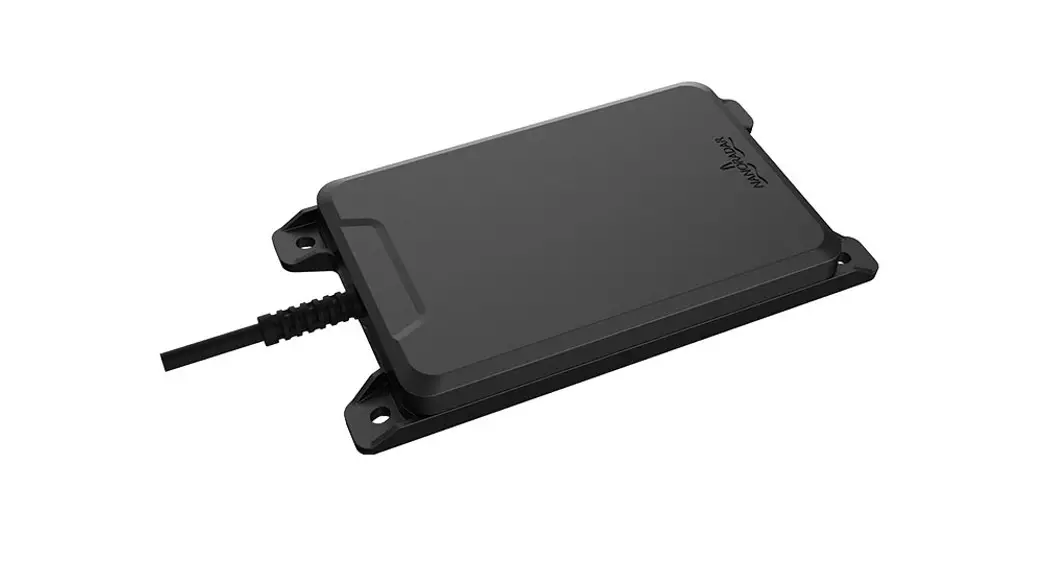
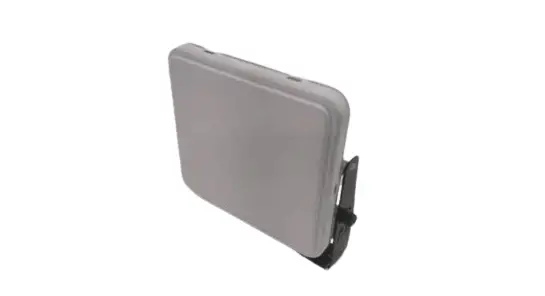
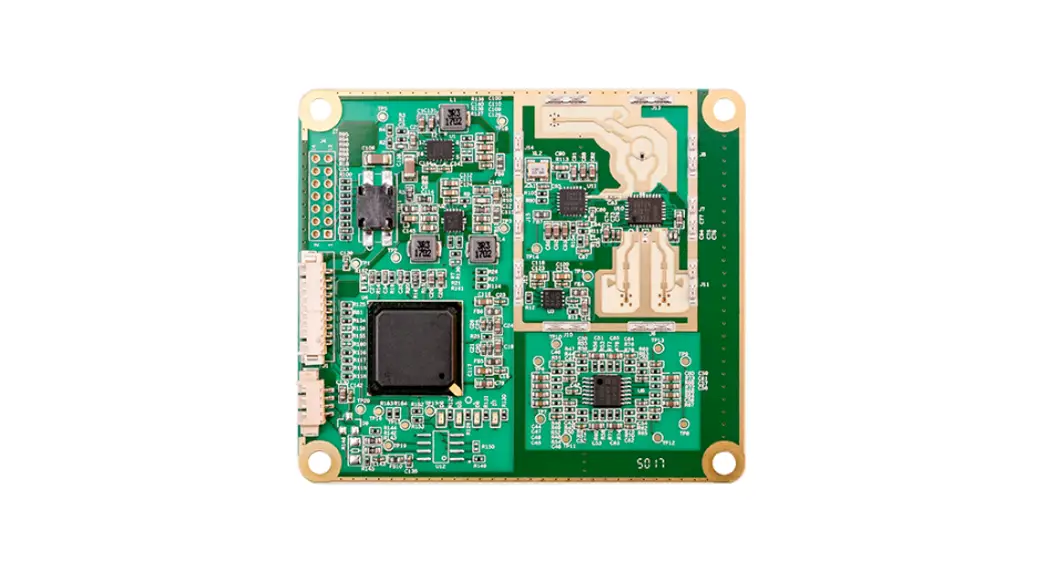
4D Imaging Radar is applied to agricultural environment sensing for detection of the distance, velocity, and orientation of targets including people, trees, power lines, and poles in the environment, providing 3D point clouds and velocities. The back-end processor detects and identifies targets using such point clouds, building real-time maps for agricultural drones’ route planning and obstacle avoidance. With an embedded gimbal motor, this 4D Imaging Radar is capable of dynamic scanning and fixed-angle scanning.
Model: RD24412
Main Features:
- Distance Measurement Range: 1.5m~40m
- Range Resolution: 0.75m
- Velocity Measurement Range: ±13m/s; Resolution: 1m/s
- FOV: Azimuth: 80°; Pitch Angle: 135°
- Azimuth Resolution: 9.5°
- Point Cloud Refresh Rate: 30Hz
- CAN-FD Interface
- IP67 Waterproof
- Operating Temperature: -20°C~+85°C
Applications:
Agricultural Aircraft Done-
Agricultura Ground Vehicles
Agricultural Autopilot Consoles
Specifications
Table 1. Main Specifications
| Parameter | Testing Condition | Min | Typical Value | Max | Unit |
System | |||||
| Transmit Frequency | 24.05 | 24.25 | GHz | ||
| Transmit Power | Average/Peak EIRP | 17 | 20 | dBm | |
| Modulation | FMCW | ||||
| Refresh Rate | 30 | Hz | |||
Measurement | |||||
| Distance Range | @FOV: Azimuth: ±40°; Pitch Angle: +90°~-45° | 1.5 | 40 | M | |
| Distance Accuracy | Non-tracking Point Target | ±0.1 | M | ||
| Velocity Range | Away from Target: “-”; Toward Target: “+” | -13 | +13 | m/s | |
| Velocity Accuracy | Point Target | ±0.1 | m/s | ||
| Angle Range | Azimuth | -40 | +40 | ° | |
| Pitch Angle | -45 | +90 | ° | ||
| Angle Accuracy | Non-tracking Point Target @Azimuth: ±50° | ±1 | ° | ||
| Non-tracking Point Target @Pitch Angle: ±30° | ±1 | ° | |||
Muti-target Testing | |||||
| Targets Tested Simultaneously | 64 | 个 | |||
| Distance Resolution | For Non-tracking Point Targets, two objects are distinguishable at 1.5x to 2x zoom | 0.75 | M | ||
| Velocity | 1 | m/s | |||
| Resolution | |||||
| Angle Resolution | Non-tracking Point Target @Azimuth: ±40° | 9.5 | ° | ||
Antenna | |||||
| Beamwidth | Azimuth (-3dB) | 70 | ° | ||
| Pitch Angle (-3dB) | 23 | ° | |||
| Antenna Gain | 12 | dBi | |||
Interface | |||||
| CAN-FD | Communication Speed | 1 | 4 | Mbps | |
Structure | |||||
| Dimensions | W*L*H | 87*87*153 | Mm | ||
| Material | Radar Housing | PA66+30%GF | |||
| Rear Cover | Cast Aluminum | ||||
| Weight | 470 | G | |||
Interfaces
The interface on the Dynamic Imaging Radar for external communication is CAN-FD, working with a 6PIN connector defined as follows.
Table 2 . Interface Signal Definition
Pin | Signal | Type | Definition | Connector |
| 1 | CAN_L | I/O | CAN-bus (Low Level) | 1# Green 2# Blue 3# Yellow 4# White 5# Red 6# Black |
| 2 | CAN_H | I/O | CAN-bus (High Level) | |
| 3 | SYNC | O | Flight Controller Signal Synchronization | |
| 4 | NC | – | Reserved | |
| 5 | BAT | P | Battery Cathode | |
| 6 | GND | P | Battery Anode |
Operating Conditions
Certain operating conditions, as specified below, are required for the proper functioning of the radar module, otherwise, it might malfunction or burn out.
Table 3. Operating Conditions
Parameter | Testing Condition | Min | Typical Value | Max | Unit |
| Operating Voltage | Battery Powered | 12 | 48 | 56 | VDC |
| Power Consumption | @48VDC | 6.5 | W | ||
| Static Power Consumption | @48VDC | 100 | mW | ||
| Operating Temperature | -20 | +85 | °C | ||
| Storage Temperature | -40 | +85 | °C | ||
| Shock | 500m/s²@6 ms half-sine(10 x shock each in +/-X/Y/Z dir.) | ||||
| Vibration | 20m/s² peak at 10Hz/0.14m/s² peak at 1000Hz | ||||
| Protection Rating | IP67 (10cm below the surface of water) | ||||
Standards & Requirements
Table 4. Testing Requirements and Standards
Requirement | Test Item | Standard |
|
EMC | ESD | IEC61000-4-2 Level 3 |
| Conduction & Radiation | EN55032:2015/AC:2016-07 Class A | |
| Environmental Adaptability | Temperature Cycling | ISO 16750-1 -20°C~+85°C |
| Vibration Testing | IEC 60068-2-64/Random Vibration Testing | |
| Waterproof | IP67 |
| Export Certification | 24GHz Radar | CE/FCC/KCC |
FCC Statement:
This device complies with Part 15 of the FCC Rules. Operation is subject to the following two conditions:
- This device may not cause harmful interference, and
- this device must accept any interference received, including interference that may cause undesired operation.
Note: This equipment has been tested and found to comply with the limits for a Class A digital device, pursuant to part 15 of the FCC Rules. These limits are designed to provide reasonable rotection against harmful interference when the equipment is operated in a commercial environment. This equipment generates, uses, and can radiate radio frequency energy and if not installed and used in accordance with the instruction manual, may cause harmful interference to radio communications. Operation of this equipment in a residential area is likely to cause harmful interference n which case the user will be required to correct the interference at his own expense.
FCC Caution: Any changes or modifications not expressly approved by the party responsible for compliance could void the user’s authority to operate this equipment. This transmitter must not be co-located or operating in conjunction with any other antenna or transmitter.
OEM/Host manufacturer responsibilities
Must use the device only in host devices that meet the FCC RF exposure category of mobile, which means the device is installed and used at distances of at least 20cm from persons.
OEM/Host manufacturers are ultimately responsible for the compliance of the Host and Module. The final product must be reassessed against all the essential requirements of the FCC rule such as FCC Part 15 Subpart B before it can be placed on the US market. This includes reassessing the transmitter module for compliance with the Radio and EMF essential requirements of the FCC rules. This module must not be incorporated into any other device or system without retesting for compliance as multi-radio and combined equipment. Additional text is needed for the host product manufacturer to provide to end users in their end-product manuals. If RF exposure statements and use conditions are not provided, then the host product manufacturer is required to take responsibility for the module through a change in FCC ID (new application).
Radiation Exposure Statement:
This equipment complies with FCC radiation exposure limits set forth for an uncontrolled environment. This equipment should be installed and operated with a minimum distance of 20cm between the radiator & your body.
This device is intended only for OEM integrators under the following conditions:
- The antenna must be installed such that 20 cm is maintained between the antenna and users, and
- The transmitter module may not be co-located with any other transmitter or antenna.
The OEM integrator is still responsible for testing their end product for any additional compliance requirements required with this module installed.
IMPORTANT NOTE:
In the event that these conditions can not be met (for example certain laptop configurations or co-location with another transmitter), then the FCC authorization is no longer considered valid and the FCC ID can not be used on the final product. In these circumstances, the OEM integrator will be responsible for re-evaluating the end product (including the transmitter) and obtaining a separate FCC authorization. The module is tested for standalone mobile RF exposure use conditions. Any other usage conditions such as co-location with another transmitter (s) or being used in a portable condition will need a separate reassessment through a class II permissive change application or new certification.
End Product Labeling
This transmitter module is authorized only for use in devices where the antenna may be installed such that 20 cm may be maintained between the antenna and users. The final end product must be labeled in a visible area with the following: “Contains FCC ID: 2A46G-RD24412”. The grantee’s FCC ID can be used only when all FCC compliance requirements are met.
The end product shall bear the following 15.19 statement: This device complies with part 15 of the FCC Rules.
Operation is subject to the following two conditions:
- This device may not cause harmful interference, and
- This device must accept any interference received, including interference that may cause undesired operation.