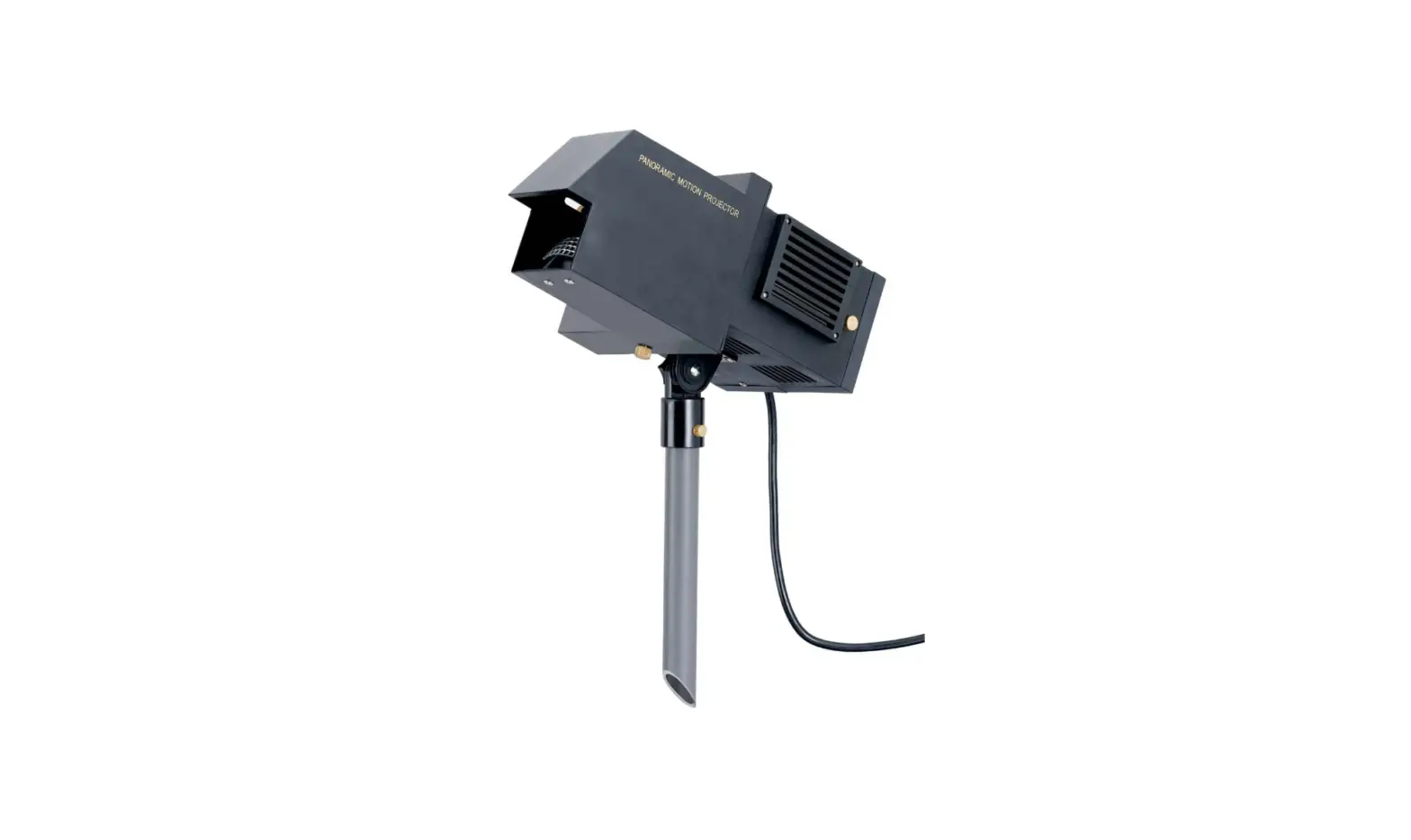

Mr. Christmas 60515 Panoramic Motion
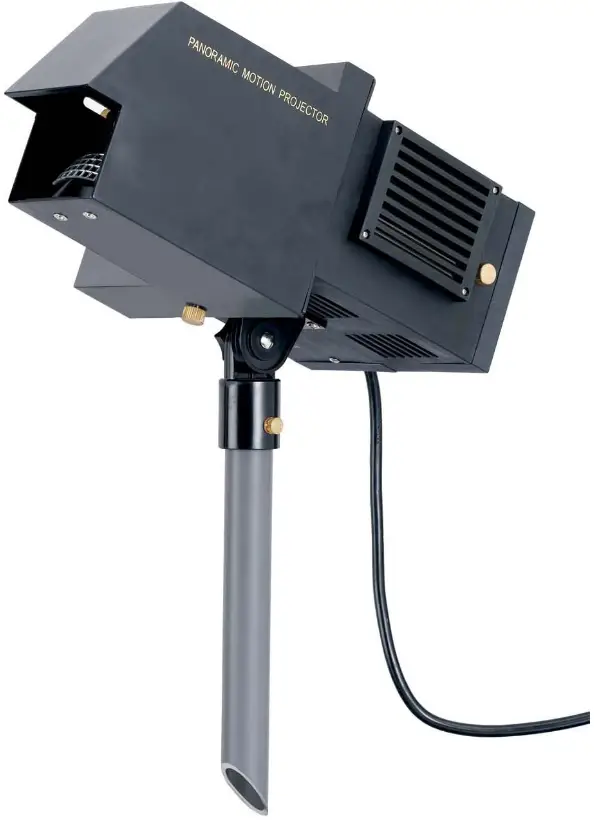
Specifications
- Brand: Christmas
- Item Dimensions:1 x 15.2 x 8.1 inches
- Mounting Type: Tabletop Mount
- Wattage: 50 watts
- Item Weight:7 Pounds
- Item Weight: 7 pounds
What’s in the box?
- Panoramic Motion Projector
Product Descriptions
Holiday-themed outdoor projector with descending pictures. Ten distinct slides, 50 watt projector bulb is included. Variable speed number 6702445 of a patent. UL outdoor listed. Around 13 and a half “long
Portable projector for home theatre
The projection is frequently made onto a large, flat, and delicately coloured surface. You can use an overhead projector, a device with a light inside, to make text or images on a plastic sheet appear on a screen or a wall.
Features
- Holiday-themed outdoor projector with descending pictures
- 10 various slides
- Consists of a 50-watt projector bulb
- Speed that may be adjusted 13 1/2″ “long
Warranty Description
- 90 day limited manufacturer warranty
FAQ’s
A decent screen offers a smooth, color-neutral surface that helps maintain the brightness and overall picture quality of your projector. For a pleasant, well-saturated image, your projector has to be brighter the bigger your screen.
For home mapping, bright (high-lumen) projectors are the best choice. For a single-story home, a projector with at least 3,000 lumens is a decent place to start. If you’re projecting on a bigger house, a projector that is brighter—more than 5,000 lumens—is advised.
Most projectors have a lamp life of 1,500 to 2,000 hours, although more recent versions have a light life of up to 5,000 hours. In either case, projectors are reliable devices; you simply need to use them with some common sense, such as not leaving it on nonstop for a month.
A home theatre projector should have a resolution of 1920 x 1080, or Full HD & 4K UHD (3840X2160, referred to as true 4K). To be able to display HD movies or games, a good home theatre projector must have at least these pixel requirements.
For brief periods of time, projectors can “just do it,” but if they make it their way of life, they will burn out.
Lamp in Projector Is Burned Out: One of the most frequent projector problems is lamp replacement, even though bulb life varies from projector to projector.
Little maintenance is required for your projector to continue operating at its peak level. To avoid the projector overheating because of obstructed airflow, you might need to clean the lens from time to time in addition to the air filter and air vents.
Yes! It’s has pretty good result that gives you vibes you are watching movies at cinema
Electricity usage for projectors can range from 150 watts per hour to 800 watts per hour. Models often consume up to 300 watts per hour.
An optical device known as a projector or image projector displays an image (or moving pictures) onto a surface, most frequently a projection screen. The majority of projectors produce images by passing light through a tiny transparent lens, although some more recent models project images directly utilizing lasers.
Depending on the size of the desired picture, short throw projectors require a distance from the screen of between 5 and 10 feet.
Projectors with Dust Guard have Hall sensors or anti-accumulation sensors in addition to dust filters. When compared to conventional sensors, a Hall sensor—which uses magnetic impulses for timing—proves impervious to dust buildup, even at levels 7X greater than those of typical sensors.
The best wipes are soft, gentle ones. Avoid using harsh chemicals – Cleaning products that contain abrasives, wax, or harsh chemicals might damage your screen’s reflecting surface. Try using 95% warm water and 5% dish soap to clean your screen if you must use a detergent (which you normally won’t).
Lamp hours are listed in the “Information” menu option on modern projectors. If your projector is an older model, you may briefly see the lamp hours on the screen by pressing and holding the projector’s Power ON/OFF button for around 20 seconds.
To determine the ideal distance from the screen for your specific projector, you should ideally consult the projector’s handbook or the manufacturer’s website. A good rule of thumb is to place your projector between 122 and 133 inches, or about 10.5 feet, from the surface of a 100-inch screen.