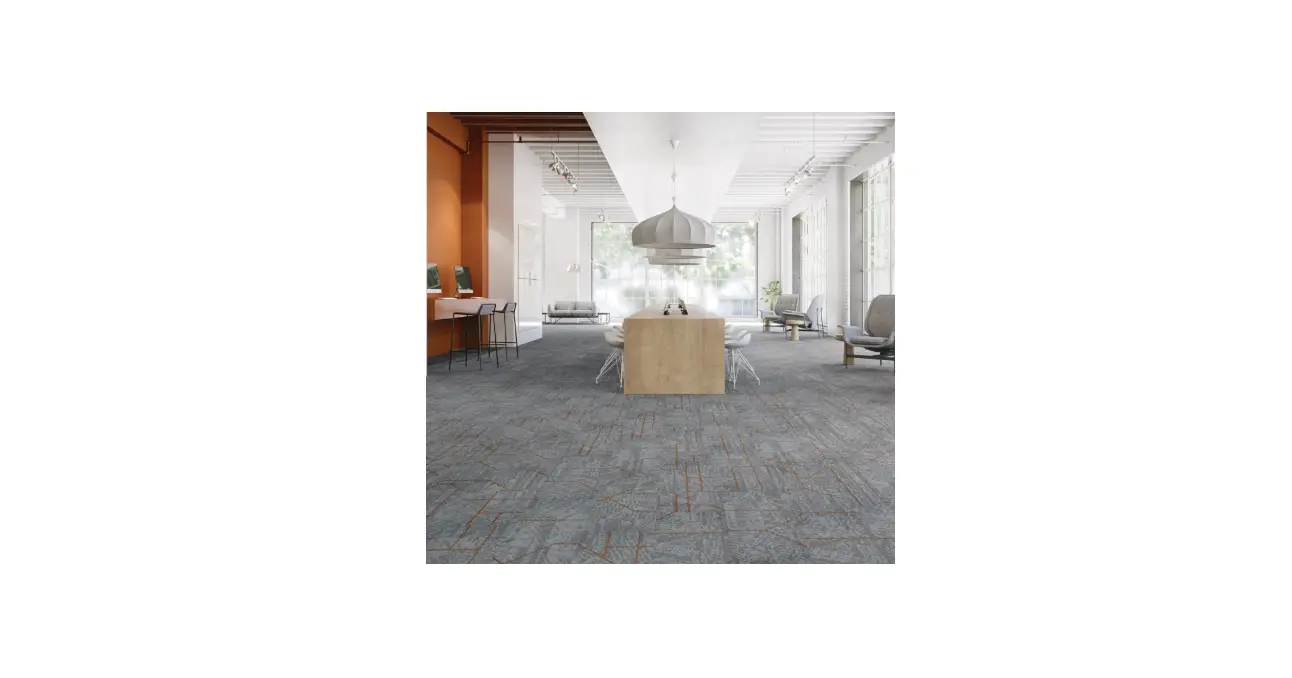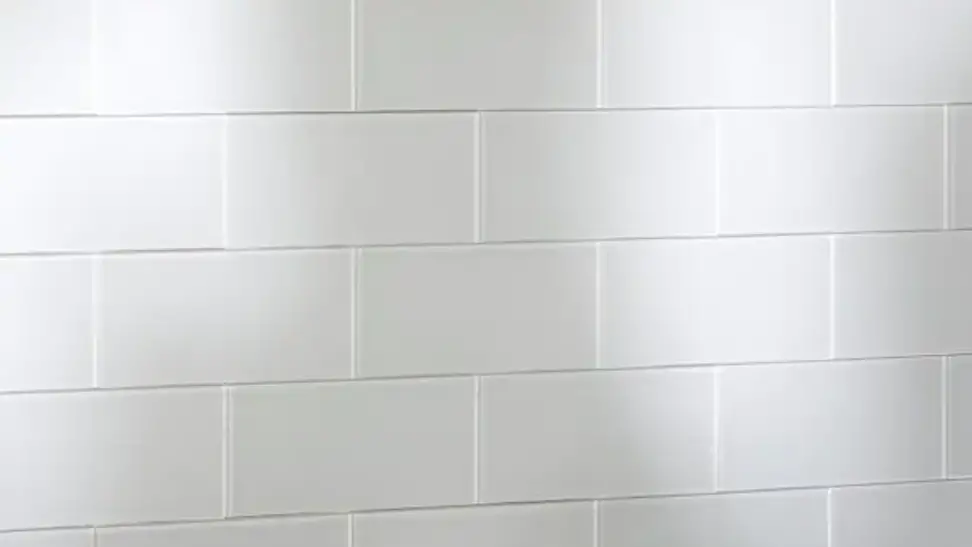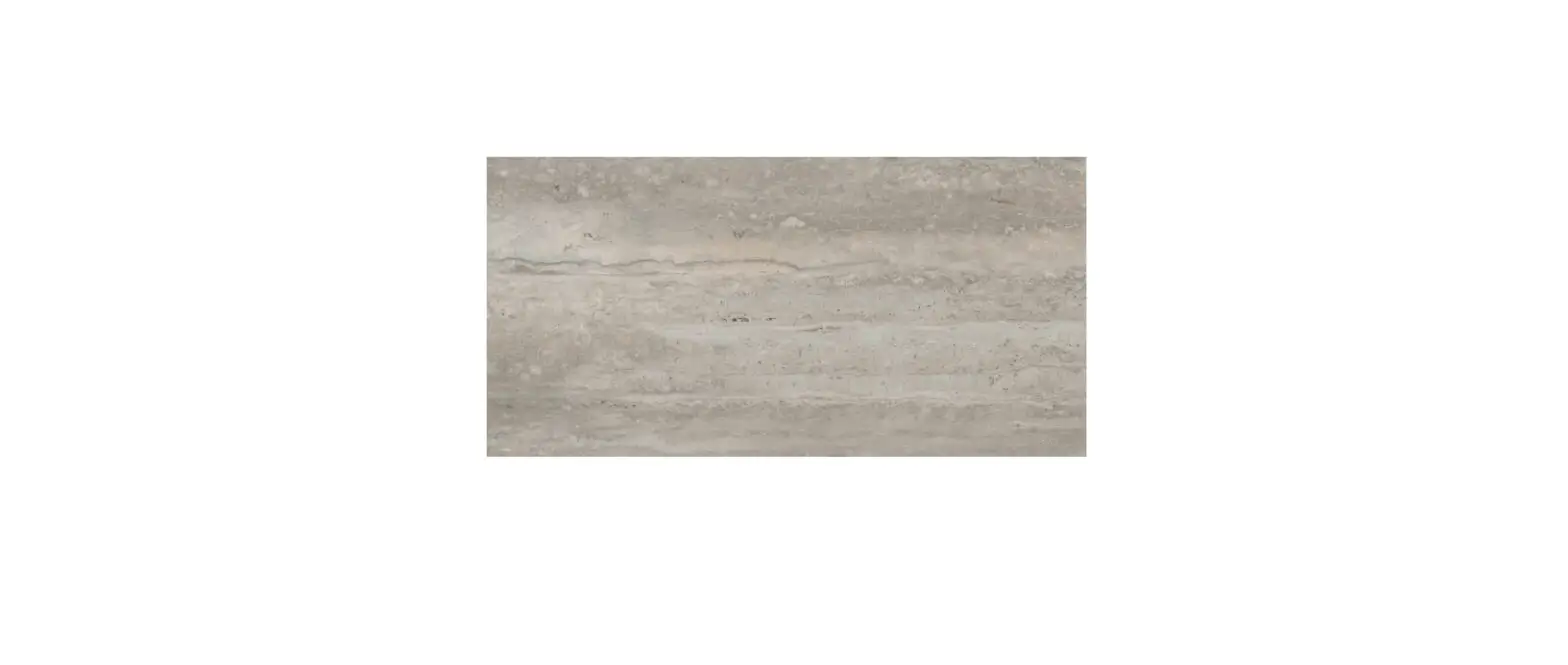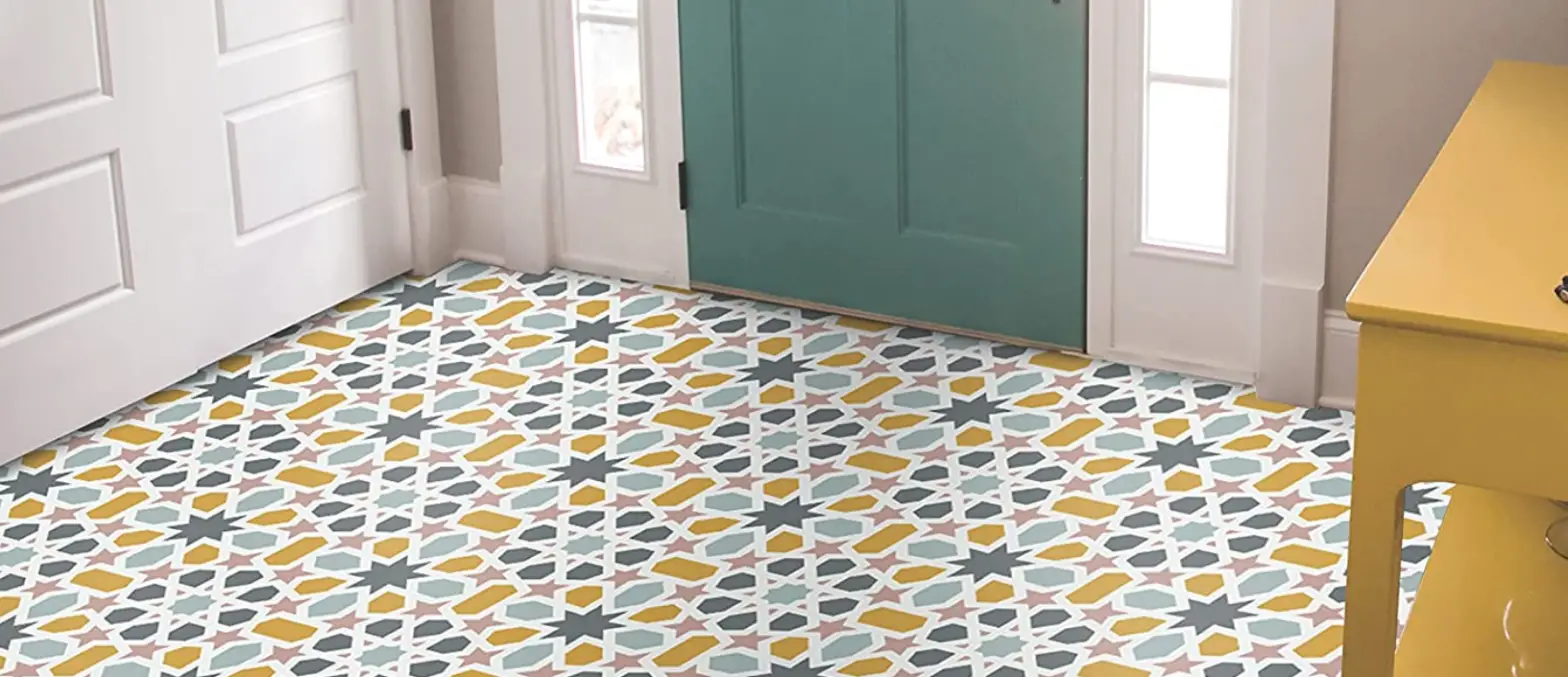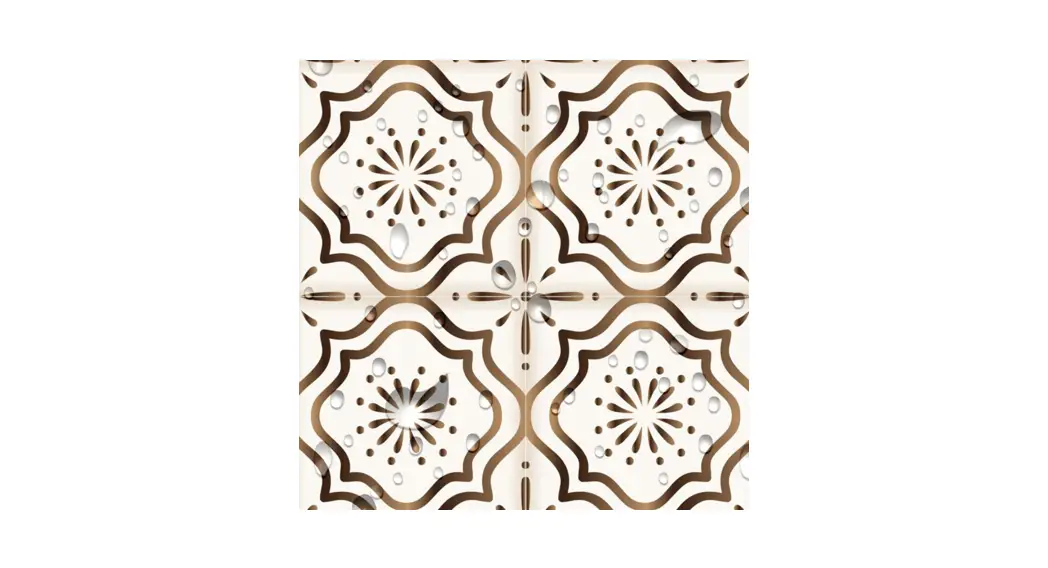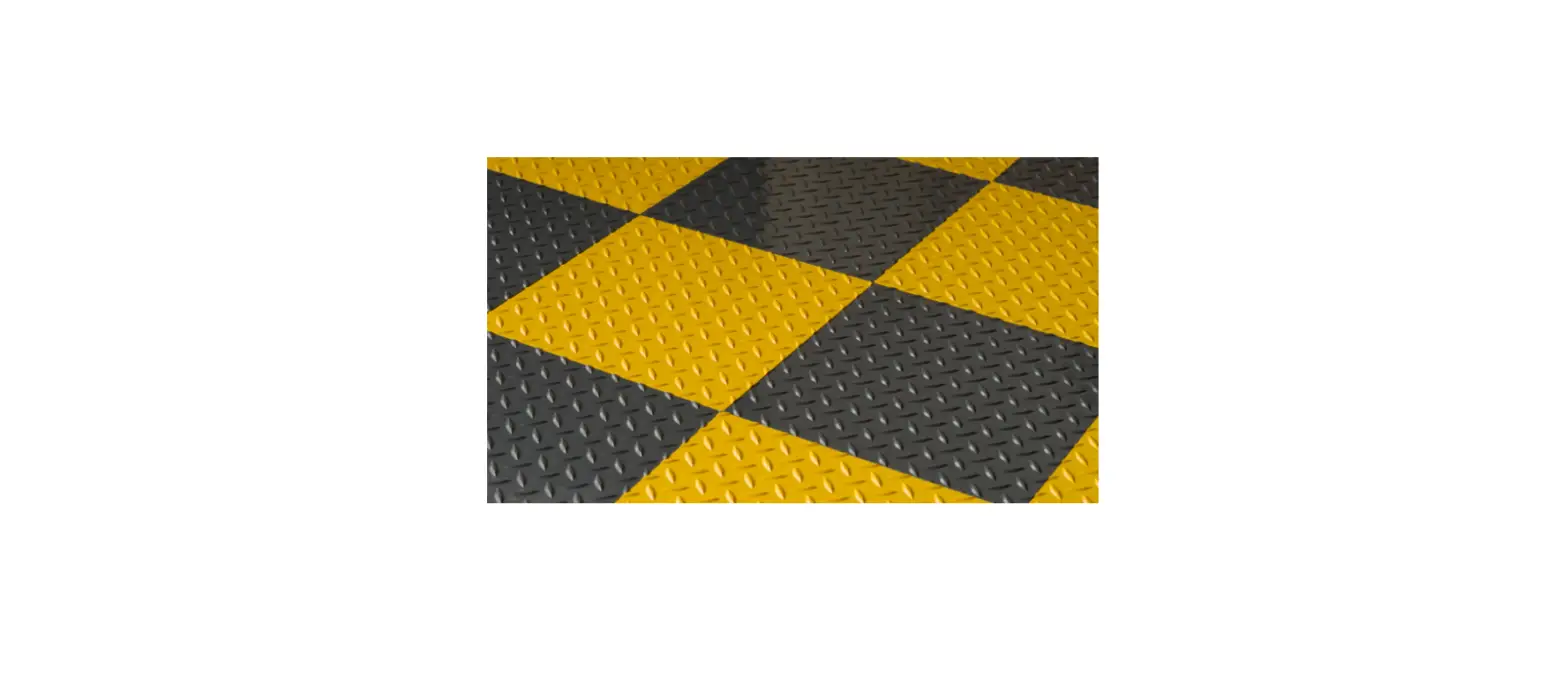

Race day G-Floor Peel and Stick Tile
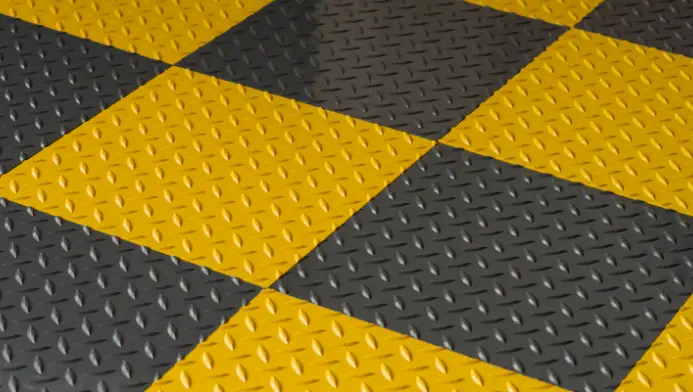 RaceDay™ Peel and Stick Tile are made of the highest quality solid vinyl from top to bottom without being layered. RaceDay tile is tough enough to drive on yet comfortable to walk on. The longer it sets, the better it will look. RaceDay tile is resistant to battery acid, oil, salt, antifreeze and alkali. RaceDay™ tile contains no asbestos, lead, or hazardous chemicals at levels found to be of concern on Prop 65.
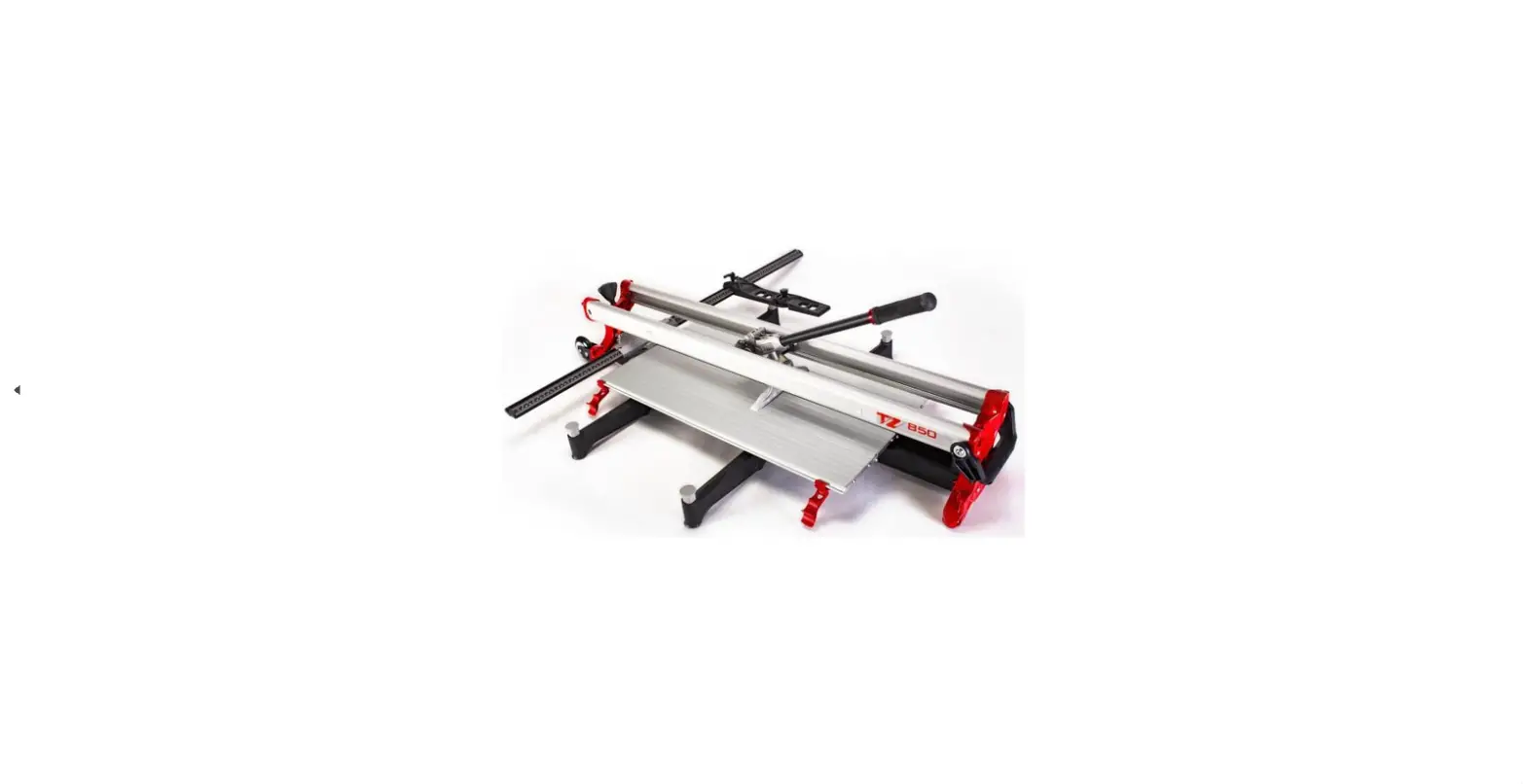
Tools needed: Utility knife, straight edge, and something to mark the floor.
Prep & Installation Instructions
- How many tiles will you need? We recommend that you purchase about 10% more tile than your project will require. This will allow you to cover mistakes, trimming, and for future possible damage.
- Clean Floor: Clean the subfloor free of grease, wax, dirt, oil, foreign matter, and any chemicals that may be present. Make sure the subfloor is smooth and fill in areas if needed.
- Preparation of Sub Floor: Concrete must be fully cured (about 28 days or longer after pouring), free of moisture and alkalinity. Make standard moisture and alkalinity test if necessary. Moisture and alkali will not hurt or damage the RaceDay™ tile, but it can damage the adhesive and cause it to break down over time. Note: It is the responsibility of the installer or flooring contractor to determine the dryness of all concrete subfloors before the installation of floor tiles begins. On-grade concrete subfloors must contain an effective, permanent moisture barrier (floor primer or basement proofer). Plywood/solid wood subfloors should be dry and fully cured. It is also recommended to use a primer on wood subfloors for a better bond. The primer prevents the adhesive from being absorbed into the concrete or wood surface. Failure to use primer over concrete voids warranty. All holes, cracks, and depressions must be filled with a latex underlayment and any cracks and depressions must be eliminated. Dust should be removed with a vacuum or damp mop and dried immediately before applying peel and stick tile.
- The layout of the Room: Lay out some unpeeled tile on the floor to see how your pattern and placement will look before actually applying tile. It is recommended to always start from a square point and work out. Treat the room as a rectangle and find the center points of two end walls. Mark floor to insure a square point and make a guideline with pencil, ink, laser or light chalk line for your first row of tile then entire grid if desired (if using a chalk line make sure you do not have excessive chalk on the floor, it can prevent adhesive from sticking).
- Laying Tile: Make sure all tile has been stored at room temperature of at least 65 degrees Fahrenheit for a period of 48 hours. Do not install tile in conditions less than 55 degrees Fahrenheit. Always start from front and center and work towards the back corners. Peel off the release paper and place the tile edge flush with the marking line and slowly lower the remainder of the tile onto the floor in a bent fashion as if you were unrolling a mat. This will keep air out and assure an even stick. Tile can be peeled back up and repositioned if required.
- Border Tile: Do not peel off the paper from the back before you make your cuts. Turn the tile over and place the loose tile over last row so that one end of the loose tile is touching the wall. Then mark the paper of the loose tile with a pencil and cut with a knife. Then peel off back of the fitted tile, turn it over, and put in place. When fitting around obstacles make a pattern on paper and draw an outline on the back of tile paper to cut the shape.
- For best results, be sure to roll your floor in both directions after installation to make sure all air bubbles are out and adhesive touches the subfloor.
NOTE: Better Life Technology, LLC is not responsible for installation.
CLEANING & CARE
The surface is easily washed with floor soap and water. Mild soaps and other household detergents suitable for floors are usually effective. Never leave harsh detergents or chemicals on the product. Normal household vinyl cleaners may be used to increase longevity and to remove stubborn debris. Certain automotive vinyl products may cause the surface to become slippery. Use a non-slip vinyl floor cleaner–protector such as Armstrong Once ’n Done® Floor Cleaner or Armstrong Shinekeeper® Floor Polish. For best results, follow the directions provided with vinyl floor cleaner. Do not strip, polish, buff or burnish. Scrub floor if needed with light broom or floor cleaning pad for vinyl flooring. This is not a stain-proof product—certain dyes, inks, rubber tires, and chemicals may cause permanent staining. Some non-permanent stains can be removed with spray-on Brake and Tool Cleaner, found in many auto parts stores, without damaging the product. However, the use of a Brake and Tool Cleaner may cause product discoloration. Never use harsh chemicals such as tar remover or kerosene on this product.
CAUTION — SAFETY WARNING
Any floor surface may become slippery when moisture or debris is present. Proper care and cleaning of vinyl flooring will reduce the likelihood of slips and falls. Always wipe up any oil, chemicals, or other fluids that may drip or leak from the vehicle to prevent hazardous, slippery conditions. Always dispose of hazardous materials properly. Never leave chemicals on products or wash them into the sewer system. Leaving chemicals and fluids on the product for a long period of time may cause damage, seep underneath the tile, and can break down the adhesive. This will void the warranty. If the adhesive breaks down or tile becomes loose, tiles can be reattached with additional adhesive. Pull up loose tiles and clean the floor. Then apply a pressure-sensitive adhesive, 3M brand Rubber & Vinyl 80 Spray Adhesive or RaceDay™ brand Clear Pressure Sensitive Adhesive is recommended. Follow the directions provided with the adhesive. For rough subfloor conditions or areas that will be subject to excessive moisture, the additional adhesive will be required. Subfloors must be in a condition that is recommended by the adhesive manufacturer for proper long-term adhesion. Follow all instructions on adhesives for installation and subfloor preparation and limitations.