IMM1001_IFU Immedia Tubular Sheet
Product Information: MultiGlide
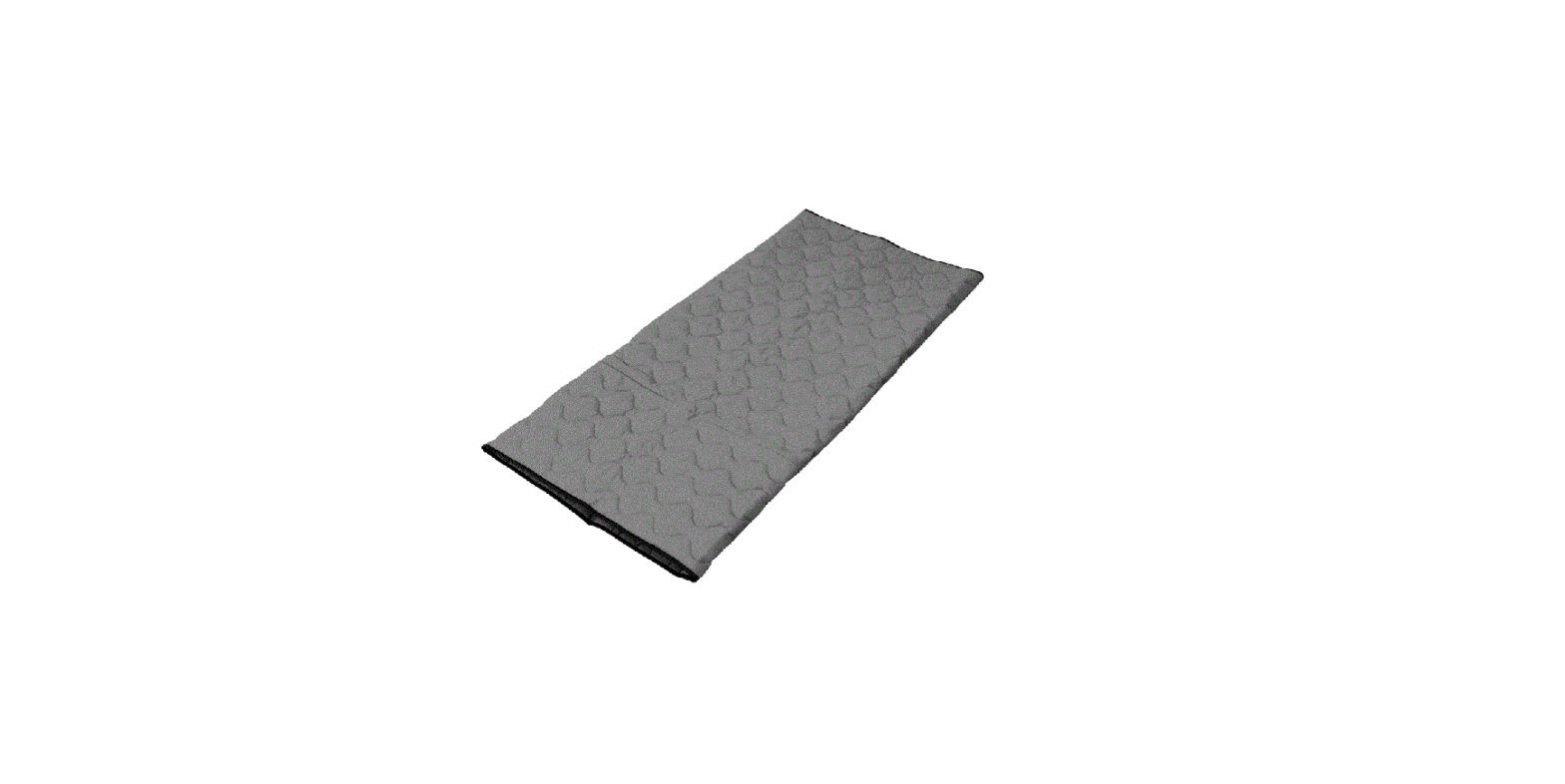
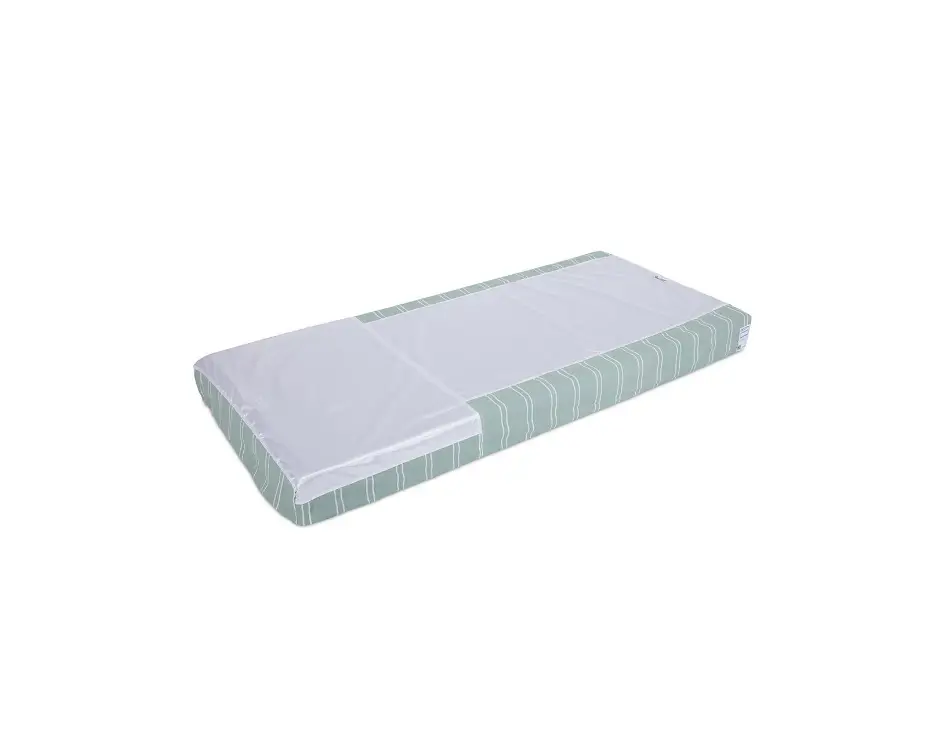
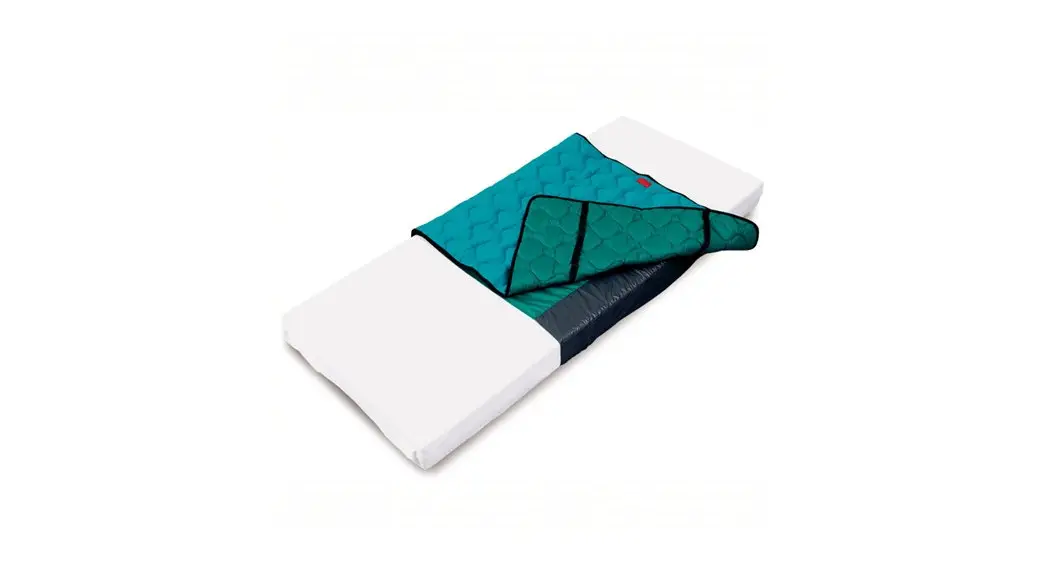
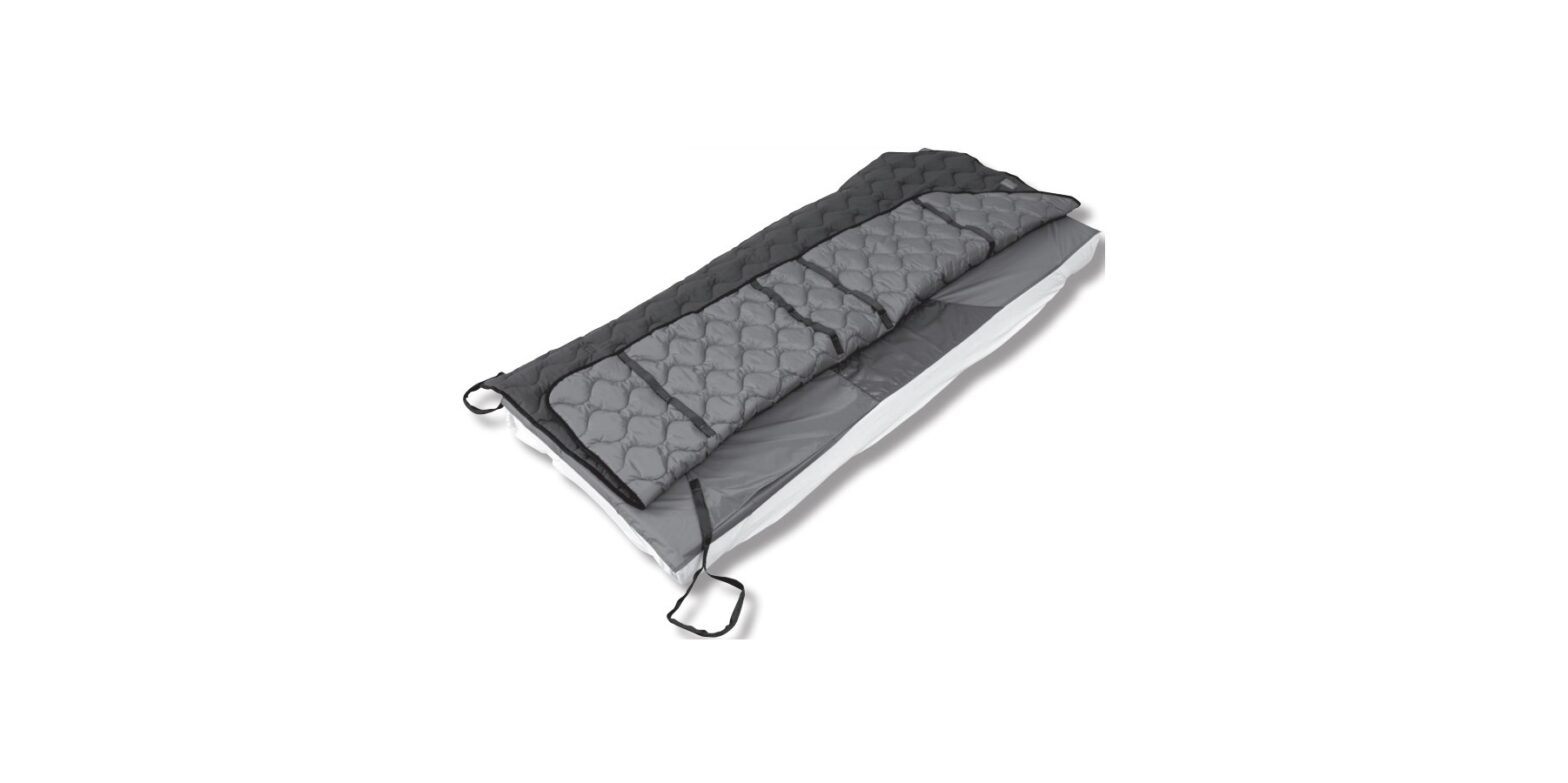
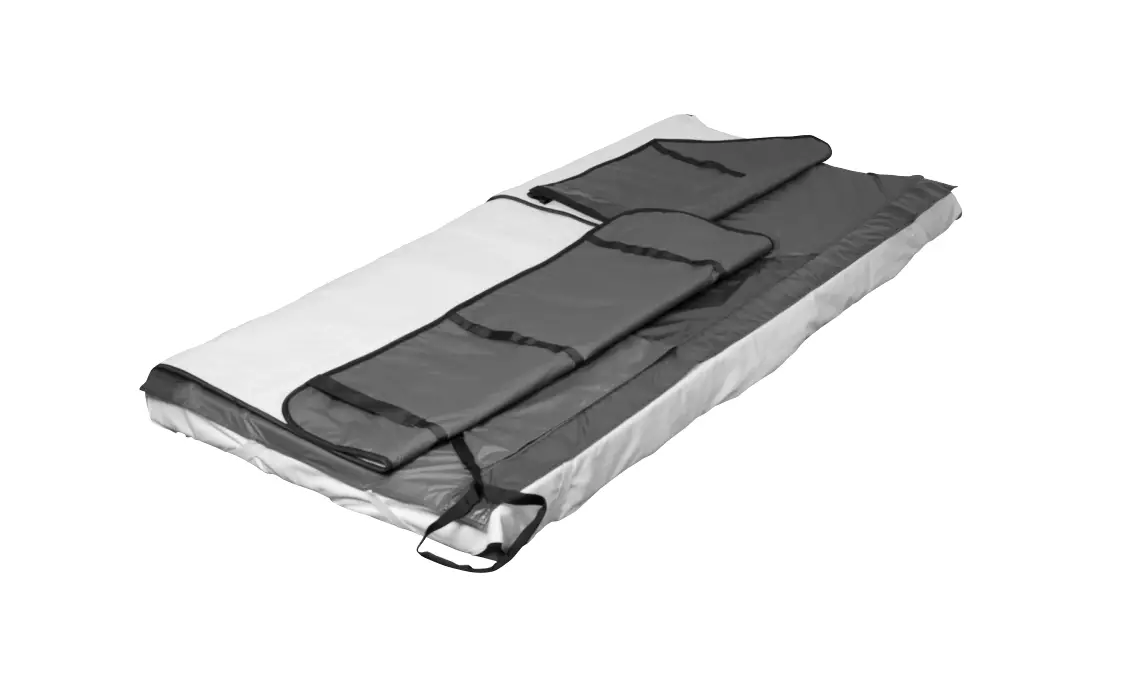
The MultiGlide is a medical device that is designed to reduce
friction at pressure points during manual handling. It can be used
for turning users in bed, pulling them higher up in the bed,
getting in and out of bed, etc. The product is intended for use in
acute care, long-term care, and home care environments. MultiGlide
is a Class 1 product that complies with the standards applicable
for medical devices under the Medical Device Regulation (EU)
2017/745.
The product has an expected service life of 1 to 2 years under
normal use. The service life of the device varies depending on
usage frequency, loads, and how often and how it is washed.
MultiGlide can be washed and disinfected, but it should not be
bleached or dry cleaned. Tumble drying is not recommended, and the
product should be kept out of direct sunlight.
The user manual provides detailed instructions on product usage,
and it is important to read it carefully to avoid accidents and
injury when moving and handling the products. The manual also
includes important information on warranty, CE certification, and
the manufacturer.
Product Usage Instructions: MultiGlide
Removing MultiGlide
To remove MultiGlide, the carer should glide one hand between
the two sheet layers, locate the corner on the opposite side, and
pull it slowly towards him/herself, turning MultiGlide inside
out.
Positioning MultiGlide Higher Up in the Bed
If the user has slid down in bed, position the pillow and
MultiGlide under the user’s head to move them back up to a
comfortable position.
It is important to follow the instructions provided in the user
manual, including recommendations, combinations, and sizing. If
adjustments, repairs, or combinations are made that are not
predetermined by Etac, the Etac CE certification and Etac warranty
will not be valid. If in doubt, please contact Etac.
Instruction for use
IMM1001_IFU.Version10.2020-11-03
MultiGlide MultiGlide SpilerGlide
Index
Illustrations ……………………………………. 3 User manual English ……………………. 4 Bruksanvisning Svenska………………. 9 Bruksanvisning Norsk …………………14 Brugervejledning Dansk………………19 Käyttöohjeet Suomi…………………….24 Gebrauchsanweisung Deutsch ……29 Gebruiksaanwijzing Nederlands…..34 Instruction d’utilisation Francais….39 Istruzioni per l’uso Italiano ………….44 Instrucciones de uso Español ……..49
See www.etac.com
MultiGlide SpilerGlide
MultiGlide high-low
2
GB ILL.
S V
Illustrations
1
2
3
4
5
6
N O
D A
F I
D E
N L
F R
I T
7
8
9
10
11
12
13
3
E S
General
Thank you for choosing an Etac product.
To avoid accidents and injury when moving and handling the products, read the manual carefully.
The person described as “the user” in this user manual is the person who is lying or sitting on the product. The carers are the people who manoeuvre the product.
This symbol appears alongside the text in the manual. It draws the reader’s attention to points at which there may be a risk to the health and safety of the user or carer.
These products comply with the standards applicable for Class 1 products in the Medical Device Regulation (EU) 2017/745 on medical devices.
At Etac we strive to improve our products all the time and therefore we reserve the right to make changes to products without prior warning. All measurements given on illustrations and similar material are for guidance only and Etac cannot be held liable for errors and defects.
Symbols in general
The information given in this manual, including recommendations, combinations and sizing, does not apply to special orders and modifications. If the customer makes adjustments, repairs or combinations not predetermined by Etac, the Etac CE certification and Etac warranty will not be valid. If in doubt, please contact Etac.
Warranty: Two-year warranty on material and manufacturing defects, provided that the product is used correctly.
Expected lifetime: The device has an expected service life of 1 to 2 years under normal use. The service life of the device varies depending on usage frequency, loads and how often and how it is washed.
For further information on the Etac transfer range, see www.etac.com.
In case of an adverse event occurred in relation to the device, incidents should be reported to your local dealer and the national competent authority in a timely manner. The local dealer will forward information to manufacturer.
Washing
Disinfect / Wipe off
Warning
Manufacturer
Do not bleach
Never leave on the floor
Production year, month and day
CE -certification
Tumbledry
Risk of sliding down
Iron
Keep out of the sun
Do not dryclean
Read the user manual
Medical device
Single Patient Multiple use
Intended use
MultiGlide can be used anywhere where it is beneficial to reduce friction at pressure points during manual handling:
Batch no./Lot no.
User mass limit = maximum rated load
The product can be scrapped according to national regulations
Keep dry Non sterile Article number
Turning users in bed, pulling them higher up in the bed, getting in and out of bed, etc.
Intended environment Acute care, Long-term care, Home care
4
GB ILL.
S V
N O
D A
Practical handling
Positioning MultiGlide can be positioned under pressure points where the user “clings” to the underlying surface.
Use
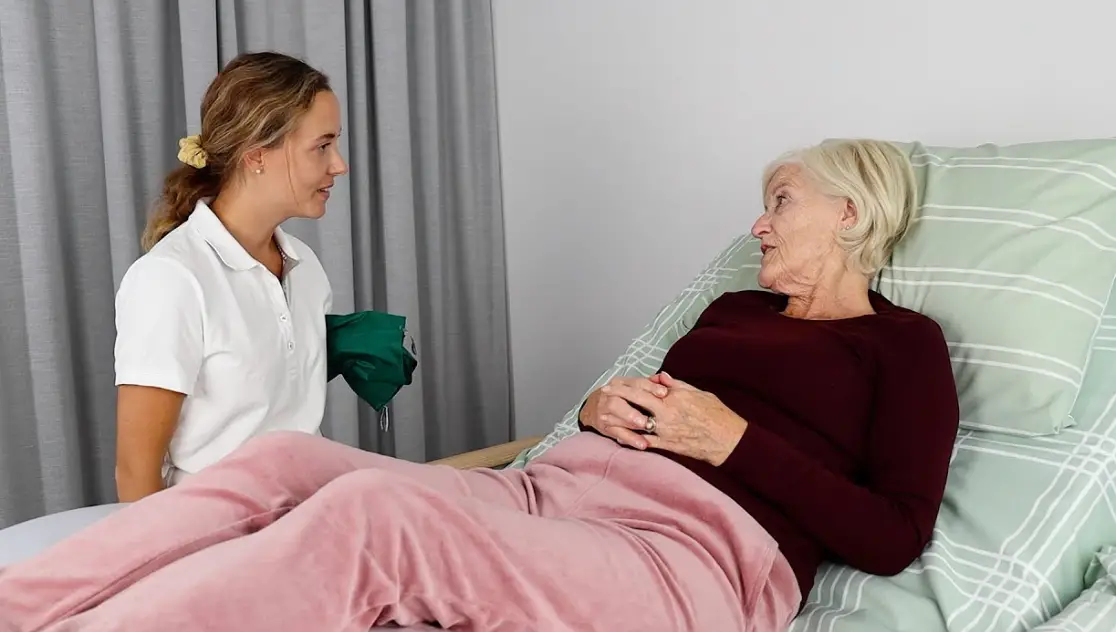
Positioning MultiGlide for turning: Fold MultiGlide roll the user slightly to one side and push MultiGlide in under the user’s body (see Illustration 1). Turning the user will be easier if a draw sheet is used (see Illustration 2). On the opposite side, MultiGlide can be folded out completely. If the user only needs to be turned on their side, MultiGlide can be positioned just under one hip. MultiGlide can also be positioned under the user’s thigh with the folded edge uppermost, i.e. facing the user. Unfold MultiGlide one wing at a time. The user can now either be moved/turned as required. Alternative method 1: Fold MultiGlide loosely. Carer A grasps the sheet on Carer B’s side of the bed, and gently rolls the user. MultiGlide is pushed in under the heavy pressure points (most often shoulders and hips). Then the user is rolled back onto his/her back. If necessary, Carer B can roll the user as described above. Carer A smoothes out MultiGlide (see illustration 2).
Turning with assistance from 1 or 2 carers: The user can also be turned in this way: one of the carers stands with one foot forward and grasps the sheet using a “flourbag grip” or an “axe grip”. Then, with arms stretched at the level of the user’s shoulders and hips and using weight transference, the carer pulls the user to the edge of the bed (see Illustration 3). The carer bends slightly at the knee, grasps the sheet holding his/her elbows close into the body. As the carer straightens up, the user turns on their side. If necessary, the carer on the opposite side can help by pushing on the draw sheet and MultiGlide and supporting the user when he/she reaches the side position. Alternative method 1: Carer B rolls the user, while Carer A pulls on the sheet, thus turning the user on their side. Alternative method 2: Carer B grasps the draw sheet on the opposite side and turns the user using weight transference.
To remove MultiGlide: The carer glides one hand between the two sheet layers, locates the corner on the opposite side and pulls it slowly towards him/herself, turning MultiGlide inside out.
Positioning MultiGlide higher up in the bed: The user has slid down (see Illustration 4). Position the pillow and MultiGlide under the user’s head.
Pull MultiGlide down until it is under the user’s shoulder blades (see Illustrations 5 and 6).
If the user can lift his/her hips (if possible while the foot end of the bed is raised slightly), the user’s feet can be positioned on a piece of non-slip fabric and the user will glide further up in the bed. If necessary, a carer can push gently on the user’s knee. A Sling or OneManSling can also be used to help raise the user (see Illustration 7).
Alternatively, a hoist can be used: raise the hips very slightly from the bed and the user will glide slowly up in the bed (see Illustration 8).
To remove MultiGlide, a carer pulls the corner towards the opposite side. The carer here grasps the corner and pulls slowly, turning MultiGlide inside-out. (see Illustration 9).
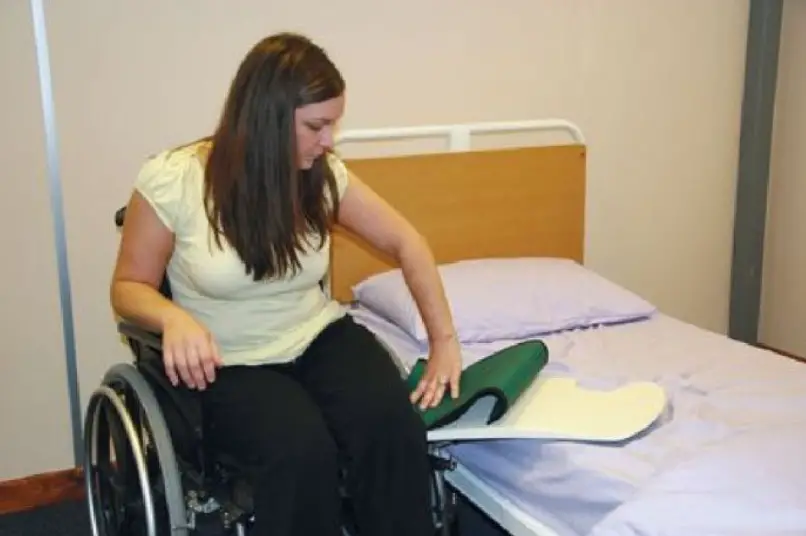
In/out of bed: When a user is to get in or out of bed, the distance between MultiGlide and the edge of the bed should be not less than 15 cm.
Prone Positioning To have a better workings environment and something to pull in, it is recommended to have a drawsheet or bedsheet over the MultiGlide. A wide Multiglide or two wide open version gives the best result, alternative use two.
To the side the user is turned place the hand under the users hip with palm up. Remove the head-end of the bed. If needed add the normal pillows or positioning cushions used on top of the patients body. Place a drawsheet or bed sheet on top, and tuck the sheet round the user like a cocoon. One carer secure the patients head and on carer on each side to support the user and push and pull. Pull and push the patient to the opposite bedside where the hand is under the hip (illustration 10) Turn the user to prone positioning. (illustration 11+12) Secure that the user has the right positioning. (Illustration 13)
F I
D E
N L
F R
I T
E S
5
Notice
Special features
Always check the product before use and after washing.
Never use a defective product. If the product shows signs of wear-and-tear, it must be scrapped.
Read these instructions carefully.
It is important that carers receive instruction in manual handling. Etac offers advice and training for carers. For further information, contact Etac.
Always use the correct manual handling techniques.
Encourage the user to assist where possible.
To ensure that the user feels safe and that every manual handling is smooth, always plan the manual handling in advance.
MultiGlide can be used either over or under a draw sheet, making the draw sheet easier to pull on.
IM2245 + IM2249
The choice of model depends not only on the needs but also on the user’s resources. As a general rule: more resources means less MultiGlide.
There is a risk that the user may slide off. Never leave the user alone on the edge of the bed.
Never leave the product on the floor
Always conduct a risk assessment, and ensure that the assistive product can be used for the individual user and, in combination with other devices, that it is safe for the user and carers. It is recommended that the guard rail is in place when the user is left on the glide system, unless a risk assessment has found that the user can be safely left on the glide system without the need of guard rails.
If in any doubt – please contact Etac.
Material and cleaning
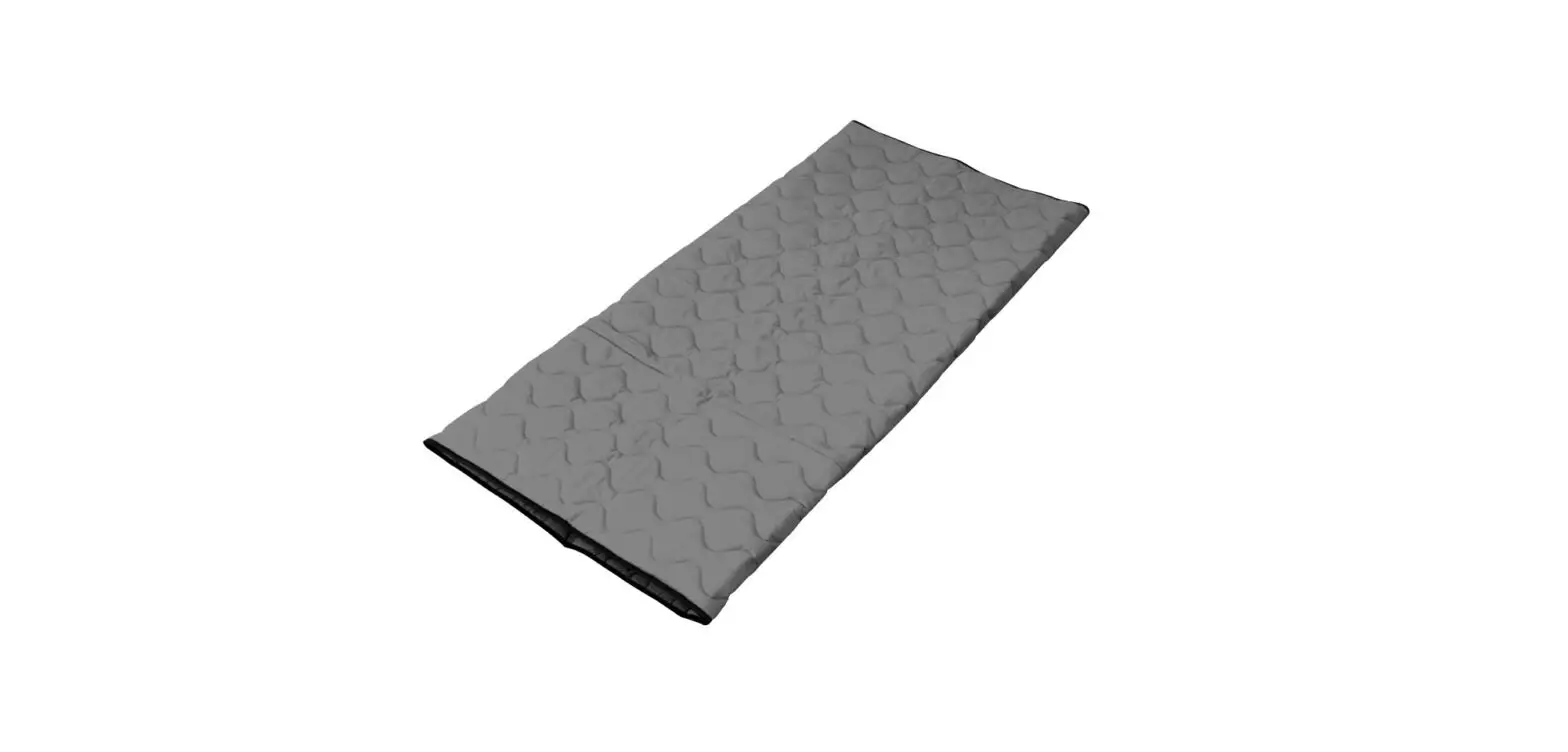
Material: Nylon
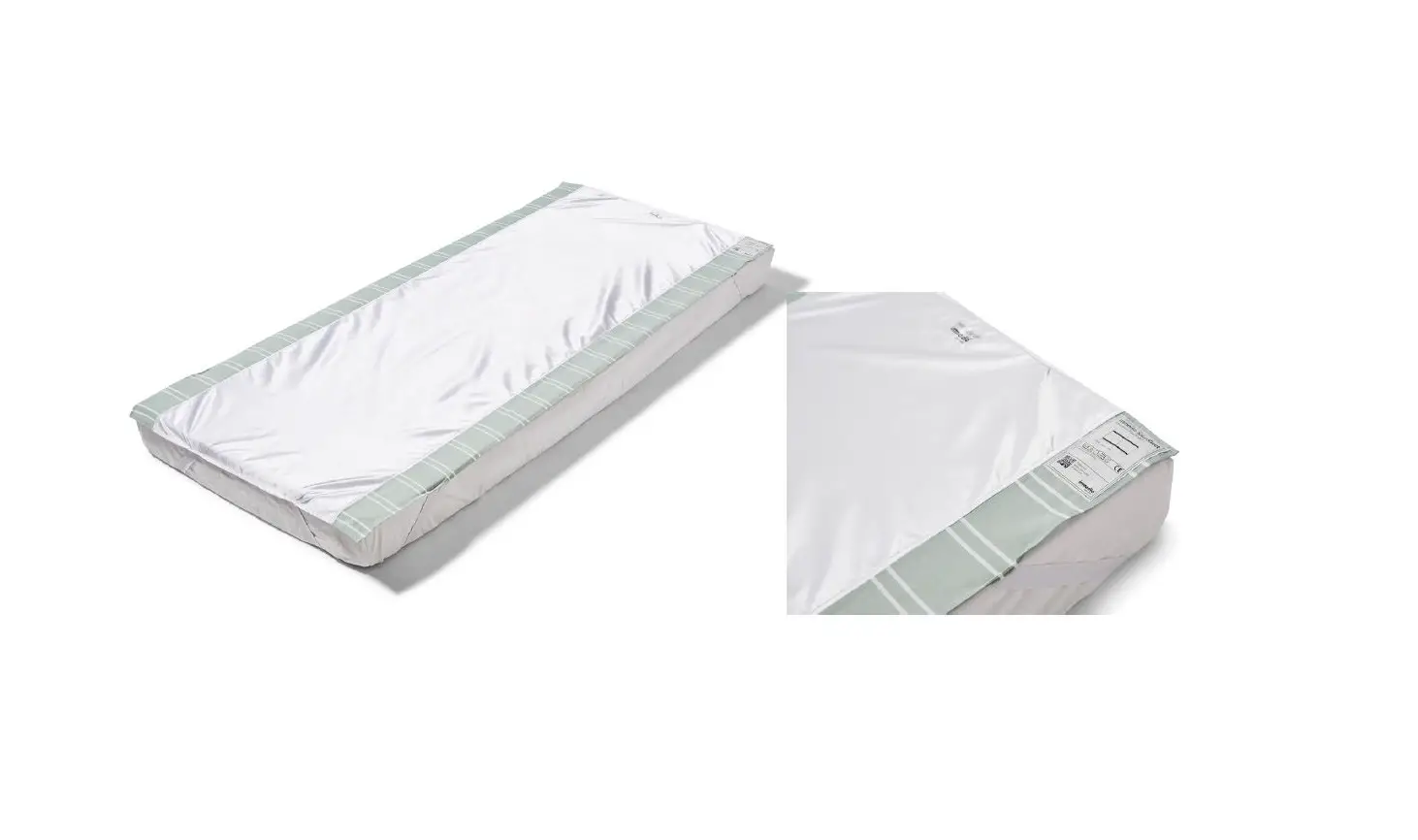
There are two models: A model where the top side is coated with polyurethane to prevent liquid penetration. Outer surface: high friction. Inner surface: low friction. Models where both inner and outer surfaces are smooth. Low friction on both inner and outer surfaces.
The product should be checked regularly, preferably each time it is used, and especially after washing.
Check that there is no damage to seams or fabric.
Never try to repair a product yourself. Never use a defective product.
Washing instructions: Recommended to wash the product before use. Do not use fabric softener as this will reduce the glide effect. This product can be cleaned with a solvent-free cleaning agent with a pH level between 5 and 9, or a 70% disinfection solution.
6
GB ILL.
S V
N O
D A
Products and accessories
Article no. IM100 IM103/1 IM102 IM108 IM120 IM130 IM168 IM200 IM40 IM62 IM66 IM77 IM88 IM80 IM83 IM82
IM100/140 IM00150/70
Product Description MultiGlide vertical XXS MultiGlide vertical XS MultiGlide vertical S MultiGlide vertical M MultiGlide vertical L MultiGlide vertical XXL MultiGlide vertical XXXL MultiGlide vertical XXXXL MultiGlide lateral XXS MultiGlide lateral XS MultiGlide lateral S MultiGlide lateral M MultiGlide lateral L MultiGlide lateral XL MultiGlide lateral XXL MultiGlide lateral XXXL
MultiGlide Open MultiGlide SG open
IM00100 IM00108 IM00120/1 IM00139 IM00130 IM00170 IM00200 IM0040 IM0066 IM0077 IM0088 IM0080 IM0083 IM0082
MultiGlide SG vertical XXS MultiGlide SG vertical M MultiGlide SG vertical XL MultiGlide SG vertical XXL MultiGlide SG vertical – mini MultiGlide SG vertical – wide MultiGlide SG vertical XXXXL MultiGlide SG lateral XXS MultiGlide SG lateral S MultiGlide SG lateral M MultiGlide SG lateral L MultiGlide SG lateral XL MultiGlide SG lateral XXL MultiGlide SG lateral XXXL
IM2245 IM2249
MultiGlide SG Roll 10 metres MultiGlide SG Roll 100 metres
Size (mm) W1000xL700 W1000xL1350 W1000xL2000 W1080xL800 W1200xL700 W1300xL800 W1600xL800 W2000xL700 W400xL400 W600xL250 W600xL600 W720xL700 W800xL800 W720xL1000 W720xL1300 W700xL2000
W1000xL1400 W1500xL700
W1000xL700 W1080xL800 W1200xL900 W1300xL900 W1300xL800 W1400xL1200 W2000xL700 W400xL400 W600xL600 W720xL700 W800xL800 W720xL1000 W720xL1300 W700xL2000
W1500xL10000 W1500xL100000
F I
D E
N L
F R
I T
E S
7
Service information
Inspection
First inspection: · Is the packaging intact? · Read the label on the packaging and check the article no. and product description · Check that Short Instruction is enclosed updated User Manual/Instruction for use can be downloaded from www.etac.com or contact your Etac
Customer Service or the local dealer. · Check the label on the product – does it include article no., product description, lot/batch no., cleaning instructions and supplier name?
Periodic Inspection: · Make sure that your Manual transfer system always is in a perfect condition. · After wash always check materials, stitching, handles, buckles. · If the product shows signs of wear and tear, it must be removed from service immediately.
Visual inspection/Check the product: Ensure that the materials, seams, stitching, handles, buckles are intact/faultless.
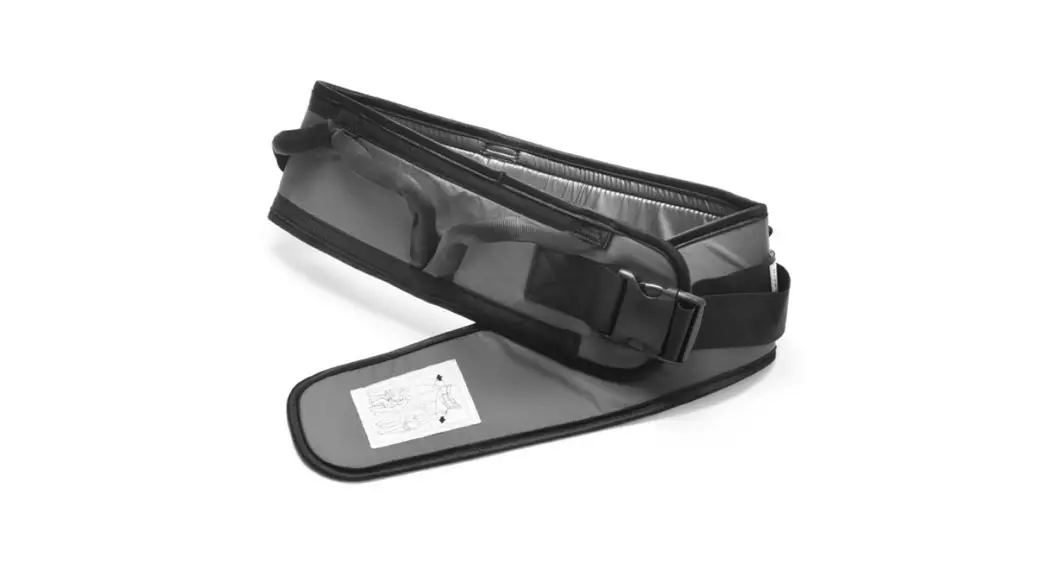
Mechanical load or stress/Test handles: Draw hard in the handles in opposite directions and control the material, seams and stitching. Test buckles: Lock the buckle and draw in opposite directions, control the buckle and the stitching.
Check: Manual transfer aids with handles, straps and buckles:
Stability test: Try to bend the product verify that it feels firm, stable and solid.
Test low/high friction: Place the product on a firm surface or a bed, place your hands on the material and test the friction by pushing your hands down into the product. Low friction slides effortlessly High friction no sliding/moving
Manual transfer aids with for sitting and lying transfer and with high or low friction:
Production year, month and day
The product can be scrapped in accordance with national regulations
Read the user manual
8
 Etac - A world-leading developer of assistive devices