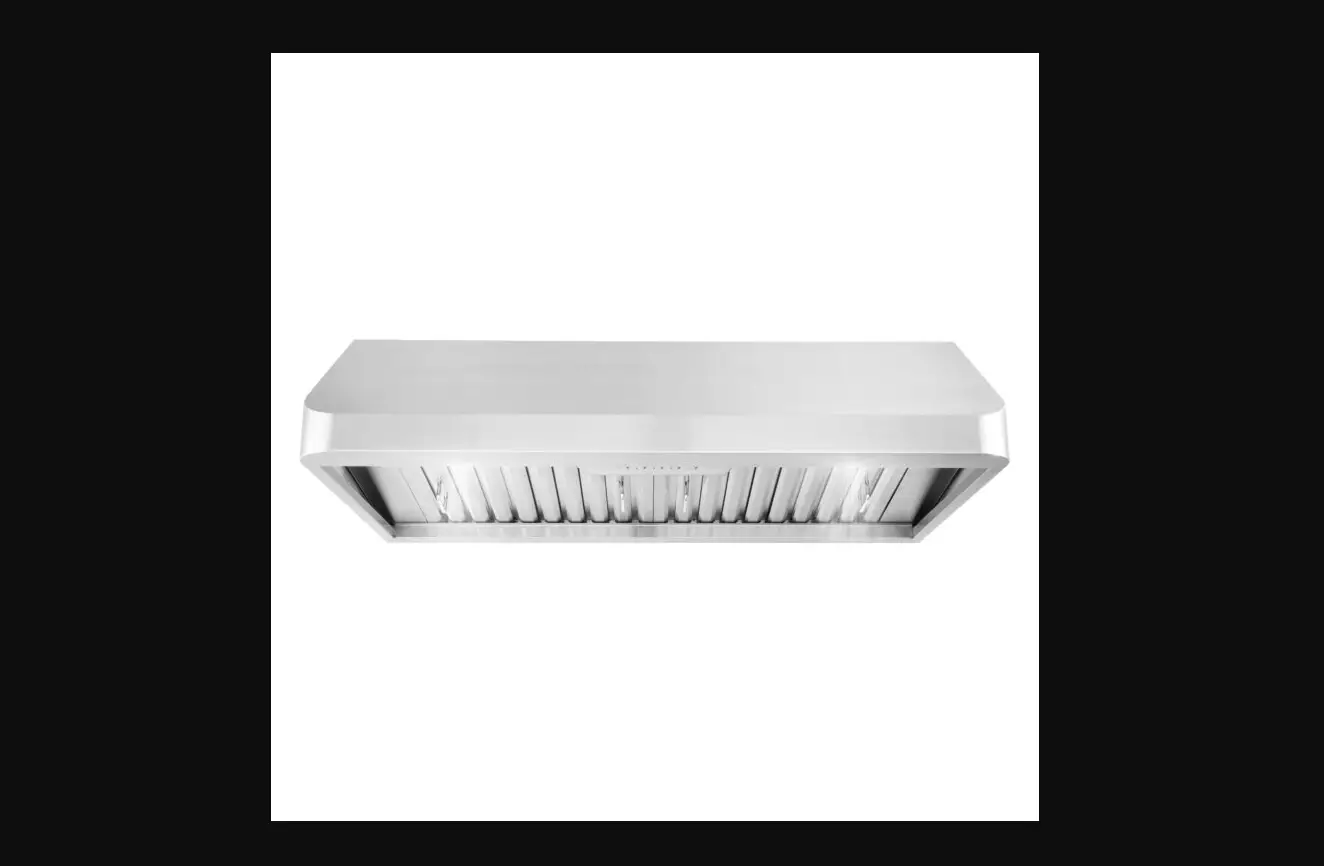
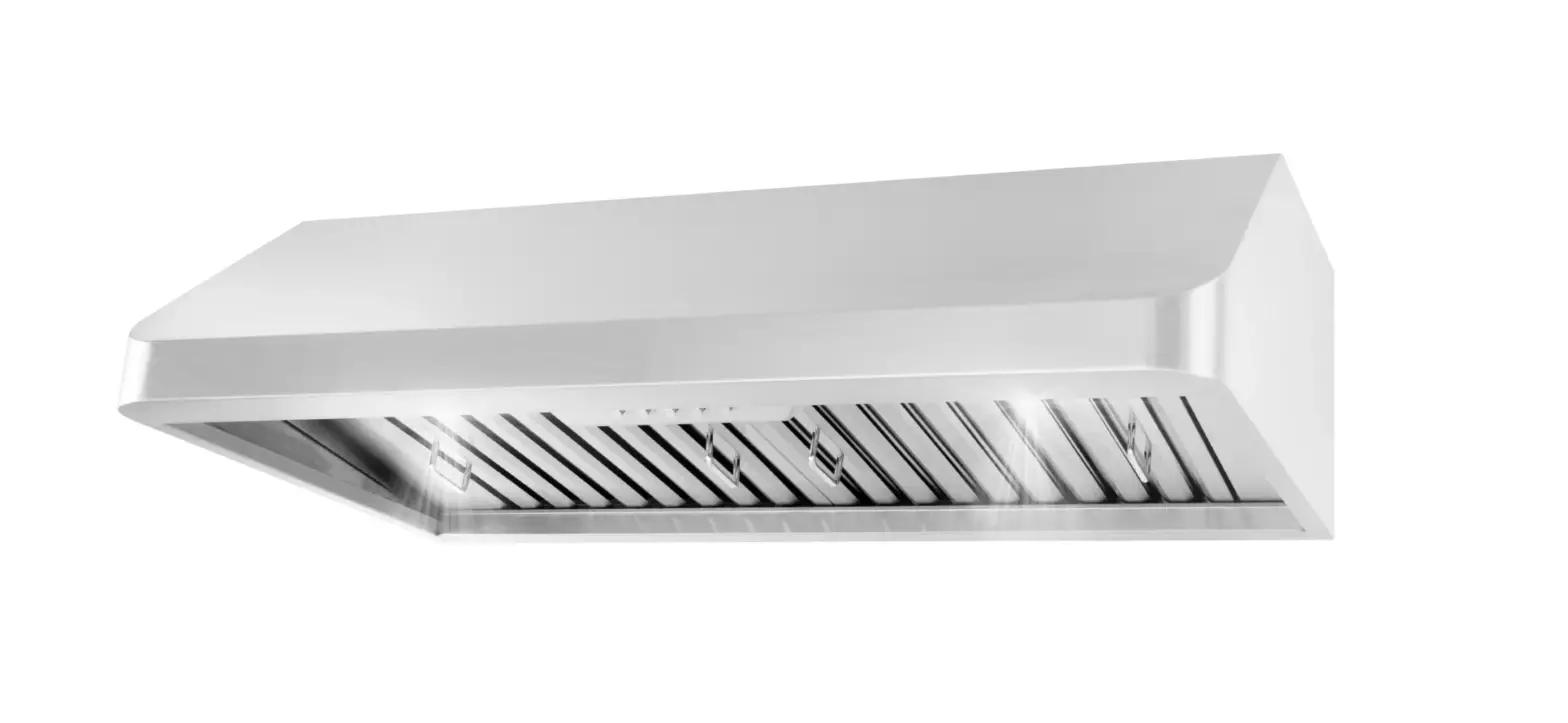
QUASTO90W1 Quasar Design Top 90 Green Tech
Product Information
The Quasar is a top-of-the-line kitchen hood that combines
modern design with advanced technology. It is available in
different models, including Quasar 60, Quasar 80, Quasar 90 Green
Tech, and Quasar 120. The hood is designed to efficiently remove
smoke, odors, and grease from your kitchen, ensuring a clean and
fresh cooking environment.
Key features of the Quasar kitchen hood:
- Powerful extraction capacity of up to 800 m3/h
- Multiple installation options, including vertical and rear
outlets - Durable construction with a weight ranging from 26 kg to 41
kg - Easy-to-use panel control for convenient operation
- Green Tech technology for energy efficiency
Product Usage Instructions
Installation:
- Vertical Outlet: Measure the required
dimensions for installation and fix the hood securely. - Rear Outlet: Measure the dimensions for
installation and reposition the motor accordingly.
Safety:
- Use mandatory safety screws to ensure secure installation.
Motor Repositioning:
- Follow the instructions provided for repositioning the motor
based on the installation type.
Power Connection:
- Connect the power cable to the designated panel control
connector.
Please refer to the complete user manual for detailed
instructions on installation, operation, and maintenance of the
Quasar kitchen hood.
Design
Quasar
Top | 90 Green Tech
INSTRUCTIONS BOOKLET
LIBRETTO ISTRUZIONI IT INSTRUCTIONS BOOKLET EN GEBRAUCHSANWEISUNG DE MODE D’EMPLOI FR MANUAL DE INSTRUCCIONES ES
RU INSTRUKCJA OBSLUGI PL HANDLEIDING NL MANUAL DE INSTRUÇÕES PT BRUGSANIVSNINGER DK
INSTRUKTIONSBOK SE OHJEKIRJA FI BRUKSANVISNING NO
IT – CAMINO OPZIONALE EN – OPTIONAL CHIMNEY DE – KAMIN ALS ZUBEHÖRXX FR – CHEMINÉE EN OPTIONXX ES – CHIMENEA OPCIONAL RU – PL – OPCJONALNYM KANALEM KOMINOWYM
NL – OPTIONELE SCHOORSTEEN PT – CHAMINÉ OPCIONAL DK – VALGFRI KAMIN SE – RÖKGÅNG SOM TILLVAL FI – VALINNAISELLA POISTOPUTKELLA NO – VALGFRI SKORSTEIN
348
198
max 380
350
200
115 390
1 1
389
2 9
max 1375
597
608
390 (Quasar 60) – 690 (Quasar 80) 690 (Quasar 90) – 990 (Quasar 120)
498 (Quasar 60) – 798 (Quasar 80) 798 (Quasar 90) – 1098 (Quasar 120)
150
800
m3/h
598 (Quasar 60) – 798 (Quasar 80) 898 (Quasar 90) – 1198 (Quasar 120)
2
105 465
81
Quasar 60:
26 kg
Quasar 80:
31 kg
Quasar 90 Green Tech: 33 kg
Quasar 120:
41 kg
Quasar TOP 90:
28 kg
Quasar TOP 120: 37 kg
min. 300 mm
ø150 mm ø150 mm
800
m3/h
518 mm 469 mm
105 mm
10 mm
ø150 mm
105 mm
518 mm 469 mm
IT – Uscita alternativa posteriore: il motore sporge dal retro della cappa di 10 mm EN – Alternative rear outlet: the motor protrudes 10 mm from the back of the hood DE – Alternativer Abzug auf der Rückseite: der Motor steht auf der Rückseite der Abzugshaube um 10 mm über FR – Sortie alternative arrière : le moteur dépasse de l’arrière de la hotte de 10 mm ES – Salida alternativa posterior: el motor sobresale 10 mm en la parte posterior de la campana RU – : 10 PL – Alternatywny tylny wylot: silnik wystaje 10 mm z tylu okapu NL – Alternatieve uitgang op de achterkant: de motor steekt 10 mm uit de achterkant van de kap PT – Saída alternativa traseira: o motor sobressai na parte posterior da coifa em 10 mm DK – Mulighed for bagudvendt aftræk: motoren rager 10 mm frem fra bagsiden af emhætten SE – Alternativt bakre uttag: motorn sticker ut från kåpans baksida med 10 mm FI – Vaihtoehtoinen takapoistumistie: moottori tulee ulos 10 mm liesituulettimen takaa NO – Alternativ bakre utgang: motoren springer frem fra baksiden av ventilatorhetten med 10 mm
ø6 mm
ø8 mm
3
IT – Installazione con uscita verticale: Misure per l’installazione (1). Fissaggio cappa (2).
EN – Installation with vertical outlet: Measurements for installation (1). Hood fastening (2).
DE – Installation mit vertikalem Abzug:
Maßangaben für die Installation (1).
1
Befestigung der Abzugshaube (2).
FR – Installation avec sortie verticale: Mesures pour l’installation (1). Fixation de la hotte (2).
ES – Instalación con salida vertical: Medidas para la instalación (1). Fijación de la campana (2).
RU – : (1). (2).
518 mm
PL – Monta z wylotem pionowym: rodki montaowe (1). Mocowanie okapu (2).
NL – Installatie met verticale uitgang: Maten voor de installatie (1). Kapbevestiging (2).
PT – Instalação com saída vertical:
H Medidas para a instalação (1). Fixação do exaustor (2).
X
DK – Installation med lodret aftræk: Mål for installation (1). Fastgørelse af emhætten (2).
SE – Installation med vertikalt uttag: Installationsåtgärder (1). Fästning av kåpan (2).
FI – Asennus pystysuuntaisella poistumistiellä: Mitat asennusta varten (1). Liesituulettimen kiinnitys (2).
NO – Installasjon med vertikal utgang: Installasjonsmål (1). Feste av ventilatorhette (2).
2
1
2
4
B
X = min. 570 mm
X = min.
1
520 mm
518 mm
2
3
x2
Ø8 mm
V1 (x2)
C
3 6
5
V3 (x2)
IT – Viti di sicurezza obbligatorie
PL – Obowizkowe ruby zabezpieczajce
UK – Mandatory safety screws
NL – Verplichte veiligheidsschroeven
DE – Sicherheitsschrauben, obligatorisch PT – Parafusos de segurança obrigatórios
FR – Vis de sécurité obligatoires
DK – Obligatoriske sikkerhedsskruer
ES – Tornillos de seguridad obligatorios SE – Obligatoriska säkerhetsskruvar
RU – FI – Pakolliset varmistusruuvit
NO – Påkrevde sikkerhetsskruer
4
IT – Installazione valvola di non ritorno (3) e montaggio tubo d’aspirazione (4). EN – Check valve installation (3) and suction pipe assembly (4). DE – Installation des Rückschlagventils (3) und Montage der Ansaugleitung (4). FR – Installation du clapet anti-retour (3) et montage du tuyau d’aspiration (4). ES – Instalación de la válvula antirretorno (3) y montaje del tubo de aspiración (4). RU – (3) (4). PL – Monta zaworu zwrotnego (3) i monta rury sscej (4). NL – Montage terugslagklep (3) en zuigleiding (4). PT – Instalação da válvula de não retorno (3) e montagem do tubo de aspiração (4). DK – Montage af kontraventil (3) og rør til udsuget (4). SE – Installation av backventilen (3) samt montering av utsugningsröret (4). FI – Vastaventtiilin asennus (3) ja imuputken liitäntä (4). NO – Installasjon av tilbakeslagsventil (3) og montasje av innsugingsrør (4).
3
M
2
1 4
3
4
ø 15
150mm
5
518 mm
IT – Installazione con uscita posteriore: Misure per l’installazione (5). Riposizionamento motore (6).
EN – Installation with rear outlet: Measurements for installation (5). Motor repositioning (6).
DE – Installation mit abzug auf der Rückseite: Maßangaben für die Installation (5). Neupositionierung Motor (6).
FR – Installation avec une sortie arrière: Mesures pour l’installation (5). Repositionnement du moteur (6).
ES – Instalación con salida posterior: Medidas para la instalación (5). Reubicación del motor (6).
RU – : (5). (6).
PL – Instalacji z tylnym wylotem: rodki montaowe (5). Zmiana poloenia silnika (6).
NL – Installatie met uitgang op de achterkant: Maten voor de installatie (5). Hernieuwde plaatsing van de motor (6).
PT – Instalação com saída posterior: Medidas para a instalação (5). Reposicionamento do motor (6).
DK – Installation med bagudvendt aftræk: Mål for installation (5). Genpositionering af motor (6).
SE – Installation med bakre uttag: Installationsåtgärder (5). Ompositionering motor (6).
FI – Takapoistumistien asentamiseksi: Mitat asennusta varten (5). Moottorin uudelleensijoitus (6).
NO – Installasjon med bakre utgang: Installasjonsmål (5). Gjenplassering av motor (6).
5
H
6
1 3
X
2
Connettore comandi Panel control connector
X = min. 570 mm
X = min. 520 mm
A
1
518 mm
2
B
x4
Ø 8 mm
C
V1 (x4)
V7 (x6)
7
4
8
IT – Riposizionamento motore
EN – Motor repositioning
DE – Neupositionierung Motor
FR – Repositionnement du moteur
ES – Reubicación del motor
RU –
PL – Zmiana poloenia silnika
Cavo alimentazione
6
NL – Hernieuwde plaatsing van de motor
Power cable
PT – Reposicionamento do motor
DK – Genpositionering af motor
SE – Ompositionering motor
5
FI – Moottorin uudelleensijoitus
NO – Gjenplassering av motor
6
IT – Riposizionamento motore (7a). EN – Motor repositioning (7a). DE – Neupositionierung Motor (7a). FR – Repositionnement du moteur (7a). ES – Reubicación del motor (7a). RU – (7a). PL – Zmiana poloenia silnika (7a).
7a
NL – Hernieuwde plaatsing van de motor (7a). PT – Reposicionamento do motor (7a). DK – Genpositionering af motor (7a). SE – Ompositionering motor (7a). FI – Moottorin uudelleensijoitus (7a). NO – Gjenplassering av motor (7a).
T
1
2
V7
V8 T
(x4)
(x2)
3
4
Connettore comandi Panel control connector
5
Cavo alimentazione
Power cable
6
7
7
Green Tech
7b
IT – Riposizionamento motore (7b). EN – Motor repositioning (7b). DE – Neupositionierung Motor (7b). FR – Repositionnement du moteur (7b). ES – Reubicación del motor (7b). RU – (7b). PL – Zmiana poloenia silnika (7b).
1
NL – Hernieuwde plaatsing van de motor (7b). PT – Reposicionamento do motor (7b). DK – Genpositionering af motor (7b). SE – Ompositionering motor (7b). FI – Moottorin uudelleensijoitus (7b). NO – Gjenplassering av motor (7b).
3 2
T V7 (x4)
V8 T (x2)
4
5
Connettore comandi Panel control connector
6
Cavo alimentazione
Power cable
7
8
8
IT – Installazione valvola di non ritorno (8). Fissaggio cappa (9).
8
EN – Check valve installation (8). Hood fastening (9).
DE – Installation des Rückschlagventils (8). Befestigung der Abzugshaube (9).
FR – Installation du clapet anti-retour (8). Fixation de la hotte (9).
ES – Instalación de la válvula antirretorno (8). Fijación de la campana (9).
RU – (8). (9).
PL – Monta zaworu zwrotnego (8). Mocowanie okapu (9).
NL – Montage terugslagklep (8). Kapbevestiging (9).
PT – Instalação da válvula de não retorno (8). Fixação do exaustor (9).
1
DK – Montage af kontraventil (8). Fastgørelse af emhætten (9).
SE – Installation av backventilen (8). Fästning av kåpan (9).
FI – Vastaventtiilin asennus (8). Liesituulettimen kiinnitys (9).
NO – Installasjon av tilbakeslagsventil (8). Feste av ventilatorhette (9).
2 M
4
3
9
10
1
2
4
B
5 3
C
6
V3 (x2)
IT – Viti di sicurezza obbligatorie
PL – Obowizkowe ruby zabezpieczajce
EN – Mandatory safety screws
NL – Verplichte veiligheidsschroeven
DE – Sicherheitsschrauben, obligatorisch PT – Parafusos de segurança obrigatórios
FR – Vis de sécurité obligatoires
DK – Obligatoriske sikkerhedsskruer
ES – Tornillos de seguridad obligatorios SE – Obligatoriska säkerhetsskruvar
RU – – FI – Pakolliset varmistusruuvit
NO – Påkrevde sikkerhetsskruer
9
IT – Camino opzionale EN – Optional chimney DE – Kamin als zubehör FR – Cheminée en option ES – Camino opcional RU – PL – Opcjonalny kanal kominowy NL – Optionele schoorsteen PT – Chaminé opcional DK – Valgfri kamin SE – Tillval rökgång FI – Valinnainen poistoputki NO – Valgfri skorstein
12
2
3
L
11
H 1
G
3
V3 (x6)
2
4
Ø6
1
Ø6
V4 (x2)
Ø6 mm
5
L
H
V5 (x2)
10
13
IT – Montaggio filtro di serie (13)+(14). EN – Assembly of factory-fitted filter (13)+(14). DE – Montage des Serien- (13)+(14). FR – Montage du filtre de série (13)+(14). ES – Montaje del filtro de serie (13)+(14). RU – (13)+(14). PL – Monta filtra wystpujcego (13)+(14).
2
3
NL – Montage filter, serieel (13)+(14). PT – Montagem filtro de série (13)+(14). DK – Montering af seriefilter (13)+(14). SE – Montering av seriefilter (13)+(14). FI – Varusteluun kuuluvan (13)+(14) asennus. NO – Montering av standardfilter (13)+(14).
PISTONE – PISTON
14a
4 4
MAGNETE – MAGNET 1
14b
Green Tech
11
15
KACL941
IT – Montaggio filtro opzionale (15)
EN – Assembly of foptional filter (15)
1
DE – Montage des optionalen Filters (15)
FR – Montage du filtre en option (15)
ES – Montaje del filtro opcional (15)
RU – (15)
PL – Monta filtra opcjonalnego (15)
NL – Montage filter optioneel (15)
PT – Montagem filtro opcional (15)
DK – Montering af ekstra filter (15)
SE – Montering av filter tillval (15)
FI – Lisävarustesuodattimen asennus (15)
2
NO – Montering av stilleggsfilter (15)
V3 (x4)
12
ITALIANO
ISTRUZIONI DI SICUREZZA E AVVERTENZE
Il lavoro d’installazione deve essere eseguito da installatori competenti e qualificati, secondo quanto indicato nel presente libretto e rispettando le norme in vigore. Se il cavo di alimentazione o altri componenti sono danneggiati, la cappa NON deve essere utilizzata: staccare la cappa dall’alimentazione elettrica e contattare il Rivenditore o un Centro Assistenza Tecnica autorizzato per la riparazione. Non modificare la struttura elettrica, meccanica e funzionale dell’apparecchiatura. Non tentare di effettuare da soli riparazioni o sostituzioni: gli interventi effettuati da persone non competenti e qualificate possono provocare danni, anche molto gravi, a cose e/o persone non coperti da garanzia del Costruttore.
AVVERTENZE PER L’INSTALLATORE
SICUREZZA TECNICA
Prima di installare la cappa controllare l’integrità e funzionalità di ogni sua parte: se si notano anomalie non procedere nell’installazione e contattare il Rivenditore.
Nel caso sia stato riscontrato un difetto estetico la cappa NON deve essere installata; riporla nel suo imballo originale e contattare il Rivenditore. Una volta installata non sarà accettato alcun reclamo per difetti estetici. Durante l’installazione utilizzare sempre mezzi di protezione personale (es.: scarpe antiinfortunistiche) ed adottare comportamenti prudenti e corretti. Il kit di fissaggio (viti e tasselli) fornito con la cappa è utilizzabile unicamente su pareti in muratura: in caso di installazione su pareti di materiale diverso, valutare altri sistemi di fissaggio tenendo conto della resistenza del muro e del peso della cappa (indicato a pag. 2). Tenere presente che l’installazione con sistemi di fissaggio diversi da quelli forniti o non conformi può comportare rischi di natura elettrica e di tenuta meccanica. Non installare la cappa in ambienti esterni e non esporla ad agenti atmosferici (pioggia, vento, ecc…).
SICUREZZA ELETTRICA L’impianto elettrico al quale viene collegata la cappa deve essere a norma e munito
di collegamento a terra secondo le norme di sicurezza del Paese di utilizzo; deve essere inoltre conforme alle normative Europee sull’antidisturbo radio.
Prima di installare la cappa verificare che la tensione di rete corrisponda a quella riportata dalla targhetta posta all’interno della cappa. La presa usata per il collegamento elettrico deve essere facilmente raggiungibile con l’apparecchiatura installata: in caso contrario, prevedere un interruttore generale per disconnettere la cappa al bisogno. Ogni eventuale modifica all’impianto elettrico dovrà essere eseguita solo da un elettricista qualificato. La lunghezza massima della vite di fissaggio del camino (fornita dal fabbricante) è di 13 mm. L’utilizzo di viti non conformi con le presenti istruzioni può comportare rischi di natura elettrica. In caso di malfunzionamenti dell’apparecchio, non tentare di risolvere da soli il problema, ma contattare il Rivenditore o un Centro di Assistenza autorizzato per la riparazione.
Durante l’installazione della cappa, disinserire l’apparecchio togliendo la spina o agendo sull’interruttore generale.
SICUREZZA SCARICO FUMI Non collegare l’apparecchio a condotti di scarico dei fumi prodotti dalla combustio-
ne (ad es. caldaie, caminetti, ecc…) Prima dell’installazione della cappa assicurarsi che siano rispettate tutte le normative vigenti sullo scarico dell’aria all’esterno del locale.
Deviazione per Australia e Nuova Zelanda: Le cappe aspiranti e altri impianti di aspirazione di fumi da cucina possono influire negativamente sul funzionamento in sicurezza degli elettrodomestici che bruciano gas o altri combustibili (anche se presenti in altre stanze) a causa del ritorno dei gas di combustione, che possono potenzialmente causare avvelenamento da monossido di carbonio. Dopo l’installazione di una cappa da cucina o di un altro impianto di aspirazione di fumi da cucina, il funzionamento degli elettrodomestici a gas combusti deve essere testato da una persona competente per garantire che non si verifichi un ritorno dei gas di combustione. (AS/NZS 60335.2.31:2013/A4:2020) AVVERTENZE PER L’UTILIZZATORE
Queste avvertenze sono state redatte per la vostra sicurezza e per quella degli altri, Vi preghiamo, dunque, di leggere attentamente questo libretto in tutte le sue parti prima di utilizzare l’apparecchio o di effettuare operazioni di pulizia sullo stesso. Il Costruttore declina ogni responsabilità per eventuali danni che possano, direttamente o indirettamente, essere causati a persone, cose ed animali domestici conseguenti alla mancata osservanza delle avvertenze di sicurezza indicate in questo libretto.
13
È molto importante che questo libretto istruzioni sia conservato insieme all’apparecchiatura per qualsiasi futura consultazione. Se l’apparecchio dovesse essere venduto o trasferito ad un’altra persona, assicurarsi che anche il libretto venga fornito, in modo che il nuovo utente possa essere messo al corrente del funzionamento della cappa e delle avvertenze relative. Dopo l’installazione delle cappe in acciaio inox è necessario eseguire la pulizia della stessa per rimuovere i residui di collante del protettivo e le eventuali macchie di grasso e oli, che, se non rimosse, possono causare il deterioramento irreversibile della superficie della cappa. Per questa operazione il costruttore raccomanda l’utilizzo delle salviette in dotazione, disponibili anche in acquisto. Esigere parti di ricambio originali.
DESTINAZIONE D’USO
L’apparecchio è destinato solo ed esclusivamente per l’aspirazione di fumi generati dalla cottura di alimenti in ambito domestico, non professionale: qualsiasi utilizzo diverso da questo è improprio, può provocare danni a persone, cose ed animali domestici e solleva il Costruttore da qualsiasi responsabilità. L’apparecchio può essere utilizzato da bambini di età non inferiore a 8 anni e da persone con ridotte capacità fisiche, sensoriali o mentali, o prive di esperienza o della necessaria conoscenza, purché sotto sorveglianza oppure dopo che le stesse abbiano ricevuto istruzioni relative all’uso sicuro dell’apparecchio e alla comprensione dei pericoli ad esso inerenti. I bambini non devono giocare con l’apparecchio. La pulizia e la manutenzione a cura dell’utilizzatore non deve essere effettuata da bambini senza sorveglianza.
AVVERTENZE PER L’UTILIZZO E LA PULIZIA
Prima di procedere a qualsiasi operazione di pulizia o di manutenzione, disinserire l’apparecchio togliendo la spina o agendo sull’interruttore generale.
Non utilizzare la cappa con le mani bagnate o piedi scalzi. Quando l’apparecchio non viene usato, controllare sempre che tutte le parti elettriche, (luci, aspiratore), siano spente. Il peso massimo complessivo di eventuali oggetti posizionati o appesi (ove previsto) sulla cappa non deve superare 1,5 Kg. Controllare le friggitrici durante l’uso: I’olio surriscaldato potrebbe infiammarsi.
Non accendere fiamme libere sotto la cappa. Non preparare cibi alla fiamma sotto la cappa. Non utilizzare mai la cappa senza i filtri metallici antigrasso; grasso e sporco in questo caso si depositerebbero nell’apparecchio compromettendone il funzionamento. Parti accessibili della cappa possono essere calde se utilizzate insieme con apparecchi di cottura. Non effettuare operazioni di pulizia quando parti della cappa sono ancora calde. Se la pulizia non è condotta secondo le modalità e i prodotti indicati nel presente libretto è possibile un rischio di incendio. Disinserire l’interruttore generale quando l’apparecchio non viene utilizzato per periodi prolungati di tempo.
In caso di utilizzo contemporaneo di altre utenze (caldaie, stufe, caminetti, ecc.) alimentate a gas o con altri combustibili, provvedere ad una adeguata ventilazione del locale in cui avviene l’aspirazione dei fumi, secondo le norme vigenti.
INSTALLAZIONE
parte riservata solo a personale qualificato
Prima di effettuare l’installazione della cappa, leggere attentamente il cap. “ISTRUZIONI DI SICUREZZA E AVVERTENZE”.
CARATTERISTICHE TECNICHE
I dati tecnici dell’apparecchio sono riportati su etichette posizionate all’interno della cappa.
POSIZIONAMENTO
La distanza minima fra la parte più alta dell’apparecchiatura per la cottura e la parte più bassa della cappa da cucina viene indicata nelle istruzioni di montaggio. In generale, quando la cappa da cucina è posta su un piano cottura a gas, questa distanza deve essere almeno 65 cm (25,6″). Tuttavia sulla base della norma EN60335-2-31, la distanza minima tra piano cottura e parte inferiore della cappa può essere ridotta alla quota riportata nelle istruzioni di montaggio. Se le istruzioni del piano di cottura a gas specificano una distanza maggiore, bisogna tenerne conto. Non installare la cappa in ambienti esterni e non esporla ad agenti atmosferici (pioggia, vento, ecc…).
COLLEGAMENTO ELETTRICO
(parte riservata solo a personale qualificato)
Prima di effettuare qualsiasi operazione sulla cappa scollegare l’apparecchio dalla rete elettrica. Assicurarsi che non vengano scollegati o tagliati fili elettrici all’interno della cappa: in caso contrario contattare il Centro Assistenza più vicino. Per l’allacciamento elettrico rivolgersi a personale qualificato. Il collegamento deve essere eseguito in conformità con le disposizioni di legge in vigore.
14
ITALIANO
Prima di collegare la cappa alla rete elettrica, controllare che: · la tensione di rete corrisponda a quella riportata sui dati di targa posti all’in-
terno della cappa; · l’impianto elettrico sia a norma e possa sopportare il carico (vedi caratteristi-
che tecniche posizionate all’interno della cappa); · la spina e il cavo, di alimentazione, non devono entrare in contatto con tem-
perature superiori a 70 °C; · l’impianto di alimentazione sia munito di efficace e corretto collegamento di
terra secondo le norme vigenti; · la presa usata per il collegamento sia facilmente raggiungibile una volta in-
stallata la cappa.
In caso di : · apparecchi dotati di cavo senza spina: la spina da utilizzare deve essere di tipo
“normalizzato”. Il fili devono essere collegati come segue: giallo-verde per la messa a terra, blu per il neutro e il filo marrone per la fase. La spina deve essere collegata ad un’adeguata presa di sicurezza. · apparecchio fisso non provvisto di cavo di alimentazione e di spina, o di altro dispositivo che assicuri la disconnessione dalla rete, con una distanza di apertura dei contatti che consenta la disconnessione completa nelle condizioni della categoria di sovratensione III. Tali dispositivi di disconnessione devono essere previsti nella rete di alimentazione conformemente alle regole di installazione.
Il cavo di terra giallo/verde non deve essere interrotto dall’interruttore. Il Costruttore declina ogni responsabilità nel caso le norme di sicurezza non vengano rispettate.
SCARICO FUMI
CAPPA AD EVACUAZIONE ESTERNA (ASPIRANTE)
In questa versione, fumi e vapori vengono convogliati verso l’esterno attraverso il tubo di scarico. A tal fine, il raccordo d’uscita della cappa, deve essere collegato tramite un tubo, ad un’uscita esterna.
Il tubo d’uscita deve avere: · un diametro non inferiore a quello di raccordo della cappa. · una leggera inclinazione verso il basso (caduta) nei tratti orizzontali per evitare
che la condensa refluisca nel motore. · il numero minimo indispensabile di curve. · la lunghezza minima indispensabile per evitare vibrazioni e di ridurre la capa-
cità aspirante della cappa. E’ necessario isolare la tubazione se passa attraverso ambienti freddi. Per impedire ritorni d’aria dall’esterno, una valvola di non ritorno è presente in presenza di motori con 800m3/h o superiori.
Deviazione per la Germania: quando la cappa da cucina e apparecchi alimentati con energia diversa da quella elettrica sono in funzione simultaneamente, la pressione negativa nel locale non deve superare i 4 Pa (4 x 10⁻⁵ bar).
CAPPA A RICICLO INTERNO (FILTRANTE)
In questa versione l’aria passa attraverso i filtri al carbone attivo per essere purificata e riciclata nell’ambiente. Controllare che i filtri al carbone attivo siano montati sulla cappa, in caso negativo applicarli come indicato nelle istruzioni di montaggio.
In questa versione valvola di non ritorno non deve essere montata: rimuoverla se presente sul raccordo di uscita aria del motore.
FUNZIONAMENTO
QUANDO ACCENDERE LA CAPPA? Accendere la cappa almeno un minuto prima di iniziare a cucinare per convogliare fumi e vapori verso la superficie di aspirazione. Al termine della cottura lasciare in funzione la cappa fino a completa aspirazione di tutti i vapori e odori: con la funzione Timer, è possibile impostare l’autospegnimento della cappa dopo 15 minuti di funzionamento.
QUALE VELOCITÀ SCEGLIERE? I velocità: mantiene l’aria pulita con bassi consumi di energia elettrica. II velocità: condizioni normali di utilizzo. III velocità: presenza di forti odori e vapori. IV velocità: rapidi smaltimenti di odori e vapori.
QUANDO LAVARE O CAMBIARE I FILTRI? I filtri metallici devono essere lavati ogni 30 ore di utilizzo. I filtri carbone attivo, vanno sostituiti ogni 3-4 mesi a seconda dell’utilizzo della cappa. Per ulteriori dettagli vedere cap “MANUTENZIONE”.
PULSANTIERA ELETTRONICA (TOP)
Motore ON/OFF
Incremento velocità da 1 a 4 Velocità 4 è attiva solo per alcuni minuti, poi si attiva velocità 3.
Le velocità sono segnalate dai led presenti nei tasti:
Velocità 1
Velocità 2
Riduzione velocità da 4 a 1
Velocità 3
Velocità 4 (led “+” lampeggiante)
Accensione / spegnimento luce
TIMER (Led rosso lampeggiante) Autospegnimento dopo 15min. La funzione si disattiva (Led rosso spento) se: – Si preme un’altra volta il tasto TIMER ( ). – Si preme il tasto ON/OFF ( ).
ALLARME FILTRI (Led rosso fisso con ( ) off ) Manutenzione filtri antigrasso dopo circa 30 ore di utilizzo. Premere ( ) per 3 secondi per azzerare il contatore.
ISTRUZIONI DI MONTAGGIO
parte riservata solo a personale qualificato
La cappa ha la possibilità di essere installata in varie configurazioni. Le fasi di montaggio generiche valgono per tutte le installazioni; seguire invece dove specificato le fasi corrispondenti all’installazione desiderata.
15
PULSANTIERA TOUCH (QUASAR, QUASAR Green Tech)
MANUTENZIONE
ON/OFF (led blu fisso) Accensione/spegnimento motore e Vel1
ON/OFF (led blu lampeggiante) Premuto per più di 3 secondi attiva il ciclo 24h (1h ON -> 3h OFF -> 1h ON) La funzione si disattiva se: – si spegne il motore (tasto ) – Dopo 24h
Attivazione Velocità 2
Attivazione Velocità 3
Attivazione Velocità 4 solo per alcuni minuti, poi velocità 3
Accensione / spegnimento luce Impulso breve: accensione e spegnimento luce Impulso lungo: cambio tonalità di luce da 2700K-5600K TIMER (Led lampeggiante) Autospegnimento dopo 15min. La funzione si disattiva (Led spento) se: – Si spegne il motore (tasto ). – Si varia la velocità.
ALLARME FILTRI (Led fisso con motore OFF ) Manutenzione filtri antigrasso dopo circa 30 ore di utilizzo. Premere per 3 secondi per azzerare il contatore.
Se la pulsantiera è completamente inattiva, prima di contattare il servizio di Assistenza tecnica, togliere temporaneamente (circa 5″) l’alimentazione elettrica all’elettrodomestico, possibilmente agendo sull’interruttore generale, per ripristinare il normale funzionamento. Se questo accorgimento non risultasse efficace, contattare il servizio di Assistenza tecnica.
Prima di procedere a qualsiasi operazione di pulizia o di manutenzione, disinserire l’apparecchio togliendo la spina o agendo sull’interruttore generale. Non si devono utilizzare detergenti contenenti sostanze abrasive, acide o corrosive e panni con superfici ruvide. Una costante manutenzione garantisce un buon funzionamento e rendimento nel tempo. Particolari attenzioni vanno rivolte ai filtri metallici antigrasso: la pulizia frequente dei filtri e dei loro supporti garantisce che non si accumulino grassi infiammabili.
PULIZIA SUPERFICI ESTERNE
Si raccomanda di pulire le superfici esterne della cappa almeno ogni 15 giorni per evitare che le sostanze oleose o grasse possano intaccarle. Per la pulizia della cappa, realizzata in acciaio inox spazzolato, il Costruttore consiglia l’utilizzo delle salviette “Magic Steel” che si possono anche ordinare on-line sul sito www.e-falmec.com. In alternativa e per tutti gli altri tipi di superfici, la pulizia va eseguita usando un panno umido leggermente imbevuto di detersivo neutro liquido o con alcool denaturato. Terminare la pulizia con un accurato risciacquo e asciugatura con panni morbidi.
Non utilizzare troppa acqua in prossimità della pulsantiera e dei dispositivi di illuminazione per evitare che l’umidità raggiunga parti elettroniche.
La pulizia dei pannelli in vetro va eseguita solo con detergenti specifici non corrosivi o abrasivi utilizzando un panno morbido. Il Costruttore declina ogni responsabilità qualora non vengano rispettate tali istruzioni.
PULIZIA SUPERFICI INTERNE
E’ vietata la pulizia di parti elettriche o parti relative al motore all’interno della cappa, con liquidi o solventi. Per le parti metalliche interne vedi paragrafo precedente.
FILTRI METALLICI ANTIGRASSO
Si consiglia di lavare frequentemente i filtri metallici (almeno ogni mese) lasciandoli in ammollo per circa 1 ora in acqua bollente con detersivo per piatti, evitando di piegarli. Non usare detergenti corrosivi, acidi o alcalini. Risciacquarli con cura ed attendere che siano ben asciutti prima di rimontarli. Il lavaggio in lavastoviglie è permesso, ma potrebbe creare imbrunimenti al materiale dei filtri: per ridurre questo inconveniente utilizzare lavaggi a basse temperature (55°C max.). Per l’estrazione e l’inserimento dei filtri metallici antigrasso vedi istruzioni di montaggio.
FILTRI AL CARBONE ATTIVO
Questi filtri trattengono gli odori presenti nell’aria che li attraversa. L’aria depurata viene così rimessa nell’ambiente. I filtri al carbone attivo devono essere sostituiti mediamente ogni 3-4 mesi in condizioni di utilizzo normale. Per la sostituzione dei filtri al carbone attivo vedi istruzioni di montaggio.
ILLUMINAZIONE
La cappa è dotata di illuminazione tramite faretti led ad alta efficienza, basso consumo e durata molto elevata in condizioni di normale utilizzo. Nel caso si rendesse necessaria la sostituzione del faretto procedere come in figura.
1 3
2
12V
16
ITALIANO
VASCHETTA RACCOGLI OLIO
Si consiglia di svuotare la vaschetta ogni 15 giorni e di lavarla con acqua bollente e detersivo per piatti. Non usare detergenti corrosivi, acidi o alcalini. Risciacquarla con cura e attendere che sia ben asciutta prima di rimontarla. Per l’estrazione della vaschetta raccogli olio, (vedi figura).
3 2
1
SMALTIMENTO A FINE VITA
Il simbolo del cestino barrato riportato sull’apparecchiatura in suo possesso indica che il prodotto è un RAEE, cioè un “Rifiuto derivante dalle Apparecchiature Elettriche ed Elettroniche” e pertanto non deve essere gettato nella spazzatura indifferenziata (cioè insieme ai “rifiuti urbani misti”), ma deve essere gestito separatamente così da essere sottoposto ad apposite operazioni per il suo riutilizzo, oppure a uno specifico trattamento, per rimuovere e smaltire in modo sicuro le eventuali sostanze dannose per l’ambiente ed estrarre le materie prime che possono essere riciclate. Lo smaltimento corretto di questo prodotto contribuirà a salvare preziose risorse ed evitare potenziali effetti negativi per la salute umana e per l’ambiente, che potrebbero essere causati da uno smaltimento inappropriato dei rifiuti. Vi preghiamo di contattare le autorità locali per ulteriori dettagli sul punto di smaltimento designato più vicino. Potrebbero venire applicate delle penali per lo smaltimento scorretto di questi rifiuti in conformità alla legislazione nazionale.
INFORMAZIONI SULLO SMALTIMENTO IN ITALIA In Italia le apparecchiature RAEE devono perciò essere consegnate: – ai Centri di Raccolta (chiamati anche isole ecologiche o piattaforme ecologi-
che) allestiti dai Comuni o dalle Società di igiene urbana (in molte località viene anche effettuato il servizio di ritiro a domicilio delle apparecchiature RAEE ingombranti); – al negozio presso il quale si acquista una nuova apparecchiatura, che è tenuto a ritirarle gratuitamente (ritiro “uno contro uno”); – ad un negozio qualunque*, che è tenuto a ritirarle gratuitamente e senza obbligo di acquisto (ritiro “uno contro zero”). In questo caso: 1) l’apparecchiatura RAEE, per poter essere riconsegnata, deve avere “piccolissime dimensioni” (altezza, profondità e larghezza minori di 25 cm); * 2) il negozio al quale viene riconsegnata l’apparecchiatura RAEE deve avere una superficie di vendita superiore a 400 mq.
INFORMAZIONI SULLO SMALTIMENTO IN NAZIONI DELL’UNIONE EUROPEA La Direttiva comunitaria sulle apparecchiature RAEE è stata recepita in modo diverso da ciascuna nazione, pertanto se si desidera smaltire questa apparecchiatura suggeriamo di contattare le autorità locali o il Rivenditore per chiedere il metodo corretto di smaltimento.
INFORMAZIONI SULLO SMALTIMENTO IN NAZIONI NON APPARTENENTI ALL’UNIONE EUROPEA Il simbolo del cestino barrato è valido solamente nell’Unione Europea: se si desidera smaltire questa apparecchiatura in altri Paesi suggeriamo di contattare le autorità locali o il Rivenditore per chiedere il metodo corretto di smaltimento.
ATTENZIONE!
Il Costruttore si riserva il diritto di apportare modifiche alle apparecchiature in qualsiasi momento e senza preavviso. La stampa, la traduzione e la riproduzione anche parziale del presente manuale s’intendono vincolate dall’autorizzazione del Costruttore. Le informazioni tecniche, le rappresentazioni grafiche e le specifiche presenti in questo manuale sono indicative e non divulgabili. La lingua di stesura del manuale è l’italiano, il Costruttore non si rende responsabile per eventuali errori di trascrizione o traduzione.
17
SAFETY INSTRUCTIONS AND WARNINGS
Installation operations are to be carried out by skilled and qualified installers in accordance with the instructions in this booklet and in compliance with the regulations in force. DO NOT use the hood if the power supply cable or other components are damaged: disconnect the hood from the electrical power supply and contact the Dealer or an authorised Servicing Dealer for repairs. Do not modify the electrical, mechanical or functional structure of the equipment. Do not personally try to carry out repairs or replacements. Interventions carried out by incompetent and unauthorised persons can cause serious damage to the unit or physical and personal harm, not covered by the Manufacturer’s warranty.
WARNINGS FOR THE INSTALLER
TECHNICAL SAFETY
Before installing the hood, check the integrity and function of each part. Should anomalies be noted, do not proceed with installation and contact the Dealer.
Do NOT install the hood if an aesthetic (or cosmetic) defect has been detected. Put it back into its original package and contact the dealer. No claim can be made for aesthetic (or cosmetic) defects once it has been installed. During installation, always use personal protective equipment (e.g.: Safety shoes) and adopt prudent and proper conduct. The installation kit (screws and plugs) supplied with the hood is only to be used on masonry walls: in case of installation on walls of a different material, assess other installation options keeping in mind the type of wall surface and the weight of the hood (indicated on page 2). Keep in mind that installations with different types of fastening systems from those supplied, or which are not compliant, can cause electrical and mechanical seal danger. Do not install the hood outdoors and do not expose it to atmospheric elements (rain, wind, etc.).
ELECTRICAL SAFETY
The electrical system to which the hood is to be connected must be in accordance with local standards and supplied with earthed connection in compliance with safety regulations in the country of use. It must also comply with European standards regarding radio antistatic properties.
Before installing the hood, check that the electrical mains power supply corresponds with what is reported on the identification plate located inside the hood. The socket used to connect the installed equipment to the electrical power supply must be within reach: otherwise, install a mains switch to disconnect the hood when required. Any changes to the electrical system must be carried out by a qualified electrician. The maximum length of the flue fastening screws (supplied by the manufacturer) must be 13 mm. Use of non-compliant screws with these instructions can lead to danger of an electrical nature. Do not try to solve the problem yourself in the event of equipment malfunction, but contact the Dealer or an authorised Servicing Department for repairs.
When installing the hood, disconnect the equipment by removing the plug or switching off the main switch.
FUMES DISCHARGE SAFETY Do no connect the equipment to discharge pipes of fumes produced from combustion
(for example boilers, fireplaces, etc.). Before installing the hood, ensure that all standards in force regarding discharge of air out of the room have been complied with.
Deviation for Australia and New Zeland: Range hoods and other cooking fume extractors may adversely affect the safe operation of appliances burning gas or other fuels (including those in other rooms) due to back flow of combustion gases. These gases can potentially result in carbon monoxide poisoning. After installation of a range hood or other cooking fume extractor, the operation of flued gas appliances should be tested by a competent person to ensure that back flow of combustion gases does not occur. (AS/NZS 60335.2.31:2013/A4:2020) USER WARNINGS
These warnings have been drawn up for your personal safety and those of others. You are therefore kindly asked to read the booklet carefully in its entirety before using the or cleaning the equipment. The Manufacturer declines all responsibility for any damage caused directly, or indirectly, to persons, things and pets as a consequence of failing to comply with the safety warnings indicated in this booklet. It is imperative that this instructions booklet is kept together with the equipment for any future consultation.
18
ENGLISH
If the equipment is sold or transferred to another person, make sure that the booklet is also supplied so that the new user can be made aware of the hood’s operation and relative warnings. After the stainless steel hood has been installed, it will need to be cleaned to remove any residues remaining from the protection adhesive as well as any grease and oil stains which, if not removed, can cause irreversible damage to the hood surface. To properly clean the unit, the manufacturer recommends using the supplied moist wipes, which are also available sold separately. Insist on original spare parts. INTENDED USE
The equipment is solely intended to be used to extract fumes generated from cooking food in non-professional domestic kitchens: any other use is improper. Improper use can cause damage to persons, things, pets and exempts the Manufacturer from any liability.
The equipment can be used by children over the age of 8 and by persons with reduced physical, sensory and mental abilities, or with no experience or knowledge, as long as they do so under supervision or after having received relative instructions regarding safe use of the equipment and understanding of the dangers connected to it. Children are not to play with the equipment. Cleaning and maintenance by the user must not be carried out by children without supervision.
USE AND CLEANING WARNINGS
Before cleaning or carrying out maintenance operations, disconnect the equipment by removing the plug or switching off the main switch.
Do not use the hood with wet hands or bare feet. Always check that all electrical parts (lights, extractor fan) are off when the equipment is not being used. The maximum overall weight of any objects placed or hung (if applicable) on the hood must not exceed 1.5 Kg. Always supervise the cooking process during the use of deep-fryers: Overheated oil can catch fire. Do not leave open, unattended flames under the hood. Do not prepare food over an open flame under the hood. Never use the hood without the metal anti-grease filters: in this case, grease and dirt will deposit in the equipment and compromise its operation. Accessible parts of the hood can be hot when used at the same time as the cooking appliances.
Do not carry out any cleaning operations when parts of the hood are still hot. There can be a risk of fire if cleaning is not carried out according to the instructions and products indicated in this booklet. Disconnect the main switch when the equipment is not used for long periods of time.
If other appliances that use gas or other fuels are being used at the same time (boiler, stove, fireplaces, etc.), make sure the room where the fumes are discharged is well-ventilated, in compliance with the local regulations.
INSTALLATION
only intended for qualified personnel
Before installing the hood, carefully read the chapter ‘SAFETY INSTRUCTIONS AND WARNINGS’.
TECHNICAL FEATURES
The technical specifications are exhibited on the labels located inside the hood.
POSITIONING
The minimum distance between the highest part of the cooking equipment and the lowest part of the hood is indicated in the installation instructions. Generally, when the hood is placed over gas cookers, the distance must be at least 65 cm (25.6”). However, according to standard EN60335-2-31, the minimum distance between the cooker and lower part of the hood can be reduced to the quota reported in the installation instructions. Should the instructions for the gas cooker specify a greater distance, this must be taken into consideration. Do not install the hood outdoors and do not expose it to outdoor environment (rain, wind, etc.).
ELECTRICAL CONNECTION
(only intended for qualified personnel)
Disconnect the equipment from electrical mains power supply before carrying out any operations on the hood. Ensure that the wires inside the hood are not disconnected or cut: in the event of damage, contact your nearest Servicing Department. Refer to qualified personnel for electrical connections. Connection must be carried out in compliance with the provisions of law in force. Before connecting the hood to the electrical mains power supply, check that: · voltage supply corresponds with what is reported on the data plate located inside the hood; · the electrical system is compliant and can withstand the load (see the technical specifications located inside the hood); · the power supply plug and cable do not come into contact with temperatures exceeding 70 °C; · the power supply system is effectively and properly connected to earth in compliance with regulations in force; · the socket used to connect the hood is within reach.
In case of: · devices fitted with cables without a plug: the type of plug to use is a ”stand-
ardised” one. The wires must be connected as follows: yellow-green for earthing, blue for neutral and brown for the phase. The plug must be connected to an adequate safety socket. · fixed equipment not provided with a power supply cable and plug, or any other device that ensures disconnection from the electrical mains, with an opening gap of the contacts that enables total disconnection in overvoltage category III conditions. Said disconnection devices must be provided in the mains power supply in compliance with installation regulations.
19
The yellow/green earth cable must not be cut off by the switch. The Manufacturer declines all responsibility for failure to comply with the safety regulations.
FUMES DISCHARGE
EXTERNAL EXHAUST HOOD (SUCTION)
In this version the fumes and vapours are discharged outside through the exhaust pipe. To this end, the hood outlet fitting must be connected via a pipe, to an external output.
The outlet pipe must have: · a diameter not less than that of the hood fitting. · a slight slope downwards (drop) in the horizontal sections to prevent conden-
sation from flowing back into the motor. · the minimum required number of bends. · the minimum required length to avoid vibrations and reduce the suction per-
formance of the hood. You are required to insulate the pipes if it passes through cold environments. In the presence of motors with 800m3/h or higher, a check valve is present to prevent external air flowing back.
Deviation for Germany: when the kitchen hood is used at the same time as appliances that are powered by energy other than electricity, the negative pressure in the room must not exceed 4 Pa (4 x 10⁻⁵ bar).
HOOD WITH INTERNAL RECIRCULATION (FILTERING)
In this model, the air passes through the charcoal filters to be purified and recycled in the environment.
Ensure that the active carbon filters are assembled into the hood, if not, install them as indicated in the assembly instructions.
In this version the check valve must not be assembled: remove it if it is on the air outlet fitting of the motor.
ELECTRONIC PUSHBUTTON PANEL (TOP)
Motor ON/OFF
Increase speed from 1 to 4 Speed 4 is only active for a few minutes, then speed 3 activates.
The speeds are indicated by the LEDs on the keys:
Speed 1
Speed 2
Reduce speed from 4 to 1
Speed 3
Speed 4 (“+” LED flashing)
Light on/off
TIMER (red LED flashing) Auto switch-off after 15 min. The function deactivates (red LED off ) if: – The TIMER key ( ) is pressed again. – The ON/OFF key ( ) is pressed.
FILTER ALARM (red LED steady on with ( ) off ) Anti-grease filter maintenance after approximately 30 hours of operation. Press ( ) the meter for 3 seconds to reset.
TOUCH PUSHBUTTON PANEL (QUASAR, QUASAR Green Tech)
ASSEMBLY INSTRUCTIONS
only intended for qualified personnel
The hood can be installed in various configurations. The generic assembly steps apply to all installations; for each case, follow the specific steps provided for the required installation.
OPERATION
WHEN TO TURN ON THE HOOD? Switch on the hood at least one minute before starting to cook to direct fumes and vapours towards the suction surface. After cooking, leave the hood operating until complete extraction of all vapours and odours. By means of the Timer function, it is possible to set auto switch-off function which will allow the hood to turn off automatically after 15 minutes of operation.
WHICH SPEED IS TO BE SELECTED? 1st speed: maintains the circulation of clean air with low electricity consumption. 2nd speed: normal conditions of use. 3rd speed: presence of strong odours and vapours. 4th speed: rapid disposal of odours and vapours.
WHEN SHOULD THE FILTERS BE WASHED OR REPLACED? The metal filters must be cleaned every 30 hours of operation. The active carbon filters must be replaced every 3-4 months, depending on the use of the hood. For further details see the “MAINTENANCE” chap.
ON/OFF (Blue led steady on) Motor on/off and Speed 1
ON/OFF (blue led flashing) If pressed for more than 3 seconds, it activates the 24h cycle (1h ON -> 3h OFF -> 1h ON) the function deactivates if: – The motor turns off (key ) – After 24h
Speed 2 activation
Speed 3 activation
Speed 4 is only active for a few minutes, then speed 3 activates.
Light on/off Short impulse: turn light on and off Long impulse: change light tone from 2700K to 5600K TIMER (LED flashing) Auto switch-off after 15 min. The function deactivates (LED off ) if: – The motor turns off (key ). – The speed is changed.
FILTER ALARM (LED steady on with ( ) off ) Anti-grease filter maintenance after approximately 30 hours of operation. Press the meter for 3 seconds to reset.
20
ENGLISH
If the pushbutton panel is completely inactive, before contacting the Technical assistance service, disconnect power temporarily to the appliance (about 5″), possibly by acting on the main switch, to restore normal operation. If this measure has no effect, contact the Technical assistance service.
GREASE DRIP TRAY
It is recommended to empty out the drip tray every 15 days and to wash it with boiling hot water and dish detergent. Do not use corrosive, acid or alkaline detergents. Rinse it well and wait for it to be completely dry before reassembling it.
To remove the grease drip tray, (see figure).
MAINTENANCE
Before cleaning or carrying out maintenance operations, disconnect the equipment by removing the plug or switching off the main switch. Do not use detergents containing abrasive, acidic or corrosive substances or abrasive cloths. Regular maintenance guarantees proper operation and performance over time. Special attention is to be paid to the metal anti-grease filters : frequent cleaning of the filters and their supports ensures that no flammable grease is accumulated.
CLEANING OF EXTERNAL SURFACES
You are advised to clean the external surfaces of the hood at least once every 15 days to prevent oily substances and grease from sticking to them. To clean the brushed stainless steel hood, the Manufacturer recommends using “Magic Steel” wipes. Alternatively and for all the other types of surfaces, it can be cleaned using a damp cloth, slightly moistened with mild, liquid detergent or denatured alcohol. Complete cleaning by rinsing well and drying with soft cloths.
Do not use too much moisture or water around the push button control panel and lighting devices in order to prevent humidity from reaching electronic parts.
The glass panels can only be cleaned with specific, non-corrosive or non-abrasive detergents using a soft cloth. The Manufacturer declines all responsibility for failure to comply with these instructions.
CLEANING OF INTERNAL SURFACES
Do not clean electrical parts, or parts related to the motor inside the hood, with liquids or solvents. For the internal metal parts, see the previous paragraph.
METAL ANTI-GREASE FILTERS
It is advised to frequently wash the metal filters (at least once a month) leaving them to soak in boiling water and cleaning solution for 1 hour, taking care not to bend them. Do not use corrosive, acid or alkaline detergents. Rinse them well and wait for them to be completely dry before reassembling them. Washing in a dishwasher is permitted, however, it may cause the filter material to darken: to reduce the possibility of this problem from happening, use low-temperature washes (55°C max.). To extract and insert the metal anti-grease filters see the assembly instructions.
ACTIVE CARBON FILTERS
These filters retain the odours in the air that passes through them. The purified air is recirculated into the environment. The active carbon filters must be replaced on average every 3-4 months under normal conditions of use. See assembly instructions to replace the active carbon filters.
LIGHTING
The range hood is equipped with high efficiency, low consumption LED spotlights with an extremely long life-span under normal use conditions. Should the LED spotlight need to be replaced, proceed as shown in the figure.
3
2
1
DISPOSAL AFTER END OF USEFUL LIFE
The crossed-out trash or refuse bin symbol on the appliance means that the product is WEEE, i.e. “Waste electrical and electronic equipment”, accordingly it must not be disposed of with regular unsorted waste (i.e. with ”mixed household waste”), but it must be disposed of separately so that it can undergo specific processing for its re-use, or a specific treatment, to remove and safely dispose of any substances that may be harmful to the environment and remove the raw materials that can be recycled. Proper disposal of these products contributes to saving valuable resources and avoid potential negative effects on personal health and the environment, which may be caused by inappropriate disposal of waste. You are kindly asked to contact your local authorities for further information regarding the designated waste collection points nearest to you. Penalties for improper disposal of such waste can be applied in compliance with national regulations.
INFORMATION ON DISPOSAL IN EUROPEAN UNION COUNTRIES The EU WEEE Directive was implemented differently in each country, accordingly, if you wish to dispose of this appliance we suggest contacting your local authorities or dealer to find out what the correct method of disposal is. INFORMATION ON DISPOSAL IN NON-EUROPEAN UNION COUNTRIES The crossed-out trash or refuse bin symbol is only valid in the European Union: if you wish to dispose of this appliance in other countries, we suggest contacting your local authorities or dealer to find out what the correct method of disposal is.
WARNING!
The Manufacturer reserves the right to make changes to the equipment at any time and without prior notice. Printing, translation and reproduction, even partial, of this manual are bound by the Manufacturer’s authorisation. Technical information, graphic representations and specifications in this manual are for information purposes and cannot be divulged. This manual is written in Italian. The Manufacturer is not responsible for any transcription or translation errors.
1 3
2
12V
21
ANWEISUNGEN FÜR DIE SICHERHEIT UND WARNHINWEISE
Die Installation muss von kompetenten und qualifizierten Installateuren unter Befolgung der Angaben der vorliegenden Gebrauchsanweisung sowie unter Einhaltung der gültigen Sicherheitsvorschriften vorgenommen werden. Wenn das Versorgungskabel oder andere Komponenten beschädigt sind, darf die Abzugshaube NICHT verwendet werden: Die Abzugshaube von der Stromversorgung trennen und den Händler oder den autorisierten Kundendienst für die Reparatur kontaktieren. Die elektrische, mechanische und funktionelle Struktur des Geräts darf nicht verändert werden. Niemals versuchen, Reparaturen oder Austauschtätigkeiten selbst durchzuführen. Werden diese Arbeiten von Personen durchgeführt, die nicht dazu befähigt und qualifiziert sind, so kann dies zu schweren Personen- und Sachschäden führen, die von der Herstellergarantie nicht gedeckt sind.
HINWEISE FÜR DEN INSTALLATEUR
TECHNISCHE SICHERHEIT
Vor der Installation der Abzugshaube muss sichergestellt werden, dass sämtliche Komponenten unbeschädigt und funktionstüchtig sind. Sollten Schäden festgestellt werden, nicht mit der Installation fortfahren und umgehend den Händler kontaktieren.
Sollte ein ästhetischer Mangel festgestellt werden, so darf die Abzugshaube NICHT installiert werden. Die Abzugshaube wieder verpacken und umgehend den Händler kontaktieren. Sobald die Abzugshaube installiert ist, werden keine Beanstandungen aufgrund ästhetischer Mängel mehr akzeptiert. Während der Installation ist immer eine geeignete persönliche Schutzausrüstung zu tragen (z.B. Sicherheitsschuhwerk) und aufmerksam und korrekt vorzugehen. Das mit der Abzugshaube gelieferte Befestigungsset (Schrauben und Dübel) darf ausschließlich für gemauerte Wände verwendet werden. Sollte es notwendig sein, die Abzugshaube an einer Wand aus anderem Material zu installieren, müssen alternative Befestigungssysteme in Betracht gezogen werden, wobei die Festigkeit der Wand und das Gewicht der Abzugshaube (siehe S. 2) zu berücksichtigen sind. Dabei ist zu beachten, dass die Installation mit Befestigungssystemen, die von den mitgelieferten abweichen, elektrische Gefahren und Risiken in Bezug auf die mechanische Abdichtung mit sich bringen kann.
Die Abzugshaube darf nicht in Außenbereichen installiert und keinen Witterungseinflüssen (Regen, Wind, etc.) ausgesetzt werden. ELEKTRISCHE SICHERHEIT
Die elektrische Anlage für den Anschluss der Abzugshaube muss den geltenden Normen entsprechen und mit einem Erdungssystem ausgestattet sein, das den Sicherheitsvorschriften des Installationslandes entspricht. Sie muss außerdem der EU-Gesetzgebung bezüglich der Funkentstörung entsprechen. Vor der Installation der Abzugshaube muss überprüft werden, dass die Netzspannung derjenigen auf dem Typenschild im Inneren der Abzugshaube entspricht. Die für den elektrischen Anschluss verwendete Steckdose muss gut erreichbar sein, wenn das Gerät installiert ist. Andernfalls muss ein Hauptschalter vorgesehen werden, um die Abzugshaube bei Bedarf zu trennen. Sämtliche eventuellen Änderungen an der Elektroanlage müssen von einem qualifizierten Elektriker vorgenommen werden. Die Mindestlänge der Befestigungsschraube des Kamins (vom Hersteller mitgeliefert) beträgt 13 mm. Die Verwendung von Schrauben, die der vorliegenden Gebrauchsanweisung nicht entsprechen, kann elektrische Gefahren mit sich bringen. Im Fall einer Störung des Geräts nicht versuchen, das Problem eigenständig zu lösen, sondern den Händler oder den autorisierten Kundendienst für die Reparatur kontaktieren. Während der Installation der Abzugshaube muss das Gerät durch Ziehen des Netzsteckers oder Betätigung des Hauptschalters abgeschaltet werden.
SICHERHEIT RAUCHABZUG Das Gerät nicht an Rohre für den Abzug von Rauch anschließen, der durch Verbrennung ent-
steht (z.B. Heizkessel, Kamine, etc.). Vor der Installation der Abzugshaube muss sichergestellt werden, dass alle gültigen gesetzlichen Vorschriften in Bezug auf die Luftableitung aus dem Raum eingehalten werden. Abweichende Bestimmungen für Australien und Neuseeland: Dunstabzugshauben und andere Abzugshauben für Kochdämpfe könnten den sicheren Betrieb von Geräten, die Gas oder andere Brennstoffe verbrennen (einschließlich solcher in anderen Räumen),
22
DEUTSCH
aufgrund eines Rückflusses von Verbrennungsgasen beeinträchtigen. Diese Gase können möglicherweise zu einer Kohlenmonoxidvergiftung führen. Nach der Installation einer Dunstabzugshaube oder anderen Abzugshauben für Kochdämpfe sollte die Funktion der Gasfeuergeräte von einer kompetenten Person geprüft werden, um sicherzustellen, dass kein Rückfluss von Verbrennungsgasen auftritt. (AS/NZS 60335.2.31:2013/A4:2020)
HINWEISE FÜR DEN BENUTZER
Diese Hinweise wurden für Ihre Sicherheit und die Sicherheit anderer Personen erstellt, und wir bitten Sie deshalb, die vorliegende Gebrauchsanweisung vor der Installation, der Verwendung oder der Reinigung des Geräts vollständig zu lesen. Der Hersteller lehnt jegliche Haftung für etwaige direkte oder indirekte Schäden von Personen, Gegenständen oder Haustieren ab, die durch eine Nichtbeachtung der in der vorliegenden Gebrauchsanweisung angeführten Sicherheitshinweise verursacht werden. Es ist sehr wichtig, dass diese Gebrauchsanweisung zusammen mit dem Gerät aufbewahrt wird, damit künftig darin nachgelesen werden kann. Falls das Gerät verkauft oder an eine andere Person übergeben wird, muss sichergestellt werden, dass auch die Gebrauchsanweisung übergeben wird, damit der neue Besitzer informiert werden kann, wie die Abzugshaube funktioniert und welche diesbezüglichen Warnhinweise zu beachten sind. Nach der Installation der Edelstahlhaube muss als Erstes deren Reinigung erfolgen, um die Rückstände der Schutzklebefolie und eventuelle Flecken von Öl oder Fett zu entfernen, die die Oberfläche der Abzugshaube unwiderruflich beschädigen können, falls sie nicht entfernt werden. Für diesen Vorgang empfiehlt der Hersteller, die mitgelieferten Reinigungstücher zu benutzen, die auch gekauft werden können. Immer die Verwendung von originalen Ersatzteilen fordern. VERWENDUNGSBESTIMMUNG
Das Gerät ist ausschließlich für die Absaugung von Rauch bestimmt, der während der Zubereitung von Speisen in Haushaltsküchen, nicht in gewerblichen Küchen, erzeugt wird. Jede andere Verwendung gilt als unsachgemäß, kann Schäden an Personen, Gegenständen und Haustieren verursachen und enthebt den Hersteller von jeglicher Verantwortung.
Dieses Gerät kann von Kindern ab 8 Jahren sowie von Personen mit reduzierten physischen, sensorischen oder mentalen Fähigkeiten oder Mangel an Erfahrung und/oder Wissen benutzt werden, wenn sie beaufsichtigt oder bezüglich des sicheren Gebrauchs des Gerätes unterwiesen wurden und die damit zusammenhängenden Gefahren verstanden haben.
Kinder dürfen nicht mit dem Gerät spielen. Kinder dürfen die vom Benutzer auszuführende Reinigung und Wartung nicht unbeaufsichtigt durchführen.
HINWEISE FÜR VERWENDUNG UND REINIGUNG
Vor jedem Reinigungs- oder Wartungseingriff das Gerät durch Ziehen des Netzsteckers oder Betätigung des Hauptschalters vom Stromnetz trennen.
Die Abzugshaube nicht mit nassen Händen oder nackten Füßen verwenden. Immer kontrollieren, dass alle elektrischen Teile (Beleuchtung, Absauganlage) ausgeschaltet sind, wenn das Gerät nicht verwendet wird. Das maximale Gesamtgewicht eventuell auf der Abzugshaube abgestellter oder an ihr aufgehängter Gegenstände (falls vorgesehen) darf 1,5 kg nicht überschreiten. Fritteusen müssen während des Betriebs überwacht werden: Das erhitzte Öl könnte Feuer fangen. Unter der Haube keine offenen Flammen verwenden. Unterhalb der Abzugshaube keine Garvorgänge mit “offenen” Flammen ausführen. Die Abzugshaube nie ohne Metallfettfilter verwenden. In diesem Fall würden sich Fett und Schmutz auf dem Gerät absetzen und seine Funktionstüchtigkeit beeinträchtigen. Die erreichbaren Teile der Abzugshaube können heiß sein, wenn sie zusammen mit Kochgeräten verwendet werden. Mit der Reinigung so lange warten, bis alle Teile der Abzugshaube abgekühlt sind. Sollte die Reinigung nicht gemäß den Vorschriften und mit den Produkten ausgeführt werden, die im vorliegenden Handbuch angegeben sind, so besteht Brandgefahr. Wenn das Gerät über einen längeren Zeitraum nicht verwendet wird, muss der Hauptschalter abgeschaltet werden.
Bei gleichzeitiger Verwendung anderer mit Gas oder anderen Brennstoffen gespeister Verbraucher (Heizkessel, Öfen, Kamine, etc.) für eine angemessene, vorschriftsmäßige Lüftung des Raumes sorgen, in dem die Dunstabsaugung erfolgt.
23
INSTALLATION
Dieser Abschnitt ist ausschließlich qualifiziertem Personal vorbehalten
Vor der Installation der Abzugshaube muss das Kapitel “ANWEISUNGEN FÜR DIE SICHERHEIT UND WARNHINWEISE” aufmerksam gelesen werden.
TECHNISCHE MERKMALE
Die technischen Daten des Geräts sind auf den Schildern im Inneren der Abzugshaube angegeben.
POSITIONIERUNG
Der Mindestabstand zwischen dem höchsten Teil des Kochgeräts und dem untersten Teil der Abzugshaube ist in der Montageanleitung angegeben. Wenn die Abzugshaube über einer Gaskochfläche positioniert ist, muss dieser Abstand gewöhnlich mindestens 65 cm (25,6″) betragen. Dennoch kann gemäß der Norm EN60335-2-31 der Mindestabstand zwischen der Kochebene und dem unteren Teil der Abzugshaube auf den in der Montageanleitung angegebenen Wert vermindert werden. Wenn die Anleitung der Gaskochebene einen größeren Abstand vorschreibt, muss dies eingehalten werden. Die Abzugshaube darf nicht in Außenbereichen installiert und keinen Witterungseinflüssen (Regen, Wind, etc.) ausgesetzt werden.
ELEKTRISCHER ANSCHLUSS
(Dieser Abschnitt ist ausschließlich qualifiziertem Personal vorbehalten)
Vor sämtlichen Eingriffen an der Abzugshaube muss das Gerät vom Stromnetz getrennt werden. Sicherstellen, dass die Elektrokabel in der Abzugshaube nicht abgeschnitten oder getrennt werden: Andernfalls muss das nächstgelegene Kundendienstzentrum kontaktiert werden. Für die elektrischen Anschlüsse qualifiziertes Personal beauftragen. Der Anschluss muss in Übereinstimmung mit der geltenden Gesetzgebung ausgeführt werden. Bevor das Gerät ans Stromnetz angeschlossen wird, muss geprüft werden, dass: · die Netzspannung jener der Daten auf dem Typenschild in der Abzugshaube entspricht; · die elektrische Anlage den gesetzlichen Vorschriften entspricht und für die Belastung des Geräts geeignet ist (siehe Kenndaten in der Abzugshaube); · der Stecker und das Kabel nicht mit heißen Komponenten mit Temperaturen über 70 °C in Berührung kommen; · die Versorgungsanlage mit einer wirksamen und gemäß den geltenden Normen ausgeführten Erdung verbunden ist; · die für den Anschluss verwendete Steckdose gut erreichbar ist, wenn die Abzugshaube installiert ist.
Bei: · mit einem Kabel ohne Stecker ausgestatteten Geräten: muss der zu verwen-
dende Stecker ein genormter Stecker sein. Die Kabel müssen wie folgt angeschlossen werden: Das gelb-grüne Kabel für die Erdung, das blaue Kabel für den Nullleiter und das braune für die Phase. Der Stecker muss an einer geeigneten Sicherheitssteckdose angeschlossen werden. · einem fest montierten Gerät, das über kein Versorgungskabel oder eine andere Vorrichtung zur Trennung vom Stromnetz mit einer derartigen Öffnungsdistanz der Kontakte verfügt, dass die vollständige Trennung zu den Bedingungen der Überspannungskategorie III erfolgt. Diese Trennvorrichtungen müssen gemäß den Installationsnormen am Versorgungsnetz installiert werden.
Der grün/gelbe Erdungsdraht darf nicht vom Schalter unterbrochen werden. Der Hersteller lehnt jede Haftung ab, falls die Sicherheitsnormen nicht eingehalten werden.
RAUCHABZUG
ABZUGSHAUBE IN VERSION AUSSENABLUFT (ABLUFTVERSION)
Bei dieser Ausführung werden die Dämpfe über ein Abzugsrohr nach außen abgeleitet. Deshalb muss der Anschluss der Haube für den Abzug mit einem Rohr an einem externen Abzug angeschlossen werden.
Das Abzugsrohr muss: · einen größeren Durchmesser als der Abzugshaubenanschluss haben. · in den horizontalen Abschnitten eine leichte Neigung nach unten aufweisen
(Gefälle), um zu verhindern, dass das entstehende Kondenswasser in die Abzugshaube zurückfließt. · so wenig Kurven wie möglich aufweisen. · so kurz wie möglich sein, um Vibrationen zu vermeiden, und um zu verhindern, dass die Abzugsleistung der Haube reduziert wird. Wenn die Rohrleitung durch kalte Räume verläuft, muss sie isoliert werden. Um ein Rückströmen der Luft von Außen zu vermeiden, verfügen Abzugshauben mit Motoren zu 800m3/h oder mehr, über ein Rückschlagventil.
Abweichungen für Deutschland: Wenn die Herdabzugshaube gleichzeitig mit Geräten betrieben wird, die mit einer anderen Energie als elektrischem Strom betrieben werden, darf der negative Druck im Raum 4 Pa nicht überschreiten (4 x 10⁻⁵ bar).
ABZUGSHAUBE IN VERSION INNENUMLUFT (FILTRIEREND)
In dieser Ausführung strömt die Luft durch die Aktivkohlefilter, wo sie gereinigt wird, und wird anschließend in den Raum zurückgeleitet. Kontrollieren, dass die Aktivkohlefilter in der Abzugshaube angebracht sind, andernfalls müssen sie angebracht werden, wie in der Montageanleitung angeführt.
In dieser Ausführung darf das Rückschlagventil nicht montiert werden. Sollte es dennoch am Anschluss für den Luftabzug des Motors vorhanden sein, muss es entfernt werden.
MONTAGEANLEITUNG
Dieser Abschnitt ist ausschließlich qualifiziertem Personal vorbehalten
Die Abzugshaube kann in verschiedenen Konfigurationen installiert werden: Die allgemeinen Montagephasen gelten für alle Installationen; befolgen Sie dagegen die entsprechenden Phasen der gewünschten Installation, wo dies extra angegeben wird.
BETRIEB
WANN MUSS DIE ABZUGSHAUBE EINGESCHALTET WERDEN? Die Abzugshaube mindestens eine Minute vor Beginn des Kochvorgangs einschalten. Dadurch wird ein Luftstrom erzeugt, der den Rauch und die Dämpfe zur Absaugfläche hin befördert. Nach Abschluss des Kochvorgangs die Abzugshaube noch so lange laufen lassen, bis alle Dämpfe und Gerüche abgesaugt sind. Es besteht eventuell auch die Möglichkeit, mit Hilfe der Timer-Funktion die automatische Abschaltung der Abzugshaube nach 15 Minuten Betrieb einzustellen.
WELCHE GESCHWINDIGKEITSSTUFE SOLL GEWÄHLT WERDEN? Geschwindigkeit 1: Hält die Luft bei geringem Stromverbrauch rein. Geschwindigkeit 2: Wird für normale Bedingungen verwendet. Geschwindigkeit 3: Wird bei Vorhandensein von starken Gerüchen oder Dämpfen verwendet. Geschwindigkeit 4: Wird für eine schnelle Beseitigung von Gerüchen oder Dämpfen verwendet.
WANN MÜSSEN DIE FILTER GEREINIGT ODER AUSGETAUSCHT WERDEN? Die Metallfilter müssen jeweils nach 30 Betriebsstunden gereinigt werden. Die Aktivkohlefilter müssen im Durchschnitt alle 3-4 Monate, je nachdem, wie oft die Abzugshaube verwendet wird, ausgetauscht werden. Für weitere Details siehe Kapitel “WARTUNG”.
24
DEUTSCH
ELEKTRONISCHE DRUCKKNOPFTAFEL (TOP)
Motor ON/OFF
Erhöhung der Geschwindigkeit von 1 bis 4 Die Geschwindigkeit 4 ist nur für einige Minuten aktiviert, dann wird die Geschwindigkeit 3 aktiviert.
Drosselung der Geschwindigkeit von 4 bis 1
Die Geschwindigkeiten werden von den an den Tasten vorhandenen LEDs signalisiert:
Geschwindigkeit 1
Geschwindigkeit 2
Geschwindigkeit 3
Geschwindigkeit 4 (LED “+” blinkend)
Einschalten / Ausschalten des Lichts
TIMER (rote blinkende LED) Selbstausschaltung nach 15 Minuten Die Funktion wird deaktiviert (rote LED ausgeschaltet), wenn: – man erneut die Taste TIMER ( ) drückt. – wenn man die Taste ON/OFF ( ) drückt.
ALARM FILTER (rote LED dauerhaft mit ( ) off ) Wartung der Fettfilter nach ungefähr 30 Betriebsstunden. 3 Sekunden lang drücken ( ), um den Zähler auf Null zu stellen.
TOUCH-DRUCKKNOPFTAFEL (QUASAR, QUASAR Green Tech)
ON/OFF (LED dauerhaft) Ein-/Ausschaltung des Motors und Vel1.
ON/OFF (blinkende LED) Bei Druck von mehr als 3 Sekunden aktiviert sich der Betriebszyklus von 24 h (1h ON -> 3h OFF -> 1h ON). Die Funktion wird deaktiviert, wenn: – Der Motor ausgeschaltet wird (Taste ). – Nach 24h
Aktivierung Geschwindigkeit 2
Aktivierung Geschwindigkeit 3
Aktivierung Geschwindigkeit 4 nur für einige Minuten, dann wird die Geschwindigkeit 3 aktiviert.
Einschalten / Ausschalten des Lichts Kurzer Impuls: Ein- und Ausschalten des Lichts Langer Impuls: Regulierung der Farbtemperatur des Lichts von 2700K-5600K TIMER (blinkende LED) Selbstausschaltung nach 15 Minuten Die Funktion wird deaktiviert (LED ausgeschaltet), wenn: – Der Motor ausgeschaltet wird (Taste ). – Die Geschwindigkeit geändert wird.
ALARM FILTER (LED dauerhaft mit ( ) off ) Wartung der Fettfilter nach ungefähr 30 Betriebsstunden. 3 Sekunden lang drücken, um den Zähler auf Null zu stellen.
Wenn die Druckknopftafel völlig deaktiviert ist, muss vor der Benachrichtigung des Technischen Kundendienstes die Stromzufuhr des Haushaltsgeräts vorübergehend unterbrochen werden (etwa 5″), und zwar durch die Betätigung des Hauptschalters, um den normalen Betrieb wiederherzustellen. Sollte dies nicht helfen, ist der Technische Kundendienst zu rufen.
WARTUNG
Vor jedem Reinigungs- oder Wartungseingriff das Gerät durch Ziehen des Netzsteckers oder Betätigung des Hauptschalters vom Stromnetz trennen. Es dürfen keine Tücher mit rauer Oberfläche oder Reinigungsmittel verwendet werden, die scheuernde, säurehältige oder korrosive Substanzen enthalten. Eine kontinuierliche Wartung gewährleistet langfristig einen guten Betrieb und eine gute Leistung. Besondere Aufmerksamkeit muss den Metallfettfiltern und den Aktivkohlefiltern geschenkt werden: eine häufige Reinigung der Filter und ihrer Halterungen gewährleistet, dass sich an der Abzugshaube kein Fett ablagert, das leicht entzündlich und somit gefährlich ist.
REINIGUNG DER AUSSENFLÄCHEN
Es wird empfohlen, die Außenflächen der Abzugshaube mindestens alle 2 Wochen zu reinigen, um zu vermeiden, dass ölige und fettige Substanzen die Stahloberflächen angreifen. Für die Reinigung der Abzugshaube aus gebürstetem Edelstahl empfiehlt der Hersteller die Verwendung der Reinigungstücher “Magic Steel”. Alternativ dazu und für alle anderen Arten von Oberflächen muss die Reinigung mit einem feuchten Lappen mit neutralem Reinigungsmittel oder mit denaturiertem Alkohol ausgeführt werden. Am Ende der Reinigung die Abzugshaube mit weichen Tüchern sorgfältig abwischen und abtrocknen.
Im Bereich der Bedientafel und der Beleuchtungsvorrichtungen nur wenig Wasser verwenden, um zu vermeiden, dass die elektronischen Bauteile feucht werden.
Die Reinigung der Glasplatten darf nur mit spezifischen nicht korrosiven oder scheuernden Reinigungsmitteln mit einem weichen Tuch ausgeführt werden. Der Hersteller lehnt jede Haftung ab, falls diese Anweisungen nicht befolgt werden.
REINIGUNG DER INNENFLÄCHEN
Die Reinigung von elektrischen oder zum Motor gehörenden Teilen in der Abzugshaube mit Flüssigkeiten oder Lösungsmitteln ist verboten. Für die Metallteile siehe den vorigen Abschnitt.
METALLFETTFILTER
Deshalb wird empfohlen, die Metallfilter häufig zu reinigen (mindestens ein Mal pro Monat), indem sie ungefähr 1 Stunde lang in kochend heißem Wasser mit Geschirrspülmittel eingeweicht werden. Darauf achten, sie nicht zu biegen. Keine korrosiven, säurehältigen oder alkalischen Reinigungsmittel verwenden. Die Metallfilter sorgfältig abspülen und vor der Montage abwarten, bis sie vollständig trocken sind. Die Metallfilter können auch in der Spülmaschine gereinigt werden, aber es könnte zu einer Braunfärbung des Materials kommen. Um dies zu vermeiden, einen Spülgang mit niedriger Temperatur (max. 55 °C) wählen. Für die Montage und Demontage der Metallfettfilter siehe die Montageanleitung.
DIE AKTIV-KOHLEFILTER
Diese Filter halten die in der durchströmenden Luft vorhandenen Gerüche zurück. Die gereinigte Luft wird somit erneut in den Raum zurückgeführt. Die Aktivkohlefilter müssen bei normalen Betriebsbedingungen im Durchschnitt alle 3-4 Monate ausgewechselt werden. Für den Austausch der Aktivkohlefilter siehe Einbauanleitung.
25
BELEUCHTUNG
Die Abzugshaube ist mit einer Beleuchtung mit hochleistungsfähigen LEDSpots mit geringem Stromverbrauch und sehr langer Lebensdauer bei normalem Gebrauch ausgestattet. Sollte der LED-Spot ausgetauscht werden müssen, so ist wie in der Abbildung vorzugehen.
1 3
2
12V
ÖLAUFFANGWANNE
Es wird empfohlen, die Wanne alle 15 Tage und mit kochend heißem Wasser und Spülmittel zu reinigen. Keine korrosiven, säurehältigen oder alkalischen Reinigungsmittel verwenden. Die Wanne sorgfältig abspülen und vor der Montage abwarten, dass sie vollständig trocken sind. Für die Entnahme der Ölsammelwanne, (siehe Abbildung).
3 2
1
ENTSORGUNG AM ENDE DER LEBENSDAUER
Das Symbol der durchgestrichenen Abfalltonne auf Rädern auf Ihrem Gerät bedeutet, dass es sich um ein WEEE-Produkt handelt, das somit ein “Abfall aus elektrischen und elektronischen Geräten” ist. Darum darf es nicht der ungetrennten Abfallentsorgung zugeführt werden (also zusammen mit “unsortiertem Hausmüll” weggeworfen werden), sondern muss getrennt verwaltet werden, um es entsprechenden Eingriffen für eine Wiederverwertung oder einer spezifischen Behandlung zu unterziehen, damit die etwaigen umweltgefährdenden Stoffe sicher entfernt und entsorgt werden und die recycelfähigen Rohstoffe entnommen werden. Die sachgemäße Entsorgung dieses Produktes trägt dazu bei, wertvolle Ressourcen zu schützen und potentiell negative Auswirkungen auf die Gesundheit des Menschen und die Umwelt zu vermeiden, die hingegen durch eine unsachgemäße Entsorgung dieser Abfälle entstehen könnten. Für weitere Informationen bezüglich der in Ihrer Nähe liegenden speziellen Sammelstellen bitten wir Sie, die lokalen Behörden zu kontaktieren. Für eine unsachgemäße Entsorgung dieser Abfälle könnten in Übereinstimmung mit der nationalen Gesetzgebung Strafen vorgesehen sein.
INFORMATIONEN ZUR ENTSORGUNG INNERHALB DER EUROPÄISCHEN UNION Die europäische Richtlinie zu den WEEE-Geräten wurden in jedem Land auf andere Weise ausgelegt. Darum sollten bei der Entsorgung dieses Geräts die lokalen Behörden oder der Händler kontaktiert werden, um sich über die korrekte diesbezügliche Vorgehensweise zu informieren.
INFORMATIONEN ZUR ENTSORGUNG IN LÄNDERN AUSSERHALB DER EUROPÄISCHEN UNION Das Symbol der durchgestrichenen Abfalltonne auf Rädern ist nur in der Europäischen Union gültig: Wenn das Gerät in anderen Ländern entsorgt werden soll, sollten die lokalen Behörden oder der Händler kontaktiert werden, um sich über die korrekte diesbezügliche Vorgehensweise zu informieren.
ACHTUNG!
Der Hersteller behält sich das Recht vor, jederzeit und ohne Vorankündigung Änderungen an den Geräten vorzunehmen. Der Druck, die Übersetzung und die – auch auszugsweise – Reproduktion des vorliegenden Handbuchs müssen zuvor vom Hersteller genehmigt werden. Die im vorliegenden Handbuch enthaltenen technischen Informationen, die grafischen Darstellungen sowie die Spezifikationen dienen nur als Richtlinie und dürfen nicht verbreitet werden. Das Handbuch wurde in italienischer Sprache verfasst, der Hersteller übernimmt keine Haftung für etwaige Transkriptions- oder Übersetzungsfehler.
26
FRANÇAIS
CONSIGNES DE SÉCURITÉ ET MISES EN GARDE
Le travail d’installation doit être effectué par des installateurs compétents et qualifiés, conformément aux indications du présent manuel et en respectant les normes en vigueur. Si le câble d’alimentation ou d’autres composants sont endommagés, la hotte NE doit PAS être utilisée : débrancher la hotte de l’alimentation électrique et contacter le revendeur ou un Centre d’Assistance technique agréé pour la réparation. Ne pas modifier la structure électrique, mécanique et fonctionnelle de l’appareil. Ne pas tenter d’effectuer soi-même des réparations ou des remplacements : les interventions effectuées par des personnes non compétentes et non qualifiées peuvent provoquer des dommages, éventuellement très graves, à des choses et/ou à des personnes, non couverts par la garantie du Fabricant.
MISES EN GARDE POUR L’INSTALLATEUR
SÉCURITÉ TECHNIQUE
Avant d’installer la hotte, contrôler l’intégrité et la fonctionnalité de chaque partie : en cas de constatation d’anomalies, ne pas procéder à l’installation et contacter le Revendeur.
SÉCURITÉ ÉLECTRIQUE Le circuit électrique, auquel est reliée la hotte, doit être aux normes et muni d’un
raccordement à la terre, conformément aux normes de sécurité du pays d’utilisation ; il doit en outre être conforme aux normes européennes sur l’antiparasite radio. Avant d’installer la hotte, s’assurer que la tension du secteur correspond à celle reportée sur la plaque qui se trouve à l’intérieur de la hotte. La prise utilisée pour le branchement électrique doit être facilement accessible avec l’appareil installé : si cela n’était pas possible, prévoir un interrupteur général pour déconnecter la hotte en cas de besoin. Toute modification de l’installation électrique devra être uniquement effectuée par un électricien qualifié. La longueur maximum de la vis de fixation de la cheminée (fournie par le fabricant) est de 13 mm. L’utilisation de vis non conformes avec les présentes instructions peut comporter des risques de nature électrique. En cas de dysfonctionnements de l’appareil, ne pas tenter de résoudre personnellement le problème, mais contacter le revendeur ou un Centre d’Assistance agréé pour la réparation.
Pendant l’installation de la hotte, débrancher l’appareil en retirant la prise ou en agissant sur l’interrupteur général.
En cas de constatation d’un défaut esthétique, la hotte NE doit PAS être installée ; la remettre dans son emballage d’origine et contacter le Revendeur. Après son installation, aucune réclamation ne sera acceptée pour des défauts esthétiques. Pendant l’installation, toujours utiliser des équipements de protection individuelle (ex. : des chaussures de sécurité) et adopter un comportement prudent et correct. Le kit de fixation (vis et chevilles) fourni avec la hotte est utilisable uniquement sur des murs en maçonnerie : s’il faut installer la hotte sur des murs de matériau différent, évaluer d’autres systèmes de fixation en tenant compte de la résistance du mur et du poids de la hotte (indiqué à la page 2). Tenir compte du fait que l’installation avec des systèmes de fixation différents de ceux fournis ou non conformes peut comporter des risques de nature électrique et de tenue mécanique. Ne pas installer la hotte à l’extérieur et ne pas l’exposer à des agents atmosphériques (pluie, vent, etc.).
SÉCURITÉ ÉVACUATION DES FUMÉES Ne pas raccorder l’appareil aux conduits d’évacuation des fumées produites par la
combustion (par ex. chaudières, cheminées, etc.) Avant l’installation de la hotte, s’assurer que toutes les normes en vigueur sur l’évacuation de l’air à l’extérieur de la pièce sont respectées. Déviation pour l’Australie et la Nouvelle Zélande: Les hottes de cuisine et les autres aspirateurs des fumées de cuisson peuvent nuire au bon fonctionnement des appareils qui brûlent du gaz ou d’autres combustibles (y compris ceux qui se trouvent dans d’autres pièces) en raison du reflux des gaz de combustion. Ces gaz peuvent potentiellement entraîner une intoxication au monoxyde de carbone. Après l’installation d’une hotte de cuisine ou d’un autre aspirateur des fumées de cuisson, le fonctionnement des appareils à gaz canalisé doit être testé par une personne compétente pour vérifier l’absence de reflux des gaz de combustion. (AS/NZS 60335.2.31:2013/A4:2020)
27
MISES EN GARDE POUR L’UTILISATEUR
Ces mises en garde ont été rédigées pour votre sécurité et pour celle d’autrui, nous vous prions donc de lire attentivement toutes les parties de ce manuel avant d’utiliser l’appareil ou de le nettoyer. Le fabricant décline toute responsabilité pour d’éventuels dommages, directs ou indirects, pouvant être causés aux personnes, aux choses et aux animaux domestiques, suite au non-respect des mises en garde de sécurité indiquées dans ce manuel. Il est très important que ce manuel d’instructions soit conservé avec l’appareil pour toute consultation future. Si l’appareil devait être vendu ou transféré à une autre personne, s’assurer que le manuel soit remis avec celui-ci, de manière à ce que le nouvel utilisateur puisse connaître le fonctionnement de la hotte et des mises en garde relatives. Après l’installation des hottes en acier inox, il est nécessaire d’effectuer le nettoyage de celles-ci pour retirer les résidus de colle de la protection et les taches éventuelles de graisse et d’huile qui, si on ne les enlève pas, peuvent être cause de détérioration irréversible de la surface de la hotte. Pour cette opération, le fabricant conseille d’utiliser les serviettes fournies, disponibles même à l’achat. Exiger des pièces de rechange originales.
DESTINATION D’UTILISATION
L’appareil est destiné, seulement et exclusivement, pour l’aspiration de fumées générées par la cuisson d’aliments en milieu domestique, non professionnel : toute autre utilisation différente de celle-ci est impropre et peut provoquer des dommages à des personnes, choses et animaux domestiques, et dégage le Fabricant de toute responsabilité.
L’appareil peut être utilisé par des enfants de plus de 8 ans et des personnes ayant des capacités physiques, sensorielles ou mentales réduites, ou dépourvues d’expérience ou de connaissances nécessaires, pourvu qu’ils soient sous surveillance ou bien après qu’ils aient reçu les instructions relatives à une utilisation sûre de l’appareil et qu’ils aient compris les dangers correspondants. Les enfants ne doivent pas jouer avec l’appareil. Le nettoyage et la maintenance destinés à être effectués par l’utilisateur ne doivent pas être effectués par des enfants sans surveillance.
MISES EN GARDE POUR L’UTILISATION ET LE NETTOYAGE
Avant de procéder à toute opération de nettoyage ou d’entretien, désactiver l’appareil en enlevant la fiche ou en agissant sur l’interrupteur général.
Ne pas utiliser la hotte avec les mains mouillées ou les pieds nus. Contrôler toujours que toutes les parties électriques (lumières, aspirateur) soient éteintes lorsque l’appareil n’est pas utilisé. Le poids maximum total d’éventuels objets positionnées ou suspendus (où c’est prévu) sur la hotte ne doit pas dépasser 1,5 kg. Contrôler les friteuses pendant l’utilisation : l’huile surchauffée pourrait s’enflammer. Ne pas allumer de flammes nues sous la hotte. Ne pas cuisiner avec une flamme nue sous la hotte. Ne jamais utiliser la hotte sans les filtres métalliques anti-graisse ; dans ce cas, la graisse et la saleté se déposeraient dans l’appareil et compromettrait son fonctionnement. Des parties accessibles de la hotte peuvent être chaudes si elles sont utilisées avec des appareils de cuisson. Ne pas effectuer d’opérations de nettoyage si des parties de la hotte sont encore chaudes. Si le nettoyage n’est pas mené conformément aux modalités et avec les produits indiqués dans le présent manuel, un risque d’incendie est possible. Couper l’interrupteur général si l’appareil n’est pas utilisé pendant de longues périodes.
En cas d’utilisation simultanée avec d’autres éléments (chaudières, poêles, cheminées, etc.) alimentés au gaz ou avec d’autres combustibles, pourvoir à une ventilation adéquate du local où s’effectue l’aspiration de la fumée, conformément aux normes en vigueur.
INSTALLATION
partie réservée uniquement à un personnel qualifié
Avant d’effectuer l’installation de la hotte, lire attentivement le chap. « CONSIGNES DE SÉCURITÉ ET MISES EN GARDE ».
CARACTÉRISTIQUES TECHNIQUES
Les données techniques de l’appareil sont reportées sur des étiquettes placées à l’intérieur de la hotte.
POSITIONNEMENT
La distance minimum entre la partie la plus haute de l’appareil de cuisson et la partie la plus basse de la hotte de cuisine est indiquée dans les instructions de montage.
28
FRANÇAIS
En général, quand la hotte de cuisine est située au-dessus d’un plan de cuisson à gaz, cette distance doit être d’au moins 65 cm (25,6”). Cependant, sur la base de la norme EN60335-2-31, la distance minimum entre le plan de cuisson et la partie inférieure de la hotte peut être réduite à la hauteur indiquée dans les instructions de montage. Si les instructions de la table de cuisson au gaz spécifient une distance supérieure, il faut en tenir compte. Ne pas installer la hotte à l’extérieur et ne pas l’exposer à des agents atmosphériques (pluie, vent, etc.).
BRANCHEMENT ÉLECTRIQUE
(partie réservée uniquement à un personnel qualifié)
Avant d’effectuer toute opération sur la hotte, débrancher l’appareil du réseau électrique. Veiller à ce que les fils électriques à l’intérieur de la hotte ne soient pas débranchés ou coupés : dans le cas contraire, contacter le Centre d’Assistance le plus proche. Pour le raccordement électrique contacter un personnel qualifié. Le raccordement doit être effectué conformément aux dispositions de lois en vigueur. Avant de raccorder la hotte au réseau électrique, contrôler que : · la tension du secteur corresponde à celle reportée sur la plaque des données qui se trouve à l’intérieur de la hotte ; · le circuit électrique soit aux normes et puisse supporter la charge de l’appareil (voir la plaque des caractéristiques techniques située à l’intérieur de la hotte) ; · la fiche et le câble d’alimentation ne rentrent pas en contact avec des températures supérieures à 70 °C ; · l’installation d’alimentation soit munie d’un raccordement à la terre efficace et correct, conformément aux normes en vigueur ; · la prise utilisée pour le branchement soit facilement accessible, une fois la hotte installée. En cas d’ : · appareils équipés d’un câble sans fiche : la fiche à utiliser doit être du type « normalisé ». Les fils doivent être raccordés de la manière suivante : le fil jaune-vert doit pour la mise à la terre, le fil bleu pour le neutre et le fil marron pour la phase. La fiche doit être raccordée à une prise de sécurité adéquate. · appareil fixe dépourvu de câble d’alimentation et de fiche ou d’un autre dispositif qui assure la déconnexion du réseau, avec une distance d’ouverture des contacts permettant la déconnexion complète dans les conditions de la catégorie de surtension III. Ces dispositifs de déconnexion doivent être prévus dans le réseau d’alimentation conformément aux règles d’installation.
Le câble de terre jaune/vert ne doit pas être interrompu par l’interrupteur. Le Fabricant décline toute responsabilité si les normes de sécurité ne sont pas respectées.
HOTTE À RECIRCULATION INTÉRIEURE (FILTRANTE)
Dans cette version, l’air passe à travers les filtres au charbon actif pour être purifié et est recyclé dans la pièce.
Contrôler que les filtres au charbon actif soient montés sur la hotte, sinon les appliquer comme indiqué dans les instructions de montage.
Dans cette version, le clapet de non retour ne doit pas être monté : le retirer s’il est présent sur le raccord de sortie de d’air du moteur.
INSTRUCTIONS DE MONTAGE
partie réservée uniquement à un personnel qualifié
La hotte peut être installée selon diverses configurations. Les phases de montage génériques valent pour toutes les installations ; par contre, là où il est spécifié, suivre les phases correspondant à la configuration désirée.
FONCTIONNEMENT
QUAND FAUT-IL ALLUMER LA HOTTE ? Allumer la hotte au moins une minute avant de commencer à cuisiner pour canaliser les fumées et les vapeurs vers la surface d’aspiration. Au terme de la cuisson, laisser la hotte en fonction jusqu’à l’aspiration complète de toutes les vapeurs et odeurs : grâce à la fonction Timer, il est possible de programmer l’arrêt automatique de la hotte au bout de 15 minutes de fonctionnement.
QUELLE VITESSE CHOISIR ? I vitesse : maintient l’air pur avec de faibles consommations d’électricité. II vitesse : conditions normales d’utilisation. III vitesse : présence de fortes odeurs et vapeurs. IV vitesse : élimination rapide des odeurs et vapeurs.
QUAND LAVER OU CHANGER LES FILTRES ? Les filtres métalliques doivent être lavés après 30 heures d’utilisation. Les filtres au charbon actif (en option) doivent être remplacés tous les 3-4 mois selon l’utilisation de la hotte. Pour toute information supplémentaire, voir le chap. « ENTRETIEN ».
COMMANDE ÉLECTRONIQUE (TOP)
ÉVACUATION DES FUMÉES
HOTTE À ÉVACUATION EXTÉRIEURE (ASPIRANTE)
Dans cette version, les fumées et les vapeurs sont envoyées vers l’extérieur à travers un tuyau d’évacuation. À cette fin, le raccord de sortie de la hotte doit être raccordé par un tuyau à une sortie extérieure.
Le tuyau de sortie doit avoir : · un diamètre égal ou supérieur à celui du raccord de la hotte. · une légère inclinaison vers le bas (chute) dans les tronçons horizontaux pour
éviter que la condensation ne reflue dans le moteur. · un nombre de coudes réduit au minimum (pas plus de 3). · une longueur de conduit réduite au minimum pour éviter toute vibration et
réduire la capacité aspirante de la hotte. Il est nécessaire d’isoler la tuyauterie si elle passe par des endroits non chauffés. Pour empêcher les retours d’air de l’extérieur, un clapet de non retour est installé en présence des moteurs avec 800 m3/h ou supérieurs.
Déviation pour l’Allemagne : quand la hotte de la cuisine et des appareils alimentés avec une énergie différente de l’énergie électrique sont en fonction simultanément, la pression négative dans la pièce ne doit pas dépasser 4 Pa (4 x 10⁻⁵ bars).
Moteur ON/OFF
Augmentation de la vitesse de 1 à 4 La vitesse 4 n’est activée que pendant quelques minutes, puis la vitesse 3 s’active.
Les vitesses sont signalées par les lampes LED présentes sur les touches :
Vitesse 1
Vitesse 2
Diminution de la vitesse de 4 à 1
Vitesse 3
Vitesse 4 (LED « + » clignotante)
Allumage / extinction lumière
TIMER (LED rouge clignotante) Arrêt automatique après 15 min. La fonction se désactive (LED rouge éteinte) si : – Vous appuyez une autre fois sur la touche TIMER ( ). – Si vous appuyez sur la touche ON/OFF ( ).
ALARME FILTRES (LED rouge fixe avec ( ) off ) Entretien des filtres anti-graisse après environ 30 heures d’utilisation. Enfoncer ( ) pendant 3 secondes pour remettre le compteur à zéro.
29
BOÎTIER DE COMMANDE TACTILE (QUASAR, QUASAR Green Tech) ENTRETIEN
ON/OFF (LED fixe) Marche/arrêt moteur et Vit1.
ON/OFF (LED clignotante) Appuyer pendant plus de 3 secondes pour activer le cycle 24h (1h ON -> 3h OFF -> 1h ON) La fonction se désactive si : – On éteint le moteur (touche ). – Après 24h
Activation Vitesse 2
Activation Vitesse 3
Activation Vitesse 4 seulement pendant quelques minutes, puis la vitesse 3 s’active.
Allumage / extinction lumière Pression brève : allume et éteint la lumière Pression longue : changement couleur de lumière de 2700 K à 5600 K TIMER (LED clignotante) Arrêt automatique après 15 min. La fonction se désactive (LED éteinte) si : – On éteint le moteur (touche ). – On fait varier la vitesse (touches +/-).
ALARME FILTRES (LED fixe avec moteur OFF ) Entretien des filtres anti-graisse après environ 30 heures d’utilisation. Enfoncer pendant 3 secondes pour remettre le compteur à zéro.
Si le boîtier de commande est totalement inactif, avant de contacter le service d’Assistance technique, couper momentanément (environ 5″) l’alimentation électrique de l’appareil électroménager, de préférence au moyen de l’interrupteur général, pour rétablir le fonctionnement normal. Si cette opération ne s’avère pas efficace, contacter le service d’Assistance technique.
Avant de procéder à toute opération de nettoyage ou d’entretien, désactiver l’appareil en enlevant la fiche ou en agissant sur l’interrupteur général. Il ne faut pas utiliser de détergents contenant des substances abrasives, acides ou corrosives, ni de chiffons ayant des surfaces rêches. Un entretien constant garantit un bon fonctionnement et un bon rendement dans le temps. Il faut accorder une attention particulière aux filtres métalliques anti-graisse : le nettoyage fréquent des filtres et de leurs supports fait en sorte que les graisses inflammables ne s’accumulent pas.
NETTOYAGE DES SURFACES EXTERNES
Il est conseillé de nettoyer les surfaces externes de la hotte au moins tous les 15 jours afin d’éviter que les substances huileuses ou grasses ne puissent les attaquer. Pour le nettoyage de la hotte, réalisée en acier inox brossé, le Fabricant conseille l’utilisation des serviettes « Magic Steel ». Sinon, pour tous les autres types de surface, le nettoyage doit être effectué en utilisant un chiffon humide légèrement imprégné d’un détergent liquide neutre ou avec de l’alcool dénaturé. Terminer le nettoyage en rinçant et en essuyant soigneusement avec des chiffons doux.
Ne pas utiliser trop d’eau à proximité du tableau de commande et des dispositifs d’éclairage pour éviter que l’humidité atteigne des parties électroniques.
Le nettoyage des panneaux en verre doit être effectué uniquement avec des détergents spécifiques non corrosifs ni abrasifs avec un chiffon doux. Le Fabricant décline toute responsabilité si ces instructions ne sont pas respectées.
NETTOYAGE DES SURFACES INTERNES
Il est interdit de nettoyer les parties électriques ou celles relatives au moteur à l’intérieur de la hotte, avec des liquides ou des solvants. Pour les parties métalliques internes, consulter le paragraphe précédent.
FILTRES MÉTALLIQUES ANTI-GRAISSE
Il est conseillé de laver souvent les filtres métalliques (au moins tous les mois) en les laissant tremper pendant une heure environ dans de l’eau bouillante avec du produit vaisselle, en évitant de les plier. Ne pas utiliser de détergents corrosifs, acides ou alcalins. Les rincer soigneusement et attendre qu’ils soient bien secs avant de les remonter. Le lavage en lave-vaisselle est permis, mais il pourrait ternir le matériau des filtres : pour réduire cet inconvénient, utiliser des lavages à basses températures (55°C max.). Pour l’extraction et l’introduction des filtres métalliques anti-graisse, voir les instructions de montage.
FILTRES AU CHARBON ACTIF
Ces filtres retiennent les odeurs présentes dans l’air qui les traverse. L’air épuré est ainsi renvoyé dans la pièce. Les filtres au charbon actif doivent être remplacés en moyenne tous les 3-4 mois dans des conditions d’utilisation normales. Pour le remplacement des filtres au charbon actif, voir les instructions de montage.
ÉCLAIRAGE
La hotte est équipée d’un éclairage par des spots LED à haute efficacité, basse consommation et durée très élevée en conditions d’utilisation normale. S’il faut remplacer le spot, procéder comme sur la figure.
1 3
2
12V
30
FRANÇAIS
BAC DE RÉCUPÉRATION DE L’HUILE
Il est conseillé de vider le bac tous les 15 jours et de le laver à l’eau bouillante et au liquide vaisselle. Ne pas utiliser de détergents corrosifs, acides ou alcalins. Le rincer soigneusement et attendre qu’il soit bien sec avant de le remonter. Pour extraire le bac de récupération de l’huile, (voir la figure).
3
2
1
ÉLIMINATION EN FIN DE VIE
Le symbole de la poubelle barrée reporté sur l’appareil en votre possession indique que le produit est un DEEE, c’est-à-dire un « Déchet dérivant d’Équipements Électriques et Électroniques » et, par conséquent, il ne doit pas être jeté dans la poubelle non sélective (c’est-à-dire avec les « déchets urbains mixtes »), mais il doit être géré séparément afin d’être soumis aux opérations spécifiques pour sa réutilisation ou bien à un traitement spécifique, pour enlever et éliminer en toute sécurité toute substance néfaste pour l’environnement et extraire les matières premières pouvant être recyclées. L’élimination correcte de ce produit contribuera à sauvegarder de précieuses ressources et à éviter de potentiels effets négatifs pour la santé de l’homme et pour l’environnement, qui pourraient être causés par une élimination inappropriée des déchets. Nous vous prions de contacter les autorités locales pour de plus amples détails sur le point d’élimination désigné le plus proche. Des amendes pourraient être appliquées pour l’élimination incorrecte de ces déchets, conformément à la législation nationale.
INFORMATIONS SUR L’ÉLIMINATION DANS LES PAYS DE L’UNION EUROPÉENNE La directive communautaire sur les appareils DEEE a été transposée en mode différent par chaque nation, par conséquent si l’on souhaite éliminer cet appareil nous conseillons de contacter les autorités locales ou le revendeur pour demander la méthode d’élimination correcte.
INFORMATIONS SUR L’ÉLIMINATION DANS LES PAYS QUI N’APPARTIENNENT PAS À L’UNION EUROPÉENNE Le symbole de la poubelle barrée est valable seulement dans l’Union Européenne : si l’on souhaite éliminer cet appareil dans d’autres pays, nous conseillons de contacter les autorités locales ou le revendeur pour demander la méthode d’élimination correcte.
ATTENTION !
Le Fabriquant se réserve le droit d’apporter des modifications aux appareils à tout moment et sans préavis. L’impression, la traduction et la reproduction, même partielle, du présent manuel doivent être autorisées par le Fabricant. Les informations techniques, les représentations graphiques et les spécifications présentes dans ce manuel sont indicatives et non divulguables. La langue de rédaction du manuel est l’italien, le Fabricant n’est pas responsable d’éventuelles erreurs de transcription ou de traduction.
31
INSTRUCCIONES DE SEGURIDAD Y ADVERTENCIAS
Las operaciones de instalación deben efectuarlas instaladores competentes y cualificados, siguiendo cuanto se indica en este manual y respetando las normas en vigor. Si el cable de alimentación u otros componentes están dañados, NO utilice la campana. Desconecte la campana de la alimentación eléctrica y póngase en contacto con el vendedor o con un centro de asistencia técnica autorizado para la reparación. No cambie la estructura eléctrica, mecánica y de funcionamiento del equipo. No trate de realizar por sí solo reparaciones o sustituciones: las intervenciones realizadas por personas no competentes y cualificadas pueden provocar daños, incluso graves, a cosas y/o personas que no están cubiertos por la garantía del fabricante.
ADVERTENCIAS PARA EL INSTALADOR
SEGURIDAD TÉCNICA
Antes de instalar la campana controle la integridad y funcionalidad de cada una de sus partes: si se notan anomalías no realice la instalación y póngase en contacto con el revendedor.
SEGURIDAD ELÉCTRICA La instalación eléctrica a la cual se conecta la campana debe respetar las normas co-
rrespondientes y tener obligatoriamente una conexión a tierra según las normas de seguridad del país de uso; además debe respetar las normativas europeas sobre la protección contra interferencias radio. Antes de instalar la campana, controle que la tensión de red coincida con la indicada en la placa colocada en el interior de la campana. La toma usada para la conexión eléctrica debe ser fácilmente accesible con el aparato instalado; en caso contrario, prevea un interruptor general para desconectar la campana. Cualquier modificación en la instalación eléctrica deberá ser realizada sólo por un electricista cualificado. La longitud máxima del tornillo de fijación de la chimenea (proporcionado por el fabricante) es de 13 mm. El uso de tornillos que no sean conformes con estas instrucciones comporta riesgos de tipo eléctrico. En caso de problemas de funcionamiento del equipo, no intente solucionar el problema por sí solo y póngase en contacto con el vendedor o un centro de asistencia autorizado para la reparación.
Durante la instalación de la campana, desconecte el equipo quitando el enchufe o accionando el interruptor general.
NO instale la campana si detecta un defecto estético; vuélvala a colocar en su embalaje original y póngase en contacto con el revendedor. Una vez instalada, no se aceptará ninguna reclamación por defectos estéticos. Durante la instalación, utilice siempre equipos de protección personal (ej. calzado de protección contra accidentes) y adopte comportamientos prudentes y correctos. El kit de fijación (tornillos, tacos y abrazaderas) que se entrega con la campana se puede usar solo en paredes de mampostería; si es necesario instalar la campana en paredes de material diferente, evalúe otros sistemas de fijación teniendo en cuenta la resistencia de la pared y el peso de la campana (indicado en la pág. 2). Tenga en cuenta que la instalación con sistemas de fijación diferentes a los suministrados o no conformes puede conllevar riesgos de tipo eléctrico y mecánico. No instale la campana en exteriores ni la exponga a agentes atmosféricos (lluvia, viento, etc.).
SEGURIDAD DESCARGA DE HUMOS No conecte el aparato a conductos de descarga de los humos producidos por la combus-
tión (por ejemplo, calderas, chimeneas, etc.). Antes de instalar la campana asegúrese de que se respeten todas las normativas vigentes sobre la descarga del aire en el exterior del local. Divergencia normativa para Australia y Nueva Zelanda: Las campanas extractoras y otros extractores de humos de cocina pueden afectar negativamente al funcionamiento seguro de los aparatos que queman gas u otros combustibles (incluidos los que se encuentran en otras habitaciones) debido al reflujo de los gases de combustión. Dichos gases pueden, potencialmente, derivar en intoxicación por monóxido de carbono. Tras la instalación de una campana extractora u otro extractor de humos de cocina, una persona competente debe probar el funcionamiento de los aparatos de gas de combustión para cerciorarse de que no se produzca el reflujo de los mismos. (AS/NZS 60335.2.31:2013/A4:2020)
32
ESPAÑOL
ADVERTENCIAS PARA EL USUARIO
Estas advertencias se han redactado para su seguridad y la del resto de personas; le rogamos que lea atentamente este manual antes de instalar o de usar el aparato o realizar operaciones de limpieza en el mismo. El Fabricante declina toda responsabilidad por posibles daños que puedan ser provocados directa o indirectamente a personas, animales o cosas debido al incumplimiento de las advertencias de seguridad indicadas en este manual. Es muy importante que conserve este libro de instrucciones del equipo para consultas futuras. Si el equipo debe venderse o cederse a otra persona, compruebe que se adjunte el manual, de manera que el nuevo usuario pueda estar informado sobre el funcionamiento de la campana y sobre las advertencias correspondientes. Después de instalar las campanas de acero inoxidable es necesario limpiarlas para eliminar los residuos de cola del protector y las posibles manchas de grasa o y aceites que, de no eliminarse, pueden causar un deterioro irreparable en la superficie de la campana. Para esta operación, el fabricante recomienda usar las toallitas suministradas de serie, disponibles también a la venta. Exija piezas de recambio originales. DESTINO DE USO
El aparato se puede usar única y exclusivamente para la aspiración de humos generados por la cocción de alimentos en cocinas domésticas, no profesionales; cualquier otro uso es inapropiado, puede provocar daños a personas, cosas y animales domésticos y exime al fabricante de toda responsabilidad. Los niños cuya edad no sea inferior a los 8 años y las personas con capacidades físicas, sensoriales o mentales reducidas y sin experiencia ni los conocimientos necesarios, pueden usar el equipo siempre que estén bajo supervisión o hayan recibido las correspondientes instrucciones para el uso seguro del equipo y para la comprensión de los peligros relacionados con este. Los niños no deben jugar con el equipo. Los niños no deben realizar sin vigilancia la limpieza y el mantenimiento destinados al usuario. ADVERTENCIAS PARA EL USO Y LA LIMPIEZA
Antes de realizar cualquier tipo de limpieza o de mantenimiento, desconecte el equipo desenchufándolo o usando el interruptor general.
No use la campana con las manos mojadas o los pies descalzos.
Controle siempre que todas las partes eléctricas, (luces, aspirador), estén apagadas cuando no se use el equipo. El peso máximo total de los posibles objetos colocados o colgados (cuando esté previsto) en la campana no debe superar los 1,5 kg. Controle las freidoras mientras las está usando: El aceite recalentado podría inflamarse. No encienda llamas libres debajo de la campana. No cocine con llamas “libres” debajo de la campana. No use nunca la campana sin los filtros metálicos antigrasa; en este caso la grasa y la suciedad se depositarían en el equipo perjudicando su funcionamiento. Las partes accesibles de la campana pueden estar calientes cuando se usan con equipos de cocción. No realice operaciones de limpieza con las partes de la campana aún calientes. Si no se realiza la limpieza según las modalidades y los productos indicados en este manual, esto puede conllevar un riesgo de incendio. Desconecte el interruptor general, si no va a usar el equipo durante un periodo de tiempo prolongado.
En caso de utilizar simultáneamente otros equipos (calderas, estufas, hogares, etc.) alimentados con gas o con otros combustibles, prevea una adecuada ventilación del ambiente donde se realiza la aspiración de humos, según las normas vigentes.
INSTALACIÓN
parte reservada al personal cualificado
Antes de instalar la campana, lea atentamente el cap. “INSTRUCCIONES DE SEGURIDAD Y ADVERTENCIAS”.
CARACTERÍSTICAS TÉCNICAS
Los datos técnicos del aparato se encuentran en unas etiquetas colocadas dentro de la campana.
POSICIONAMIENTO
La distancia mínima entre la parte más alta del aparato para la cocción y la parte más baja de la campana de cocina se indica en las instrucciones de montaje. En general, cuando la campana de cocina está colocada en una encimera de cocción de gas, esta distancia debe ser al menos de 65 cm (25,6″). Sin embargo, en base de la norma EN60335-2-31, la distancia mínima entre la placa de cocción y la parte inferior de la campana puede reducirse a la altura indicada en las instrucciones de montaje. Si las instrucciones de la placa de cocción a gas especifican una distancia mayor, es necesario tomarla en cuenta. No instale la campana en exteriores ni la exponga a agentes atmosféricos (lluvia, viento, etc.).
CONEXIÓN ELÉCTRICA
(parte reservada solo a personal cualificado)
Antes de efectuar cualquier tipo de operación en la campana, desconecte el equipo de la corriente eléctrica. Asegúrese de que no estén desconectados o cortados los hilos eléctricos montados dentro de la campana: en caso contrario, póngase en contacto con el Centro de Asistencia más cercano. Para la conexión eléctrica consulte con el personal cualificado. La conexión debe realizarla conforme a las disposiciones de ley en vigor.
33
Antes de conectar la campana a la red eléctrica, controle que: · la tensión de red corresponda a la referida en los datos de la placa situada
dentro de la campana; · la instalación eléctrica cumpla la normativa y pueda soportar la carga (véanse
las características técnicas presentes dentro de la campana); · el enchufe y el cable de alimentación no entren en contacto con temperatu-
ras superiores a los 70 °C; · la instalación de alimentación disponga de una conexión de tierra eficaz y
correcta según las normas vigentes; · la toma usada para la conexión sea fácilmente accesible una vez instalada la
campana.
En caso de: · aparatos equipados con cable sin enchufe: el enchufe debe ser de tipo “nor-
malizado”. Los cables deben conectarse de la siguiente forma: amarillo-verde para la puesta a tierra, azul para el neutro y el hilo marrón para la fase. El enchufe ha de conectarse a una adecuada toma de seguridad. · aparato fijo sin cable de alimentación ni enchufe, ni de otro dispositivo que asegure la desconexión de la red, con una distancia de apertura de los contactos que permita la desconexión completa en las condiciones de la categoría de sobretensión III. Estos dispositivos de desconexión deben preverse en la red de alimentación en conformidad con las reglas de instalación.
El cable de tierra amarillo/verde no debe ser interrumpido por el interruptor. El fabricante se exime de toda responsabilidad en caso de que se incumplan las normas de seguridad.
DESCARGA DE HUMOS
CAMPANA DE EVACUACIÓN EXTERNA (EXTRACTORA)
En esta versión, los humos y vapores son canalizados hacia el ambiente exterior a través del tubo de descarga. Para ello, el racor de salida de la campana debe conectarse. mediante un tubo, a una salida externa.
INSTRUCCIONES DE MONTAJE
parte reservada al personal cualificado
La campana puede instalarse en diferentes configuraciones. Las fases de montaje generales valen para todas las instalaciones, mientras que para la instalación específica deben seguirse las indicaciones precisas correspondientes.
FUNCIONAMIENTO
¿CUÁNDO HAY QUE ENCENDER LA CAMPANA? Encienda la campana al menos un minuto antes de comenzar a cocinar para transportar los humos y vapores hacia la superficie de aspiración. Cuando finalice la cocción, deje en funcionamiento la campana hasta que se aspiren todos los vapores y los olores; con la función Temporizador, es posible configurar el apagado automático de la campana después de 15 minutos de funcionamiento.
¿QUÉ VELOCIDAD SELECCIONAR? I velocidad: mantiene el aire limpio con bajos consumos de energía eléctrica. II velocidad: condiciones normales de uso. III velocidad: presencia de olores fuertes y de vapores. IV velocidad: eliminación rápida de olores y vapores.
¿CUÁNDO LAVAR O CAMBIAR LOS FILTROS? Los filtros metálicos deben lavarse cada 30 horas de uso. Los filtros de carbón activo deben sustituirse cada 3-4 meses en función del uso de la campana. Para más detalles, consulte el cap. “MANTENIMIENTO”.
PANEL DE MANDOS ELECTRÓNICO (TOP)
El tubo de salida debe tener: · un diámetro no inferior al del racor de la campana. · una ligera inclinación hacia abajo (caída) en los tramos horizontales para evi-
tar que la condensación fluya hacia el motor. · el número mínimo indispensable de codos. · la longitud mínima indispensable para evitar vibraciones y reducir la capaci-
dad aspirante de la campana. Es necesario aislar la tubería si pasa a través de ambientes fríos. Para impedir retornos de aire desde el exterior, hay una válvula de no-retorno en presencia de motores con 800 m3/h o superiores.
Desviación para Alemania: cuando la campana de cocina y los equipos alimentados con energía diferentes de la eléctrica están funcionando simultáneamente, la presión negativa en el local no debe superar los 4 Pa (4 x 10⁻⁵ bares).
CAMPANA DE RECIRCULACIÓN INTERNA (FILTRANTE)
En esta versión, el aire pasa a través de los filtros de carbón activo para ser purificado y reciclado en el ambiente.
Controle que los filtros de carbón activo estén montados en la campana; si no es así, móntelos tal como se indica en las instrucciones de montaje.
En esta versión, la válvula de no-retorno no debe estar montada; desmóntela si está presente en el racor de salida del aire del motor.
Motor ON/OFF
Aumento de la velocidad de 1 a 4 La velocidad 4 se activa solo por algunos minutos, después de activa la velocidad 3.
Los led presentes en los botones indican las velocidades:
Velocidad 1
Velocidad 2
Reducción de la velocidad de 4 a 1
Velocidad 3
Velocidad 4 (led “+” intermitente)
Encendido / Apagado luz
TIMER (Led rojo intermitente) Apagado automático tras 15 min. La función se desactiva (Led rojo apagado) si: – Se presiona otra vez la tecla TIMER ( ). – Se presiona la tecla ON/OFF ( ).
ALARMA FILTROS (Led rojo fijo ( ) off ) Mantenimiento de los filtros antigrasa tras unas 30 horas de uso. Presione ( ) durante 3 segundos para poner a cero el contador.
34
ESPAÑOL
PANEL DE MANDOS TÁCTIL (QUASAR, QUASAR Green Tech)
MANTENIMIENTO
ON/OFF (led blu fijo) Encendido/apagado del motor y Vel1
ON/OFF (led blu intermittente) Si se presiona durante más de 3 segundos, activa el ciclo de 24 h (1h ON -> 3h OFF -> 1h ON) La función se desactiva si: – Se apaga el motor (botón ). – Después 24h
Activación de la Velocidad 2
Activación de la Velocidad 3
Activación de la Velocidad 4 solo durante unos minutos, después de activa la velocidad 3
Encendido / Apagado luz Impulso breve: encendido y apagado de la luz Impulso largo: cambio de tono de la luz de 2700K – 5600K TIMER (Led intermitente) Apagado automático tras 15 min. La función se desactiva (Led apagado) si: – Se apaga el motor (botón ). – Si cambia la velocidad.
ALARMA FILTROS (Led fijo con motor OFF ) Mantenimiento de los filtros antigrasa tras unas 30 horas de uso. Presione durante 3 segundos para poner a cero el contador.
Si el panel de mandos está totalmente inactivo, antes de contactar con el servicio de asistencia técnica, corte temporalmente (unos 5″) la alimentación eléctrica al electrodoméstico, en lo posible, a través del interruptor general, para restablecer el funcionamiento normal. Si este procedimiento no resulta eficaz, póngase en contacto con el servicio de asistencia técnica.
Antes de realizar cualquier tipo de limpieza o de mantenimiento, desconecte el equipo desenchufándolo o usando el interruptor general. No deben utilizarse detergentes que contengan sustancias abrasivas, ácidas o corrosivas ni paños con superficies rugosas. Un mantenimiento constante asegura un buen funcionamiento y un óptimo rendimiento a lo largo del tiempo. Preste especial atención a los filtros metálicos antigrasa: la limpieza frecuente de los filtros y de sus soportes asegura que en la campana no se acumulen grasas inflamables.
LIMPIEZA DE LAS SUPERFICIES EXTERNAS
Se recomienda limpiar las superficies externas de la campana al menos cada 15 días, para evitar que las sustancias aceitosas o grasosas puedan dañarlas. Para limpiar la campana, fabricada en acero inoxidable cepillado, el fabricante recomienda el uso de las toallitas “Magic Steel”. Como alternativa, y para todos los otros tipos de superficies, la limpieza de la campana se realiza con un paño húmedo ligeramente embebido en detergente líquido neutro o alcohol desnaturalizado. Termine la limpieza enjuagando bien y secando con paños suaves.
No utilice demasiada agua cerca del panel de mandos y de los dispositivos de iluminación, para evitar que la humedad alcance partes electrónicas.
La limpieza de los paneles de vidrio debe efectuarse únicamente con detergentes específicos no corrosivos o abrasivos y con un paño suave. El fabricante se exime de toda responsabilidad en caso de que se incumplan dichas instrucciones.
LIMPIEZA DE LAS SUPERFICIES INTERNAS
Se prohíbe limpiar las partes eléctricas o las partes del motor situadas dentro de la campana con líquidos o solventes. Para las partes metálicas internas, consulte el apartado anterior.
FILTROS METÁLICOS ANTIGRASA
Se aconseja lavar frecuentemente los filtros metálicos (al menos cada mes) dejándolos en remojo durante 1 hora en agua hirviendo con detergente para platos, evitando doblarlos. No use detergentes corrosivos, ácidos o alcalinos. Enjuáguelos con cuidado y espere a que estén secos para volver a montarlos. Es posible lavar los filtros en el lavavajillas, pero este tipo de lavado podría oscurecer el material de los filtros; para reducir este inconveniente, utilice bajas temperaturas (55 °C máx.).. Para extraer y montar los filtros metálicos, consulte las instrucciones de montaje.
FILTROS DE CARBÓN ACTIVO
Estos filtros retienen los olores presentes en el aire que los atraviesa. El aire depurado vuelve a recircular por el ambiente. Los filtros de carbón activo deben ser sustituidos cada 3-4 meses en condiciones de uso normal. Para sustituir los filtro de carbón activo, consulte las instrucciones de montaje.
ILUMINACIÓN
La campana cuenta con iluminación mediante bombillas de ledes caracterizadas por una elevada eficiencia, un bajo consumo y una vida útil prolongada, en condiciones de uso normales. Si es necesario sustituir la bombilla, siga los pasos ilustrados en la figura.
1 3
2
12V
35
BANDEJA DE RECOGIDA DEL ACEITE
Se aconseja vaciar la bandeja cada 15 días y lavarla con agua hirviendo y detergente para platos. No use detergentes corrosivos, ácidos o alcalinos. Enjuáguela con cuidado y espere a que esté bien seca para volver a montarla. Para extraer la bandeja de aceite (véase la figura).
3 2
1
ELIMINACIÓN AL FINAL DE LA VIDA ÚTIL
El símbolo del contenedor tachado que se encuentra en su equipo indica que el producto es un RAEE, es decir, un “Residuo de Aparatos Eléctricos y Electrónicos” y, por tanto, no se puede eliminar en la basura indiferenciada (o sea, junto con los “residuos urbanos mixtos”), sino que se tiene que eliminar por separado siguiendo las operaciones correspondientes para su reciclaje, o someterse a un tratamiento específico para eliminar de forma segura las sustancias dañinas para el medio ambiente y extraer las materias primas que se pueden reciclar. La eliminación correcta de este producto contribuye a salvar importantes recursos y evitar potenciales efectos negativos para la salud humana y para el medio ambiente, que podrían ser causados por una eliminación inapropiada de los residuos. Por favor, póngase en contacto con las autoridades locales para obtener mayor información acerca del punto de eliminación más cercano. Se podrían aplicar sanciones por la eliminación incorrecta de estos residuos, según la legislación nacional.
INFORMACIÓN ACERCA DE LA ELIMINACIÓN EN LOS PAÍSES DE LA UNIÓN EUROPEA La directiva comunitaria sobre los equipos RAEE ha sido acatada de forma diversa en cada país, por tanto, si quiere eliminar este equipo, le sugerimos ponerse en contacto con las autoridades locales o el revendedor para obtener información sobre el método de eliminación correcto.
INFORMACIÓN ACERCA DE LA ELIMINACIÓN EN LOS PAÍSES QUE NO PERTENECEN A LA UNIÓN EUROPEA El símbolo del contenedor tachado es válido solo en la Unión Europea: si quiere eliminar este equipo en otros países, le sugerimos que se ponga en contacto con las autoridades locales o el revendedor para obtener información sobre el método de eliminación correcto.
¡ATENCIÓN!
El fabricante se reserva el derecho a realizar cualquier cambio a los equipos en cualquier momento y sin previo aviso. La impresión, traducción y reproducción de este manual, incluso parcial, se deben realizar con la autorización del fabricante. La información técnica, las representaciones gráficas y las indicaciones presentes en este manual son indicativas y no se pueden divulgar. El idioma original del manual es el italiano, y el fabricante se exime de toda responsabilidad por posibles daños de transcripción o traducción.
36
. , : . , . . , , , , , / , .
, . , .
; . . (, ) . (, ), , . , ( . 2). , , . , (, ..).
, , –
, ; . , , . , , . . . ( ) 13 . , , . , .
, .
, –
(, ..). , . : , ( ), – . . , . (AS/NZS 60335.2.31:2013/A4:2020)
37
, , . , , , , . , . , , , . / , . , . , . .
, , . , , , , , .
8- , , , , , . . , , .
, .
, . , , (, ) . , ( ) 1,5 . : . . . ; , . . , . , , . , .
(, , ..), , , , .
, . ” “.
, .
.
38
, , 65 (25,6”). , EN60335-2-31, , . , . , (, ..).
( )
. , : , . . . , , : · , ; · (. ); · 70 °C; · ; · , , .
: · :
“” . : – , . . · , , III . .
– . .
: , , , 4 (4 x 10⁻⁵ ).
()
.
, , , .
. , .
. ; , .
? . . 15 .
? I : . II : . III : . IV : .
? 30 . 3-4 . . “”.
()
. .
: · . · () –
. · . ·
. , . , 8003/ .
39
(TOP)
/
1 4 4 , 3- .
:
1
2
4 1
( “+” )
3 4
/
( ) 15 . ( ), : – ( ). – / ( ).
( ( ) ) 30 . ( ) 3 , .
(QUASAR, QUASAR Green Tech)
/ ( ) / .1
/ ( ) 3 , 24 (1 -> 3 -> 1 ) ( ), : – ( ). – 24h.
2
3
4 , 3- .
/ : : 2700K-5600K ( ) 15 . ( ), : – ( ). – .
( ( ) ) 30 . 3 , .
, ( 5 ) , , . , .
, . , , , . . , .
15 . ”Magic Steel”. , . .
.
. .
. .
( ) 1 , . , . , , . , . , ( 55°C).. .
, . . 3-4 .. . .
40
. , , .
1 3
2
12V
15 . , . , , .
, (. ).
3 2
1
, RAEE, ” ” ( ” “), , , , , . , . . .
(RAEE) , .
. , .
!
. , , , , . , , , . , .
41
WSKAZÓWKI DOTYCZCE BEZPIECZESTWA ORAZ OSTRZEENIA
Prace instalacyjne powinny by wykonywane przez kompetentnych i wykwalifikowanych instalatorów, jak wskazano w niniejszej instrukcji i zgodnie z obowizujcymi przepisami. Jeli przewód zasilajcy lub inne czci s uszkodzone, NIE naley uywa okapu: odlczy okap od zasilania i skontaktowa si ze sprzedawc lub autoryzowanym centrum obslugi technicznej w celu naprawy. Nie naley zmienia struktury elektrycznej, mechanicznej i funkcjonalnej urzdzenia. Nie wolno podejmowa samodzielnych prób naprawy lub wymiany; wszystkie operacje wykonywane przez osoby niekompetentne i niewykwalifikowane mog spowodowa szkody, nawet bardzo powane, dla mienia i/lub osób, które nie s objte gwarancj producenta.
OSTRZEENIA DLA INSTALATORA
BEZPIECZESTWO TECHNICZNE
Przed zainstalowaniem okapu naley sprawdzi integralno i funkcjonalno wszystkich jego czci; w przypadku zauwaenia jakichkolwiek nieprawidlowoci nie kontynuowa instalacji i skontaktowa si ze sprzedawc.
Jeli znaleziono wad estetyczn, okapu NIE naley instalowa; naley go z powrotem umieci w oryginalnym opakowaniu i skontaktowa si ze sprzedawc. Po zainstalowaniu nie uwzgldnia si adnych reklamacji dotyczcych wad estetycznych. Podczas instalacji naley zawsze uywa rodków ochrony indywidualnej (np. butów ochronnych) i postpowa w sposób ostrony, z zachowaniem prawidlowych procedur. Zestaw do zamocowania (ruby i kolki) dostarczony z okapem powinno si wykorzysta wylcznie do montau na cianach murowanych; jeli okap ma by zamontowany na innego rodzaju cianach, naley rozway inne sposoby montau, uwzgldniajc wytrzymalo ciany oraz mas okapu (podane na str. 2). Naley pamita, e instalacja z systemami montaowymi innymi ni dostarczone lub niezgodnymi moe spowodowa uszkodzenia natury elektrycznej i mechanicznej. Nie instalowa okapu na zewntrz i nie wystawia go na dzialanie czynników atmosferycznych (deszcz, wiatr itd.)
BEZPIECZESTWO ELEKTRYCZNE Instalacja elektryczna, do której podlczony jest okap, powinna by zgodna z przepisami
oraz posiada uziemienie, zgodnie z przepisami dotyczcymi bezpieczestwa w kraju uytkowania; powinna by równie zgodna z europejskimi przepisami w zakresie zaklóce radiowych. Przed zainstalowaniem okapu naley sprawdzi, czy napicie sieciowe jest zgodne z danymi na tabliczce wewntrz okapu. Po zainstalowaniu urzdzenia, gniazdko wykorzystywane do podlczenia elektrycznego powinno by latwo dostpne; jeli nie jest to moliwe, naley przewidzie wylcznik glówny, aby w razie koniecznoci móc odlczy okap. Wszelkie modyfikacje w instalacji elektrycznej powinny by wykonywane wylcznie przez wykwalifikowanego elektryka. Maksymalna dlugo ruby mocujcej komina (dostarczonej przez producenta) wynosi 13 mm. Uycie rub niezgodnych z instrukcj moe powodowa zagroenia elektryczne. W przypadku awarii urzdzenia, nie naley podejmowa samodzielnych prób jego naprawy, lecz skontaktowa si z dostawc lub autoryzowanym centrum obslugi technicznej.
Podczas instalowania okapu naley odlczy urzdzenie, wyjmujc wtyczk lub za pomoc wylcznika glównego.
BEZPIECZESTWO ODPROWADZANIA DYMU Nie przylcza urzdzenia do kanalów dymowych/spalinowych (kotly, kominki itp.).
Przed instalacj okapu naley si upewni, e przestrzegane s wszystkie przepisy dotyczce odprowadzania zuytego powietrza poza pomieszczenie. Odchylenie dla Australii i Nowej Zelandii: Okapy kuchenne i inne wycigi oparów kuchennych mog negatywnie wplywa na bezpieczne dzialanie urzdze spalajcych gaz lub inne paliwa (równie tych znajdujcych si w innych pomieszczeniach) z powodu przeplywu wstecznego gazów spalinowych. Te gazy mog potencjalnie spowodowa zatrucie tlenkiem wgla. Po zainstalowaniu okapu kuchennego lub innego wycigu oparów kuchennych, kompetentna osoba powinna przetestowa dzialanie urzdze na gaz plynny w celu upewnienia si, e nie wystpuje przeplyw wsteczny spalin. (AS/NZS 60335.2.31:2013/A4:2020)
42
POLSKI
OSTRZEENIA DLA UYTKOWNIKA
Niniejsze ostrzeenia zostaj podane w celu zapewnienia bezpieczestwa zarówno Pastwa jak i innych osób. Przed uytkowaniem urzdzenia oraz przed jego czyszczeniem naley zatem przeczyta t instrukcj w caloci. Producent nie ponosi adnej odpowiedzialnoci za jakiekolwiek szkody/obraenia, które mog zosta spowodowane u ludzi, zwierzt domowych lub w mieniu, w sposób bezporedni lub poredni, w wyniku nieprzestrzegania instrukcji bezpieczestwa wskazanych w tej broszurze. Zachowanie niniejszej instrukcji obslugi razem z urzdzeniem jest bardzo wane w celach wszelkiej przyszlej lektury. Gdyby urzdzenie zostalo sprzedane lub przeniesiona zostala jego wlasno na strony trzecie, naley upewni si, e instrukcja zostala przekazana razem z nim, aby nowy uytkownik mógl zapozna si z funkcjonowaniem okapu i danymi ostrzeeniami. Po zainstalowaniu okapu ze stali nierdzewnej naley go wyczyci, aby usun pozostaloci kleju po folii ochronnej oraz ewentualne tluste plamy; zanieczyszczenia te, jeli nie zostan usunite, mog doprowadzi do nieodwracalnego uszkodzenia powierzchni okapu. W celu wykonania tej czynnoci, producent zaleca, aby uy chusteczek znajdujcych si w wyposaeniu, dostpnymi równie w ofercie handlowej. Stosowa wylcznie oryginalne czci zamienne. PRZEZNACZENIE
Urzdzenie jest przeznaczone wylcznie do zasysania oparów powstajcych podczas gotowania ywnoci w gospodarstwie domowym, z wylczeniem przypadków uytkowania do celów profesjonalnych. Kade inne uycie jest niewlaciwe, moe spowodowa szkody/obraenia u ludzi, zwierzt oraz w mieniu, i zwalnia Producenta z jakiejkolwiek odpowiedzialnoci. Urzdzenie nie moe by uywane przez dzieci w wieku poniej 8 lat oraz osoby o ograniczonej sprawnoci fizycznej, sensorycznej lub psychicznej lub niemajcych dowiadczenia lub wymaganej wiedzy, chyba e odbdzie si to pod nadzorem lub gdy otrzymaly instrukcje odnoszce si do zapewnienia bezpiecznej pracy i zrozumienia zwizanego z nim niebezpieczestwa. Dzieci nie powinny bawi si urzdzeniem. Czynnoci czyszczenia i konserwacji, bdce obowizkiem uytkownika, nie powinny by wykonywane przez dzieci bez zapewnienia odpowiedniego nadzoru. INSTRUKCJA UYTKOWANIA I CZYSZCZENIA
Przed przystpieniem do czyszczenia lub konserwacji, odlczy urzdzenie wyjmujc wtyczk lub glównym wylcznikiem.
Nie naley uywa okapu z mokrymi rkami lub boso. Gdy nie korzysta si z urzdzenia naley zawsze sprawdzi, czy wszystkie czci elektryczne (wiatla, wycig) s wylczone. Maksymalna calkowita masa ewentualnych przedmiotów postawionych lub zawieszonych (gdzie przewidziano) na okapie nie moe przekroczy 1,5 kg. Podczas zastosowania frytkownic sprawdza: przegrzany olej moe si zapali. Nie zapala swobodnych plomieni pod okapem. Nie przygotowywa ywnoci z wykorzystaniem plomieni pod okapem. Nigdy nie naley uywa okapu bez metalowych filtrów przeciwtluszczowych; tluszcz i brud w tym przypadku osadzilby si na urzdzeniu pogarszajc stan jego dzialania. Dostpne czci okapu mog by nagrzane, gdy s stosowane w polczeniu z urzdzeniami do gotowania. Nie czyci czci okapu, gdy s jeszcze gorce. Jeli czyszczenie nie jest przeprowadzane zgodnie z procedurami i z produktami wymienionymi w niniejszej instrukcji, moe wystpi zagroenie poarowe. Gdy urzdzenie nie jest uywane przez dluszy czas, wylczy glówny wylcznik.
W przypadku jednoczesnego korzystania z innych urzdze (kotly, piece, kominki itd.) zasilanych gazem lub innymi paliwami, naley zapewni odpowiedni wentylacj w pomieszczeniu, w którym nastpuje zasysanie dymu, zgodnie z obowizujcymi normami.
MONTA
cz zastrzeona wylcznie dla personelu wykwalifikowanego
Przed zainstalowaniem okapu naley uwanie przeczyta rozdz. “WSKAZÓWKI DOTYCZCE BEZPIECZESTWA ORAZ OSTRZEENIA”.
CECHY TECHNICZNE
Dane techniczne urzdzenia znajduj si na etykietach umieszczonych wewntrz okapu.
UMIESZCZANIE W POZYCJI
Minimalna odleglo midzy najwysz czci urzdzenia do gotowania a najnisz czci okapu kuchennego zostala wskazana w instrukcji montau. Z zasady, gdy okap kuchenny znajduje si na kuchence gazowej, odleglo ta powinna wynosi co najmniej 65 cm (25,6″). W kadym razie, na podstawie normy EN60335-2-31, minimaln odleglo midzy plaszczyzn kuchenki a doln czci okapu mona zmniejszy do wysokoci wskazanej w instrukcji montau. Jeeli instrukcje kuchenki gazowej wskazuj wiksz odleglo, naley j uwzgldni. Nie instalowa okapu na zewntrz i nie wystawia go na dzialanie czynników atmosferycznych (deszcz, wiatr itd.)
43
PODLCZENIE ELEKTRYCZNE
(cz zastrzeona wylcznie dla wykwalifikowanych pracowników)
Przed wykonaniem wszelkiej czynnoci na okapie naley odlczy urzdzenie od sieci elektrycznej. Upewni si, e nie istnieje ryzyko odlczenia lub przecicia przewodów elektrycznych wewntrz okapu: w przeciwnym razie skontaktowa si z najbliszym centrum obslugi technicznej. Zwróci si do wykwalifikowanego personelu, aby podlczyl kable elektryczne. Podlczenie naley wykona zgodnie z obowizujcymi przepisami. Przed podlczeniem okapu do sieci elektrycznej naley sprawdzi, czy: · napicie sieciowe jest zgodne z danymi na tabliczce wewntrz okapu; · instalacja elektryczna jest zgodna z norm i moe wytrzyma obcienie (patrz dane techniczne wewntrz okapu); · wtyczka i przewód zasilajcy nie s naraone na kontakt z temperaturami przekraczajcymi 70°C; · instalacja zasilajca posiada sprawne i prawidlowe uziemienie zgodnie z obowizujcymi przepisami; · gniazdko wykorzystywane do podlczenia jest latwo dostpne po zamontowaniu okapu.
W przypadku: · urzdzenia wyposaonego w przewód bez wtyczki: naley uywa wtyczki
typu znormalizowanego. Przewody powinny by podlczone w nastpujcy sposób: ólto-zielony do uziemienia, niebieski do zacisku neutralnego i brzowy do fazy. Wtyczka powinna by podlczona do odpowiedniego gniazda bezpieczestwa. · urzdzenia stalego nieposiadajcego przewodu zasilajcego i wtyczki lub innego przyrzdu
 Cappe da Cucina Aspiranti e Filtranti - Made in Italy | Falmec.com
 Mack Energy Corporation - Commited to Our Community and Your Tommorow