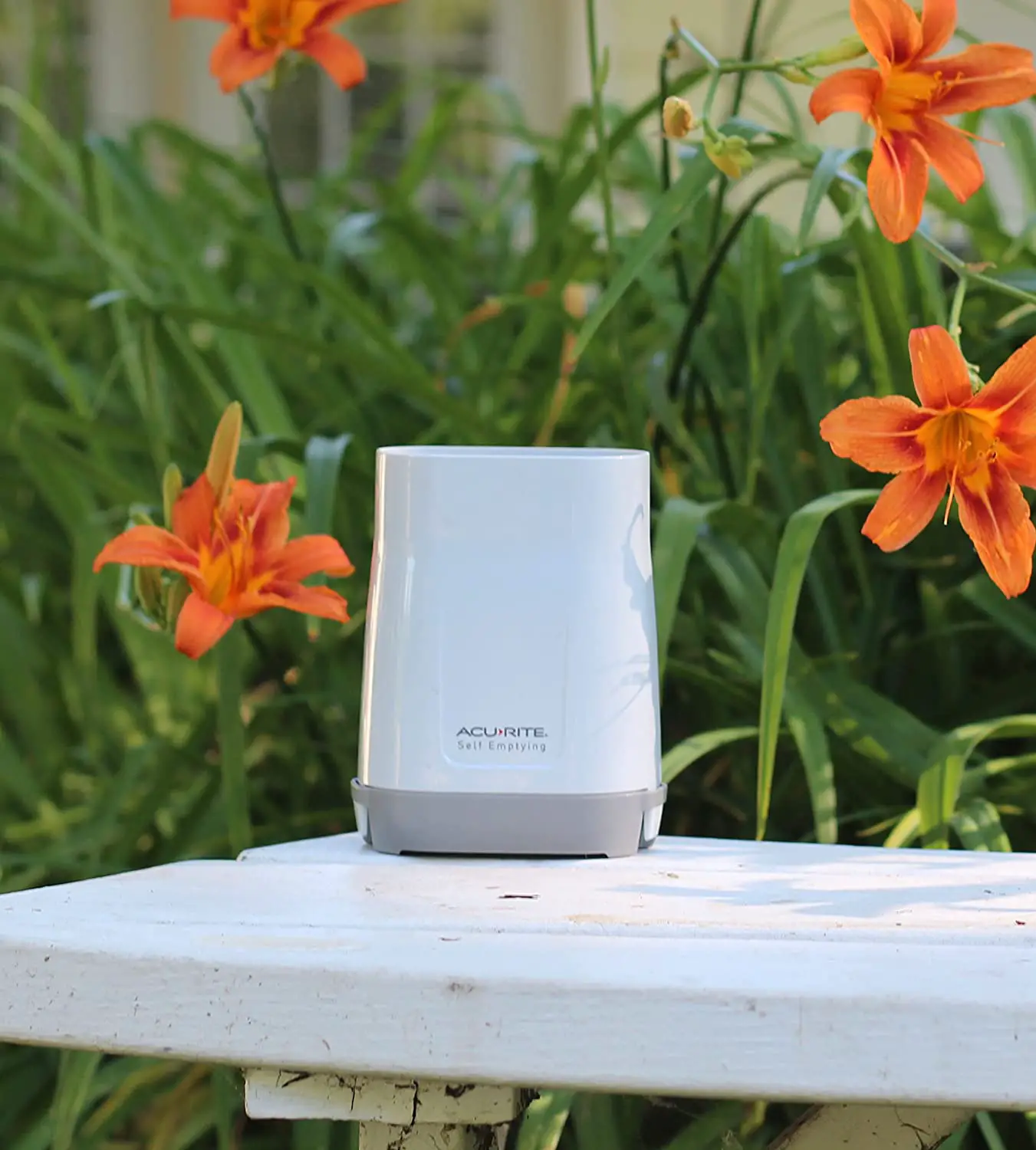
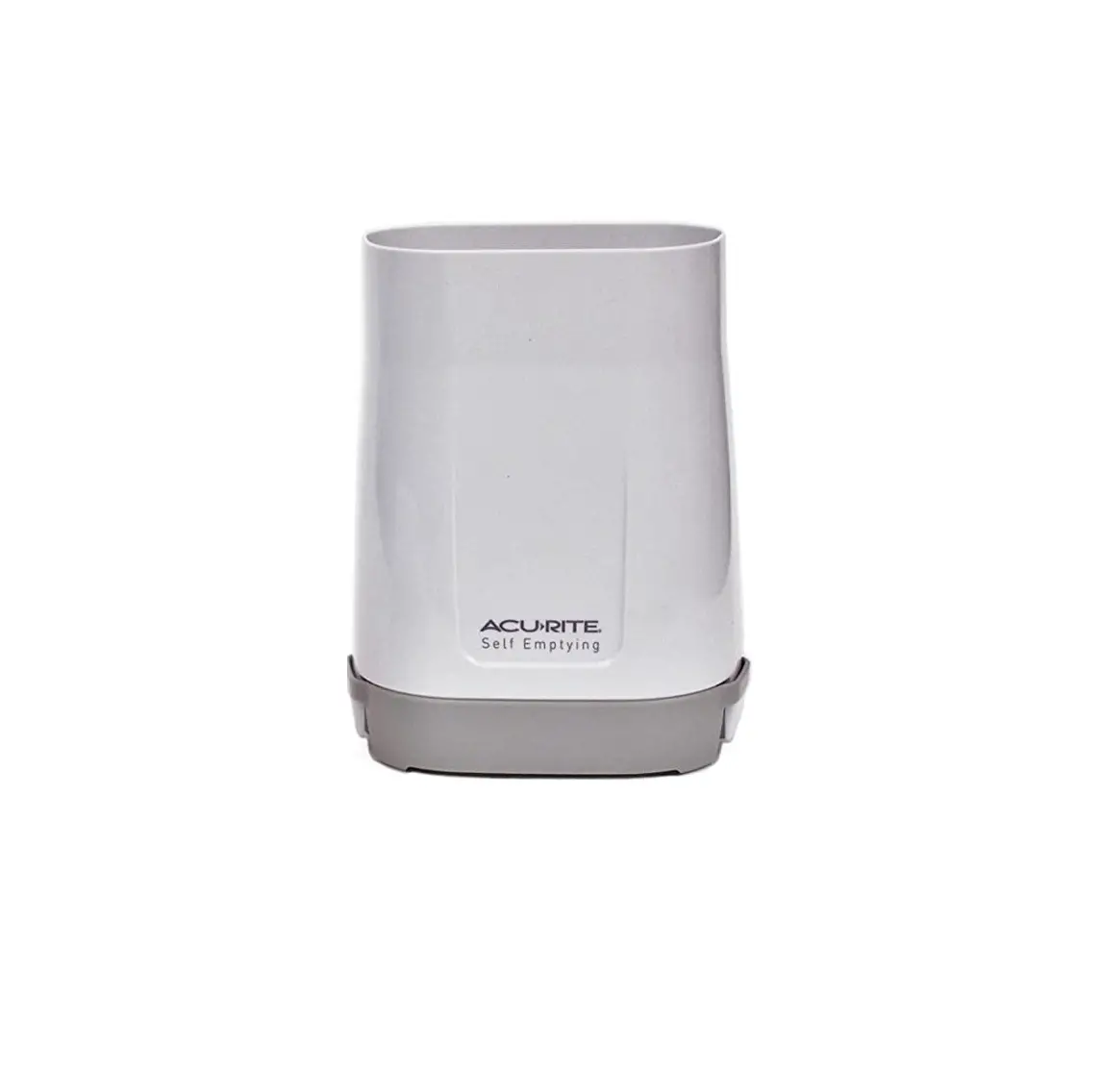
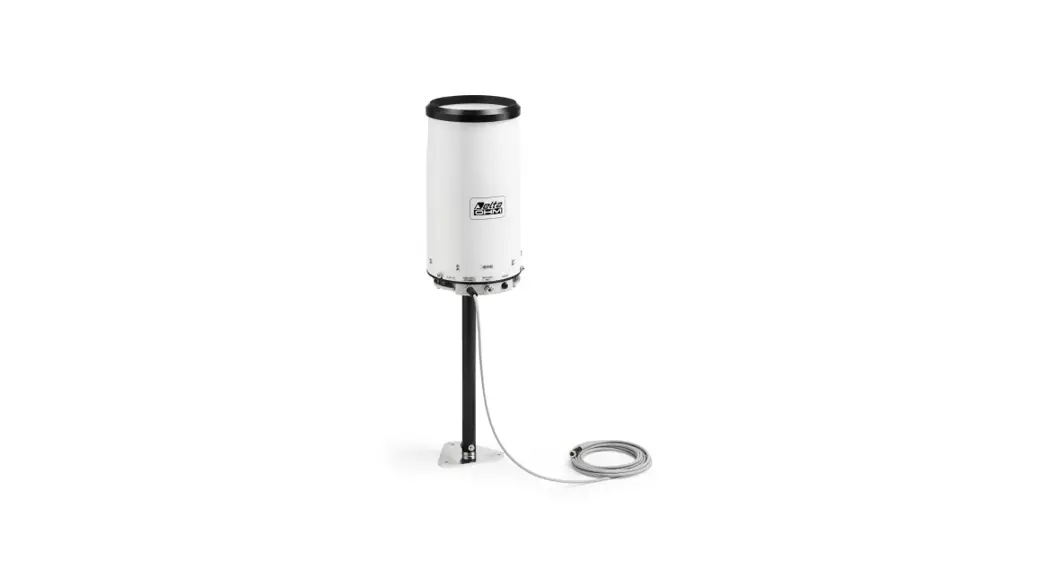
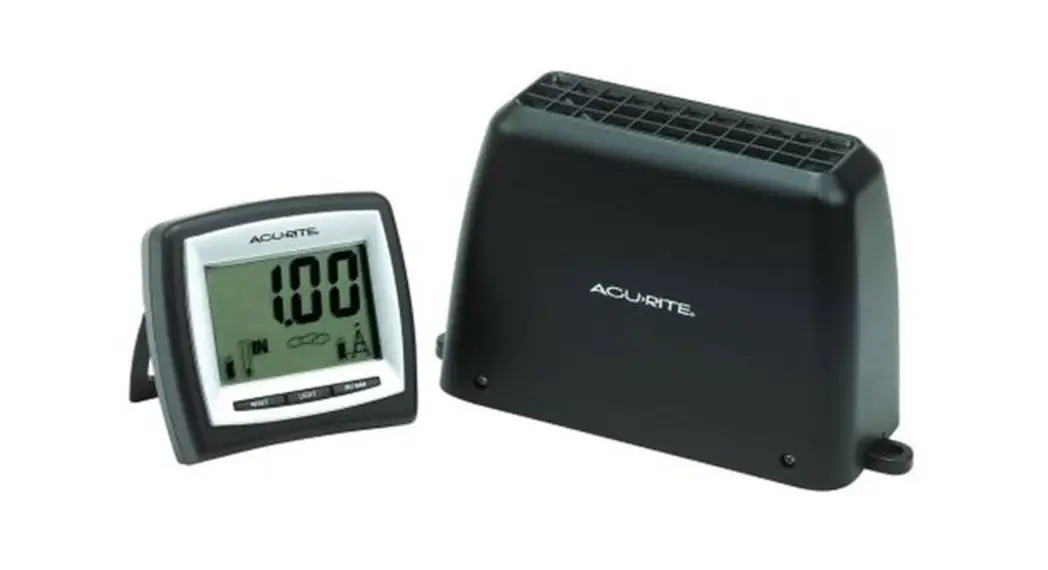
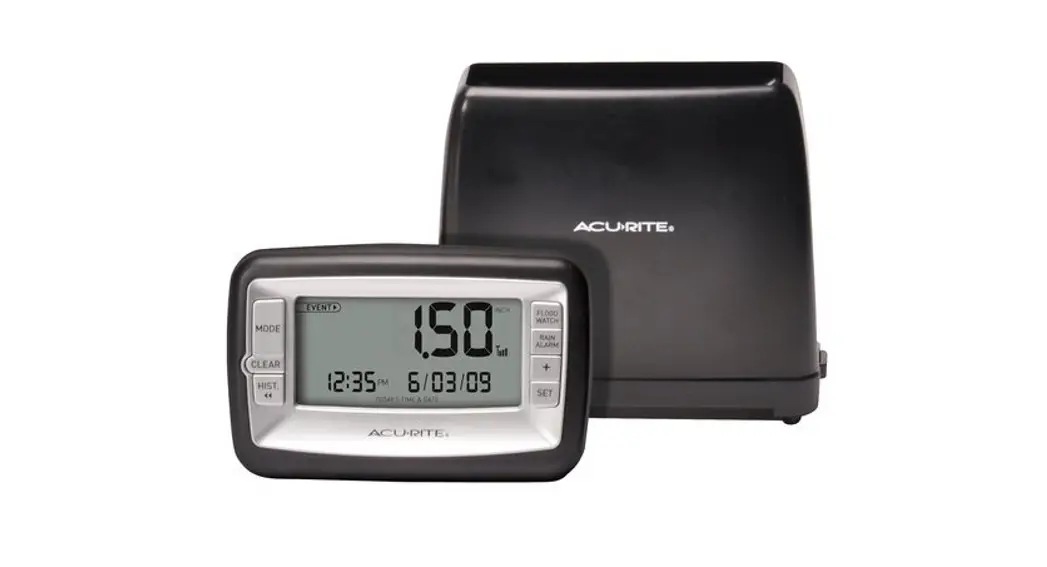
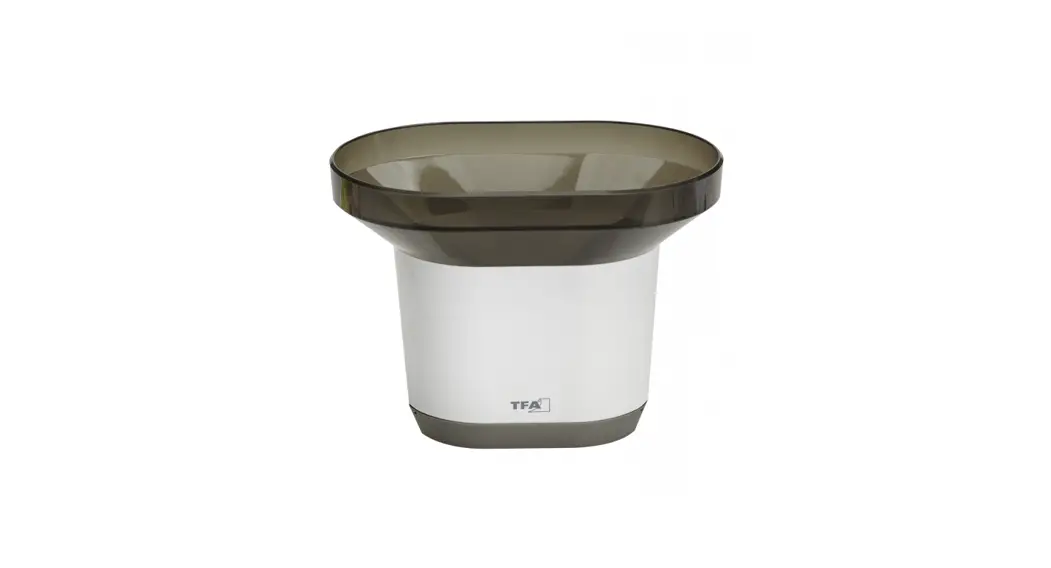
2304 Series Commercial Grade Tipping Bucket Rain Gauge
Rain Gauge 2304 Series Instruction Manual
Product Information
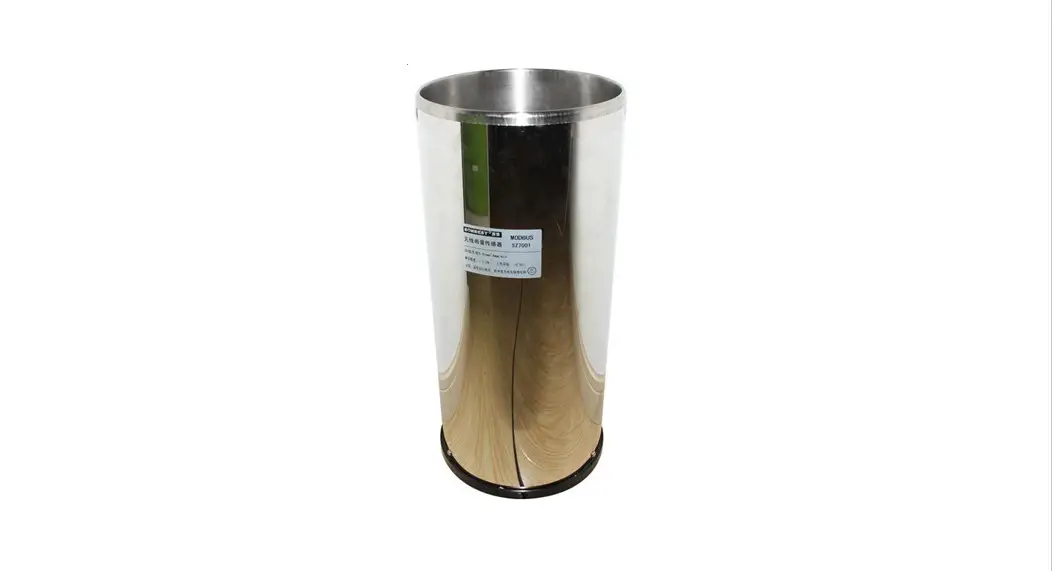
The 2304 Rain Gauge is a commercial grade tipping bucket rain
gauge. It is designed for accurate measurement of rainfall and
features a removable housing for easy maintenance. The rain gauge
is constructed with robust stainless steel materials that are
environmentally stable. It meets E.P.A. and N.W.S specifications
and includes 50′ of sensor cable and a bubble level for precise
installation.
Specifications
- Switch: Proximity switch rating: 30VDC, 20mA
- Accuracy: +/- 4% over range of 1 to 6 per hour
- Orifice: 8″ diameter
- Dimensions: 8.4″ D x 15.0″ H
- Shipping weight: 8 lb.
- Calibration: Model 2304 – 0.01in / 0.25MM
- Mounting: 3 equally spaced legs, 1/4″ diameter bolt holes.
- Construction:
- Funnel: 304SS
- Body: 304SS
- Accessories: A96-100 Surge Protector, A70-R Transmitter
Product Usage Instructions
- Remove the funnel from the top of the rain gauge and remove all
packing material. - Verify that the bucket moves freely.
- Ensure that the rain gauge is level by using the built-in
bubble level. Adjust as necessary using washers as shims under the
feet. - Attach the rain gauge to a stable, level mounting platform
using the included 1/4″ bolts. - Check that the screen, bucket assembly, and drainage holes are
free of debris. Wipe the bucket and inner funnel clean. - Lubricate the two tipping bucket pivot points with a drop of
light oil every six months. - Once a year, check that the rain gauge is level and adjust if
necessary.
Calibration
The rain gauge comes calibrated from the factory. However, if
recalibration is required, follow these steps:
- Release the locknuts on the calibration screws that the bucket
rests on. - Wet all gauge surfaces and empty excess water from the
bucket. - Refer to Table 2 in the manual and drip water through the
funnel at a rate of 0.5 ml/second. Note how much water it takes to
tip the bucket. - If the bucket tips too soon, adjust the screws downward. If the
bucket tips too late, adjust them upward. - Once the desired calibration is obtained, tighten all locknuts
simultaneously. - Verify the calibration by pouring water into the gauge at a
rate of approximately 0.5 ml/second and checking that the bucket
tips within +2 as averaged over 5 tips.
Troubleshooting
If you are unable to solve a problem with the rain gauge, it is
recommended to put it aside until the next day. Often, new thoughts
or solutions will occur while working on another project.
® ISO 9001 Registered
Rain Gauge 2304 Series Instruction Manual
Version A
FEATURES:
Removable housing for easy maintenance
Robust Stainless Steel construction
Meets E.P.A. & N.W.S specifications
Environmentally stable materials
50′ of sensor cable
Bubble Level
1
GENERAL INFORMATION
The 2304Rain Gauge is a commercial grade tipping bucket rain gauge. Its simplicity of design assures trouble free operation yet provides accurate rate of rainfall measurement.
A stable, level mounting platform approximately 18 inches (0.5 meter) square is required to attach the rain gauge. The platform can be fabricated of concrete, treated wood or any other suitable material.
CONSTRUCTION
The 8″ body and orifice funnel are manufactured from 304 stainless steel. The bucket supports and tipping bucket are robust, chemically resistant and environmentally stable.
OPERATION
A ceramic magnet mounted in a recess on the tipping bucket activates a proximity switch, to provide a contact closure at every calibrated tip of the tipping bucket.
Remove the funnel from the top of the gauge and remove all packing material from it. Verify the bucket moves freely. The gauge must be level to operate properly. Use the built in bubble level to check that the gauge is level in all directions. Attach it to the mounting platform with the included 1/4″ bolts. Washers can be used under the feet as shims to level the gauge.
SPECIFICATIONS
Switch:
Proximity switch rating: 30VDC, 20mA
Accuracy: +/- 4% over range of 1″ to 6″ per hour
Orifice: 8″ diameter
Dimensions: 8.4″ D x 15.0″ H Shipping
weight: 8 lb.
Calibration:
Model 2304 – 0.01in / 0.25MM
Mounting: 3 equally spaced legs, 1/4″ diameter bolt
holes.
Construction:
Funnel
304SS
Body
304SS
Accessories: A96-100 Surge Protector A70-R Transmitter
INSTALLATION
SENSOR LOCATION
It is necessary to shield the gauge from the wind to obtain an accurate measure of precipitation. Trees, bushes and shrubbery provide natural shields from the wind. The gauge must be clear of obstructions or surfaces that could drip or splash water into the orifice. The gauge should be located in the center of a circle clear of obstructions. The radius of the circle should be at least twice the height of the surrounding vegetation. If natural protection is unavailable, a wind shield will be required. In locations where heavy snowfall occurs the gauge should be mounted on a tower, high above the average snow level.
2
Wind Screen for Rain Gauge
MAINTENANCE
Rain Gauge
Check that the screen, bucket assembly and drainage holes are free of debris. The bucket and inner funnel should be carefully wiped clean.
Every six months the two tipping bucket pivot points should be lubricated with a drop of light oil.
Once a year check that the gauge is level and adjust if necessary.
Calibration
The rain gauge has been calibrated at the factory.
Verification of Calibration
Table 2
Calibration Volume
Units of Calibration
Volume of water
0.5mm
16.215 ml
0.25mm 8.11 ml 0.2 mm 6.48 ml
0.01 inch
8.24 ml
1. Wet rain gauge surfaces.
2. Refer to Table 2. Pour water into gauge at rate ofapproximately 0.5 ml / second.
3. Check that bucket tips within +2 as averaged over 5 tips of the bucket.
Re-Calibration
1. Release the locknuts on the calibration screws that thebucket rests on.
2. Wet all gauge surfaces and empty excess water frombucket.
3. Refer to Table 2 and using a flow rate of 0.5 ml /seconddrip water through the funnel noting how much water it takes to tip the bucket.
4. If the bucket tips too soon, adjust the screws downward.If the bucket tips too late, adjust them upward.
5. When the required calibration is obtained tighten alllocknuts simultaneously.
6. Verify calibration as above.
3
TROUBLE SHOOTING
Philosophy
If you are unable to solve the problem, put it aside until the next day. Some new thoughts will probably occur while working on another project.
Effective trouble shooting requires that problem locations be systematically eliminated until the problem is found.
There are four basic questions to answer when trouble shooting (Ref. #1):
1. Did it ever work right?
2. What are the symptoms that tell you it’s not workingright?
No Rainfall Recorded
Debris in gauge
Failed Switch in Gauge -Use ohm meter to check resistance as bucket is slowly tipped by hand. Meter should indicate infinite resistance when bucket is at rest. It should indicate 1 – 10 ohms when the switch is closed.
3. When did it start working badly or stop working?
4. What other symptoms showed up just before, just after,or at the same time as the failure?
Broken Signal Cable – Ohm meter will indicate only infinite resistance.
Excessive Precipitation
It is best to write down any clues you may obtain. Be sure to write down anything unusual.
Check that the gauge orifice is level.
The response to question #3 should probably not be 3:04 P.M.. A useful response might be, “Just after an electrical storm.” or, “Just after it fell off the shelf.”
Double check all the simple solutions to the problem before searching for complex ones. If the problem occurs right after installation, it probably has a simple solution.
References
1. “Troubleshooting is More Effective with the Right Philosophy”, Robert A. Pease, Electronic Design News, January 5, 1989.
LIMITED WARRANTY
If an automobile engine cranks, but doesn’t start, make sure there is fuel in the tank before replacing the engine. If the electronic equipment doesn’t function verify that it has power and is turned on.
Systems containing parts which can be quickly interchanged are easy to trouble shoot. Swap parts until the problem moves. The location has then been narrowed to the part that caused the problem to move.
Sometimes there are multiple problems. These reveal themselves in layers much like peeling an onion.
It often helps to explain the problem to another person, even if that person is not knowledgeable about the particular piece of equipment.
This does two things. First it requires you to organize the situation so it can be explained to another. Secondly, it may turn out that you are so familiar with the situation that you have over looked the obvious. Another person unfamiliar with the equipment may be able to help.
COMPTUS extends this warranty to the original consumer only. Any product manufactured by Comptus is warranted against defect for a period of ONE YEAR beginning on the date of purchase by the consumer or two years beginning on the date of purchase from Comptus by the authorized dealer, whichever expires sooner.
TO OBTAIN WARRANTY SERVICE, the purchaser must contact Comptus and receive return authorization. Such correspondence should be addressed to: Comptus Inc., 202 Tamarack Rd., Thornton, NH. 03285. All warranty service is performed at the factory. All incidental expenses, including shipment of products to Comptus by the purchaser, shall be the sole responsibility of the purchaser. WARRANTY SERVICE is at the sole discretion of Comptus and free of charge for parts and labor. Under the above terms, Comptus will repair or replace the defective component(s), provided that:
a) the product has not been subjected to abuse, neglect,accident, alteration, improper installation
4
or servicing, or used in violation of instructions furnished by Comptus;
b) the product has not been repaired or altered by anyoneexcept Comptus or its authorized service agencies;
c) the serial number has not been defaced, removed, orotherwise changed;
d) the damage has not been caused by acts of natureincluding windstorm and hail beyond those specified as within the range of operating conditions;
e) the damage has not been caused by shipping.
THIS WARRANTY IS IN PLACE OF ALL OBLIGATIONS OR LIABILITIES ON THE PART OF COMPTUS FOR DAMAGES. IT DOES NOT APPLY TO ANY COMPONENT OR EQUIPMENT RESOLD BY COMPTUS IN ITS ORIGINAL CONDITION AS RECEIVED BY COMPTUS FROM THE MANUFACTURER OR DISTRIBUTOR, AMONG THE DAMAGES EXCLUDED FROM THIS WARRANTY ARE ANY INCIDENTAL OR CONSEQUENTIAL DAMAGES ARISING OUT OF OR IN CONNECTION WITH THE PRODUCT IN ANY WAY. Any implied warranties are limited in duration to the duration of the written warranty. No representative or person is authorized to give any other warranty or assume for Comptus any other liability in connection with the sale of its products. THIS WARRANTY GIVES YOU SPECIFIC LEGAL RIGHTS, AND YOU MAY ALSO HAVE OTHER RIGHTS WHICH VARY FROM STATE TO STATE. SOME STATES DO NOT ALLOW THE EXCLUSION OR LIMITATION OF INCIDENTAL OR CONSEQUEN-TIAL DAMAGES OR LIMITATIONS ON HOW LONG AN IMPLIED WARRANTY LASTS, SO THE ABOVE LIMITATIONS AND/OR EXCLUSIONS MAY NOT APPLY TO YOU. This warranty complies with the Magnuson-Moss Consumer Warranty Act, and completely replaces any warranty printed on promotional material describing products of Comptus Inc.
2304 Packing List
.
HOW TO RETURN EQUIPMENT TO COMPTUS
1.
Contact the Comptus Service department with the
modeland serial number of the unit. Be prepared to
provide the symptoms of the problem as many are solved
without the need for returning the equipment. Have a
person with firsthand experience of the trouble on hand to
provide specific information.
2.
Comptus will issue a Return Material
AuthorizationNumber (RMA#) if required. This will
ensure the fastest response and least cost for all parties.
Please reference this number in all correspondence. This
number should be printed on the shipping container.
3.
Include a description of the service desired with
thereturned equipment. If the equipment is being returned
for repair, please include a description of the problem.
4.
If the equipment is packaged in a plastic case,
wrap it inaluminum foil, or other conductive material. This
will protect it from static electricity, as well as prevent the
packing material from jamming mechanical parts, such as
switches. Otherwise, place the equipment in a plastic bag,
again to prevent contamination by packing material.
Place the equipment in a suitable shipping container and fill with packing material. There should be at least one inch of packing material between the equipment and the shipping container on all sides.
5.
Equipment will be returned C.O.D. to sender if
anycharges are incurred, unless other arrangements are
made in advance.
SHIP THE EQUIPMENT TO: Comptus 202 Tamarack Rd. Thornton NH 03285 U.S.A. Telephone : 603 726-7500 Telfax
: 603 726-7502 e-mail : [email protected]
NOTE: Please be sure to include the RMA Number, as described in Item 1, on the shipping container.
Qty. Description
1 2304 Rain gauge 1 Instruction Manual
5
— IMPORTANT: Please check your order on receipt to be certain all listed accessories are included before discarding shipping container or packing material. All shortages must be reported within 10 days of receipt.
®
WWW.COMPTUS.COM Phone: 603 726-7500 Fax: 603 726-7502
6
 Environmental Sensors, Weather Measuring Instruments - Comptus