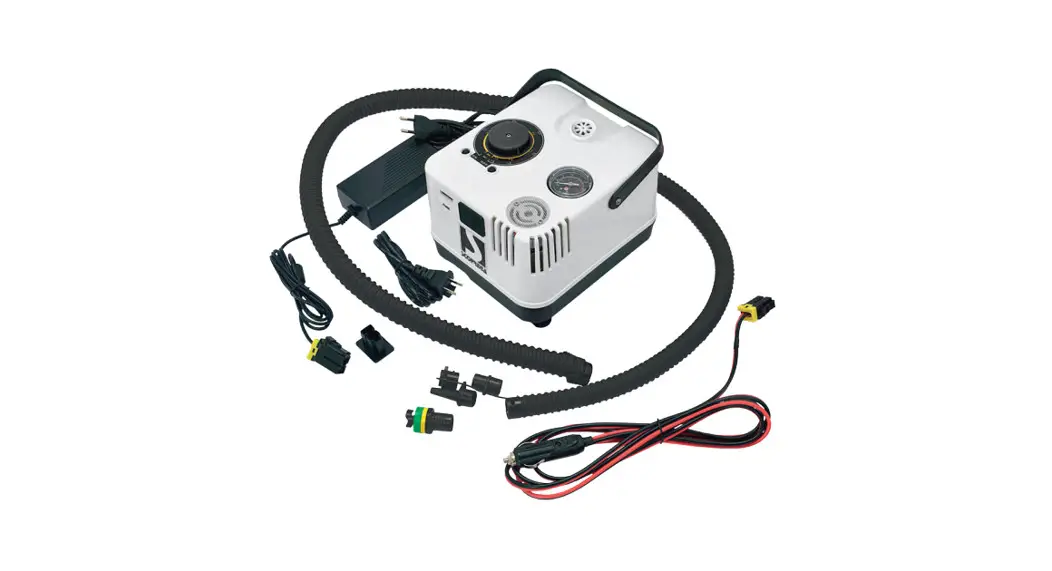
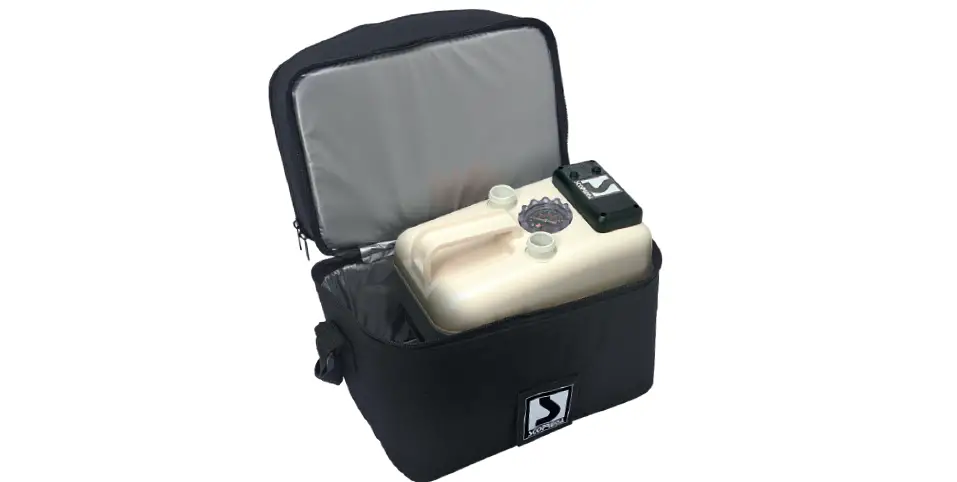
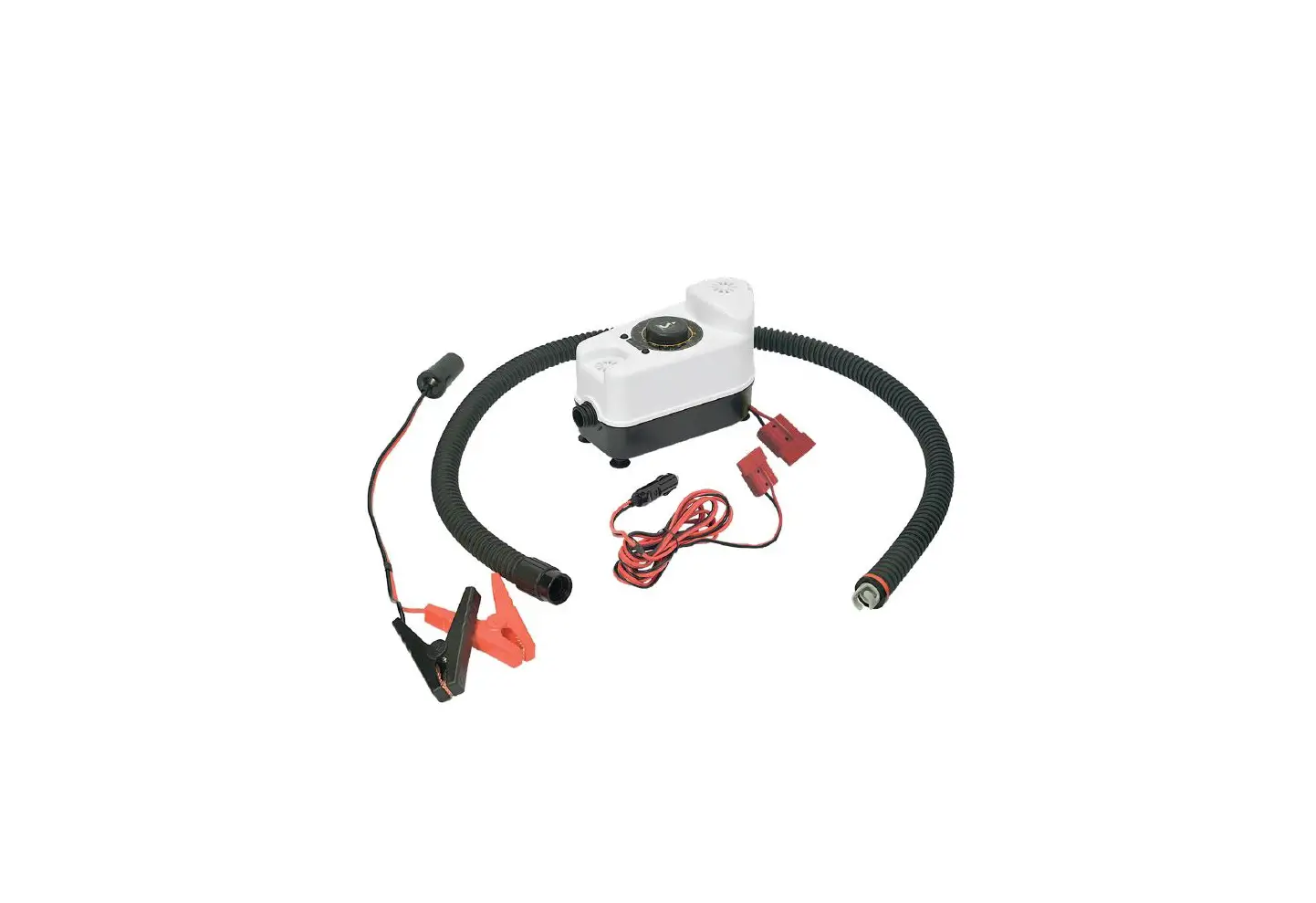
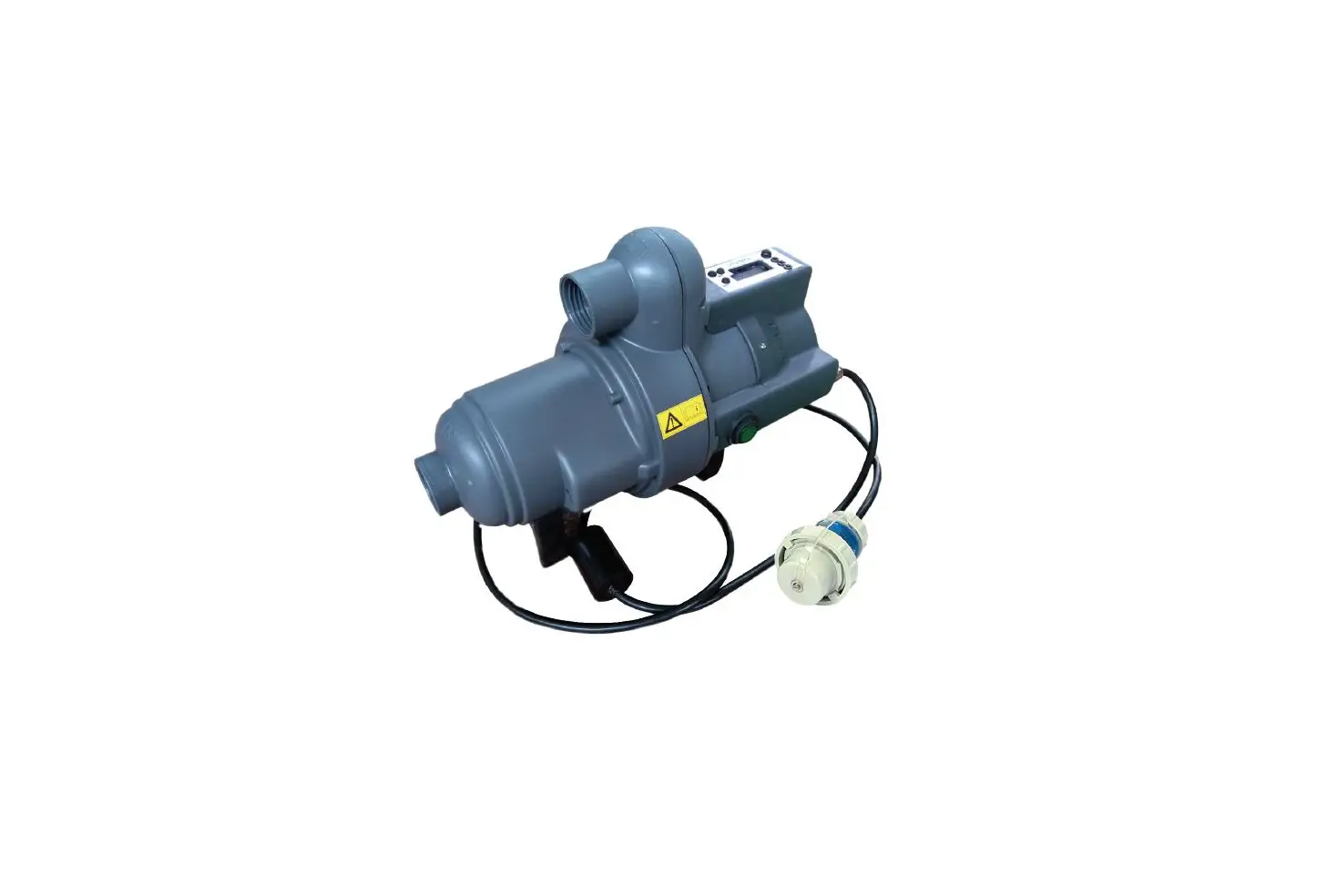
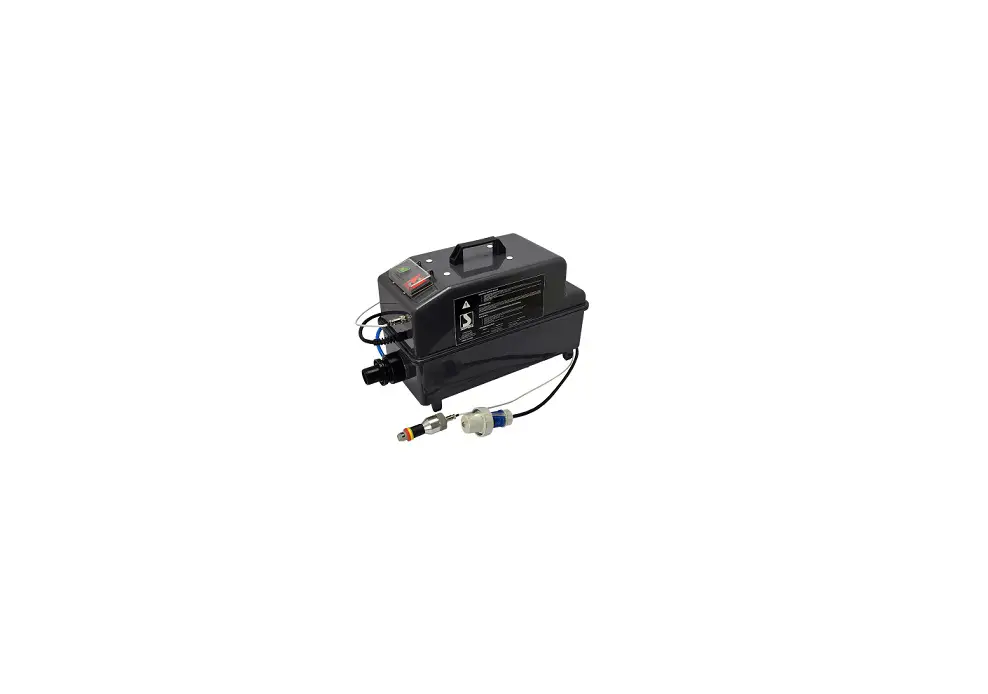
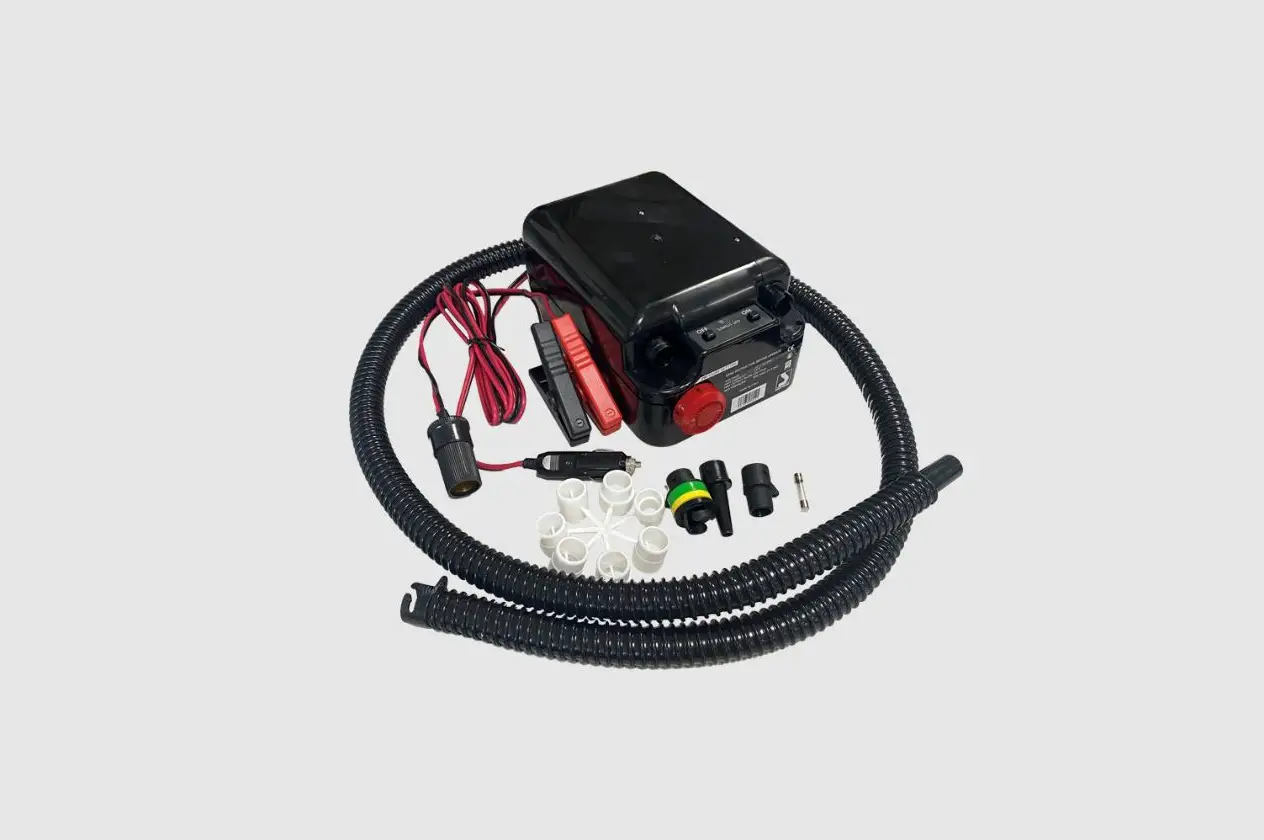
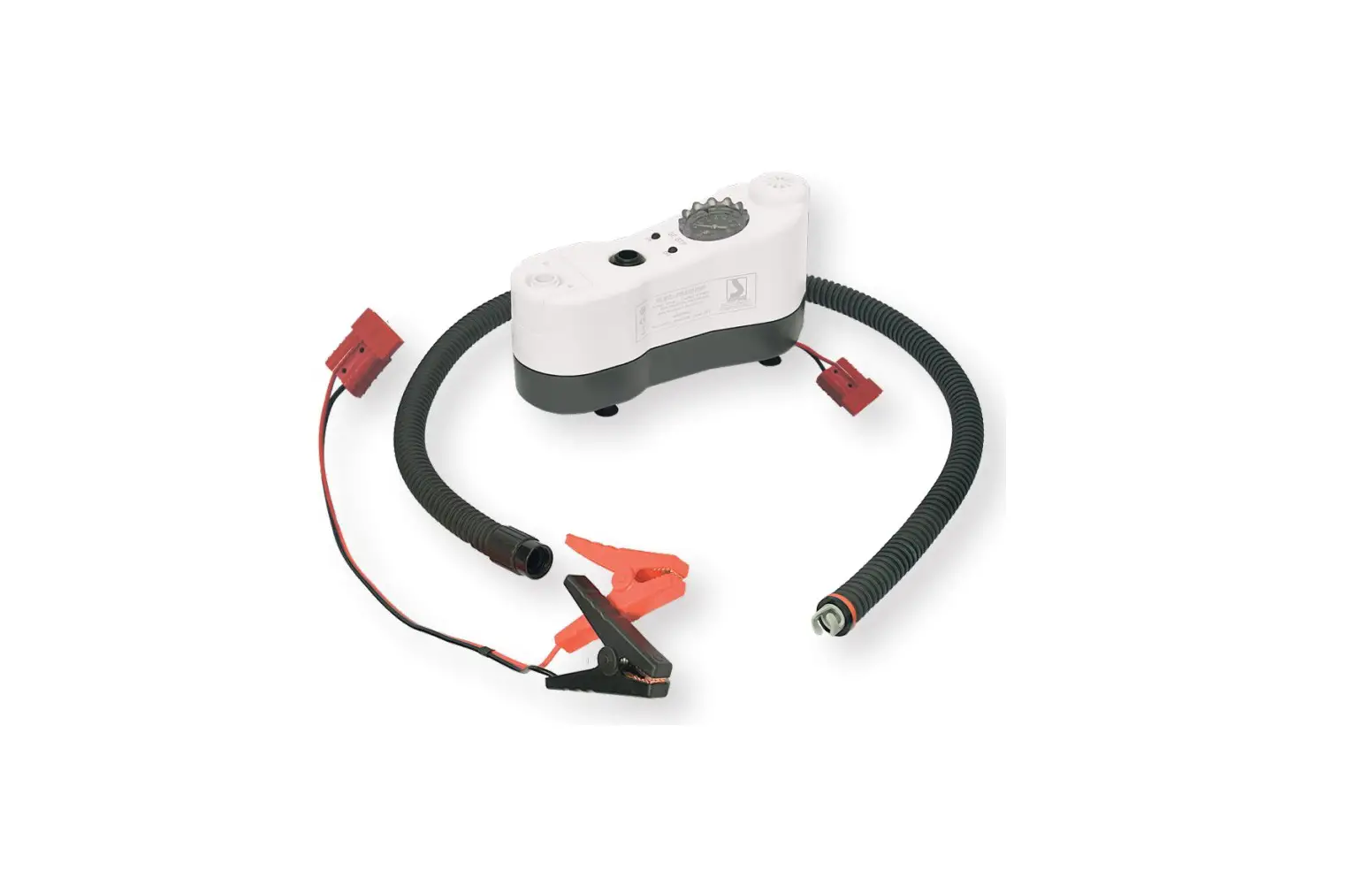
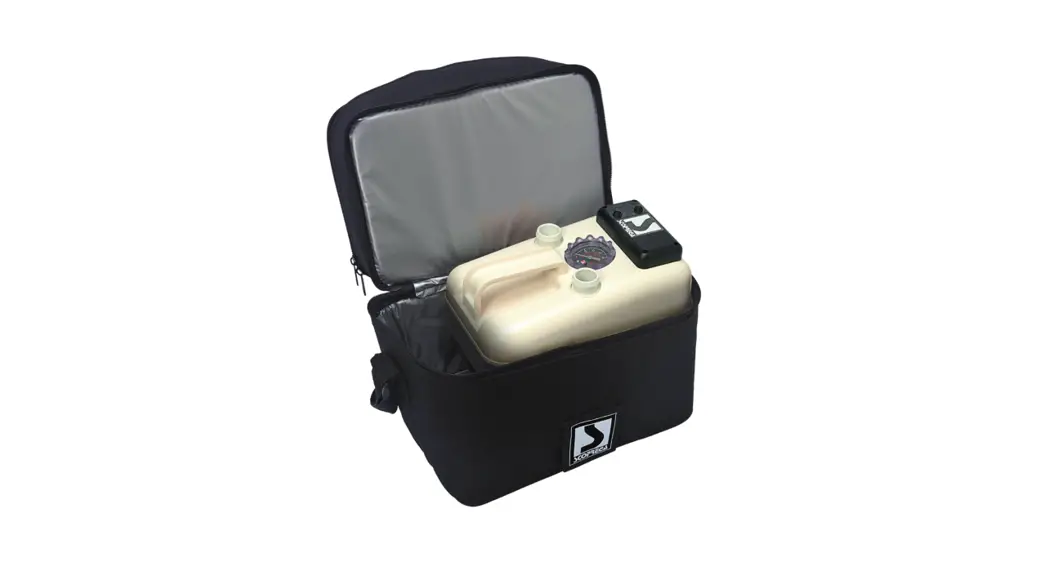
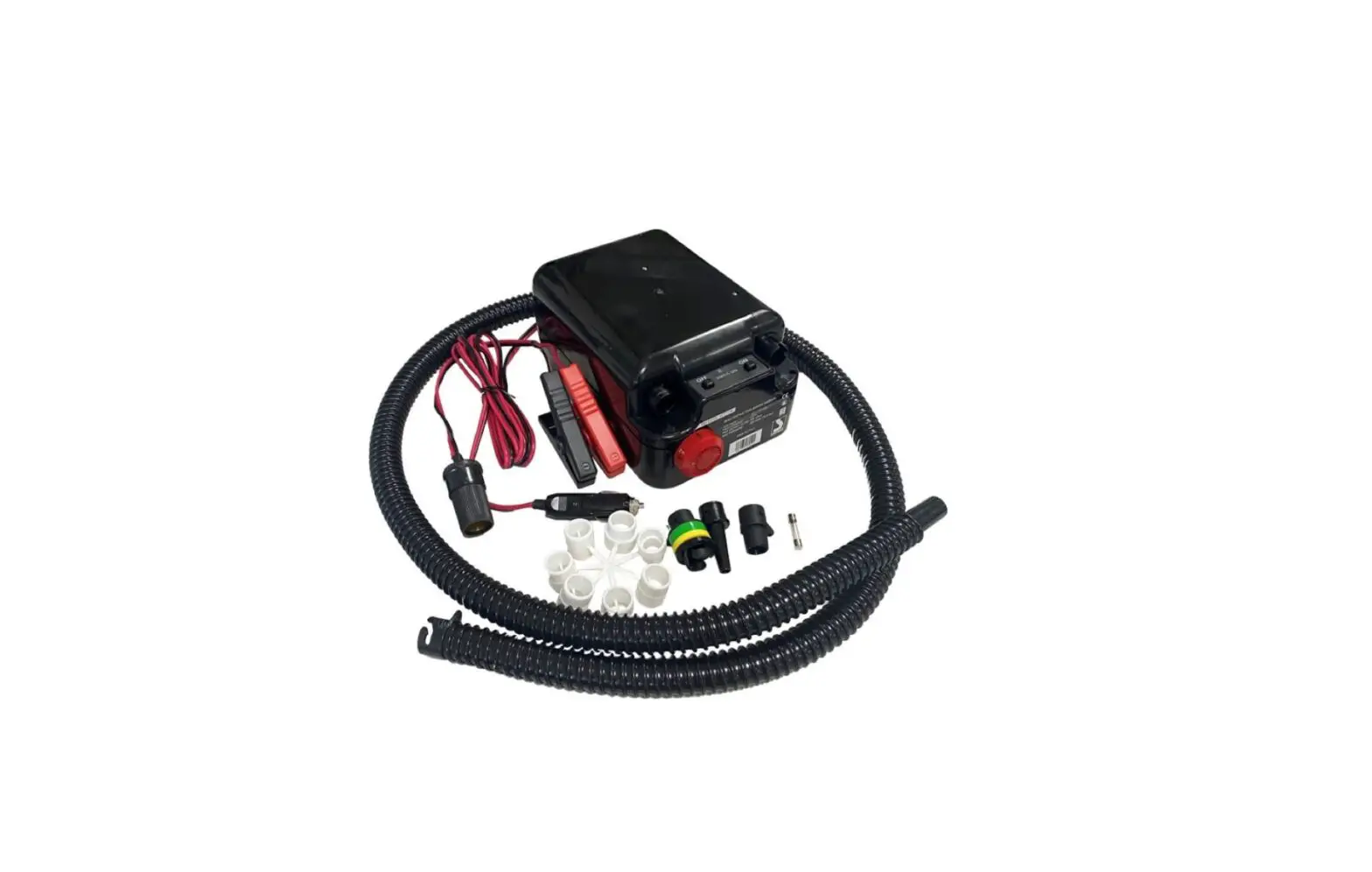
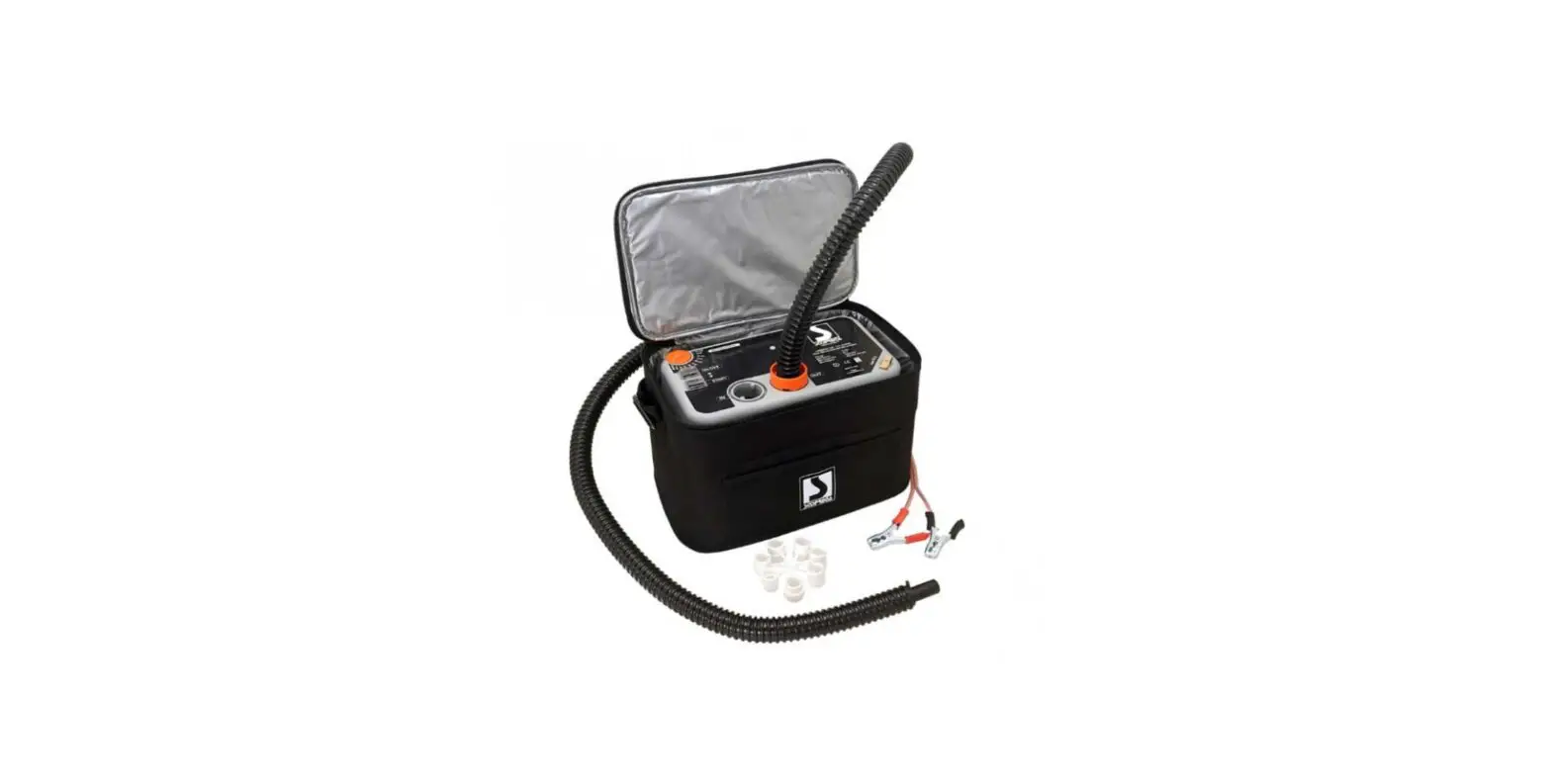
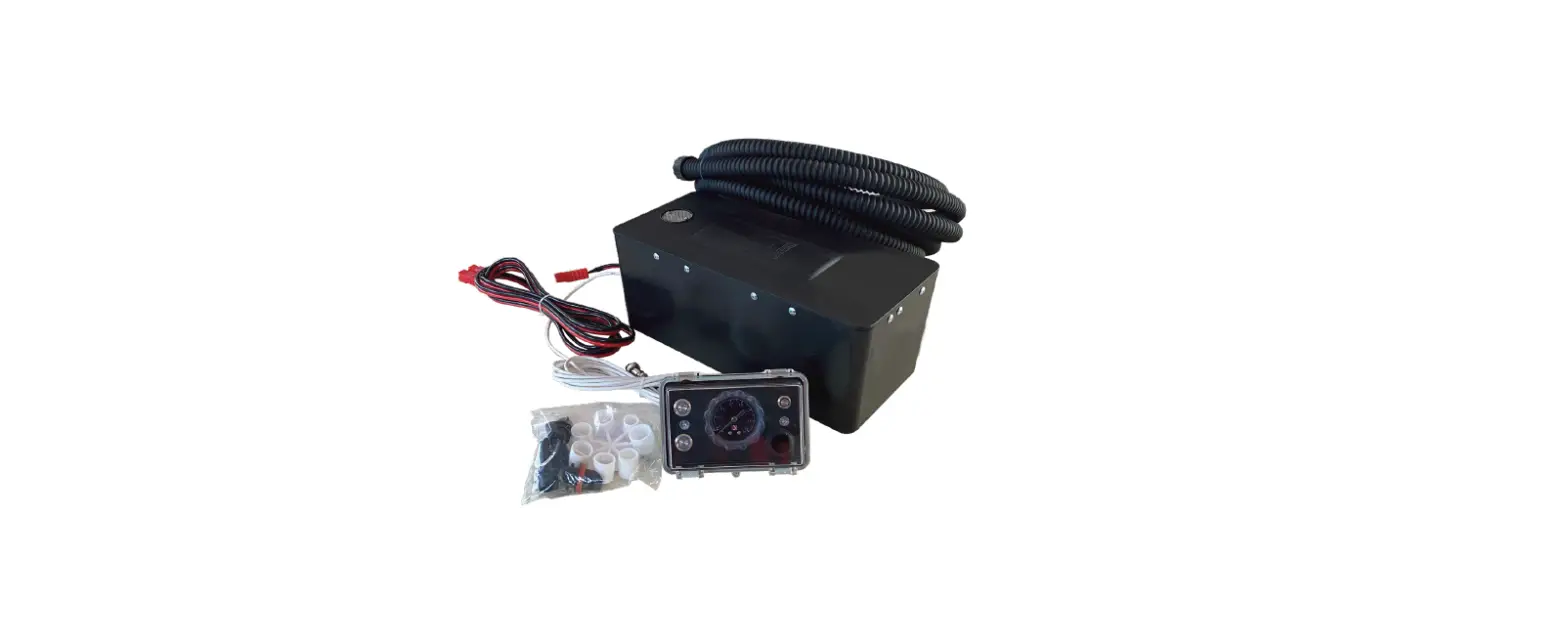
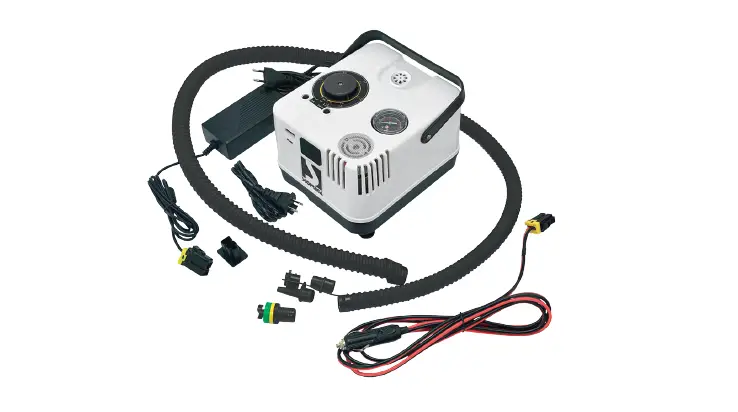
GE10-B A.R.S GE1S0000 Electric Inflator
Product Information: Product Name: GE10-B A.R.S. IP65 Electric
Inflator Product Description: The GE10-B A.R.S. IP65 Electric
Inflator is a versatile and efficient tool for inflating and
deflating various items. It features a display, a battery power
protection cap, an inflation nozzle, and a deflation nozzle.
Technical Specifications: – Voltage: 12 Vdc – Flow Rate: 450 l/min
(turbine), 150 l/min (compressor) – Charging Voltage: 120-240 Vac
50-60 Hz – Maximum Pressure: 450 mbar (6.5 PSI) – Functions:
Inflate/Deflate Product Usage Instructions: 1. Connect the inflator
to the provided battery charger by unscrewing the battery power
protection cap (refer to Figure 1). 2. Connect the charger to the
power supply using the provided cables. The LED on the charger will
indicate the charging status. 3. To inflate: – Remove the deflation
nozzle plate to allow better suction (see section 8.3). – Press the
ON/OFF switch on the display to turn on the inflator (refer to
Figure 2). – Adjust the pressure settings as required using the
pressure regulator (see section 9). – Ensure the inflatable item’s
maximum recommended pressure is considered and set the pressure
accordingly. Avoid over-inflation. 4. To deflate: – Insert the
deflation nozzle plate. Follow the reverse sequence described in
section 8.3. – Connect the air hose to the suction nozzle (refer to
Figure 1). Make sure to choose the appropriate fitting for the
valve and check for any air leaks. Ensure there are no obstructions
or leaks in the air path. – Start deflating by pressing the ON/OFF
button on the display. Note: In case of overheating due to
prolonged use, the inflator will automatically shut down to prevent
damage to its components. Please refer to the user manual for
troubleshooting tips and additional information.
GE10-B A.R.S. IP65
GE1S0000
IT GONFIATORE ELETTRICO
CONSERVARE QUESTE ISTRUZIONI
EN ELECTRIC INFLATOR
SAVE THIS INSTRUCTIONS MANUAL FOR REFERENCE
INDICE
1. DESCRIZIONE FUNZIONALE 2. PREMESSA 3. AVVERTENZE PRELIMINARI 4. REGOLE DI SICUREZZA GENERALI 5. INTRODUZIONE 6. DATI TECNICI 7. IMPORTANTI NOTE DI RICARICA 8. UTILIZZO E FUNZIONAMENTO
8.1 PER GONFIARE 8.2 PER SGONFIARE 8.3 RIMOZIONE PORTA DI SGONFIAGGIO
9. CAMBIARE IMPOSTAZIONE DELLA PRESSIONE 10. SOLUZIONE DEI PROBLEMI
10.1 ACCESSORI
1. DESCRIZIONE FUNZIONALE
1
2
3
4
figura 1
GE10-B A.R.S. IP65
1. DISPLAY 2. TAPPO DI PROTEZIONE ALIMENTAZIONE BATTERIA 3. BOCCA DI GONFIAGGIO 4. BOCCA DI SGONFIAGGIO
MANUALE DI
CONSERVARE QUESTE ISTRUZIONI
2. PREMESSA
Gentile cliente, congratulazioni per aver scelto Scoprega. Progettiamo e fabbrichiamo prodotti della massima qualità secondo le esigenze della nostra clientela. Scoprega offre la massima qualità anche nell’assistenza. I nostri uffici dedicati garantiscono consulenza e istruzioni in caso di bisogno, oltre a un’assistenza tecnica completa.
La ringraziamo per la fiducia.
ATTENZIONE
Leggere queste istruzioni prima di utilizzare il gonfiatore. La mancata osservanza di tutte le istruzioni elencate di seguito può provocare danni al prodotto e/o causare lesioni gravi alle persone.
3. AVVERTENZE PRELIMINARI
1. Attenersi a tutte le istruzioni presenti su questo documento. 2. Conservare le presenti istruzioni. 3. Non ostruire le bocchette di aerazione. 4. Quando in ricarica della batteria, proteggere sempre il cavo di alimentazione. 5. Non aprire il gonfiatore. Far eseguire tutte le attività di manutenzione a manutentori qualificati autorizzati da Scoprega. La manutenzione è necessaria quando l’apparecchio risulta in qualche modo danneggiato o non funzionante. 6. Non manomettere il prodotto. L’apertura del gonfiatore comporta la decadenza della garanzia. 7. Fornire una ventilazione adeguata 8. Evitare di posizionare oggetti nelle vicinanze del prodotto durante il suo funzionamento. 9. Tenere il presente prodotto fuori dalla portata dei bambini. 10. Il gonfiatore in moto produce vibrazioni per cui, per evitare cadute accidentali, ne consigliamo l’utilizzo a pavimento.
NON ALIMENTARE IL GONFIATORE AD UNA TENSIONE PIÙ ALTA DI QUELLA NOMINALE.
4. REGOLE DI SICUREZZA GENERALI
1. CONSIDERARE SEMPRE L’AMBIENTE DI LAVORO. Non utilizzare in presenza di liquidi o gas infiammabili. 2. EVITARE L’AVVIO ACCIDENTALE. Non avviare il gonfiatore con la bocca di ingresso in contatto con polvere o acqua. 3. PRESTARE ATTENZIONE. Prestare attenzione a quello che si sta facendo. Usare il buon senso.
ISTRUZIONI
4. CONTROLLARE CHE NON VI SIANO PARTI DANNEGGIATE. Prima di usare il gonfiatore, ispezionare con attenzione le pareti esterne e i suoi componenti. 5. NON AVVIARE i gonfiatori portatili nei pressi di liquidi infiammabili o atmosfere gassose o esplosive. I motori di questi gonfiatori producono scintille che possono rilasciare fumi. 6. ATTENZIONE A NON INALARE! L’aria compressa proveniente dal gonfiatore non è pura. Non inalare mai aria dal gonfiatore. 7. ATTENZIONE! PERICOLO DI SCOPPIO. Gonfiare l’unità gonfiabile solo seguendo le raccomandazioni del costruttore. Una pressione eccessiva può causare l’esplosione del gonfiabile, che può cagionare lesioni personali. 8. NON LASCIARE MAI IL DISPOSITIVO SENZA SORVEGLIANZA. Il gonfiaggio eccessivo può causare gravi lesioni e danni materiali. 9. ATTENZIONE! PERICOLO DI FUNZIONAMENTO NON SICURO Non modificare o tentare di riparare l’unità. Non forare o apportare modifiche al gonfiatore o ai suoi accessori. Qualunque modifica al prodotto comporta la decadenza della garanzia. 10. Non trasportare mai il gonfiatore dal tubo flessibile né dal cavo di alimentazione.
5. INTRODUZIONE
Il GE10-B A.R.S. IP 65 è un gonfiatore che garantisce un grado di protezione IP65 per un utilizzo all’esterno anche in condizioni meterologiche avverse. Inoltre, è dotato di un sistema A.R.S. (Automatic Refilling System) che consente il mantenimento costante della pressione all’interno del gonfiabile in modo automatico. Equipaggiato con una batteria al pimobo ricaricabile, il GE10-B A.R.S. IP 65 è un gonfiatore a due stadi di facile utilizzo Il primo stadio a turbina fornisce alte portate d’aria a bassa pressione (circa 50 mbar; 0,8 psi). Quando la turbina raggiunge la pressione massima, si spegne e avvia il automaticamente il compressore bicilindrico. In questo caso, si avrà meno volume di aria, ma molta più pressione.
6. DATI TECNICI
TENSIONE (V)
12 Vdc
PORTATA (L/minuto)
450 l/min (turbina) 150 l/min (compressore)
VOLTAGGIO RICARICA
120-240 Vac 50 60 Hz
PRESSIONE MAX (mbar)
450 (6,5 PSI)
FUNZIONI
GONFIA/ SGONFIA
7. IMPORTANTI NOTE DI RICARICA
1. Una vita più lunga e prestazioni migliori del gonfiatore possono essere ottenute se la batteria viene ricaricata quando la temperatura dell’aria è compresa tra 18° – 24°C (65°F e 75°F). NON caricare la batteria ad una temperatura dell’aria inferiore a +4.5°C (+40°F) o superiore a +40.5°C (+105°F). Questo è importante e impedirà gravi danni alla batteria. 2. In caso di prolungato periodo di inutilizzo del gonfiatore, si consiglia di ricaricare completamente la batteria almeno una volta al mese. 3. Il caricabatterie (FIGURA 2) potrebbere risultare caldo al tatto durante la carica. Si tratta di una condizione normale e non indica un malfunzionamento. 4. NON immergere il caricatore in acqua o altri liquidi.
NON CONSENTIRE A NESSUN LIQUIDO DI PENETRARE ALL’INTERNO DEL CARICABATTERIE. POSSONO VERIFICARSI SCOSSE ELETTRICHE.
5. NON tentare di caricare la batteria con caricabatterie diversi da quelli di cui al presente manuale. Il caricatore e la batteria sono specificamente progettati per lavorare insieme. 6. Il caricabatterie non è destinato ad un uso diverso da quello di caricare la batteria del gonfiatore. Qualsiasi altro uso può comportare il rischio di incendi, scosse elettriche o elettrocuzione. 7. Assicurarsi che il cavo si trovi in modo che non venga calpestato, non ci sia pericolo di inciampo o comunque non si danneggi e non sia sottoposto a stress. 8. NON usare il caricabatterie se il cavo o la spina sono danneggiati. 9. NON smontare il caricabatterie. Un riassemblaggio non corretto può comportare un rischio di scosse elettriche, folgorazione o incendi. 10. NON usare mai un altro caricabatterie per caricare il presente prodotto. Usare sempre solo pezzi di ricambio originali.
8. UTILIZZO E FUNZIONAMENTO
figura 2
1. Collegare il gonfiatore al caricabatteria in dotazione, svitando il tappo di copertura (PUNTO 2, FIGURA 1) 2. Collegare il caricabatterie all’alimentazione elettrica mediante i cavi forniti. Il led del
caricabatteria indica che la batteria ha raggiunto il 100% di carica quando si illumina di verde. 3. Ultimata la ricarica, riavvitare il tappo di copertura 4. Collegare il tubo dell’aria alla bocca di gonfiaggio (PUNTO 3, FIGURA 1). 5. Collegare il tubo alla valvola di gonfiaggio dell’unità gonfiabile tramite i raccordi forniti in dotazione. È importante scegliere il raccordo adatto alla valvola e verificare che non ci siano perdite di aria. Accertarsi che non vi siano strozzature, impedimenti o perdite nel percorso dell’aria.
ATTENZIONE
Durante il caricamento della batteria il gonfiatore non deve lavorare. L’alimentatore della batteria funziona solo se il gonfiatore non è azionato.
8.1 PER GONFIARE
1. Rimuovere la piastrina della bocca di sgonfiaggio per
consentire una migliore aspirazione (vedi paragrafo 8.3).
2. Premere l’interruttore ON/OFF sul Display
3. Il display mostrerà la pressione presettata che deve
raggiungere il gonfiabile. Se è necessario modificarla, passare
al cap. 9 “CAMBIARE LE IMPOSTAZIONI DELLA PRESSIONE”.
figura 3
4. Premere il pulsante AUTO CYCLE. I 2 LED si accendono e dopo 2 secondi il gonfiatore inizierà a gonfiare.
5. Il gonfiatore si arresterà una volta raggiunta la pressione impostata
6. In caso di variazioni della pressione del gonfiabile oltre le tolleranze impostate (Min 30mbar- Max
70mbar) il gonfiatore si attiverà automaticamente per effettuare un rabbocco o nel caso rilasciare aria.
CONSIDERARE LA PRESSIONE DI GONFIAGGIO MASSIMA E ADEGUATA DEL GONFIABILE. IMPOSTARE SEMPRE LA PRESSIONE MASSIMA RACCOMANDATA TRAMITE IL REGOLATORE DELLA
PRESSIONE. NON GONFIARE ECCESSIVAMENTE.
8.2 PER SGONFIARE
1. Inserire la piastra della bocca di sgonfiaggio. Ripetere al contrario la sequenza descritta sul
paragrafo 8.3.
2. Collegare il tubo dell’aria alla bocca di aspirazione (PUNTO 4, FIGURA 1).
2. Collegare il tubo alla valvola dell’unità gonfiabile tramite i raccordi forniti in dotazione. È
importante scegliere il raccordo adatto alla valvola e verificare che non ci siano perdite
di aria. Accertarsi che non vi siano strozzature, impedimenti o perdite nel percorso dell’aria.
3. Avviare lo sgonfiaggio premendo il tasto ON/OFF
sul Display.
4. Una volta che il gonfiabile sarà completamente svuotato dell’aria al suo interno, il gonfiatore
si arresterà autonomamente.
8.3 RIMOZIONE PORTA DI SGONFIAGGIO
a
b
a. Porta di sgonfiaggio b. Sollevare la piastrina di bloccaggio della porta c. Rimuovere la porta dalla sua sede
c
figura 4
ATTENZIONE, IN CASO DI SURRISCALDAMENTO DOVUTO ALL’USO PROLUNGATO, IL GONFIATORE SI ARRESTERA’ AUTOMATICAMENTE PER EVITARE DANNI AI SUOI COMPONENTI.
8. CAMBIARE LE IMPOSTAZIONI DELLA PRESSIONE
A. PREMERE MODE per selezionare l’unità di misura (mbar, psi, kPa, bar): premere più volte il pulsante MODE fino all’unità desiderata. B. Modificare la pressione di gonfiaggio utilizzando I pulsanti SET+/SET-: premere un pulsante per 2 secondi, il display inizia a lampeggiare e si può quindi modificare la pressione premendo i pulsanti SET+/SET-. Dopo 2 secondi il display finisce di lampeggiare e la pressione è memorizzata. La pressione è modificabile tra 50 e 450 mbar. C. Modificare la pressione di riempimento: premere per 3 secondi il pulsante MIN, il display inizia a lampeggiare. Con SET+ e SET- potete modificare il valore. Dopo 2 secondi il display termina di lampeggiare e il valore viene memorizzato. C’è la possibilità di regolare la pressione di riempimento da 30 a 70 mbar rispetto alla pressione di esercizio. Esempio: se si desidera una pressione di gonfiaggio di 250 mbar e il valore per ricaricare è settato su 50 mbar, quando la pressione della struttura gonfiabile avrà raggiunto i 200 mbar il gonfiatore si riaccende e il sistema ARS porterà la pressione nel gonfiabile fino a 250 mbar. D. Modificare la pressione di scarico: premere per 3 secondi il pulsante MAX , il display inizia a lampeggiare. Con SET+ e SET- potete modificare il valore. Dopo 2 secondi il display termina di lampeggiare e il valore viene memorizzato. C’è la possibilità di regolare la pressione di scarico da 30 a 70 mbar rispetto alla pressione di esercizio. Esempio: se si desidera una pressione di gonfiaggio di 250 mbar e il valore di scarico è settato a 50 mbar, quando la struttura raggiungerà i 300 mbar, il sistema ARS aprirà la valvola di scarico fino a quando non avrà raggiunto I 250 mbar. E. Dopo le modifiche premere AUTO CYCLE: I 2 LED si accendono e dopo 2 secondi il gonfiatore inizia il ciclo automatico. Con il ciclo automatico attivato (LED accesi), l’unità verifica automaticamente la pressione della struttura gonfiabile.
IL GONFIATORE SI PUÒ DANNEGGIARE A CAUSA DI SABBIA, POLVERE O ACQUA CHE PENETRANO ALL’INTERNO DELLA PORTA DI ASPIRAZIONE DELL’ARIA. CIÒ CAUSERÀ IL SURRISCALDAMENTO E DANNEGGERÀ I COMPONENTI INTERNI. IN TAL CASO SPEGNERE IMMEDIATAMENTE IL GONFIATORE.
10. SOLUZIONE DEI PROBLEMI
PROBLEMA
POSSIBILE CAUSA
Cavo non collegato adeguatamente.
Il gonfiatore non Batteria non carica (solo per GE10-B) si avvia
Cavo danneggiato.
Il gonfiatore non gonfia/sgonfia
Pressione bassa
Errato collegamento del tubo. Probabile problema elettronico.
POSSIBILE SOLUZIONE Collegare il cavo.
Ispezionare la batteria.
Rivolgersi a un centro di assistenza SCOPREGA. Collegare il tubo dell’aria alla
bocca corretta. Rivolgersi a un centro di assistenza SCOPREGA.
Gli accessori raccomandati nell’utilizzo del gonfiatore sono quelli originali SCOPREGA. L’uso di qualsiasi accessorio non raccomandato per questo gonfiatore può essere pericoloso.
INDEX
1. FOREWORD 2. PRELIMINARY WARNINGS 3. GENERAL SAFETY RULES 4. INTRODUCTION 5. TECHNICAL SPECIFICATIONS 6. FUNCTIONAL DESCRIPTION 7. IMPORTANT CHARGING NOTES 8. USE AND OPERATION
8.1 TO INFLATE 8.2 TO DEFLATE 8.3 DEFLATION PORT REMOVAL
9. HOW TO CHANGE THE PRESSURE SETTINGS 10. TROUBLESHOOTING
10.1 ACCESSORIES
MANUAL OF
SAVE THIS INSTRUCTIONS MANUAL FOR REFERENCE
1. FOREWORD
Dear customer, congratulations on choosing Scoprega. We design and manufacture products of the highest quality to meet the needs of our customers. Scoprega offers the highest quality in service as well. Our specialised departments provide support and instructions when needed, as well as comprehensive technical service.
We thank you for your trust.
WARNING
Read these instructions before using the inflator. Failure to follow all the instructions listed below may result in damage to the product and/or cause serious injury to persons.
2. PRELIMINARY WARNINGS
1. Comply with all instructions in this document. 2. Keep these instructions. 3. Do not block the air vents. 4. When recharging the battery, always protect the power cable. 5. Do not open the inflator. Refer all servicing to qualified service personnel authorised by Scoprega. Servicing is required when the device is damaged or not working in any way. 6. Do not tamper with the product. Opening the inflator will void its warranty. 7. Provide suitable ventilation 8. Avoid placing objects near the product during operation. 9. Keep this product out of the reach of children. 10. The operating inflator produces vibrations: therefore, we recommend you to use it on the floor, so as to avoid accidental falls.
DO NOT POWER THE INFLATOR WITH A VOLTAGE HIGHER THAN THE RATED ONE.
3. GENERAL SAFETY RULES
1. ALWAYS TAKE INTO ACCOUNT THE WORKING ENVIRONMENT. Do not expose the inflator to rain. Do not use in the presence of flammable liquids or gases. 2. AVOID UNINTENTIONAL STARTING. Do not start the inflator with the inlet in contact with dust or water. 3. PAY ATTENTION. Pay attention to what you are doing. Use common sense.
INSTRUCTIONS
4. CHECK THAT THERE ARE NO DAMAGED PARTS. Before using the inflator, carefully check its outer sides and components. 5. DO NOT OPERATE portable inflators near flammable liquids or in gaseous or explosive atmospheres. The inflator motors produce sparks that can release fumes. 6. DO NOT INHALE! The compressed air coming from the inflator is not clean. Never inhale air from your inflator. 7. WARNING! RISK OF EXPLOSION. Inflate the unit only complying with the manufacturer’s recommendations. Exceeding the pressure rating could cause the inflator to explode, resulting in personal injury. 8. NEVER LEAVE THE DEVICE UNATTENDED. Overinflation could result in serious injury and property damage. 9. WARNING! RISK OF UNSAFE OPERATION Do not modify or attempt to repair the unit. Do not drill into or make any modifications to the inflator or its accessories. Any modification to the product will void its warranty. 10. Never carry the inflator by the flexible hose or power cable.
4. INTRODUCTION
The GE10-B A.R.S. IP65 is an inflator with a Protection degree of IP65 and it allows you to use it outdoor, even in adverse weather conditions. Furthermore, it is equipped with an A.R.S. (Automatica Refilling System), that ensure a constant pressure level inside the inflatable. The GE 10-B A.R.S. IP65 has a rechargeable integrated lead acid battery and it is an easyto-use double-stage inflators. The first turbine stage provides high air flow rates at low pressure (approx. 50 mbar; 0.8 psi). When the turbine reaches maximum pressure, it switches off and automatically starts the twin cylinder compressor. In this case, there will be less air volume, but much more pressure.
5. TECHNICAL SPECIFICATIONS
VOLTAGE (V)
12 Vdc
AIR FLOW (L/minutes)
450 l/min (turbine) 150 l/min (compressor)
CHARGE MAX PRESSURE
VOLTAGE
(mbar)
120-240 Vac
50 60 Hz
450 (6,5 PSI)
FUNCTION MODE
INFLATE/ DEFLATE
6. FUNCTIONAL DESCRIPTION
1
2
3
4
figura 1
GE10-B A.R.S. IP65
1. DISPLAY 2. BATTERY POWER SUPPLY PROTECTION CAP 3. INFLATION PORT 4. DEFLATION PORT
7. IMPORTANT CHARGING NOTES
1. Inflator longer life and better performance can be obtained if the battery is charged when the air temperature is between 18° – 24°C (65°F and 75°F). DO NOT charge the battery with an air temperature below +4.5°C (+40°F), or above +40.5°C (+105°F). This is important and will prevent serious damage to the battery. 2. In case of prolonged period of inactivity of the inflator, it is recommended to fully recharge the battery at least once a month. 3. The charger (FIGURE 2) may become warm to touch while charging. This is a normal condition, and does not indicate any possible failure. 4. DO NOT immerse the charger in water or any other liquids.
DO NOT ALLOW ANY LIQUID TO GET INSIDE THE CHARGER. ELECTRIC SHOCK MAY RESULT.
5. DO NOT try to charge the battery with any chargers other than those indicated in this manual. The charger and battery are specifically designed to work together. 6. The charger is not intended for any use other than charging the inflator battery. Any other use may result in risk of fire, electric shock or electrocution. 7. Make sure the cable is located so that it will not be stepped on, tripped over, or otherwise subjected to damage or stress. 8. Do not use the charger with a damaged cable or plug. 9. Do not disassemble the charger. Incorrect reassembly may result in a risk of electric shock, electrocution or fire. 10. Never use another charger to charge this product. Always use original spare parts only.
8. USE AND OPERATION
figura 2
1. Connect the inflator to the provided battery charger, unscrewing the protection cap. (ITEM 2, FIGURE 1) 2. Connect the charger to the power supply using the provided cables. The LED on the charger
indicates that the battery has reached 100% charge when it lights up green. 3. When recharging is completed, screw the cover cap back on. 4. Connect the air hose to the outlet port.(ITEM 3, FIGURE 1). 5. Connect the hose to the inflation valve of the inflatable unit using the fittings supplied. It is important to choose the right fitting for the valve and to check that no air leaks are detected. Make sure that there are no kinks, obstructions or leaks in the air path.
WARNING
During battery charging, the inflator must not work. The battery power supply works only if the inflator is not operating.
8.1 TO INFLATE
1. Remove the deflation port plate to allow better suction (see paragraph 8.3).
2. Press ON/OFF switch on the Display 3. The display will show the preset pressure that the
inflatable should reach. If you need to change it, see paragraph 9 “HOW TO CHANGE THE PRESSURE SETTINGS”.
figure 3
4. Press the AUTO CYCLE button. The 2 LEDs s will light up, and after 2 seconds the inflator will
start to inflate. 5. The inflator will stop once the set pressure is reached
6. In case of changes in the pressure of the inflatable beyond the set tolerances (Min 30mbar-
Max 70mbar) the inflator will automatically activate to refill or in case release air.
CONSIDER THE MAXIMUM AND APPROPRIATE INFLATION PRESSURE OF THE INFLATABLE. ALWAYS SET THE MAXIMUM RECOMMENDED PRESSURE USING THE PRESSURE REGULATOR. DO NOT OVERINFLATE.
8.2 TO DEFLATE
1. Insert the deflation port plate. Repeat the sequence described on section 8.3 in reverse. 2. Connect the air hose to the deflation port (ITEM 4, FIGURE 1). 2. Connect the hose to the valve of the inflatable unit using the fittings provided. It is important to choose the proper fitting for the valve and check for air leaks. Make sure
there are no constrictions, obstructions or leaks in the air path. 3. Start deflation by pressing the ON/OFF button on the Display. 4. Once the inflatable is completely empty, the inflator will stop itself.
a
b
a. Deflation port b. Lift up the port locking plate c. Remove the deflation port from its housing
c
figura 4
ATTENTION, IN CASE OF OVERHEATING DUE TO PROLONGED USE, THE INFLATOR WILL AUTOMATICALLY STOP TO AVOID DAMAGE TO ITS COMPONENTS.
9. HOW TO CHANGE THE PRESSURE SETTINGS
A. PRESS MODE to select the unit of measurement (mbar, psi, kPa, bar): press the MODE button multiple times, until you find the desired unit. B. Changing the inflation pressure using the SET+/ SET- buttons: when a button is pressed for 2 seconds, the display starts blinking and the pressure can be adjusted by pressing the SET+/SET- buttons. After 2 seconds, the display stops blinking and the pressure is memorised. The pressure can be set between 50 and 450 mbar. C. Changing the filling pressure: when the MIN button is pressed for 3 seconds, the display starts blinking. The value may be changed by using SET+ and SET-. After 2 seconds, the display stops blinking and the value is memorised. The filling pressure may be adjusted from 30 to 70 mbar with respect to the operating pressure. Example: if you wish to reach an inflation pressure of 250 mbar and the refilling value is set to 50 mbar, when the pressure of the inflatable item reaches 200 mbar, the inflator switches back on and the ARS system brings the pressure of the inflatable item to 250 mbar. D. Changing the deflation pressure: when the MAX button is pressed for 3 seconds, the display starts blinking. The value may be changed by using SET+ and SET-. After 2 seconds, the display stops blinking and the value is memorised. The deflation pressure may be adjusted from 30 to 70 mbar with respect to the operating pressure. Example: if you wish to reach an inflation pressure of 250 mbar and the deflation value is set to 50 mbar, when the item reaches 300 mbar, the ARS system opens the deflation valve until it reaches 250 mbar. E. After the changes press AUTO CYCLE: The 2 LEDs light up after 2 seconds and the red LED turns off; the green LED indicates that the GE 1800 ROMA will automatically start to inflate/deflate and refill to the pressure. With the automatic cycle activated (LEDs on), the unit automatically checks the pressure of the inflatable item.
THE INFLATOR CAN BE DAMAGED BY SAND, DUST OR WATER GETTING INSIDE THE INLET PORT. THIS WILL CAUSE OVERHEATING AND WILL DAMAGE THE TURBINE. SHOULD THIS BE THE CASE, IMMEDIATELY
SWITCH THE INFLATOR OFF.
10. TROUBLESHOOTING
PROBLEM
POSSIBLE CAUSE Cable not connected properly.
POSSIBLE SOLUTION Connect the cable.
The inflator does not start
The inflator does not inflate/deflate
Low pressure
Battery not charged (GE10-B only) Damaged cable.
Hose wrong connection. Possible electronic fault.
Check the battery.
Contact a SCOPREGA service centre.
Connect the air hose to the correct port.
Contact a SCOPREGA service centre.
The recommended accessories when using the inflator are the original SCOPREGA ones. The use of any accessory not recommended for this inflator can be dangerous.