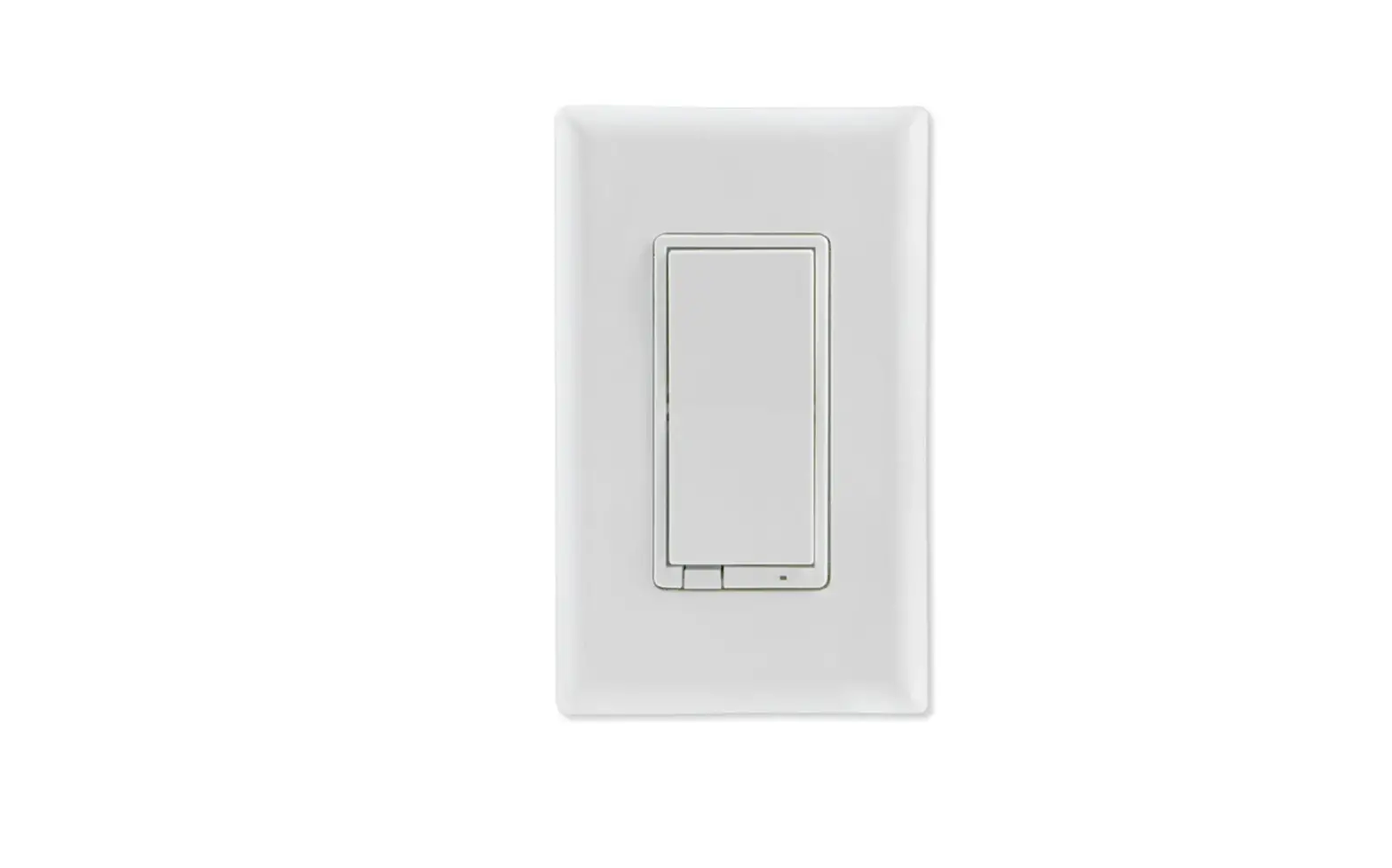
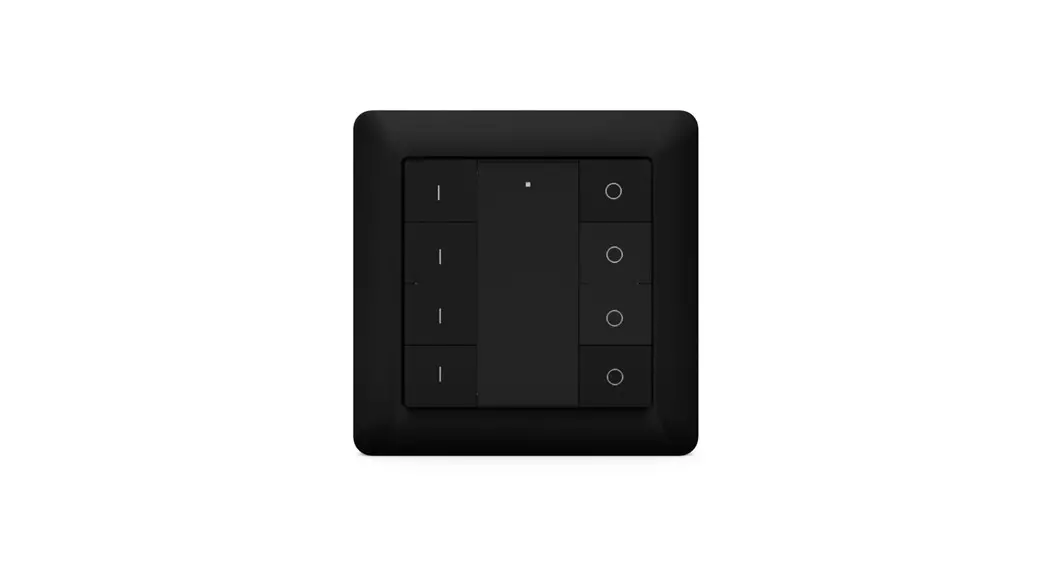
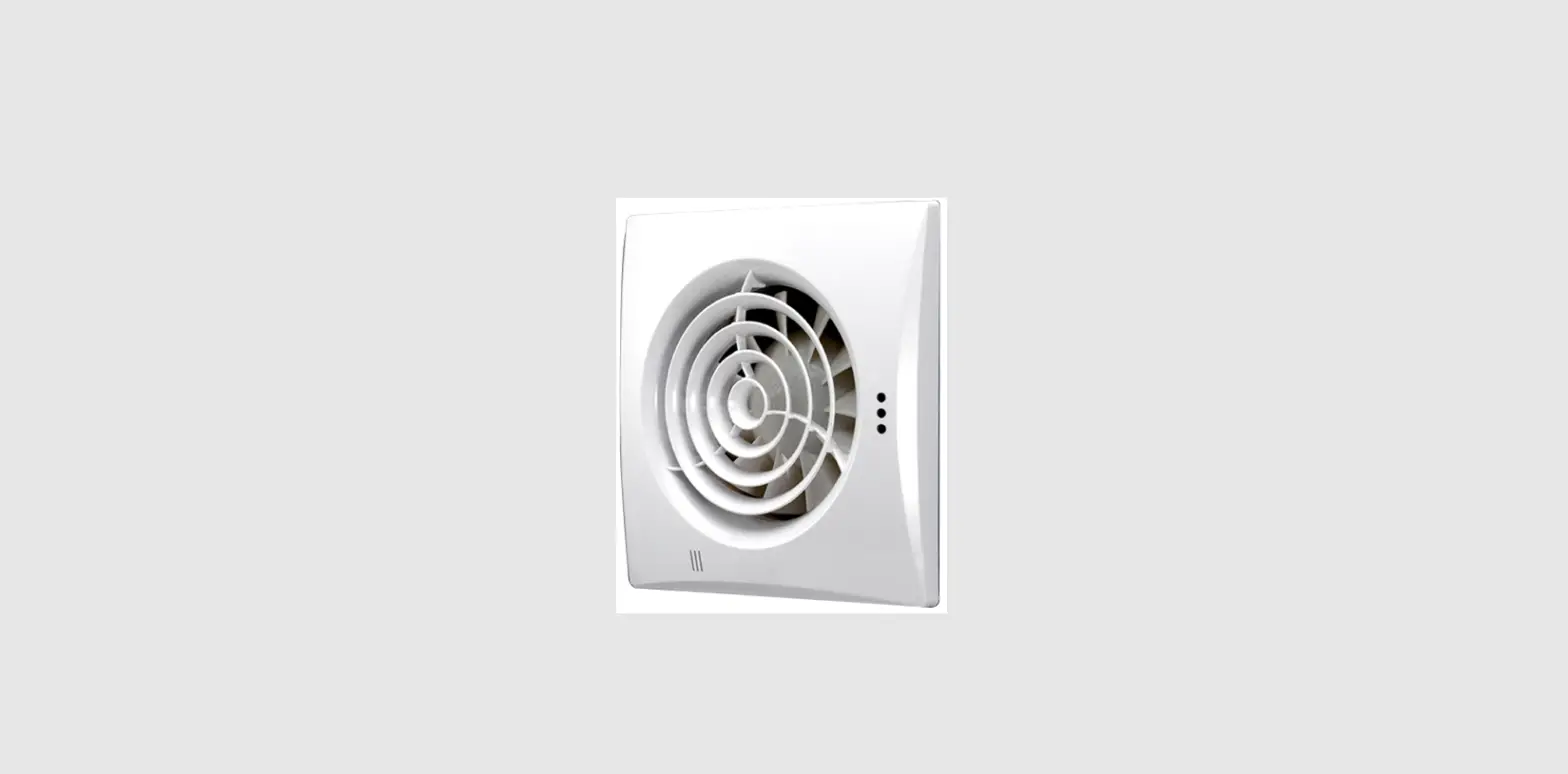
CO-FEEL New Generation Wall IAQ Control
Product Information:
The product is a ventilation control unit designed for use with
HRV/ERV systems. It is used to regulate and control the ventilation
settings of the system. The unit features a front module and a back
plate, along with signal wires and a terminal block for
connection.
Product Usage Instructions:
- Before installing the ventilation control, ensure that the
power to the HRV/ERV unit is disconnected. Failure to do so may
cause damage to the controller. - Detach the front module from the back plate by pressing the tab
located at the top and bottom of the control casing. - Guide the signal wires through the central opening of the back
plate and mount the plate to either a standard electrical device
box or directly to the wall using screws. If necessary, use wall
anchors. - Insert the signal wires into the terminal block located on the
backside of the front module. Secure them in place by tightening
the terminal screws using a small 3.0 mm slot/flat head
screwdriver. - Attach the front module to the mounted back plate by hooking
the top of the front module to the top clips of the back plate.
Press the bottom of the front module until you hear a click. Ensure
that the ventilation system operates correctly. - Leave operating instructions with the homeowner for future
reference.
Troubleshooting:
If the green LED on the back of the controller is solid green,
it indicates a successful connection to the HRV/ERV system. If the
light is blinking on and off, check that the A and B signal wires
are correctly connected. If there is no green light, verify that
all wires are correctly connected and ensure that the DIP switches
are in the bottom OFF position.
INSTALLATION and OPERATION INSTRUCTIONS
ECO-FEEL® – IAQ WALL CONTROL
CAUTION
Failure to comply with the following can cause erratic operation of the unit:
Disconnect the power to the HRV/ERV unit before installing the ventilation control. Ensure that power is reconnected once ventilation control has been installed. Failure to disconnect power before installation could damage the Controller.
· Never install more than one central ventilation control per unit. · Keep control low voltage wiring at least 1 foot (305mm) away from motors, lighting ballasts and light dimming circuits. Do not route control wiring alongside
house power wiring. · Ensure the wires are securely connected to the unit and wall control.
For optimal operation of the ventilation control, the following best practices are recommended during installation:
· The location of the ventilation control could affect the optimum performance. Therefore, it is recommended that the wall control be installed in a central location, away from direct sunlight and other sources of direct heat or cold such as an outside wall or adjacent to windows.
· Do not install ventilation controller on wall where cavity is opened to other areas. Example: Furnace return in wall cavity. If so, seal the back plate center opening with tape.
INSTALLATION STEPS
2
3
SIGNAL WIRES
Detach front module from back plate by pressing the tab (located at the top and bottom of the control casing).
Guide the signal wires (4) through the central opening of the back plate and mount this plate to either a standard electrical device box or directly to the wall using screws. If required, use wall anchors.
NOTE: Be sure the screws are secure but do not over tighten. This may result in damage to the back plate.
5 Leave operating instructions with home owner.
TERMINAL BLOCK
3.0mm SLOT/FLAT HEAD SCREWDRIVER
(BFAROCKNSTIDMEO) DULE
Insert signal wires (4) into the terminal block, located on the backside of the front module. Secure them in place by tightening the terminal screws using a small 3.0 mm slot/flat head screwdriver (not included).
Attach front module to mounted back plate, first by hooking the top of the front module to the top clips of the back plate, then by pressing the bottom of the front module until you hear a `click’. Ensure the ventilation system operates correctly.
NOTE: Be careful not to pinch or trap signal wires when attaching the front module to the back plate.
OPERATION
This control requires no user input to operate the HRV/ERV. It runs automatically on ECO Mode at all times. The base ventilation rate requested by this control is 20 mins ON/40 mins OFF per hour of operation at the low speed. The controller may increase ventilation rates in order to attempt to maintain an RH level of 45% if it is possible to do so. Additionally, the ventilation rate may increase when the IAQ sensor detects elevated levels of Indoor Air Quality pollutants in the air. Examples of activities which can cause elevated IAQ pollutants are cooking activities, large gatherings of people, using cleaning products, and more.
TROUBLESHOOTING
The green LED on the back of the controller indicates a solid green light for successful connection to the HRV/ERV. If the light is blinking on and off, check to make sure the A and B signal wires are correctly connected. If there is no green light, the control has no power. Verify all wires are correctly connected. Ensure the DIP switches are in the bottom “OFF” position.
Item #: 445233 Rev Date: 2020-01-31
INSTRUCTIONS D’INSTALLATION ET D’UTILISATION
ECO-FEEL® – CONTRÔLE MURAL IAQ
AVERTISSEMENT
Le non-respect des instructions suivantes peut entraîner un fonctionnement anormal de l’appareil:
Débranchez l’alimentation de l’appareil de ventilation avant d’installer le dispositif de commande mural. Vérifiez que l’alimentation est reconnectée une fois le dispositif de commande installé. Le fait de ne pas débrancher l’alimentation pourraitendommager le dispositif de commande mural.
· N’installez jamais plus qu’un seul dispositif de commande central par appareil. · Éloignez les fils d’alimentation basse tension du dispositif de commande à au moins 305 mm (1 pied) des moteurs, des ballasts de lampes et des circuits
gradateur de lumière. N’installez pas les fils du dispositif de commande le long des câbles haute-tension de la maison. · Vérifiez que les fils sont bien branchés à l’appareil et au dispositif de commande mural.
Pour assurer un fonctionnement optimal du dispositif de commande de ventilation, les pratiques exemplaires suivantes sont recommandés lors de l’installation:
· L’emplacement du dispositif de commande de la ventilation peut avoir une incidence sur son fonctionnement optimal. Par conséquent, il est recommandé que le dispositif de commande soit installé à un emplacement central, à l’abri des rayons directs du soleil et de toute autre source de chaleur directe ou du froid, comme par exemple, n’installez pas sur un mur extérieur ou près d’une fenêtre.
· N’installez pas le dispositif de commande de la ventilation sur un mur muni d’une cavité ouverte à d’autres zones. Par exemple : Retour du système à air pulsé dans une cavité murale. Si tel est le cas, scellez l’ouverture centrale de la plaque de montage à l’aide de ruban adhésif.
ÉTAPES D’INSTALLATION
2
3
SIGNAL WIRES
TERMINAL BLOCK
3.0mm SLOT/FLAT HEAD SCREWDRIVER
(BFAROCKNSTIDMEO) DULE
Détachez le module avant de la plaque de montage en appuyant sur la languette (situé en haut et en bas du boîtier de commande).
Guidez les deux (4) fils de commande dans l’ouverture centrale de la plaque de montage et montez cette dernière soit sur le boîtier d’un appareil électrique standard ou directement sur le mur à l’aide de vis. Au besoin, utilisez des dispositifs d’ancrage au mur. NOTE: Vérifiez que les vis sont correctement serrées, mais pas trop. Cela pourrait endommager la plaque arrière.
Insérez les fils de transmission (4) dans le bornier, situé sur la face arrière du module avant. Sécurisez-les en place en serrant les vis du bornier à l’aide d’un petit tournevis à tête plate de 3,0 mm (non fourni).
Fixez le module avant sur la plaque arrière, en insérant tout d’abord la partie supérieure du module avant dans les attaches supérieures, puis en pivotant le module en appuyant sur le bas, jusqu’à ce que vous entendiez un « clic ». Vérifiez que le système de ventilation fonctionne.
NOTE: Veillez à ne pas pincer ou coincer les fils de transmission lorsque vous fixez le module avant à la plaque arrière.
5 Leave operating instructions with home owner.Laissez les instructions d’utilisation au propriétaire de la maison.
FONCTIONNEMENT
Cette commande ne nécessite aucune intervention de l’utilisateur pour faire fonctionner le VRC / VRE. Il fonctionne automatiquement en mode ECO à tout moment. Le taux de ventilation de base demandé par cette commande est de 20 minutes ON / 40 minutes OFF par heure de fonctionnement à basse vitesse. Le contrôleur peut augmenter les taux de ventilation afin de tenter de maintenir un niveau d’humidité relative de 45% s’il est possible de le faire. De plus, le taux de ventilation peut augmenter lorsque le capteur IAQ détecte des niveaux élevés de polluants de la qualité de l’air intérieur dans l’air. Les activités de cuisson, les grands rassemblements de personnes, l’utilisation de produits de nettoyage, etc.
DÉPANNAGE
La LED verte à l’arrière du contrôleur indique une lumière verte fixe pour une connexion réussie au HRV / ERV. Si le voyant clignote, vérifiez que les fils de signal A et B sont correctement connectés. S’il n’y a pas de feu vert, la commande n’a pas d’alimentation. Vérifiez que tous les fils sont correctement connectés.
Assurez-vous que les commutateurs DIP sont en position «OFF» en bas.
Item #:445233 Rev Date: 2021-09-30