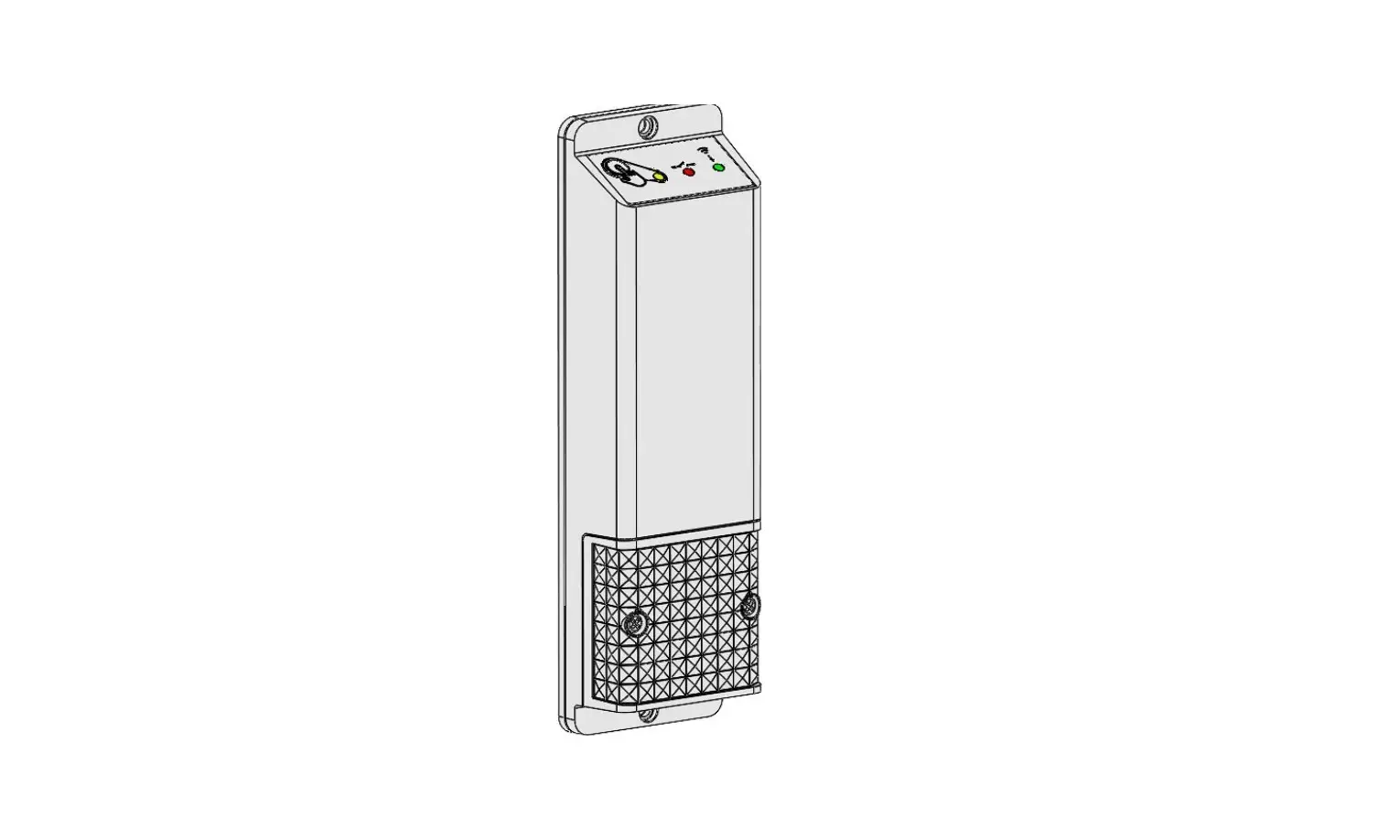
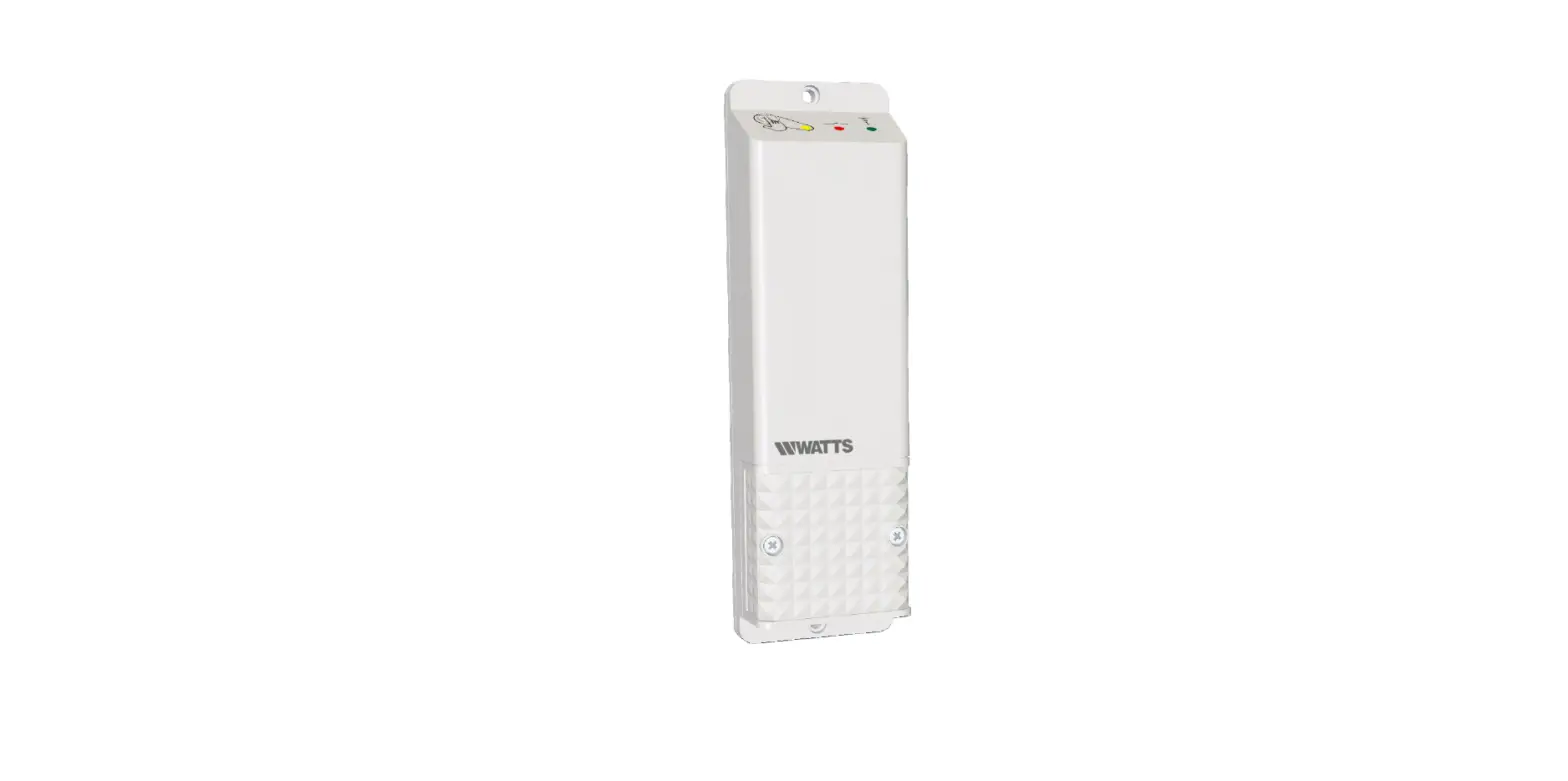
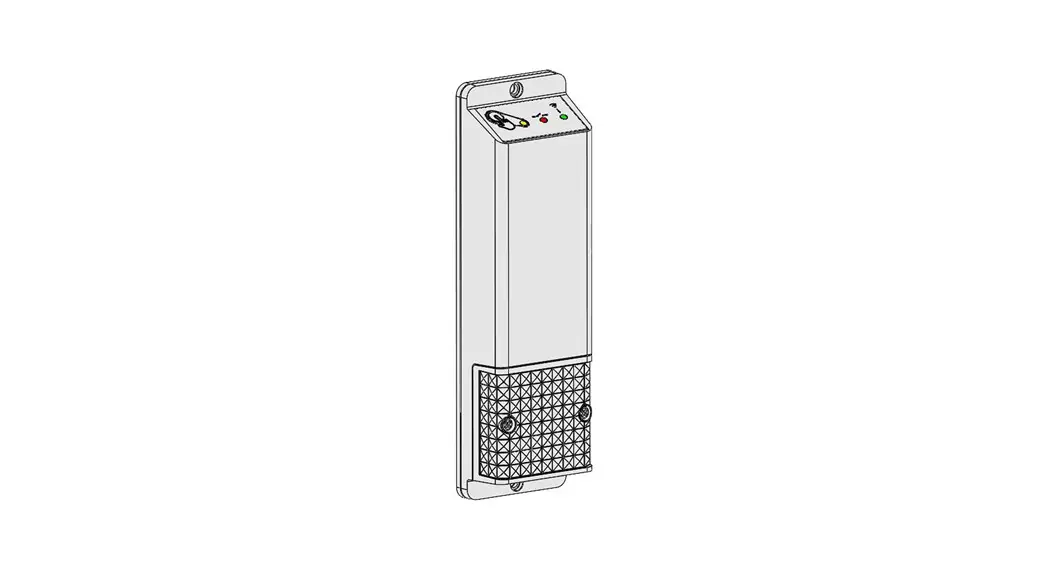
BT-WR02 H&C RF Wireless Wall Receiver
Product Information
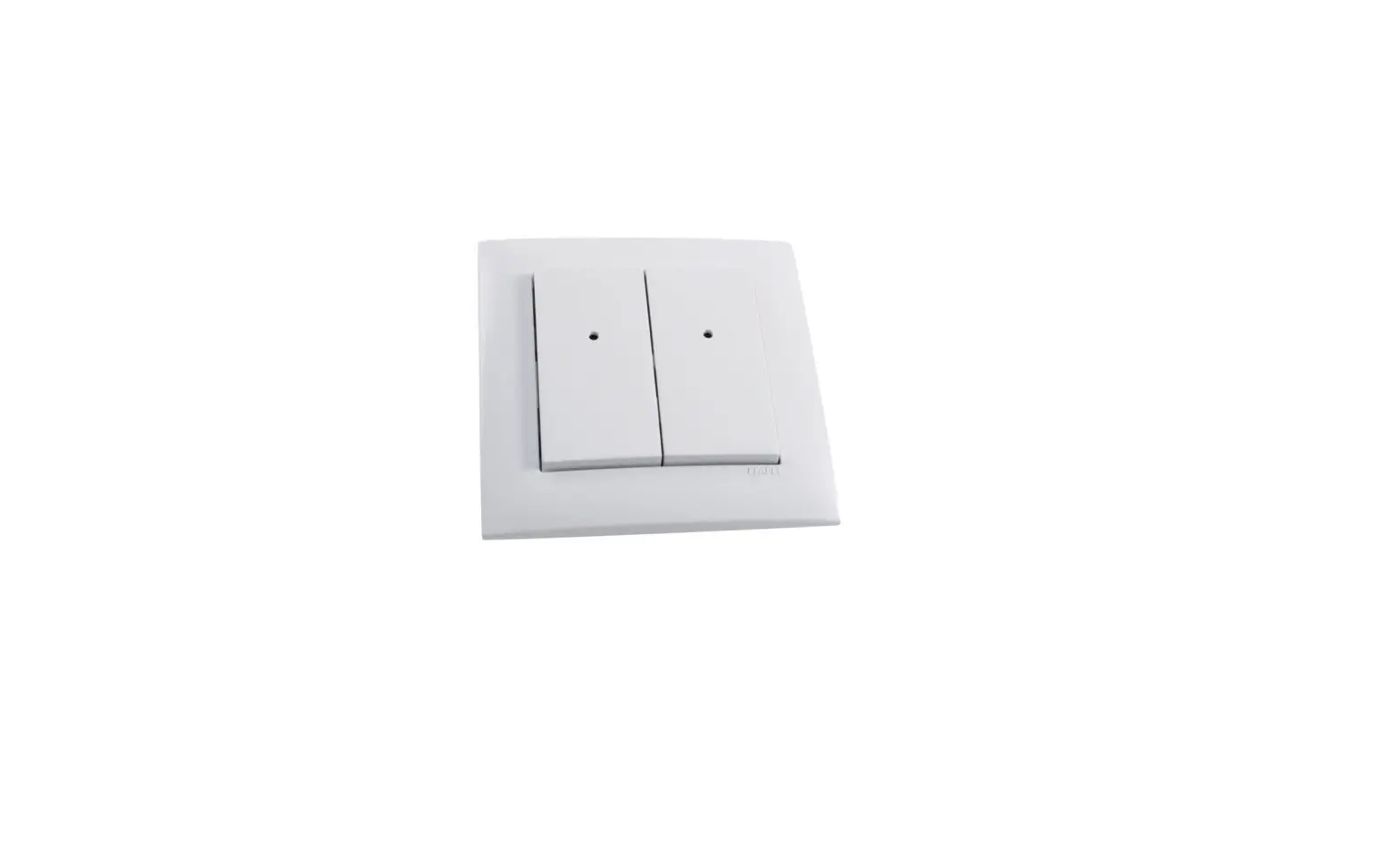
The BT-WR02 H&C RF receiver is a wall-mounted receiver
designed for controlling hydraulic heating regulation or cooling
regulation. It features a proportional regulation with a time cycle
of 10 minutes and hysteresis regulation. The heating relay can be
used to control a boiler, valve, or electric radiator, while the
cooling relay is used to manage an actuator for a cold water
circuit. The receiver is compatible with thermostats from the
BT-XX02 RF or BT-XX03 RF range, except for BT-A02 RF
thermostats.
The receiver is delivered with 2 outputs in free contact mode.
To trigger the outputs in live contact, connect the live wire to 1
point of each connector using the cable supplied in the box.
Product Usage Instructions
1. Make sure the power supply is connected to the receiver.
2. Configure the thermostat’s address according to the
thermostat leaflet.
3. Refer to the thermostat leaflet to enter the thermostat in RF
pairing mode.
4. Ensure that the receiver’s RF LED is switched off and the
thermostat exits the RF init mode to indicate correct pairing
between the receiver and thermostat.
BT-WR02 H&C RF
Wireless Wall receiver Installation manual
EN User guide FR Manuel d’utilisation NL Gebruikershandleiding DE Benutzerhandbuch IT Manuale d’uso ES Guía de Usuario
wattswater.eu
EN
1. Presentation
The BT-WR02 H&C RF receiver is a Wall mounting receiver, specially designed to control hydraulic heating regulation or cooling regulation. It embeds a proportional regulation with a time cycle of 10mn and an Hysteresis regulation: – The heating relay is used to control a boiler in free contact or a valve or an electric radiator in live
contact. (Available with all thermostats of the BT-XX02 RF or BT-XX03 RF range). – The cooling relay is used to manage an actuator for a cold water circuit. (Not available with BT-
A02 RF thermostats).
This couple (thermostat BT-XX02 or BT-XX03 and receiver BT-WR02 H&C RF) can also be managed by a Central unit BT-CT02 RF to have a full control of your heating installation from one point. In that case, the receiver works always in automatic regulation mode for the heating/cooling switch. With the central unit, it is possible to pair the receiver in “Regulation/heating” mode and in “Hydraulic circuit” mode. It is not possible to pair the receiver in lighting mode or ON/OFF mode. You can access to the general leaflet of the system on wattswater.eu. With a BT-D02 RF/BT-D03 RF or BT-DP02 RF/BT-DP03 RF it is possible to configure the receiver in manual mode, heating mode, cooling mode or automatic mode (Please refer to the BT-XX02 RF or BT-XX03 RF leaflets). In all cases, the receiver is making cooling only in comfort mode. All other modes (Reduced, anti-freeze, auto in Reduced) forbid the cooling regulation. In case of set point modification, a delay of 5mn is always applied before switching from cooling to heating or heating to cooling. In automatic regulation, a dead band of ± 1°K with timer is applied before switching from heating to cooling or from cooling to heating.
Compatibility matrix:
BT-DP02 RF
BT-D02 RF
BT-A02 RF
BT-CT02 RF
Regulation/ Heating
x
Pairing
ON/OFF Lighting
Hydraulic circuit
x
Heating
Regulation mode
Cooling Manual
Auto
x
BT-DP03 RF x
x x x x
BT-D03 RF x
x x x x
BT-A03 RF x
x x
The receiver is delivered with 2 outputs in free contact mode. To trigger the outputs in live contact, linked the live on 1 point of each connector using the cable supplied in the box.
2
EN
2. Display description
A (push button)
/ Short press
/
/
/
/ / 10sec press / / / 30sec press
B (red/green)
/ /
Green fix
Green 50%
Green 10%
/ / / / / Red / green flash Orange
A D
B
C (red/blue)
/ /
/
C
D (orange)
/ /
/
/
/
/
/
Red
Blue
/ / / / Blue/red
/
/
Orange slow flash Orange quick flash Orange quick flash permanently
/ Orange
OFF mode
ON/OFF trigger with bip
Comfort mode with the 2 ouputs opened (without heating, without cooling)
Reduced mode with the 2 ouputs opened (without heating, without cooling)
Antifreeze mode with the 2 ouputs opened (without heating, without cooling)
Heating demand (Heating output closed)
Cooling demand (Cooling output closed)
RF pairing with a thermostat or the central unit
RF reception
RF signal lost
Error on Thermostat sensor
Reset of the receiver
3. Technical characteristics
Environment. (Temperatures) Operating /shipping et storage
Power supply Electrical protection
Output Maximum Load
Radio Frequency & RF Receiving distance
CE Directives
Your product has been designed in conformity with the European Directives.
Classification / Contribution
Regulation characteristics
0°C – +40°C -10°C to +50°C
230Vac 50Hz
Class II – IP33
2 x Relay 5A 250VAC Up to 5A resistive – 250Vac 50Hz (2 wires L,N)
868MHz < 10mW (Bidirectional communication) Range of approximately 100m in open space
Range of approximately 30m in residential environment
EN 60730-1:2017 / EN 60730-2-9:2021 / EN IEC 61000-3-2:2019 + AMD1:2021 EN IEC 61000-3-3:2013 + AMD1:2017 + AMD2:2021 / EN 55014-1:2017 EN 55014-2:2015 / EN 55024:2010 + A1:2015 / ETSI EN 301 489-3 V2.1.1
ETSI EN 301 489-1 V2.2.3 / ETSI EN 300 220-1 V3.1.1 / ETSI EN 300 220-2 V3.2.1 EN IEC 63000:2018 / Regulation (EU) 2015/1188 / Regulation (EU) 2013/813
IV / (2%)
Proportional Integral regulation or Hysteresis regulation. Regulation is defined by thermostat linked to each channel (see thermostat leaflet)
3
EN
4. Installation and RF pairing rules
Install and plug the receiver into the following guidelines to guaranty an optimal reception: – The receiver must be put at a minimum distance of 50cm of all others electrical or wireless materials like GSM, Wi-Fi router – Before wiring work related to the receiver must be carried out only when de-energized – Connect your receiver to the power supply. Following your installation an order of pairing must be respected for a correct RF initialisation. Installation 1: Receiver BT-WR02 H&C RF + RF thermostat BT-XX02/BT-XX03 1. The receiver must be put in RF pairing mode by 10sec pressing on the button. 2. The RF LED should be orange slow flashing, indicating that the Receiver is now in radio configuration mode waiting for a
thermostat configuration address. 3. Please refer to the thermostat leaflet for enter the thermostat in RF pairing mode. 4. The receiver RF LED must be switched OFF and the thermostat should exit the RF init mode to indicate correct pairing between
both elements. Installation 2: Receiver BT-WR02 H&C RF + RF Thermostat BT-XX02/BT-XX03 + central unit BT-CT02 RF 1. Link first the thermostat with the smart home. 2. The receiver must be put one time more in RF pairing mode by 10 sec pressing on the button. 3. Then the RF LED should be orange slow flashing, indicating that the receiver is now in radio pairing mode waiting for a
thermostat configuration address. 4. Please refer to the Central leaflet for more explanation about the pairing mode “RF Init”. Pair only in heating mode or hydraulic
circuit mode. 5. The receiver RF LED must be switched OFF and the Central will show a message to indicate correct pairing between both
elements. Remarks: – In case of loss RF communication (RF Alarm), the receiver will stop heating or cooling.
4
FR
1. Présentation
Le récepteur BT-WR02 H&C RF est un récepteur mural spécialement conçu pour contrôler la régulation de système de chauffage ou de rafraichissement hydraulique. Il utilise une régulation proportionnelle avec un temps de cycle de 10min et la régulation hystérésis. – Le relais de chauffe permet de contrôler une chaudière en mode free contact ou une
électrovanne ou un radiateur électrique en mode live contact. (Disponible avec tous les thermostats de la gamme BT-XX02 RF ou BT-XX03 RF). – Le relais de froid permet de contrôler une électrovanne pour un circuit d’eau froide. (Non disponible avec les thermostats BT-A02 RF).
Ce couple (thermostat BT-XX02 ou BT-D03 et récepteur BT-WR02 H&C RF ) pourra être géré par une centrale BT-CT02 RF pour avoir le contrôle total de votre installation d’un même endroit. Dans ce cas avec une centrale, le récepteur fonctionne toujours en mode de régulation automatique de basculement chaud/froid. Avec l’unité centrale il est possible d’appairer le récepteur en mode “Régulation/Chauffage” et en mode “Circuit hydraulique” en revanche il n’est pas possible de l’appairer en mode “Eclairage” ou “ON/OFF”. Vous pouvez accéder à la notice générale du système en suivante ce lien : https://wattswater.fr. Avec un thermostat BT-D02 RF/BT-D03 RF ou BT-DP02 RF/BT-DP03 RF il est possible de configurer le récepteur en mode manuel, chaud, froid, ou automatique. (Se référer à la notice des thermostats BT-XX02 RF ou BT-XX03 RF. Dans tous les cas, le récepteur ne fait du froid que lorsqu’il est en mode confort. Tous les autres modes (réduit, hors gel, auto réduit) interdisent la régulation froid. Lors d’un changement de consigne, un délai de 5min est toujours respecté avant de basculer de chaud à froid ou de froid à chaud. En régulation automatique, une bande morte de ± 1°K temporisée est respectée avant de basculer de chaud à froid ou de froid à chaud.
Matrice de compatibilité :
BT-DP02 RF
BT-D02 RF
BT-A02 RF
BT-CT02 RF
BT-DP03 RF
Régulation/ Chauffage
x
Appairage
ON/OFF Eclairage
Circuit hydraulique
x
Chaud
BT-D03 RF
BT-A03 RF
x
x
x
x
x
x
Mode régulation
Froid Manuel
x
x
x
x
x
Auto
x
x
x
Le récepteur est livré avec 2 sorties en mode contact libre (contact sec sans potentiel). Pour basculer les sorties en mode contact alimenté (contact avec alimentation par phase secteur), reliez la phase secteur sur 1 point de chacun des borniers de sorties avec le câble électrique fourni.
5
FR
2. Description de l’affichage
A
A (bouton poussoir)
/ Appui court
/
B (rouge/vert)
/ /
Vert fixe
C (rouge/bleu)
/ /
/
/
Vert 50%
/
/ / / Appui de 10 s / /
/ Appui de 30 s
Vert 10%
/ /
/ / / Clignotant Rouge/Vert Orange
/ Rouge Bleu
/ / /
/ Bleu/Rouge
B
C
D (orange)
/
/
/
/
/
/ /
Orange clignotant lent Orange clignotant rapide Orange clignotant rapide
permanant /
Orange
D
Mode OFF Mise en ON/OFF avec bip sonore Confort avec les 2 sorties ouvertes
(sans chauffe, sans froid) Mode Eco avec les 2 sorties ouvertes (sans chauffe, sans froid) Mode Hors gel avec les 2 sorties ouvertes (sans chauffe, sans froid) Chauffe (Sortie Chaud fermée)
Froid (Sortie Froid fermée) Appairage RF avec un thermostat
ou une unité centrale Réception RF Perte RF
Erreur sonde thermostat Réinitialisation du récepteur
3. Caractéristiques techniques
Environment. (Températures) Fonctionnement /Transport et
stockage Alimentation Protection électrique
Sortie Charge maximale
Radio Fréquence & Distance de réception
Directives CE
Votre produit a été conçu en conformité avec les directives européennes :
Classification / Contribution
Caractéristiques de régulation
0°C – +40°C -10°C à +50°C
230Vac 50Hz
Classe II – IP33
2 x Relais 5A 250VAC Jusqu’à 5A résistif – 250Vac 50Hz (2 fils L,N)
868MHz < 10mW (communication bidirectionnelle) Environ 100m en milieu ouvert
Environ 30m en environnement résidentiel
EN 60730-1:2017 / EN 60730-2-9:2021 / EN IEC 61000-3-2:2019 + AMD1:2021 EN IEC 61000-3-3:2013 + AMD1:2017 + AMD2:2021 / EN 55014-1:2017 EN 55014-2:2015 / EN 55024:2010 + A1:2015 / ETSI EN 301 489-3 V2.1.1
ETSI EN 301 489-1 V2.2.3 / ETSI EN 300 220-1 V3.1.1 / ETSI EN 300 220-2 V3.2.1 EN IEC 63000:2018 / Regulation (EU) 2015/1188 / Regulation (EU) 2013/813
IV / (2%)
Régulation proportionnelle intégrale ou régulation hystérésis. La régulation est définie par le thermostat lié à la zone (se reporter à la notice du thermostat)
6
FR
4. Installation et appairage RF
Installez et branchez le récepteur suivant les instructions ci-dessous pour garantir une réception optimale : – Le récepteur doit être placé à une distance minimale de 50 cm de tout appareil électrique ou matériel sans fil comme les GSM,
routeur Wi-Fi. – Les travaux de câblage liés au récepteur doivent uniquement être faits hors tension. – Branchez votre récepteur. Suivant votre installation, un ordre d’appairage doit être respecté pour avoir une initialisation RF correcte. Installation 1 : récepteur BT-WR02 H&C RF + thermostat RF BT-XX02/BT-XX03 1. Le récepteur doit être en mode d’appairage RF en appuyant pendant 10 secondes sur le bouton. 2. La LED RF clignote lentement en orange indiquant que le récepteur est désormais en mode d’appairage RF en attente d’une
adresse de configuration d’un thermostat. 3. Se référer à la notice du thermostat pour le mettre en mode d’appairage « RF Init ». 4. La LED RF du récepteur doit s’éteindre et le thermostat doit quitter le mode RF Init pour indiquer que l’appairage s’est
correctement déroulé. Installation 2 : récepteur BT-WR02 H&C RF + thermostat RF BT-XX02/BT-XX03 + Centrale RF BT-CT02 RF 1. Appairez en premier le thermostat à la centrale. 2. Ensuite le récepteur doit être placé en mode d’appairage RF en appuyant 10 secondes sur le bouton. 3. La LED RF clignote lentement en orange indiquant que le récepteur est désormais en mode d’appairage RF en attente d’une
adresse de configuration de la centrale. 4. Se référer à la notice de la centrale pour plus d’explications sur le mode d’appairage « RF Init ».
Appairer uniquement en mode régulation ou circuit hydraulique. 5. La LED du récepteur doit s’éteindre et la centrale affiche un message pour indiquer que l’appairage est correct entre les deux
éléments.
Remarques : – En cas de perte de communication RF (alarme RF), le récepteur arrêtera de chauffer ou de refroidir.
7
NL
1. Beschrijving
BT02 RF H&C Ontvanger voor het aansturen van Verwarming en/of Koeling. – Het potentiaalvrije contact Verwarmen kan gebruikt worden om een servomotor in een 4-pijps
systeem aan te sturen. – Het potentiaalvrije contact Koelen kan gebruikt worden om een servomotor in een 4-pijps
systeem aan te sturen. – De ontvanger is te gebruiken met de Watts BT2-D, BT-D03 en BT2 DP thermostaten. – De kombinatie ontvanger en thermostaat kan ook samen met de Watts TouchScreen gebruikt
worden.
De combinatie Thermostaat en Ontvanger kan gekoppeld worden aan een TouchScreen centrale bedieningsunit. Op die manier kan de gehele installatie vanuit de TouchScreen (of zelfs extern via de WIFI) aangestuurd worden. Indien de TouchScreen is gekoppeld, blijft de ontvanger de omschakeling tussen verwarmen/koelen doen in « Auto modus ». Icm een thermostaat BT-D02 RF/BT-D03 RF of BT-DP02 RF/BT-DP03 RF kan de ontvanger gebruikt worden in modus koelen, verwarmen, handmatig omschakelen of automatisch omschakelen (zie hiervoor de handleiding van de thermostaat BT-XX02 RF of BT-XX03 RF). De ontvanger kan alleen in koelbedrijf werken in modus « comfort » (zonnetje). Alle andere modi zijn software-matig uitgesloten van koeling. Wanneer een programma gevolgd wordt, zal alleen in het « comfort » deel van het programma gekoeld kunnen worden. Wanneer handmatig omgeschakeld wordt tussen verwarmen/koelen, is er een vertraging ingebouwd van 5 minuten om ongewenste vermenging van verschillende temperaturen medium te voorkomen. Wanneer de modus « Auto » gekozen is, is een « dode zone » ingebouwd van ± 1K alvorens om te schakelen tussen verwarmen/koelen (na 2 uur).
Tabel van functies en combinaties:
BT-DP02 RF
BT-D02 RF
BT-A02 RF
BT-CT02 RF
Regeling verwarming
x
Aan/Uit Combinatie
Verlichting
Hydraulisch Circuit
x
Verwarmen
Modus regeling
Koelen Handmatig
Auto
x
BT-DP03 RF x
x x x x
BT-D03 RF x
x x x x
BT-A03 RF x
x x
De ontvanger heeft 2 potentiaalvrije uitgangen. Om deze contacten 230V te maken, kan een « doorlussing » gemaakt worden van L naar 1b en 2b (zie bl 16). Hiertoe is een kabeltje meegeleverd met de ontvanger.
8
NL
2. Technische gegevens
A (Drukknop)
/ Kort indrukken
/ /
/
/ / 10sec indrukken / /
/
30sec indrukken
B (rood/groen)
/ / Groen
Groen 50%
Groen 10%
/
/
/ / / Rood / Groen knipperen Oranje
A D
B
C (rood/blauw)
/ / /
/
C
D (oranje)
/ / /
/
/
/
Rood Blauw
/ / /
/ / Oranje langzaam knipperend Oranje kort snel knipperend Oranje continu snel knipperend
/
/
Rood / Blauw
Oranje
Uit Aan/Uit (piepsignaal) Komfortbedrijf, geen warmtevraag Verlaagd, geen warmtevraag Vorstbeveiliging, geen
warmtevraag Warmtevraag
Koelvraag RF koppeling RF-Signaal Ontvangst RF-verbinding kwijt
Fout Thermostaat Sensor
Reset
3. Technische specificaties
Omgeving (temperaturen) In bedrijf/Transport en opslag
Voeding Elektrische beschermings klasse
Uitgang Piekbelasting
Radiofrequentie & Afstand voor RF-Ontvangst
CE-Richtlijnen
Dit product voldoet aan de Europese Richtlijnen
Klassificering/Bijdrage
Regelkarakteristiek
0°C – +40°C -10°C tot +50°C
230Vac 50Hz
Klasse II – IP33
2 x Relais 5A 250 VAC 5A 250Vac 50Hz (2 Draads L, N)
868 MHz < 10mW (bi-direktionale kommunikatie) Bereik ca. 100m onbebouwd
Bereik ca. 30m in bebouwde omgeving
EN 60730-1:2017 / EN 60730-2-9:2021 / EN IEC 61000-3-2:2019 + AMD1:2021 EN IEC 61000-3-3:2013 + AMD1:2017 + AMD2:2021 / EN 55014-1:2017 EN 55014-2:2015 / EN 55024:2010 + A1:2015 / ETSI EN 301 489-3 V2.1.1
ETSI EN 301 489-1 V2.2.3 / ETSI EN 300 220-1 V3.1.1 / ETSI EN 300 220-2 V3.2.1 EN IEC 63000:2018 / Regulation (EU) 2015/1188 / Regulation (EU) 2013/813
IV / (2%)
Proportioneel integrerende regeling of hystereseregeling. De regeling wordt bepaald door de op het kanaal aangesloten thermostaat (zie de
handleiding van de thermostaat)
9
NL
4. Installatie en RF koppeling
Monteer de ontvanger en sluit deze aan volgens onderstaande richtlijnen voor een optimale ontvangst: – Houd minimaal 50 cm afstand tussen de ontvanger en andere elektrische of draadloze systemen, zoals GSM- of WIFI-router – Verzeker u ervan dat de ontvanger spanningsloos is voordat u begint met het aanleggen van bedrading – Zet de ontvanger onder spanning als alle bedrading is bevestigd . Na de installatie moeten de apparaten in de juiste volgorde worden gekoppeld voor een correcte RF-verbinding. Installatie 1: ontvanger + RF-thermostaat BT-XX02/BT-XX03 1. Zet de ontvanger aan met behulp van de AAN/UIT-knop 2. Houd de RF-knop 10 sec. ingedrukt om de ontvanger in de RF-inleerstand te zetten. 3. Het RF-LED-lampje knippert oranje in afwachting van een inleersignaal van de thermostaat. 4. Raadpleeg de gebruiksaanwijzing van de thermostaat om de thermostaat in de RF-inleerstand te zetten. 5. Wanneer de RF-koppeling gelukt is, gaat het RF- LED lampje op de ontvanger uit en de thermostaat verlaat automatisch de
RF-inleerstand. De apparaten zijn nu met elkaar verbonden. Installatie 2: ontvanger BT-WR02 H&C RF + RF-thermostaat BT-XX02/BT-XX03 + Centrale TouchScreen BT-CT02 RF 1. Koppel eerst de RF-thermostaat met de Centrale TouchScreen. 2. Houd hierna de RF-knop op de ontvanger 10 sec. ingedrukt. 3. Het RF-LED-lampje knippert oranje in afwachting van het instellen van de Centrale TouchScreen. 4. Raadpleeg de gebruiksaanwijzing van de Centrale TouchScreen voor meer informatie over de RF-koppeling van de apparaten.
Koppel de ontvanger als verwarmings-apparaat met de Centrale TouchScreen. 5. Wanneer de RF-koppeling gelukt is, gaat het RF-LED lampje op de ontvanger uit. Vervolgens zal de Centrale TouchScreen
aangeven dat de koppeling is gelukt. Let op: Igv verlies van het RF signaal, stopt de verwarming/koeling.
10
DE
1. Beschreibung
Der BT-WR02 H&C RF ist ein Funk-Empfänger für die Aufputz Wandmontage, der speziell zur Steuerung von hydraulischen Heiz- oder Kühlregelanlagen ausgelegt ist. Er beinhaltet eine Proportionalregelung mit einer Taktzeit von 10 Minuten und hysterese Regelung. – Das Heizrelais dient der Steuerung eines Wärmerzeugers über potentialfreien Kontakt oder eines
Ventils oder elektrischen Heizkörpers mit spannungsführendem (LIVE) Kontakt. (Kompatibel mit allen Funk-Thermostaten der Reihe BT-XX02/03). – Das Kühlrelais dient der Steuerung eines Stellantriebs für einen Kaltwasserkreislauf (nicht kompatibel mit Funk-Thermostat BT-A02 RF). Die Kombination (Thermostat BT-XX02/03 und Empfänger BT-WR02 H&C RF) kann ebenfalls über eine Zentraleinheit BTCT02 RF gesteuert werden, die eine zentrale Programmierung und Steuerung Ihres Heiz- / Kühlsystems ermöglicht.
In diesem Fall wird der Empfänger immer im automatischen Umschaltmodus Heizen/Kühlen betrieben. Der Empfänger kann über die Funk-Initialisierung Modi ,,Heizung” oder ,,Hydraulikkreis” mit der Zentraleinheit gekoppelt werden. Eine Koppelung mit der Zentraleinheit über die Funk-Initialisierung Modi ,,Licht”, ,,Gerät EIN/AUS” und ,,Externer Sensor” ist nicht möglich. Weitere Unterlagen des Systems finden Sie unter www.wattswater.de. Mit einem BT-D02 RF/BT-D03 RF oder BT-DP02 RF/BT-DP03 RF kann der Empfänger im Handbetrieb, Heizmodus, Kühlmodus oder Automatik-Modus konfiguriert werden (nähere Angaben entnehmen Sie bitte der entsprechenden Bedienungsanleitung des BT-XX02 RF oder BT-XX03 RF). In allen Fällen kann der Empfänger die Funktion Kühlen nur ermöglichen, wenn am Funk-Raumfühler BT-DXX02/03 RF der Betriebsmodus ,,Komfort” gewählt wurde. Alle anderen Modi (Absenkmodus, Frostschutzbetrieb, Automatischer Absenkmodus) erlauben keine Kühlregelung. Bei einer Sollwertänderung wird stets eine Wartezeit von 5 Minuten eingehalten, bevor von Kühlen auf Heizen oder von Heizen auf Kühlen umgestellt wird. Bei der Automatikregelung wird ein Temperatur-Totbereich von ± 1°K eingehalten, bevor von Heizen auf Kühlen oder von Kühlen auf Heizen umgestellt wird.
Kompatibilitätsmatrix:
BT-DP02 RF
BT-D02 RF
BT-A02 RF
BT-CT02 RF
BT-DP03 RF
Regelung/ Heizen
x
x
x
x
Kopplung/ Funk-
Paarung
ON/OFF Beleuchtung
Hydraulikkreislauf
x
Heizen
x
x
x
Kühlen Regelmodus
Handbetrieb
x
x
x
x
x
Auto
x
x
x
Der Empfänger ist mit 2 potenzialfreien Schaltkontakten ausgestattet. Für spannungsführende Schaltung verbinden Sie den linken Anschluss L Eingang mit den Anschlüssen 1B und / oder 2B mit den mitgelieferten Kabelbrücken.
11
DE
2. Beschreibung Schaltfeld
A D
B
C
A (Taste)
/
Kurzer Tastendruck
B (rot/grün)
/
/
C (rot/blau)
/
/
/
Dauerhaft grün
/
/
Blinkt grün 50 %
/
/
Blinkt grün 10 %
/
/
/
10 Sek drücken / / /
30 Sek drücken
/
Rot
/
Blau
/
/ / Blinkt rot/grün Orange
/
/ / / Rot/Blau
D (Funk-Status, orange)
/ / /
/
/
/
/
Blinkt langsam orange Blinkt schnell orange Blinkt dauerhaft schnell orange
/ Orange
AUS-Modus
EIN/AUS-Schalter mit Signalton
Komfort-Modus mit beiden Ausgängen offen (ohne Heizen, ohne Kühlen)
Absenkmodus mit beiden Ausgängen offen (ohne Heizen, ohne Kühlen)
Frostschutzmodus mit beiden Ausgängen offen (ohne Heizen, ohne
Kühlen)
Heizbedarf (Heizausgang Kontakt 1A/1B geschlossen)
Kühlbedarf (Kühlausgang Kontakt 2A/2B geschlossen)
Funk-Paarung mit einem FunkThermostat oder einer Zentraleinheit
Funk-Empfang
Funk-Signal verloren
Fehler am Thermostatsensor
Reset auf Werkseinstellung
3. Technische Daten
Umgebung. (Temperaturen) Betrieb/Transport und Lagerung
Stromversorgung Elektrische Schutzart
Ausgang Belastungsgrenze
Funkfrequenz und HF-Empfangsabstand
EG-Richtlinien
Die Konstruktion des Produkts erfüllt die geltenden EU-Richtlinien.
Klassifizierung/Beitrag
Regelcharakteristik
0°C – +40°C -10°C bis +50°C
230Vac 50Hz
Klasse II – IP33
2 x Relais 5 A 250 VAC Bis zu 5 A ohmsche Last – 250 VAC 50 Hz (2-Leiter L/N)
868 MHz < 10 mW (Bidirektionale Kommunikation) Reichweite ungefähr 100 Meter offene Distanz. Reichweite ungefähr 30 Meter in Gebäuden.
EN 60730-1:2017 / EN 60730-2-9:2021 / EN IEC 61000-3-2:2019 + AMD1:2021 EN IEC 61000-3-3:2013 + AMD1:2017 + AMD2:2021 / EN 55014-1:2017 EN 55014-2:2015 / EN 55024:2010 + A1:2015 / ETSI EN 301 489-3 V2.1.1
ETSI EN 301 489-1 V2.2.3 / ETSI EN 300 220-1 V3.1.1 / ETSI EN 300 220-2 V3.2.1 EN IEC 63000:2018 / Regulation (EU) 2015/1188 / Regulation (EU) 2013/813
IV / (2%)
Proportional Integral Regelung oder Hysterese Regelung. Die Regelart wird durch den entsprechenden Funk-Thermostat definiert
(siehe Bedienungsanleitung Funk-Thermostat).
12
DE
4. Installation und Funk-Initialisierung (Kopplung / Paarung)
Für optimalen Empfang befolgen Sie bitte bei Installation und Anschluss des Empfängers folgende Vorgaben: – Der Empfänger muss einen Mindestabstand von 50 cm zu allen anderen elektrischen oder drahtlos kommunizierenden Geräten
einhalten, wie GSM, WLAN-Router. – Vor der Verkabelung des Empfängers muss dieser von der Spannungsversorgung getrennt werden. – Schließen Sie den Empfänger an die Stromversorgung an. Für eine korrekte Funk-Initialisierung muss je nach Installation und Geräte Kombination eine bestimmte Reihenfolge bei der Kopplung eingehalten werden.
Kombination 1: Empfänger BT-WR02 HC RF + Funk-Thermostat BT-XX02/BT-XX03 1. Den Empfänger in den Funk-Initialisierungsmodus bringen. Dazu die Taste 10 Sekunden gedrückt halten. 2. Die Funk-Status LED sollte langsam orange blinken. Das bedeutet, dass der Empfänger sich jetzt im Funk-Kopplungsmodus
befindet und auf eine Thermostat-Konfigurationsadresse wartet. 3. Bitte befolgen Sie die Anweisungen der Bedienungsanleitung des BT-xXX02 RF, um den Funk-Thermostat in den Funk-Kop-
plungsmodus zu versetzen. 4. Die Funk-Status LED des Empfängers sollte erlöschen und der Funk-Thermostat sollte den ,,RF INIT” Modus verlassen, um
die korrekte Kopplung zwischen beiden Geräten zu signalisieren.
Kombination 2: Empfänger BT-WR02 HC RF + Funk-Thermostat BT-XX02/BT-XX03 + Zentraleinheit BT-CT02 RF 1. Verbinden Sie zunächst den Funk-Thermostat mit der Zentraleinheit BT-CT02 RF. 2. Der Empfänger muss erneut in den Funk-Kopplungsmodus versetzt werden. Halten Sie hierzu 10 Sekunden lang die Taste
gedrückt. 3. Die Funk-Status LED sollte jetzt langsam orange blinken. Das bedeutet, dass der Empfänger sich jetzt im Funk-Kopplungs-
modus befindet und auf eine Thermostat-Konfigurationsadresse wartet. 4. Weitere Erklärungen zum Kopplungsmodus ,,RF INIT” entnehmen Sie bitte der Bedienungsanleitung der Zentraleinheit BT-
CT02 RF. Koppeln Sie nur in den Funk-Initialisierung Modi ,,Heizung” oder ,,Hydraulikkreis”. 5. Die Funk-Status LED des Empfängers sollte erlöschen und die Zentraleinheit zeigt eine Meldung, die eine korrekte Kopplung
zwischen beiden Geräten signalisiert.
Hinweise: Bei einem Verlust der Funk-Kommunikation (Funk Alarm) stellt der Empfänger das Heizen oder Kühlen ein.
13
IT
1. Presentazione
Il ricevitore BT-WR02 H&C RF è un ricevitore con montaggio a parete studiato appositamente per controllare la regolazione dei riscaldamento o del raffreddamento. Incorpora una regolazione proporzionale con un ciclo di tempo di 10mn e regolazione dell’isteres. – Il relè di riscaldamento è usato per controllare una caldaia con contatto pulito o una valvola o un
radiatore elettrico con contatto sotto tensione (disponibile con tutti i termostati della gamma BT02/BT-03). – Il relè di raffreddamento è usato per gestire l’attuatore di un circuito di acqua fredda (non disponibile con termostati BT-A02 RF).
Questa coppia di dispositivi (termostato BT-XX02 / BT-D03 e ricevitore BT-WR02 H&C RF) può essere gestita anche tramite una centralina BT-CT02 RF, per controllare completamente l’impianto di riscaldamento da un solo punto. In questo caso, il ricevitore funziona sempre in modalità di regolazione automatica per la commutazione riscaldamento / raffreddamento. Con l’unità centrale, è possibile accoppiare il ricevitore in modalità “Regolazione / riscaldamento” e in modalità “Circuito idraulico”. Non è possibile accoppiare il ricevitore in modalità di illuminazione o in modalità ON / OFF. È possibile accedere alla documentazione generale del sistema https://wattswater.it. Con BT-D02 RF/BT-D03 RF e BT-DP02 RF/BT-DP03 RF è possibile configurare il ricevitore in modalità manuale, in modalità riscaldamento, in modalità raffreddamento o in modalità automatica (fare riferimento ai manuali volantini dei prodotti BT-XX02 RF o BT-XX03 RF). In tutti i casi, il ricevitore sta facendo raffreddamento solo in modalità comfort. Tutte le altre modalità (Ridotto, anti-congelamento, Auto in Ridotto) vietano la regolazione del raffreddamento. In caso di modifica del set point, viene sempre applicato un ritardo di 5mn prima di passare dal raffreddamento al riscaldamento o dal riscaldamento al raffreddamento. Nella regolazione automatica viene applicata una zona morta di ± 1 ° K con timer prima di passare dal riscaldamento al raffreddamento o dal raffreddamento al riscaldamento. Matrice Compatibilità:
BT-DP02 RF
BT-D02 RF
BT-A02 RF
BT-CT02 RF
BT-DP03 RF
Regulazione / Riscaldamento
x
ON/OFF Associazione
Luci
Circuito idraulico
x
Riscaldamento
BT-D03 RF
BT-A03 RF
x
x
x
x
x
x
Modalità di Regolazione
Raffreddamento Manuale
x
x
x
x
x
Auto
x
x
x
Il ricevitore viene fornito con 2 uscite in modalità di contatto libero. Per attivare le uscite in contatto diretto, collegare la relativa fase su un morsetto di ogni connettore utilizzando il cavo fornito in dotazione.
14
IT
2. Descrizione display
A (Pulsante)
/ Breve pressione
/
/
/
/ / Premere 10sec / / / Premere 30sec
B (rosso/verde)
/ /
Verde fissa
Verde 50%
Verde 10%
/ / / / / Lampeggio Rosso/Verde Arancione
A D
B
C (rosso/blu)
/ /
/
C
D (arancione)
/ /
/
/
/
/
/
Rosso Blu / / / /
Blu/Rosso
/
/
Arancione lampeggio lento Arancione lampeggio veloce Lampeggio Arancione rapido
e continuo /
Arancione
OFF – spento
ON/OFF accensione/spegnimento (bip sonoro)
Modalità Comfort con 2 uscite aperte (senza riscaldamento /
raffreddamento) Modalità Ridotta con 2 uscite aperte (senza riscaldamento /
raffreddamento) Modalità Antigelo con 2 uscite aperte (senza riscaldamento /
raffreddamento) Fabbisogno di riscaldamento (Uscita Riscaldamento chiusa) Fabbisogno di raffreddamento (Uscita Raffreddamento chiusa)
Associazione RF con un termostato o l’unità centrale
Ricezione segnale RF
Segnale RF perso
Errore sensore Termostato
Rest
3. Caratteristiche Tecniche
Temperatura di esercizio / Temperatura di spedizione e stoccaggio Alimentazione elettrica Protezione elettrica Uscita Carico massimo
Radiofrequenza e distanza di ricezione RF
Direttive CE
Il prodotto è stato progettato in conformità alle Direttive europee
Classificazione/Contributo
Caratteristiche della regolazione
0°C – +40°C -10°C a +50°C
230Vac 50Hz
Classe II – IP33
2 x Relè 5 A 250 VCA Fino a 5 A 250 VCA 50 Hz (2 fili L, N)
868 MHz < 10 mW (comunicazione bidirezionale) Funzionamento a una distanza di circa 100 m in spazi aperti Funzionamento a una distanza di circa 30 m in ambiente residenziale
EN 60730-1:2017 / EN 60730-2-9:2021 / EN IEC 61000-3-2:2019 + AMD1:2021 EN IEC 61000-3-3:2013 + AMD1:2017 + AMD2:2021 / EN 55014-1:2017 EN 55014-2:2015 / EN 55024:2010 + A1:2015 / ETSI EN 301 489-3 V2.1.1
ETSI EN 301 489-1 V2.2.3 / ETSI EN 300 220-1 V3.1.1 / ETSI EN 300 220-2 V3.2.1 EN IEC 63000:2018 / Regulation (EU) 2015/1188 / Regulation (EU) 2013/813
IV / (2%)
Regolazione proporzionale-integrale o regolazione dell’isteresi. La regolazione è definita dal termostato collegato al canale (vedi foglio di istruzioni del termostato)
15
IT
4. Norme per l’installazione e l’inizializzazione RF
Per garantire una ricezione ottimale installare e collegare il ricevitore secondo queste linee guida: – Il ricevitore deve essere collocato a una distanza minima di 50 cm da tutti gli altri materiali elettrici o wireless
GSM o router Wi-Fi. – Scollegare l’alimentazione elettrica dal ricevitore prima di eseguire il cablaggio. – Collegare il ricevitore all’alimentazione elettrica.
come dispositivi
Dopo l’installazione, per un’inizializzazione RF corretta occorre effettuare l’associazione secondo un ordine preciso.
Combinazione 1: Recevitore BT-WR02 H&C RF + Termostato BT-XX02/BT-XX03 RF 1. Mettere il ricevitore in modalità di inizializzazione RF premendo per 10 s il pulsante RF. 2. A quel punto il LED RF deve emettere una luce arancione che lampeggia lentamente a indicare che adesso il ricevitore è in
modalità di configurazione radio, in attesa dell’indirizzo di configurazione del termostato. 3. Fare riferimento al foglio di istruzioni del termostato per mettere il termostato in modalità “RF” 4. Il LED RF del ricevitore deve essere spento e il termostato deve uscire dalla modalità “RF Init” per indicare l’associazione corretta
tra i due elementi.
Combinazione 2: Ricevitore BT-WR02 H&C RF + Termostato BT-XX02/BT-XX03 RF + unità centrale BT-CT02 RF 1. Collegare il primo termostato al sistema di domotica 2. Mettere di nuovo il ricevitore in modalità di inizializzazione RF premendo per 10 sec. il pulsante RF. 3. A quel punto il LED RF deve emettere una luce arancione che lampeggia lentamente a indicare che adesso il ricevitore è in
modalità di configurazione radio, in attesa dell’indirizzo di configurazione del termostato. 4. Fare riferimento al foglio di istruzioni della centralina per ulteriori spiegazioni sulla modalità di associazione “RF Init”. Eseguire
l’associazione solo in modalità Riscaldamento o in modalità Circuito Idraulico 5. Il LED RF del ricevitore deve essere spento e la centralina mostrerà un messaggio per indicare l’associazione corretta tra i due
elementi.
Note: In caso di perdita di comunicazione RF (Allarme RF), il ricevitore arresta il riscaldamento o il raffreddamento.
16
ES
1. Presentación
El receptor BT-WR02 H&C RF es un receptor de montaje en pared, diseñado específicamente para controlar la regulación de la calefacción hidráulica o la regulación de la refrigeración. Incorpora un sistema de regulación proporcional, con un tiempo de ciclo de 10 minutos y lregulación de la histéresis. – El relé de calefacción se utiliza para controlar una caldera en un radiador sin contacto, una
válvula o un radiador eléctrico con contacto activo (disponible para todos los termostatos de la gama BT-XX02 / BT-D03 RF). – El relé de refrigeración se utiliza para controlar un actuador de un circuito de agua fría (no disponible para los termostatos BT-A02 RF).
Esta combinación (el termostato BT-XX02 / BT-D03 RF y el receptor BT-WR02 H&C RF) también se puede controlar a través de una unidad central BT-CT02 RF para disponer de un control total de su instalación de calefacción desde un único punto. En ese caso, el receptor funciona siempre en el modo de regulación automática para el cambio entre calefacción/refrigeración. Con la unidad central, es posible emparejar el receptor en el modo «Regulación/calefacción» y en el modo «Circuito hidráulico». No es posible emparejar el receptor en el modo de iluminación o en el modo de activación/desactivación. Puede acceder al folleto general del sistema en https://wattswater.es. Con los modelos BT-D02 RF/BT-D03 RF o BT-DP02 RF/BT-DP03 RF, es posible configurar el receptor en modo manual, modo de calefacción, modo de refrigeración o modo automático (consulte los folletos de los modelos BT-XX02 RF o BT-XX03 RF. En todos los casos, el receptor solo puede activar la refrigeración en el modo confort. El resto de los modos (reducido, anticongelación, automático para reducido) no permiten la regulación de refrigeración. En caso de modificación del valor de referencia, siempre se aplicará un retardo de 5 minutos antes de cambiar de refrigeración a calefacción o viceversa. En la regulación automática, se aplica una banda inactiva de ±1 °K con el temporizador antes de cambiar de calefacción a refrigeración o viceversa.
Matriz de compatibilidad:
BT-DP02 RF
BT-D02 RF
BT-A02 RF
BT-CT02 RF
BT-DP03 RF
Regulación/ Calefacción
x
Emparejamiento
Activación/ desactivación
Iluminación
Circuito hidráulico
x
Calefacción
BT-D03 RF
BT-A03 RF
x
x
x
x
x
x
Modo de regulación
Refrigeración Manual
x
x
x
x
x
Auto
x
x
x
El receptor se ofrece con dos salidas en modo sin contacto. Para activar las salidas del contacto activo, se debe vincular el contacto activo de un punto de cada conector con el cable suministrado en la caja.
17
ES
2. Descripción de la pantalla
A D
A (Botón)
/ Pulsación corta
/
/
/
/
/ Pulsación de 10
segundos / / /
Pulsación de 30 segundos
B (rojo/verde)
/ /
Verde fijo
C (rojo/azul)
/ /
/
Verde 50%
/
Verde 10%
/
/
Rojo
/
Azul
/
/
/
/
/
/
Rojo/verde, parpadeo
/
Naranja
Rojo/Azul
B
C
D (naranja)
/
/
/
/
/
/
/
Arancione lampeggio lento Arancione lampeggio veloce Lampeggio Arancione rapido
e continuo /
Naranja
Modo apagado
Activación/desactivación con pitido
Modo confort con las dos salidas abiertas (sin calefacción, sin refrigeración)
Modo reducido con las dos salidas abiertas (sin calefacción, sin refrigeración)
Modo anticongelación con las dos salidas abiertas (sin calefacción, sin refrigeración) Demanda de calefacción (salida de calefacción cerrada) Demanda de refrigeración (salida de refrigeración cerrada)
Emparejamiento mediante RF con un termostato o con la unidad central
Recepción de RF
Señal de RF perdida
Error en el sensor del termostato
Reset
3. Características técnicas
Temperaturas funcionamiento Transporte y almacenamiento
Alimentación eléctrica Protección eléctrica Salida Carga máxima
Radiofrecuencia y distancia de recepción de RF
Directivas CE
Su producto ha sido diseñado de conformidad con las directivas europeas.
Clasificación/Contribución
Características de regulación
0°C – +40°C -10°C a +50°C
230Vac 50Hz
Clase II – IP33
2 x Relé 5 A, 250 V CA Resistividad hasta 5 A – 250 V CA, 50 Hz (2 cables L, N)
868 MHz <10 mW (comunicación bidireccional) Alcance de aproximadamente 100 m en un espacio abierto Alcance de aproximadamente 30 m en un entorno residencial
EN 60730-1:2017 / EN 60730-2-9:2021 / EN IEC 61000-3-2:2019 + AMD1:2021 EN IEC 61000-3-3:2013 + AMD1:2017 + AMD2:2021 / EN 55014-1:2017 EN 55014-2:2015 / EN 55024:2010 + A1:2015 / ETSI EN 301 489-3 V2.1.1
ETSI EN 301 489-1 V2.2.3 / ETSI EN 300 220-1 V3.1.1 / ETSI EN 300 220-2 V3.2.1 EN IEC 63000:2018 / Regulation (EU) 2015/1188 / Regulation (EU) 2013/813
IV / (2%)
Regulación integral proporcional o regulación por histéresis. La regulación está definida por el termostato emparejado al canal (consulte el manual del termostato)
18
ES
4. Normas para la instalación y emparejamiento mediante RF
Instale y conecte el receptor de acuerdo con lo establecido en las siguientes instrucciones para garantizar una recepción óptima: – El receptor debe estar a una distancia mínima de 50 cm de cualquier otro equipo eléctrico o inalámbrico, c omo GSM o router
Wi-Fi. – Antes de efectuar el cableado, los trabajos relacionados con el receptor se deben llevar a cabo sin alimentación eléctrica en la
unidad. – Conecte el receptor a la alimentación eléctrica. Tras la instalación, se debe dar respuesta a una orden de emparejamiento para una correcta inicialización de RF. Instalación 1: receptor BT-WR02 H&C RF + termostato BT-XX02 RF/BT-XX03 RF 1. El receptor se debe poner en modo de emparejamiento mediante RF pulsando el botón durante 10 segundos. 2. El LED de RF debe parpadear de forma lenta en color naranja, lo que indicará que el receptor se encuentra en el modo de
configuración de radiofrecuencia, a la espera de una dirección de configuración del termostato. 3. Consulte el folleto del termostato para acceder al modo de emparejamiento mediante RF del termostato. 4. El LED de RF del receptor se debe apagar y el termostato debería salir del modo «RF init» para indicar que se ha realizado un
emparejamiento correcto entre los dos componentes. Instalación 2: receptor BT-WR02 H&C RF + termostato BT-XX02 RF/BT-XX03 RF + unidad central BT-CT02 RF 1. Vincule primero el termostato al hogar inteligente. 2. El receptor se debe poner una vez más en modo de emparejamiento mediante RF pulsando el botón durante 10 segundos. 3. A continuación, El LED de RF debe parpadear de forma lenta en color naranja, lo que indicará que el receptor se encuentra en
el modo de emparejamiento mediante radiofrecuencia, a la espera de una dirección de configuración del termostato. 4. Consulte el folleto de la unidad central para obtener más información acerca del modo de emparejamiento «RF Init».
Realice el emparejamiento solamente en el modo de calefacción o en el modo de circuito hidráulico. 5. El LED de RF del receptor se debe apagar y la unidad central mostrará un mensaje para indicar que se ha realizado un
emparejamiento correcto entre los dos componentes.
Notas: En caso de pérdida de comunicación de RF (Alarma de RF), el receptor detendrá las operaciones de calefacción o refrigeración.
19
1
2
170 mm 161 mm
28 mm
50 mm
3
Wiring in free contact
EN Free contact FR Contact libre de potentiel NL Pot. Vrij contact NO Verwarmen DE Potenzialfreier Kontakt Heizen IT Contatto a potenziale zero ES Contacto libre de potencial
EN Free contact FR Contact libre de potentiel NL Pot. Vrij contact NO Verwarmen DE Potenzialfreier Kontakt Heizen IT Contatto a potenziale zero ES Contacto libre de potencial
1A 1B 2A 2B L L N
N L
Wiring in live contact
EN To drive actuator FR Pour pilotage de vanne NL Met servomotoren DE Kabelbrücken L/1B bzw. L/2B für spannungsführenden Schaltausgang IT Per pilotaggio valvole ES Para pilotaje de válvulas
N L
L LN 1A 1B 2A 2B
OUT OUT L L N
UT UT
230 VAC (50 Hz)
L N PE
OUT OUT L L N
UT UT
230 VAC (50 Hz)
L N PE
4
PPLIMW15179Bh / WAT-BT-R RF-IM-FR-S-FR-03-23-Rev.1
Watts Electronics S.A.S B.P. N°10 – Z.A. des Tourettes, 43800 ROSIERES, France,
T: +33(0) 471 57 40 49, F: +33(0) 471 57 40 90, www.wattswater.eu
Watts contacts in Europe: https://wattswater.eu/watts/contacts/
© 2023 Watts
 WATTS EUROPE
 WATTS EUROPE
 Watts Industries Español S.r.l. | Watts Water Technologies
 WATTS INDUSTRIES FRANCE
 Watts Industries Italia S.r.l. | Watts Water Technologies.