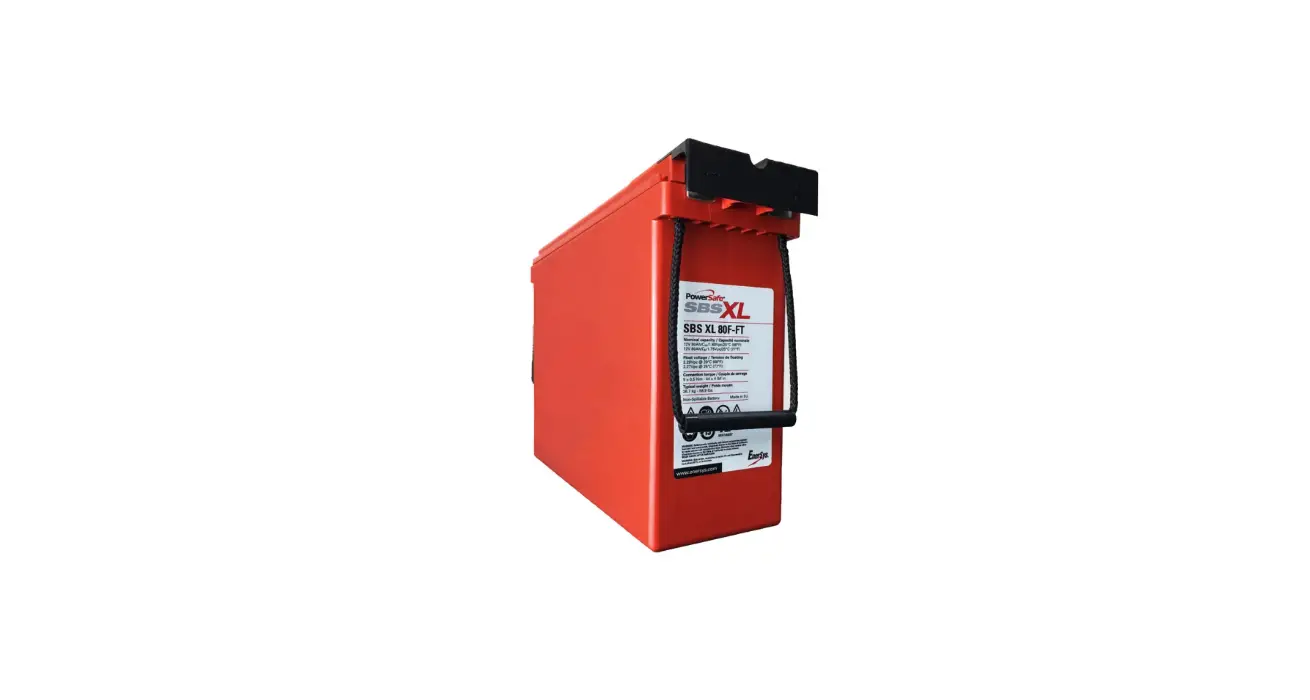
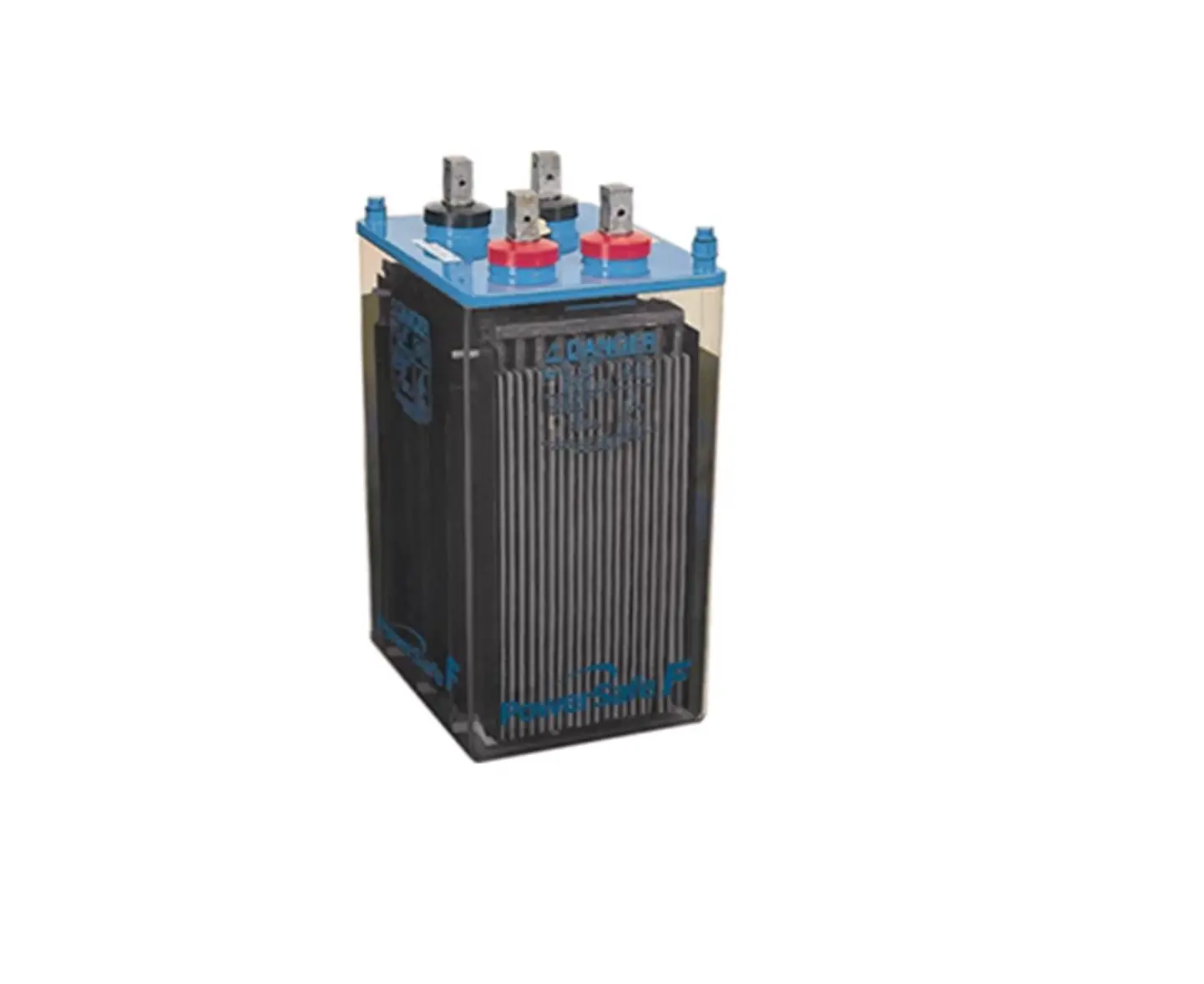
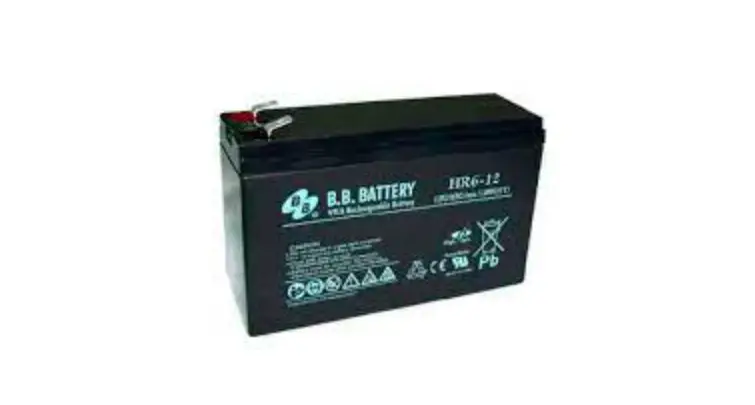
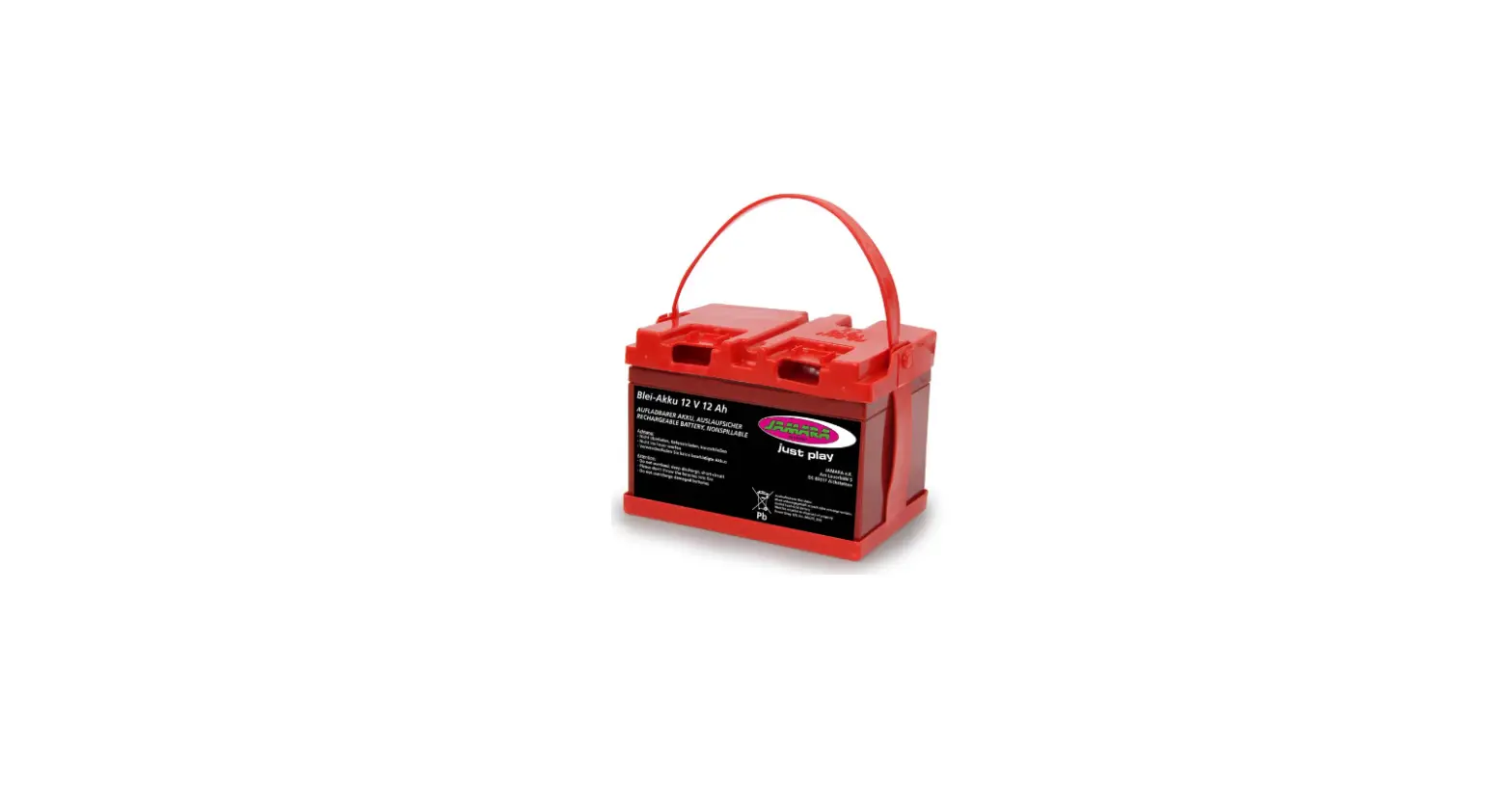
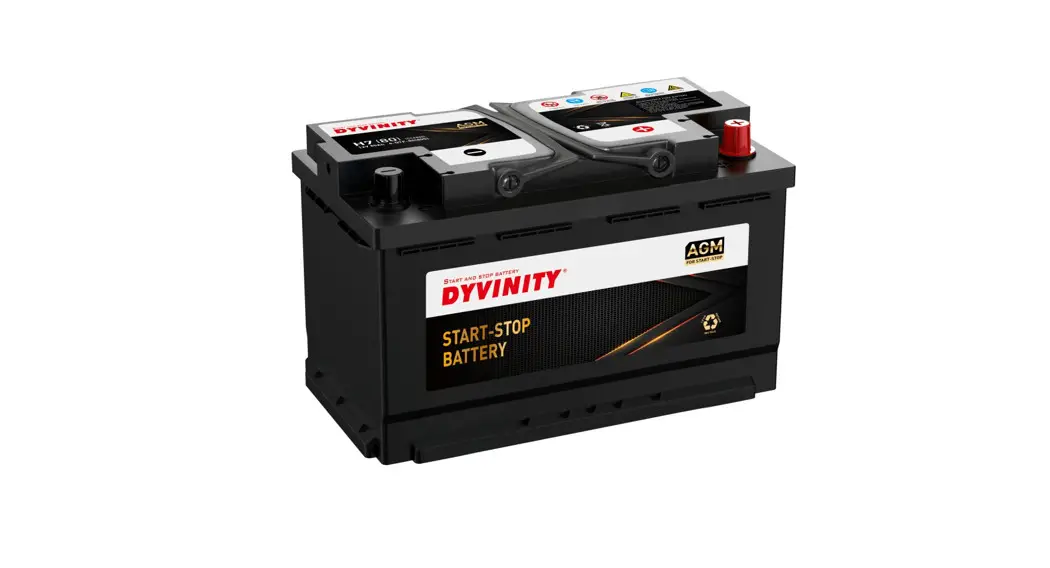
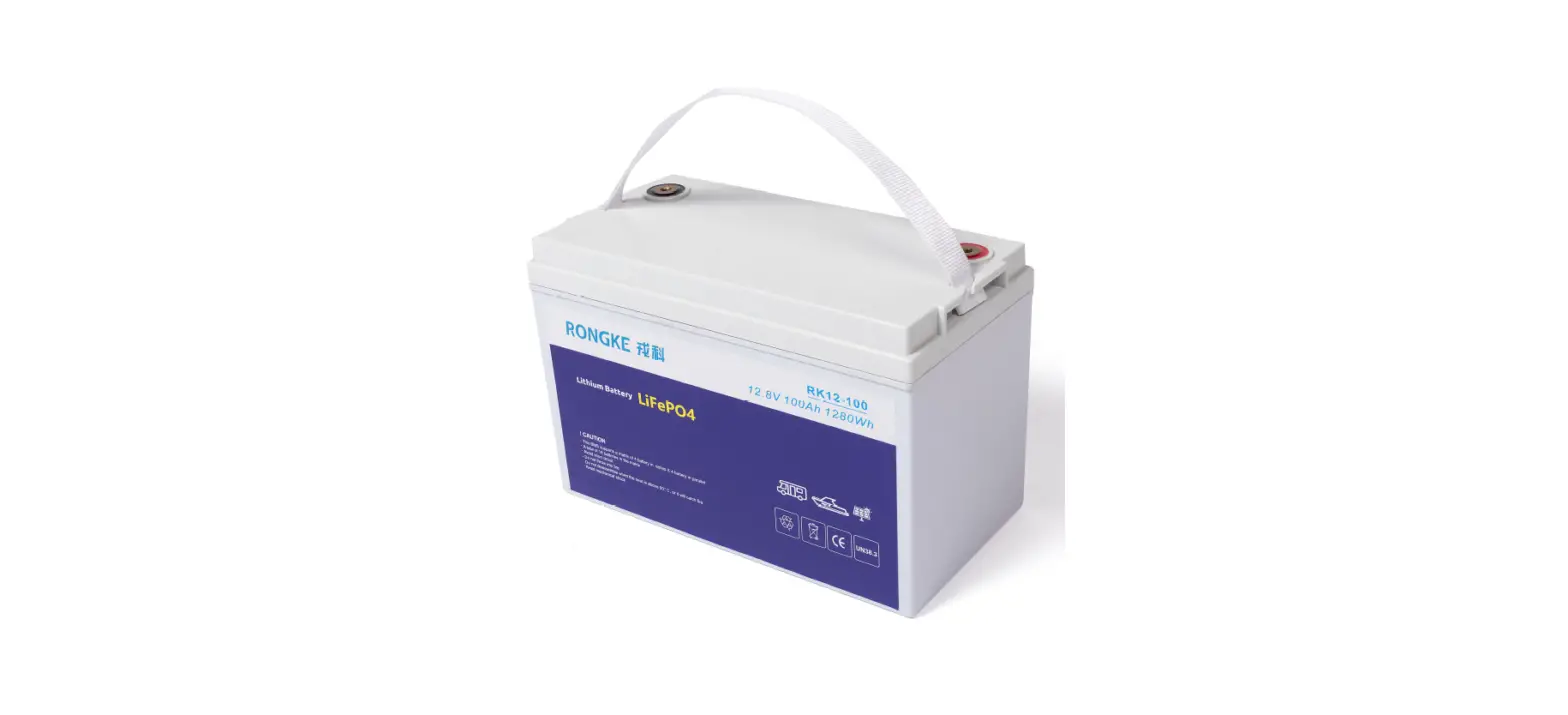
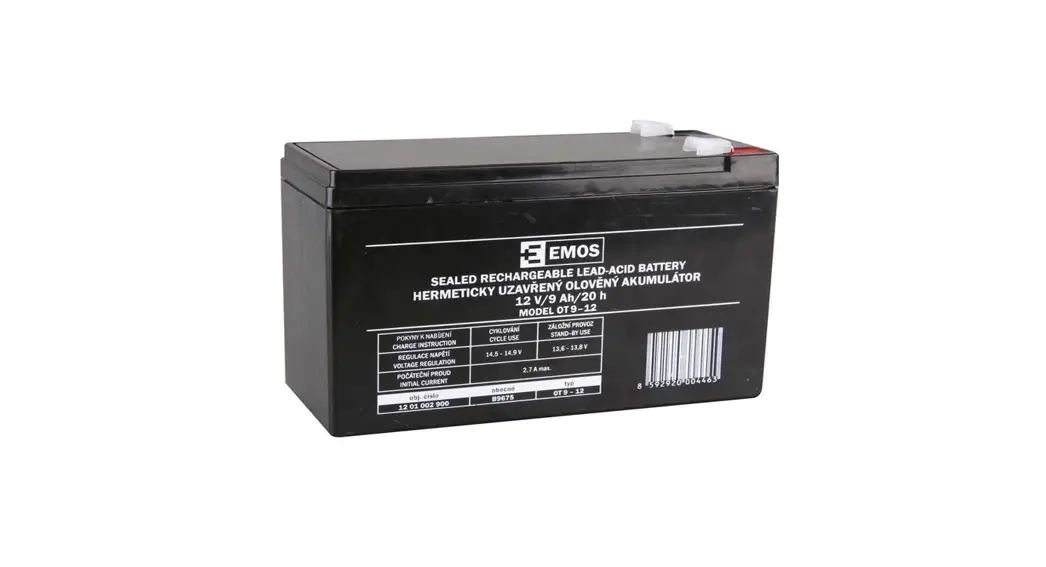
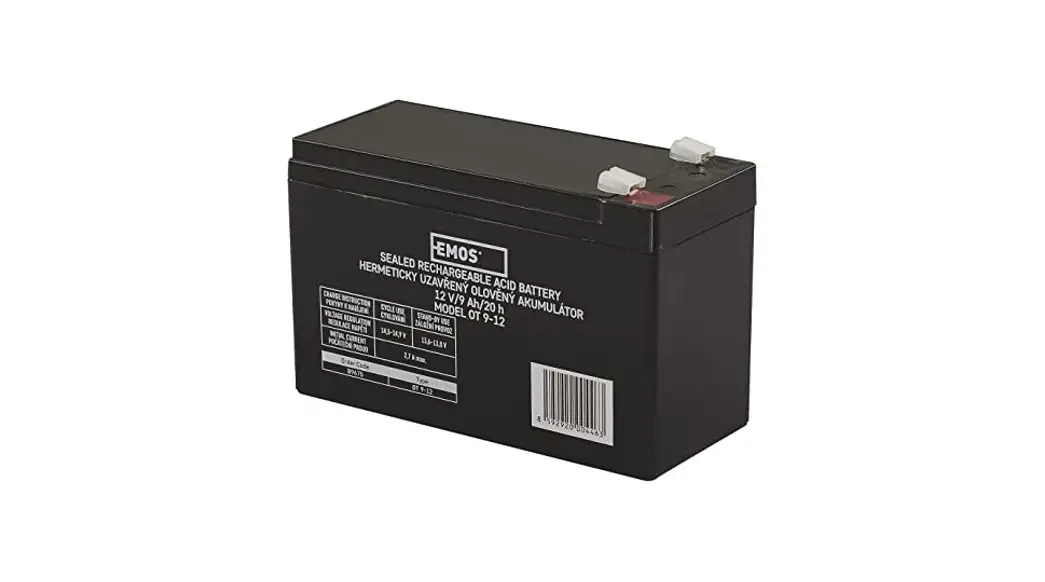
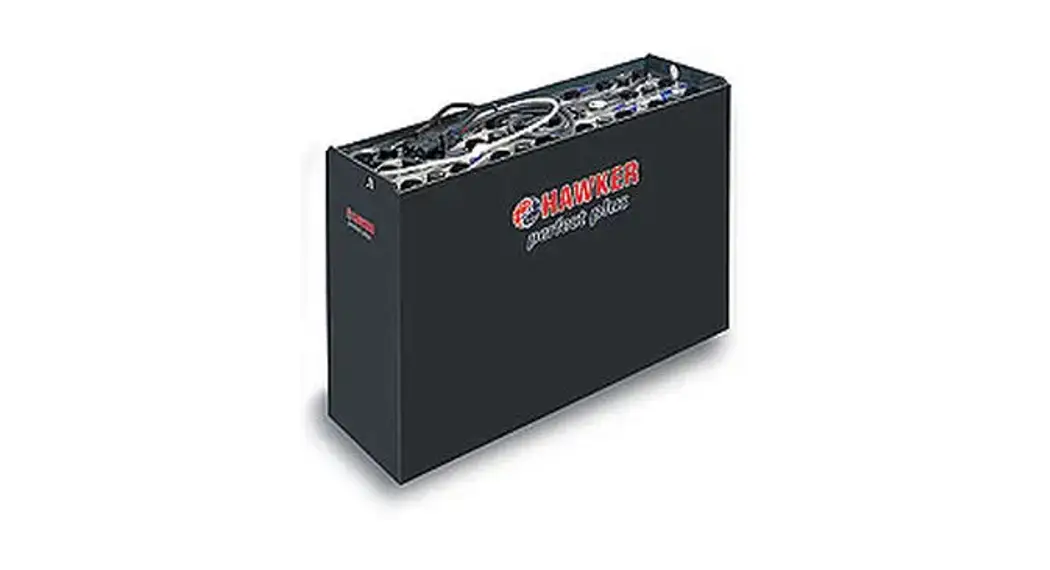
RPower OGiV12450 LP Stationary Valve Regulated Lead Acid Batteries
Product Information
Product Name: RPower OGiV12450 LP
Type: Stationary, valve regulated lead-acid batteries
(VRLA/AGM)
Nominal Voltage: 216 V
Nominal Capacity (C20): 47.2 Ah
Nominal Temperature:
Factors of Reduction:
Nominal Discharge Current (IN = I20):
Battery Manufacturer/Type: RP / OGIV
Assembly and CE Marking by/Date:
Commissioning by/Date:
Security Signs Attached by/Date:
The RPower OGiV12450 LP is a stationary, valve regulated
lead-acid battery designed for various applications. It has a
nominal voltage of 216 V and a nominal capacity of 47.2 Ah. The
battery is designed to operate at specific discharge currents and
should be handled with care to prevent damage or accidents. It is
important to follow the operating instructions and safety
guidelines provided by the manufacturer.
Product Usage Instructions
Important Safety Instructions:
- Work on the battery should be carried out by qualified
personnel only. - Do not smoke or use any naked flame or other sources of
ignition near the battery to avoid the risk of explosion and
fire. - While working on batteries, wear protective eye-glasses and
clothing. - Observe the accident prevention rules and standards (e.g., DIN
EN IEC 62485-2, DIN EN 50110-1). - If acid splashes on the skin or in the eyes, flush with plenty
of clean water immediately and seek medical assistance. Rinse
spillages on clothing with water. - Avoid short circuits to prevent explosion and fire hazard.
- Do not touch the exposed electrolyte if the cell or monobloc
container is damaged as it is corrosive. - Cells/bloc batteries are heavy, always use suitable handling
equipment for transportation and handle with care to avoid
mechanical shock. - Non-compliance with operating instructions, repairs made with
other than original parts, or repairs made without authorization
may void the warranty. - Dispose of batteries marked with the recycling symbol via a
recognized recycling agency or return them to the manufacturer as
agreed. Take-back obligation according to BattG, EAR battery
registration number: DE 61855345.
Battery Operation:
The load is supplied only by the battery. The charging process
depends on the application and must be carried out following the
recommendations of the battery manufacturer.
Supplementary and Equalizing Charge:
To ensure optimal service life, a supplementary charge (with
2.40 V/cell) must be carried out before the batteries are put into
operation. An equalization charge (with 2.40 V/cell) is required
after deep discharge and/or insufficient charging.
Start Up:
- Check all cells/blocks for mechanical damage, correct polarity,
and firmly seated connectors. - If necessary, raise the terminal cover.
- Connect the battery with the correct polarity to the charger.
The charger should not be switched on during this process, and the
load should not be connected (positive pole to positive
terminal). - Switch on the charger and start charging following the
instructions in section 2.2.
Discharge:
Discharge must not be continued beyond the level specified for
the specific discharge current. Deeper discharges must not occur
unless specifically agreed with the manufacturer. Recharge
immediately following complete or partial discharge.
Operating Instruction
Stationary, valve regulated lead-acid batteries (VRLA/AGM)
Description / Type: RPower OGiV12450 LP
Nominal Data Nominal voltage UN: 216 V Nominal capacity C20: 47,2 Ah Nominal temperature TN: Factors of reduction: Nominal discharge current IN = I20:
Battery manufacturer/type: Assembly and CE marking by/date: Commissioning by/date: Security signs attached by/date:
2V x number of cells (12V / 2V) 18 / 108 20h discharge 20°C according to DIN EN IEC 62485-2 CN/20h
RP / OGIV
Observe these Instructions and keep them located near the battery for future reference. Work on the battery should be carried out by qualified personnel only.
Do not smoke. Do not use any naked flame or other sources of ignition. Risk of explosion and fire.
While working on batteries wear protective eye-glasses and clothing. Observe the accident prevention rules as well as DIN EN IEC 62485-2, DIN EN 50110-1.
Any acid splashes on the skin or in the eyes must be flushed with plenty of clean water immediately. Then seek for medical assistance. Spillages on clothing should be rinsed out of water.
Explosion and fire hazard, avoid short circuits.
Electrolyte is very corrosive. In normal working conditions contact with the electrolyte is impossible. If the cell or monobloc container is damaged do not touch the exposed electrolyte because it is corrosive.
Cells/bloc batteries are heavy! Always use suitable handling equipment for transportation. Handle with care because bloc batteries are sensitive to mechanical shock.
Non-compliance with operating instructions, repairs made with other than original parts, or repairs made without authorization (e. g. opening of valves) render the warranty void.
Disposal of batteries Batteries marked with the recycling symbol should be processed via a recognized recycling agency. By agreement, they may be returned to the manufacturer. Take-back obligation according to BattG, EAR battery registration number: DE 61855345
With buffer operation, the direct current source is not able to supply the maximum load-current at all times. The load current intermittently exceeds the nominal current of the direct source. During this period the battery supplies power. The battery is not fully charged at all times but the float-charge of 2,275 V/cell ±0,005V (20°C) x number of cells in series provides a reasonable recharge duration under normal conditions. Dependent on load and number of cells in series, it is recommended to consult the battery manufacturer in any doubtful case.
b) Switch-mode-operation When charging, the battery is separated from the load. To reduce the charging time, a three phase boost charge mode can be applied by charging the battery at 2,35-2,40 V/cell until the charging current drops to 0,07 C(A) (trip point for the first phase of charging t1). The duration of charging of the first phase is measured by a timer so that the second phase should be half of the first phase (t2 = 0,5 t1) when the batteries are kept on charger at 2,35-2,40 V/cell. After the total charging of t2 = 0,5 t1 has elapsed, the charger reduces the voltage to a normal float-charge level of 2,275V/cell (±0,005V) at 20°C.
c) Battery operation (charge/discharge operation) The load is only supplied by the battery. The charging process depends on the application and must be carried out in accordance with the recommendations of the battery manufacturer.
2.3 Maintaining the full charge (float charge) Devices complying with the stipulations under DIN 41773 must be used. They are to be set so that the average cell voltage is 2,275V±0,005V.
2.4 Supplementary and Equalizing charge To ensure an optimal service life, a supplementary charge (with 2,40 V/cell) must be carried out before the batteries are put into operation. An equalization charge (with 2,40 V/cell) is required after deep discharge and/or after insufficient charging.
Valve-regulated lead acid batteries consist of cells which do not require water topping during the operation. For plugs there are used pressure control valves, which can not be opened without destruction.
1. Start up Check all cells/blocks for mechanical damage, correct polarity and firmly seated connectors. The following torques apply for screw connectors:
M5 5,7-6,2 Nm
M6 8,0-8,5 Nm
M8 11,9-12,4 Nm
If necessary the terminal cover are to be raised. Connect the battery with the correct polarity to the charger. The charger should not be switched on during this process, the load should not be connected (pos. pole to pos. terminal). Switch on charger and start charging following instruction no 2.2
2. Operation For the installation and operation of the batteries DIN EN IEC 62485-2 is mandatory. Battery installation should be made such that temperature difference between individual units does not exceed 3 degrees Celsius/Kelvin. Temperatures >20°C shorten the service life, every +10°C it decreases by 50%.
2.1 Discharge Discharge must not be continued beyond the level specified for the specific discharge current. Deeper discharges must not occur unless specifically agreed with the manufacturer. Recharge immediately following complete or partial discharge.
2.2 Charging Applicable are all charging procedures with their limit values acc. to DIN 41773* (IU-characteristic/*norm withdrawn, no successor standard). Acc. to the charging equipment specification and characteristics, alternating currents (<0,1C(A)) flow through battery super-imposing into the direct current during charging operation. These alternating current and the reaction from the loads, lead to an additional temperature increase of the battery, and strain the electrodes with possible damages (see 2.5). Depending on the installation, charging acc. to DIN EN IEC 62485-2 may be carried out in the following operations.
a) Standby Parallel and Buffer Operation Here are the load, direct current source and battery continuously in parallel. Thereby the charging voltage is the operation voltage and at the same time the battery installation voltage. With the standby parallel operation, the direct current source is at any time capable of supplying the maximum load current. The battery only supplies current when the direct current source fails. The charging voltage should be set at 2,275V ± 0,005V (20°C) x number of cells in series measured at the terminals of the battery.
If the maximum temperature of 45°C is exceeded, charging must be interrupted or temporarily switched to trickle charging so that the temperature drops.
Batteries that are subsequently installed in a battery system as a replacement must be fully charged before installation.
Batteries with a storage period of >6 months and/or an open terminal voltage of less than 2,11 V/cell must be subjected to a supplementary or equalization charge.
2.5 Alternating currents On recharging up to 2,40 V/cell under operation modes 2.2 the actual value of the alternating current is for a very short time permitted to reach 0,1C(A) nominal capacity. In a fully charged state during float charge or standby parallel operation the actual value of the alternating current must not exceed 5 A/100 Ah nominal capacity.
2.6 Charging currents During float charge or standby parallel operation without recharging state the charging currents are not limited. The charging current should range between 10A to 30A each 100Ah nominal capacity (reference value).
GA OGiV_EN – 2021-12_Rev. 01 – AB
1/2
2.7 Temperature The nominal operation temperature range for leadbatteries is 10°C to 30° C (best 20°C ± 5 K). Higher temperatures will seriously reduce service life. All technical data are produced for a nominal temperature of 20°C. Lower temperatures reduce the available capacity. The absolute maximum temperature is 50°C and should not permanently exceed 30°C in service.
2.8 Temperature-related float charge voltage and boost charge The float charge voltage of 2,275V/cell ±0,005V/cell refers to a battery temperature of 20°C. Temperature compensated charging is required in order to avoid overcharge at high temperatures and undercharge at low temperatures. The recommended temperature compensation factor is -3m V/cell/°C for float charge operation. In order to avoid thermal runaway, it is mandatory to temperature compensate the floatcharge voltage for temperatures above 25°C. The boost charge mode can be applied if a quick recharge is required on condition that the charging current does not exceed 0,25C(A) and constantly drops to 0,01C from where normal float charge voltage should be applied.
Temperature (°C)
-10 0 10 20 25 30 40
Boost Charging Voltage (V/cell)
2,53 2,48 2,45 2,40 2,38 2,37 2,34
Float Charge Voltage (V/cell)
2,36 2,33 2,30 2,28 2,27 2,24 2,21
2.9 Electrolyte The electrolyte is diluted sulphuric acid and is absorbed in glass-matt separator.
3. Battery maintenance and control Keep the battery clean and dry to avoid leakage currents. The cleaning of the battery should be carried out according to the ZVEI-leaflet “Cleaning of batteries”. Plastic parts of the battery must be cleaned with pure water without additives, any organic solvents are prohibited.
At least every 6 months measure and record: – battery voltage – voltage of several cells/blocks – surface temperature of several cells/blocks – battery-room temperature
If the difference of the average float charge voltage/cell is exceeding ± 0,1 V/cell within a string or if the surface temperature-difference between cells/blocks is exceeding 5 K, the service-agent should be contacted. Annual measurement and recording: – voltage of all cells/blocks – surface temperature of all cells/blocks – battery-room temperature – insulation-resistance according to DIN EN 60896-21
Annual visual check: – screw connections, any screw connections without locking devices have to be checked for tightness – battery installation and arrangement – ventilation according to DIN EN IEC 62485-2
5. Faults Call the service agents immediately in case of faults in the battery or the charging unit. The availability of the recorded data described in point 3, will be very helpful to find the cause of failure. A maintenance contract simplifies trouble shooting.
6. Storage and taking out of operation To store or decommission cells/batteries for a longer period of time, they should be fully charged and stored in a dry frost-free room. To avoid damage, batteries should be regularly subjected to supplementary charge cycles in accordance with 2.4.
7. Transport RPower VRLA batteries are not dangerous goods as long as they are not damaged in any way and are secured against short circuit, slipping, falling over and damage (ADR chapter 3.3, special provision 598). This applies to road, rail, sea freight and air transport as well as according to the rules of IATA (Rule A67), ADR (Rule 238B), IMDG (Rule 238.2) and UN 2800 Special Provisions. There must be no dangerous traces of acid on the outside of the packages. The relevant exception regulations apply to all sealed batteries and cells whose vessels are leaking or damaged.
8. Technical data
Capacities (Cn) at different discharge times (Tn), up to the specified
end-of-discharge voltage (US) at a battery temperature of 25°C.
Type
5min 10min 30min
1h
2h
RPower
C1/12 C1/6 C1/2
C1
C2
OGiV
1,60V/Z 1,60V/Z 1,70V/Z 1,80V/Z 1,80V/Z
OGiV 1252 LP
2,1
2,7
3,5
4,0
4,2
OGiV 1270 LP
2,6
3,3
4,3
4,2
4,5
OGiV 1290 LP
3,0
4,2
5,3
5,7
6,7
OGiV 12120 LP
3,9
5,3
6,7
7,8
8,1
OGiV 12170 LP
5,6
7,6
9,6
11,2 11,3
OGiV 12260 LP
9,9
13,7 15,5 15,5 22,0
OGiV 12280 L
8,0
10,8 13,4 14,9 18,5
OGiV 12330 LP
9,6
13,4 16,6 19,8 22,2
OGiV 12400 LP
10,6 14,4 18,7 23,5 26,0
OGiV 12450 LP
12,4 16,7 22,0 26,5 29,6
OGiV 12550 LP
15,8 24,0 32,8 36,6 41,0
OGiV 12600 LP
15,2 22,8 30,0 36,5 42,4
OGiV 12650 LP
17,3 25,7 32,2 39,0 44,4
OGiV 12750 LP
20,0 29,7 38,5 43,4 51,4
OGiV 12800 LW
21,0 28,0 37,1 45,2 55,2
OGiV 12800 LPL
20,6 31,3 40,2 46,3 54,2
OGiV 12900 LP
—
34,5 43,2 48,5 60,2
OGiV 121000 LP
—
38,8 50,0 60,7 66,6
OGiV 121200 LPS —
41,7 56,0 65,4 71,8
OGiV 121200 LP
—
46,8 60,5 72,7 74,8
OGiV 121340 LP
—
52,3 71,0 78,0 91,8
OGiV 121500 LP
—
56,7 83,5 87,2 105,2
OGiV 122000 LPE —
66,8 90,5 117,0 130,9
OGiV 122000 LP
52,5 87,2 127,0 136,0 152,0
OGiV 122600 LP
65,7 87,5 126,0 142,0 142,0
OGiV 12930HP
10,4 14,6 18,7 19,8 23,1
OGiV 121250HP
13,8 19,2 23,8 26,8 31,2
OGiV 121600HP
19,7 26,5 34,2 37,8 44,1
OGiV 122500HP
26,7 39,5 52,5 55,1 64,2
OGiV 123000HP
30,4 46,7 62,5 57,6 67,2
OGiV 123400HP
31,1 52,8 63,0 64,0 74,6
OGiV 123500HP
32,8 55,7 68,0 69,0 80,5
OGiV 123600HP
35,0 56,7 81,0 78,0 90,9
OGiV 123900HP
37,3 59,2 86,5 89,6 104,5
OGiV 124100HP
39,8 67,7 89,0 93,0 108,4
OGiV 125000HP
48,0 79,7 115,0 125,0 145,8
OGiV 126000HP
59,3 94,2 133,0 138,0 160,9
OGiV 12550 FT
13,6 21,5 30,6 33,9 39,4
OGiV 12800 FT
18,6 29,4 42,0 45,8 52,8
OGiV 121500 FTP
—
—
81,5 98,5 113,0
We reserve the right to make technical changes and improvements.
3h C3 1,80V/Z 4,2 5,0 7,0 9,2 12,8 21,3 21,7 24,5 28,3 32,7 45,1 44,1 46,2 59,4 58,2 62,1 65,4 72,3 78,9 87,9 105,6 110,1 137,1 168,0 192,6 26,4 35,7 50,3 73,4 76,7 85,2 91,9 103,9 119,3 123,9 166,5 183,8 42,9 57,3 128,1
8h C8 1,80V/Z 5,0 6,2 8,0 10,8 15,9 24,6 26,2 29,6 33,3 39,9 55,3 54,4 58,8 71,6 74,5 76,2 84,0 94,4 104,8 108,8 126,4 140,8 187,4 192,0 212,0 32,5 44,0 62,0 90,4 94,5 105,0 113,2 127,9 146,9 152,5 205,0 226,3 53,0 72,2 137,6
10h C10 1,80V/Z 5,0 6,6 8,5 11,2 16,5 25,1 28,0 33,0 39,4 45,0 59,3 60,0 65,0 75,0 80,0 80,0 90,0 100,0 120,0 120,0 134,0 150,0 200,0 199,0 250,0 26,0 33,0 55,0 75,0 90,2 100,2 120,1 134,0 140,0 150,0 192,0 220,1 55,0 75,0 150,0
20h C20 1,80V/Z 5,2 6,9 8,8 11,8 16,8 25,6 29,7 34,6 42,2 47,2 61,0 62,0 67,2 81,0 84,0 84,0 93,4 106,0 124,9 127,2 140,8 157,6 208,2 208,8 260,0 28,0 34,9 58,0 80,0 94,0 110,0 125,9 139,9 150,0 155,9 200,0 229,9 58,2 79,4 157,0
4. Tests Tests have to be carried out according to DIN EN 60896-21. Special instructions like DIN EN 50172 and DIN VDE 0100-710 have to be observed. To make sure to have a confidential power supply, the whole battery should be exchanged after the utilization is finished.
Take also into account the temperatures and the operating conditions.
Schrack Technik GmbH Seybelgasse 13 1230 Wien AUSTRIA
Tel.: +43 1 86685-5900 Fax: +43 1 86685-98888 E-Mail: [email protected] Internet: www.schrack.at
GA OGiV_EN – 2021-12_Rev. 01 – AB
2/2