CM9-603 Loop Detector
Product Information
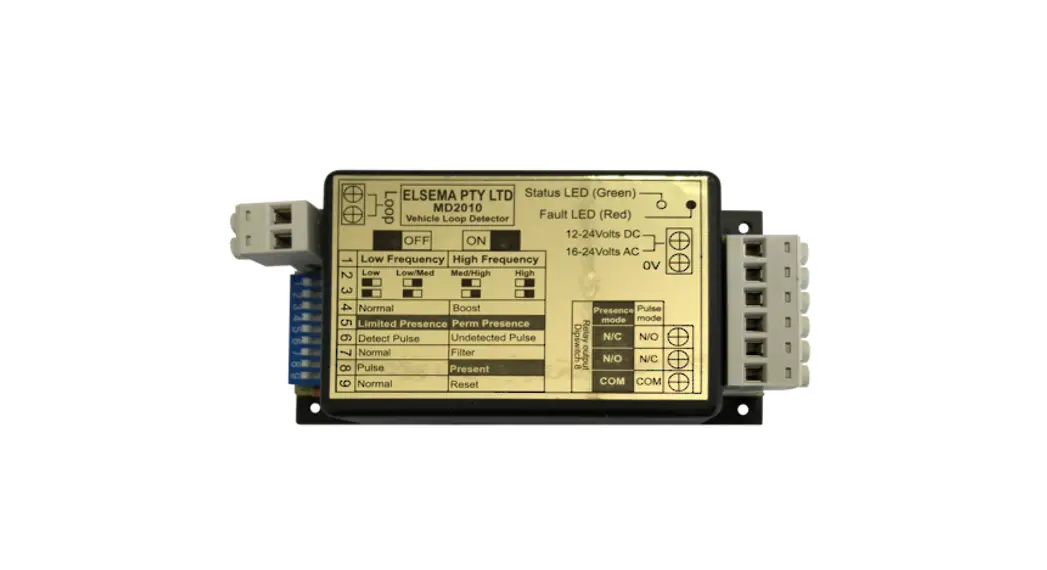
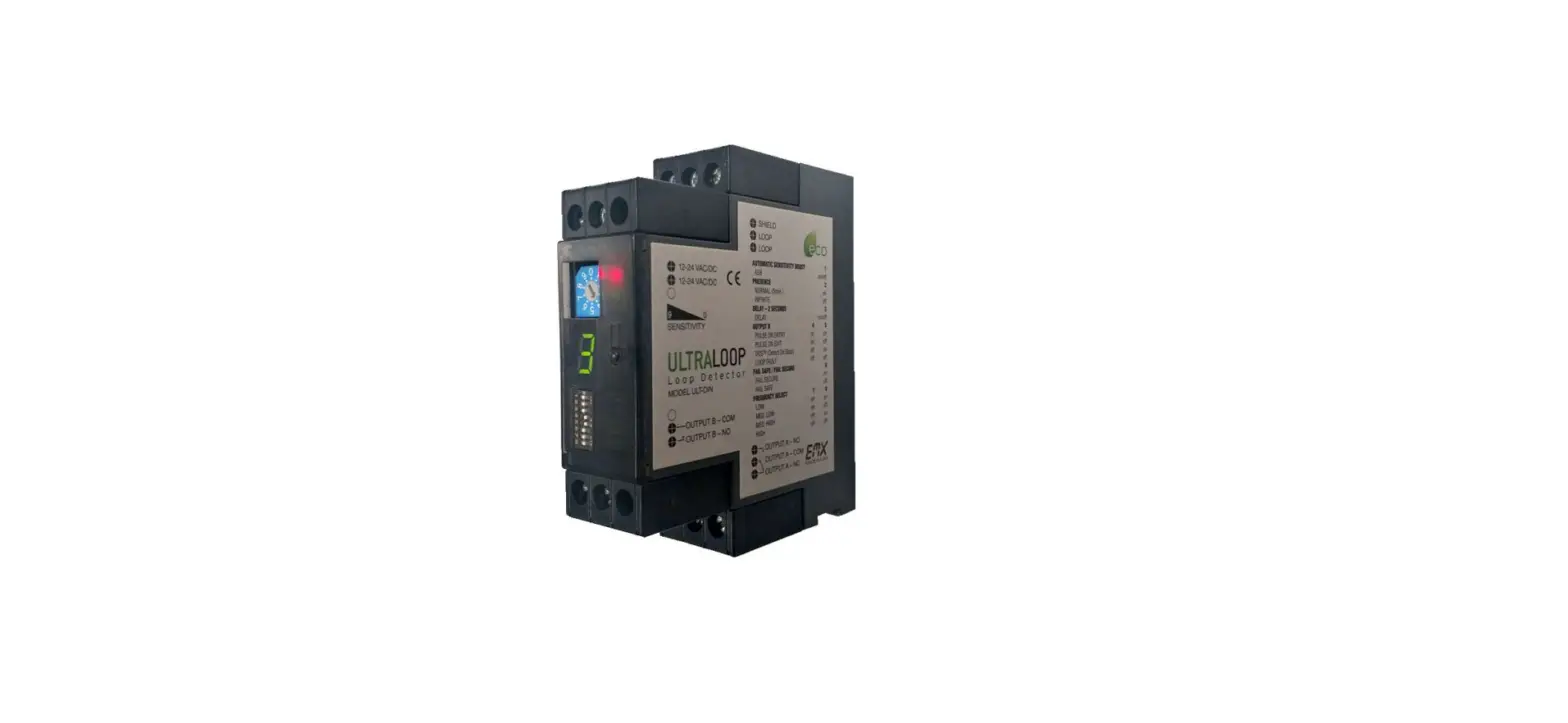
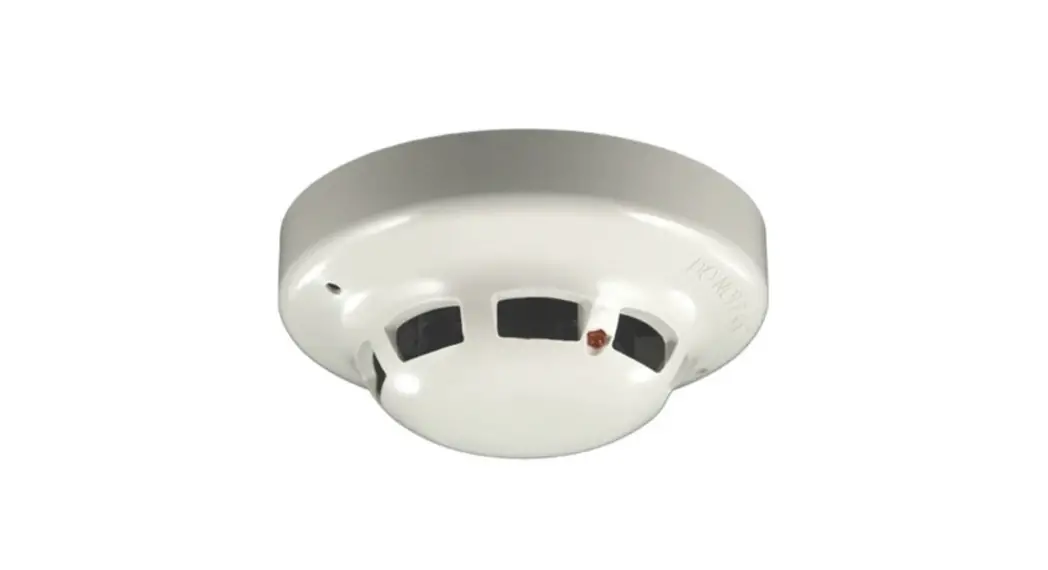
The Loop Detector is a device used in gate operator systems to
detect the presence of vehicles or objects in specific loops. It is
designed to work with the gate operator circuit board and is
capable of detecting loops for exit, phantom, and reverse
applications. The sensitivity of the detector can be adjusted using
a blue potentiometer located on the side of the device. It is
recommended to set the sensitivity to 5 or 6 for optimal
performance.
Product Usage Instructions
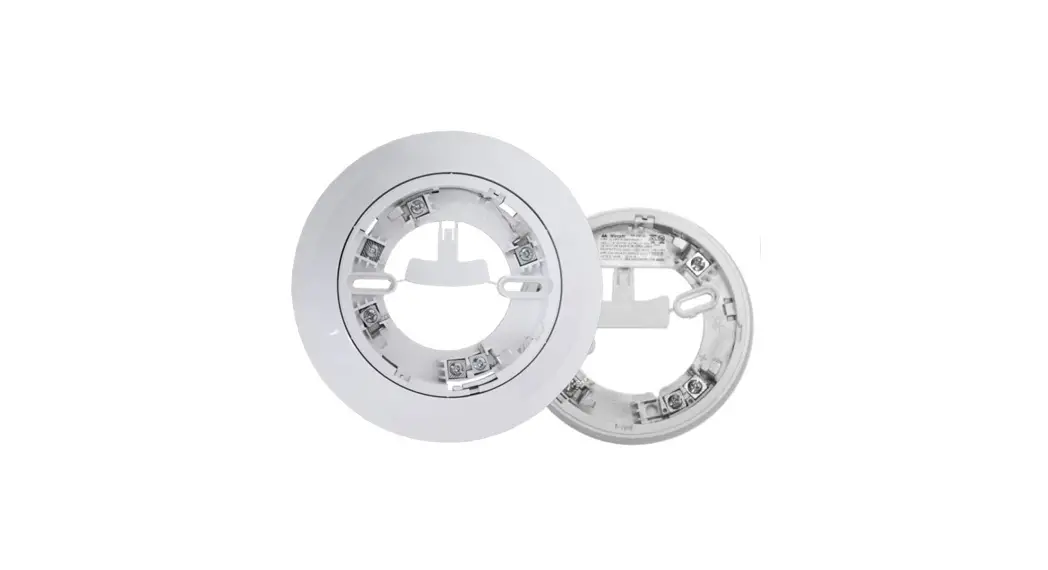
- Wiring: Add the Loop Detector to the harness
by connecting the loop wires to the left side of the block
terminal. The terminal accepts loop wires for Exit Loops, Phantom
Loops, and Reverse Loops. - Loop Installation: Determine the appropriate
loop size based on the desired application. Use a circular saw to
create a saw cut on the ground with a depth of 1.5 inches and a
width of 0.2 – 0.3 inches. - Loop Configuration: Place the loop wire with 3
turns directly on top of each other, ensuring there are no splices
in the wire. Use PVC conduit for protection if necessary. - Mounting: Once the wiring and loop
installation are complete, mount the harness underneath the gate
operator chassis, on the back of the power compartment. Use screws
to secure the harness using the provided transparent holes (screws
not included).
Note: For different loop sizes, refer to the table below to
determine the number of turns and corresponding loop size
number:
| Loop Size | Number (Sq ft) of Turns |
|---|---|
| 6′ to 12′ | 6 |
| 13′ to 20′ | 5 |
| 21′ to 60′ | 4 |
| 61′ to 240′ | 3 |
| 241’+ | 2 |
Loop Detector Instruction Manual
Wiring Diagram
Loop Wire Add the Loop Detector to the Harness
CM9-603
Figure A
Gate Operator Circuit Board Wiring
SAFETY PHANTOM EXIT LOOP 24V-COM 24-VDC
The harness contains a reverse loop, phantom loop, and exit loop. You will need a separate loop detector for each loop.
Loop wires go into the left side of the block terminal. The terminal accepts loop wires for Exit Loops, Phantom Loops, and Reverse Loops.
Adjust the sensitivity from 0-7. The sensitivity is the blue potentiometer on the side of the loop detector. We generally recommend setting the sensitivity to 5 or 6.
When finished, use screws to mount the harness underneath the gate operator chassis, on the back of the power compartment. You will see 4 transparent holes that you can use to drill in 4 screws (not included).
Mount Loop Detector Harness Here Move the cable from the loop detector harness up into the circuit board compartment, there will be a small circular hole large enough for the cable to go through. Connect the wires based on the wiring diagram in the previous page. Note: If using the Safety and/or Phantom loops, remove the black jumper guard in Figure A, page 1. On the gate operator circuit board on the bottom right side, remove the wire that joins 24V-COM and SAFETY together. If using the exit loop only, disregard this step.
Exit Loops
An exit loop opens the gate automatically when a car approaches the gate. A reverse loop is a loop that reverses the direction of a closing gate if a car drives over it. It will also hold a gate open if a vehicle stops over the loop. If the gate is fully closed and a vehicle drives over it, the gate will not open. A phantom loop is a reverse loop located inside the property that covers the path of an opening swing gate. The phantom loop prevents the opening swing gate from hitting a car in its path.
8 FT
Reverse Loop
4 FT
Outside Property
Wall
4 FT
Wall
Gate
Gate Operator
4 FT 8 FT
Reverse Loop
4 FT
(Phantom)
Inside Property
4-8 FT
Exit Loop
4 FT
8 FT
Exit Loops
Loop wires are installed 1.5″ underground by cutting the concrete with a circular saw. The typical size loop is 8×4′. Common loop wires are size 16 or 18 AWG stranded copper XLPE (cross-linked polyethylene) electrical wire. 3 layers of turns are required for a typical 4×8′ loop. For different size loops, use 4 turns for 10-20ft in perimeter, 3 turns for 20-32ft in perimeter, and 2 turns for 32-98ft in perimeter. The wire ends must be twisted back into the gate operator with a minimum of 6 twists per foot. The twisted ends must be placed inside a PVC conduit. Use caulk or sealant to seal the ground once finished.
Use a circular saw to create a saw cut on the ground.
Depth: 1.5″
4″
Width: 0.2 – 0.3″
Make sure the edges are at a 45° angle.
45°
8″
Twisted Leadin Wires leading into loop detector
PVC Conduit
Continuous (no splices) loop wire with 3 turns placed directly on top
of each other
Exit Loops
Above Ground Caulk / Sealant
Loop wire 3 Turns
1.5″
0.2″
Loop Size Number (Sq ft) of Turns
6′ to 12′
6
13′ to 20′
5
21′ to 60′
4
61′ to 240′ 3
241’+
2