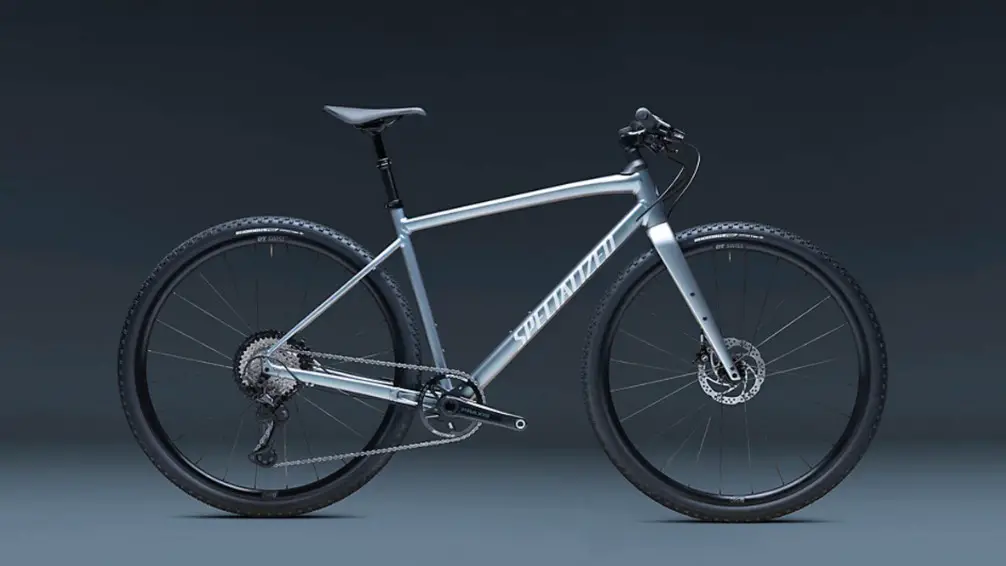
Turbo Road and Gravel
Product Information:
- Product Name: Turbo Road & Gravel
- Language: English
- Symbols: The assembly guide includes important symbols and
warnings, such as the symbol for applying high-quality grease and
carbon assembly paste. - Tech Tips: The assembly guide provides helpful tips and tricks
for installation and use. - Additional Languages: The manual is available in multiple
languages for download at www.specialized.com. - Assembly: Proper assembly requires basic mechanical skills and
high-quality tools. If unsure, it is recommended to have the
bicycle assembled by an Authorized Specialized Retailer. - Bike Inspection: Check for any damage during shipping and
contact Specialized Rider Care if any damage is noticed. - Torque Specifications: Refer to the user manual or the part
near the bolt for torque specifications. General torque
specifications can also be found in the Owner’s Manual. - Wireless Components: Bicycles equipped with wireless components
need to be charged before use. Refer to the component
manufacturer’s user manual for more information. - Packaging: Keep the packaging for reuse or dispose of it
responsibly according to local recycling guidelines.
Product Usage Instructions:
- MOTOR SUPPORT AND ACTIVATION
- Always turn off the battery when not in use or when working on
the bicycle.
- Always turn off the battery when not in use or when working on
- WHAT’S IN THE SMALL PARTS BOX
- The small parts box includes a user manual, assembly guide,
owner’s manual, component manuals, optional pedals, high-quality
grease, carbon assembly paste (if the bicycle has a carbon frame),
and a Specialized Turbo SL battery charger.
- The small parts box includes a user manual, assembly guide,
- REQUIRED TOOLS
- To assemble the bicycle, you will need a torque wrench (0 – 15
Nm), 4 mm hex key/socket bit, 5 mm hex key/socket bit, 6 mm hex
key/socket bit, flat wrench, side cutters, and a bicycle floor pump
with a gauge.
- To assemble the bicycle, you will need a torque wrench (0 – 15
- ASSEMBLY INSTRUCTION VIDEO
- Use your smartphone camera to scan the QR code provided to
access a comprehensive assembly instruction video in your
language. - Open the camera app on your phone and focus it on the QR code.
Follow the instructions on the screen to complete the action.
- Use your smartphone camera to scan the QR code provided to
- LET’S GET STARTED
- Handle the e-bike with caution as it may be heavier than a
regular bicycle. - It is recommended to have another person assist with the
unpacking and assembly process. - To begin, remove any tape and open the top of the box.
- Use the two handles in the middle of the inner box to lift the
bicycle out.
- Handle the e-bike with caution as it may be heavier than a
ASSEMBLY GUIDE
TURBO ROAD & GRAVEL
ENGLISH
INTRODUCTION THIS BRIEF ASSEMBLY GUIDE CONTAINS IMPORTANT INFORMATION. PLEASE READ CAREFULLY AND STORE IN A SAFE PLACE. This Assembly Guide shows you how to build your bicycle from out of the box. The directions covered in this guide are general guidelines and apply to all Specialized Turbo road & gravel bicycles. If you’re unsure of the correct setup of your bicycle, contact Specialized Rider Care or visit an Authorized Specialized Retailer. This document is not intended as a use, service, repair, or maintenance guide. Please visit an Authorized Specialized Retailer for all service, repairs, or maintenance. This assembly guide is not a replacement for your bicycle’s User Manual. The User Manual contains important safety, performance, and technical information specific to your bicycle, which you should read and keep for reference. You should also read the entire Specialized Bicycle Owner’s Manual (“Owner’s Manual”) as it has additional important, general information and instructions you should follow. If you don’t have a copy of the Owner’s Manual, you can download it at www.specialized.com or obtain it from Specialized Rider Care or your nearest Authorized Specialized Retailer. Additional safety, performance, and service information for specific components such as suspension or pedals on your bicycle or accessories such as helmets or lights, may also be available. In case of a conflict between the information in this assembly guide and information provided by a component manufacturer’s manuals, please contact Specialized Rider Care or an Authorized Specialized Retailer. Please note all instructions and notices are subject to changes and updates without notice. Please visit www.specialized.com for periodic tech updates.
SYMBOLS When reading this assembly guide, you will note various important symbols and warnings, which are explained below:
WARNING! The combination of this symbol and word indicates a potentially hazardous situation that, if not avoided, could result in serious injury or death. Many of the Warnings say “you may lose control and fall.” Because any fall can result in serious injury or even death, we do not always repeat the warning of possible injury or death. CAUTION: The combination of the safety alert symbol and the word CAUTION indicates a potentially hazardous situation, that, if not avoided, may result in minor or moderate injury, or is an alert against unsafe practices. The word CAUTION used without the safety alert symbol indicates a situation that, if not avoided, could result in serious damage to the bicycle or the voiding of your warranty. This symbol alerts the reader to information that is particularly important.
This symbol means that high-quality grease should be applied as illustrated.
This symbol means that carbon assembly paste should be applied as illustrated to increase friction.
Tech tips are helpful tips and tricks regarding installation and use.
Refer to the Owner’s Manual supplied with your bicycle for more specific information.
Refer to the User Manual supplied with your bicycle for more specific information.
This manual was drafted in the English language (Original instructions) and may have been translated into other languages as applicable (translation of Original instructions). ADDITIONAL LANGUAGES ARE AVAILABLE FOR DOWNLOAD AT www.specialized.com.
ASSEMBLY
WARNING! Proper assembly requires basic mechanical skills and a set of high-quality tools such as a torque wrench. If you are unsure about the proper setup of your bicycle, it should be assembled by an Authorized Specialized Retailer.
BIKE INSPECTION When removing parts from the packaging, ensure nothing was damaged during shipping. Call Specialized Rider Care if you notice any damage.
TORQUE SPECIFICATIONS Torque specifications can be found in the user manual supplied with the bicycle or printed on the part near the bolt you are torquing. General torque specifications may also be found in the Owner’s Manual.
WARNING! Correct tightening force on fasteners (nuts, bolts, screws) on your bicycle is important for your safety. If too little force is applied, the fastener may not hold securely. If too much force is applied, the fastener can strip threads, stretch, deform or break. An incorrect tightening force can result in component failure, which can cause you to lose control and fall. Where indicated, ensure each bolt is torqued to specification. After your first ride, and consistently thereafter, recheck the tightness of each bolt to ensure secure attachment of the components.
WIRELESS COMPONENTS Bicycles equipped with wireless components must be charged before use. Please see the component manufacturer’s user manual for more information.
PACKAGING Please keep all your packaging as you can reuse it to transport your bicycle.
RECYCLE: Please follow your local recycling guidelines to dispose of the packaging responsibly.
1
MOTOR SUPPORT AND ACTIVATION
With the system powered on, the motor support will activate as soon as the cranks are rotated and torque is detected. This can also happen when not actively riding the bicycle, e.g., when the bicycle is in a work stand or flipped upside down and the cranks are turned or the chain is moved (which then turns the cranks), when walking alongside and pushing the bicycle and the cranks are turned, or any other scenario where the cranks are turned, whether intentionally or unintentionally, and the wheels are moving. What this means is that the system should be powered off if motor assist is not desired to avoid any unintentional engagement of the motor.
WARNING! Always turn the battery off when not in use and/or when working on the bicycle.
WHAT’S IN THE SMALL PARTS BOX
1. User manual 2. Assembly guide 3. Owner’s manual 4. Component manuals 5. Pedals (Optional) 6. High-quality grease 7. High-quality carbon assembly paste (if your bicycle
has a carbon frame) 8. Specialized Turbo SL battery charger
1
USER MANUAL ENGLISH
2
ASSEMBLY GUIDE
TURBO ROAD & GRAVEL
4
COMPONENT
COMPONENT
OWNER’S MANUAL
6
7
REQUIRED TOOLS
1. Torque wrench (0 – 15 Nm) 2. 4 mm hex key/socket bit 3. 5 mm hex key/socket bit 4. 6 mm hex key/socket bit 5. Flat wrench 6. Side cutters 7. Bicycle floor pump (with gauge)
3
5
8
ASSEMBLY INSTRUCTION VIDEO Use your smartphone camera to scan the QR code for a comprehensive assembly instruction video of your bicycle in your language.
1. Open the camera app on your phone. 2. Focus the camera on the QR code by gently tapping
the code. 3. Follow the instructions on the screen to complete
the action.
1
2
34
5
6
7
2
LET’S GET STARTED
1
2
Your e-bike may be heavier than a bicycle without motor support. Use caution when handling, carrying, or lifting. The unpacking and assembly of this bicycle is best completed with the help of another person.
1. Remove any tape and open the top of the box. 2. Using the two handles in the middle of the inner
packaging, lift the bicycle and packaging out of the outer box. Place the inner packaging upright on the floor in a clear, open space.
3. Locate and remove the small parts box and the
Specialized charger box. Remove all the parts
3
supplied to assemble the bicycle.
4. Remove the zip ties holding the saddle and remove
the saddle from the packaging.
4
CAUTION: Be careful not to damage the bicycle when removing zip ties.
5. Push the cardboard handle cutouts back through the inner frame wall, then remove the top tray off the
5
6
wheels.
6. Remove the wheels from the bottom tray and place them within easy reach.
3
7. Lay the inner box on the ground with the frame
facing up.
7
8
8. Remove the zip ties from the frame and remove the protective packaging from the frame.
CREATE THE BICYCLE ASSEMBLY STAND
9
10
9. Lift the flap on the end of the outer box, push the inner cutout of the flap toward the inside of the box, then close the flap inward to create a cradle for the fork.
10. Remove the bicycle from the packaging, then hang the fork and down tube in the cradle.
To hold the rear of the bicycle off the ground, place some extra packaging under the bottom bracket.
INSTALL THE REAR WHEEL
11
WARNING! A wheel attachment device that is not properly secured can allow the wheel to loosen or come off, suddenly stop the wheel, decrease your control, and cause you to fall, resulting in serious personal injury.
For more information on removing and installing wheels, please refer to the Owner’s Manual.
11. Determine which type of axle you have: (A) Bolt-on thru-axle (BOTA), (B) fixed-lever thru-axle (FLTA). Follow the instructions for that type.
12. Remove the rear brake pad spacer from the caliper. 12 CAUTION: Do not pull the brake lever with the wheel removed and without a brake pad spacer installed. If the brake lever is accidentally pulled and the pads close, refer to the component manufacturers’ manual for more information.
A B
4
13. (FLTA) Rotate the lever (counter clockwise) on the
thru-axle to loosen it and remove it from the frame.
13
14
14. (BOTA) Using the corresponding hex key, remove the thru-axle from the frame.
15. Rotate the rear derailleur downward to release the
tension on the chain. If there is a cage lock button
15
16
(SRAM) (A) on the rear derailleur, press it to lock the
derailleur open.
16. Install the rear wheel into the rear frame, ensuring
A
the brake disk is between the brake pads. Place the
chain on the sprocket, then pull the wheel back until
the chain is taut and the wheel is centered.
Ensure the derailleur is in the highest gear (smallest cog) before inserting the rear wheel.
17. (BOTA, FLTA) Lightly grease the shaft of the thruaxle and slide it through the frame from the left (non-
17
18
drive side) of the bicycle.
Do not grease the threads of the thru-axle.
18. (BOTA) Using a torque wrench and the corresponding hex bit, tighten the thru-axle (clockwise) to specification.
19. (FLTA) Rotate the lever (clockwise) into the frame. The lever leaves a clear imprint in the palm of your
19
hand when sufficiently tightened.
WARNING: Securely clamping the wheel with a cam action retention device takes considerable force. If you can fully close the cam lever without wrapping your fingers around the seat stay or chain stay for leverage, the lever does not leave a clear imprint in the palm of your hand, and the serrations on the wheel fastener do not emboss the surfaces of the dropouts, the tension is insufficient. Open the lever; turn the tension adjusting nut clockwise a quarter turn; then try again.
5
INSTALL THE PEDALS
20
Depending on the type, pedals are installed using
either a flat wrench or a hex key.
CAUTION: Make sure to install the pedals correctly. The left and right pedals have opposite threads and can damage the cranks if installed on the wrong side.
When tightening, both pedal threads will rotate forward toward the front of the bicycle.
L
20. Remove the pedals from their packaging and locate the “L” and “R” markings. “L” = Left side of bike or non-drive side.”R”= Right side of bike or drive side.
21. Insert the right “R” pedal on the right crank arm (drive side, clockwise rotation).
21
22. Insert the left “L” pedal into the left crank arm (nondrive side, counter-clockwise rotation).
R
22
23. HEX KEY PEDALS: Using the corresponding hex key inserted from the inside of the crank arm, tighten
23
24
the pedal in place. When at the correct tension, the
tool leaves a noticeable impression in the palm of
your hand.
24. FLAT WRENCH PEDALS: Using the flat wrench, tighten the pedal in place. When at the correct tension, the tool leaves a noticeable impression in the palm of your hand.
INSTALL THE FRONT WHEEL WARNING! A wheel attachment device that is not properly secured can allow the wheel to loosen or come off, suddenly stop the wheel, decrease your control, and cause you to fall, resulting in serious personal injury. For more information on removing and installing wheels, please refer to the Owner’s Manual. Determine which type of axle you have: (A) Bolt-on thru-axle (BOTA), (B) fixed-lever thru-axle (FLTA)
6
A B
25. Lift the fork out of the packaging and remove the
protective brace.
25
26
26. Remove the front brake pad spacer from the caliper.
CAUTION: Do not pull the brake lever with the wheel removed and without a brake pad spacer installed.
27. (BOTA) Using the corresponding hex key, remove
the thru-axle from the fork.
27
28
28. (FLTA) Rotate the lever on the thru-axle to loosen it and remove it from the fork.
29. Install the front wheel into the fork ensuring the brake disc is between the brake pads in the caliper. 29
30. (BOTA & FLTA) Lightly grease the shaft of the thru- 30
31
axle and slide it through the fork from the left (non-
drive) side of the bicycle.
CAUTION: Do not grease the threads on the thru-axle.
31. (BOTA) Using a torque wrench and corresponding hex bit, tighten the thru-axle (clockwise) to the specified torque setting found on the axle and/or in the user manual.
7
32. (FLTA) Rotate the lever (clockwise) into the axle
nut. The lever leaves a clear imprint in the palm of
32
your hand when sufficiently tightened.
WARNING: Securely clamping the wheel with a cam action retention device takes considerable force. If you can fully close the cam lever without wrapping your fingers around the seat stay or chain stay for leverage, the lever does not leave a clear imprint in the palm of your hand, and the serrations on the wheel fastener do not emboss the surfaces of the dropouts, the tension is insufficient. Open the lever; turn the tension adjusting nut clockwise a quarter turn; then try again.
SEATPOST MINIMUM INSERTION
33
To prevent damage to the frame and/or seatpost, it’s
important to have a minimum amount of seatpost
insertion in the seat tube. This minimum insertion must
meet the following requirements:
33. The seatpost must be inserted into the frame deep enough so the minimum insertion/maximum extension (min/max) mark, where applicable, on the seatpost is not visible (A).
34. The seatpost must also be inserted into the seat tube deep enough to meet or exceed (B) the minimum measured insertion depth required by the frame (C).
Refer to the User Manual supplied with your bicycle (where applicable) for more specific information on the seatpost maximum and minimum insertion depths.
WARNING! Failure to follow the outlined seatpost insertion requirements may result in damage to the frame and/or seatpost, which could cause you to lose control and fall.
34
A
C
B
INSTALL THE SEATPOST
35
36
37
35. Using the corresponding hex key, loosen the seat
clamp bolt.
36. For carbon frame bicycles, apply carbon assembly paste to the seatpost, then insert the seatpost into the seat tube. For alloy frame bicycles, apply a light coating of grease to the seatpost, then insert the seatpost into the seat tube.
37. Set the saddle height to your desired position, then lightly tighten the seat clamp bolt.
Shimano Di2. If the battery is located
26.982
in the seat post, follow the connection
instructions shown in the bicycle’s user
manual (where applicable).
8
38. Align the saddle with the centerline of the bicycle.
39. Using the torque wrench and corresponding hex bit, 38
39
torque the seat clamp bolt to the specified torque
setting found on the seatpost clamp and/or in the
user manual.
Refer to the Owner’s Manual for more information on setting up your saddle height.
A
PUMPING THE TIRES
40
The tires must be inflated and periodically checked
and re-inflated using a pump with an accurate
pressure gauge. Because of the extra weight of your
Turbo e-bike, as a rule of thumb, tire pressure should
generally be higher compared to a regular bicycle.
40. Pump the tires up to your desired pressure. Refer to the tires sidewalls for pressure range. Check your wheel manual or decal on the rim itself to see if your wheels have a maximum pressure limit. Do not exceed it.
Refer to the Tires and Tubes section of the Specialized Bicycle Owner’s Manual for additional information.
WARNING! Never inflate a tire beyond the maximum pressure marked on the tire’s sidewall or the maximum pressure limit specified by the wheel manufacturer, whichever is lower. Failure to follow this warning may cause the tire to blow off the rim and may result in serious personal injury.
CHARGING THE BATTERY Your bicycle will arrive with a battery that is only partially charged. Before your first ride, you should give it a full charge. Please refer to the User Manual supplied with your bicycle for important safety information and instructions on how to properly charge your battery. Make sure you read it in its entirety. WARNING! Do not move the bike or rotate the crank arms when the charger is connected. This can cause damage to the charger plug and/or charge port, should the crank arm hit the connector. While charging, if the rear wheel speed sensor magnet passes the speed sensor, the battery will go into a safe state and stop charging. To avoid interruption of the charging process, do not rotate the rear wheel during charging. To resume charging, make sure the speed sensor magnet is not located near the sensor in the dropout and initiate charging again by disconnecting and re-connecting the charger connector.
9
CONNECT TO MISSION CONTROL
41
42
Depending on the model, the bicycle is equipped with
A
B
either a TCU (A) or a MasterMind TCU (B).
41. Power up the bicycle using the power button on the TCU.
42. Follow the steps shown in the bicycle’s User Manual to connect the bicycle to the Mission Control app and complete online rider registration.
WARNING! Before the first ride and routinely thereafter before each ride, perform the below safety check as well as any additional safety checks outlined in the Owner’s Manual to ensure the bicycle is safe to ride. Failure to follow this warning can result in serious personal injury.
1. Nuts, bolts, screws, and other fasteners: Ensure the seatpost, stem, and handlebar are properly tightened. You can check the tightness of the handlebar, stem, and seatpost by securing the bicycle between your legs and trying to twist, push, and pull the handlebar and saddle. The handlebar and saddle should not move. If any components move, realign the part, increase the bolt tension, and try again. Repeat as necessary until there is no movement. Periodically check all the bolts on the bicycle to ensure they are torqued to specification using a torque wrench. 2. Seatpost: Ensure the saddle height is appropriate. Adjust as necessary. 3. Tires and wheels: Ensure the wheels spin freely and do not wobble. The wheels should be centered in the frame and fork. If the wheels wobble and are not centered, please contact Rider Care or visit an Authorized Specialized Retailer. 4. Tire pressure: The tires must be inflated and periodically checked and re-inflated using a pump with an accurate gauge. Please refer to the Tires and Tubes section of the Specialized Bicycle Owner’s Manual supplied with your bicycle for additional information. 5. Brakes: The brakes are pre-adjusted and aligned out of the box. If the brake pads or arms are misaligned, please contact Rider Care or visit an Authorized Specialized Retailer. Check the brake pads periodically for wear. Brake pads should be replaced once they wear down to the wear line. If the brake pads need to be replaced, but you do not have experience replacing brake pads, please contact Rider Care or visit an Authorized Specialized Retailer. Test the brakes by lifting one end of the bicycle at a time, spinning each wheel, and squeezing the brake lever. If the brakes are not working correctly, please contact Rider Care or visit an Authorized Specialized Retailer.
Regularly inspect the bicycle to ensure there is no damage to any of the components. Replace any worn or damaged components or have them replaced by an Authorized Specialized Retailer.
10
GUÍA DE MONTAJE
TURBO PARA CARRETERA Y GRAVA
ESPAÑOL
INTRODUCCIÓN ESTA BREVE GUÍA DE MONTAJE CONTIENE INFORMACIÓN IMPORTANTE. LÉELA CON ATENCIÓN Y GUÁRDALA EN UN LUGAR SEGURO. Esta Guía de Montaje te muestra cómo armar tu bicicleta desde que la retiras de la caja. Las instrucciones cubiertas en esta guía son pautas generales y se aplican a todas las bicicletas Specialized Turbo para carretera y grava. Si no estás seguro de la configuración correcta de tu bicicleta, comunícate con Rider Care de Specialized o visita un distribuidor autorizado Specialized. Este documento no pretende ser una guía de uso, servicio, reparación o mantenimiento. Visita un distribuidor autorizado Specialized para llevar a cabo todas esas operaciones. Esta Guía de Montaje no sustituye el Manual del Usuario de tu bicicleta. El Manual del Usuario contiene importante información técnica, de rendimiento y de seguridad específica para tu bicicleta. Debes leerlo y conservarlo como referencia. También debes leer completamente el Manual del Propietario de la bicicleta Specialized (en adelante, “Manual del Propietario”), ya que contiene información general importante e instrucciones que deberás seguir. Si no tienes una copia del Manual del Propietario, puedes descargarlo de www.specialized.com u obtenerlo a través de Rider Care de Specialized o de tu distribuidor autorizado Specialized más cercano. También puede haber disponible información adicional sobre seguridad, rendimiento y mantenimiento de componentes específicos, tales como la suspensión y los pedales de la bicicleta, o los accesorios como cascos y luces. En caso de contradicción entre la información de esta guía de montaje y la información proporcionada por el manual del fabricante de un componente, comunícate con Rider Care de Specialized o un distribuidor autorizado Specialized. Ten en cuenta que todas las instrucciones y avisos están sujetos a actualizaciones y cambios sin previa notificación. Visita periódicamente www.specialized.com para comprobar si se han publicado actualizaciones.
SÍMBOLOS Durante la lectura de esta guía de montaje, verás diversos símbolos y advertencias importantes, los cuales se explican a continuación:
¡ADVERTENCIA! La combinación de este símbolo con la palabra ADVERTENCIA indica que existe una situación de riesgo potencial que, en caso de ocurrir, podría resultar en una lesión grave o incluso la muerte. Muchas advertencias indican que “puedes perder el control y caer”. Dado que cualquier caída puede provocar una lesión grave o aun la muerte, no siempre reiteramos esas consecuencias en cada advertencia. PRECAUCIÓN: La combinación de este símbolo con la palabra PRECAUCIÓN indica que existe una situación de riesgo potencial que, en caso de ocurrir, podría resultar en una lesión menor o moderada. También es una alerta sobre prácticas inseguras. La palabra PRECAUCIÓN, usada sin el símbolo, se refiere a una situación que, en caso de ocurrir, podría dañar seriamente la bicicleta o anular la garantía.
Este símbolo indica al lector que la información es particularmente importante.
Este símbolo indica que se debe aplicar grasa de alta calidad como se ilustra.
Este símbolo indica que se debe aplicar pasta de montaje para carbono como se ilustra, para aumentar la fricción.
Indica consejos técnicos y métodos útiles sobre instalación y uso.
Para obtener información más específica, consulta el Manual del Propietario incluido con tu bicicleta.
Para obtener información más específica, consulta el Manual del Usuario incluido con tu bicicleta.
Este manual se ha redactado en inglés (instrucciones originales) y puede estar traducido a otros idiomas, según corresponda (traducción de las instrucciones originales). PUEDES DESCARGAR VERSIONES EN OTROS IDIOMAS EN www.specialized.com.
MONTAJE
¡ADVERTENCIA! El montaje adecuado requiere habilidades mecánicas básicas y un juego de herramientas de alta calidad, como una llave dinamométrica o torquímetro. Si no estás seguro de la configuración adecuada de tu bicicleta, debes hacerla ensamblar por un distribuidor autorizado Specialized.
INSPECCIÓN DE LA BICICLETA Al retirar las piezas del embalaje, asegúrate de que no haya componentes que se hayan dañado durante el envío. Si notas algún daño, comunícate con Rider Care de
Specialized. ESPECIFICACIONES DE PAR DE APRIETE
Las especificaciones de par de apriete se indican en el Manual del Usuario incluido con la bicicleta o aparecen impresas en una pieza cercana al perno que desea ajustar. Las especificaciones generales de par de apriete también se incluyen en el Manual del Propietario.
¡ADVERTENCIA! Por seguridad, es importante aplicar la fuerza de apriete correcta a los elementos de fijación (tuercas, pernos y tornillos) de la bicicleta. Si se aplica poca fuerza, los elementos de fijación pueden no sujetar correctamente. Si se aplica demasiada, las roscas pueden fallar o los elementos de fijación pueden estirarse, deformarse o romperse. Una fuerza de apriete incorrecta puede provocar la falla de un componente y causar una pérdida de control seguida de una caída. Allí donde se indique, asegúrate de apretar cada perno hasta alcanzar el par de apriete especificado. Después de montar por primera vez y luego regularmente a partir de entonces, vuelve a comprobar el apriete de cada perno para garantizar la correcta sujeción de los componentes.
COMPONENTES INALÁMBRICOS Las bicicletas equipadas con componentes inalámbricos deben cargarse antes de su uso. Para obtener más información, consulta el Manual del Usuario que el
fabricante incluye con su componente. EMBALAJE
Conserva todo el embalaje, ya que puedes utilizarlo para transportar tu bicicleta.
RECICLAJE: Sigue las pautas de reciclaje locales para desechar el embalaje de manera responsable.
1
ASISTENCIA DEL MOTOR Y ACTIVACIÓN
Con el sistema encendido, la asistencia del motor se activa tan pronto como se giran las bielas y el sistema detecta un par de giro. Esto también puede ocurrir mientras no se está montando en la bicicleta. Por ejemplo, cuando la bicicleta está en un soporte de trabajo o dada vuelta hacia arriba y se giran las bielas o se mueve la cadena (haciéndolas girar), cuando se camina junto a la bicicleta empujándola y los pedales giran, o en cualquier otra situación en la que estos giren, ya sea intencionadamente o no, mientras las ruedas se mueven. Esto significa que, para evitar activarlo involuntariamente, el sistema debe estar apagado si no se desea la asistencia del motor.
¡ADVERTENCIA! Apaga siempre la batería cuando no uses la bicicleta y al hacerle mantenimiento.
QUÉ SE INCLUYE EN LA CAJA DE PIEZAS PEQUEÑAS
1. Manual del Usuario 2. Guía de Montaje 3. Manual del Propietario 4. Manuales de los componentes 5. Pedales (opcionales) 6. Grasa de alta calidad 7. Pasta de montaje para carbono de alta calidad
(si tu bicicleta tiene cuadro de carbono) 8. Cargador de batería Turbo SL de Specialized
1
USER MANUAL ENGLISH
2
ASSEMBLY GUIDE
TURBO ROAD & GRAVEL
4
COMPONENT
COMPONENT
OWNER’S MANUAL
6
7
3
5
HERRAMIENTAS NECESARIAS
1. Llave dinamométrica o torquímetro (0 – 15 Nm) 2. Llave Allen/llave hexagonal de 4 mm 3. Llave Allen/llave hexagonal de 5 mm 4. Llave Allen/llave hexagonal de 6 mm 5. Llave plana 6. Alicates laterales 7. Bomba de pie (con manómetro)
1
2
34
5
6
8 7
VIDEO DE INSTRUCCIONES DE MONTAJE Usa una cámara de teléfono inteligente para escanear el código QR y acceder a un video completo en tu idioma con las instrucciones de montaje de tu bicicleta.
1. Abre la aplicación de cámara del teléfono. 2. Enfoca la cámara en el código QR tocando
suavemente el código en la pantalla. 3. Sigue las instrucciones de la pantalla para completar
la acción.
2
COMENCEMOS
1
2
Tu e-bike puede ser más pesada que una bicicleta sin asistencia de motor. Debes tener cuidado al manipularla, transportarla o levantarla. El desembalaje y montaje de esta bicicleta se facilita con la ayuda de otra persona.
1. Retira la cinta de embalaje y abre la parte superior de la caja.
2. Utilizando las dos asas en el centro del embalaje interior, levanta la bicicleta y el embalaje para retirarlos de la caja exterior. Coloca el embalaje interior en posición vertical sobre el suelo, en un lugar despejado y sin obstáculos.
3. Localiza y retira la caja de piezas pequeñas y la caja
del cargador Specialized. Retira todas las piezas
3
suministradas para montar la bicicleta.
4. Retira las abrazaderas plásticas que sujetan el sillín y
retíralo de su embalaje.
4
PRECAUCIÓN: Al quitar las abrazaderas plásticas ten cuidado de no dañar la bicicleta.
5. Empuja los recortes de las asas de cartón hacia atrás a través de la pared interna del cuadro y luego
5
6
retira de las ruedas la bandeja superior.
6. Retira las ruedas de la bandeja inferior y déjalas cerca.
3
7. Coloca la caja interna en el suelo, con el cuadro
hacia arriba.
7
8
8. Retira las abrazaderas plásticas del cuadro y luego su embalaje protector.
ARMA EL SOPORTE DE MONTAJE DE
9
10
LA BICICLETA
9. Levanta la solapa en el extremo de la caja exterior, empuja el recorte interno de la solapa hacia el interior de la caja y luego cierra la solapa hacia dentro para crear un soporte para la horquilla.
10. Retira la bicicleta de su embalaje y luego cuelga la horquilla y el tubo inferior en el apoyo.
Para sostener la parte trasera de la bicicleta alejada del suelo, coloca parte del embalaje debajo de la caja pedalera.
INSTALACIÓN DE LA RUEDA TRASERA
11
¡ADVERTENCIA! Si las piezas de fijación de la rueda no están debidamente fijadas, la rueda podría aflojarse o salirse, frenarse repentinamente, reducir el control y provocar una caída, lo que podría ocasionar lesiones físicas graves.
Para más información sobre cómo quitar e instalar las ruedas, consulta el Manual del Propietario.
11. Determina qué tipo de eje tiene la bicicleta: (A) Eje pasante con perno (BOTA), (B) eje pasante de palanca fija (FLTA). Sigue las instrucciones para cada tipo.
12. Retira el espaciador de las pastillas de freno de la pinza de freno trasero.
12
PRECAUCIÓN: No aprietes la maneta de freno mientras la rueda está desmontada y sin el espaciador de pastillas instalado. Si la maneta de freno se aprieta accidentalmente y las pastillas se cierran, consulta el manual del fabricante del componente para obtener más información.
A B
4
13. (FLTA) Gira la palanca del eje pasante hacia la
izquierda para aflojarlo y quitarlo del cuadro.
13
14
14. (BOTA) Utiliza la llave Allen adecuada para retirar el eje pasante del cuadro.
15. Gira hacia abajo el desviador trasero para aliviar la tensión de la cadena. Si hay un botón de bloqueo de
15
16
jaula (SRAM) (A) en el desviador trasero, presiónalo
para bloquear el desviador en la posición de abierto.
16. Instala la rueda trasera en el cuadro trasero,
A
asegurándote de que el disco de freno esté
colocado entre las pastillas de freno. Coloca la
cadena en el piñón y luego tira de la rueda hacia
atrás de modo que la cadena quede tensa y la rueda
centrada.
Antes de insertar la rueda trasera, asegúrate de que el desviador esté en la marcha más alta (el piñón más pequeño).
17. (BOTA, FLTA) Engrasa ligeramente el eje pasante y deslízalo a través del cuadro desde el costado
17
18
izquierdo (lado no motriz) de la bicicleta.
No apliques grasa a las roscas del eje pasante.
18. (BOTA) Con una llave dinamométrica y la punta hexagonal correspondiente, aprieta el eje pasante (girando hacia la derecha) según las especificaciones.
19. (FLTA) Gira la palanca (hacia la derecha) para
19
colocarla en el cuadro. Cuando la palanca se aprieta
en medida suficiente, deja una marca evidente en la
palma de la mano.
ADVERTENCIA: La sujeción segura de la rueda con un dispositivo de retención accionado por una leva requiere ejercer una fuerza considerable. Si puedes cerrar completamente la palanca de leva sin sujetar el soporte del sillín o de la cadena, si la palanca no deja una marca evidente en la palma de tu mano o si las estrías en la sujeción de la rueda no marcan las superficies de las punteras, la tensión es insuficiente. Abre la palanca, gira la tuerca de ajuste de tensión un cuarto de vuelta hacia la derecha e inténtalo nuevamente.
5
INSTALACIÓN DE LOS PEDALES
20
Según su tipo, los pedales se instalan con una llave
plana o con una llave Allen.
PRECAUCIÓN: Asegúrate de instalar los pedales correctamente. Los pedales izquierdo y derecho tienen roscas opuestas y si se instalan en el lado equivocado pueden dañar las bielas.
Al apretar, ambas roscas de los pedales
girarán hacia adelante, es decir, hacia la
parte delantera de la bicicleta.
L
20. Retira los pedales del embalaje y localiza las marcas “L” (izquierda) y “R” (derecha). “L” = Lado izquierdo de la bicicleta o lado no motriz; “R” = Lado derecho de la bicicleta o lado motriz.
21. Inserta el pedal derecho “R” en la biela derecha
21
(lado motriz, giro en el sentido de las agujas del
reloj).
22. Inserta el pedal izquierdo “L” en la biela izquierda (lado no motriz, giro hacia la izquierda).
23. PEDALES DE LLAVE ALLEN: Usando la llave Allen correspondiente insertada desde la cara interna del
23
brazo de la biela, aprieta el pedal en su lugar. Una
vez alcanzada la tensión correcta, la herramienta
dejará una marca evidente en la palma de la mano.
24. PEDALES DE LLAVE PLANA: Usando la llave plana, aprieta el pedal en su lugar. Una vez alcanzada la tensión correcta, la herramienta dejará una marca evidente en la palma de la mano.
INSTALACIÓN DE LA RUEDA DELANTERA ¡ADVERTENCIA! Si las piezas de fijación de la rueda no están debidamente fijadas, la rueda podría aflojarse o salirse, frenarse repentinamente, reducir el control y provocar una caída, lo que podría ocasionar lesiones físicas graves. Para más información sobre cómo quitar e instalar las ruedas, consulta el Manual del Propietario.
Determina qué tipo de eje tiene la bicicleta: (A) Eje pasante con perno (BOTA), (B) eje pasante de palanca fija (FLTA)
6
A B
R
22
24
25. Retira la horquilla del embalaje y quita la abrazadera
protectora.
25
26
26. Retira el espaciador de las pastillas de freno de la pinza de freno delantero.
PRECAUCIÓN: No aprietes la maneta de freno mientras la rueda está desmontada y sin el espaciador de pastillas instalado.
27. (BOTA) Utiliza la llave Allen adecuada para retirar el eje pasante de la horquilla.
27
28
28. (FLTA) Gira la palanca en el eje pasante para aflojarlo y quitarlo de la horquilla.
29. Instala la rueda delantera en la horquilla asegurándote de que el disco de freno esté
29
colocado entre las pastillas de freno de la pinza.
30. (BOTA y FLTA) Engrasa ligeramente el eje pasante 30
31
y deslízalo a través de la horquilla desde el costado
izquierdo (lado no motriz) de la bicicleta.
PRECAUCIÓN: No apliques grasa a las roscas del eje pasante.
31. (BOTA) Con una llave dinamométrica y la punta hexagonal correspondiente, aprieta el eje pasante (girándolo hacia la derecha) al par de apriete especificado, el cual se indica en el eje y/o en el Manual del Usuario.
7
32. (FLTA) Gira la palanca (hacia la derecha) dentro de
la tuerca del eje. Cuando la palanca se aprieta en
32
medida suficiente, deja una marca evidente en la
palma de la mano.
ADVERTENCIA: La sujeción segura de la rueda con un dispositivo de retención accionado por una leva requiere ejercer una fuerza considerable. Si puedes cerrar completamente la palanca de leva sin sujetar el soporte del sillín o de la cadena, si la palanca no deja una marca evidente en la palma de tu mano o si las estrías en la sujeción de la rueda no marcan las superficies de las punteras, la tensión es insuficiente. Abre la palanca, gira la tuerca de ajuste de tensión un cuarto de vuelta hacia la derecha e inténtalo nuevamente.
INSERCIÓN MÍNIMA DEL SOPORTE DEL SILLÍN 33
Para evitar daños al cuadro y/o al soporte del sillín, es importante que el soporte se inserte una longitud mínima en el tubo del sillín. Esta inserción mínima debe cumplir los siguientes requisitos: 33. El soporte del sillín se debe insertar en el cuadro a la
profundidad suficiente como para que la marca de inserción mínima/extensión máxima (min/max) del soporte, si corresponde, no sea visible (A). 34. El soporte del sillín se debe insertar en el tubo del sillín a una profundidad suficiente para alcanzar o superar (B) la profundidad de inserción mínima requerida por el cuadro (C).
Para obtener información más específica sobre las profundidades de inserción máxima y mínima del soporte del sillín, consulta el Manual del Usuario incluido con tu bicicleta (si corresponde).
¡ADVERTENCIA! No cumplir los requisitos de inserción mínima del soporte del sillín puede dañar el cuadro y/o el soporte, lo cual podría causar pérdida de control seguida de una caída.
34
A
C
B
INSTALACIÓN DEL SOPORTE DEL SILLÍN
35. Con la llave Allen correspondiente, afloja el perno de 35
36
37
la abrazadera del sillín.
36. Para bicicletas con cuadro de carbono, aplica pasta de montaje para carbono al tubo del sillín y luego insértalo en el tubo de soporte. Para bicicletas con cuadro de aleación, aplica al soporte del sillín una capa ligera de grasa y luego insértalo en el tubo del sillín.
37. Ajusta la altura del sillín a la posición deseada y luego aprieta ligeramente el perno de la abrazadera del sillín.
26.982
Shimano Di2. Si la batería está ubicada en el soporte del sillín, sigue las instrucciones de conexión indicadas en el Manual del Usuario de la bicicleta (si corresponde).
8
38. Alinea el sillín con la línea de centro de la bicicleta.
39. Con una llave dinamométrica y la punta hexagonal
38
39
correspondiente, aprieta el perno de la abrazadera
del sillín al par de apriete especificado, el cual se
indica en la abrazadera del soporte del sillín o en el
Manual del Usuario.
Para más información sobre cómo configurar la altura del sillín, consulta el Manual del Propietario.
A
INFLADO DE LOS NEUMÁTICOS
40
Los neumáticos se deben inflar, revisar periódicamente y volver a inflar usando una bomba que tenga un manómetro preciso. Como regla general, puesto que la bicicleta Turbo e-bike es más pesada, la presión de tus neumáticos normalmente será más alta que la de una bicicleta común.
40. Infla los neumáticos a la presión deseada. Consulta el rango de presiones en el lateral del neumático. Echa un vistazo al manual de la rueda o a la etiqueta adhesiva de la propia llanta para comprobar si las ruedas tienen un límite de presión máxima. No lo excedas.
Para obtener más información, consulta la sección “Neumáticos y cámaras” del Manual del Propietario de la bicicleta Specialized.
¡ADVERTENCIA! No infles nunca un neumático por encima de la presión máxima indicada en su lateral o el límite de presión máxima especificado por el fabricante de la rueda, lo que sea menor. No cumplir esta advertencia puede hacer que el neumático se salga de la llanta y provoque lesiones físicas graves.
CARGA DE LA BATERÍA Tu bicicleta se envía con una batería parcialmente cargada. Antes de tu primer viaje, debes cargarla completamente. Para obtener información importante sobre seguridad e instrucciones sobre cómo cargar correctamente la batería, consulta el Manual del Usuario incluido con tu bicicleta. Asegúrate de leerlas en su totalidad. ¡ADVERTENCIA! Cuando el cargador esté conectado, no muevas la bicicleta ni gires los brazos de la biela. En caso contrario, si el brazo de la biela golpea el conector, podrían dañarse el enchufe del cargador o el puerto de carga. Mientras la batería esté cargándose, si el imán del sensor de velocidad de la rueda trasera pasa por el sensor de velocidad, la batería entrará en estado de protección y dejará de cargarse. Para evitar la interrupción del proceso de carga, no gires la rueda trasera durante la carga. Para reanudar la carga, asegúrate de que el imán del sensor de velocidad no quede cerca del sensor en la puntera e inicia la carga nuevamente desenchufando y volviendo a enchufar el conector del cargador.
9
CONECTAR A MISSION CONTROL
41
42
Según el modelo, la bicicleta está equipada con una
A
B
TCU (A) o una TCU MasterMind (B).
41. Enciende la bicicleta con el botón de encendido de la TCU.
42. Para conectar la bicicleta a la aplicación Mission Control y completar en línea el registro del ciclista, sigue los pasos que se indican en el Manual del Usuario de la bicicleta.
¡ADVERTENCIA! Para garantizar la seguridad de la bicicleta, antes de montar por primera vez y luego inmediatamente antes de cada uso, es preciso realizar las siguientes comprobaciones de seguridad y todas las que indique el Manual del Propietario. Incumplir esta advertencia puede provocar graves lesiones físicas.
1. Tuercas, pernos, tornillos y otros elementos de fijación: Asegúrate de que el soporte del sillín, el vástago y el manillar estén bien apretados. Puedes comprobar si el manillar, el vástago y el soporte del sillín están bien apretados sujetando la bicicleta entre las piernas e intentando girar, empujar y tirar del manillar y del sillín. Ni el manillar ni el sillín deben moverse. Si alguno de estos componentes se mueve, vuelve a alinear la pieza, aumenta la tensión del perno e inténtalo de nuevo. Repite según sea necesario hasta que no se muevan. Revisa periódicamente con una llave dinamométrica todos los pernos de la bicicleta para asegurarte de que estén apretados según las especificaciones. 2. Soporte del sillín: Asegúrate de que la altura del sillín sea adecuada. Ajústala según sea necesario. 3. Neumáticos y ruedas: Asegúrate de que las ruedas giren libremente y sin oscilar. Las ruedas deben estar bien centradas con respecto al cuadro y a la horquilla. Si las ruedas oscilan y no están centradas, comunícate con Rider Care o visita un distribuidor autorizado Specialized. 4. Presión de neumáticos: Los neumáticos se deben inflar, revisar periódicamente y volver a inflar usando una bomba que tenga un manómetro preciso. Para obtener más información, consulta la sección sobre neumáticos y cámaras del Manual del Propietario de la bicicleta Specialized, incluido con la bicicleta. 5. Frenos: Los frenos se envían preajustados y alineados de fábrica. Si las pastillas o los brazos del freno están desalineados, comunícate con Rider Care o visita un distribuidor autorizado Specialized. Comprueba periódicamente el desgaste de las pastillas de freno. Cuando las pastillas se hayan desgastado hasta la línea de desgaste, será necesario sustituirlas. Si hace falta cambiarlas pero no tienes experiencia con su sustitución, comunícate con Rider Care o visita a tu distribuidor autorizado Specialized. Prueba los frenos levantando un extremo de la bicicleta cada vez, haciendo girar la rueda y apretando la maneta del freno correspondiente. Si los frenos no funcionan correctamente, comunícate con Rider Care o visita un distribuidor autorizado Specialized.
Inspecciona periódicamente la bicicleta para asegurarte de que no haya ningún componente dañado. Si algún componente está gastado o dañado, reemplázalo o visita a tu distribuidor autorizado Specialized para que lo reemplacen.
10
 Made for riders, by riders. | Specialized.com