RT212 Two Pipe Thermostatic Radiator Valve
Product Information: – Product Name: Drayton New RT212 two
pipe thermostatic radiator valve with integral sensor and
lockshield valve – Technical Specifications: – Temperature setting
range: Not specified – Maximum static pressure: 10 bar – Maximum
differential pressure: 0.2 bar for quiet operation (0.6 bar max) –
Hysteresis: 0.45K – Differential pressure influence: 0.15K – Water
temperature influence: 0.9K – Response time: 20 minutes – Maximum
flow temperature: Not specified – Kv values (Valve body type): – ED
15mm Angle: Kv (1K) = 0.35, Kv (2K) = 0.65, Kv (max) = 1.79, Seat
Authority = 0.87 – ED 15mm Straight: Kv (1K) = 0.35, Kv (2K) =
0.57, Kv (max) = 1.01, Seat Authority = 0.69 – Lockshield valve:
Approved to BS 2767-10, used to regulate the flow of water/balance
the system or isolate the radiator. – Cleaning care: Clean with a
soft, damp cloth. Do not use bleaches, detergents, abrasive polish,
etc. – Safety instructions: Do not dispose of thermostatic sensing
heads in fire. Drayton cannot be held responsible for any injury or
damage resulting from non-compliance with these instructions.
Product Usage Instructions: Mounting: 1. When using jointing
compound, make sure no excess is transferred to the valve seat to
avoid malfunction. 2. To limit the range, follow these steps: –
Remove the sensor from the valve body by unscrewing the ring nut. –
Set the sensor to frost*. Assembly of thermostatic sensor to valve
body: 1. Turn the setting adjuster to ‘6’. 2. Screw the ring nut
onto the valve body. 3. Before fully tightening the ring nut,
rotate the sensor so that the setting number is in view. Then
tighten the ring nut by hand while holding the sensor in that
position. Do not overtighten. Maximum tightening torque is 30 Nm.
Frost protection: If room temperature is deficient: 1. Open the
valve fully by turning the setting to ‘6’ and allow time for the
radiator to fully heat the room. 2. If heat is still not
sufficient, slacken the ring nut and remove the head completely to
allow the valve to open fully. 3. If the room still fails to warm
sufficiently, the deficiency is not due to the thermostatic
radiator valve, and further investigation of the system is needed.
Note: For detailed flow capacity diagrams, refer to the Drayton
website. For any further assistance or support, please contact
Drayton customer service: – Sales & Technical Support: +44 (0)
333 6000 622 – Email: [email protected] –
Website: www.draytoncontrols.co.uk
Getting Technical RT212 Head
Minimum temperature setting (frost position) * (8°C)
Temperature setting range Maximum static pressure Maximum differential pressure Hysteresis
* – 6 (8° – 28°C)
10 bar
0.2 bar for quiet operation (0.6 bar max) 0.45K
Differential pressure influence
0.15K
Water temperature influence
0.9K
Response time
20 minutes
Maximum flow temperature
110°C
Kv values: Valve body type
Kv (1K) Kv (2K) Kv (max) Seat Authority
ED 15mm Angle
0.35
0.65
1.79
0.87
ED 15mm Straight
0.35
0.57
1.01
0.69
Flow capacity diagrams are available on the Drayton website.
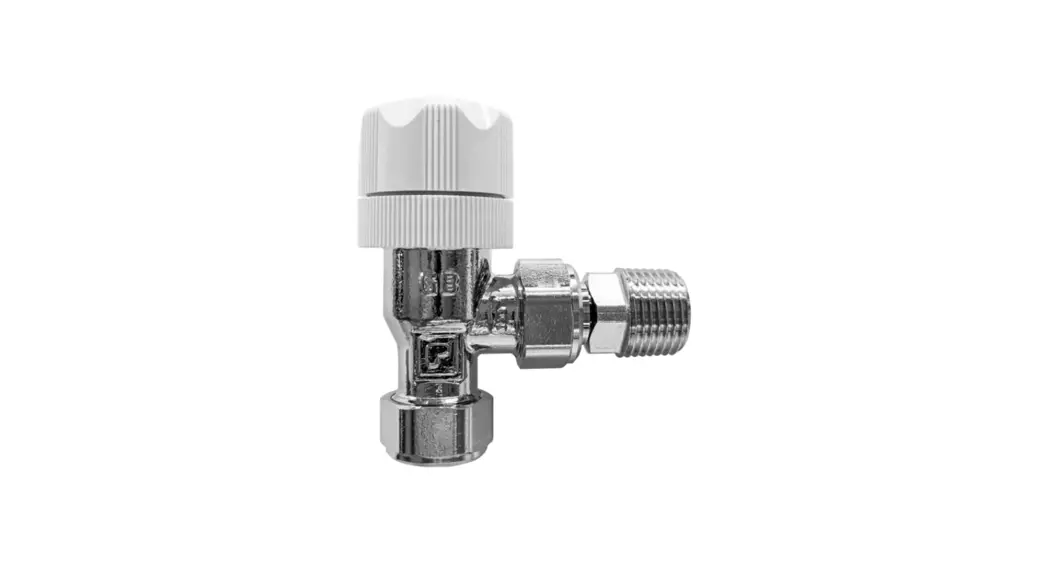
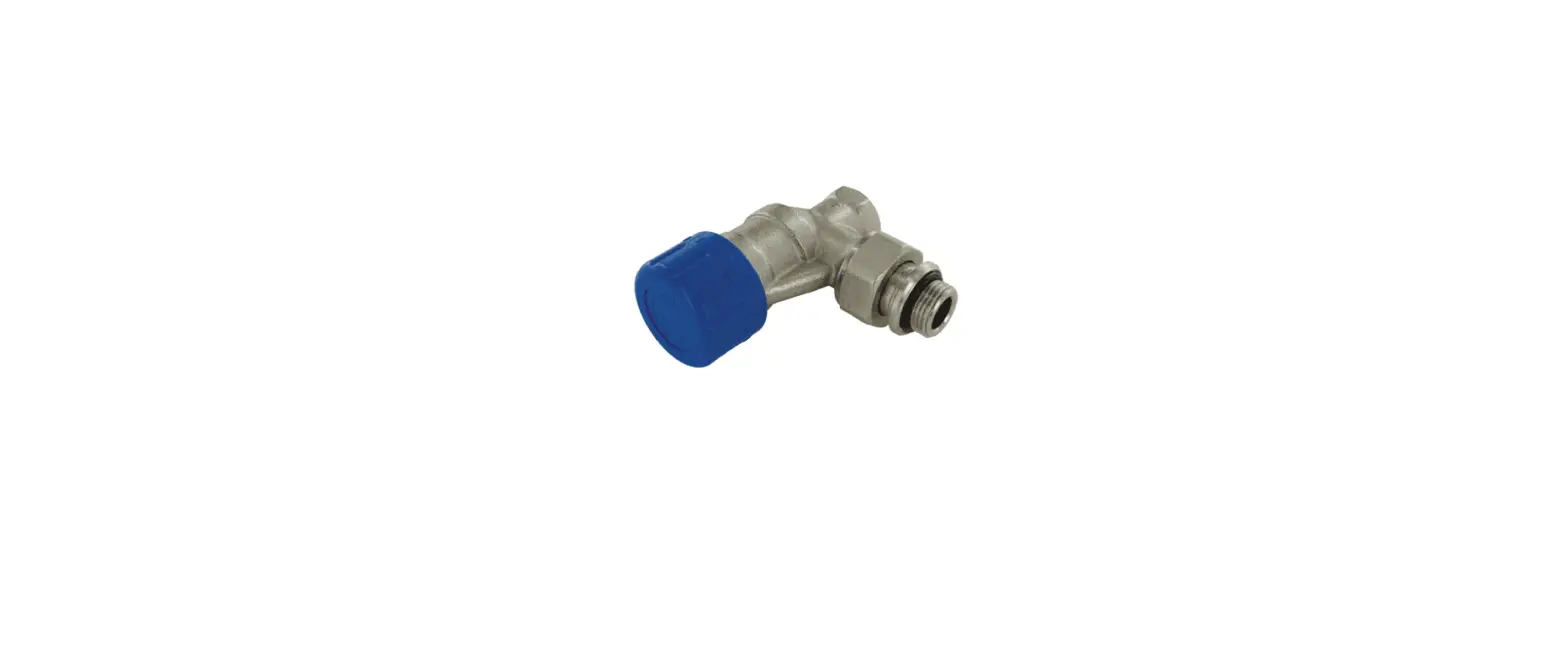
Lockshield valve The lockshield valve is approved to BS 2767-10. The valve is fitted on the opposite end of the radiator to the TRV and is solely used by the installer to regulate the flow of water/balance the system, or to isolate the radiator. Cleaning care It is important that these products are only cleaned with a soft, damp cloth. Do not use bleaches, detergents, abrasive polish etc.
IMPORTANT: DO NOT DISPOSE OF THERMOSTATIC SENSING HEADS IN FIRE.
NOTE: Drayton cannot be held responsible for any injury or damage resulting from non-compliance with these instructions. Drayton continuously seek to improve products and reserve the right to make changes without notice.
401 Southway Drive Plymouth PL6 6QT United Kingdom
Customer Service Support (Sales & Technical): +44 (0) 333 6000 622 Email: [email protected] Website: www.draytoncontrols.co.uk
06490293001 Issue A
Drayton
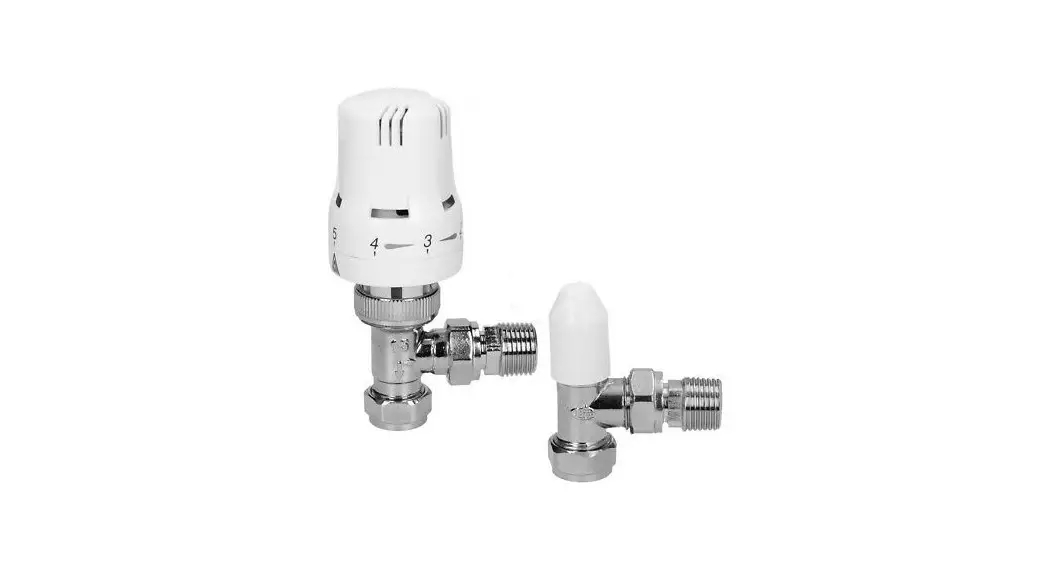
Drayton New RT212 two pipe thermostatic radiator valve with integral sensor and lockshield valve
Operating instructions
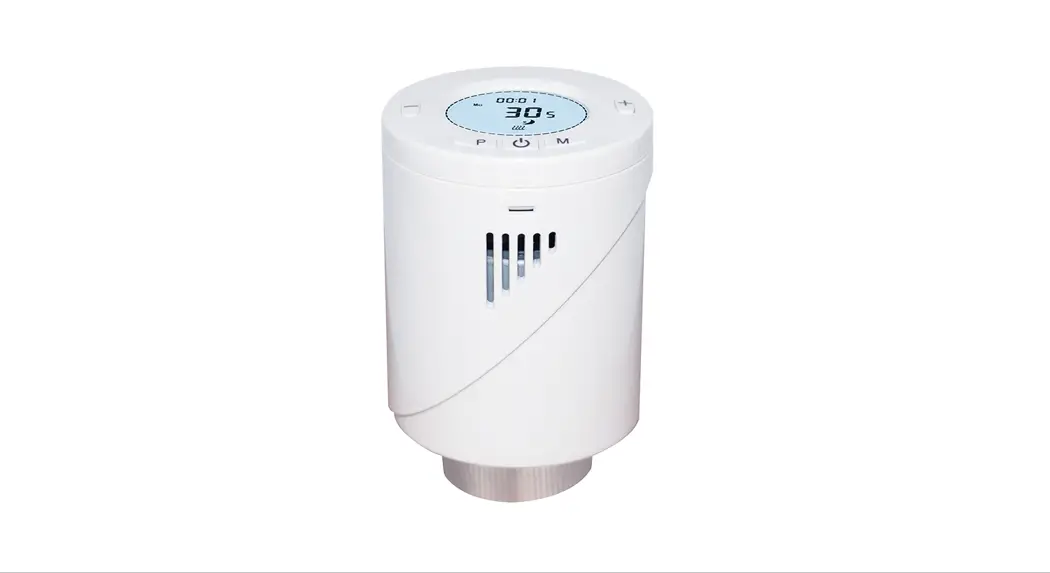
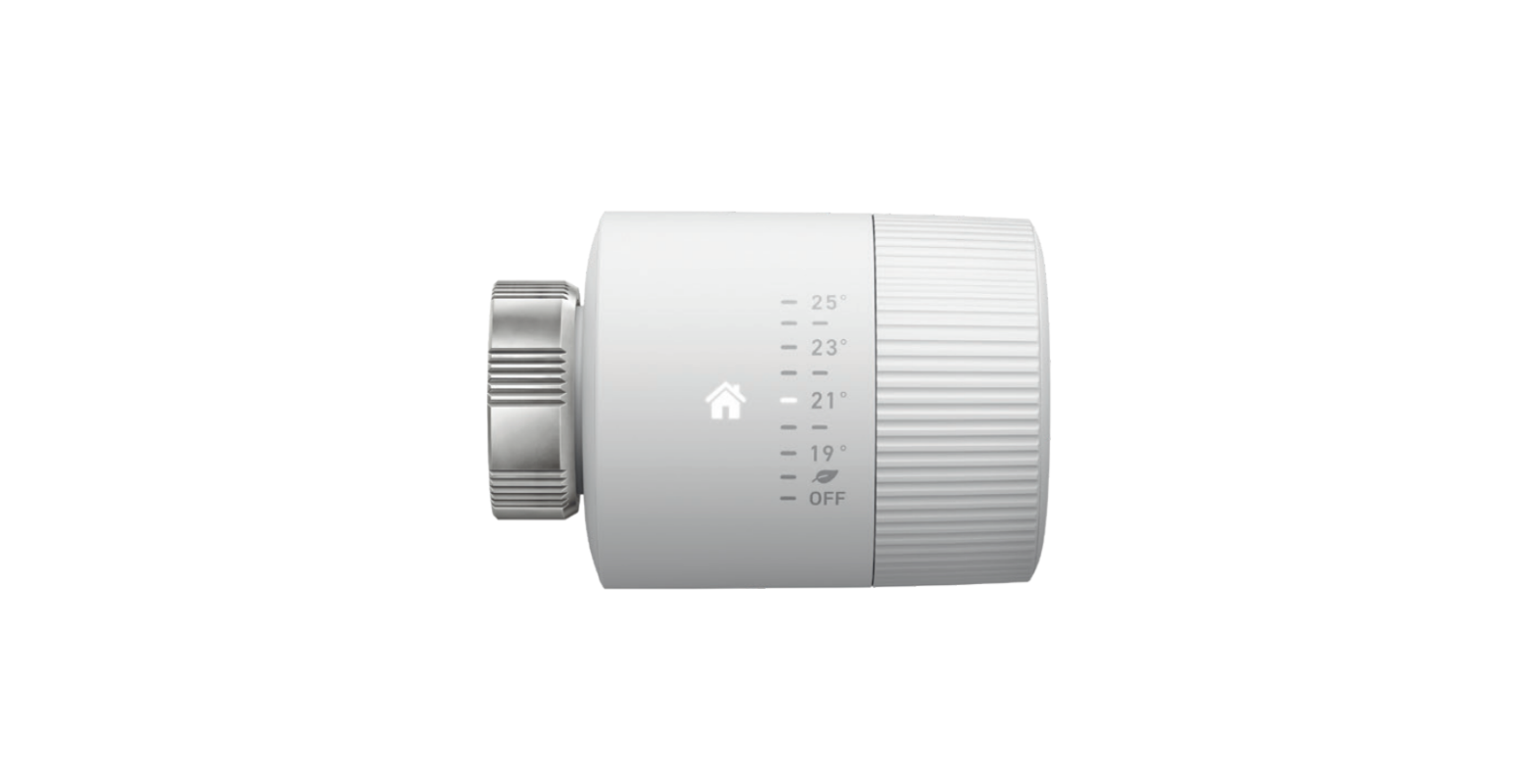
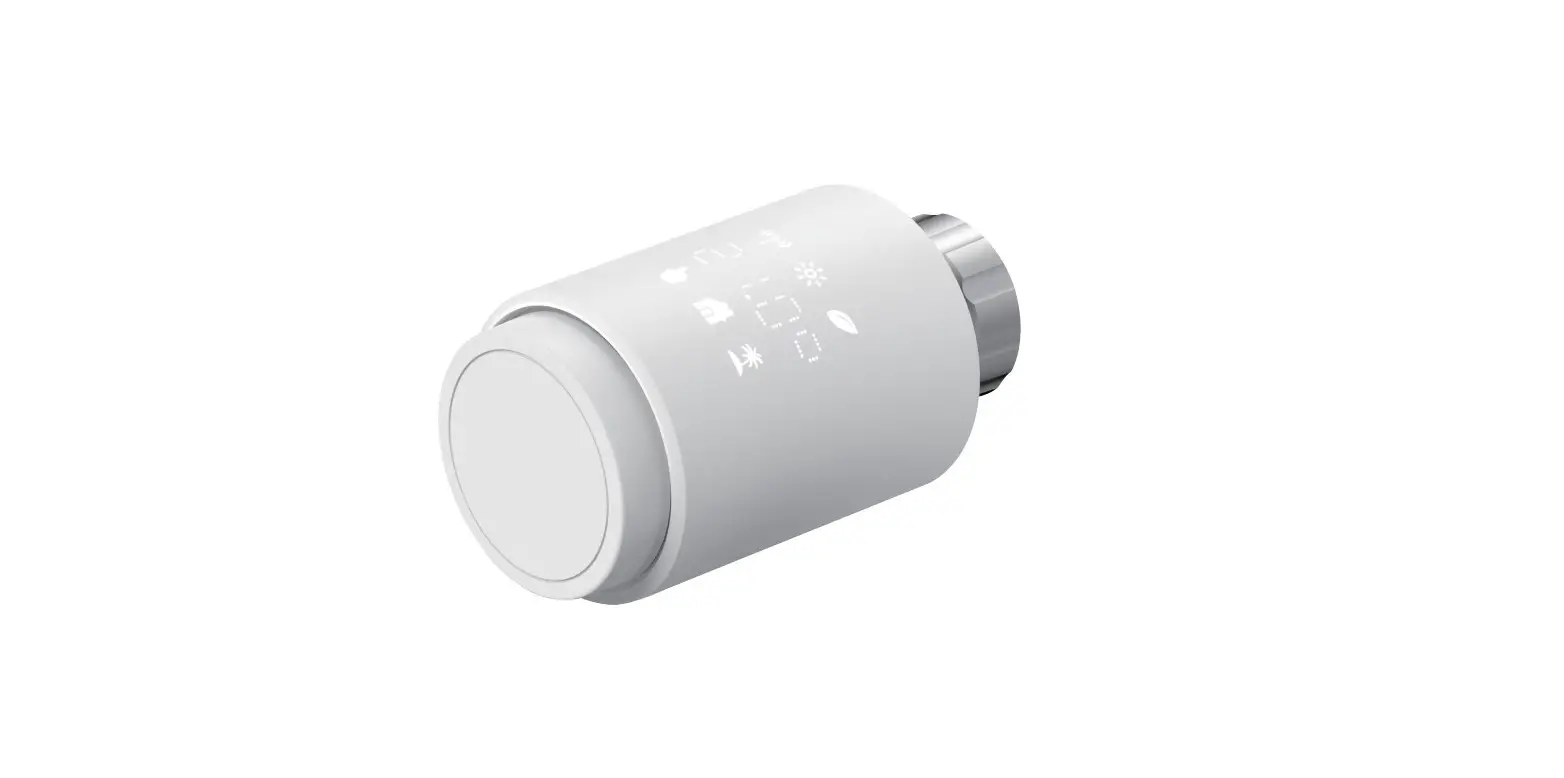
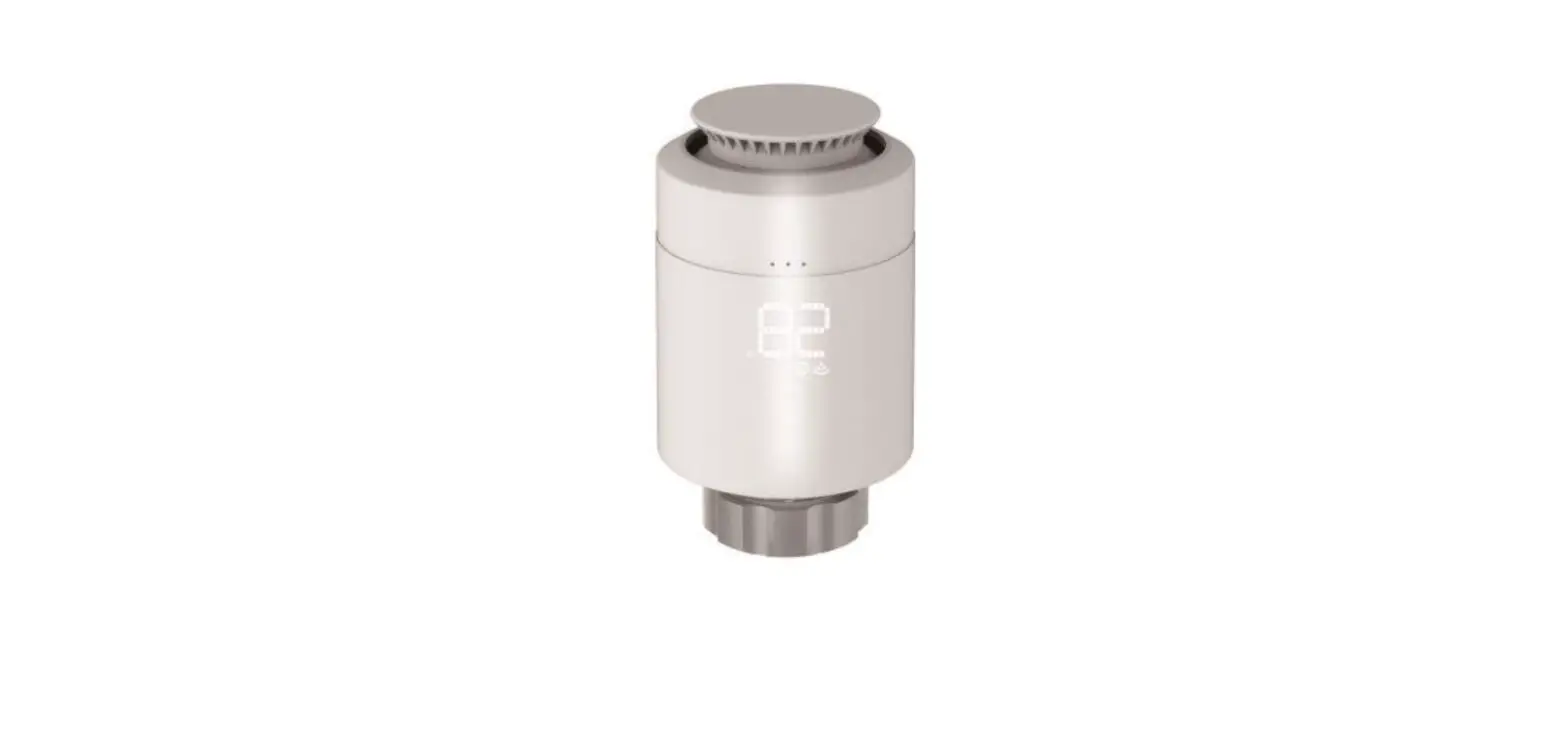
Approved to EN215: All Drayton Thermostatic Radiator Valves are approved to BS EN215. Quality standards: All Drayton Thermostatic Radiator Valves are manufactured in factories assessed and certified to BS EN ISO9001. General description: The Drayton TRV is a self-operating thermostatic radiator valve for controlling the temperature in a room by regulating the flow of hot water to a radiator. Operating over a temperature range of 8°C to 28°C it has a range limiting feature which allows the valve to operate over a restricted temperature range and a frost protection setting marked *. Description of operation: The thermostatic sensor reacts to changes in temperature and by varying the flow of hot water through its associated valve, controls the temperature in the room. Installation: Fit the TRV body to the radiator as for a normal radiator valve. The valve may be fitted with the Sensing Head in either a vertical or horizontal position. Drayton 15mm angle bodies now come with a reverse flow feature as standard and can be fitted on the flow or return. The lockshield valve is then fitted at the opposite end of the radiator. Following installation of the RT212 the heating system should be thoroughly flushed in accordance with BS7593 code of practice to remove any traces of mineral oil. Formulations containing Mineral Oil MUST NOT subsequently be added to the Heating system. Also available: The Drayton `DRAIN EASY’ kit allows easy removal of a radiator valve on most conventional systems without the need to drain down, loss of corrosion inhibitor is also avoided. Integral TRVs: TRV sensing head can be rotated to suit left or right hand applications.
MOUNTING
When using jointing compound, care must be taken to avoid any excess being transferred to the valve seat, as this could cause malfunction of the valve.
DO NOT FIT CAPILLARY FITTINGS near to these valves as excessive heat from a blowtorch may damage the internal valve components. The maximum temperature of the Thermostatic Head is 50°C.
Range limiting If it is required to limit the range, proceed as follows: 1. Remove the sensor from the valve body by unscrewing the ring nut. 2. Set the sensor to frost *.
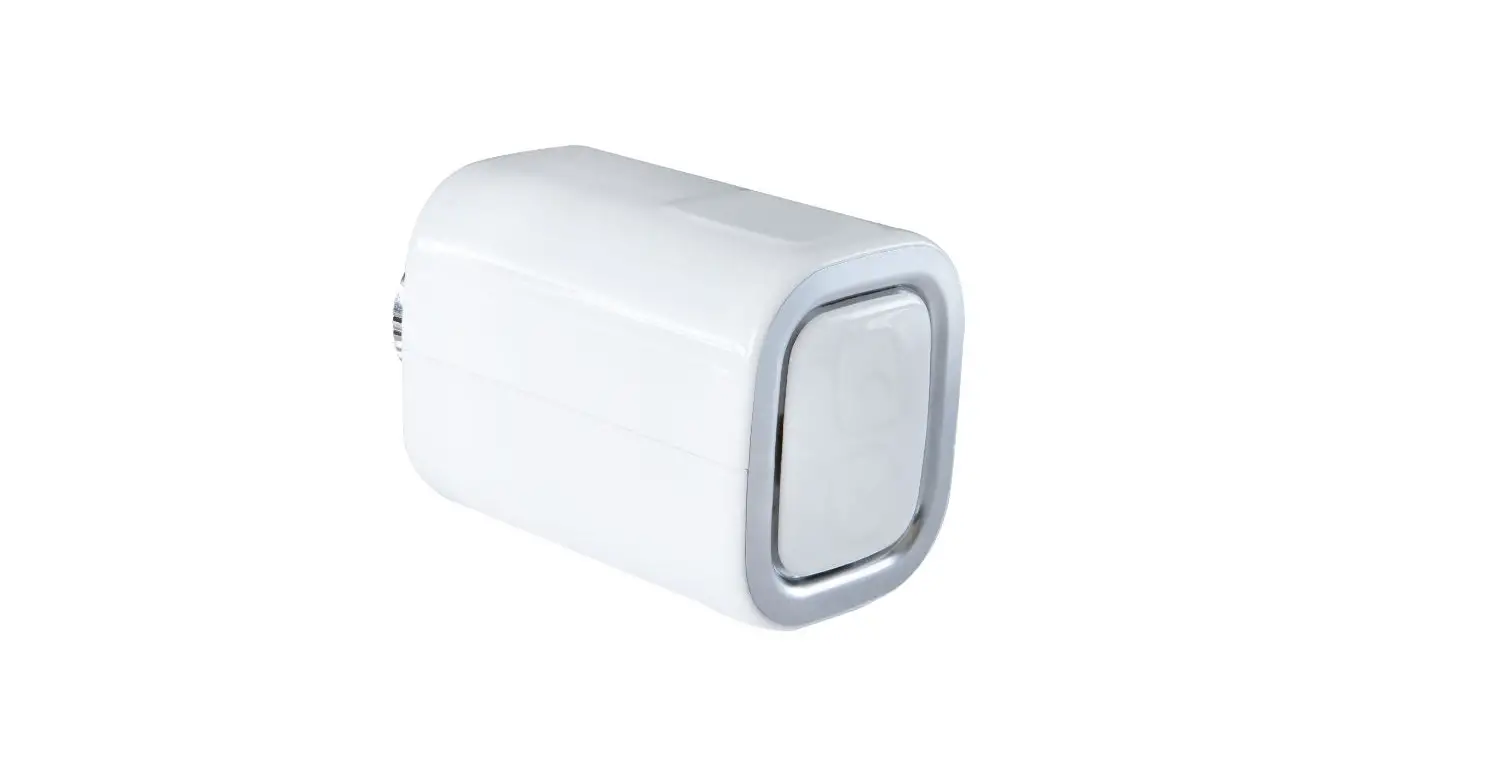
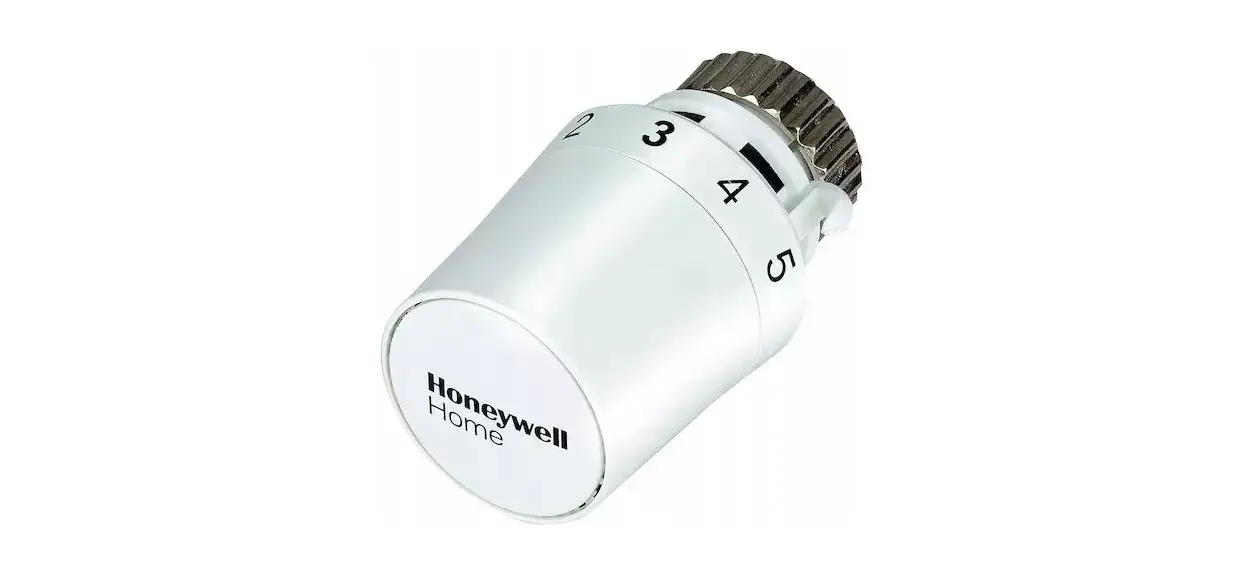
Thermostatic radiator valve
Setting knob
Window
Bezel Ring nut
Lockshield valve
Operation The valve can be set to control over a range of temperatures from 8°C to 28°C which are denoted by numbers on the setting scale. When selecting a different number, wait at least an hour before checking the result of the change in terms of room comfort and when the ideal number has been found, the sensor should always be left at that number.
CAUTION: When removing the radiator, always first unscrew the thermostatic sensor and close the valve using a manual cap. The maximum static pressure against which the isolating cap will seal is 6 bar (88 psi, 204 ft. head).
Never use the thermostatic sensor to close the valve for radiator removal. The lockshield valve must be closed by first removing the plastic cap and turning the spindle fully clockwise.
Assembly of thermostatic sensor to valve body
1. Turn the setting adjuster to ‘6’. 2. Screw the ring nut onto the valve body. 3. Before fully tightening the ring nut, rotate the sensor so that the
setting number is in view. Then tighten the ring nut by hand whilst holding the sensor in that position.
DO NOT OVERTIGHTEN. MAXIMUM TIGHTENING TORQUE 30 Nm.
Frost protection
Frost protection can be obtained by setting the sensor to the symbol *. The valve will then automatically open when the space temperature falls below approx. 8°C.
3. RT212 Re-position the removable peg (see diagram) to the shut off temperature required. E.g. To limit the range to 22°C insert the peg into slot number 22 (this corresponds with the number 4 in the window).
RT212
Operational checks If you feel you are not getting the control you should expect, test as follows: If room temperature is deficient: 1. Open valve fully by turning setting to ‘6’ and allow time for radiator
to fully heat the room. If heat is still not sufficient, slacken the ring nut and remove the head completely. This allows the valve to open fully. If the room still fails to warm sufficiently, the deficiency is not due to the thermostatic radiator valve and further investigation of the system is needed.
If room temperature is excessive: 2. Turn to setting symbol * leaving time for the room heat to dissipate. If
the radiator fails to go cold, the excessive condition could indicate some scale or obstruction on the valve seat, preventing it from closing fully. In this case, consult your heating engineer.