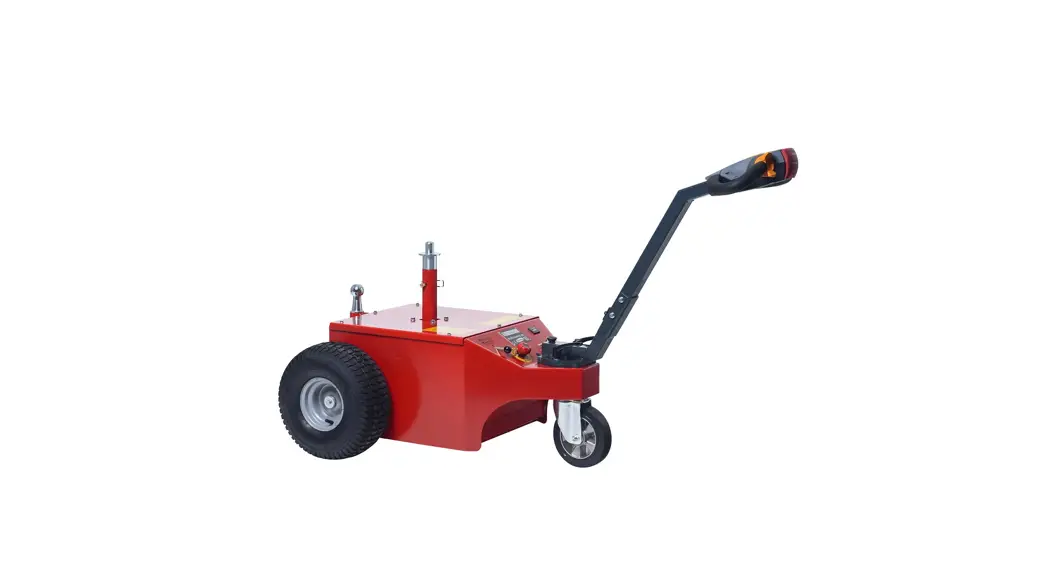
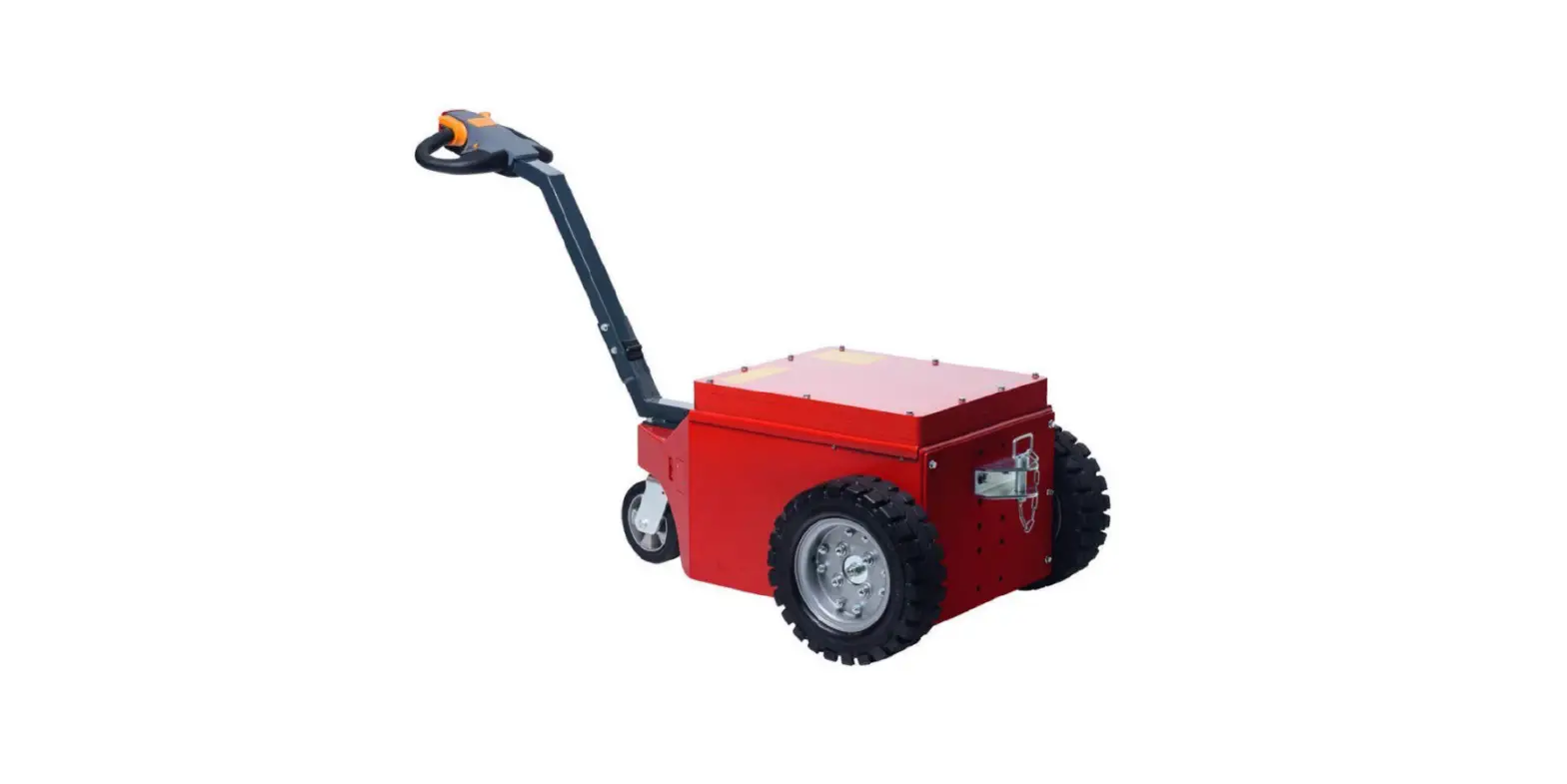
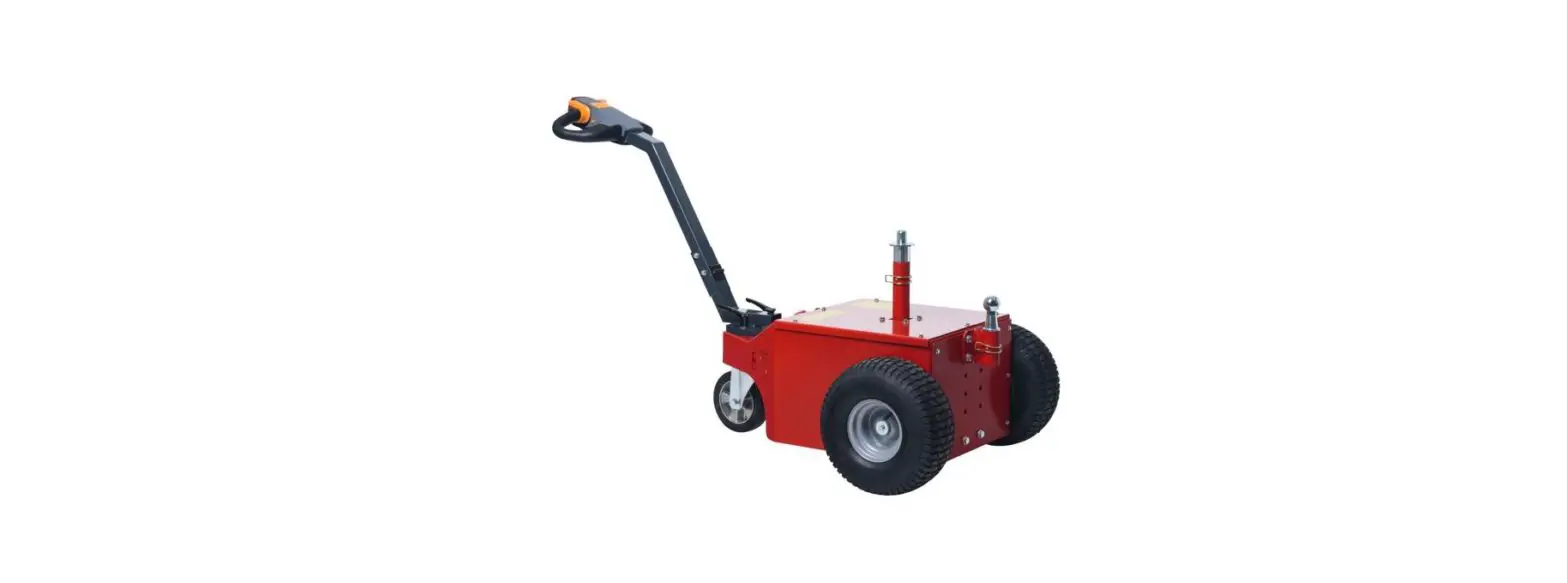
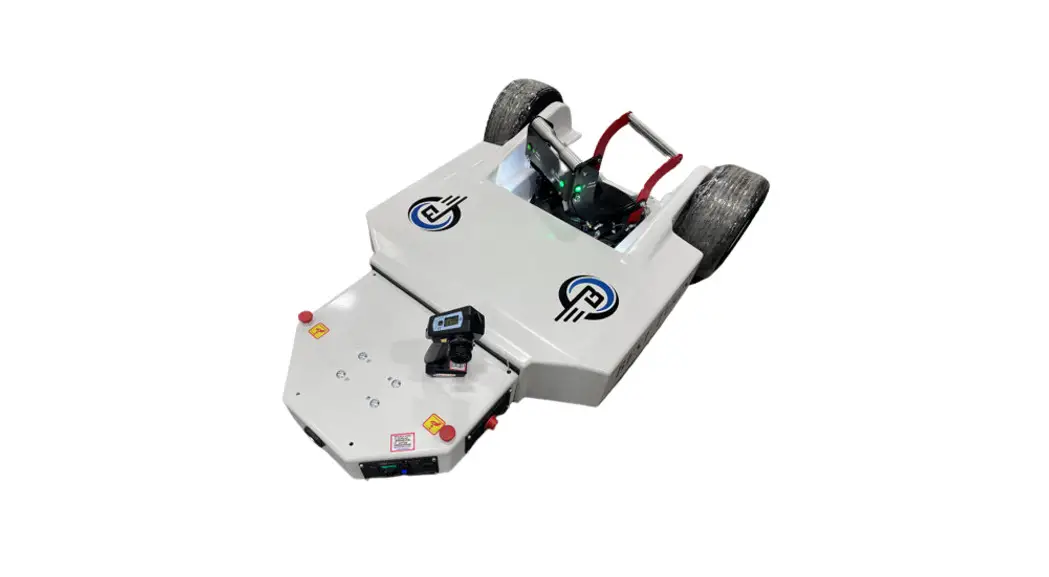
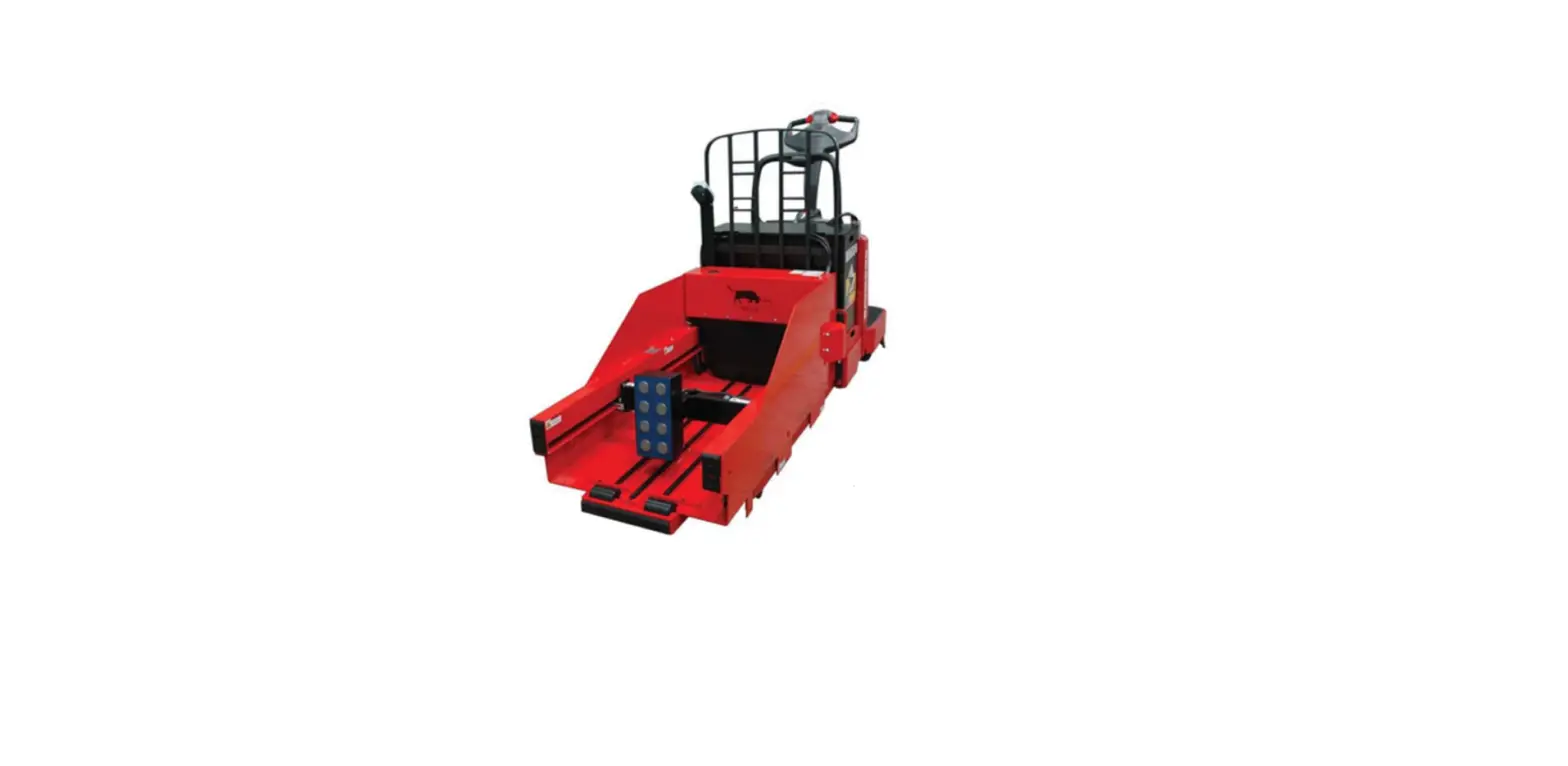
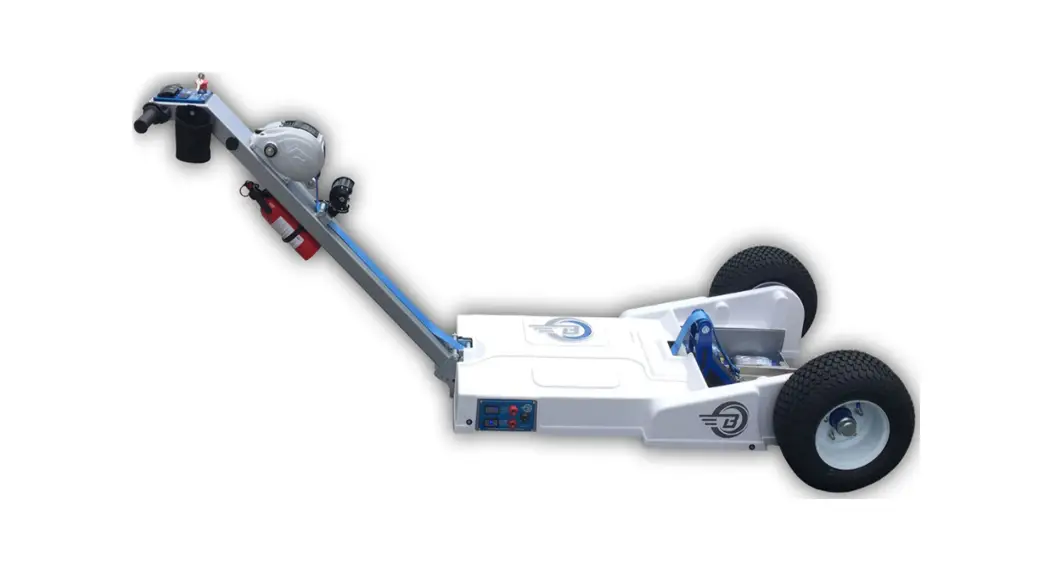
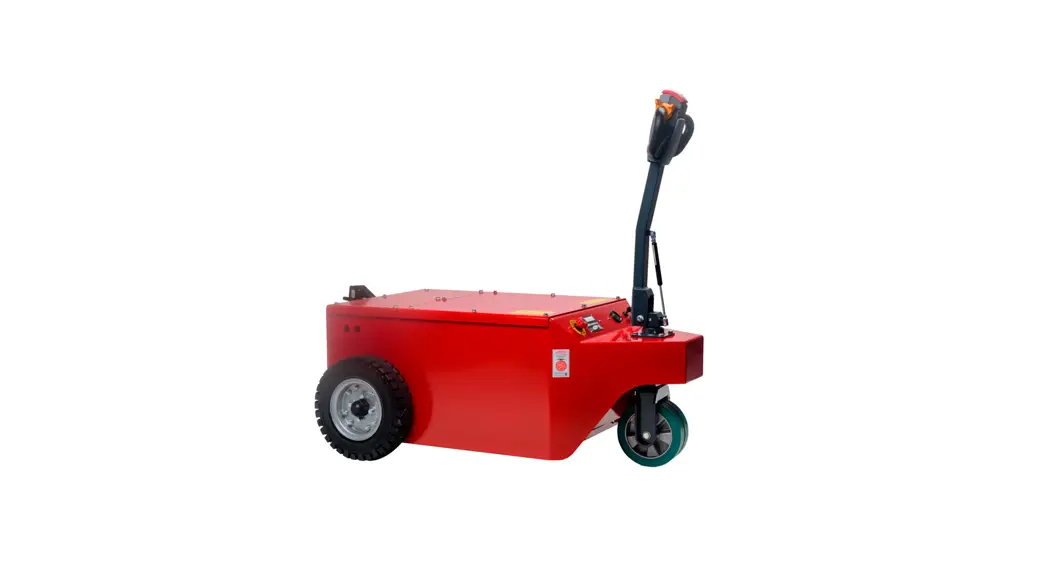
E-TUG-HD Electric Powered Tugger
Product Information – E-TUG-HD Series Electric Powered
Tugger
Specifications:
| Model | Capacity |
|---|---|
| E-TUG-HD (10,000lb) | 10,000 pounds (~4,536kg) |
| E-TUG-HD (7,000lb) | 7,000 pounds (~3,175kg) |
| E-TUG-HD (5,000lb) | 5,000 pounds (~2,267kg) |
| E-TUG-HD (3,000lb) | 3,000 pounds (~1,360kg) |
Product Introduction:
Thank you for purchasing the E-TUG-HD Series Electric Powered
Tugger offered by Vestil Manufacturing Corporation. Our Electric
Tuggers are durable, high-quality products that combine safety
features and low-maintenance mechanisms. Despite the product’s
relatively simple mechanics, it is important for all personnel to
familiarize themselves with the safe operation instructions
provided in this manual.
Safety Principles:
We offer four types of electric powered tuggers (E-TUG-HD) with
different capacity models. Each unit conforms to the generalized
specifications disclosed in this manual and fulfills our demanding
standards for quality, safety, and durability. Vestil Manufacturing
Corp. recognizes the critical importance of workplace safety. Each
person who might participate in the operation or maintenance of the
product must read this manual. Read the entire manual and fully
understand the directions BEFORE using or
performing maintenance on the cart. If you do not understand an
instruction, contact Vestil for clarification. Failure to adhere to
the directions in this manual may result in injury or property
damage.
Product Usage Instructions:
- Receiving Instructions:
- After delivery, IMMEDIATELY remove the
packaging from the product in a manner that preserves the packaging
and maintains the orientation of the product in the packaging. - Inspect the product closely to determine whether it sustained
damage during transport. - If damage is discovered during the inspection, immediately
record a complete description of the damage on the bill of
lading. - If the product is undamaged, discard the packaging.
Compliance with laws, regulations, codes, and non-voluntary
standards enforced in the location where the product is used is
exclusively the responsibility of the owner/end-user. Vestil is not
liable for any injury or property damage that occurs as a
consequence of failing to apply either:
- Instructions in this manual.
- Information provided on labels affixed to the product.
Neither is Vestil responsible for any consequential damages
sustained as a result of failing to exercise sound judgment while
assembling, installing, using, or maintaining this product.
Refer to the specific instructions provided in the manual for
performing function tests on the E-TUG-HD Series Electric Powered
Tugger.
Refer to the specific instructions provided in the manual for
safely lifting and transporting loads using the E-TUG-HD Series
Electric Powered Tugger.
Refer to the specific instructions provided in the manual for
information on batteries and charger usage with the E-TUG-HD Series
Electric Powered Tugger.
Refer to the troubleshooting section in the manual for guidance
on identifying and resolving common issues with the E-TUG-HD Series
Electric Powered Tugger.
Follow the maintenance and inspection instructions provided in
the manual to ensure the proper functioning and longevity of the
E-TUG-HD Series Electric Powered Tugger.
Refer to the markings and warranty section in the manual for
information on product markings and warranty coverage.
E-TUG-HD, Manual
VESTIL MANUFACTURING CORP.
2999 North Wayne Street, P.O. Box 507, Angola, IN 46703 Telephone: (260) 665-7586 -or- Toll Free (800) 348-0868
Fax: (260) 665-1339 www.vestilmfg.com e-mail: [email protected]
E-TUG-HD SERIES ELECTRIC POWERED TUGGER
OPERATION AND MAINTENANCE MANUAL
Receiving instructions:
After delivery, IMMEDIATELY remove the packaging from the product in a manner that preserves the packaging and maintains the orientation of the product in the packaging; then inspect the product closely to determine whether it sustained damage during transport. If damage is discovered during the inspection, immediately record a complete description of the damage on the bill of lading. If the product is undamaged, discard the packaging.
NOTES: 1) Compliance with laws, regulations, codes, and non-voluntary standards enforced in the location where the product is used is exclusively the responsibility of the owner/end-user. 2) VESTIL is not liable for any injury or property damage that occurs as a consequence of failing to apply either: a) Instructions in this manual; or b) Information provided on labels affixed to the product. Neither is Vestil
responsible for any consequential damages sustained as a result of failing to exercise sound judgment while assembling, installing, using or maintaining this product.
TABLE OF CONTENTS Safety Principles Product Introduction Safety Guidelines Removing EPT from Pallet Functions Tests
Lifting & Transporting Loads Batteries & Charger
PAGE
2 2 3 3 4 6 6 – 7
TABLE OF FIGURES
PAGE
FIG. 1 Function Controls, Gauges, & Safety Features
4
Troubleshooting
Maintenance & Inspections MarkingsWa Warranty
8 – 11
12 – 13 14 15
Copyright 2021 Vestil Manufacturing Corp.
Page 1 of 15
PRODUCT INTRODUCTION
E-TUG-HD, Manual
Thank you for purchasing Electric Tugger (“E-TUG-HD,” “Electric Powered Tugger,” “truck,” or “unit”) offered by Vestil Manufacturing Corporation (“Vestil”). Our Electric Tuggers are durable, high-quality products that combine safety features and low-maintenance mechanisms. Despite the product’s relatively simple mechanics, all personnel must familiarize themselves with the safe operation instructions provided in this manual.
Specifications appear in the table below:
Vestil Manufacturing Corp. created this manual to acquaint owners and users of our electric pallet trucks with safe operation and maintenance procedures. Employers are responsible for instructing employees to use the product properly. Employees and any other persons, who might foreseeably use, repair, or perform maintenance on the E-TUG must read and understand every instruction BEFORE using the device. Cart operators should have access to the manual at all times and should review the directions before each use. Contact Vestil for answers to any question you have after reading the entire manual.
Although Vestil diligently strives to identify foreseeable hazardous situations, this manual cannot address every conceivable danger. The end-user is ultimately responsible for exercising sound judgment at all times.
SAFETY PRINCIPLES We offer four types of electric powered tuggers (E-TUG-HD): 10,000 pound (~4,536kg),7,000 pound (~3,175kg), 5,000 pound (~2,267kg) & 3,000 pound (~1,360kg) capacity models. Each unit conforms to the generalized specifications disclosed in this manual and fulfills our demanding standards for quality, safety and durability.
Vestil Manufacturing Corp. recognizes the critical importance of workplace safety. Each person who might participate in operation or maintenance of the product must read this manual. Read the entire manual and fully understand the directions BEFORE using or performing maintenance on the cart. If you do not
understand an instruction, contact Vestil for clarification. Failure to adhere to the directions in this
manual might lead to serious personal injury or even death.
Vestil is not liable for any injury or property damage that occurs as a consequence of failing to apply the safe operation and maintenance procedures explained in this manual or that appear on labels affixed to the product. Furthermore, failure to exercise good judgment and common sense may result in property damage, serious personal injury, or death, and also are not the responsibility of Vestil.
This manual applies the hazard identification methods suggested for instruction manuals by the American National Standards Institute (ANSI). In accordance with ANSI guidelines for hazard identification language, this manual classifies personal injury risks and situations that could lead to property damage with SIGNAL WORDS. These signal words announce an associated safety message. The reader must understand that the signal word chosen indicates the seriousness of that hazard according to the following convention:
Identifies a hazardous situation which, if not avoided, WILL result in DEATH or SERIOUS INJURY. Use of this signal word is limited to the most extreme situations.
Identifies a hazardous situation which, if not avoided, COULD result in DEATH or SERIOUS INJURY.
Indicates a hazardous situation which, if not avoided, COULD result in MINOR or MODERATE injury.
Identifies practices not related to personal injury, such as operation that could damage the cart. No safety alert symbol (equilateral triangle enclosing an exclamation point) accompanies this signal word.
Copyright 2021 Vestil Manufacturing Corp.
Page 2 of 15
E-TUG-HD, Manual
SAFETY GUIDELINES
Failure to read and understand the instructions included in this manual before using or servicing the pallet truck constitutes misuse of the product. Study the entire manual before you use the tugger for the first time and before each subsequent use. Read the manual to refresh your understanding of the safe use and maintenance procedures. If questions remain after you finish reading the manual, contact Vestil for answers. DO NOT attempt to resolve any problem with the tugger unless you are certain that it will be safe to use afterwards.
To decrease the risk of electrocution: DO NOT contact or operate the tugger close to electrified wires or other sources of electricity; Before operating the E-TUG-HD , always inspect the area where you will use it.
Improper use might result in serious personal injuries to the operator and/or bystanders. To minimize the possibility of injury, ALL persons who might operate, perform maintenance on, or service the ETUG-HD must read, understand and apply the following instructions: · DO NOT operate the E-TUG -HDunless and until you are:
1. Trained to use the machine; AND 2. Certified as a trained operator by your employer in accordance with U.S. OSHA regulations (29 CFR
§1910.178) and any standards incorporated by reference (e.g. ANSI/ITSDF B56.1-2005). · DO NOT attempt to lift or transport loads that exceed the rated capacity. · Inspect the machine before each use; DO NOT use the tugger unless it is in normal condition. Normal operating
condition exists if the tugger passes the inspection and functions tests.
· DO NOT use the unit until you read and understand the entire owner’s manual. Review the manual before each use AND before performing maintenance on the device.
· DO NOT use the E-TUG-HD if the load-supporting elements sustain any structural damage. Structural elements include, but are not limited to, the forks, carriage, and wheels. If structural damage is present, immediately tag the unit “Out of Service” and inform maintenance personnel of the problem.
· DO NOT use the E-TUG-HD if it makes unusual noises during operation. · DO NOT allow people to use tugger as rider.
· DO NOT attempt to pull an unevenly distributed load. Always center and evenly distribute the load before pulling.
· DO NOT operate the E-TUG-HD on surfaces (ramps or grades). · DO NOT leave the E-TUG-HD unattended while it supports a load. Completely disengage the load
from tugger.
· DO NOT modify the tugger without first receiving written authorization from Vestil. Unauthorized modifications may make the E-TUG-HD unsafe to use.
To maximize the service life of the tugger and to prevent damage: · Always store the machine in a secure, dry location where it will not interfere with traffic or other activities. · Maintain the product as suggested in “Maintenance & Inspections”.
REMOVING THE Narrow mast Stacker FROM THE SHIPPING PALLET:
Narrow Mast stacker is shipped in ready-to-use condition. However, it must first be removed from the shipping pallet before it can be used for the first time.
DO NOT attempt to pull the tugger off of the pallet; it might tip over and cause bodily injuries or property damage. To minimize the risk of injury to yourself or other persons, perform the following steps to remove the machine from the shipping pallet: 1. Remove all packing material. 2. Inform all personnel not participating in the unpacking process to clear the area. 3. Lift the E-TUG off of the pallet using a hoist or a with a capacity of at least 2,000 pounds. Always apply
the proper hoisting procedure or forklift operation practices you learned during your training program.
Copyright 2021 Vestil Manufacturing Corp.
Page 3 of 15
FIG. 1: Function Controls, Gauges, and Safety Features
BATTERY CHARGE GAUGE:
The battery charge gauge
indicates the status of the battery. It is located on top of the main body and to the center of the machine cover. As the battery discharges, display line shifts from right to left.
Handle
slow/fast speed switch
E-TUG-HD, Manual
Always check the gauge before using the device; make sure that the battery is charged before using the tugger.
BELLY SWITCH:
The belly switch protects the operator from injury while driving the EPT in reverse. When pressed, the truck will change direction, i.e. move forward, for approximately 3 seconds; after 3 seconds it will stop completely. If the belly switch becomes jammed or stuck, the stacker will move forward (away from the operator) for at most 3 seconds; the control circuit will remain disabled until reset. To reset the circuit, either raise the handle to the
fully vertical position (or simply release the handle), or press it downwards to the fully horizontal position.
Belly Switch (Emergency Stop)
Movement Controllers (“Butterfly” Switches)
MOVEMENT CONTROLLERS:
To drive the E-TUG in the forward direction, rotate the movement control forward with your thumbs as indicated by the solid arrow superimposed on photograph below. To move the pallet truck in reverse, rotate the control wheel in the opposite direction, which is shown with a dashed arrow.
EMERGENCY STOP (“E-STOP”) BUTTON:
Press the E-stop button to immediately interrupt all powered functions. Use the E-stop during operation if the ddrive (forward and reverse) functions do not respond normally to operator commands.
Use The E-Stop as a service brake to secure the E-TUG-HD when parked
Copyright 2021 Vestil Manufacturing Corp.
The degree of rotation determines the speed of movement, so the farther you press the wheel in either direction, the faster the E-TUG-HD will travel, up to a maximum speed of ~3.7mph when unloaded or ~2.8 mph when loaded to capacity. Simply by releasing the movement control, the E-TUG-HD will decelerate to a complete stop.
Page 4 of 15
E-TUG-HD, Manual
USE INSTRUCTIONS:
1. Determine Condition of Floor or Other Supporting Surface: Inspect the floor or other surfaces prior to use. The supporting surface must be smooth and dry so choose a route that avoids obstacles, spills, and surface damage.
Casters might become stuck in gaps or cracks in the surface, which could cause the tugger to stop suddenly. A sudden stop can cause the load to shift and the load and truck might tip over.
2. Inspect the Tugger & Perform a Functions Test: Inspection Prior to Use: ALWAYS inspect the unit before you use it. Begin the inspection by removing all debris found on the surface and housing, and then:
DO NOT use the tugger if you discover any damage or abnormalities. Tag the unit “Out-ofService” and report the problem[s] to authorized maintenance personnel.
Functions Test: Verify that the unit works properly. Drive the tugger to a location where the following tests can be performed without contacting overhead obstructions or items on the ground:
1. DDrive the tugger in reverse at low speed and while driving press the belly switch. Tugger should immidiately drive in the opposite direction for ~ 3 seconds and then stop. Reset the control yoke.
2. Drive the tugger in both forward and reverse directions for a few seconds.
3. Test the hornn.
4. Verify that the control yoke automatically returns to the vertical position when released.
Only use the tugger if all mechanisms function normally. If [a] malfunctions occurred, park the tugger in a safe location, tag it “Out-of-Service” and then report the malfunctions to maintenance personnel. Operation:
Step 1: Turn on the power. Pull the red E-stop button up.
Step 2: Pull the red E-Stop button up to disengage the service brake.
Step 3: Set the speed to slow or fast by pressing slow/fast button
NOTE: The E-TUG-HD uses magnetic brakes, which engage when the throttled is turned forward/reverse.
Step 4: Rotate the movement control wheel in the appropriate direction to move either forward or in reverse. [See “Movement Controls” text box and the corresponding photo on p. 4]
Copyright 2021 Vestil Manufacturing Corp.
Page 5 of 15
Lifting and Transporting Loads:
E-TUG-HD, Manual
DO NOT operate the tugger until you read AND understand every instruction. If you do not understand an instruction, contact Vestil for clarification. To reduce the possibility of sustaining or causing serious personal injuries, ALWAYS: 1. Make sure that all other persons clear the area while you use the E-TUG. 2. Apply the fork truck operation and lifting practices learned during your operator training, and applied by your employer. Follow the instructions below ONLY to the extent that they do not disagree with the operating practices required by your employer.
· Make sure that the net weight to be pulled does not exceed the rated load (capacity) of your tugger;
3. Review the safety guidelines on p. 3 before each use:
· Apply proper pulling techniques ; · Ask a coworker to help you to hook the load to the tugger. 4. “Operator” means a person, who is trained and authorized to use a manually propelled high lift device. ONLY persons who have successfully completed a training program, like the courses outlined on p. 4-5 of B56.10-2006, should operate the E-TUG. Safe operation requires operators to: · Develop safe working habits and a process for identifying hazards that exist or might be encountered during
operation; · Conduct thorough inspections of the usage area to identify unusual/hazardous conditions. Walk the path you will
use to transport loads with the tugger before hand. Do not use the tugger if the floor (or other supporting surface) is uneven or damaged or cannot support the combined weight of the tugger and the load. · Make sure that the tugger has been inspected as recommended in the “Inspections & Maintenance” section of this manual . Use the lifter ONLY IF it is deemed safe to use by designated inspection personnel.
To engage a trolley/platform truck, push the unit to a position in front of the intended load. Before engaging the load, confirm that the hitch will fit to trolley/platform truck. Slowly move the unit to allow the hitch to slide into the trolley or platform truck . Confirm that the net weight of the load do not exceed the capacity of the Tugger.
Hook the trolley/platform truck to tugger. Drive the tugger in reverse position with turning the directional knob in reverse position.
To release the load, stop tugger in the desired location; disengage the tugger from trolley/platform truck; and then slowly pull the tugger backward until hitch is completely out of the hook.
Battery and Charger:
The charger allows electrical current to flow from a wall socket through the battery. While operating the charger, contact with water (rain, snow, etc.) could result in electric shock or electrocution. Do NOT recharge the battery if the SLNM is outdoors. Only recharge the battery indoors.
Turn off your E-TUG-HD: · Push E-stop to turn off the E-TUG-HD Plug the charger’s AC cord into an 115VAC power source: The AC cord is attached to the lower mast
E-Stop button
Copyright 2021 Vestil Manufacturing Corp.
Page 6 of 15
A proper storage location is one where the unusedtugger will not:
E-TUG-HD, Manual
1. Interfere with or obstruct traffic or other operations;
2. Be exposed to corrosive chemicals or water, either as a consequence of weather or of worksite conditions.
Copyright 2021 Vestil Manufacturing Corp.
Page 7 of 15
E-TUG-HD, Manual
TROUBLESHOOTING:
Before performing any corrective action described in the following table, block the drive wheel off of the ground. Contact Vestil for problems at time of installation, or for any problems not addressed below.
Problem:
Possible cause(s):
Action:
Unit does not respond to movement controls (does not move either forward or in reverse).
Battery voltage low (battery charge lower than 17 Volts)
Problem with motor controller (check for LED flash code on side of controller)
Charge batteries. Bad batteries; load test batteries and replace if necessary.
Consult diagnostics page on controller Troubleshooting Chart; or Refer to electrical drawing for proper voltage readings and operation; or Consult Factory
Unit will not charge
Fuse blown Charger malfunction
Remove back shroud and check fuses. Verify output voltage on charger, it should be 26 to 30 volts, dc, connected to batteries, and plugged into 115vac.
Unit will not go forward; reverse works; belly switch just kills unit (does not go forward and faults out)
Bad batteries Broken wire, or loose connection
Load test the batteries Locate Pin 2 on Molex connector at motor controller. Trace wiring to contactor and verify connection.
Contactor bad, motor controller bad
While attempting to go forward, tap on the contactor with a screwdriver handle. If the unit moves forward, then the contactor may need replaced, or plungers lubed with a light oil.
Unit will not go reverse; belly switch works (i.e. when the handle is in operating range and rotating throttle in reverse and the belly switch is hit, the unit moves forward and times out)
Remove both wires from each side of the contactor, and check with ohm meter; resistance should be approximately 38 ohms. If it’s open or zero, the contactor should be replaced.
Broken wire, or loose connection, contactor bad, motor controller bad
Consult diagnostics page on controller Troubleshooting Chart; or Refer to electrical drawing for proper voltage readings and operation; or Consult Factory. Same as above; except locate Pin 3 on Molex connector on motor controller…and follow procedure.
Copyright 2021 Vestil Manufacturing Corp.
Page 8 of 15
Problem:
Unit will not go forward, or reverse.
E-TUG-HD, Manual
Possible cause(s):
Action:
Broken wire, or loose connection, bad motor controller.
Locate Pin 6 on Molex connector at the motor controller. Try to drive the unit in forward, there should be 0 to 5 volts (5V is full throttle) at this pin. If there is voltage at pin 5, and 24 volts on either pin 11, or 12 and the unit does not move, the motor controller may be bad. Consult diagnostics page Table 2 Troubleshooting Chart; or Refer to electrical drawing for proper voltage readings and operation; or Consult Factory.
Throttle assembly bad
If the connections are all good, and there is no voltage coming out of throttle assembly, then the throttle assembly may be bad. Verify there is 24 volts going into the throttle assembly, and that there is a good ground. If there is still no output voltage for pin 6, or forward and reverse outputs replace throttle assembly. Consult diagnostics page Table 2 Troubleshooting Chart; or Refer to electrical drawing for proper voltage readings and operation; or Consult Factory
Unit will not move forward, or reverse, and the Belly switch will not function, unit does turn on as indicated by the battery gage lighting up.
Blown fuse Broken wire, or loose connection
Verify fuses are good, replace if blown.
Locate Pin 7 on Molex connector at the motor controller. Trace wire back up to tiller head and verify continuity all the way to the throttle assembly. Repair any loose connections.
When replacing throttles, it may be necessary, and does not hurt to run a jumper wire from pin 7 to B-.
Check the ground wire that comes off of “B-” on the motor controller. Re-terminate with a ring terminal if loose.
Run jumper wire around large diode coming off of small AGC fuse. If this diode is bad it can cause the unit to not move.
Copyright 2021 Vestil Manufacturing Corp.
Page 9 of 15
E-TUG-HD, Manual
Problem:
Unit will not go forward; the belly switch functions; reverse works.
Possible cause(s):
Action:
Broken wire, or loose connection, bad motor controller
Locate Pin 11 on Molex connector at the motor controller. Try to drive the unit in forward, there should be 24 volts at this pin. If there is voltage and the unit does not move, the motor controller may be bad. If there is no voltage, trace the wiring back towards the tiller head and check voltage on each side of connectors. Continue this until bad connection is found.
Belly switch does not function; forward ok; reverse ok
Bad throttle assembly
Broken wire, or loose connection, bad motor controller
If the connections are all good, and there is no voltage coming out of throttle assembly, then the throttle assembly may be bad. Verify there is 24 volts going into the assembly, and that there is a good ground. If there is still no output voltage for pin 11, replace throttle assembly. Reference . Locate Pin 13 on Molex connector at the motor controller. Try to drive the unit in reverse, and hit the belly switch… there should be 24 volts at this pin. If there is voltage and the unit does not move, the motor controller may be bad. If there is no
voltage, trace the wiring back towards the tiller head and check voltage, or continuity on each side of connectors. Continue this until bad connection is found.
Bad belly switch
Unit will not move at all.
Stuck Switch
If the connections are all good, and there is no voltage, then the switch may be bad. Verify there is 24 volts going into the switch; and check to see if it is coming back out of the switch when depressed. If there is no output voltage, replace the switch. The belly switch is stuck on. Tap the orange belly switch assembly to see if the switch can be freed. If this doesn’t work, disassemble the tiller head by removing 3 screws from bottom. Slightly loosen up the two screws that hold the switch in place, this may free the switch. If it is still stuck, contact the factory for a replacement switch.
Copyright 2021 Vestil Manufacturing Corp.
Page 10 of 15
E-TUG-HD, Manual
Problem:
Possible cause(s):
Action:
Unit will not reverse; belly switch does not function; forward ok
Broken wire, or loose connection, bad throttle assembly, bad motor controller.
Locate Pin 12 on Molex connector at the motor controller. Try to drive the unit in reverse, there should be 24 volts at this pin. If there is voltage and the unit does not move, the motor controller may be bad, consult factory. If there is no voltage, trace the wiring back towards the tiller head and check voltage on each side of connectors. Continue this until bad connection is found. If the connections are all good, and there is no voltage coming out of throttle assembly, then the throttle assembly may be bad. Verify there is 24 volts going into the assembly, and that there is a good ground. If there is still no output voltage for pin 12, replace throttle assembly.
Copyright 2021 Vestil Manufacturing Corp.
Page 11 of 15
E-TUG-HD, Manual
Maintenance and Inspections:
According to ANSI B56.1, the tugger is a “motorized hand truck” (MHT). For this type of truck, only trained, authorized persons should perform inspections or maintenance.
Inspections: ALWAYS review the following warning messages and procedures BEFORE inspecting the MHT.
DO NOT use the tugger if an inspection reveals structural damage. Structural damage includes, but is not limited to, cracked welds, warping or other deformation of the brackets, front rollers and wheel(s), handle, or the housing that protects the electrical components. If an inspection exposes any problem, restore the MHT to normal operating condition BEFORE returning it to regular service. The MHT must not be used until all repairs have been completed.
According to B56.1-2005: · A “User” is “a person or organization responsible for employing powered industrial trucks.” Therefore, the person or business that owns the MHT is a user. · “Authorized” means any person designated by the user to operate or maintain the equipment. In other words, the owner, most likely your employer, is responsible for training and selecting people to inspect and maintain the MHT. NOTE: A user may choose to contract with a person or an organization for maintenance services. Vestil is not responsible for the actions of independently contracted maintenance service providers.
· Only use replacement parts either supplied or approved by the manufacturer.
The person(s) authorized by the end-user to inspect the MHT must do so before it is used for the first time, and before each subsequent use. If the MHT is rarely used, inspect the unit at least once per month, or before each use, whichever is more frequent. Before the inspection, a) disconnect the battery, and b) either chock the wheels or lift the MHT until the drive wheels no longer contact the ground.
Inspect the pallet truck prior to each use. Specifically look for: 1. Frayed wires; 2. Pinched or damaged wires; 3. Structural damage: cracked welds, warping or other deformation of the brackets, front rollers or drive wheel(s), handle, or the housing that protects the electrical components;
4. Proper function of all limit switches;
5. Proper horn operation;
6.
Normal battery condition: clean, not leaking electrolyte solution, secure connections with both terminals. Also make sure that the battery is immobilized so that it cannot move during operation.
7. Proper rotation of all wheels.
Inspect the MHT each month: 1. Wobbliness or looseness of rollers and/or drive wheels;
2. Damage to or excessive wear of: a. Pivot points; b. Electric wires; c. Retaining rings for the rollers, drive wheels, and all pivot points; d. Bearings
3. Proper function of the hand actuated mechanisms;
4. Proper battery water level; 5. Unusual noise or abnormal movement during operation; 6. Legibility and undamaged condition of all product labels.
Maintenance: the end-user must implement a scheduled maintenance program to ensure the proper function and safety of the lifter. Pages 12-13 of ANSI/ITSDF standard B56.1-2005 describe some recommended maintenance procedures, and the following steps should be utilized in conjunction with those recommendations.
The user is responsible for training persons to work on the MHT. “Work on” refers to operating, loading, cleaning, servicing, maintaining, or repairing the product. ONLY trained, authorized maintenance personnel or independent contractors chosen by the user should perform inspection, maintenance, or repair work.
Copyright 2021 Vestil Manufacturing Corp.
Page 12 of 15
E-TUG-HD, Manual
Step 1: Tag the MHT, “Out of Service.”
Step 2: Complete an every use and a monthly inspection. If deformity, corrosion, rusting, or excessive wear of structural members is present, DO NOT use the MHT. Contact Vestil for instructions.
Step 3: Remove any dirt or other matter from the forks and other surfaces.
Step 4: Perform all other necessary adjustments and/or repairs, but DO NOT modify the truck.
The reader should understand the significant difference between necessary adjustments and repairs, and modifications.
An adjustment is a simple correction that restores the MHT to normal operating condition, such as tightening loose fasteners, or removing dirt or other debris from the surface; a repair refers to replacing worn parts with new or replacement parts. DO NOT use the tugger if adjustments and/or repairs are incomplete! Return it to service ONLY after finishing all necessary repairs and adjustments. A modification is a change that alters the MHT from normal operating condition, like bending the structural members or removing a part or several parts. NEVER modify the unit without the express, written approval of Vestil. Modifications may render the product unsafe to use.
Step 5: Make a dated record of the repairs, adjustments and/or replacements made.
Copyright 2021 Vestil Manufacturing Corp.
Page 13 of 15
E-TUG-HD, Manual
LIMITED WARRANTY
Vestil Manufacturing Corporation (Vestil) warrants each model of E-TUG-HD to be free of defects in material and workmanship during the warranty period. Our warranty obligation is to provide a replacement for a defective original part (a part used to make the product as shipped to the warrantee) after we receive a proper request for warranty service. “Proper request” means that we must receive: 1) a photocopy of your Customer Invoice that displays the shipping date; AND 2) a written request for warranty service that includes your name and phone number. Send requests by any of the following methods.
Mail
Vestil Manufacturing Corporation 2999 North Wayne Street, PO Box 507 Angola, IN 46703
Fax (260) 665-1339
Phone (260) 665-7586
Email [email protected]
In the written request, list the parts you believe are defective and include the address where replacements should be delivered. After Vestil receives your request, an authorized representative will contact you to determine whether your claim is covered by the warranty (also see “If a defective part is covered…” below). Before providing warranty service, Vestil may require you to send the entire product or the defective part or parts to its facility in Angola, Indiana.
Who may request service? Only the warrantee may request service. You are a warrantee if you purchased the product from Vestil or from an authorized distributor AND Vestil has been fully paid.
What is covered under the warranty? The warranty covers the following original drive and lift components: drive motors and lift motors, hydraulic pumps, electronic controllers, switches and cylinders. It also covers original parts that wear under normal usage conditions (“wearing parts”): bearings, hoses, wheels, seals, brushes, batteries, and the battery charger. The warranty period for drive and lift components is 1 year. For wearing parts, the warranty period is 90 days. Both warranty periods begin on the date when Vestil ships the product to the warrantee. If you purchased the product from an authorized distributor, the periods begin when the distributor ships the product, which extends the warranty by up to an additional 30 days.
If a defective part is covered by the warranty, what will Vestil do to correct the problem? Vestil will provide an appropriate replacement for any covered part. An authorized representative of Vestil will contact you to discuss your claim.
What is not covered by the warranty? 1. Labor costs or Freight; 2. Any of the following automatically void the warranty: · Product misuse; · Negligent operation or repair; · Corrosion or use in corrosive conditions; · Inadequate or improper maintenance; · Failure to exercise good judgment; · Damage sustained during shipping; · Accidents involving the product; · Unauthorized modifications: Do NOT modify the product IN ANY WAY without first receiving written authorization from Vestil. Modifications may render the pallet truck or stacker unsafe to use or might cause excessive and/or abnormal wear.
Do any other warranties apply to the product? Vestil Manufacturing Corp. makes no other express warranties. Any warranty implied-by-law is limited in duration to the warranty period.
Page 14 of 15
E-TUG-HD, Manual MARKINGS:
Only use the lifter if ALL labels are readable and undamaged. Contact Vestil for replacement labels if necessary, and DO NOT use the pallet truck until all replacement labels are affixed to the device. Proper label placement is shown below:
Label #220
Label #527
Label #295 Label #208
Copyright 221 Vestil Manufacturing Corp.
Page 15 of 115
 Vestil Manufacturing Corp.