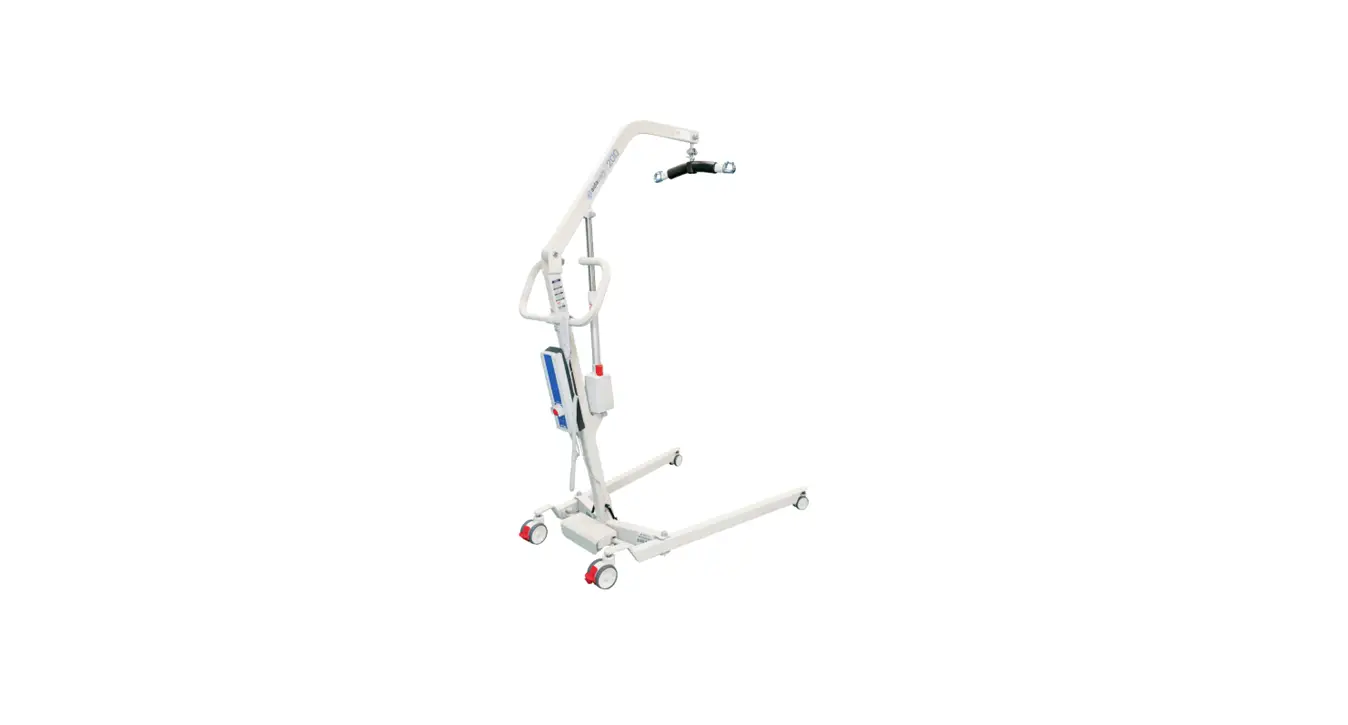
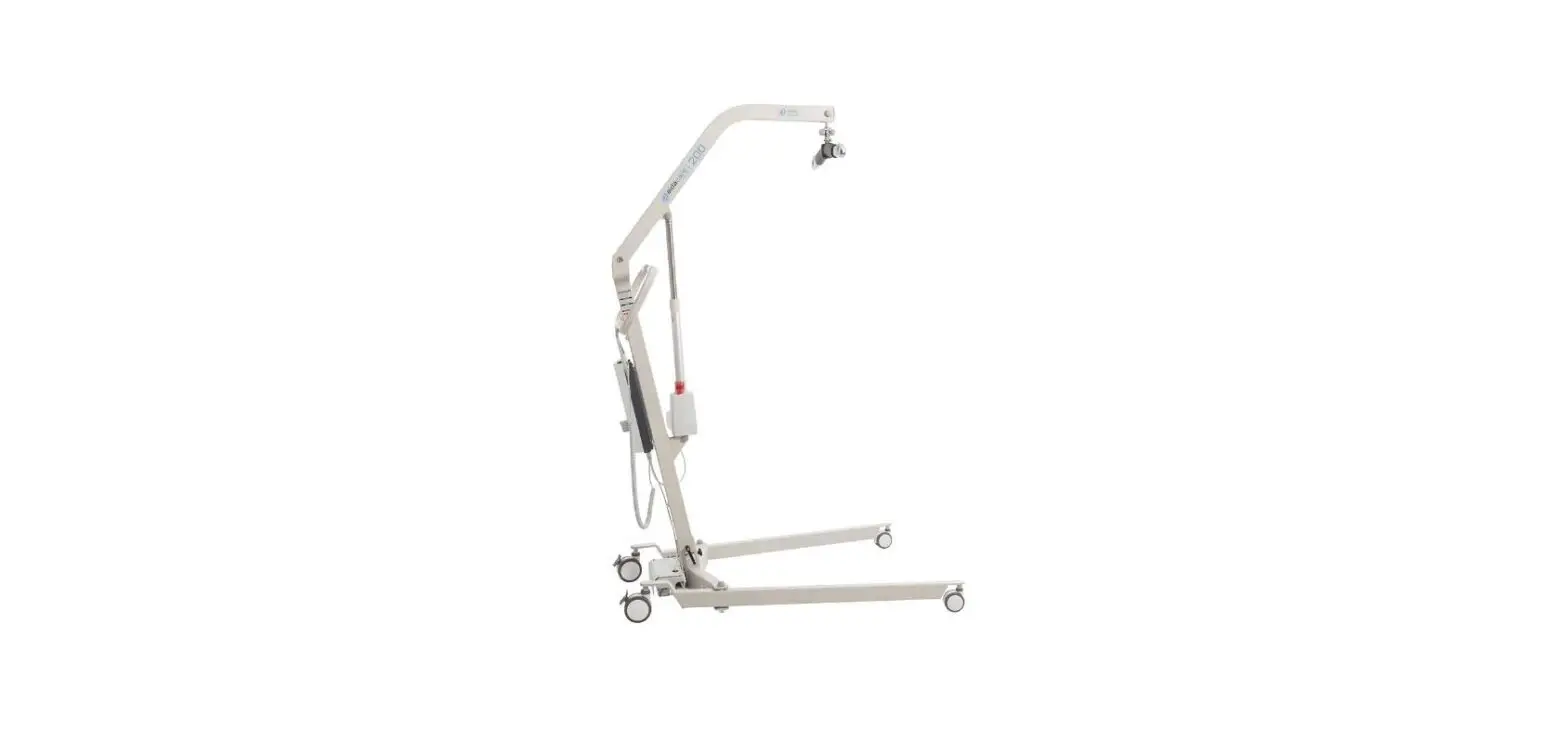
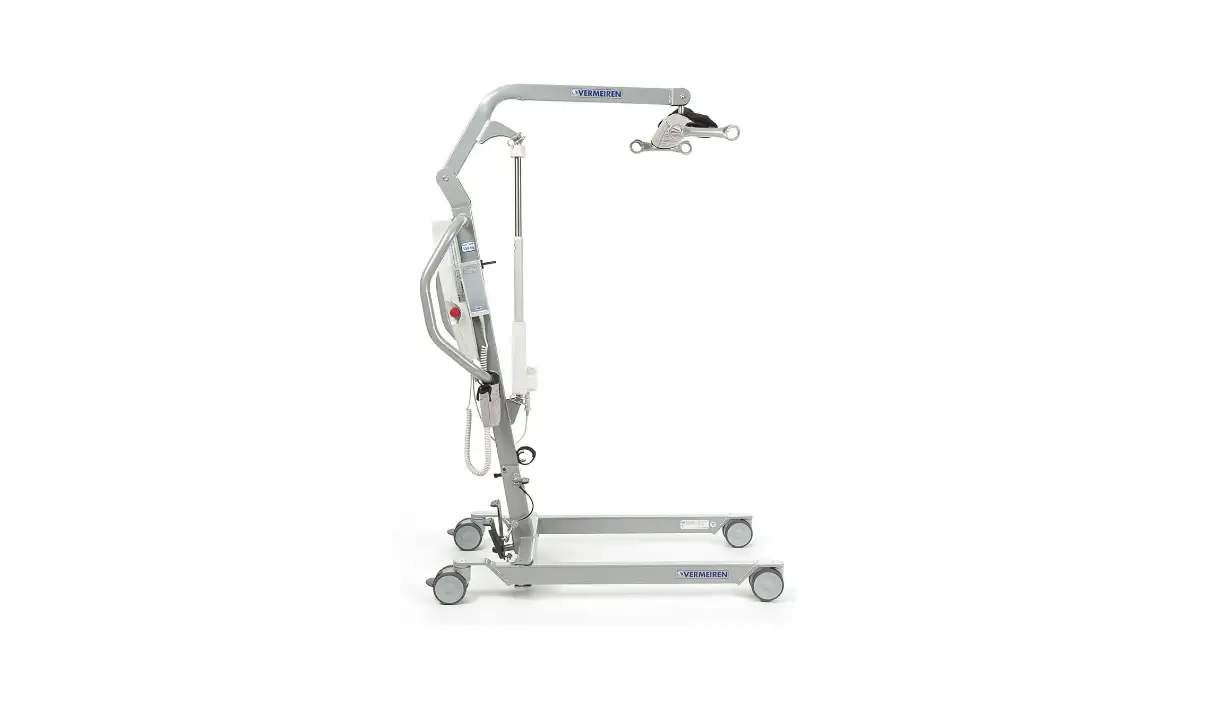
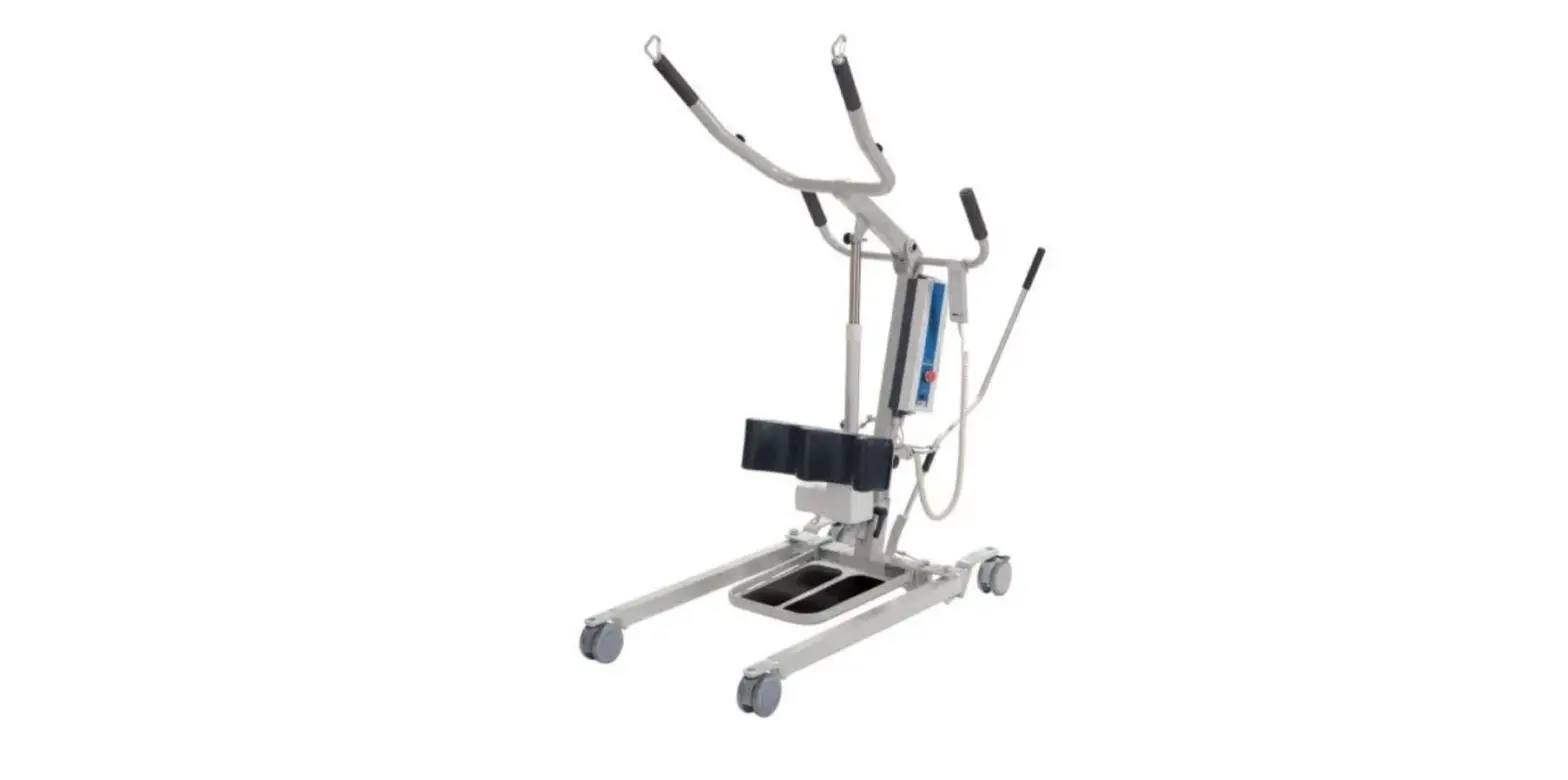
Aspire A205 Aluminium Patient Lifter
Product Information: A205 Patient Lifter Aluminium
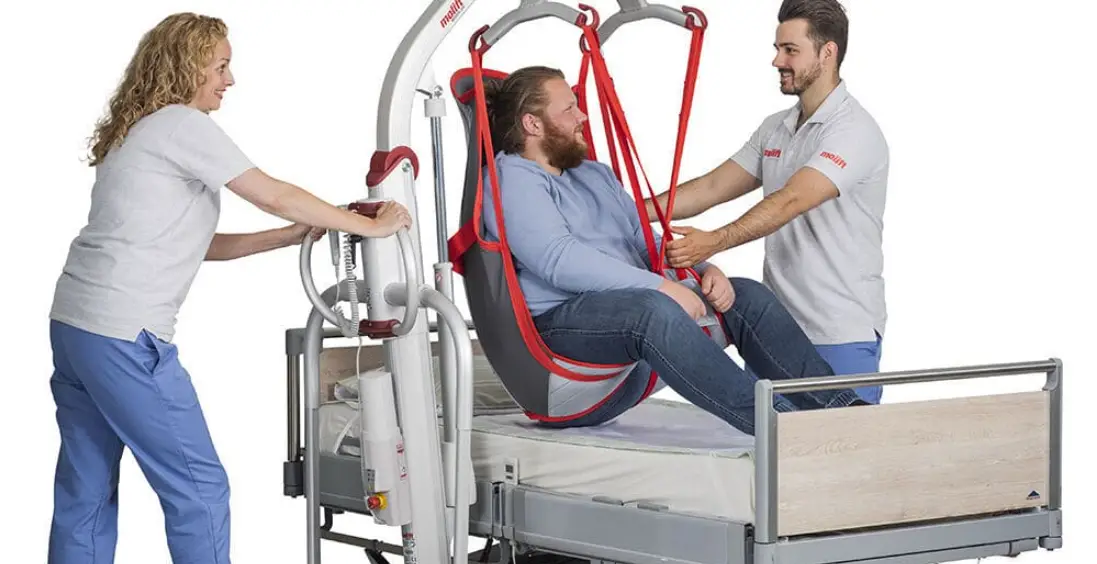
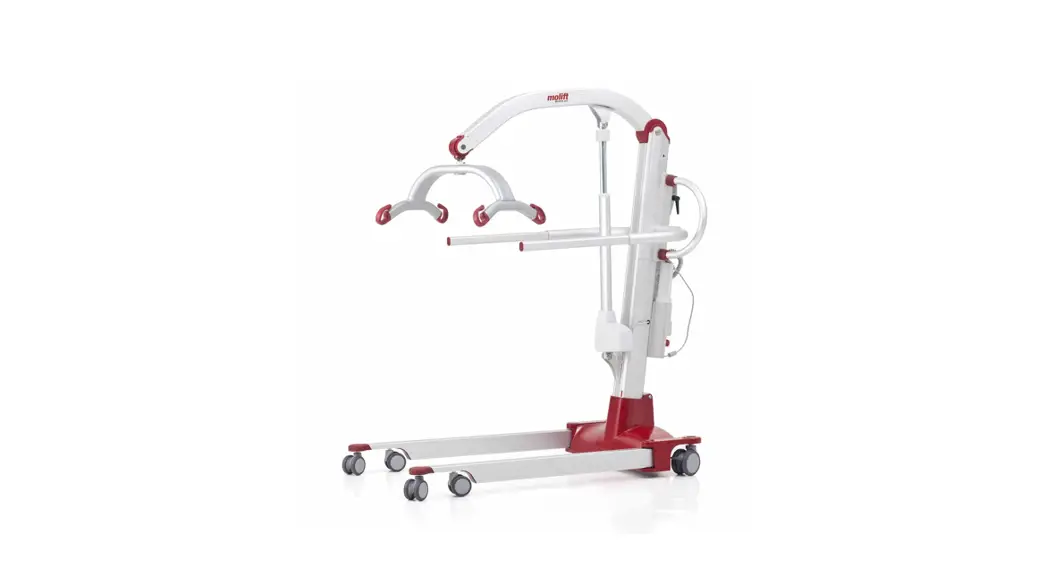
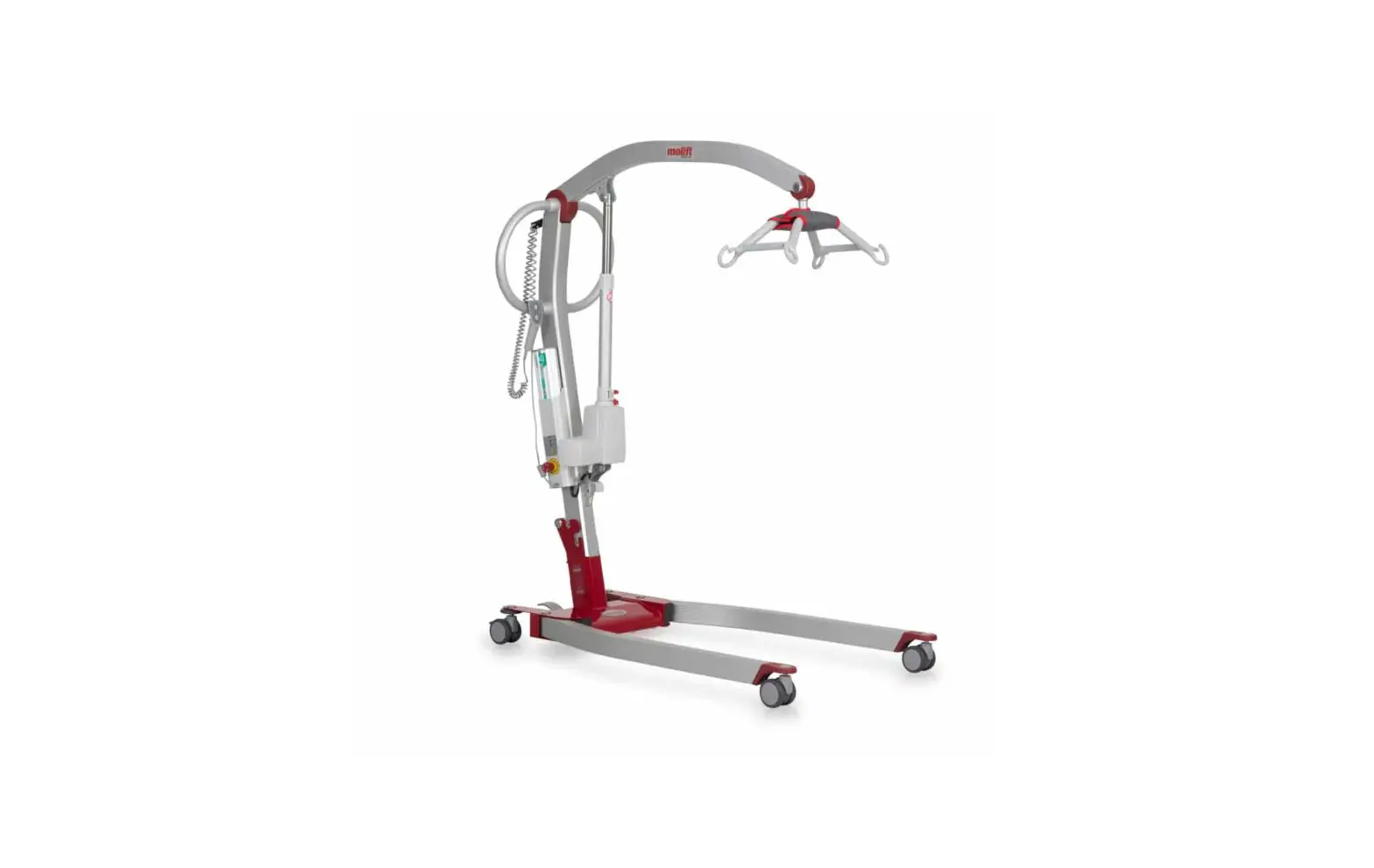
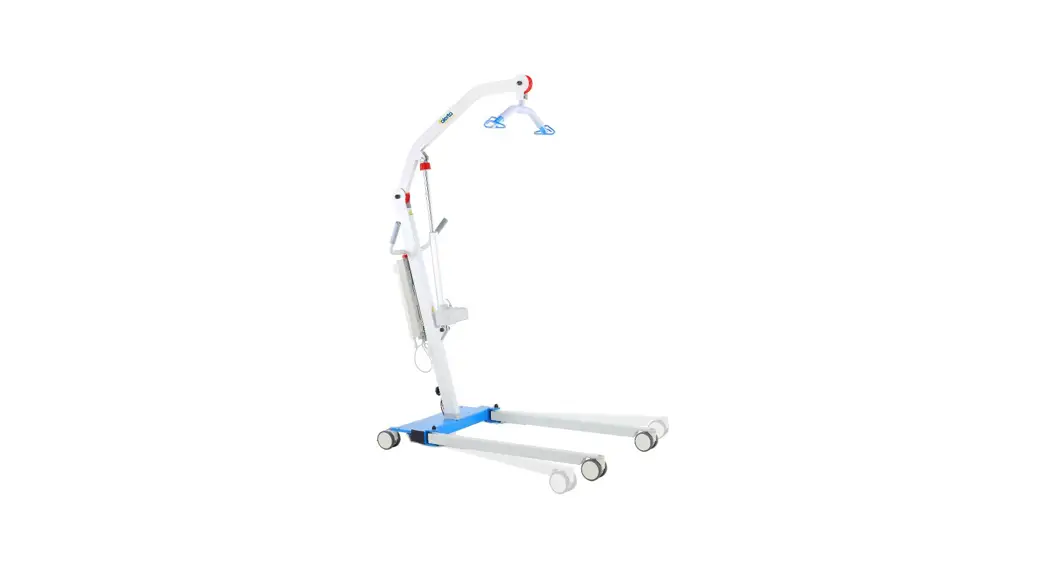
The ASPIRE A205 Lifter is a compact and ergonomically designed
heavy-duty mobile patient lifter with a safe working load (SWL) of
205kg. It is suitable for home care, institutional, and aged care
environments. The lifter allows for safe and comfortable transfers
of patients from floor positions, beds, chairs, and other support
surfaces. The ASPIRE range of patient lifting solutions features
industry-leading LINAK Jumbo Care electronics and complies with
AS/NZ ISO 10535:2011 standards.
Product Usage Instructions
- Before using the ASPIRE A205 Lifter, ensure that you have read
the user manual. - Always use slings that have been assessed and considered
suitable by a trained healthcare professional. - Ensure that the area around the lifter and the patient is clear
of obstructions. - Position support surfaces as close as possible to minimize the
distance over which the patient is being transferred. - Do not operate the lifter without proper training in the safe
operation of lifters and slings. If in doubt, do not use. - Do not use the lifter if there are any doubts regarding its
safety, including wear or damage to the yoke and lifter sling
attachment points. - Do not use the lifter with slings showing signs of wear or
damage, such as fraying. - Do not exceed the 205kg safe working load of the ASPIRE A205
Lifter. - Do not use the lifter for transportation over distances
exceeding 3 meters. It is not designed for transportation. - Never manually lift the boom of the lifters. The boom should
only be lifted using the electric actuator. - Aidacare Lifters and Standers have a safety spline feature that
prevents entrapment and crush injuries during lowering. Do not
raise the lifter boom by hand or any other means except under
direct drive from the electric actuator. - Raising the boom manually can cause it to become stuck in an
elevated position, which can result in patient free fall and risk
catastrophic injury to the patient and/or carer.
A205 PATIENT LIFTER ALUMINIUM
USER MANUAL
www.aspirecare.com.au 1300 133 120
IMPORTANT: Do not use the ASPIRE A205 Lifter without having first read this manual.
TABLE OF CONTENTS
1. Overview ____________________ 3 2. Safety Precautions ____________ 4 3. Parts Glossary ________________ 6 4. Assembly ____________________ 7 5. Preliminary Checks ____________ 10 6. Lifter Operation _______________ 10 7. Lifting Guide _________________ 14 8. Sling Compatibility ____________ 17 9. Care & Maintenance ___________ 18 10. Warranty & Service ____________ 19 11. Troubleshooting ______________ 20 12. Specifications_________________ 21 13. Service Log Book _____________ 23
1. OVERVIEW
The ASPIRE A205 Lifter is a compact and ergonomically designed heavy duty mobile patient lifter with a safe working load (SWL) of 205kg.
This mobile floor lifter is a safe care solution for home care or institutional and aged care environments.
The ASPIRE A205 Lifter allows patients to be transferred from floor positions, beds, chairs and other support surfaces with comfort and safety.
Despite its compact design the hinged rotating yoke on the ASPIRE A205 Lifter generates more efficient patient space allowing a patient to be rotated through 360° at full lift height. This facilitates safe and easy transfers for both attendant and patient.
The ASPIRE range of patient lifting solutions feature industry leading LINAK Jumbo Care electronics and have been designed and tested to comply with AS/NZ ISO 10535: 2011.
2
www.aidacarelifters.com.au
1300 133 120
3
2. SAFETY PRECAUTIONS
INTENDED USE OF THE PRODUCT The ASPIRE A205 Lifter has been designed to lift and transfer human patients with the assistance of one carer or attendant. All ASPIRE patient lifters should ONLY be used with Aidacare approved patient slings, which have been chosen and assessed by a competent trained health professional. For a complete list of all compliant lifting slings please contact Aidacare on 1300 133 120. IMPORTANT only approved slings and accessories are compatible with this lifter. If you are unsure please contact Aidacare on 1300 133 120. The correct and appropriate use of the ASPIRE A205 Lifter reduces the risks associated with manual patient handling. The lifting and transferring of patients should always be assessed and planned by a trained health professional.
FORWARD
SAFETY CONSIDERATIONS
ALWAYS ensure that attendants have read this guide before operating this patient lifter.
ALWAYS use slings that are assessed and considered suitable by a trained healthcare professional.
ALWAYS ensure the area around the lifter and patient is clear of obstructions.
ALWAYS minimise the distance over which the patient is being transferred by positioning support surfaces as close as possible.
DO NOT operate the lifter without training in the safe operation of lifters and slings. IF IN DOUBT DO NOT USE.
DO NOT use the lifter where any doubt exists regarding the safety of the lifter including but not limited to wear or damage with particular importance to be placed on the yoke and lifter sling attachment points.
DO NOT use the lifter with slings showing any signs of wear or damage, including fraying.
DO NOT exceed the 205kg safe working load of the ASPIRE A205 Lifter.
DO NOT use the lifter as a means of transportation over distances in excess of 3 metres. It is not designed as a transportation device.
This is the direction of travel for which this lifter has been designed.
4
www.aidacarelifters.com.au
INTENDED USE OF THE PRODUCT
WARNING: DO NOT manually lift the boom of the lifters.
How to Use Correctly:
The boom of the lifter is designed to be lifted only by an electric actuator.
Aidacare Lifters and Standers do not pull downwards during lowering. This safety spline feature is designed to avoid entrapment and crush injuries.
This safety feature means that it is physically possible to raise the lifter boom by hand on some models with LA31 actuators fitted.
NEVER raise the lifter boom by hand or any other means except under direct drive from the electric actuator fitted to the lifter.
Raising the boom can cause it to become stuck in an elevated position. Under load this can result in patient free fall and risk catastrophic injury to the patient and/or carer.
ALWAYS use the handset or control unit buttons to raise and lower the boom of the lifter. This will ensure correct and safe functioning at all times.
1300 133 120
5
3. PARTS GLOSSARY
1
3
4
2
10 5
11 12
13 15
16
9 8
6 7
14
1 Boom 2 Quick Release Yoke Attachment 3 Yoke 4 Battery 5 Control Unit 6 Emergency Lowering 7 Emergency Stop 8 Handset 9 Push Handle 10 Lift Actuator 11 Mast Height Adjustment 12 Base Fastening Lever 13 Cover for Leg Actuator 14 Leg Spread Actuator 15 Rear Castor with Brake 16 Front Castor
6
www.aidacarelifters.com.au
4. ASSEMBLY
1. Unpack Remove all parts from carton.
2. Set up mast a) Three alternative mounting holes are present for adjusting the height of the mast. Select the one most suited to your application.
b) Secure mast to base mount using base fastening lever bolt.
3. Apply thread locker / loctite
a) Locate actuator mounting hardware.
b) Install actuator hardware. A few drops of medium strength thread locker / loctite must be applied to the bolt threads.
1300 133 120
7
4. Mount handle Mount push handle onto mast in position shown and fasten screws with allen key.
5. Attach the quick release yoke Pull down quick release lever, engage with attachment point, release lever. Check security latch is closed.
4. ASSEMBLY CONT.
b) Connect the other end into the female lead from the actuator.
7. Connecting the handset Connect grey handset lead into port located on base of control unit.
6. Connecting the actuator
a) Connect grey actuator lead into port (1) located on base of the control unit.
1
8. Connecting the leg spread actuator
Connect black actuator lead port (2)
2
on base of control unit.
8
www.aidacarelifters.com.au
1300 133 120
9
5. PRELIMINARY CHECKS
After charging the battery these checks should be completed prior to initially using the lifter: 1. Check handset functionality is correct. 2. Check to see that all indicator lights are functioning. 3. Check that the emergency stop button causes the lifter to stop. 4. Check emergency lowering function. 5. Check that all leads are inserted, fastened and clear of the rear castors.
6. LIFTER OPERATION
Handset
Features: 1. Raise / Lower function buttons 2. Leg spread function buttons (if applicable) 3. Battery charge indicators 4. Service indicator
· Press and hold the raise / lower or leg spread (if applicable) function buttons to activate. Release to deactivate. Beware of obstacles at all times to ensure boom and legs can move freely.
· Battery charge indictors will flash when battery reaches maximum recommended discharge of 18 volts, while the lifter is under load.
· Service indictor will illuminate when lifter has reached recommended service interval, either 12 months since last service or 8000 lift cycles. At this time the lifter needs to be serviced for safety and to maintain applicable warranty.
A full load test should be completed at least every 12 months by an Aidacare service technician.
10
www.aidacarelifters.com.au
6. LIFTER OPERATION CONT.
Emergency Lowering To activate emergency lowering lift up red tab located on top of actuator. This allows the patient to be fully lowered in the event of a fault in the lifter or discharged batteries.
Charging the battery The ASPIRE A205 Lifter is supplied with a LINAK external wall mount charger and is compatible with standard Australian power outlets. The following steps should be completed to recharge the battery pack correctly:
a) Remove the battery pack from the lifter via the top mounted release lever.
b) Connect the battery pack to the charger.
1300 133 120
11
Charger will automatically activate the charging sequence and a light will illuminate to show charging has commenced.
CHARGING INDICATOR DISPLAY
GREEN LIGHT indicates mains power is connected to 240v power supply.
ORANGE LIGHT indicates battery is charging, and will turn off automatically when battery is fully charged.
CHARGING DO’S AND DON’TS
ALWAYS · Charge the battery whenever possible, to maximise battery life.
Allowing batteries to fully discharge can reduce the useful life of a battery. · Always inspect all cables particularly the mains power cable on the charger
for any damage; replace if any signs of damage or wear are visible.
· Always stow the handset, charger and mains power cable when transporting the lifter to prevent loss and or damage.
· Always clean the actuators, control box, charger, battery and handset at regular intervals to remove dust/dirt.
NEVER · Never allow the battery to fully discharge before recharging. Allowing batteries
to fully discharge can reduce the useful life of a battery.
12
www.aidacarelifters.com.au
6. LIFTER OPERATION CONT.
Castors To engage the castor brake place your foot on the brake pedal and apply sufficient downward force to move it into the lock position.
To disengage the castor brake simply place the point of your toe underneath the brake pedal and lift-up.
Emergency Stop To engage the emergency stop press the red button located on the control unit until it sits flush and remains in position.
To disengage the emergency stop function twist the red button clockwise until it pops out
1300 133 120
13
7. LIFTING GUIDE
It is important that carers are familiar with manual handling techniques along with any sling instructions, prior to completing any patient lifts. All patient’s should have the correct sling and transfer techniques assessed by a qualified health professional. Explaining the lift process to the patient is important to ensure patient comfort and confidence and whenever possible two carers should conduct patient lifts for additional safety.
BED
1. Patient sling positioning
After rolling the patient on their side and position the sling along the full length of the back and head (if a head support model is being used). The patient should be rolled into a supine position so that the sling can be retrieved and pulled out so that the patient is positioned centrally (see image)
2. Attaching the sling to the yoke
The lifter should be positioned with the legs sufficiently under the bed to allow the boom and yoke to be positioned over the patient’s chest. Once in place, engage the rear castor brakes and attach the loops of the sling to the hooks on the yoke.
3. Lifting the patient
Before commencing, release the rear castor brakes so that the lifter can adjust its centre of gravity during the lift. As the loops pull tight, check that the patient is still in a comfortable position and that the head support (if present) is providing correct support.
If the patient sling position remains correct, the lift can be commenced. Always try to position the two support surfaces that the lift is taking place between as close together as possible to avoid moving the patient over distances in the sling.
14
www.aidacarelifters.com.au
CHAIR
1. Patient sling positioning
Ensure that the patient is ready, then slowly lean them forward to allow the sling to be slid down behind the back until the bottom of the sling is positioned under the coccyx. The sling leg straps can now be slid underneath each thigh, remaining careful to avoid creasing or bunching of the fabric. (Check with a health professional if leg straps should be crossed over for additional support or separated for enhanced accessibility for hygiene).
2. Attaching the sling to the yoke
Ensure that the lifter legs are open to the maximum width and slowly position it as close to the front of the chair as possible be careful to keep the boom and yoke clear of the patient during this process. Once the yoke is at chest height on the patient the sling loops can be attached. For chair lifts the rear brake castors should not be used to ensure the lifter can locate its centre of gravity easily.
3. Lifting the patient
Raise the yoke until the loops of the sling pull tight. Check that the patient is still comfortably positioned in the sling and that the head support is in place (if a head support model is being used). Lift the patient only to a height needed to successfully transfer to the desired support surface. Always try to position the two support surfaces that the lift is taking place between as close together as possible to avoid moving the patient over distances in the sling.
1300 133 120
15
FLOOR
Generally, a floor lift is only required in the event of a fall or emergency. Therefore it is important that a medical professional has assessed the patient and given the all clear for a lift to be carried out.
1. Patient Sling Positioning
After rolling the patient on their side, position the sling along the full length of the back and head (if a head support model is being used). The patient should be rolled into a supine position so that the sling can be retrieved and pulled out so that the patient is positioned centrally (see image).
2. Attaching the sling to the yoke
The lifter should be positioned with the legs open to full width to ensure maximum area for the patient to be lifted. One leg should be positioned adjacent to the patient’s head and the other underneath the knees of the patient once their legs have been raised (as shown in the middle image on this page). The rear castors should be locked. It is important to continually communicate with a patient during floor lifts as they may often be in shock or disoriented and need reassurance.
3. Lifting the patient
When carrying out a floor lift, the castors should be locked throughout the lifting procedure. As you begin your lift and the loops pull tight, check that the patient is still in a comfortable position and that the head support (if present) is providing correct support. If the patient sling position remains correct, the lift can be commenced. Lift the patient only to a height needed to successfully transfer to the desired support surface. Always try to position the two support surfaces that the lift is taking place between as close together as possible to avoid moving the patient over distances in the sling.
16
www.aidacarelifters.com.au
8. SLING COMPATIBILITY
AIDACARE has a range of ASPIRE slings designed for use with the ASPIRE lifters. This lifter may also be suitable for use with other brands of slings provided that the design is compatible with a hook yoke/spreader bar design. To confirm if a sling is compatible with any of the ASPIRE range of lifters, contact AIDACARE on 1300 133 120.
Deluxe General Purpose
Deluxe General Purpose with Head Support
Mesh General Purpose
Mesh General Purpose with Head Support
Deluxe Access/Hygiene
Deluxe Access/Hygiene with Head Support
Deluxe Hammock Slings
Deluxe Padded Standing
(Mesh & Super Soft Fabric Available)
1300 133 120
17
9. CARE & MAINTENANCE
To prolong the working life of the lifter and for trouble free operation it is recommended that periodic inspections should be performed routinely by a person who is suitably qualified and well acquainted with the design, use and care of patient lifters. If inspection reveals that the safety of the lifter is jeopardised in any way the lifter should be IMMEDIATELY WITHDRAWN FROM SERVICE, tagged as such and the owner notified.
MAINTENANCE GUIDE & CHECK LIST
· Check castors are fastened securely to the frame · Castors should run and swivel smoothly – if hair or other fibres have built
up within the castor, this should be removed · Check that the brakes on the rear castors function normally · Clean surfaces with a pH neutral detergent – chlorine and phenol based
detergents should not be used as these may damage lifter components · All moving parts and pivot points should be checked for fatigue and
lubricated if necessary · All electrical components should be checked for normal function including
battery and battery charger · The actuator shaft should only be wiped with a cloth. DO NOT lubricate,
contact Aidacare maintenance 1300 133 120
AS A MINIMUM A FULL SERVICE SHOULD BE COMPLETED EVERY 6 MONTHS AND THE LOAD TEST EVERY 12 MONTHS TO MAINTAIN WARRANTY. ELECTRICAL TEST & TAG WHERE LIFTERS ARE IN USE IN A COMMERCIAL ENVIRONMENT THEN THE TESTING REGIME APPLIED SHOULD ALIGN WITH THE RISK ASSESSMENT MADE BY THE OWNER FOR SAFETY AND OTHER COMPLIANCE REQUIREMENTS. TO MAINTAIN AUSTRALIAN STANDARDS COMPLIANCE UNDER AS ISO 10535-2011 A FULL SWL TEST MUST BE COMPLETED EVERY 12 MONTHS.
18
www.aidacarelifters.com.au
10. WARRANTY & SERVICE
LIFTER AND ELECTRONICS
AIDACARE warrants its products to be free from defects in materials and workmanship under normal use and service and will within the period stated below, from the date of purchase, repair or replace without cost to the original customer, any part assembly or portion thereof which shall be returned to AIDACARE and from OUR inspection shows to be defective.
1. Patient Lifter Frame 5 years
2. LINAK Actuator and LINAK Controller 3 years (excluding Battery Pack)
3. LINAK Battery Pack 12 month manufacturer’s warranty subject to stringent fair wear and tear clauses (please contact AIDACARE for a copy of this information)
WARRANTY IS CONTINGENT UPON ANNUAL SERVICING BEING COMPLETED FOR THE LENGTH OF THE WARRANTY PERIOD.
AIDACARE cannot be held responsible for any personal injury, damage to the lifter or damage to property as a result of the improper or unsafe use of the product.
No warranty claim shall apply where the product or any part thereof has been modified, varied, altered or damaged either accidentally or through improper or negligent use.
No warranty claim shall apply where the lifter is repaired or serviced by parties other than those accredited and or approved by Aidacare.
Warranty does not extend to items or components which may require replacement due to normal wear and tear (e.g. castors, plastic molded components, foam padding (where fitted) and painted surfaces) for which AIDACARE nor its distributors can be held responsible.
BATTERIES
Batteries carry a limited warranty from the original manufacturer which is subject to a stringent wear and tear clause. Battery faults due to defect in original manufacture typically become apparent within the first two months of use.
Any gradual deterioration in performance after this period is typically associated with fair wear and tear, misuse and accidental damage, and as such is not covered by the LINAK manufacturer’s warranty.
ALL WARRANTIES MADE ARE BACK TO BASE WARRANTIES MEANING THAT ANY PARTS OR WHOLE LIFTERS REQUIRING REPAIR NEED TO BE RETURNED TO THE NEAREST AIDACARE SERVICE CENTRE AT THE CUSTOMER’S EXPENSE PLEASE CONTACT AIDACARE FOR A CURRENT LIST OF SERVICE CENTRE LOCATIONS.
SPARE PARTS
SPARE PARTS LIST AVAILABLE UPON REQUEST FROM AIDACARE ON 1300 130 122 or www.aidacarelifters.com.au
1300 133 120
19
11. TROUBLESHOOTING
WARNING: TROUBLESHOOTING SHOULD ONLY BE CARRIED OUT BY AIDACARE AUTHORISED SERVICE TECHNICIANS WHO ARE TRAINED IN SERVICING THE ELECTRICAL AND MECHANICAL FEATURES OF THE PATIENT LIFTER.
The following is a guideline only to general troubleshooting. Before carrying out any troubleshooting: · CHECK TO ENSURE the RED emergency stop button is NOT pushed in. · CHECK TO ENSURE maintenance procedures have been followed. · CHECK TO ENSURE all lead connections are secure. · CHECK TO ENSURE the battery is fully charged.
PROBLEM
POTENTIAL FAULT
ACTION
Warning alarm can be heard in control unit
Battery is discharged Battery may be faulty
Recharge battery Replace battery
Power LED on charger does not illuminate
Not connected to power Fuse blown Faulty Charger
Actuator not running/no click heard from control unit when buttons pressed
Faulty control unit Faulty handset
Check plugged in to power point and switched on Replace fuse Repair or replace charger
Repair or replace control unit
Actuator not running but control unit clocks when buttons pressed
Actuator plug not inserted fully into control unit Faulty actuator Faulty control unit
Check plugs are completely inserted into control unit ports Repair or replace actuator and or control unit
Actuator not lifting properly or running slowly
Discharged or faulty battery Weight in excess of safe working load (SWL) Faulty actuator
Recharge or replace battery Repair or replace actuator
No clicking in control box when buttons pressed
Emergency stop button pressed Battery completely discharged Battery fuse faulty Faulty control unit
Release emergency stop button Recharge battery Repair or replace control unit
Actuator only works in one direction
Faulty handset Faulty control unit Emergency lower release activated
Repair or replace handset Repair or replace control unit Check emergency actuator release is reset
20
www.aidacarelifters.com.au
12. PRODUCT SPECIFICATIONS
Product Code Safe Working Load (SWL) Base Length External Base Width Internal Base Width Base Width Adjustment Base Height / Under Bed Clearance Minimum Height of Spreader Bar ** Maximum Height of Spreader Bar ** Lifter Weight Warranty Under Base Height Maximum Overall Height Front Castor Diameter Rear Locking Castor Diameter Turning Diameter Weight Of Heaviest Part (Base Assembly) Handle Height Sound Level
Electrical Approval
LSS390610 205kg 1238mm 651-1173mm 547-1073mm Electric 110mm 415-515mm 1700-1800mm 38.1kg 3yrs 50mm 2040mm 75mm 100mm 1332mm 19.6kg 1085-1185mm <40Db@ 1m EN 60601-1-2:2007; EN 61000-3-2:2006; EN 6100-3-3:2008
Box Contains: Base with 4 castor wheels, mast and boom with yoke, LINAK handset, LINAK battery charger, LINAK battery, LINAK controller, push handle. Screws, bolts, nuts, washers, plastic caps and tool kit.
1300 133 120
21
12. SPECIFICATIONS (CONT.)
MNaext.Wleoiagdht iannkdg, owtehiegr hmteaisunrekmgenmtseianscumr (etsoleirannccem+./(- 1cm) : +/ – 1cm)
A
B
B’
C
Max. Min.
D
F F’ E
G1
G G2
L
W N.W. Turning
G3 max min
diameter
204 139.5
118.5
180 51. 5
199 134.5 123.8
76.5
65.1~117.3
54.7~107.3 11
5
113.5
29
((tole+r/a-3nccme)
52
((tole+r/a-n3cme )
26.5
((tole+r/a-3nccme )
175
46. 5
53
27.5 133.2
194 129.5
108.5 +/- 3cm)
+/- 3cm)
+/- 3cm) 170 41. 5
22
www.aidacarelifters.com.au
13. SERVICE LOG BOOK
YEAR 1
Date: _________________________
Service Type: _______________________________________________________
Condition Report: ___________________________________________________
___________________________________________________________________
Inspected by: ____________________ Signature: _________________________
Action taken: _______________________________________________________
Date: _________________________
YEAR 2
Date: _________________________
Service Type: _______________________________________________________
Condition Report: ___________________________________________________
___________________________________________________________________
Inspected by: ____________________ Signature: _________________________
Action taken: _______________________________________________________
Date: _________________________
YEAR 3
Date: _________________________
Service Type: _______________________________________________________
Condition Report: ___________________________________________________
___________________________________________________________________
Inspected by: ____________________ Signature: _________________________
Action taken: _______________________________________________________
Date: _________________________
YEAR 4
Date: _________________________
Service Type: _______________________________________________________
Condition Report: ___________________________________________________
___________________________________________________________________
Inspected by: ____________________ Signature: _________________________
Action taken: _______________________________________________________
Date: _________________________
YEAR 5
Date: _________________________
Service Type: _______________________________________________________
Condition Report: ___________________________________________________
___________________________________________________________________
Inspected by: ____________________ Signature: _________________________
Action taken: _______________________________________________________
Date: _________________________
1300 133 120
23
AIDACARE PTY LTD BUILDING 3A/1 MOOREBANK Ave, MOOREBANK NSW 2170
1300 133 120 www.aidacare.com.au
MADE IN CHINA
www.aspirecare.com.au 1300 133 120
ASUM09.09 160223
 Home | Aidacare
 Aspire Care – Helping you live a fulfilling life