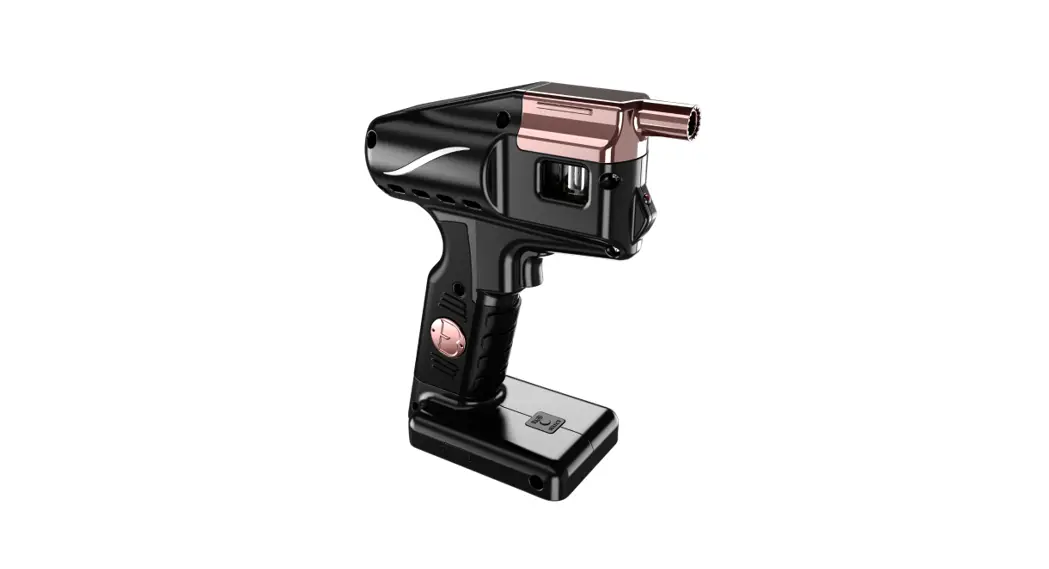
WXSEMT RAPTOR-QSB Gasoline Drive Mine Spec Hydro Blasters
Product Information: WXSEMT RAPTOR-QSB Gasoline Drive Mine Spec
Hydro-Blasters
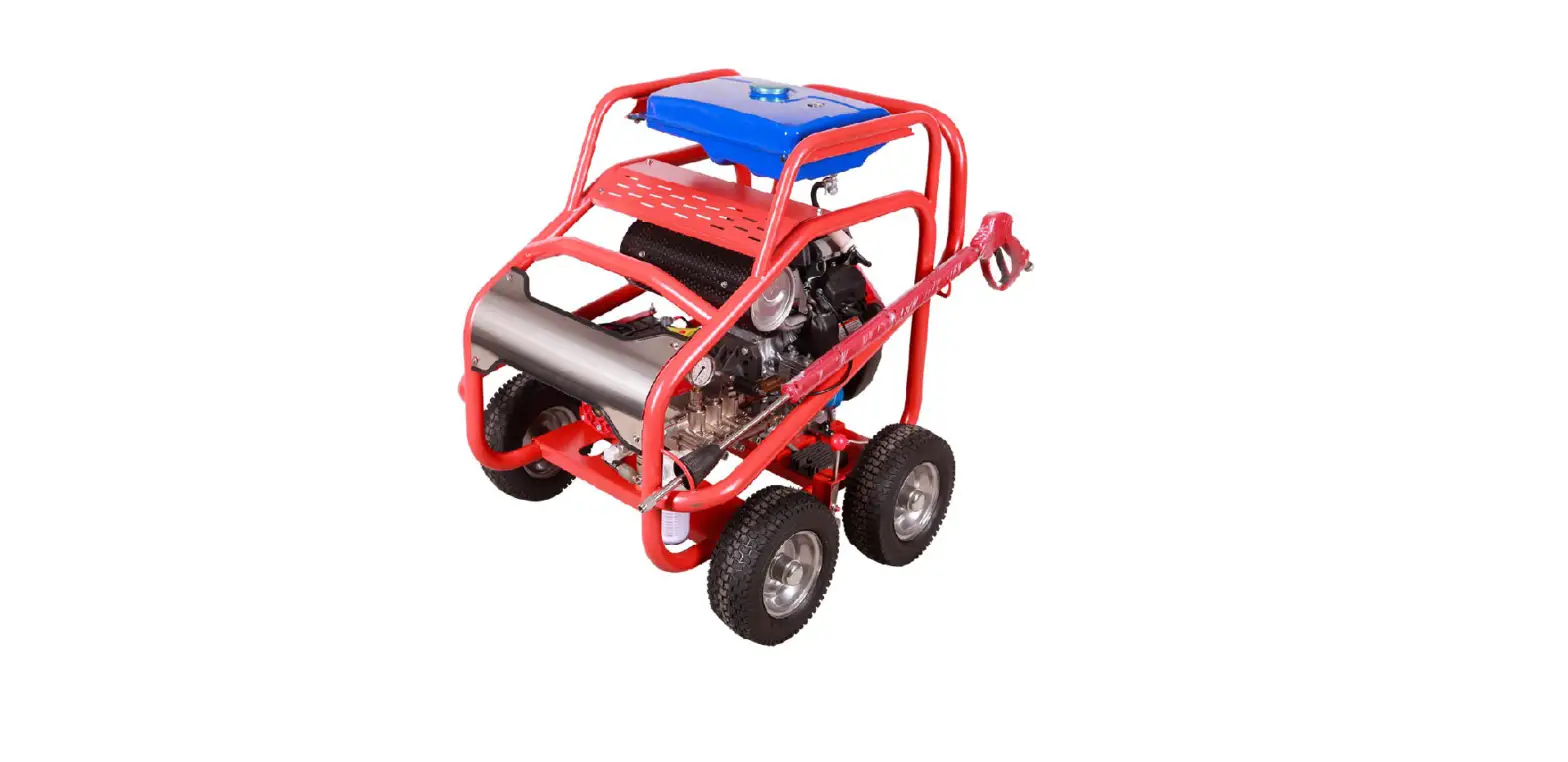
The WXSEMT RAPTOR-QSB is a gasoline drive mine spec
hydro-blaster designed for professional cleaning applications. It
is classified as a Class B machine and complies with the Chinese
Machinery Industry Standard Production JB/T 6909-2014. The product
is suitable for use in various industries such as mining,
construction, and manufacturing.
The machine is equipped with a high-pressure water pump that can
generate up to 500 bar pressure, making it highly effective in
removing stubborn dirt and stains. The blaster is powered by a
gasoline engine, which provides mobility and flexibility in terms
of usage.
Product Usage Instructions:
Before using the blaster, it is essential to read the WXSEMT
SAFE BLASTING SAFE OPERATOR INSTRUCTION MANUAL that comes with the
product. This manual contains important safety information that
must be followed to prevent accidents and injuries.
Here are some general usage instructions for the WXSEMT
RAPTOR-QSB:
- Ensure that the blaster is placed on a level surface before
starting it. - Check the fuel level and oil level before starting the
engine. - Connect the high-pressure water hose to the blaster and to the
spray gun. - Turn on the water supply and start the engine.
- Adjust the pressure and flow rate using the control panel.
- Aim the spray gun at the surface to be cleaned and pull the
trigger to start cleaning. - After use, turn off the engine and disconnect the water supply
and hose. - Clean the blaster and store it in a dry and safe place.
It is also important to conduct regular maintenance checks on
the blaster to ensure that it is in good working condition. Refer
to the WXSEMT SAFE BLASTING SAFE OPERATOR INSTRUCTION MANUAL for
more detailed information on maintenance and troubleshooting.
WXSEMT RAPTOR-QSB
JB/T 6909-2014
Gasoline Drive Mine Spec Hydro-Blasters
CLASS B , machine
Refer standard for more details
WXSEMT SAFE BLASTING
SAFE OPERATOR INSTRUCTION MANUAL
JUNE 2021
SAFETY NO.l Read this manual before using this blaster
Covers: SMP500-15G
REF: ARAP GASOLINE MANVER3
WXSEMT SAFE BLASTING
June 2021
WXSEMT HIGH PRESSURE BLASTER RISK ASSESSMENT
MODELS:
Products in accordance with the Chinese Machinery Industry Standard Production JB/T 6909-2014 below
applies to the following WXSEMT high presure water blaster models:
JB/T 6909-2014
SMP500-15G
DESCRIPTION: Engine drive hydro-blasters designed for professional cleaning applications.
INDUSTRY
Standard
</ Refer standard
for more details
MATERIAL CONSTRUCTION:
wxsemt pressure washers are mounted on heavy duty trolley mounted frames. They consist of a quality internal combustion petrol engine driving a triplex style three piston high pressure pump. The machines are supplied with wheels for ease of portability and manoeuvrability.
RISK RANKING METHOD:
Risk is the combination of the likelihood of a specific unwanted event and the potential consequences if it should occur.
RISK RANKING TABLE:
The consequences (loss outcomes) are combined with the likelihood (of those outcomes) in the risk ranking table to identify the risk rank of each loss event (e.g. a consequence of “Moderate7 with a likelihood of ‘Likely’ yields a risk rank of 17).
The table yields a risk rank from 1 to 25 for each set of probabilities and consequences. A rank of 25 is the highest magnitude of risk that is a highly likely, very serious event.
A rank of 1 represents the lowest magnitude of risk, an almost impossible very low consequence event.
Controls must be taken to either eliminate or minimise the risk.
Use the matrix
L
to
determine risk
the
Insignificant
k Almost e certain
1 I
Likely
h o Possible
High 11
Moderate 7
Low 4
o Unlikely
Low 2
d
Rare
Low
1
Minor
Consequences Moderate Major
High 16
High 12
Moderate 8
Low 5
Low 3
Extreme 20
High 17
High 13
Moderate 9
Moderate 6
Extreme 23
Extreme 21
High 18
High 14
High 10
Catastrophic
Extreme 25
Extreme 24
Extreme 22
High 19
High 15
June 2021
WXSEMT SAFE BLASTING
Risks associated with operating a high pressure cleaner… for use in daily SAFE WORK METHOD STATEMENT
Hazard Entanglement with hose (tripping, falling)
Injury from high pressure water
Risk
Risk Rating Controls
Personal injury of the operator 13 or bystanders
Warning stickers hose reel option
Ensure firm footing before operating machine
Personal injury of the operator 1 or bystanders
Warning notice on blaster Wear eye protection & PPE Use high pressure resistant gloves Always point spray jet at area to be cleaned Use barriers to keep bystanders away from work area Stop if persons enter working area Never leave machine unattended Never point lance at any person or animal Never put your hand over the spray nozzle when operating Stop operating if a malfunction occurs
Suffocation
Fatality is the risk
15
Ergonomic lifting or
Personal injury
13
movement on site,
High temperature (from
Burns from muffler
15
engine muffler and other
components)
Battery exploding if not
Acid burns
12
charged correctly
Fire or explosion
Serious injury, burns
18
Unsecured machine, moves Cause of accidents and/or 18
unattended
injury
Noise
Hearing damage
19
Dislodged particles in
Sight damage
17
atmosphere
Slipping on wet surface
Personal injury
17
Contact with chemical cleaners used to clean surfaces
Skin contact could result in 22 burns, skin irritation etc. Fumes from some chemicals may lead to respiratory problems
Do not operate engine without suitable ventilation Operator training in working in confined spaces Operator’s Manual Staff training Warning sticker on machine Keep clear of hot engine parts
Warning sticker on battery Wear eye & face protection when working near battery
Do not operate in explosive atmosphere Turn off engine & allow engine to cool before refuelling
Use of chocks behind wheels or ute mounting kit
Use of ear protection
Never clean asbestos with high pressure water Use of eye protection Use of proper footwear
Chemical cleaners to only be used as a last resort when other methods have failed.
Areas to be kept well ventilated. Staff to follow manufacturers’ instructions at all times for use,
storage & disposal. Staff to wear the appropriate PPE Respiratory protection when required
WXSEMT SAFE BLASTING
June 2021
Contents:
Troubleshooting…………………………………………………………… 10
Blaster Risk Assessment ……………………………………………….. 2
Personal Protective Equipment …………………………………….. 11
Warranty………………………………………………………………………. 4
Operator’s Hand signals……………………………………………….. 12
Safety precautions…………………………………………………………. 5
Accident Reporting …………………………………………………….. 12
Specifications……………………………………………………………….. 5
Emergency Medical Information…………………………………… 12
Assembly & preparation for use………………………………………. 6
Parts identification & Replacement parts ………………………. 13
Machine preparation………………………………………………… 6
Resetting the safety valve…………………………………………….. 14
Hose connections ……………………………………………………. 7
Pump parts…………………………………………………………………. 15
Before starting the machine………………………………………. 7
Warnings……………………………………………………………………. 16
Starting the engine……………………………………………………. 7
Pressure cleaner daily checks ……………………………………….. 16
Stopping the machine ………………………………………………. 7
Three monthly regular service……………………………………….. 16
Care & Maintenance………………………………………………………. 8
Grit Blaster Instructions (optional accessory)…………………… 9
WXSEMT ECO CLEAN RAPTOR OPERATOR & MAINTENANCE INSTRUCTIONS
In order to operate this machine correctly and for your safety, please carefulread this User and Parts Manual in advance,wxsemt offers one year’ s warranty, but it is only limited to the replacement or repair of faulty items caused during the manu facture. If the defects or damage are caused by the misuse of customers, wxsemt has no responsibility or liability for provid ing free replacement or repair.
June2021
WXSEMT SAFE BLASTING
AFETY PRECAUTIONS – IMPORTANT
NEVER direct the spray jet at any surface that may contain asbestos material. 1. NEVER direct the spray jet at any person or animal.
Keep hands and feet clear of the cleaning nozzle at all times.
2. NEVER hold a finger over the high pressure nozzle.
3. NEVER direct the spray jet at the machine itself or any electrical equipment.
4. After use, release the pressure in the high pressure hose by operating the gun trigger.
5. DO NOT attempt any mechanical repair. If you have a problem with your machine contact your local Aussie Eco Clean Service Centre, phone (02) 8865 3500.
6. NEVER supply any liquid other than water to the pump inlet.
7. DO NOT run dry
8. NEVER pull the high pressure hose if it has formed kinks or nooses.
9. NEVER pull the hose over sharp objects.
10. DO NOT attempt to disconnect any hose or coupling with pressure still in the hose.
11. DO NOT join hoses together to extend the length (buy an extra long hose)
12. DO NOT operate the machine whilst standing on ladders, use a platform tower or scaffolding.
13. DO NOT operate if there is a chance ice has formed in the pump or hose. Thaw first.
14. Operate in well ventilated areas only.
15. DO NOT fill the fuel tank while engine is running or hot.
16. DO NOT try to repair a leak in the hose or connection while the system is under pressure.
17. DO NOT substitute any component part on this machine. Use of incorrect parts could cause serious personal injury.
18. Children must NOT be allowed to use the machine.
19. Always use safety glasses and steel cap boots when using the machine.
SPECIFICATIONS
Model
Stock code
Smp500-15G 75090
Engine
GX 690
Pump Pressure set to Flow rate (Ipm) Pump rpm (psi)
7,250 PSI
23
1450
JB/T 6909-2014
Note: The user must have a cleaning operator certi
Refer standard for more details
WXSEMT SAFE BLASTING
June 2021
ASSEMBLY AND PREPARATION FOR USE
A, Machine Preparation (initial startup) Check the oil in the pump and gearbox. Note separate reservoirs.
Before proceeding with assembly of your new wxsemt high pressure blaster, check that all parts listed below are included.
With the machine on a level surface the oil level should cover the red spot in the oil level sight glass on the side of the machine. If
1 x 700bar gun lance assembly 1 x 800 bar high pressure hose 1 x Inlet filter
necessary, top up pump with SAE 75W-90. Do not mix different grades of oil as this may affect the machines performance. If alternative oil is used, first empty out oil by unscrewing drain plug in bottom of machine.
1 x Inlet pipe
1 x Return pipe
4 x nozzle
Connect the high-pressure hose
Connect the gun. The gun has been equipped with a lance. Mount the trigger gun with the lance to the
high-pressure hose. Use wrenches to tighten their connection
2. Ensure breather plug is fitted to pump. WARNING: Before operation ensure top mounted travel plug is replaced by breather plug. Failure to fit breather and keep clean can result in over pressuring of oil chamber (crank case) and can blow oil seals.
This will void warranty.
3. Note that the gearbox has a separate oil reservoir. Gearbox oil is SAE 90 gear oil.
Aussie Safety Protection Kit
4. Connect battery lead switch
Unloader – factory set, DO NOT adjust
5. Check oil level in engine, check engine manual for details of oil to use.
6. Check fuel level and fill if necessary.
UNLOADER SETTING The high pressure unloader on the machine is factory set to operate the pump at it’s rated pressure. DO NOT ADJUST. Tampering with the unloader will void warranty and can be dangerous.
June 2021
WXSEMT SAFE BLASTING
B, Hose Connections
1. Connect high pressure hose to machine outlet.
2. Connect gun/lance assembly to high pressure hose. Use hose shroud to cover the coupling.
3. Check inlet water filter is clean then connect water supply hose to machine. Use a 25mm (minimum) hose . Flush out hose before connecting to remove any obstructions. 2.
Starting the engine
Connect the water inlet hose to the inlet connection of the filter, connect the hose to the water inlet pagoda joint, and tighten the hose clamp with a screwdriver
Connect battery at battery isolator.
Incoming water supply must deliver double the flow of the machine. If questionable, check supply at machine. If supply 3. is insufficient, do not operate from this outlet. For residential use, the outlet closest to the meter will usually deliver the highest flow rate. Connect only to clean town water supply.
4.
Warning: Do not operate from tank or pond. Doing so will cavitate the pump causing damage danage.
Cavitation or pump starvation is not covered by warranty. Cavitation is a phenomenon causing vacuum pockets to form within the pump that eventually implode under pressure pitting the internal pump surfaces.
The throttle of this machine has been set, no need to adjust
After opening the damper switch, start the engine, with the engine warmed up for 10 seconds, close
the damper and use it normally
The machine pulls the trigger, automatically refuels, releases the trigger, and automatically idles.
C Before starting the machine OPERATE IN WELL VENTILATED AREAS ONLY. 1. Ensure machine is level 2. Turn on water supply.
KEEP THE MACHINE OUT OF MOISTURE LADEN ATMOSPHERES
NOTE: Check the system for water leaks, fuel leaks, oil leaks, hose kinks, etc. Correct any problems before proceeding.
HIGH PRESSURE SPRAY CAN PENETRATE THE SKIN & CAUSE SERIOUS INJURY! Never point the spray gun at yourself, other people or animals.
Should the spray penetrate the skin SEEK MEDICAL ATTENTION IMMEDIATELY! .______________________________________________________________________________________________________
WXSEMT SAFE BLASTING
June 2021
G, Stopping the machine
1. Allow machine to run for 1 minute without load to cool before stopping.
2. Turn the Black Knob to start the engine
supply. STORAGE
Store the washer in an upright position, preferably drained of water if there is a danger of freezing (or fill with antifreeze).
PUMP CRANKCASE LUBRICATION
3. Turn the engine key to OFF 4. Battery isolator can be locked off to prevent blaster from
operating.
5. Turn off water supply.
6 Pull gun trigger to release all pressure in the system, then LOCK THE TRIGGER.
7. Hoses may now be disconnected from the machine.
Proper pressure washer pump crankcase lubrication will help extend the working life of the machine. Follow these important guidelines. We recommend keeping a simple service log book.
Change pump oil every 40 hours of use high quality oil.
(SAE 75W-90)
Pump oil level can be checked with the dip stick under the
breather cap or by viewing the oil sight gauge where fitted.
The oil level is correct if level is in the centre of the gauge. If
oil level is low, fill to correct level with recommended oil
(SAE 75W-90). DO NOT OVERFILL CRANKCASE!
Replace oil in gearbox (separate chamber) with SAE 90 gear
oil every three months.
Failure to release pressure before / disconnecting the hose quick coupler will result in the quick coupler o-ring seal blowing out. This o-ring must be replaced before operating machine.
PREVENTATIVE MAINTENANCE
Rinse filter in supply hose connection regularly.
Use correct size nozzles for machine and replace when worn,
check serial tag for correct size.
Drain water from pressure hoses, gun/lance assembly and
accessories after use.
CARE AND MAINTENANCE:
AFTER EACH USE
If cleaning agents have been mixed with the incoming water, it is
essential to flush the machine with clean water after use.
If there is a danger of freezing anti-freeze should be mixed with the flush water or the machine must be completely drained.
Protect pump from freezing. Failure to remove water from the pump in freezing temperatures will result in damaged pump manifold.
Use ONLY injector of the size and type designed for this model. DO NOT tamper with unloader valve adjustment or alter engine speed.
DO NOT siphon chemicals through the pump, it is designed for water only.
After the final flush stop the machine. DO NOT allow the machine to idle for more than 15 seconds. This is particularly important when there is a danger of freezing. Do not run for longer without water
Incoming water supply must not exceed 60°C, otherwise pumps seal damage could result
Follow engine manufactures guidelines for engine maintenance, (see engine manual)
DO NOT RUN EXCESSIVE BY-PASS SWITCH MACHINE OFF WITHIN TWO MINUTES OF CEASING OPERATION AS EXCESSIVE BY-PASS CAN CAUSE HEAT BUILD UP IN PUMP AND SUBSEQUENT DAMAGE.
EXCESSIVE BY PASS RUNNING VOIDS WARRANTY!!
WARNING: CHECK NOZZLES AND REPLACE IF WORN
If pressure drops off, check nozzle for wear. Nozzles should be replaced every 40 hours. Using the machine with the incorrect nozzle size or worn nozzle will void warranty and can be dangerous to the operator.
June 2021
WXSEMT SAFE BLASTING
WXSEMT GRIT BLAST INSTRUCTIONS (optional accessory)
WARNING: To reduce the risk of injury, always protect eyes and face with safety glasses and mask, and hands and arms with heavy work gloves when spraying abrasive materials.
GRIT BLAST HEAD SET UP INSTRUCTIONS
1. Fit grit blast gun/lance kit at end of high pressure hose, in place of normal gun/lance assembly.
2. Lodge sand probe into sand bag. Note the sand must be dry.
3. Connect and open the water supply line to the blaster before
starting the pressure washer.
1.
4. Squeeze the gun trigger to bleed air as normal keeping the tip
of the gun pointing down. 2.
5. Turn on the pressure washer and squeeze the gun trigger to
activate the spray. CAUTION: Always test spray on a scrap
of similar material first! The high pressure spray could
damage the surface if the grit blaster is held too close.
6. To determine best distance for grit blasting, start with the spray nozzle a metre away from the surface and gradually move closer, frequently checking the surface for damage.
7. Always point the nozzle downward when not spraying. This prevents water from entering the sand supply. If water does get into the sand supply hose, remove the probe from the sand, hold the gun trigger open, and let the hose air dry. Always be sure the sand hose is dry before using.
Unwind the tail coupling and remove top of the blast head. Screw in the nozzle to the tail.
Replace the tail and ensure that the tip of the nozzle is a minimum of 28mm from leading edge of body and a maximum of 36mm. The fan spray from the nozzle should be perpendicular to the sand intake tail. Mark the top side of the hexagonal coupling for reference.
8. Keep the sand covered to prevent the overspray from wetting
the sand. Do not allow small pieces of the sand bag to fall into the sand supply as they could prevent the flow of sand. 3.
Line up the dimple in the ceramic nozzle perfectly with the sand intake tail and hold in place with the holder. Screw down the head locking nut.
4. The fan produced by the two nozzles must be aligned.
5. Connect grit blast head to hp gun/lance and activate the gun with the high pressure blaster running. Check the fan jet leaving the nozzle is the full width of the slot. Adjust by rotating hexagonal tail coupling, ensuring that the marked side of the tail always finishes on top.
6. With the high pressure washer turned off, connect the sand hose to the sand intake tail and secure with hose clips.
WXSEMT SAFE BLASTING
June 2021
TROUBLE SHOOTING GUIDE (for engine troubleshooting refer to engine manual)
FAULT
CAUSE
REMEDY
Pump running normally but pressure low on installation
Pump sucking air Valves sticking Unloader valve seat faulty Nozzle incorrectly sized Worn piston packing
Check water supply & possibility of air ingress. Check & clean or replace if necessary Check & replace Check & replace Check & replace
Fluctuating Pressure
Valves worn Valves blocked Pump sucking air Worn piston packing
Nozzle worn
Check valves worn
Check valves blocked
Unloader valve seat worn
Pressure
low
after
period
of
normal
use
Worn piston packing Pistons cracked as a result
of
dry
running
Check & replace Check & replace Check water supply & air ingress at joints in suction line Check & replace
Check & replace Check & replace Check & clean Check & replace Check & replace Replace pistons
Pump Noisy
Air in suction Broken or weak suction or delivery valve spring Foreign matter in valves Worn bearing Excessive temperature of liquid
Check water supply & connections on suction line Check & replace
Check & clean Check & replace Reduce temperature
Presence of water in oil
Oil seal worn High humidity in air Piston packing worn
Check & replace Check & change oil twice as often Check & replace
Safety valve activated due to pressure spike
Water dripping below pump Oil Dripping
Thermal dump activated
Piston packing worn O.R plunger retainer worn Travel plug in use on pump Oil seal worn
Leaking gun &/or pressure pipe. Leaky sleeve Worn out kick-back valve body Leaky seals
Unloader switches repeatedly when gun is off
Reset safety valve (see page 11), if it keeps activating replace unloader Activates if water temperature exceeds 60°C. Should self reset once water in pump cools. If not, replace Check & replace Check & replace Replace with breather plug Check & replace if necessary
Renew gun, seal pressure pipe Renew sleeve Check & renew as necessary kick-back valve plate & seat Renew seals
Leaky piston rod Leaky by-pass at nominal pressure
Defective O-Ring/Support Ring
Renew piston rod seals & examine surfaces in guide case
Nozzle too small, too much water. Worn out by-pass Install larger nozzle
valves
Examine & renew as necessary
Valve set too high above operating pressure
Adjust the unloader at the operating pressure.
Pressure gauge shows high pressure Dirty valve fluctuations when shutting off gun
Clean valve (removing lime deposits etc). Grease parts before installing.
Pressure in supply line when running Dirty or worn low pressure valves on by-pass
Engine will not start
Out of fuel Engine defect
Remove & clean or replace low pressure valves Fill tank with petrol/gasoline Return to engine service agent
June 2021
WXSEMT SAFE BLASTING
Personal Protective Equipment… STAY SAFE
——–
Head Protection. Where appropriate suitable head protection complying with GB
2811 -2019 should be worn.
Eye Protection.
Eye protection complying with GB 14866-2006 (adequate for the purpose and of adequate fit on the person) should be worn at all times when in the vicinity of water blasting operations. Where liquid is liable to cause eye damage, full visor and glasses are recommended. Body Protection.
All persons should wear suitable waterproof clothing complying with GB/T20097-2006 having regard to the type of work being undertaken. Liquid or chemicalDresistant suits should be worn where there is an assessed risk to health or of injury that can be prevented by such equipment.
Hand Protection.
Adequate hand protection complying with the recommendation/s
of GB T 12624-2006 should be worn when there is an
Appropriate personal protective equipment should be worn where:
assessed risk of injury that can be prevented by such equipment. Foot Protection.
hazards cannot be otherwise prevented or suitably controlled, e.g. by engineering or administration controls, total enclosure or substitution; and/or
All persons should wear appropriate occupational protective footwear complying with GB/T 28409-2012. A lower leg guard should be used by water blasting operators where it is assessed
complete protection is essential, e.g. in some occupational environments with uncertain levels of hazards.
that the risk of foot injury could be prevented by such equipment.GB/T 28409-2012 provides guidance for the selection
The provision and use of personal protective equipment does not of footwear. reduce or replace the need for proper Occupational Health and Safety Hearing Protection.
prevention measures, such as engineering or administrative controls Suitable hearing protection complying with GB/T
to be undertaken. Recommendations of such preventative measures 23466-2009 should be worn at all times when the noise should always be fully explored before considering issue of personal levels exceed limits set by regulatory authorities. protective equipment. Where personal protective equipment is issued, instruction and training should be provided regarding its correct use Comfort, function & Safety … at an affordable price wxsemt-jet
and maintenance.
supply a full range of personal safety protection gear rated to
500 BAR (7,300 psi)… call for details or check online …
www.sampsone.con
WXSEMT SAFE BLASTING
June 2021
OPERATOR’S HAND SIGNALS
This section provides a set of hand signals for communication when carrying out water jetting operations.
Pressurise System Thumb pointing upwards, the rest of the hand closed. From the shoulder height the arm moves up and down.
Medical Recommendation. If an accident occurs where pressurised water penetrates or appears to have penetrated the skin, medical assistance should be sought immediately.
Immediate First Aid. Where medical examination is not immediately possible (e.g. in remote situations), appropriate basic first aid measures should be applied and the patient observed closely until medical treatment is available.
Depressurise System. Form a fist. Move the arm back and forth at shoulder height.
Medical Alert Card. All operators engaged in commercial and industrial water blasting operations should carry out an immediately accessible, waterproof medical alert card. This card should:
Raise Pressure. First finger pointing up, the rest of the hand closed. The hand is moved in a circular motion.
outline the possible nature of injuries and
postaccident infections that can be caused by high
pressure water blasting;
. provide details of immediate first-aid treatment until medical treatment can be arranged; and
Lower Pressure. First finger pointing down, the rest of the hand closed. The hand is moved in a circular motion.
. provide the name or names of medicos (and contact phone numbers) who should be contacted for expert medical advice for the treatment of high pressure water blasting injuries.
In addition, the card may also:
. identify the worker; and
outline medical information about the worker; e.g.
blood type, allergies and conditions, such as asthma.
ACCIDENT REPORTING
EMERGENCY MEDICAL INFORMATION
Reporting.
All accidents or injuries, whether
Immediate hospital attention should be given to personnel who
resulting in “lost time” or “no lost
sustain equipment related injuries while operating the system. In
time” injuries, should be recorded in accordance with the such cases, it is vital that medical personnel be apprised of all facts
recommendations of
relevant to such injuries.
Incidents that result in “near misses” should also be recorded Therefore, all operating personnel should be provided with
as a means of providing a record of significant incidents that waterproof emergency medical tags or cards describing the nature of
have the potential to result in serious injury at the workplace, their work and the possibility of injury inherent in the use of a water
so appropriate measures can be implemented to minimise or blasting device. The tag or card should also bear the following
eliminate these potential hazards.
standard notice:
Personal Injuries. In the event that a person is injured by the impact of a water jet, the injury caused may appear insignificant and give little indication of the extent of the injury beneath the skin and the damage to deeper tissues. Although only a small hole may be present, quantities of water may have penetrated the skin and entered the flesh and organs causing serious injury.
June 2021
WXSEMT SAFE BLASTING
WXSEMT SAFE BLASTING
June 2021
Resetting the Safety Valve …ONLY TO BE CARRIED OUT BY QUALIFIED SERVICE TECHNICIAN
The safety valve prevents damage to the pump seals and valves 5. caused by a pressure spike.
The safety valve should only be reset after checks to ensure the unloader valve is working correctly. If in doubt contact, your nearest wxsemt-jet service centre.
The following steps should be taken to reset the safety valve, with 6. the unit running.
1.
Unscrew the lock nut (C) on the safety valve and the adjusting the hex knob (D), it should be screwed in all the
7.
way.
2. Loosen the lock nut (B) on the unloader and wind the unloader knob (A) in gradually until the required pressure is obtained whilst the trigger is pulled and water is running through the pump. Do not exceed the maximum rated pressure of the pump.
3. The lock nut (B) should then be wound up to meet the adjusting nut. The small grub screw in the locking ring should be screwed in to secure.
4. Paint mark across the nut and knob to identify any tampering with the setting.
With the pump running at the required pressure, the adjusting screw (D) on the safety valve should be wound out until there is a slight drip. Screw it in one quarter of a turn, or until the drip stops, this will set the safety valve 10% over the required pressure. The lock nut (C) should then be locked off. Paint mark to identify any tampering.
Repeat running with the trigger open and then closed two or three times to ensure safety valve doesn’t blow off pressure.
If safety valve continues to trip contact your nearest wx-jet service centre.
4
June 2021
WXSEMT SAFE BLASTING
PUMP PARTS PREMIUM SERIES
58 34
36 59
©
10 9
38 37
KIT 211
44
58
g– 34
41 14 33
29 28
31 42 11 30 8
Order the right part first time … specify the pump model number when ordering parts. Full parts breakdowns available online … www.sampsone.cn
WARNINGS
OVERSPEEDING
Do not adjust engine rpm (engine speed). Over speeding can cause serious pump damage.
HIGH PRESSURE SETTING
The high pressure pump is factory set to operate at its rated pressure. DO NOT ADJUST. Tampering with the pressure regulator will void warranty and can be DANGEROUS.
EXCESSIVE BYPASS
Do not run on excessive by-pass. Switch machine off within five minutes of ceasing operation as excessive by-pass can cause heat build up in pump and subsequent damage. Excessive bypass running voids warranty.
CHECK NOZZLE MONTHLY
If pressure drops off check nozzle for wear. Nozzles should be replaced on a regular basis (every month for machines in regular use, every three months for machines used intermittently). Using the machine with the incorrect nozzle size or worn nozzle will void warranty and can be DANGEROUS to the operator.
PRESSURE CLEANER DAILY CHECKLIST 1. Check pump & gearbox oil level
2. Check engine oil level
3. Check nozzle for wear
4. Check all high pressure components for leaks, damage, wear or corrosion. a. gun/lance b. High pressure hose c. all fittings
5. Check water filter and cleanregularly
6. Check unloader, safety valveand thermal dump for leaks
‘ BEWARE of abrasions on hose and replace if damaged … STAY SAFE
THREE MONTHLY REGULAR SERVICE All professional machines need to be thoroughly serviced every three months. Use an approved and qualified WXSEMT service agent. The service should include the engine manufacturer’s recommendations (see separate Engine Manual) and the following: 1. Change pump & gearbox oil
2. Check filter for foreign debris
3. Check unloader, safety valve and thermal dump for leaks Check all HP components for leaks: Gun/lance, HP hose and
4 all fittings
5. Replace nozzles
6. Check gearbox to engine key for wear, and replace as required. NB Damage generated by worn keys is not covered by warranty.
SERVICE ADJUSTMENTS Note only qualified approved technicians should carry out adjustments or major service work on these pumps.
Wuxi Shengmei Environment Technology.CO.LTD. No.595 Jinhui Road Huishan Distrct,Wuxi CHINA TEL:+86 0510-83623799 [email protected] www.sampsone.cn
 Technology.co is available at DomainMarket.com. Call 888-694-6735