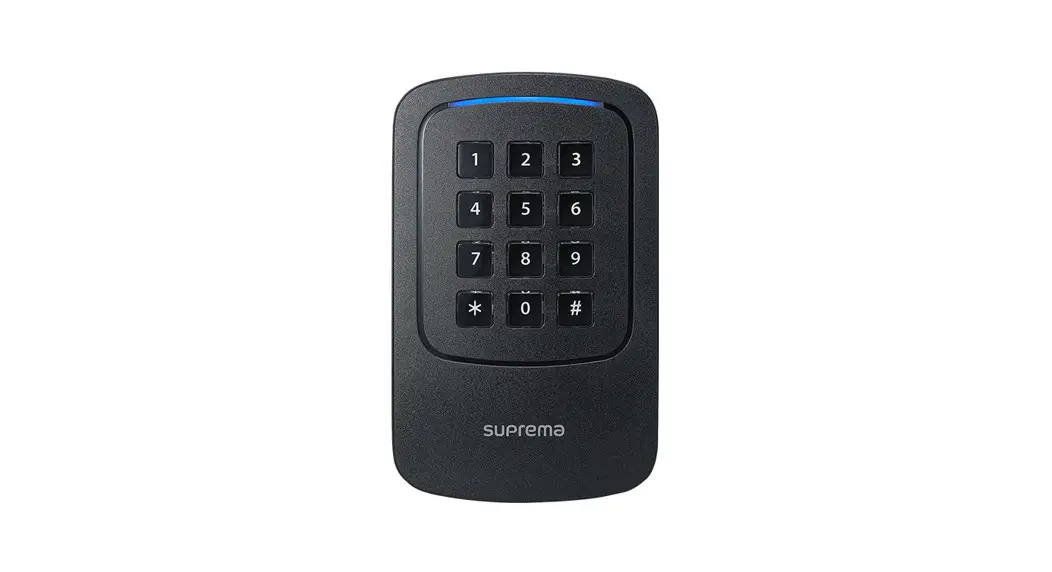
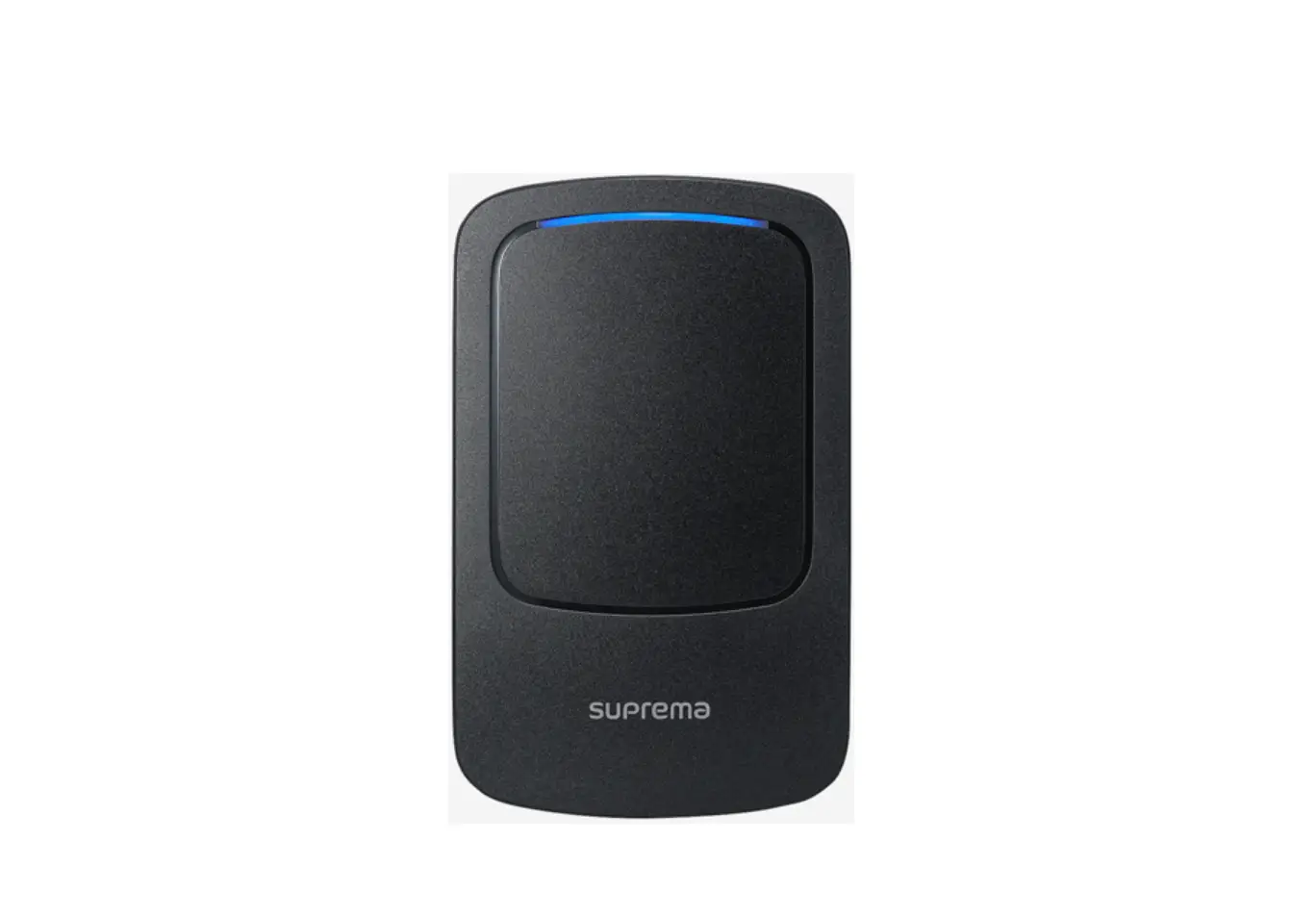
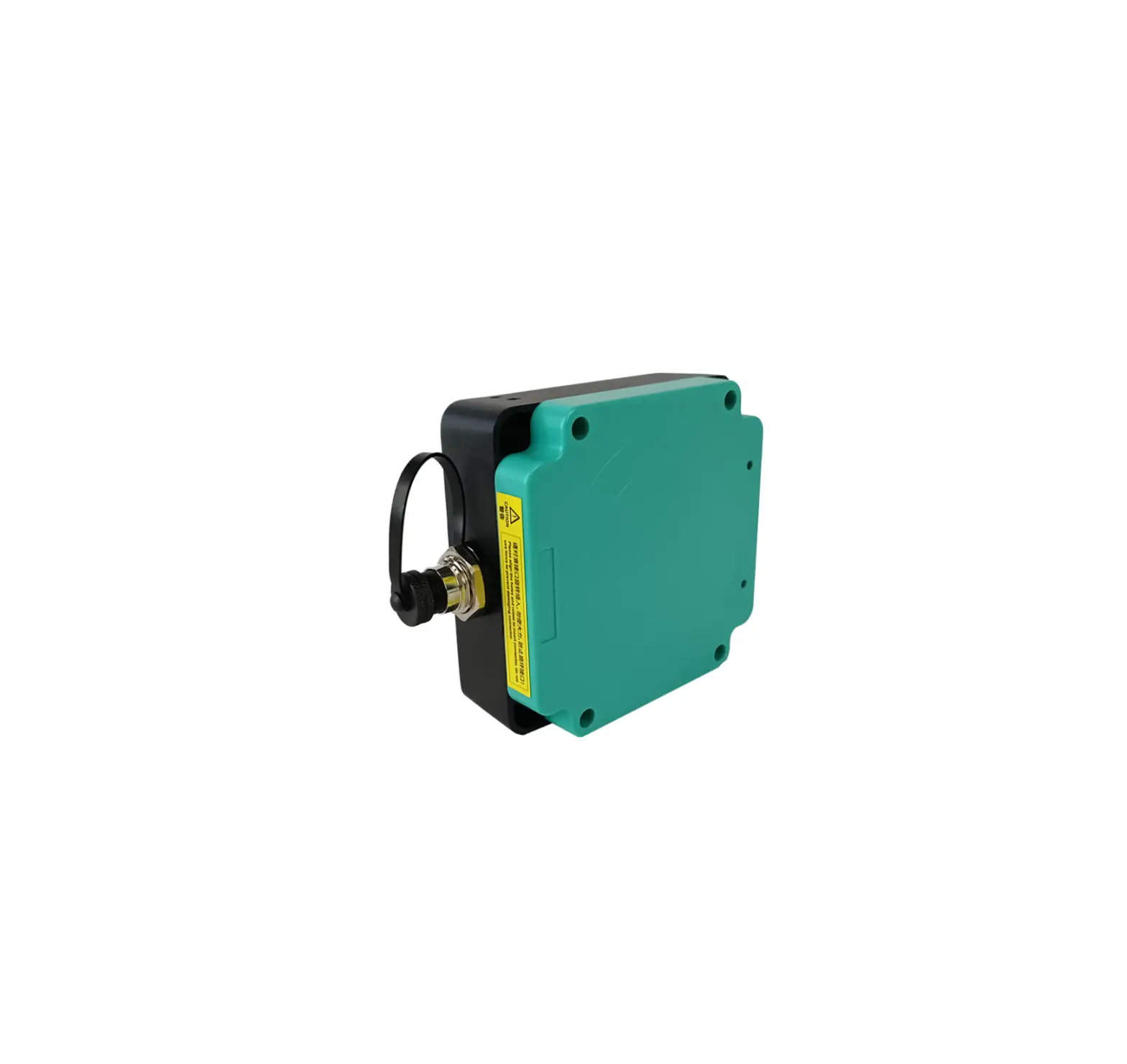
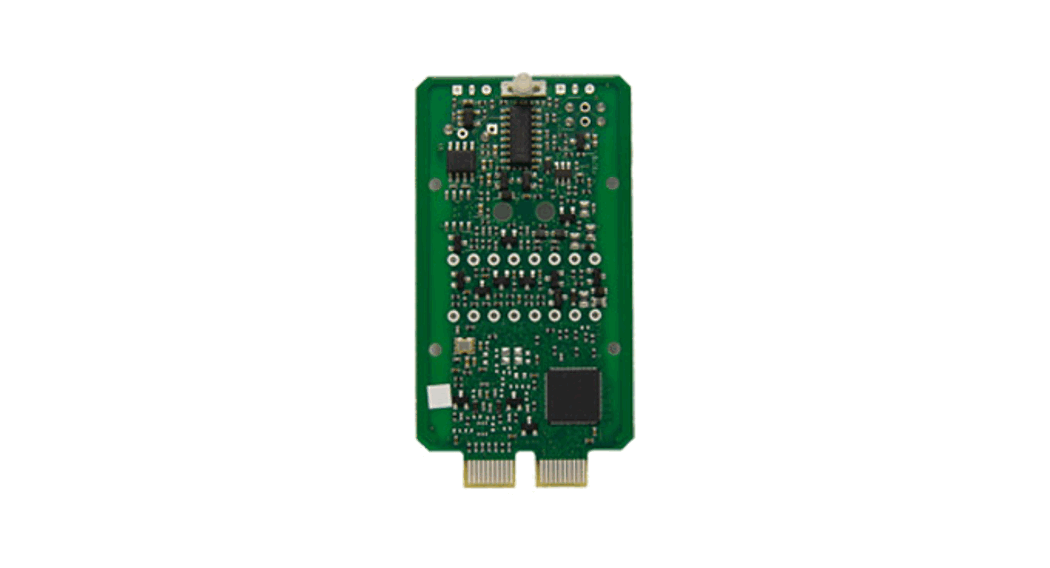
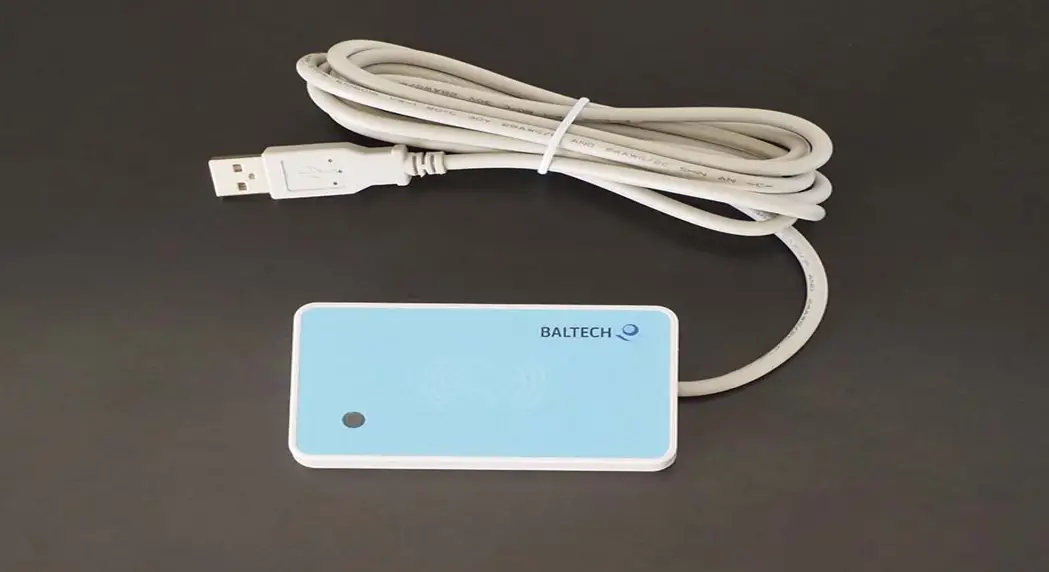
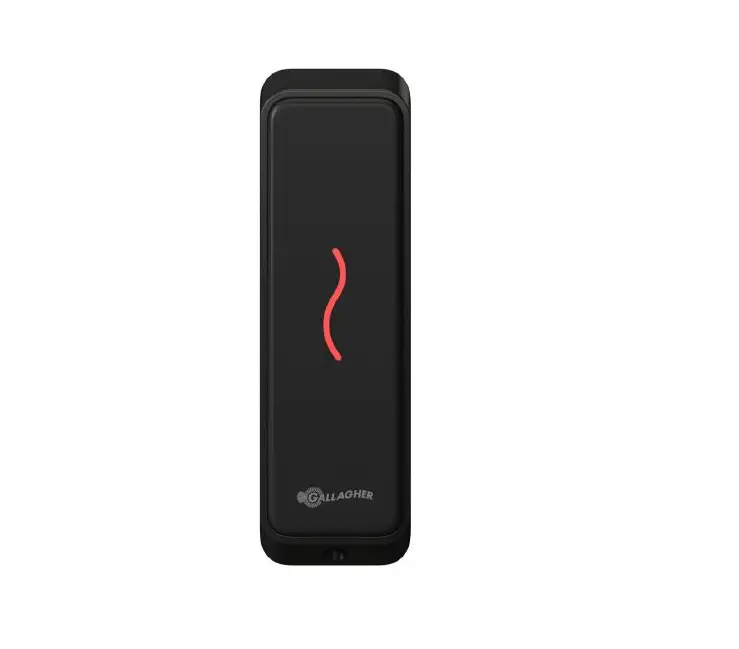
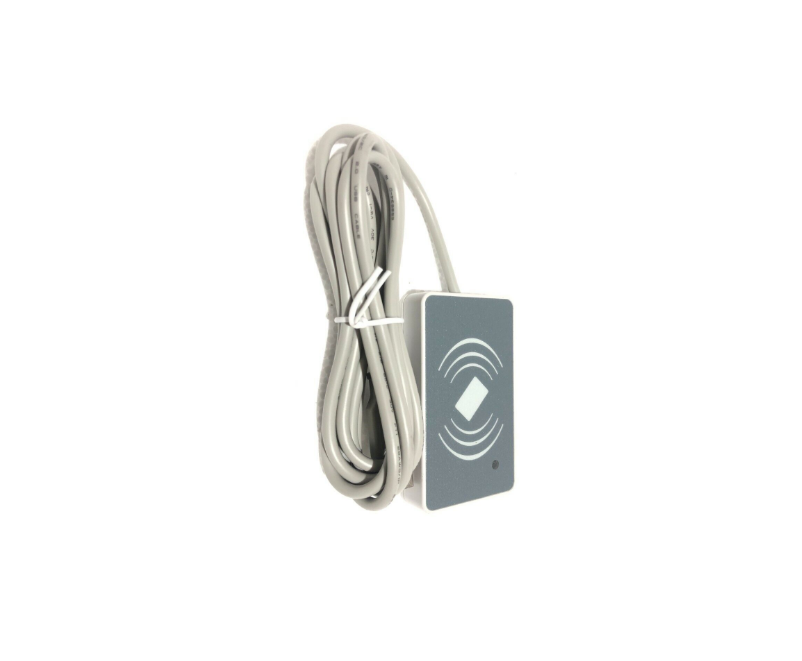
SL-RFM-P001 RFID Reader
Product Information:
- Product Name: OEM Installation Guidance SL-RFM-P001 reader
- FCC ID: 2A7AM-RFM001
Host Mounting Requirements:
Before installing the SL-RFM-P001 reader to the host, you must
mount the SL-RFM-P001 in a location and environment that meets the
following requirements:
- Ensure that the location is within the cabinet of the host and
ensure that any part of the module is not exposed outside the
cabinet. - Ensure that the location is dry.
- Ensure that the location is within the operating temperature
range of -20°C to 55°C. - Mount the module in a high location as possible. Mounting the
module below ground level can reduce the range of the system. - Mount the module in a location that is far away from sources of
interference, such as electric motors, heating, air conditioning
units, and other sources of electrical noise. Large metal objects
like heating ducts and plumbing can also shield the electromagnetic
waves. - Ensure that there are no obstructions blocking the rear of the
unit. - Ensure the power supply voltage always within 4.5~5.5Vdc /
200mA.
OEM Installation Notes:
- OEM integrators must ensure that their product is electrically
identical to SHENQI’s reference designs. Any modifications may
invalidate regulatory approvals or may necessitate notifications to
the relevant regulatory authorities. - The OEM integrator is responsible for ensuring that the
end-user has no manual instruction to remove or install the
module. - The OEM integrator is still responsible for testing their
end-product for any additional compliance requirements required
with this module installed. For example, a Class II Permissive
Change (C2PC) must be filed with the FCC and/or a new FCC
authorization for the host device. - OEM integrators shall not modify or change the fixed designed
PCB print antenna and must not co-locate or operate in conjunction
with any other antenna or transmitters. Otherwise, a Class II
Permissive Change (C2PC) must be filed with the FCC and/or a new
FCC authorization must be applied. - A user’s manual or instruction manual must be included with the
product, containing the text required by applicable law, to be
provided to OEM integrators. - For a Class A digital device or peripheral, the instructions
furnished to the user should include the following or similar
statement, placed in a prominent location in the text of the
manual:“Correct the interference by one or more of the following
measures:
- Reorient or relocate the receiving antenna.
- Increase the separation between the equipment and
receiver. - Connect the equipment into an outlet on a circuit different
from that to which the receiver is connected. - Consult the dealer or an experienced radio/TV technician for
help.”
expressly approved by the OEM/Integrator may cause harmful
interference and void the user’s authority to operate this
equipment.
with the FCC portable RF Exposure limits set forth for an
uncontrolled environment.
Product Usage Instructions:
- Ensure that the SL-RFM-P001 reader is mounted within the host
cabinet, with no part of the module exposed outside the
cabinet. - Ensure that the mounting location is dry and within the
operating temperature range of -20°C to 55°C. - Mount the module in a high location as possible to maximize
system range. - Avoid mounting the module near sources of interference such as
electric motors, heating, air conditioning units, and large metal
objects like heating ducts and plumbing. - Ensure there are no obstructions blocking the rear of the
unit. - Ensure the power supply voltage is always within the range of
4.5~5.5Vdc / 200mA.
OEM Installation Guidance SL-RFM-P001 reader
FCC ID: 2A7AM-RFM001
Host Mounting Requirements:
Before installing the SL-RFM-P001 reader to the host, you must mount the SL-RFM-P001 in a location and environment that meets the following requirements: l Ensure that the location is within the cabinet of host, and ensure that any part of the module is not exposed
outside the cabinet; l Ensure that the location is dry;
l Ensure that the location is within the operating temperature -20~55;
l Mount the module in a high location as possible. Mounting the module below ground level can reduce the range of the system;
l Mount the module in a location that is far away from sources of interference, such as electric motors, heating, air conditioning units, and other sources of electrical noise. Large metal object like heating ducts and plumbing can also shield the electromagnetic waves;
l Ensure that there are no obstructions blocking the rear of the unit; l Ensure the power supply voltage always within 4.5~5.5Vdc / 200mA
OEM Installation Notes:
1. OEM integrators must ensure that its product is electrically identical to SHENQI’s reference designs. Any modifications may invalidate regulatory approvals in relation to the product, or may necessitate notifications to the relevant regulatory authorities.
2. The OEM integrator is responsible for ensuring that the end-user has no manual instruction to remove or install module.
3. The OEM integrator is still responsible for testing their end-product for any additional compliance requirements required with this module installed. e.g. a Class II Permissive Change (C2PC) must be filed with the FCC and/or a new FCC authorization for the host device.
4. OEM integrator shall not modify and change the fixed designed PCB print antenna, and must not be co-located or operating in conjunction with any other antenna or transmitters, otherwise, a Class II Permissive Change (C2PC) must be filed with the FCC and/or a new FCC authorization must be applied.
5. Appropriate labels must be affixed to the product that complies with applicable regulations in all respects. The regulatory label on the final end product must be labelled in a visible area with the following “Contains TX FCC ID: 2A7AM-RFM001” or “Contains Transmitter Module FCC ID: 2A7AM-RFM001”. If the size of the end product is smaller than 8x10cm, then additional FCC part 15.19 statement is required to be available in the users’ manual: This device complies with Part 15 of the FCC Rules. Operation is subject to the following two conditions: (1) this device may not cause harmful interference, and (2) this device must accept any interference received, including interference that may cause undesired operation.
6. A user’s manual or instruction manual must be included with the product that contains the text as required by applicable law shall be provided to OEM integrators. They may include:
7. For a Class A digital device or peripheral, the instructions furnished the user shall include the following or similar statement, placed in a prominent location in the text of the manual:
This equipment has been tested and found to comply with the limits for a Class A digital device, pursuant to part 15 of the FCC Rules. These limits are designed to provide reasonable protection against harmful interference when the equipment is operated in a commercial environment. This equipment generates, uses, and can radiate radio frequency energy and, if not installed and used in accordance with the instruction manual, may cause harmful interference to radio communications. Operation of this equipment in a residential area is likely to cause harmful interference in which case the user will be required to correct the interference at his own expense.
For a Class B digital device or peripheral, the instructions furnished the user shall include the following or similar statement, placed in a prominent location in the text of the manual:
This equipment has been tested and found to comply with the limits for a Class B digitial device, pursuant to Part 15 of the FCC Rules. These limits are designed to provide reasonable protection against harmful interference in a residential installation. This equipment generates, uses and can radiate radio frequency energy and, if not installed and used in accordance with the instructions, may cause harmful interference to radio communications. However, there is no guarantee that interference will not occur in a particular installation. If this equipment does cause harmful interference to radio or television reception, which can be determined by turning the equipment off and on, the user is encouraged to try to
correct the interference by one or more of the following measures:
— Reorient or relocate the receiving antenna. — Increase the separation between the equipment and receiver. —Connect the equipment into an outlet on a circuit different from that to which the receiver is
connected. — Consult the dealer or an experienced radio/TV technician for help.
FCC Caution:
Any changes or modifications to this equipment not expressly approved by the OEM/Integrator may cause harmful interference and void the user’s authority to operate this equipment.
RF Exposure This device has been evaluated and shown compliant with the FCC portable RF Exposure limits set forth for an uncontrolled environment.
7. Per FCC Rule parts 15.225 The modular transmitter is only FCC authorized for the specific rule parts 15.225 listed on the grant, and that the host product manufacturer is responsible for compliance to any other FCC rules that apply to the host not covered by the modular transmitter grant of certification.
The modular transmitter NO its own RF shielding, and tested in a stand-alone configuratio. A Class II Permissive Change (C2PC) must be filed with the FCC and/or a new FCC authorization for the OEM host device.
The module was designed with the fixed PCB print antenna, any changes or modifications by the OEM integrator will require additional testing and evaluation.
The module has been evaluated and shown compliant with the FCC RF Exposure limits under portable exposure conditions. OEM integrator shall equipped the antenna to compliance with antenna requirement part 15.203& 15.204 and must not be co-located or operating in conjunction with any other antenna or transmitters.
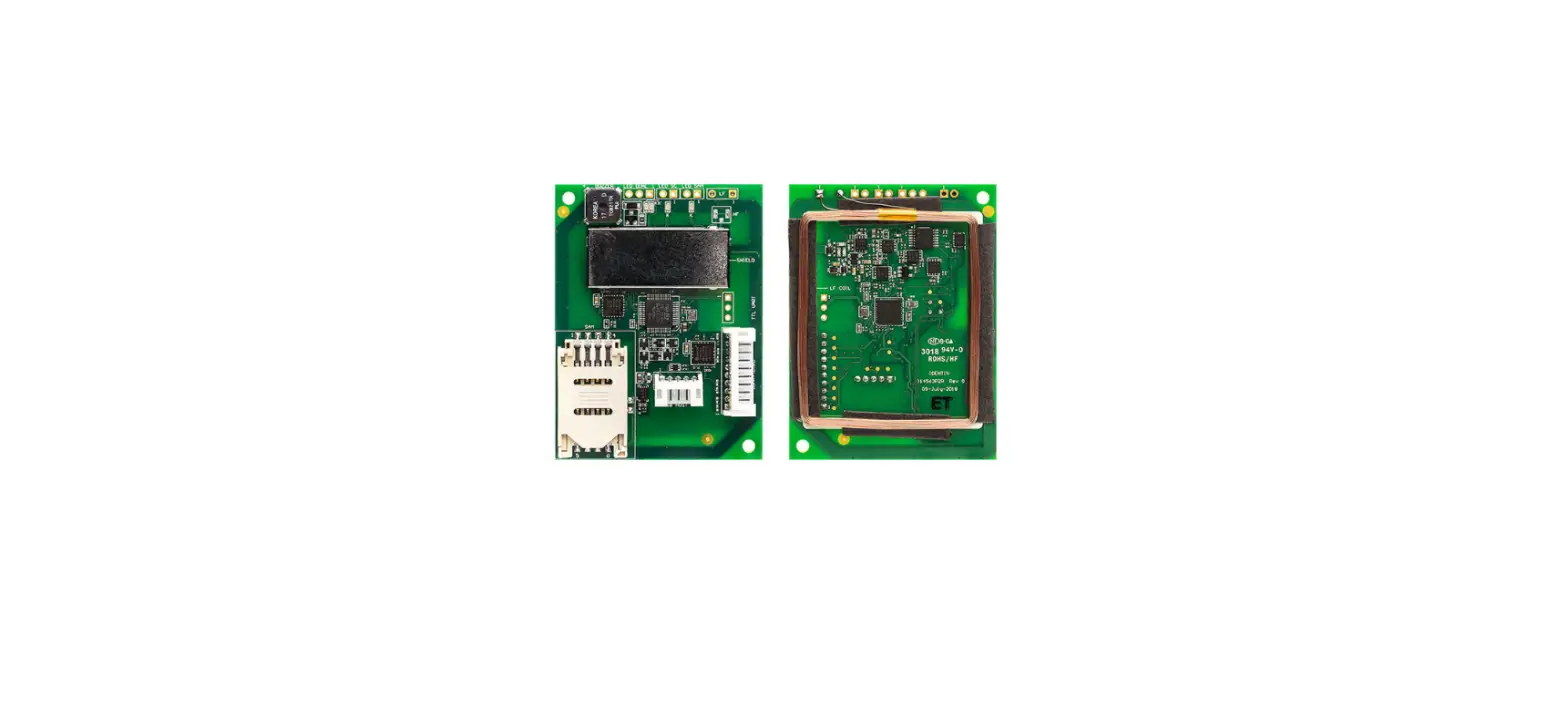
The antenna of the module was deisgned as PCB printed on the PCBA board and the best gain is 0dBi. Modification the antenna design may need additional testing and evaluation.
8. Additional testing, Part 15 Subpart B disclaimer This transmitter module is tested as a subsystem and its certification does not cover the FCC Part 15 Subpart B (unintentional radiator) rule requirement applicable to the final host. The final host will still need to be reassessed for compliance to this portion of rule requirements if applicable.
As long as all conditions above are met, further transmitter test will not be required. However, the OEM integrator is still responsible for testing their end-product for any additional compliance requirements required with this module installed.
IMPORTANT NOTE: In the event that these conditions cannot be met (for example certain laptop configurations or co-location with another transmitter), then the FCC authorization is no longer considered valid and the FCC ID can not be used on the final product. In these circumstances, the OEM integrator will be responsible for re- evaluating the end product (including the transmitter) and obtaining a separate FCC authorization.
The host product manufacturer is responsible for compliance with any other FCC rules that apply to the host not covered by the modular transmitter grant of certification. The final host product still requires Part 15 Subpart B compliance testing with the modular transmitter installed.
9. OEM/Host manufacturer responsibilities OEM/Host manufacturers are ultimately responsible for the compliance of the Host and Module. A Class II Permissive Change (C2PC) must be filed with the FCC and/or a new FCC authorization for final product. The final product must be reassessed also against all the essential requirements of the FCC rules such as FCC Part 15 Subpart B before it can be placed on the US market. This includes reassessing the transmitter module for compliance with the Radio and EMF essential requirements of the FCC rules. This module must not be incorporated into any other device or system without retesting for compliance as multi-radio and combined equipment
FOR PORTABLE DEVICE USAGE The product comples with the FCC portable RF exposure limit set forth for an uncontrolled environment and are safe for intended operation as described in this manual. The further RF exposure reduction can be achieved if the product can be kept as far as possible from the user body or set the device to lower output power if such function is available.