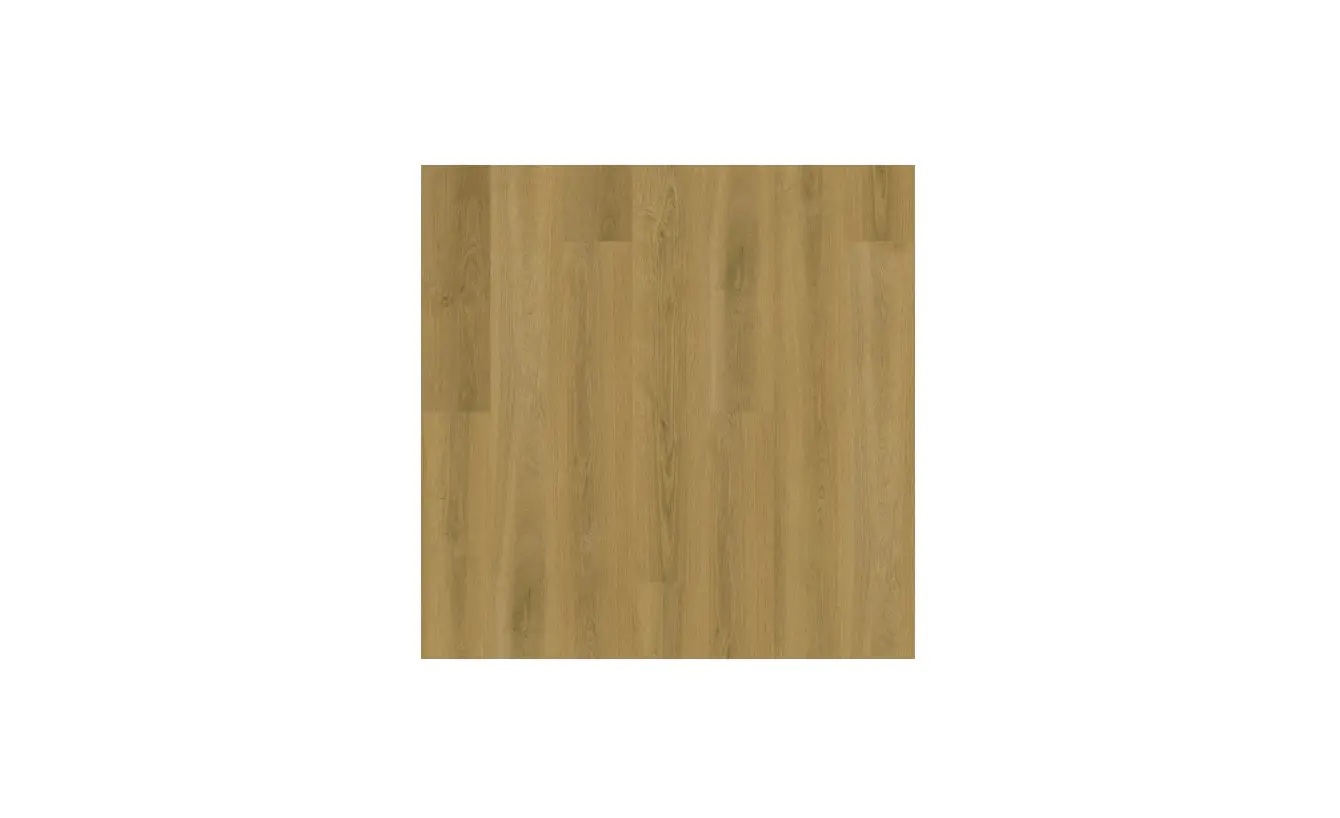
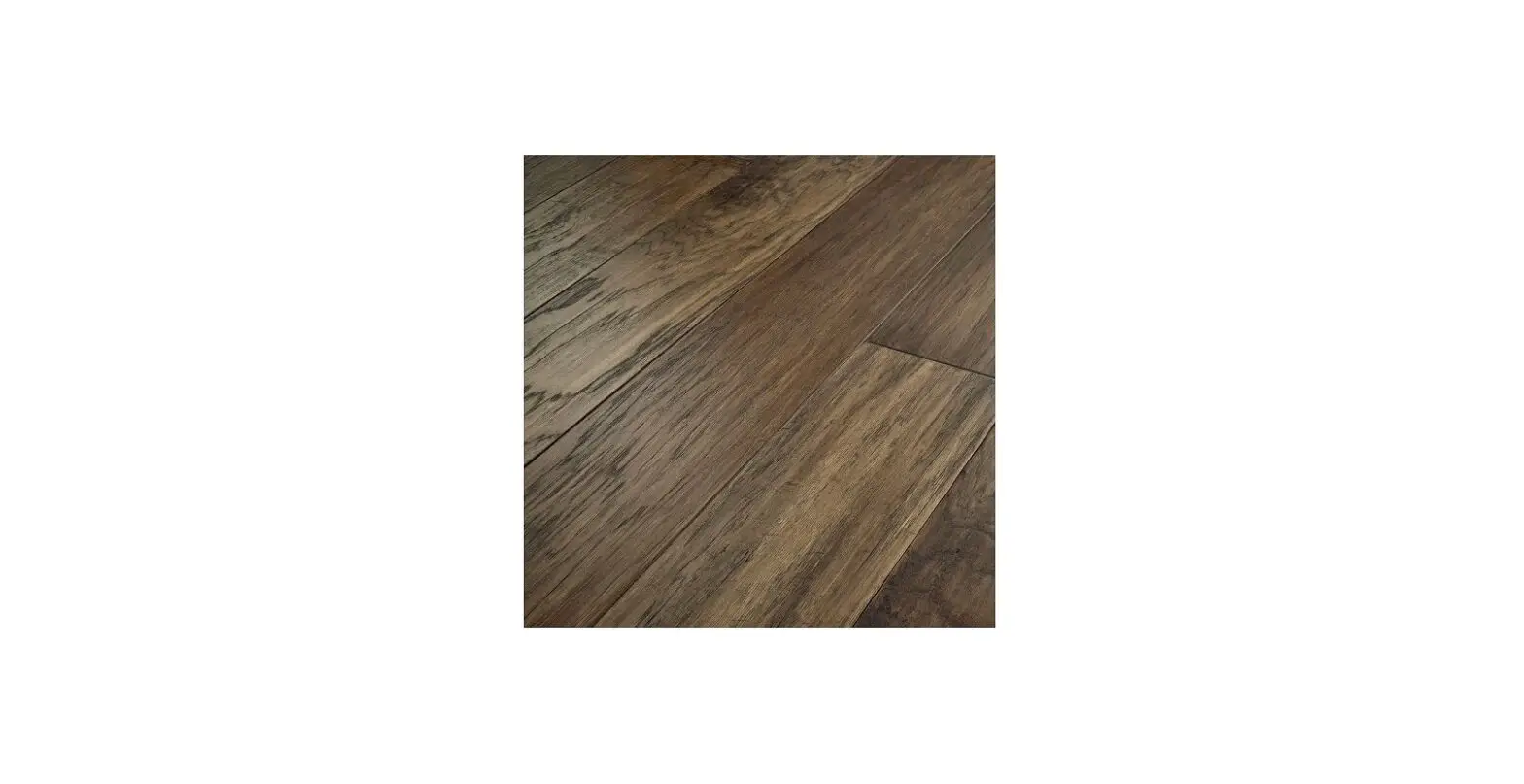
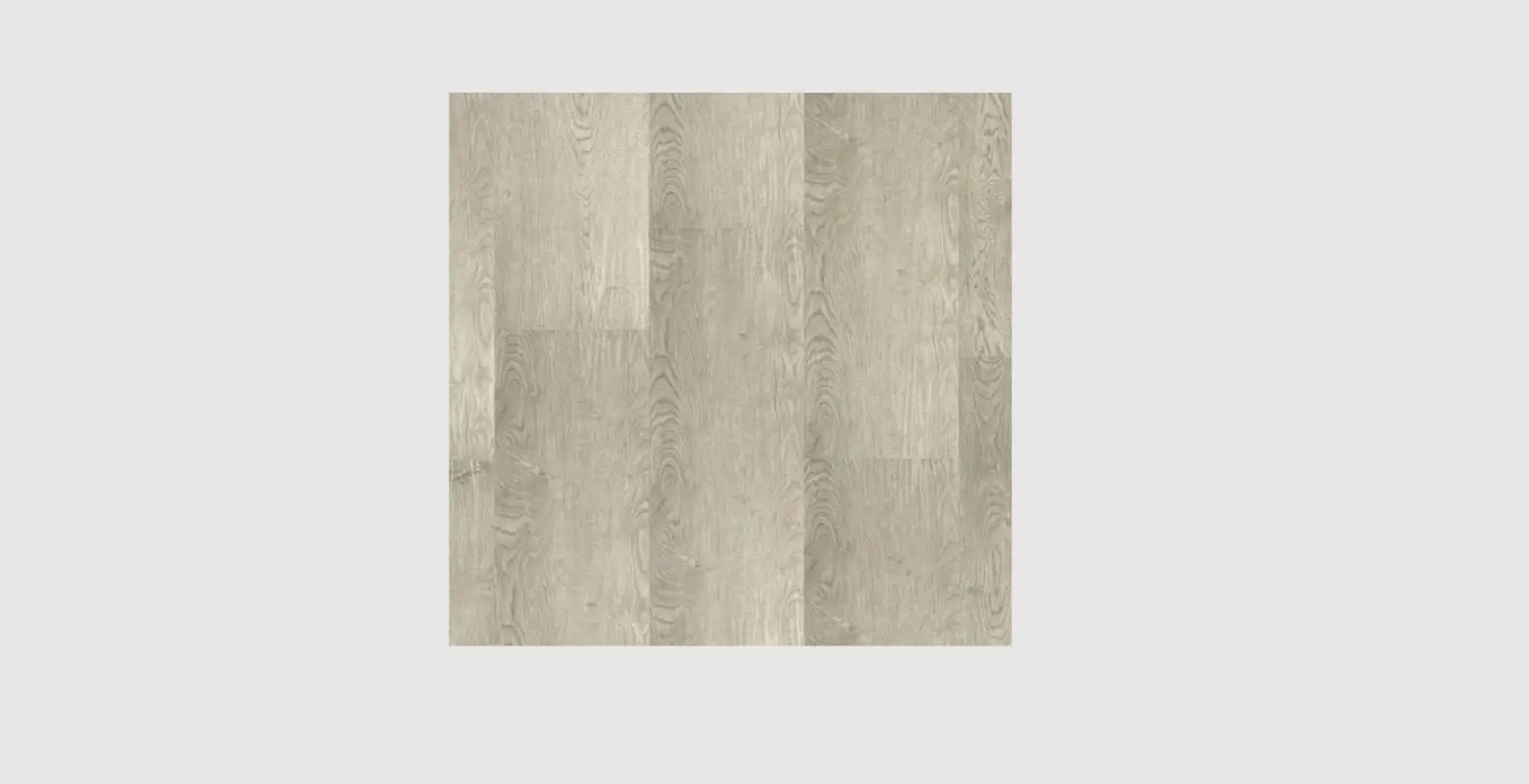
SIENA XL Hybrid Plank
Product Information
The product is Hybrid Flooring, specifically the 2G Angle to
Angle product variant called SIENA XL. It is important to read and
follow all instructions provided in the installation guide before
proceeding with the installation. During installation, it is
recommended to wear a dust mask (minimum P2) to protect against
dust particles.
The Hybrid Planks are not designed to be attached directly to
the subfloor or fitted flush against fixed vertical surfaces. They
should not be installed in areas prone to potential flooding or
standing water. Any damage caused by standing water or flooding is
not covered by the warranty.
It is important to note that the Hybrid Planks are not intended
to act as a moisture barrier or thermal barrier. If the subfloor
void is open to the natural environment, subfloor insulation must
be used, and proper ventilation in the void area should be
ensured.
Prior to installation, the installer should perform a
pre-installation checklist, which includes verifying that the
product (color, pattern, dimensions) matches the client’s
expectations, following the installation guide and recommendations,
and ensuring that the product has been kept in the same environment
for at least 24 hours.
The load on the Hybrid flooring should not exceed 180kg, as it
is a floating floor system. For situations where higher loads are
expected, NFD’s 2mm-5mm direct stick LVT should be considered
instead.
The subfloor condition plays a crucial role in the appearance
and durability of the installed floor. The subfloor must be smooth,
clean, and dry before installation. Hybrid Flooring can be
installed over most existing hard floor covering surfaces, but it
is not suitable for carpet or other soft flooring products.
Subfloor preparation should adhere to Australian Standards 1844:
2021 Resilient Sheet and Tiles Installation Practices. The floor
surface should be smooth and level, with no part of the surface
being more than 4mm below a straightedge measuring 2000mm long. Any
high points should be removed to achieve a consistent level.
Concrete subfloors must have a moisture content below 4%, while
timber subfloors should be structurally sound and within the
planeness tolerance mentioned above. Moisture tests should be
carried out in accordance with Australian Standards 1884: 2021
Appendix A, and the results should be recorded.
Hybrid Planks should not be used as a moisture barrier, damp
proof membrane, or waterproofing barrier. They should not be
installed in areas prone to potential flooding or standing water,
as any resulting damage is not covered by the warranty.
If installing the Hybrid Planks over radiant heating systems,
specific instructions should be followed.
Product Usage Instructions
- Ensure that you have read and understood the installation guide
provided. - Wear a dust mask (minimum P2) during installation to protect
against dust particles. - Do not attach the Hybrid Planks directly to the subfloor or fit
them flush against fixed vertical surfaces. - Avoid installing the Hybrid Planks in areas prone to potential
flooding or standing water. - If the subfloor void is open to the natural environment, use
subfloor insulation and ensure proper ventilation in the void
area. - Perform a pre-installation checklist to verify that the product
matches the client’s expectations and that the installation guide
and recommendations are being followed. - Keep the product in the same environment for at least 24 hours
before installation. - Ensure that the load on the Hybrid flooring does not exceed
180kg. Consider NFD’s 2mm-5mm direct stick LVT for higher load
situations. - Prepare the subfloor according to Australian Standards 1844:
2021 Resilient Sheet and Tiles Installation Practices. - Ensure the floor surface is smooth and level, removing any high
points to achieve consistency. - Concrete subfloors must have a moisture content below 4%, and
timber subfloors should be structurally sound and within the
planeness tolerance mentioned above. - Record the results of moisture tests conducted in accordance
with Australian Standards 1884: 2021 Appendix A. - Avoid installing the Hybrid Planks in areas prone to potential
flooding or standing water, as any resulting damage is not covered
by the warranty. - Follow specific instructions for installing the Hybrid Planks
over radiant heating systems.
Hybrid Flooring INSTALLATION GUIDE
2G ANGLE TO ANGLE PRODUCTS: SIENA XL
Materials shall be installed in accordance with AUSTRALIAN STANDARDS 1884: 2021 Floor Coverings Resilient Sheet and Tiles Installation Practices.
Please read and follow all instructions below before installation. Please ensure that a dust mask (minimum P2) is used during installation.
INTRODUCTION:
Hybrid Plank is a floating floor product system that can be installed over nearly any indoor existing floor structure. A 10mm expansion gap around the perimeter is required as the product may expand and contract with heat and humidity. As the product is designed to expand and contract, and cannot be locked down at the edges of the room with scotia or skirting board; a 1mm gap must be left between scotia/skirting board and floor. NFD supply matching trims and scotia to cover expansion gaps where required, otherwise a moulding system is required to cover the gap when skirtings are left in place. An expansion gap is required over any area greater than 15m in length or width.
DO NOT: At any point, attach hybrid plank to subfloor Fit flush against fixed vertical surfaces
Hybrid Planks are not designed to act as a moisture barrier and is not to be installed in potential flooding or standing water areas. In the case of standing water or flooding, any damage caused is not covered by this warranty.
Hybrid Planks are not to be used as a thermal barrier and sub floor insulation must be used if the below void is open to the natural environment. Approved ventilation is also critical in the below void area.
PRE-INSTALLATION CHECKLIST:
The installer is responsible to check all flooring material prior to installing. Use the following checklist:
Is this the correct product (colour, pattern, dimensions)? Are the client’s expectations met with the product? Is the installation guide and recommendations being followed? Has the product been kept in the same environment for at least 24 hours?
Point Load Factors
NFD Hybrid products being a floating floor system should have no load exceeding 180kg. Only NFD’s 2mm-5mm direct stick LVT should be considered in this situation.
Page | 1
Installer Responsibility:
Prior to installing, flooring should be inspected and the installer must determine that the job-site environment and associated subfloor meet or exceed all applicable standards. NFD declines any job failure responsibility resulting from or associated with subfloors, substrates or job-site environmental deficiencies. Construction and material industries recommendations, as well as local statutory codes, must be adhered. It is recommended that the construction and subfloor be flat, dry and structurally sound. Stain, filler or putty stuck for touch-up and other appropriate products for correcting subfloor voids is acceptable, as part of normal installation procedures.
SUBFLOORS:
The subfloor condition can influence the finished appearance and dramatically affect the life and serviceability of the floor. All floors must be smooth, clean and dry before installation
Hybrid Flooring can be installed over most existing hard floor covering surfaces, see below for notes and requirements for surfaces. Carpet and other soft flooring products are not suitable substrates.
Subfloor preparation must adhere to Australian Standards 1844: 2021 Resilient Sheet and Tiles Installation Practices.
Planeness: Ensure that the floor surface is smooth and level; when a straight edge 2000mm long is placed at any position at rest at two points on the surface, no part of the surface shall be more than 4mm below the straightedge. Any high points should be removed to become consistent with the level.
Smoothness: When a straightedge 150mm long is placed at any position at rest at two points on the surface, no part of the surface shall be more than 0.5mm below the straightedge.
Concrete Subfloors: Concrete subfloors must be below 4% moisture content. Timber Subfloors: Timber floors must be structurally sound and within the planeness
tolerance stated above.
A record of a moisture test results must always be carried out in accordance with Australian Standards 1884: 2021 Appendix A.
Hybrid Planks are not designed as a moisture barrier, damp proof membrane or waterproofing barrier, and is not to be installed in potential flooding or standing water areas. In the case of standing water or flooding, any damage caused is not covered by this warranty.
Heating Systems: Follow the instructions below to install Hybrid Planks over radiant heating systems.
1. The radiant heat surface temperature must not exceed 28°C 2. Use the radiant heating system at maximum capacity to remove any excess moisture, before
installing. 3. Maintain the room temperature between 15-26°C before installation. 4. Flooring products must be kept in the same environment for at least 24 hours before use. 5. Apply radiant heat gradually, 24 hours after installation
Page | 2
INSTALLATION: 1. Prepare all rulers, cutters, spreaders and compass dividers before begin to work. 2. Check that the colour is as selected. Once installed NFD is not responsible for colour/dye or colour inconsistencies. Check that the boxes of planks are of the same batch/lot number. 3. Find the exact centre of the floor by marking vertical and horizontal lines across the floor. 4. Measure the squareness of the marked lines, and then start on the first quarter of the marked floor space. 5. Keep a distance of 10mm from the wall and the edge of the flooring products. Press products down firmly so that the products lie flat on the ground.
CUSTOM STAIR TREAD: Stairs must be clean dry and free from any debit suitable for bonding to. Stairs need to be square edge and therefore the face may need to be packed. Remove any cushion underlay backing from all product that is to be used on the stairs. Custom stair treads must be fully adhered to the tread and face of the stair by using the timber insert. All products used on stairs must also be fully adhered. A suitable high temperature resistant adhesive must be used. The top custom stair tread must also be fixed to the stair and if the same product is used adjoining an expansion must be left with a T cover or any other suitable cover allowing for the correct expansion space.
Page | 3