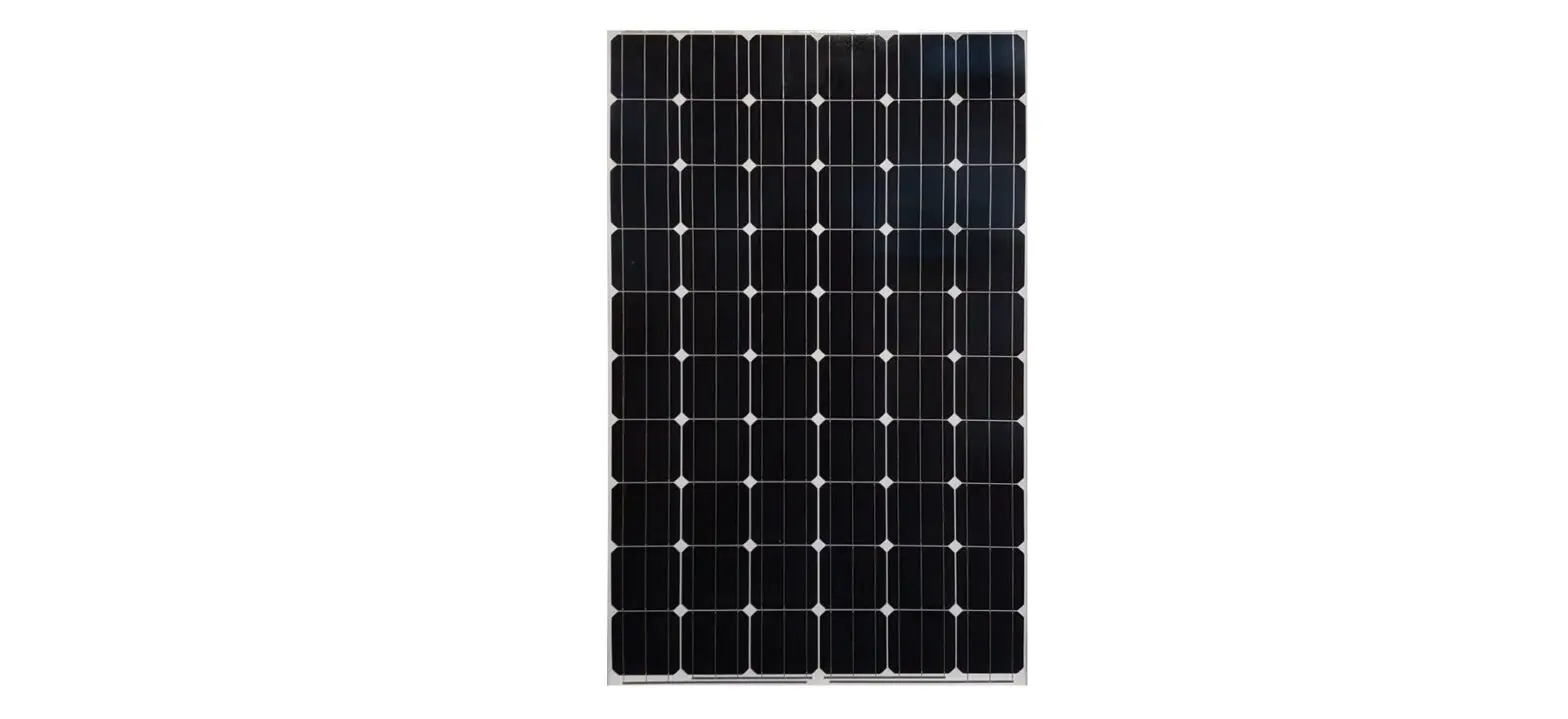
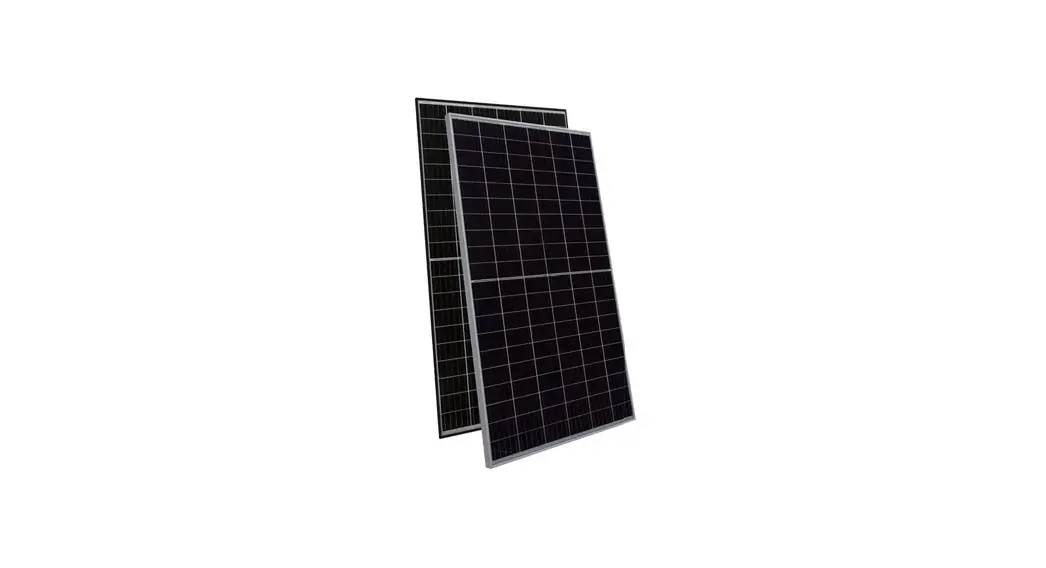
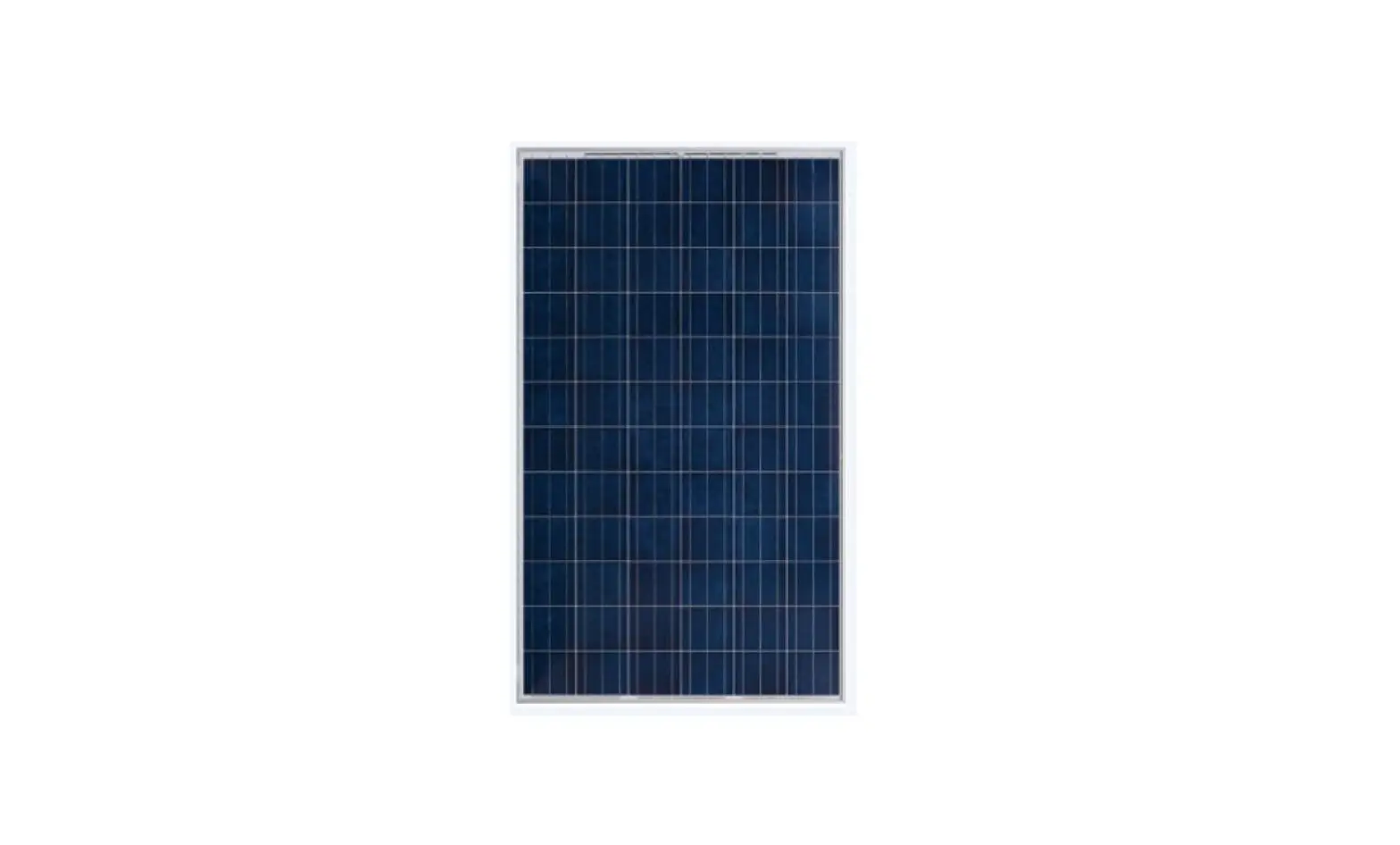
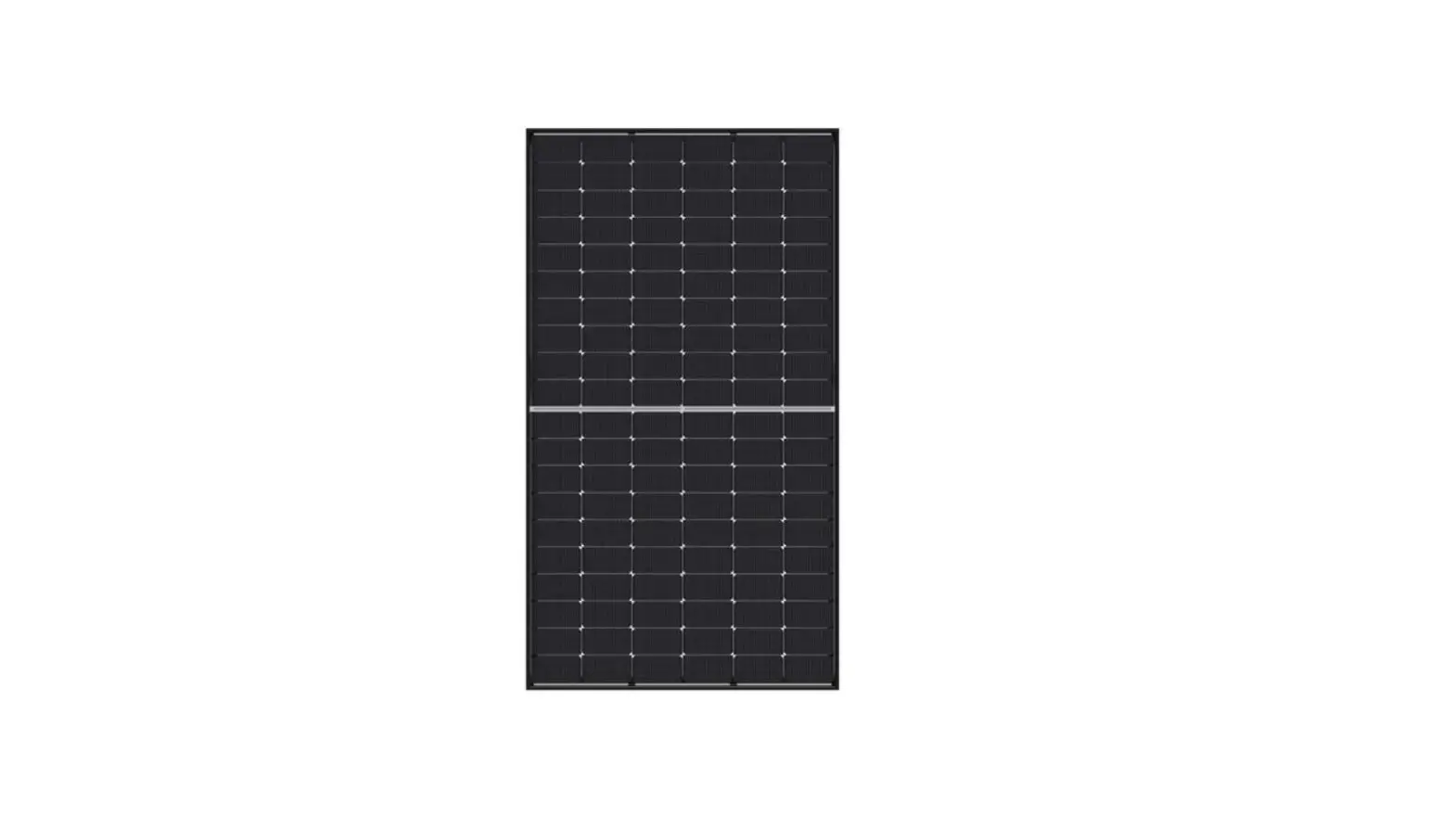
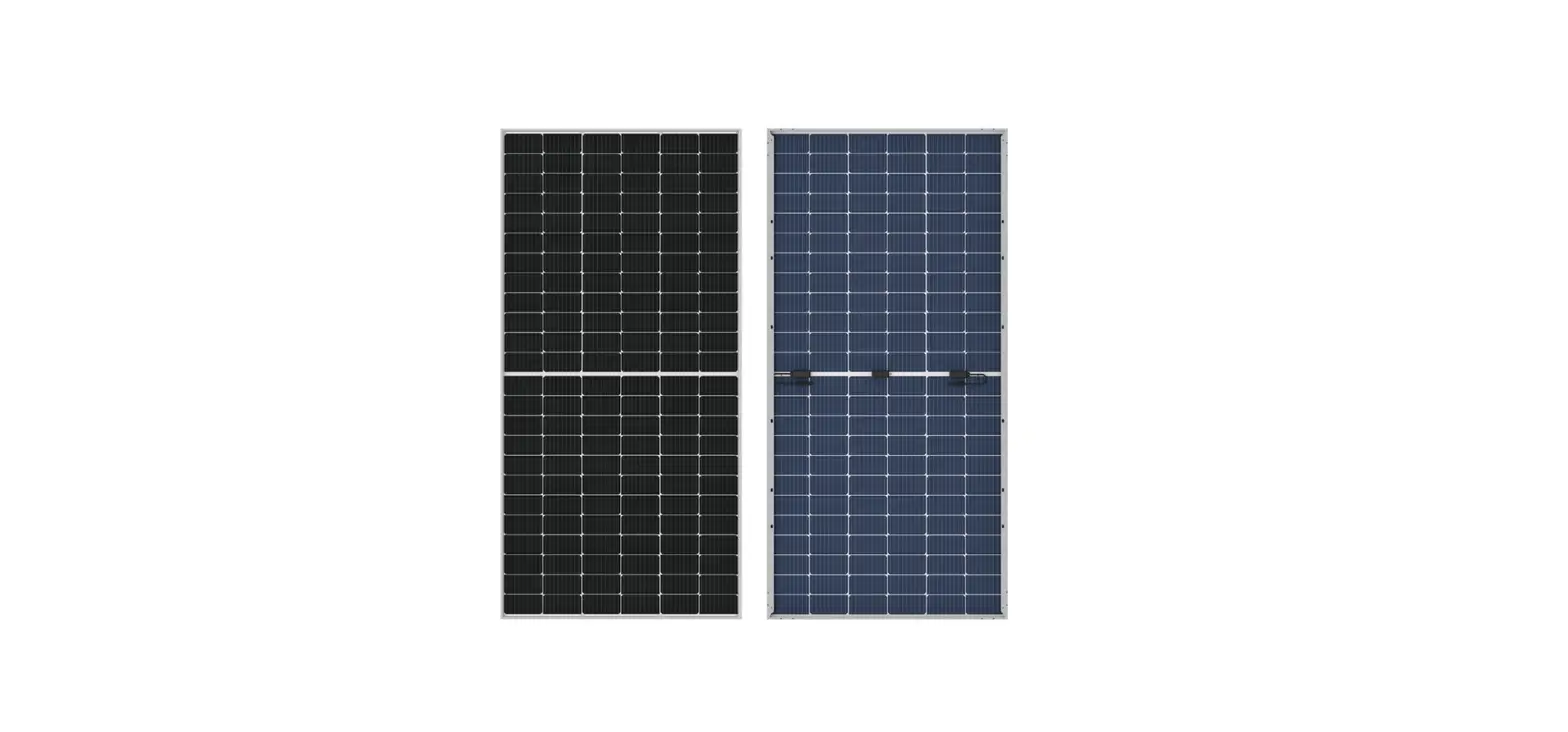
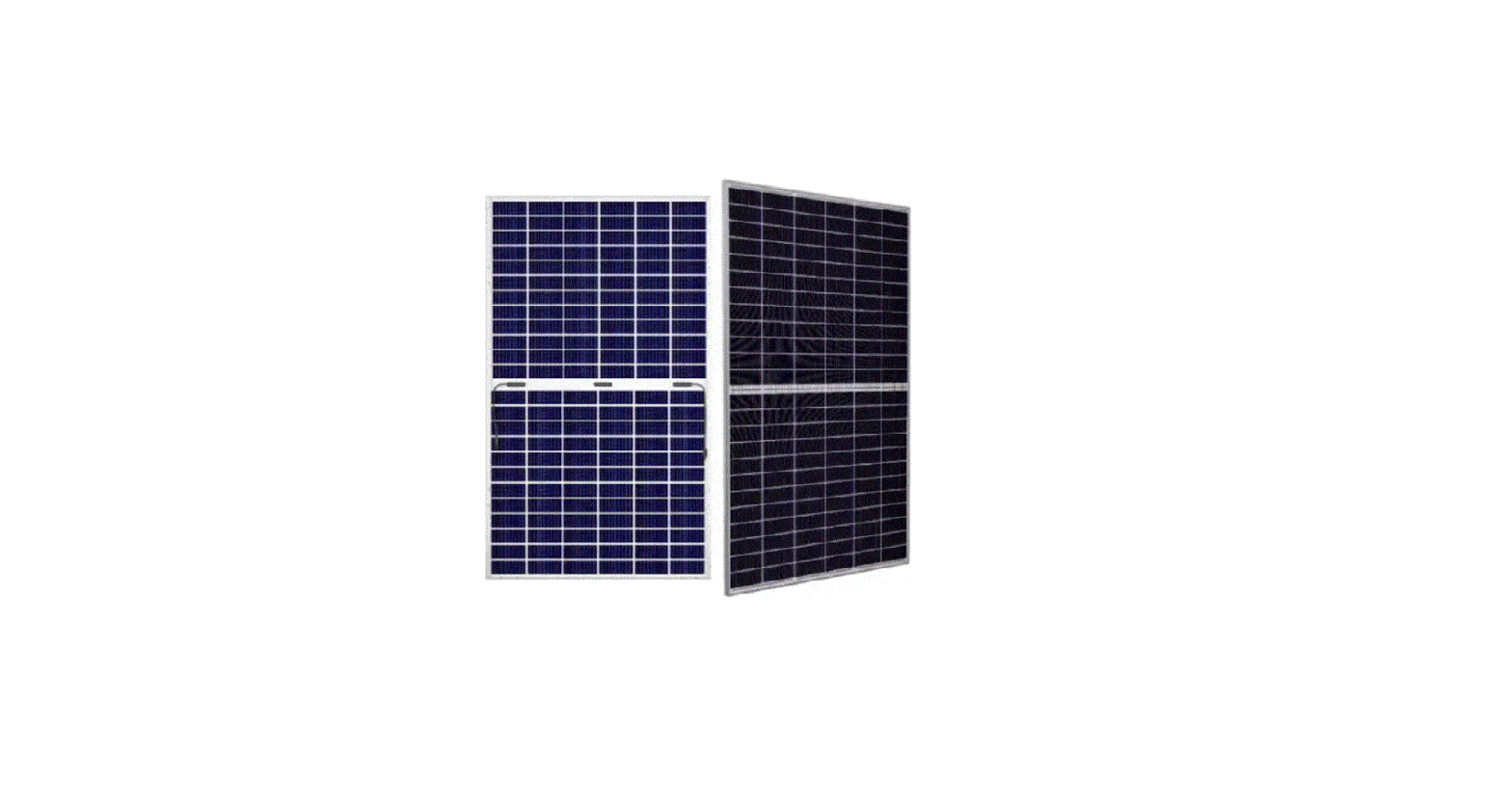
JKMxxxPP PV Modules
Product Information
General Information
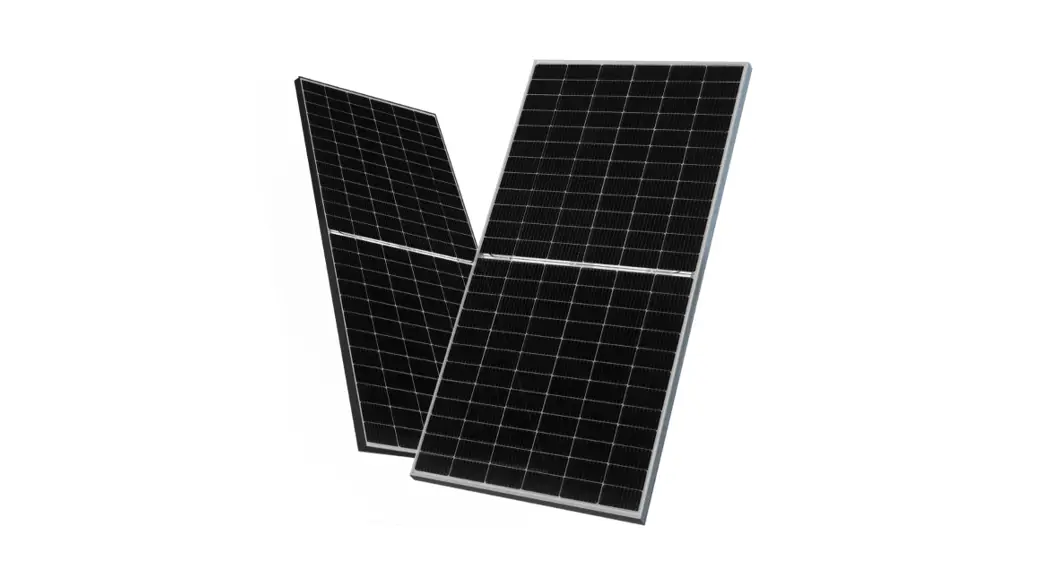
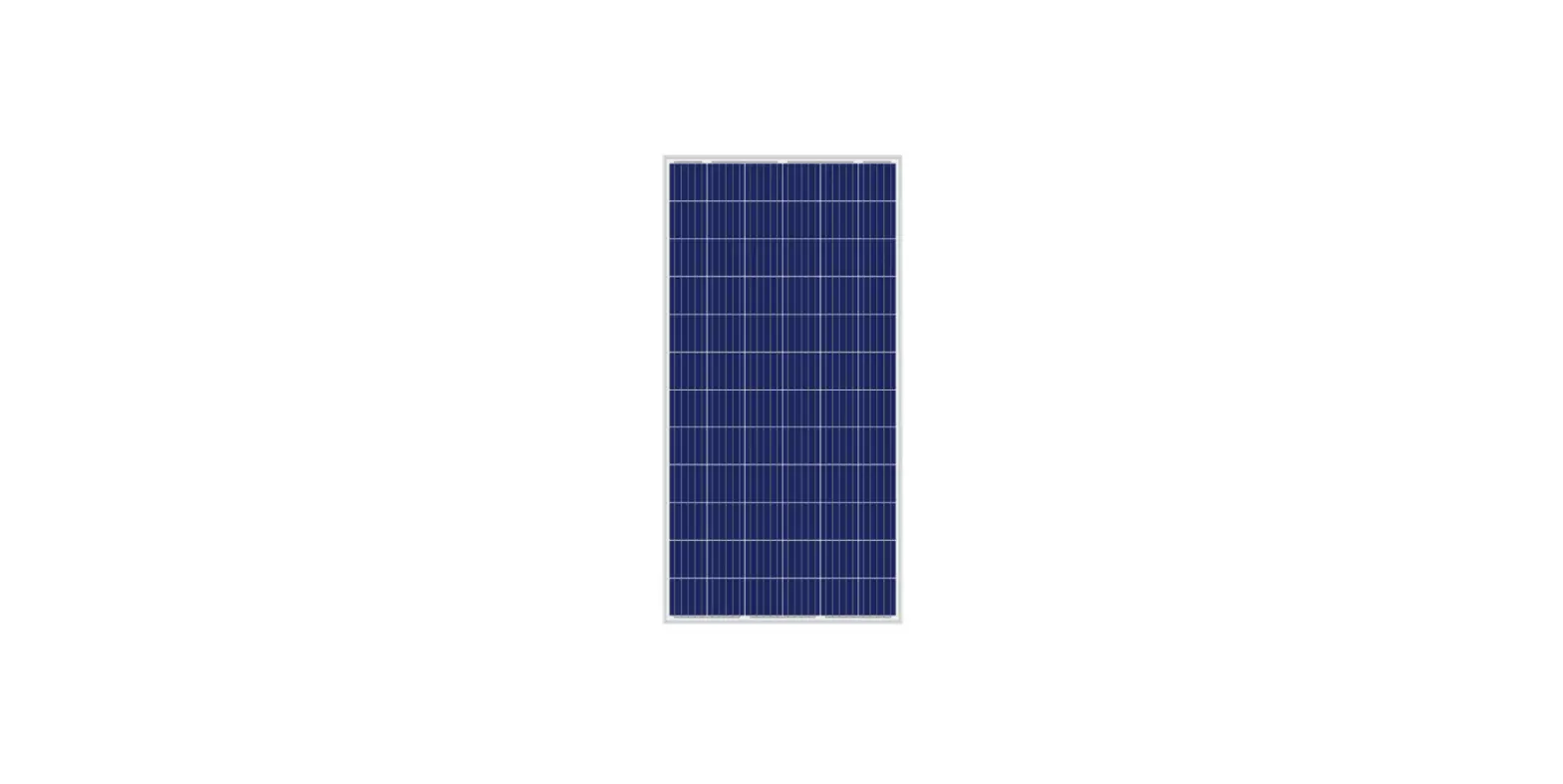
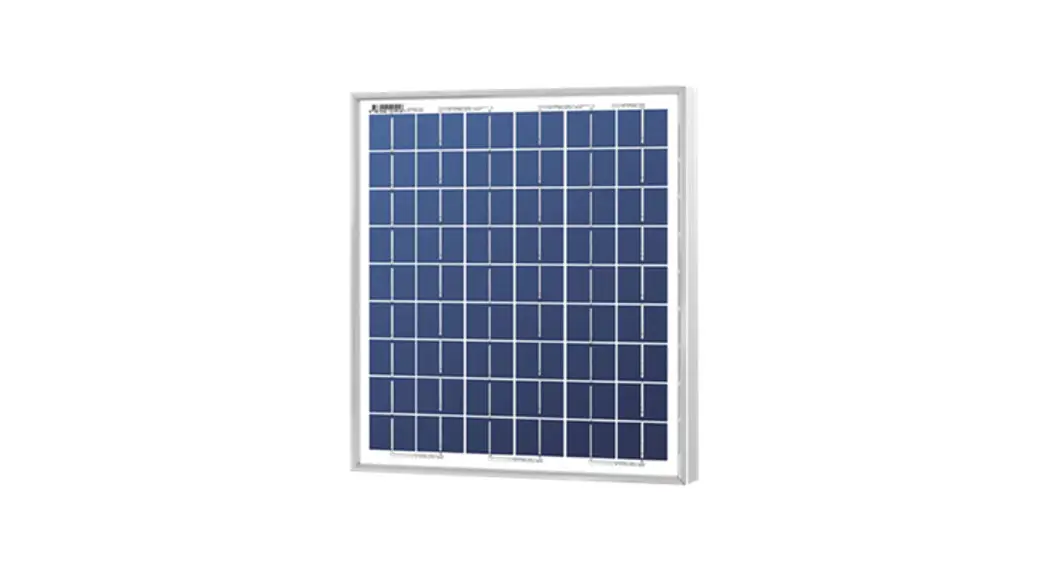
The product is a photovoltaic (PV) module designed to generate
DC electrical energy when exposed to sunlight or other light
sources. It consists of PV cells enclosed in a protective glass
panel.
Warnings
- PV modules can generate burns, sparks, and lethal shock,
especially at the terminals. Exercise caution when handling. - Avoid directing artificially concentrated sunlight onto the
module or panel. - Broken solar module glass can cause electric shock or fire.
Replace damaged modules immediately as they cannot be
repaired. - During installation, cover the modules with an opaque material
to reduce the risk of electrical shocks or burns. - Installation and maintenance work should be done by qualified
personnel under sun-sheltering covers or sunshades. - Follow the battery manufacturer’s recommendations if using
batteries with the modules. - Do not use the module to replace roofs or walls of living
buildings. - Avoid installing modules where flammable gas may be
present. - Use insulated tools for electrical connections to prevent
electric shock. - If the power supply is not disconnected, do not use water to
extinguish a fire. - Do not remove any part installed by Jinko Solar or disassemble
the module. - Read and understand all instructions before installing, wiring,
operating, and maintaining the module. - Avoid lifting PV modules using the attached cables or junction
box. - All Dual glass PV systems, except non-metallic frames, must be
earthed according to relevant regulations. - Under normal conditions, the module may produce more current
and/or voltage than reported at standard test conditions. Multiply
the Isc and Voc values on the module by 1.25 when determining PV
system component voltage ratings, conductor current ratings, fuse
sizes, and size of controls connected to the PV output. - During transportation, unpack all parts properly with
care. - Do not stand or step on the PV module to avoid damage and
injury. - Only connect PV modules with the same cell size in series.
- Avoid subjecting the module to shock or vibration during
transportation to prevent damage or cell micro cracks. - Avoid dropping the module from a vehicle, house, or hands
during transportation to prevent damage. - Protect modules (glass, junction boxes, connectors, etc.) from
long-term exposure to environments containing sulfur, strong acid,
strong alkaline, etc., which may cause corrosion. - Clean the glass surface of the module only with tap water. Do
not use chemicals or corrosive substances.
Product Usage Instructions
Follow these instructions for safe and proper usage of the PV
module:
- Handle the module with caution to avoid burns, sparks, and
electric shock. - Avoid directing concentrated sunlight onto the module or
panel. - Regularly check for any broken glass on the module and replace
it immediately if found. - During installation, cover the module with an opaque material
to prevent electrical shocks or burns. - Ensure that only qualified personnel install or perform
maintenance work on the module under sun-sheltering covers or
sunshades. - If using batteries with the module, follow the recommendations
of the battery manufacturer. - Do not use the module to replace or partly replace roofs and
walls of living buildings. - Avoid installing the module where flammable gas may be
present. - Use insulated tools for electrical connections to prevent
electric shock. - If there is a fire, make sure to disconnect the power supply
before attempting to extinguish it. - Do not remove any part installed by Jinko Solar or attempt to
disassemble the module. - Read and understand all instructions provided before attempting
to install, wire, operate, and maintain the module. - Avoid lifting the PV module using the attached cables or
junction box. - Ensure proper earthing of all Dual glass PV systems except
non-metallic frames according to relevant regulations. - Consider the increased current and/or voltage production of the
module under normal conditions when determining voltage ratings,
conductor current ratings, fuse sizes, and size of controls
connected to the PV output. - Handle all parts of the module carefully during transportation
and unpack them properly at the installation site. - Avoid standing or stepping on the PV module to prevent damage
and injury. - Connect only PV modules with the same cell size in series.
- Avoid subjecting the module to shock or vibration during
transportation to prevent damage or cell micro cracks. - Take precautions to prevent dropping the module from a vehicle,
house, or hands during transportation to avoid damage. - Protect modules (glass, junction boxes, connectors, etc.) from
long-term exposure to environments containing sulfur, strong acid,
strong alkaline, etc., which may cause corrosion. - Clean the glass surface of the module only with cool tap water.
Avoid cleaning when the module surface temperature is high to
prevent glass breakage. Do not use chemicals or corrosive
substances.
1. General Information
1.1 Overview
Thanks for choosing Jinko Solar PV modules. In order to ensure the PV modules are installed correctly, please read the following installation instructions carefully before modules are installed and used. Please remember that these products generate electricity and certain safety measures need to be taken to avoid danger. Make sure the module array is designed in such a way not to exceed the maximum system voltage of any system component such as connectors or inverters. The assembly is to be mounted over a fire resistant roof covering rated for the application. Before mounting the module, please consult your local building department to determine approved roofing materials. The modules are qualified for application class A: Hazardous voltage (IEC 61730: higher than 50V DC; EN 61730: higher than 120V), hazardous power applications (higher than 240W) where general contact access is anticipated. Modules qualified for safety through EN IEC 61730-1 and -2 within this application class are considered to meet the requirements for Safety Class II.
1.2 Warnings
l PV modules generate DC electrical energy when exposed to sunlight or other light sources. Active parts of module such as terminals can result in burns, sparks, and lethal shock.
l Artificially concentrated sunlight shall not be directed on the module or panel.
l Front protective glass is utilized on the module. Broken solar module glass is an electrical safety hazard (may cause electric shock or fire). These modules cannot be repaired and should be replaced immediately.
l To reduce the risk of electrical shocks or burns, modules may be covered with an opaque material during installation to avoid injury.
l The installation work of the PV array can only be done under the protection of sun-sheltering covers or sunshades and only qualified person can install or perform maintenance work on this module.
l Follow the battery manufacture`s recommendations if batteries are used with modules.
-1-
l Do not use this module to replace or partly replace roofs and walls of living buildings. l Do not install modules where flammable gas may be present. l Do not touch live terminals with bare hands. Use insulated tools for electrical connections. l Do not use water to extinguish the fire when the power supply is not disconnected. l
Use insulated tools for electrical connection
l Do not remove any part installed by Jinko Solar or disassemble the module. l All instructions should be read and understood before attempting to install, wire, operate and
maintain the module. l Don’t lift up PV modules using the attached cables or the junction box. l All Dual glass PV systems except the non-metallic frame must be earthed. If there is no
special regulation, please follow the National Electrical Code or other national code. l Under normal conditions, a photovoltaic module is likely to experience conditions that
produce more current and/or voltage than reported at standard test conditions. Accordingly, the value of Isc and Voc marked on the module should be multiplied by 1.25 when determining PV system component voltage ratings, conductor current ratings, fuse sizes, and size of controls connected to the PV output. l Once the PV module has been shipped to the installation site, all of the parts should be unpacked properly with care.
l Do not stand or step on the PV module like below pictures show. This is prohibited and there is a risk of damage to the module and cause injury for you.
l Only PV modules with the same cell size should be connected in series. l During transporting modules, please attempt to minimize shock or vibration to the module,
as this may damage the module or lead to cell micro cracks.
-2-
l During all transportation situations, never drop the module from a vehicle, house or hands. This will damage module.
l Modules (glass, junction boxes, connectors, etc.) shall be protected from long-term exposure to environments containing sulfur, strong acid, strong alkaline, etc., which may pose a risk of corrosion to the product.
l Do not clean the glass with chemicals. Only use tap water. Make sure the module surface temperature is cool to the touch. Cleaning modules with cool water when module surface temp is high may result in glass breakage. Do not brush paint or corrosive substances on the surface of the modules.
l Do not disconnect any of the modules when under load. l When looking at PV modules with anti-reflection (AR) coating technology, it will be normal
to see some cells with a slight color difference at different angles. Modules with LRF(light reflective film) and without LRF should not be built in the same array or roof. l The junction box connector should not be in contact with oily substances, organic solvents and other corrosive materials to avoid damage to the connector. For example, alcohol, gasoline, lubricants, rust inhibitors, herbicides and so on. l Before the installation of modules, it is recommended to add rainproof facilities in the project site to avoid direct open-air placement. l Corner protection of DV module is used to protect the module during transportation, and the customer can remove or leave it on modules. l Connector of junction box can not be contacted with oily substances, for example, lubricant, rust inhibitor etc. l The maximum altitude the PV module is designed for 2000m. l Meaning of crossed out wheeled dustbin: Do not dispose of electrical appliances as unsorted municipal waste, use separate collection facilities. Contact your local government for information regarding the collection systems available. If electrical appliances are disposed of in landfills or dumps, hazardous substances can leak into the groundwater and get into the food chain, damaging your health and well-being. When replacing old appliances with new ones, the retailer is legally obligated to take back your old appliance for disposals at least free of charge.
-3-
2. Installation
2.1 Installation Safety
l Always wear protective head gear, insulating gloves and safety shoes (with rubber soles) and other protective measures during installation.
l When installing or maintaining the photovoltaic system, please do not wear metal rings,
watches and other metal products, so as not to cause electric shock danger and damage the modules. l Keep the PV module packed in the carton until installation. Once the modules are removed from the packing box, they should be installed and connected to the bus box in time. If they are not installed immediately, protective measures (such as adding rubber joint cover, etc.) should be taken on the connection head. l Do not touch the PV module unnecessarily during installation. The glass surface and the frame may be hot. There is a risk of burns and electric shock. l Do not work in rain, snow or windy conditions. l Due to the risk of electrical shock, do not perform any work if the terminals of the PV module are wet. l Use insulated tools and do not use wet tools. l When installing PV modules, do not drop any objects (e.g., PV modules or tools). l Make sure flammable gasses are not generated or present near the installation site. l Insert module connectors fully and correctly. An audible “click” sound should be heard. This sounds confirms the connectors are fully seated. Check all connections. l The module leads should be securely fastened to the module frame, Wire Management should be done in a way to avoid the connector from scratching or impacting the rear cover of the module. l Do not touch the junction box and the end of the interconnect cables (connectors) with bare hands during installation or under sunlight, regardless if the PV module is connected to or disconnected from the system. l Do not expose the PV module to excessive loads on the surface of the PV module or twist the frame. l Do not hit or put excessive load on the glass or rear cover, this may break the cells or cause micro cracks. l During the installation or operation, don’t use sharp tools to wipe the rear cover and glass. Scratches can appear on the module. l Do not drill holes in the frame. It may cause corrosion of the frame.
-4-
l When installing modules on roof mounted structures, please try to follow the “from top to bottom” and/or “from left to right” principle, and don’t step on the module. This will damage the module and would be dangerous for personal safety.
l Modules will have thermal expansion and cold contraction effect. When installing, the interval between two adjacent conventional modules is recommended > 10mm.The minimum clearance between two adjacent double-sided modules is recommended > 20mm;If there are special requirements, please confirm with Jinko and install it;
l During the installation, disassembly, maintenance and any other related processes of the product, it is recommended that the force applied between the cable and the connector, the cable and the junction box be no more than 60N.
2.2 Installation Condition
2.2.1 Climate Condition
Please install the modules in the following conditions: 1The environment temperature: with in 40°C(-40) to 85°C (185) . 2Do not install modules in a place where there may be water immersion. Note: The mechanical load bearing (include wind and snow loads) of the module is based on the approved mounting methods. The professional system installer must be responsible for mechanical load calculation according to the system design.
2.2.2 Site Selection
In most applications, Jinko solar PV modules should be installed in a location where they will receive maximum sunlight throughout the year. In the Northern Hemisphere, the module should typically face south, and in the Southern Hemisphere, the modules should typically face north. Modules facing 30 degrees away from true South (or North) will lose approximately10 to 15 percent of their power output. If the module faces 60 degrees away from true South (or North), the power loss will be 20 to 30 percent. When choosing a site, avoid trees, buildings or obstructions, which could cast shadows on the solar photovoltaic modules especially during the winter months when the arc of the sun is lowest over the horizon. Shading causes loss of output, even though the factory fitted bypass diodes of the PV module will minimize any such loss. Do not install the PV module near open flame or flammable materials. When solar modules are used to charge batteries, the battery must be installed in a manner, which will protect the performance of the system and the safety of its users. Follow the battery
-5-
manufacturer’s guidelines concerning installation, operation and maintenance recommendations. In general, the battery (or battery bank) should be away from the main flow of people and animal traffic. Select a battery site that is protected from sunlight, rain, snow, debris, and is well ventilated. Most batteries generate hydrogen gas when charging, which can be explosive. Do not light matches or create sparks near the battery bank. When a battery is installed outdoors, it should be placed in an insulated and ventilated battery case specifically designed for the purpose. Do not install the PV module in a location where it would be immersed in water or continually exposed to water from a sprinkler or fountain etc. The PV module can be installed at a distance of 50 m to 500m from the seashore. However, when installing module within the distance, protect the connectors or add dust plugs. After removing the dust plugs, connect the connectors immediately and take other anti-rust measures to prevent rust. When the modules are installed on the roof, they must be separated from the roof by more than 10cm to facilitate air circulation and heat dissipation.
2.2.3 Tilt Angle Selection
The tilt angle of the PV module is measured between the surface of the PV module and a horizontal ground surface (Figure 1). The PV module generates maximum output power when it faces the sun directly.
Figure1: PV module tilt angle
For standalone systems with batteries where the PV modules are attached to a permanent structure, the tilt angle of the PV modules should be selected to optimize the performance based on seasonal load and sunlight. In general, if the PV output is adequate when irradiance is low (e.g., winter), then the angle chosen should be adequate during the rest of the year. For gridconnected installations where the PV modules are attached to a permanent structure, PV modules should be tilted so that the energy production from the PV modules will be maximized on an annual basis.
-6-
2.3 Mechanical Installation Introduction
Jinko Frameless Dual glass modules usually can be mounted by the clamps. Jinko Dual glass modules of frame usually can be mounted by the clamps and bolts. According to IEC61215 for a maximum positive design loading of below 3600Pa, and negative design loading 1600Pa, with 1.5 times safety factor.
2.3.1 The Installation of Dual Glass Modules without Frame
Following components are just used in manual Jinko Dual glass module.
clamp
Example
Description
End clamp
Connect the last module of each
PV row
Middle clamp
Connect two modules
Table 1Jinko Dual glass modules without frame mounted clamps
Be sure to avoid shadowing effects from the module clamps. When choosing this type of clampmounting method, please be sure to use at least six clamps on each modules, and three clamps should be attached on each long side of the module. Depending on the local wind and snow loads, if excessive pressure load is expected, additional clamps or support would be required to ensure the module can bear the load. The applied torque should be large enough to fix it steadily (about 16-20 Nm) .For safety, you’d better follow the clamps manufacture’s recommendation. Please find detailed mounting information in the below illustration, and we suggest the clamps are mounted between J and K, as shown below.
-7-
Type1 Mechanical design load
pressure
Front surface: 1600 Pa
Back surface: 1600 Pa
Length 120mm
Front surface: 3600 Pa
Back surface: 1600 Pa
200mm
Type2
Front surface: 1600 Pa
Back surface: 1600 Pa
200mm
Group 1~8 Manual direction
Group 9~12
Front surface: 3600 Pa
Back surface: 1600 Pa
250mm
The middle of clamp should be between J and K, J=300mm,K=400mm, L=1/2 module length
-8-
Type3
Group 13~31
Front surface: 3600 Pa
Back surface: 1600 Pa
250mm
1. Group 13~18 The middle of clamp should be between J and K, J=430mm,K=530mm
2. Group 19~20 The middle of clamp should be between J and K, J=A/4-50, K=A/4+50
3. Group 21~22 The middle of clamp should be between J and K, J=450,K=550
4. Group 23-31 The middle of clamp should be between J and K, J=A/5, K=A/4
NoteA=module length Table 2The mounting method of clamps for Dual glass modules without frame
Module type
Group 1 & Group 5 Group 2 & Group 6 Group 3 & Group 7
Dimensionsmm
Maximum designed mechanical load : 3600Pa (positive ) &
1600Pa (negative)
A*B
J
K
1968*992
300
400
1658*992
300
400
1658*992
300
400
-9-
Group 4 & Group 8
1658*992
300
400
Group 9
1978*992 & 1978*986
300
400
2002*1002 & 2016*1012
Group 10
2000*992 & 1994*986
300
400
2024*1002 & 2047*1012
Group 11
1668*992 & 1650*986
300
400
1680*1002 & 1693*1012
Group 12
1698*998 & 1680*992
300
400
1698*1002 & 1721*1012
Group 13
2123*995 & 2132*1002
430
530
Group 14
1816*1002
430
530
Group 15
2187*1002
430
530
Group 16
1862*998
430
530
Group 17
2187*1028 & 2198*1026
430
530
Group 18
1862*1028 & 1872*1026
430
530
Group 19
2223*1025 2255*1032
450
550
Group 20
1889*1025
400
500
Group 21
2090*1039 & 2090*1038
L/4-50
L/4+50
Group 22
1750*1039 & 1750*1038
300
400
Group 23 & Group 24 Group 25 & Group 26
1701*1122 & 1717*1132 1719*1134 & 1669*1122, 1685*1132 & 1678*1134
1884*1122 & 1901*1132 1904*1134 & 1868*1134 1865*1132 & 1848*1122
A/5 A=module
length
A/5 A=module
length
A/4 A=module
length
A/4 A=module
length
Group 27 & Group 28
2027*1122 & 2046*1132 2049*1134 & 2089*1134 2086*1132 & 2067*1122
A/5
A=module length
A/4
A=module length
Group 29 & Group 30
2250*1122 & 2260*1130 2271*1132 & 2274*1134 2209*1130 & 2206*1122 2227*1132 & 2230*1134
A/5
A=module length
A/4
A=module length
Group 31
2385*1122 & 2393*1130 2408*1132 & 2411*1134
A/5
A=module length
A/4
A=module length
Table 3Mechanical dimensions when modules installed with clamps fitting method
-10-
Before the installation, please read the operation instructions of the PV system carefully. In
addition, please completely prepare the site before the installation.
Step 1:Install the rail
Graphical representation
Install the rail
Step 2:Install the clamp
Graphical representation
Put the clamp into the rails
Step 3:Install the module
Graphical representation
Put the module into the clamp and tighten the
screwabout 1620Nm
Table 4The Schematic Diagram of the installation process of clamps
-11-
2.3.2 The Installation of Dual Glass Modules with Frame. 2.3.2.1 Fixation with Bolts (eight mounting holes) The frame of each module has 8 mounting holes (Length* Width: 14mm*9mm) used to secure the modules to support structure. Always use all the eight mounting holes to secure the modules. The module frame must be attached to a mounting rail using M8 corrosion-proof bolts together with spring washers and flat washers in eight symmetrical locations on the PV module. The applied torque value should be big enough to fix the modules steadily. The reference value for M8 bolt is 16~20N*m. As to special support system or special installation requirement, please reconfirm with the support’s supplier for the torque value. Please find detailed mounting information in the below illustration as Figure 2 and Table 5.
Figure 2The mounting method of bolts for Dual glass modules with frame
-12-
Dimensionsmm
Module type
Maximum designed mechanical load : 3600Pa (positive ) & 1600Pa (negative)
Group 1 Group 2 & Group 7
Group 3 Group 4 & Group 8
Group 5
Frame 40 40 35 35 40
A*B
1984*998 & 1984*992 2009*1008 & 2023*1018
2000*992 & 2031*1008 & 2054*1018
1674*998 & 1686*1008 1699*1018 & 1656*992 1698*998 & 1680*992 1704*1008 & 1727*1018
1974*998
Group 6
35
Group 19 & Group 20
30
Group 21 & Group 22
30
Group 23 & Group 24
30
Group 25 & Group 26
30
Group 27
30
1664*998
1701*1122 & 1717*1132 1719*1134 & 1669*1122 1685*1132 & 1678*1134 1884*1122 & 1901*1132 1904*1134 & 1868*1134 1865*1132 & 1848*1122 2027*1122 & 2046*1132 2049*1134 & 2089*1134 2086*1132 & 2067*1122 2274*1134 & 2278*1134
& 2230*1134 2385*1122 & 2393*1130 2408*1132 & 2411*1134
Group 28
30&35
2465*1134
Table 5: Mechanical dimensions when modules installed with bolts fitting method 2.3.2.2 Mounting with Boltsfour mounting holes
Figure 3: PV module installed with bolt fitting methodfour mounting holes
-13-
Dimensionsmm
Module type
Maximum designed mechanical load : 3600Pa (positive ) & 1600Pa (negative)
Frame
A*B
Group 13
30
2223*1025 & 2255*1032
Group 25
30
2274*1134 & 2278*1134
Group 26
30
2230×1134
Group 28
30&35
2465×1134
Table 6: Mechanical dimensions when modules installed with bolts fitting method NoteThe installation method of bolt fitting is based on the experimental results inJinko.
2.3.2.3 Fixation with clamps at long sides of frames
The module clamps should not come into contact with the front glass and must not deform the frame. Be sure to avoid shadowing effects from the module clamps. The module frame is not to be modified under any circumstances. When choosing this type of clamp-mounting method, please be sure to use at least four clamps on each module, two clamps should be attached on each long sides of the module. Depending on the local wind and snow loads, if excessive pressure load is expected, additional clamps or support would be required to ensure the module can bear the load. The applied torque value should be big enough to fix the modules steadily (Please consult with the clamp or support’s supplier for the specific torque value). Please find detailed mounting information in the below illustration, the mounting place distance is suggested bigger than J and less than Kas shown below.
-14-
Figure 4The mounting method of clamps for Dual glass modules with frame
Dimensions (mm)
Module type
Group 1 Group 2 & Group 7
Group 3 Group 4 & Group 8
Group 5
Maximum designed mechanical load : 3600Pa (positive ) &
1600Pa (negative)
Frame
A*B
J
K
40
1984*998 & 1984*992 2009*1008 & 2023*1018
350
480
2000*992
280
480
40
2031*1008 & 2054*1018
350
480
35
1674*998 & 1686*1008 1699*1018 & 1656*992
280
420
35
1698*998 & 1680*992 1704*1008 & 1727*1018
280
420
40 & 35
1974*998
280
480
Group 6
Group 19 & Group 20
Group 21 & Group 22
40 & 35 30 30
1664*998
1701*1122 & 1717*1132 1719*1134 & 1669*1122 1685*1132 & 1678*1134
1884*1122 & 1901*1132 1904*1134 & 1868*1134 1865*1132 & 1848*1122
280
A/4±50 A=module
length
A/4±50 A=module
420
A/4±50 A=module
length
A/4±50 A=module
-15-
length
length
Group 23 & Group 24
2027*1122 & 2046*1132 A/4±50
A/4±50
30
2049*1134 & 2089*1134 A=module A=module
2086*1132 & 2067*1122
length
length
Group 25 & Group 26
30
2274*1134 & 2278*1134 & 2230*1134
A/4±50 A=module
A/4±50 A=module
length
length
Group 27
A/4±50
A/4±50
30
2385*1122 & 2393*1130 2408*1132 & 2411*1134 A=module A=module
length
length
Group 28
30&35
2465*1134
A/4±50
A=module length
A/4±50
A=module length
Table 7Mechanical dimensions when modules installed with clamps fitting ethod
Note:
1) All installation methods herein are only for reference, and Jinko solar will not provide related
mounting components, the system installer or trained professional personnel must be
responsible for the PV system’s design, installation, and mechanical load calculation and
security of the system.
2) Before installation, the following items should be addressed:
a) Visually check the module for any damage. Clean the module if any dirt or residue
remains from shipping.
b) Check if module serial number stickers match.
3) Jinko modules are designed to meet a maximum positive (or downward) pressure of
3600Pa(Only refer to the mentioned module type in this manual) and negative (or
upward)pressure of 1600Pa. This design load was then tested with a safety factor of 1.5
times. So Jinko modules are tested under a maximum downward pressure of 5400Pa and
upward pressure of 2400Pa.When mounting modules in snow-prone or high-wind
environments, special care should be taken to mount the modules in a manner that provides
sufficient design strength while meeting local code requirements.
4) When installing the Dual glass modules at a certain angle, please installed the modules in
front of the sun. But the back which the surface mounting the junction box is not allowed to
exposed to the sun.
2.3.2.4 Fixation with clamps at long sides of frames (Long sides with C, short sides without C)
When installing modules using clamps on the long side of the frame, the mounting place distance of middle of clamp is suggested bigger than J and less than K. the length of clamp is 40mm. The
-16-
applicable product types and installation locations are shown in figure 4 and table 8, the following
types have the same section design.
Dimensions (mm)
Module type Group 2 & Group 7
Maximum designed mechanical load : 3600Pa (positive )
& 1600Pa (negative)
Frame
A*B
J
K
30
2031*1008
400
500
Group 4 & Group 8
30
1704*1008
400
500
Group 9
30
Group 10
30
2194*1008 1868*1004
400
500
400
500
Group 11 Group 12
30
2194*1034 & 2205*1032 410
520
30
1868*1034 & 1878*1032 400
500
Group 13
30
2223*1025 & 2255*1032 450
550
Group 14 Group 15 Group 16
30
1889*1025
400
500
30
2090*1039 & 2090*1038 2096*1039
1/4L±50 1/4L±50
30
1750*1039 & 1750*1038 1/4L±50 1/4L±50
Group 17
30
2018*1008
400
500
Group 18
35
1692*1008
400
500
Group 25 & Group 26
30
2274×1134 & 2278*1134 & 2230*1134
1/4L±50 1/4L±50
Group 28
30&35
2465×1134
1/4L±50 1/4L±50
Table8: Mechanical dimensions when modules installed at long side Clamp fitting method
2.3.2.5 Mounting with BoltsNEXTracker four mounting holes
Figure 5: PV module installed with bolt fitting method (NEXTracker)
-17-
Module type JKMxxxM-72HL4-BDVP
Frame 30
A*Bmm 2274×1134 & 2278*1134
Maximum designed mechanical load and Method of installation
400mm
+1600/-1600*
JKMxxxM-7RL3-BDVP JKMxxxN-78HL4-BDV
30 30&35
2205*1032 2465×1134
+1400/-1400* +1600/-1600*
Table9: Mechanical dimensions for bolt fitting method (NEXTracker)
NoteThe installation method of bolt fitting (NEXTracker) is based on the experimental results in Jinko.
The design of the NexTracker tracking bracket, the selection of accessories and the installation of modules
should be completed by a professional system installer, which can refer to Jinko’s mechanical load.
The load described in this manual is the design load. When calculating the maximum test load, 1.5 times of
safety factor should be considered.
If the design load is greater than 1067Pa (1600Pa test load), consult the support supplier.
* For details, consult with component suppliers and support suppliers.
3. Wiring and connection
a) Before this procedure, please read the operation instructions of the PV system carefully. Make wiring by Multi-connecting cables between the PV modules in series or parallel connection, which is determined by user’s configuration requirement for system power, current and voltage.
b) PV module connected in series should have similar current. Modules must not be connected together to create a voltage higher than the permitted system voltage(1500VDC). The maximum number of modules in series depends on system design, the type of inverter used and environmental conditions.
c) The maximum fuse rating value in an array string can be found on the product label or in the product datasheet. The fuse rating value is also corresponding to the maximum reverse current that a module can withstand. Thus based on the maximum series fuse rating of module and local electrical installation criteria, make sure the modules strings in parallel for connection need to be assembled with appropriate string fuse for circuit protection.
d) Open the combiner box of the control system and connect the conductor from the PV arrays to the combiner box in accordance with the the design and local codes and standards. The cross-sectional area and cable connector capacity must satisfy the maximum short-circuit of the PV system (for a single component, we recommended that the cross-sectional area of cables be 4mm2 and the rated current of connectors be more than 10A), otherwise cables and connectors will become overheating for large current. Please pay attention to the
-18-
temperature limit of cables is 85.
e) Follow the requirements of applicable local and national electrical codes.
f) These modules contain factory installed bypass diode .if these modules are incorrectly
connected to each other, the bypass diodes, cable or junction box maybe damaged.
g) If modules are connected in series, the total voltage is equal to the sum of individual
voltages. The recommended as below,
System voltageN*Voc[1+TCVoc* (Tmin-25)]
Where
N
module numbers in series
Voc Open circuit voltage (refer to product label or data sheet)
TCVoc Temperature coefficient of open circuit voltage (refer to product label or data sheet)
Tmin Minimum ambient temperature
4. Maintenance and care
It is required to perform regular inspection and maintenance of the modules, especially during the warranty period. To ensure optimum module performance, Jinko recommends the following maintenance measures:
4.1 Visual Inspection
Inspect the modules visually to find if there are any visual defects, If there are, the following items should be evaluated: a) If modules are observed having slight cell color differences at different angles, this is a
normal phenomenon of modules with anti-reflection coating technology. b) Whether the glass is broken; c) No sharp objects are in contact with the PV module surfaces d) PV modules are not shaded by unwanted obstacles and; or foreign material e) Corrosion along the cells’ bus-bar. The corrosion is caused by moisture intrusion thought
the module rear cover. Check the rear cover for damage. f) Check whether the rear cover is burn out. g) Check if screws and mounting brackets are tight, adjust and tighten as necessary.
4.2 Cleaning
a) A build up of dust or dirt on the module(s) front face will result in a decreased energy output. Clean the panel(s) preferably once per annum if possible (depend on site conditions) using
-19-
a soft cloth dry or damp, as necessary. Water with high mineral content may leave deposits on the glass surface and is not recommended. It is recommended to use neutral water to clean the glass to avoid strong acid and alkali, so as not to cause damage to the glass coating layer. b) Never use abrasive material under any circumstances. c) In order to reduce the potential for electrical and thermal shock, Jinko recommends cleaning PV modules during early morning or late afternoon hours when solar radiation is low and the modules are cooler, especially in regions with hotter temperatures. d) Never attempt to clean a PV module with broken glass or other signs of exposed wiring, as this presents a shock hazard. e) Never use chemicals when cleaning modules as this may affect the module warranty and energy output.
4.3 Inspection of Connector and Cable
It’s recommended to implement the following preventive maintenance every 6 months: a) Check the sealing gels of the junction box for any damage. b) Examine the PV module(s) for signs of deterioration. Check all wiring for possible rodent
damage, weathering and that all connections are tight and corrosion free. Check electrical leakage to ground. The Dual glass modules of the non-metallic frame should not earthed.
5. Electrical specification
The module electrical rating are measured under Standard Test Conditions, which are 1000W/m2, irradiance with AM 1.5 spectrum and 25 deg (77°F) ambient temperature. The module might produce more or less voltage or current than rating value in uncertainty condition. Accordingly, the values of ISC and VOC marked on this module should be multiplied by a factor of 1.25 when determining component voltage ratings, conductor current ratings, fuse sizes, and size of controls connected to the PV output.
6. Disclaimer of Liability
Because the use of the manual and the conditions or methods of installation, operation, use and maintenance of photovoltaic (PV) product are beyond Jinko’s control, Jinko does not accept any legal responsibility and expressly disclaims liability for any person and property damage arising from the failure to follow the installation, operation, use, maintenance provided in the manual,
-20-
and for any disputes caused by no-quality reasons. Intellectual Property Right: No responsibility is assumed by Jinko for any infringement of intellectual property or other rights of third parties, which may result from use of the PV product. No license is granted by implication or otherwise under any intellectual property rights or related use authorization. Jinko reserve the right to change the manual, the PV produce, the specifications or product information. Any information may be changed due to business needs, technical level or other objective environment, which is not representative of the negation for the original information. The information in this manual is based on Jinko’s knowledge and experience and is believed to be reliable, but such information and suggestions (without limitations), which is not the only and proprietary approach, do not constitute security and quality assurance, expresses or implied.
-21-
Appendix Applicable Products
This document is applicable to the series of solar modules as listed below:
(1) Dual glass without frame series products
JKMxxxPP-72-DV JKMxxx PP-72H-DV
Group 1
JKMSxxxPP-72-DV
JKMxxxPP-72-DV-J
JKMSxxxPP-72-DV-J
(xxx=285-350, in steps of 5)
Group 2
JKMxxxPP-60-DV
JKMSxxxPP-60-DV
JKMxxxPP-60-DV-J
JKMSxxxPP-60-DV-J
JKMxxx PP-60H-DV
(xxx=240-290, in steps of 5)
Group 3
JKMxxxPP-48-DV
JKMSxxxPP-48-DV
JKMxxxPP-48-DV-J
JKMSxxxPP-48-DV-J
(xxx=190-230, in steps of 5)
Group 4
JKMxxxPP-36-DV
JKMSxxxPP-36-DV
(xxx=145-170, in steps of 5)
JKMxxxPP-36-DV-J Group 5
JKMSxxxPP-36-DV-J
JKMxxxM-72-DV
JKMSxxxM-72-DV
JKMxxxM-72-DV-J
JKMSxxxM-72-DV-J
JKMxxxM -72H-DV
(xxx=250-420, in steps of 5)
Group 6
JKMxxxM-60-DV
JKMSxxxM-60-DV
JKMxxxM-60-DV-J
JKMSxxxM-60-DV-J
JKMxxxM-60H-DV
(xxx=210-350, in steps of 5)
Group 7
JKMxxxM-48-DV
JKMSxxxM-48-DV
JKMxxxM-48-DV-J
JKMSxxxM-48-DV-J
(xxx=170-250, in steps of 5)
Group 8
JKMxxxM-36-DV
JKMSxxxM-36-DV
JKMxxxM-36-DV-J
JKMSxxxM-36-DV-J
(xxx=150-180, in steps of 5)
Group 9
JKMxxxM-72-BDV
(xxx=300-420, in steps of 5)
JKMxxxM-72-BDVP
(xxx=315-430, in steps of 5)
Group 10
JKMxxxM-72H-BDV
-22-
(xxx=390-420, in steps of 5) JKMxxxM-72H-BDVP (xxx=315-430, in steps of 5, 72 cells)
JKMxxxM-72H-MBB-BDVP
(xxx=375-435, in steps of 5)
JKMxxxN-72H-MBB-BDV
(xxx=375-445, in steps of 5)
Group 11
JKMxxxM-60-BDV
(xxx=250-350, in steps of 5)
JKMxxxM-60-BDVP
(xxx=260-355, in steps of 5)
Group 12
JKMxxxM-60H-BDV
(xxx=250-350, in steps of 5)
JKMxxxM-60H-BDVP
(xxx=260-355, in steps of 5)
JKMxxxM-60H-MBB-BDVP
(xxx=310-360, in steps of 5)
JKMxxxN-60H-MBB-BDV
(xxx=315-370, in steps of 5)
Group 13
JKSM3-DDCA-xxx
JKSN3-DDCA-xxx
(xxx=400-450, in steps of 5)
Group 14
JKSM3-CDCA-xxx
JKSN3-CDCA-xxx
(xxx=340-380, in steps of 5)
Group 15
JKMxxxM-78H-BDVP
(xxx=405-470, in steps of 5)
JKMxxxN-78H-BDV
(xxx=410-470, in steps of 5)
Group 16
JKMxxxM-66H-BDVP
(xxx=340-390, in steps of 5)
JKMxxxN-66H-BDV
(xxx=345-395, in steps of 5)
Group 17
JKMxxxM-7RL3-BDVP
JKMxxxM-7RL3-BDVP-J
-23-
(xxx=420-490, in steps of 5)
JKMxxxN-7RL3-BDV
(xxx=425-485, in steps of 5)
Group 18
JKMxxxM-6RL3-BDVP
JKMxxxM-6RL3- BDVP-J
(xxx=355-410, in steps of 5)
JKMxxxN-6RL3-BDV
(xxx=360-410, in steps of 5)
Group 19
JKMxxxM-78HL3-BDVP JKMxxxM-78HL3-MBB-BDVP
(xxx=430-485, in steps of 5)
Group 20
JKMxxxM-66HL3-BDVP JKMxxxM-66HL3-MBB-BDVP
(xxx=365-410, in steps of 5)
Group 21
JKMxxxM-72HLM-BDVP
(xxx=400-460, in steps of 5)
Group 22
JKMxxxM-60HLM-BDVP
(xxx=335-380, in steps of 5)
Group 23 JKMxxxM-54HL4-BDVP (xxx=345-405, in steps of 5) JKMxxxN-54HL4-BDV JKMxxxN-54HL4R-BDV (xxx=360-455, in steps of 5)
Group 24 JKMxxxM-5RL4-BDVP (xxx=345-405, in steps of 5) JKMxxxN-5RL4-BDV (xxx=350-415, in steps of 5)
Group 25 JKMxxxM-60HL4-BDVP (xxx=385-450, in steps of 5) JKMxxxN-60HL4-BDV (xxx=385-465, in steps of 5)
Group 26 JKMxxxM-6TL4-BDVP (xxx=385-450, in steps of 5)
-24-
JKMxxxN-6TL4-BDV (xxx=385-465, in steps of 5)
Group 27 JKMxxxM-66HL4-BDVP (xxx=425-495, in steps of 5) JKMxxxN-66HL4-BDV (xxx=425-510, in steps of 5)
Group 28 JKMxxxM-6RL4-BDVP (xxx=425-495, in steps of 5) JKMxxxN-6RL4-BDV (xxx=425-510, in steps of 5)
Group 29 JKMxxxM-72HL4-BDVP (xxx=460-540, in steps of 5) JKMxxxN-72HL4-BDV JKMxxxN-72HL4R-BDV (xxx=480-610, in steps of 5)
Group 30 JKMxxxM-7TL4- BDVP JKMxxxM -7TL4- BDVP -J (xxx=460-540, in steps of 5) JKMxxxN-7TL4- BDV (xxx=460-555, in steps of 5)
Group 31 JKMxxxM-7RL4- BDVP JKMxxxM -7RL4- BDVP -J (xxx=490-585, in steps of 5) JKMxxxN-7RL4- BDV (xxx=500-605, in steps of 5)
(2) Dual glass with frame series products
Group 1 JKMxxxM-72-BDV (xxx=300-420, in steps of 5) JKMxxxM-72-BDVP (xxx=315-430, in steps of 5)
Group 2 JKMxxxM-72H-BDV (xxx=300-420, in steps of 5) JKMxxxM-72H-BDVP (xxx=315-430, in steps of 5)
-25-
Group 3
JKMxxxM-60-BDV
(xxx=250-350, in steps of 5)
JKMxxxM-60-BDVP
(xxx=260-355 in steps of 5)
Group 4
JKMxxxM-60H-BDV
(xxx=250-350, in steps of 5)
JKMxxxM-60H-BDVP
(xxx=260-355, in steps of 5)
Group 5
JKMxxxM-72-DV-F
JKMxxxPP-72-DV-F
(xxx=285-350, in steps of 5)
Group 6
JKMxxxM-60-DV-F
JKMxxxPP-60-DV-F
(xxx=240-290, in steps of 5)
Group 7
JKMxxxM-72H-MBB-BDVP
(xxx=375-435, in steps of 5)
JKMxxxN-72H-MBB-BDV
(xxx=375-445, in steps of 5)
Group 8
JKMxxxM-60H-MBB-BDVP
(xxx=310-360, in steps of 5)
JKMxxxN-60H-MBB-BDV
(xxx=315-370, in steps of 5)
Group 9
JKMxxxM-78H-BDVP
(xxx=405-470, in steps of 5)
JKMxxxN-78H-BDV
(xxx=410-470, in steps of 5)
Group 10
JKMxxxM-66H-BDVP
(xxx=340-390, in steps of 5)
JKMxxxN-66H-BDV
(xxx=345-395, in steps of 5)
Group 11
JKMxxxM-7RL3-BDVP
JKMxxxM-7RL3-BDVP-J
(xxx=420-490, in steps of 5)
-26-
JKMxxxN-7RL3-BDV
(xxx=425-485, in steps of 5)
Group 12
JKMxxxM-6RL3-BDVP
JKMxxxM-6RL3- BDVP-J
(xxx=355-410, in steps of 5)
JKMxxxN-6RL3-BDV
(xxx=360-410, in steps of 5)
Group 13
JKMxxxM-78HL3-BDVP JKMxxxM-78HL3-MBB-BDVP
(xxx=430-485, in steps of 5)
Group 14
JKMxxxM-66HL3-BDVP JKMxxxM-66HL3-MBB-BDVP
(xxx=365-410, in steps of 5)
Group 15
JKMxxxM-72HLM-BDVP
(xxx=400-460, in steps of 5)
Group 16
JKMxxxM-60HLM-BDVP
(xxx=335-380, in steps of 5)
Group 17
JKMxxxM-72H-DV
(xxx=250-420, in steps of 5)
Group 18
JKMxxxM-60H-DV
(xxx=210-350, in steps of 5)
Group 19
JKMxxxM-54HL4-BDVP
(xxx=345-405, in steps of 5)
JKMxxxN-54HL4-BDV JKMxxxN-54HL4R-BDV
(xxx=360-455, in steps of 5)
Group 20
JKMxxxM-5RL4-BDVP
(xxx=345-405, in steps of 5)
JKMxxxN-5RL4-BDV
(xxx=350-415, in steps of 5)
Group 21
JKMxxxM-60HL4-BDVP
(xxx=385-450, in steps of 5)
JKMxxxN-60HL4-BDV
-27-
(xxx=385-465, in steps of 5) Group 22
JKMxxxM-6TL4-BDVP (xxx=385-450, in steps of 5) JKMxxxN-6TL4-BDV (xxx=385-465, in steps of 5)
Group 23 JKMxxxM-66HL4-BDVP (xxx=425-495, in steps of 5) JKMxxxN-66HL4-BDV (xxx=425-510, in steps of 5)
Group 24 JKMxxxM-6RL4-BDVP (xxx=425-495, in steps of 5) JKMxxxN-6RL4-BDV (xxx=425-510, in steps of 5)
Group 25 JKMxxxM-72HL4-BDVP (xxx=460-550, in steps of 5) JKMxxxN-72HL4-BDV JKMxxxN-72HL4R-BDV (xxx=480-610, in steps of 5)
Group 26 JKMxxxM-7TL4- BDVP JKMxxxM -7TL4- BDVP -J (xxx=460-540, in steps of 5) JKMxxxN-7TL4- BDV (xxx=460-555, in steps of 5)
Group 27 JKMxxxM-7RL4- BDVP JKMxxxM -7RL4- BDVP -J (xxx=490-585, in steps of 5) JKMxxxN-7RL4- BDV (xxx=500-605, in steps of 5)
Group 28 JKMxxxN-78HL4- BDV (xxx=590-610, in steps of 5)
Notes: 1) PP: the eagle series module
-28-
2) DV: photovoltaic Module- Dual glass with 1500V 3) JKMS: the smart series module 4) J: customized product for Japanese market 5) BDV: the bifacial N type series module 6) BDVP: the bifacial P type series module 7) H:Half-cut series module 8) F: Normal Dual+frame series module 9) MBB: Nine busbar series module 10) RL3163.75 large cell TR series module 11) HL3163.75 large cell half-cut series module 12) HLM166 large cell TR series module 13) L4: 182 large cell series module
Jinko Module
STC condition:
JKS BSTC condition: JKB
Wafer type
Technology
p-type Full cell: 1
Mono: M
Poly: P Half cell: 2
N-type Mono: N
TR: 3
Shingling: 4
Cell Number
60: A
72: B
66: C 78: D
Module Type
Normal mono-facial:
A All black mono-facial:
B Transparent back sheet: C Bifacial dual
glass: D
Cell
158 5BB Mono-facial: A
158 5BB Bifacial: B
158 9BB Bifacial: C
161 9BB Bifacial: D
Junction Box
Normal: A
MX: B
MX3: C EP: D
-29-
Note
___________________________________________________________________________ ___________________________________________________________________________ ___________________________________________________________________________ ___________________________________________________________________________ ___________________________________________________________________________ ___________________________________________________________________________ ___________________________________________________________________________ ___________________________________________________________________________
-30-