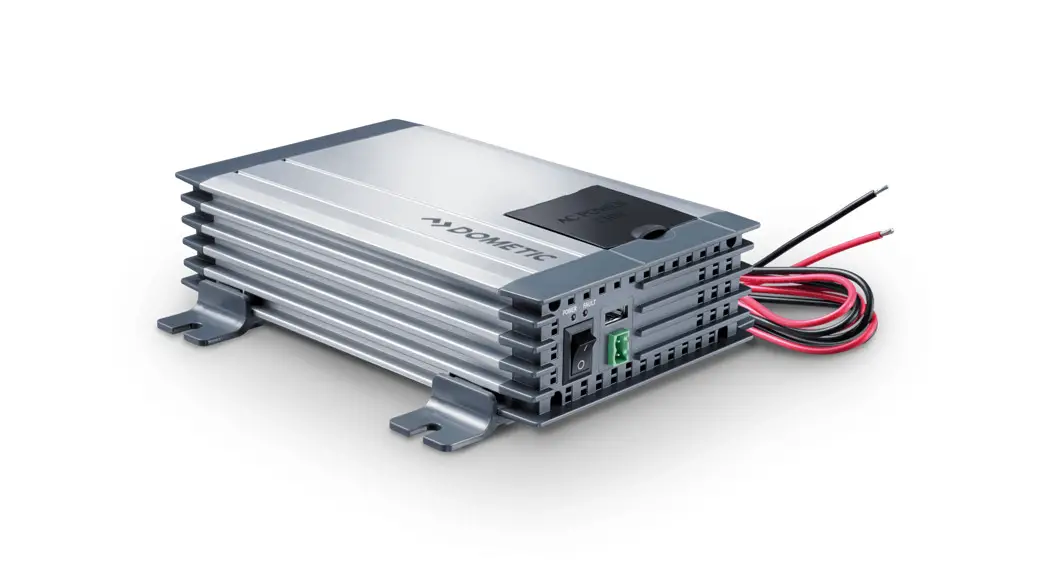
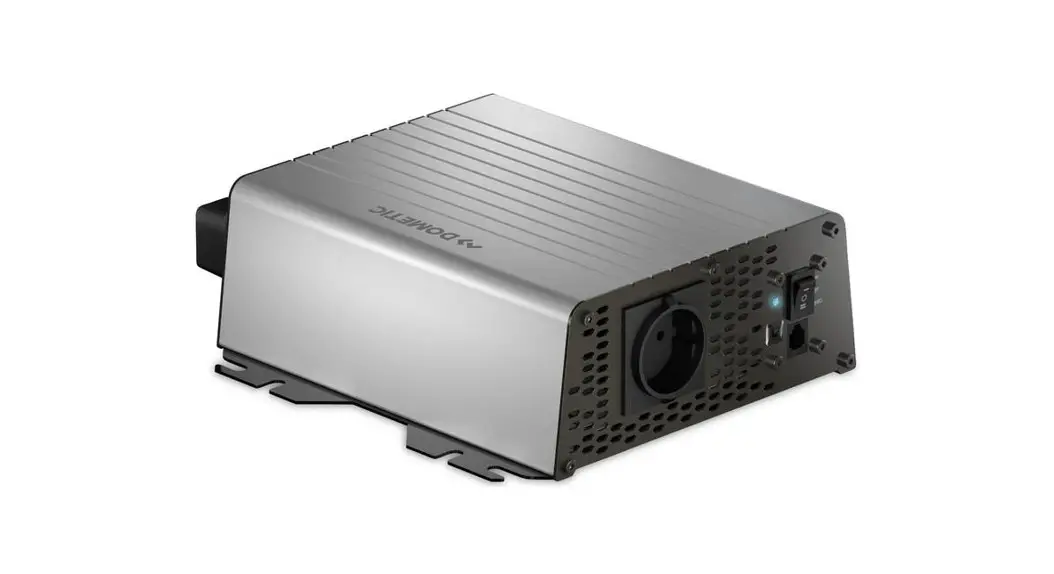
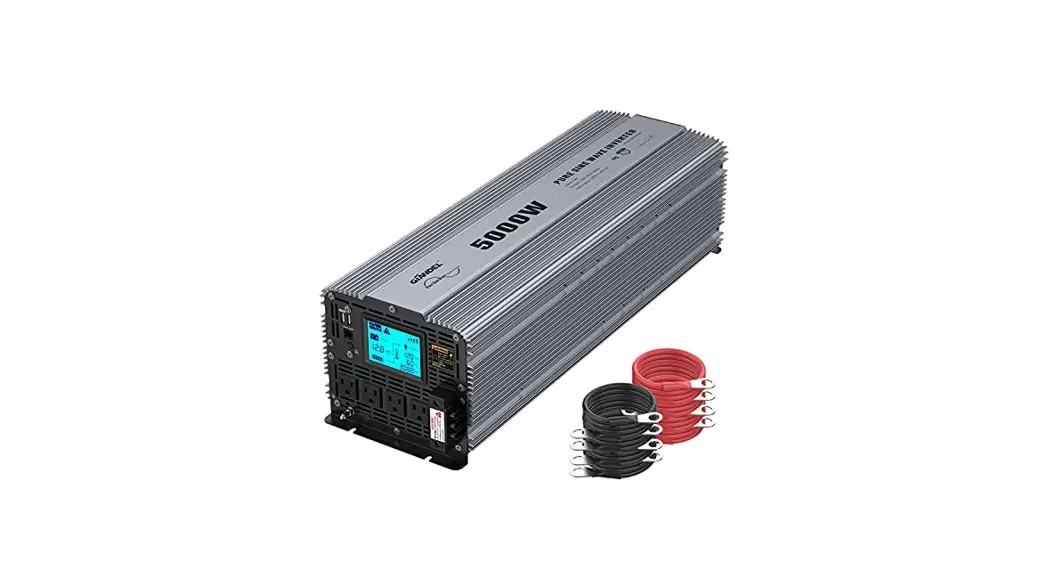
DSP 212 Sine Wave Inverter
Product Information
The ENERGY & LIGHTING SINEPOWER is a range of sine wave
inverters available in different models: DSP 212, DSP 224, DSP 412,
and DSP 424. It is designed to convert DC power into AC power,
providing a clean and stable power source. The inverters are
suitable for various applications and are equipped with safety
features to ensure reliable and efficient operation.
Product Usage Instructions
1. Before using the inverter, carefully read and follow all
instructions, guidelines, and warnings provided in the installation
and operating manual.
2. Ensure that the inverter is used only for its intended
purpose and application as specified in the manual.
3. Proper installation is crucial for optimal performance.
Follow the installation instructions provided in the manual to
ensure a secure and stable mounting of the inverter.
4. Connect the inverter to a suitable DC power source. Ensure
that the voltage and current ratings of the power source are
compatible with the inverter’s specifications.
5. Connect the AC load to the inverter’s AC output terminals.
Make sure to use appropriate connectors and cables to ensure a
secure and reliable connection.
6. Before turning on the inverter, check that all connections
are properly made and secure.
7. Turn on the inverter using the power switch or button
provided. The inverter will start converting the DC power into AC
power.
8. Monitor the operation of the inverter and check for any
abnormal behavior or warning indicators. If any issues arise, refer
to the troubleshooting section of the manual or contact customer
support for assistance.
9. When not in use, turn off the inverter and disconnect it from
the power source and load.
10. Regularly inspect and maintain the inverter according to the
maintenance instructions provided in the manual. This will help
ensure its continued performance and longevity.
11. In case of any doubts or uncertainties regarding the usage
of the inverter, refer to the manual or consult with a qualified
professional.
ENERGY & LIGHTING SINEPOWER
DSP 212, DSP 224, DSP 412, DSP 424
EN Sine wave inverter
Installation and Operating Manual. . . . . . . . 8
DE Sinus-Wechselrichter
Montage- und Bedienungsanleitung . . . . .22
FR Onduleur sinusoïdal
Instructions de montage et de service . . . .36
ES Convertidor de ondas seno
Instrucciones de montaje y de uso . . . . . . . 51
PT Conversor sinusoidal
Instruções de montagem e manual de instruções . . . . . . . . . . . . . . . . . . . . . . . . . . .66
IT Inverter sinusoidale
Istruzioni di montaggio e d’uso . . . . . . . . . 81
NL Sinus ondulator
Montagehandleiding en gebruiksaanwijzing . . . . . . . . . . . . . . . . . . .96
DA Sinus ensretter
Monterings- og betjeningsvejledning . . . 111
SV Sinus växelriktare
Monterings- och bruksanvisning . . . . . . . 125
NO Sinus vekselretter
Monterings- og bruksanvisning . . . . . . . . 139
FI Sinus -vaihtosuuntaaja
Asennus- ja käyttöohje . . . . . . . . . . . . . . . 153
PL Przetwornica sinusoidalna
Instrukcja montau i obslugi . . . . . . . . . . . 182
SK Sínusový menic napätia
Návod na montáz a uvedenie do prevádzky. . . . . . . . . . . . . . . . . . . . . . . 197
CS Sinusový mnic
Návod k montázi a obsluze . . . . . . . . . . . 211
HU Szinuszos inverter
Szerelési és használati útmutató . . . . . . . 225
HR Inverter sa sinusnim valom
Upute za montazu i uporabu . . . . . . . . . . 240
TR Sinüs dalga invertör
Montaj ve Kullanim Kilavuzu. . . . . . . . . . . 254
SL Sinusni pretvornik
Navodilo za montazo in uporabo . . . . . . 268
RO Invertor cu und sinusoid
Instruciuni de montaj i operare . . . . . . . 282
BG
. . . . . . . . . . . . . . . . . . . . . 297
ET Siinuslaine inverter
Paigaldus- ja kasutusjuhend . . . . . . . . . . . 312
EL inverter
. . . 326
LT Sinusini bang inverteris
Montavimo ir naudojimo vadovas . . . . . . 342
LV Sinusoidl via strvas prveidotjs
Uzstdsanas un lietosanas rokasgrmata356
© 2023 Dometic Group. The visual appearance of the contents of this manual is protected by copyright and design law. The underlying technical design and the products contained herein may be protected by design, patent or be patent pending. The trademarks mentioned in this manual belong to Dometic Sweden AB. All rights are reserved.
DSP 212, DSP 224, DSP 412, DSP 424
1 1
2 3
2 234 1
234 1
7
6
DSP 2xx
5
6
DSP 4xx
5
3
DSP 212, DSP 224, DSP 412, DSP 424
3
5 cm
5 cm
4A
B
C
3.
4
4x
2.
2. 1.
1.
DSP 212, DSP 224, DSP 412, DSP 424
5 1.
Ø 21 mm
2.
CLICK
15 A
DC
6
3.
2m
bk
2.
rd
2m
DSP412: 50 A DSP424: 25 A
DSP 2xx
1.
DSP 4xx
1.
5
DSP 212, DSP 224, DSP 412, DSP 424 7
2. 1.
8
A B
A B
DSP 4xx
6
DSP 212, DSP 224, DSP 412, DSP 424 9
0
126
187,5
50
7
Explanation of symbols
DSP 212, DSP 224, DSP 412, DSP 424
Please read these instructions carefully and follow all instructions, guidelines, and warnings included in this product manual in order to ensure that you install, use, and maintain the product properly at all times. These instructions MUST stay with this product.
By using the product, you hereby confirm that you have read all instructions, guidelines, and warnings carefully and that you understand and agree to abide by the terms and conditions as set forth herein. You agree to use this product only for the intended purpose and application and in accordance with the instructions, guidelines, and warnings as set forth in this product manual as well as in accordance with all applicable laws and regulations. A failure to read and follow the instructions and warnings set forth herein may result in an injury to yourself and others, damage to your product or damage to other property in the vicinity. This product manual, including the instructions, guidelines, and warnings, and related documentation, may be subject to changes and updates. For up-to-date product information, please visit documents.dometic.com.
Table of contents
1 Explanation of symbols . . . . . . . . . . . . . . . . . . . . . . . . . . . . . . . . . . . . . . . . . . .8 2 General safety instructions . . . . . . . . . . . . . . . . . . . . . . . . . . . . . . . . . . . . . . . .9 3 Scope of delivery . . . . . . . . . . . . . . . . . . . . . . . . . . . . . . . . . . . . . . . . . . . . . .13 4 Intended use . . . . . . . . . . . . . . . . . . . . . . . . . . . . . . . . . . . . . . . . . . . . . . . . . .13 5 Technical description . . . . . . . . . . . . . . . . . . . . . . . . . . . . . . . . . . . . . . . . . . .13 6 Fitting the inverter . . . . . . . . . . . . . . . . . . . . . . . . . . . . . . . . . . . . . . . . . . . . . .15 7 Connecting the inverter . . . . . . . . . . . . . . . . . . . . . . . . . . . . . . . . . . . . . . . . .16 8 Using the inverter . . . . . . . . . . . . . . . . . . . . . . . . . . . . . . . . . . . . . . . . . . . . . .16 9 Cleaning and caring for the inverter. . . . . . . . . . . . . . . . . . . . . . . . . . . . . . . .17 10 Troubleshooting . . . . . . . . . . . . . . . . . . . . . . . . . . . . . . . . . . . . . . . . . . . . . . .18 11 Warranty . . . . . . . . . . . . . . . . . . . . . . . . . . . . . . . . . . . . . . . . . . . . . . . . . . . . .18 12 Disposal . . . . . . . . . . . . . . . . . . . . . . . . . . . . . . . . . . . . . . . . . . . . . . . . . . . . . .19 13 Technical data . . . . . . . . . . . . . . . . . . . . . . . . . . . . . . . . . . . . . . . . . . . . . . . . .19
1 Explanation of symbols
D DANGER! Safety instruction: Indicates a hazardous situation that, if not avoided, will result in death or serious injury.
! WARNING! Safety instruction: Indicates a hazardous situation that, if not avoided, could result in death or serious injury.
8
EN
DSP 212, DSP 224, DSP 412, DSP 424
General safety instructions
A NOTICE! Indicates a situation that, if not avoided, can result in property damage.
I NOTE Supplementary information for operating the product.
2 General safety instructions
2.1 General safety
This product is only suitable for the intended purpose and application in accordance with these instructions.
This manual provides information that is necessary for proper installation and/or operation of the product. Poor installation and/or improper operating or maintenance will result in unsatisfactory performance and a possible failure.
The manufacturer accepts no liability for any injury or damage to the product resulting from: · Incorrect assembly or connection, including excess voltage · Incorrect maintenance or use of spare parts other than original spare parts
provided by the manufacturer · Alterations to the product without express permission from the manufacturer · Use for purposes other than those described in this manual
Dometic reserves the right to change product appearance and product specifications.
Note the following basic safety information when using electrical devices to protect against:
· Electric shock
· Fire hazards
· Injury
EN
9
General safety instructions
DSP 212, DSP 224, DSP 412, DSP 424
2.2 General safety
D DANGER! · In the event of fire, use a fire extinguisher which is suitable for electrical devices.
! WARNING! · Only use the device as intended.
· Ensure that the red and black terminals never come into contact.
· Disconnect the device from the mains: Before cleaning and maintenance Before changing a fuse
· If you disassemble the device: Detach all connections Make sure that no voltage is present at any of the inputs and outputs
· The device may not be used if the device itself or the connection cable are visibly damaged.
· If this power cable for this device is damaged, it must be replaced by the manufacturer, customer service or a similarly qualified person in order to prevent safety hazards.
· This device may only be repaired by qualified personnel. Inadequate repairs may cause serious hazards.
· This device can be used by children aged 8 years or over, as well as by persons with diminished physical, sensory or mental capacities or a lack of experience and/or knowledge, providing they are supervised or have been taught how to use the device safely and are aware of the resulting risks.
· Electrical devices are not toys. Always keep and use the appliance out of the reach of children.
· Children must be supervised to ensure that they do not play with the device.
10
EN
DSP 212, DSP 224, DSP 412, DSP 424
General safety instructions
A NOTICE! · Before start-up, check that the voltage specification on the type plate is the same as that of the power supply.
· Ensure that other objects cannot cause a short circuit at the contacts of the device.
· Never pull the plug out of the socket by the connection cable.
· Store the device in a dry and cool place.
2.3 Safety when installing the device
D DANGER! · Never mount the device anywhere where there is a risk of gas or dust explosion.
! CAUTION! · Ensure that the device is standing firmly. The device must be set up and fastened in such a way that it cannot tip over or fall down.
A NOTICE! · Do not expose the device to a heat source (such as direct sunlight or heating). Avoid additional heating of the device in this way. · Set up the device in a dry location where it is protected against splashing water.
2.4 Safety when connecting the device electronically
D DANGER! Danger of electrocution · If you are working on electrical systems, ensure that there is somebody close at hand who can help you in emergencies.
! WARNING! · Never connect more than one consumer device to the inverter. If you connect more than one device, a short circuit may occur. · Make sure that the lead has a sufficient cross-section. · Lay the cables so that they cannot be damaged by the doors or the bonnet. Crushed cables can lead to serious injury.
EN
11
General safety instructions
DSP 212, DSP 224, DSP 412, DSP 424
! CAUTION! · Lay the cables so that they cannot be tripped over or damaged.
A NOTICE! · Use ductwork or cable ducts if it is necessary to lay cables through metal panels or other panels with sharp edges.
· Do not lay the 230 V mains cable and the 12 V DC cable in the same duct.
· Do not lay the cable so that it is loose or heavily kinked.
· Fasten the cables securely.
· Do not pull on the cables.
2.5 Operating the device safely
D DANGER! Danger of electrocution · Do not touch exposed cables with your bare hands. This applies especially when operating the device from the AC mains.
! WARNING! · Only use the device in closed, well-ventilated rooms.
! CAUTION! · Do not operate the device In salty, wet or damp environments In the vicinity of corrosive fumes In the vicinity of combustible materials In areas where there is a danger of explosions. · Before starting the device, ensure that the power supply line and the plug are dry. · Always disconnect the power supply when working on the device. · Please observe that parts of the device may still conduct voltage even if the fuse has blown. · Do not disconnect any cables when the device is still in use.
A NOTICE! · Make sure the air inlets and outlets of the device are not covered. · Ensure good ventilation.
12
EN
DSP 212, DSP 224, DSP 412, DSP 424
3 Scope of delivery
No. in fig. 1, page 3
1
2
3
Designation
Sine wave inverter Holder Fixing screws Operating manual
Scope of delivery
4 Intended use
! WARNING! Never use the inverter on vehicles where the positive terminal of the battery is connected to the chassis.
The wave inverter converts direct current into a 230 V AC supply of 50 Hz: · 12 Vg: DSP212, DSP412 · 24 Vg: DSP224, DSP424 Rechargeable devices with USB interface can be charged via the USB port (5 V, 2000 mA). This device is exclusively intended for vehicle use.
5 Technical description
The inverters can be operated wherever a DC connection is available: · 12 Vg: DSP212, DSP412 · 24 Vg: DSP224, DSP424
The output voltage corresponds to the household voltage from the socket (pure sine wave, THD < 5%).
Please observe the values for constant output power and peak output power as indicated in chapter “Recycling packaging material” on page 19. Never connect devices that have a higher power requirement.
EN
13
Technical description
DSP 212, DSP 224, DSP 412, DSP 424
I NOTE Note when connecting devices with an electrical drive (such as power drills and refrigerators), that they often require more power than is indicated on the type plate.
The inverter has various protective mechanisms.
· Overvoltage shutdown: The inverter shuts itself off when the voltage exceeds the cut-off value. It restarts when the voltage returns to the restart value.
· Undervoltage shutdown: The inverter shuts itself off when the voltage sinks below the cut-off value. It restarts when the voltage rises to the restart value.
· Excess temperature shutdown: The inverter switches off when the temperature inside the device or the temperature on the cooling element exceeds a cutoff value. It restarts when the voltage rises to the restart value.
· Overloading and short circuit shutdown: The LED on the inverter indicates an operating fault when an excess load is connected or a short circuit has occurred.
I NOTE The individual values are found in the chapter “Recycling packaging material” on page 19.
5.1 Control elements
No. in fig. 2, page 3
1
2
Description
Main switch: Switches the device on and off Status LED: See chapter “Status indications” on page 17
5.2 Connections
I NOTE The version for continental Europe is depicted.
14
EN
DSP 212, DSP 224, DSP 412, DSP 424
Fitting the inverter
No. in fig. 2, page 3
3
4
5
6
7
Description
USB connection AC outlet DC plug Fan (backside) DSP412, DSP424 only: Connection for external switch
6 Fitting the inverter
6.1 Mounting instructions
When selecting the installation location, observe the following instructions: · The inverter can be mounted horizontally or vertically. · The inverter must be installed in a place that is protected from moisture. · The inverter may not be installed in the presence of flammable materials. · The inverter may not be installed in a dusty environment. · The place of installation must be well ventilated. A ventilation system must be
available for installations in small, enclosed spaces. The minimum clearance around the inverter must be at least 5 cm (fig. 3, page 4). · The air intake on the underside or the air outlet on the back of the inverter must remain clear. · For ambient temperatures higher than 40 °C (such as in engine or heating compartments, or direct sunlight), the inverter`s maximal output load is reduced. Thereby the inverter may shut down due to overload. · The device must be installed on a level and sufficiently sturdy surface.
A NOTICE! Before drilling any holes, make sure that no electrical cables or other parts of the vehicle can be damaged by drilling, sawing and filing.
6.2 Mounting the inverter
Mount the inverter as shown (fig. 4, page 4).
EN
15
Connecting the inverter
DSP 212, DSP 224, DSP 412, DSP 424
7 Connecting the inverter
! WARNING! Never connect more than one consumer device to the inverter. The connection of more than one device must be executed by an electrically qualified person complying with the local requirements for protection against electric shock.
A NOTICE! · Incorrect polarity will blow an internal fuse which has to be replaced by the Dometic service. Additionally the electronics may be damaged. · Make sure that the inverter is operated with the following voltage only: DSP212, DSP412: 12 Vg DSP224, DSP424: 24 Vg
Connect the inverter as shown: Connecting the battery: DSP212, DSP224: fig. 5, page 5 DSP412, DSP424: fig. 6, page 5 Connecting load: fig. 7, page 6
Connect external switch to turn device on and off (DSP412, DSP424 only)
I NOTE The inverter is switched on when the external or the main switch (fig. 2 1, page 3) is switch on. If the inverter shall be controlled via external switch only, the main switch has to be switch to position “0”.
Connect the external switch as shown (fig. 8, page 6).
8 Using the inverter
! CAUTION! When connecting the load observe the applicable regulations.
16
EN
DSP 212, DSP 224, DSP 412, DSP 424
Cleaning and caring for the inverter
8.1 Switching on the inverter
Switch the inverter on by pressing the switch (fig. 2 1, page 3) on the device (position “I”) …
… or (DSP412, DSP424 only) switch on the inverter using the external switch (optional).
The blue Status LED lights up (fig. 2 2, page 3).
The power consuming device is supplied with voltage.
Charging the device via the USB port
I NOTE Also observe the operating manual of the device you want to charge via the USB port.
Connect the device to the USB port as shown (fig. 9, page 7).
8.2 Status indications
The blue LED (fig. 2 2, page 3) shows the operating condition of the inverter.
Display
Input voltage
Constantly lit Long flash, short interruption Quick flash Off
Normal mode Inverter overheated/Overload Overvoltage/Undervoltage Other fault
9 Cleaning and caring for the inverter
A NOTICE! Damage hazard · Never clean the cooling device under running water or in dish water. · Do not use abrasive cleaning agents or hard objects during cleaning as these can damage the cooling device.
Occasionally clean the cooling device interior and exterior with a damp cloth.
Make sure that the air inlet and outlet vents on the device are free of any dust and dirt, so that heat can be released and the device is not damaged.
EN
17
Troubleshooting
10 Troubleshooting
DSP 212, DSP 224, DSP 412, DSP 424
! WARNING! Do not open the device. You risk sustaining an electric shock by doing this.
I NOTE If you have detailed questions on the specifications of the inverter please contact the manufacturer (addresses on the back of the instruction manual).
The LED (fig. 2 2, page 3) indicates the fault:
LED display Cause
Remedy
Quick flash
Input voltage is too high Check the input voltage and reduce it.
Input voltage too low
The battery needs recharging. Check the cables and connections.
Long flash, short Overheating interruption
Switch off the inverter and the consumer.
Wait 5 to 10 minutes and switch the inverter on again without any electric consumers.
Reduce the load and make sure the inverter has better ventilation. Then switch the consumer back on.
Excessive load
Switch off the inverter and remove the consumer.
Then switch the inverter back on without the consumer. If no excessive load is now shown, then there is a short circuit in the consumer or the total load was higher than the power specified on the data sheet.
Check the cables and connections.
Off
Other fault
Contact the service.
11 Warranty
The statutory warranty period applies. If the product is defective, please contact your retailer or the manufacturer’s branch in your country (see dometic.com/dealer).
18
EN
DSP 212, DSP 224, DSP 412, DSP 424
Disposal
For repair and warranty processing, please include the following documents when you send in the product: · A copy of the receipt with purchasing date · A reason for the claim or description of the fault
Note that self-repair or non-professional repair can have safety consequences and might void the warranty.
12 Disposal
Recycling products with non-replaceable batteries, rechargeable batteries or light sources
If the product contains any non-replaceable batteries, rechargeable batteries or light sources, you don’t have to remove them before disposal.
If you wish to finally dispose of the product, ask your local recycling center or specialist dealer for details about how to do this in accordance with the applicable disposal regulations.
The product can be disposed free of charge.
Recycling packaging material
Place the packaging material in the appropriate recycling waste bins wherever possible.
13 Technical data
The following technical data applies to all inverters:
Output voltage: Output frequency: Maximum efficiency: Heat dissipation: Ambient temperature at operation: Ambient temperature for storage: Air humidity: Testing/certification:
230 Vw ± 10 %, pure sine wave (THD < 5%) 50 Hz ± 0,5 Hz >90 % temperature and load controlled fan 0 °C to +50 °C 30 °C to +70 °C 0 95%, non-condensing
9
EN
19
Technical data
DSP 212, DSP 224, DSP 412, DSP 424
DSP 212
DSP 412
DSP 224
DSP 424
Ref. no.:
9600002603 9600002541 9600002540 9600002542 9600003593 9600003595 9600003594 9600003596
Rated input voltage:
12 V g
24 V g
Input voltage range:
10 16.5 Vg
20 33 Vg
Rated load:
150 W
350 W
150 W
350 W
Maximum power for 1 min:
170 W
400 W
170 W
400 W
Surge power for 1 s:
300 W
700 W
300 W
700 W
Idle current consumption:
<0,6 A
<0,4 A
<0,6 A
<0,4 A
Dimensions W x L x H:
fig. 0, page 7
Weight:
1.1 kg
1.2 kg
1.1 kg
1.2 kg
20
EN
DSP 212, DSP 224, DSP 412, DSP 424 Protective devices
Input: AC output: Temperature: Short circuit protection:
Technical data
12 V
24 V
Undervoltage
Overvoltage, short circuit, overload
Shutdown
Yes, Ipk
Overvoltage shutdown
Device DSP212, DSP412 DSP224, DSP424
Overvoltage
Shutdown
Restart
16.5 V 33 V
15.5 V 31 V
Undervoltage shutdown
Device
DSP212, DSP412 DSP224, DSP424
Undervoltage
Shutdown
Restart
10 V
12 V
20 V
24 V
For the current EU declaration of conformity for your device please refer to the respective product page on dometic.com or contact the manufacturer directly (see back page).
EN
21
Erläuterung der Symbole
DSP 212, DSP 224, DSP 412, DSP 424
Lesen und befolgen Sie bitte alle Anweisungen, Richtlinien und Warnhinweise in diesem Produkthandbuch sorgfältig, um sicherzustellen, dass Sie das Produkt ordnungsgemäß installieren und stets ordnungsgemäß betreiben und warten. Diese Anleitung MUSS bei dem Produkt verbleiben.
Durch die Verwendung des Produktes bestätigen Sie hiermit, dass Sie alle Anweisungen, Richtlinien und Warnhinweise sorgfältig gelesen haben und dass Sie die hierin dargelegten Bestimmungen verstanden haben und ihnen zustimmen. Sie erklären sich damit einverstanden, dieses Produkt nur für den angegebenen Verwendungszweck und gemäß den Anweisungen, Richtlinien und Warnhinweisen dieses Produkthandbuchs sowie gemäß allen geltenden Gesetzen und Vorschriften zu verwenden. Eine Nichtbeachtung der hierin enthaltenen Anweisungen und Warnhinweise kann zu einer Verletzung Ihrer selbst und anderer Personen, zu Schäden an Ihrem Produkt oder zu Schäden an anderem Eigentum in der Umgebung führen. Dieses Produkthandbuch, einschließlich der Anweisungen, Richtlinien und Warnhinweise, sowie die zugehörige Dokumentation können Änderungen und Aktualisierungen unterliegen. Aktuelle Produktinformationen finden Sie unter documents.dometic.com.
Inhaltsverzeichnis
1 Erläuterung der Symbole . . . . . . . . . . . . . . . . . . . . . . . . . . . . . . . . . . . . . . . 22 2 Allgemeine Sicherheitshinweise . . . . . . . . . . . . . . . . . . . . . . . . . . . . . . . . . 23 3 Lieferumfang . . . . . . . . . . . . . . . . . . . . . . . . . . . . . . . . . . . . . . . . . . . . . . . . . 27 4 Bestimmungsgemäßer Gebrauch . . . . . . . . . . . . . . . . . . . . . . . . . . . . . . . . 27 5 Technische Beschreibung . . . . . . . . . . . . . . . . . . . . . . . . . . . . . . . . . . . . . . 28 6 Wechselrichter einbauen . . . . . . . . . . . . . . . . . . . . . . . . . . . . . . . . . . . . . . . 29 7 Wechselrichter anschließen . . . . . . . . . . . . . . . . . . . . . . . . . . . . . . . . . . . . . 30 8 Wechselrichter benutzen . . . . . . . . . . . . . . . . . . . . . . . . . . . . . . . . . . . . . . . .31 9 Wechselrichter pflegen und reinigen . . . . . . . . . . . . . . . . . . . . . . . . . . . . . 32 10 Störungsbeseitigung . . . . . . . . . . . . . . . . . . . . . . . . . . . . . . . . . . . . . . . . . . 32 11 Garantie. . . . . . . . . . . . . . . . . . . . . . . . . . . . . . . . . . . . . . . . . . . . . . . . . . . . . 33 12 Entsorgung . . . . . . . . . . . . . . . . . . . . . . . . . . . . . . . . . . . . . . . . . . . . . . . . . . 34 13 Technische Daten . . . . . . . . . . . . . . . . . . . . . . . . . . . . . . . . . . . . . . . . . . . . . 34
1 Erläuterung der Symbole
D GEFAHR! Sicherheitshinweis: Kennzeichnet eine Gefahrensituation, die zum Tod oder schwerer Verletzung führt, wenn die jeweiligen Anweisungen nicht befolgt werden.
22
DE
DSP 212, DSP 224, DSP 412, DSP 424
Allgemeine Sicherheitshinweise
! WARNUNG! Sicherheitshinweis: Kennzeichnet eine Gefahrensituation, die zum Tod oder schwerer Verletzung führen könnte, wenn die jeweiligen Anweisungen nicht befolgt werden.
A ACHTUNG! Kennzeichnet eine Situation, die zu Sachschäden führen kann, wenn die jeweiligen Anweisungen nicht befolgt werden.
I HINWEIS Ergänzende Informationen zur Bedienung des Produktes.
2 Allgemeine Sicherheitshinweise
2.1 Grundlegende Sicherheit
Dieses Produkt ist nur für den angegebenen Verwendungszweck und die Anwendung gemäß dieser Anleitung geeignet.
Dieses Handbuch enthält Informationen, die für die ordnungsgemäße Installation und/oder den ordnungsgemäßen Betrieb des Produkts erforderlich sind. Installationsfehler und/oder ein nicht ordnungsgemäßer Betrieb oder eine nicht ordnungsgemäße Wartung haben eine unzureichende Leistung und u. U. einen Ausfall des Geräts zur Folge.
Der Hersteller übernimmt keine Haftung für Verletzungen oder Schäden am Produkt, die durch Folgendes entstehen: · unsachgemäße Montage oder falscher Anschluss, einschließlich Überspannung · unsachgemäße Wartung oder Verwendung von anderen als den vom Hersteller
gelieferten Original-Ersatzteilen · Veränderungen am Produkt ohne ausdrückliche Genehmigung des Herstellers · Verwendung für andere als die in der Anleitung beschriebenen Zwecke
Dometic behält sich das Recht vor, das Erscheinungsbild des Produkts und dessen technische Daten zu ändern.
Beachten Sie folgende grundsätzliche Sicherheitsmaßnahmen beim Gebrauch von elektrischen Geräten zum Schutz vor:
· elektrischem Schlag
DE
23
Allgemeine Sicherheitshinweise
· Brandgefahr · Verletzungen
DSP 212, DSP 224, DSP 412, DSP 424
2.2 Grundlegende Sicherheit
D GEFAHR! · Verwenden Sie im Falle eines Feuers einen Feuerlöscher, der für elektrische Geräte geeignet ist.
! WARNUNG! · Verwenden Sie das Gerät nur für den bestimmungsgemäßen Gebrauch.
· Achten Sie darauf, dass die rote und die schwarze Klemme niemals in Kontakt kommen.
· Trennen Sie das Gerät vom Netz: vor der Reinigung und Pflege des Geräts vor einem Sicherungswechsel
· Falls Sie das Gerät demontieren: Lösen Sie alle Verbindungen Stellen Sie sicher, dass alle Ein- und Ausgänge spannungsfrei sind
· Wenn das Gerät oder das Anschlusskabel sichtbare Beschädigungen aufweisen, dürfen Sie das Gerät nicht in Betrieb nehmen.
· Wenn das Anschlusskabel dieses Gerätes beschädigt wird, muss es durch den Hersteller, seinen Kundendienst oder eine ähnlich qualifizierte Person ersetzt werden, um Gefährdungen zu vermeiden.
· Reparaturen an diesem Gerät dürfen nur von Fachkräften durchgeführt werden. Durch unsachgemäße Reparaturen können erhebliche Gefahren entstehen.
· Dieses Gerät kann von Kindern ab 8 Jahren und darüber sowie von Personen mit verringerten physischen, sensorischen oder mentalen Fähigkeiten oder Mangel an Erfahrung und/oder Wissen benutzt werden, wenn sie beaufsichtigt werden oder bezüglich des sicheren Gebrauchs des Geräts unterwiesen wurden und die daraus resultierenden Gefahren verstanden haben.
· Elektrogeräte sind kein Kinderspielzeug! Verwahren und benutzen Sie das Gerät außerhalb der Reichweite von Kindern.
· Kinder sollten beaufsichtigt werden, um sicherzustellen, dass sie nicht mit dem Gerät spielen.
24
DE
DSP 212, DSP 224, DSP 412, DSP 424
Allgemeine Sicherheitshinweise
A ACHTUNG! · Vergleichen Sie vor der Inbetriebnahme die Spannungsangabe auf dem Typenschild mit der vorhandenen Energieversorgung.
· Achten Sie darauf, dass andere Gegenstände keinen Kurzschluss an den Kontakten des Gerätes verursachen können.
· Ziehen Sie den Stecker nie am Anschlusskabel aus der Steckdose.
· Lagern Sie das Gerät an einem trockenen und kühlen Ort.
2.3 Sicherheit bei der Montage des Gerätes
D GEFAHR! · Montieren Sie das Gerät nicht in Bereichen, in denen die Gefahr einer Gas- oder Staubexplosion besteht.
! VORSICHT! · Achten Sie auf einen sicheren Stand. Das Gerät muss so sicher aufgestellt und befestigt werden, dass es nicht umstürzen oder herabfallen kann.
A ACHTUNG! · Setzen Sie das Gerät keiner Wärmequelle (Sonneneinstrahlung, Heizung usw.) aus. Vermeiden Sie so eine zusätzliche Erwärmung des Gerätes. · Stellen Sie das Gerät an einem trockenen und gegen Spritzwasser geschützten Platz auf.
2.4 Sicherheit beim elektrischen Anschluss des Gerätes
D GEFAHR! Lebensgefahr durch Stromschlag! · Wenn Sie an elektrischen Anlagen arbeiten, stellen Sie sicher, dass jemand in der Nähe ist, um Ihnen im Notfall helfen zu können.
! WARNUNG! · Schließen Sie immer nur einen Verbraucher an den Wechselrichter an. Beim Anschluss von zwei oder mehr Verbrauchern kann es zu einem Kurzschluss kommen. · Achten Sie auf einen ausreichenden Leitungsquerschnitt.
DE
25
Allgemeine Sicherheitshinweise
DSP 212, DSP 224, DSP 412, DSP 424
· Verlegen Sie die Leitungen so, dass sie nicht durch Türen oder Motorhauben beschädigt werden. Eingequetschte Kabel können zu lebensgefährlichen Verletzungen führen.
! VORSICHT! · Verlegen Sie die Leitungen so, dass keine Stolpergefahr besteht und eine Beschädigung des Kabels ausgeschlossen ist.
A ACHTUNG! · Benutzen Sie Leerrohre oder Leitungsdurchführungen, wenn Leitungen durch Blechwände oder andere scharfkantige Wände geführt werden müssen.
· Verlegen Sie 230-V-Netzleitung und 12-V-Gleichstromleitung nicht im gleichen Kabelkanal (Leerrohr)!
· Verlegen Sie Kabel nicht lose oder scharf abgeknickt.
· Befestigen Sie die Leitungen sicher.
· Ziehen Sie nicht an den Leitungen.
2.5 Sicherheit beim Betrieb des Gerätes
D GEFAHR! Lebensgefahr durch Stromschlag! · Fassen Sie nie mit bloßen Händen an blanke Leitungen. Dies gilt vor allem beim Betrieb am Wechselstromnetz.
! WARNUNG! · Benutzen Sie das Gerät ausschließlich in geschlossenen, gut belüfteten Räumen.
! VORSICHT! · Betreiben Sie das Produkt nicht in salzhaltiger, feuchter oder nasser Umgebung in der Nähe von aggressiven Dämpfen in der Nähe brennbarer Materialien in explosionsgefährdeten Bereichen. · Achten Sie vor der Inbetriebnahme darauf, dass Zuleitung und Stecker trocken sind. · Unterbrechen Sie bei Arbeiten am Gerät immer die Stromversorgung.
26
DE
DSP 212, DSP 224, DSP 412, DSP 424
Lieferumfang
· Beachten Sie, dass auch nach Auslösen der Schutzeinrichtung (Sicherung) Teile des Gerätes unter Spannung bleiben können.
· Lösen Sie keine Kabel, wenn das Gerät noch in Betrieb ist.
A ACHTUNG! · Achten Sie darauf, dass Luftein- und -auslässe des Geräts nicht verdeckt werden. · Achten Sie auf eine gute Belüftung.
3 Lieferumfang
Nr. in Abb. 1, Bezeichnung Seite 3
1
Sinus Wechselrichter
2
Halter
3
Befestigungsschrauben
Bedienungsanleitung
4 Bestimmungsgemäßer Gebrauch
! WARNUNG! Der Wechselrichter darf nicht in Fahrzeugen eingesetzt werden, bei denen der Plus-Pol der Batterie mit dem Chassis verbunden ist.
Der Wechselrichter wandelt Gleichstrom in 230-V-Wechselstrom mit 50 Hz um: · 12 Vg: DSP212, DSP412 · 24 Vg: DSP224, DSP424 Wiederaufladbare Geräte mit USB-Schnittstelle können über den USB-Anschluss aufgeladen werden (5 V, 2000 mA). Dieses Gerät ist ausschließlich zur Verwendung in Fahrzeugen vorgesehen.
DE
27
Technische Beschreibung
DSP 212, DSP 224, DSP 412, DSP 424
5 Technische Beschreibung
Die Wechselrichter können überall dort betrieben werden, wo ein Gleichstromanschluss vorhanden ist:
· 12 Vg: DSP212, DSP412 · 24 Vg: DSP224, DSP424
Die Ausgangsspannung entspricht der Haushaltsspannung aus der Steckdose (reine Sinusspannung, THD < 5 %).
Bitte beachten Sie die Werte für Dauer-Ausgangsleistung und Spitzen-Ausgangsleistung, wie sie im Kapitel ,,Recycling von Verpackungsmaterial” auf Seite 34 angegeben sind. Geräte, die einen höheren Leistungsbedarf haben, dürfen nicht angeschlossen werden.
I HINWEIS Beachten Sie beim Anschluss von Geräten mit elektrischem Antrieb (z.B. Bohrmaschine, Kühlschrank usw.), dass diese zum Anlaufen oft eine höhere Leistung benötigen als auf dem Typenschild angegeben.
Der Wechselrichter besitzt verschiedene Schutzmechanismen:
· Überspannungs-Schutz: Der Wechselrichter schaltet ab, wenn der Spannungswert über den Abschalt-Wert steigt. Er startet wieder, wenn die Spannung auf den Neustart-Wert sinkt.
· Unterspannungs-Schutz: Der Wechselrichter schaltet ab, wenn der Spannungswert unter den Abschalt-Wert sinkt. Er startet wieder, wenn die Spannung auf den Neustart-Wert steigt.
· Übertemperatur-Schutz: Der Wechselrichter schaltet ab, wenn die Temperatur innerhalb des Gerätes oder die Temperatur an den Kühlkörper einen Abschalt-Wert übersteigt. Er startet wieder, wenn die Spannung auf den Neustart-Wert steigt.
· Überlast-Schutz und Schutz vor Kurzschluss: Die LED am Wechselrichter meldet eine Betriebsstörung, wenn eine zu große Last angeschlossen ist oder ein Kurzschluss aufgetreten ist.
I HINWEIS Die einzelnen Werten finden Sie im Kapitel ,,Recycling von Verpackungsmaterial” auf Seite 34.
28
DE
DSP 212, DSP 224, DSP 412, DSP 424
5.1 Bedienelemente
Wechselrichter einbauen
Nr. in Abb. 2, Beschreibung Seite 3
1
Hauptschalter: Schaltet das Gerät ein und aus
2
Status-LED: Siehe Kapitel ,,Betriebsanzeigen” auf Seite 32
5.2 Anschlüsse
I HINWEIS Abgebildet ist die Version für Kontinentaleuropa.
Nr. in Abb. 2, Beschreibung Seite 3
3
USB-Anschluss
4
Wechselstromsteckdose
5
Gleichstromstecker
6
Lüfter (Rückseite)
7
Nur DSP412, DSP424: Anschluss für externen Schalter
6 Wechselrichter einbauen
6.1 Montagehinweise
Beachten Sie bei der Wahl des Aufstellungsortes folgende Hinweise: · Die Montage des Wechselrichters kann horizontal wie auch vertikal erfolgen. · Der Wechselrichter muss an einer vor Feuchtigkeit geschützten Stelle eingebaut
werden. · Der Wechselrichter darf nicht in Umgebungen mit entflammbaren Materialien
eingebaut werden. · Der Wechselrichter darf nicht in staubigen Umgebungen eingebaut werden.
DE
29
Wechselrichter anschließen
DSP 212, DSP 224, DSP 412, DSP 424
· Der Einbauort muss gut belüftet sein. Bei Installationen in geschlossenen kleinen Räumen sollte eine Be- und Entlüftung vorhanden sein. Der freie Mindestabstand um den Wechselrichter muss mindestens 5 cm betragen (Abb. 3, Seite 4).
· Der Lufteintritt auf der Unterseite bzw. der Luftaustritt auf der Rückseite des Wechselrichters muss freibleiben.
· Bei Umgebungstemperaturen über 40 °C (z. B. in Motor- oder Heizungsräumen oder bei direkter Sonneneinstrahlung) ist die maximale Ausgangslast des Wechselrichters verringert. Dadurch kann sich der Wechselrichter wegen Überlastung abschalten.
· Die Montagefläche muss eben sein und eine ausreichende Festigkeit aufweisen.
A ACHTUNG! Vor dem Anbringen von Bohrungen ist sicherzustellen, dass keine elektrischen Kabel oder andere Teile des Fahrzeugs durch Bohren, Sägen und Feilen beschädigt werden können.
6.2 Wechselrichter montieren
Montieren Sie den Wechselrichter wie dargestellt (Abb. 4, Seite 4).
7 Wechselrichter anschließen
! WARNUNG! Schließen Sie immer nur einen Verbraucher an den Wechselrichter an. Der Anschluss von mehr als einem Gerät muss von einer qualifizierten Elektrofachkraft unter Einhaltung der örtlichen Vorschriften zum Schutz vor Stromschlag durchgeführt werden.
A ACHTUNG! · Bei Verpolung brennt eine interne Sicherung durch, die durch den Dometic Kundendienst ersetzt werden muss. Außerdem kann die Elektronik beschädigt werden. · Stellen Sie sicher, dass der Wechselrichter nur mit folgender Spannung betrieben wird: DSP212, DSP412: 12 Vg DSP224, DSP424: 24 Vg
30
DE
DSP 212, DSP 224, DSP 412, DSP 424
Wechselrichter benutzen
Schließen Sie den Wechselrichter wie dargestellt an: Batterie anschließen: DSP212, DSP224: Abb. 5, Seite 5 DSP412, DSP424: Abb. 6, Seite 5 Last anschließen: Abb. 7, Seite 6
Externen Schalter zum Ein- und Ausschalten des Geräts anschließen (nur DSP412, DSP424)
I HINWEIS Der Wechselrichter wird eingeschaltet, wenn der externe oder der Hauptschalter (Abb. 2 1, Seite 3) eingeschaltet wird. Wenn der Wechselrichter nur über den externen Schalter gesteuert werden soll, muss der Hauptschalter in Stellung ,,0″ gebracht werden.
Schließen Sie den externen Schalter wie dargestellt an (Abb. 8, Seite 6).
8 Wechselrichter benutzen
! VORSICHT! Beachten Sie beim Anschließen der Last die geltenden Vorschriften.
8.1 Wechselrichter einschalten
Schalten Sie den Wechselrichter durch Drücken des Schalters (Abb. 2 1,Seite 3) am Gerät ein (Stellung ,,I”) …
… oder (nur DSP412, DSP424) schalten Sie den Wechselrichter mit dem externen Schalter ein (optional).
Die blaue Status-LED leuchtet (Abb. 2 2, Seite 3). Der Verbraucher wird mit Spannung versorgt.
Gerät über den USB-Anschluss aufladen
I HINWEIS Beachten Sie auch die Bedienungsanleitung des Gerätes, das Sie über den USB-Anschluss aufladen möchten.
Schließen Sie das Gerät wie dargestellt an den USB-Anschluss an (Abb. 9, Seite 7).
DE
31
Wechselrichter pflegen und reinigen
DSP 212, DSP 224, DSP 412, DSP 424
8.2 Betriebsanzeigen
Die blaue LED (Abb. 2 2, Seite 3) zeigt den Betriebszustand des Wechselrichters an.
Display Dauerleuchten Langes Blinken, kurze Unterbrechung Schnelles Blinken Aus
Eingangsspannung Normalmodus Wechselrichter überhitzt/Überlastung Überspannung/Unterspannung Anderer Fehler
9 Wechselrichter pflegen und reinigen
A ACHTUNG! Beschädigungsgefahr · Reinigen Sie das Kühlgerät niemals unter fließendem Wasser oder in Spülwasser. · Verwenden Sie zum Reinigen keine scharfen Reinigungsmittel oder harten Gegenstände, da diese das Kühlgerät beschädigen können.
Reinigen Sie das Kühlgerät innen und außen gelegentlich mit einem feuchten Tuch.
Stellen Sie sicher, dass die Be- und Entlüftungsöffnungen des Geräts frei von Staub und Verunreinigungen sind, damit die beim Betrieb entstehende Wärme abgeführt werden kann und das Gerät keinen Schaden nimmt.
10 Störungsbeseitigung
! WARNUNG! Öffnen Sie das Gerät nicht. Sie setzen sich der Gefahr eines elektrischen Schlages aus!
I HINWEIS Bei detaillierten Fragen zu den technischen Daten des Wechselrichters wenden Sie sich bitte an den Hersteller (Adressen siehe Rückseite der Anleitung).
32
DE
DSP 212, DSP 224, DSP 412, DSP 424
Garantie
Die LED (Abb. 2 2, Seite 3) zeigt den Fehler an:
LED-Display Fehler/Ursache
Beseitigung
Schnelles Blin- Eingangsspannung ist zu Prüfen Sie die Eingangsspannung und redu-
ken
hoch
zieren Sie diese.
Zu niedrige Eingangsspannung
Die Batterie muss nachgeladen werden. Prüfen Sie die Kabel und die Verbindungen.
Langes Blinken, Überhitzung kurze Unterbrechung
Schalten Sie den Wechselrichter und den Verbraucher aus.
Warten Sie 5 bis 10 Minuten und schalten Sie den Wechselrichter ohne Verbraucher wieder ein.
Reduzieren Sie die Belastung und sorgen Sie für eine bessere Belüftung des Wechselrichters. Schalten Sie dann den Verbraucher wieder ein.
Zu hohe Belastung
Schalten Sie den Wechselrichter aus und entfernen Sie den Verbraucher.
Schalten Sie dann den Wechselrichter ohne den Verbraucher wieder ein. Wird jetzt keine zu hohe Belastung mehr angezeigt, so liegt ein Kurzschluss beim Verbraucher vor oder die Gesamtbelastung war höher als die im Datenblatt spezifizierte Leistung.
Prüfen Sie die Kabel und die Verbindungen.
Aus
Anderer Fehler
Wenden Sie sich an den Kundendienst.
11 Garantie
Es gilt die gesetzliche Gewährleistungsfrist. Sollte das Produkt defekt sein, wenden Sie sich bitte an Ihren Fachhändler oder die Niederlassung des Herstellers in Ihrem Land (siehe dometic.com/dealer).
Bitte senden Sie bei einem Reparatur- bzw. Gewährleistungsantrag folgende Unterlagen mit dem Produkt ein: · eine Kopie der Rechnung mit Kaufdatum · einen Reklamationsgrund oder eine Fehlerbeschreibung
Bitte beachten Sie, dass eigenständig oder nicht fachgerecht durchgeführte Reparaturen die Sicherheit gefährden und zum Erlöschen der Garantie führen können.
DE
33
Entsorgung
DSP 212, DSP 224, DSP 412, DSP 424
12 Entsorgung
Recycling von Produkten mit nicht auswechselbaren Batterien, wiederaufladbaren Batterien oder Leuchtmitteln
Wenn das Produkt nicht auswechselbare Batterien, wiederaufladbare Batterien oder Leuchtmittel enthält, brauchen Sie diese vor der Entsorgung nicht zu entfernen.
Wenn Sie das Gerät endgültig entsorgen möchten, informieren Sie sich bitte bei Ihrem Wertstoffhof vor Ort oder bei Ihrem Fachhändler, wie dies gemäß den geltenden Entsorgungsvorschriften zu tun ist.
Das Produkt kann kostenlos entsorgt werden.
Recycling von Verpackungsmaterial
Geben Sie das Verpackungsmaterial möglichst in den entsprechenden Recycling-Müll.
13 Technische Daten
Folgende technische Daten gelten für alle Wechselrichter:
Ausgangsspannung:
Ausgangsfrequenz: Spitzen-Wirkungsgrad: Wärmeabfuhr: Umgebungstemperatur Betrieb: Umgebungstemperatur Lagerung: Luftfeuchtigkeit: Prüfung/Zertifikat:
230 Vw ± 10 %, reine Sinuswelle (THD < 5 %) 50 Hz ± 0,5 Hz > 90 % temperatur- und lastgeregelter Lüfter 0 °C bis +50 °C -30 °C bis +70 °C 0 95 %, nicht kondensierend
9
Art.-Nr.: Eingangsnennspannung:
DSP 212
DSP 412
DSP 224
DSP 424
9600002603 9600002541 9600002540 9600002542 9600003593 9600003595 9600003594 9600003596
12 V g
24 V g
34
DE
DSP 212, DSP 224, DSP 412, DSP 424
Technische Daten
Eingangsspannungsbereich: Nennlast: Maximale Leistung für 1 min: Stoßleistung für 1 s: Leerlaufstromaufnahme: Abmessungen B x T x H: Gewicht:
DSP 212
DSP 412
10 16,5 Vg
DSP 224
DSP 424
20 33 Vg
150 W 170 W 300 W < 0,6 A
1,1 kg
350 W
150 W
400 W
170 W
700 W
300 W
< 0,4 A
< 0,6 A
Abb. 0, Seite 7
1,2 kg
1,1 kg
350 W 400 W 700 W < 0,4 A
1,2 kg
Schutzvorrichtungen
Eingang: Wechselstromausgang: Temperatur: Kurzschlusssicherheit:
12 V
24 V
Unterspannung
Überspannung, Kurzschluss, Überlast
Abschaltung
Ja, Ipk
Überspannungs-Schutz
Gerät DSP212, DSP412 DSP224, DSP424
Überspannung
Abschaltung
Neustart
16,5 V 33 V
15,5 V 31 V
Unterspannungs-Schutz
Gerät
Unterspannung
Abschaltung
Neustart
DSP212, DSP412 DSP224, DSP424
10 V
12 V
20 V
24 V
Die aktuelle EU-Konformitätserklärung für Ihr Gerät finden Sie auf der jeweiligen Produktseite auf dometic.com. Wenden Sie sich alternativ dazu direkt an den Hersteller (siehe Rückseite).
DE
35
Signification des symboles
DSP 212, DSP 224, DSP 412, DSP 424
Veuillez lire et suivre attentivement l’ensemble des instructions, directives et avertissements figurant dans ce manuel afin d’installer, d’utiliser et d’entretenir le produit correctement à tout moment. Ces instructions DOIVENT rester avec le produit.
En utilisant ce produit, vous confirmez expressément avoir lu attentivement l’ensemble des instructions, directives et avertissements et que vous comprenez et acceptez de respecter les modalités et conditions énoncées dans le présent document. Vous acceptez d’utiliser ce produit uniquement pour l’usage et l’application prévus et conformément aux instructions, directives et avertissements figurant dans le présent manuel, ainsi qu’à toutes les lois et réglementations applicables. En cas de non-respect des instructions et avertissements figurant dans ce manuel, vous risquez de vous blesser ou de blesser d’autres personnes, d’endommager votre produit ou d’endommager d’autres biens à proximité. Le présent manuel produit, y compris les instructions, directives et avertissements, ainsi que la documentation associée peuvent faire l’objet de modifications et de mises à jour. Pour obtenir des informations actualisées sur le produit, veuillez consulter le site documents.dometic.com.
Sommaire
1 Signification des symboles . . . . . . . . . . . . . . . . . . . . . . . . . . . . . . . . . . . . . . 36 2 Consignes générales de sécurité . . . . . . . . . . . . . . . . . . . . . . . . . . . . . . . . . 37 3 Contenu de la livraison . . . . . . . . . . . . . . . . . . . . . . . . . . . . . . . . . . . . . . . . . .41 4 Utilisation prévue . . . . . . . . . . . . . . . . . . . . . . . . . . . . . . . . . . . . . . . . . . . . . .41 5 Description technique . . . . . . . . . . . . . . . . . . . . . . . . . . . . . . . . . . . . . . . . . 42 6 Montage de l’onduleur. . . . . . . . . . . . . . . . . . . . . . . . . . . . . . . . . . . . . . . . . 43 7 Raccordement de l’onduleur . . . . . . . . . . . . . . . . . . . . . . . . . . . . . . . . . . . . 44 8 Utilisation de l’onduleur . . . . . . . . . . . . . . . . . . . . . . . . . . . . . . . . . . . . . . . . 45 9 Entretien et nettoyage de l’onduleur . . . . . . . . . . . . . . . . . . . . . . . . . . . . . . 46 10 Guide de dépannage . . . . . . . . . . . . . . . . . . . . . . . . . . . . . . . . . . . . . . . . . . 46 11 Garantie. . . . . . . . . . . . . . . . . . . . . . . . . . . . . . . . . . . . . . . . . . . . . . . . . . . . . 47 12 Mise au rebut. . . . . . . . . . . . . . . . . . . . . . . . . . . . . . . . . . . . . . . . . . . . . . . . . 48 13 Caractéristiques techniques . . . . . . . . . . . . . . . . . . . . . . . . . . . . . . . . . . . . . 48
1 Signification des symboles
D DANGER ! Consignes de sécurité : indiquent une situation dangereuse qui, si elle n’est pas évitée, entraînera des blessures graves, voire mortelles.
36
FR
DSP 212, DSP 224, DSP 412, DSP 424
Consignes générales de sécurité
! AVERTISSEMENT ! Consignes de sécurité : indiquent une situation dangereuse qui, si elle n’est pas évitée, est susceptible d’entraîner des blessures graves, voire mortelles.
A AVIS ! indiquent une situation dangereuse qui, si elle n’est pas évitée, peut entraîner des dommages matériels.
I REMARQUE Informations complémentaires sur l’utilisation de ce produit.
2 Consignes générales de sécurité
2.1 Sécurité générale
Ce produit convient uniquement à l’usage et à l’application prévus, conformément au présent manuel d’instructions.
Ce manuel fournit les informations nécessaires à l’installation et/ou à l’utilisation correcte du produit. Une installation, une utilisation ou un entretien inappropriés entraînera des performances insatisfaisantes et une éventuelle défaillance.
Le fabricant décline toute responsabilité en cas de blessure ou de dommage résultant : · d’un montage ou d’un raccordement incorrect, y compris d’une surtension · d’un entretien inadapté ou de l’utilisation de pièces de rechange autres que les
pièces de rechange d’origine fournies par le fabricant · de modifications apportées au produit sans autorisation explicite du fabricant · d’usages différents de ceux décrits dans ce manuel.
Dometic se réserve le droit de modifier l’apparence et les spécifications produit.
Lors de l’utilisation d’appareils électriques, les consignes générales de sécurité suivantes doivent être respectées afin d’éviter :
· une décharge électrique,
· un incendie,
· des blessures.
FR
37
Consignes générales de sécurité
DSP 212, DSP 224, DSP 412, DSP 424
2.2 Sécurité générale
D DANGER ! · En cas d’incendie, utilisez un extincteur adapté aux appareils électriques.
! AVERTISSEMENT ! · Utilisez l’appareil conformément à l’usage pour lequel il a été conçu.
· Veillez à ce que la pince rouge et la pince noire ne se touchent jamais.
· Débranchez l’appareil du secteur : avant tout nettoyage et entretien avant le changement d’un fusible
· Si vous démontez l’appareil : débranchez tous les raccords, assurez-vous qu’aucune entrée ou sortie n’est sous tension.
· Si l’appareil ou le câble de raccordement présentent des dommages visibles, il est interdit de mettre l’appareil en service.
· Si ce câble de raccordement de l’appareil est endommagé, il doit être remplacé par le fabricant, son service après-vente ou une personne de qualification similaire, afin d’éviter tout danger.
· Seul un personnel qualifié est habilité à effectuer des réparations sur l’appareil. Une réparation incorrecte peut entraîner de graves dangers.
· Les enfants âgés de 8 ans et plus ainsi que les personnes ayant des déficiences physiques, sensorielles ou mentales ou un manque d’expérience et/ou de connaissances peuvent utiliser ce produit à condition d’être sous surveillance ou d’avoir reçu des instructions concernant l’utilisation de l’appareil en toute sécurité et d’avoir compris les dangers qui en résultent.
· Les appareils électriques ne sont pas des jouets pour enfants. Placez et utilisez l’appareil hors de leur portée.
· Les enfants doivent être surveillés pour s’assurer qu’ils ne jouent pas avec l’appareil.
38
FR
DSP 212, DSP 224, DSP 412, DSP 424
Consignes générales de sécurité
A AVIS ! · Avant la mise en service, vérifiez que la tension indiquée sur la plaque signalétique correspond à l’alimentation électrique dont vous disposez.
· Veillez à ce que d’autres objets ne puissent pas provoquer aucun court-circuit au niveau des contacts de l’appareil.
· Ne tirez jamais sur le câble de raccordement pour sortir la fiche de la prise.
· Stockez l’appareil dans un endroit frais et sec.
2.3 Sécurité lors du montage de l’appareil
D DANGER ! · Ne montez jamais l’appareil dans des zones où existent des risques d’explosion de gaz ou de poussières explosives.
! ATTENTION ! · Veillez à un positionnement stable du produit ! Veillez à installer et fixer l’appareil de manière à ce qu’il ne puisse ni se renverser ni tomber.
A AVIS ! · N’exposez pas l’appareil à des sources de chaleur (rayonnement solaire, chauffage, etc.). Vous éviterez ainsi une surchauffe supplémentaire de l’appareil. · Installez l’appareil dans un endroit sec et à l’abri des éclaboussures d’eau.
2.4 Consignes de sécurité concernant le raccordement électrique de l’appareil
D DANGER ! Danger de mort par électrocution · Lorsque vous effectuez des travaux sur des installations électriques, assurez-vous qu’une personne pouvant vous apporter assistance en cas d’urgence se trouve à proximité.
! AVERTISSEMENT ! · Ne raccordez jamais plus d’un consommateur à l’onduleur. Le raccordement de deux ou plusieurs consommateurs d’énergie pourrait provoquer un court-circuit.
FR
39
Consignes générales de sécurité
DSP 212, DSP 224, DSP 412, DSP 424
· Veillez à avoir une section de câble suffisante.
· Posez les câbles de manière à ce qu’ils ne puissent pas être endommagés par les portières ou par le capot du moteur. Des câbles compressés peuvent entraîner des blessures mortelles.
! ATTENTION ! · Posez les câbles de manière à exclure tout risque de trébuchement ou d’endommagement du câble.
A AVIS ! · Si des lignes électriques doivent traverser des cloisons en tôle ou autres murs à arêtes vives, utilisez des tubes vides ou des conduits pour câbles.
· Ne placez pas les câbles 230 V et la ligne de courant continu 12 V dans le même conduit.
· Ne posez pas les câbles sans les fixer ou en les pliant fortement.
· Fixez les câbles solidement.
· Ne tirez pas sur les câbles.
2.5 Consignes de sécurité concernant le fonctionnement de l’appareil
D DANGER ! Danger de mort par électrocution · Ne touchez pas les câbles dénudés à mains nues. Cela est surtout valable en cas de fonctionnement sur secteur.
! AVERTISSEMENT ! · Utilisez l’appareil uniquement dans des pièces fermées et bien aérées.
! ATTENTION ! · N’utilisez pas l’appareil en milieu humide, à forte teneur en sel, à proximité de vapeurs agressives, à proximité de matériaux inflammables, ou dans un environnement explosif.
· Avant de mettre l’appareil en service, assurez-vous que la ligne d’alimentation électrique et le connecteur sont secs.
· Coupez l’alimentation électrique au cours de travaux sur l’appareil.
40
FR
DSP 212, DSP 224, DSP 412, DSP 424
Contenu de la livraison
· Attention : même après déclenchement du fusible, il est possible que certaines pièces de l’appareil restent sous tension.
· Ne débranchez pas de câbles pendant le fonctionnement de l’appareil.
A AVIS ! · Assurez-vous que les entrées et les sorties d’air de l’appareil ne sont pas couvertes.
· Veillez à une bonne ventilation.
3 Contenu de la livraison
N° sur la fig. 1, page 3
1
2
3
Désignation
Onduleur sinusoïdal Support Vis de fixation Manuel d’utilisation
4 Utilisation prévue
! AVERTISSEMENT ! L’onduleur ne doit pas être utilisé pour les véhicules dont le pôle positif de la batterie est relié au châssis.
L’onduleur transforme le courant continu en tension d’alimentation 230 V CA à 50 Hz : · 12 Vg : DSP212, DSP412 · 24 Vg : DSP224, DSP424
Les appareils rechargeables dotés d’une interface USB peuvent être rechargés via le port USB (5 V, 2000 mA).
Cet appareil est exclusivement destiné à une utilisation dans un véhicule.
FR
41
Description technique
DSP 212, DSP 224, DSP 412, DSP 424
5 Description technique
Les onduleurs peuvent être utilisés partout où une connexion en courant continu est disponible :
· 12 Vg : DSP212, DSP412 · 24 Vg : DSP224, DSP424
La tension de sortie correspond à la tension domestique de la prise (tension sinusoïdale pure, THD < 5 %).
Tenez compte des valeurs de puissance de sortie constante et de puissance de sortie de crête indiquées dans la section chapitre « Recyclage des emballages », page 48. Les appareils nécessitant plus de puissance ne doivent pas être raccordés.
I REMARQUE Lors du raccordement d’appareils avec un entraînement électrique (p. ex. perceuse, réfrigérateur, etc.), prenez en compte le fait que, pendant le démarrage, ces appareils utilisent souvent une puissance supérieure à celle indiquée sur la plaque signalétique.
L’onduleur possède différents mécanismes de protection :
· Protection de surtension : l’onduleur s’éteint lorsque la valeur de tension passe au-dessus du seuil d’arrêt. Il redémarre lorsque la tension retombe à la valeur de redémarrage.
· Protection de sous-tension : l’onduleur s’éteint lorsque la valeur de tension passe en dessous du seuil d’arrêt. Il redémarre lorsque la tension remonte à la valeur de redémarrage.
· Protection de surtempérature : L’onduleur s’éteint lorsque la température à l’intérieur de l’appareil ou la température de l’élément réfrigérant dépasse une valeur de coupure. Il redémarre lorsque la tension remonte à la valeur de redémarrage.
· Protection contre la surcharge et le court-circuit : Le voyant LED de l’onduleur signale un dysfonctionnement lorsqu’une charge excessive est raccordée ou qu’un court-circuit s’est produit.
I REMARQUE Vous trouverez les valeurs seuil au chapitre « Recyclage des emballages », page 48.
42
FR
DSP 212, DSP 224, DSP 412, DSP 424
5.1 Éléments de commande
Montage de l’onduleur
N° sur la fig. 2, page 3
Description
1
Commutateur principal : Allume ou éteint l’appareil
2
Voyant d’état : Voir chapitre « Témoins lumineux de fonctionnement »,
page 46
5.2 Raccordements
I REMARQUE La version présentée est celle pour l’Europe continentale.
N° sur la fig. 2, page 3
3
4
5
6
7
Description
Raccordement USB Prise de courant alternatif Connecteur de courant continu Ventilateur (arrière) Uniquement DSP412, DSP424 : Raccordement pour commutateur externe
6 Montage de l’onduleur
6.1 Instructions de montage
Pour la sélection de l’emplacement de montage, tenez compte des instructions suivantes : · Le montage de l’onduleur peut être horizontal ou vertical. · L’onduleur doit être monté à un endroit protégé de l’humidité. · L’onduleur ne doit pas être monté dans des environnements contenant des
matériaux inflammables. · L’onduleur ne doit pas être monté dans des environnements poussiéreux.
FR
43
Raccordement de l’onduleur
DSP 212, DSP 224, DSP 412, DSP 424
· Le lieu de montage doit être bien aéré. En cas d’installations dans de petits locaux fermés, ceux-ci doivent disposer d’un système d’aération et de ventilation. Le dégagement minimum autour de l’onduleur doit être d’au moins 5 cm (fig. 3, page 4).
· L’arrivée d’air sur la partie inférieure et la sortie d’air à l’arrière de l’onduleur doivent rester libres.
· En cas de températures ambiantes supérieures à 40 °C (par exemple, dans les compartiments moteur ou chauffants, ou en cas d’exposition à la lumière directe du soleil), la charge de sortie maximale de l’onduleur est réduite. Par conséquent, l’onduleur peut s’arrêter en raison d’une surcharge.
· La surface de montage doit être plane et présenter une stabilité suffisante.
A AVIS ! Avant de commencer à percer, assurez-vous qu’aucun câble électrique ou autre élément du véhicule ne risque d’être endommagé par le perçage, le sciage ou le limage.
6.2 Montage de l’onduleur
Montez l’onduleur comme illustré (fig. 4, page 4).
7 Raccordement de l’onduleur
! AVERTISSEMENT ! Ne raccordez jamais plus d’un consommateur à l’onduleur. Le raccordement de plusieurs appareils doit être effectué par un électricien qualifié et conforme aux exigences locales en matière de protection contre les décharges électriques.
A AVIS ! · Une polarité incorrecte fera fondre un fusible interne, qui devra être remplacé par le service Dometic. De plus, les composants électroniques peuvent être endommagés. · Assurez-vous que l’onduleur fonctionne uniquement avec la tension suivante : DSP212, DSP412 : 12 Vg DSP224, DSP424 : 24 Vg
44
FR
DSP 212, DSP 224, DSP 412, DSP 424
Raccordez l’onduleur comme indiqué : Raccordement de la batterie : DSP212, DSP224 : fig. 5, page 5 DSP412, DSP424 : fig. 6, page 5 Charge de raccordement : fig. 7, page 6
Utilisation de l’onduleur
Connectez l’interrupteur externe pour mettre l’appareil sous et hors tension (DSP412, DSP424 uniquement)
I REMARQUE L’onduleur est mis sous tension lorsque l’interrupteur externe ou principal (fig. 2 1, page 3) est activé. Si l’onduleur doit être commandé uniquement via un interrupteur externe, l’interrupteur principal doit être placé en position « 0 ».
Raccordez l’interrupteur externe comme illustré (fig. 8, page 6).
8 Utilisation de l’onduleur
! ATTENTION ! Lors du raccordement de la charge, respectez les réglementations en vigueur.
8.1 Mise en service de l’onduleur
Mettez l’onduleur sous tension en appuyant sur l’interrupteur (fig. 2 1, page 3) de l’appareil (position « I ») …
… ou (uniquement DSP412, DSP424) allumez l’onduleur avec le commutateur externe (en option).
Le voyant LED d’état bleu s’allume (fig. 2 2, page 3). Le consommateur est alimenté en tension.
Chargement de l’appareil via le port USB
I REMARQUE Respectez également les consignes fournies dans le manuel d’utilisation de l’appareil que vous souhaitez charger via le port USB.
Raccordez l’appareil au port USB comme indiqué (fig. 9, page 7).
FR
45
Entretien et nettoyage de l’onduleur
DSP 212, DSP 224, DSP 412, DSP 424
8.2 Témoins lumineux de fonctionnement
Le voyant LED bleu (fig. 2 2, page 3) indique l’état de fonctionnement de l’onduleur.
Écran Éclairage permanent Clignotement long, brève interruption Clignotement rapide Arrêt
Tension d’entrée Fonctionnement normal Surchauffe/surcharge de l’onduleur Surtension/sous-tension Autre défaut
9 Entretien et nettoyage de l’onduleur
A AVIS ! Risque d’endommagement · Ne nettoyez jamais l’appareil de réfrigération à l’eau courante et ne le plongez pas non plus dans l’eau. · N’utilisez ni détergents abrasifs, ni objets durs pour le nettoyage, ceux-ci pouvant endommager l’appareil de réfrigération.
Nettoyez l’appareil à l’intérieur et à l’extérieur de temps en temps avec un chiffon humide.
Assurez-vous que les ouvertures d’aération et de ventilation de l’appareil ne sont pas encombrées de saletés ou de poussières, pour que la chaleur générée par le fonctionnement soit évacuée et que l’appareil ne soit pas endommagé.
10 Guide de dépannage
! AVERTISSEMENT ! N’ouvrez pas l’appareil. Vous vous exposez à un risque d’électrocution !
I REMARQUE En cas de questions spécifiques sur les caractéristiques de l’onduleur, contactez le fabricant (adresses au dos du manuel d’instructions).
46
FR
DSP 212, DSP 224, DSP 412, DSP 424
Garantie
Le voyant LED (fig. 2 2, page 3) indique l’erreur :
Écran LED
Cause
Clignotement rapide
La tension d’entrée est trop élevée
Tension d’entrée trop faible.
Clignotement Surchauffe long, brève interruption
Surcharge
Arrêt
Autre défaut
Solution
Vérifiez la tension d’entrée et réduisez-la.
La batterie doit être rechargée. Vérifiez les câbles et raccordements.
Éteignez l’onduleur et le consommateur. Attendez 5 à 10 min et rallumez l’onduleur sans consommateur. Réduisez la charge et assurez-vous que l’onduleur est mieux aéré. Remettez alors le consommateur en marche.
Arrêtez l’onduleur et retirez le consommateur. Rallumez l’onduleur sans le consommateur. Si aucune surcharge n’est affichée, il existe un court-circuit au niveau du consommateur ou la charge totale était supérieure à la puissance spécifiée dans la fiche technique. Vérifiez les câbles et raccordements.
Contactez le service après-vente.
11 Garantie
La période de garantie légale s’applique. Si le produit est défectueux, contactez votre revendeur ou la filiale locale du fabricant (voir dometic.com/dealer).
Pour toutes réparations ou autres prestations de garantie, veuillez joindre au produit les documents suivants : · une copie de la facture avec la date d’achat · un motif de réclamation ou une description du dysfonctionnement
Notez que toute réparation effectuée par une personne non agréée peut présenter un risque de sécurité et annuler la garantie.
FR
47
Mise au rebut
DSP 212, DSP 224, DSP 412, DSP 424
12 Mise au rebut
Recyclage des produits contenant des piles non remplaçables, des batteries ou des sources lumineuses rechargeables
Si le produit contient des piles non remplaçables, des batteries ou des sources lumineuses rechargeables, vous n’avez pas besoin de les retirer avant de les mettre au rebut.
Si vous souhaitez mettre le produit au rebut, contactez le centre de recyclage le plus proche ou votre revendeur spécialisé afin d’être informé des réglementations liées au traitement des déchets.
Le produit peut être mis au rebut gratuitement.
Recyclage des emballages
Dans la mesure du possible, jetez les emballages dans les conteneurs de déchets recyclables prévus à cet effet.
13 Caractéristiques techniques
Les caractéristiques techniques suivantes sont valables pour tous les onduleurs :
Tension de sortie :
Fréquence de sortie : Rendement maximal : Évacuation de la chaleur :
Température ambiante pendant le fonctionnement : Température ambiante pour le stockage : Humidité de l’air : Test/certification :
230 Vw ± 10 %, onde sinusoïdale pure (THD < 5 %) 50 Hz ± 0,5 Hz >90 % ventilateur commandé en fonction de la température et de la charge 0 °C à +50 °C
-30 °C à +70 °C 0 95 %, sans condensation
9
48
FR
DSP 212, DSP 224, DSP 412, DSP 424
Caractéristiques techniques
DSP 212
DSP 412
DSP 224
DSP 424
N° d’article :
9600002603 9600002541 9600002540 9600002542 9600003593 9600003595 9600003594 9600003596
Tension nominale d’entrée :
12 V g
24 V g
Gamme de tensions d’entrée :
10 16,5 Vg
20 33 Vg
Charge nominale :
150 W
350 W
150 W
350 W
Puissance maximale pendant 1 min :
170 W
400 W
170 W
400 W
Puissance de crête pendant 1s:
300 W
700 W
300 W
700 W
Intensité absorbée à vide :
< 0,6 A
< 0,4 A
< 0,6 A
< 0,4 A
Dimensions (l x L x H) :
fig. 0, page 7
Poids :
1,1 kg
1,2 kg
1,1 kg
1,2 kg
FR
49
Caractéristiques techniques Dispositifs de protection
Entrée : Sortie de courant alternatif : Température : Protection contre les courts circuits :
DSP 212, DSP 224, DSP 412, DSP 424
12 V
24 V
Sous-tension
Surtension, court-circuit, surcharge
Arrêt
Oui, Ipk
Protection de surtension
Appareil DSP212, DSP412 DSP224, DSP424
Surtension
Arrêt
Redémarrage
16,5 V 33 V
15,5 V 31 V
Protection de sous-tension
Appareil
DSP212, DSP412 DSP224, DSP424
Sous-tension
Arrêt
Redémarrage
10 V
12 V
20 V
24 V
pour la déclaration de conformité UE actuelle pour votre appareil, veuillez vous reporter à la page produit correspondante sur dometic.com ou contacter directement le fabricant (voir la dernière page).
50
FR
DSP 212, DSP 224, DSP 412, DSP 424
Explicación de los símbolos
Lea atentamente estas instrucciones y siga las indicaciones, directrices y advertencias incluidas en este manual para asegurarse de que instala, usa y mantiene correctamente el producto en todo momento. Estas instrucciones DEBEN permanecer con este producto.
Al usar el producto, usted confirma que ha leído cuidadosamente todas las instrucciones, directrices y advertencias, y que entiende y acepta cumplir los términos y condiciones aquí establecidos. Usted se compromete a usar este producto solo para el propósito y la aplicación previstos y de acuerdo con las instrucciones, directrices y advertencias establecidas en este manual del producto, así como de acuerdo con todas las leyes y reglamentos aplicables. La no lectura e incumplimiento de las instrucciones y advertencias aquí expuestas puede causarle lesiones a usted o a terceros, daños en el producto o daños en otras propiedades cercanas. Este manual del producto, incluyendo las instrucciones, directrices y advertencias, y la documentación relacionada, pueden estar sujetos a cambios y actualizaciones. Para obtener información actualizada sobre el producto, visite la página documents.dometic.com.
Índice
1 Explicación de los símbolos . . . . . . . . . . . . . . . . . . . . . . . . . . . . . . . . . . . . . .51 2 Indicaciones generales de seguridad . . . . . . . . . . . . . . . . . . . . . . . . . . . . . 52 3 Volumen de entrega . . . . . . . . . . . . . . . . . . . . . . . . . . . . . . . . . . . . . . . . . . . 56 4 Uso adecuado . . . . . . . . . . . . . . . . . . . . . . . . . . . . . . . . . . . . . . . . . . . . . . . . 56 5 Descripción técnica . . . . . . . . . . . . . . . . . . . . . . . . . . . . . . . . . . . . . . . . . . . 57 6 Colocación del inversor . . . . . . . . . . . . . . . . . . . . . . . . . . . . . . . . . . . . . . . . 58 7 Conexión del inversor. . . . . . . . . . . . . . . . . . . . . . . . . . . . . . . . . . . . . . . . . . 59 8 Uso del inversor . . . . . . . . . . . . . . . . . . . . . . . . . . . . . . . . . . . . . . . . . . . . . . 60 9 Limpieza y mantenimiento del inversor . . . . . . . . . . . . . . . . . . . . . . . . . . . . .61 10 Resolución de problemas . . . . . . . . . . . . . . . . . . . . . . . . . . . . . . . . . . . . . . . .61 11 Garantía . . . . . . . . . . . . . . . . . . . . . . . . . . . . . . . . . . . . . . . . . . . . . . . . . . . . . 62 12 Gestión de residuos . . . . . . . . . . . . . . . . . . . . . . . . . . . . . . . . . . . . . . . . . . . 63 13 Datos técnicos. . . . . . . . . . . . . . . . . . . . . . . . . . . . . . . . . . . . . . . . . . . . . . . . 63
1 Explicación de los símbolos
D ¡PELIGRO! Información de seguridad: Indica una situación peligrosa que, de no evitarse, ocasionará la muerte o lesiones graves.
! ¡ADVERTENCIA! Información de seguridad: Indica una situación peligrosa que, de no evitarse, puede ocasionar la muerte o lesiones graves.
ES
51
Indicaciones generales de seguridad
DSP 212, DSP 224, DSP 412, DSP 424
A ¡AVISO! Indica una situación peligrosa que, de no evitarse, puede provocar daños materiales.
I NOTA Información adicional para el manejo del producto.
2 Indicaciones generales de seguridad
2.1 Seguridad general
Este producto solo es apto para el uso previsto y la aplicación de acuerdo con estas instrucciones.
Este manual proporciona la información necesaria para la correcta instalación y/o funcionamiento del producto. Una instalación deficiente y/o un uso y mantenimiento inadecuados conllevan un rendimiento insatisfactorio y posibles fallos.
El fabricante no se hace responsable de ninguna lesión o daño en el producto ocasionados por: · Un montaje o conexión incorrectos, incluido un exceso de tensión · Un mantenimiento incorrecto o el uso de piezas de repuesto distintas de las ori-
ginales proporcionadas por el fabricante · Modificaciones realizadas en el producto sin el expreso consentimiento del fabri-
cante · Uso con una finalidad distinta de la descrita en las instrucciones
Dometic se reserva el derecho de cambiar la apariencia y las especificaciones del producto.
Al utilizar aparatos eléctricos, respete las siguientes normas básicas de seguridad para evitar:
· descargas eléctricas
· peligro de incendio
· lesiones
52
ES
DSP 212, DSP 224, DSP 412, DSP 424
Indicaciones generales de seguridad
2.2 Seguridad general
D ¡PELIGRO! · En caso de incendio, utilice un extintor adecuado para aparatos eléctricos.
! ¡ADVERTENCIA! · Utilice siempre debidamente el aparato.
· Asegúrese de que los bornes rojo y negro nunca entren en contacto.
· Desconecte el aparato de la red: antes de realizar cualquier tarea de limpieza o mantenimiento antes de cambiar un fusible
· En caso de que desmonte el aparato: Desconecte todas la conexiones Asegúrese de que no haya tensión en ninguna entrada o salida
· Si el aparato o el cable de conexión presentan daños visibles, no se debe poner en marcha el aparato.
· Si el cable de conexión de este aparato está dañado, para evitar posibles peligros deberá ser sustituido por el fabricante, el servicio de atención al cliente o una persona igualmente cualificada.
· Solo el personal cualificado podrá realizar reparaciones en el aparato. Las reparaciones realizadas incorrectamente pueden generar situaciones de considerable peligro.
· Los niños mayores de 8 años y las personas de capacidad física, sensorial o mental disminuida, así como aquellas personas con falta de experiencia y/o conocimientos suficientes solo podrán utilizar este aparato si están vigilados o han sido instruidos respecto al uso seguro del aparato y a los posibles peligros que pueden emanar de él.
· Los aparatos eléctricos no son juguetes. Guarde y utilice el aparato siempre fuera del alcance de los niños.
· Controle a los niños para asegurarse de que no jueguen con el aparato.
ES
53
Indicaciones generales de seguridad
DSP 212, DSP 224, DSP 412, DSP 424
A ¡AVISO! · Antes de la puesta en funcionamiento, compare el valor de tensión indicado en la placa de características con el suministro de energía existente.
· Asegúrese de que otros objetos no puedan causar un cortocircuito en los contactos del aparato.
· No desenchufe nunca el cable de conexión tirando de él.
· Almacene el aparato en un lugar seco y fresco.
2.3 Seguridad en el montaje del aparato
D ¡PELIGRO! · No monte el aparato en áreas donde haya peligro de explosiones a causa de gases o polvos explosivos.
! ¡ATENCIÓN! · ¡Procure mantenerlo en una posición segura! Instale y fije el aparato de forma segura, de manera que no pueda caerse ni volcarse.
A ¡AVISO! · No exponga el aparato a fuentes de calor (radiación directa del sol, calefacción, etc.). De este modo, evitará un calentamiento adicional del aparato. · Instale el aparato en un lugar seco y protegido contra posibles salpicaduras de agua.
2.4 Seguridad durante la conexión eléctrica del aparato
D ¡PELIGRO! Peligro de electrocución · Al trabajar en instalaciones eléctricas asegúrese de que haya alguien en las cercanías para que le pueda ayudar en caso de emergencia.
! ¡ADVERTENCIA! · Conecte siempre un único aparato al inversor. Si conecta dos o más aparatos, puede producirse un cortocircuito. · Asegúrese de que la longitud de la sección de cable sea suficiente.
54
ES
DSP 212, DSP 224, DSP 412, DSP 424
Indicaciones generales de seguridad
· Tienda los cables de forma que las puertas o el capó del motor no los puedan dañar. Los cables aplastados pueden provocar lesiones que pongan en peligro la vida.
! ¡ATENCIÓN! · Tienda los cables de tal forma que no se pueda tropezar con ellos ni puedan quedar dañados.
A ¡AVISO! · Use tubos corrugados o guías de cables cuando los cables se tengan que pasar a través de paredes chapa u otras paredes afiladas.
· No tienda el cable de red de 230 V y el cable de corriente continua de 12 V en el mismo canal de cableado (tubo corrugado).
· No tienda el cable de manera que quede suelto o retorcido.
· Sujete los cables de manera segura.
· No someta los cables a tracción.
2.5 Uso seguro del aparato
D ¡PELIGRO! Peligro de electrocución · No toque los cables sin aislamiento directamente con las manos. Esto rige especialmente en caso de funcionamiento con la red de corriente alterna.
! ¡ADVERTENCIA! · Monte el aparato únicamente en recintos cerrados y bien ventilados.
! ¡ATENCIÓN! · No utilice este aparato en entornos salinos, húmedos o mojados cerca de gases corrosivos cerca de materiales combustibles en áreas con peligro de que se produzcan explosiones
· Antes de la puesta en funcionamiento, asegúrese de que el cable de alimentación y la clavija de enchufe estén secos.
· Siempre que realice tareas en el aparato desconecte la fuente de alimentación.
ES
55
Volumen de entrega
DSP 212, DSP 224, DSP 412, DSP 424
· Tenga en cuenta que incluso después de haberse activado el dispositivo de protección (fusible), algunas partes del aparato pueden seguir bajo tensión.
· No desconecte ningún cable mientras el aparato aún se encuentre en funcionamiento.
A ¡AVISO! · Asegúrese de que las entradas y salidas de aire del aparato no estén obstruidas.
· Garantice una buena ventilación.
3 Volumen de entrega
N.º en fig. 1, Denominación página 3
1
Inversor de onda sinusoidal
2
Soporte
3
Tornillos de fijación
Instrucciones de uso
4 Uso adecuado
! ¡ADVERTENCIA! El inversor no se puede usar en vehículos cuyo polo positivo de la batería esté conectado al chasis.
El inversor sirve para transformar corriente continua en corriente alterna de 230 V y 50 Hz: · 12 Vg: DSP212, DSP412 · 24 Vg: DSP224, DSP424
Los aparatos con conexión USB se pueden cargar a través del puerto USB (5 V, 2000 mA).
Este aparato está diseñado para ser utilizado únicamente en vehículos.
56
ES
DSP 212, DSP 224, DSP 412, DSP 424
5 Descripción técnica
Descripción técnica
Los inversores pueden funcionar donde haya una conexión de corriente continua disponible: · 12 Vg: DSP212, DSP412 · 24 Vg: DSP224, DSP424
La tensión de salida coincide con la tensión para aparatos domésticos de la caja de enchufe (tensión senoidal pura, THD < 5 %).
Tenga en cuenta los valores de potencia de salida constante y potencia de salida máxima, como se indica en capítulo “Reciclaje de materiales de embalaje” en la página 63. No se deben conectar aparatos que requieran más potencia.
I NOTA Si conecta aparatos con un motor de accionamiento eléctrico (por ejemplo, taladradoras, neveras, etc.), tenga en cuenta que al arrancar suelen requerir una potencia mayor a la indicada en la placa de características.
El inversor está equipado con distintos mecanismos de protección:
· Protección contra la sobretensión: el inversor se desconecta cuando el valor de tensión asciende por encima del valor de conexión. Cuando la tensión desciende al valor de reinicio, se vuelve a conectar.
· Protección contra la subtensión: el inversor se desconecta cuando el valor de tensión desciende por debajo del valor de conexión. Cuando la tensión asciende al valor de reinicio, se vuelve a conectar.
· Protección contra el sobrecalentamiento: El inversor se apaga cuando la temperatura interior del aparato o la temperatura de la unidad de refrigeración supera un determinado valor de desconexión. Cuando la tensión asciende al valor de reinicio, se vuelve a conectar.
· Protección contra sobrecarga y protección contra cortocircuitos: El LED del inversor avisa de una avería cuando hay una carga excesiva conectada o se ha producido un cortocircuito.
I NOTA Los valores correspondientes se indican en el capítulo “Reciclaje de materiales de embalaje” en la página 63.
ES
57
Colocación del inversor
5.1 Elementos de control
DSP 212, DSP 224, DSP 412, DSP 424
N.º en fig. 2, Descripción página 3
1
Interruptor principal: Enciende o apaga el aparato.
2
LED de estado: Véase capítulo “Indicaciones de estado” en la página 60
5.2 Conexiones
I NOTA En la imagen se representa la versión para Europa continental
N.º en fig. 2, Descripción página 3
3
Conexión USB
4
Toma de corriente alterna
5
Clavija de corriente continua
6
Ventilador (parte posterior)
7
Solo con DSP412, DSP424: conexión para un interruptor externo
6 Colocación del inversor
6.1 Instrucciones de montaje
Siga las siguientes instrucciones para elegir el lugar de instalación: · El inversor se puede montar vertical u horizontalmente. · El inversor se debe instalar en un lugar protegido contra la humedad. · El inversor no se puede montar en un entorno con materiales inflamables. · El inversor no se puede montar en un entorno con mucho polvo. · El lugar de montaje tiene que estar bien ventilado. En caso de instalación en
recintos cerrados pequeños, debe haber ventilación suficiente. La separación mínima del inversor con respecto a los objetos en su entorno debe ser de 5 cm (fig. 3, página 4).
58
ES
DSP 212, DSP 224, DSP 412, DSP 424
Conexión del inversor
· La entrada de aire de la parte inferior y la salida de aire de la parte posterior del inversor tienen que estar libres.
· Si la temperatura del entorno es superior a 40 °C (como ocurre en la zona del motor o en los compartimentos de calefacción, o bajo la luz solar directa), la carga de salida máxima del inversor se reduce. Por lo tanto, el inversor puede apagarse debido a una sobrecarga.
· La superficie de montaje tiene que ser plana y tener una resistencia suficiente.
A ¡AVISO! Antes de realizar cualquier perforación, asegúrese de que ningún cable eléctrico ni ninguna otra pieza del vehículo puedan resultar dañados al taladrar, serrar o limar.
6.2 Instalación del inversor
Instale el inversor como se muestra (fig. 4, página 4).
7 Conexión del inversor
! ¡ADVERTENCIA! Conecte siempre un único aparato al inversor. La conexión de más de un aparato debe realizarla una persona con cualificación técnica en electricidad y cumpliendo los requisitos locales de protección contra descargas eléctricas.
A ¡AVISO! · En caso de conectar mal la polaridad, el fusible interno se fundirá y deberá ser sustituido por el servicio técnico de Dometic. Además, el sistema electrónico puede resultar dañado. · Asegúrese de que el inversor funciona únicamente con la siguiente tensión: DSP212, DSP412: 12 Vg DSP224, DSP424: 24 Vg
Conecte el inversor como se muestra: Conexión de la batería: DSP212, DSP224: fig. 5, página 5 DSP412, DSP424: fig. 6, página 5 Carga de conexión: fig. 7, página 6
ES
59
Uso del inversor
DSP 212, DSP 224, DSP 412, DSP 424
Conexión del interruptor externo para encender y apagar el aparato (solo DSP412, DSP424)
I NOTA El inversor se enciende pulsando el interruptor externo o el interruptor principal (fig. 2 1, página 3). Si el inversor se controla únicamente a través de un interruptor externo, el interruptor principal debe estar en la posición “0”.
Conecte el interruptor externo como se muestra (fig. 8, página 6).
8 Uso del inversor
! ¡ATENCIÓN! Al conectar la carga, tenga en cuenta las normativas aplicables.
8.1 Conexión del inversor
Encienda el inversor pulsando el interruptor (fig. 2 1, página 3) del aparato (posición “I”) …
… o bien (solo con DSP412, DSP424) encienda el inversor con el interruptor externo (opcional).
El LED de estado de color azul se enciende (fig. 2 2, página 3). El aparato consumidor de potencia recibe tensión.
Carga de dispositivos a través del puerto USB
I NOTA Consulte también el manual de funcionamiento del dispositivo que desee cargar a través del puerto USB.
Conecte el dispositivo al puerto USB tal como se muestra (fig. 9, página 7).
8.2 Indicaciones de estado
El LED azul (fig. 2 2, página 3) muestra el estado de funcionamiento del inversor.
60
ES
DSP 212, DSP 224, DSP 412, DSP 424
Limpieza y mantenimiento del inversor
Pantalla Iluminación permanente Destello largo, interrupción corta
Parpadeo rápido Apagado
Tensión de entrada
Modo normal Sobrecalentamiento/sobrecarga del inversor Sobretensión/subtensión Otro error
9 Limpieza y mantenimiento del inversor
A ¡AVISO! Peligro de daños · Nunca limpie el aparato bajo un chorro de agua corriente ni inmerso en agua jabonosa. · No emplee productos de limpieza corrosivos ni objetos duros, pues podrían dañar la nevera.
Limpie de vez en cuando el interior y el exterior del aparato de refrigeración con un paño húmedo.
Asegúrese de que las aberturas de entrada y salida de aire del aparato no contengan polvo y estén limpias para que el calor pueda salir y el aparato no se estropee.
10 Resolución de problemas
! ¡ADVERTENCIA! No abra el aparato. ¡Corre el riesgo de sufrir una descarga eléctrica!
I NOTA Si tiene dudas sobre las especificaciones del inversor, contacte con el fabricante (encontrará las direcciones al final del manual de instrucciones).
ES
61
Garantía
DSP 212, DSP 224, DSP 412, DSP 424
El LED (fig. 2 2, página 3) indica la avería:
Pantalla LED Causa
Solución
Parpadeo rápido La tensión de entrada es Compruebe la tensión de entrada y redúz-
demasiado alta
cala.
La tensión de entrada es Hay que recargar la batería.
demasiado baja
Compruebe cables y conexiones.
Destello largo, interrupción corta
Sobrecalentamiento
Apague el inversor y el aparato consumidor.
Espere entre 5 y 10 minutos y vuelva a conectar el inversor sin consumidores.
Reduzca la carga y asegúrese de que el inversor tiene una mejor ventilación. Vuelva a conectar el consumidor.
Sobrecarga
Apague el inversor y desconecte el consumidor.
Vuelva a encender el inversor sin el consumidor conectado. Si entonces no se indica ninguna sobrecarga, significa que hay un cortocircuito en el consumidor o la carga total era superior a la potencia especificada en la hoja de datos.
Compruebe cables y conexiones.
Apagado
Otro error
Contacte con el servicio de atención al cliente.
11 Garantía
Se aplica el período de garantía estipulado por la ley. Si el producto está defectuoso, contacte con el punto de venta o con la sucursal del fabricante en su país (visite dometic.com/dealer).
Para tramitar la reparación y la garantía, incluya los siguientes documentos cuando envíe el producto: · Una copia de la factura con fecha de compra · El motivo de la reclamación o una descripción de la avería
Tenga en cuenta que una reparación por medios propios o no profesionales puede tener consecuencias de seguridad y suponer la anulación de la garantía.
62
ES
DSP 212, DSP 224, DSP 412, DSP 424
Gestión de residuos
12 Gestión de residuos
Reciclaje de productos con pilas no sustituibles, baterías recargables o fuentes de luz
Si el producto contiene pilas no sustituibles, baterías recargables o fuentes de luz, no es necesario que las quite antes de desecharlo.
Cuando vaya a desechar definitivamente el producto, infórmese en el centro de reciclaje más cercano o en un comercio especializado sobre las normas pertinentes de gestión de residuos.
El producto podrá desecharse gratuitamente.
Reciclaje de materiales de embalaje
Deseche el material de embalaje en el contenedor de reciclaje correspondiente.
13 Datos técnicos
Los siguientes datos técnicos rigen para todos los inversores:
Tensión de salida:
Frecuencia de salida: Máxima eficiencia: Disipación térmica:
Temperatura ambiente durante el funcionamiento: Temperatura ambiente para el almacenaje: Humedad del aire: Homologación/certificado:
230 Vw ± 10 %, onda sinusoidal pura (THD < 5 %) 50 Hz ± 0,5 Hz >90 % Ventilador controlado por temperatura y carga De 0 °C a +50 °C
De -30 °C a +70 °C 0 95 % sin condensación
9
ES
63
Datos técnicos
DSP 212, DSP 224, DSP 412, DSP 424
DSP 212
DSP 412
DSP 224
DSP 424
N.º de art.:
9600002603 9600002541 9600002540 9600002542 9600003593 9600003595 9600003594 9600003596
Tensión de entrada nominal:
12 V g
24 V g
Rango de tensión de entrada:
10 16,5 Vg
20 33 Vg
Carga nominal:
150 W
350 W
150 W
350 W
Potencia máxima durante 1 min:
170 W
400 W
170 W
400 W
Potencia de sobretensión durante 1 s:
300 W
700 W
300 W
700 W
Consumo de corriente sin carga:
<0,6 A
<0,4 A
<0,6 A
<0,4 A
Dimensiones (An x L x Al):
fig. 0, página 7
Peso:
1,1 kg
1,2 kg
1,1 kg
1,2 kg
64
ES
DSP 212, DSP 224, DSP 412, DSP 424 Dispositivos de seguridad
Entrada: Salida de corriente alterna: Temperatura: Protección contra cortocircuito:
Datos técnicos
12 V
24 V
Subtensión
Sobretensión, cortocircuito, sobrecarga
Desconexión
Sí, Ipk
Protección contra la sobretensión
Aparato DSP212, DSP412 DSP224, DSP424
Sobretensión
Desconexión
Reinicio
16,5 V 33 V
15,5 V 31 V
Protección contra la subtensión
Aparato
DSP212, DSP412 DSP224, DSP424
Subtensión
Desconexión
Reinicio
10 V
12 V
20 V
24 V
Para la declaración de conformidad UE actual de su aparato, diríjase a la página de producto correspondiente en dometic.com o póngase en contacto directamente con el fabricante (véase dorso).
ES
65
Explicação dos símbolos
DSP 212, DSP 224, DSP 412, DSP 424
Leia atentamente as presentes instruções e siga todas as instruções, orientações e avisos incluídos neste manual, de modo a garantir sempre a correta instalação, utilização e manutenção do produto. É OBRIGATÓRIO manter estas instruções junto com o produto.
Ao utilizar o produto, está a confirmar que leu atentamente todas as instruções, orientações e avisos, e que compreende e aceita cumprir os termos e condições estabelecidos no presente manual. Aceita utilizar este produto exclusivamente para o fim e a aplicação a que se destina e de acordo com as instruções, orientações e avisos estabelecidos neste manual, assim como de acordo com todas as leis e regulamentos aplicáveis. Caso não leia nem siga as instruções e os avisos aqui estabelecidos, poderá sofrer ferimentos pessoais ou causar ferimentos a terceiros e o produto ou outros materiais nas proximidades poderão ficar danificados. Este manual do produto, incluindo as instruções, orientações e avisos, bem como a documentação relacionada, podem estar sujeitos a alterações e atualizações. Para consultar as informações atualizadas do produto, visite documents.dometic.com.
Índice
1 Explicação dos símbolos . . . . . . . . . . . . . . . . . . . . . . . . . . . . . . . . . . . . . . . 66 2 Indicações de segurança gerais . . . . . . . . . . . . . . . . . . . . . . . . . . . . . . . . . . 67 3 Material fornecido. . . . . . . . . . . . . . . . . . . . . . . . . . . . . . . . . . . . . . . . . . . . . .71 4 Utilização adequada . . . . . . . . . . . . . . . . . . . . . . . . . . . . . . . . . . . . . . . . . . . .71 5 Descrição técnica . . . . . . . . . . . . . . . . . . . . . . . . . . . . . . . . . . . . . . . . . . . . . .71 6 Montar o inversor . . . . . . . . . . . . . . . . . . . . . . . . . . . . . . . . . . . . . . . . . . . . . 73 7 Conectar o inversor. . . . . . . . . . . . . . . . . . . . . . . . . . . . . . . . . . . . . . . . . . . . .74 8 Utilizar o inversor. . . . . . . . . . . . . . . . . . . . . . . . . . . . . . . . . . . . . . . . . . . . . . 75 9 Conservar e limpar o inversor. . . . . . . . . . . . . . . . . . . . . . . . . . . . . . . . . . . . 76 10 Resolução de falhas. . . . . . . . . . . . . . . . . . . . . . . . . . . . . . . . . . . . . . . . . . . . 76 11 Garantia . . . . . . . . . . . . . . . . . . . . . . . . . . . . . . . . . . . . . . . . . . . . . . . . . . . . . 77 12 Eliminação . . . . . . . . . . . . . . . . . . . . . . . . . . . . . . . . . . . . . . . . . . . . . . . . . . . 78 13 Dados técnicos . . . . . . . . . . . . . . . . . . . . . . . . . . . . . . . . . . . . . . . . . . . . . . . 78
1 Explicação dos símbolos
D PERIGO! Indicação de segurança: indica uma situação perigosa que, se não for evitada, resultará em morte ou ferimentos graves.
! AVISO! Indicação de segurança: Indica uma situação perigosa que, se não for evitada, pode causar a morte ou ferimentos graves.
66
PT
DSP 212, DSP 224, DSP 412, DSP 424
Indicações de segurança gerais
A NOTA! Indica uma situação que, se não for evitada, pode causar danos materiais.
I OBSERVAÇÃO Informações suplementares para a utilização do produto.
2 Indicações de segurança gerais
2.1 Princípios básicos de segurança
Este produto destina-se exclusivamente à aplicação e aos fins pretendidos com base nestas instruções.
Este manual fornece informações necessárias para proceder a uma instalação e/ou a uma operação adequadas do produto. Uma instalação e/ou uma operação ou manutenção incorretas causarão um desempenho insatisfatório e uma possível avaria.
O fabricante não aceita qualquer responsabilidade por danos ou prejuízos no produto resultantes de: · montagem ou ligação incorreta, incluindo sobretensões · manutenção incorreta ou utilização de peças sobressalentes não originais forne-
cidas pelo fabricante · alterações ao produto sem autorização expressa do fabricante · utilização para outras finalidades que não as descritas no presente manual
A Dometic reserva-se o direito de alterar o design e as especificações do produto.
Tenha em atenção as seguintes medidas de segurança fundamentais durante a utilização de aparelhos elétricos para a proteção contra:
· Choques elétricos
· Perigo de incêndio
· Ferimentos
PT
67
Indicações de segurança gerais
DSP 212, DSP 224, DSP 412, DSP 424
2.2 Princípios básicos de segurança
D PERIGO! · Em caso de incêndio, utilize um extintor que seja adequado para aparelhos elétricos.
! AVISO! · Utilize o aparelho apenas para o fim previsto.
· Certifique-se de que os bornes vermelho e preto nunca entram em contacto.
· Desligue o aparelho da rede elétrica: Antes de cada limpeza e manutenção Antes de trocar um fusível
· Caso desmonte o aparelho: Desligue todas as conexões Certifique-se de que todas as entradas e saídas estão livres de tensão
· Se o aparelho ou o cabo de conexão apresentar danos visíveis, o aparelho não pode ser colocado em funcionamento.
· Se o cabo de alimentação deste aparelho estiver danificado, este terá de ser substituído pelo fabricante, pelo seu serviço de assistência técnica ou por uma pessoa com qualificações equivalentes, por forma a evitar perigos.
· As reparações neste aparelho só podem ser realizadas por técnicos qualificados. Reparações inadequadas podem originar perigos graves.
· Este aparelho pode ser utilizado por crianças a partir dos 8 anos, assim como por pessoas com capacidades físicas, sensoriais ou mentais reduzidas e/ou com insuficiente experiência e conhecimento, quando supervisionadas ou quando tenham recebido informação acerca da utilização segura do aparelho e tenham compreendido os perigos dela resultantes.
· Os aparelhos elétricos não são brinquedos. Guarde e utilize sempre o aparelho fora do alcance das crianças.
· As crianças têm de ser supervisionadas, por forma a garantir que não brincam com o aparelho.
68
PT
DSP 212, DSP 224, DSP 412, DSP 424
Indicações de segurança gerais
A NOTA! · Antes da colocação em funcionamento, verifique se a especificação de tensão na chapa de características coincide com a da fonte de alimentação.
· Certifique-se de que está excluída a possibilidade de outros objetos causarem curtos-circuitos nos contactos do aparelho.
· Nunca retire a ficha da tomada puxando pelo cabo de conexão.
· Guarde o aparelho num local seco e fresco.
2.3 Segurança durante a montagem do aparelho
D PERIGO! · Não monte o aparelho em áreas nas quais exista perigo de explosão de gás ou de poeiras.
! PRECAUÇÃO! · Certifique-se de que o aparelho está posicionado de forma estável. O aparelho tem de ser instalado e fixado de modo a que não possa tombar ou cair.
A NOTA! · Não exponha o aparelho a fontes de calor (radiação solar direta ou aquecimento). Evite assim o aquecimento adicional do aparelho. · Coloque o aparelho num local seco e protegido contra salpicos de água.
2.4 Segurança durante a conexão elétrica do aparelho
D PERIGO! Perigo de eletrocussão · Ao trabalhar em sistemas elétricos, certifique-se de que tem alguém por perto que o possa ajudar em caso de emergência.
! AVISO! · Conecte sempre apenas um consumidor ao inversor. Em caso de conexão de dois ou mais consumidores, pode ocorrer um curto-circuito. · Certifique-se de que o cabo tem uma secção transversal suficiente. · Coloque os cabos de forma a que estes não possam ser danificados por portas ou capôs de motores. Cabos esmagados podem originar ferimentos graves.
PT
69
Indicações de segurança gerais
DSP 212, DSP 224, DSP 412, DSP 424
! PRECAUÇÃO! · Coloque os cabos de modo a excluir riscos de tropeções e de danos.
A NOTA! · Utilize tubos vazios ou condutas de cabos se for necessário passar os cabos por painéis de metal ou por outros painéis com arestas afiadas.
· Não instale o cabo de rede 230 V e o cabo de corrente contínua de 12 V no mesmo canal de cabos.
· Não instale o cabo de modo a que este fique solto ou muito dobrado.
· Fixe os cabos de modo seguro.
· Não puxe pelos cabos.
2.5 Utilização segura do aparelho
D PERIGO! Perigo de eletrocussão · Nunca toque em cabos não blindados com as mãos desprotegidas. Isto aplica-se, em especial, durante o funcionamento do aparelho com rede de corrente alternada.
! AVISO! · Use o aparelho exclusivamente em espaços fechados e bem ventilados.
! PRECAUÇÃO! · Não utilize o aparelho Em ambientes salíferos, húmidos ou molhados Nas proximidades de vapores corrosivos Nas proximidades de materiais inflamáveis Em atmosferas potencialmente explosivas.
· Antes de colocar o aparelho em funcionamento, certifique-se de que a conexão e a ficha estão secas.
· Desligue sempre a fonte de alimentação durante os trabalhos no aparelho.
· Tenha em atenção que, mesmo que o fusível queime, há peças do aparelho que podem permanecer sob tensão.
· Não desconecte nenhum cabo enquanto o aparelho estiver em funcionamento.
70
PT
DSP 212, DSP 224, DSP 412, DSP 424
Material fornecido
A NOTA! · Certifique-se de que não obstrui as entradas e saídas de ar do aparelho.
· Garanta uma boa ventilação.
3 Material fornecido
N.º na fig. 1, Designação página 3
1
Inversor de onda sinusoidal
2
Suporte
3
Parafusos de fixação
Manual de instruções
4 Utilização adequada
! AVISO! O inversor não pode ser utilizado em veículos cujo polo positivo da bateria está ligado ao chassis.
O inversor de onda converte uma tensão contínua numa tensão alternada de 230 V com 50 Hz: · 12 Vg: DSP212, DSP412 · 24 Vg: DSP224, DSP424
Os aparelhos recarregáveis com interface USB podem ser carregados através da porta USB (5 V, 2000 mA).
Este aparelho destina-se exclusivamente à utilização em veículos.
5 Descrição técnica
Os inversores podem ser operados sempre que estiver disponível uma conexão de corrente contínua: · 12 Vg: DSP212, DSP412
PT
71
Descrição técnica
DSP 212, DSP 224, DSP 412, DSP 424
· 24 Vg: DSP224, DSP424
A tensão de saída corresponde à tensão obtida nas tomadas domésticas (tensão sinusoidal pura, THD < 5%).
Respeite os valores para a potência de saída contínua e para a potência de saída máxima indicados no capítulo capítulo “Reciclagem do material de embalagem” na página 78. Nunca conecte aparelhos que requeiram uma potência mais elevada.
I OBSERVAÇÃO Ao conectar aparelhos com acionamento elétrico (p. ex. berbequins, frigoríficos, etc.), tenha em atenção que estes requerem, normalmente, mais potência do que a indicada na chapa de características.
O inversor está equipado com diferentes mecanismos de proteção.
· Proteção contra sobretensão: o inversor desliga-se quando o valor de tensão excede o valor de desativação. Quando a tensão baixa para o valor de novo arranque, o carregador volta a ligar-se.
· Proteção contra subtensão: o inversor desliga-se quando o valor de tensão desce abaixo do valor de desativação. Quando a tensão sobe para o valor de novo arranque, o aparelho volta a ligar-se.
· Proteção contra sobreaquecimento: o inversor desliga-se quando a temperatura no interior do aparelho ou a temperatura no elemento de refrigeração excede um valor de desativação. Quando a tensão sobe para o valor de novo arranque, o aparelho volta a ligar-se.
· Proteção contra sobrecarga e curto-circuito: o LED no inversor indica uma falha de funcionamento quando está conectada uma carga excessiva ou tenha ocorrido um curto-circuito.
I OBSERVAÇÃO Encontrará cada um dos valores no capítulo “Reciclagem do material de embalagem” na página 78.
5.1 Elementos de comando
N.º na fig. 2, Descrição página 3
1
Interruptor principal: Liga e desliga o aparelho
2
LED de estado: Ver capítulo “Indicações de estado” na página 75
72
PT
DSP 212, DSP 224, DSP 412, DSP 424
5.2 Conexões
I OBSERVAÇÃO A versão ilustrada destina-se à Europa continental.
Montar o inversor
N.º na fig. 2, Descrição página 3
3
Conexão USB
4
Saída de corrente alternada
5
Ficha de corrente contínua
6
Ventilador (parte traseira)
7
Apenas DSP412, DSP424: Ligação para interruptor externo
6 Montar o inversor
6.1 Instruções de montagem
Ao selecionar o local de montagem, tenha em atenção as seguintes indicações: · A montagem do inversor tanto pode ser feita na horizontal como na vertical. · O inversor tem de ser montado num local protegido da humidade. · O inversor não pode ser instalado em ambientes com materiais inflamáveis. · O inversor não pode ser instalado em ambientes com pó. · O local de montagem tem de ser bem ventilado. No caso de montagem em
espaços pequenos e fechados, tem de estar disponível um sistema de ventilação. A distância livre à volta do inversor deve ser, no mínimo, de 5 cm (fig. 3, página 4). · A entrada de ar na parte inferior ou a saída de ar na parte traseira do inversor deve permanecer desobstruída. · Com temperaturas ambiente superiores a 40 °C (p. ex., em compartimentos com motor ou aquecimento ou em caso de luz solar direta), a carga de saída máxima do inversor é reduzida. Assim, o inversor pode desligar-se devido a sobrecarga. · O aparelho tem de ser instalado sobre uma superfície plana e suficientemente resistente.
PT
73
Conectar o inversor
DSP 212, DSP 224, DSP 412, DSP 424
A NOTA! Antes de fazer quaisquer furos, certifique-se de que não é possível danificar quaisquer cabos elétricos ou outras peças do veículo devido à utilização de brocas, serras e limas.
6.2 Montar o inversor
Monte o inversor conforme ilustrado (fig. 4, página 4).
7 Conectar o inversor
! AVISO! Conecte sempre apenas um consumidor ao inversor. A conexão de mais de um aparelho tem de ser realizada por um eletricista com formação especializada em conformidade com os requisitos locais de proteção contra choque elétrico.
A NOTA! · Uma polaridade incorreta queimará um fusível interno que tem de ser substituído pela assistência técnica Dometic. Além disso, o sistema eletrónico pode sofrer danos. · Certifique-se de que o inversor funciona apenas com a seguinte tensão: DSP212, DSP412: 12 Vg DSP224, DSP424: 24 Vg
Conecte o inversor conforme ilustrado: Conectar a bateria: DSP212, DSP224: fig. 5, página 5 DSP412, DSP424: fig. 6, página 5 Carga de conexão: fig. 7, página 6
Conectar o interruptor externo para ligar e desligar o aparelho (apenas DSP412, DSP424)
I OBSERVAÇÃO O inversor é ligado quando se liga o interruptor externo ou o interruptor principal (fig. 2 1, página 3). Se pretender controlar o inversor apenas com o interruptor externo, o interruptor principal tem de estar na posição “0”.
74
PT
DSP 212, DSP 224, DSP 412, DSP 424
Utilizar o inversor
Conecte um interruptor externo conforme ilustrado (fig. 8, página 6).
8 Utilizar o inversor
! PRECAUÇÃO! Ao conectar a carga, tenha em atenção os regulamentos aplicáveis.
8.1 Ligar o inversor
Ligue o inversor premindo o interruptor (fig. 2 1, página 3) no aparelho (posição “I”) …
… ou (apenas DSP412, DSP424) ligue o inversor com o interruptor externo (opcional).
O LED de estado azul acende (fig. 2 2, página 3). O aparelho consumidor de energia é alimentado com tensão.
Carregar o aparelho na porta USB
I OBSERVAÇÃO Também deve ter em atenção o manual de instruções do aparelho que pretende carregar na porta USB.
Conecte o aparelho à porta USB conforme ilustrado (fig. 9, página 7).
8.2 Indicações de estado
O LED azul (fig. 2 2, página 3) indica o estado de funcionamento do inversor.
Monitor
Tensão de entrada
Permanentemente acesa Pisca prolongadamente, interrupção breve
Pisca rapidamente Apagado
Modo normal
Inversor com sobreaquecimento/sobrecarga
Sobretensão/subtensão
Outra falha
PT
75
Conservar e limpar o inversor
DSP 212, DSP 224, DSP 412, DSP 424
9 Conservar e limpar o inversor
A NOTA! Risco de danos · Nunca limpe o aparelho de refrigeração sob água corrente ou em água de lavar a loiça. · Não utilize produtos de limpeza abrasivos ou objetos duros para a limpeza, pois estes podem danificar o aparelho de refrigeração.
De vez em quando, limpe o interior e o exterior do aparelho de refrigeração com um pano húmido.
Certifique-se que as aberturas de entrada e saída de ar do aparelho estão livres de pó e sujidade para que, durante o funcionamento, o calor possa ser libertado e o aparelho não seja danificado.
10 Resolução de falhas
! AVISO! Não abra o aparelho. Corre o risco de sofrer um choque elétrico.
I OBSERVAÇÃO Se tiver questões específicas sobre as especificações do inversor, contacte o fabricante (os endereços encontram-se na parte de trás do manual).
O LED (fig. 2 2, página 3) indica a falha:
Monitor LED Causa
Resolução
Pisca rapidamente
A tensão de entrada é demasiado alta
Tensão de entrada demasiado baixa
Verifique a tensão de entrada e reduza a mesma.
A bateria tem de ser recarregada. Verifique os cabos e as conexões.
76
PT
DSP 212, DSP 224, DSP 412, DSP 424
Garantia
Monitor LED
Pisca prolongadamente, interrupção breve
Causa Sobreaquecimento
Sobrecarga
Apagado
Outra falha
Resolução
Desligue o inversor e o consumidor. Aguarde aprox. 5 a 10 minutos e volte a ligar o inversor sem consumidores elétricos. Reduza a carga e assegure uma melhor ventilação do inversor. Volte então a ligar o consumidor.
Desligue o inversor e remova o consumidor. Em seguida, volte a ligar o inversor sem o consumidor. Se já não aparecer a indicação de sobrecarga, tal significa que existe um curto-circuito no consumidor ou que a carga total era superior à potência especificada na folha de dados. Verifique os cabos e as conexões.
Contacte o serviço de assistência.
11 Garantia
Aplica-se o prazo de garantia legal. Se o produto apresentar defeitos, contacte o seu revendedor ou a filial do fabricante no seu país (ver dometic.com/dealer).
Para fins de reparação e do processamento da garantia, envie também os seguintes documentos quando devolver o produto: · Uma cópia da fatura com a data de aquisição · Um motivo de reclamação ou uma descrição da falha
Tenha em atenção que as reparações feitas por si ou por não profissionais podem ter consequências sobre a segurança e anular a garantia.
PT
77
Eliminação
DSP 212, DSP 224, DSP 412, DSP 424
12 Eliminação
Reciclagem de produtos com baterias, baterias recarregáveis ou fontes de luz não substituíveis
Se o produto contiver quaisquer pilhas, baterias recarregáveis ou fontes de luz não substituíveis, não tem de as remover antes da eliminação.
Para eliminar definitivamente o produto, informe-se junto do centro de reciclagem ou revendedor mais próximo sobre as disposições de eliminação aplicáveis.
O produto pode ser eliminado gratuitamente.
Reciclagem do material de embalagem
Sempre que possível, coloque o material de embalagem no respetivo contentor de reciclagem.
13 Dados técnicos
Os seguintes dados técnicos são válidos para todos os inversores:
Tensão de saída:
230 Vw ± 10%, onda sinusoidal pura (THD < 5%)
Frequência de saída:
50 Hz ± 0,5 Hz
Eficiência máxima:
> 90%
Dissipação térmica:
ventilador controlado por temperatura e carga
Temperatura ambiente em funcionamento: 0 °C a +50 °C
Temperatura ambiente de armazenamento: -30 °C a +70 °C
Humidade do ar:
0 95%, sem condensação
Verificação/certificação:
9
DSP 212
DSP 412
DSP 224
DSP 424
N.º art.:
9600002603 9600002541 9600002540 9600002542 9600003593 9600003595 9600003594 9600003596
Tensão nominal de entrada:
12 V g
24 V g
78
PT
DSP 212, DSP 224, DSP 412, DSP 424
Dados técnicos
Gama de tensão de entrada:
Carga estipulada:
Potência máxima durante 1 min:
Potência de pico durante 1 seg:
Consumo de corrente sem carga:
Dimensões P x C x A:
Peso:
DSP 212
DSP 412
10 16,5 Vg
DSP 224
DSP 424
20 33 Vg
150 W 170 W
350 W 400 W
150 W 170 W
350 W 400 W
300 W
700 W
300 W
700 W
<0,6 A
<0,4 A
<0,6 A
<0,4 A
1,1 kg
fig. 0, página 7
1,2 kg
1,1 kg
1,2 kg
PT
79
Dados técnicos Dispositivos de proteção
Entrada: Saída CA: Temperatura: Proteção contra curto-circuito:
DSP 212, DSP 224, DSP 412, DSP 424
12 V
24 V
Subtensão
Sobretensão, curto-circuito, sobrecarga
Desativação
Sim, Ipk
Desativação por sobretensão
Aparelho DSP212, DSP412 DSP224, DSP424
Sobretensão
Desativação
Novo arranque
16,5 V 33 V
15,5 V 31 V
Desativação por subtensão
Aparelho
DSP212, DSP412 DSP224, DSP424
Subtensão
Desativação
Novo arranque
10 V
12 V
20 V
24 V
Para consultar a declaração de conformidade UE atual para o seu aparelho, aceda à página do produto em questão em dometic.com ou entre diretamente em contacto com o fabricante (ver verso).
80
PT
DSP 212, DSP 224, DSP 412, DSP 424
Spiegazione dei simboli
Si prega di leggere attentamente e di seguire tutte le istruzioni, le linee guida e le avvertenze incluse in questo manuale del prodotto, al fine di garantire che il prodotto venga sempre installato, utilizzato e mantenuto nel modo corretto. Queste istruzioni DEVONO essere conservate insieme al prodotto.
Utilizzando il prodotto, l’utente conferma di aver letto attentamente tutte le istruzioni, le linee guida e le avvertenze e di aver compreso e accettato di rispettare i termini e le condizioni qui espressamente indicati. L’utente accetta di utilizzare questo prodotto solo per lo scopo e l’applicazione previsti e in conformità con le istruzioni, le linee guida e le avvertenze indicate nel presente manuale del prodotto, nonché in conformità con tutte le leggi e i regolamenti applicabili. La mancata lettura e osservanza delle istruzioni e delle avvertenze qui espressamente indicate può causare lesioni personali e a terzi, danni al prodotto o ad altre proprietà nelle vicinanze. Il presente manuale del prodotto, comprese le istruzioni, le linee guida e le avvertenze e la relativa documentazione possono essere soggetti a modifiche e aggiornamenti. Per informazioni aggiornate sul prodotto, si prega di visitare il sito documents.dometic.com.
Indice
1 Spiegazione dei simboli . . . . . . . . . . . . . . . . . . . . . . . . . . . . . . . . . . . . . . . . .81 2 Istruzioni di sicurezza generali . . . . . . . . . . . . . . . . . . . . . . . . . . . . . . . . . . . 82 3 Dotazione . . . . . . . . . . . . . . . . . . . . . . . . . . . . . . . . . . . . . . . . . . . . . . . . . . . 86 4 Conformità d’uso . . . . . . . . . . . . . . . . . . . . . . . . . . . . . . . . . . . . . . . . . . . . . 86 5 Descrizione delle caratteristiche tecniche . . . . . . . . . . . . . . . . . . . . . . . . . . 86 6 Montaggio dell’inverter . . . . . . . . . . . . . . . . . . . . . . . . . . . . . . . . . . . . . . . . 88 7 Collegamento dell’inverter . . . . . . . . . . . . . . . . . . . . . . . . . . . . . . . . . . . . . 89 8 Impiego dell’inverter . . . . . . . . . . . . . . . . . . . . . . . . . . . . . . . . . . . . . . . . . . 90 9 Cura e pulizia dell’inverter . . . . . . . . . . . . . . . . . . . . . . . . . . . . . . . . . . . . . . .91 10 Eliminazione dei guasti . . . . . . . . . . . . . . . . . . . . . . . . . . . . . . . . . . . . . . . . . .91 11 Garanzia . . . . . . . . . . . . . . . . . . . . . . . . . . . . . . . . . . . . . . . . . . . . . . . . . . . . 92 12 Smaltimento . . . . . . . . . . . . . . . . . . . . . . . . . . . . . . . . . . . . . . . . . . . . . . . . . 93 13 Specifiche tecniche. . . . . . . . . . . . . . . . . . . . . . . . . . . . . . . . . . . . . . . . . . . . 93
1 Spiegazione dei simboli
D PERICOLO! Istruzione per la sicurezza: indica una situazione di pericolo che, se non evitata, provoca lesioni gravi o mortali.
! AVVERTENZA! Istruzione per la sicurezza: indica una situazione di pericolo che, se non evitata, può provocare lesioni gravi o mortali.
IT
81
Istruzioni di sicurezza generali
DSP 212, DSP 224, DSP 412, DSP 424
A AVVISO! Indica una situazione di pericolo che, se non evitata, può provocare danni alle cose.
I NOTA Informazioni supplementari relative all’impiego del prodotto.
2 Istruzioni di sicurezza generali
2.1 Sicurezza generale
Questo prodotto è adatto solo per l’uso e l’applicazione previsti in conformità con le presenti istruzioni.
Il presente manuale fornisce le informazioni necessarie per la corretta installazione e/ o il funzionamento del prodotto. Un’installazione errata e/o un utilizzo o una manutenzione impropri comporteranno prestazioni insoddisfacenti e un possibile guasto.
Il produttore non si assume alcuna responsabilità per eventuali lesioni o danni al prodotto che derivino da: · montaggio o collegamento non corretti, compresa la sovratensione · manutenzione non corretta o uso di ricambi diversi da quelli originali forniti dal
produttore · modifiche al prodotto senza esplicita autorizzazione del produttore · impiego per scopi diversi da quelli descritti nel presente manuale.
Dometic si riserva il diritto di modificare l’aspetto e le specifiche del prodotto.
Durante l’uso di dispositivi elettrici attenersi alle misure di sicurezza fondamentali descritte qui di seguito per proteggersi da:
· scosse elettriche
· pericolo di incendio
· lesioni
82
IT
DSP 212, DSP 224, DSP 412, DSP 424
Istruzioni di sicurezza generali
2.2 Sicurezza generale
D PERICOLO! · In caso di incendio usare un estintore per apparecchi elettrici.
! AVVERTENZA! · Utilizzare l’apparecchio solamente in conformità alla destinazione d’uso prevista.
· Fare attenzione che il morsetto rosso e quello nero non entrino mai in contatto.
· Scollegare l’apparecchio dalla rete: prima di effettuare gli interventi di pulizia e cura prima di sostituire un fusibile
· Se l’apparecchio viene smontato: staccare tutti i collegamenti assicurarsi che tutte le uscite e tutti gli ingressi siano privi di tensione.
· Se il dispositivo o il cavo di collegamento presentano danni visibili, non mettere in funzione il dispositivo.
· Se il cavo di alimentazione di questo apparecchio viene danneggiato, esso deve essere sostituito dal produttore, dal suo servizio assistenza clienti o da personale ugualmente qualificato, al fine di evitare pericoli.
· Questo apparecchio può essere riparato solo da personale qualificato. Le riparazioni effettuate in modo scorretto possono causare gravi pericoli.
· Il presente apparecchio può essere usato da bambini a partire dagli 8 anni e da utenti con ridotte capacità fisiche, sensoriali o mentali o inesperti e/o con conoscenze insufficienti, se non sono lasciati soli o se sono stati istruiti sull’utilizzo sicuro dell’apparecchio e hanno compreso i pericoli che possono insorgere.
· I dispositivi elettrici non sono giocattoli. Conservare e utilizzare l’apparecchio lontano dalla portata dei bambini.
· Controllare che i bambini non giochino con questo apparecchio.
IT
83
Istruzioni di sicurezza generali
DSP 212, DSP 224, DSP 412, DSP 424
A AVVISO! · Prima della messa in funzione, confrontare i dati della tensione riportati sulla targhetta con quelli delle prese e degli attacchi disponibili.
· Assicurarsi che altri oggetti non possano causare un cortocircuito sui contatti dell’apparecchio.
· Non estrarre mai la spina dalla presa tirando il cavo di collegamento.
· Conservare il dispositivo in un luogo fresco e asciutto.
2.3 Sicurezza durante il montaggio dell’apparecchio
D PERICOLO! · Non montare l’apparecchio in zone dove sussiste il pericolo di esplosioni di gas o polveri.
! ATTENZIONE! · Accertarsi che la base di appoggio sia sicura! Posizionare e fissare l’apparecchio in modo sicuro per impedire che possa rovesciarsi o cadere.
A AVVISO! · Non esporre l’apparecchio a fonti di calore (esposizione ai raggi solari o riscaldamento). Evitare che l’apparecchio si surriscaldi ulteriormente. · Installare l’apparecchio in un luogo asciutto e protetto da eventuali spruzzi d’acqua.
2.4 Sicurezza durante il collegamento elettrico dell’apparecchio
D PERICOLO! Pericolo di folgorazione · Quando si eseguono lavori agli impianti elettrici, assicurarsi che nelle vicinanze si trovi qualcuno in grado di intervenire in caso di necessità.
! AVVERTENZA! · Mai collegare più di una utenza all’inverter. Se si collegano due o più utenze si può provocare un cortocircuito. · Assicurarsi che la sezione del cavo di collegamento sia sufficientemente ampia.
84
IT
DSP 212, DSP 224, DSP 412, DSP 424
Istruzioni di sicurezza generali
· Posare i cavi in modo che non possano essere danneggiati se fatti passare attraverso porte o cofani del motore. Cavi schiacciati possono causare lesioni gravi.
! ATTENZIONE! · Posare i cavi in modo tale che non sussista pericolo di inciampo e che si possano escludere eventuali danni al cavo.
A AVVISO! · Utilizzare tubi vuoti o canaline per cavi qualora i cavi debbano passare attraverso pannelli in lamiera oppure pannelli con spigoli vivi. · Non posare la linea di rete da 230 V e la linea 12 V CC insieme nello stesso condotto. · Non posare i cavi lasciandoli penzolare o creando strozzature. · Fissare i cavi in modo saldo. · Non tirare i cavi.
2.5 Sicurezza durante l’utilizzo del dispositivo
D PERICOLO! Pericolo di folgorazione · Non toccare mai i cavi esposti a mani nude. Questo vale soprattutto per il funzionamento con rete di alimentazione CA.
! AVVERTENZA! · Utilizzare il dispositivo esclusivamente in ambienti chiusi ben aerati.
! ATTENZIONE! · Non azionare il dispositivo in ambienti salini, umidi o bagnati in prossimità di vapori aggressivi in prossimità di materiali infiammabili in zone a rischio di esplosione. · Prima della messa in funzione dell’apparecchio, assicurarsi che la rete di alimentazione e la spina siano asciutte. · Interrompere sempre l’alimentazione elettrica qualora si operi sul dispositivo. · Notare che, anche dopo l’attivazione del fusibile, alcuni componenti dell’apparecchio possono rimanere sotto tensione. · Non staccare nessun cavo se il dispositivo è ancora in funzione.
IT
85
Dotazione
DSP 212, DSP 224, DSP 412, DSP 424
A AVVISO! · Assicurarsi che le aperture di ventilazione e di sfiato del dispositivo non siano coperte.
· Garantire una buona ventilazione.
3 Dotazione
N. nella fig. 1, Denominazione pagina 3
1
Inverter a onda sinusoidale
2
Supporto
3
Viti di fissaggio
Istruzioni per l’uso
4 Conformità d’uso
! AVVERTENZA! Non montare l’inverter su veicoli nei quali il polo positivo della batteria è collegato al telaio.
L’inverter serve a trasformare la tensione continua in una tensione alternata da 230 V di 50 Hz: · 12 Vg: DSP212, DSP412 · 24 Vg: DSP224, DSP424
I dispositivi ricaricabili con interfaccia USB possono essere caricati tramite la porta USB (5 V, 2000 mA).
Questo dispositivo è adatto esclusivamente all’uso su veicoli.
5 Descrizione delle caratteristiche tecniche
Gli inverter possono essere utilizzati laddove è disponibile un collegamento CC: · 12 Vg: DSP212, DSP412
86
IT
DSP 212, DSP 224, DSP 412, DSP 424 Descrizione delle caratteristiche tecniche
· 24 Vg: DSP224, DSP424
La tensione di uscita corrisponde alla tensione domestica della presa di corrente (tensione sinusoidale pura, THD < 5%).
Osservare i valori della potenza di uscita continua e della potenza di uscita di picco riportati nel capitolo “Riciclaggio del materiale da imballaggio” a pagina 93. Gli apparecchi con requisiti di potenza più elevati non devono mai essere collegati.
I NOTA In caso di collegamento di apparecchi con azionamento elettrico (ad es. trapani, frigoriferi, ecc.) tenere presente che, durante la fase di avvio, questi apparecchi spesso necessitano di una potenza maggiore rispetto a quella riportata sulla targhetta.
L’inverter è dotato di diversi meccanismi di protezione: · Protezione da sovratensione: l’inverter si spegne quando il valore di tensione
supera il valore di disinserimento. e si riavvia quando la tensione si è riassestata sul valore di riavvio. · Protezione da sottotensione: l’inverter si spegne quando il valore di tensione scende sotto il valore di disinserimento. e si riavvia quando la tensione è salita fino al valore di riavvio. · Protezione da sovratemperatura: l’inverter si spegne quando la temperatura all’interno dell’apparecchio o la temperatura dell’elemento raffreddante supera un valore di disinserimento. e si riavvia quando la tensione è salita fino al valore di riavvio. · Protezione da sovraccarico e protezione da cortocircuito: il LED sull’inverter segnala un disturbo di funzionamento se è collegato un carico troppo elevato oppure se si è verificato un cortocircuito.
I NOTA I singoli valori sono riportati nel capitolo “Riciclaggio del materiale da imballaggio” a pagina 93.
5.1 Elementi di comando
N. nella fig. 2, Descrizione pagina 3
1
Interruttore principale: Accende e spegne il dispositivo
2
LED di stato: Vedi capitolo “Indicazioni di stato” a pagina 90
IT
87
Montaggio dell’inverter
DSP 212, DSP 224, DSP 412, DSP 424
5.2 Collegamenti
I NOTA Nella figura è rappresentata la versione per l’Europa continentale.
N. nella fig. 2, Descrizione pagina 3
3
Porta USB
4
Presa CA
5
Spina per corrente continua
6
Ventola (lato posteriore)
7
Solo DSP412, DSP424: collegamento per l’interruttore esterno
6 Montaggio dell’inverter
6.1 Istruzioni di montaggio
Per la scelta del luogo di montaggio fare attenzione a quanto segue. · L’inverter può essere montato orizzontalmente o verticalmente. · L’inverter deve essere montato in un punto protetto da umidità. · Non montare l’inverter in ambienti in cui sono presenti materiali infiammabili. · Non montare l’inverter in ambienti polverosi. · Il luogo di montaggio deve essere sufficientemente ventilato. Se le installazioni
vengono eseguite in locali piccoli e chiusi, deve essere presente un sistema di ventilazione. La distanza libera minima intorno all’inverter deve essere di almeno 5 cm (fig. 3, pagina 4). · L’entrata d’aria sul lato inferiore e l’uscita d’aria sul retro dell’inverter devono rimanere libere. · A temperature ambiente superiori a 40 °C (ad esempio in vani motore o di riscaldamento oppure in caso di esposizione alla luce solare diretta), il carico massimo in uscita dell’inverter è ridotto. Pertanto, l’inverter potrebbe spegnersi a causa di un sovraccarico. · Il dispositivo deve essere montato su una superficie piana e sufficientemente solida.
88
IT
DSP 212, DSP 224, DSP 412, DSP 424
Collegamento dell’inverter
A AVVISO! Prima di effettuare qualsiasi tipo di foro, assicurarsi che nessun cavo elettrico o altri componenti del veicolo vengano danneggiati durante l’uso di trapani, seghe e lime.
6.2 Montaggio dell’inverter
Montare l’inverter come mostrato (fig. 4, pagina 4).
7 Collegamento dell’inverter
! AVVERTENZA! Mai collegare più di una utenza all’inverter. Il collegamento di più dispositivi deve essere eseguito da personale qualificato, in conformità alle normative locali per la protezione da scosse elettriche.
A AVVISO! · Una polarità errata brucia un fusibile interno, che deve essere sostituito dal servizio di assistenza Dometic. Inoltre, potrebbero registrarsi danni ai componenti elettronici. · Assicurarsi che l’inverter sia fatto funzionare solo con la tensione seguente: DSP212, DSP412: 12 Vg DSP224, DSP424: 24 Vg
Collegare l’inverter come mostrato: Collegamento della batteria: DSP212, DSP224: fig. 5, pagina 5 DSP412, DSP424: fig. 6, pagina 5 Collegamento del carico: fig. 7, pagina 6
Collegamento dell’interruttore esterno per accendere e spegnere il dispositivo (solo DSP412, DSP424)
I NOTA L’inverter viene acceso quando l’interruttore esterno o principale (fig. 2 1, pagina 3) è acceso. Se l’inverter deve essere controllato solo tramite interruttore esterno, l’interruttore principale deve essere messo in posizione “0”.
IT
89
Impiego dell’inverter
DSP 212, DSP 224, DSP 412, DSP 424
Collegare l’interruttore esterno come mostrato (fig. 8, pagina 6).
8 Impiego dell’inverter
! ATTENZIONE! Quando si collega il carico, rispettare le norme applicabili.
8.1 Accensione dell’inverter
Accendere l’inverter premendo l’interruttore (fig. 2 1, pagina 3) sull’apparecchio (posizione “I”) …
… o (solo DSP412, DSP424) accendere l’inverter con l’interruttore esterno (opzionale).
Il LED di stato blu si accende (fig. 2 2, pagina 3). L’utenza riceve tensione.
Caricamento di un dispositivo tramite la porta USB
I NOTA Osservare anche il manuale d’uso del dispositivo che si desidera caricare tramite la porta USB.
Collegare il dispositivo alla porta USB come mostrato (fig. 9, pagina 7).
8.2 Indicazioni di stato
Il LED blu (fig. 2 2, pagina 3) indica lo stato di esercizio dell’inverter.
Display
Tensione di ingresso
Luce fissa Lampeggio lungo, interruzione corta Lampeggio veloce Off
Modalità normale Surriscaldamento/sovraccarico dell’inverter Sovratensione/sottotensione Altro guasto
90
IT
DSP 212, DSP 224, DSP 412, DSP 424
Cura e pulizia dell’inverter
9 Cura e pulizia dell’inverter
A AVVISO! Rischio di danni · Non lavare mai il frigorifero sotto acqua corrente e non immergerlo in acqua. · Per la pulizia non impiegare detergenti corrosivi oppure oggetti duri, perché potrebbero danneggiare il frigorifero.
Pulire l’interno e l’esterno dell’apparecchio di raffreddamento di tanto in tanto con un panno umido.
Assicurarsi che le aperture di aerazione e disaerazione dell’apparecchio siano prive di polvere e sporcizia da permettere al calore generato durante il funzionamento di fuoriuscire e non danneggiare l’apparecchio.
10 Eliminazione dei guasti
! AVVERTENZA! Non aprire l’apparecchio. Pericolo di scosse elettriche!
I NOTA In caso di domande dettagliate sulle specifiche dell’inverter contattare il fabbricante (i recapiti sono riportati sul retro del manuale di istruzioni).
Il LED (fig. 2 2, pagina 3) indica il guasto:
Display LED Causa
Soluzione
Lampeggio veloce
La tensione di ingresso è Controllare la tensione di ingresso e ridurla. troppo alta
Tensione di ingresso troppo bassa
La batteria deve essere ricaricata. Controllare i cavi e i collegamenti.
IT
91
Garanzia
Display LED
Lampeggio lungo, interruzione corta
Causa Surriscaldamento
Carico eccessivo
Off
Altro guasto
DSP 212, DSP 224, DSP 412, DSP 424
Soluzione
Spegnere l’inverter e l’utenza. Attendere 5 10 min. e riaccendere l’inverter senza l’utenza. Ridurre il carico e provvedere a una migliore aerazione dell’inverter. A questo punto riaccendere l’utenza.
Spegnere l’inverter e rimuovere l’utenza. Quindi riaccendere l’inverter senza l’utenza. Se adesso non viene più segnalato un carico eccessivo, significa che si è verificato un cortocircuito nell’utenza oppure che il carico totale era maggiore della potenza specificata nella scheda tecnica. Controllare i cavi e i collegamenti.
Contattare il servizio di assistenza.
11 Garanzia
Vale il termine di garanzia previsto dalla legge. Se il prodotto è difettoso, contattare il rivenditore di fiducia o la filiale del fabbricante nel proprio Paese (vedi dometic.com/dealer).
Per la gestione della riparazione e della garanzia è necessario inviare la seguente documentazione insieme al prodotto: · una copia della ricevuta con la data di acquisto, · il motivo della richiesta o la descrizione del guasto.
Tenere presente che le riparazioni eseguite in autonomia o da personale non professionista possono avere conseguenze sulla sicurezza e invalidare la garanzia.
92
IT
DSP 212, DSP 224, DSP 412, DSP 424
Smaltimento
12 Smaltimento
Riciclaggio di prodotti con batterie non sostituibili, batterie ricaricabili o fonti di luce
Se il prodotto contiene batterie non sostituibili, batterie ricaricabili o fonti di luce, non è necessario rimuoverle prima dello smaltimento.
Per smaltire definitivamente il prodotto, informarsi presso il centro di riciclaggio più vicino o presso il proprio rivenditore specializzato sulle norme relative allo smaltimento.
È possibile smaltire il prodotto gratuitamente.
Riciclaggio del materiale da imballaggio
Smaltire il materiale di imballaggio possibilmente negli appositi contenitori di riciclaggio.
13 Specifiche tecniche
Le seguenti specifiche tecniche sono valide per tutti gli inverter:
Tensione di uscita:
Frequenza di uscita: Efficienza massima: Dissipazione del calore:
Temperatura ambiente durante il funzionamento: Temperatura ambiente per l’immagazzinamento: Umidità dell’aria: Certificati di controllo:
230 Vw ± 10%, onda sinusoidale pura (THD < 5%) 50 Hz ± 0,5 Hz >90% Ventola con controllo in base a temperatura e carico 0 °C +50 °C
-30 °C +70 °C
0 95%, non condensante
9
IT
93
Specifiche tecniche
DSP 212, DSP 224, DSP 412, DSP 424
DSP 212
DSP 412
DSP 224
DSP 424
N. art.:
9600002603 9600002541 9600002540 9600002542 9600003593 9600003595 9600003594 9600003596
Tensione nominale di ingresso:
12 V g
24 V g
Range tensione di ingresso:
10 16,5 Vg
20 33 Vg
Carico nominale:
150 W
350 W
150 W
350 W
Potenza massima per 1 min: 170 W
400 W
170 W
400 W
Potenza di picco per 1 s:
300 W
700 W
300 W
700 W
Assorbimento di corrente a vuoto:
<0,6 A
<0,4 A
<0,6 A
<0,4 A
Dimensioni W x L x H:
fig. 0, pagina 7
Peso:
1,1 kg
1,2 kg
1,1 kg
1,2 kg
94
IT
DSP 212, DSP 224, DSP 412, DSP 424 Apparecchi di protezione
Ingresso: Uscita CA: Temperatura: Protezione da cortocircuito:
Specifiche tecniche
12 V
24 V
Sottotensione
Sovratensione, cortocircuito, sovraccarico
Spegnimento
Sì, Ipk
Protezione da sovratensione
Apparecchio DSP212, DSP412 DSP224, DSP424
Sovratensione
Spegnimento
Riavvio
16,5 V 33 V
15,5 V 31 V
Protezione da sottotensione
Apparecchio
DSP212, DSP412 DSP224, DSP424
Sottotensione
Spegnimento
Riavvio
10 V
12 V
20 V
24 V
Per consultare l’attuale dichiarazione di conformità UE dell’apparecchio, visitare la pagina del prodotto in questione sul sito dometic.com, oppure mettersi in contatto direttamente con il produttore (vedi retro).
IT
95
Verklaring van de symbolen
DSP 212, DSP 224, DSP 412, DSP 424
Lees deze gebruiksaanwijzing zorgvuldig door en volg alle instructies, richtlijnen en waarschuwingen in deze handleiding op om ervoor te zorgen dat u het product te allen tijde op de juiste manier installeert, gebruikt en onderhoudt. Deze gebruiksaanwijzing MOET bij dit product bewaard worden.
Door het product te gebruiken, bevestigt u hierbij dat u alle instructies, richtlijnen en waarschuwingen zorgvuldig hebt gelezen en dat u de voorwaarden zoals hierin beschreven begrijpt en accepteert. U gaat ermee akkoord dit product alleen te gebruiken voor het beoogde doel en de beoogde toepassing en in overeenstemming met de instructies, richtlijnen en waarschuwingen zoals beschreven in deze gebruiksaanwijzing en in overeenstemming met de geldende wet- en regelgeving. Het niet lezen en opvolgen van de hierin beschreven instructies en waarschuwingen kan leiden tot letsel voor uzelf en anderen, schade aan uw product of schade aan andere eigendommen in de omgeving. Deze gebruiksaanwijzing, met inbegrip van de instructies, richtlijnen en waarschuwingen, en de bijbehorende documentatie kan onderhevig zijn aan wijzigingen en updates. Actuele productinformatie vindt u op documents.dometic.com.
Inhoudsopgave
1 Verklaring van de symbolen . . . . . . . . . . . . . . . . . . . . . . . . . . . . . . . . . . . . . 96 2 Algemene veiligheidsinstructies . . . . . . . . . . . . . . . . . . . . . . . . . . . . . . . . . 97 3 Omvang van de levering . . . . . . . . . . . . . . . . . . . . . . . . . . . . . . . . . . . . . . . 101 4 Beoogd gebruik . . . . . . . . . . . . . . . . . . . . . . . . . . . . . . . . . . . . . . . . . . . . . . 101 5 Technische beschrijving . . . . . . . . . . . . . . . . . . . . . . . . . . . . . . . . . . . . . . . . 101 6 De omvormer monteren . . . . . . . . . . . . . . . . . . . . . . . . . . . . . . . . . . . . . . . .103 7 De omvormer aansluiten. . . . . . . . . . . . . . . . . . . . . . . . . . . . . . . . . . . . . . . .104 8 De omvormer gebruiken . . . . . . . . . . . . . . . . . . . . . . . . . . . . . . . . . . . . . . .105 9 De omvormer onderhouden en reinigen. . . . . . . . . . . . . . . . . . . . . . . . . . .106 10 Verhelpen van storingen. . . . . . . . . . . . . . . . . . . . . . . . . . . . . . . . . . . . . . . .106 11 Garantie. . . . . . . . . . . . . . . . . . . . . . . . . . . . . . . . . . . . . . . . . . . . . . . . . . . . .107 12 Afvoer . . . . . . . . . . . . . . . . . . . . . . . . . . . . . . . . . . . . . . . . . . . . . . . . . . . . . .108 13 Technische gegevens . . . . . . . . . . . . . . . . . . . . . . . . . . . . . . . . . . . . . . . . . .108
1 Verklaring van de symbolen
D GEVAAR! Veiligheidsaanwijzing: duidt op een gevaarlijke situatie die, indien deze niet wordt voorkomen, leidt tot ernstig letsel of de dood.
! WAARSCHUWING! Veiligheidsaanwijzing: duidt op een gevaarlijke situatie die, indien deze niet wordt voorkomen, kan leiden tot ernstig letsel of de dood.
96
NL
DSP 212, DSP 224, DSP 412, DSP 424
Algemene veiligheidsinstructies
A LET OP! Duidt op een situatie die, indien deze niet wordt voorkomen, kan leiden tot materiële schade.
I INSTRUCTIE Aanvullende informatie voor het gebruik van het product.
2 Algemene veiligheidsinstructies
2.1 Algemene veiligheid
Dit product is alleen geschikt voor het beoogde gebruik en de toepassing in overeenstemming met deze gebruiksaanwijzing.
Deze handleiding geeft informatie die nodig is voor een correcte installatie en/of correct gebruik van het product. Een slechte installatie en/of onjuist gebruik of onderhoud leidt tot onbevredigende prestaties en mogelijke storingen.
De fabrikant aanvaardt geen aansprakelijkheid voor letsel of schade aan het product die het gevolg is van: · Onjuiste montage of aansluiting, inclusief te hoge spanning · Onjuist onderhoud of gebruik van andere dan door de fabrikant geleverde origi-
nele reserveonderdelen · Wijzigingen aan het product zonder uitdrukkelijke toestemming van de fabrikant · Gebruik voor andere doeleinden dan beschreven in deze handleiding
Dometic behoudt zich het recht voor om het uiterlijk en de specificaties van het product te wijzigen.
Neem onderstaande algemene veiligheidsinformatie in acht bij het gebruik van elektrische toestellen ter bescherming tegen:
· elektrische schok
· brandgevaar
· letsel
NL
97
Algemene veiligheidsinstructies
DSP 212, DSP 224, DSP 412, DSP 424
2.2 Algemene veiligheid
D GEVAAR! · Gebruik in het geval van brand een brandblusser die geschikt is voor elektrische toestellen.
! WAARSCHUWING! · Gebruik het toestel uitsluitend op de beoogde wijze.
· Let erop dat de rode en zwarte klemmen elkaar nooit raken.
· Scheid het toestel van het net: Voor iedere reiniging en ieder onderhoud Voor het vervangen van een zekering
· Als u het toestel demontee
 Dometic Outdoor USA - Compact solutions for Outdoor living | Dometic.com